RSS
 

Posts Tagged ‘Tips’

Per Zennstrom’s Fashion Photography Tips

12 Jan

 Fashion Photography Tips


 Hi FashionPhotograhyBlog.com readers, 

Today, we have a video by, Berlin-based fashion photographer, Per Zennstrom on FPBlog. Per had shot for brands such as Absolut Vodka, Bentley, Bon Magazine, Dior, Elle, Guy Laroche, H&M, Marie Claire, Porsche, Rolling Stone, Schwarzkopf and Toni & Guy. In this video, Per shares his experiences as a fashion photographer as well as providing some answers to questions. Let’s jump right into it! Take the stage, Per…


Fashion photography tips – I’m always very happy to answer questions about my work in fashion photography and this time around Ophelie, from Canada wrote me with questions about my background, schooling, influences, hardships etc… One of the more interesting (and terrifying) aspects of working today is the change and the relentless speed of change, that we all are exposed to. I took a moment to expand on that.


Another aspect of having a digital mindset is the notion of  “finding and exploring hidden value in your organization”.  For me, in this case, it meant that I took  an email from a photo student and I turned that into a marketing opportunity. This is based on the fact that everything you do has a potential value to someone else. My answer to Ophelie has a value, for example, I could have just sent of a quick email back to Ophelie and that would only have benefited her but instead I recorded a screen capture and leveraged the power of YouTube to get my story out to a much broader audience.


Thank you very much,

Per


Did you find the fashion photography tips with Per Zennstrom useful? Leave your comments below in the comment section. We would like to know what you think of the video.


MEDIA SOURCE: 

Feature image & video: contributed by Per Zennstrom. To view more of his work visit his website.


Fashion Photography Blog

 
Comments Off on Per Zennstrom’s Fashion Photography Tips

Posted in Uncategorized


5 Tips to Cut Your Portrait Editing Time in Half

12 Jan

Editing is the bottleneck part of the workflow for many portrait photographers. We can shoot a great picture in mere seconds, but when it comes to editing dozens of images, it often feels like it takes forever. The biggest editing time saver is of course to get it right when shooting. There are countless things that can’t be “fixed” in Photoshop, but editing images isn’t meant to be the main part of a photographer’s job anyway.

lynseymattingly3

I am always hesitant to talk about editing because I think it gets taken way too far, way too often and in those cases we aren’t talking about photo editing, but rather imagery manipulation (which is an art in and of itself, but an art completely different than portrait photography). All of that said, oh how I wish someone had taught me some tricks, and gave me some tips when I first started. You can learn to pose people, find good light and the ins and outs of your camera in time, but learning to edit is a frustrating and lengthy process that used to make me want to go pick-up an application at McDonalds.

Professional photographers who have had great success are often so hesitant to tell their secrets and explain what they have learned. I have never understood that. I could tell you everything I do, exactly how I do it, and if you went about it the exact same way, you would still end up with a completely different image of your own. So here it is, my five best portrait editing tips (along with a bonus extra five tips below) to make your editing process more productive and hopefully much quicker. Because I use Photoshop, these are all geared in that direction, though there should be equivalents for nearly all image editing software.

lynseymattingly11

#1 – Learn shortcuts and use actions

All editing software offer keystroke shortcuts and actions (or similar) to make the things you do often easier and quicker. I could have a four year degree in Adobe and still likely just be scratching the surface of what can be done with photo editing software like Photoshop and Lightroom. Luckily I don’t have to store all of that in my brain (which is already pretty crowded with song lyrics and useless trivia), because I have memorized the keyboard shortcuts for the tools I use most often and have set up all of my customized actions to run on my F keys. Not only does this make editing ridiculously quick, it also means that I give 100% of my attention to a shoot and when it comes time to be an editing machine, I can sing-along to my terrible music and multi-task straight through it.
lynseymattingly4

#2 – Have one black and white and one color process

Converting an image to a fun vintage or using your skills to cross-process is tempting, and maybe here and there, it’s fun. But the easiest way to scale back the amount of time you sit staring at editing software is to streamline your process and this means doing all of your images in the same manner.
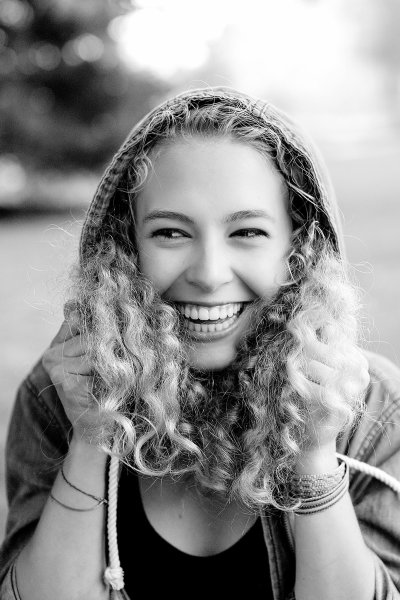
lynseymattingly10I have one way that I do black and white images that I have programmed into a single action. Same with my color shots. I do whatever basic touch-up I’m going to do first, then I hit play for either my color or black and white action. Because I always photograph people, this simple task works for every photo I need to edit. It also has the added bonus of giving my images continuity and a signature look.

My color images look different than yours – and they should! You should have a color process that gives people a hint that you took the image. Same for monochrome; I want someone to look at a black and white photo I took and know “that’s one of Lynsey’s photos”. This not only cuts down on editing time, but also helps define your brand.

#3 – Run auto options

When I get tired because I’ve been editing for hours on end, I can stare at an image forever and know that it needs something but I have no idea what. This is when it’s time for two things: to change the music you’re listening to and to run an “auto” function – auto color, auto tone, or the auto RAW image editor – not typically to use it, but to see what your software, in all its brilliance, thinks you should do. Sometimes it will have good ideas and sometimes it won’t, but it will always gives you a look at the image in a different way, which can be extremely helpful.
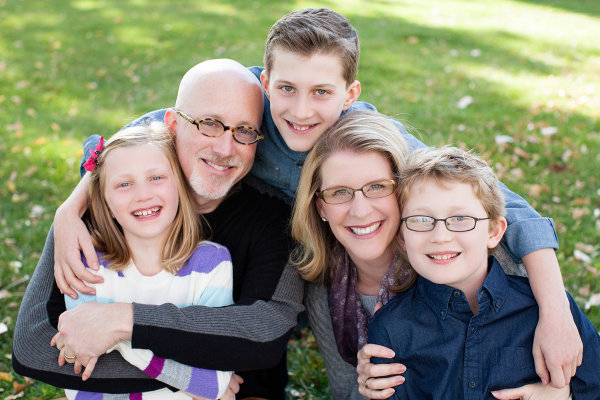
lynseymattingly2

#4 – Accept a few universal truths

Everyone has one eye that is larger than the other. Kids will always have a scratch or scab somewhere. Double chins can happen to anyone. Most adults have a physical feature they aren’t 100% happy with.

My husband has a gorgeous head of hair. At an age when many men are shaving their heads to supersede a bald spot, my husband gets asked if he does shampoo commercials. (He should, if only so we can become millionaires already, and get a pool.) You would think this would make for great pictures – not having to work with a shiny head reflecting everywhere – but you’d be wrong; you see, he hates his forehead. Which I think is ridiculous as it’s perfectly proportioned to his head and glorious hairline. But, even though he is my husband and knows I am always right, there is no convincing him on this issue. Nor is it my place to try when taking his picture.
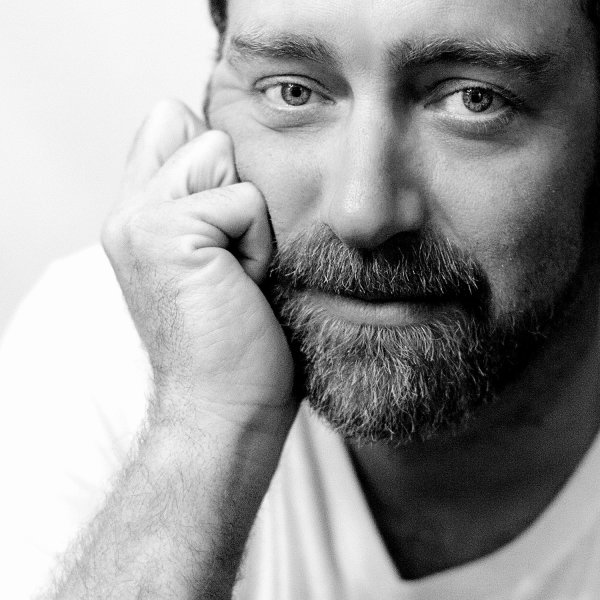
lynseymattingly9

The best thing I can do for anyone who expresses concern for a facial or body feature is give them a picture where they aren’t going to see their perceived flaw immediately. Pull out the great features so that you aren’t trying to both, take good pictures, and also change their mind.

#5 – Aim for people to look exactly like themselves, turned up ONE notch

You are not a plastic surgeon. We all want our clients to love photos of themselves but that shouldn’t come at the cost of you having to spend a great deal of time manipulating an image. My rule is simple: I don’t edit permanent features or make massive changes to faces or bodies. If you have a mole, I’m not going to touch it. But if you happen to have a pimple on picture day, fixing that is the least I can do for you. I sometimes dodge eyes lightly (keyboard shortcut O), but never in an obvious way. I may whiten teeth a bit (using the magnetic lasso and hue/saturation levels), smooth out a chin line (clone stamp and healing brush), or pull in a lumpy bit at the waist or otherwise (liquify and clone stamp), but only in a way that is more flattering and looks the way I know they usually would if they didn’t have a giant camera in their face, uncomfortable clothes on, and were running around after kids, or just generally feeling awkward like people tend to when someone is taking their picture.

lynseymattingly8

Like many other portrait photographers, I use a retouching tool (Totally Rad Pro Retouch action is my preference) that I apply liberally with the brush tool to all faces and then scale back by lowering the opacity. This allows for skin to look natural – normal skin has lines and freckles and areas rosier than others, but takes care of the small bumps and spots that cameras have a way of highlighting and putting on display.

What happens when you blow it? You took shots that no amount of editing could make great? You vow to do it right next time, that’s what. Here is a little lagniappe from me to you:

My five best quick portrait tips for getting it right in camera

1.) Shoot from above

Always have your subject lower than you so you are shooting downward. This can prevent double chins, unflattering angles, and in my husbands case, imaginary big foreheads. Unflattering portraits are most often due to bad camera angles and that is something that can’t be changed in any editing process.

2.) Avoid “dead light”

Shade is a wonderful thing for natural light photography, but large patches of shade, particularly in the morning hours, can often be very cold for color temperature. Everyone looks better with a little warmth, so strive to shoot in shady area that feel more warm in tone (think orange, yellow, red) than cool (blue).

3.) Suggest solid clothing or large scale prints. Small prints on a shirt tend to make people look larger.

4.) Photograph people doing something….anything. Avoid a boring portrait that is “all face” by having moment or action—this can be as small as involving their hands to frame their face or something more significant like leaning on wall or, my favorite, spinning.

5.) Talk honestly with your subjects beforehand. Find out what features they feel most comfortable with and anything they would like you to avoid or watch out for. I’ve heard it all, from people swearing they have tiny heads to people who felt their large feet would throw off the entire photo. The single best thing you can to ensure they will like their photo is listen to them before you even take one. It is not your job to tell them they are wrong about their insecurities–it’s your job to try and show them they are likely being over-critical. Hear their words so you will be mindful of their concerns and photograph them looking beautiful. Or handsome. Or at least like they don’t have a big forehead.

googletag.cmd.push(function() {
tablet_slots.push( googletag.defineSlot( “/1005424/_dPSv4_tab-all-article-bottom_(300×250)”, [300, 250], “pb-ad-78623” ).addService( googletag.pubads() ) ); } );

googletag.cmd.push(function() {
mobile_slots.push( googletag.defineSlot( “/1005424/_dPSv4_mob-all-article-bottom_(300×250)”, [300, 250], “pb-ad-78158” ).addService( googletag.pubads() ) ); } );

The post 5 Tips to Cut Your Portrait Editing Time in Half by Lynsey Mattingly appeared first on Digital Photography School.


Digital Photography School
 
Comments Off on 5 Tips to Cut Your Portrait Editing Time in Half

Posted in Photography


Winter Wedding Photography Tips: All You Need to Know

12 Jan

Winter weddings bring a lot of photography challenges because of weather, chilly winds and dark skies even in the day time. But still, many couples decide to have a winter wedding to enjoy the special discount on venues, catering and inexpensive honeymoon. The first thing that comes to our mind with winter weddings is bad weather– snowfall, temperatures below zero Continue Reading

The post Winter Wedding Photography Tips: All You Need to Know appeared first on Photodoto.


Photodoto

 
Comments Off on Winter Wedding Photography Tips: All You Need to Know

Posted in Photography


7 Tips for a More Anonymous Approach to Street Photography

08 Jan
©Valerie Jardin

©Valerie Jardin

Can you imagine a world without street photography? Think of the legacy that Doisneau, Cartier-Bresson, and lesser known pioneers of the genre left for us to enjoy for generations to come. We can all play a part in documenting the world around us, one photograph at a time.

One of the most common reservations people have about shooting street photography is the feeling of invading their subjects’ privacy. It’s a legitimate concern and one that can be addressed by following simple rules of respect. I always urge my workshop students to refrain from photographing people in vulnerable or embarrassing situations. It’s a simple rule: You should be able to put yourself in your subject’s shoes and be okay with your photograph being shared on social media. Photographing a beautiful story in a public place should never be a concern, anywhere in the world, if it is done with respect.

Unfortunately, as the genre gains more and more popularity, many photographers forget those essential rules of respect. That makes it even more difficult and intimidating for others to make their first steps in the exciting world of street photography.

If you are still hesitant, there are ways to include the human element in your photography without revealing their identity. Those methods can be very rewarding and make for very artistic images. So here are a few tips to help you do more anonymous street photography.

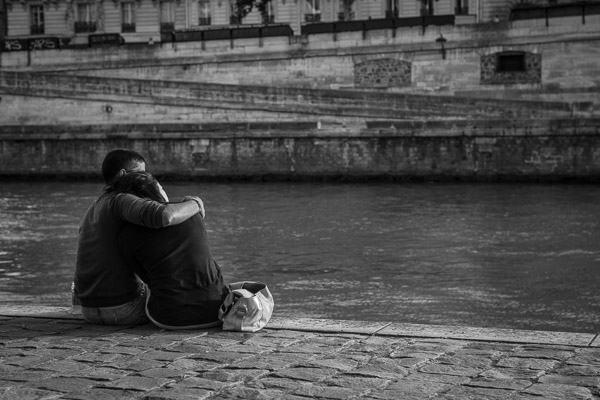
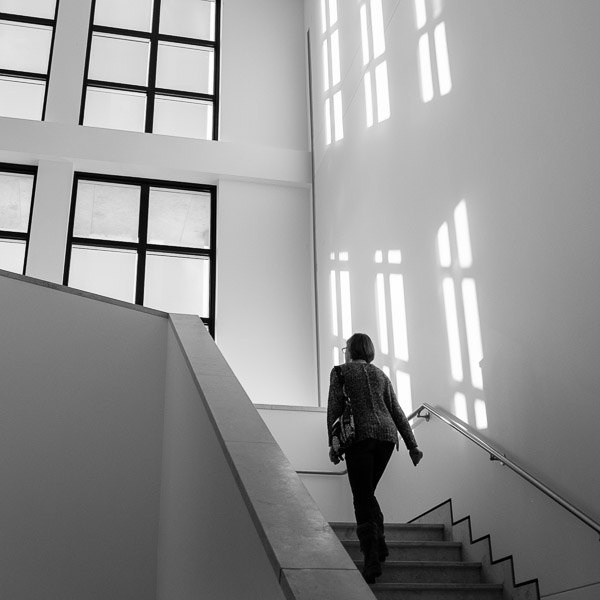
1. Photograph the back of people

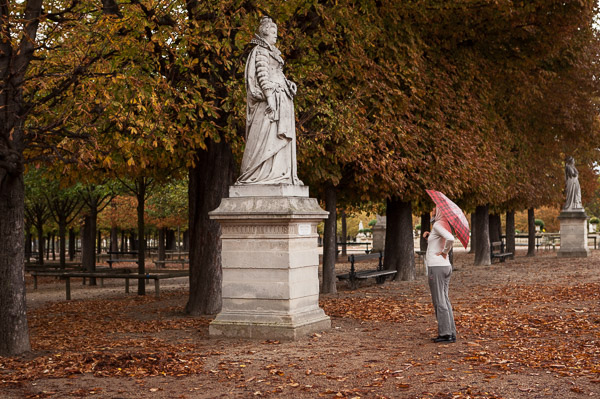
Not every subject photographed from behind will make a strong image. Gesture will be the biggest factor to consider. Background and light are also strong elements. Basically, your image should be stronger shot from behind than if you had photographed the same subjects while facing them.

©Valerie Jardin

©Valerie Jardin

©Valerie Jardin

©Valerie Jardin

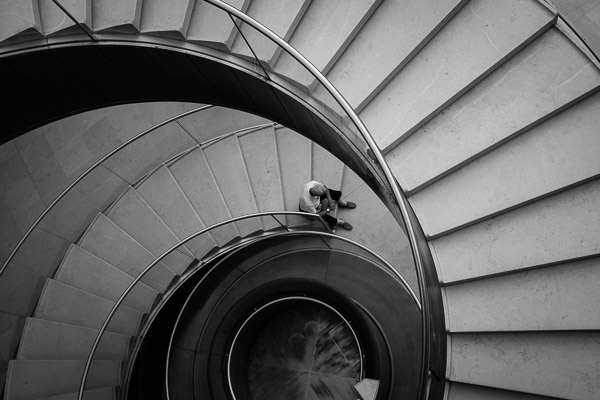
2. Minimalist approach

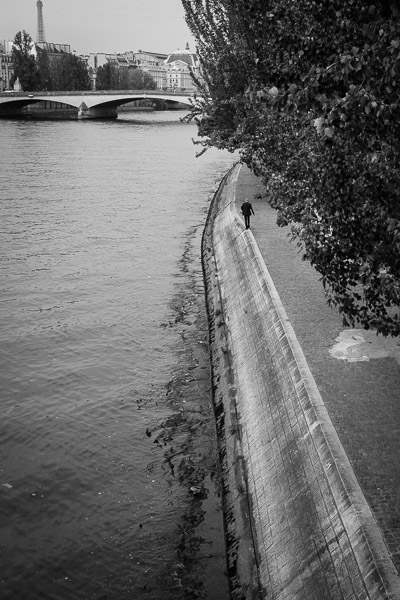
In a minimalist approach to street photography, your subject is usually quite small but becomes the focal point in an interesting urban landscape. Look for interesting architecture, repeated patterns, geometrical shapes, etc. They all make for very interesting backgrounds. Wait for the right subject to enter your frame, et voilà!

©Valerie Jardin

©Valerie Jardin

©Valerie Jardin

©Valerie Jardin

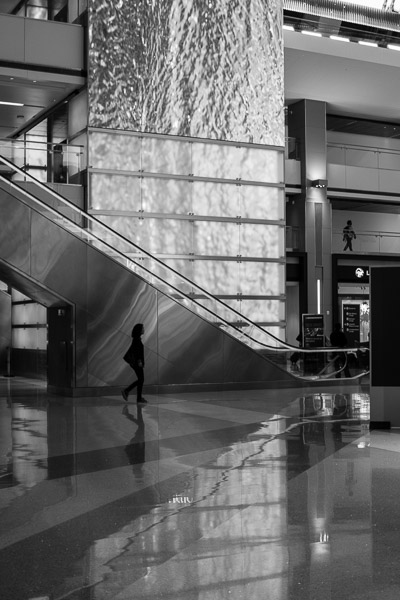
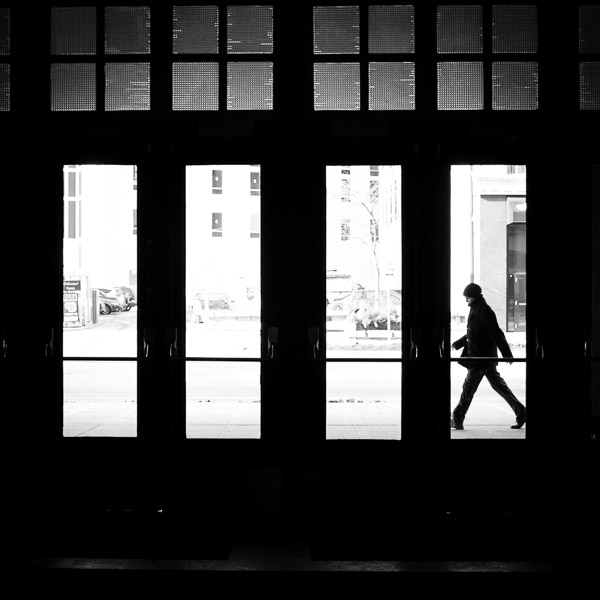
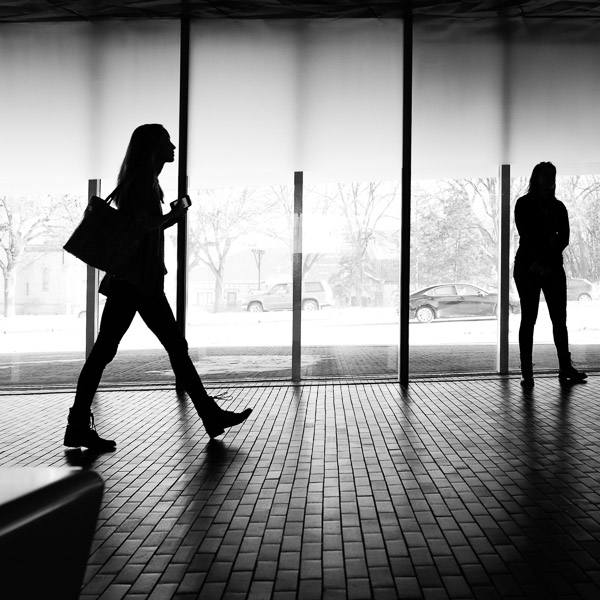
3. Silhouettes

Who doesn’t love to photograph silhouettes? Again, the subject has to be well defined. There should be as few distracting elements in front of your subject as possible. Don’t hesitate to blow out the highlights for a more dramatic silhouette. The less distinguishable the background, the better! Photographing the right gesture or step are the key to a successful silhouette.

©Valerie Jardin

©Valerie Jardin

©Valerie Jardin

©Valerie Jardin

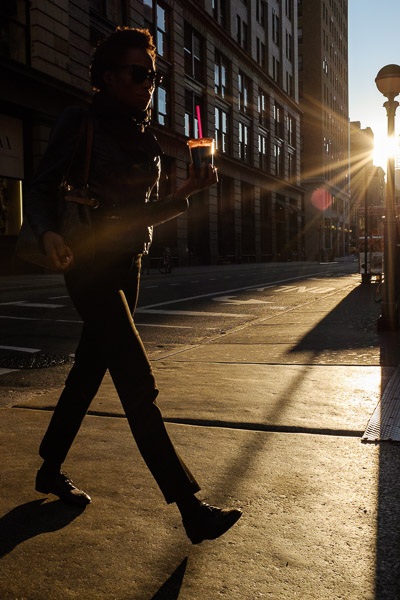
Shooting into the sun is also a great way to create a dramatic effect while maintaining the anonymity of your subject.

©Valerie Jardin

©Valerie Jardin

4. Far away subjects

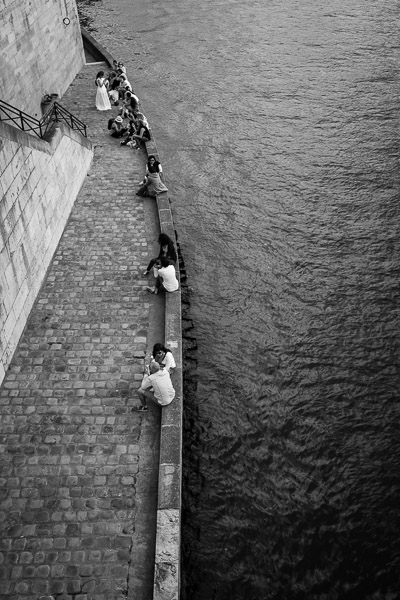
Street photography is best done up close for a more intimate image, but shooting from above or far away can make interesting photographs as well. The human elements, even small, draw the eye of the viewer without revealing their identity.

©Valerie Jardin

©Valerie Jardin

©Valerie Jardin

©Valerie Jardin

©Valerie Jardin

©Valerie Jardin

5. Motion

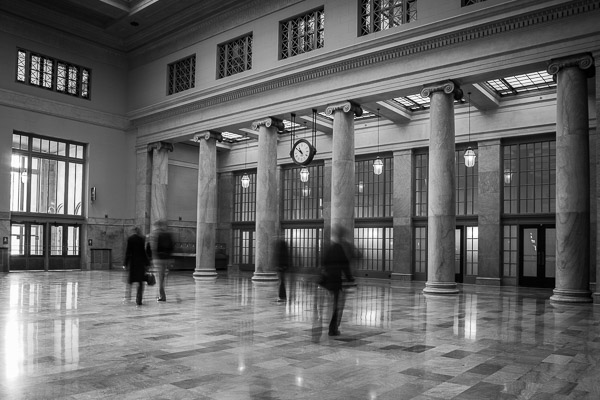
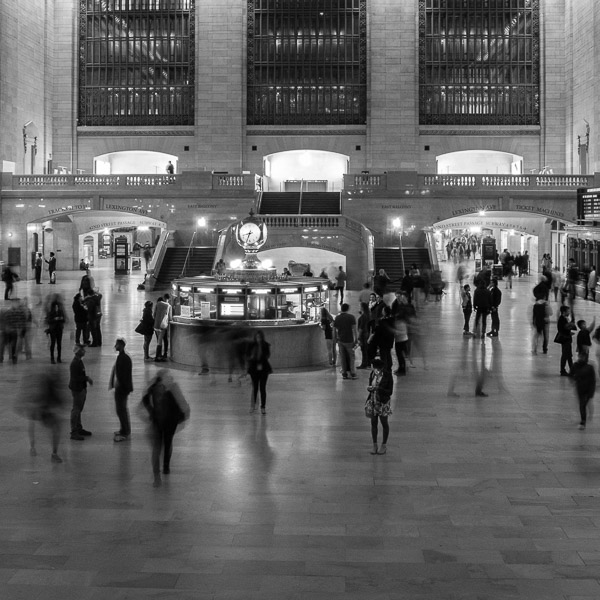
Long exposure to create some motion blur is also a really fun way to photograph people. This works well in busy places, such as train stations. The architecture has to be interesting as it will become the highlight of the image by being the sharpest element.

©Valerie Jardin

©Valerie Jardin

©Valerie Jardin

©Valerie Jardin

6. Darkness

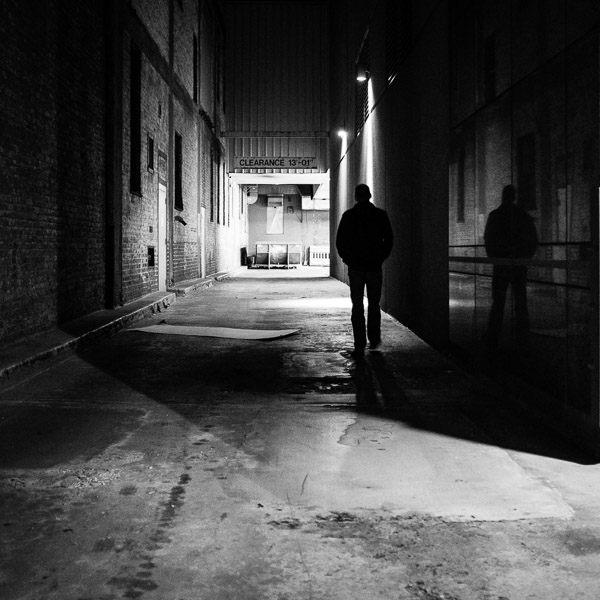
Crank up that ISO! Night street photography can be so much fun. Use your best judgement and stay safe!

©Valerie Jardin

©Valerie Jardin

7. Abstract

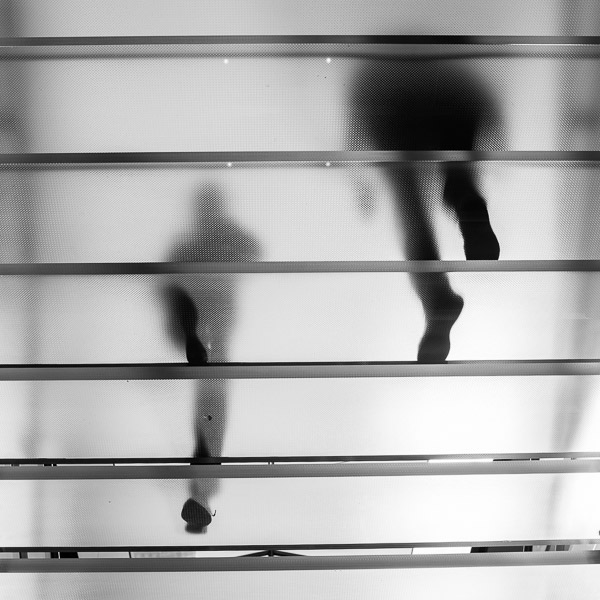
Think outside the box. Street photography doesn’t have to be about faces. Find more abstract ways to photograph strangers.

©Valerie Jardin

©Valerie Jardin

©Valerie Jardin

©Valerie Jardin

How do you approach candid street photography? Please share your experience with the dPS readers.

googletag.cmd.push(function() {
tablet_slots.push( googletag.defineSlot( “/1005424/_dPSv4_tab-all-article-bottom_(300×250)”, [300, 250], “pb-ad-78623” ).addService( googletag.pubads() ) ); } );

googletag.cmd.push(function() {
mobile_slots.push( googletag.defineSlot( “/1005424/_dPSv4_mob-all-article-bottom_(300×250)”, [300, 250], “pb-ad-78158” ).addService( googletag.pubads() ) ); } );

The post 7 Tips for a More Anonymous Approach to Street Photography by Valerie Jardin appeared first on Digital Photography School.


Digital Photography School
 
Comments Off on 7 Tips for a More Anonymous Approach to Street Photography

Posted in Photography


15 Tips for Protecting Your Images While Traveling

07 Jan

You have saved and saved and spent a large investment to go on a trip, on your photography gear, to photograph what matters to you, and to create lasting memories and images. Losing your images is not an option. Have you thought about the precautions to help make sure your images are safe after the shutter is pressed?

Many people cringe at the thought of losing their images while traveling or any other time for that matter, and rarely do they think it will happen to them. Yet, unfortunately the reality is that people lose their precious images.

Clearly mark all memory laptops gear 600px

Has your memory card ever suddenly decided to give you the dreaded “error” notice? Maybe your new back-up hard drive failed or maybe you simply lost your camera bag by leaving it in the over-head bin of the airplane? Sound familiar? Maybe one of these situations has happened to you, or one of the many other possibilities that can occur to ruin all of your dream trip photography has taken place.

No you say? It hasn’t happened to you yet? GREAT! This means up until this point you have been fortunate or hopefully properly prepared. The saying “Those that back-up and those that will” comes to mind. Having lead photographic tours all around the world, the amount of times images I have seen lost by photographers, is truly staggering. Don’t let it happen to you! After all, some would argue that the most important part of their trip is their images. So why do people not take more time to properly protect the fruit of all their investment and labor, their images?

Here are some helpful tips and hints to keep your most precious commodity of your travels, your images, safe.

#1 Get into a system

Create an organized system and do not waiver from it! Follow the hints below, set up a system, and be consistent.

Consistent system 600px

#2 Keep non-downloaded cards unique

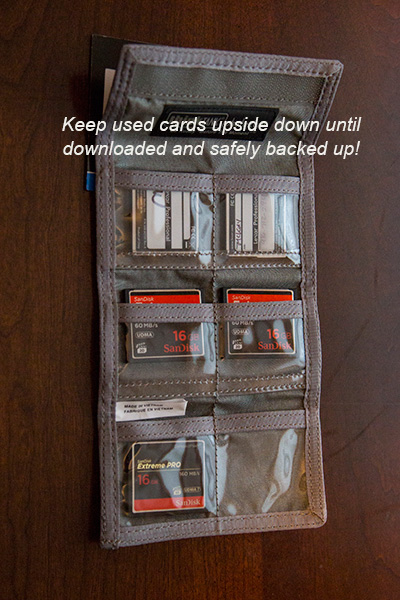
In your card carrier case, keep all non-downloaded memory cards upside down. In this way, you know the card is not ready for use. When you have downloaded AND backed up, at that time place the card right side up again. It is now ready to use.

Keep used cards upside down 600px

#3 Format your memory cards

Before each use, format and make sure your card is clean before using. This makes sure the card is completely ready to go. Of course, only do this if all of your current images on the card are downloaded AND backed up!

#4 Don’t put all your eggs(images) in one basket

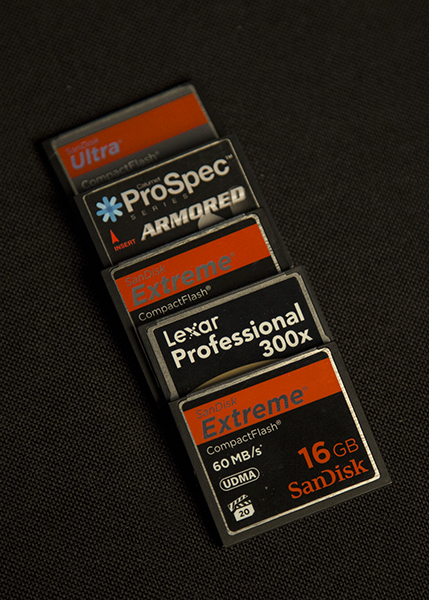
Simply put, do not buy the largest memory card money can buy and shoot your entire trip on one card. Buy smaller ones, then if you lose a card or one goes bad, you at least have a portion of your trip images still.

#5 Bring PLENTY of high quality memory cards

Memory cards have come down in price drastically. In order to have all your images on many different cards, invest in plenty of memory. It makes no sense to spend thousands of dollars on a trip, gear, and more only to skimp a few dollars on what holds the memories!

Diversify your shootng on several cards

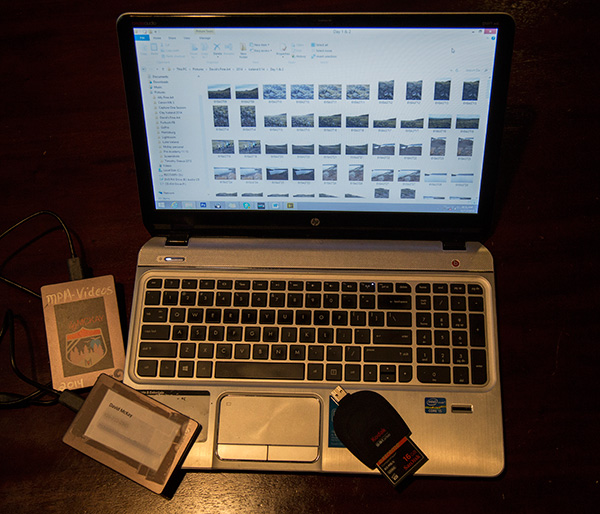
#6 Download and backup every day

Once you return to the hotel room, you may be tired, but your images are worth the little extra effort to download immediately and then backup to a secondary device.

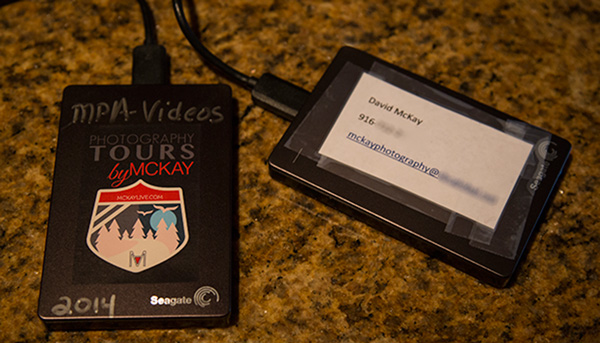
#7 Always carry an external hard drive

As soon as you download to your laptop, be sure to immediately backup to an external hard drive as well. The price of memory is so inexpensive; there is absolutely no reason to not be carrying a lightweight external hard drive.

External light weight hard drives are inexpensive and easy to carry 600px

#8 Carry your used memory cards on you physically

This reduces this risk of loss due to theft of your gear, leaving your gear accidentally, or in case you must check your gear for any reason either on a flight or gate check.

#9 Don’t erase your images

Unless you are out of cards to use and it is absolutely needed, do not erase the images. If you are downloading and backing up, now you have them in three locations. If you follow the hint about having plenty of memory, this should not be a problem.

#10 Use the dual card slot on your camera

Some cameras have dual card slots. The Canon 5d Mk3 as an example allows you to use a CF card in one and an SD in the other. When you shoot, the system can be set to automatically write to both cards. This is great, yet it does take longer to save as it requires longer write time. This is no excuse for NOT following the other hints.

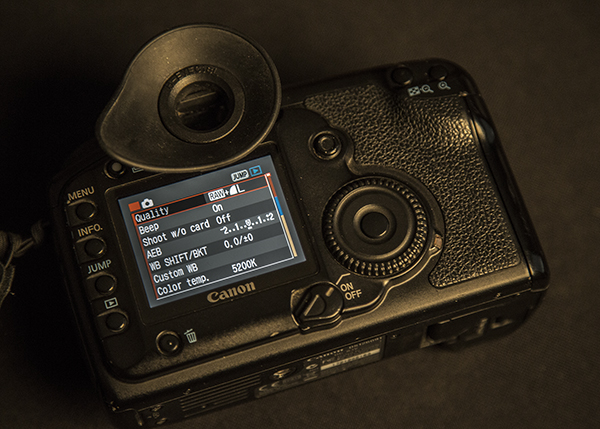
#11 Shoot RAW and large Jpeg files

Recovery software available cannot recover RAW data as easily as a Jpeg. For this reason, if you shoot with both RAW and Jpeg, you have a higher likelihood of being able to recover images if a card goes bad. You may not have the best image if you lost your RAW data, but at the very least you will have a high quality Jpeg which as we all know, is still great quality. This of course requires more usage of memory, so once again, see #5 above and carry plenty of cards!

Shoot RAW PLUS Large Jpeg

#12 Partner up

If traveling with another person or group, buddy up with a partner to carry your external hard drive of backup images and you carry theirs. In this way, your images are on you physically on your memory cards and laptop, and then in case something happens, another set is with another person.

#13 Contact info

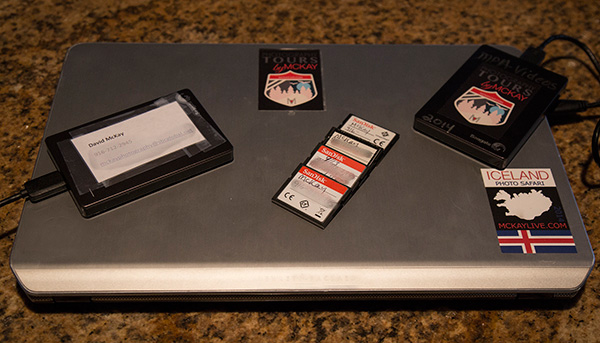
Be sure to write your phone number and email address on all your memory cards, hard drives, laptop, card carrying case, and camera bag.

Clearly mark all memory laptops gear 600px

#14 Store a backup of your images from home

Answer this question: If you were away and your home had a fire, would you possibly lose your images? If the answer is yes, you have some work to do. Carry a back-up of your home computer hard drive with you or have one at another location. Also, keep hard drives in fire-proof safes.

#15 Use online storage

Many companies such as Dropbox, Carbonite, Amazon, and more offer excellent, inexpensive online storage solutions. The issue is that while traveling, you may not have good internet connections and it can take forever to load your RAW images or large files.

Do you have any other methods or tips for keeping your images safe when you travel? Please share in the comments below.

googletag.cmd.push(function() {
tablet_slots.push( googletag.defineSlot( “/1005424/_dPSv4_tab-all-article-bottom_(300×250)”, [300, 250], “pb-ad-78623” ).addService( googletag.pubads() ) ); } );

googletag.cmd.push(function() {
mobile_slots.push( googletag.defineSlot( “/1005424/_dPSv4_mob-all-article-bottom_(300×250)”, [300, 250], “pb-ad-78158” ).addService( googletag.pubads() ) ); } );

The post 15 Tips for Protecting Your Images While Traveling by David McKay appeared first on Digital Photography School.


Digital Photography School
 
Comments Off on 15 Tips for Protecting Your Images While Traveling

Posted in Photography


5 Tips for Goal Setting for You and Your Photography Business

06 Jan

Last December, no doubt thanks to data driven marketing, a little red ad with festive fireworks graphics kept popping up in my Facebook feed asking me: “WILL YOUR PHOTOGRAPHY BUSINESS SUCCEED OR FAIL IN 2014?” Over and over it found its way to my eyeballs and dared me to click, and apparently peek into my very own crystal ball, yet I couldn’t bring myself to do it. In all caps screaming at me, it seemed to suggest more seriousness than I can handle this time of year.

And the fireworks secretly conveyed what it really was saying: “WILL YOU BE CELEBRATING OR GOING DOWN IN A BURNING VORTEX OF SHAME AND REGRET?”. For all I know, it was a dead link. Or when I click on it, I end up on that site for an indoor cycling class that Facebook seems to think I will enjoy even though taking an indoor cycling class sounds slightly less interesting than performing my own root canal with pliers and whiskey on my kitchen floor.

lynseymattingly7

I’m not one for New Year resolutions, and not just because they often involve exercise. I have found that they easily end up being nothing more than petty promises you make to yourself that turn into guilt once it becomes evident they were unrealistic and therefore, unachievable. What I do love though, is goal setting and fresh starts; a new year is perfect for both. Specific goal setting is a very personal thing – one that no one, or any “How To” article, can help you write. I can however offer you some tips for what the most successful goal setting includes.

Tips for goal setting for your business

lynseymattingly2

1) Be realistic

I know – realistic is boring. Realistic lacks that exotic appeal, that wild and crazy offer. But setting yourself up for disappointment and ending up in that burning vortex of shame and regret scenario, isn’t appealing either. I’m not likely to photograph a cover for Time Magazine this year. I’m not even likely to have a photograph on the front page of my local newspaper. Partly because I don’t work for either publication. Last year I had photographs published in one international magazine, two US-based publications, and a few images featured in a large gallery show. Every single one of those was a surprise – random opportunities that fell in my lap which I couldn’t have set as a goal because I didn’t know they were possibilities.

Practical goal setting should be flexible enough to accommodate opportunities you couldn’t have imagined and able to adapt and change as your business and your style does. Goals do not need to be small to be realistic. Shoot for the moon, but keep in mind that the idea of building a space shuttle sounds like a lot more fun on January 1st than it will in mid-July.

lynseymattingly5

2) Treat it like a business

This is a goal I have every year; to not let it get so personal. I want to be able to hear constructive feedback about my images without feeling personally attacked, to not allow negative energy to kill my buzz, to not give away the farm, to keep office hours, to not edit with one hand and make dinner for my kids with the other. It’s a struggle. Possibly my biggest. Partly because it is personal.

I don’t know a single professional photographer who became one because they needed a job and photography was there and was easy. We get into this business because we love taking pictures. What a dreamy situation – to take an art, a hobby, and turn it into your career. It’s easy to keep dodging and burning the midnight Photoshop oil when you are having success doing something you love. To avoid burn-out and keep your basic love of photography intact, work at maintaining a life/work balance. If taking pictures is how you make a living, do the tasks that aren’t as fun creating images, during actual normal working hours. Commit to not taking on too much, or doing jobs for free or cheap just to be nice. Build your portfolio with intention so you are not just shooting everything that comes your way for no personal purpose. Hire out the tasks that keep you from being able to focus on the parts of your business only you can do.

lynseymattingly6

3) Clean up your work space

Several years ago I was in a terrible funk and I couldn’t figure out exactly why. I was telling a close friend that every time I came home, I felt defeated and just wanted to crawl into my bed and ignore the world. She walked into my laundry room – the room I usually use to enter my house connecting my garage to my kitchen and said, “Of course you do. I imagine this being the first thing you see when you get home is very, very depressing.” My laundry room was a sad beige disaster of papers and junk, not to mention laundry for days. If you managed to shove the door all the way open, you were rewarded by something falling on you or having to do a complicated dance routine to step over whatever was on the floor. It took a candid friend to see that being welcomed home by that was enough to make me want to run away. It was the push I needed to organized the junk, paint the walls a cheery yellow, put in happy lighting, and install a shiny new floor. This was life changing and made coming home something I looked forward to, instead of dreading.

lynseymattingly1If I could, I would visit each of your work spaces and clean off your desk, dust your computer screen and throw away all of those scraps of paper you are saving in your top drawer that you just don’t need. I would make sure your chair was adjusted for optimal comfort and productivity, then place your favorite picture in a beautiful frame right next to you to make you smile and give you a little extra motivation when you need it most. I would untangle your electric cords and label your business folders and toss all of the nagging Post-It notes that remind you of what you haven’t done. I would go through your computer where I would first check out your music collection and judge you completely based on it and then send unneeded files, shortcuts, and applications to the trash bin. I would reformat all of your memory cards, charge all of your batteries, and carefully wipe down all of your lenses. I would send in the little elves to magically clean your camera sensor and careful wipe all of the grime and grunge off the viewfinder and buttons with the most gentle precision. I would even get you a big glass of ice water with a crazy straw and place it next to you so you could work productively for hours on end and never have to be thirsty.

Obviously, I can’t do any of these things for you – but you can. Give yourself the gift of working in a space that works for you. Whether it’s an office, a studio or tiny corner of a closet – take the time to make it a place where you actually want to spend time.

4) Focus on one topic at a time

lynseymattingly3

There is so much information out there for photographers. Some of it good, some of it opinion, some of it completely unnecessary. As a person who gets overwhelmed easily, I have to remember to not overindulge in the information I allow my brain to soak up. I like to pick one topic or area that I want to learn more about or focus on at a time. This way I read anything I find interesting, but if it’s not something I need to look into and not about my dedicated topic, I can let it go. Last year I learned as much as I could about copyright. If an article popped up about copyright, I would read it immediately. I spent time researching and finding ways to change and better my photography practices based on copyright laws. This year, I want to work on indoor natural light photography. This keeps me from overindulging in tips and ideas that will only drown me with information I’m not likely to need or use right now.

lynseymattingly4

5) Invest in your business, your brand, and yourself

Starting any business takes time and money. The first couple of years are often about keeping afloat, and it’s easy to see basic needs as expenses that can be saved for later. Looking back, I wish I would have built a few things stronger the first time.

I wish I would have purchased a better camera body right from the get-go instead of trying to skimp where I thought I could save some money, only to end up needing a new one much sooner. I wish I would have taken the time to have my computer professionally fixed to accommodate running a large program like Photoshop all of the time. Then my editing would have been faster and I would have wasted less time waiting for large images to load. I wish I would have done my portfolio building based on the pictures I wanted to take, not the ones that people seemed to demand.

The little things I could have invested in would have saved me a lot of trouble, time, and often cash, down the line. Having the tools you need, the resources to use, and the abilities and desire to put it all together and work hard, is the difference between flirting with photography and making it a business.

lynseymattingly9

Every January I have no idea what the year will bring, and every December I find myself in a place I couldn’t have even predicted, but often in a place I had hoped for. Goal setting is the closest you can come to actually (please forgive the corniness) writing your own destiny. This year I want to work on my personal photography project, write more, update my websites and blogs, and never, ever find myself in an indoor cycling class.

What do you hope to achieve this year in your photography?

googletag.cmd.push(function() {
tablet_slots.push( googletag.defineSlot( “/1005424/_dPSv4_tab-all-article-bottom_(300×250)”, [300, 250], “pb-ad-78623” ).addService( googletag.pubads() ) ); } );

googletag.cmd.push(function() {
mobile_slots.push( googletag.defineSlot( “/1005424/_dPSv4_mob-all-article-bottom_(300×250)”, [300, 250], “pb-ad-78158” ).addService( googletag.pubads() ) ); } );

The post 5 Tips for Goal Setting for You and Your Photography Business by Lynsey Mattingly appeared first on Digital Photography School.


Digital Photography School
 
Comments Off on 5 Tips for Goal Setting for You and Your Photography Business

Posted in Photography


8 Tips to Push You and Your Photography Business out of a Rut

05 Jan
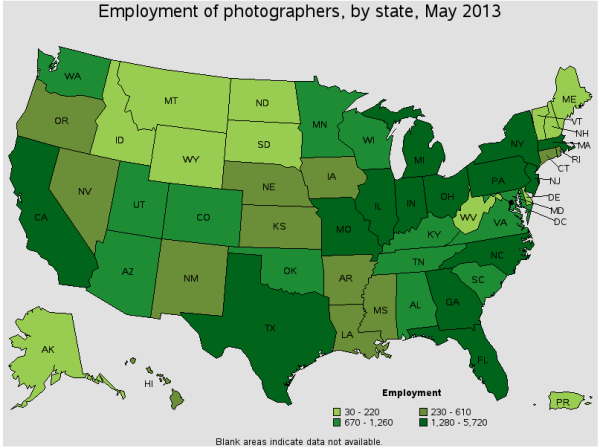
For many people, choosing to become a photographer is as easy as buying a good DSLR camera, taking pictures of their family and friends, creating a free website and/or social media accounts and announcing to the world that they are ready for business. There are some very interesting statistics from the US Department of Labor on the number of photographers in the US broken down on a state by state basis. Larger metro areas have more photographers than rural countryside communities. Keep in mind, this data is only for the US. There is similar statistics available for the photographic industry for most other countries as well.
Employment of Photographers by State according to the US Department of Labor Statistics

Per US Department of Labor Statistics, May 2013

The same report, US Department of Labor Statistics, May 2013, states that the mean hourly wage is $ 17.88 and mean annual salary in 2013 was $ 37,190 – a good chunk of change for the above average hobbyist as well.

Becoming a photographer has low cost of entry (entry level DSLRs with a kit lens are around $ 1000-$ 1500), low barriers to entry, (home studios or outdoor sessions) and in most cases an education or a photography related degree is not required. Often times, as with most other professions, it is not what you know but who you know. If you happen to have a huge social circle or attract clients who have huge social circles, word-of-mouth and viral social media posts makes you famous almost overnight.

Unfortunately, the same social media and online marketing can also have a detrimental effect on photographers. It is very easy for a new photographer, or even a seasoned one, to feel overwhelmed and demotivated. Feelings of jealously, lack of confidence or even self doubt are very common and occur often. However with a few simple but effective steps, you can get out of your photographic rut, end your pity party of one, and get back to the profession you fell in love with. These steps will help you invest time in yourself, invest time in your community, and invest time in your craft to differentiate yourself from your competition and get noticed by clients, both present and future ones.

#1 Start personal projects

Personal projects are a great way to fall back in love with the art of photography. Personal projects can be something within your genre of photography, or completely different. It doesn’t really matter, as long as it is something that peeks your interest and keeps you motivated. Be realistic in the time and cost commitment required for your personal projects. You may decide that you want to keep this personal and not share it with your friends and clients. That’s perfectly fine. If you choose to keep it private, take notes and keep a log. It will help you stay on track. If you share it with your online audience, make it interactive, ask for advice or even suggestions of topics from your friends and fans. There is no right or wrong as long as you are committed.
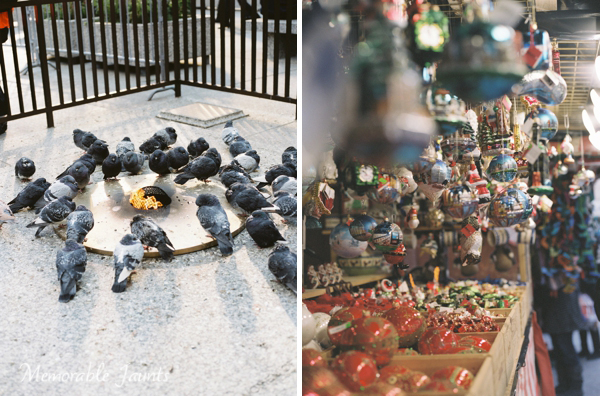
Medium Format Film Mamiya Christmas Market in Downtown Chicago by Memorable Jaunts

One of my personal projects is photographing with film – medium format and 35mm from a recent photowalk in Downtown Chicago

#2 Re-examine your portfolio

Do a through examination of your portfolio and see what areas need attention. Make sure your portfolio and website reflect your best work. If you feel you are lacking in areas that you want to specialize in, take note. Make specific goals and work toward filling those gaps. You know the age old saying – by acknowledging your weaknesses, you are one step closer to fixing them.

#3 Make friends in the industry

Reach out to other photographers in your area and invite them for a cup of coffee. Make friends. Remember to keep conversations light and general. Don’t be a ‘Debbie Downer‘ in the your very first meeting. Be genuine and show interest in their business as well. Be honest and ask them for advice on how they got over a photography rut. Organize photo walks or photo excursions with your new friends. Often times, just being able to talk shop with another person in the same industry is motivating enough to help you get out of your rut.
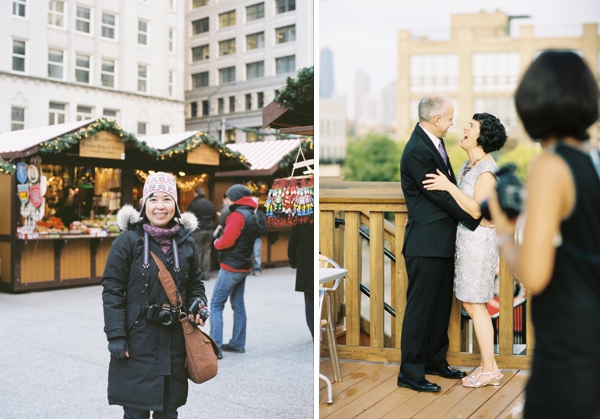
Making Friends with Fellow Photographers Memorable Jaunts

My talented friends – lifestyle film photographer Sachiko Eubanks Photography and wedding photographer Aparna of Photography by Aparna Paul Jain

#4 Rebuild your portfolio

Do you still have the contact information for those people who first helped launch your career. Reach out and ask them if they would be willing to help you update your portfolio. Chances are your style has evolved and changed. These friends and followers helped you before, perhaps they are willing to do it again. But definitely make it worth their time; either offer a free session or a discount – whatever makes more sense for your current situation.

#5 Attend workshops, seminars, and online events

Like most other professions, the photography industry is continually evolving and changing. There are numerous workshops, seminars, and even free online events and tutorials to keep you busy during the slow season. Keeping abreast of the latest in any business is a good thing. It shows your clients, both present and future ones, that you value your business enough to invest in it.
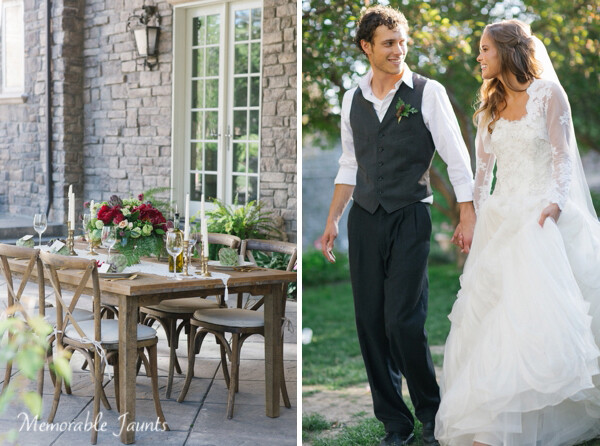
Denver Colorado Wedding Photographer Memorable Jaunts Wedding BrideGroom Portraits

Attending workshops provides a platform to learn new techniques, network with other photographers and updated photos for your portfolio

#6 Volunteer your services

There are many great organizations and services out there. Find a few that you are passionate about and reach out to see if they need a volunteer photographer. Remember to be honest about your time commitment. If you can only volunteer your services during the slow season, let them know so they can plan accordingly. Remember if you are genuine and true, your images will reflect that passion and people will respect you more for wanting to contribute to the community.

Downers Grove Humane Society Volunteer Photographer Memorable Jaunts

My time volunteering at the local humane society has been one of the most rewarding experiences to date – I would adopt all of them if I could!

#7 Join photography clubs and groups

There are many great online and local community resources for photographers. Meetup.com is one very popular site that has many different photography clubs. There are generally a wide range of photography enthusiasts in every club and it is likely that you will have a good time. Go with an open mind and not with the attitude of, “What’s in it for me?”.

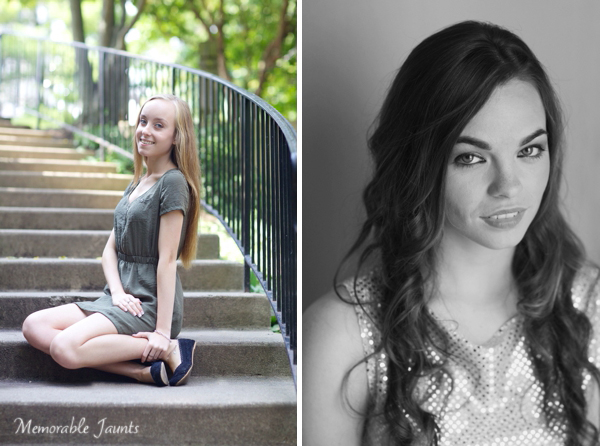
Naperville Illinois High School Seniors Glamour Portrait Photographer Memorable Jaunts

Participating in photowalks and shoot outs with other photographers has given me the experience of photographing a variety of subjects like high school seniors

#8 Honesty really is the best policy

Don’t just give the elusion of staying busy – actually get busy. Be honest and upfront with your clients. It is perfectly okay to say you are experimenting with black and white, dabbling with newborn photography, or working on landscape photos. Prospective clients will research and find all everything they want to know about you via social media, so be truthful.

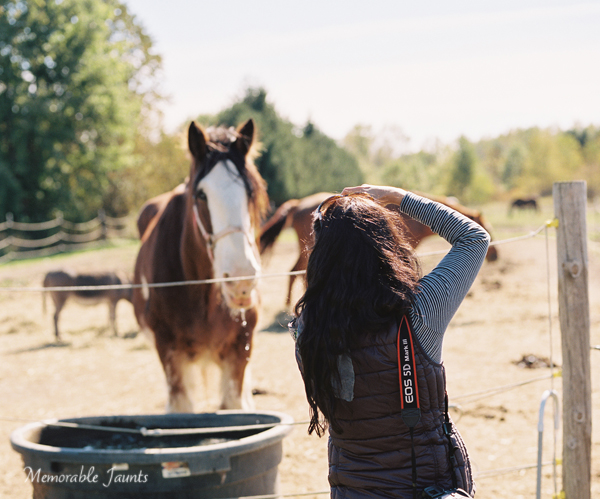
Photographing Horses on film during the slow season Memorable Jaunts

Equestrian photos on film – photo credit Sachiko Eubanks Photography during one of our photography excursions

Lastly, keep your chin up and roll with the punches. Everyone goes through tough times in their lives and businesses at some point or the other. The key is to recognize that this is just a phase and it too shall pass.

googletag.cmd.push(function() {
tablet_slots.push( googletag.defineSlot( “/1005424/_dPSv4_tab-all-article-bottom_(300×250)”, [300, 250], “pb-ad-78623” ).addService( googletag.pubads() ) ); } );

googletag.cmd.push(function() {
mobile_slots.push( googletag.defineSlot( “/1005424/_dPSv4_mob-all-article-bottom_(300×250)”, [300, 250], “pb-ad-78158” ).addService( googletag.pubads() ) ); } );

The post 8 Tips to Push You and Your Photography Business out of a Rut by Karthika Gupta appeared first on Digital Photography School.


Digital Photography School
 
Comments Off on 8 Tips to Push You and Your Photography Business out of a Rut

Posted in Photography


Best Travel Photography Tips of 2014

31 Dec

traveltips_Georgia_2.jpg

Travel photography is one of the most popular topics here on dPS. Things often seem more interesting to photograph when we are away from home, travelling somewhere exciting or just new. Here are some of the highest rated travel photography articles on dPS in 2014. In no particular order:

  • The Only Three Lenses You Need for Travel Photography
  • The Worst Mistake a Travel Photographer Can Make
  • Off Camera Flash for Your Travel Photography
  • 20 More Photography Tips Every Travel Photographer Must Know
  • 6 Tips for Photographing People When Travelling
  • 7 Proven Ways to Come Home with Better Travel Photos
  • 10 Ways to Improve Your Travel Photography Portraits
  • 5 Simple Tips to Improve Your Travel Photos
  • Versatility – Your Guide to Shooting Great Travel Photography
  • 6 Tips for More Unique Travel Photos in Busy Tourist Locations
  • Travel Photography without the Travel – Going Local
  • Overcoming the Fear – Creating Better Travel Photography Portraits
  • How to Get the Most Out of a Travel Photography Location

googletag.cmd.push(function() {
tablet_slots.push( googletag.defineSlot( “/1005424/_dPSv4_tab-all-article-bottom_(300×250)”, [300, 250], “pb-ad-78623” ).addService( googletag.pubads() ) ); } );

googletag.cmd.push(function() {
mobile_slots.push( googletag.defineSlot( “/1005424/_dPSv4_mob-all-article-bottom_(300×250)”, [300, 250], “pb-ad-78158” ).addService( googletag.pubads() ) ); } );

The post Best Travel Photography Tips of 2014 by Darlene Hildebrandt appeared first on Digital Photography School.


Digital Photography School
 
Comments Off on Best Travel Photography Tips of 2014

Posted in Photography


Post-Processing Tips of the Year 2014 on dPS

31 Dec

What to do with all those photos after you’ve taken them is the question. Do you do any post-processing? Are you a minimalist? Or maybe you like do to HDR?

Zvi Kons

By Zvi Kons

Whatever your tendency this year had some helpful post-processing articles. Here are a few of the most popular ones from the last year:

Lightroom

  • 6 of Lightroom’s Hidden Treasures
  • Useful Lightroom Plug-ins
  • How to do Noise Reduction in Lightroom
  • Photoshop Versus Lightroom Which is Right for You?
  • Lightroom How To – One Tip and One Trick
  • Seven Pieces of Advice for New Lightroom Users
  • Improve Your Images with the Lightroom Graduated Filter Tool
  • Save Tons of Editing Time with Lightroom Presets
  • How to Create a Vintage Look using Lightroom
  • Step by Step Portrait Processing in Lightroom
  • Lightroom 5 Tips – Hidden Gems
  • Mastering Color in Lightroom using the HSL Tab

Photoshop

  • >3 Easy Steps Using Photoshop to Making your Images POP
  • 5 Photoshop Tools to Take Your Images from Good to Great
  • How to Use LAB Color in Photoshop to Add Punch to Your Images
  • 6 Commonly Used and Confused Tools in Photoshop Explained
  • Ten Go-to Editing Tips for Using Photoshop
  • 4 Tips for Post Processing Efficiency in Photoshop
  • Understanding Masking in Photoshop
  • How to Watermarking Images With Photoshop and Lightroom
  • Two Quick and Easy Photoshop Head-Swapping Techniques
  • How to Use Levels in Photoshop Correct Color and Contrast
  • How to do Quick and Easy Curves Adjustments in Photoshop
  • 3 Creative Uses of the Drop Shadow in Photoshop
  • How to do Great Black and White Conversions Using Photoshop
  • 5 Creative Ways to Process Infrared Photographs in Photoshop
  • A Beginners Introduction to Using Layers

Other

  • Are You Guilty of these 5 Over-Processing Sins?
  • Luminosity Masks Versus HDR Software For Creating Natural Looking HDR Images
  • Better Star Trails Photographs with StarStaX
  • HDR Vertorama Photography – How to Create Mind-bending Images
  • Getting to Know Picasa – a Free Image Editor and Browser by Google

googletag.cmd.push(function() {
tablet_slots.push( googletag.defineSlot( “/1005424/_dPSv4_tab-all-article-bottom_(300×250)”, [300, 250], “pb-ad-78623” ).addService( googletag.pubads() ) ); } );

googletag.cmd.push(function() {
mobile_slots.push( googletag.defineSlot( “/1005424/_dPSv4_mob-all-article-bottom_(300×250)”, [300, 250], “pb-ad-78158” ).addService( googletag.pubads() ) ); } );

The post Post-Processing Tips of the Year 2014 on dPS by Darlene Hildebrandt appeared first on Digital Photography School.


Digital Photography School
 
Comments Off on Post-Processing Tips of the Year 2014 on dPS

Posted in Photography


Top Portrait Tips of the Year on dPS

28 Dec


powerful-portrait-tips-17.jpg

If you like to do portraits here is a round up of some of the top portrait related articles on dPS in 2014. There are some really great tips here – get out and try them out:

  • 3 Simple Ways to Create Stunning Eyes in Your Portrait Photography
  • How to Improve Your Portrait Photography in Five Minutes
  • Using Composition to Create More Powerful Portraits
  • 15 Tips for More Powerful Portraits
  • How to Plan the Perfect Portrait Shoot
  • How to Create a Unique Bokeh Portrait for Under $ 10
  • 10 Portrait Tips to Take Your Photography to the Next Level
  • Tips for Great Beach Sunset Portraits
  • Tip for Using a Reflector for Portraits
  • How to Find Great Backgrounds for Portraits
  • DIY How to Build and Use a Reflector to Take Better Portraits
  • Tips for Taking Great Portraits in 10 Minutes or Less
  • 7 Tips for Interacting with People to Create Better Portraits
  • Tips For Great Indoor Portraits Using Natural Light
  • How Self-Portraiture Makes You a Better Photographer

Don’t forget dPS also has several portrait ebooks in our store. Check out the entire collection here.

googletag.cmd.push(function() {
tablet_slots.push( googletag.defineSlot( “/1005424/_dPSv4_tab-all-article-bottom_(300×250)”, [300, 250], “pb-ad-78623” ).addService( googletag.pubads() ) ); } );

googletag.cmd.push(function() {
mobile_slots.push( googletag.defineSlot( “/1005424/_dPSv4_mob-all-article-bottom_(300×250)”, [300, 250], “pb-ad-78158” ).addService( googletag.pubads() ) ); } );

The post Top Portrait Tips of the Year on dPS by Darlene Hildebrandt appeared first on Digital Photography School.


Digital Photography School
 
Comments Off on Top Portrait Tips of the Year on dPS

Posted in Photography