RSS
 

Posts Tagged ‘Tips’

11 Tips for Creating Stunning Photographs of Cities at Dawn

30 Jan

We’ve all seen hundreds of gorgeous photos of sunrises over beaches and beautiful landscapes. Of course they have the capacity to wow and inspire, but I would argue that it’s far more interesting to photographs cities at dawn. You have so much more to work with – buildings, graffiti, debris, rivers, glass, the odd person, roads, and greenery in the midst of all of this urban-ness. The possibilities to create unique photos are endless. So, if you combine all this intense city landscape with the wonderful and quickly-changing light of dawn, you have an amazing combination.
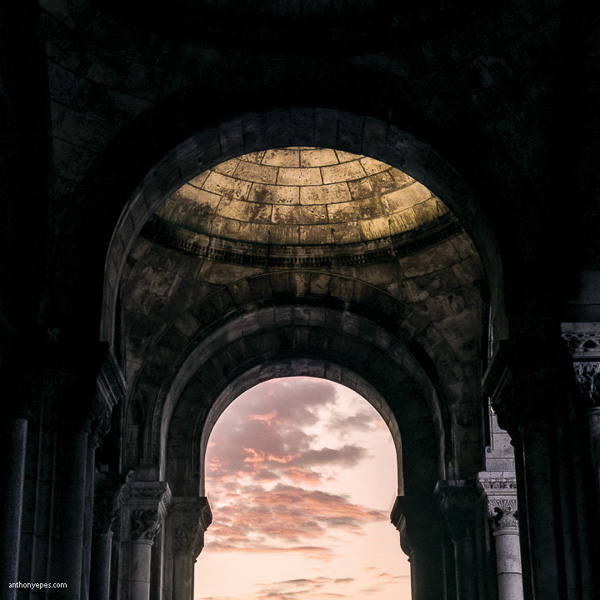
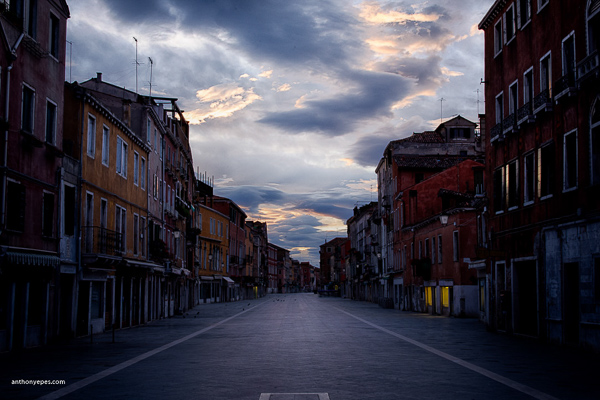
Anthonyepesphotography DPS 1

I’ve been shooting cities at dawn for over a decade now. For me cities are at their most inspiring when they are empty of people, traffic, and chaos and bathed in the beautiful light of dawn.

Here are 11 tips on how to create stunning photographs of cities at dawn:

1. Sunrise

Sunrise, especially when it’s an epic one, is obviously the focus for any early morning shoot. But it shouldn’t be just about capturing the sunrise.

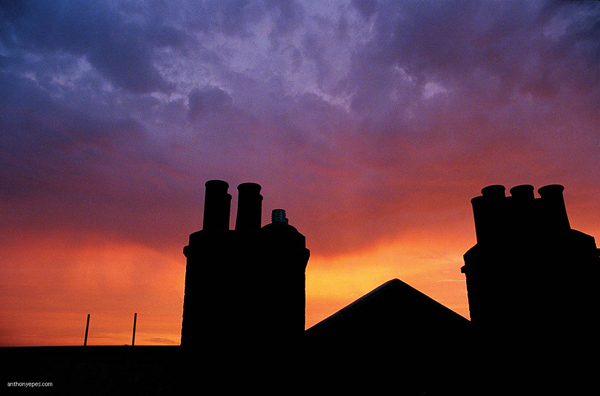
  • Clouds: To me what is special about any given morning is what kind of clouds are in the sky. Clouds are what make mornings different from day to day and are one of the reasons to keep going back to the same place again and again.
  • Other elements: Think about other elements you can use to enhance the photo. Try framing the sunrise, and the sky, to create an interesting contrast (see photo above).
  • Foreground: Find an interesting subject for your foreground, using the sunrise like a tapestry.
Anthonyepesphotography DPS 2

2. Emptiness

Being in a city (which is usually densely packed with people) suddenly deserted, creates a feeling that you are in a different world. You see the city as it really is, and it changes what you see but also what you photograph.

This sense of emptiness is made especially impactful when you photograph:

  • Tourist attractions
  • Roads
  • Monuments
  • Public squares

Anthonyepesphotography DPS 3

3. Varying types of light

The sunrise may be the shining moment of the morning, but don’t forget other unique qualities to early morning photography.

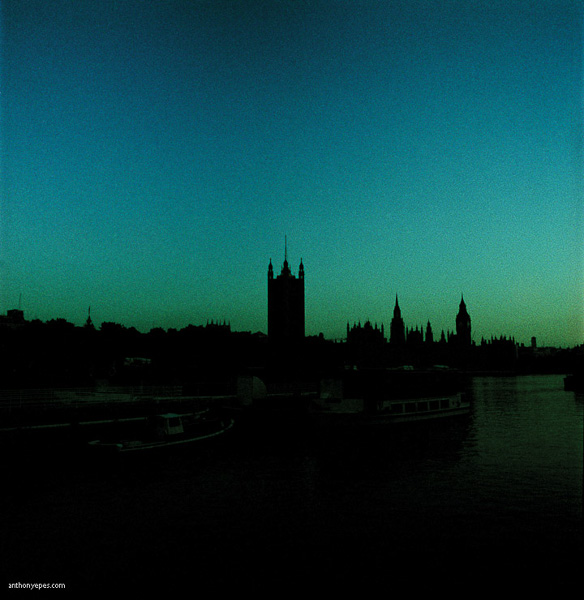
  • Blue hour: Is a very short time between night and sunrise, when the sky changes quickly from dark to light. It happens again before sunset, but at dawn the beauty of the blue hour is enhanced by the emptiness and stillness of the city. When you are shooting during the blue hour, be prepared as the light changes very quickly. Get your camera set up on a tripod and have your scene already composed, so that when it arrives and the light is changing, you won’t miss it. If you have a shot you really like, be patient, and shoot slowly as the light changes. Slowing down like this also creates the opportunity to relax enjoy the view and look around for the next shot.
Anthonyepesphotography DPS 4

  • Artificial and natural light: Contrasting artificial and natural light. There is a very short time at dawn when you have both, and the effect is beautiful.
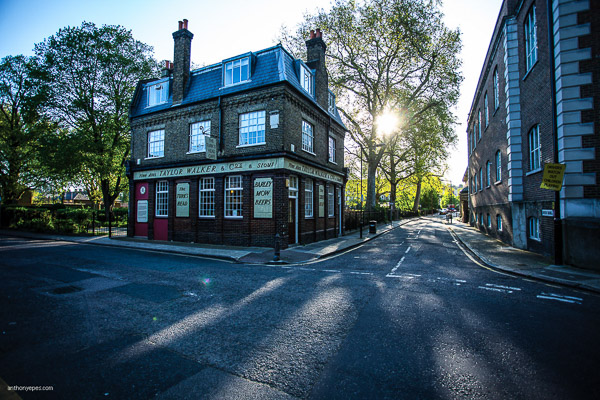
  • Low sun, long shadows: At dawn the sun rises from below the horizon and moves up into the sky at a height dependent on the time of year (and what part of the world you are in). The effect of a low sun is that it creates long shadows, which are stunningly effective with the low light of dawn. Stick around for a few hours after sunrise to capture the light falling over the streets and buildings like this:
Anthonyepesphotography DPS 5

4. Look for light sources

A bundle of different elements like buildings, roads, glass, and windows with the light falling onto them creates a myriad of opportunities for light to bounce, reflect, bend and distort. If you see light falling onto a wall, or reflecting onto a piece of glass, look for its source. It could be that the source is more interesting than the effect the light is creating.

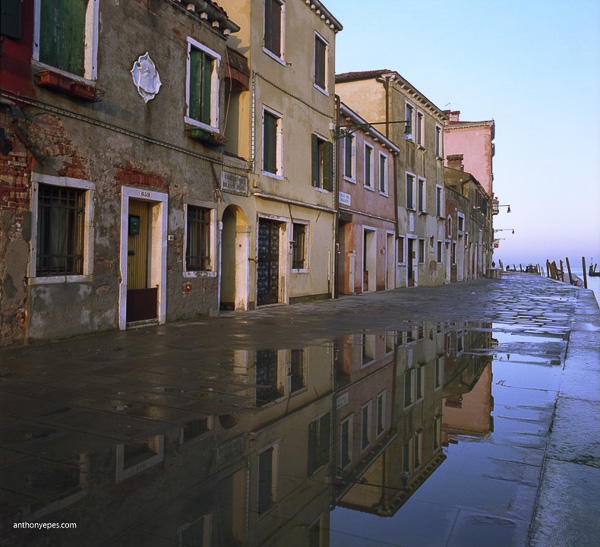
  • Reflections: Are a gem to photograph and dawn is such a brilliant time because there aren’t people crowding around disturbing them. Search out water as it’s usually still – puddles, canals, ponds and my favourite – glass buildings.
Anthonyepesphotography DPS 6

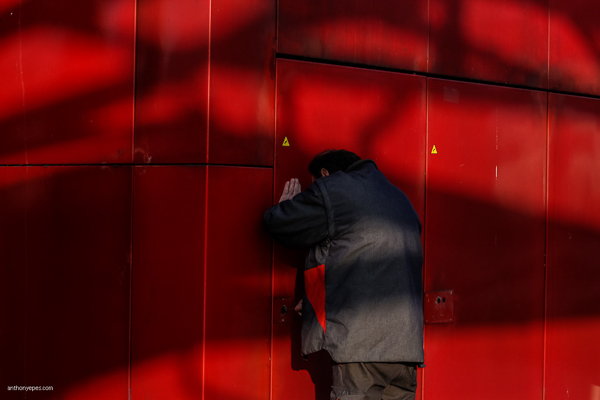
  • Light effects: The low sun creates a myriad of effects as it filters through trees, buildings and other city architecture. Look at this man, locking up, and how the shadows enhance the mood and meaning of the photo.
Anthonyepesphotography DPS 7

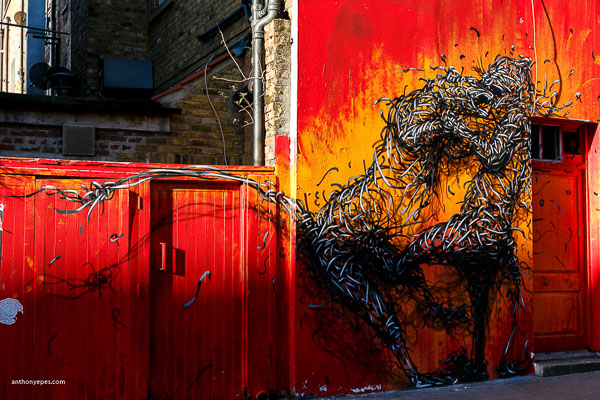
  • Use the light for contrast: Search out the unusual. I love the contrast of some of the rougher, decaying edges of a city with the vibrant light of dawn.
Anthonyepesphotography DPS 8

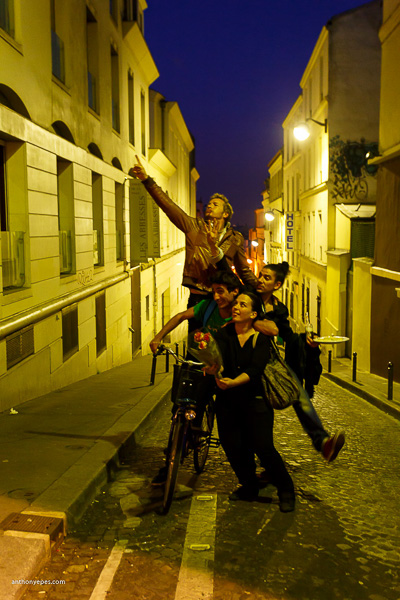
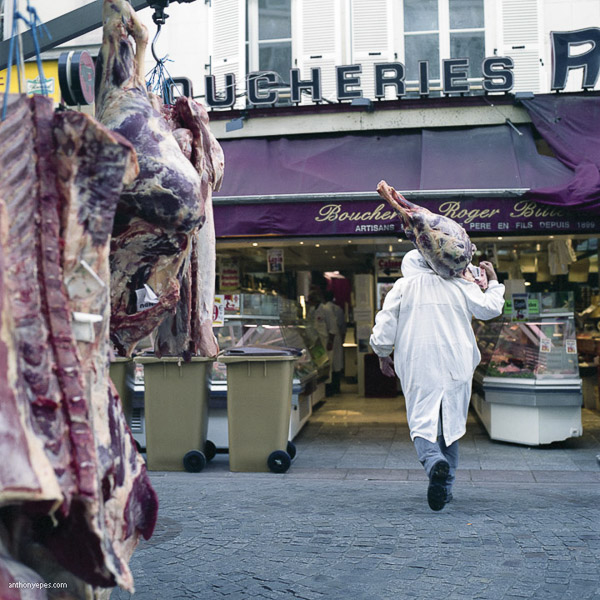
5. Seek out people – they are usually doing interesting things at dawn

Most people out at dawn are either working or they’ve been out all night enjoying themselves. They make interesting, and often very willing subjects!
Anthonyepesphotography DPS 9

Anthonyepesphotography DPS 10

6. Return to your favourite spots

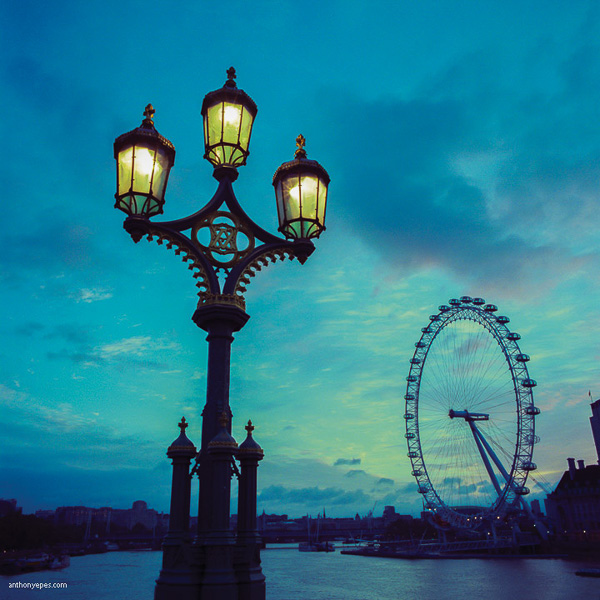
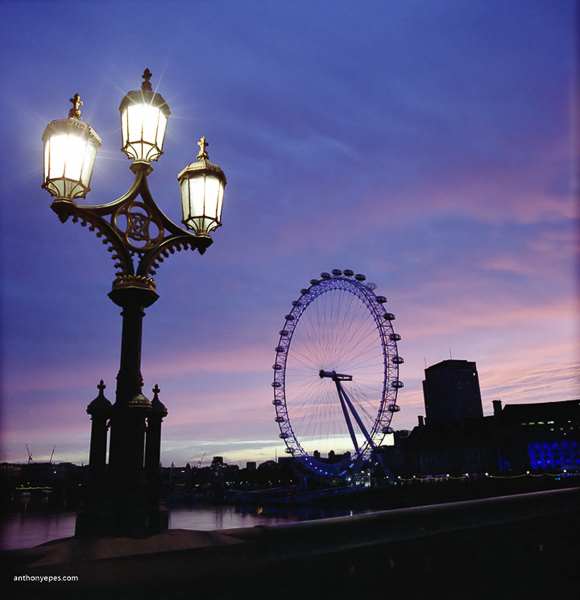
No two sunrises are the same. So, if you have a favourite spot, go back and photograph it on a different day, during different seasons. The quality of the light will be different, perhaps there will be changes in the cityscape (London is never the same year to year), you will notice contrasts. Give yourself a challenge, ask yourself: How can I make this same scene a distinctive photograph? What else can I do? Push yourself to create more unique photographs every day.
Anthonyepesphotography DPS 11

Anthonyepesphotography DPS 12

7. Explore

Go off the beaten track. Photographing the iconic sites is amazing in any city (it’s iconic for a reason, right?) and having St. Mark’s Square in Venice to yourself at dawn is a heady experience. But there are always so many areas of any city that are not so frequently photographed. It could be the docklands in London’s East End, the rough and run down area east of Paris’s Sacre Coeur or the eastern edge of Venice, where I found abandoned buildings and ancient fortresses. Everything seems other-worldly at dawn and worth exploring.

8. Look behind you (and above, below, around and everywhere)

When you are going out to shoot, it’s important to really look around you. Doesn’t this sound like a simple task that we spend all of our lives doing? Actually no! You will be surprised by how much we all miss as we rush around in the little bubble of our minds, distracted by our thoughts and our tasks for the day.

Don McCullin says it brilliantly: “You can feast your eyes on a daily basis, although I suspect the average man on the street goes through life with narrowed vision, not seeing the whole scope of what’s going on around him.”

If you want to create images with a WOW factor you have to pay attention to what’s around you. What the photo world calls, “The art of seeing”.

I find being out at dawn helps me see, because there isn’t the usual distractions, our senses are more heightened, it’s an unusual time of day to be awake (for most of us) and we are seeing our familiar streets and places in a new light.

9. Get started early

I like to have found my location before I go out. From there I wander, but it’s good to have a initial place so you don’t waste time. I like to be in this first location at least an hour, sometimes an hour and half, before sunrise. There are some incredible opportunities to photograph the blue hour.

10. Be prepared with your kit

The light changes very quickly at dawn, and you definitely don’t want to miss that spectacular sunrise. My essential kit list for dawn shooting includes:

  • A small torch (flashlight) for setting up your camera in the dark
  • A plastic bag for my camera in case it rains (cheap but it works!)
  • A visor or hat as walking into the sunlight is hard on the eyes
  • Gloves (it’s often cold at dawn, even in summer)
  • A light, but sturdy tripod, (you’ll need this for the first couple of hours, but then you’ll be carrying it, hence it should be light)

11. Get yourself acquainted with your camera

This may seem a bit obvious but it is something most people don’t do; know your camera. Lack of camera knowledge can turn a simple shoot into a difficult one (especially in the dark)! Know what all those buttons do, some may make your life easier.

Does that give you some ideas for photographing your city at dawn? Or perhaps getting up early on the next trip? Share your comments below please.

BIO
Photographer Anthony Epes is currently publishing a series of photo books on Cities at Dawn, with instalments on London, Paris, Venice, New York and Istanbul. Inspired by his books Anthony runs photo workshops at dawn in some of the world’s most interesting and beautiful cities. His work has been featured on BBC World, French Photo Magazine, The Economist, Hyperallergic and CNN. He blogs about photography on his website.

SOCIAL MEDIA
• https://plus.google.com/u/0/+AnthonyEpes/posts

Twitter
• https://www.facebook.com/londonatdawn
• https://www.flickr.com/people/anthonyepes/
• https://www.linkedin.com/in/anthonyepes

googletag.cmd.push(function() {
tablet_slots.push( googletag.defineSlot( “/1005424/_dPSv4_tab-all-article-bottom_(300×250)”, [300, 250], “pb-ad-78623” ).addService( googletag.pubads() ) ); } );

googletag.cmd.push(function() {
mobile_slots.push( googletag.defineSlot( “/1005424/_dPSv4_mob-all-article-bottom_(300×250)”, [300, 250], “pb-ad-78158” ).addService( googletag.pubads() ) ); } );

The post 11 Tips for Creating Stunning Photographs of Cities at Dawn by Anthony Epes appeared first on Digital Photography School.



Digital Photography School

 
Comments Off on 11 Tips for Creating Stunning Photographs of Cities at Dawn

Posted in Photography


Let It Snow! 4 Tips For Super Snow Photos

29 Jan

Oh, the weather outside is frightful. But photographing snow is so delightful!

It’s especially delightful when you know how to make the most of that sparkling, snow-covered landscape.

Check out our four tips for taking brrr-eautiful snow photos, and in no time you’ll be running around and enjoying the cold stuff as much as the sledders and snow-angel-makers.

We guarantee that the gorgeous winter shots you’re going to get are worth leaving the comfort of your heated blanket. (And hey, that blanket will still be waiting for you when you get home!)

Catch Snowflakes On Your Tongue and in Photos

(…)
Read the rest of Let It Snow! 4 Tips For Super Snow Photos (696 words)


© Taylor for Photojojo, 2015. |
Permalink |
No comment |
Add to
del.icio.us

Post tags:


Photojojo

 
Comments Off on Let It Snow! 4 Tips For Super Snow Photos

Posted in Equipment


5 Tips for Getting Fresh Ideas for Macro Photography

28 Jan

Are you seeking some inspiration for getting creative with some new macro photographs? Perhaps you’ve grown tired of taking close-ups of typical macro subjects like flowers and insects. Help is on the way.

There is a whole world of macro photography available to you that doesn’t involve the typical subject matter so often associated with close-up photography. There are some amazing images of insects and flowers to enjoy on the web, but what about going in a different direction?

Photo 1 macro photography ideas

Here are some ideas to get your creative juices flowing, to challenge your imagination, and direct you to doing more interesting macro photography:

1. Pick a location

This is a good technique to use when the weather outside isn’t the best for macro work. Your kitchen is the easiest place to start generating ideas. I usually grab a notebook, or a tablet and a pen, and start brainstorming by opening drawers and cabinets and writing ideas down.

You have appliances, silverware, glasses, cooking utensils, and plates to start with. Add food and liquids to your list and you’ve got a great big inventory to work with. Coffee beans, cherry tomatoes, and peanuts work well because of their size and variety in surface and color (see photo above).

A few years back, I gave myself a photo assignment to create some new macro images using bathroom subjects. I don’t consider myself an expert macro photographer, but I did have a good time with the challenge of making a few non-typical macro photos. Cottons swabs, a suction-cup shampoo bottle holder, and a razor became the subjects from the bathroom.

Photo 2 macro photography ideas

Other locations could be an office, a workshop, or yes, perhaps even the bedroom. You could also leave your house and take a trip into town, visit a junkyard, or go to a local thrift store.

2. Come up with a theme

Rather than limit yourself to a single location, take a theme approach. What if you picked texture as a theme to develop? Take a second right now to jot down anything you can think of that has texture. Take a deep breath, relax, clothes your eyes, and let your mind go.

Use a mind map like the one pictured below. This is just a brainstorming method to generate creative possibilities. Here are just four random examples. These can lead to other tangent ideas so write down all of your thoughts and you can edit your lists later.

Photo 3 macro photography ideas mind map

3. Take a workshop

There are plenty of courses online you can take, or find a live workshop nearby. Not only will you be exposed to the close-up photos from the instructor, but you’ll surely have an opportunity to interact with other budding macro shooters.

You could ask them what their most unusual macro subject has been. They may have ideas that never would have occurred to you.

I started a practice of attending a minimum of at least two workshops or seminars yearly, and it has been a great way for me to recharge my creativity.

4. View macro photography portfolios

One of the most powerful idea tools I use is Google. Try using a variety of keyword searches with “macro” and “close-up”. Search specific categories and those search results will lead you to other themes and ideas.

You can go to big photo gallery web sites that have search boxes to explore literally millions of macro images. Do a variety of macro searches, based on subject, lighting, or location at web sites like 500pixels, SmugMug, or Flickr, just to mention a few.

5. Play with the lighting

Challenge yourself to come up with a few completely different ways to light one of your subjects. We know photography is a form of painting with light. Try to significantly change the appearance of your subject by dramatically changing the way you light it.

Change the direction, the size of your light source, and the shadow to highlight ratio in a variety of ways to get new results. This may lead to the discovery of different ways to reveal specific characteristics of your subject like texture, color or compositional lines.

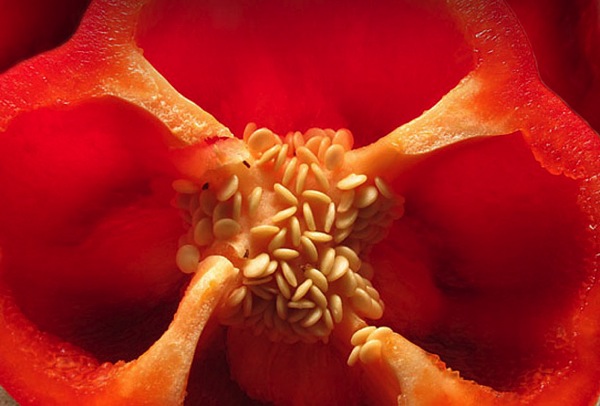
The red pepper photo below was lit with a single speedlight, bounced off of a small white piece of cardboard, above and behind the subject.

Photo 4 macro red pepper speedlite

Idea generating tips

The best time for creative thinking is when your mind is fresh and rested. Many personal development books and various brain studies make the point that there are specific peak performance conditions that you can implement to boost your creativity and effectiveness.

For many, certain environments or activities can work. A few minutes of focused and relaxed breathing, time during or after exercise, a walk in the woods, or even brainstorming while in the shower can bring forth great ideas.

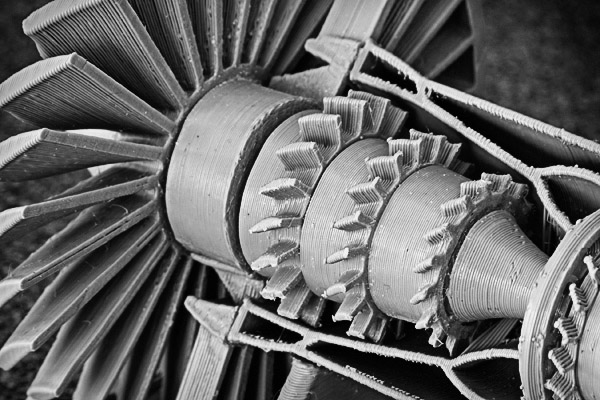
Other avenues you can explore can be taking your macro photographs with different lenses or manipulating them afterward with software. The photo below is of a plastic model turbine engine.

Photo 5 macro photography ideas software

I liked all of the details revealed in the close-up, but the original photo had remnants of a yellowish glue from its assembly. I used Nik Silver Efex Pro 2’s Low Key filter to convert it to a black and white image.

In addition to these five ways of getting creative ideas for macro photography, there is a wealth of information available to you for creativity, imagination, and brainstorming techniques in general which you can apply to your photography.

Some of the books by Michael Michalko, Amy Wallace, and Austin Kleon are worthwhile reading if you are looking to apply creativity to your photography or any another aspect of your life.

Have a blast and share any comments or images you have below.

googletag.cmd.push(function() {
tablet_slots.push( googletag.defineSlot( “/1005424/_dPSv4_tab-all-article-bottom_(300×250)”, [300, 250], “pb-ad-78623” ).addService( googletag.pubads() ) ); } );

googletag.cmd.push(function() {
mobile_slots.push( googletag.defineSlot( “/1005424/_dPSv4_mob-all-article-bottom_(300×250)”, [300, 250], “pb-ad-78158” ).addService( googletag.pubads() ) ); } );

The post 5 Tips for Getting Fresh Ideas for Macro Photography by Bruce Lovelace appeared first on Digital Photography School.


Digital Photography School

 
Comments Off on 5 Tips for Getting Fresh Ideas for Macro Photography

Posted in Photography


Tips For Working with Agency Models

25 Jan

Alana Tyler Slutsky is back on FashionPhotographyBlog.com, after sharing the steps to take when approaching a new modeling agency for the first time, to share some tips with our readers that are useful to remember when working with models from agencies in order to maintain a working relationship with both the models and the agencies they are from. Take it away Alana!  

 Top Male Modeling Agencies in New York NYC for Men

Hey FashionPhotographyBlog.com readers!


A LOT of people have asked how to approach agencies to work with their models, so here are some tips for working with agency models.


THINGS TO REMEMBER:


 – DO NOT SHOOT NUDE/IMPLIED NUDE – nudity isn’t really necessary.  It won’t end up in the models book, it doesn’t look good on you, just don’t do it!  If you shoot nude, there is a very good chance that agency will not be sending you another model to test.  Remember – ** A lot of the girls you’ll be sent are young.  Shooting nude or dressing models in sheer clothing is risky business when you’re working with a 16 year old **


– THESE IMAGES ARE FOR YOUR PORTFOLIO – whatever you do DO NOT make the mistake of shooting client work with a model under the impression that this is a test shoot.  The agency will find out and they’ll send you a bill.


– DON’T BE A JERK! – I would hope no one is going to be a jerk anyways, but keep in mind that everyone on a test is donating their time.  Don’t be mean.  Models will review you to their agent. Keep that in mind when you have the urge to yell and make the model cry “to draw out the emotion.”


– KEEP THE IMAGE USABLE – by that I mean don’t go heavy on the makeup and keep the hair simple.  The more you do to the model, the less likely they’ll be able to use it in their book.  As pointed out before – agents love simple, natural, clean images of their models.  Leave the crazy stuff for editorials.  If you become that guy known for extreme makeup and hair, chances are you’re not going to be sent more models to work with.


The best advice I can give is to start with smaller agencies and work your way up, (that is what I did and I’m still in the process of doing).  Don’t know who to contact and who to hold off contacting?  Do some research! Models.com is a great resource that shows the top agencies for men and women.  They also have a directory of agencies which you can view by country/state/city.  I would advise to stay away from the top agencies until you’ve tested a bit, build up your confidence and know what you’re doing.


Good luck!

– Alana


Did you find Alana’s post useful? Please leave your comments below in the comment section. We would like to know what you thought about this post. If you enjoyed this article, do stay tuned as Alana has another post just around the corner on FashionPhotograhyBlog.comIf you want to know more about approaching modeling agencies, check our upcoming post on Reaching Out To Modeling Agencies.


IMAGE SOURCE: 

Feature image & images 1: courtesy of Alana Tyler Slutsky.


Fashion Photography Blog

 
Comments Off on Tips For Working with Agency Models

Posted in Uncategorized


Tips for Better Composition of Seascape Photographs

23 Jan

I do not believe that in photography there are absolute rules of composition, but it is undeniable that certain compositions work better than others.

Why? Probably because our brain is the result of millions of years of evolution, and as in two dots and a line we recognize a face (you don’t believe me? Have a look here.), in the same way we recognize some images as more pleasant to look at than others.

So let’s look at a few tricks to keep in mind during your next visit to the seaside.

Start following rules

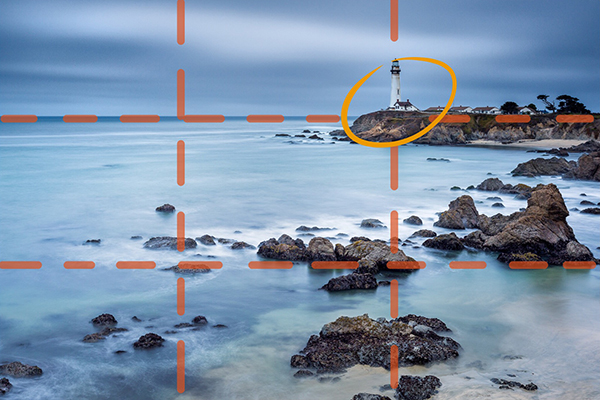
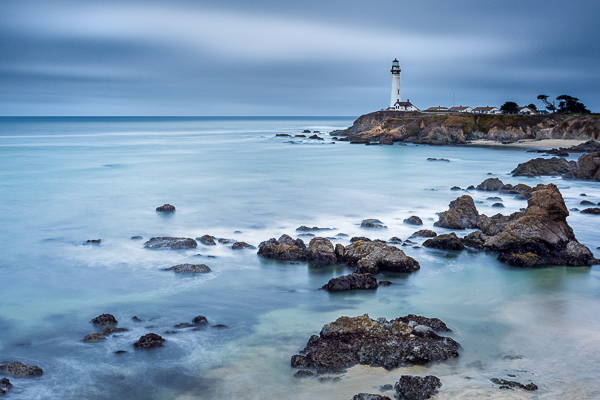
Before trying to break rules, try to follow them. Start with the Rule of Thirds: divide your image into nine equal parts by two equally spaced horizontal lines and two equally spaced vertical lines. Then place important compositional elements along these lines or their intersections. The result will be that your photo becomes more balanced. In a seascape shot, for example try to put a Lighthouse on one of the vertical lines and the horizon on one of the horizontal ones.

1 post

Important elements (the lighthouse and the horizon) are positioned along the lines and at the intersections

1 ante

Choose the leading actor

If you follow the Rule of Thirds, you’ll never again put the horizon in the middle of your image, and that’s a great thing unless you have a perfect symmetrical reflection.

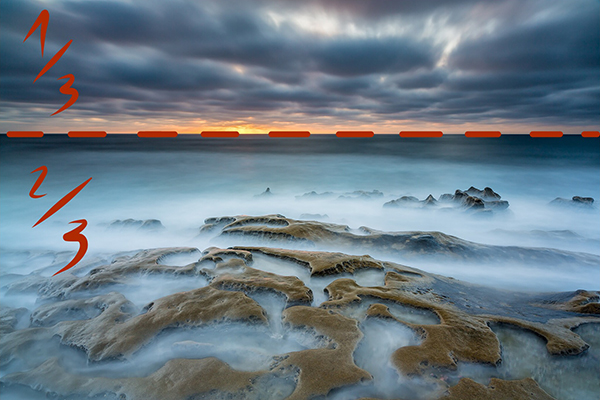
Decide next if the leading actor of your seascape is the sky or the sea, and place the horizon line accordingly. For example if the leading actor is the sea, the image portion under the horizon line will be 2/3 of the whole image.

2 post

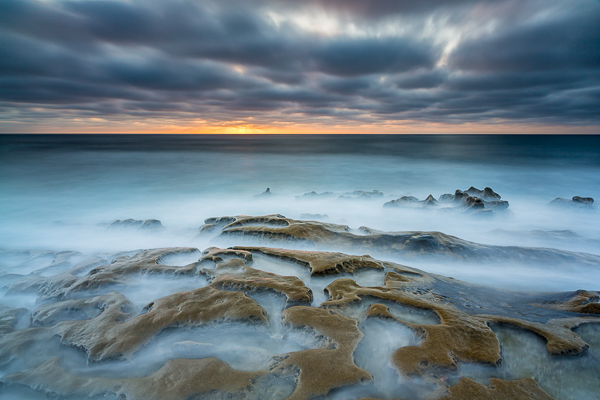
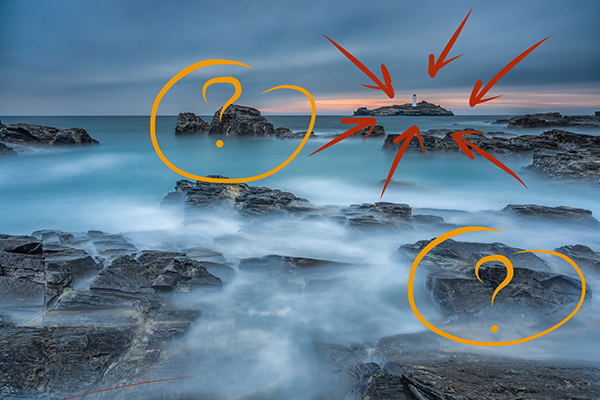
The rock formation in the foreground is really interesting with this tide. I wanted to emphasize it and so I give ? o the image to the sea in this the image.

2 ante

Check the horizon

There is nothing more annoying than seeing a crooked horizon. Use the built-in level of your camera, or for few cents buy an external hot shoe level (the yellow one with an air bubble inside). Why? Because every time you fix the horizon in post-production you will lose a portion of the image. Finally, remember that if you publish an image with a crooked horizon, the horizon will be the leading actor of your image.

Choose your focal length wisely

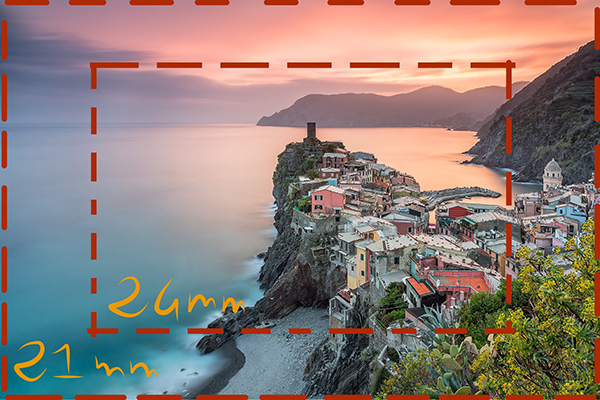
Sometimes you might believe that a certain focal length is perfect for the scene you have in front of your eyes. Think wider! If you’re using a 24mm lens, try with an 18mm or a 21mm lens – don’t be lazy. Remember that in post-production you can always crop your 21mm image to a 24mm image, but you’ll never be able to do the opposite.

3 post

A 21mm lens was perfect here as it let me put inside the frame the spring flowered plant on the bottom right.

3 ante

Use leading lines

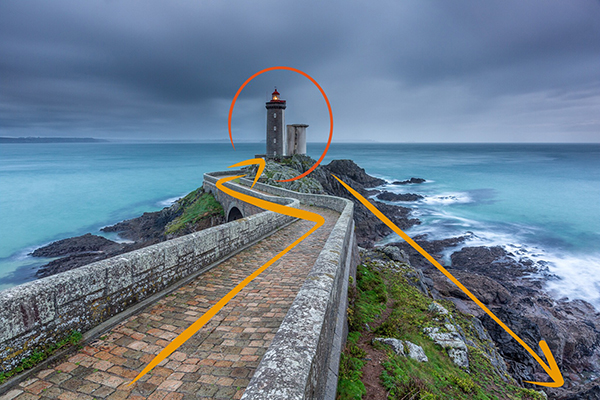
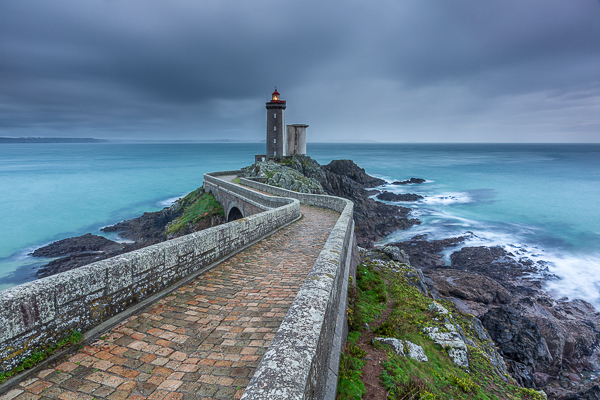
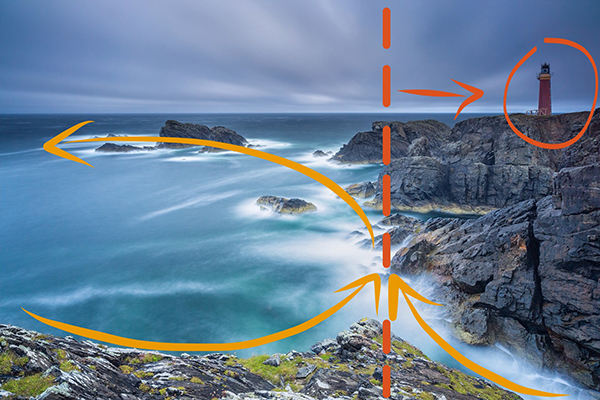
An image is like a book, and to really enjoy it you should be able to read it from the begin to the end. To do that, try to use lines and curves to guide the eyes through a path. You can use a road or the natural line of the coast for example. Keep in mind that you should avoid interrupting that path because it’s like skipping a line in a book; you lose the sense of the story that you’re telling. Also try to avoid lines that guide the eyes of the reader outside the image. You want attention given to what is inside the image, not to what is outside.

4 post

I used the road to drive the eye of the viewer from the margin of the image to the main character.

4 ante

Avoid straight objects in the margin

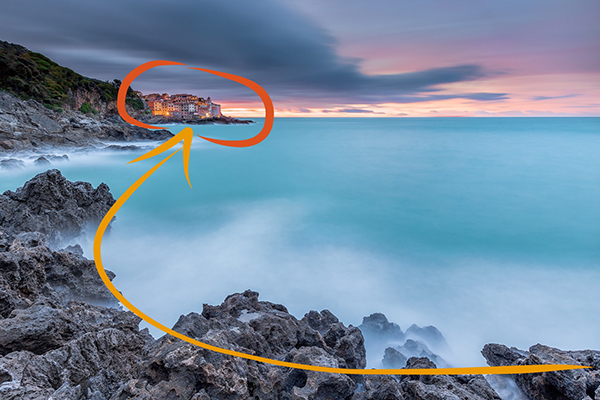
One common problem of wide angle lenses is the perspective distortion when the camera is not aligned perpendicularly to the subject. In other words buildings like lighthouses appear to be falling if you (correctly) place one according to the rule of thirds. Well, the bad news is that there is no an universal solution. The best one is obviously to buy a lens with excellent optical quality, but they are very expensive and in any case the perfect lens does not exist. So we need to correct the distortion in post-production. There are a thousand ways to do that, but most of them require an image crop. For that reason, if you have a straight object in your frame, don’t put it exactly on a vertical line of the Rule of Thirds, but slightly closer to the image center. In that way, after correcting the distortion, your lighthouse will be nearer the vertical line of the third.

5 post

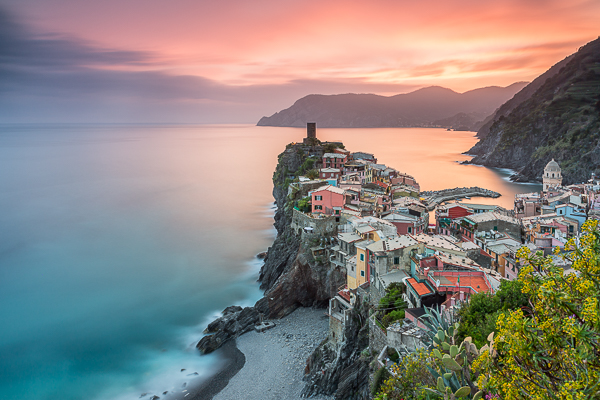
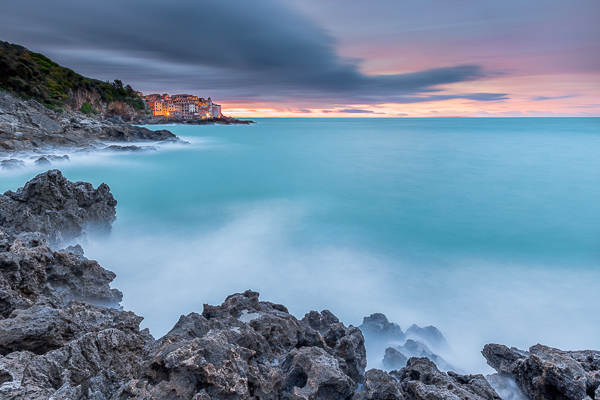
If I had put the small village too close to the frame edge, it would be affected by perspective distortion and to correct it in post production probably I would have lost the nice leading line with a crop.

5 ante

Add dimension and scale

When I started taking seascape pictures, I was a purist: no humans or human artifacts were allowed inside my frame. If humans are still not allowed to join, sometimes I think it’s a good idea to put some artifacts in my composition. The main reason is that even if you exactly the dimensions of the rock formations in front of you, viewers of your image may have no idea if they have never visited that place. When you look at a image, your brain tries immediately to define the dimensions comparing the unknown to something known – help it and use something like a lighthouse, bridge, church to give an idea of scale. A reef is even more beautiful if it is perceived as high and massive.

6 New
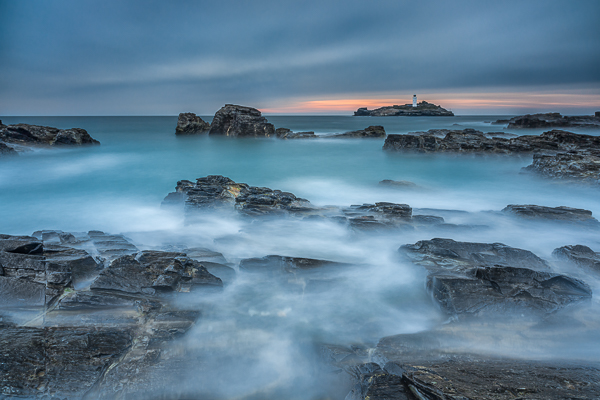
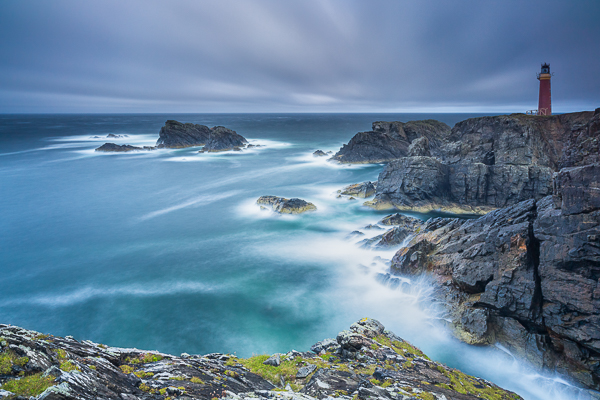
The lighthouse give a dimension to the other rocks in the image (try to cover the lighthouse with your finger.)

6 ante

Use negative space

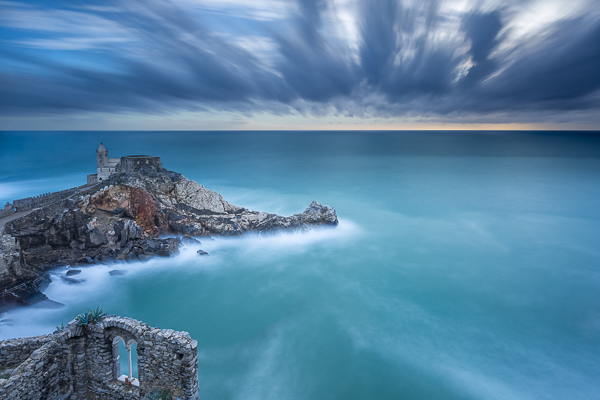
I’m a big fan of using negative space. But what exactly is that? Easy – it is nothing but the space around, and between, the subject of an image. Yes, basically they are “the” nothing. So, how can that be useful? Negative space is perfect to emphasize the subject. A lonely church on the top of a cliff is even more brave if it seems that it challenges the vastness of the sea.

7 post

This old church reminded me a solitary sentinel who scrutinizes the sea.

7 ante

Have fun

Finally, remember that every rule is made to be broken. If the horizon is not perfectly in one third because the sky lacks of clouds, put it above the upper horizontal line of rule of thirds. If you need to put a lighthouse near the margin of the frame to use leading lines, just do it.

The real goal of a picture is not to follow the rules, but to arouse emotions in the viewer. Keep this in mind and there is no composition that can overcome you.

8 post

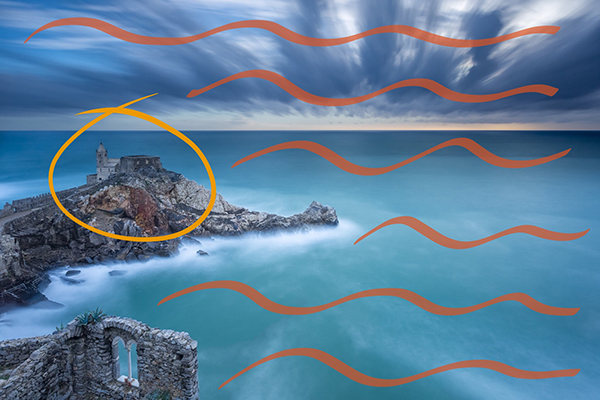
The lighthouse is on the right vertical line of rule of thirds. Unfortunately I didn’t have a wider lens with me and I had to put it there in order to use leading lines in the foreground and not to cut the nice wave trails in the upper left side of the image.

8 ante

googletag.cmd.push(function() {
tablet_slots.push( googletag.defineSlot( “/1005424/_dPSv4_tab-all-article-bottom_(300×250)”, [300, 250], “pb-ad-78623” ).addService( googletag.pubads() ) ); } );

googletag.cmd.push(function() {
mobile_slots.push( googletag.defineSlot( “/1005424/_dPSv4_mob-all-article-bottom_(300×250)”, [300, 250], “pb-ad-78158” ).addService( googletag.pubads() ) ); } );

The post Tips for Better Composition of Seascape Photographs by Francesco Gola appeared first on Digital Photography School.

Digital Photography School

 
Comments Off on Tips for Better Composition of Seascape Photographs

Posted in Photography


4 Tips for Effective Lighting Using Only One Speedlight

19 Jan

Flashes

If the idea of incorporating flash into your photography work strikes fear in your heart, this is a must read article for you!

The ability to use a portable electronic flash can do wonders for your work by giving you more creative options, and the truth is you don’t need a ton of fancy equipment to begin utilizing flash. In fact, this article is focused purely on the speedlight, the Canon 580 EXII Speedlite to be exact (equivalent to the Nikon SB-900), and how you can get started experimenting with lighting effects using just one speedlight.

Among the smallest, most compact forms of external lighting, speedlights offer consistent, daylight-balanced lighting powered by four AA batteries. They are easy to fully integrate with your DSLR camera, allowing the two units to operate as one. While most speedlights offer manual settings, it is also easy to just leave it on auto (TTL) and let it adjust the light output according to your camera settings. Depending on what kind of camera you own, it might come with its own built-in pop up flash, but a speedlight is still recommended due to its ability to tilt and swivel, giving you more control over where the flash is aimed.

The following examples were photographed using a Canon 5D Mark III and a 580 EXII Speedlite. All included photographs were shot in auto (TTL) setting and received no retouching other than cropping and resizing.

Ambient Light Isn’t Always the Best Light

No Flash

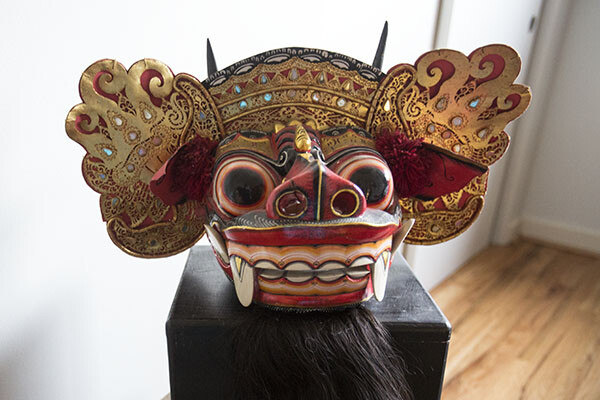
While ambient lighting is often the easiest lighting source to use, it comes with its share of shortcomings. There might be too much or too little ambient lighting, it might be coming from the wrong direction, or it might have a strong color cast. To kick-off this example, let’s see how this Balinese mask photographs using just the ambient light available in the room (see image above). Notice that the colors are dull and the surfaces of the mask are unevenly illuminated. It’s a less than optimal photo, showcasing all of the shortcomings of relying purely on ambient lighting.

If you’re lucky, the ambient light might be able to be moulded using a reflector or simply moving your photo subject. But say you can’t control the ambient light? Here are some tips for using a speedlight in your favor.

Option 1: Shoot with the flash straight on

Straight On

The easiest way to use your speedlight is to aim it directly at your subject. The result is a decently lit subject, similar to the type of photo that a built-in pop up flash would produce. Notice how that colors pop more and the mask is more evenly lit compared to the photo shot in ambient light. However, aiming your flash straight forward can result in some harsh shadows, not to mention cause human photo subjects to be temporarily blinded by light flashing in their faces. It is also very non-directional light making the subject appear flat and lacking dimension.

Option 2: Bounce the flash off the ceiling or wall

Straight UP

Flash bounced straight up off the ceiling

The simplest way to soften the speedlight’s effects is to bounce the flash off of a nearby surface. In this case, the flash is aimed directly up at a white ceiling. When the flash is fired, the light is spread out onto the ceiling and reflected down on the subject. As a result, the front part of the mask from the eyes to the nose are nicely lit, but the mouth, ears, and ornamental headdress are left in the shadows. This is one of the pitfalls of simply bouncing the flash off the ceiling: the image will generally produce shadows on any protruding elements of your subject.

Bounce Off Wall My Left

Bounced of the wall to the left of the camera.

Alternatively, the flash can also be pointed directly at a nearby wall so the light is bounced in another angle. In the above example, the flash was bounced off a white wall to the right of the mask. The result is more dramatic lighting that focuses on one side of the mask, using the shadows to indicate more depth.

Option 3: Use the built-in white bounce card


Straight Up with Whitecard

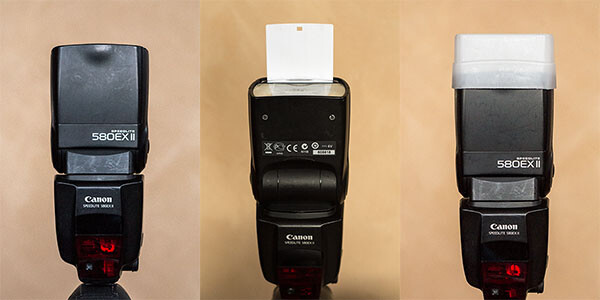
To solve the problem of shadows produced by bouncing the light off the ceiling, one solution is quite simple. Keep the speedlight pointed at the ceiling, and simply pull up the thin white bounce card that is built into the top of the flash. When the flash is fired, the light not only bounces off the ceiling, but a portion of it is also reflected off the bounce card, as seen in the catchlight of the mask’s eyes.  The resulting image is much more evenly illuminated, all thanks to a thin piece of plastic. However, the eyes do reflect quite a bit of the spilled light from the ceiling.

Option 4: Use a white flash diffuser cap on your speedlight

Flash Cap copy

When it comes to flash modifiers for speedlights alone, there are a ton of options to choose from. One of the most effective modifiers is also incredibly compact and cheap: a translucent white cap or box that fits snugly on your flash. It helps to evenly spread out the light to eliminate harsh shadows. In this case, the diffuser cap was attached to the flash which was pointed directly up at the ceiling. The effect is similar to using the built-in white bounce card in Option 3, but the light is more controlled. The evidence is strongest in the mask’s eyes, which now only have the catch light and not the spilled light bounced from the ceiling.

This is just a very basic introduction to flash photography with a speedlight, intended to simply demonstrate how adding a single external flash can produce dramatically different results. What is your take on flash photography? Do you prefer natural light, speedlights, or strobes?

googletag.cmd.push(function() {
tablet_slots.push( googletag.defineSlot( “/1005424/_dPSv4_tab-all-article-bottom_(300×250)”, [300, 250], “pb-ad-78623” ).addService( googletag.pubads() ) ); } );

googletag.cmd.push(function() {
mobile_slots.push( googletag.defineSlot( “/1005424/_dPSv4_mob-all-article-bottom_(300×250)”, [300, 250], “pb-ad-78158” ).addService( googletag.pubads() ) ); } );

The post 4 Tips for Effective Lighting Using Only One Speedlight by Suzi Pratt appeared first on Digital Photography School.

Digital Photography School

 
Comments Off on 4 Tips for Effective Lighting Using Only One Speedlight

Posted in Photography


10 Recent Articles with Real-world Tips to Help You Grow as a Photographer

19 Jan

As 2015 came into play, we thought it might be a good idea to make a list of some recent educational resources to share with you. In this period of added motivation and energy the beginning of the year usually brings, take time to upgrade your photographic skills and build up some business muscle. The following 10 articles are full Continue Reading

The post 10 Recent Articles with Real-world Tips to Help You Grow as a Photographer appeared first on Photodoto.


Photodoto

 
Comments Off on 10 Recent Articles with Real-world Tips to Help You Grow as a Photographer

Posted in Photography


5 Tips for Using Pinterest for Photography Inspiration

19 Jan

Untitled-1

Let me just come right out and say it – I think Pinterest is amazing. Not only is it a wealth of information when it comes to recipes and easy craft projects for my two kids, but it is also an incredible source for both photography instruction and inspiration. As a photographer, I am constantly inspired by the images that I see while browsing the “Photography” category on Pinterest, and I think it can be a really valuable tool in terms of identifying your personal style in photography as well as pushing yourself as a photographer.

That said, I think it goes without saying that Pinterest is not always used appropriately. We’ve probably all had a prospective client email us asking, “Can you do this?” with a link to a particular pin on Pinterest, where the client means that exact pose, backdrop, and that exact style of post processing. This isn’t inspiration, it’s flat-out stealing. But Pinterest really can be a great resource when used correctly, so here are some tips on the best way to use Pinterest for photography inspiration:

1. Don’t (Only) Browse Your Favorites

If you’re a newborn photographer, don’t just search Pinterest for newborn photos. Rather, try browsing the general photography category, or searching for more general terms like “golden hour” or “high contrast photos”. I’m a firm believer that portrait photographers can be inspired by landscapes, and vice versa. There’s no good reason to limit yourself!

2. Click Through

Once you find an image that you love, take the time to click through the link and make sure that (a) the pin leads to the proper photograph or specific blog post, (b) the correct photographer is credited (Google is not a photographer), and (c) that the photographer wants the image to be pinned. Many photographers pin their own photos and encourage others to repin, or include “pin now” buttons on their blog, which generally makes me feel comfortable with repinning their work. Others install a script that will not allow images from that website to be pinned, which is pretty self-explanatory that they’d prefer their work did NOT appear on Pinterest. If you’re not sure whether or not it’s okay to pin an image after visiting the original website, it’s a good idea to shoot the photographer a quick email or leave a comment asking if they’re open to their images being pinned. This is really new territory without much legal precedent, so I just think it’s better to be safe than sorry!

3. Caption Everything

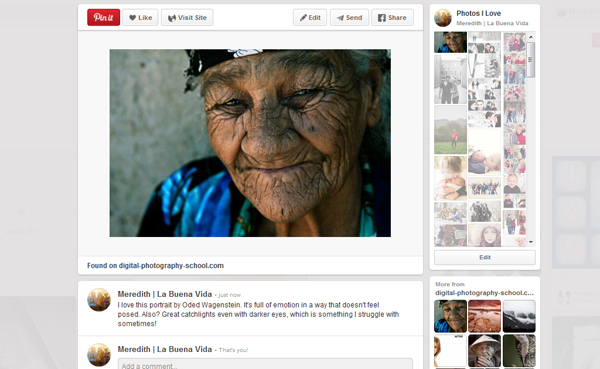
Leave yourself thoughtful and detailed comments about what, specifically, you love about the photo. Is it the lighting, the pose, the processing, the coordination of outfits? Or is it the emotion behind the image? Whatever it is, try to identify something concrete that speaks to you about each and every image that you pin. I also think it’s good practice to include the photographer’s name in your caption, especially if the image isn’t watermarked, not only to help ensure that the images are properly attributed, but also to begin to identify who inspires you as a photographer.  Here’s an example of how I captioned one image that I pinned as inspiration, coincidentally from this article by Oded Wagenstein about using reflectors here on dPS.

Pinterest2

Text Reads: “I love this portrait by Oded Wagenstein. It’s full of emotion in a way that doesn’t feel posed. Also? Great catch lights even with darker eyes, which is something I struggle with sometimes!”

4. Reflect Regularly

Every couple of months, be sure to go back and look at the images that you’ve pinned, and see if there’s anything that you can glean from what they have in common. Are you noticing a lot of photos with a particular style of processing, or that you’ve pinned many images from a different genre of photography that perhaps you’d like to try? Are you noticing that you’ve selected lots with strong posing, which is something that you could possibly brush up on a little? Try to identify at least one theme across the images that you’ve pinned.

Several years ago I realized that nearly every photography blog I followed was written by a newborn photographer. After months of admiring from a far, and soaking up everything I could read about newborn photography, I finally decided to ask a couple expecting friends if I could come over and take some pictures of their new babies, “just for fun”. My first time photographing a newborn certainly wasn’t perfect, but it ignited a love of a whole new genre of photography that I may never have pursued otherwise. I’m sure this won’t be the last time that I discover a love of something new photographically!

Pinterest3

This is an image from that very first time photographing a friend’s newborn. Years ago, I never would have guessed that this would be a genre of photography that I now love!

5. Put it into Practice

Once you’ve identified some common themes about images that you admire, carve out some time with your camera to put it into practice. Are you a portrait photographer who was pinning lots of images of food? Make some time in your schedule to read about techniques for food photography, and then give it a shot.

Here’s a personal example: one area that I’m not as confident in is posing several people together. I recently did a session for a friend’s family, and checked out several of her Pinterest boards before the session. I noticed that many of the captions on the images that she had pinned were about how she liked how the siblings were posed in the portraits – arms wrapped around each other, holding hands, etc. So, I made it a personal goal to really spend some time looking at small group posing before their session, which made me more confident in posing in general. I think that I was more able to encourage her daughters into a pose that would emulate the feel that their mom liked, while also being more natural for them than it would have if I had tried to recreate one specific pose that I’d seen on Pinterest.

Pinterest1

 Do you use Pinterest to find inspirational images? Any dos or don’ts you’d like to add to the list?

googletag.cmd.push(function() {
tablet_slots.push( googletag.defineSlot( “/1005424/_dPSv4_tab-all-article-bottom_(300×250)”, [300, 250], “pb-ad-78623” ).addService( googletag.pubads() ) ); } );

googletag.cmd.push(function() {
mobile_slots.push( googletag.defineSlot( “/1005424/_dPSv4_mob-all-article-bottom_(300×250)”, [300, 250], “pb-ad-78158” ).addService( googletag.pubads() ) ); } );

The post 5 Tips for Using Pinterest for Photography Inspiration by Meredith Clark appeared first on Digital Photography School.


Digital Photography School

 
Comments Off on 5 Tips for Using Pinterest for Photography Inspiration

Posted in Photography


Telling a Story in a Single Image – Tips from a Photojournalist

16 Jan

Photography is visual communication medium. You can follow and use some rules, through composition and technique – but photojournalism takes it a step farther and states facts and gives information that is true and real. You need to follow two basic pillars to be an ethical photojournalist. Those principles are: you do not manipulate your scene, and the information you are photographing must be real.

The best recipe you can use for getting a good photo that tells a story is by combining good composition, action, and emotions. If you are able to engage with your subject mixing those three elements you will be able to get a good photograph.

As photojournalist you can display facts and affairs but you will level up your work if you are able to evolve those facts in something emotional and touching. Then is when you photo stars to tell a story.

FPC2841

Suruç hospital receives Kurdish fighters from Syria.

FPC1936

Kurdish women cry for the wounded, treated in Suruç hospital.

Both photos describe real facts, something that is going on. In the first one you see some action, and some mood in the people waiting for the wounded fighters. But in the second one, the emotion is stronger and you see the action coming out from the other women crying around them.

“If you want emotions in your photos you need people around”

Include people in your frame. Look for the faces, not for the backs, but understand that body language in human beings is another way of communication so a full body can also express emotions.

FPC3700

Ukrainian army enters the eastern city of Mariupol leaving civilians casualties as result of the attack.

Firefighters are in action, the fire inside the personal armoured carrier is action too and the whole scene makes the tension of a probable incoming explosion. You need to make the action evident, so you need to get close. The action needs a bigger space in your frame. For that, use your feet – they are your best zoom. You could step back ant shoot the armoured vehicle on fire from the distance, but the main characters of the photo will be lost and the man handling the water and the fire in the foreground is pure action.

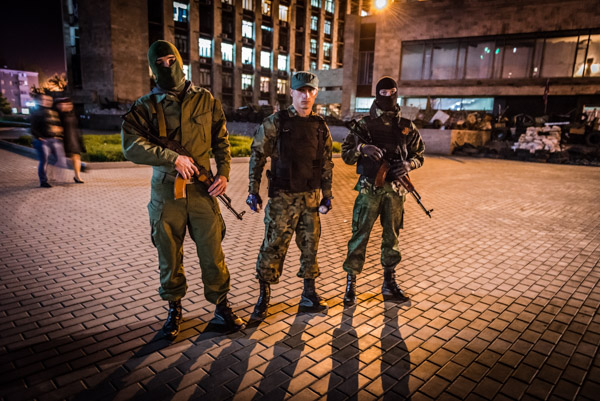
You can get a story going on in your photos too, if you are able to engage with your subject. A close portrait with the right attitude is it always good. In these photos you can see a little bit of action in the background but not much. However, you can replace that making a strong engagement with your subject. You can feel in these photos they are arrogant, they are proud of what they are, they stand up not ashamed, and look forward and straight into the camera and their body languages speaks for itself.

FPC4340

Pro-Russian sniper guards a checkpoint in Slaviansk, eastern Ukraine.

FPC3371

Pro-Russian militias patrol the main administrative building in Donetsk, eastern Ukraine.

When you look for a story in your photos try different angles, do not be afraid of watching things from a different perspective. Get low, as a photographer you need to change your point of view. When photographing kids and animals you always need to get to their level, at the same level you make them to stand up and you give them the major role in frame.

FPC3564

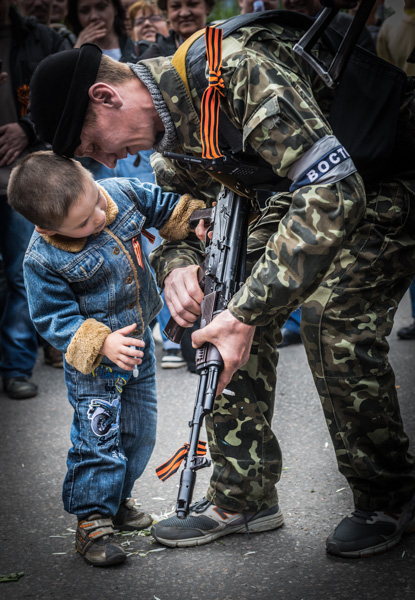
Pro-Russian militia Vostock Battalion celebrates the independency of the Donetsk People’s Republic.

As you can see in these examples the action and emotions are the key. There is no better way to find those emotions than looking forward and getting close to the principal characters of the events.

A good indicator of whether your photography is good is if you do not need to explain anything. A photograph telling a story does not need to be explained. If you want to make the story more complicated you will need to put more elements in harmony in your frame, it is more complicated but is a challenging experience.

How do you tell stories with your images? What can you learn from these tips that you can use in your own photography, even if you do not do true photojournalism?

googletag.cmd.push(function() {
tablet_slots.push( googletag.defineSlot( “/1005424/_dPSv4_tab-all-article-bottom_(300×250)”, [300, 250], “pb-ad-78623” ).addService( googletag.pubads() ) ); } );

googletag.cmd.push(function() {
mobile_slots.push( googletag.defineSlot( “/1005424/_dPSv4_mob-all-article-bottom_(300×250)”, [300, 250], “pb-ad-78158” ).addService( googletag.pubads() ) ); } );

The post Telling a Story in a Single Image – Tips from a Photojournalist by Felipe Passolas appeared first on Digital Photography School.

Digital Photography School

 
Comments Off on Telling a Story in a Single Image – Tips from a Photojournalist

Posted in Photography


10 Quick Photography Business Tips to Kickstart 2015

13 Jan

It’s that time of the year – everywhere you turn, people are talking about new year resolutions, goals and targets. Be it health related, relationship related or even business related. If you have a professional photography business or even if you are an serious enthusiast who has thought about becoming a professional photographer, here are some business tips to help kickstart 2015.

Memorable Jaunts Writing Business Goals Article for 2015

A new year is the perfect time to set up new goals for your business.

#1 Legitimize your business

This can mean different things in different parts of the world. But the end result is almost always the same. Take whatever steps needed to ensure you are following the law in setting up your business the right way legally. In most countries, that means registering your business name, getting a tax ID number, and filing the appropriate paperwork with the local government. When you are legitimate, clients will appreciate and respect you even more.

General Photography Business Tips From Memorable Jaunts for DPS

Becoming a legit photography business goes beyond business cards, gear and website.

#2 Create tangible, measurable and achievable goals

I cannot stress enough the importance of creating professional goals. They form the anchor for your business and help you navigate the waters when things are going great, and when the waters turn rough. When you have a clear vision of where you want to go, nothing can stand in your way. When you are having a bad photography day where everything seems to be going wrong, revisit your goals and they will help you correct your course.

Writing Goals for Your Photography Business

Glitter glue and Shinny Stars are a must for any goal writing exercise – puts you in a good mood!

#3 Invest in education

The photography industry, like most industries, is constantly changing and evolving. As professionals we often forget to take the time to update our own skills and knowledge. Luckily there are many different avenues to get an update on what is the latest and greatest in the industry. There is no lack of online classes, articles, or even YouTube videos. Or if you are like me, sign up for a workshop or two – it is a great way to not only polish your skills, but also meet other photographers and make a connection or two.

Memorable Jaunts Photography Education

#4 Showcase your brand

I really believe in the adage that there is only ‘One’ you. What makes your brand unique is you and your personality. There are millions of photographers out there, but there is only one you!  Differentiate yourself by showcasing your unique personality in your brand. You can do that in many different ways in your business – through videos, your interactions with your clients, the content on your website, and your images. My love for nature and the outdoors is very apparent in my images and my website. Travel is my inspiration and has its own page on my website. I love clean and fresh images and my editing style is minimalist – that is who I am, and my clients appreciate that and have come to expect it.

#5 Streamline your workflow

This was a great eye opener for me. Recently I sat down and documented my workflow from start (initial client inquiry) to finish (delivering products and getting paid). There was such an imbalance of time spent across various activities. Documenting the process not only helped me understand where I was wasting precious time, but also where I was spending too little time. I was able to automate some processes and streamline my workflow.

Another personal tip – I turn off the internet and shut off my phone when I am editing a family session or a wedding. This really helps me focus and manage my workflow.

Documenting your photography business workflow process

#6 Differentiate yourself from the crowd

Follow other photographers and gain inspiration from their work. But don’t imitate them – imitation stifles personal growth. Let your individuality shine through your own work. Not only will this help you stand out from the rest of the crowd, but it will also help you find your own voice and give you the confidence to take your art to the next level.

Memorable Jaunts General Photography Business Tips for DPS

My favorite motivational quote sits on my desk reminding me everyday why I do what I do.

#7 Spruce up your blog

We all know that having a blog is like having a voice on the internet. A blog helps clients interact with you. Make a conscious decision to update your blog regularly. Most people believe that updating your blog three times a week is really beneficial for SEO. If that is something that you can commit to, more power to you. Keep content fresh and exciting – don’t just blog about your sessions and post a bunch of images about the session. I categorize my blogposts as ‘Weddings’, ‘Portraits’, ‘Inspiration’ and ‘Personal’. Use your blog to showcase other aspects of your business – products you provide, gear that you love and why, or even who are you as a person – the face behind the camera.

#8 Maintain your gear

Check your equipment. This includes your primary camera, backup camera, and flash. Get cameras and lenses cleaned and serviced so that they are in top working order when you need them. I use Canon Professional Services Membership, which is a great service that is quick and efficient. Don’t forget the accessories – check reflectors for tears, missing tripod attachment plates, old batteries, and faulty memory cards. Keep everything ready for your photography season.

Memorable Jaunts General Photography Business Tips for DPS

I use a myriad of digital and film cameras – all my gear gets the same care and maintenance.

#9 Update your website with your latest work

I will be the first to admit this is generally one of the things I put on the back burner many times. However this is a key piece of the puzzle to attracting new clients. Showcase your best work on your website, blog, and other social media channels. Let your pictures speak volumes and keep the content fresh. Often times you are so busy photographing and managing your current clients, you forget about the new potential clients out there. Give those clients something new to look at so they keep coming back for more.

#10 Maintain your health and general well being

Perhaps this should be the first tip on the list. This is one of the most important things you can do for yourself and your family. Managing a photography business is hard and exhausting – both mentally and physically. I love photographing weddings but after every wedding, I feel like I have been run over by a truck! Set aside time to exercise, eat healthy, and schedule ‘retreat time’. Time away from the computer and camera to enjoy the other finer things in life! After all what good is a great photographic career, numerous awards, and accolades if you are not able, mentally or physically, to enjoy the glory.

googletag.cmd.push(function() {
tablet_slots.push( googletag.defineSlot( “/1005424/_dPSv4_tab-all-article-bottom_(300×250)”, [300, 250], “pb-ad-78623” ).addService( googletag.pubads() ) ); } );

googletag.cmd.push(function() {
mobile_slots.push( googletag.defineSlot( “/1005424/_dPSv4_mob-all-article-bottom_(300×250)”, [300, 250], “pb-ad-78158” ).addService( googletag.pubads() ) ); } );

The post 10 Quick Photography Business Tips to Kickstart 2015 by Karthika Gupta appeared first on Digital Photography School.

Digital Photography School

 
Comments Off on 10 Quick Photography Business Tips to Kickstart 2015

Posted in Photography