Month: October 2015

  • Supporting Your Off-Camera Flash – Tripods, Monopods or Light Stands?

    I’ve generally been a natural light photographer. I understand natural light and love its variability. Normally it’s enough to get some beautiful photographs; many photographers stop here and go no further.

    Constantly critical of my own photographs, I realized that I was at the mercy of natural light, searching and modifying, but rarely creating or directing. That’s why I chose to learn how to use flash those years ago. To get full control, it’s essential to put the flashes where you want them, and for this, you need to support them. This article will talk about the options available to you for holding your speedlights and off-camera flash.

    Off Camera Flash

    Off-camera flash

    Human Light Stands

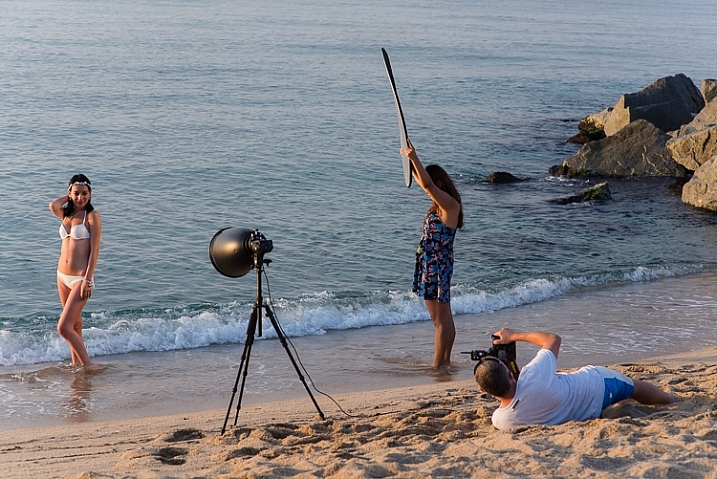
    Using a human light stand is one of the easiest ways to support an off-camera flash and is often overlooked. If you can get someone to hold your flash, you get what’s effectively a voice activated light stand (VAL). It’s easier to change lighting setups this way, especially if your subject is moving. There’s also less hassle on windy days. That said, most people won’t know how to position the lighting modifier and it will tend to drift as you’re shooting. Another photographer or an experienced photography assistant will be very useful.
    DSC_0472-2

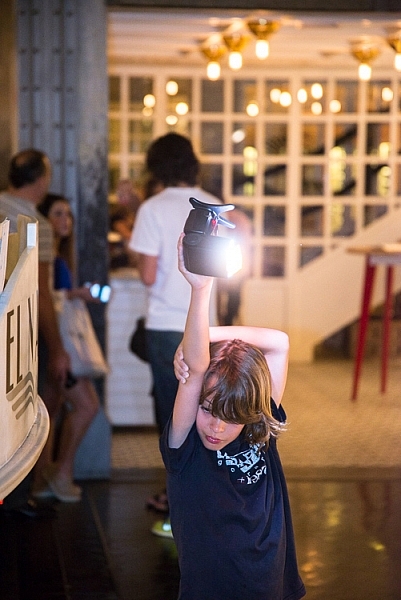
    Handheld

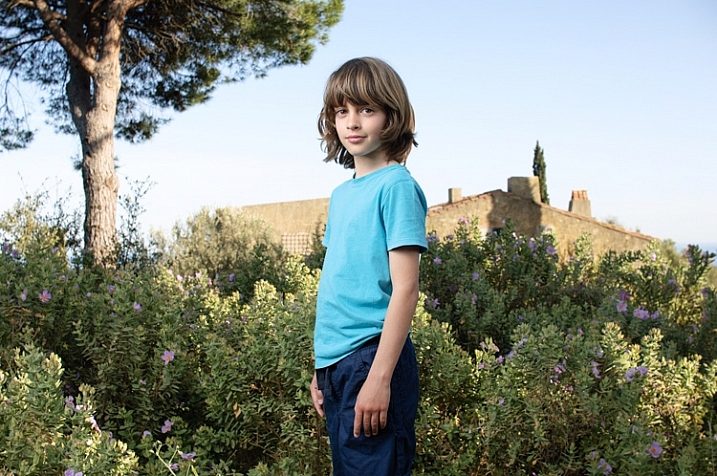
    Hand holding is quite simply, having either you, or an assistant hold the flash. It’s perfectly possible to do this yourself if you feel comfortable taking pictures with one hand, and it gives you a lot of control. Or hand the flash to someone else and let them know where to point it.

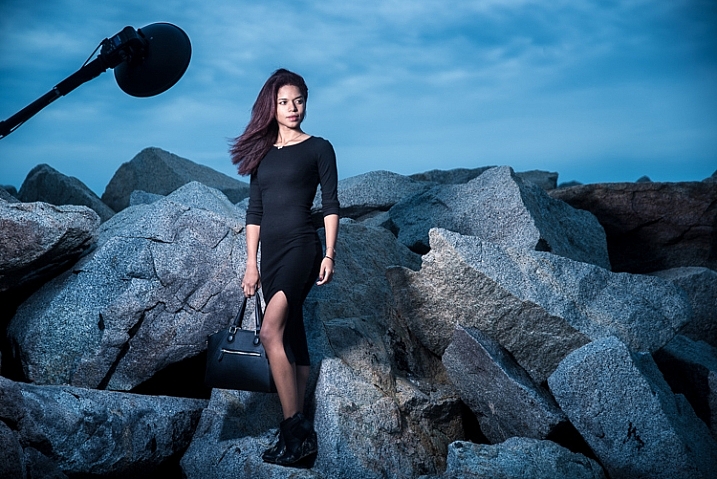
    Monopod Boom

    Again, you can do this yourself, and it helps if you have the monopod touching the ground because it means that your arm doesn’t feel as tired while holding a larger softbox or beauty dish. Or your photography assistant (or family member, friend, or passer-by) can boom, or hold the flash up, to light your subject from a higher angle. This gives you a lot of control and if you look at photographers like Annie Leibovitz and Joey L, you’ll see that their assistants are often using this approach.
    DSC_5516-3

    It can be heavy so make sure you pause for breaks. I use a long aluminium Benro monopod that allows me to attach a flash to either end. It’s cheaper than the Gitzo alternative, but do bear in mind that there seems to be no after-sales support. Carbon-fibre is lighter, but not essential.
    off-camera-light-stand_4396

    Off-camera flash

    Tripods

    I’ve been using my tripods to support my off-camera flashes for a long time. First because I already have them, and secondly because they are perfect for uneven ground. Generally they don’t get the flash high enough, but they are stable, especially if you weight them down by hanging a heavy camera bag from the center column.

    Small, Lightweight Tripod

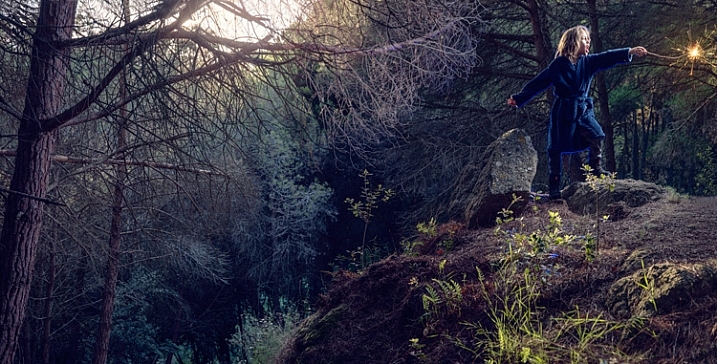
    This is my go-to option when I’m travelling light and won’t have an assistant. The idea is that the tripod is so small and light, that I can wear it on my belt and largely forget about it. Of course it doubles as a tripod, which I’d normally want to have with me anyway. It’s flimsy by itself and needs to be weighted down with a camera bag. It’s also far too small for most purposes, so it needs to be up on tables and so, to get more height. But you’re more likely to actually carry it, so that’s a good thing. I use a 1kg Sirui tripod that I’m pretty happy with, especially for the price, with an equally small and light ball-head.
    english-photographer-light-stand

    Big, Heavy Tripod

    As I began to use larger lighting modifiers, like huge octoboxes and parabolic umbrellas, I needed a heftier support for them. I happened to have an enormous old tripod which has been excellent. It weighs a lot by itself, and is definitely bulky, but is easily carried with its broad shoulder strap. It’s perfect for uneven ground, and can be made more stable by hanging the camera bag from it. I use one of Manfrotto’s largest tripods which gets the flash over my head (I’m 6’2″). It’s old, and very durable.
    DSC_1979-2

    Proper Light Stands

    And then there are dedicated light stands, designed for the purpose of supporting off-camera flashes. I started using these when I wanted to get the flashes higher above the subjects. Some are light and flimsy, and others heavy and stable. Some stack together, and others are designed precisely for travel. They seem to break regularly in transit, or just being used on set. They do get the flashes high off the ground, but they don’t seem particularly stable because they’re tricky to weight down with the camera bag, and as soon as the ground is uneven, they’re a pain to use and won’t work on a steep slope.

    Off Camera Flash

    Supporting Larger Flash Modifiers

    Light Stands

    These come in several shapes and sizes. Generally all the legs open at the same angle so they only work on fairly flat ground. Smaller light stands meant for travelling are a good solution, though they can be flimsy. Larger light stands can get the flash very high off the camera. Balanced properly, they can be used with a boom pole to get the flash over your subject.


    C (entury) Stand

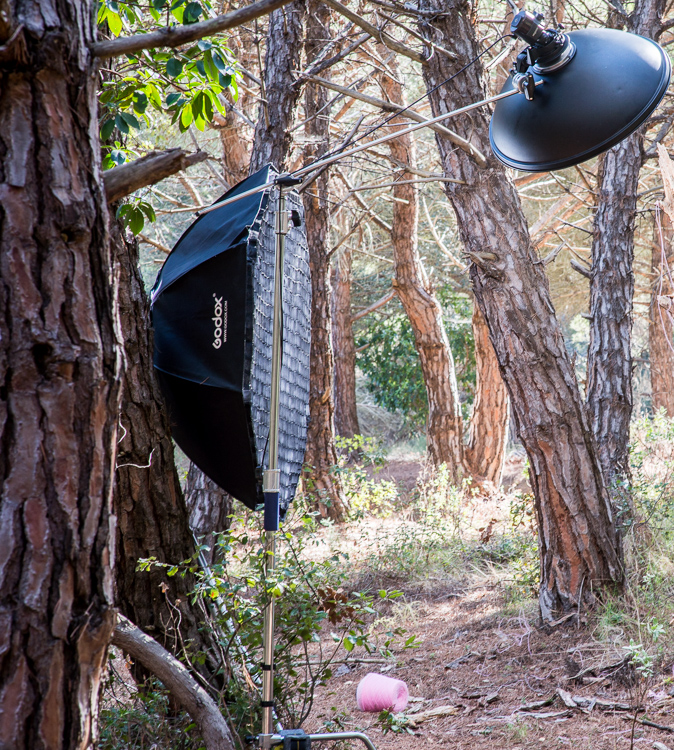
    My most recent acquisition, and now my go-to light stand unless I’m travelling light, is the C-Stand or Century Stand. It’s an old design from Hollywood film studios, and very well engineered. It weighs a lot which is inconvenient if you’re walking to your shooting location, but helpful because it means the stand is more stable in use. The legs are also made so that it’s very easy to weight them down using sand bags. I personally use a lead diving weight belt for ballast. Importantly, one of the legs can move along the central column, which means that you can use the stand on uneven ground and on stairs. It’s not quite as versatile on uneven ground as the huge tripod, but it’s much taller; up to 3 meters (9.8 feet). It’s cumbersome to pack because it’s an L-shape, but when it’s on location, it’s perfect. The included boom is very useful, and can handle hanging backdrops too. I use the C-Stand from Pixapro which is well made enough to outlast me. It’s designed to make it a pleasure to use. Though not a pleasure to carry!
    DSC_5120

    You can see the various light modifiers in the video below, as well as see them used on location.

    Any questions, let me know in the comments below. Do you have any other creative solutions for holding off-camera flash?

    googletag.cmd.push(function() {
    tablet_slots.push( googletag.defineSlot( “/1005424/_dPSv4_tab-all-article-bottom_(300×250)”, [300, 250], “pb-ad-78623” ).addService( googletag.pubads() ) ); } );

    googletag.cmd.push(function() {
    mobile_slots.push( googletag.defineSlot( “/1005424/_dPSv4_mob-all-article-bottom_(300×250)”, [300, 250], “pb-ad-78158” ).addService( googletag.pubads() ) ); } );

    The post Supporting Your Off-Camera Flash – Tripods, Monopods or Light Stands? by Ben Evans appeared first on Digital Photography School.

    Digital Photography School

  • PIX 2015: Connecting kids with nature through photography

    We’ve already introduced you to David FitzSimmons, so the topic of his PIX 2015 talk shouldn’t be a big surprise. The author of three photography-based children’s books about creatures of the natural world spoke on the importance of introducing children to the natural world. Read more

    Articles: Digital Photography Review (dpreview.com)

  • Eine Frage, viele Antworten – Teil 7

    Titelbild

    Nach der Fotosession geht es an die Bildbearbeitung. Das ist kein neues Phänomen, sondern das war schon vor Jahrzehnten so. Damals war es ganz normal, dass die Dunkelkammerarbeit abgegeben wurde und der Fotograf oft nur Anweisungen gab. Heute wird diskutiert, ob man die Nachbearbeitung selbst machen müsse. Wir haben zehn Fotografen nach ihrer Meinung gefragt: Würdest Du die Nachbearbeitung Deiner Bilder an andere weitergeben?
    kwerfeldein – Fotografie Magazin | Fotocommunity

  • Tenba Cooper luxury canvas and leather bag collection introduced

    Tenba has introduced the Cooper, a luxury leather and canvas bags collection. The new collection is styled after classic messenger bags, and is made from canvas alongside full grain leather trim and other high-end touches. Tenba created the bags with photographers’ needs in mind, using Quiet Velcro to allow the bags to be opened silently when needed. Read more

    Articles: Digital Photography Review (dpreview.com)

  • DSCO by VSCO simplifies GIF-creation

    Animated GIFs are more popular than ever and there are a number of apps available to help with their creation. Now VSCO, the company behind the successful VSCOCam app, has launched its contribution to GIF-making. Read more

    Articles: Digital Photography Review (dpreview.com)

  • Weekly Photography Challenge – Light Trails

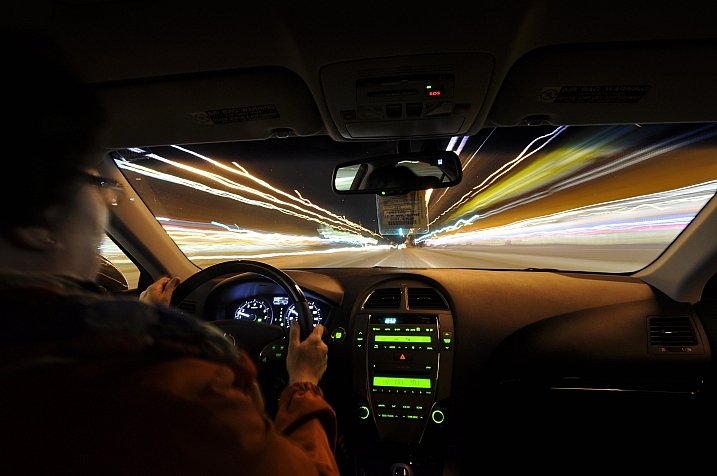
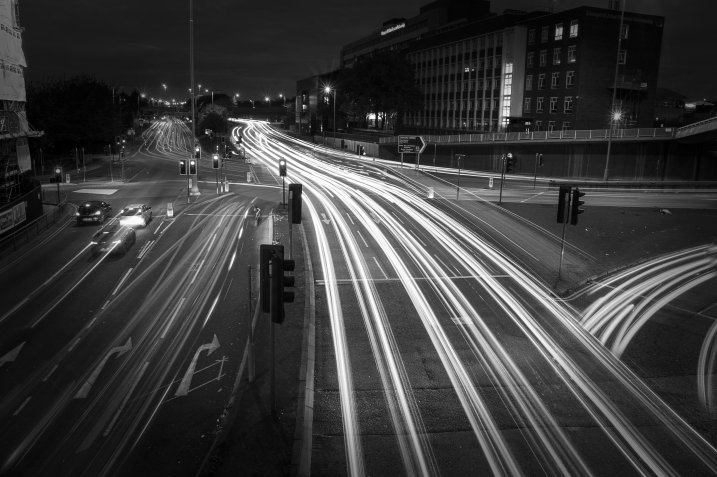
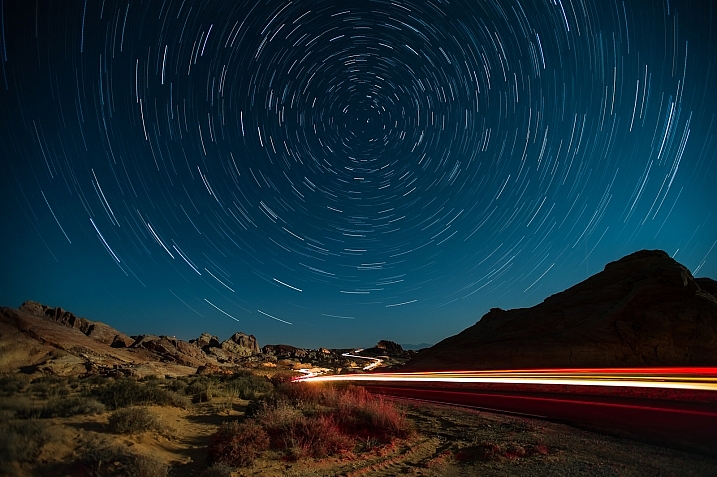
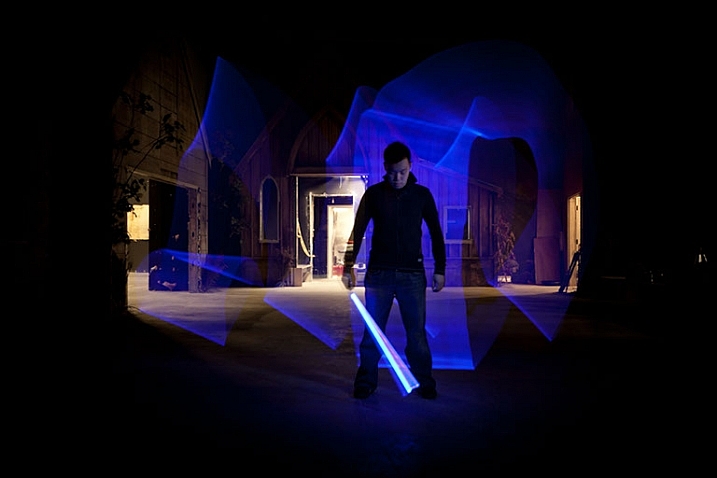
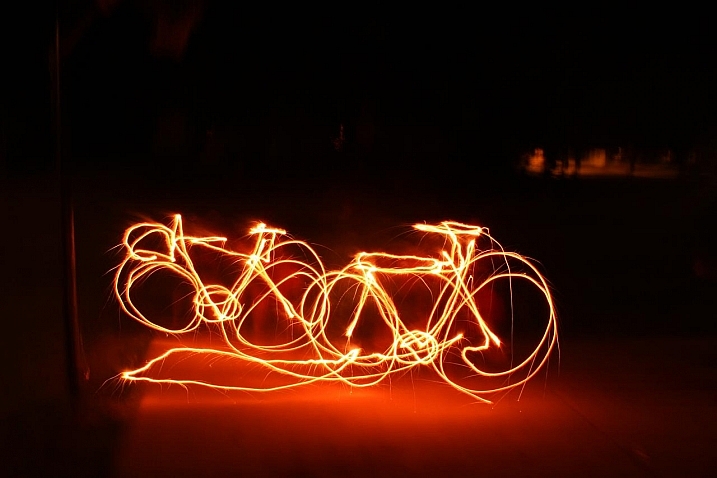
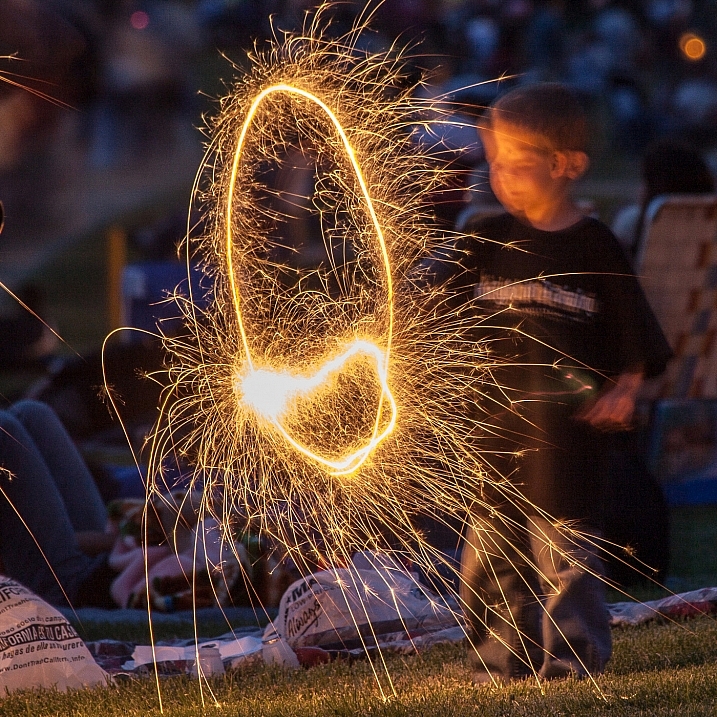
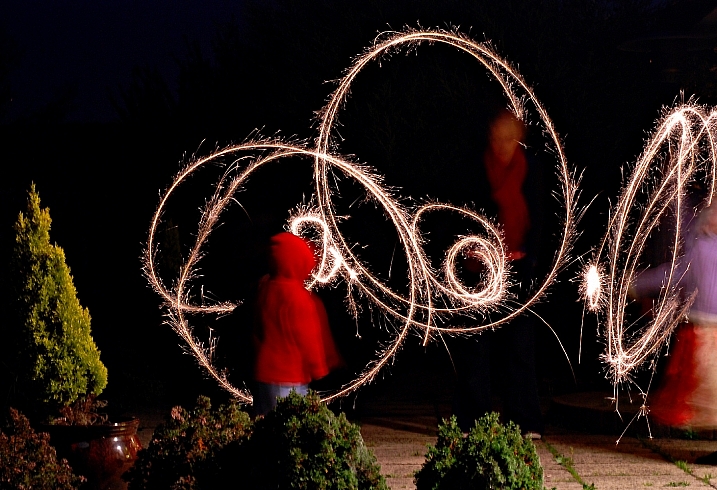
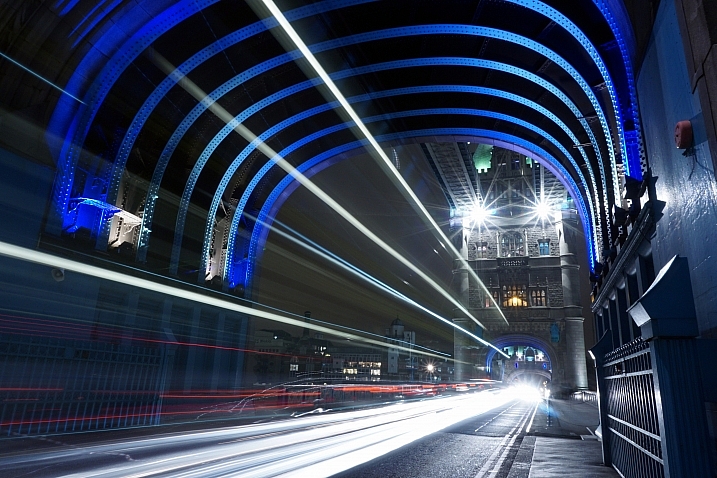
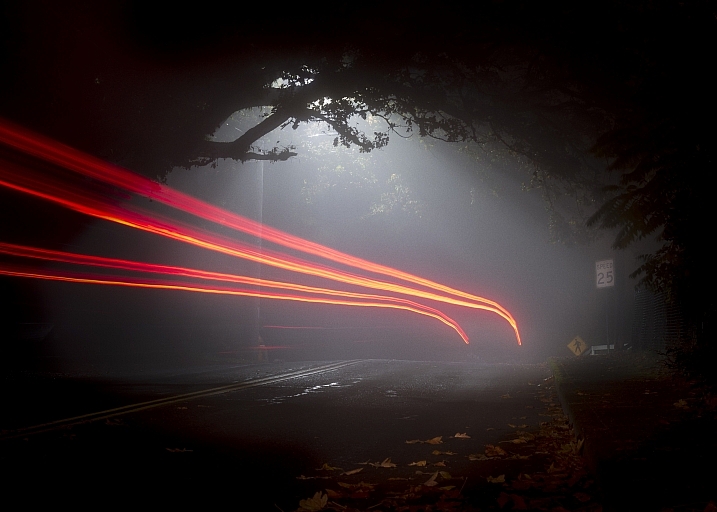
    This week since it is the week of goblins and ghouls and spooky things, let’s do some photography in the dark! You can check out these image of light trails to get some ideas.

    Vida Dimovska

    By Vida Dimovska

    Weekly Photography Challenge – Light trails

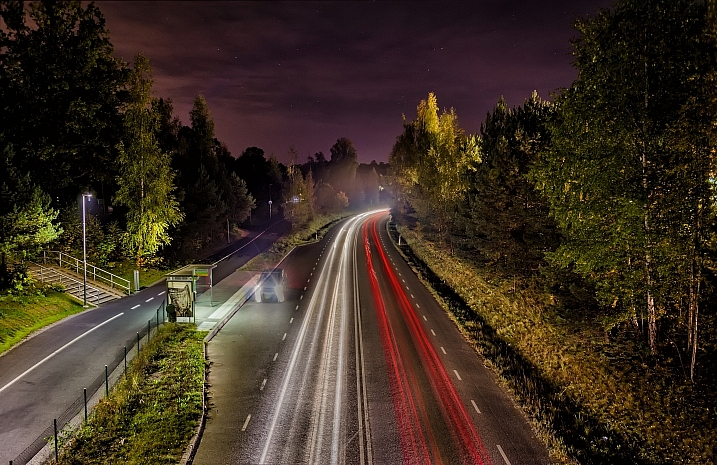
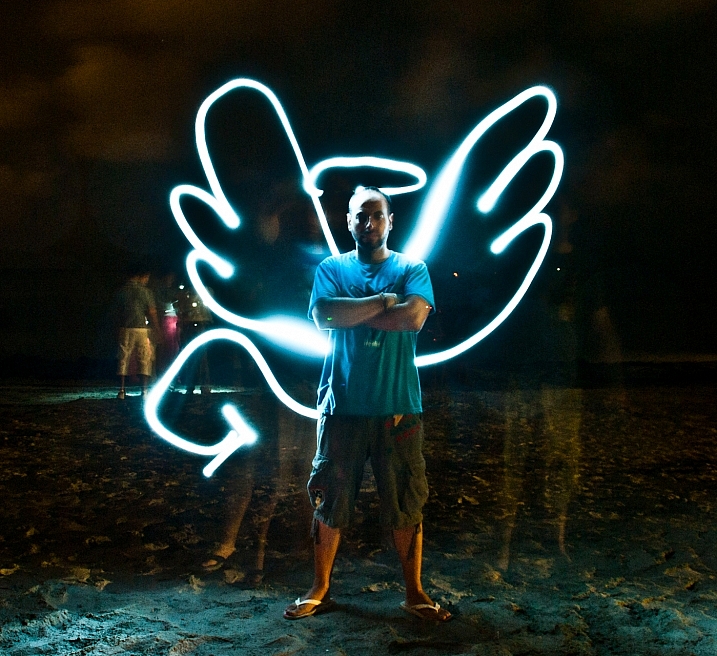
    Light trails is about long exposures in the dark, capturing something that is illuminated and moving. The result is a trail of light through your image, without seeing the original subject.

    Nicolas Michaud

    By nicolas michaud

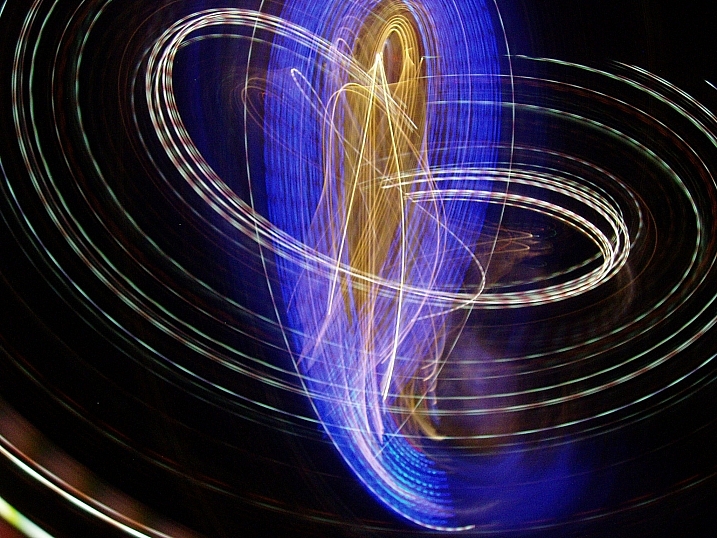
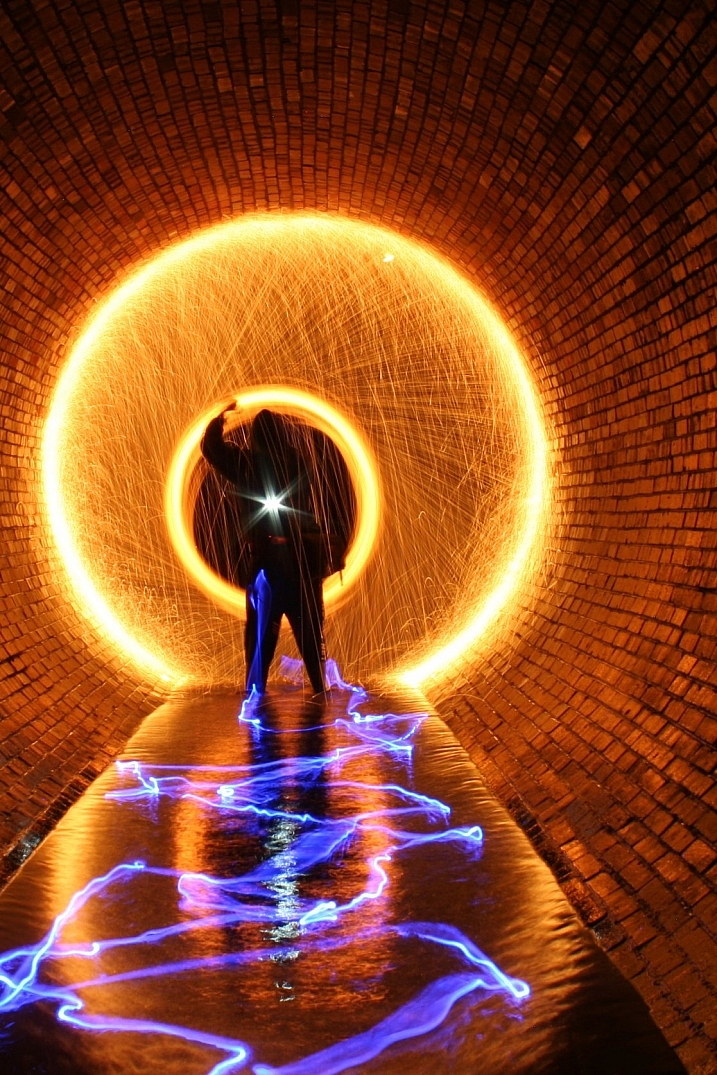
    That could be cars moving along a darkened city street, sparklers, a flashlight, or anything that lights up. You could even get creative and try moving the camera to create light trails from a stationary object.

    Here are some articles to help you out:

    • How to do Long Exposure Photography and Light Trails at Night
    • 5 Advanced Tips for Light Trail Photography
    • Photographing Light Trails
    • How to Make Unique Portraits Using Light Painting
    • 13 Great Subjects for Urban Night Photography
    • A Fun Light Painting Project – Parabolas
    Caffeinatrix

    By Caffeinatrix

    Darlene Hildebrandt

    By Darlene Hildebrandt (I made this image by rotating my tripod side to side during the exposure)

    William Greene

    By William Greene

    I Am Dabe

    By i am dabe

    Share your images below:

    Simply upload your shot into the comment field (look for the little camera icon in the Disqus comments section) and they’ll get embedded for us all to see or if you’d prefer upload them to your favourite photo sharing site and leave the link to them. Show me your best images in this week’s challenge. Sometimes it takes a while for an image to appear so be patient and try not to post the same image twice.

    googletag.cmd.push(function() {
    tablet_slots.push( googletag.defineSlot( “/1005424/_dPSv4_tab-all-article-bottom_(300×250)”, [300, 250], “pb-ad-78623” ).addService( googletag.pubads() ) ); } );

    googletag.cmd.push(function() {
    mobile_slots.push( googletag.defineSlot( “/1005424/_dPSv4_mob-all-article-bottom_(300×250)”, [300, 250], “pb-ad-78158” ).addService( googletag.pubads() ) ); } );

    The post Weekly Photography Challenge – Light Trails by Darlene Hildebrandt appeared first on Digital Photography School.


    Digital Photography School

  • Beach Read: Monumental Concrete Library on the Edge of a Bay

    [ By Steph in Architecture & Public & Institutional. ]

    beach library 1

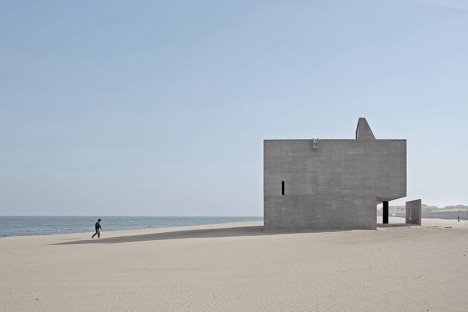
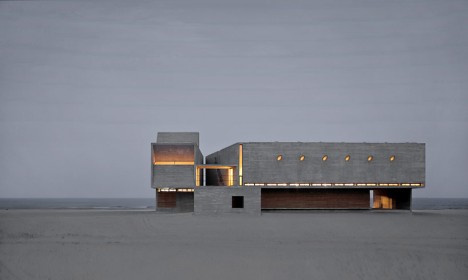
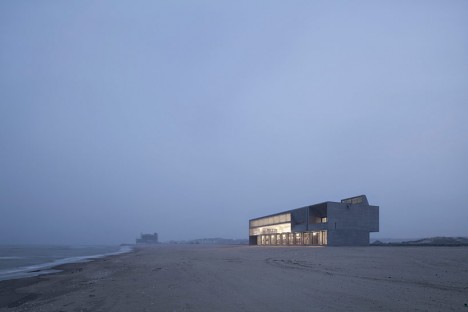
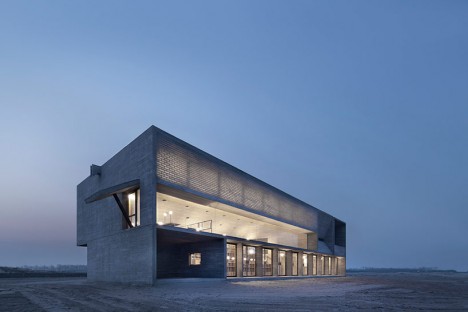
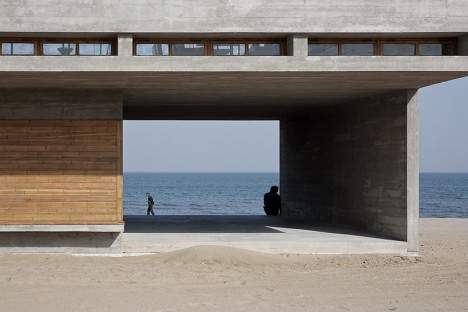
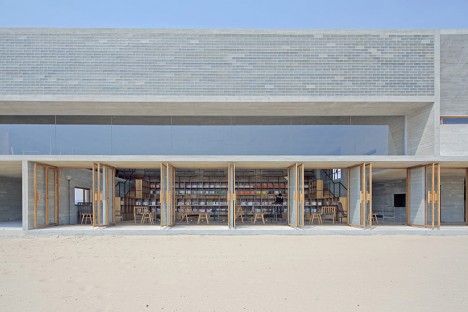
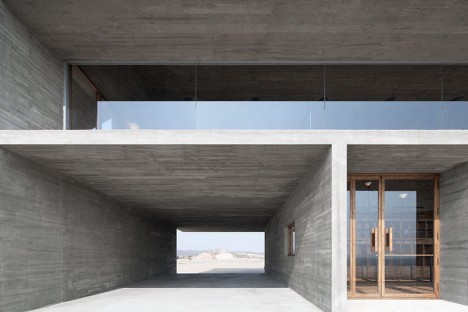
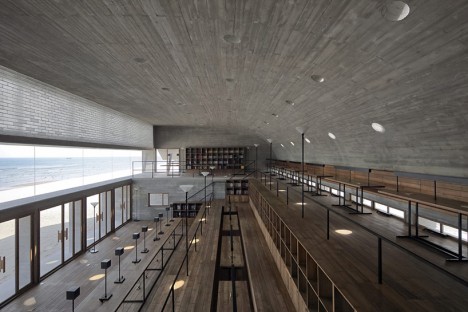
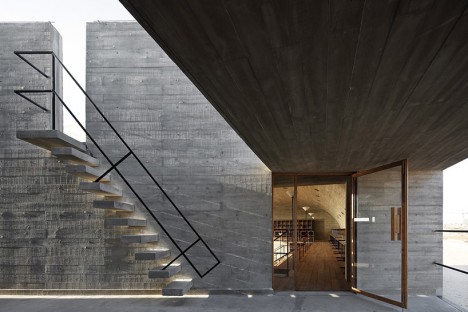
    If you’ve ever gotten bored with the book you’re reading on the beach and wished you could just run into a seaside library for a new one, here’s the building of your dreams: a stunning modern repository of books so close to the sea, it’s practically on the water. Vector Architects positioned this monumental concrete structure right on the edge of China’s Bohai Bay, about three hours from Beijing, with massive glass doors opening the reading space right onto the sand.

    beach library 2

    beach library 3

    beach library 4

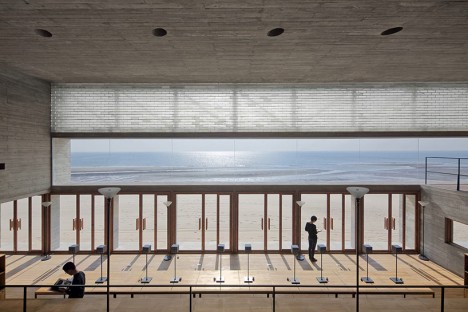
    Oriented to direct nearly all of its views to the water, the library feels strong and solid, anchored to the sand. Of course, it’s hard not to worry about all of those books being ruined in the event of a severe storm. It’s not clear whether the architects have taken any particular precautions against potential disasters, but it certainly looks like a beautiful place to sit and read, especially when the lower doors are all open to the breezes coming off the water.

    beach library 5

    beach libray 6

    beach library 7

    beach library 8

    Steel roof trusses support the massive canopy roof, which curves down into the wall at the rear of the building. Upper-level benches and tables look out a strip of fixed windows, and a stairway leads to a small rooftop patio. In contrast, a meditation room is  insulated from the rest of the space, the only windows a handful of skylights carefully directing natural light.

    beach library 10

    beach library 11

    beach library 12

    beach library 13

    The building feels like a real-life version of a series of storm-proof fantasy beach structures by Dionisio Gonzalez – architecture with the heft and wherewithal to stand up to the elements when other buildings would be swept away.

    Share on Facebook


    [ By Steph in Architecture & Public & Institutional. ]

    [ WebUrbanist | Archives | Galleries | Privacy | TOS ]


    WebUrbanist

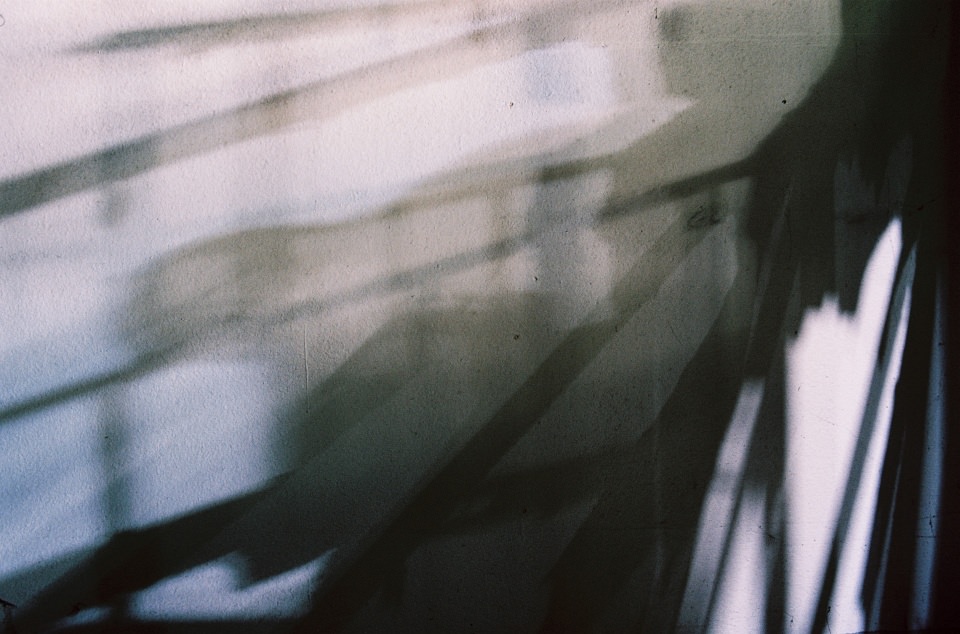
  • 30. Oktober 2015

    Das Bild des Tages von: Tom Werner

    Sich überlagernde Schatten auf einer Wand.

    Im Ausblick: Ein fünfjähriger Fotograf, Lichtmalerei und menschenleere Räume.
    kwerfeldein – Fotografie Magazin | Fotocommunity

  • 6 Ways to Skill Up Your Night Photography on Halloween

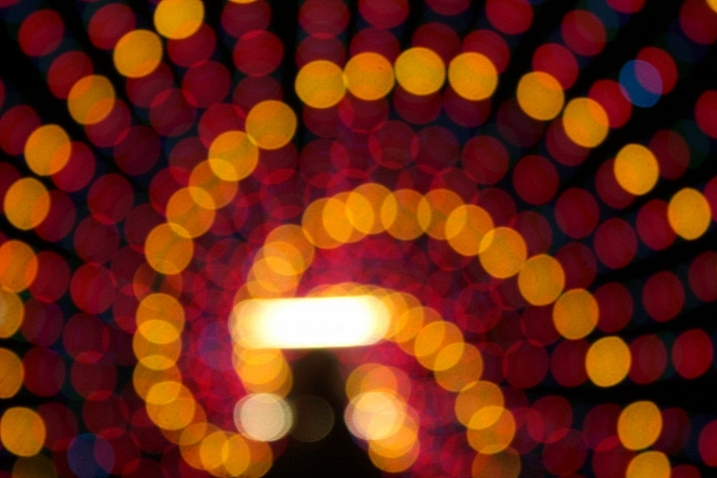
    Lights, camera, action. Photography is often referred to as painting with light, and one of the more enjoyable ways to experiment with photography is to grab your camera and capture the lights of the night. Halloween offers a unique opportunity to have fun photographing the lights and colors of the season while honing your nighttime skills. 1. Have fun with Continue Reading

    The post 6 Ways to Skill Up Your Night Photography on Halloween appeared first on Photodoto.


    Photodoto

  • 24 Magical Images of Light Trails

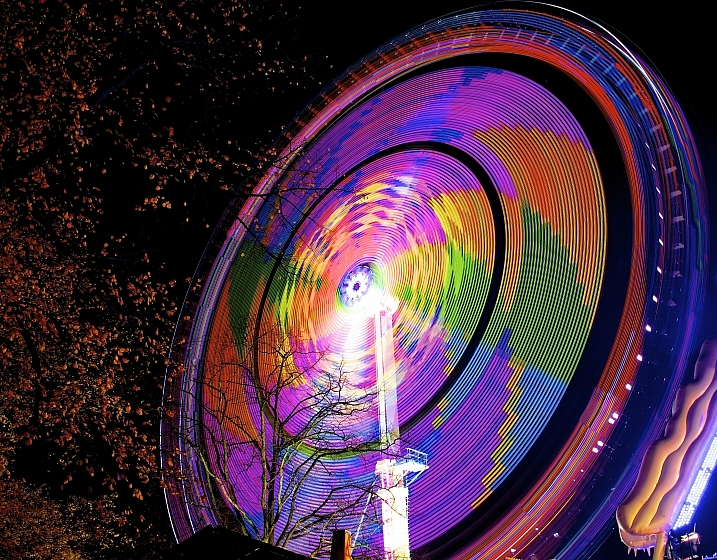
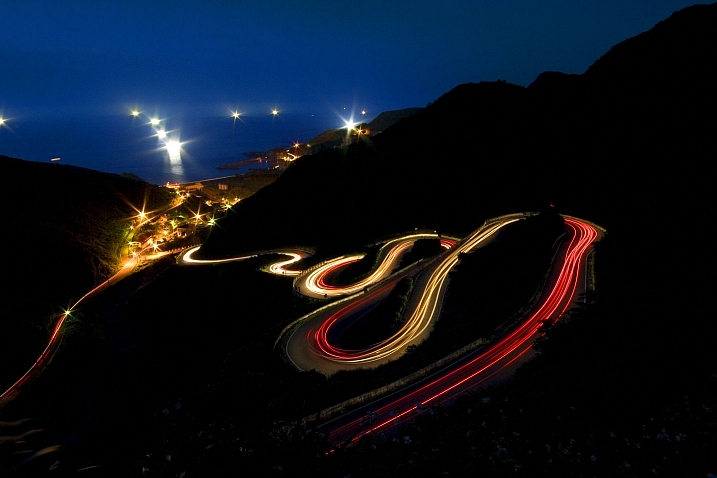
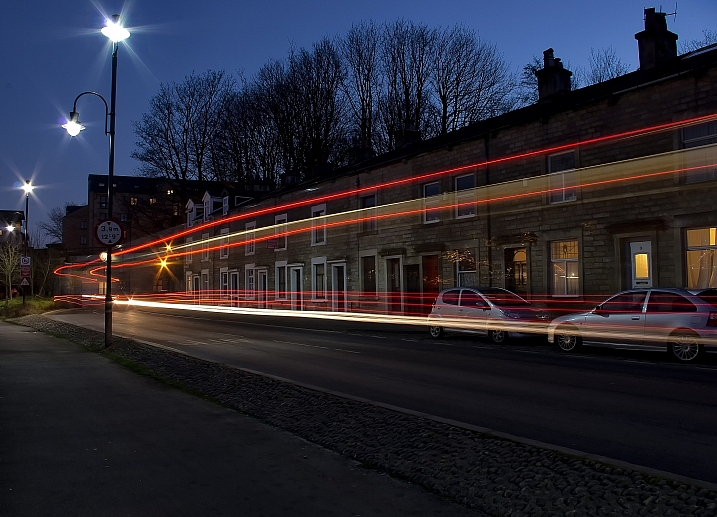
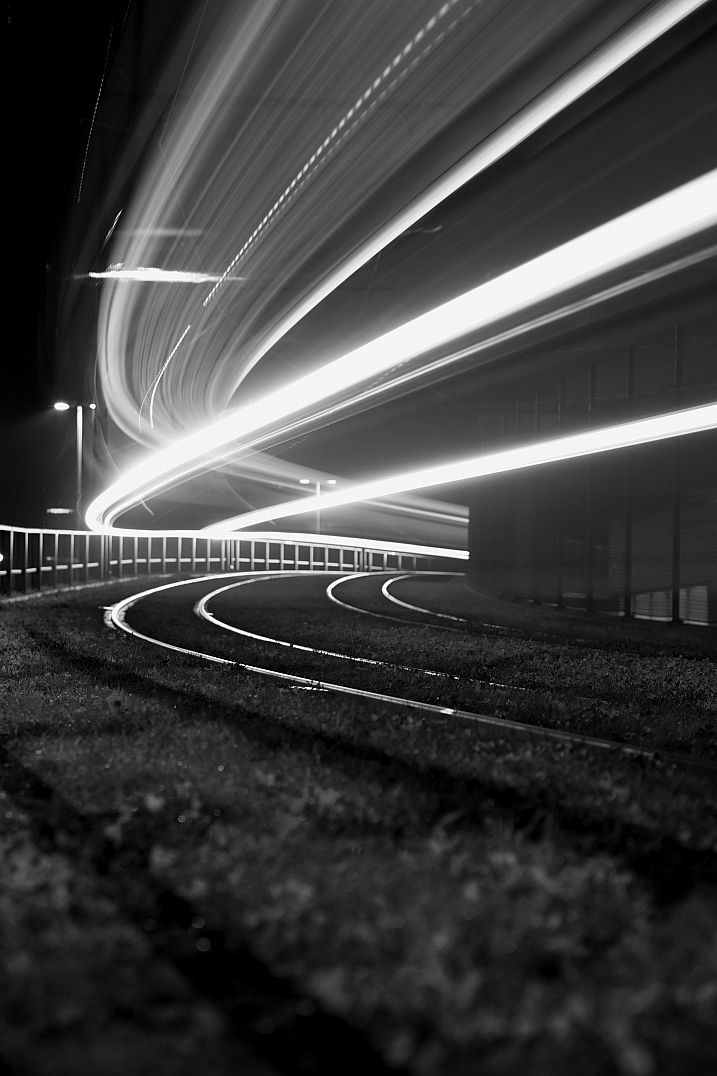
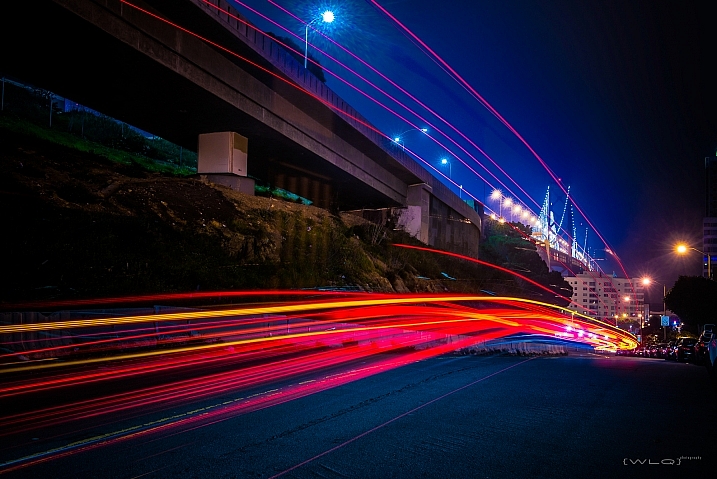
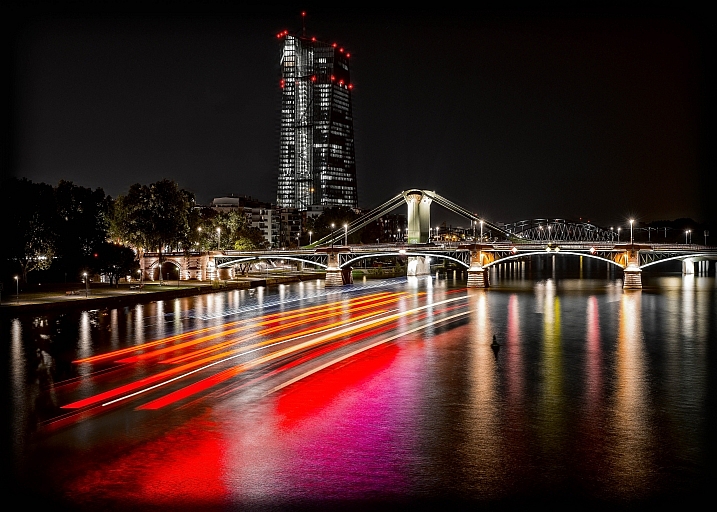
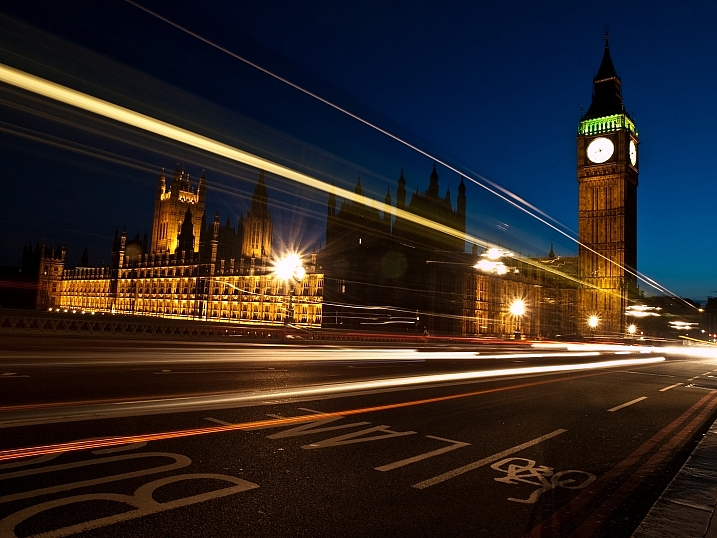
    Capturing light trails of something moving, often a vehicle, is somewhat magical because it’s something you cannot see with the naked eye. So only through the use of a camera and the right exposure techniques can this be possible.

    Remember that light painting is just that if you show the light source – capturing the light trail.

    Let’s look at a few images of light trails and see how these photographers captured the magic:

    X_tine

    By x_tine

    JamesHarrison_

    By JamesHarrison_

    Howard Ignatius

    By Howard Ignatius

    Paulius Malinovskis

    By Paulius Malinovskis

    Cabrera Photo

    By Cabrera Photo

    Sam DeLong

    By Sam DeLong

    Todd Blaisdell

    By Todd Blaisdell

    VFS Digital Design

    By VFS Digital Design

    Katie Inglis

    By Katie Inglis

    Keith

    By Keith

    Jthornett

    By jthornett

    Jamie McCaffrey

    By Jamie McCaffrey

    Tom Roeleveld

    By Tom Roeleveld

    Alex Lin

    By Alex Lin

    Mike Boening Photography

    By Mike Boening Photography

    These * Are * My * Photons

    By These * Are * My * Photons

    Altug Karakoc

    By Altug Karakoc

    Wilson Lam

    By Wilson Lam

    Thomas Renken

    By Thomas Renken

    William Warby

    By William Warby

    Luc Mercelis

    By Luc Mercelis

    Aaronisnotcool

    By aaronisnotcool

    Alan Newman - An1.uk

    By Alan Newman – an1.uk

    Scott Griggs

    By Scott Griggs

    googletag.cmd.push(function() {
    tablet_slots.push( googletag.defineSlot( “/1005424/_dPSv4_tab-all-article-bottom_(300×250)”, [300, 250], “pb-ad-78623” ).addService( googletag.pubads() ) ); } );

    googletag.cmd.push(function() {
    mobile_slots.push( googletag.defineSlot( “/1005424/_dPSv4_mob-all-article-bottom_(300×250)”, [300, 250], “pb-ad-78158” ).addService( googletag.pubads() ) ); } );

    The post 24 Magical Images of Light Trails by Darlene Hildebrandt appeared first on Digital Photography School.


    Digital Photography School