A Guest Post by Jeff Guyer.
Let’s face it– photography is an expensive hobby and an even more expensive profession. Camera bodies, speedlights, reflectors, memory cards, lighting equipment, backdrops, batteries, stands, hard drives, tripods, back-ups, gear bags, hard cases, the latest gizmo or gadget-that-you-seriously-cannot-possibly-live-without…and don’t forget the glass. Next to the camera itself, quality lenses make up the most expensive part of just about any gear closet.
In an ideal world money would be no object and pesky things like gear budgets would be non-existent, paving the way for me to purchase all of the shiny, brand-new lenses I could possibly want (“Hi, Nikon? I’ll take one of everything!”). The reality, though, is that I have to balance my lust for gear against how many meals my rapidly growing 12-year-old son gets to eat each week. The truth is, the buying and selling of used lenses has almost become an industry unto itself. There are a lot of high-quality second-hand lenses out there, which means you can satisfy your “need” and still save a good bit of money if you’re smart.
Where to begin? Well, there’s nothing for you to buy if you don’t hook up with…
The Right Kind of Seller
Even though it should go without saying, I’m going to say it. Do your homework! It’s not enough to know everything about WHAT you want. You may have read all about the sweet spot on the Nikkor 24-70 f/2.8, or the minimum focus distance of the Canon 70-200 f/2.8 L-Series, but when you’re getting ready to drop a significant chunk of your hard-earned money on a lens, you need to find out everything you can about the person selling it.
If you’re contemplating a face-to-face transaction, ask around. Get references or referrals if you can. In this day and age of Facebook, Twitter, and Google+, chances are good that buyer and seller each know someone in common. If you’re buying on ebay, carefully check the seller’s feedback and ratings, particularly the comments. Also take a few minutes to compare the price against other auction sites and even that of a new lens.
Although I have purchased lenses on ebay with excellent results, it is generally not my first choice. After all, the first time you are going to have the lens in your hands is after you’ve already paid for it. Unless the seller has blatantly lied about the condition, you’re stuck with it (and sometimes even if they have). It’s entirely possible that what has been advertised as “minor wear” is actually a much larger scratch than you’re willing to overlook. I tend to be kind of nitpicky in that department, which just one of the reasons why I recommend buying used lenses in person whenever possible.
Try buying locally if you can. First, if you and your seller travel in the same circles, you exponentially increase your odds of an honest, above-board transaction. Nobody is going to risk their reputation over a used lens. Another important benefit to purchasing locally is the fact that you can have an actual visual and physical examination of the lens before you buy it. Being able to check it out and– more importantly– put it on a camera and test it are going to be the two most important factors in your decision to actually buy the lens. Never, ever underestimate these advantages.

The Physical Exam — What to Look For
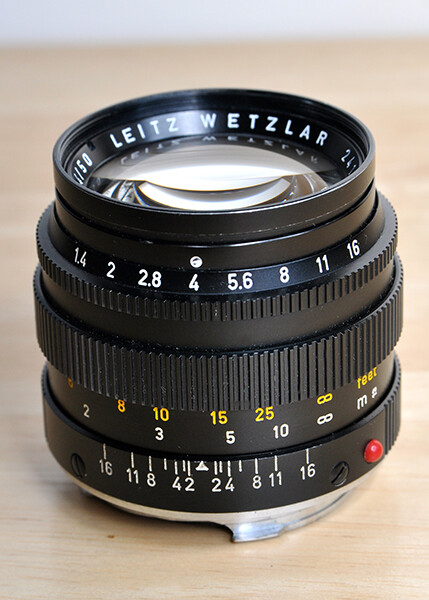
For starters, a quality lens is just going to feel good in your hands. Take a minute or two to look for anything obvious– dings, scratches, or any places where the finish may have rubbed off from excessive or careless use. Are the rubber grips on the zoom and focus rings snug and intact? Do the rings turn smoothly? How are the filter threads? Are switches intact and functioning properly? Only you can decide for yourself how much is too much, but remember that what you see on the outside is usually indicative of the care with which the original owner treated the lens. Also keep in mind that the finish on a quality lens should not rub off, regardless of age and proper use.
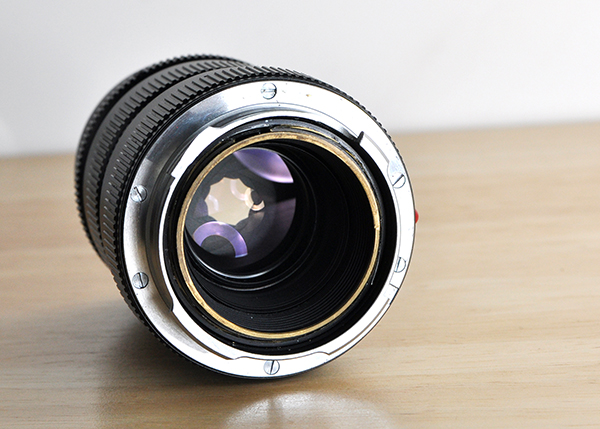
Next check the front element, preferably in bright light. Hold the lens against the light at different angles, checking the glass and coating for any scratches or other imperfections. Some of these imperfections MIGHT not necessarily affect image quality, but they should absolutely be a factor in negotiating the price. If the lens has an aperture ring, open it all the way and try looking straight through it like a telescope. Do you see any dust, mold, or anything else that shouldn’t be inside your potential investment?
Now turn it around and check the mount. Is it clean? Are there any scratches? Is it bent or seemingly out of alignment in any way? Are the contacts clean and in good condition? Remember that this point of connection is the only thing that lets the camera communicate with the lens. This is where it can all go wrong if you’re not careful. Any of the imperfections discussed so far might not necessarily be deal-breakers, but any problems whatsoever with the mount should be. Just walk away.
The Fungus Among Us
If you’ve read enough ebay auctions or classified ads for used lenses, you’ve been assured that the object of your lust and desire is free of not only dust and other particles, but fungus and mold as well. That’s great, but how would you know? The fungus/mold issue comes up most often in the case of older lenses in particularly humid climates. Early stages will resemble those dried water spots on your bathroom mirror, while more advanced stages can look like spider webs. If you see this, do not even think about attaching this lens to your camera. Fungus and mold are living organisms and can spread, both to your camera and other lenses that are subsequently mounted to it.
Test It!
If you’ve purchased used lenses before, chances are you either didn’t test it at all, or if you did test it, you probably took a few random shots in the parking lot where you met the seller to make sure the auto-focus was working and that something actually showed up on your camera’s LCD. Don’t sell this part of the process short. Take a methodical approach.
You’ve changed lenses enough times to know how it should feel. Does the lens turn smoothly or does it feel like you’re forcing it? Is it too tight? Too loose?
Now shoot. I’m not talking about two or three shots. I’m talking about 100 shots. To really put this potential purchase through its paces you need to take close, mid-range and far focus images at multiple apertures, and in small increments along the entire zoom range of the lens. Was that spot there at f/16 or only at f/2.8? A problem that shows up at 200mm might not manifest itself at 70mm. Try manual focus. Listen for strange noises. Shoot something dark. Shoot something light. Does the auto-focus sound right? Do you hear anything rattling around inside the lens?
Check The Images
Even people who are careful about testing used lenses before they buy them hardly ever think to bring a laptop with them so they can get a good look at the test shots. We all know that the LCD is an unreliable indicator of image quality when we are photographing for our clients, so why should you automatically trust it when you’re about to hand over your cash to a stranger? If the seller really is on the up-and-up they won’t mind sticking around for a few extra minutes while you check the image quality against the only standard that really matters– your own two eyes.
A Special Note to Vintage/Film Camera Collectors
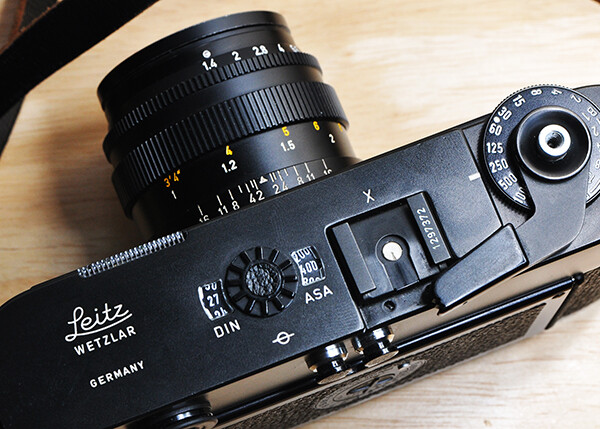
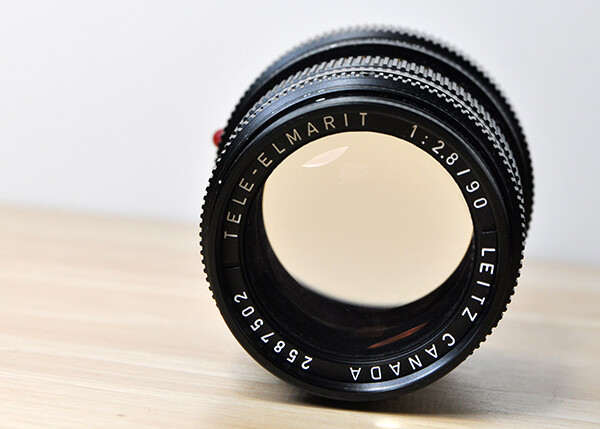
When lenses sit unused for an extended period of time, the special oil used to ensure that aperture blades move smoothly can leave shiny spots on the blades and cause them to stick. It will usually be visible on the blades as you adjust the ring, but if the lens has a depth-of-field preview switch, adjust to the smallest aperture and press the DOF preview button. Properly functioning aperture blades will snap smoothly into place without sticking.
The Bottom Line
I know we all love the excitement of opening new boxes from B&H and Adorama. It would be a mistake, however, to avoid well-cared-for lenses just because they’re previously owned. Nikon, Canon, Tamron, Sigma and the others spend a great deal of time and money researching and producing lenses which are made to last. If you take a smart, methodical approach there is no reason why one of these previously used lenses can’t find a valuable, productive spot in your camera bag.
Jeff Guyer is a photographer based in Atlanta, GA. In addition to shooting portraits, architecture, sports, weddings, and just about anything else that pauses in front of his lens, he also teaches a Digital Photo Challenges class for kids. Follow him on Facebook at http://www.facebook.com/guyerphotography or on Twitter @guyerphoto
Post originally from: Digital Photography Tips.
Check out our more Photography Tips at Photography Tips for Beginners, Portrait Photography Tips and Wedding Photography Tips.
An Introduction to Buying Used Lenses

Digital Photography School