10fps Shutter sound of Canon 1D MK3
Video Rating: 4 / 5

With the lens cap on, I recorded (1080 24p) while stepping through all of the ISO settings on a Canon 60D. I then enhanced the clip with a levels filter to see how much noise was being introduced by the different ISO settings. The result may not be what you expect.
Check out these visual art images:
Findings by KRVIA Design Cell – Jan 12, 2013

Image by BMW Guggenheim Lab
Mapping Privacy in Public Spaces Project: Findings by KRVIA Design Cell
BMW Guggenheim Lab
January 12, 2013
Dr. Bhau Daji Lad Museum
Mumbai, India
Where do Mumbaikars find privacy in their city? The KRVIA Design Cell talked about their findings from the Mapping Privacy in Public Space research project, conducted through the Lab’s run. They discussed their methodology and their experience in data collection across the Lab’s six sites, and shared the visual imagery and maps they created from their research from over 200 participants.
Photos: UnCommonSense © 2013 Solomon R. Guggenheim Foundation, New York
A Guest Post by Ben Evans
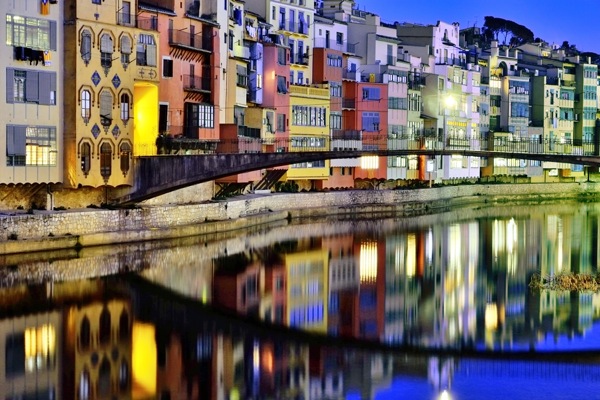
Holistic Photography is a way to develop an artist’s appreciation for the visual world. This is achieved by interaction with challenging ideas and technical mastery of the photographic craft.
Photographers, in my experience as a photography coach, tend to gravitate toward two extremes;
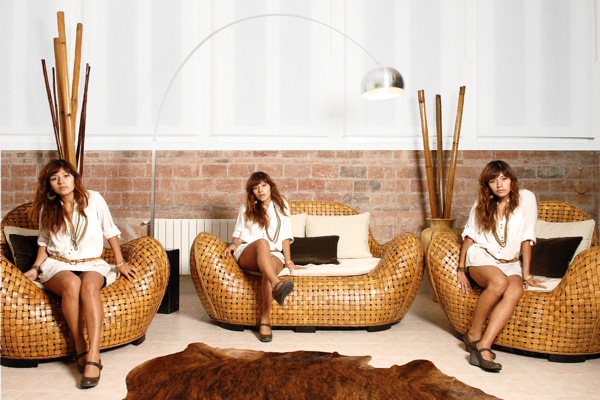
I’m misusing ‘science’ to mean technical expertise and measurable results. Craft is closer, but popular usage muddies the meaning.
Photographers attracted by this sphere tend to be focussed on the intricate details of their equipment, photographic rules, precise exposure values and accurate colour balancing. They are very protective of the highlights in the photographs and either use HDR and Photoshop extensively, or take up a ‘no manipulation’ stance (and occasionally use film). Digital noise is the enemy and sharpness is of paramount importance; though lenses with apertures as wide as f0.95 are often favoured.
Typical questions include;
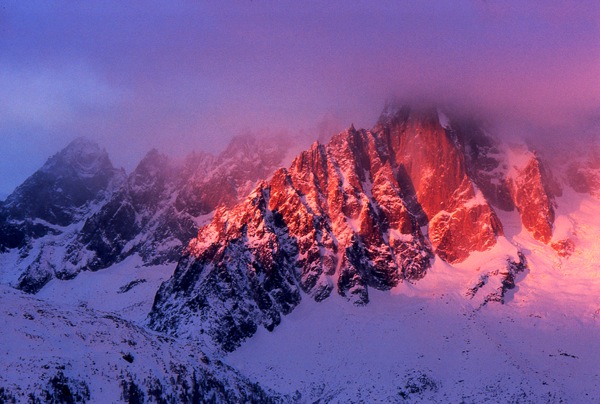
Photographers, often buoyed up by Instagram fame and Facebook ‘likes’, believe that the camera doesn’t matter and that one prime lens or super-zoom is enough. They tend to use obvious Photoshop ‘art’ filters and composite images. They may have an artistic background and believe strongly in the importance of a good ‘eye’. Their photos tend to have higher contrast and more saturation.
They ask fewer questions;
Therefore, it is either the camera drawing the photographer’s attention, or the subject; seldom both. Holistic Photography aims to correct this imbalance by providing a structure, the Quartet.
Photographs without a thought or feeling behind them rarely command attention. Holistic Photography separates this crucial aspect into two parts;
– Preservation:
The camera is a marvellous tool for accurate reproduction of the visual world. It allows us as photographers to capture an impression of a scene or subject, then carry it through time and transmit it across the world. This is the realm of mimesis; show, don’t tell. The subject is enough and there is little creative input from the photographer; although often tremendous skill with the craft is required.
A lot of art used to exist solely to create displayable simulacrum of a patron’s possessions; including people and animals. Now commercial photos normally exist to identify, preserve and sell. There are still some people alive who think that preservation is all photography is, or can be (and maybe even should be?).
Examples;
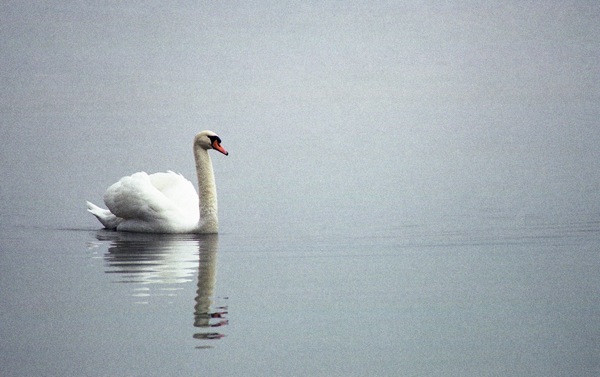
– Expression:
Some paintings can be photo-realistic and say nothing while others can be deeply moving; we’ll call them Art. Photography can also be an excellent medium creating for Art with a capital ‘A’.
Expression in Holistic Photography is about the transmission of a thought, idea or feeling. First and foremost are those photographs about the Holistic Photographer’s inner life and perspective of the world.
Often the subject is used as a symbol or part of a palette; the photograph isn’t just about the objects depicted. What we know and believe physically effects what we see, so Holistic Photography includes ways of developing the elusive ‘artistic eye’.
Also important are those commercial photographs that go beyond the rational depiction and into emotional content. A portrait says more about a sitter’s character than just what they look like. A car advertisement sells a vision of another life.
Examples;
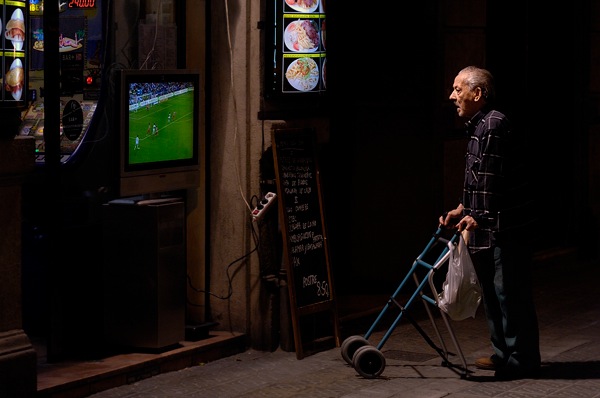
Light is crucial for everyone, and especially for photographers. Light is pretty predictable and this section is dealt with by introducing key principles which allow the Holistic Photographer to identify or create the ‘right’ light for their intended photograph in many different situations. The process of looking at Light is divided into three parts;
– Observe: Our primary light source is normally the sun or an artificial flash. This is the Key light. The other light sources, and light reflected by objects in the scene provide Fill light.
We can identify many factors such as the colour content, intensity, duration, character and direction of the lights incident upon our scene and subject.
By understanding the fundamental principles, we can understand how to analyse light and optimise our subject’s positioning to make the most of it. The question is always, ‘Where are my light sources?’
– Control: If we were content with what the world presented us with, we would still be living in caves. It follows that taking control of the lighting in your scene is desirable.
We can do this by adjusting and refining the light sources already present, or by adding more; usually artificial flashes. Reflectors serve to bounce light. Silks can soften it. Gelled lighting can colour it. If the budget is big enough, there are few effects that the photographer can’t achieve.
– Capture: This sub-section normally provides the majority of material for a ‘complete’ photography syllabus. It covers how the camera reacts to light, including aperture, shutter speed and ISO sensitivity. Understanding the creative application of these three variables plus filter-use is emphasised.
Exposure modes and compensation are taught here along with modifying the camera’s response to colour using the White balance. Techniques such as HDR imaging and in-camera effects fit within this area.
Photography is a two dimensional medium which represents the three dimensional visual world. Therefore, we need to rely upon tricks to create the illusion of depth and perspective. We also need to compose the elements in our photographs to ensure that our subject is clear and our intended meaning is apparent.
Fortunately Aesthetics, which aims to achieve this, is well-established, and there are plenty of principles we can learn from and apply. Composition is divided into two parts;
– Command: A camera captures a more objective impression of the world than our subjective experience. Therefore, to make photographs that move our audience, we must take advantage of certain effects created by the camera.
For example, we can control perspective using the Pyramid Technique which covers camera positioning and choice of focal length. Beyond such in-camera techniques as optimising depth of field to communicate our message, we may also be able to direct our subject within the scene.
– Significance: Light is energy and colour is our reaction to predominant wavelengths. Scientific evidence has shown that colour has a physiological and psychological effect on people. Understanding colour psychology is covered in the section on Light, but the composition of colours within the frame also affects their significance.
Understanding symbols, either cultural or instinctual, gives the Holistic Photographer the necessary fluency in the visual language to create metaphors and narratives.
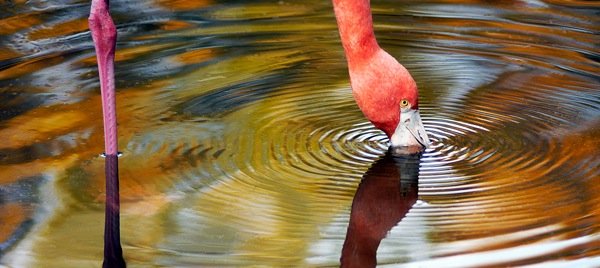
The world is apparently 4.54 billion years old. The average photograph is made in about 1/250th of a second. Why choose a particular moment in time to capture the arrangement of things?
Mountains grow up and erode over millennia while a world-title winning jab may last for milliseconds. Movement can be captured at different moments to create opposite meanings.
The duration of the exposure also affects how movement is shown, and can even be adjusted to de-familiarise time itself. Lighting also changes with time, so an understanding of light requires attention to time. Timing is divided into two parts;
– Moment: Cartier-Bresson the Surrealist street photographer thought that each scene had a ‘decisive moment’ when all of the elements of the picture came momentarily together to tell the story of the whole scene. Different photographers will see different moments because their interpretation of the scene is unique.
However, there are some useful concepts to know. For example, research into micro-expressions says that people’s true emotions show momentarily on the face. High speed film cameras such as those made by RED can capture these. Timing is also linked to composition; a person seems different if they are photographed at different moments when they’re walking. If their legs are shown together they seem like they’re dawdling, and if they’re caught mid-stride they look purposeful.
– Duration: How long is a moment? We are really capturing a length of time. The duration we choose affects how the photograph appears; and therefore its potential meaning. Pictures of bullets in flight use high-speed bursts of flash-light to freeze motion otherwise invisible to the naked eye. Conversely the Ultra Deep Field photograph of galaxies required the Hubble telescope use a shutter speed of ten days.
These are extremes; in this photograph the duration that the photograph was taken for was sufficient to blur the movement of the blacksmith’s arm; but fast enough that the rest of the photograph appears sharp.

Separate from the quartet but still important, these two categories look at the equipment required to create the photograph. Inputs include the camera, lenses, tripods, lighting equipment, filters and so on. Outputs include printing options, framing, digital displays, computers, image editing software and those fridge magnets with the holiday snaps on.
So the Quartet – the Idea, the Light, the Composition and the Timing – provides the structure for Holistic Photography and the Ins & Outs take us from capture to display. You can check out the Holistic Photography Quartet video
My experience of learning photography was like a Seurat painting or a Rolf Harris drawing; slowly building up the bigger picture from specific ideas and techniques. Holistic Photography helps accelerate and deepen learning by beginning with the complete outline first, then providing the material for the individual to build his own unique skill and vision and connect previously learned material.
Photography has given me a deep appreciation for the world that I couldn’t even imagine when I started. As well as a way to preserve, it has become a way to see, understand and express; which continues to develop. This is why I created Holistic Photography – to help my own progress and share the process with others. I hope that it is useful.
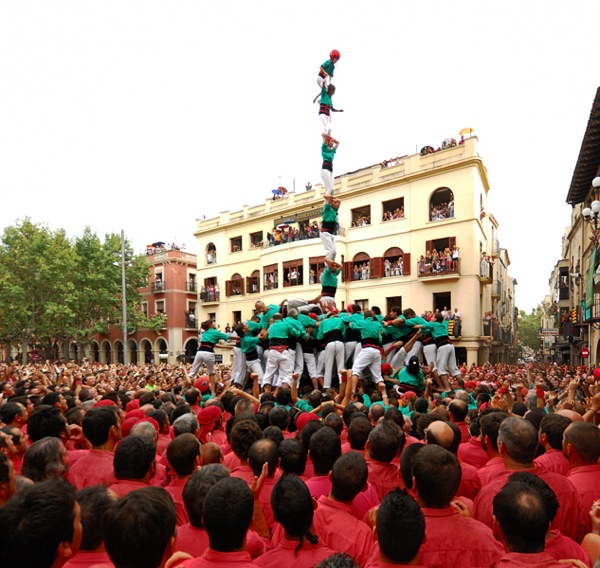
Ben Evans gives Holistic Photography coaching internationally. Check out his Barcelona photography courses and his £0.99 ebook, Photography: The Few Things You Need To Know.
Post originally from: Digital Photography Tips.
Check out our more Photography Tips at Photography Tips for Beginners, Portrait Photography Tips and Wedding Photography Tips.
What is Holistic Photography?
The new Nikon G/DX lens mount for the RED One camera is demonstrated.
Redondo Beach Pier March 18, 2012. Very windy day with rough surf. Taken with Nikon D3x.
This is a Valentine’s Day mini scrapbook that I made.
Video Rating: 4 / 5
Mit seinem Projekt „The Sinking World“ erweckt Andreas Franke eine seltsame, vergessene Unterwasserwelt wieder zum Leben und erschafft Reiche, die es nie gegeben hat. Alltagszenen und die opulente Welt des Rokoko versetzt der Künstler auf zwei Schiffswracks und stellt die Bilder dort auch wieder aus.
Die Bilder erzeugen ihre Spannung durch die Gegensätze, die sich in sich vereinen: Die sanfte, geheimnisvolle Leere, die in schlafenden Schiffswracks auf den Meeresböden herrscht, wird verbunden mit realen Szenen voller Leben und Vitalität. So entsteht eine neue Welt, die ebenso bizarr wie anziehend ist.

Die dort unten ruhenden Giganten bilden nicht nur fantastische und einzigartige Hintergründe für die Szenerien in Andreas Frankes Arbeiten – sie bieten auch die besten Ausstellungsräume, die man sich für diese Bilder vorstellen könnte. Diese spektakulären Unterwasser-Galerien ziehen vorbeikommende Taucher in ihren Bann und zeigen auch die Wirkung des Ozeans selbst.
Denn während der Wochen und Monate unter Wasser hinterlässt das Meer eindrucksvolle, unvergleichliche Spuren auf den Bildern. Es schmückt sie mit einer speziellen Patina, versieht sie mit dem Gesicht der Vergänglichkeit und verwandelt sie in einzigartige Schönheiten, ähnlich vergilbten Fotos, die von den Umständen gezeichnet wurden.

24.27 N, 81.44 W. An diesen Koordinaten befindet sich die letzte Ruhestätte der USS General Hoyt S. Vandenberg. Im Mai 2009 wurde die Vandenberg in die Dunkelheit vor der Küste Floridas versenkt, um ein künstliches Riff zu werden. Schnell entwickelte sich wieder Leben auf den stillgelegten 10.000 Tonnen, die in knapp 40 Metern Tiefe liegen.
Dieses lebendige, geheimnisvolle Nichts und diese bedrohliche, wilde Leere haben den Österreicher, Fotografen und passionierten Taucher Andreas Franke in ihren Bann gezogen. Er nahm also Studioaufnahmen von Alltagsszenen und setzte sie in diese Unterwasserwelt ein, die vom Schiff und seiner Atmosphäre geschaffen wird.

So findet ein Boxkampf auf dem Boden des Meeres statt und wie in einem Märchen läuft ein Mädchen in einem weißen Kleid mit einem Schmetterlingsnetz über das geisterhafte Deck. Mrs. Smith hängt ihre Wäsche zum Trocknen auf und Mrs. Pawlowana übt mit ihren drei Ballett-Schülerinnen.
Es entsteht eine Welt, die von den blaugrünen Nebeln des Meeres umgeben, irgendwo zwischen Vergangenheit und dem Heute verankert ist. Erinnerungen, Geisterschemen, Spukgestalten – Möglichkeiten? Auf der Vandenberg spielen sich Szenen ab, die ebenso verwirrend wie faszinierend sind.

Die Fotos wurden für ihre Ausstellung unter Wasser mit Plexiglas versiegelt, in rostfreie Rahmen mit Magneten gesetzt und schließlich vorsichtig an den Seiten des Schiffes selbst wieder angebracht. Durch die Verwendung von Magneten und besonnener Auswahl der Anbringungspunkte wurde es möglich, das Leben der neuen Bewohner auf der Vandenberg nicht zu stören und auch das Schiff selbst nicht zu beschädigen – so konnten die Bilder später auch leicht wieder abgenommen werden.
Während Taucher durch die Ausstellung schwebten, trugen Algen und Mikroorganismen des Salzwassers ihren Teil zu den Bildern bei, indem sie jedem Bild eine individuelle Signatur des Ozeans verliehen. Ein leiser Hauch von Unbeständigkeit auf den Bildern, die für die Ewigkeit – in menschlichen Maßstäben – gemacht zu sein schienen. Aber alles schwindet, wenn auch langsam.
~
Die SS Stavronikita liegt bei 13.8 N, 59.38 W auf dem Grund des Ozeans, direkt neben der karibischen Insel Barbados. Sie fiel vor über 20 Jahren einem Feuer zum Opfer und fand an diesem Punkt ihre letzte Ruhe – versteinert zu einem künstlichen Riff, von dem man dachte, dass es bis in alle Ewigkeit schlafen würde.
Über die Jahre hat das Meer das Wrack mit seltsam schönem Mobiliar eingerichtet. Unzählige schimmernde Korallen, Schwämme und Muscheln hängten sich ans Heck, die Masten und die Wände. Schwärme von Fischen der unterschiedlichsten Arten richteten sich rund um den gesunkenen Frachter ein.

Dieses Wrack ist ein atemberaubendes Symbol der Unverwüstlichkeit des Lebens. Das Leben kann nicht einfach ausgelöscht werden. Es entfaltet sich, blüht, gedeiht, keimt und knospt. Direkt vor der Küste von Barbados feiert es ein überbordendes Fest seiner unvorstellbaren Kräfte.
Zu diesem Überfluss an kleinteiligem, wuselndem Leben in allen Formen und Farben passt eine Epoche, die ebenso die Extravaganz, Eitelkeit und den Prunk dekadent feierte: Rokoko. Perfekt fügen sich drei junge Damen bei einem verschwenderischen Picknicks in die von Korallen wimmelnde Welt ein.

Das Deck wird zum Ankleidezimmer für eine Dame im Reifrock, die aus den Kleidern in ihrem überquellenden Schrank noch ein für diesen Tag passendes auswählen muss. Wie Voyeure beobachten wir sie dabei, aus dem Schutz einer Koralle heraus.
Auch diese Bilder wurden in 24 Metern Tiefe am Ursprungsort von Ideen und Kulisse, der SS Stavronikita selbst, wieder behutsam ausgestellt. Noch bis April können sie dort im Rahmen eines Tauchgangs besichtigt werden, während das Meer wieder eine Schicht Patina aufträgt, die den späteren Betrachter an Land an die Vergänglichkeit allen Seins und das blühende Leben erinnert.

Andreas Franke ist seit mehr als 20 Jahren Fotograf und Reisender in der Welt und zwischen den Welten. Seine Arbeit führt ihn regelmäßig in etliche Länder auf etlichen Kontinenten – ebenso wie seine Leidenschaft für das Tauchen. Inspiriert von diesen Eindrucken an Land und unter Wasser überschreiten seine Bilder die Grenzen zwischen Fantasie und Realität.
In meinen Fotografien versuche ich, Scheinwelten zu erschaffen, die weit hinter den oft oberflächlichen und aufmerksamkeitsheischenden Bildern der Werbeindustrie liegen. Deshalb basiert meine Arbeit immer auf einem strengen Konzept, das fotografisch und technisch perfekt umgesetzt wird. Jedes kleine Detail ist Teil einer präzise arrangierten Produktion.

Für mich ist es wichtig, den technischen Fortschritt der Fotografie auszunutzen, um die Grenzen der fotografischen Verbildlichung auszuloten. Heute haben wir Möglichkeiten, von denen wir vor einigen Jahren noch nicht einmal geträumt hätten. Sie öffnen den Weg für unsere Vorstellungskraft und Fantasie.
Mit meinen Fotos von gesunkenen Schiffswracks möchte ich den Betrachte in eine unwirkliche und merkwürdige Welt ziehen. Geheimnisvolle Szenen der Vergangenheit, die in einem erdachten Raum spielen. Traumwelten, in denen man verloren gehen oder sich mit ihnen identifizieren kann. All das erschafft eine neue und unerwartete Atmosphäre.

Wer nun beim Betrachten dieser traumhaften Unterwasserfantasien in Seufzern versinkt, dem sei die Webseite des Projektes „The Sinking World“ ans Herz gelegt. Im Shop gibt es auch Poster, Drucke in limitierten Auflagen und wer etwas ganz Besonderes haben möchte, kann auch eines der Originalbilder erwerben, die auf den Schiffswracks ausgestellt wurden.
kwerfeldein – Fotografie Magazin
Douglas Underdahl of Long Valley Equipment www.longvalleyequip.com shows you how to swap the PL mount on the RED camera to Nikon mount; part 2 of 2
Video Rating: 4 / 5
This was filmed on the south side of Redondo Pier on Sunday, March 18, 2012. It was windy and very cold. The video was shot with a Nikon D3x at about 1 frame per second. Over 800 frames were taken than exported into a video using Photoshop 5 set to about 6 frames a second.
Video Rating: 0 / 5
Check out these visual art images:
Findings by KRVIA Design Cell – Jan 12, 2013
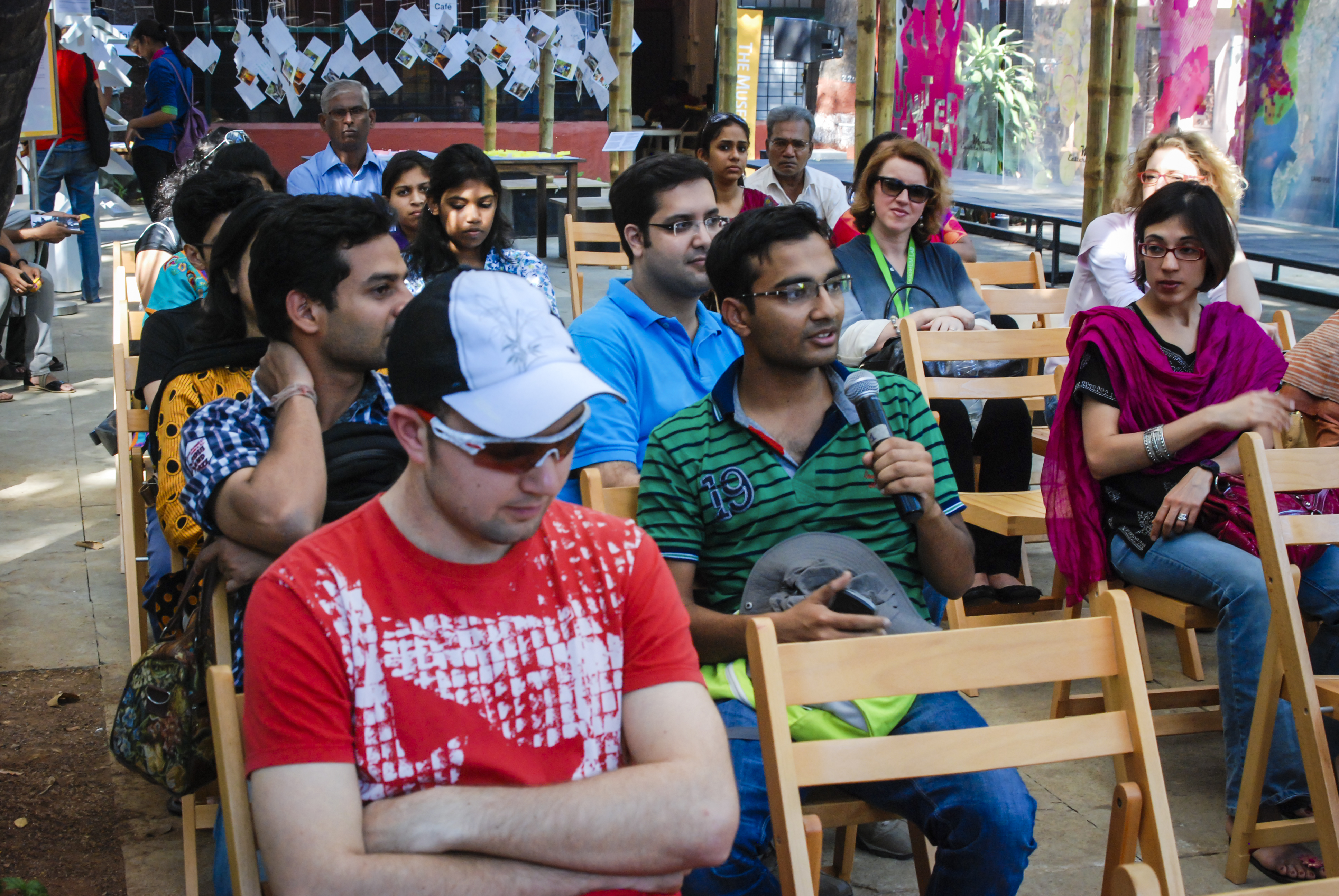
Image by BMW Guggenheim Lab
Mapping Privacy in Public Spaces Project: Findings by KRVIA Design Cell
BMW Guggenheim Lab
January 12, 2013
Dr. Bhau Daji Lad Museum
Mumbai, India
Where do Mumbaikars find privacy in their city? The KRVIA Design Cell talked about their findings from the Mapping Privacy in Public Space research project, conducted through the Lab’s run. They discussed their methodology and their experience in data collection across the Lab’s six sites, and shared the visual imagery and maps they created from their research from over 200 participants.
Photos: UnCommonSense © 2013 Solomon R. Guggenheim Foundation, New York
Findings by KRVIA Design Cell – Jan 12, 2013

Image by BMW Guggenheim Lab
Mapping Privacy in Public Spaces Project: Findings by KRVIA Design Cell
BMW Guggenheim Lab
January 12, 2013
Dr. Bhau Daji Lad Museum
Mumbai, India
Where do Mumbaikars find privacy in their city? The KRVIA Design Cell talked about their findings from the Mapping Privacy in Public Space research project, conducted through the Lab’s run. They discussed their methodology and their experience in data collection across the Lab’s six sites, and shared the visual imagery and maps they created from their research from over 200 participants.
Photos: UnCommonSense © 2013 Solomon R. Guggenheim Foundation, New York

First test of the Panasonic Gh1 vs the Canon 7D. Both cameras use the bundled lenses for the comparison. This is also going to be the first in a new set of videos showing how to setup as use the GH1.
You must be logged in to post a comment.