RSS
 

Posts Tagged ‘Ways’

5 Easy Ways To Screw Up a Photo

22 Mar

Over the years I’ve screwed more photos than I can count.  And recently, when I was thinking about it, there have been a few constants behind many of these screw-ups.  They are all easy to fix, but in our fast moving world they are all mistakes that are so easy to make.  Here’s a short list to help us both avoid them in the future.

1.  You don’t focus exactly on a person’s eye.

1-anne-marieThis point could be taken further by just saying to always make sure to focus on the specific spot that you want the sharpest.  But I find this mistake hurts the most when doing a close-up portrait of a person’s face.  If you are using a shallow aperture, or even if you’re not, make sure that the focus is right on the dominant eye.  If you screw up focus on the eye in this type of portrait, then you screw up the shot.  When you view the portrait on a small monitor or in a very small print, it may not matter, but if you want to create a high quality portrait, then you need the focus on the eyes to be correct.  The eyes are the key to a portrait.

2.  Not stopping your motion completely before you take a shot.

I am generally a very calm person, but nothing makes me want to shake people more than when I see them not stop themselves fully before taking a photo.  It can be a tough habit to break, especially on vacation, however, the fact is that your photos will be blurry if you don’t stop yourself.

If you are traveling and taking photos, try taking less pictures and instead wait for the most interesting moments. Then, take your time on the shots that you do want to take.  If you’re walking around and quickly taking shot after shot without stopping then you might as well just put the camera away and enjoy the view without it.  And anyway, it’s so much better to have 20 amazing shots from your trip instead of 1000 mediocre ones.  Who has time to look through 1000 mediocre shots these days anyway? We have more important things to do, like looking at photos of cats doing ridiculous things on the internet.

3.  Not stopping a forced smile. 

Sara

Here’s a portrait of my wife on our honeymoon.  Isn’t she gorgeous!  The warm lighting on her face, the wind in her hair, the texture in the foreground mixed with the incredible cool blue background are all perfect.  But I wasn’t thinking.  I should have taken her bag and the camera, maybe taken a shot without the sunglasses to see her beautiful eyes, and just taken my time to capture a really good quality portrait.  Most importantly, I should have told her not to smile.  This moment just screams out for a natural expression.

Most of the time people don’t look better or even happier when they put that forced smile on their face.  It wasn’t necessary here, I should have noticed it, and I should have worked to catch her with a more natural expression.  I like this photograph of her, but I screwed up and it could have been so much better.  One standard smile and a couple small details can be the difference between an average family snapshot and the best shot you’ve ever taken of your wife.

4.  Using too much straight on flash and not enough natural light.

One of the cardinal sins of photography is the harsh, direct flash showing every pore and detail of a person’s face with the background completely blacked out.  In a few extremely dark situations this might be the only option.  However, if you have a decent lens and camera and there is even a little ambient light, then there is no reason that a flash needs to do all the work, or in many cases, any of it.  You should own a lens that can shoot at least at F2.8.  I know lenses are expensive, but you can get a prime Canon 50mm F1.8 lens for $ 100 and a 50mm F1.4 lens for $ 350.  Those lenses can shoot in the dark.

So if you’re shooting an event, a family function, or an environmental portrait in a place with a low level of light, start with a high ISO and a low aperture to see how much of the available light you can use.  Then, set your flash to provide some fill for the main subjects.  Straight on flash, even as a fill can be a terrible look, so if the ceiling is low enough, a good strategy is to bounce the light up and slightly backwards off the ceiling.  Anything but straight on.
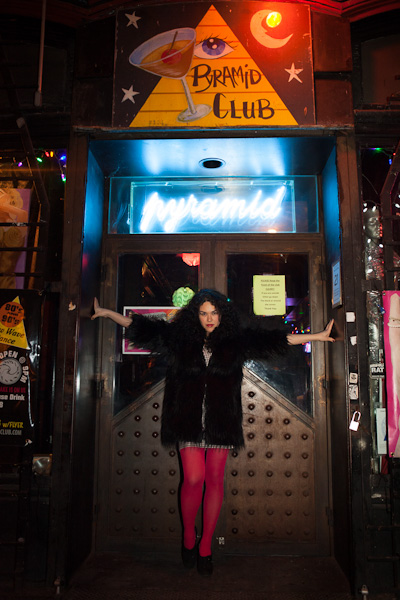
Jacquelyn

1/50th at F2.8, ISO 1600 – Ambient light mixed with direct flash from a 45 degree angle.

5.  Not getting the exposure perfect in the camera.

I know, I know, you can fix it in Lightroom later.  But try this.  Take two shots of the same scene, one exposed correctly and one underexposed by a stop.  Then raise the exposure by a stop on the underexposed shot in Lightroom.  They look different.  The colors and contrast will be slightly off.  It’s not the same.  And yes, maybe you can get it to look similar or equal to the correctly exposed shot with a bit of work and futzing, but what if you don’t have that correctly exposed shot to compare it to?

Try hard to capture the perfect exposure in the camera.  It’s not always possible, but it’s always important.  And it will improve your images significantly.


Post originally from: Digital Photography Tips.

Check out our more Photography Tips at Photography Tips for Beginners, Portrait Photography Tips and Wedding Photography Tips.

5 Easy Ways To Screw Up a Photo


Digital Photography School

 
Comments Off on 5 Easy Ways To Screw Up a Photo

Posted in Photography


3 Ways To Get Sharper Close-Ups

07 Mar

In close-up photography, one of your biggest goals is to draw attention to your subject–you want to make it really stand out.

One way to make your subject stand out is to make it the sharpest part of the image, since the viewer will usually look at the sharpest thing first.

But, how do you make your subject super sharp? Well, here are three simple ways:

1. Photograph your subject in front of a contrasting background

Things appear sharp when there’s a strong contrast along their edges, so one way to get sharper close-ups is to photograph your subject in front of a background that contrasts with your subject. The background can either be a contrasting color or it could be much lighter or darker than your subject. The key is strong contrast.

Vmhawk

For example, one of the reasons why the dragonfly is so sharp in the photo above is because the dragonfly is very bright while the background is much darker. This strong contrast helps make the dragonfly look sharper.

2. Use the sweet spot of your lens

Most lenses have a particular aperture that produces the sharpest images of the lens. Sometimes this difference in sharpness is pretty dramatic, so it’s a good idea to be aware of the “sweet spot” of all your lenses. It’s usually one or two stops down from wide open. So, a lens that has a widest aperture of f/4 is generally sharpest at f/8. This isn’t always the case though, so it’s best to test your lenses yourself to be sure.

If you use Canon, Nikon, or Sigma lenses, then you can experiment with a helpful tool at The Digital Picture to find the sharpest aperture of your lenses.

3. Position your camera so it’s parallel to your subject

When you focus your lens on something, what you’re really doing is focusing on a geometrical plane that’s parallel to your camera’s sensor. Everything that’s on this plane will be in completely sharp focus, so it’s important to position your camera so it’s parallel to the most important plane of your subject.

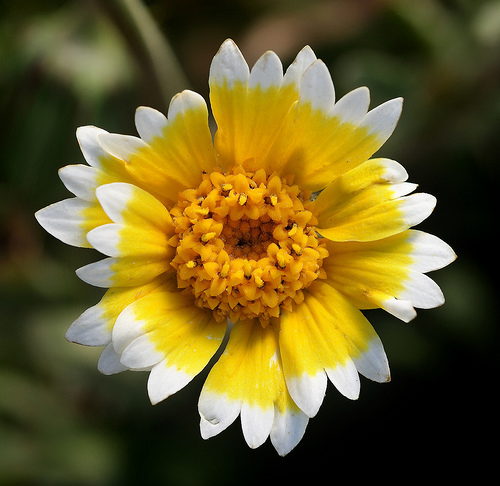
Tidytips

For example, one of the reasons why the wildflower is so sharp in the photo above, is because I spent a lot of time carefully positioning my camera so it’s sensor was parallel to the top of the flower. This helped keep all the flower’s petals in sharp focus.

But, the sharpest photo isn’t always the best photo

Sometimes it’s tempting to concentrate entirely on getting a sharp photo, because all you have to do is follow some rules like the ones above. But, it’s important to remember that composition still comes first. Sometimes you won’t always be able to get the sharpest photo because doing so would compromise the vision you had for the image.

For example, sometimes if you position your camera so it’s parallel to the most important plane of your subject, then you’ll end up with a poor background.

So, these tips aren’t meant to be followed all the time. They’re just some things to consider when you’re trying to get a sharper image.

About the Author: Steve Berardi is a nature photographer and software engineer. You can read more of his articles on nature photography at the PhotoNaturalist. Also, be sure to check out his eBook on Wildflower Photography.

Post originally from: Digital Photography Tips.

Check out our more Photography Tips at Photography Tips for Beginners, Portrait Photography Tips and Wedding Photography Tips.

3 Ways To Get Sharper Close-Ups


Digital Photography School

 
Comments Off on 3 Ways To Get Sharper Close-Ups

Posted in Photography


5 Awesome Ways to Grow as a Photographer

05 Mar

Often beginners in photography are asking me the same question – “How can I become more creative as a photographer?” I truly believe that it’s creativity that drags our attention to the image. I’ve seen thousands of technically flawless images that meant nothing to me, while sometimes one image with noise and not that perfect light stroke me, because it Continue Reading

The post 5 Awesome Ways to Grow as a Photographer appeared first on Photodoto.


Photodoto

 
Comments Off on 5 Awesome Ways to Grow as a Photographer

Posted in Photography


6 Ways to Enhance Your Creativity

08 Feb

No matter what your artistic interests, whether photography, drawing, painting, sculpture, etc., the underlying force behind your work is creativity. It’s much easier to talk about technical aspects of photography as it’s a tangible skill, unlike the more mysterious intangible skill of creative thought.  While every art form is unique unto its own, harnessing one’s creativity is a universal skill.

There are some that might say you either have it or you don’t in relation to creativity, but the truth is we’re all creative. Every child makes believe at some point and lets their imagination run wild, and if I’m correct you were once a child. Creativity is a thought process and one that can be strengthened with practice and exercise. Below are 6 ways I like to get my creative mind working. If you have techniques that work for you be sure to add them in the comments.

1. Never Stop Thinking About Photos
Whether your camera is in hand or not conduct mental exercises to find subjects, mentally frame images and think through how you would capture the subject. Keeping photography constantly in mind is important in training yourself to think creatively. If your mind is primed for creative thought, creativity will have an easier time striking you.

2. Embrace Your Mistakes & Chance
It’s OK for chance or mistakes to bring something new to your attention. Always take a second look at your mistakes and see if it presents something new to the scene that perhaps you hadn’t thought to try. Not every mistake is a creative epiphany, but you’ll never have one if you never look.

3. Find inspiration
Whether viewing artwork at museums, in photo books or immersing yourself in nature, embrace the work of others including Mother Nature to help you see or think in new ways. When our minds are introduced to new techniques or ways of seeing our mindseye begins to expand its view fostering creative thought.

4. Break the Rules
Rules are great as they provide a roadmap of how things can be done or explain why we find something visually appealing. Once you know or have mastered the rules its time to break them. Creativity knows no bounds.  A great creative exercise is to intentionally break a rule to see how you can find a new way of viewing something in a manner that is otherwise “taboo”.

5. Have No Fear
Free yourself from the fear of what others might say if critical of your creative experiments. People by nature almost always have adverse reactions to new things particularly when they’re entrenched in thinking a more common practice is the “right way” or “norm”.  Creativity is the antithesis of a “norm”. Creativity brings a new way to present and see things. Never let norms and the attachment others have to them sway you from your creative exploration of the world before you with your camera.

6. Extract Yourself
Remove yourself from familiar routine and locations. Taking time to be away from the things that normally fill your day is a great way to obtain freedom for your mind to wander. Distraction free time allows for new thoughts and ideas to surface and most importantly it allows you to shape them into actionable projects.

Post originally from: Digital Photography Tips.

Check out our more Photography Tips at Photography Tips for Beginners, Portrait Photography Tips and Wedding Photography Tips.

6 Ways to Enhance Your Creativity


Digital Photography School

 
Comments Off on 6 Ways to Enhance Your Creativity

Posted in Photography


10 Ways to Direct a Portrait Shoot like a Pro

30 Jan

In this post Gina Milicia – author of our brand new eBook “Portraits: Making the Shot” shares 10 tips on directing a portrait shoot like a Pro.

Mallory Janson New York: photo by Gina Milicia

1. Check your Mood

Have you ever been served by a rude shop assistant or waiter that was in a bad mood? How did it make you feel?

Your mood on the day of your shoot is going to have a huge impact on the people around you. If you want the people you photograph to look and feel relaxed then you should look and feel relaxed too.

2. Try to be interested rather than Interesting

A great portrait photographer knows how to speak to their models and make them feel comfortable, confident and relaxed.

A persons name is the sweetest sound to their ears so remember it and use it often.

Most people’s favorite topic of conversation is themselves. Ask questions, be interested and really listen to their answers

3. “Be yourself, everyone else is already taken.” Oscar Wilde

Ditch the boring clichés, saying stuff like “make love to my camera” just sounds really creepy

Work with a language you are totally comfortable with. If you are softly spoken then this is how you should give direction. Trying to be someone else will just make directing awkward for you and your model.

Daniel Macpherson: photo by Gina Milicia

4. “By failing to prepare, you are preparing to fail.” Benjamin Franklin

As the photographer you should always be the first to arrive and the last to leave.

Always have your lighting, poses and location worked out in advance. Your model will already be feeling nervous and vulnerable. Subjecting them to lighting tests and your uncertainty is only going to make them feel worse.

5. YOU need to know how to Pose

Practice posing to learn which positions will flatter a body and which shapes looks good from different angles. Or be a model for another photographer and experience what it’s like to be directed by someone else.

Then explain the pose in different ways.

  1. Get in there and do the pose for them. Show them what you want.
  2. Explain it to them at the same time.
  3. Then get your model to do the pose before you start shooting.

This is not only the quickest and most effective way to get your sitter into the pose, it helps you develop a rapport. Once your model knows how nice the pose looks on you (and realizes they won’t look foolish), they will be much happier to do what you’re asking.

Lachy Hulme: photo by Gina Milicia

6. Use Visual rather than Verbal Cues

I hear and I forget. I see and I remember. I do and I understand.” – Confucius

The quickest and most effective way to direct a person is by giving them visual rather than verbal cues.

Telling my clients how to stand with verbal cues would sound something like this

Stand with your feet adjacent to each other, weight on your back foot, hips side on, front toe to camera, right arm on hip, left arm in pocket, chest ¾ to camera , head slightly right…. No sorry my right. Now move your head left… sorry, I mean right. Now step left… sorry I mean right

Verbal cues become incredibly confusing and can really diminish rapport with your client. You become frustrated because your client keeps moving the wrong way and your client is confused, uptight and lacking in confidence.

I have found that visual cues are by far the best way to pose your clients.

I simply swap places with my client walk onto the set and go into the pose so they can see exactly what I’d like them to do.

Once your client is in the correct position continue to use visual cues to direct them.

Some examples of this would be;

Turn your face towards that tree” instead of “turn your face to the left

Move your face towards the window and move your eyes back to look into my camera” instead of “turn your face to the right and look at me

7. Praise and Encourage

Give positive feedback when your model is doing the right thing. It’s classic positive reinforcement but it works. Ignore the bad and praise the good.

Talking to your model will keep them relaxed so they don’t worry about what you’re thinking behind the camera (because that’s exactly what they’re worrying about).

Shaun Micaleff: Photo by Gina Milicia

8. One Size does not Fit All

A photograph is just a tiny slice of a subject. A piece of them in a moment. It seems presumptuous to think you can get more than that.” – Annie Leibovitz

It’s really important to choose poses that fit your model.

Trying to foist a particular style and attitude onto the shoot is a short cut to your model looking and feeling uncomfortable. Most great portrait photographers are masters at letting their model’s personality come through in their shots.?

9. Eye, eye, eye

You can’t hide your lying eyes” – The Eagles

Everything you think about is mirrored in your eyes. I actually notice this in the eyes of women more than men.

Even if you’ve nailed the pose, the lighting, and the location, an insincere smile or eyes that lack emotion can ruin your shot.

How do you get your sitter to switch off?

While you can’t actually stop your sitter from thinking, you can direct them to a better headspace to reduce any negative thought patterns.

Here are a few visualization techniques I use

  1. Favorite holiday destination
  2. Dream job scenario
  3. Meeting one of their idols

Ask your sitter to look away from the camera, and then back again after each frame. This is especially useful on a long shoot as it distracts your sitter long enough to give them fresh, thoughtful eyes for each shot.

Make small variations on the pose to make it a little more interesting, such as asking your sitter to make their smile bigger or smaller.

Just keep talking

10. The quiet moments in between frames

Some of my best portraits have been captured in those moments between frames when the model thought I wasn’t shooting and relaxed their “pose face” or glanced/laughed off camera. Watch for these moments. They are gold.

Enjoy this post? Check out more of Gina’s advice in her new eBook – Portraits: Making the Shot (and get a bonus one free for the next week only).

Post originally from: Digital Photography Tips.

Check out our more Photography Tips at Photography Tips for Beginners, Portrait Photography Tips and Wedding Photography Tips.

10 Ways to Direct a Portrait Shoot like a Pro


Digital Photography School

 
Comments Off on 10 Ways to Direct a Portrait Shoot like a Pro

Posted in Photography


5 Ways to Turn Your Photos Into Gifts

11 Dec

Photos for bloggers: 1, 2, 3; Pictured: Instabook

Maybe it’s your mom that’s always asking for prints to hang up in the family room. Or your high school friends who want copies of all the great photos you shot at your last party.

The point? Peeps want your pix!

The best gift you could give your family and friends has been right under your nose this whole time. Here are a few ideas for giving your photos in gifty ways.

1. USBs – Tiny & Reusable

This one’s perfect if you’re sharing lots of photos. If you don’t have photos to share from a particular get together, pile together photos of the two of you. Ahhh, memories! It’ll hit ‘em right in the heart.

We recommend something a step up from a plain USB drive, like the USB Film Roll or the Camera USB Drive. They’ll appreciate the thought, and they can reuse it!

2. Mailable Photos

Snail mail is the best. You totally get that rush when you find a letter with your name on it. You can give your friend 2x that rush by not only mailing them something, but making it a photo they’ll love, too.

You can always slap a stamp on a print, but to go the extra mile (it’s the holidays, afterall!), try something like Mailable Frames or Polaroid Postcards.

3. A Camera with Your Photos on It

This one gets brownie points because it’ll give them a chance to take their own photos! You can go two routes with this one: digital or film.

Since you can’t just plop any photo onto a film camera, you’ll need to get a little craftier. You can shoot a roll that spells out a message or photograph places you’ve been together.

We like the Ultra Wide & Slim 35mm camera for this because it’s affordable and super lightweight.

Digital’s a goodie, too, because you can fill up a memory card with photos of the two of you and put it in the camera for your friend to find.

These three mini digital cameras are affordable options if you’re not looking to get your friend a DSLR or a point-and-shoot: the Classic Mini Digital Camera, the Nanoblock Camera (rad for Lego lovers), and the Zumi Triple Plus.

4. Prints, Delivered in an Album or Photo Box

We love the idea of curating a small gallery of your favorite photos as a gift. Instead of simply handing them over, place your bundle of prints in a photo box or album.

The box itself doesn’t have to be exclusively for photos. You can hand pick one or break out your DIY chops. You could even place the photos inside a rad camera case.

5. Hang-Ready Prints

You can have your prints made at a local lab or through an app like PostalPix, Prinstagram, Hipstamatic’s PrintLab along with others.

If you print your own at home or have some prints made and want to frame them, go for something fun and simple like the Woodnetic Frames or the Instant Photo Picture Frames.

Related posts:

  1. Two Awesome & Creative Ways to Turn Your Photos into Sculpture Paint and clay are some artist’s medium of choice. Yours?…
  2. Black and White Conversion: The Best Ways to Turn Color Digital Photos Into Beautiful B&W ~Have a cool photo product or site? Reach 270,000 photo…
  3. Four Fun and Easy Ways to Make Your Photos Look Vintage Extra photos for bloggers: 1, 2, 3 Recently we asked…


Photojojo

 
Comments Off on 5 Ways to Turn Your Photos Into Gifts

Posted in Equipment


5 Ways to Get Creative with a Fisheye Lens

07 Dec

A fisheye lens is easily one of the best ways to get creative and have a blast with photography. As far as lenses go, a fisheye is relatively cheap (around $ 650) making them accessible to a wide group of photogs. It’s important to know what a fisheye lens is, where it came from, and where the uses of a fisheye lens begin and end.

Originally used for meteorology to study the sky and cloud formations, fisheye’s were originally called “whole-sky lenses.” These lenses quickly became popular in the general photography field because of their fun and unique uses, and of course their incredibly distorted lines. They can be used for many different purposes, both professional and for fun (but mostly for fun). Here are 5 creative ways to use a fisheye lens that you can implement immediately…

1. Radial Blur

Shooting a wedding reception with a fisheye lens can be an absolute blast. These receptions are usually in low light and are a challenge to get great images out of. When I’m shooting a reception, I get right in the middle of the dance floor and just shoot away. To get this radial-blur effect, simply slow down your shutter speed to around 1/25th of a second. Next, you need to spin the camera 90 degrees counter clockwise. To do this, simply cradle the lens with your left hand while using your right hand to pivot the camera body around. Not every image is going to come out, but you can almost always walk away with a few keepers.

2. Exaggerate the Curvature of the Earth

One thing to note when using a fisheye lens is this: The further you move an object or line to the edge of the frame, the more distorted it becomes. If you place the horizon in the middle of the frame, it will be perfectly straight across the entire image. The exaggerate this distortion, place the horizon dangerously close to the top of the frame. Just be careful, you might get home and find your legs in the bottom of the frame ;-) .

3. Shoot Super Wide Landscapes Without The Fisheye Look

Sometimes, a fisheye can be used simply to capture everything you want in a scene. Sometimes, you don’t want distorted lines but still need that super wide angle. If you have a landscape without straight lines (buildings, trees, telephone poles, etc) you can sometimes position the lens in a way that it simply looks like a wide angle lens. Just make sure your horizon is towards the middle of the frame. Doing this will allow you to capture a nearly 180 degree view of a scene while avoiding the distorted, crazy look of a fisheye lens.

4. Capture Entire Ceilings

There’s no way you could capture this much of a ceiling with a normal lens. This was taken at the Gaylor Texan in Grapevine, Texas and this ceiling is absolutely massive. With symmetrical architecture like this, a lot of times there will be a clear marker on the ground to signify the exact middle of the room. When I looked up and saw this site, my fisheye was the only lens that crossed my mind!

5. Change Your Perspective and Embrace Those Lines!

The most important thing is to have fun Whether you’re shooting for fun, or for clients (as pictured above). A fisheye is a prime lens, meaning that you can’t zoom in or out with it. Therefore, it’s up to you to act as the zoom for the lens. Be sure to change perspectives and experiment with different angles and lines. Get down low to the ground, even if it means laying on your stomach in the gravel on a railroad track. Lean up against a wall and use the distortion of the lens to wrap the wall around the frame. Just have fun!

If you have examples of fisheye photography that you’d like to share, be sure and leave a link in the comments below!

Also – Check out these 15 Fun and Fabulous Fisheye Photos for a little more inspiration!

Post originally from: Digital Photography Tips.

Check out our more Photography Tips at Photography Tips for Beginners, Portrait Photography Tips and Wedding Photography Tips.

5 Ways to Get Creative with a Fisheye Lens


Digital Photography School

 
Comments Off on 5 Ways to Get Creative with a Fisheye Lens

Posted in Photography


Food photography – 5 simple ways to get stronger shot

26 Nov

Images by BananaGranola and SuperDewa.

1. Colour Values

Hinamatsuri sushiPart of the attraction of food is the way it looks, so making sure your images exude the correct colours associated with the product. Before you begin shooting always take a white balance reading from a grey card if you have one or if you’re using a compact set the White Balance to a preset that matches the lighting environment you are shooting in.


2. Look for the Best Light

The best light for shooting food is soft and even, which is why a lot of it is shot in studios with large softboxes. But if don’t have expensive studio equipment to hand, position food in front of a clean window for the same effect, or if it’s a particularly bright day and you are getting shadows on your captures, veil the window with a white sheet or net to diffuse the rays or simply move the food further from the light source to diffuse its brightness. Alternatively if the weather is fair, consider pitching up outside and shooting alfresco to add another element of interest to the frame.

3. Background

If you’re using a plate or work surface as the backdrop for your shoot, make sure it’s clean, tidy and no smudges of food plague the periphery. After shooting your first shot, zoom in during playback to be sure you haven’t missed anything that will result in hours of Photoshop cloning post-shoot. The backdrop and setting you use can ultimately enhance the message you want to achieve, so use this to compliment the food rather than detract from it; for example a wooden chopping board suggests rustic, an outdoor table says al fresco, square plates suggest minimalism, etc. Typically white backdrops carry connotations of image stock sites, so don’t be afraid to inject colour into the background using coloured sheets or card if item is small enough, for an added element of interest. When choosing the backdrop use a colour that compliments that of the food or reflects the vibe you want to portray, as darker colours can often influence thoughts of comfort and warmth, whereas lighter, brighter colours dictate ideas of freshness and frivolity.

Soba fusilli

4. Composition

Consider what makes the food look appealing and find a way to sell that feature. A wide aperture works well on products that are presented in rows or clusters and are easily identifiable such as; cupcakes, biscuits, and sweets etc.  If the product is small and plentiful, such as coffee beans or nuts for instance, consider cropping in close to fill the entire frame. Also consider your angle to add interest and sense of depth, scale and perspective. Make the most of interesting patterns and shapes by highlighting this as the focus. Including props to present the product can work well to convey a sense of scale or action, such as ladles, bowls, scales, pestle and mortar, or for drinks consider decorating the glass or backdrop with the fruit or flavours used in the ingredients.

Lunch

5. Action

As well as photographing the finished article there is a lot to be said for in-progress recipe shots that show food actually being prepared. Consider shots that feature motion such as chopping, blending, frying, rising in the oven etc and using a longer exposure to convey the sense of motion and speed. But don’t forget the tripod!

336/365: preparations

Post originally from: Digital Photography Tips.

Check out our more Photography Tips at Photography Tips for Beginners, Portrait Photography Tips and Wedding Photography Tips.

Food photography – 5 simple ways to get stronger shot


Digital Photography School

 
Comments Off on Food photography – 5 simple ways to get stronger shot

Posted in Photography


12 Ways to Inspire the Creative Photographer Inside You: Part II

19 Nov

A Guest Post by Andrew Gibson

Note: Andrew Gibson is currently offering his 5 popular eBooks for under $ 20 on SnapnDeals.

0707.jpg

In the first part of this article I came up with six ideas that you can use to break out of a creative rut. I’ve been there myself, when it seems as if there is nothing around to photograph and no subject seems appealing.

The idea behind these articles is to give you some inspiration for those times when creativity seems hard to come by. Here are the rest of the ideas:

7. Try a new Genre

Part of the fascination of photography is that there are so many genres and techniques to try out. That’s part of the fun. Even professional photographers have a comfort zone of subjects and techniques that they are familiar with. Anybody can learn a lot by trying a new genre.

For example, if you’ve never photographed a stranger before then why don’t you look for a model on a website like Model Mayhem? The whole exercise of finding a suitable model and coming up with the concept of a shoot and taking the photos will be challenging and educational.

08

I tried some steel wool spinning photos last week for the first time. Great fun, and a new way to use a local location for photos.

8. Build a photoblog or a website

What do you do with your photos after you’ve taken them? Uploading to Facebook, Flickr or 500px is one thing, but an interesting challenge is to set up your own website or photoblog.

If you have no idea how to do this, don’t panic – it’s fairly easy once you know how. You can use WordPress or Pixelpost to set up a photoblog with an absolute minimum of programming knowledge. The instructions for both are easy to follow. And if you don’t want to buy your own domain name and a hosting plan (essential in order to have your own website) then Blogger, WordPress.com or Tumblr may be the answer. The important thing here is to create your own personalised space on the web for publishing your photos.

The best approach is to be critical of your work and only post your best images. Online portfolios are usually judged by the strength your weakest images. Weed those out to improve your portfolio.

A website or photoblog can work well if you have a long-term project to publicise. Check out Bill Wadman’s 365 portraits as an example.

An added bonus, if you’ve never done this before, is that learning to create a website or blog may be a useful skill to add to your CV.

09
I created the photo gallery on my website using photo blogging software Pixel Post.

9. Create a Photo Book

Do you print your photos? I printed some of my favourites out a few years ago on a borrowed A3 printer and most of them are still stored in a wardrobe. I framed a few, but not the rest. This is a problem for me when it comes to making prints – what to do with them afterwards?

One answer is to create a photo book instead. Blurb is perhaps the most well known photo book service but there are plenty of others. The quality from the best companies is extremely high.

Designing a photo book is not just a matter of placing photos on pages. It will force you to edit your images, look for themes, juxtapose images on the same spread and learn about graphic design. If you have a long-term project a photo book could be a great end product and a nice reward for the hard work you put it in.

Another reason I like the concept of photo books is for the legacy. Books are easier to give out to friends and relatives than prints. You can create a meaningful collection of your best images that people can look at for many decades to come.

10. Make the most of the Light

Are you lazy with light? One of the quickest ways to improve your photos is shoot in the best light. If the light is beautiful, this will inspire you to take better photos.

Here are three types of light that I like:

The golden hour

This is the hour around sunset and sunrise when the sun is low in the sky and casting low, raking light over the landscape. Ideal for landscapes, seascapes, architecture and portraits.

The blue hour

This is the period from after sunset to night when the natural colour of the ambient light is deep blue. This is a beautiful time for taking landscapes and seascapes. If you take photos by the sea, as long as you have a tripod you can take photos until it is nearly dark. The water reflects the light left in the sky so that you don’t end up with large black areas in the image.

Shade

For portraits my favourite type of lighting is shade. The light is soft, flattering and beautiful. On a bright sunny day any light bouncing off nearby sunlit areas brings a real glow to the model’s face.

It’s important to make the most of the light. It requires effort to make sure that you’re in position when the light is at its best for your subject. But you’ll be rewarded with stronger images.

Now, reverse that idea. Why not try different types of light? For instance, is it possible to take photos of the landscape in strong midday light? I’ve seen it done – one solution is to convert to black and white to take advantage of graphic shapes and shadows created by the direct light.

And what about portraits? Shade is beautiful, but what if the subject is backlit? Or in the midday sun? How can you make this light work? A technique to try in midday light is to use portable flash to fill in the shadows or overpower the light from the sun.

10

One of a series of photos shot on the beach in the middle of day in the summer. I used portable flash to light my model and counter the harsh light of the sun.

11. Shoot in Black and White

I love black and white photography. In black and white there is no colour and the image requires a strong composition using elements such as shape, line and tonal contrast to succeed. It takes time to learn how to see in monochrome. Here’s an easy way to get started.

Set the camera to its black and white mode (check your camera’s instruction manual if you don’t know how to do this). Set the filter colour to red or orange and increase the contrast. Now, when you take photos, the image is displayed on the LCD screen in black and white. This gives you immediate feedback on how well the composition works in black and white.

The image is displayed in black and white even if you set the file format to Raw. The beauty of shooting in Raw is that you have a full colour file that you can do anything with afterwards. That includes converting to black and white in software that gives a better result than the black and white mode on your camera.

11
You may not think of photographing colourful subjects like flowers in black and white. It’s a different approach to a common subject that can work really well.

12. Work in Colour

Here’s another way to look at things in a fresh way. Why not set a colour project? Spend the day just taking photos of things that are red. Or blue, yellow or green…whatever colour inspires you.

An alternative is to work with a more subtle colour such as brown or grey. This can really challenge your creativity as you look for ways to make interesting photos from subtle colour palettes.

14

A selection of photos utilising the colour red. Not all taken on one day – but it shows how effective it can be to group photos together that share a strong visual element such as colour. Going back through your old photos and arranging them by colour may give you a new way to present your work – or inspire you to take more colour based photos.

Andrew Gibson currently is offering a bundle of 5 of his amazing eBooks for sale for under $ 20 on SnapnDeals. You’ll get eBooks on Understanding Lenses, Understanding Exposure, Understanding DPP and square format photograph. Check them out here.

Post originally from: Digital Photography Tips.

Check out our more Photography Tips at Photography Tips for Beginners, Portrait Photography Tips and Wedding Photography Tips.

12 Ways to Inspire the Creative Photographer Inside You: Part II


Digital Photography School

 
Comments Off on 12 Ways to Inspire the Creative Photographer Inside You: Part II

Posted in Photography


12 Ways to Inspire the Creative Photographer Inside You: Part I

14 Nov

A Guest Post by Andrew Gibson

Note: Andrew Gibson is currently offering his 5 popular eBooks for under $ 20 on SnapnDeals.

01

Have you ever had the feeling of being stuck in a rut with your photography? It happens to all of us at one time or another. Sometimes it’s difficult to find inspiration or to think of new subjects to photograph.

Here are some ideas to get your creative juices flowing again. Pick one or two that interest you and take the opportunity to learn some new skills and challenge yourself. Afterwards, you can look back at what you’ve achieved with a renewed sense of accomplishment and satisfaction.

1. Read a Photography Book

The photography book (both printed book and ebook) publication industry is booming and there is no shortage of inspiration. You don’t have to buy a new book either – your local library should have plenty in stock.

Try reading a photography book written by an author you’re unfamiliar with or who is writing about a genre you’ve never tried before. Then go out and put some of what you’ve read into practice. The great thing about the best photography books is that they have both beautiful photos to inspire you and the practical information you need to try out the same techniques.

Don’t limit yourself to photography books. I spent time yesterday looking at Jamie Oliver’s latest cookbook. The quality of photography is breathtaking and makes me want to try out food photography for myself (as well as the recipes).

02

I learnt the toning technique used in this photo from a book about black and white photography.

2. Use a New Lens

Buy (or borrow) a new lens – then use it. Or you may have a lens in your kit that you haven’t used for a while. Lenses are the eye to your camera’s system and using a new lens (or rediscovering one you have’t used for some time) can give you a new way of seeing.

Try this. If you normally use a wide-angle lens, then try a telephoto lens instead. Or if you normally use a telephoto, try a wide-angle. If you usually use a zoom lens, then how about a prime? You get the picture. It’s all about using a new lens to force yourself to take a fresh approach.

New lenses don’t have to be expensive. There are plenty of inexpensive wide-angle and normal prime lenses around. Another option is to buy a Holga lens for your digital camera (they are available for all the major camera manufacturers at Holga Direct). These are inexpensive and great fun.

03

A simple image taken with a Holga lens on an EOS 40D.

3. Take a Photo Holiday

Sometimes all that is needed to re-energise your creative self is a trip to somewhere new. Even a short trip for a day or a weekend can help. What’s important is that you dedicate it to photography. That way you can concentrate on exploring the most photogenic locations and making sure you are then when the light is best.

You don’t necessarily have to travel far. But it helps if you’ve never been there for a while so you see it with fresh eyes. It should also be visually exciting and inspiring.

04

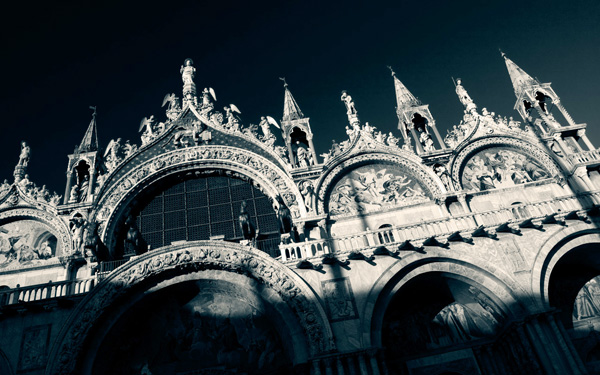
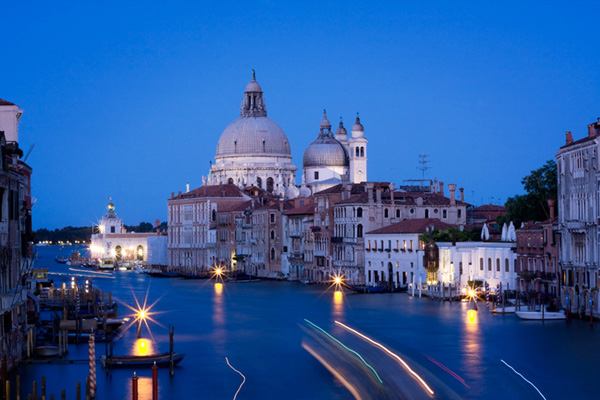
Who could fail to be inspired by a trip to Venice? But any trip to somewhere new has the power to re-energise your creative vision.

4. Be more Critical

Look at your work through fresh eyes. What are your favourite images? What photography and post-processing techniques do you like to use? How can you improve?

Editing your photos ruthlessly. What are the ten best photos that you have taken in the past 12 months? Don’t be afraid to ask someone else’s opinion. It’s often difficult to be objective about your own work. Does a style emerge when you look at your best images? Does this suggest fresh ideas for future projects?

Imagine that an art director or magazine editor is looking at your portfolio. What might they say about your photos? What are your strengths and weaknesses? Don’t be over critical. It’s just a thought exercise that may help you obtain a clear idea of your strengths and the skills you’d like to develop.

Here’s an idea. Once you’ve selected your best photos why not send them to a photography magazine? They may be published, earning you some money or a prize. Seeing your images in print is always a good feeling, especially the first time.

05

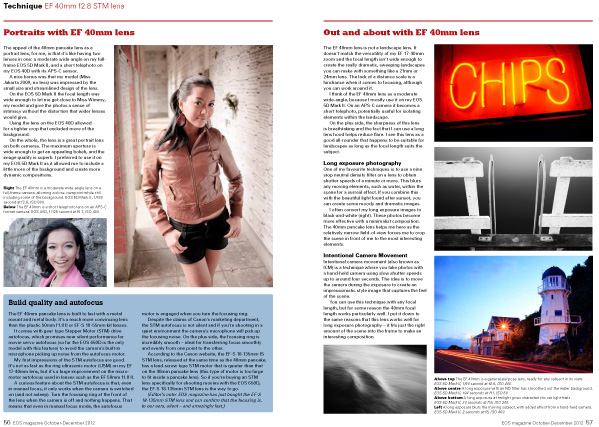
Photos of mine used in a spread in EOS magazine.

5. Enter a photography Competition

There are plenty out there. Just beware of competitions that are rights grabs (there is a list of approved photography competitions here). Most competitions have tight briefs that can inspire and focus you. The prizes can be pretty good too.

6. Set a photographic project

Set a project, something you can return to again throughout the year. Projects give you direction. For example, this year I’ve been experimenting with long exposure photography. This new way of taking photos has encouraged me to view my local area with new eyes, evaluating different locations for their photographic potential.

Projects are good because they give you chance to develop your skills in a certain area. The photos taken at the end of the project will be better than the ones taken at the beginning. You’ll also need a good variety of images to create a cohesive set of photos. Thinking long term gives you time to think up ideas and execute them.

06

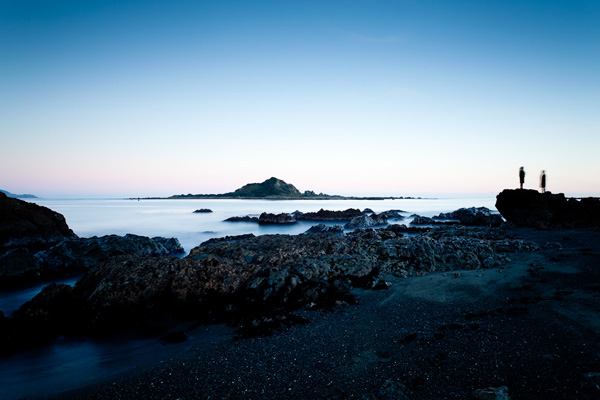
A long exposure photo taken a few minutes walk from my front door. Choosing a project that you can carry out close to home can save you time and motivate you to complete the project.

Have you ever been stuck in a creative rut? How did you get out of it? Leave your comments below, I’m sure we will see some good ideas.

The next six ideas will be published in part II of this article.

Andrew Gibson currently is offering a bundle of 5 of his amazing eBooks for sale for under $ 20 on SnapnDeals. You’ll get eBooks on Understanding Lenses, Understanding Exposure, Understanding DPP and square format photograph. Check them out here.

Post originally from: Digital Photography Tips.

Check out our more Photography Tips at Photography Tips for Beginners, Portrait Photography Tips and Wedding Photography Tips.

12 Ways to Inspire the Creative Photographer Inside You: Part I


Digital Photography School

 
Comments Off on 12 Ways to Inspire the Creative Photographer Inside You: Part I

Posted in Photography