RSS
 

Posts Tagged ‘Ways’

How to Capture a Ghost (in a Photo) in 3-ish Ways

27 Oct

As Halloween Approaches, you’re probably noticing more ghosts around.

They can be quite camera-shy and tricky to photograph, so we’re here to show you how.

Shhhh, now lean in close for this part.

*whispers* We haven’t actually managed to photograph a real ghost, but we’re pretty good at faking it using just our phone. Read along to learn just how we do it.

But only if you don’t scare too easily. *ghost sounds* OoooOooOOoOooo!
(…)
Read the rest of How to Capture a Ghost (in a Photo) in 3-ish Ways (290 words)


© laurel for Photojojo, 2016. |
Permalink |
No comment |
Add to
del.icio.us

Post tags:


Photojojo

 
Comments Off on How to Capture a Ghost (in a Photo) in 3-ish Ways

Posted in Equipment


10 Non-Technical Ways to Improve Your Street Photography

18 Oct

The technical side of street photography is incredibly important to master, because if you do not understand your camera, then you will not be able to do the tips in this article well. You want to be able to know your camera so well that you forget it is even there.

However, it is the non-technical tips, thinking beyond the camera, that can help you to improve to the next level. So here are 10 of my favorite tips to help improve your street photography.

1. Be spontaneous

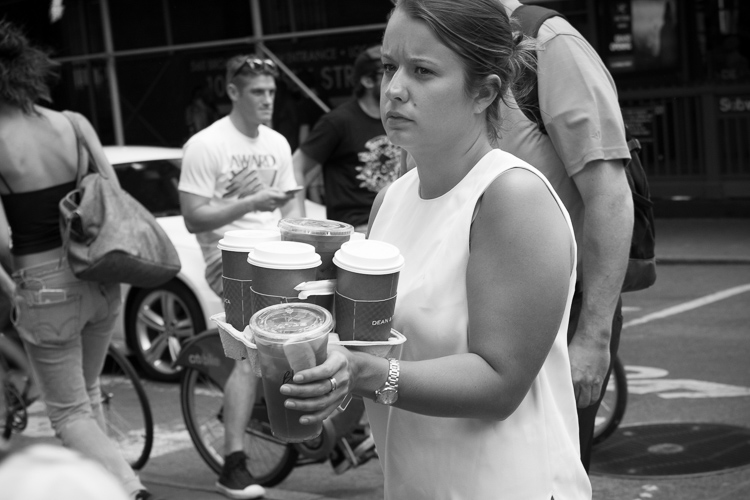
5th Ave, New York Street Photography

While out shooting, I hear photographers all too commonly worry about cutting people’s legs off in the photo, not composing it right, or skewing the photograph by accident. Of course, these are technical issues to keep in mind when you review your work later. They can be important, but wasting your energy thinking about this nitpicky stuff while shooting can kill your ability to notice and capture those quick and wonderful moments that constantly appear.

Try to turn the analytical side of your brain off when you’re out photographing. Enjoy the process, and spend your time seeking out your subjects and looking at the light. Allow some spontaneity and chance in how you compose and shoot your photographs. Let your instincts take over. The more you train these instincts, the better they will become. William Eggleston only takes one photograph of every scene that he comes across. While you don’t have to go that far, many photographers do the opposite, try to ease any tension when you’re out there shooting and let your instincts guide you.

Garry Winogrand skewed more of his photographs than not, and everyone cuts off peoples legs constantly, but none of these factors alone have ever ruined a great photograph. By shooting more spontaneously you might miss a few shots, but the good ones will be even that much better.

2. Slow down and look

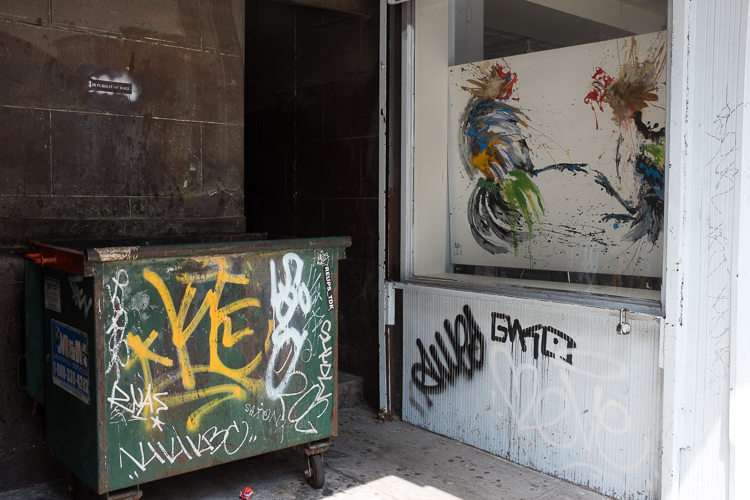
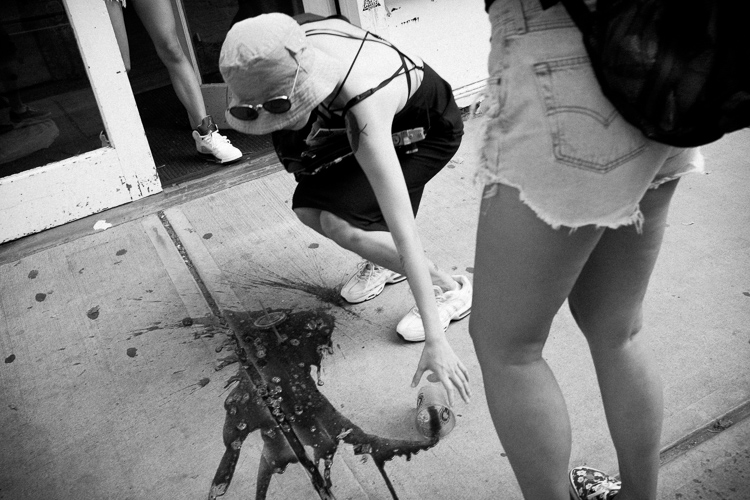
Graffiti and Gallery, 14th Street.

There is no need for a brisk pace when out photographing. Doing this will hurt your ability to notice your surroundings. Many people will come across an area and completely disregard it and move on to the next spot before they give it a proper chance. They just keep moving on and hoping for that magical location. But magical locations usually don’t swoop down on you like that. All of the places that you immediately disregard have a good photograph somewhere, maybe even a great one, you just need to find it. Those elusive photographs can be more interesting than the ones that immediately pop out at you.

Instead of spending your energy walking, spend it looking. Go high, get low, look left, and look right. The more you might disregarding an area, the more you have to ask yourself why you feel that way, and the more you should push yourself to try and get a good photograph there.

3. Do not be afraid of taking bad photographs

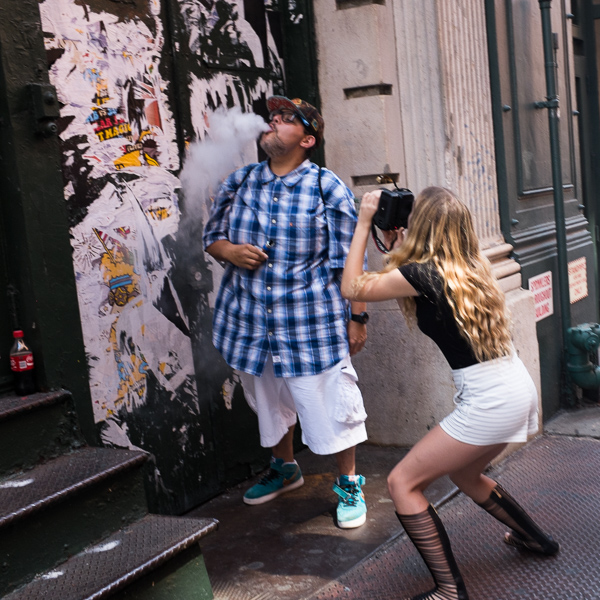
Smoke, Prince Street, SoHo

Photographing this way will yield many bad photographs, and it will also yield incredibly interesting ones that many people will not understand. But try to not let this affect how you photograph and how you feel when you are out shooting. Do it for yourself.

The bad photographs come constantly, but it is important that you spontaneously take them, because it means you are getting yourself ready for the moments when those incredible images will briefly appear before you. Shooting the bad ones will help you to better notice the good ones, and those bad photographs are just practice for those rare and elusive moments that you do not want to miss.

4. Notice the light

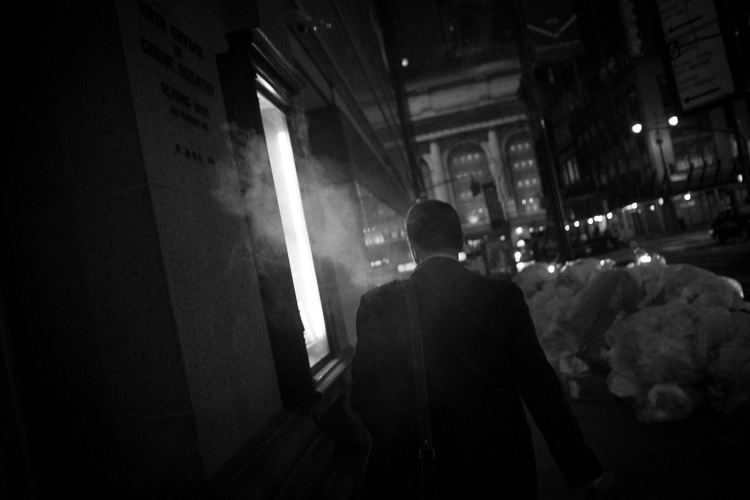
Smoke, Grand Central Terminal

The more you slow down, the more aware you will become of your surroundings. This will help you to better understand and work with light. Light dictates how the scene will look in the camera, so you need to pay attention to its strength, the locations of the light sources and how they hit your subjects, the color of the light, and any contrasty areas with significant differences between the shadows and highlights.

Light is not necessarily the first thing you should notice, though. The subject needs to be the first thing that catches your eye, but you should always be aware of the light when entering a new location. If you are aware of the light, then you can work with it in a spontaneous way as well.

5. Notice people from afar

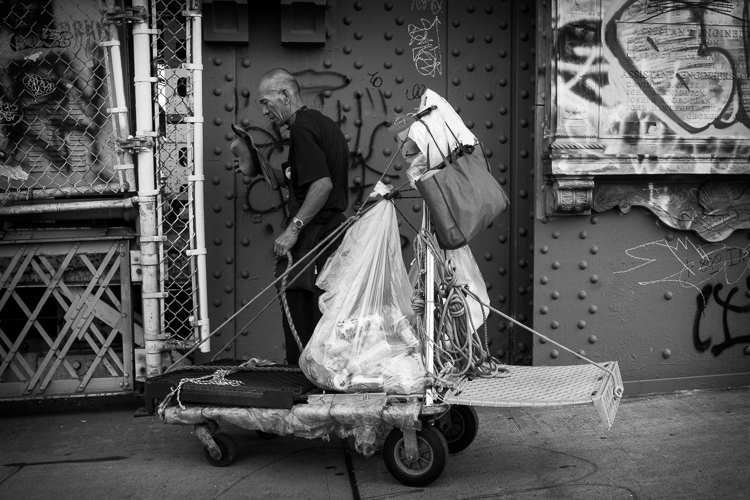
Sailboat, Manhattan Bridge.

While street photography is not only about capturing people, candid photographs of people are at the heart of street photography. When you slow down and pay attention to your surroundings, you will now find yourself with the ability to pay more attention to everyone walking around you, along with their interactions. Try to go beyond just noticing people as they cross your immediate path. Try to look farther away to see people who might be interesting. The earlier that you notice them, the easier it will be to get the shot when you both intersect.

Really watch people. In street photography, your eyes are the true viewfinder, and the better you do at locating your subjects before you look through the viewfinder, the better your photography will be.

6. How will your work age?

Prince and Broadway, SoHo.

Try not to take anything for granted. We all wish we could go back 50 years in time to photograph for a day. If we were able to do that, everything we saw would look so foreign and interesting to us, but back then they were just going about business as usual. They thought about their surroundings in they way that we think about ours today.

Think about how the photographs you take today will look in 50 years. What do we take for granted that people in the future will love? What will go out of style, what will seem weird and foreign, and will everyone still be staring at a mini handheld computer while walking down the street? These are not the types of photographs that most people take, and so they will stand out much more in the future.

7. Be consistent

SoHo, New York Street Photography

Consistency is the real key. Street photography is such a difficult skill to master, and it’s easy to get rusty if you don’t do it often enough. Try to figure out a way to integrate a consistent shooting schedule. Maybe it’s a half day once a week, maybe it’s 30 minutes a day during your lunch break or after work, or maybe it’s in 10 minute increments constantly throughout your day.

Keeping some level of consistency will not only get you better photographs because you are giving yourself more of a chance to come across them, but you will improve much more consistently. Over time, your style and what you like to photograph will begin to emerge as well.

8. Use the camera as a key

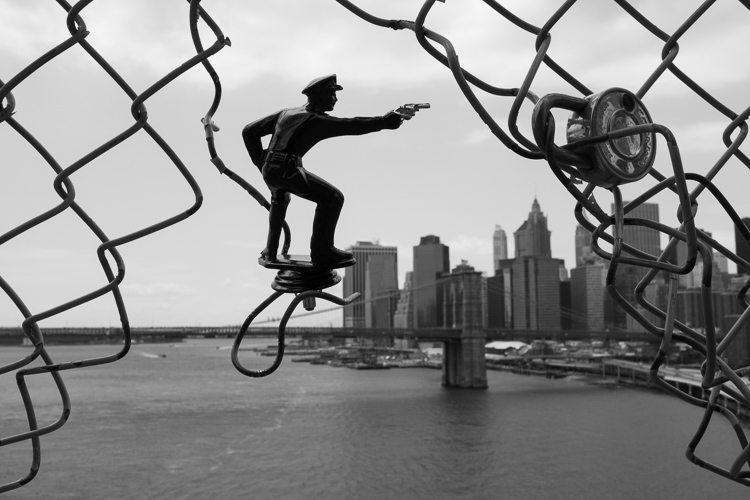
cop_manhattan_bridge

The beauty of a camera is that it acts as a key to new experiences. It forces you to go out at times when you would normally be watching TV. It makes you photograph at night, in the rain, in a snowstorm, and in the worst weather. It makes you want to explore places that you would normally be too tentative to try to get access to. When people see you with a camera, many of them will understand and let you do things that they would otherwise be suspicious of. Use that to your advantage. Try to get access to areas that you would normally not take the effort to see.

In addition, a camera is a key to making new friends. This does not only apply to other photography enthusiasts. People love cameras, so use yours to break the ice. Take a portrait. Make some new friends and get yourself into new situations to photograph. This access will help to improve your photography in profound ways.

9. Expression, gesture, and emotion

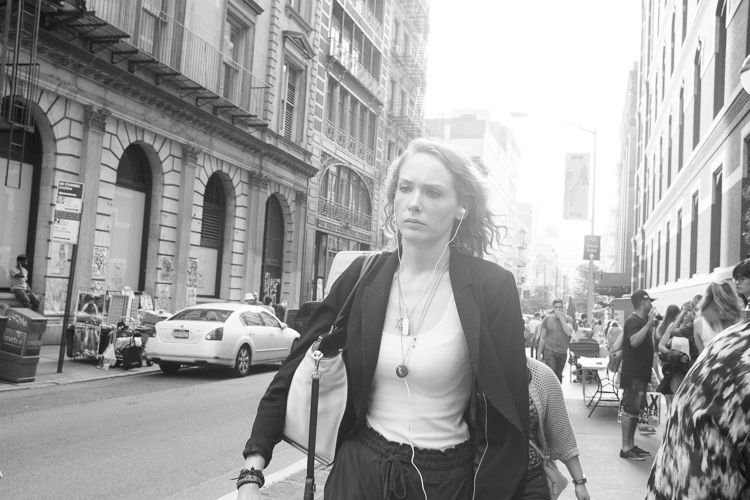
Prince Street, New York Street Photography

Photography is about bringing out some sort of emotion in a viewer. Capturing expressions or gestures in people are extremely important ways to achieve this. The look in someone’s eyes or the stance that they hold can create a powerful feeling and make or break a picture.

The surface is so important to a photograph, but so is what lies beneath it. Try to see what might be hiding or hinted at under the surface of your photos. Questions will keep the person interested in the image over the longterm. You do not need to give them the answers. They will come up with some themselves.

10. Photography books

Look for inspiration outside of your own work. Purchase books from the masters to read through at night. This will give you more ideas about what you can possibly achieve when you are out there shooting. Try to find books with all different styles to shake you up a bit, such as one from Garry Winogrand and another from William Eggleston.

Over to you

Do you follow any of these ideas? Or maybe you have some other suggestions that have worked for you. Please share your thoughts in the comments below.

googletag.cmd.push(function() {
tablet_slots.push( googletag.defineSlot( “/1005424/_dPSv4_tab-all-article-bottom_(300×250)”, [300, 250], “pb-ad-78623” ).addService( googletag.pubads() ) ); } );

googletag.cmd.push(function() {
mobile_slots.push( googletag.defineSlot( “/1005424/_dPSv4_mob-all-article-bottom_(300×250)”, [300, 250], “pb-ad-78158” ).addService( googletag.pubads() ) ); } );

The post 10 Non-Technical Ways to Improve Your Street Photography by James Maher appeared first on Digital Photography School.


Digital Photography School

 
Comments Off on 10 Non-Technical Ways to Improve Your Street Photography

Posted in Photography


Seeing Space in New Ways: 13 Creative Maps & Navigational Guides

03 Oct

[ By SA Rogers in Art & Drawing & Digital. ]

map-art-topographic-3

With the advancement of technology, the ways in which we perceive information have become increasingly visual, interactive and all around multi-dimensional – so why shouldn’t maps evolve to reflect it? These map concepts, installations and renderings in a variety of materials and forms let navigational data pop off the page into 3D creations, or blend the information with functional objects to tell a story.

3D Tube Map of London Made of Pipes

map-art-london-tube-1

map-art-london-tube-2

British designer Nick Fraser used a network of copper pipes on a black wall to create a map of London’s tube system, making the nickname literal. To differentiate the different lines, Fraser uses a series of colored washers.

Neon Subway Lights by Petr Koll

map-art-neon-1

map-art-neon-2

london_gif

Subway maps for various unnamed cities are rendered in vivid neon lights by designer Petr Koll for this fun series. What you can’t see in the still images is that the lines light up one at a time and then blink together.

‘Philadelphia Explained’ Installation Art by Paula Scher

map-art-philadeliphia

map-art-philadelphia-2

map-art-philadelphia-3

A hand-drawn map of Philadelphia is fitted to the interior surfaces of a gallery using dimensional modeling, immersing visitors in a navigational experience as “a personal reaction to information overload.” Famed designer Paula Scher worked with students at her alma mater, the Tyler School of Art, to create the installation.

Rijksmuseum Paper Pathfinder

map-art-paper-pathfinder-1

map-art-paper-pathfinder-3

How do you explain to visitors in clear visuals how they can navigate 8,000 objects spanning 800 years of art spread through 80 individual galleries in the same building? Graphic designer Marjin van Oosten came up with a refreshingly simple analog solution: a pop-up paper model of the building with color-coded and labeled ‘floors.’ It lets you see the whole building at once and physically hold a model of it in your hands to get a better idea of where things are.

3D Map of Tokyo’s Subway System

map-art-tokyo-subway-1

map-art-tokyo-subway-2

The surprising number of dips and turns in Tokyo’s subway system, hidden from sight, are revealed in this rollercoaster-like model by Takatsugu Kuriyama. Different colored liquids pulse through the various tubes to show movement in each line.

Next Page – Click Below to Read More:
Seeing Space In New Ways 13 Creative Maps Navigational Guides

Share on Facebook


[ By SA Rogers in Art & Drawing & Digital. ]

[ WebUrbanist | Archives | Galleries | Privacy | TOS ]


WebUrbanist

 
Comments Off on Seeing Space in New Ways: 13 Creative Maps & Navigational Guides

Posted in Creativity


3 Ways to Make a Sky Selection Using Photoshop

14 Sep

There are many reasons why you would like to select the sky in your image using Photoshop. Maybe you would like to replace it, to add details, change the contrast, etc. Selections give you a precise contour of your subject and facilitate local adjustments, without altering the other elements in your images.

In landscape and architectural photography, the sky is a really important element. It has to be an exciting part of the image. Boring skies translate into boring images, and amazing skies can also translate into solid images because it will make the viewer forget about the foreground or middle ground if they are not that beautiful.

Three different methods for selecting the sky

Depending on the image and the subject, making precise selections of the sky can be quite difficult. That is why is this tutorial, I will show you three different ways to select the sky in three different situations

Select sky image1

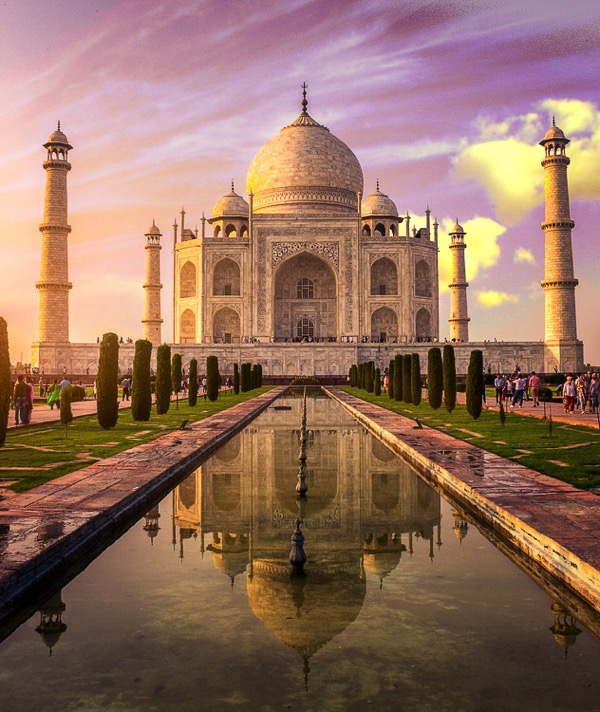
I replaced the sky in this image, and I love the results.

I personally love to play around with my skies and most of the time it is a fake one. Sometimes I am able to be at one location just for a day and if I get a solid image with no clouds, I will not hesitate to replace it.

Do not hesitate to try crazy things with your images, photo manipulation is really fun

Select sky image2

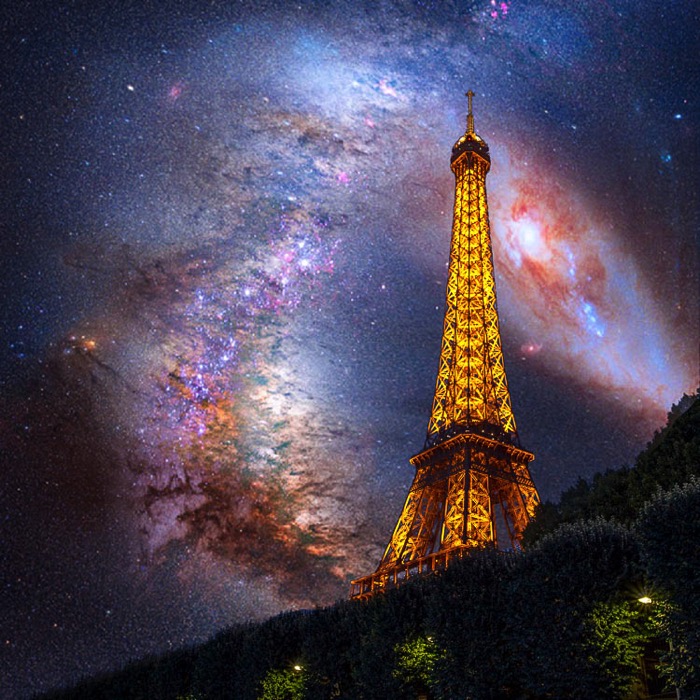
I wanted to get some crazy result, so I added an image of the Milky Way behind the Eiffel Tower.

Be careful to use royalty free images with no copyrights, there are so many websites where you can pick images of skies without having any problems afterward.

Method #1 – Using the quick mask tool

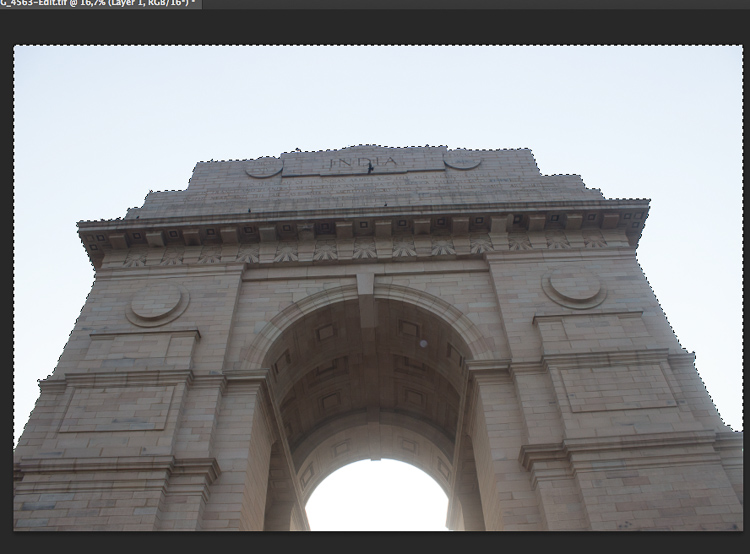
This is the easiest of the three ways, and the most used. We will be working on an image with a blown out sky and a subject with easy contours.

Select sky image3

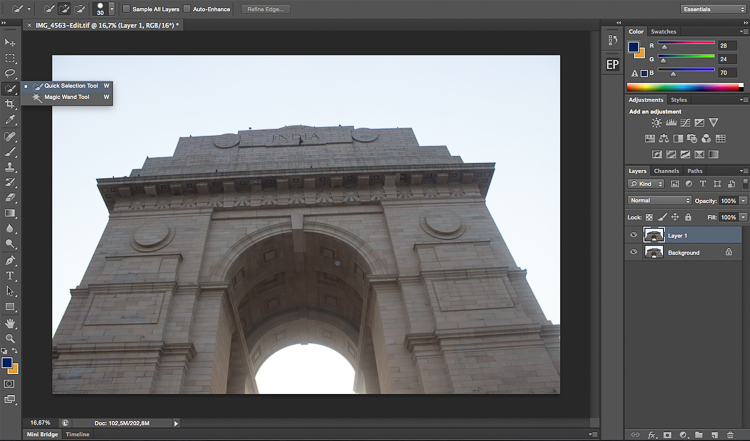
The sky in this image will be easy to select because of the simple contours of the monument.

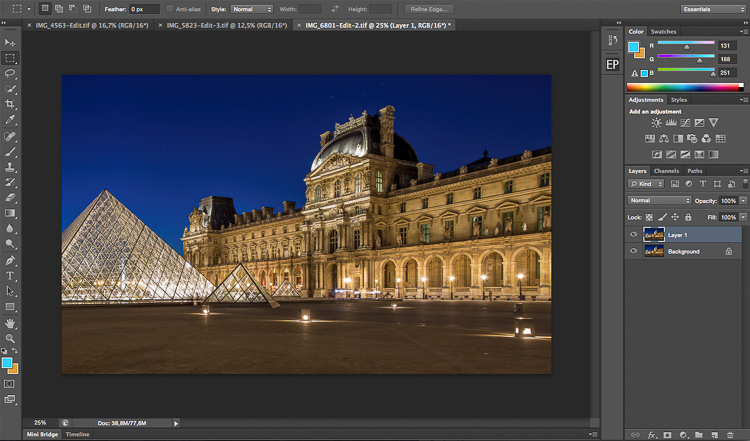
The first thing you need to do is open your image in Photoshop and duplicate the layer to avoid any destructive editing. You can always go back to the original layer if you make any mistakes. Do this all the time, it will save you a lot of time and hassle if you make a mistake.

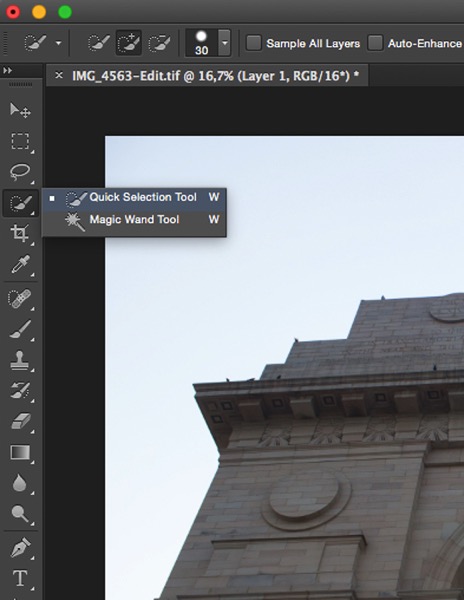
Start by selecting the Quick Selection Tool on the tool’s panel, make sure to increase the size to facilitate the selection.

Select sky image4

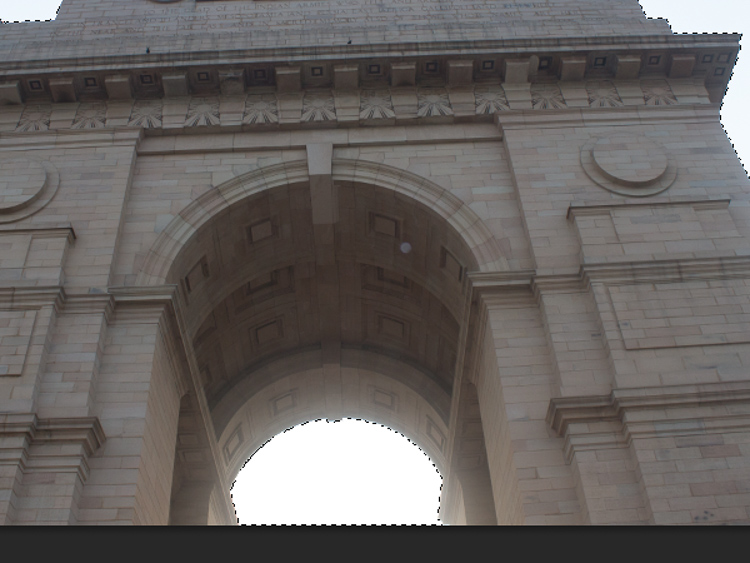
Then simply click on the sky starting at one end. In this case, I started from the bottom left and dragged all the way to the other end (bottom right). With these kinds of images, the selection will work 90% of the time on the first try and it should be pretty accurate. Do not forget to select the other parts of the sky, pay attention to your image and look where there is some sky left that is unselected.

Select sky image5

Select sky image6

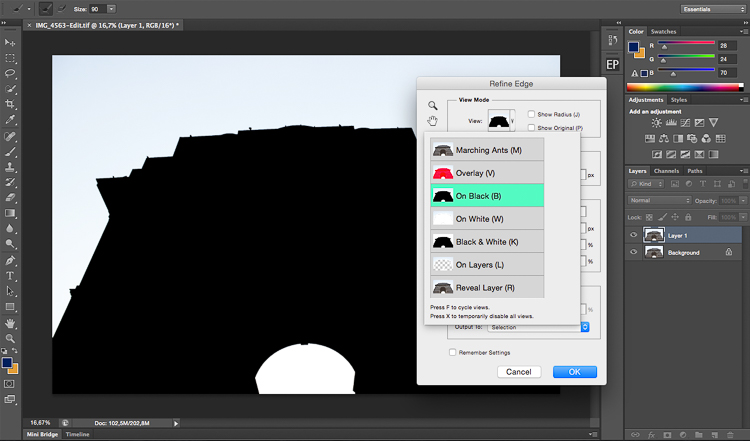
Once you have your selection, you want to click on refine edge to make it more precise (Refine Edge is located on top of the Photoshop window). You will have multiple viewing options, a good one to use is On Black.

Select sky image7

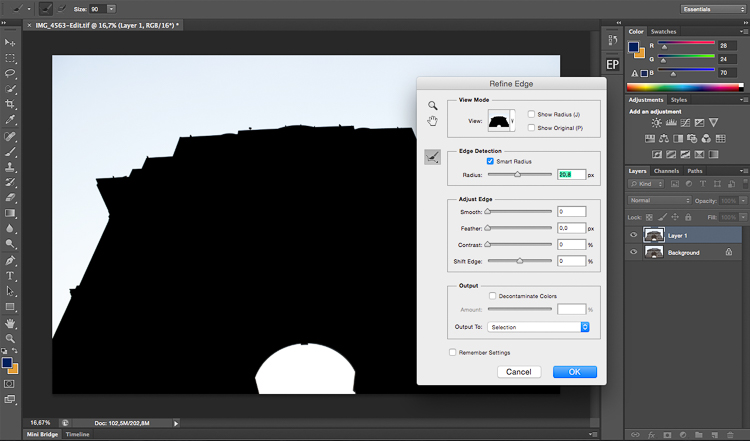
On the edge detection section, click on Smart Radius, then play around with cursor until you find the right radius. This will vary from image to image.

Select sky image8

When you are satisfied with your selection, press on OK and you will go back to your image with your selection. Make sure you are still using the quick mask tool. To save your selection, simply right click and pick save selection. You just need to name it and press OK to confirm. Your selection will be saved and you can use it whenever you want by clicking on select on the top of the Photoshop window then choosing load selection at the bottom

Select sky image9

Method #2 – Using Color Range

This selection is also quite easy to do, but it is very precise. We will basically select the sky while sampling a color. So logically your sky has to be uniform, these types of selections work really well during the blue hour or on clear days, with a vivid blue sky.

Select sky image10

We will be working on this image, the sky is completely blue and easy to select. It would be much more difficult to do this selection with the quick mask (Quick Selection) tool because the image is quite dark and the contours of the building are quite difficult to separate from the sky.

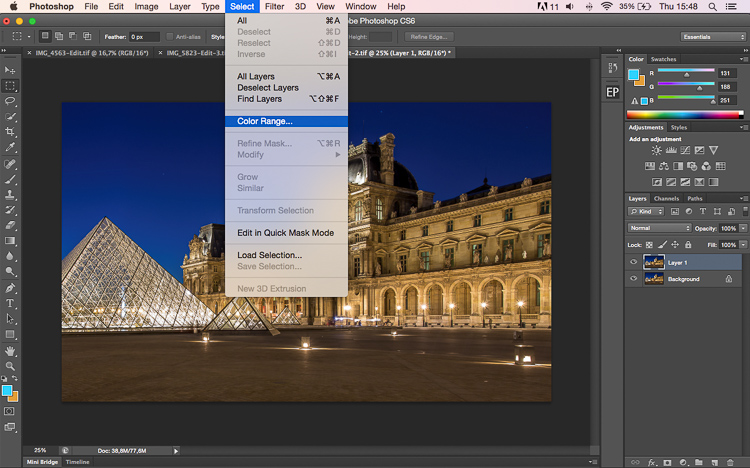
Start the same way as the first image by duplicating the layer. You then want to go to select on the top of your window and select color range.

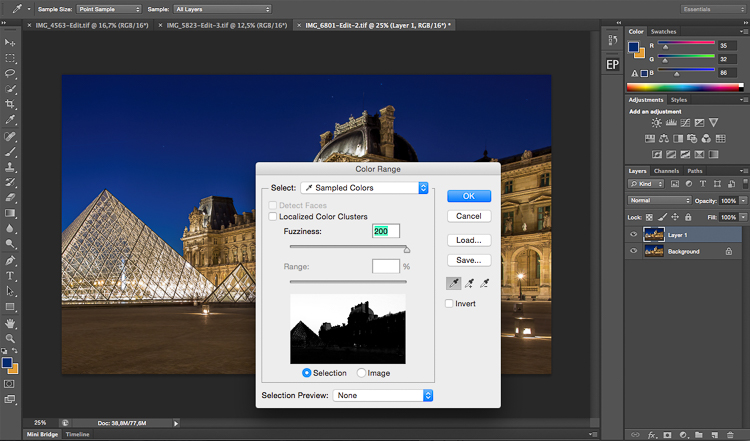
Select sky image11

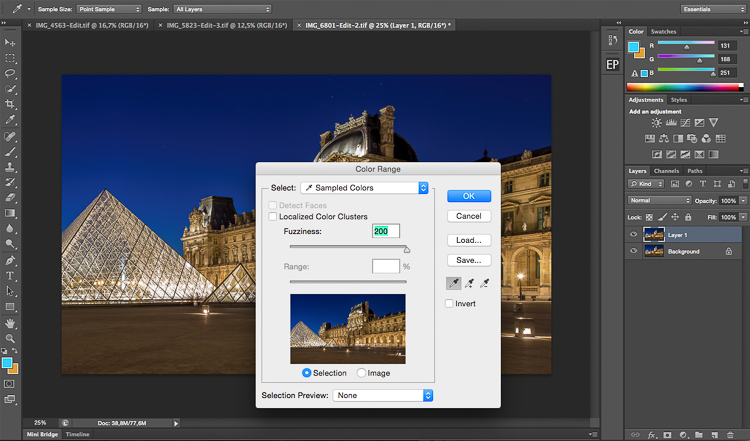
A small window will pop up, and the only thing you need to do is click on the sky in the main layer (not the pop up window) with the eye dropper tool (it will be set automatically as your cursor). Once you have selected your color, you will see a mask being created on the small color range window. Remember that white reveals and black conceals, so whatever is white is being selected: That will be your selection.

Play around with the fuzziness cursor on top of your selection in the color range window to decide how much you want of the sampled color to be selected.

Select sky image12

Select sky image13

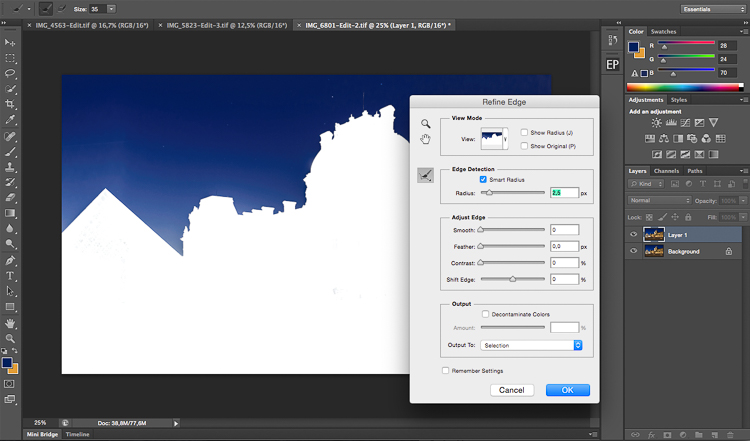
Once you are satisfied with your color range selection, press OK. Redo the same thing as the first image with the refine edge tool, then finish off by saving your image.

Select sky image14

Select sky image15

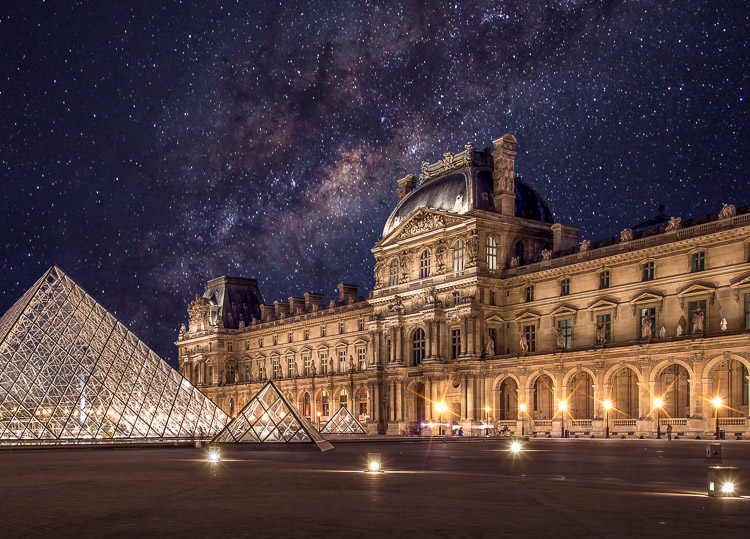
This is the final result with the sky replaced.

Method #3 – Using a Levels Layer to Create a Luminosity Mask

This kind of selection is a bit more difficult to do. Use it when you don’t have only one color in the sky or subject has complex contours that will be difficult to separate from the sky.

This is quite advanced but it’s very easy once you understand how it works. It always works, and if it doesn’t do 100% of the job it will at least do about 90% of the work need. The rest can be completed with a brush and adjusting your mask after you are done with the first selection.

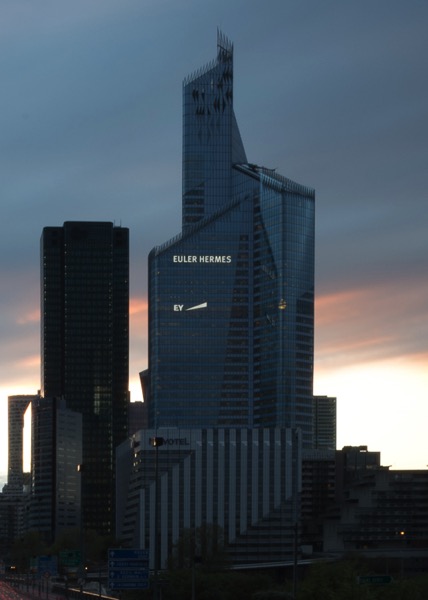
We will be working with this image and as you can see, the sky is quite dark just like the buildings so it will be difficult to use the quick mask tool. The colors in the sky are mixed between blue, orange and white (yes these are blown out highlights).

Select sky image16

What we are going to do is quite simple. We’re going to create a luminosity mask selecting only the highlights, in other words, the brightest pixels of the images. The highlights correspond to the sky so that’s exactly what we want.

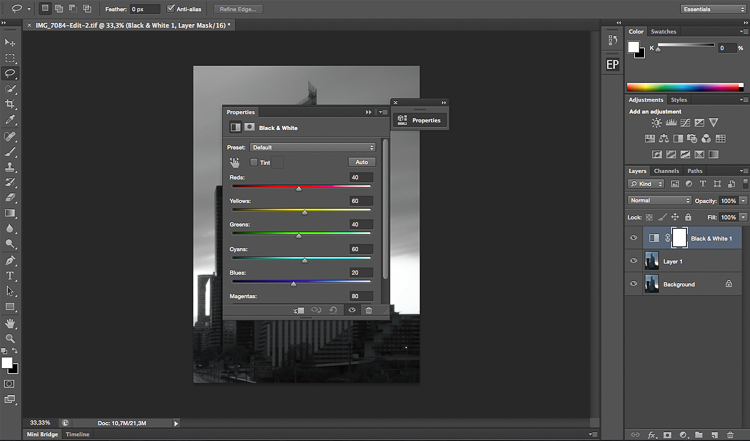
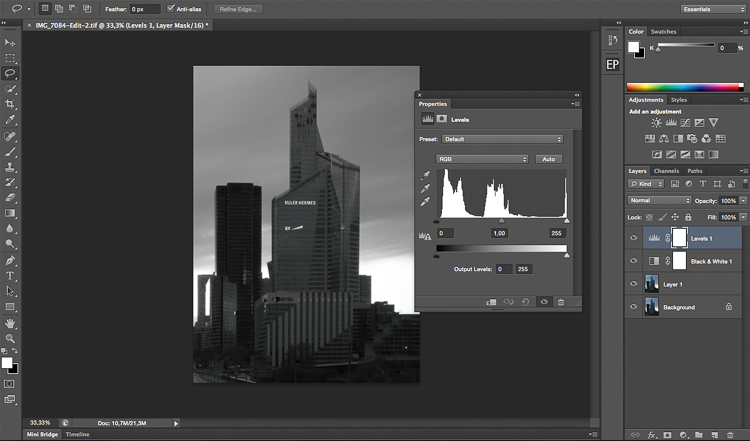
To make the selection easier we’re going to convert the image to black and white so we have an easier visual. We’re basically going to crush our whites and blacks to have a nice separation between the shadows and the highlights. We’ll be doing this using the levels layer adjustment, we are also going to remove all the mid tones from our image. Don’t forget to duplicate the layer first.

Select sky image17

Select sky image18

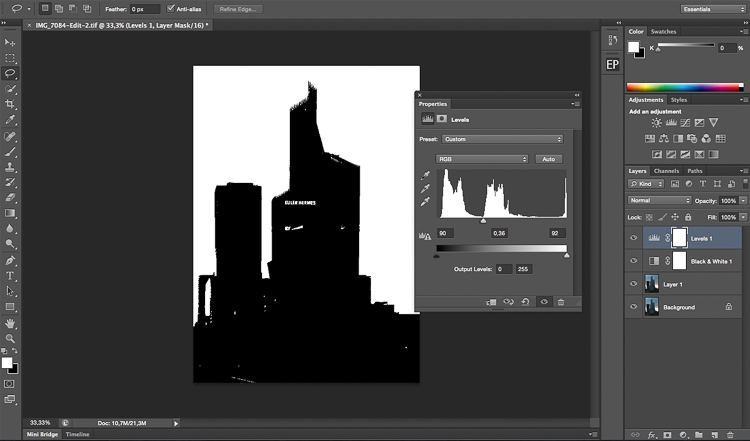
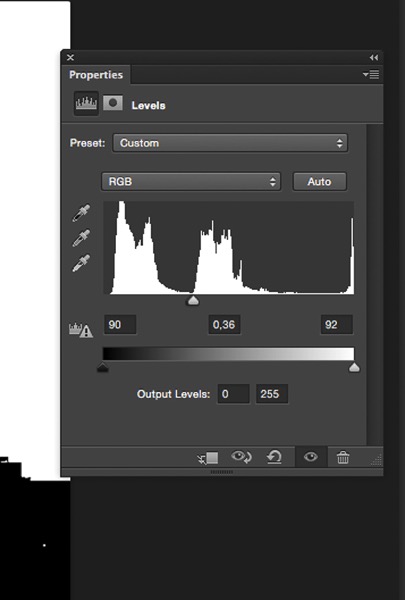
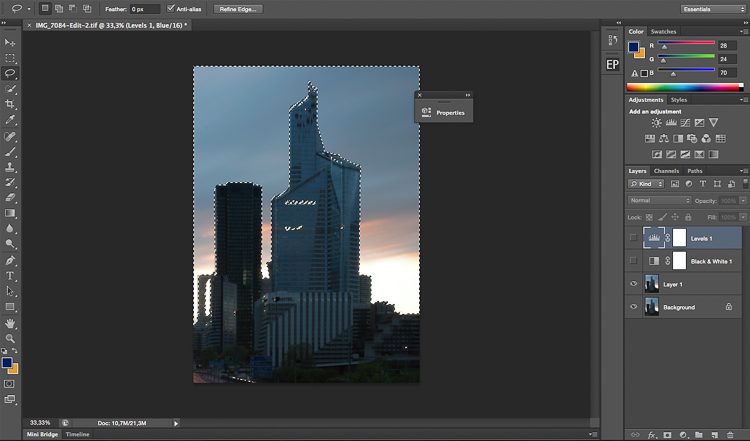
After converting your image to black and white and creating a levels layer, you’re going to play around with the three sliders to have a white sky and everything else black. White reveals and black conceals so your selection will be in white.

The three cursors should all meet at one point, you have to play around and see which selection works best for your image. You’re basically creating a luminosity mask.

Select sky image19

Select sky image20

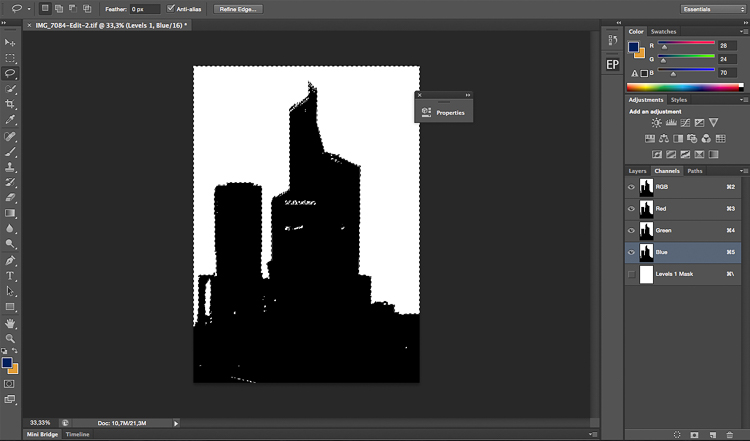
After finding the sweet spot, you just need to close your levels layer and go to channels. Pick any channel, click on it, and type Command/CTRL + A to create the selection from the levels layer you just created.

Once you have done that you can delete the levels and black and white layers to go back to your original image. Your selection is still going to be there. After that it is pretty much the same thing, click on refine edge on top of the Photoshop window and play around with your radius until you get the perfect selection.

Select sky image21

Select sky image22

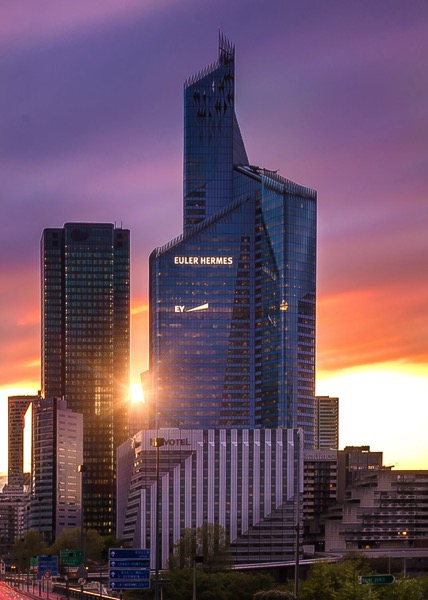
This is the final image after some adjustments, I used the sky selection to add colors without affecting the rest of the image.

Select sky image23

Whether you want to just edit or completely replace the sky is up to you. But, I hope that gives you some techniques that you can apply to your landscape and cityscape photography to perk up the sky.

Do you have any other methods you use for making a sky selection?

googletag.cmd.push(function() {
tablet_slots.push( googletag.defineSlot( “/1005424/_dPSv4_tab-all-article-bottom_(300×250)”, [300, 250], “pb-ad-78623” ).addService( googletag.pubads() ) ); } );

googletag.cmd.push(function() {
mobile_slots.push( googletag.defineSlot( “/1005424/_dPSv4_mob-all-article-bottom_(300×250)”, [300, 250], “pb-ad-78158” ).addService( googletag.pubads() ) ); } );

The post 3 Ways to Make a Sky Selection Using Photoshop by Yacine Bessekhouad appeared first on Digital Photography School.


Digital Photography School

 
Comments Off on 3 Ways to Make a Sky Selection Using Photoshop

Posted in Photography


3 Ways to Take Advantage of Bad Weather

23 Aug

In Norway we grow up hearing, “there’s no such thing as bad weather, only bad clothes”. While this wasn’t what you wanted to hear when you were eight years old, and had to go to school even though it’s -20c and a snowstorm, it’s what we are used to. Instead of complaining about the cold weather we would wear an extra layer of clothes and go about our day as normal.

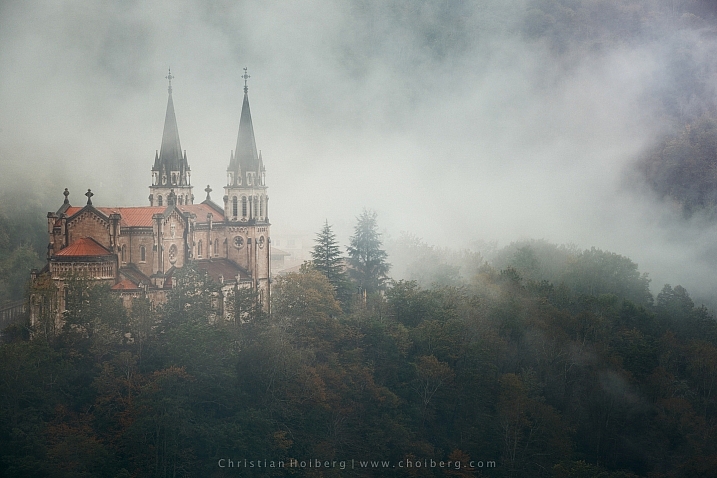
Foggy sunrise at Covadonga cathedral in Asturias, Spain

Foggy sunrise at Covadonga cathedral in Asturias, Spain

This way of thinking has in many ways impacted my photography and made me go out with a camera, even though it’s rainy, windy or just bad weather. What many seem to neglect is that even though the weather is bad, there are still a whole lot of great images waiting to be captured. They are just a little harder to find. Here are three ways to take advantage for bad weather conditions and still get good photos.

#1 – Drop the sky and zoom in

Bad weather often means a grey sky without contrast. Personally, there’s not much I dislike, more than that in a landscape image. Most of the time this uninteresting sky will take unnecessary attention from the subject, and do more harm than good.

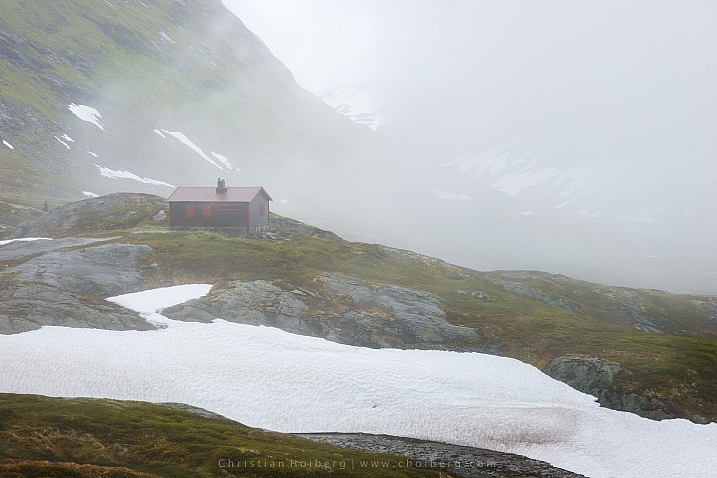
Jotunheimen-Cabin-Fog

Remote cabin in Jotunheimen in foggy weather

So, instead of including a sky that lacks contrast, use a telezoom and focus on a smaller detail in the landscape. Perhaps there’s a cabin, a river, or maybe even a deer in the area around you. Use your zoom and make these subjects into the main part of your image.

This can also be a good exercise for your creative vision, as it forces you to slow down and pay attention to your surroundings. It forces you to carefully look through the landscape and notice every single

In fact, I’ve found using a telezoom beneficial for my photography in general, as I’ve become more aware of the scenery, and I’m constantly searching for something that sticks out.

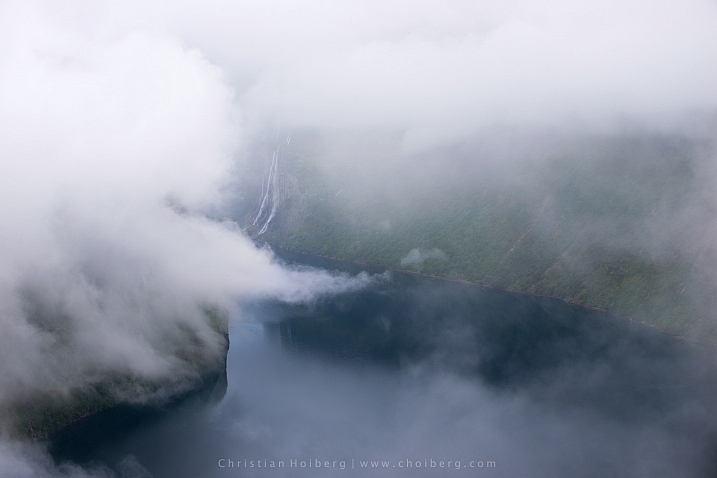
Geirangerfjorden-fog

The low clouds made an interesting framing of this waterfall in Norway

#2 – Photograph waterfalls

On sunny days it’s very hard to get good images of waterfalls, as the light is hard and the reflections are bad. Most likely the water will look hard and “shiny” even though you’re using a long exposure.

When the sky is grey, it’s raining, or when there are a lot of clouds, you’ve got the perfect excuse to go photograph waterfalls. Since the sun is not an issue, the light will be softer, and you’ll have no problems with hard light on the water. This lets you do both short and long exposures, and still have decent light.

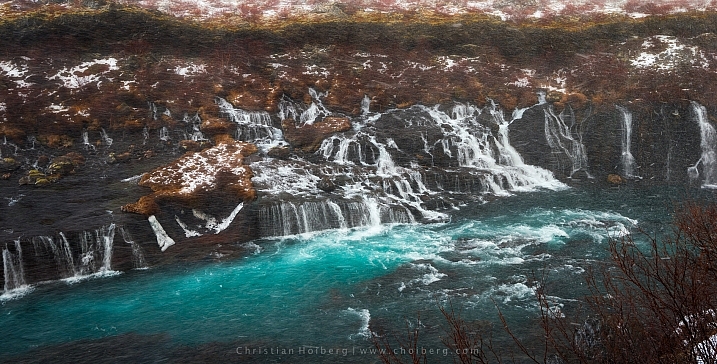
Hraunfossar-snowstorm

A quickly passing snowstorm gave interesting light to this waterfall on Iceland

If it’s raining you should consider using a polarizer filter, though, as the rocks (if any) around the waterfall might reflect some light. The polarizer will kill most of the remaining reflections and you’re left with a great result.

#3 – Take a hike in the woods

My last piece of advice on how to take advantage of bad weather, is to take a walk in the woods. This is something I often do when it’s a rainy day, both with and without my camera. Sometimes it’s nice just to go for a hike in familiar terrains, while other times it can be really rewarding to bring the camera.

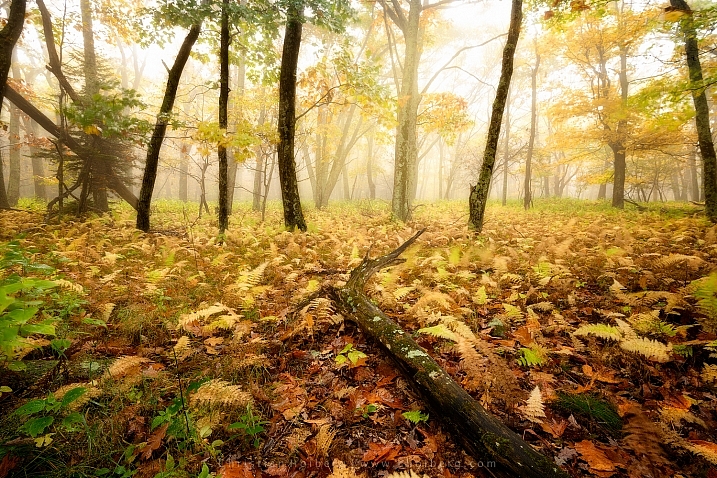
ShenandoahMistFall

Misty morning in Shennandoah National Park

Personally, I do not often bring my camera in the woods when I’m going during the daytime. The reason is that I find the mood to be much more compelling when it’s early in the morning, or late at night. At this time the light is even softer, and you can get some dark moody images, or perhaps you’re lucky to even get the light shining through.

Another benefit of going early in the morning is that you increase the possibility to encounter deer or other animals. Just be sure that you don’t make too much noise when hiking, as that will scare away most wildlife.

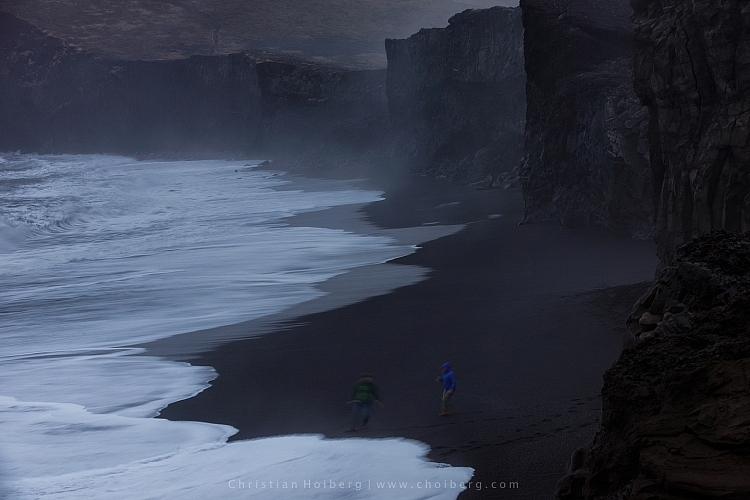
Dyrholaey-people

Bonus tip: Bring rain gear for both yourself and the camera! Also, bringing both an air blower and a microfiber cloth is important when you’re photographing in bad conditions.

What do you prefer to photograph when the weather is challenging? Let us know in the comments below, and share your images of bad weather as well.

googletag.cmd.push(function() {
tablet_slots.push( googletag.defineSlot( “/1005424/_dPSv4_tab-all-article-bottom_(300×250)”, [300, 250], “pb-ad-78623” ).addService( googletag.pubads() ) ); } );

googletag.cmd.push(function() {
mobile_slots.push( googletag.defineSlot( “/1005424/_dPSv4_mob-all-article-bottom_(300×250)”, [300, 250], “pb-ad-78158” ).addService( googletag.pubads() ) ); } );

The post 3 Ways to Take Advantage of Bad Weather by Christian Hoiberg appeared first on Digital Photography School.


Digital Photography School

 
Comments Off on 3 Ways to Take Advantage of Bad Weather

Posted in Photography


5 Ways Travel Can Inspire Your Wedding Photography

09 Aug

If you’ve shot a wedding you’ve likely had that moment where some obscure family tradition threw you off balance, you struggled to attach the right lens in time, and missed that once-in-a-lifetime shot. You can shoot a thousand weddings, but without knowing what to look for, you just might miss the biggest moments of the couple’s wedding day. But, if Continue Reading

The post 5 Ways Travel Can Inspire Your Wedding Photography appeared first on Photodoto.


Photodoto

 
Comments Off on 5 Ways Travel Can Inspire Your Wedding Photography

Posted in Photography


5 Ways Travel Can Inspire Your Wedding Photography

04 Aug

If you’ve shot a wedding you’ve likely had that moment where some obscure family tradition threw you off balance, you struggled to attach the right lens in time, and missed that once-in-a-lifetime shot. You can shoot a thousand weddings, but without knowing what to look for, you just might miss the biggest moments of the couple’s wedding day. But, if Continue Reading

The post 5 Ways Travel Can Inspire Your Wedding Photography appeared first on Photodoto.


Photodoto

 
Comments Off on 5 Ways Travel Can Inspire Your Wedding Photography

Posted in Photography


6 Ways to Take a Candid Portrait of Somebody You Know

04 Aug

Get Andrew’s The Candid Portrait eBook at 43% off now over at Snapndeals, only until August 9th (AUS time).

The phrase candid portrait is often used to refer to the type of portrait taken when the subject is unaware of the photographer. This is usually seen in street photography, but also applies in other areas such as documentary style wedding photography.

A candid portrait

If you think of a candid portrait as being one that captures someone acting authentically or with a natural expression, as opposed to one where the model has been directed to pose or act in a certain way, then it follows that you can also take candid portraits of people you know. Or even somebody that you don’t know, but have seen in the street and asked for permission to make a portrait.

Here are some tips for taking candid portraits of people with permission.

1. Look for expressions that capture character

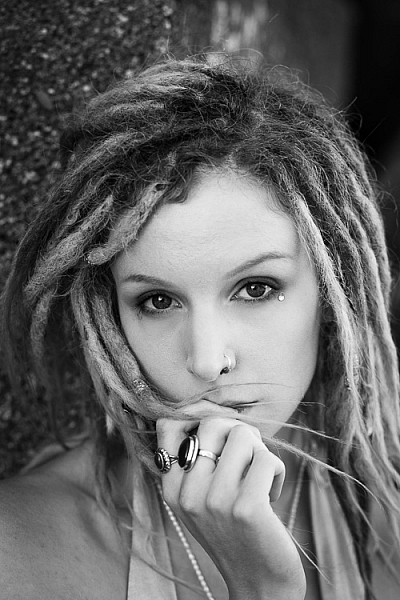
If you are taking photos of somebody in a formal situation and you want to capture natural expressions rather than a more forced one (or the sullen expressions preferred by many fashion models) then you need to become a keen observer.A candid portrait

Watch for the moments in-between, the ones where your model is relaxed while you pause before taking another photo. How do they behave while the camera isn’t pointing at them? How do they respond when you talk to them? What expressions do you see when they talk about something that interests or excites them? What unconscious gestures do they make?

I was taking photos of a friend when I noticed that she had a particular gesture that she sometimes made, when the camera wasn’t pointing at her. I waited until it happened again, then asked her to hold the pose while I took the photo (right). The resulting portrait is one of her (and my) favorites from the shoot.

2. Make the most of random encounters

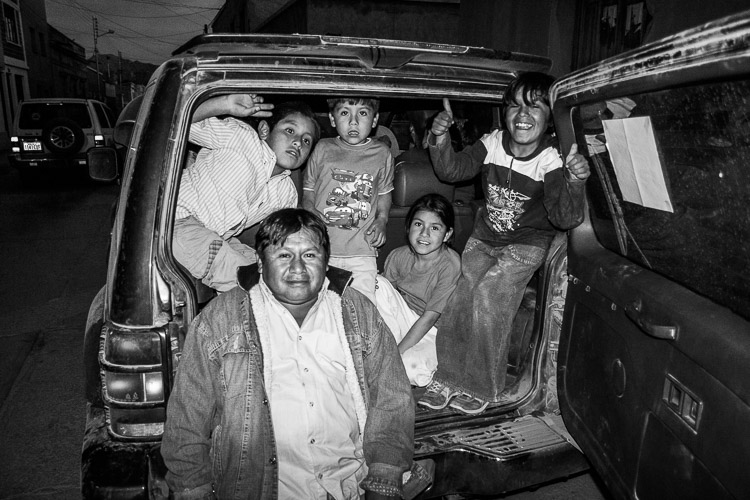
I remember my first evening taking photos in Bolivia. It was late afternoon, quickly fading to dusk, and the streets were lit by a soft red glow, cast by the setting sun.

I raised my camera to take a photo of a mud brick building. From the corner of my eye I saw a small boy running down the street. He passed in front of the camera, stopped, turned towards me, and started waving his hands in the air. He obviously wanted to be in the photo, and a few seconds later he was joined by an older boy, presumably his brother, who also posed for a photo. Then they continued on down the street, and beckoned me to follow them.

Curious, I followed, and they led me to a car parked around the corner, where their father was waiting for them. They explained what had happened, and then the father asked me to take a photo of all of them together. He was a little drunk, and invited me to their house for dinner. I politely declined, although I would have liked to see the look on his wife’s face when I arrived.

A candid portrait

When you are traveling and people are being open and friendly like this, take advantage. Be open to random encounters, and the possibilities that can arise from them. At the very least you will have some interesting experiences and new stories to tell.

3. Use a small camera and lens

A friend of mine is an experienced model. I have photographed her with an EOS 5D Mark II and an 85mm lens, which is a fairly large combination. I have also used a Fujifilm X-T1 and 56mm lens, which is much smaller. She commented afterwards that the experience was different, and that she felt under much less pressure to be a good model with the smaller camera.

Fujifilm X-T1 firmware upgrade

If an experienced model feels this way, then imagine the effect on somebody who is not used to having their photo taken. I’m sure this is one of the reasons that people like to take photos on smartphones, and why the results can be surprisingly good – because the people being photographed feel no pressure to do anything, other than act natural.

The lesson is that camera and lens size matter. Cameras and lenses are tools, and it is up to the photographer to choose the most appropriate one for the job at hand. A smaller set up will help you capture candid portraits, even of people you know.

4. Find a good reason to ask someone if you can make a portrait

If you are not used to asking strangers if you can make a portrait of them, it becomes a lot easier if you can give them a good reason. You don’t always have to search very hard to find one.

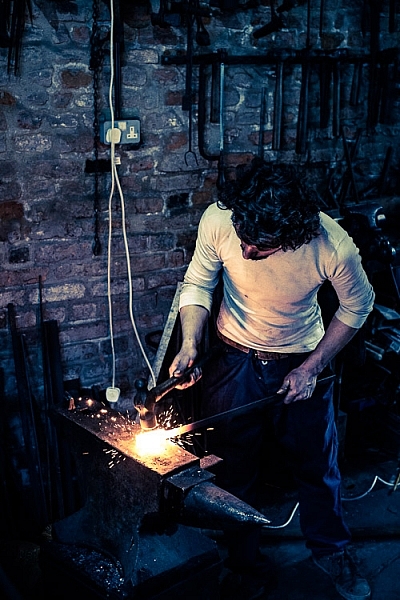
For example, a few weeks ago I visited a blacksmith’s forge that uses forging techniques from 100 years ago. The smiths there do demonstrations for the visiting public, and I simply asked if I could take some photos while the smith was doing his demonstration. The result is a very natural portrait of somebody at work.

A candid portrait

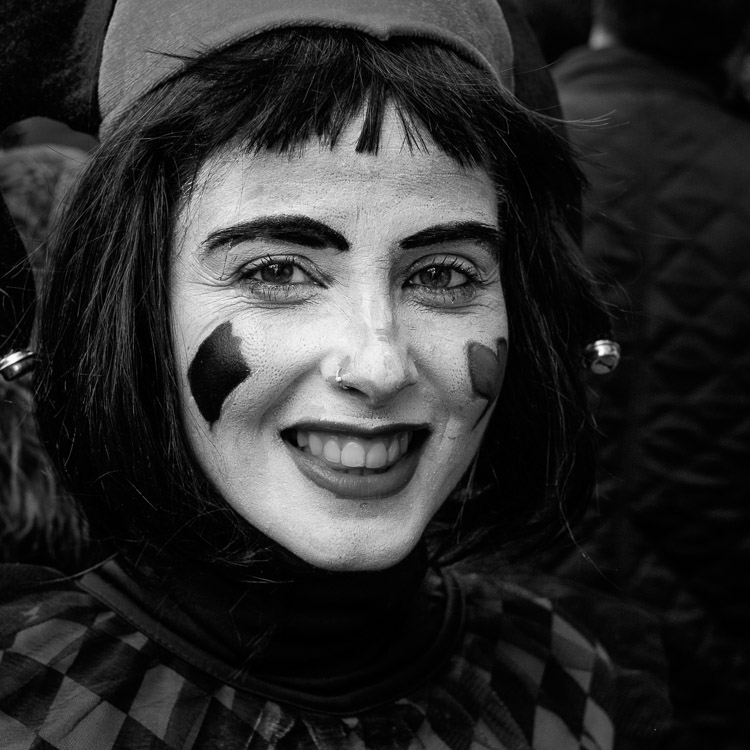
At carnival in Cadiz earlier this year there were lots of people dressed in costume, but only a few with face paint. When I saw somebody with interesting face paint I asked if I could take a photo (it helps that I speak reasonable Spanish). Each time I explained that I really liked their make-up, the person said yes, and I took a couple of photos.

This is one of the natural expressions I was rewarded with.

A candid portrait

5. Undertake a project

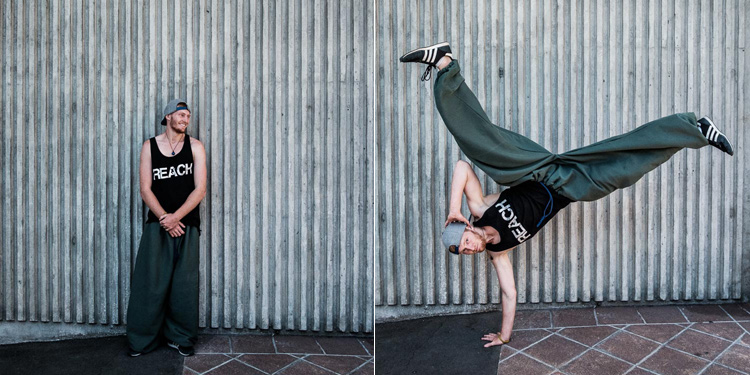
Early last year I thought it would be interesting to take some photos of people practicing parkour, and got in touch with some local traceurs through a Facebook group. Two of them in particular were interested in a shoot, so we went out into the streets of Wellington and they showed me some of the things that they do. I took photos and portraits as we went along. It was easy to create candid portraits as well as some action photos, because they were enjoying what they were doing and having fun.

I didn’t think about it until afterwards but now it occurs to me that what we were doing was a form of street photography, just one where I was working in a collaboration, rather than trying to take photos of people without them noticing me. That led to a entirely different set of photos than I could have made if I had seen them doing their thing in the street, and just taken some photos without any form of interaction.

A candid portrait

6. Take photos of friends doing interesting things

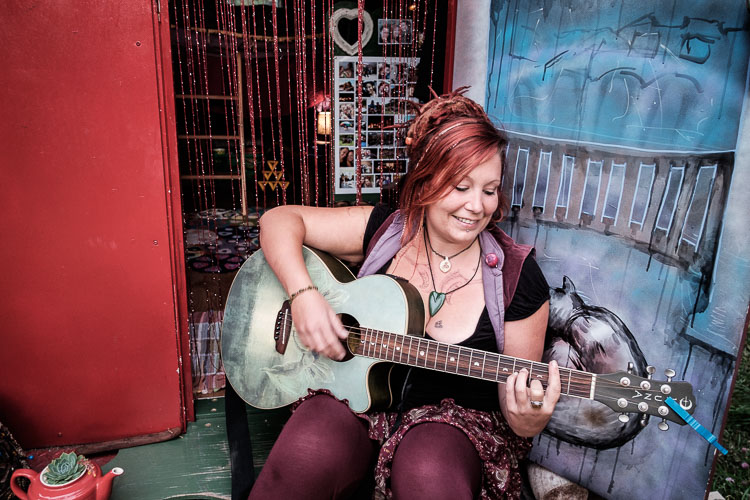
A friend of mine made her own gypsy caravan to live in. I think this is a fantastic tiny space project, and once it was finished I asked her if I could take some photos of her there. Her natural enthusiasm came across as we talked about it. I asked her to sit outside and play her guitar. While she was absorbed in what she was doing, I made some candid portraits that captured expressions like this.

A candid portrait

Do you have any techniques of your own for taking candid or natural portraits of people that you know? I’d love to hear them – please let me know in the comments.

Get Andrew’s The Candid Portrait eBook at 43% off now over at Snapndeals, only until August 9th (AUS time).

googletag.cmd.push(function() {
tablet_slots.push( googletag.defineSlot( “/1005424/_dPSv4_tab-all-article-bottom_(300×250)”, [300, 250], “pb-ad-78623” ).addService( googletag.pubads() ) ); } );

googletag.cmd.push(function() {
mobile_slots.push( googletag.defineSlot( “/1005424/_dPSv4_mob-all-article-bottom_(300×250)”, [300, 250], “pb-ad-78158” ).addService( googletag.pubads() ) ); } );

The post 6 Ways to Take a Candid Portrait of Somebody You Know by Andrew S. Gibson appeared first on Digital Photography School.


Digital Photography School

 
Comments Off on 6 Ways to Take a Candid Portrait of Somebody You Know

Posted in Photography


More Ways to Create Better Images Without Buying More Gear

28 Jul

Jay Maisel has to be one of the most interesting photographers alive today. He is 85 years old and he still makes a point of carrying his camera with him every day, everywhere he goes. I recently watched a few videos where Scott Kelby spent a few days with Jay, just wandering through the streets of New York and later, walking through Paris.

In these two different videos, Jay imparts his photography philosophy, and how he makes his images. The remarkable thing I noticed is that Jay almost never talks about photography equipment. Rather, he speaks about technique, about getting it right in camera, and making sure you spend time getting the best shot possible.

This article is a follow on from an article I did a while ago, which had a similar title to this one – 5 Ways to Create Better Images Without Buying More Gear. I now want to expand on that and add 5 more things you can do to improve your photography without buying more gear.

#1 Show the viewer something different

This is something really important that, but we don’t often think about. There are so many things being photographed every day.
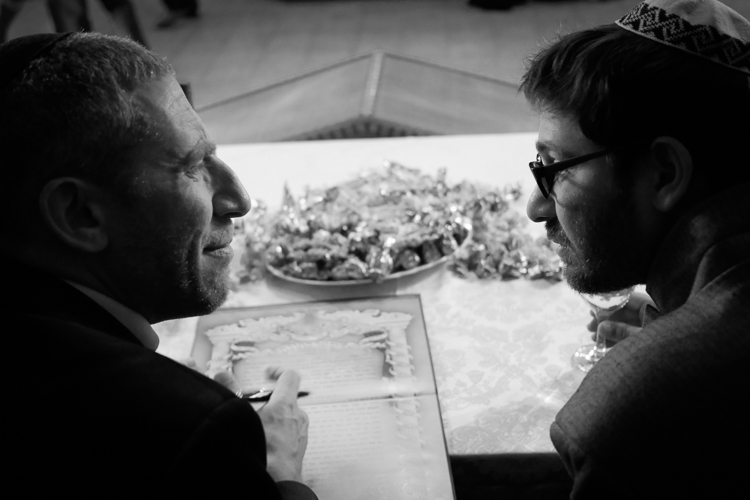
5 more things image 8

Think about this: if you go to Paris, you will no doubt want a photo of the Eiffel Tower. Of course, every photographer does. The challenge is, we have all seen photographs of the Eiffel Tower, so, how will your image be different from anyone else’s? Better still, how will you make the image look like it is taken from a new vantage point or angle.

These are the tough questions, the things that we need to think about as photographers. You could try a few things, go in really close and get some detailed shots of the metal structure, find an area of it that is looking old and grungy, maybe try and shoot it from a very extreme angle, work hard to show your viewer something they haven’t seen before.

Think of the photos you have seen of the Eiffel Tower. If your image looks like any of those shots, then you need to try something different. The goal here is not to be different for the sake of being so, but to try and be unique.

Of course, you should shoot the usual postcard shot, at least you have that, but then play around, walk around, lie on the ground, shoot straight up, put your camera lens against the structure, try anything to get an angle that you have never seen before.

Show me something I have never seen before. – Jay Maisel
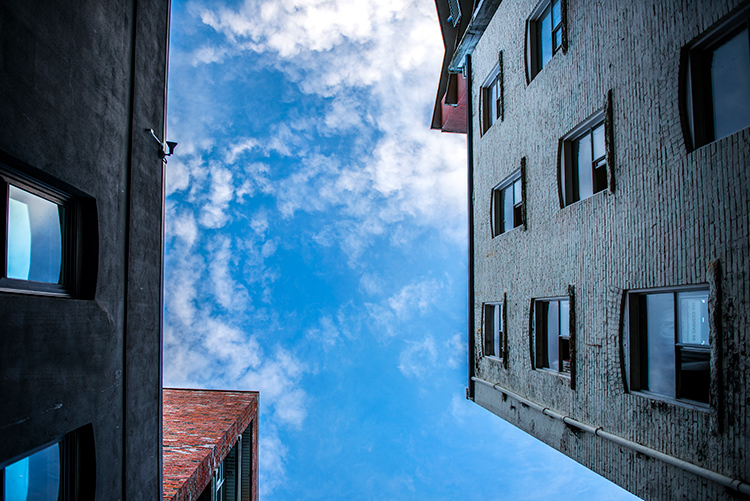
Look for something you have not seen before

This is one of Jay Maisel’s key messages, “Show me something I have never seen before”. He is not being flippant, we have all seen a car, a tree, a glass building, and people on the street. What he is looking for is to be shown these everyday subjects in a different way, that’s the key to this principle.

#2 Practice patience

In the video with Jay Maisel, he mentions that he was once out doing street photography with another well known photographer. As a typical New Yorker, he was walking at a pretty quick pace. After some time, the other photographer turned to him and said, “Jay, do you know why you aren’t getting any good shots? You’re walking too quickly”.

That comment caused Jay to slow down. Not only did he slow down his walking pace, but he slowed everything. He would stop in a place for five or 10 minutes. He would find a scene he liked and then, like a theatre stage, he would wait for the actors to appear, the people on the street. So he stands in a particular spot sometimes, for up to 20 minutes, and just waits for something to happen.
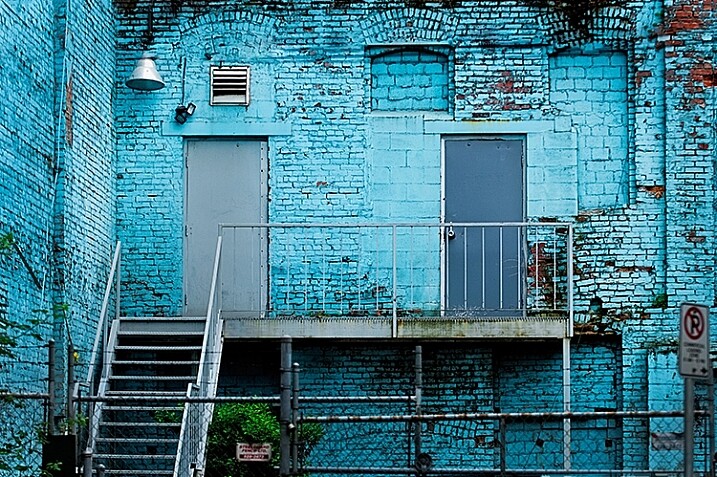
Sitting and waiting can result in some great images

Sitting and waiting can result in some great images

Give it a try. Next time you are out photographing in your city, stop for a while. Observe the scene in front of you. Make note of how people are moving through that scene, and start looking for an opportunity to make an image. It may take a while, if you can, sit down and just watch, pretty soon, the right person will enter your “stage” and you will have your image.

#3 Change your composition

We all know about the rule of thirds, very often it is our first introduction to composition. It’s a good starting point for creating good composition, but there are many other ways to make your images look compelling.

Composition is one area of photography that can make a vast difference in your images. Simply changing from landscape to portrait orientation for example. More than that, look a little deeper. There are some great techniques you can use to enhance your composition.
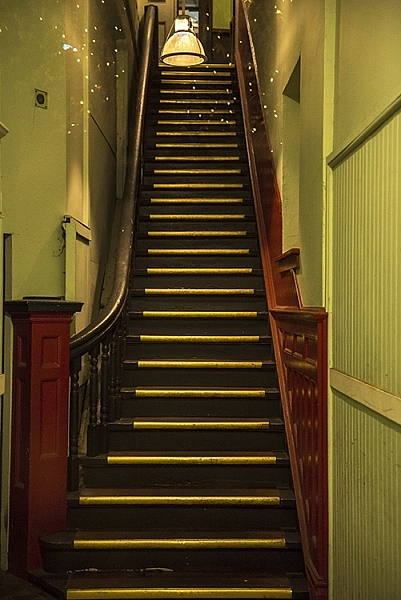
5 more things image 10

One of these is using depth of field. A shallow depth of field will isolate your subject and make the background less distracting. Speaking of backgrounds, make sure that you have looked at the background in your image and that there is nothing distracting that will take the viewer’s eye off the subject.

You could also try and frame your subject using a door frame, a window, or some overarching trees. The frame will point the viewer to the subject and, if done correctly, framing can be a very powerful compositional tool.

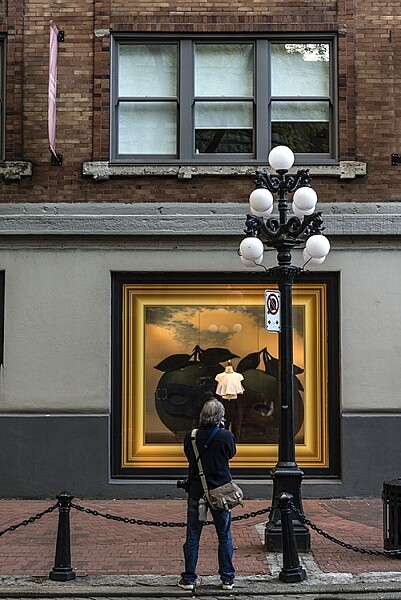
Remember to change your viewpoint. Lie on the ground, get as low as you can, or maybe get up as high as possible. If your viewpoint is unusual, your subject will benefit immensely.
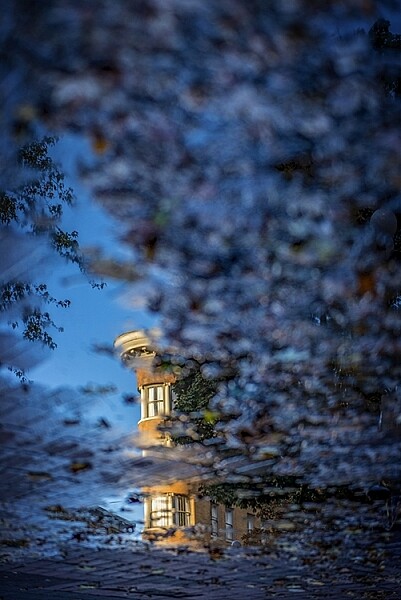
Shooting from a different viewpoint can make all the difference

Shooting from a different viewpoint can make all the difference

#4 Go out empty

Another piece of Jay Maisel wisdom is to go out empty, and let your images fill you up. What does that mean?

Very often, you may go out on a shoot and are “hunting” for a particular image. Maybe you are looking for a man with a blue shirt riding a red bicycle, which is pretty specific, and really difficult to find. The challenge is that if you are looking for only that one type of shot, you may miss all the others that are out there.

By going out empty, you are open to whatever comes into your viewfinder. You may get a shot that you never thought of before or have seen before, that’s the point. Sometimes it is good to shoot with constraints, it forces you to be creative.
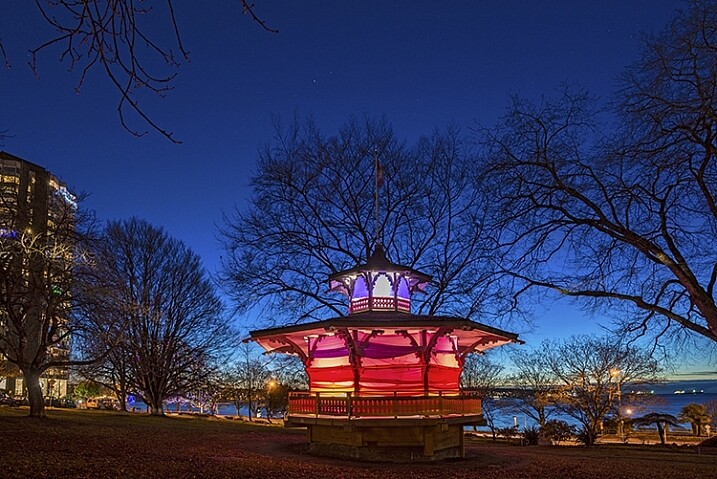
 

By going out empty, you may be surprised at what you will see

By going out empty, you may be surprised at what you will see

At other times, go out without any limitations, simply look at what unfolds in front of you and shoot whatever you find interesting. That’s one way to get some great shots. Also, be open to what happens while you are out shooting.

I was photographing in an old area in the East Side of Vancouver. A lady came up to me and asked what I was doing, and I told her I was looking for some great shots of the homes in the area. She asked if I wanted to see inside her home, I am so glad she invited me. Her home was amazing, and it was a great opportunity to see inside a true heritage home.

#5 It’s not about cropping, but about framing

As photographers, we can become a little lazy. We will compose the shot, look at the scene, and realize we need to move a little to the left because there is something distracting in the shot. Many times, we might think, “It’s okay, I can crop that out later”.
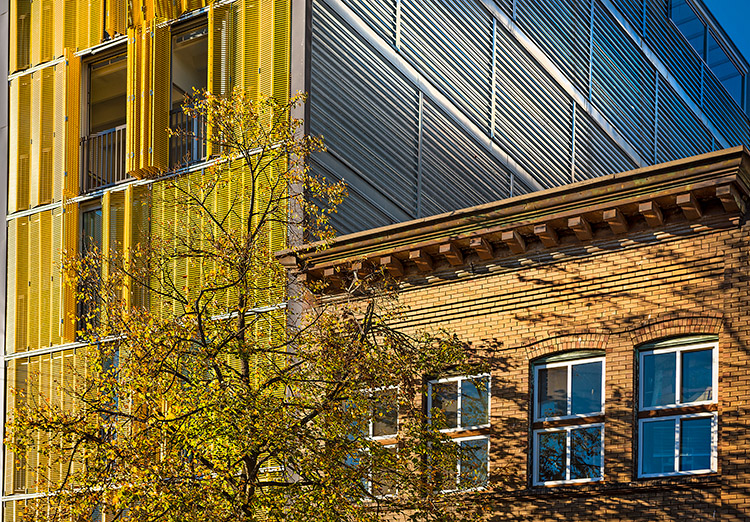
5 more things image 9

Yes, that is true, you can crop it out later, but it may change the whole perspective of the shot. I might mean that you lose another important piece of information.

Jay Maisel reminds us that it’s about framing, not cropping. He says that it is the photographer’s responsibility for what is in the frame and, sometimes more importantly, what is NOT in the frame. Instead of assuming you can crop something out later, maybe move around the subject a bit, look at it from different angles, and then decide what needs to be in the frame and what doesn’t.

As Jay says, “The photographer is responsible for everything in the frame”. Make sure that everything that’s in the frame is there for a reason, otherwise, change it.
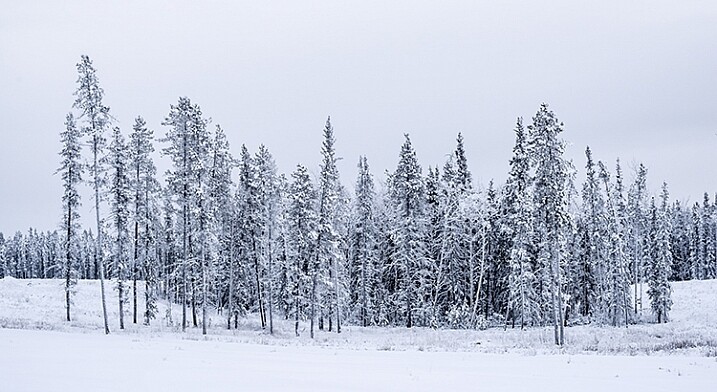
5 more things image 5

You are responsible for everything in the frame.

Of course there are no rules in photography, there are only guidelines. These ideas are simply suggestions that can help you improve your images, and to see more clearly. Once you begin practicing these things, you won’t have to think about them as much. You will do them instinctively, and that’s when your photography will change and become more mature.

So get out there and give these ideas a try, practice one of these suggestions on each photoshoot or photowalk you do. Keep making the changes and slowly working on your craft, and you may look back in a year and be astounded at how much your work has improved.

googletag.cmd.push(function() {
tablet_slots.push( googletag.defineSlot( “/1005424/_dPSv4_tab-all-article-bottom_(300×250)”, [300, 250], “pb-ad-78623” ).addService( googletag.pubads() ) ); } );

googletag.cmd.push(function() {
mobile_slots.push( googletag.defineSlot( “/1005424/_dPSv4_mob-all-article-bottom_(300×250)”, [300, 250], “pb-ad-78158” ).addService( googletag.pubads() ) ); } );

The post More Ways to Create Better Images Without Buying More Gear by Barry J Brady appeared first on Digital Photography School.


Digital Photography School

 
Comments Off on More Ways to Create Better Images Without Buying More Gear

Posted in Photography


4 Ways to Get Inspiration from the Streets to do Better Wedding Photography

14 Jul

Be inspired by decisive moments on the streets to create better wedding photography.

If you are reading this article you must have some interest in street photography, or maybe you are starting as a professional wedding photographer, but most likely you are interested in both fields. This will give you some ideas on how to draw inspiration from street photography that you can use in your wedding work.

A street photographer can be anyone going out to wander the streets of a city with their camera, in order to make photographs that tell the human story of daily life as it occurs on the streets. A wedding photographer on the other hand, is one that is hired to capture memories, tell the love story, and the unfolding special day in a family’s life. The wedding photographer is a professional with enormous responsibility to find, and deliver the right frames, that will recreate trusted memories, decades after the big day is over.

A clear personal artistic voice is what separates one photographer from another. That voice is who you are, but that voice of yours needs constant care and development, in order for it to be a dominant factor in your photographic style as a professional photographer. Competition, changing trends, and the release of new gear also have their own voices that can influence your photography. Maintaining a balance between your inner world and the outer influences is key to success as a street-wedding photographer.

The following tips came from the world of street photography and are perfectly suited for the wedding photographer. If you master them on the street, you can go to a wedding with confidence, and sing your own song with your camera.

1 – Planning versus reacting

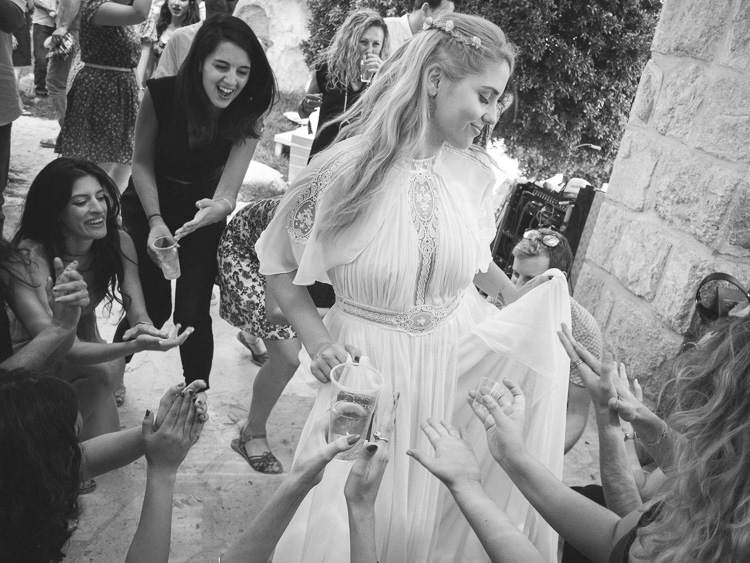
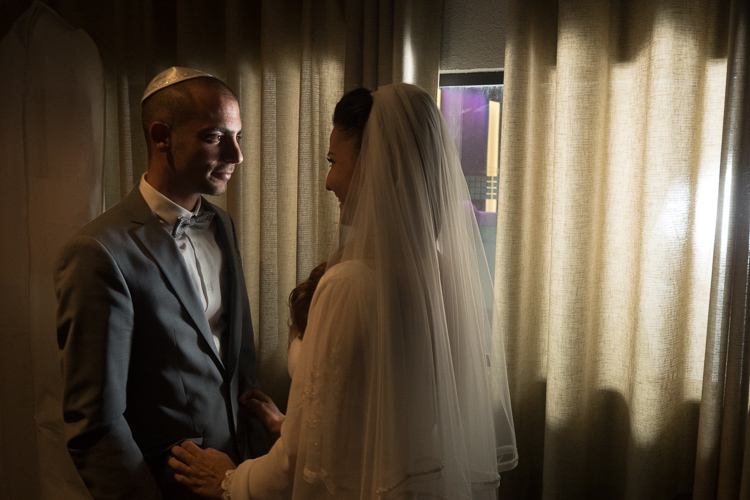
Wedding photography tips
What it takes to make great decisive moment photographs is, that first of all you need to see them before they occur. The longer before the better, it will give you the time to plan your composition, and work towards a frame that will be exciting and tell a story. In order to see things before the happen it takes looking around your subject, and constantly look at the surroundings of the bride, rather than focusing your attention only on her. This way you will be able to notice other elements and people that make your frame more interesting and communicative. Even as short as two or three seconds can be long enough for a street photographer to plan a good frame.

If you look around and plan your next shot you have a greater chance of catching the decisive moment, rather the one that follows.

2 – Create emotion

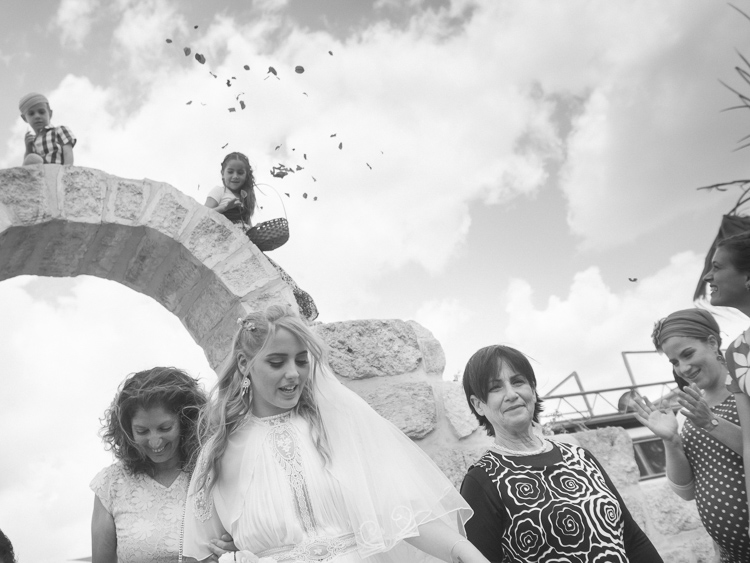
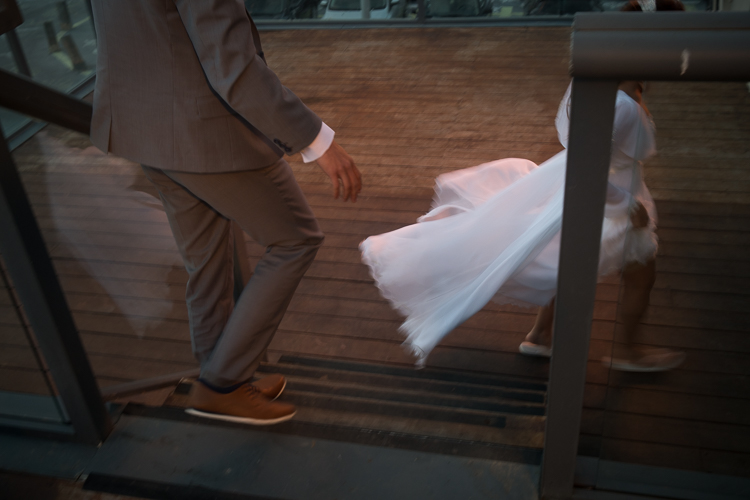
wedding photography tips motion
Freezing and blurring the movement of objects and people are two ways to communicate emotion in a photograph. It is a property that is unique to still photography, and is a big part of the photographic language. But often many photographers think that a wedding photograph has to be sharp and in focus, and the end result is often a precise documentation of reality, rather a poetic description of the moment. Give yourself the time it takes on the street to fully understand how the blurring and freezing of motion is being read and perceived by the viewers.

Master motion techniques then bring them into the weddings you photograph.

3 – Understand the way light can work for you

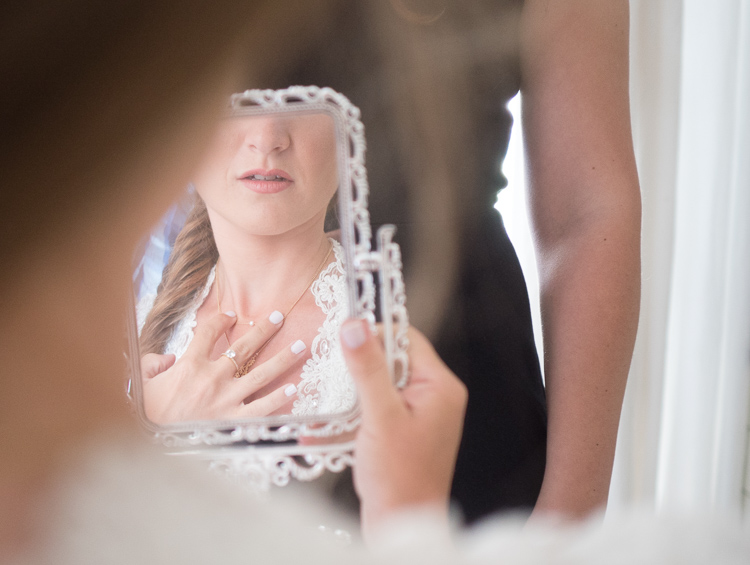
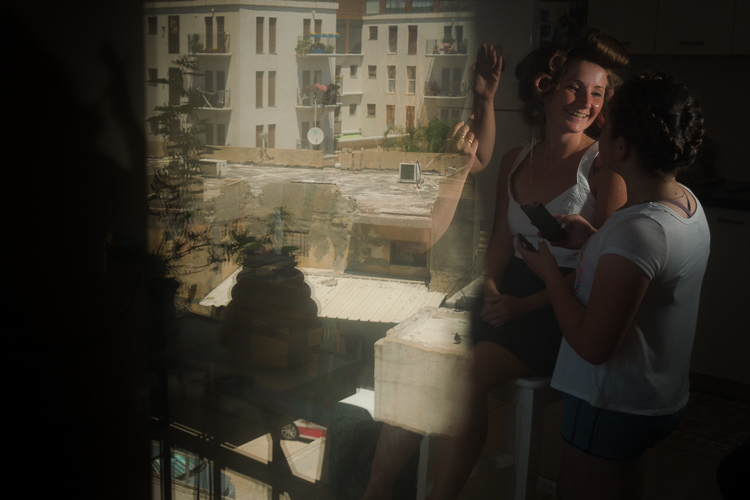
wedding photography tips light
Explore the way light falls on things, and the way it looks in your street photographs. When your are under the stress and responsibility of a wedding day the thinking side of your brain often takes over, and shuts down the creative side. You may see the wedding as a checklist of photographs to be taken, images of subjects, rather than decisive moments to tell a story.

One way to keep the creative brain in charge of things is to remind yourself constantly to work with the light, see light, change it if necessary, and let go of the subjects. If you are photographing the bride getting ready, she is the subject whether you think about it or not, now it’s time to think about light.

4 – Responsibility and integrity

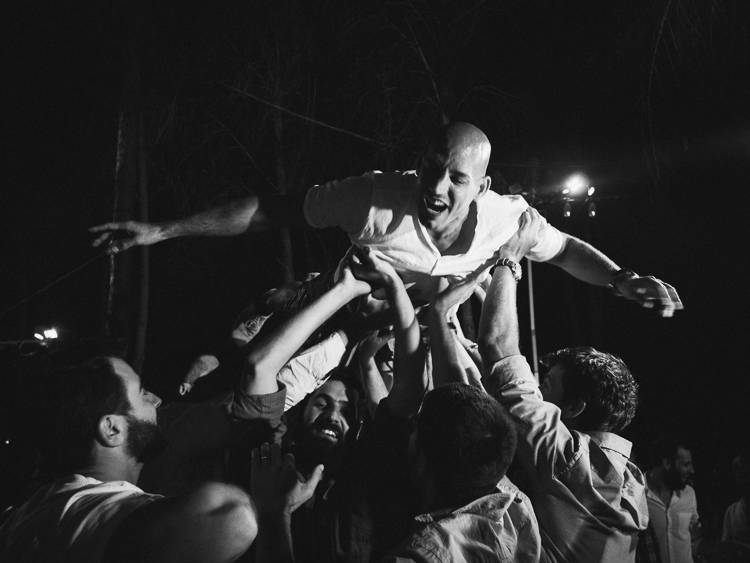
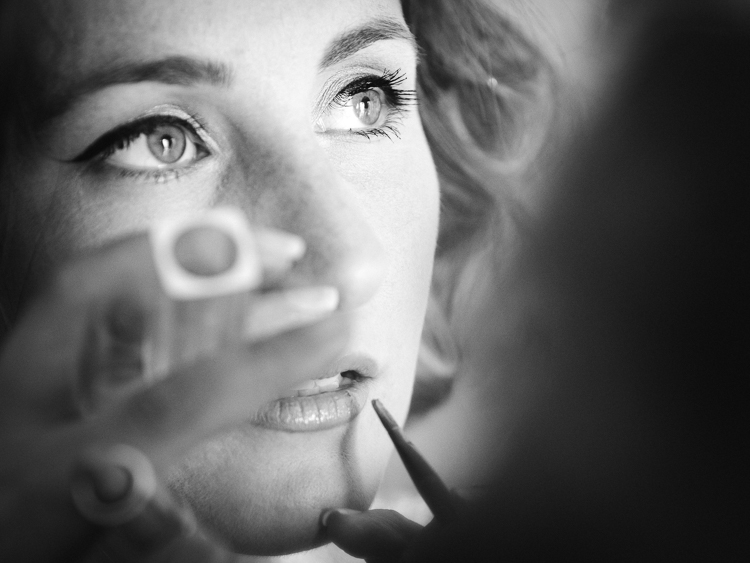
wedding photography tips

Whether you work for yourself as a street photographer, or as a professional wedding shooter, you should be able to sleep well at night. You should never publish street photographs that might hurt someone’s feelings or cause them damage. However, that being said, you should also remember that the act of photographing people on the streets doesn’t harm them in any way, and have no fear to do your art.

There is another side to the coin of responsibility, that is integrity. when you are hired to photograph a wedding be sure to have shown only photographs that were made by you, that are a good representation of your style and voice. Be sure to let your clients know that they are going to get artistic street-wedding photographs if that is what you want to give them!

googletag.cmd.push(function() {
tablet_slots.push( googletag.defineSlot( “/1005424/_dPSv4_tab-all-article-bottom_(300×250)”, [300, 250], “pb-ad-78623” ).addService( googletag.pubads() ) ); } );

googletag.cmd.push(function() {
mobile_slots.push( googletag.defineSlot( “/1005424/_dPSv4_mob-all-article-bottom_(300×250)”, [300, 250], “pb-ad-78158” ).addService( googletag.pubads() ) ); } );

The post 4 Ways to Get Inspiration from the Streets to do Better Wedding Photography by Ouria Tadmor appeared first on Digital Photography School.


Digital Photography School
 
Comments Off on 4 Ways to Get Inspiration from the Streets to do Better Wedding Photography

Posted in Photography