RSS
 

Posts Tagged ‘Water’

How to do Creative Water Splash Photography with Off-Camera Flash

19 May

Photography gives us the unique opportunity to freeze time. Moments that normally can’t be seen because they occur in the blink of an eye can suddenly be captured by a camera with incredible precision. This gives us the opportunity to discover fascinating and unique opportunities for photography that showcase and celebrate the wonder of the world around us. It can also be an extremely fun and creative style of photography, and a way to practice your skills with off-camera flash.

A toy car dropped into water, photographed with off-camera flash

Chances are you’ve come across a photo of a water droplet or water splash before. The intricate and mesmerizing patterns of water droplets in flight make for excellent abstract art.

But how can you take a picture fast enough? How does it work to freeze each individual droplet in midair?

A water droplet frozen in midair with off-camera flash photography

Lightning Fast Photography

Most modern cameras can take a picture as fast as 1/8000th of a second. You’ve probably noticed, however, that lightning fast shutter speeds typically require a lot of light.

If you are walking around outdoors on a bright and sunny, you will be able to get your camera up to 1/8000th, and you can capture a water fight or the splash of a water fountain. However, there often isn’t enough light to take a good image indoors or under cloudy lighting conditions.

Water droplets splashing into a jar, photographed with off-camera flash

Furthermore, taking a picture under sunny lighting conditions won’t hide the background. The intricacies of the water will be lost against the background.

That’s why the trick to creating a truly amazing water image is to use off-camera flash.

How it works

Cameras only record what they see. This means that a picture taken in a dark room will result in a pitch black picture.

When you use flash in a dark room, your subject will be illuminated for the duration of the flash of light – which means that your new “shutter speed” will be the speed at which your flash fires (flash duration).

Depending on the model and power, a flash can fire as quickly as 1/10,000th of a second. This new shutter speed of 1/10,000th of a second is easily fast enough to freeze a water droplet in midair.

A water droplet, frozen in midair with off-camera flash

This shot was taken using the settings 1/250, f/5,6, ISO 250. Even with the “slow” shutter speed, the flash stops the water droplet in mid-flight.

The neat thing here is that as long as the room is dark, the shutter speed on your camera doesn’t actually even matter anymore. With the right setting, your camera can take an image that lasts for a full second long, but the final shot will only be recorded in the blazing fast burst of light from the flash.

Setting up your shot

To try this out for yourself, you will need to set up in a fairly dark room – dark enough so that you can use your in-camera settings to take a completely black picture. You’ll need to get off Auto mode in order to do this.

Remember that the aperture and ISO that you select will affect your flash power. Selecting either a wider aperture or a higher ISO will make your camera more sensitive to light, including the light from your flash. This makes your flash more powerful, in a way.

For this purpose, I used the following setup:

A behind the scenes shot of the setup for water splash photography

Note the towel. A towel just might be the most important piece of equipment to remember when you try water splash photography!

Even though there is still some light in the room, I was able to create a dark background by setting my camera to 1/250, f/5, ISO 250.

Get the flash off-camera

The key is to use the flashes off-camera. Having the light come in at an angle is more in line with how we experience light in the real world, so it produces a more naturally lit image.

But you don’t need to have multiple flashes to try this out – experiment with one flash and see what happens!

More importantly, by bringing the light in from an angle and preventing it from shining on the walls or objects behind your subject, you can create a dark background. This really makes each droplet shimmer and shine in contrast.

Two tomatoes splashing into water, shot with off-camera flash

A toy car splashing into water, photography with off-camera flash

Two common ways of triggering a flash off-camera are to use either a radio transmitter or a sync cord that connects your camera’s hotshoe to the flash itself. Your camera may also be able to fire your off-camera flash optically using the built-in pop-up flash. You may need to check your camera’s manual to see if your system has that functionality.

The exact power settings you will need to use on your flash will vary depending on the type of flash, the setup, and the distance between your flash and the splash you are photographing.

Remember: Digital is cheap! Experiment and watch your camera’s LCD screen after every shot. If it is too dark, simply turn up the flash power or consider moving your lights a bit closer to the subject.

Getting the timing right

Once you have everything set up, it’s simply a matter of trial and error! Even with a fancy setup, perfecting your timing in order to capture a splash at the right moment is tough.

Unless you have a high end strobe unit, you won’t be able to take pictures quickly – the batteries will need a moment to recharge every time they fire. This means you’ve only got one shot for every splash!

A man photographed with off-camera flash as he is hit by water in the face

If you get tired of using toy cars as a model, why not ask a friend to step in?

Every camera has a very slight delay after you press the shutter button (before it actually takes the picture). You’ll want to work on your timing so that you can make the most of every shot – especially if you ask a friend to stand in as a target for a water splash picture!

Shooting digital allows you to experiment until you have a good sense of the timing. After a bit of practice, you will have some incredible and creative water splashes to show for your effort!

A man being photographed splashing water while on a black background

The post How to do Creative Water Splash Photography with Off-Camera Flash by Frank Myrland appeared first on Digital Photography School.

Digital Photography School

 
Comments Off on How to do Creative Water Splash Photography with Off-Camera Flash

Posted in Photography


RotterZwam: Abandoned Water Park Turned Indoor Mushroom Farm

29 Apr

[ By SA Rogers in Abandoned Places & Architecture. ]

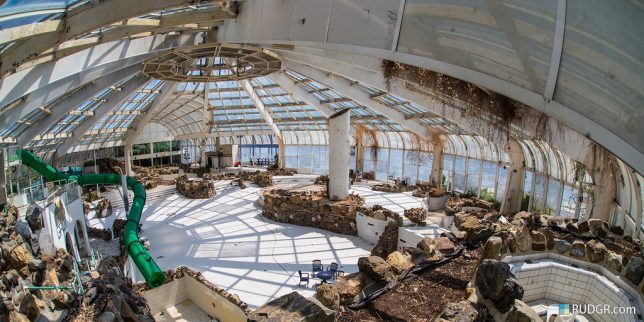
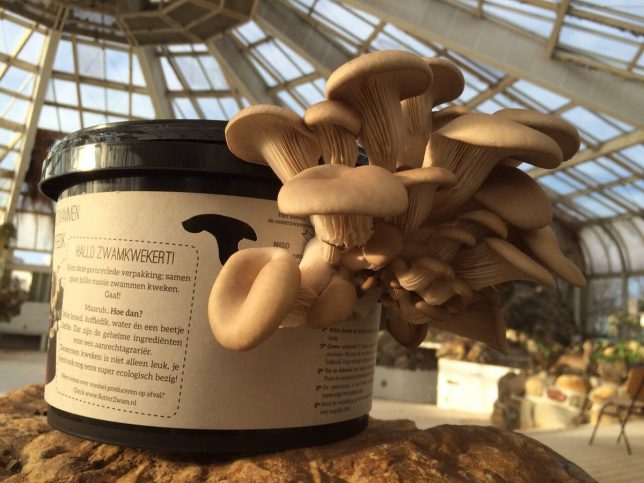
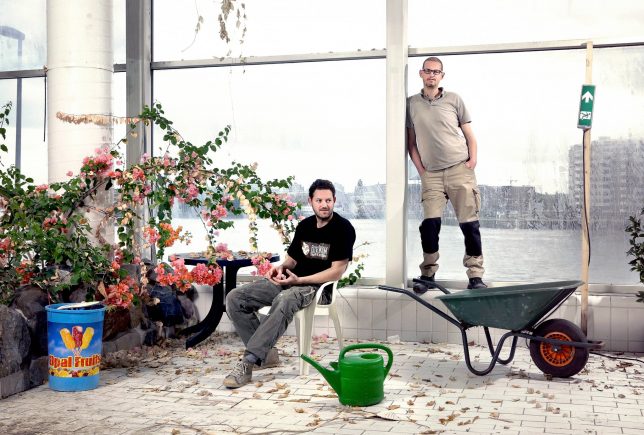
Bags of old coffee grounds hang in the dank dressing rooms of an abandoned Rotterdam water park, growing oyster mushrooms. Two men turned the former Tropicana space, an old teen hangout, into the perfect damp, dim environment for their business, making use of the structure while the city council decides what to do with it. ‘RotterZwam’ rents the building on an anti-squat lease and have transformed it into a fascinating example of adaptive reuse and urban farming.

Tropicana is fairly infamous among Rotterdam locals, but closed after the former owner went bankrupt in 2010. The space had been plagued with problems, from hygiene to sexual assault. It sat empty until Siemen Cox and mark Slegers, RotteZwam’s owners, realized it looked like a giant greenhouse.

Though they hope that central glassed-in space – formerly the pool – will eventually become a greenhouse, for now, they’re making use of the dressing rooms and basement, which offer ideal conditions for fungal growth. The crew hangs bags of coffee grinds from the old Tropicana clothes hangers, and before long, they sprout oyster mushrooms.

They collect the coffee from local cafes, transport it in their carrier bicycle, and give the compost to worms to create an extremely low-waste operation. The produce about 20-50kg of mushrooms every week, and sell it to local restaurants, bakeries and food trucks. They also offer DIY mushroom-growing kits.

“Cities like Rotterdam produce nothing but waste and commuters,” they say in an interview with Vice’s Munchies. “This entertainment park represents that perfectly – we build things and, when we don’t want them anymore, we need others to clean it up, to sweep up our garbage. That’s not how nature works, though – in nature wast doesn’t exist. In this building we hardly ever buy a thing, because eery material or nail is already here.”

Share on Facebook


[ By SA Rogers in Abandoned Places & Architecture. ]

[ WebUrbanist | Archives | Galleries | Privacy | TOS ]


WebUrbanist

 
Comments Off on RotterZwam: Abandoned Water Park Turned Indoor Mushroom Farm

Posted in Creativity


5 Tips for Photographing Water

23 Mar

Water is a beautiful subject to photograph. It can be as dramatic as a waterfall, predictable as a fountain, vast like the ocean, or just a winding exciting river. Whatever the source, it can be a point of interest in your image or an element of your composition. If you are enchanted with photography water, here are a few tips you can use to improve your final image.

5 Tips for Photographing Water

1. Capture Motion

Firstly, think about what you want to convey and how to add that characteristic to the shot. This may be as simple as choosing the right shutter speed. A fast shutter speed freezes motion and works well for crashing waves to show the activity of an ocean. Sometimes when using faster shutter speeds, your camera may indicate that you are getting insufficient light – this is where adjusting your ISO can come in handy. When using shutter speeds of 1/500th and above, timing is key for spectacular shots.

On the opposite side of fast shutter captures are long exposures. If you want to show greater motion or get that silken effect, slowing down your shutter speed gives you that cool effect. A few key things; aim for an exposure between 0.5 and 10 seconds which means that your camera needs to be absolutely still (a tripod is a definite, you can also use a shutter release cable/remote if possible). Dusk and dawn are great times for long exposures but there is no need to limit yourself to these times of day if you have a neutral density filter (discussed lower down in this post).

Bonus Tip: Getting closer to the water makes the blurring effect of moving water more noticeable.

2. Mirror Mirror

Water is a natural mirror. Seek out reflections and classify them. Is the reflection enhancing your image or distracting from it? In the latter case, move around a bit to eliminate reflections where possible or return to your location when the sun is at a different angle. A polarizing filter can help eliminate some of the reflections and give you nice contrast (rotate the filter and check out what’s possible).

Reflections can also add to an image and are used a lot where water is calm and still. That being said, ripples can also be interesting as they add texture and effect. There are also abstract reflections that look great in moving water such as the lights of a cityscape.

With reflections you can go for a symmetrical composition or not, depending on what you want to portray. You can even just shoot the water reflection and not the subject itself; the possibilities are endless.

3. Filter it

Using a polarizer was mentioned above, but it is worth a second thought as it is quite a useful tool to have in the field when photographing water. In addition to removing reflections (when they’re not wanted), a polarizer is very helpful in cutting out glare. By eliminating glare, it helps bring out any color details of the water and what lies below the surface.

Neutral Density (ND) filters are quite useful for creating long exposures during the day as they give you better control over your exposure. They do this by stopping/restricting light from reaching your camera sensor, thus allowing you to leave your camera with a higher aperture for a longer amount of time.

Note: ND filters do not affect the color in your photo in anyway, while the same cannot be said for a polarizer filter.

4. Underexpose when photographing water

Perfect exposure in-camera is your ideal goal. When water is your subject though, too many highlights can make it look white and it is difficult to recover the details in large areas that are blown out or clipped. If water is the dominant subject in your frame, it will benefit you to underexpose by 1/3 to 1/2 a stop.

Bonus Tip: Shooting waterfalls in overcast conditions is something many landscape photographers would recommend. There is no direct sunlight on the water itself.

5. Get your feet wet

If you can get into the water safely with your tripod, it’s a perspective worth trying. Use extra caution when setting up on slippery rocks and be aware of your surroundings. Make sure your equipment is insured, and you’re all set to try something different.

If this is not an option for you, grab a zoom lens for some close up details. It is worth the time to experiment with unusual angles.

Conclusion

Water is indeed a fascinating subject and with so many ways to capture it, why not give it a try? Are you drawn to the dreamy motion of long exposures, or do you find yourself caught up in a reflection? What other fun tip would you share to help improve other’s water photography?

The post 5 Tips for Photographing Water by Nisha Ramroop appeared first on Digital Photography School.

Digital Photography School

 
Comments Off on 5 Tips for Photographing Water

Posted in Photography


CloudFisher: Low-Tech Net Turns Fog into Drinking Water for Morocco

04 Feb

[ By SA Rogers in Conceptual & Futuristic & Technology. ]

cloudfisher-main

In a semi-arid region of Morocco, where tap water is a luxury but fog is plentiful, a fog-harvesting net based on the structure of a spider’s web naturally collects moisture from the air. Engineer Peter Trautwein of the German Water Foundation volunteered his time to develop CloudFisher, a structure that looks like no more than a fence from afar. Get closer, and you’ll see a metal framework supporting the stretched nets, with gutters and tubing directing the collected droplets to tanks.

The nets are placed along the area around Mount Boutmezguida, which is known for being one of the driest parts of Morocco, but also the foggiest. When the wind blows, it pushes moisture into the complex woven netting, effectively trapping it. Rubber expanders holding the nets to the frames reduce the impact of wind pressure on the net to keep them from breaking.

cloudfisher-2

cloudfisher-3

CloudFisher is the result of many years of study, as Trautwein experimented with various structures of net to see which ones yielded the most water. Ultimately, monofilaments were the most effective. The netting’s tiny triangular openings fill with water, which then trickles down to the collector at the base.

cloudfisher-4

cloudfisher-5

The CloudFisher system was installed with the help of NGO Dar si Hmed and won the United Nations Framework Convention on Climate Change (UNFCCC) Momentum for Change Award. It’s capable of harvesting between four and fourteen liters of water per square meter of net, ultimately producing up to 36,000 liters (9,510 gallons) of water a day for the area’s 800 residents.

Share on Facebook


[ By SA Rogers in Conceptual & Futuristic & Technology. ]

[ WebUrbanist | Archives | Galleries | Privacy | TOS ]


WebUrbanist

 
Comments Off on CloudFisher: Low-Tech Net Turns Fog into Drinking Water for Morocco

Posted in Creativity


Slice and dice: Watch as a 60,000 PSI water jet slices an SLR in half

12 Nov

You may remember (and were traumatized by) a video that we posted earlier this year where a hydraulic press was used to crush a Nikon and a Canon camera to determine just which camera company reigned supreme. This time around a 60,000 PSI waterjet gets the honor of slicing an EOS ELAN 7E 35mm SLR in half.  

Camera companies often slice camera bodies in half to show off the inner workings of their new products at trade shows, but the Waterjet Channel kicks it up a notch by slicing a Canon camera body with the lens attached in half. Don’t try this at home!

Articles: Digital Photography Review (dpreview.com)

 
Comments Off on Slice and dice: Watch as a 60,000 PSI water jet slices an SLR in half

Posted in Uncategorized


Just a Reflector: Upside-Down Mural Looks Right in the Water Below

18 Oct

[ By WebUrbanist in Art & Drawing & Digital. ]
mural painting actual

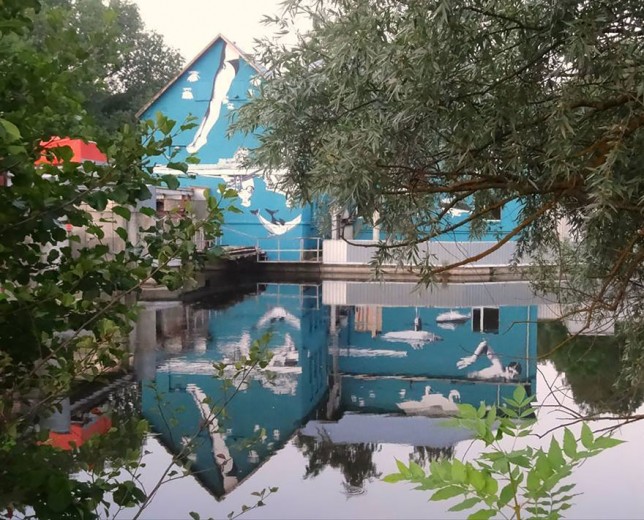
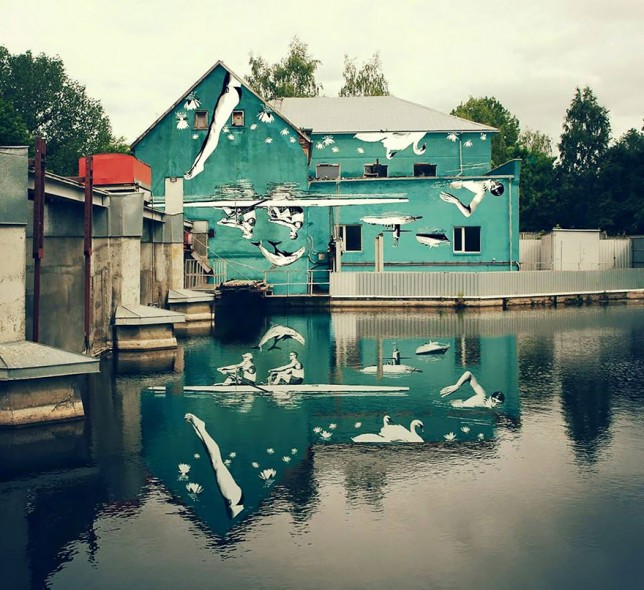
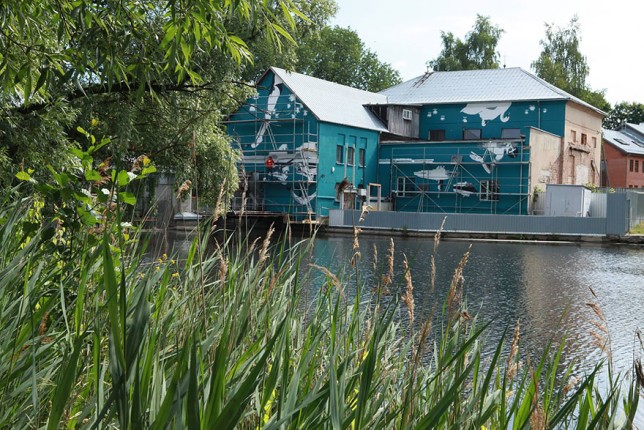
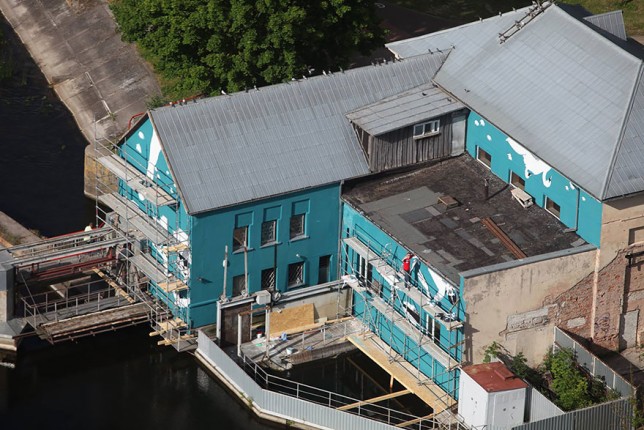
Designed to look right-side-up when reflected off the water below, this series wall murals features a series of nautical themes, including depictions of swimmers, rowers and swans. While the image above is accurate and untouched, a modified photo (shown below) shows a more idealized version that does not really reflect reality.
photoshopped reflective water mural

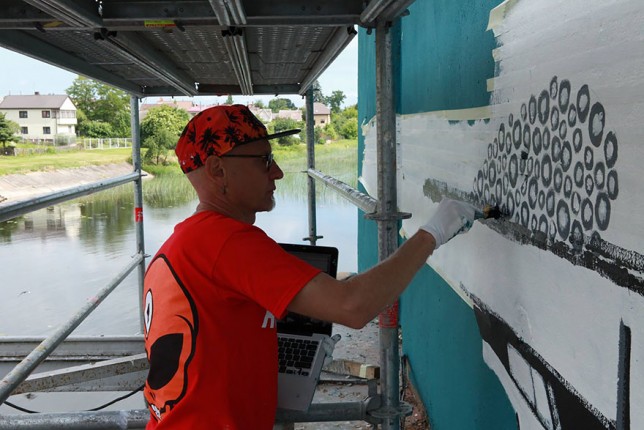
New York-based Ray Bartkus made this mural for the Lithuanian city of Marijampole, set alongside the river Šešupe, which flows through the city’s center. The artist is known for other works that rely on mirrors and reflections as well.

mural artists work

mural under construction

mural painting process

A bit like a trompe l’oeil illusion, the viewer’s position changes the composition, and their is an ideal spot for the optical effect in relation to the various vertical planes onto which the murals were painted.

Share on Facebook


[ By WebUrbanist in Art & Drawing & Digital. ]

[ WebUrbanist | Archives | Galleries | Privacy | TOS ]


WebUrbanist

 
Comments Off on Just a Reflector: Upside-Down Mural Looks Right in the Water Below

Posted in Creativity


Wet Look: 12 More Cool Creative Water Tanks & Towers

26 Sep

[ By Steve in Art. ]

water-tanks-towers-1a

Due to their sizes and shapes, water tanks and towers lend themselves to artistic embellishment as these dozen creative examples refreshingly illustrate.

water-tanks-towers-1c

water-tanks-towers-1b

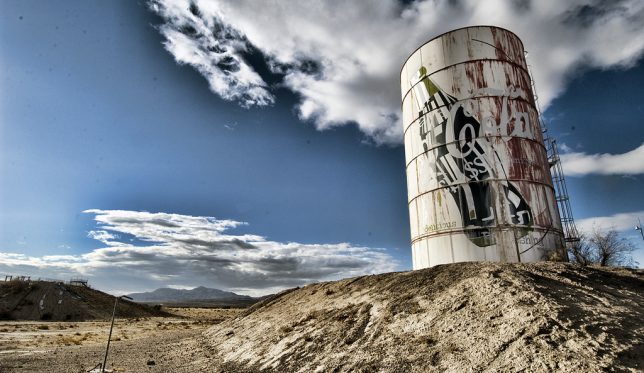
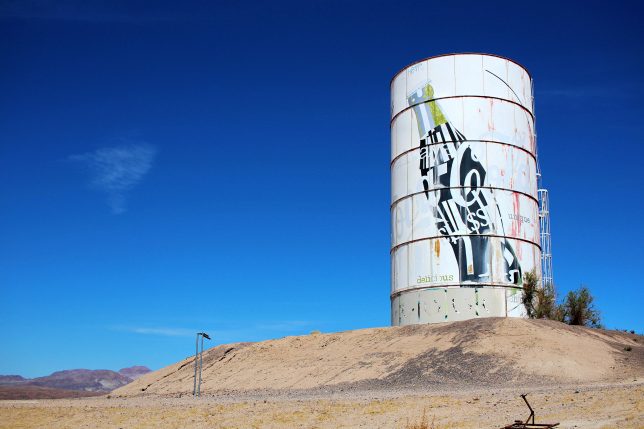
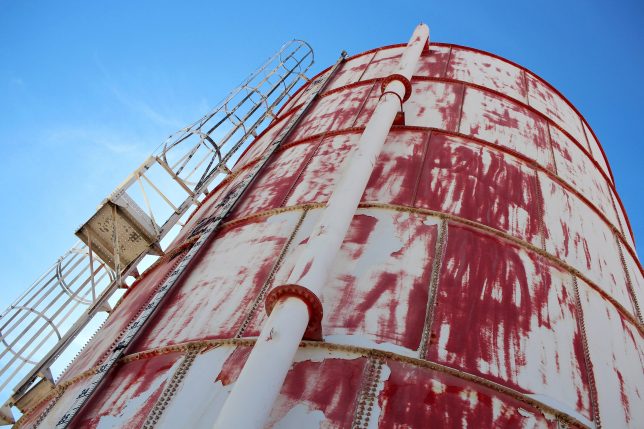
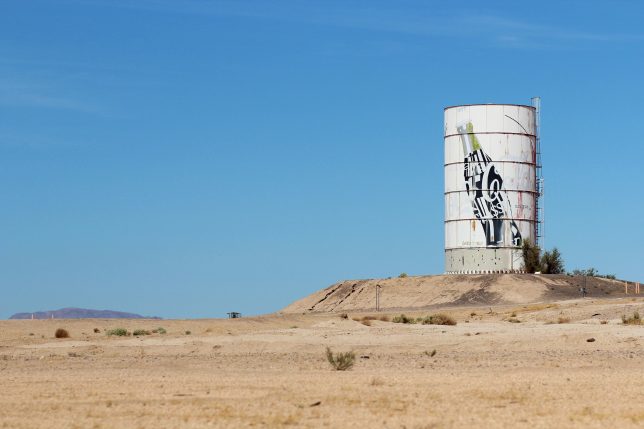
A waterpark? In the middle of MY Mojave Desert? It’s more likely than you think… or at least it was, before the Lake Dolores Waterpark (later the Rock-A-Hoola Waterpark and then the Discovery Waterpark) circled the drain for the final time in 2004. The water used to “power” the park(s) came from underground springs fed by the Mojave Aquifer and was stored in an enormous water tower shaped like – and painted to resemble – a Coca-Cola can.

water-tanks-towers-1d

While much of the park has been vandalized and scavenged for metal, the water tank can blame its current tattered & faded state on the Mojave’s blistering desert sun. Kudos to Flickr user Hans Proppe (shadowplay) and Imgur user loganbush for snapping the eerie and evocative images above.

Leggo My Necco

water-tanks-towers-2a

water-tanks-towers-2b

The circa-1927 New England Confectionery Company (NECCO, for short) building in Cambridge, MA is now occupied by offices of Swiss-based pharmaceutical firm Novartis, who graciously repainted the iconic Necco-wafer water tower in 1997. Flickr user Jill Robidoux (jylcat) snapped the tank on January 1st of 2003 and it’s a good thing she did: Novartis de-necco’d the tank in 2004 by painting it over in a boring-by-comparison pharma theme.

Behind The 8-Ball

water-tanks-towers-3a

water-tanks-towers-3b

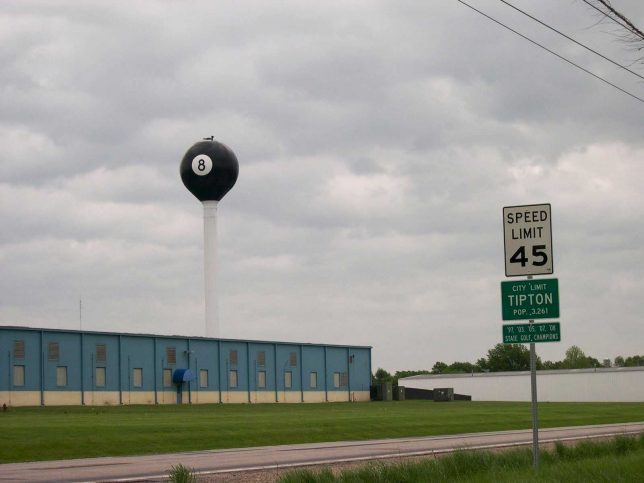
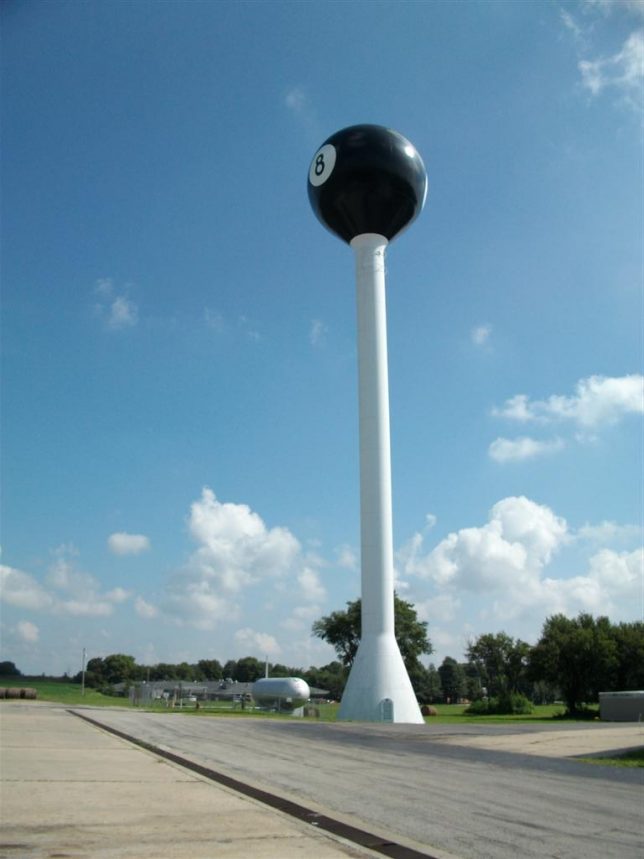
The giant 8-ball water tower in Tipton, Missouri came and went like a Fast Eddie Felson pool shot in the dark… and then it came back again, this time to stay. According to the Jefferson City News Tribune, in 1968 the water tower was creatively dressed in a billiard-ball theme by its owners, the Fischer Pool Table company. The water tower was ceded to the city and painted all-white after Fischer closed in 1977 but Tiptonians wanted their landmark back so in 1999, the tower was restored to its previous 8-ball livery. Minnesota Fats is likely looking down and smiling.

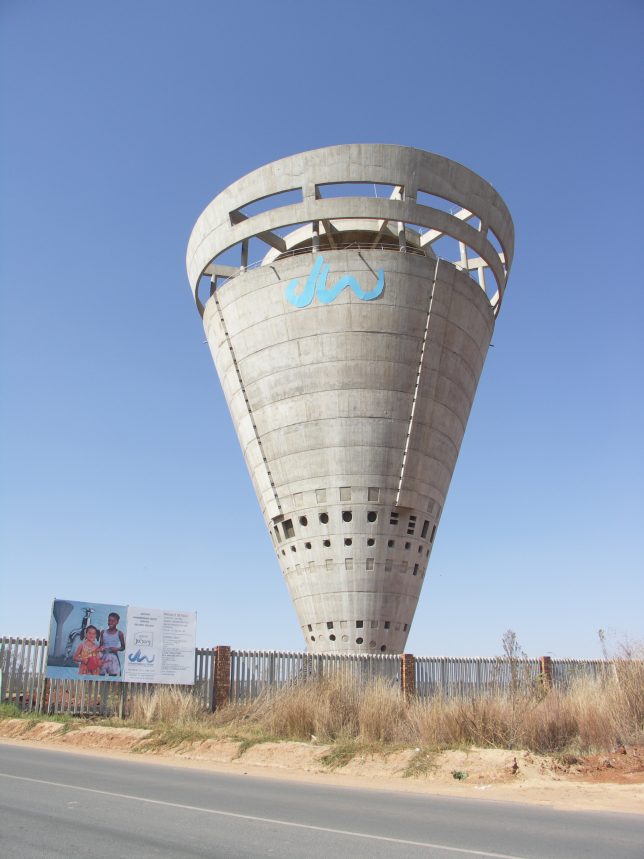
Cone Job

water-tanks-towers-4

The only paint on the Grand Central Water Tower in Johannesburg, South Africa, is the aqua blue corporate corporate logo near the top… anything else would be superfluous. The curious conical tower was built in 1997 and stands 40m (131.2 ft) tall, assuming it hasn’t already tipped over.

Next Page – Click Below to Read More:
Wet Look 12 More Cool Creative Water Tanks Towers

Share on Facebook


[ By Steve in Art. ]

[ WebUrbanist | Archives | Galleries | Privacy | TOS ]


WebUrbanist

 
Comments Off on Wet Look: 12 More Cool Creative Water Tanks & Towers

Posted in Creativity


Walk on Water: Christo Unfurls 1 Million Square Feet of Golden Cloth

20 Jun

[ By WebUrbanist in Art & Installation & Sound. ]

christo island view

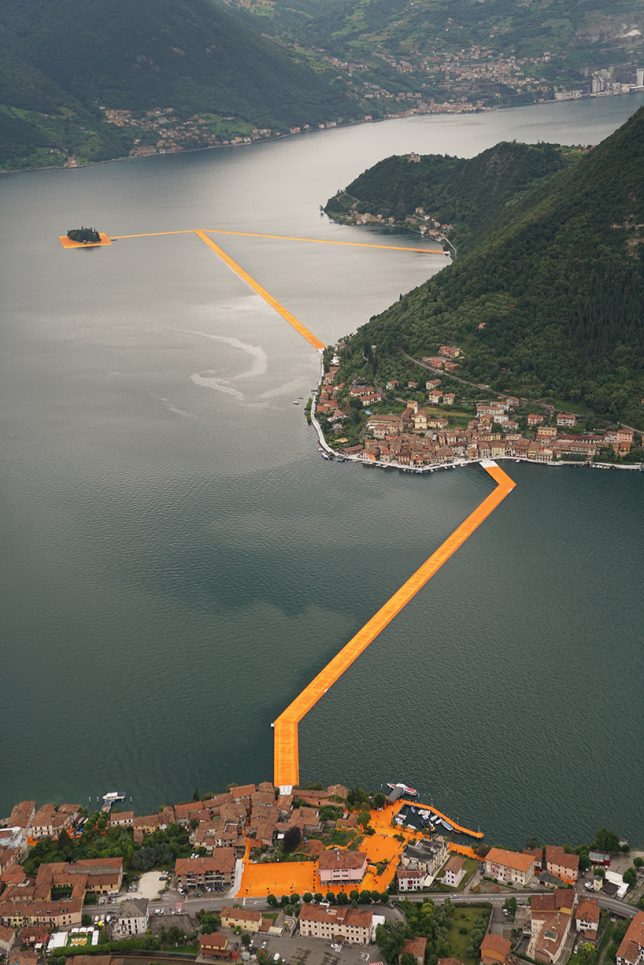
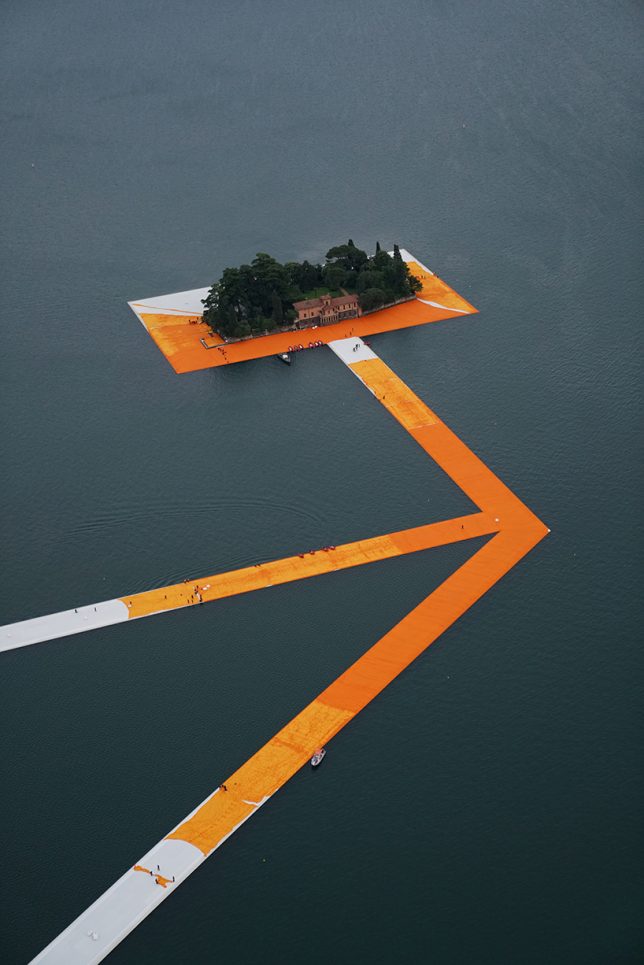
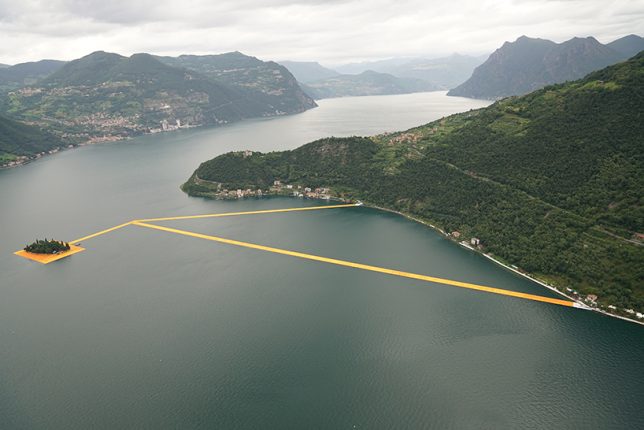
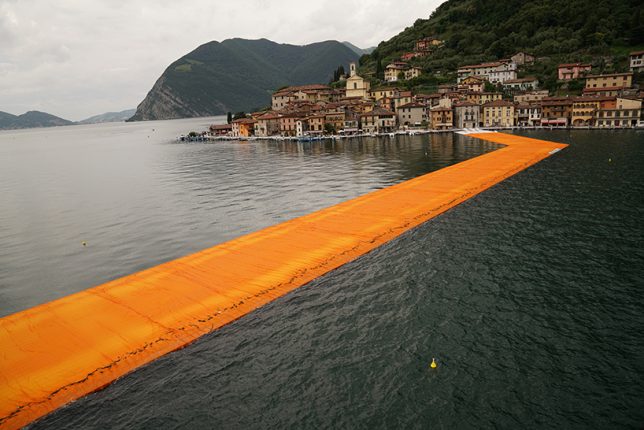
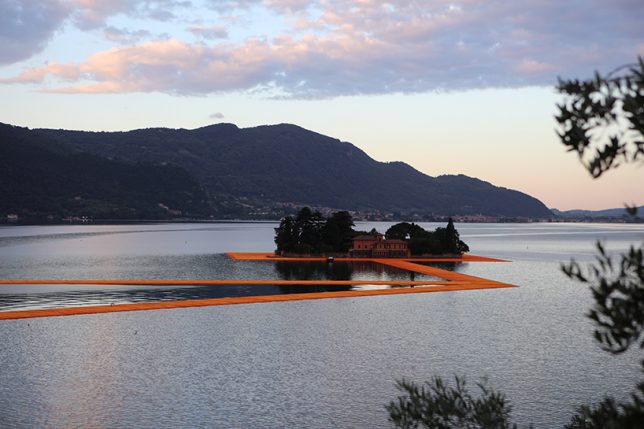
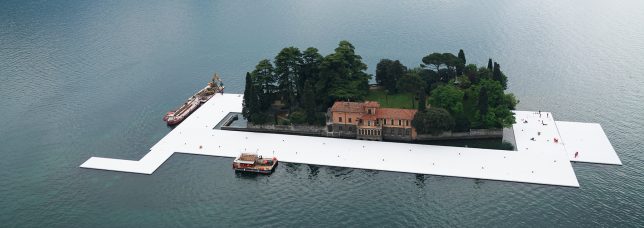
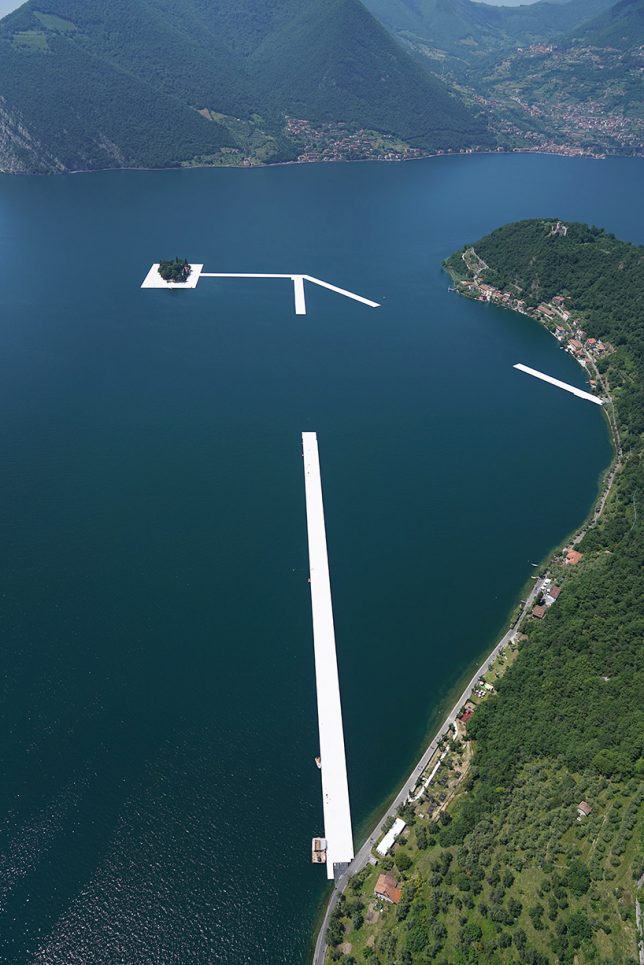
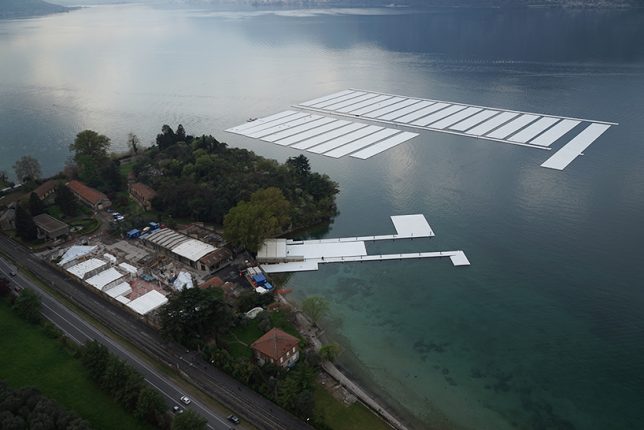
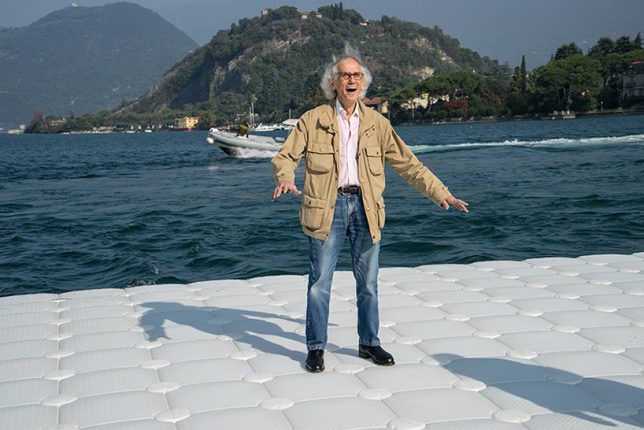
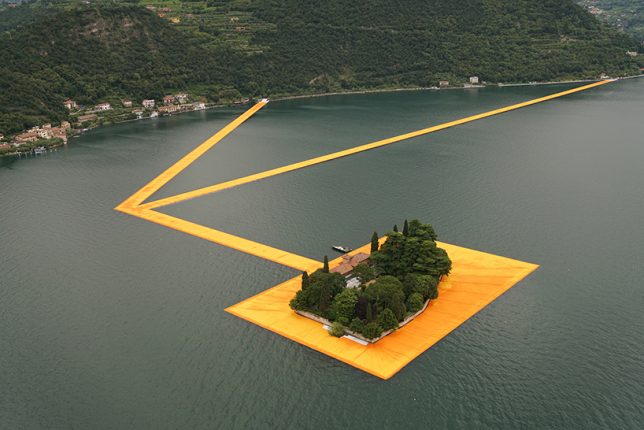
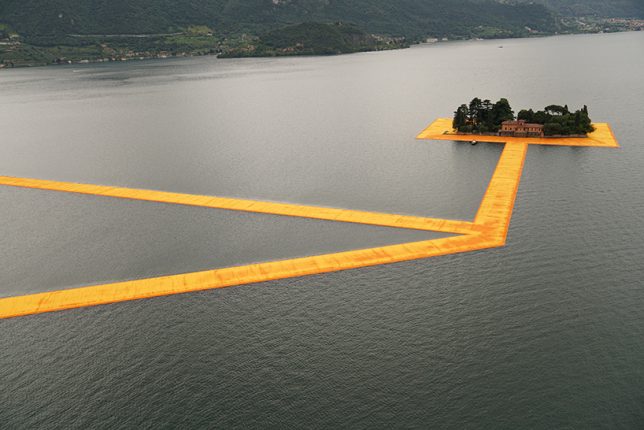
Known for his work on large-scale art projects, including the world’s biggest interior art installation, artist’s latest piece features over 1,000,000 square feet (100,000 square meters) of shimmering yellow fabric, wrapped around floating docks that span for miles up to and across Lake Iseo in Italy.

floating lake art

christo aerial view

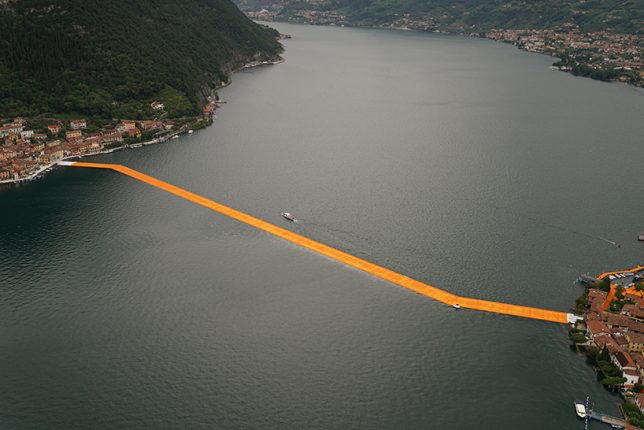
Undulating with the waves, the Floating Piers project lets visitors walk between Sulzano, Monte Isola and to the island of San Paolo; the floating platforms are visible from surrounding mountains as well.

christo golden path fabric

christo streets alleys

Christo conceived of the idea with his Jeanne-Claude as far back as the 1970s, exploring different potential venues for its installation. While Jeanne-Claude passed away in 2009, Christo has carried on the idea, and finally found a place for the temporary work in Northern Italy.

christo unveiling

christo day of

Many works by this long-standing pair of ambitious artists were self-funded, in part through the sales of concept drawings and models in advance.

christo floating path

christo close up

christo lake view

“like all of our projects,” says Christo, “The Floating Piers absolutely free and accessible 24 hours a day, weather permitting. There are no tickets, no openings, no reservations and no owners. The Floating Piers are an extension of the street and belong to everyone.” The project opened this weekend and will run for just 16 days. Images by Wolfgang Volz.

Share on Facebook


[ By WebUrbanist in Art & Installation & Sound. ]

[ WebUrbanist | Archives | Galleries | Privacy | TOS ]


WebUrbanist

 
Comments Off on Walk on Water: Christo Unfurls 1 Million Square Feet of Golden Cloth

Posted in Creativity


Walk on Water: 13 Interactive Aquatic Art Installations

14 Jun

[ By SA Rogers in Art & Installation & Sound. ]

infinite bridge main

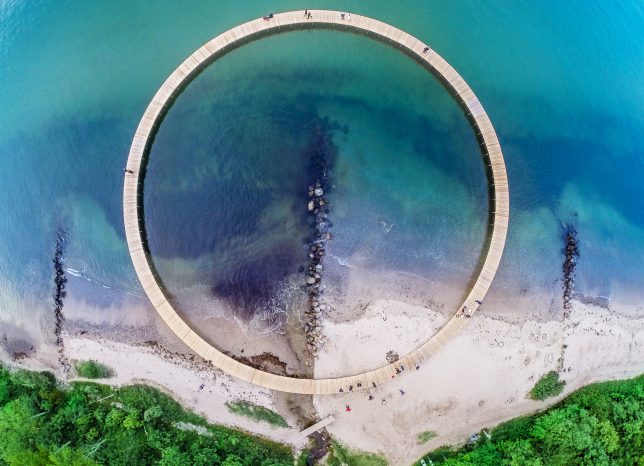
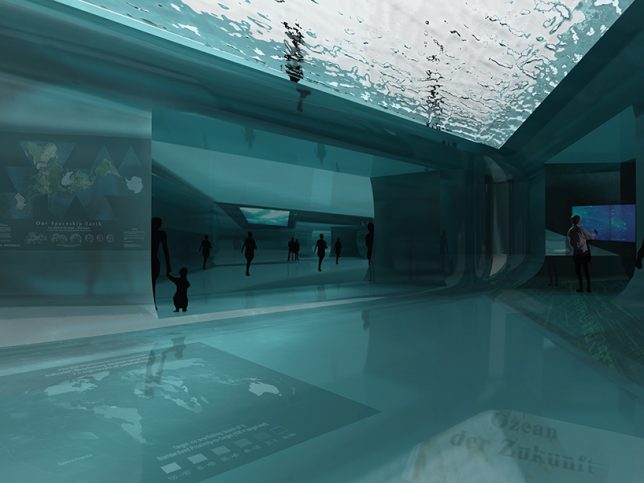
Vital yet dangerous, shifting its shape and obscuring what lies beneath, water is an ideal conduit for illusion, and artists take advantage of these qualities to produce works that confuse our senses and seem to give us superpowers. These aquatic art installations allow people to walk on water and breathe beneath its surface, and ask us to confront its mysteries, navigating flooded spaces in pitch blackness or edging dangerous whirlpools.

Floating Piers on Italy’s Lake Iseo by Christo and Jeanne Claude

water art floating piers 1

water art floating piers 2

water art floating piers 3

water art floating piers 4

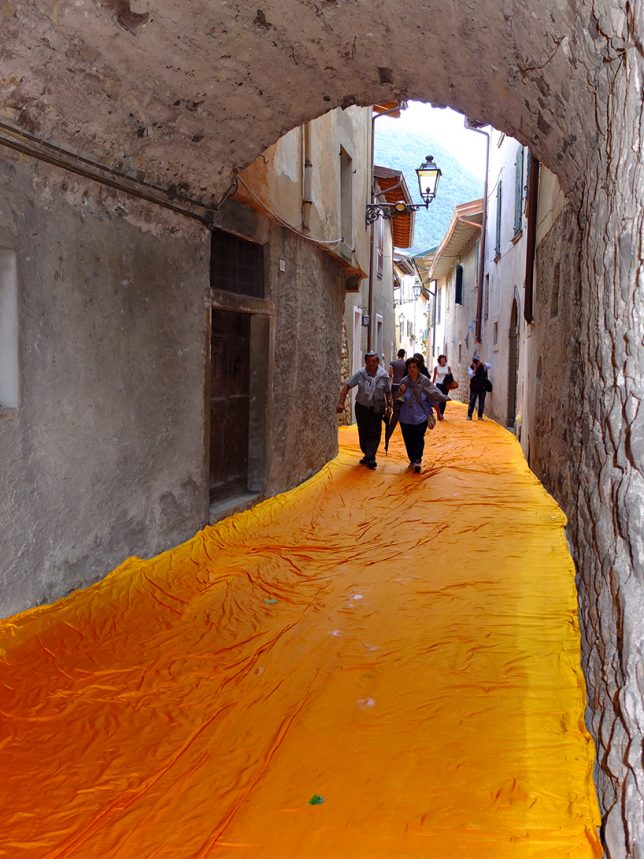
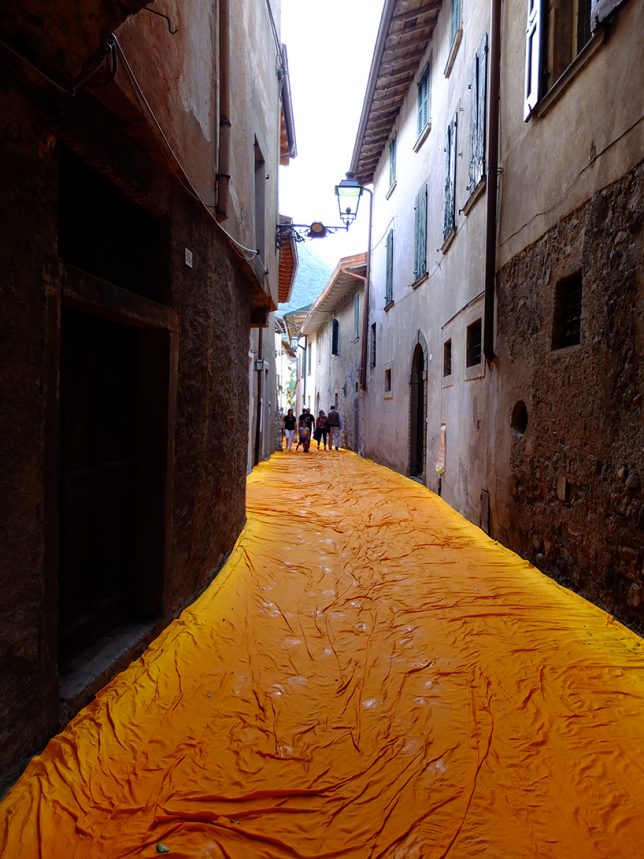
A modular floating dock system comprised of 220,000 polyethylene cubes will allow visitors to walk all the way to an island from the shore of Italy’s Lake Iseo. The first work by Christo and Jeanne-Claude in Italy in over 40 years, ‘The Floating Piers’ are still under construction and will ultimately be covered in a shimmering yellow fabric that will continue for a mile on land through the pedestrian streets. In the works for decades, it’s Christo’s first piece to be completed since the death of his partner Jeanne-Claude in 2005. The exhibition will be in place for 16 days and then all components will be industrially recycled. “Like all of our projects, ‘The Floating Piers’ is absolutely free and accessible 24 hours a day, weather permitting,” says Christo. “There are no tickets, no openings, no reservations and no owners. The Floating Piers are an extension of the street and belong to everyone.”

Intentionally Unstable Floating Pavilion

water art unstable pavilion 1

water art unstable pavilion 2

water art unstable pavilion 4

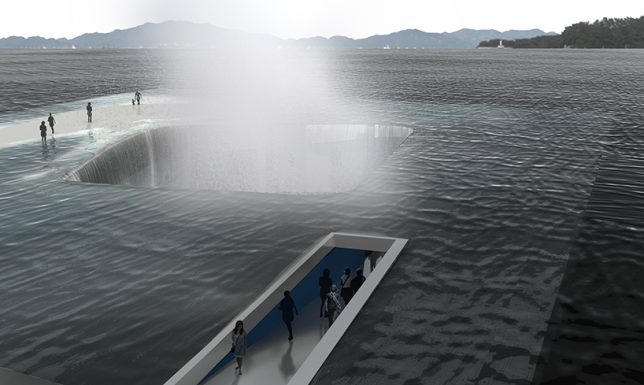
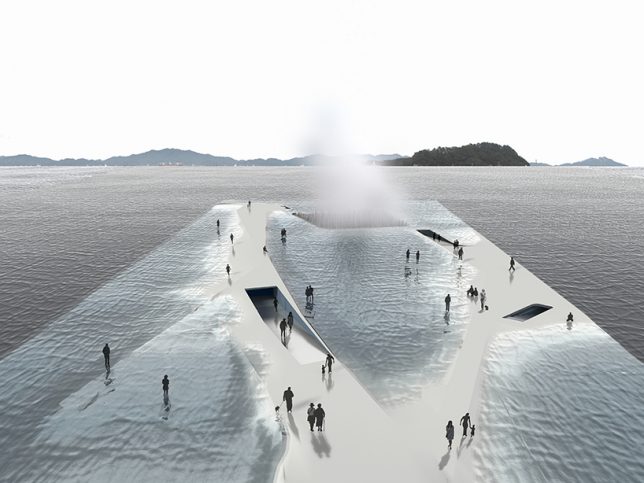
Just barely peeking above the surface of the sea in a few strategic places, this sunken pavilion lets you walk right out onto the water, with dry paths appearing and disappearing according to the movement of the waves. ‘Thematic Pavilion’ gently rocks back and forth as visitors move from the top level to the nautical exhibition space below the surface. Hydraulics of the same sort used for submarines keep the structure from sinking to the bottom, and raise it all the way up after the exhibition so it can be used like an ordinary boat.

Glass Topped Swimming Pool by Leandro Erlich

water art swimming pool 1

water art swimming pool erlich 2

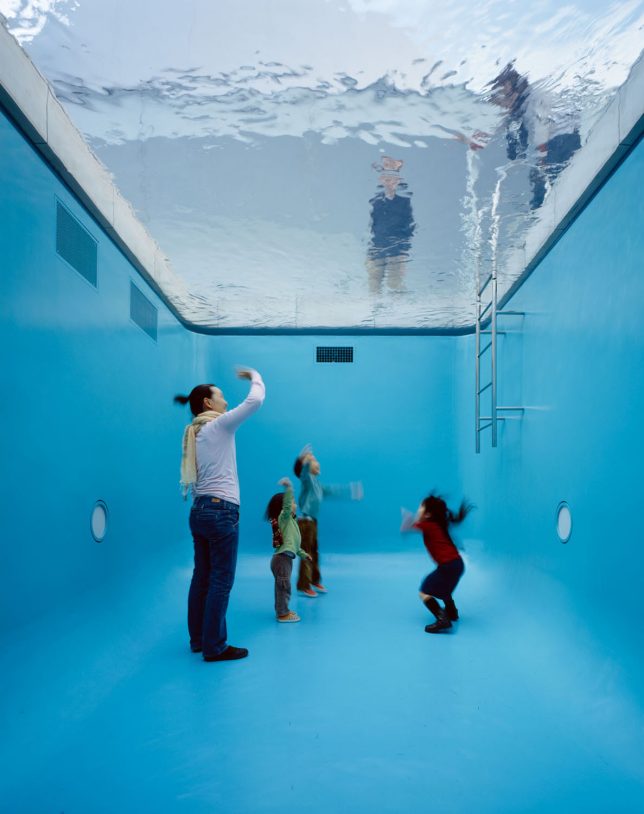
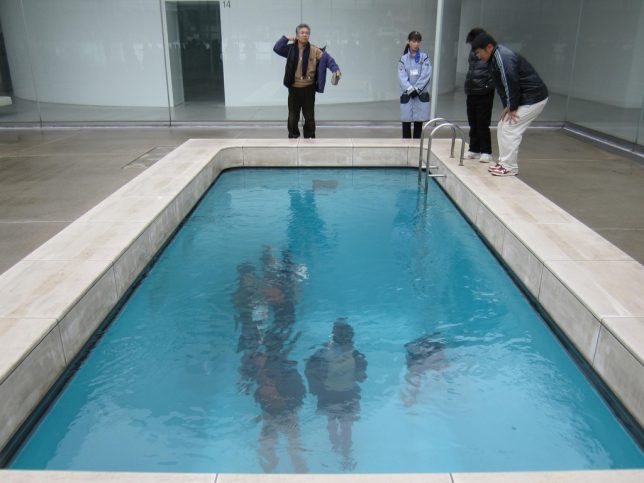
Glimpsed through the surface of a swimming pool, groups of people standing on the bottom seem irrationally calm – not to mention dry. That’s because a thin sheet of glass actually separates them from the extremely shallow water, creating the illusion that they’re submerged. Artist Leandro Erlich uses perspective, mirrors and glass to create optical illusions that shake our sense of what’s up and what’s down.

Boat Tour Through a Flooded Art Museum

water art flooded museum 1

water art flooded museum 2

water art flooded musem 3

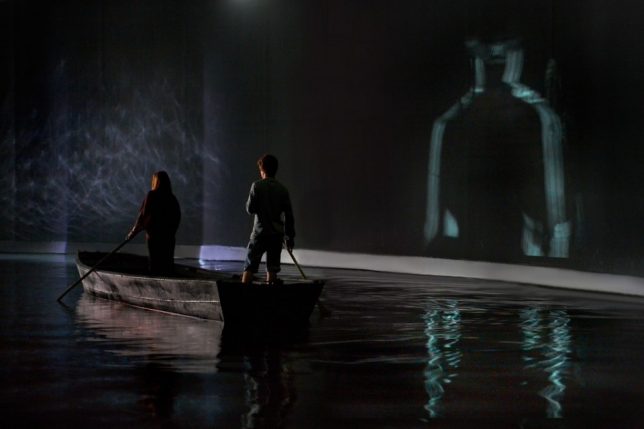
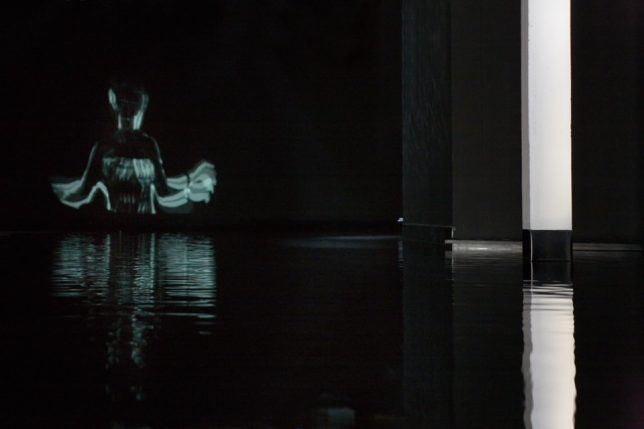
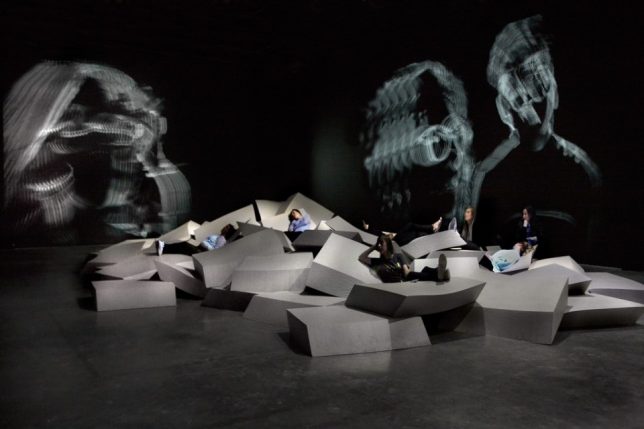
Visitors to the Palais de Tokyo have to navigate dark waters inside the museum itself, as if in a post-apocalyptic scenario, for this installation by Celeste Boursier-Mougenot. ACQUAALTA takes its name from the annual flooding event in Venice, imagining what would happen if this same flooding were to affect Paris. Standing or sitting in their boats, visitors row through the nearly pitch-black space before disembarking onto jagged foam landscapes.

Next Page – Click Below to Read More:
Walk On Water 13 Interactive Aquatic Art Installations

Share on Facebook


[ By SA Rogers in Art & Installation & Sound. ]

[ WebUrbanist | Archives | Galleries | Privacy | TOS ]


WebUrbanist

 
Comments Off on Walk on Water: 13 Interactive Aquatic Art Installations

Posted in Creativity


White Water Roofing: Wild Water Tanks Top Cool Punjabi Homes

12 Jun

[ By Steve in Art & Sculpture & Craft. ]

punjab_water_tanks_1a
Out to impress the neighbors in Punjab, India? Try topping your humble abode with a cool water tank rendered as a jet, blossom, or bodybuilder.

punjab_water_tanks_1b

Keeping up with the Joneses (or their Punjabi equivalent) just got a lot tougher thanks to Santokh Singh Uppal, a successful entrepreneur who, in 1959 and at the age of 17, left his native village of Uppal Bhupa to make his fortune in the United Kingdom. “To me,” explained Santokh, “this Air India plane symbolizes the hopes and dreams of all those enterprising Punjab residents for whom going abroad is like the first step towards shaping their destiny.” Ajay Verma snapped the above shots of Santokh’s house-topper, completed in 2004 after five years of construction.

Leaving On A Jet Plane

punjab_water_tanks_2a

punjab_water_tanks_2c

punjab_water_tanks_2b

More than a few Punjabis share Santokh’s sentiments and show it by mounting similarly artistic water tanks on the roofs of their homes. Most of these home-owners are NRIs – Non-Resident Indians – who have achieved success abroad yet still maintain their home base in their homeland. Mounting a decorative water tank symbolic of their personal odyssey, main interest or both serves to signal their family’s prosperity while spurring their village neighbors to top – no pun intended – their folk art braggadocio.

Tanks For The Memories

punjab_water_tanks_3b

punjab_water_tanks_3a

punjab_water_tanks_3c

When, where and how did this weird water tank oneupmanship get started? “In Nawanshahr,” states photographer Rajesh Vora, “the proud owner of a restaurant in New Zealand celebrated his success as a chef with a pressure cooker-shaped water tank back home. Soon, villagers in neighboring villages started to copy it.” Not everyone is a successful restaurant owner, however, nor is constructing a rooftop water tank an endeavor anyone can engage in. True to their entrepreneurial spirit, enterprising Punjabis have opened off-the-rack water tank shops and will perform custom on-site installations upon request.

Next Page – Click Below to Read More:
White Water Roofing Wild Water Tanks Top Cool Punjabi Homes

Share on Facebook


[ By Steve in Art & Sculpture & Craft. ]

[ WebUrbanist | Archives | Galleries | Privacy | TOS ]


WebUrbanist

 
Comments Off on White Water Roofing: Wild Water Tanks Top Cool Punjabi Homes

Posted in Creativity