RSS
 

Posts Tagged ‘Urban’

Urban Legend: Why Are European Cities so Much Denser than American Ones?

22 Mar

[ By WebUrbanist in Architecture & Cities & Urbanism. ]

densities

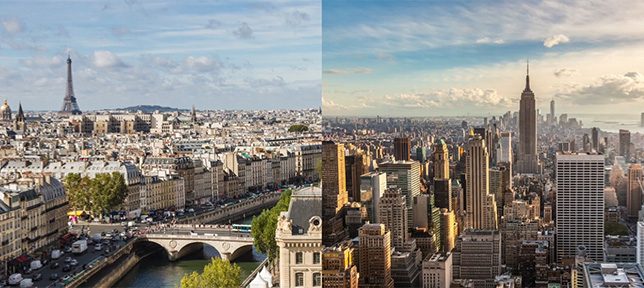
At a glance, it seems obvious New York City would be more densely populated than Paris, but in fact the reverse is true: New York has only half the population density of its French competitor. In Europe, too, rich people tend to live in the hearts of cities, not in their suburbs as they often do in the United States. This fantastic short video will take you through the reasons for these differentials in just ten minutes:

Most people attribute this to the age differential — young American cities are much younger. Europeans walking to work preferred and paid a premium for proximity (and to live on lower floors before the advent of elevators). A similar effect can be found in small towns: villagers would walk to work in fields. And this is part of the story, but per the video above (and text below) there are other forces at work in the modern age.

Meanwhile, in the U.S., railroads took time to get up to speed, making it easy to build suburbs further out and not just adjacent to cities. Streetcars in turn created upper-middle-class suburbs closer into town. Finally, the automobile filled in the gaps between railroad and streetcar lines.

But why didn’t European cities experience a similar trend? In part, ones that were damaged during in world wars generally rebuilt the way they had been, and the rest kept their legacies of density throughout.

There is also the history of crime: violent urban crime drove those who could afford it out of the hearts of cities. Rural land is also cheaper in the U.S. thanks for fewer farm subsidies, making it easier for developers to buy and build remotely.

Cheaper energy costs also drive car ownership state-side, reducing motivation to locate homes close to work. Energy prices also mean that heating huge suburban homes in America is much more affordable. But these commutes are linked to higher anxiety and the trend is reversing, bringing the rich back into cities.

Share on Facebook


[ By WebUrbanist in Architecture & Cities & Urbanism. ]

[ WebUrbanist | Archives | Galleries | Privacy | TOS ]


WebUrbanist

 
Comments Off on Urban Legend: Why Are European Cities so Much Denser than American Ones?

Posted in Creativity


Urban Off-Grid: 12 Creative Solutions For Self-Sustainability in the City

16 Mar

[ By SA Rogers in Architecture & Houses & Residential. ]

off grid urban main

Off-grid housing is almost always relegated to remote areas due to strict urban building codes and access to affordable land, but sometimes self-contained structures pop up in parks, on rooftops and in canals anyway – or the owners of more conventional city dwellings simply cut the cord. There are already a lot of different ways to go off-grid in the city, most explored by necessity due to poverty, others seeking a more sustainable way of life without giving up community and convenience. From rooftop structures and mobile housing to entirely new self-powered city blocks, these solutions work within cities that already exist rather than envisioning expensive futuristic eco-cities from the ground up.

The Mobiators

mobiators

mobiators 2

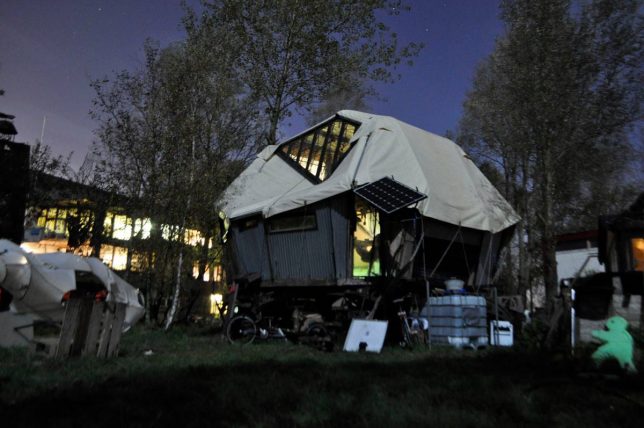
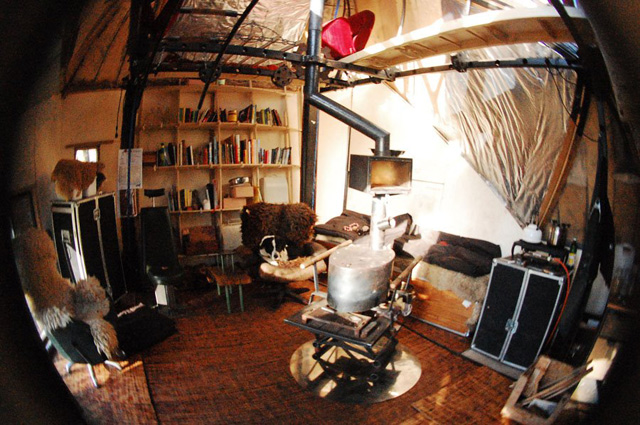
Somewhere between a DIY cabin, a tent and a mobile home, this strange structure by The Mobiation Project travels through Amsterdam, setting up in locations all over the city as a statement about the increasingly broken global economy and damage to the environment. Built by an artist/architect and a carpenter/designer, The Mobi-01 acts as an interactive, inhabitable, ‘open-house’ example of an off-grid structure that can set up virtually anywhere.

Off-Grid Rooftop Penthouse in Canada

off grid rooftop penthouse canada

off grid rooftop penthouse canada 2

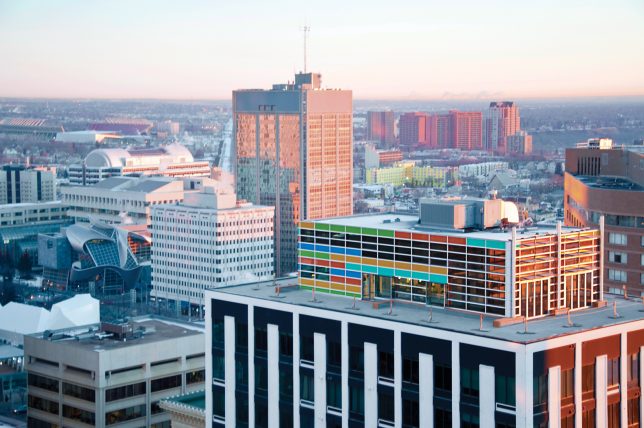
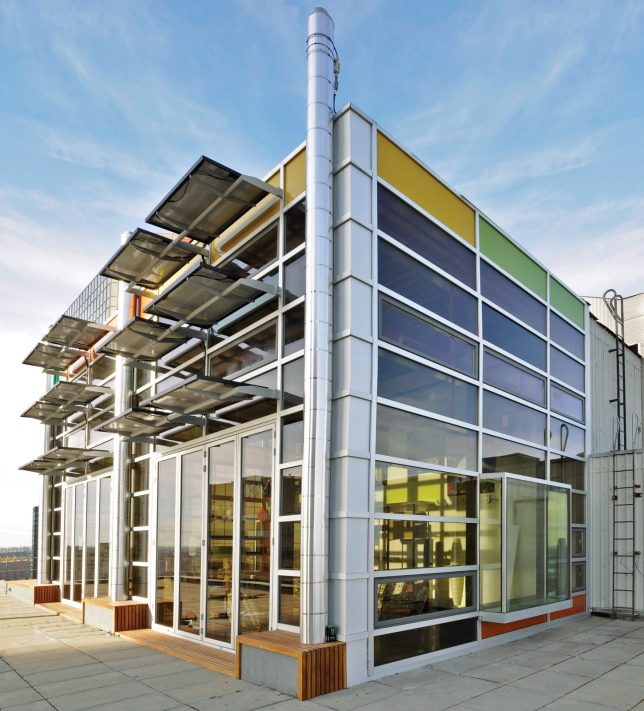
Reclaiming the rooftop space atop urban structures isn’t a new idea, but it’s rare to see them disconnected from the power grid, like this former mechanical room on a 19-floor office building in Edmonton, Canada. Architect Vivian Manasc saw potential in the structure when doing a technical evaluation of the building, and ultimately transformed it into a home for herself. The home horseshoes around an existing elevator core, which warms the space passively, and gets its power from solar panels.

Free Off Grid Camping on a NYC Rooftop

bivuoac urban camping

bivuoac urban camping 2

bivouac off grid new york cit

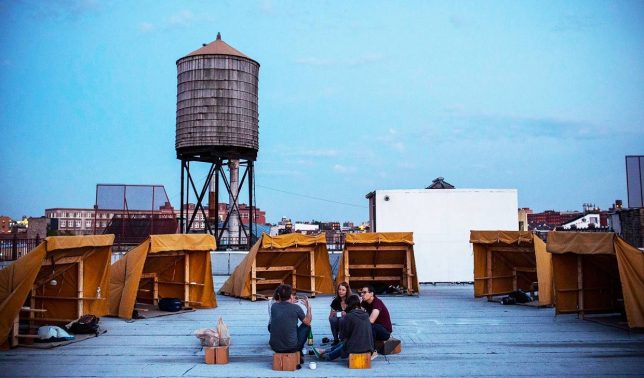
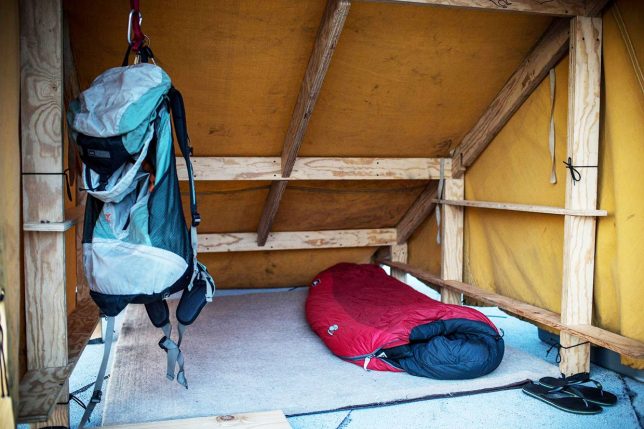
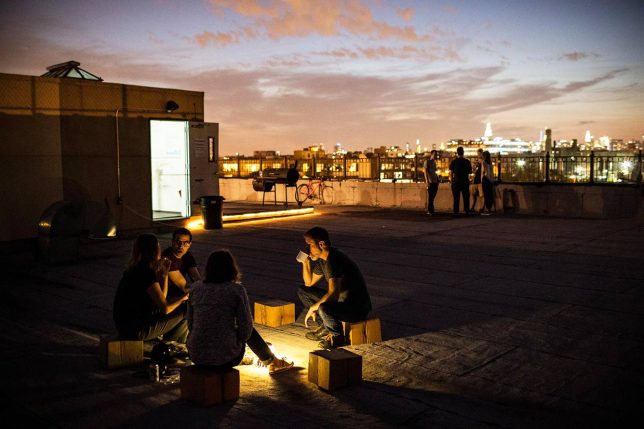
Bivouac is a pop-up campsite rotating to different rooftop spots around New York City, consisting of little more than six waterproof canvas tents with wooden frames and wool floor mats, a kitchen area with a table, and a small library. There’s no internet, electricity or showers, and you can’t have a campfire, but at least there’s access to a toilet within the building. It’s entirely free, and an interesting concept, though one wonders what this project says about accessing urban spaces when you’re well-off just for fun versus the tent cities created by homeless people who have nowhere else to go.

Off-Grid Urban Block for Dallas, Texas

forwarding dallas

forwarding dallas 2

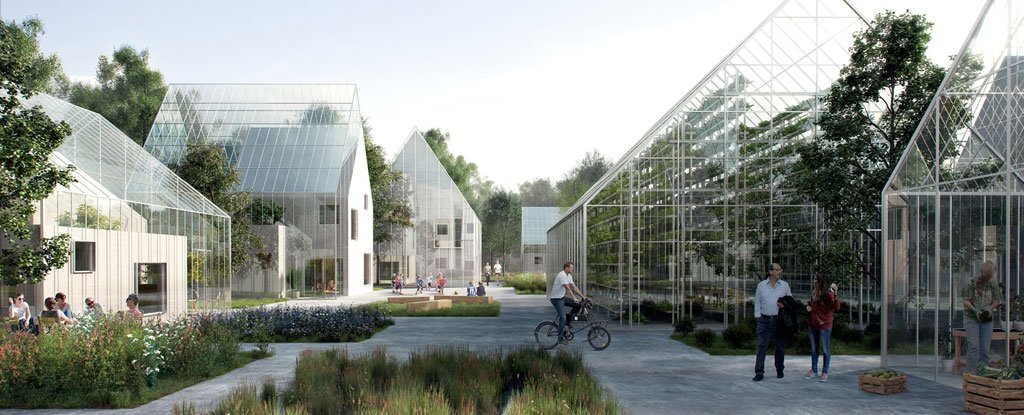
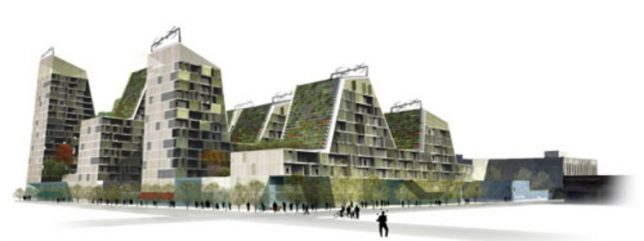
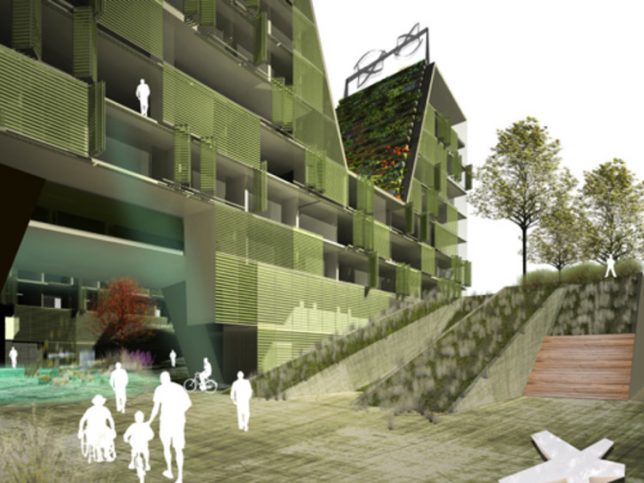
What if entire city blocks could be designed to power themselves, built in areas that were previously disused, like former industrial properties or rail yards? Winner of the Re:Vision Dallas competition, ‘Forwarding Dallas’ envisions a complex of living spaces inspired by rolling hills, with vegetation-covered roofs, solar panels, wind turbines, and passive solar louvers covering the building’s glass facades to regulate heat. The block also has its own rooftop water catchment system, a greenhouse, a swimming pool and other communal spaces. The 40,000-square-meter complex could sustainably house 854 people within the space of a typical city block.

Next Page – Click Below to Read More:
Urban Off Grid 12 Creative Solutions For Self Sustainability In The City

Share on Facebook


[ By SA Rogers in Architecture & Houses & Residential. ]

[ WebUrbanist | Archives | Galleries | Privacy | TOS ]


WebUrbanist

 
Comments Off on Urban Off-Grid: 12 Creative Solutions For Self-Sustainability in the City

Posted in Creativity


Grime in 1:20 Scale: Gritty Dollhouse-Sized Urban Architectural Models

14 Mar

[ By SA Rogers in Art & Sculpture & Craft. ]

urban architectural models

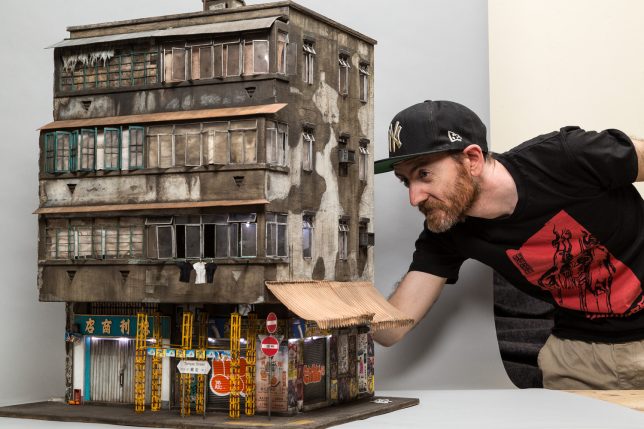
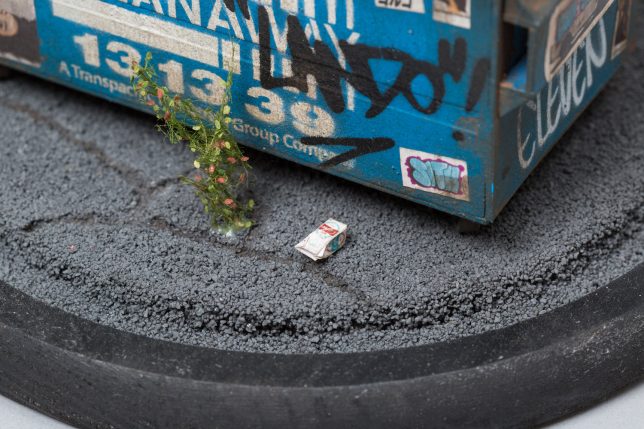
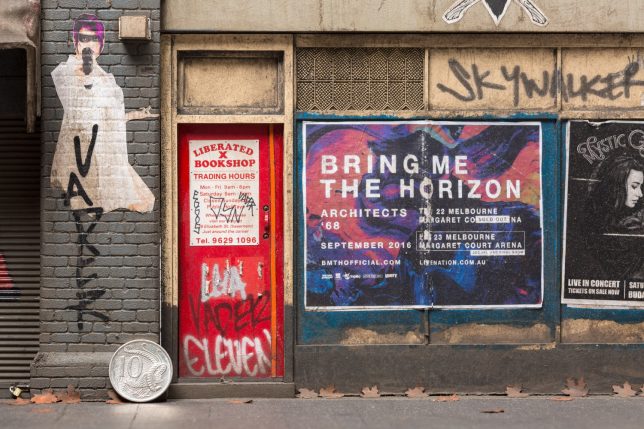
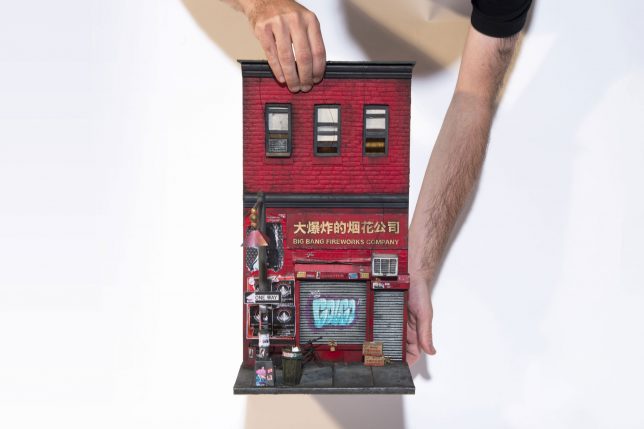
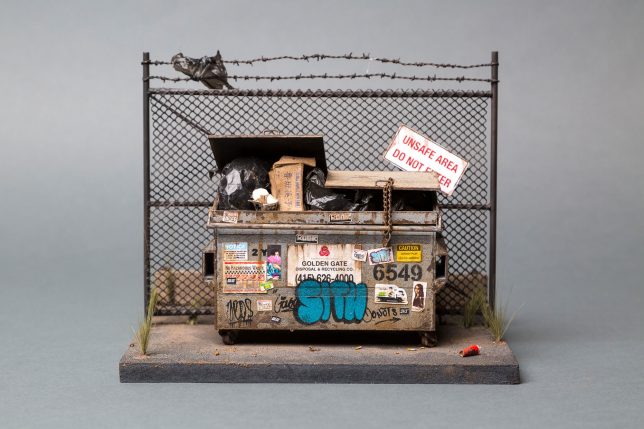
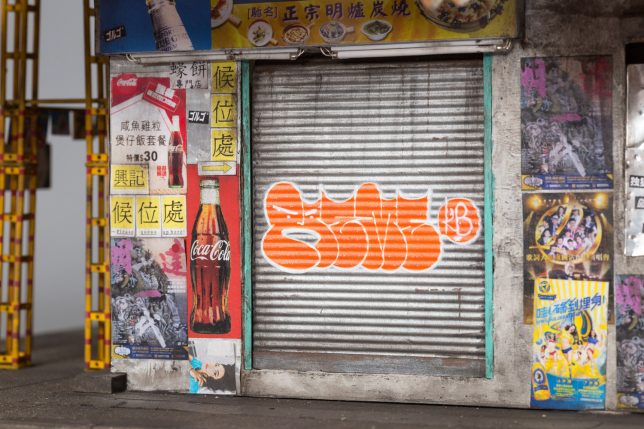
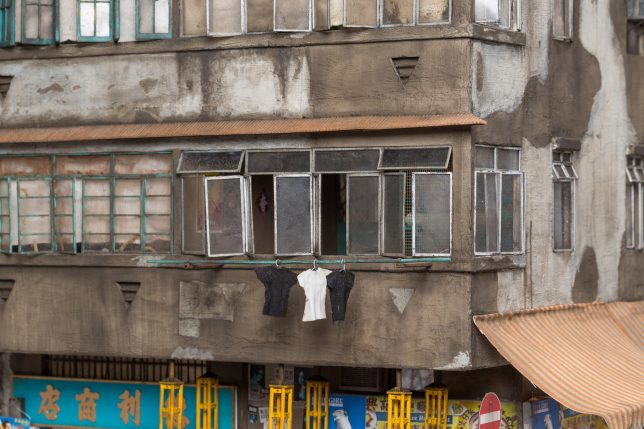
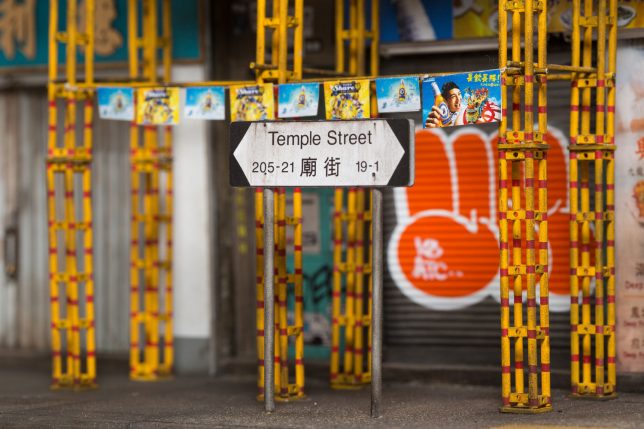
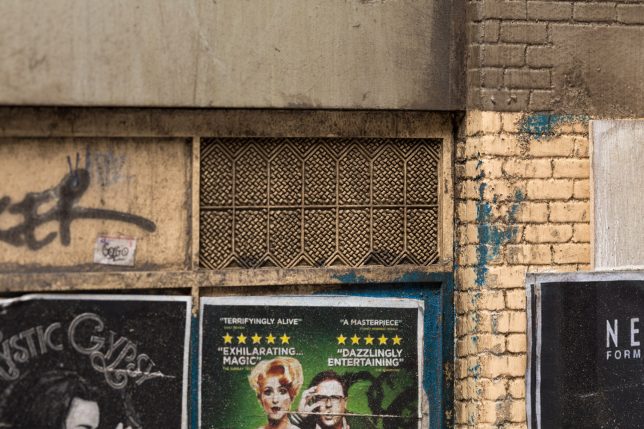
The kind of graffiti-covered, poster-plastered, weathered and visibly aging architecture that once characterized many big cities and has now largely been demolished is recreated in miniature by artist Joshua Smith. Every aspect of Smith’s tiny urban environments is crafted in loving detail, with absolutely nothing overlooked. Photographs of each miniature will make you wish you could examine them in person with a magnifying glass, appreciating the realism in every sidewalk crack, weed, pebble and fallen leaf.

urban architectural models 2

urban architectural models 9

urban architectural odels 5

A dumpster at the Oakland Docks is packed full of tiny trash, some strewn around its base, a plastic bag fluttering on the barbed wire fence behind it. Melbourne’s Liberated X Bookshop and Shoe repairs features some fantastic Bladerunner-inspired wheat pasting, peeling plywood and the world’s tiniest padlocks. Big Bang Fireworks Company, based on 15 Pell Street in New York City’s Chinatown looks like you could slide those windows open and find a tiny family dining inside.

chinatown

dumpster

urban architectural models 9

urban architectural models 10

Based in South Australia, Smith previously worked for sixteen years as a stencil artist, and has now shifted his focus to model-making. The artist recently granted an interview to ArchDaily about his modeling process.

urban architectural models 3

urban architectural models 4

urban architectural models 7

“The longest build, which was my Kowloon Miniature, took three solid months working on average six to seven days a week and eight to sixteen hour-long days,” says Smith. “I strive to create a reality. I take as many reference photos as possible to mimic every single streak of rust, grime and chipping of stonework. I want viewers to be fooled, if I are a photo of the completed work in sunlight, to think it is the real thing.”

Take a closer look at some high-resolution images at Joshua Smith’s website.

Share on Facebook


[ By SA Rogers in Art & Sculpture & Craft. ]

[ WebUrbanist | Archives | Galleries | Privacy | TOS ]


WebUrbanist

 
Comments Off on Grime in 1:20 Scale: Gritty Dollhouse-Sized Urban Architectural Models

Posted in Creativity


Urban Planet: How the Whole World Would Fit into a Single City or Structure

08 Mar

[ By WebUrbanist in Architecture & Cities & Urbanism. ]

life in one city

Cities often feel like dense and crowded places, and it is hard to imagine everyone on Earth living in urban environments let alone a single city or even (yes, it’s possible) one gigantic megastructure. In a series of videos, filmmaker Joseph Pisenti asks: what if everyone lived in one city? Then he takes it further with: what if everyone lived in just one building?

It sounds like an absurd proposition, but our planet’s population of billions could, in fact, but contained in a relatively small amount of space if needed (perhaps in case of a worldwide evacuation to space?). Images of single cities in the videos show places that already have populations in a single frame larger than countries like, say, Australia have spread across an entire continent.

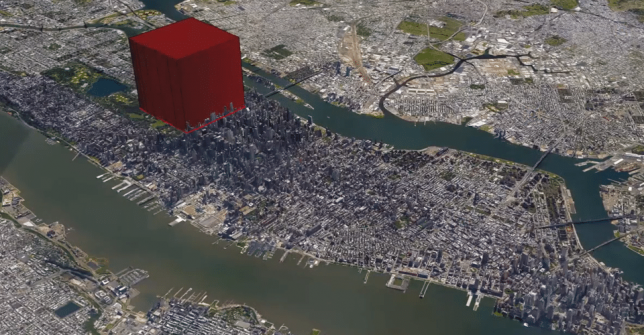
A few billion cubic meters in a structure set on, say, Manhattan, could uncomfortably house the human race. It would be twice the height on the world’s largest building, but we would fit if we had to.

As the video series unfolds, its creator gets increasingly realistic with respect to actual needs for people beyond simply space to exist, imagining a world where we all could actually live on a small part of South America. Hopefully, of course, it will never come to this, but as sea levels rise it’s good to know we have options (and fun to engage in these thought experiments, regardless). By the time you finish watching this series, however, you may find you would rather simply escape it all:

Share on Facebook


[ By WebUrbanist in Architecture & Cities & Urbanism. ]

[ WebUrbanist | Archives | Galleries | Privacy | TOS ]


WebUrbanist

 
Comments Off on Urban Planet: How the Whole World Would Fit into a Single City or Structure

Posted in Creativity


Forest Cities: Tree-Covered Urban Architecture to Combat Smog in China

03 Mar

[ By WebUrbanist in Architecture & Cities & Urbanism. ]

forest city

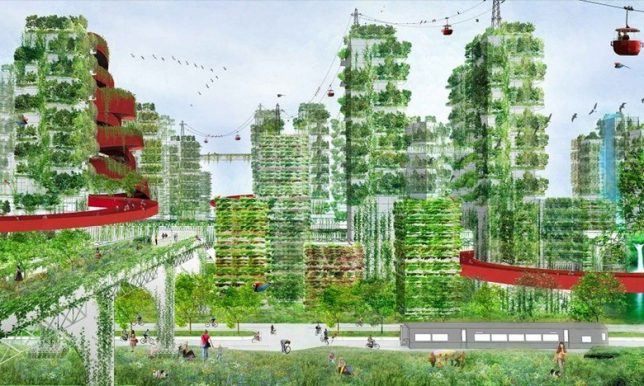
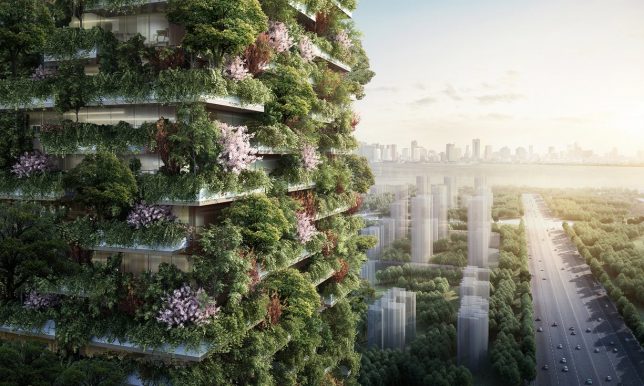
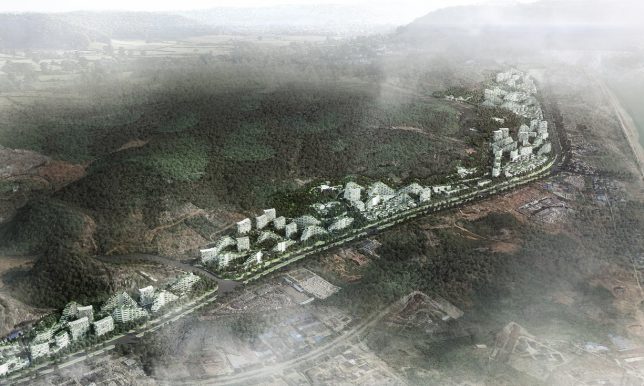
A new series of treescrapers designed for Nanjing, China, aim to combat air pollution with plant-covered towers, but this bold vision may represent hubris more than hope.

Architect Stefano Boeri’s Bosco Verticale (Vertical Forest) project in Milan was an impressive but small-scale version of this vision to turn Chinese cities into greenery-covered cityscapes. “Two towers in a huge urban environment [such as Nanjing] is so, so small a contribution – but it is an example. We hope that this model of green architecture can be repeated and copied and replicated.”

forest city project

And the figures put out to the press are impressive: these new buildings could, according to estimates, remove 25 tons of carbon from the air annually and produces a lot of oxygen in the process. Still, embedded carbon in plants has to go somewhere eventually — leaves and branches that break off of these vertical treescapes will eventually fall to the ground, adding to street-level pollution.

Projects like this face downsides and challenges, too. A lot of embedded energy (and thus: carbon) comes with retrofitting buildings to support plants. There are intensive structural requirements (for soil and trees) but also active system demands, too, that add to inputs and costs. As plants grow, they also have to be maintained — a lot more challenging than just sending window washers up and down the sides of a skyscraper.

forest city village

Ultimately, it makes sense to think about how cities can go green, but adding thick and lush greenery to the sides of buildings risks being an act of greenwashing more than one of sustainable design. The ground is a much easier place to plant greenery, plus an easier space for everyone to access and enjoy. Even the above rendering of one of these planned communities makes this point indirectly: there are a lot more trees on the ground than there are on the buildings in the image.

Share on Facebook


[ By WebUrbanist in Architecture & Cities & Urbanism. ]

[ WebUrbanist | Archives | Galleries | Privacy | TOS ]


WebUrbanist

 
Comments Off on Forest Cities: Tree-Covered Urban Architecture to Combat Smog in China

Posted in Creativity


Reclaiming Urban Food Production: 12 Smart Designs for Farms & Gardens

23 Feb

[ By SA Rogers in Architecture & Cities & Urbanism. ]

urban garden main

Most urban environments aren’t lacking in sunlight – it’s a lack of square footage and healthy soil that makes it hard to use these spaces to grow food. While many a high-tech concept design has envisioned vertical skyscraper farms or entire cities built from scratch, we need low-cost solutions that can be implemented into disused urban spaces, easily assembled and moved when necessary. These smart urban farming and gardening ideas reclaim pallets, cardboard tubes, shipping containers and bicycle wheels, and many take advantage of sunny available spaces on rooftops, in abandoned buildings or along stretches of hot concrete walls.

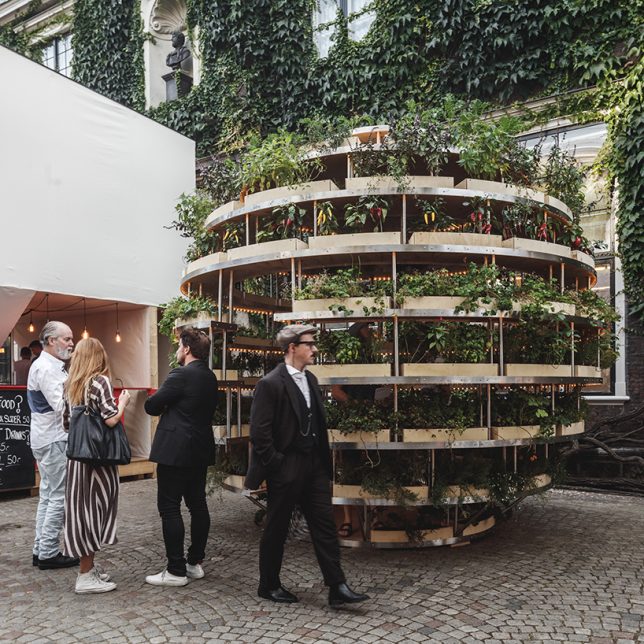
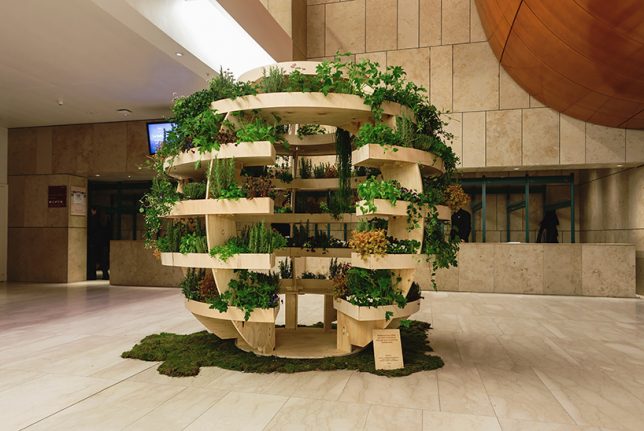
The Growroom: IKEA Flat-Pack Spherical Garden

space10 garden

ikea urban garden 1

ikea urban garden 2

ikea urban garden 3

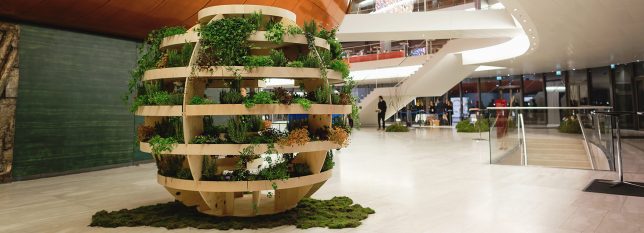
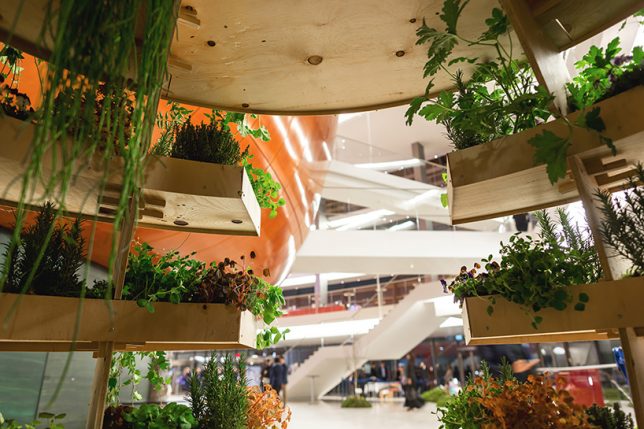
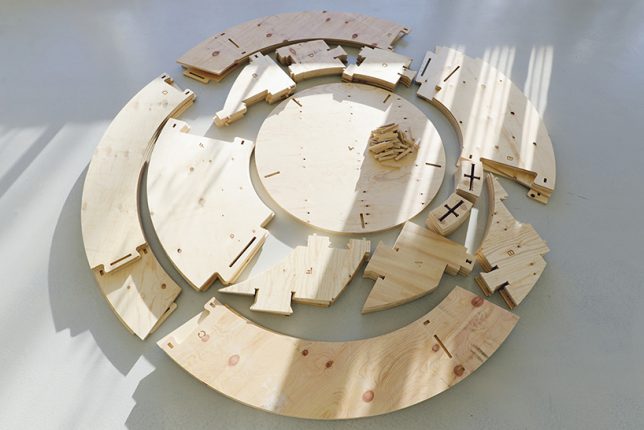
Developed by IKEA’s external innovation hub, Space10, the Growroom is a spherical structure that makes it easy to grow lots of food in a compact space thanks to its unique design. Since shipping the structure around the world would be too expensive and negate some of the benefits of local food sourcing, IKEA decided to offer the structure as an open-source design built with plywood, a CNC milling machine and a rubber hammer.

Floating Gardens in an Abandoned Chinese Factory

floating gardens 1

floating gardens 2

floating gardens 3

floating gardens 4

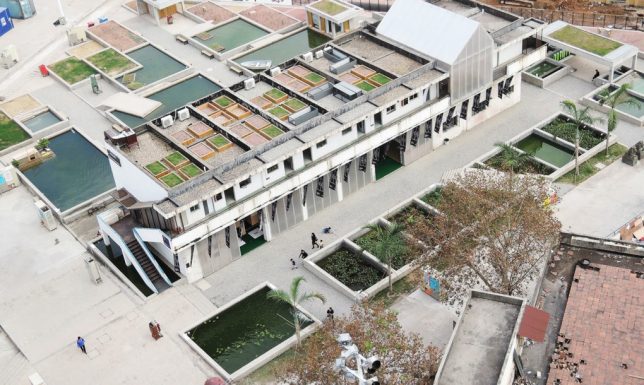
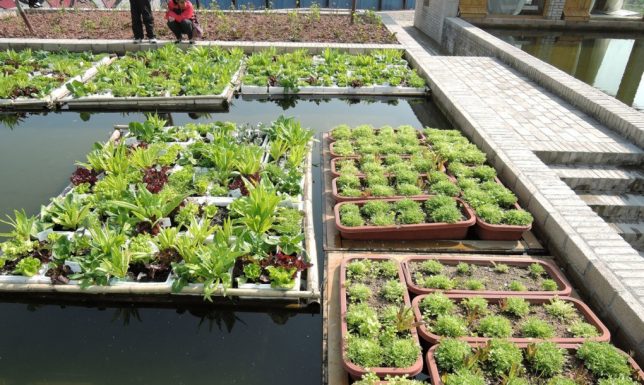
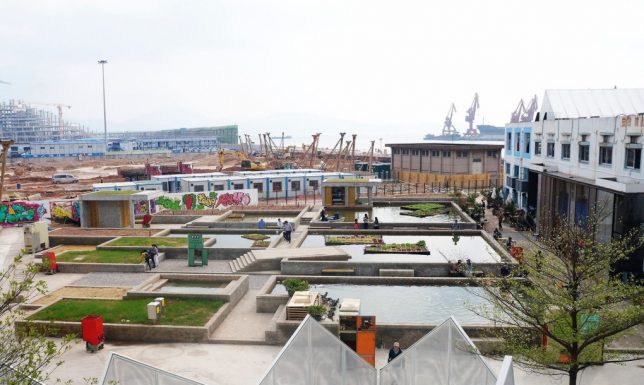
This area along the Pearl River Delta in Shenzhen was once a thriving community relying on fish ponds and water-based commerce, but most of that has since vanished in the face of rapid urbanization, leaving many abandoned structures behind. ‘Floating Fields’ occupies this space and makes it useful again as an aquaponic garden. Created for the Urbanism\Architecture Bi-City Biennale, the installation is an experiment in water-based gardening, algae cultivation, sustainable food production and water filtering in an underutilized urban environment.

Recycled Cardboard Tube Garden

recycled cardboard tube garden 1

recycled cardboard tube garden 2

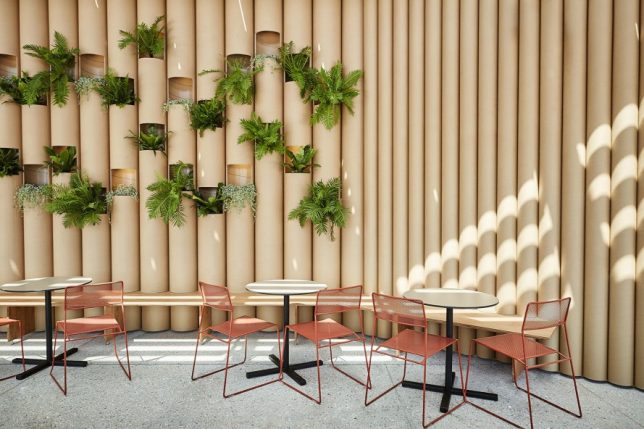
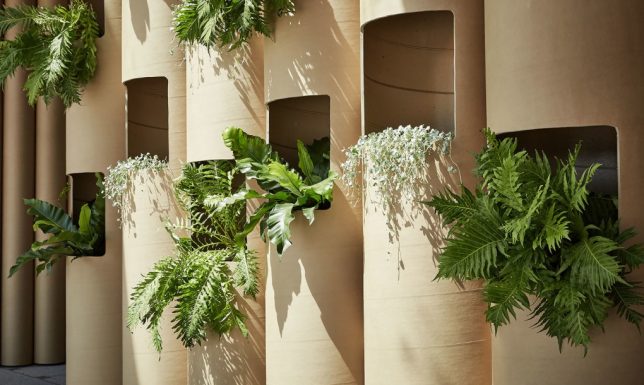
Water-resistant, recyclable cardboard tubes provide the basis for a modern pop-up garden in Sydney by Australian design studio Foolscap. The tubes were used to build the walls of a temporary outdoor recreation space, taking inspiration from the formwork used to cast concrete columns in a nearby Sydney neighborhood. In addition to an outdoor theater, food and co-working areas, ‘Wulugul Pop Up’ had its own edible garden full of native plants.

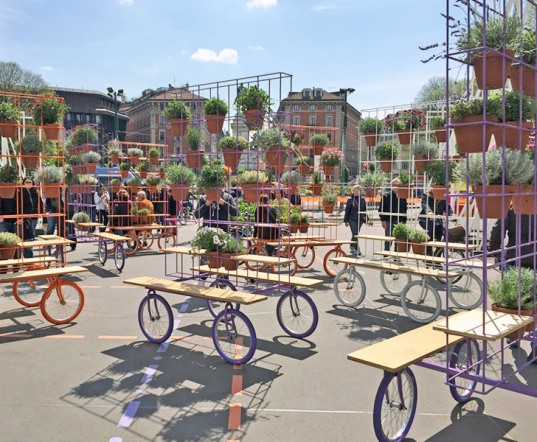
Grid Garden on Wheels

grid garden on wheels

grid garden on wheels 2

grid garden on wheels 3

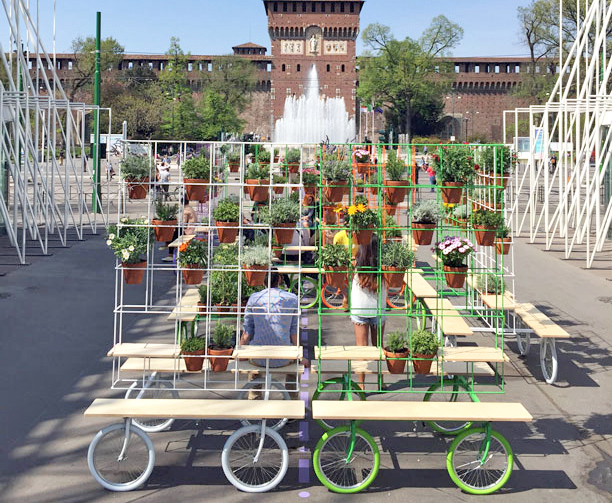
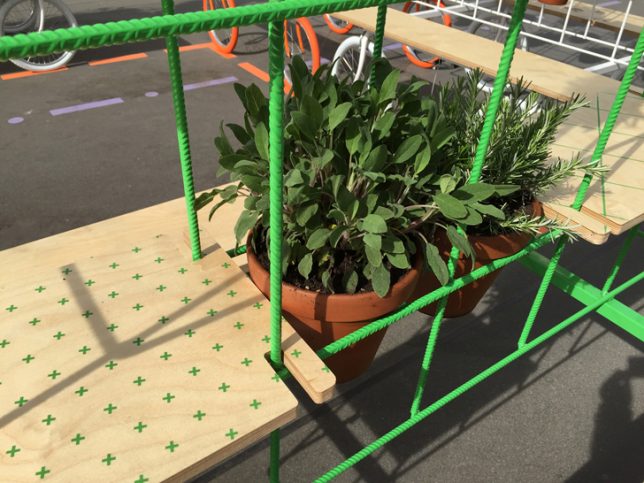
This clever portable garden rests on reclaimed bicycle wheels and features an open gridded design so sunlight can reach tiered plants. The ‘Why not in the garden?’ installation by A4A Rivolta Savioni Studio was literally rolled out into a Milan city square to demonstrate how concrete urban spaces can be temporarily used for food production.

Next Page – Click Below to Read More:
Reclaiming Urban Food Production 12 Smart Designs For Farms Gardens

Share on Facebook


[ By SA Rogers in Architecture & Cities & Urbanism. ]

[ WebUrbanist | Archives | Galleries | Privacy | TOS ]


WebUrbanist

 
Comments Off on Reclaiming Urban Food Production: 12 Smart Designs for Farms & Gardens

Posted in Creativity


8 Tips For Doing Stunning Urban Landscape Photography

10 Feb

As a photographer, when you hear the word landscape your mind will most likely conjure up images of lush valleys, looming mountains, and majestic, sweeping vistas. With good reason, as the natural world can be a place of staggering beauty. But done well, a different type of landscape photography, the urban landscape, can produce shots that are equally as compelling as anything Mother Nature can throw your way.

The energy of a major city lends images a vitality that can’t be found anywhere else. There’s so much movement and life in the urban environment, and the best city shots capture that buzzing vibrancy.
Urban landscape 02

Shooting urban landscapes also has plenty of practical advantages too. Every type of photography is all about the light, and that is one thing cities never run out of. You can shoot in the artificial glow of the metropolis long after you’d have been forced to pack up your kit and make your way home from a day in the countryside.

Couple that with the fact that, for the most part, cities are a lot more accessible for the majority of us, and shooting urban landscapes is the ideal activity for photographers during those long winter months.

So here are our top 8 tips for getting the most out of your time pounding the sidewalks.

#1. Research

You wouldn’t embark on a traditional landscape photography outing by jumping in the car, heading for the hills and hoping for the best. Likewise, the success of an urban landscape shoot depends largely on how well you plan.

Your home town

Even if you’re off to capture the town or city you grew up in, putting in the effort to do a little research up front usually pays dividends.
Urban landscape 01

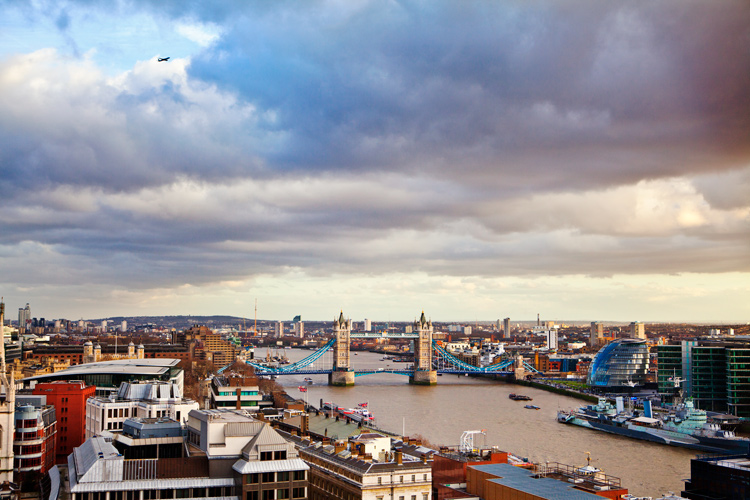
For example, when I wanted to get a shot from high up, overlooking my hometown of London, I didn’t foresee any problems in finding a suitable viewpoint. However, after a little digging, I learned that while London isn’t lacking in tall buildings offering amazing views, the number you can actually gain access to, that are also well suited for photography, can be counted on the fingers of one hand.

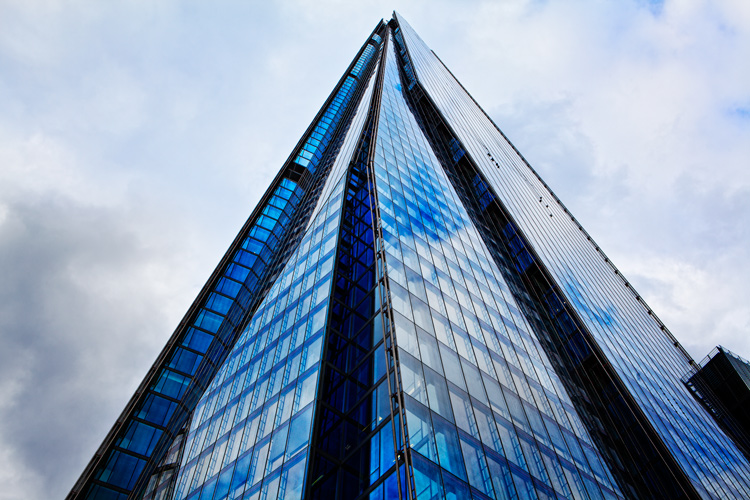
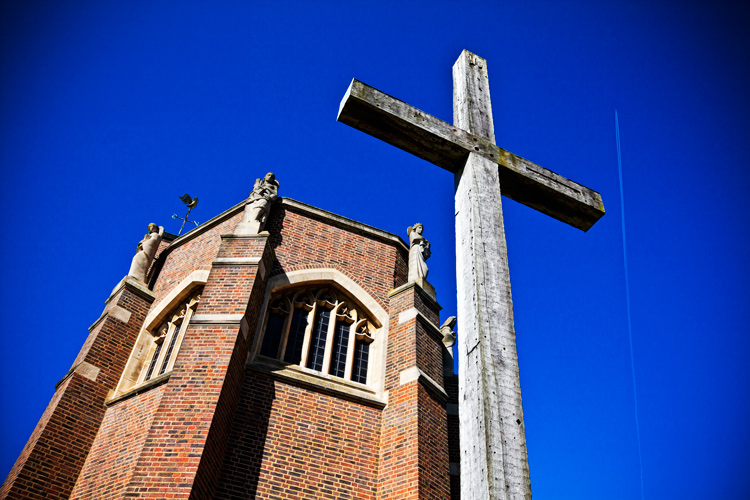
The vast majority are either restricted entry or in the case of The Shard (seen at the top of this article), cursed with a viewing gallery shrouded with ultra-reflective windows.A few minutes Googling directed me to a lesser-known church tower on the banks of the Thames with unrestricted views downriver, saving me hours of fruitless searching.
Visiting another city

If you’re visiting a city for the first time, it’s a good idea to spend a little longer familiarizing yourself with the place before you go. Drawing up a shot list of the locations you want to photograph is a good idea as well.

But all that being said, don’t make yourself a slave to it. Few things are more exciting or rewarding in photography than allowing yourself the freedom to meander through a new landscape, get a little lost, and allow whatever happens to happen.
One word of warning: depending on your location, be sure you know where you can and cannot shoot. Many places these days are understandably sensitive about strangers waving cameras around. If in doubt, ask.

#2. Light

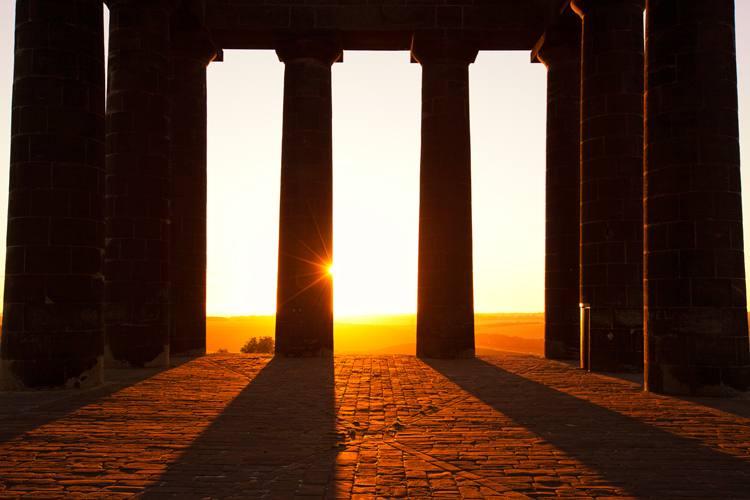
The quality, color, and angle of the light can make or break any shot, and this is especially true for urban landscape photography. A subject that looks dull and uninspiring at one time of day can transform into a truly spellbinding image just with the passing of a few hours.
Urban landscape 03

As with any landscape photography, dragging yourself out of bed before the sun puts in an appearance can reward you with the kind of light show that almost makes up for all that missed sleep. The golden hour, that brief a period right after sunrise and before sunset, can present you with views of a city that you may never have seen before.

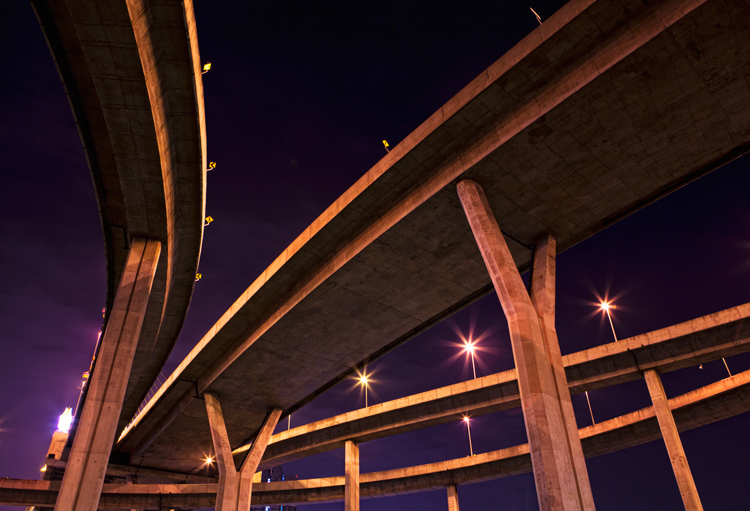
Plus, you can carry on shooting long after the sun’s gone down. Cities come alive at night. They never get truly dark, and some of the most interesting shots can be taken with the only illumination coming from artificial light.

Just remember to bring your tripod!
Urban landscape 04

#3. Hustle and Bustle

Major cities are fast and frenetic places. Everyone seems to be moving a million miles an hour and there’s always something going on. It’s the perfect environment for photographers.

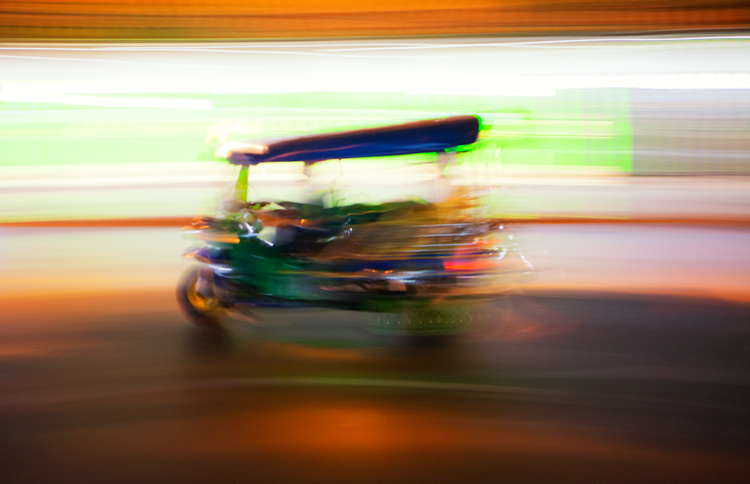
If you can manage to avoid getting swept along in the tidal wave and stop to look around, you can capture images that convey all that chaotic frenzy. Using a slower shutter speed will help you pick up a real sense of movement, either tripod-mounted or handheld if you’re feeling brave.
Urban landscape 05

#4. Details

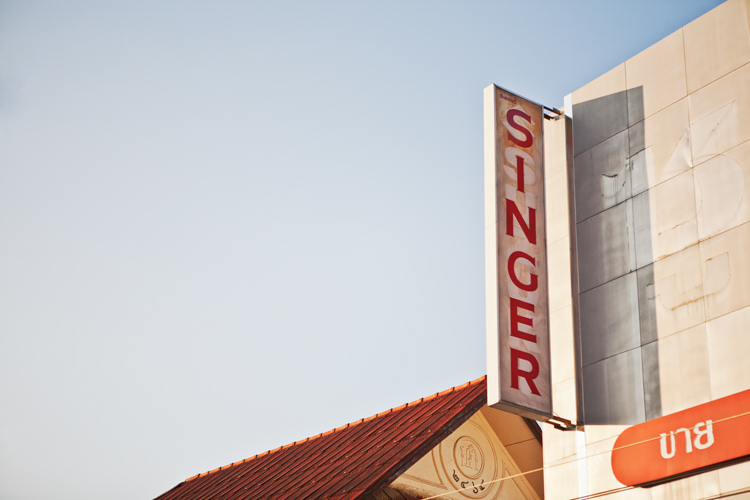
There are countless small and fascinating details in cities. Always be on the lookout for the tiny intricacies, the patterns, and shapes that otherwise go unnoticed.

They won’t all be right in front of you. Keep your eyes moving and your head on a swivel, some of the most rewarding shots are going to be found way above your head or close to the ground.
Urban landscape 06

Whether it’s an advertising billboard, some rugged brickwork, or a set of windows, get in close, fill the frame, and isolate your subject.

This is another time when the quality of the light can make all the difference to the success of a shot. A strong, high contrast light can give interesting areas of highlights and shadow, turning an everyday scene into a beautiful abstract. If you have time, it’s worth revisiting potential subjects at different points throughout the day.

Urban landscape 07

#5. Composition

Moving from the countryside to the urban environment doesn’t mean all the old landscape composition rules go out the window. Much of what applies standing on top of El Capitan in Yosemite Park, is still relevant looking down on New York from the Empire State.

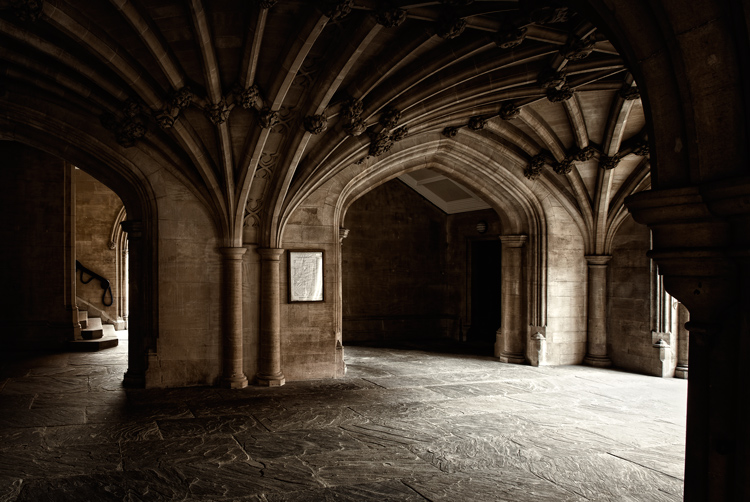
Keep the basics of composition in your mind, things like the rule of thirds, leading lines, and natural frames. Then be prepared to break the rules when necessary.
Urban landscape 08

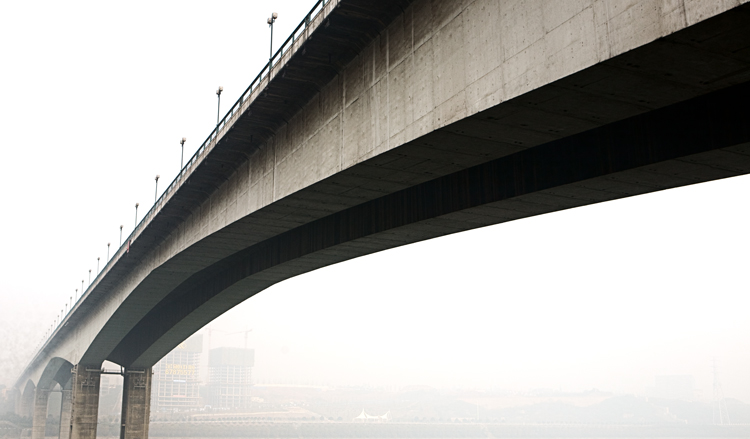
Always think before you shoot. Look around you and see if taking a different viewpoint would improve your shot. Can you get higher and look down or even lie on the ground and shoot upwards?

Unfortunately, in major cities buildings are often so close together they can restrict your options and movements as a photographer, but make sure you’re at the optimum position for your subject. The difference between a winning shot and a mediocre one can sometimes be measured in the space of just a few feet.
Urban landscape 09

#6. People

One area where urban landscapes differ greatly from the traditional is in the number of people you’re likely to encounter. It can be frustrating when you arrive at your dream location, only to find it swarming with tourists, as well as the locals going about their daily business, all seemingly determined to clutter up your shot. Along with the great light, it’s another good reason to be up and about in the early hours of the day, while everyone else is still tucked up in bed.
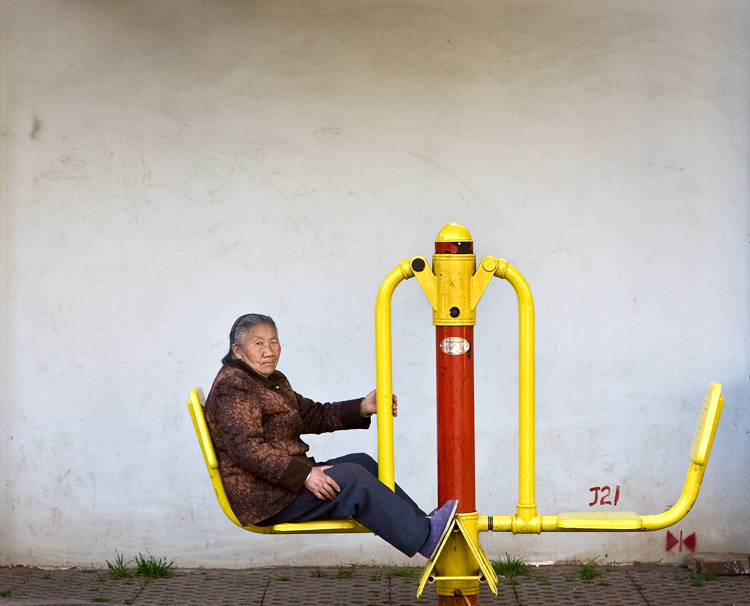
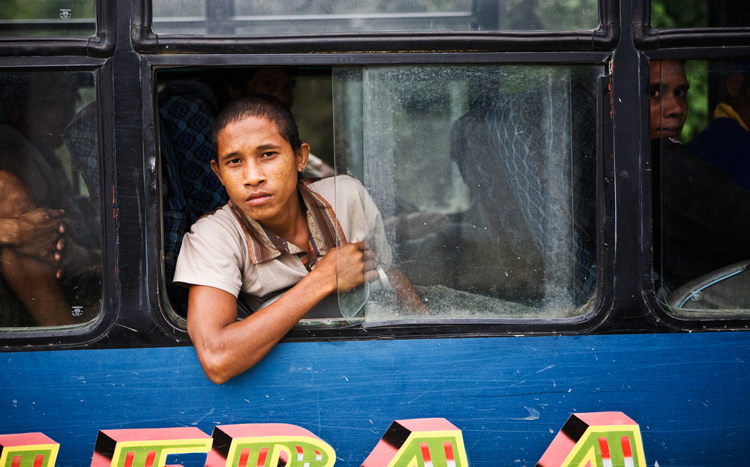
But people make great subjects for candid portraits as you wander the streets. Big cities attract some real characters, and capturing them in their home environment can lead to some winning images.

One thing to remember is to always ask your subject’s permission before you shoot. The vast majority will be more than happy to oblige so long as you’re polite. (Take this from a man who once got a severe and humiliating telling off from a Buddhist monk in Thailand for taking his picture without having the courtesy of asking first. They’re not as chill as you’d think!)
Urban landscape 11

#7. Reflections

Modern cities seem to be more glass than anything else. This is great news for you as a photographer. You can use that beautiful reflective quality in your compositions to create some wonderful, quirky effects.

The major landmarks in every city have been photographed a bazillion times. So, you have to work a little harder and think a little more creatively to come away with shots that are distinctly your own. Shooting a famous and easily recognizable building reflected in the windows of another gives an interesting change of context, especially as it often contrasts the old and the new.
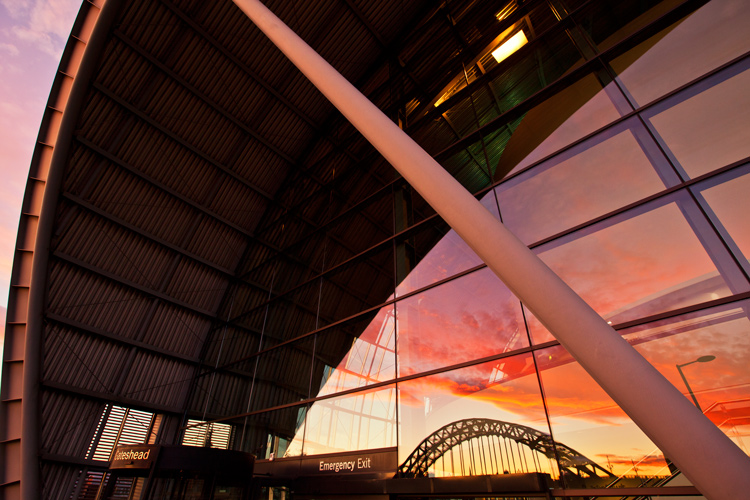
Urban landscape 12

Many big cities are built along the banks of hefty rivers as well, which gives you another opportunity to utilize reflections in your shots. Clear skies offer the best results, preferably at the start or end of the day to give a little color. A dull, overcast day will be reflected in the water, giving it an ugly, muddy quality.
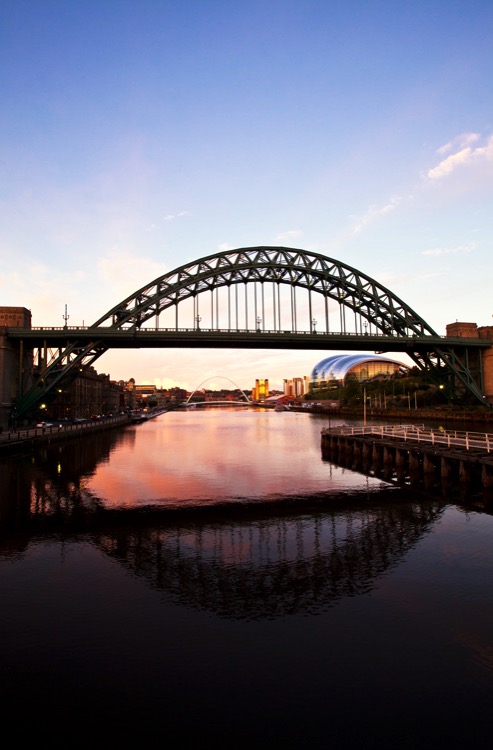
Urban landscape 13

#8. Monochrome

Urban landscapes are very well suited to the simplicity of black and white photography. Taking away the distractions of the vast range of different colors on show in any city and focussing on just the tones and textures, gives a completely new dimension to your shot.
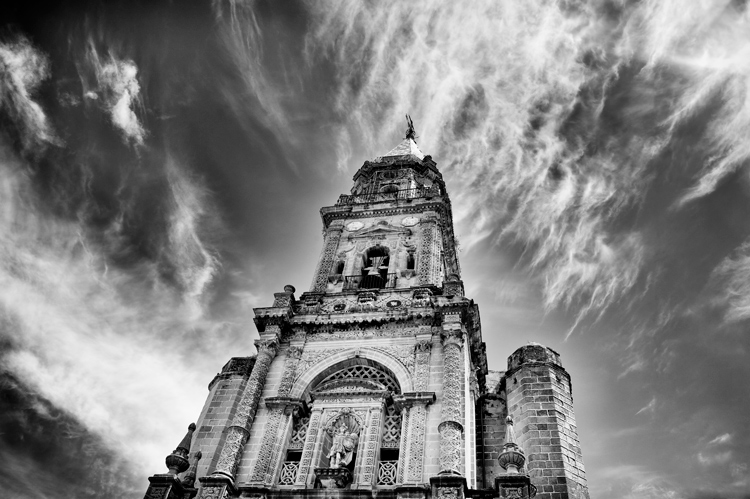
Urban landscape 14

The increased contrast of a monochrome image benefits architecture especially, enhancing the shape of buildings and accentuating their details. Again, the light is all-important. A low sun highlights surfaces and gives areas of rich shadow for added depth.

Try and avoid using the black and white function on your DSLR and shoot RAW if you can. Then use your post-production software for the conversion. It allows you much more control over the final image.

Conclusion

Shooting urban landscapes can be a richly rewarding experience and gives you the opportunity to try out several different disciplines at once.

You have the chance to flex your portraiture and architectural photography muscles, as well as experimenting with close-up abstracts and shooting in black and white. Plus, you get to practice all that while staying firmly in civilization and never more than a few feet from a decent cup of coffee!
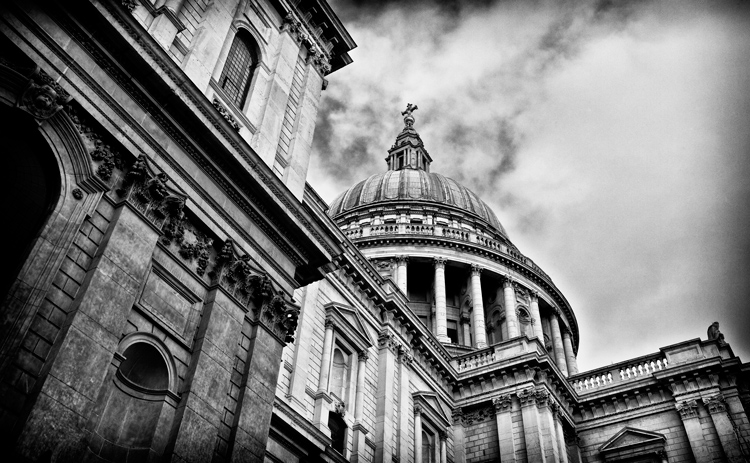
Urban landscape 15

Of course, all that added convenience comes at a price. Shooting in cities has its inherent risks and you always need to keep your wits about you. Watch where you stand to shoot and make sure you’re not in any danger from fast-moving traffic or trespassing on anyone’s property.

Also, keep a tight grip on your equipment, especially if you’re shooting at night. Cities have more than their fair share of bad people who’d not think twice about running off with your expensive kit. If you’re nervous, it’s the perfect opportunity to buddy up with another photographer and explore the location together.

Please share your urban landscape photos in the comments below.

googletag.cmd.push(function() {
tablet_slots.push( googletag.defineSlot( “/1005424/_dPSv4_tab-all-article-bottom_(300×250)”, [300, 250], “pb-ad-78623” ).addService( googletag.pubads() ) ); } );

googletag.cmd.push(function() {
mobile_slots.push( googletag.defineSlot( “/1005424/_dPSv4_mob-all-article-bottom_(300×250)”, [300, 250], “pb-ad-78158” ).addService( googletag.pubads() ) ); } );

The post 8 Tips For Doing Stunning Urban Landscape Photography by Andy Callan appeared first on Digital Photography School.


Digital Photography School
 
Comments Off on 8 Tips For Doing Stunning Urban Landscape Photography

Posted in Photography


8 Tips For Doing Stunning Urban Landscape Photography

09 Feb

As a photographer, when you hear the word landscape your mind will most likely conjure up images of lush valleys, looming mountains, and majestic, sweeping vistas. With good reason, as the natural world can be a place of staggering beauty. But done well, a different type of landscape photography, the urban landscape, can produce shots that are equally as compelling as anything Mother Nature can throw your way.

The energy of a major city lends images a vitality that can’t be found anywhere else. There’s so much movement and life in the urban environment, and the best city shots capture that buzzing vibrancy.

Urban landscape 02

Shooting urban landscapes also has plenty of practical advantages too. Every type of photography is all about the light, and that is one thing cities never run out of. You can shoot in the artificial glow of the metropolis long after you’d have been forced to pack up your kit and make your way home from a day in the countryside.

Couple that with the fact that, for the most part, cities are a lot more accessible for the majority of us, and shooting urban landscapes is the ideal activity for photographers during those long winter months.

So here are our top 8 tips for getting the most out of your time pounding the sidewalks.

#1. Research

You wouldn’t embark on a traditional landscape photography outing by jumping in the car, heading for the hills and hoping for the best. Likewise, the success of an urban landscape shoot depends largely on how well you plan.

Your home town

Even if you’re off to capture the town or city you grew up in, putting in the effort to do a little research up front usually pays dividends.

Urban landscape 01

For example, when I wanted to get a shot from high up, overlooking my hometown of London, I didn’t foresee any problems in finding a suitable viewpoint. However, after a little digging, I learned that while London isn’t lacking in tall buildings offering amazing views, the number you can actually gain access to, that are also well suited for photography, can be counted on the fingers of one hand.

The vast majority are either restricted entry or in the case of The Shard (seen at the top of this article), cursed with a viewing gallery shrouded with ultra-reflective windows.A few minutes Googling directed me to a lesser-known church tower on the banks of the Thames with unrestricted views downriver, saving me hours of fruitless searching.

Visiting another city

If you’re visiting a city for the first time, it’s a good idea to spend a little longer familiarizing yourself with the place before you go. Drawing up a shot list of the locations you want to photograph is a good idea as well.

But all that being said, don’t make yourself a slave to it. Few things are more exciting or rewarding in photography than allowing yourself the freedom to meander through a new landscape, get a little lost, and allow whatever happens to happen.
One word of warning: depending on your location, be sure you know where you can and cannot shoot. Many places these days are understandably sensitive about strangers waving cameras around. If in doubt, ask.

#2. Light

The quality, color, and angle of the light can make or break any shot, and this is especially true for urban landscape photography. A subject that looks dull and uninspiring at one time of day can transform into a truly spellbinding image just with the passing of a few hours.

Urban landscape 03

As with any landscape photography, dragging yourself out of bed before the sun puts in an appearance can reward you with the kind of light show that almost makes up for all that missed sleep. The golden hour, that brief a period right after sunrise and before sunset, can present you with views of a city that you may never have seen before.

Plus, you can carry on shooting long after the sun’s gone down. Cities come alive at night. They never get truly dark, and some of the most interesting shots can be taken with the only illumination coming from artificial light.

Just remember to bring your tripod!

Urban landscape 04

#3. Hustle and Bustle

Major cities are fast and frenetic places. Everyone seems to be moving a million miles an hour and there’s always something going on. It’s the perfect environment for photographers.

If you can manage to avoid getting swept along in the tidal wave and stop to look around, you can capture images that convey all that chaotic frenzy. Using a slower shutter speed will help you pick up a real sense of movement, either tripod-mounted or handheld if you’re feeling brave.

Urban landscape 05

#4. Details

There are countless small and fascinating details in cities. Always be on the lookout for the tiny intricacies, the patterns, and shapes that otherwise go unnoticed.

They won’t all be right in front of you. Keep your eyes moving and your head on a swivel, some of the most rewarding shots are going to be found way above your head or close to the ground.

Urban landscape 06

Whether it’s an advertising billboard, some rugged brickwork, or a set of windows, get in close, fill the frame, and isolate your subject.

This is another time when the quality of the light can make all the difference to the success of a shot. A strong, high contrast light can give interesting areas of highlights and shadow, turning an everyday scene into a beautiful abstract. If you have time, it’s worth revisiting potential subjects at different points throughout the day.

Urban landscape 07

#5. Composition

Moving from the countryside to the urban environment doesn’t mean all the old landscape composition rules go out the window. Much of what applies standing on top of El Capitan in Yosemite Park, is still relevant looking down on New York from the Empire State.

Keep the basics of composition in your mind, things like the rule of thirds, leading lines, and natural frames. Then be prepared to break the rules when necessary.

Urban landscape 08

Always think before you shoot. Look around you and see if taking a different viewpoint would improve your shot. Can you get higher and look down or even lie on the ground and shoot upwards?

Unfortunately, in major cities buildings are often so close together they can restrict your options and movements as a photographer, but make sure you’re at the optimum position for your subject. The difference between a winning shot and a mediocre one can sometimes be measured in the space of just a few feet.

Urban landscape 09

#6. People

One area where urban landscapes differ greatly from the traditional is in the number of people you’re likely to encounter. It can be frustrating when you arrive at your dream location, only to find it swarming with tourists, as well as the locals going about their daily business, all seemingly determined to clutter up your shot. Along with the great light, it’s another good reason to be up and about in the early hours of the day, while everyone else is still tucked up in bed.

But people make great subjects for candid portraits as you wander the streets. Big cities attract some real characters, and capturing them in their home environment can lead to some winning images.

One thing to remember is to always ask your subject’s permission before you shoot. The vast majority will be more than happy to oblige so long as you’re polite. (Take this from a man who once got a severe and humiliating telling off from a Buddhist monk in Thailand for taking his picture without having the courtesy of asking first. They’re not as chill as you’d think!)

Urban landscape 11

#7. Reflections

Modern cities seem to be more glass than anything else. This is great news for you as a photographer. You can use that beautiful reflective quality in your compositions to create some wonderful, quirky effects.

The major landmarks in every city have been photographed a bazillion times. So, you have to work a little harder and think a little more creatively to come away with shots that are distinctly your own. Shooting a famous and easily recognizable building reflected in the windows of another gives an interesting change of context, especially as it often contrasts the old and the new.

Urban landscape 12

Many big cities are built along the banks of hefty rivers as well, which gives you another opportunity to utilize reflections in your shots. Clear skies offer the best results, preferably at the start or end of the day to give a little color. A dull, overcast day will be reflected in the water, giving it an ugly, muddy quality.

Urban landscape 13

#8. Monochrome

Urban landscapes are very well suited to the simplicity of black and white photography. Taking away the distractions of the vast range of different colors on show in any city and focussing on just the tones and textures, gives a completely new dimension to your shot.

Urban landscape 14

The increased contrast of a monochrome image benefits architecture especially, enhancing the shape of buildings and accentuating their details. Again, the light is all-important. A low sun highlights surfaces and gives areas of rich shadow for added depth.

Try and avoid using the black and white function on your DSLR and shoot RAW if you can. Then use your post-production software for the conversion. It allows you much more control over the final image.

Conclusion

Shooting urban landscapes can be a richly rewarding experience and gives you the opportunity to try out several different disciplines at once.

You have the chance to flex your portraiture and architectural photography muscles, as well as experimenting with close-up abstracts and shooting in black and white. Plus, you get to practice all that while staying firmly in civilization and never more than a few feet from a decent cup of coffee!

Urban landscape 15

Of course, all that added convenience comes at a price. Shooting in cities has its inherent risks and you always need to keep your wits about you. Watch where you stand to shoot and make sure you’re not in any danger from fast-moving traffic or trespassing on anyone’s property.

Also, keep a tight grip on your equipment, especially if you’re shooting at night. Cities have more than their fair share of bad people who’d not think twice about running off with your expensive kit. If you’re nervous, it’s the perfect opportunity to buddy up with another photographer and explore the location together.

Please share your urban landscape photos in the comments below.

googletag.cmd.push(function() {
tablet_slots.push( googletag.defineSlot( “/1005424/_dPSv4_tab-all-article-bottom_(300×250)”, [300, 250], “pb-ad-78623” ).addService( googletag.pubads() ) ); } );

googletag.cmd.push(function() {
mobile_slots.push( googletag.defineSlot( “/1005424/_dPSv4_mob-all-article-bottom_(300×250)”, [300, 250], “pb-ad-78158” ).addService( googletag.pubads() ) ); } );

The post 8 Tips For Doing Stunning Urban Landscape Photography by Andy Callan appeared first on Digital Photography School.


Digital Photography School

 
Comments Off on 8 Tips For Doing Stunning Urban Landscape Photography

Posted in Photography


Whatever You Need, On Demand: 10 Apps That Streamline Urban Life

26 Jan

[ By SA Rogers in Gadgets & Geekery & Technology. ]

screen-shot-2017-01-25-at-9-40-18-am

If you’re that person who’s always asking for a ride or help moving, or you’re just too crazy busy to go grocery shopping or clean your own house, there’s a range of apps that could make your life a whole lot easier. Moving beyond the usual suspects like Uber and Amazon Prime Now, these city-centric apps streamline urban lifestyles, giving you assistance with things like transit planning, sharing rides, choosing a place to live, hiring people to assemble your IKEA furniture or getting liquor delivered to your doorstep.

Via Ride-Sharing App

via-ridesharing-app

via-ridesharin-app-2

Based in New York City, Via is a cab alternative in the vein of Lyft and Uber, but offers ride sharing, so you get into a car full of multiple passengers and pay less. The service charges a flat $ 5 fee for each of the first five rides and $ 7 thereafter (or still $ 5, if you buy the rides in advance.) Passengers are asked to meet their drivers on a street corner instead of being picked up at a specific location, and if you’re late, you have to wait for the next vehicle. It may not be the fastest way to get somewhere if you’re in a hurry, but it’s a cool alternative to city buses for everyday rides.

Urban Engines App

urban-engines-app-1

urban-engines-app-2

Which public transit route should you take at rush hour to avoid slowdowns? How did last night’s storm affect light rail service? Depending on what’s going on in the world, the flow of traffic changes. The Urban Engines app takes a variety of data points in big cities like Boston, Chicago, Seattle, Toronto and Los Angeles and uses them to determine which routes are best at which times. Best of all, it has an X-ray mode function that superimposes maps, bus or train routes and stops over the city as viewed through the camera lens of your phone, so you can easily find stops around you. It also continues working when there’s no mobile service as long as it has the right maps downloaded, so it won’t cut out underground.

Instacart App

instacart-app

instacart-app-2

Get groceries delivered from local stores (maybe even ones that aren’t included with Amazon Prime Now’s similar app service) via Instacart. The whole process is surprisingly fast, partially due to the fact that Instacart typically reserves its own checkout aisle at each participating store, ushering its shoppers through the lines. It’s pretty ideal for those times when you just can’t be bothered to leave the house (like when you’re sick, suffering from a hangover, or just really busy.)

Drizly App

drizly-app-2

drizly-app

Who doesn’t want wine, beer and liquor delivered to their door on demand? Drizly is an alcohol delivery app partnered with liquor stores in New York City, Los Angeles, Boston, D.C. and other cities, with a goal of building the biggest online catalog of booze available for delivery in the U.S.
Hello Alfred App

hello-alfred-app

hello-alfred-2

These days, you can even order housekeeping and butler services on demand. ‘Hello, Alfred’ is an app that connects you to ‘carefully vetted’ helpers who visit your home once a week according to your desired schedule, doing chores like cleaning, grocery shopping, picking up dry cleaning and shipping your packages.

Next Page – Click Below to Read More:
Whatever You Need On Demand 10 Apps That Streamline Urban Life

Share on Facebook


[ By SA Rogers in Gadgets & Geekery & Technology. ]

[ WebUrbanist | Archives | Galleries | Privacy | TOS ]


WebUrbanist

 
Comments Off on Whatever You Need, On Demand: 10 Apps That Streamline Urban Life

Posted in Creativity


Guerrilla Guidance: DIY Street Signs Make Urban Life More Interesting

21 Jan

[ By SA Rogers in Art & Street Art & Graffiti. ]

guerrilla-street-signs-5

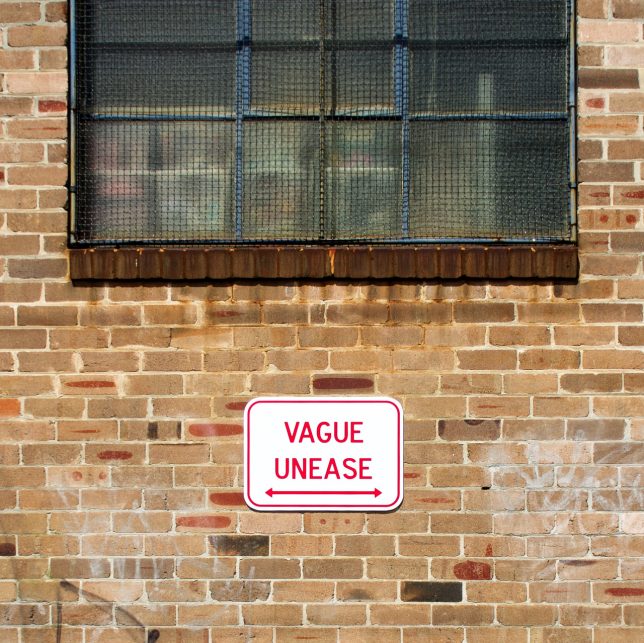
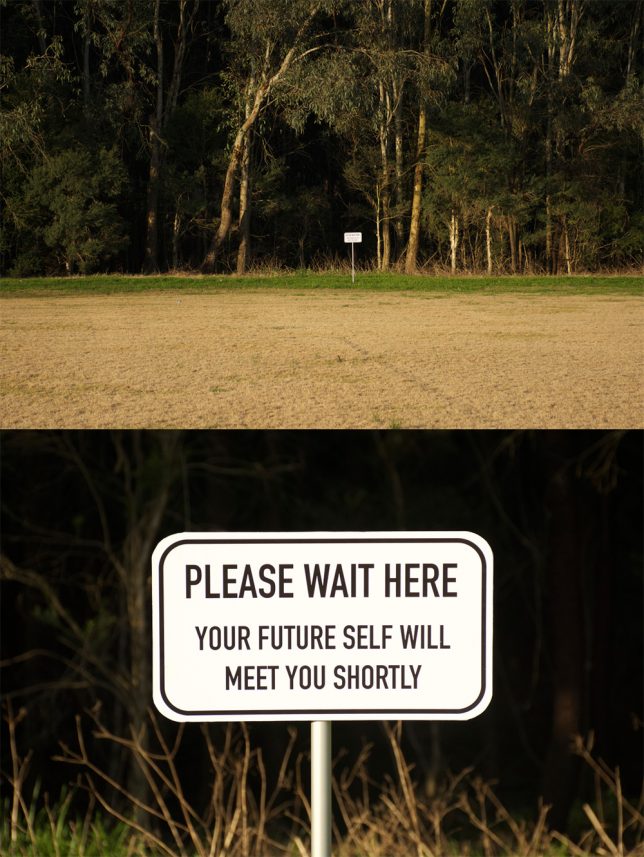
You’re hurrying along the sidewalk on the way to work, running late and not in the greatest mood, when you see a sign in the adjacent field that simply reads “PLEASE WAIT HERE, YOUR FUTURE SELF WILL MEET YOU SHORTLY.” How does that affect your day? Little moments like these can bring some much-needed levity to the world around us, especially in dark times.

marquez-signs-3

guerrilla-street-signs

guerrilla-street-signs-2

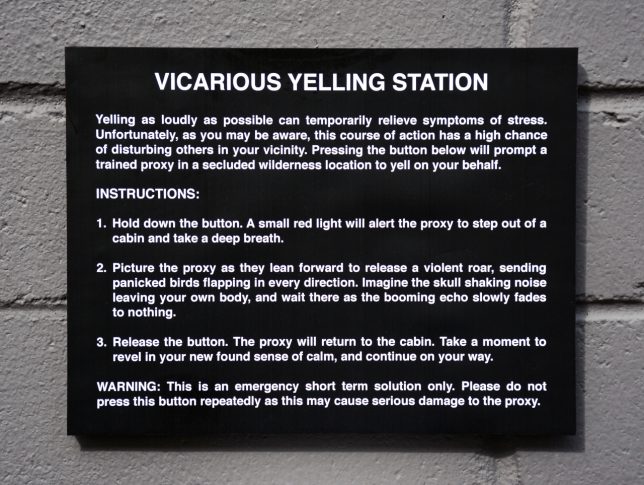
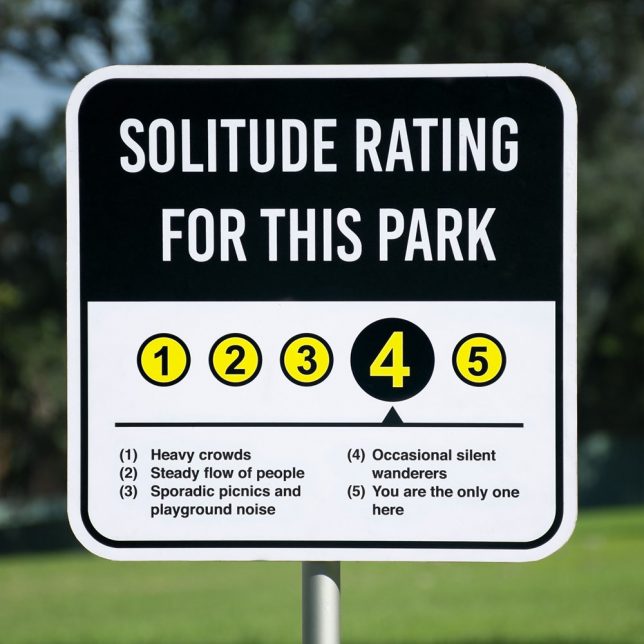
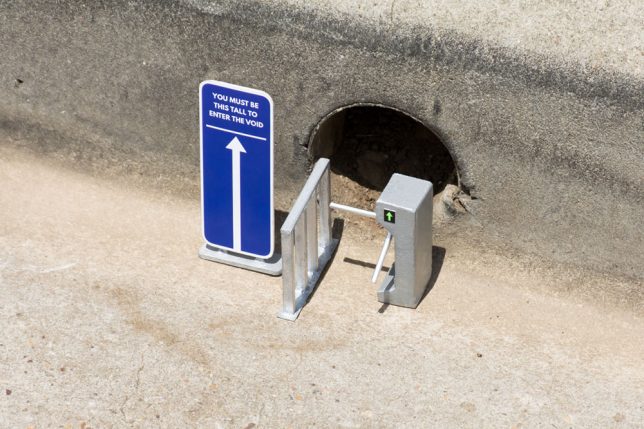
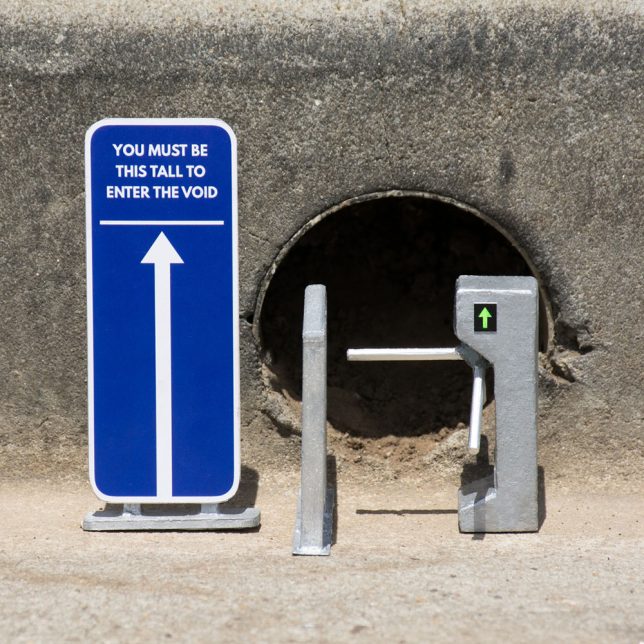
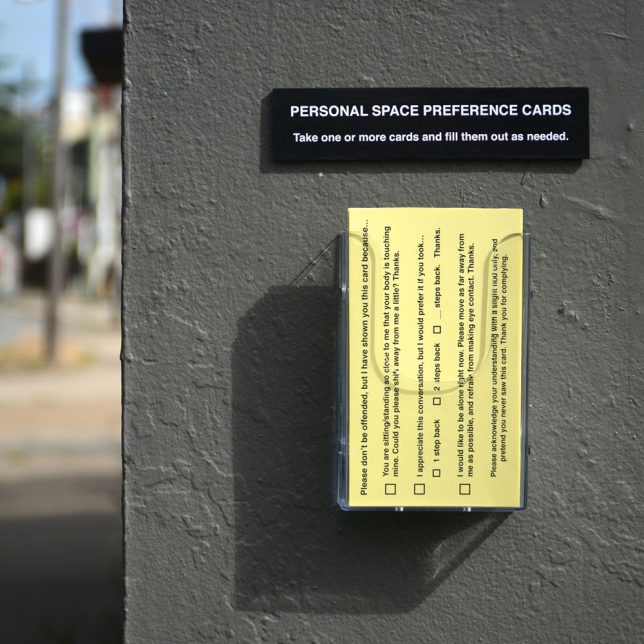
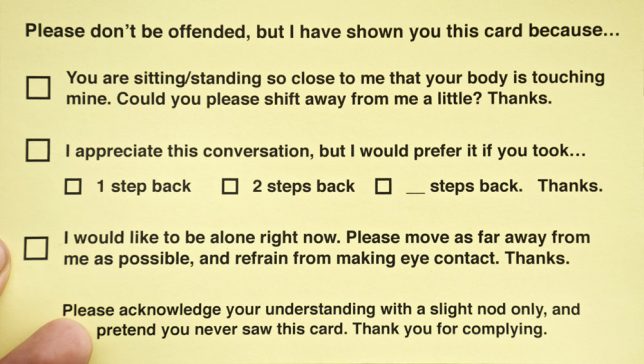
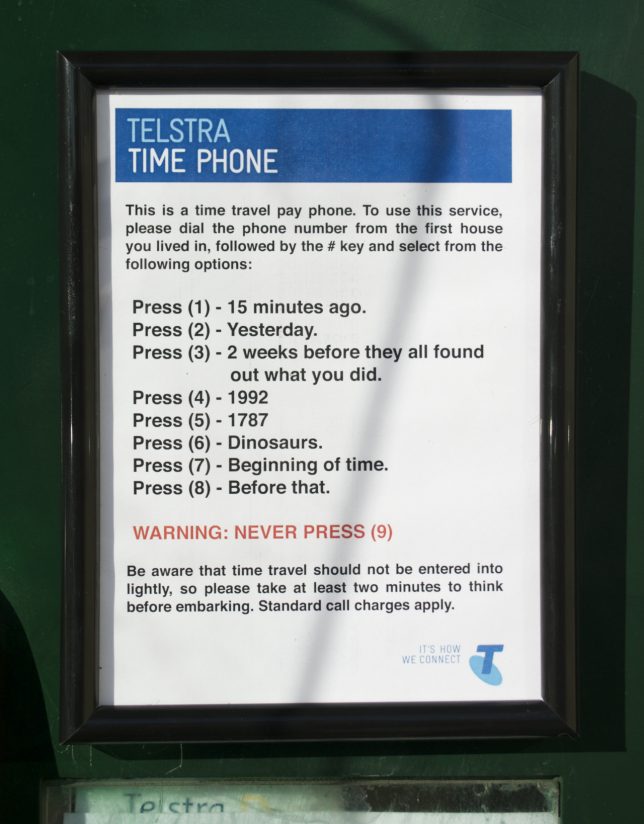
Impeccably produced, often enticing you to push a button or take a card, these guerrilla installations look pretty legit until you stop to read what they say. They’re easy to miss, if you’re hustling too quickly and tuning out your surroundings – but if you take a moment to notice them, they might just make you smile.

marquez-signs-1

marquez-signs-2

guerrilla-street-signs-6

guerrilla-street-signs-7

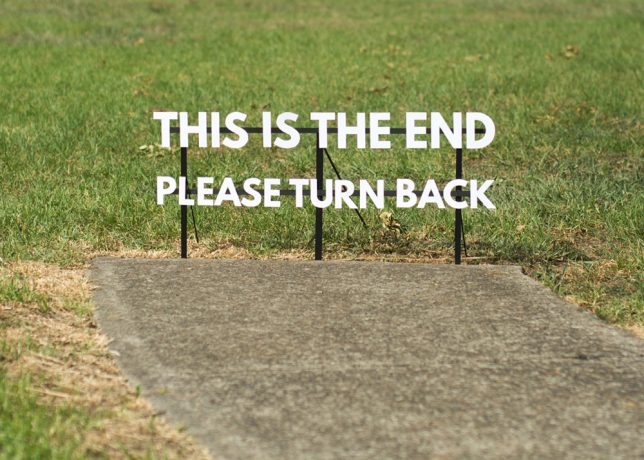
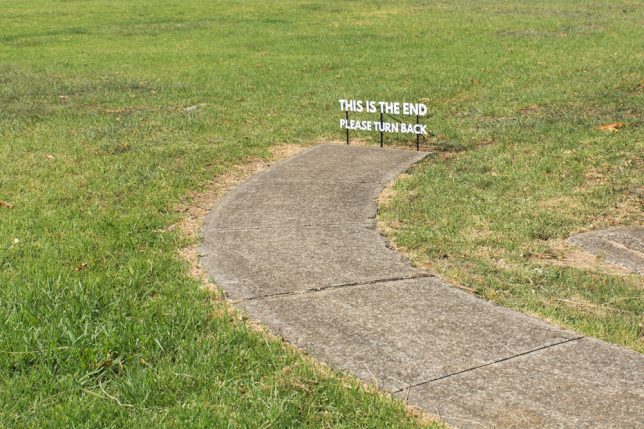
Artist Michael Pederson (aka Miguel Marquez Outside) creates these little interventions and puts them up all over his home city. Sometimes they’re site-specific, referring to things that can be found in the local environment, like a hole in the curb or a sidewalk that ends abruptly.

guerrilla-street-signs-3

guerrilla-street-signs-4

guerrilla-street-signs-8

The personal space cards would actually be pretty handy, and who wouldn’t be tempted by a time travel pay phone? Check out more of Pederson’s work at his tumblr and Instagram.

Share on Facebook


[ By SA Rogers in Art & Street Art & Graffiti. ]

[ WebUrbanist | Archives | Galleries | Privacy | TOS ]


WebUrbanist

 
Comments Off on Guerrilla Guidance: DIY Street Signs Make Urban Life More Interesting

Posted in Creativity