RSS
 

Posts Tagged ‘Urban’

Urban Agrihood: Detroit Produce Project Feeds 2,000 Households for Free

25 Dec

[ By WebUrbanist in Architecture & Public & Institutional. ]

mufi-initiative

The Michigan Urban Farming Initiative (MUFI) has developed a multi-acre urban agricultural campus in Detroit with gardens and an orchard designed to feed thousands of local residents.

This so-called “agrihood” reflects a different approach to neighborhood planning and growth centered around urban agriculture — it provides fresh and locally-grown produce to local households. In the case of Detroit, disused land has been repurposed to realize this farm project.

farm-aerial

“Over the last four years,” explains MUFI cofounder Tyson Gersh, “we’ve grown from an urban garden that provides fresh produce for our residents to a diverse, agricultural campus that has helped sustain the neighborhood, attracted new residents and area investment.”

The program is about more than just feeding people — it addresses food deserts but also nutritional illiteracy, teaching residents about healthy eating as well as sustainable and local agriculture.

michigan-urban-farming-initiative

MUFI is currently working to convert an old deserted building into a new Community Resource Center as part of its non-profit educational initiatives. From there, they aim to build a local healthy food cafe and other amenities for serving and connecting with the community. They are also working on a basetern project (turning basements into cisterns) to provide water for the food they grow.

“We’ve seen an overwhelming demand from people who want to live in view of our farm, says Gersh. “This is part of a larger trend occurring across the country in which people are redefining what life in the urban environment looks like. We provide a unique offering and attraction to people who want to live in interesting spaces with a mix of residential, commercial, transit, and agriculture.”

Share on Facebook


[ By WebUrbanist in Architecture & Public & Institutional. ]

[ WebUrbanist | Archives | Galleries | Privacy | TOS ]

WebUrbanist

 
Comments Off on Urban Agrihood: Detroit Produce Project Feeds 2,000 Households for Free

Posted in Creativity


Trinity River Park: Huge New 10,000 Acre Urban Nature District for Dallas

18 Dec

[ By WebUrbanist in Architecture & Cities & Urbanism. ]

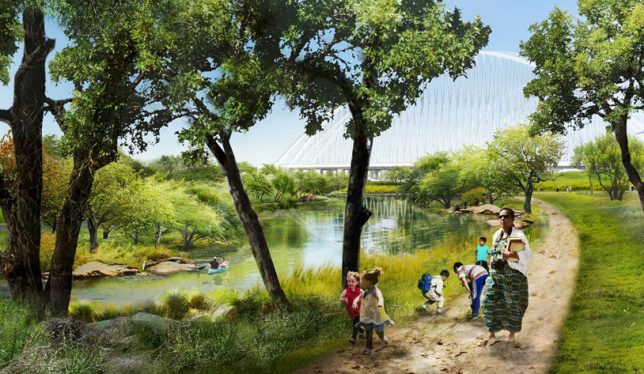
green-park-dallas

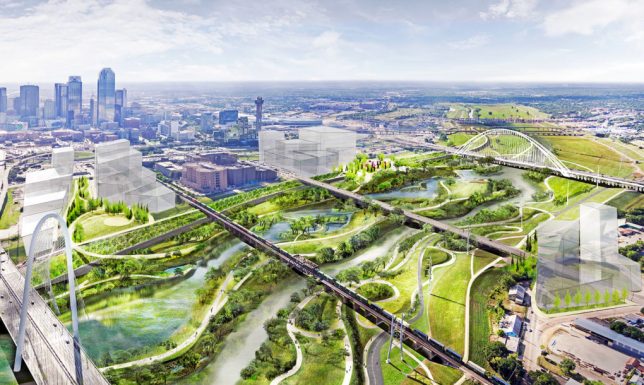
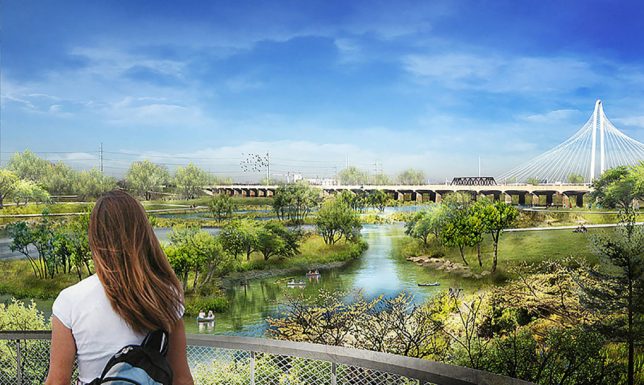
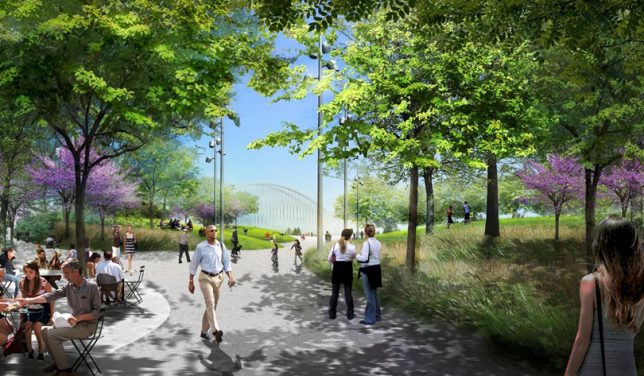
Designed to restore and augment the city’s floodplain, this new green recreation space features thousands of acres of forest as well as playgrounds, lawns and trails. Upon completion, it will be one of the biggest urban green space initiatives in the country.

park-view-flood-plain

In a state not exactly known for its greenery (or environmentalism), this project in Texas by Michael Van Valkenburgh Associates is designed in part to address a critical and ongoing issue: flooding damage during severe weather events.”I believe we can create the most value and the greatest benefit to our citizens when we complete projects around nature,” said mayor Mike Rawlings  of the project.

trinity-park-paths

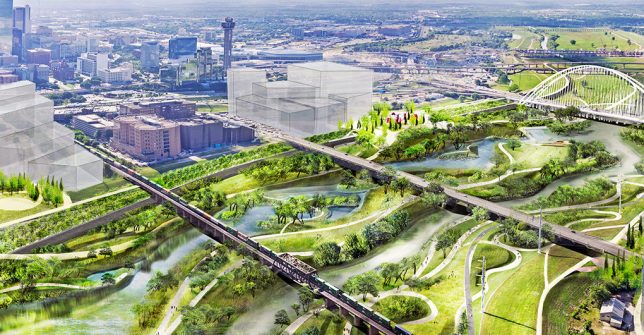
trinity-park-renderings

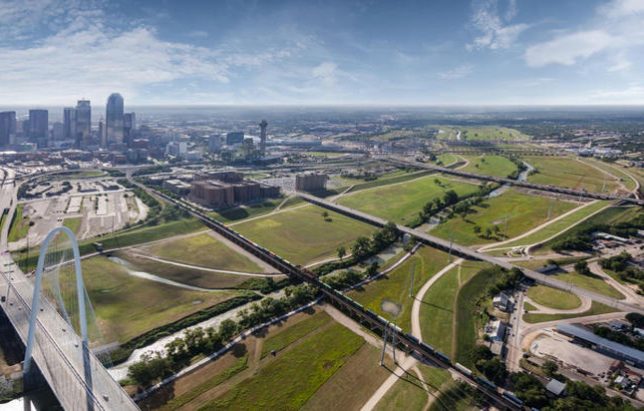
The park aims to serve both recreational and engineering purposes, shoring up the city against future floods while creating a great green asset for citizens and visitors. Developed in collaboration with government engineers, it will be part community resource but also (and critically) part infrastructural insurance against the effects of climate change.

dallas-flood-plain-present

dallas-flood-plain-project

The development is part of a larger series of projects along the flood plain and will link into over seventy miles of regional trails. At an estimated cost of $ 50 million, the park is not cheap but surprisingly inexpensive given its scope and aims. So far, a private donor has stepped forward offering $ 20 million of the funds needed, leaving a smaller bill for the city and state governments as well.

Share on Facebook


[ By WebUrbanist in Architecture & Cities & Urbanism. ]

[ WebUrbanist | Archives | Galleries | Privacy | TOS ]


WebUrbanist

 
Comments Off on Trinity River Park: Huge New 10,000 Acre Urban Nature District for Dallas

Posted in Creativity


Urban Camouflage: Nude Body-Painted Models Blend Into Built Environments

13 Dec

[ By SA Rogers in Art & Photography & Video. ]

body-painting-san-francisco-2

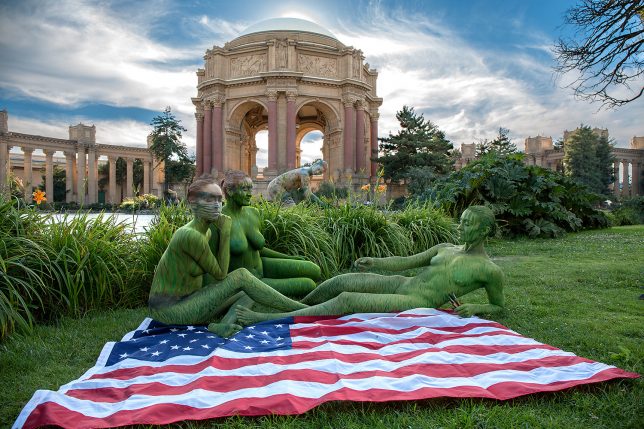
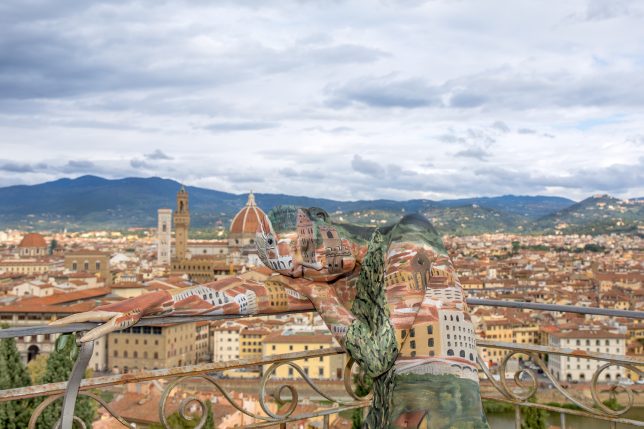
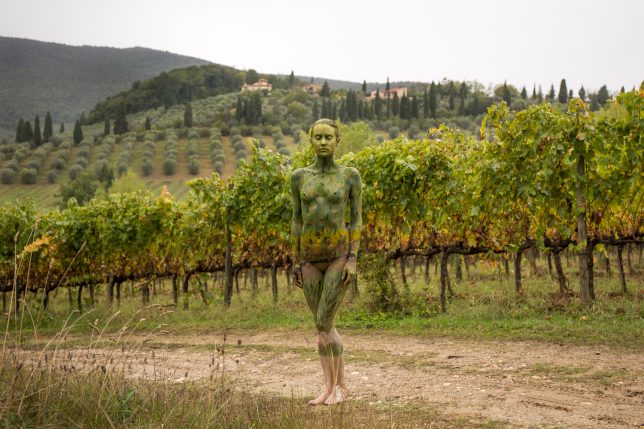
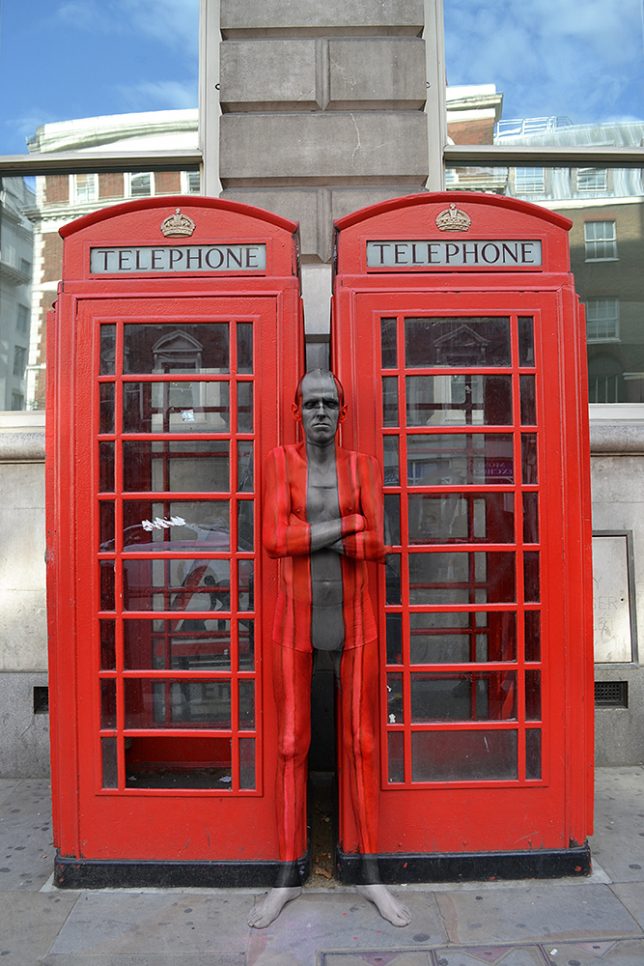
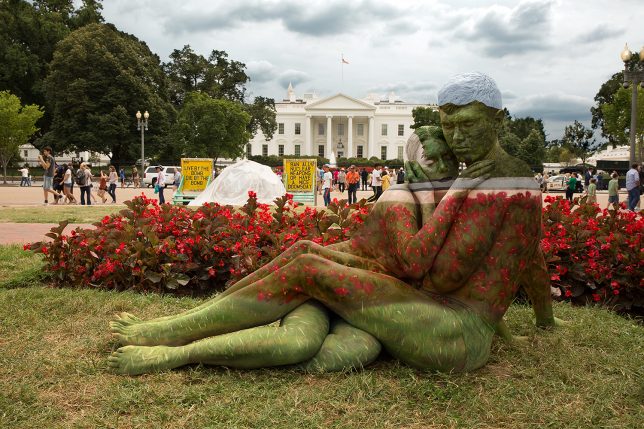
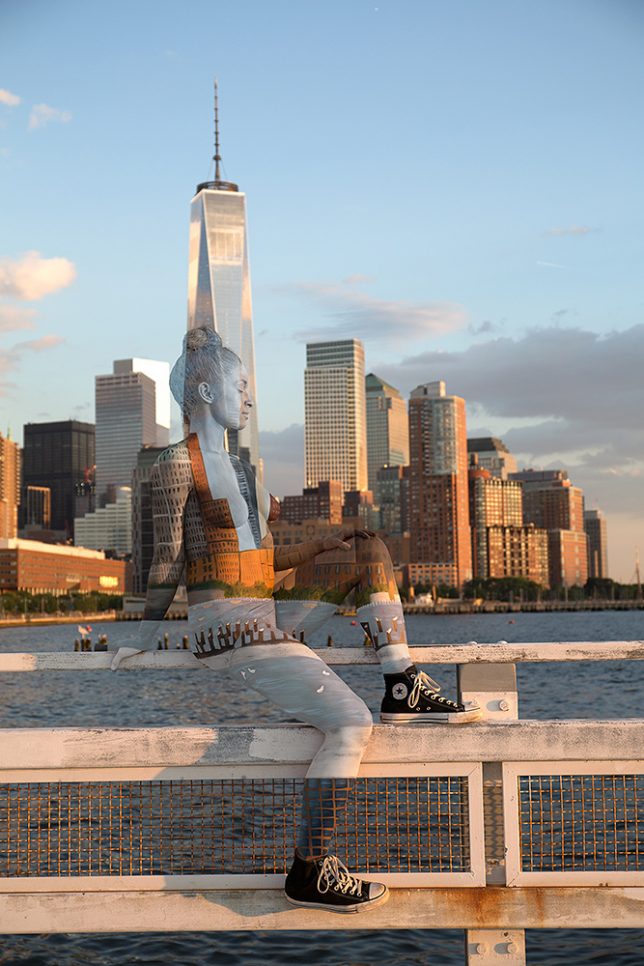
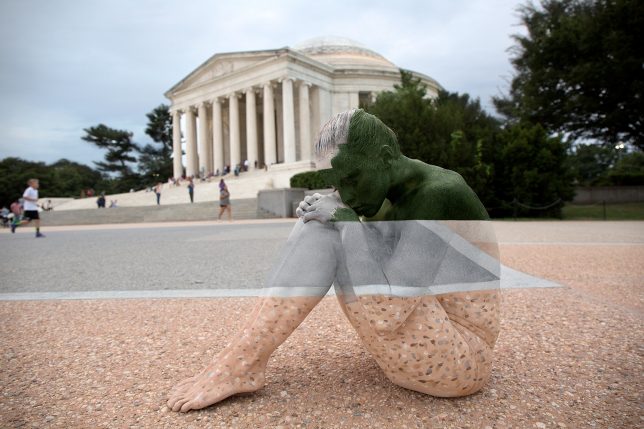
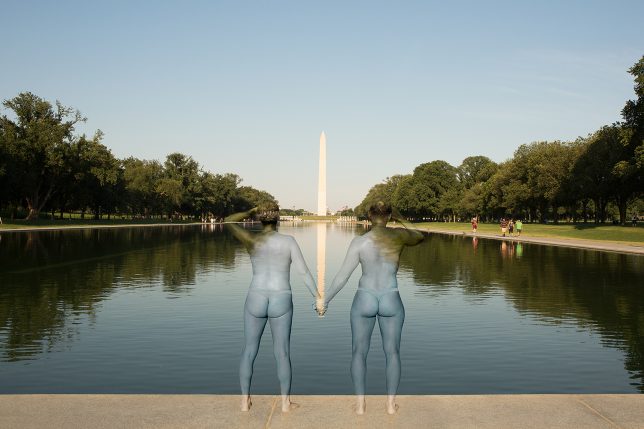
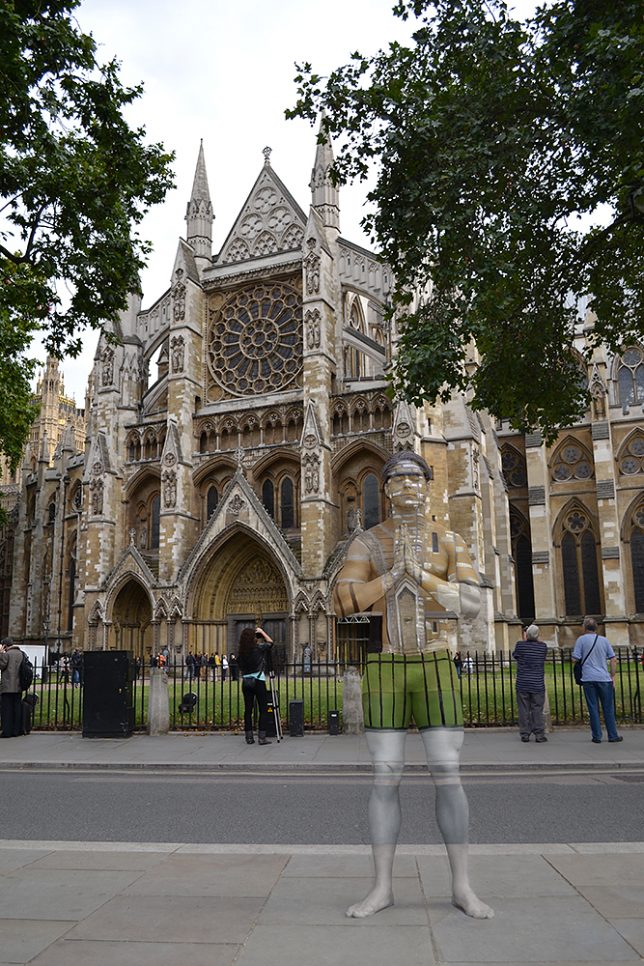
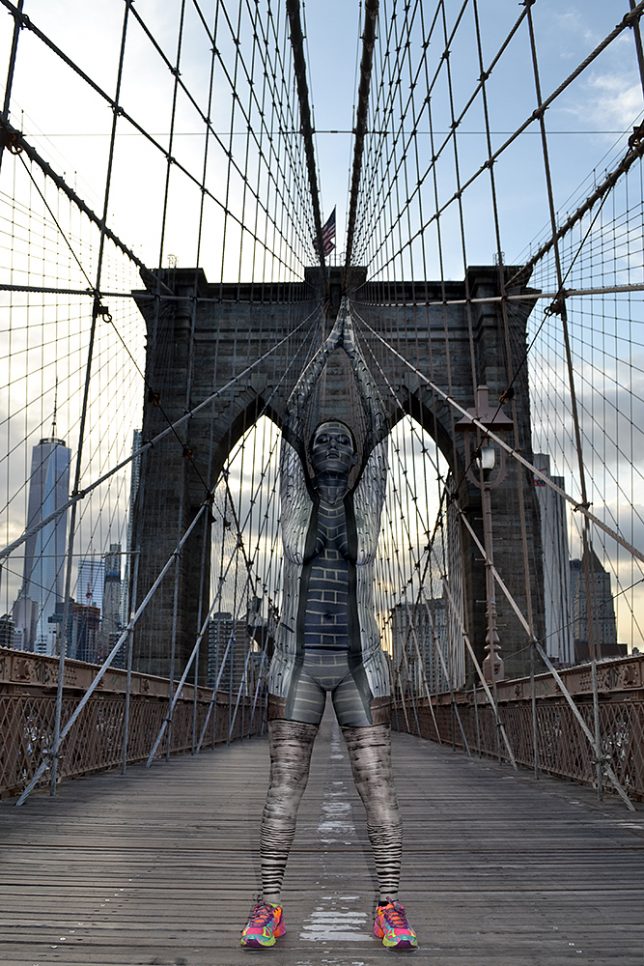
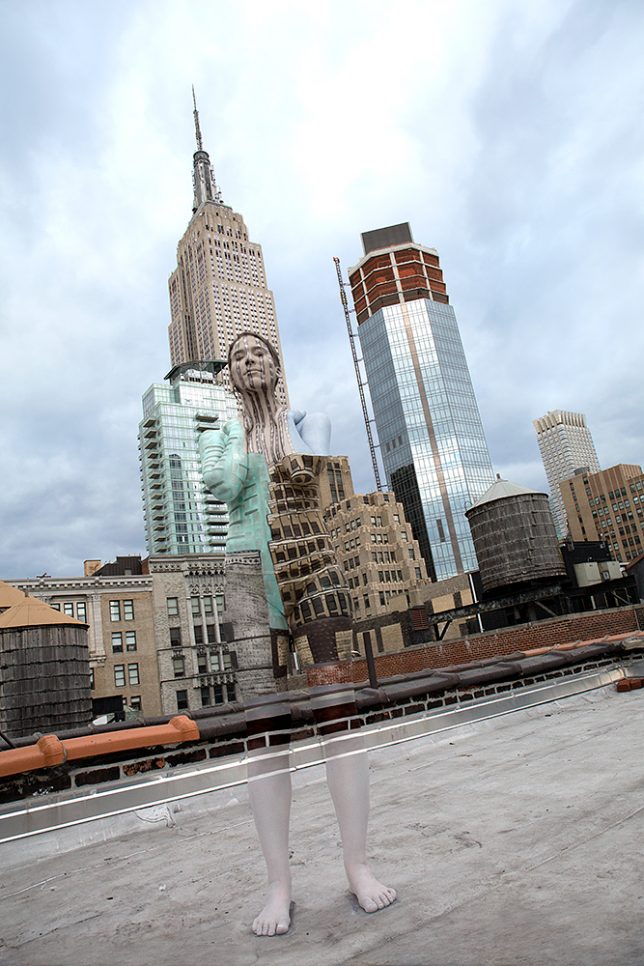
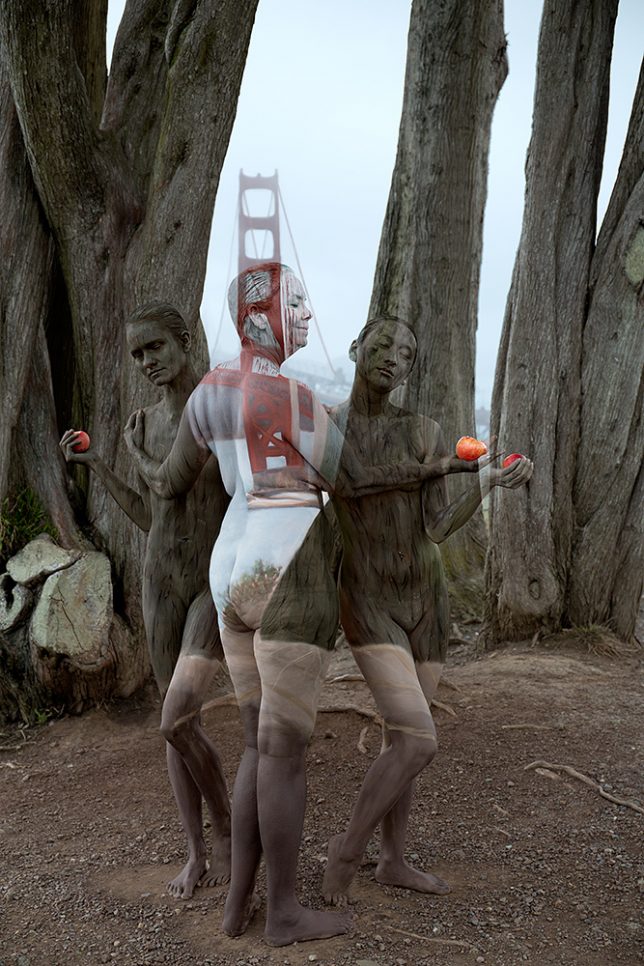
Nude human bodies seem to melt into their surroundings, expertly hand-painted to match their environments in an artistic form of urban camouflage. Artist Trina Merry dodges traffic, police, pedestrians and inclement weather to capture photographs of her subjects against such backdrops as the Florence skyline, the Washington Monument, the Brooklyn Bridge and Westminster Abbey.

body-painting-florence

Artist: Trina Merry - Model: Vitalia Abramova

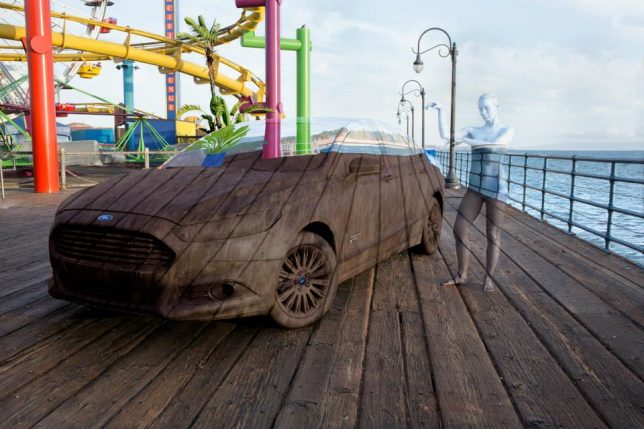
body-painting-car

body-painting-london

Typically working guerrilla-style without the permission of authorities in most cases, Merry selects locations that can make a big visual impact and then paints her models in place. Getting all those angles right is no small challenge – the human body is three-dimensional, after all, and nobody can stand perfectly still for very long. But somehow, it all comes together in the final images of Merry’s work.

sweet-land-of-liberty-body-painting-series-1

sweet-land-of-liberty-2

sweet-land-of-liberty-3

sweet-land-of-liberty-4

sweet-land-of-liberty-7

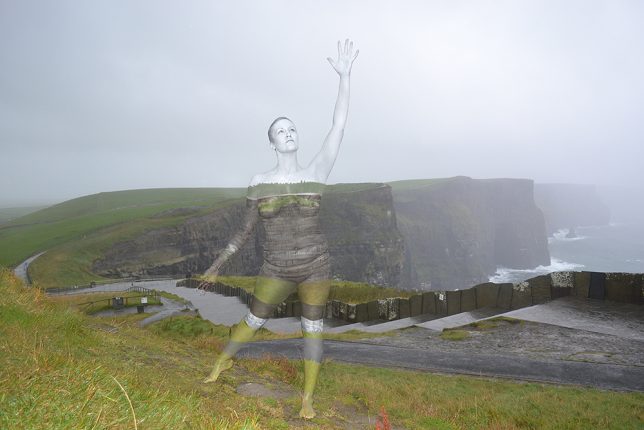
For her latest series, ‘Sweet Land of Liberty,’ Merry poses subjects in front of iconic patriotic landmarks like the White House and the Lincoln Memorial, asking her audience to think about what we have to be grateful for. Previous projects have been set in cities around the world, along with natural cliffs and meadows of Ireland and studio shoots. Many scenes are made even more complicated by the use of several models, contorted to create specific shapes. Some incorporate larger objects, like entire cars, as in a commission for Ford.

body-painting-london-2

body-painting-new-york

body-painting-new-york-2

body-painting-ireland

body-painting-san-fracisco

“Body paint is an ancient art form and the use of ochre on the skin dates back 425,000 years and has a deeper part in all of our cultures than people tend to realize,” says Merry. “Painting on the body is a distinctly human experience; it creates a special connection to a person that other visual art forms have trouble accomplishing. This work has a heartbeat and a breath – it is dynamically alive. The ephemeral nature of body paint forces focus and reflects on the reality of existence, which is an incredible thought that I find myself reflecting on frequently while working.”

Share on Facebook


[ By SA Rogers in Art & Photography & Video. ]

[ WebUrbanist | Archives | Galleries | Privacy | TOS ]


WebUrbanist

 
Comments Off on Urban Camouflage: Nude Body-Painted Models Blend Into Built Environments

Posted in Creativity


Urban Adventuring Apps: 13 Interactive Ways to Explore Your City

08 Dec

[ By SA Rogers in Travel & Urban Exploration. ]

urbex-app-history-pin-3

Whether you want to get to know your own city on a deeper level or explore secret spots in unfamiliar places, this collection of smartphone apps will take you on adventures you’d otherwise miss. Check out these scavenger hunts, walking tours, history lessons, interactive tasks that take you on random routes, user-submitted local favorites and other ways to interact with urban environments in fun and unexpected ways.

Derivé: Random Tasks Send You on an Adventure

urbex-app-derive

Explore your city – or an unfamiliar city – in a totally new way with the Derivé app, which randomly assigns you a task to do, like “find your favorite building”, “follow a hat,” “sit for two minutes” or “find a tree.” Refreshed every three minutes, the task cards lead you on a single-person scavenger hunt that will encourage you to take routes you’d never take otherwise and experience your environment in a new way.

History Pin: See History in Real Time

urbex-apps-history-pin-1

urbex-app-history-pin-2

urbex-app-history-pin-3

This user-generated history map lets you see what cities used to look like thanks to submitted historical photographs, which are pinned onto their real-life locations. The app uses Google Maps and Street View technology to overlay the historic photos onto the live camera view. Just hold up your phone in the street, and it’ll give you a glimpse of the past.

Spotted by Locals: Get the Inside Scoop

urbex-apps-spotted-by-locals

urbex-apps-spotted-by-locals-2

When you’re traveling, it’s easy enough to wander randomly without the use of a smartphone or simply go by tourist guide recommendations, but finding out what locals love can be more challenging. The Spotted by Locals app tells you what’s popular in any given spot, and it’s constantly updated to keep track of business openings and closings.

Geocaching: Treasure Hunting Challenge

urbex-apps-geocaching

urbex-apps-geocaching-2

The classic treasure-hunting app that has explorers digging for cleverly hidden containers called ‘geocaches’ remains the most popular way to participate in the adventure. The Geocaching app shows you geocaches near your location, allows you to message other players for hints and log the treasures you’ve found.

Geo Street Art Apps for New York City & London

urbex-apps-street-art-2

urbex-apps-street-art

Available for major cities like New York City and London, the Geo Street Art apps feature hundreds of local and international street artists, pointing you to their work so you can see it in person. ‘Street Art London’ and ‘Street Art New York City’ provide a “comprehensive reference point” of the street art scene, including artist biographies. The London version boasts over 600 images from over 90 artists in 270 locations.

Next Page – Click Below to Read More:
Urban Adventuring Apps 13 Interactive Ways To Explore Your City

Share on Facebook


[ By SA Rogers in Travel & Urban Exploration. ]

[ WebUrbanist | Archives | Galleries | Privacy | TOS ]


WebUrbanist

 
Comments Off on Urban Adventuring Apps: 13 Interactive Ways to Explore Your City

Posted in Creativity


Occupy Urban Spaces: 10 Guerrilla Modifications to City Infrastructure

30 Nov

[ By SA Rogers in Architecture & Cities & Urbanism. ]

screen-shot-2016-11-29-at-7-17-51-pm

Nobody knows the needs of a city better than the residents who navigate it each day, so who better to edit, adapt and upgrade urban spaces to make them cooler and more useful? Urban ‘hacktivism’ takes underutilized architecture and infrastructure, from street signs to empty subway stations, and subverts it for a new purpose. Whether installed guerrilla-style or with the blessing of city officials, these projects make the city a more fun and comfortable place to hang out.

Arche de la Defense Occupation by Parasitic Guerrilla Architecture

arche-de-la-defense-occupation

arche-de-la-defense-occupation-2

arche-de-la-defense-occupation-3

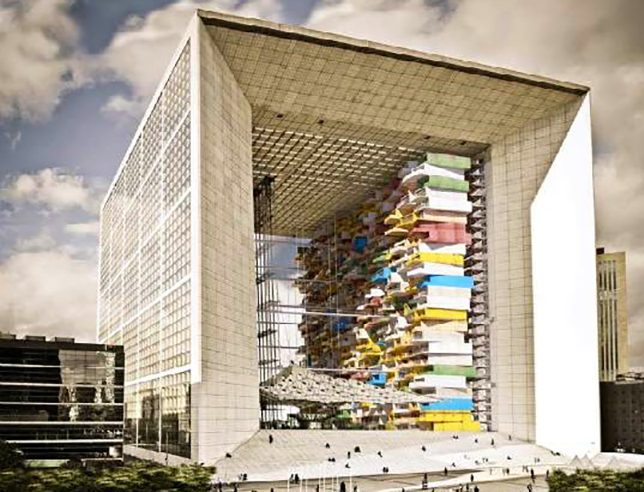
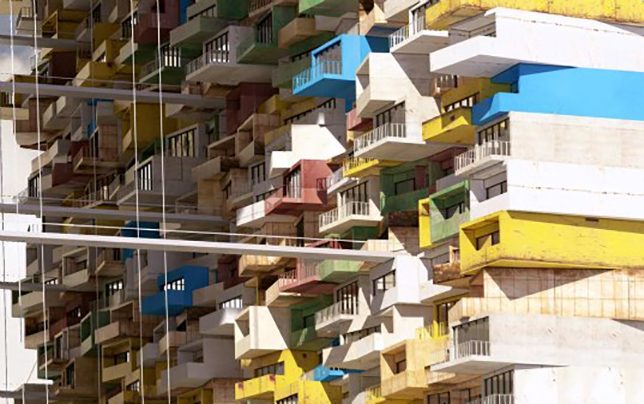
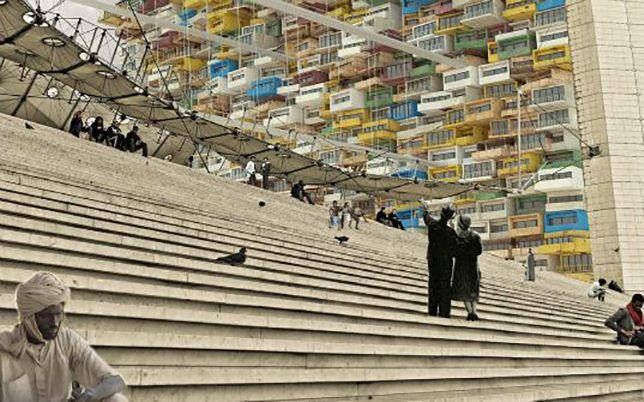
What if citizens took the lack of affordable and accessible housing in cities into their own hands, and simply created their own residences wherever they saw fit? ‘Pocket of Active Resistance’ envisions how this would manifest in Paris, as guerrilla housing takes over monuments like the Arche de la Defense. Architect Stéphane Malka presents a modular housing system stuck right into the interior walls of la Defense, connected by scaffolding and catwalks.

Alleyway Squat Housing by WEAK!

screen-shot-2016-11-29-at-7-15-00-pm

screen-shot-2016-11-29-at-7-15-16-pm

screen-shot-2016-11-29-at-7-15-59-pm

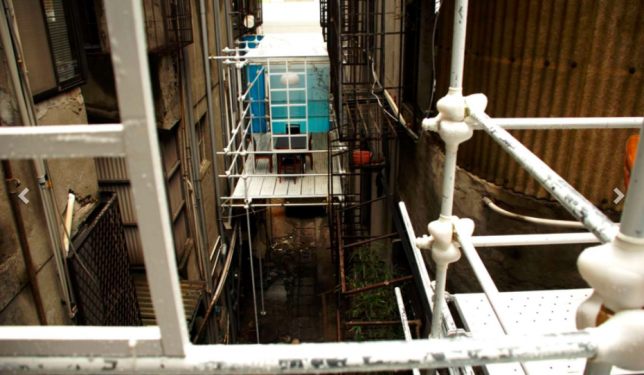
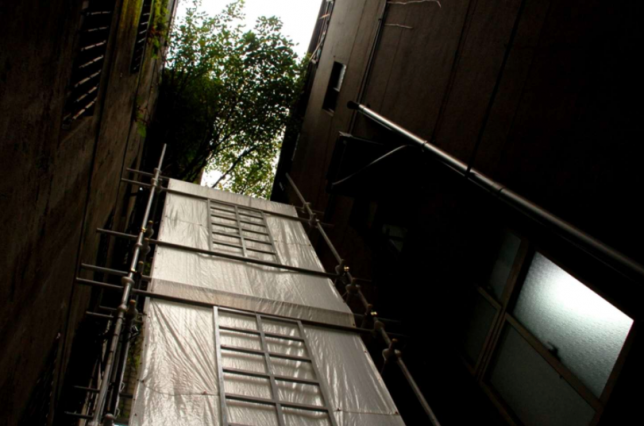
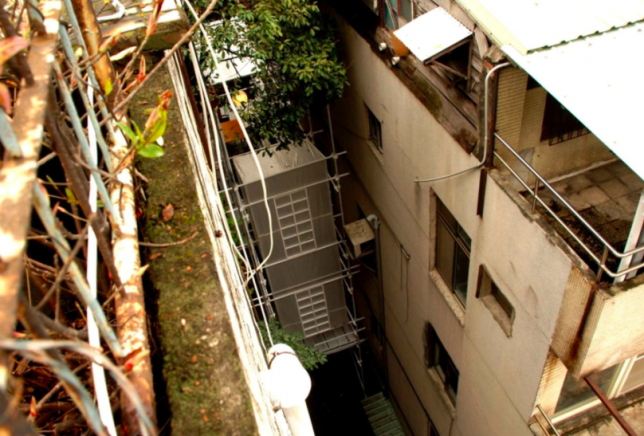
The firm ‘WEAK!’ encourages the organic growth of illegal structures on all sorts of city surfaces, including rooftops, disused fields and abandoned skyscrapers, reflecting “the citizen’s right to express himself through architecture.” Among the projects they’ve brought to life throughout Taiwan is this elevated alleyway dwelling made primarily of scaffolding, which creates a new two-level residence while leaving room on the ground for pedestrians to pass through.

Parasite 2.0 Colony in Venice

screen-shot-2016-11-29-at-7-17-51-pm

screen-shot-2016-11-29-at-7-18-00-pm

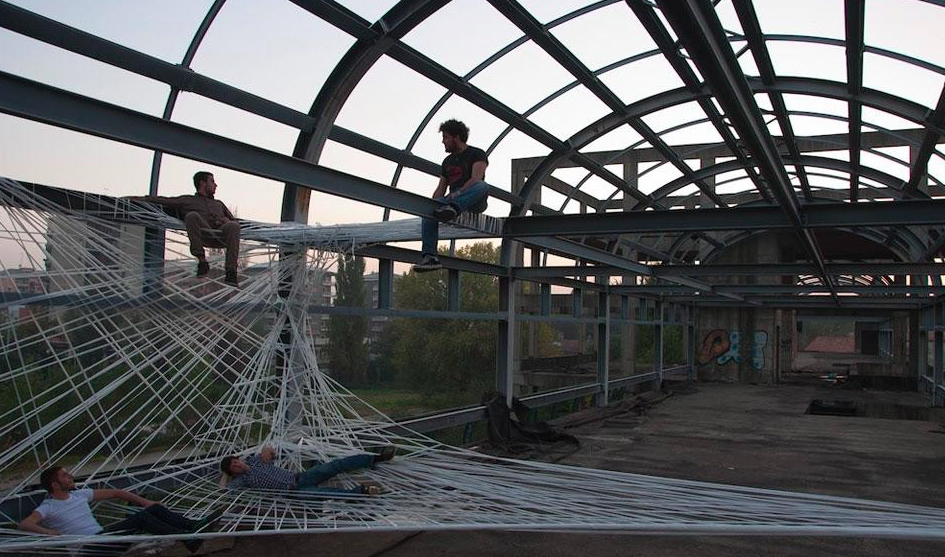
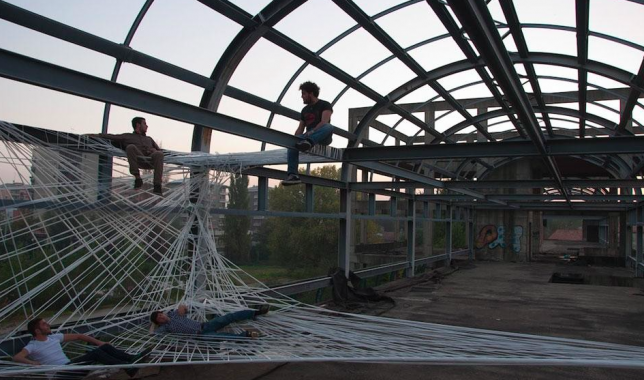
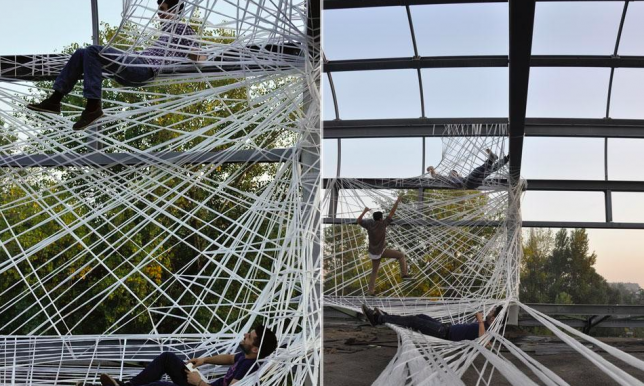
Young Italian collective Parasite 2.0 took over a series of disused spaces throughout Italy as part of a 2013 urban occupation project, including the fort of the Sant’Andrea island in the Venetian lagoon. Stretching polyethylene through the frame of an abandoned building like a web, they created an amorphous series of rooms with built-in hammocks.

Cascade Project by Edge Design Institute

cascade-project-2

cascade-project-1

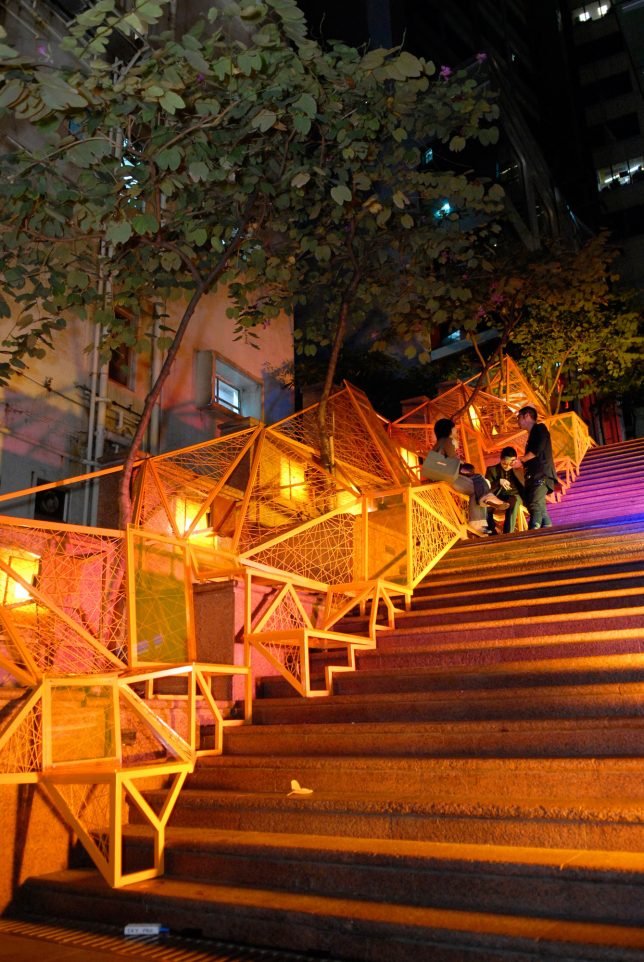
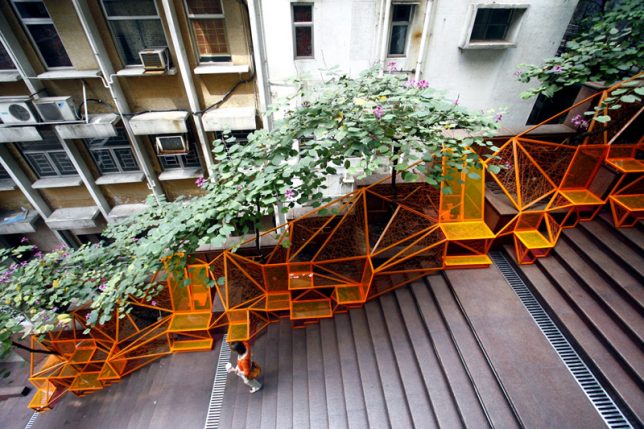
A staircase in Hong Kong that took up lots of space yet saw very little foot traffic temporarily became the setting for a vibrant geometric mesh sculpture with built-in seating and planters, creating a miniature park right in the middle of The Centrium. ‘The Cascade Project’ by Edge Design Institute features a living canopy of Bauhinia trees and other plants, giving the staircase an alternate and ultimately more useful purpose.

Art & Culture Center Beneath a Railway in Japan

railway-center-2

railway-center

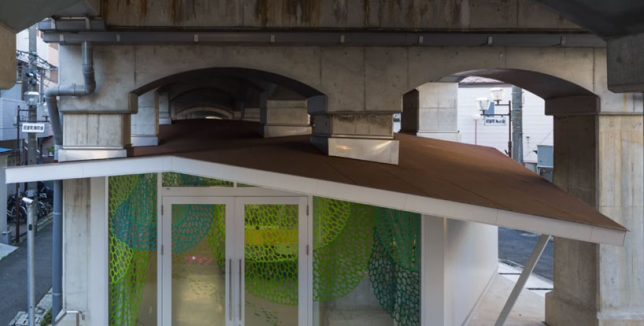
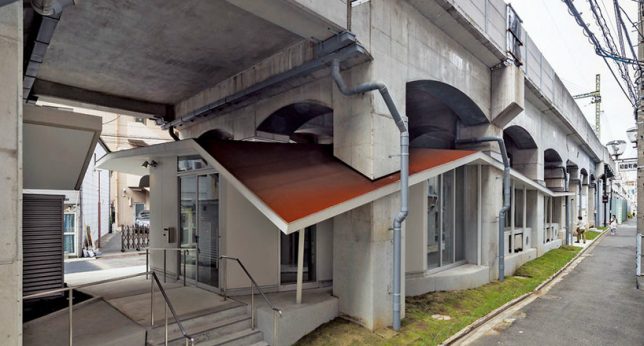
While this project was completed with the blessing of the city of Yokohama, it’s a pretty cool example of how underutilized urban spaces can be taken over and transformed for the benefit of all residents. Situated on a once-obsolete and uneasily quiet street, right beneath a railway track, the new arts center includes a gallery, cafe and studio.

Next Page – Click Below to Read More:
Occupy Urban Spaces 10 Guerrilla Modifications To City Infrastructure

Share on Facebook


[ By SA Rogers in Architecture & Cities & Urbanism. ]

[ WebUrbanist | Archives | Galleries | Privacy | TOS ]


WebUrbanist

 
Comments Off on Occupy Urban Spaces: 10 Guerrilla Modifications to City Infrastructure

Posted in Creativity


The City is a Canvas: 31 Murals Transforming Urban Spaces

22 Nov

[ By SA Rogers in Art & Street Art & Graffiti. ]

colorful-street-art-main

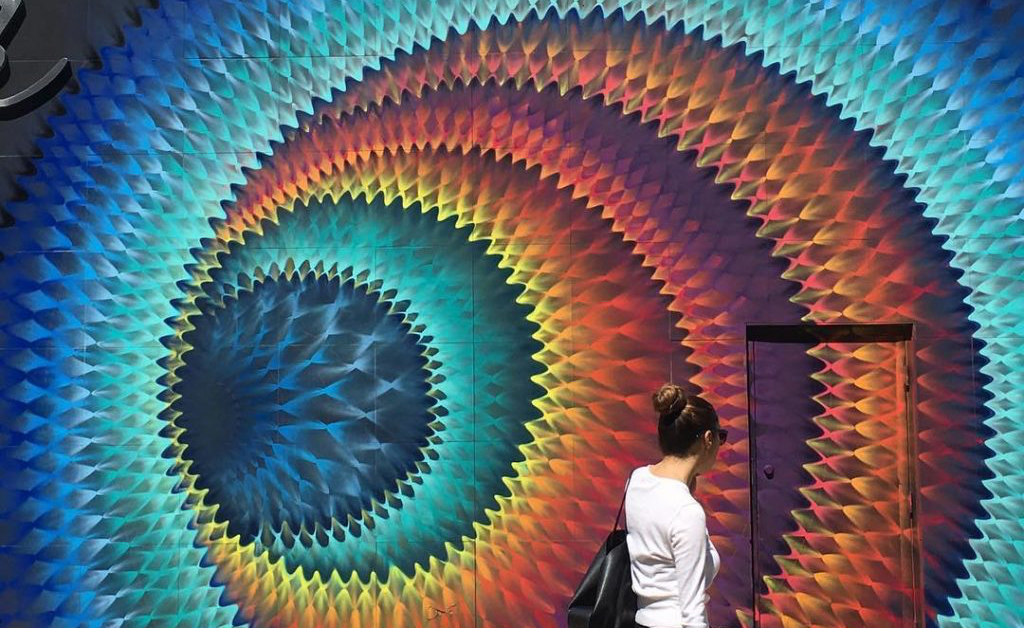
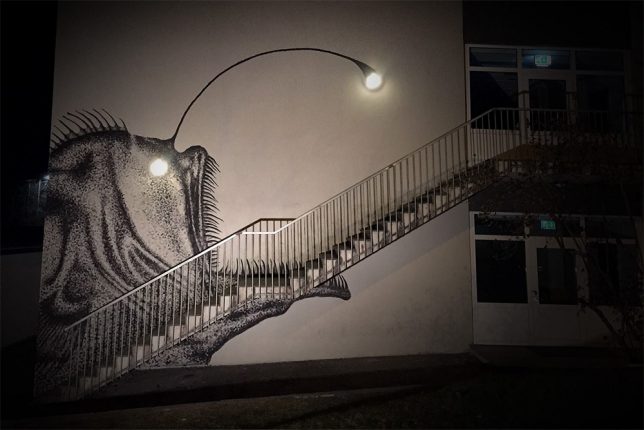
Psychedelic portals beckon you to enter another dimension, sea monsters lurk at the bottom of the stairs and illustrated figures playfully interact with urban infrastructure in works of art that bring color, levity and natural imagery to urban environments.

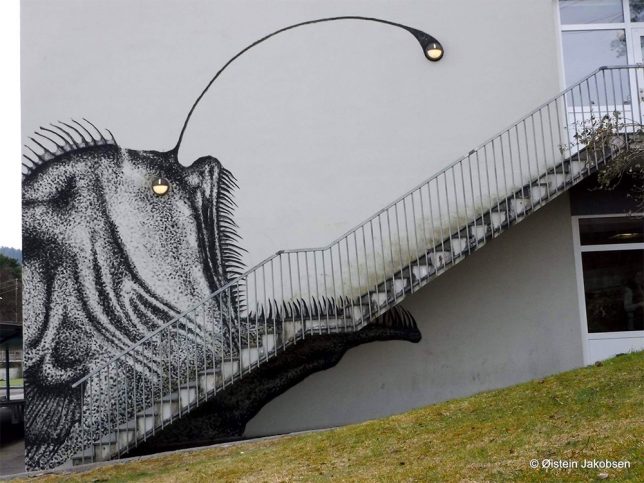
Sea Monster Stair Steps by Skurk

interactive-street-art-sea-monster-1

interactive-street-art-sea-monster-mural-2

The creepy sea creature lurking at the base of these stairs is enough to make anyone nervous, even in broad daylight – but just wait until the sun goes down. Street artist Skurk used two existing lamps affixed to the building’s exterior as the eye and lure of an anglerfish to terrifying and delightful effect.

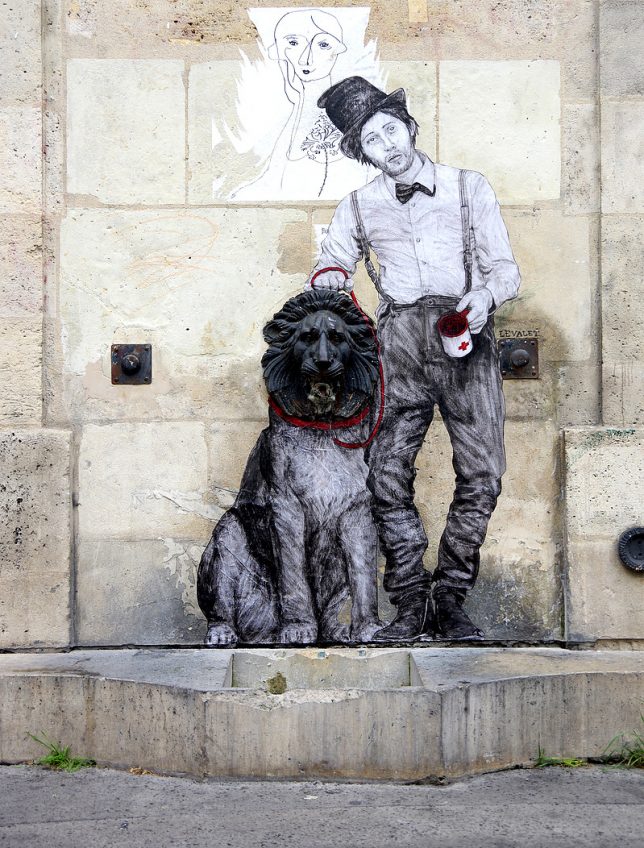
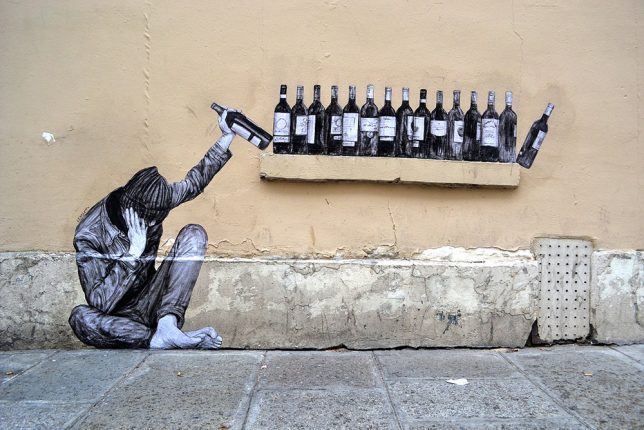
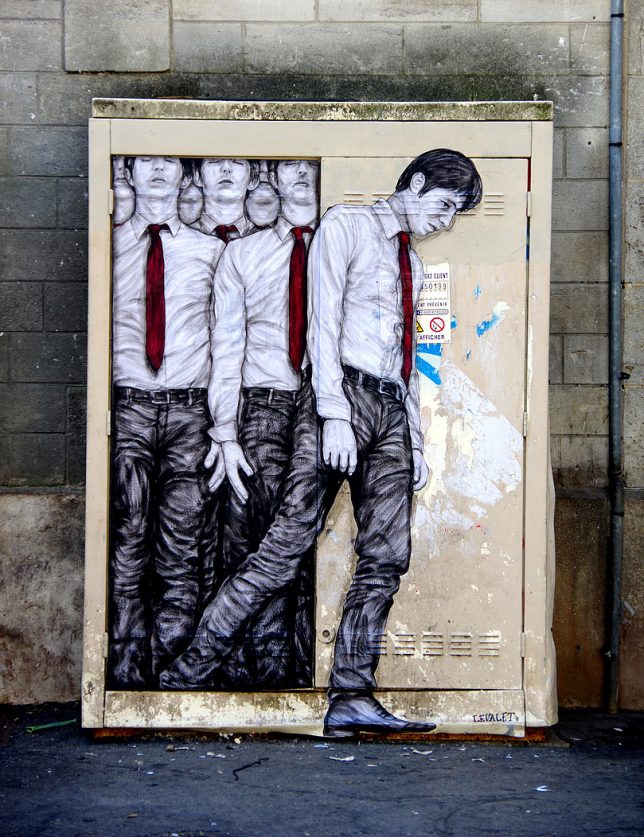
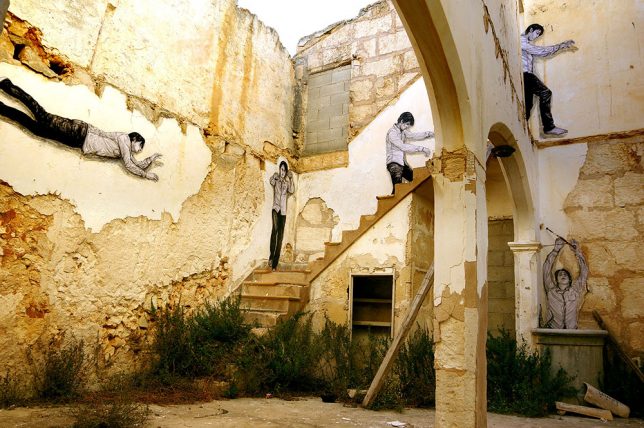
Site-Specific Wheatpastes by Levalet

street-art-levalet-1

interactive-street-art-levalet-2

interactive-street-art-levalet-3

interactive-street-art-levalet-4

Paris-based artist Levalet (Charles Leval) works with existing textures, colors and fixtures in urban environments to create playful site-specific works of art. Some are playful, some are a bit disturbing, but all of them pair sketched human and animal figures with fountain heads, drains, windows, utility boxes, staircases and other elements of the city.

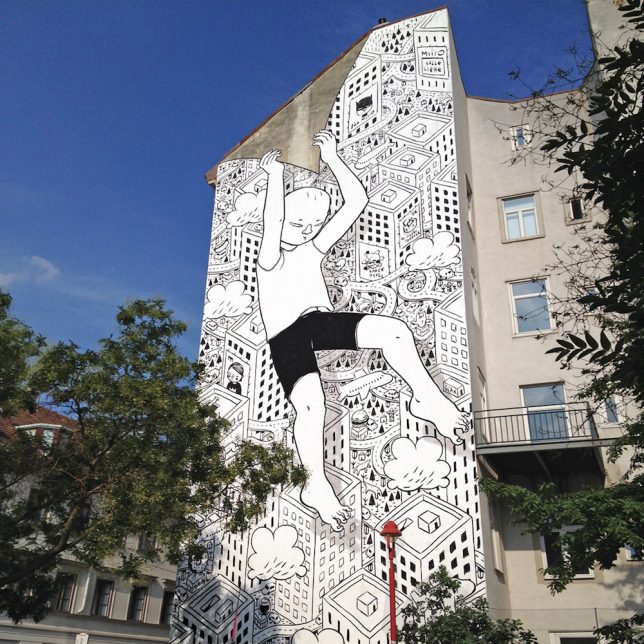
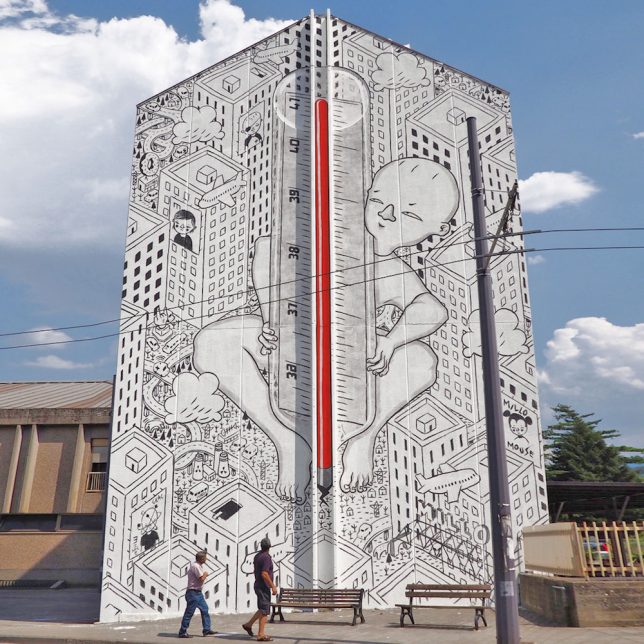
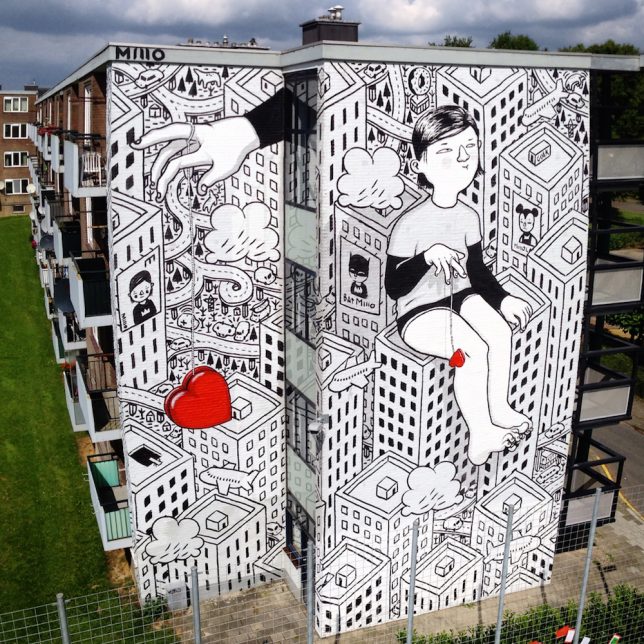
Massive Murals in Italy by Millo

interactive-street-art-millo-2

interactive-street-art-millo-3

interactive-street-art-millo-4

An illustrative black-and-white style accented by carefully chosen splashes of bold color characterizes the ground-to-roof murals painted onto buildings by Italian street artist Millo.

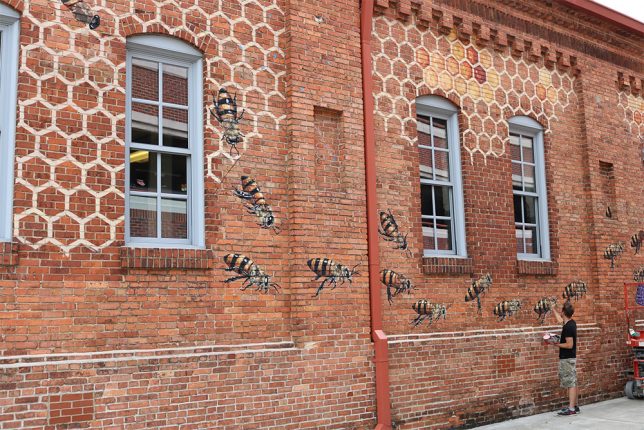
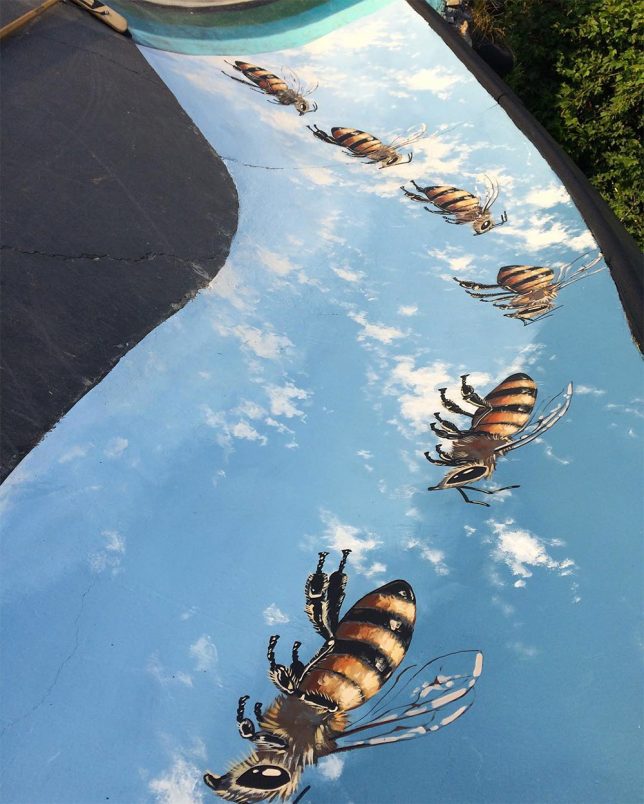
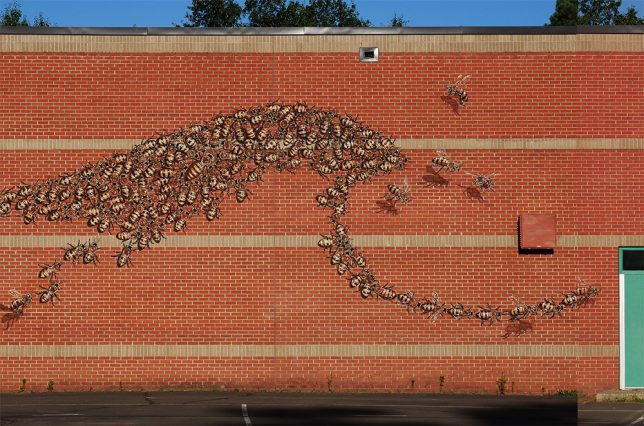
Giant Bees by Matthew Willey

interactive-street-art-bees-1

interactive-street-art-bees-2

interactive-street-art-bees-4

50,000 bees now adorn surfaces around the world as part of the Good of the Hive Initiative, a project by artist Matt Willey aiming to raise awareness about the plight of the honey bee. Willey traveled all over the globe to paint a few dozen bees at a time in each location, with the goal number representing how many bees it takes to sustain a healthy hive.

Next Page – Click Below to Read More:
The City Is A Canvas 31 Murals Transforming Urban Spaces

Share on Facebook


[ By SA Rogers in Art & Street Art & Graffiti. ]

[ WebUrbanist | Archives | Galleries | Privacy | TOS ]


WebUrbanist

 
Comments Off on The City is a Canvas: 31 Murals Transforming Urban Spaces

Posted in Creativity


Urban Agritecture: Terraced Townhouse Supports Series of Green Roofs

20 Nov

[ By WebUrbanist in Architecture & Houses & Residential. ]

urban-agritecture

A stepped-roof residence recently completed in Vietnam combines architecture and agriculture, inspired by the terraced rice fields found in the countryside.

windows-and-shade

steps-and-light

Designed by H&P Architects, the accessible platforms overhead serve a variety of purposes simultaneously. Slotted windows at each incremental level allow in light while the natural vegetation helps filter dust, noise and heat in the tropical climate. These plants, in turn, are supported by a built-in irrigation system as well as channeled storm water.

stepped-house-design

rooftop-deck-vegetation

A series of small staircases connect each of the exterior decks, stepping over planters that span the length of the house across multiple levels.

living-room-view

light-conditions

terraced-green-space

At grade and on the floor above are living accommodations including a play area, lounge and kitchen as well as multiple bedrooms. A workshop and study are located on the third and top level. The whole house is also designed to maximize airflow across levels, bringing cool air in from the shaded side and venting it along the horizontal rooftop windows.

green-roof-diagram

roof-view-looking-down

From the architects: “agricultural cultivation helps bring city dwellers closer to the nature by giving them interesting first-hand experience in planting, taking good care and sharing harvested produce from their own farmland plots with their neighbors.”

stepped-housed

stepped-house-at-night

This home “serves as a constant reminder of the origin of paddy rice civilization in a flat world context threatened by various types of pollution currently at an alarming level. it is, at the same time, expected to promote the expansion of farmland plots in urban areas with a view to securing food supplies for future life.”

Share on Facebook


[ By WebUrbanist in Architecture & Houses & Residential. ]

[ WebUrbanist | Archives | Galleries | Privacy | TOS ]


WebUrbanist

 
Comments Off on Urban Agritecture: Terraced Townhouse Supports Series of Green Roofs

Posted in Creativity


Navigating the Future: 12 Forward-Thinking Urban Transit Systems

15 Nov

[ By SA Rogers in Conceptual & Futuristic & Technology. ]

Integrating fairly seamlessly into existing city infrastructure, making use of renewable energy and solving the ‘last mile’ problem plaguing most public transit systems, these designs make some major advancements from the buses and trains already in use today. With some already in development around the world and others representing ideas that could provide inspiration for real-life solutions, these futuristic urban transit systems aim to get around traffic congestion and provide safer, more efficient rides.

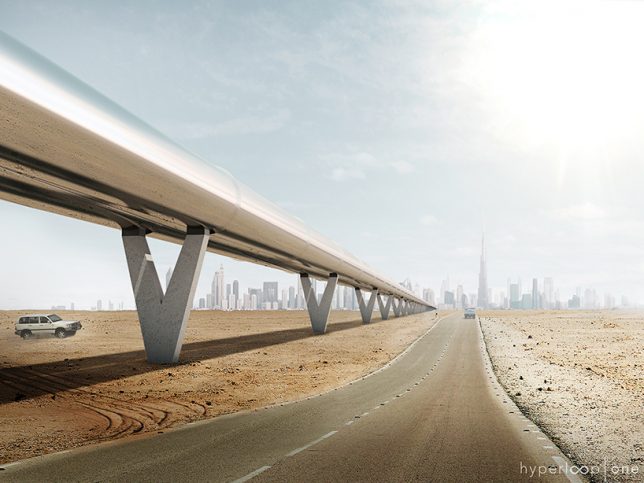
Hyperloop for Dubai by Bjarke Ingels Group

hyperloop-dubai-1

hyperloop-dubai-2

hyperloop-dubai-3

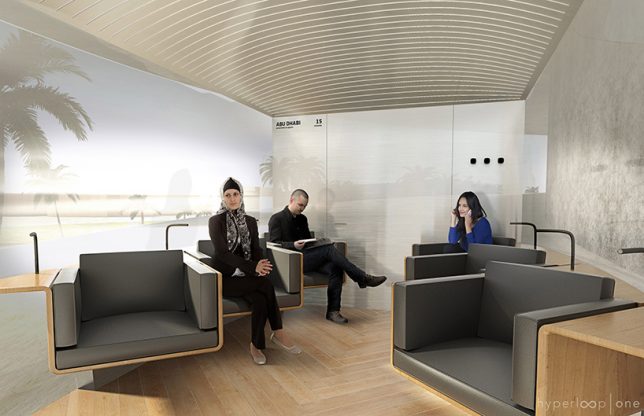
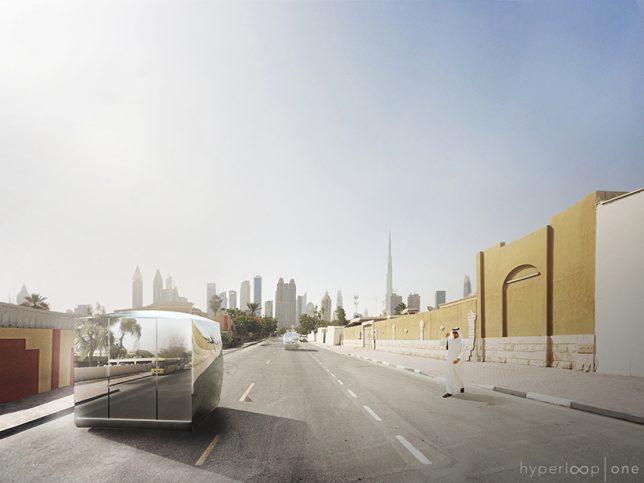
Residents of the United Arab Emirates could get from the cities of Dubai to Abu Dhabi in just twelve minutes with the hyperloop transportation system recently announced as a deal between Hyperloop One and Dubai Roads and Transport Authority. Designed by Bjarke Ingels Group (BIG), the system will carry passengers in 6-person pods contained within a pressure vessel ‘transporter’; the units are small to allow for on-demand travel and reduce wait times.

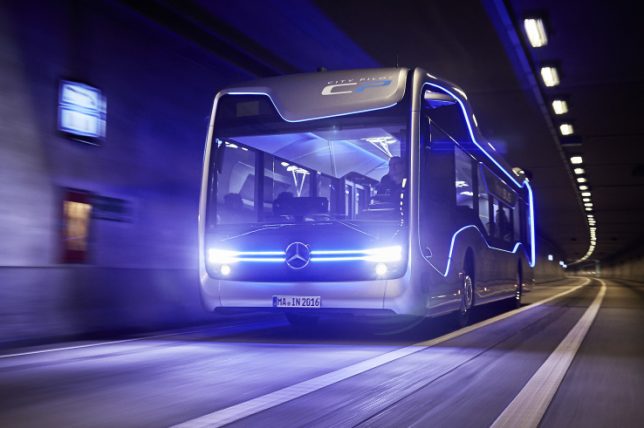
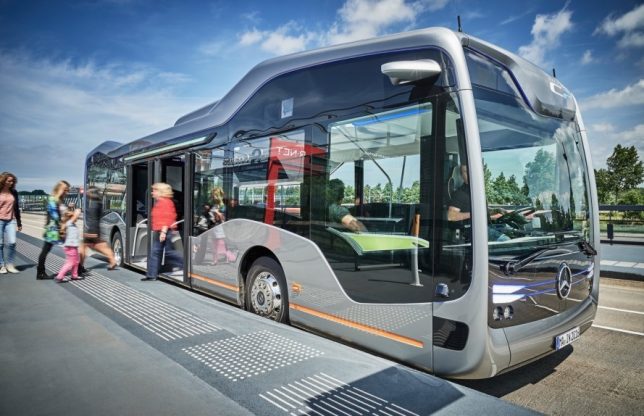
Self-Driving Bus by Mercedes-Benz

Weltpremiere: Mercedes-Benz Future Bus mit CityPilot – Meilenstein auf dem Weg zum autonom fahrenden Stadtbus

mercedes-bus-1

Already tested on a 12-mile route in Amsterdam, Mercedes-Benz’ new line of self-driving buses avoids human error while performing their usual duties, with a driver only present to take over when the route isn’t suitable for automated driving. Short-range radar, satellite-controlled GPS navigation, sensors and cameras help it on its way, and it communicates with the route infrastructure via wi-fi to take advantage of rolling green lights.

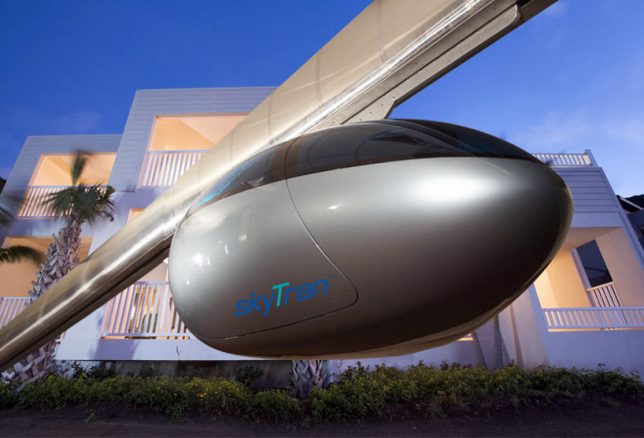
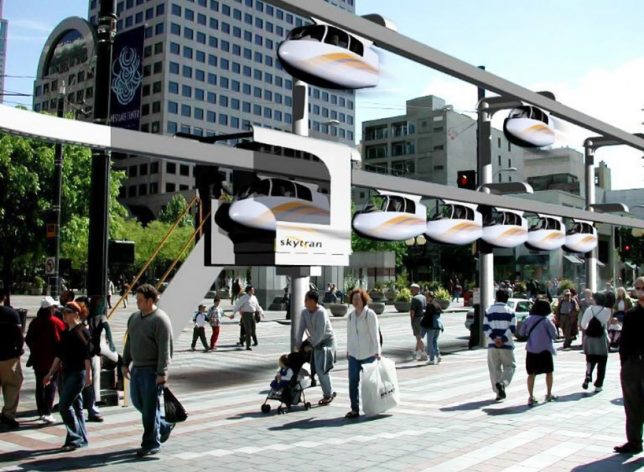
Skytran for Tel Aviv

skytran

skytran-2

skytran-3

skytran-4

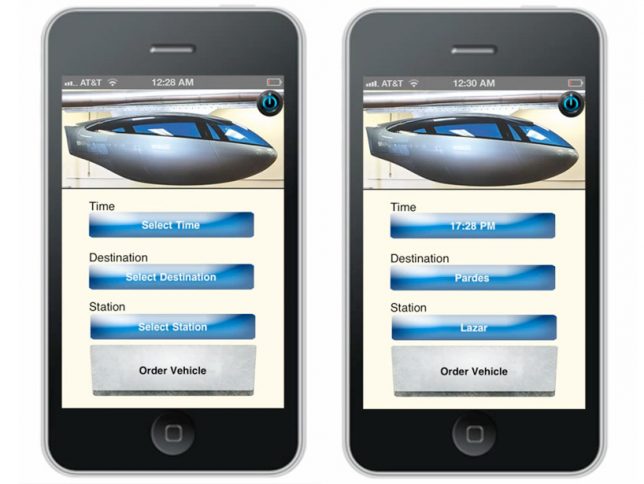
The world’s first magnetically levitating skytTran system is set for development in Tel Aviv to reduce congestion, making routes faster, less expensive, more comfortable and more earth-friendly. Individual two-seater pods feature point-to-point service so travelers can reach specific destinations, and you can request one via a mobile app. Following completion in Tel Aviv, commercial skytrain systems will be rolled out worldwide.

Next Future Modular Transportation System

nextfuture-1

nextfuture-2

nextfuture-3

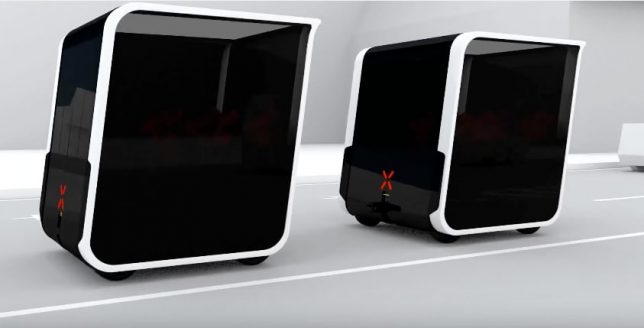
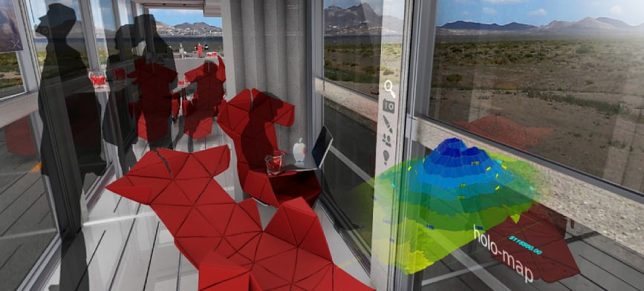
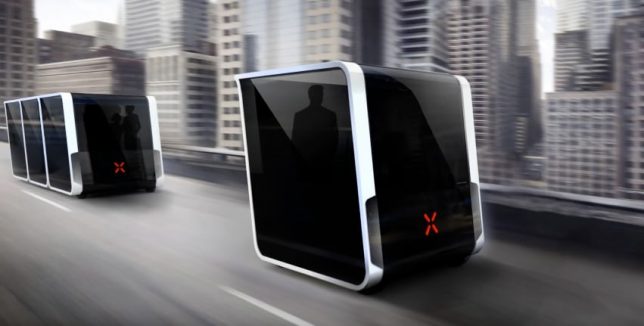
The self-driving modules envisioned by Next Future can link up like a typical transit system or go their own way on existing roadways, with users ordering them through a mobile app. Like the skyTran, this system takes care of that ‘last mile’ problem, automatically calculating routes. The 8×8’ modules, which hold ten passengers each, can link together in a ‘swarm’ or split up. When they’re linked, you can move from one module to the next to find the one that’s headed in the direction of your destination.

Next Page – Click Below to Read More:
Navigating The Future 12 Forward Thinking Urban Transit Systems

Share on Facebook


[ By SA Rogers in Conceptual & Futuristic & Technology. ]

[ WebUrbanist | Archives | Galleries | Privacy | TOS ]


WebUrbanist

 
Comments Off on Navigating the Future: 12 Forward-Thinking Urban Transit Systems

Posted in Creativity


Urban Food Park: Scandinavia is Growing a “Silicon Valley for Agriculture”

03 Oct

[ By WebUrbanist in Architecture & Public & Institutional. ]

danish-food-park

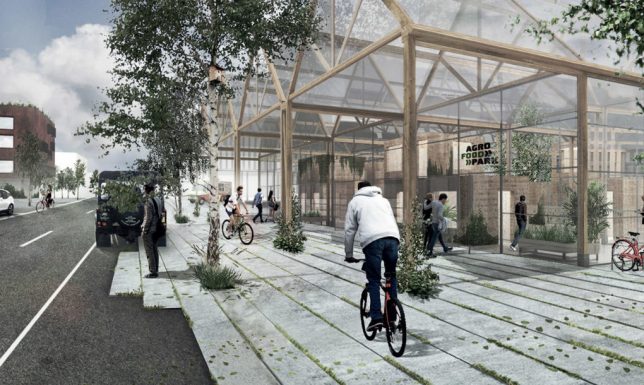
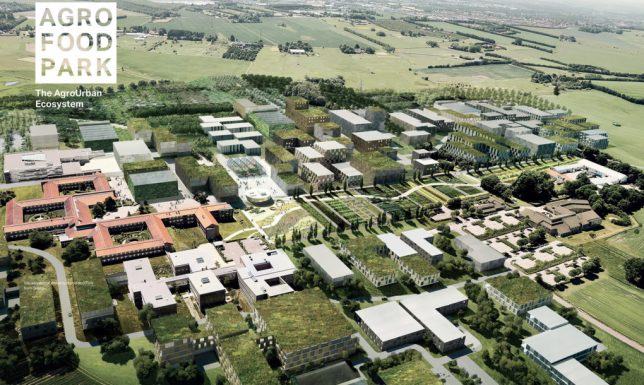
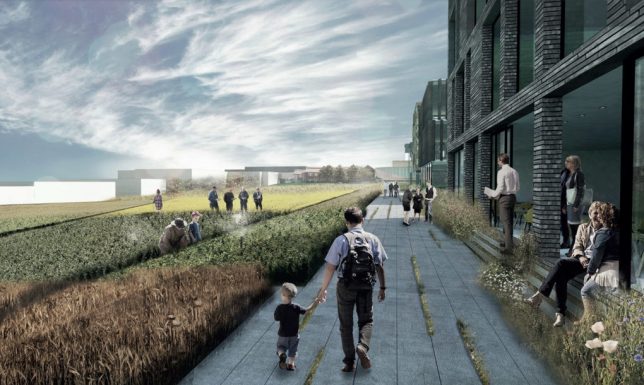
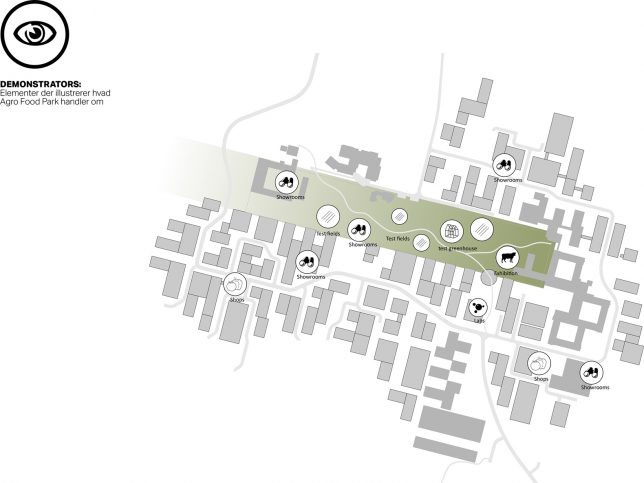
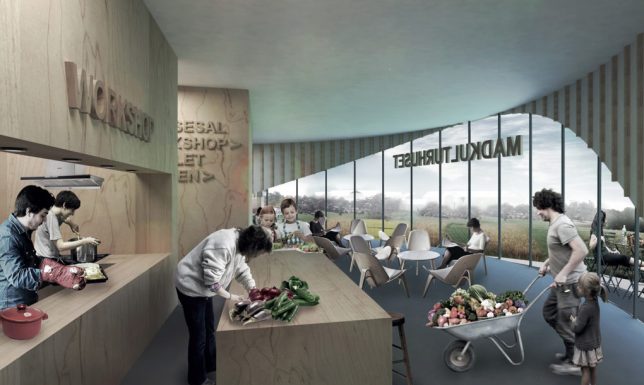
An expansive master-planned complex to facilitate urban agriculture and private/public collaboration, The Agro Food Park is Denmark’s version of “Silicon Valley” for food research and development. From experimental greenhouses to vertical farm prototypes, the park is bringing together academics and businesses to work on creating a sustainable future via global food security.

scandanavian-food-park

Co-designed by an array of architecture, engineering, technology and agriculture firms, the food park was first opened in 2009 and already hosts nearly 100 companies in 44,000 square meters of space. The newly-expanded plan, however, will grow the park by 280,000 square meters over the coming decades, requiring careful strategic planning reflecting environmental considerations.

food-park-master-plan

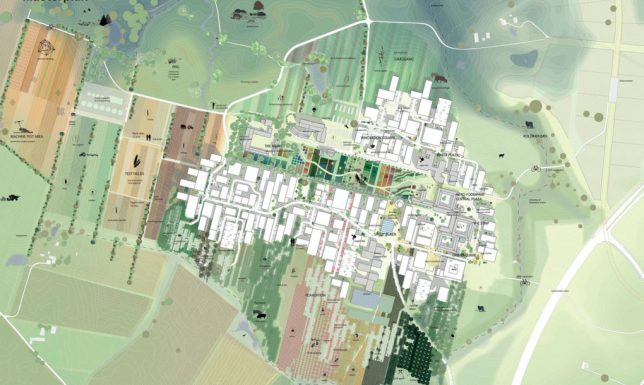
The long-term master plan features a communal Lawn showcasing experimental developments, a main-street Strip hosting various gathers and activities, and a series of Plazas to facilitate interactions between companies and researchers. The huge complex is also designed to recycle its own waste efficiently and minimize its footprint, a “practice what you preach” approach to ecological urban agriculture.

food-park-plan

“Innovation occurs best when knowledge is concentrated in clusters and cross-pollinate. By linking food production to urban life, we have tried to create an environment where people, knowledge and ideas meet. The dream is to create the framework for agriculture’s answer to Silicon Valley.”

food-park-systems

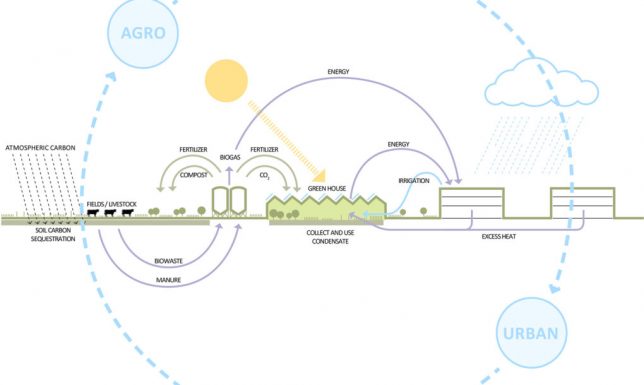
Though the plan is complex, the mission of the place is simple: to feed the world in a healthy way. The expressions of that mission, however, vary greatly, from initiatives to use clean energy and create biodiversity to facilitating healthy air and clean water. In short: it is not just about good food, but how best to produce edible goods in a sustainable way.

food-park-arrangement

“Embracing Agro-Urban Ecosystem Design, the AFP treats urban and agricultural development together as a unified, productive and restorative ecosystem,” said the project architects.

futuristic-silicon-valley-food

“By integrating the carbon cycle and other ecological processes into large scale urban systems and their surroundings – buildings and energy flows, water cycles and wastewater treatment, land use and food production – the AFP creates economic value within the urban and agricultural infrastructure.”

Share on Facebook


[ By WebUrbanist in Architecture & Public & Institutional. ]

[ WebUrbanist | Archives | Galleries | Privacy | TOS ]

WebUrbanist

 
Comments Off on Urban Food Park: Scandinavia is Growing a “Silicon Valley for Agriculture”

Posted in Creativity


Wild & Scrappy: 3D Trash Sculptures of Animals Pop Up in Urban Spaces

29 Sep

[ By SA Rogers in Art & Street Art & Graffiti. ]

trash-sculptures-10

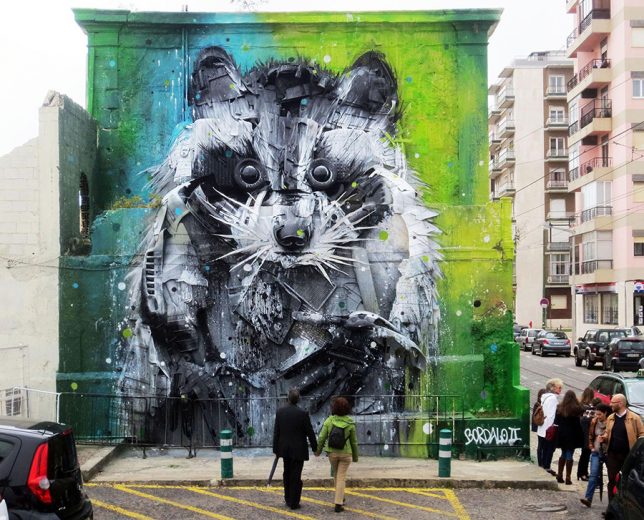
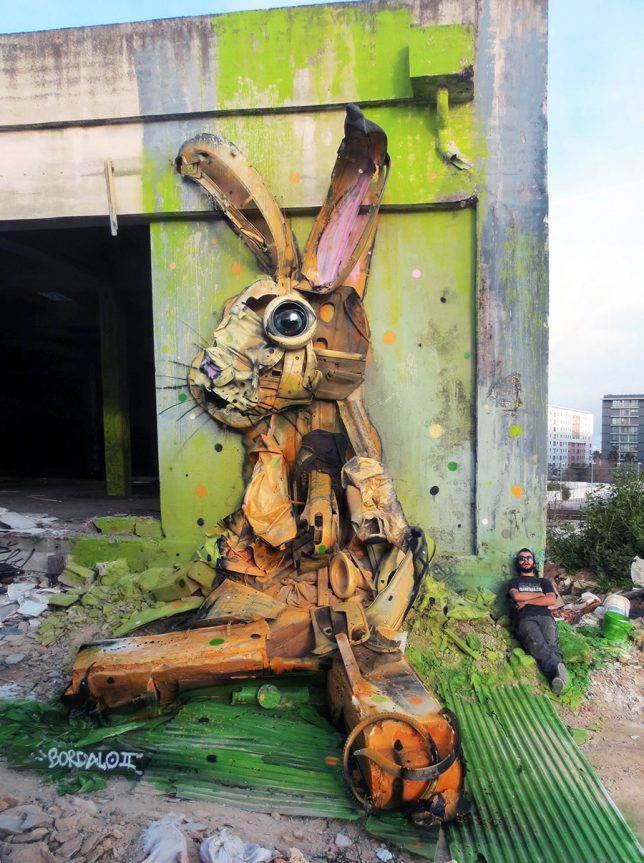
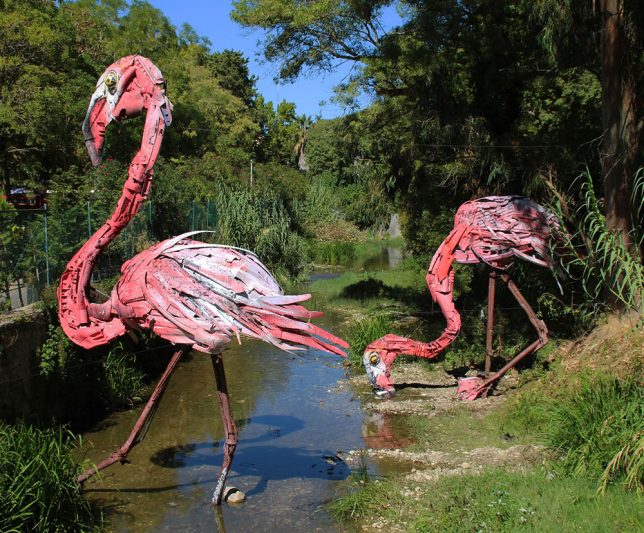
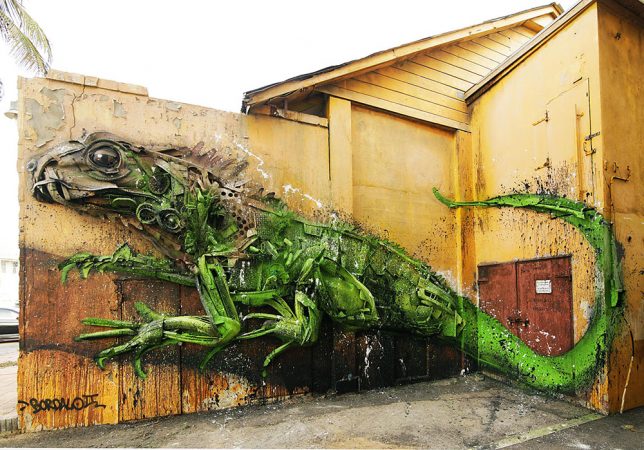
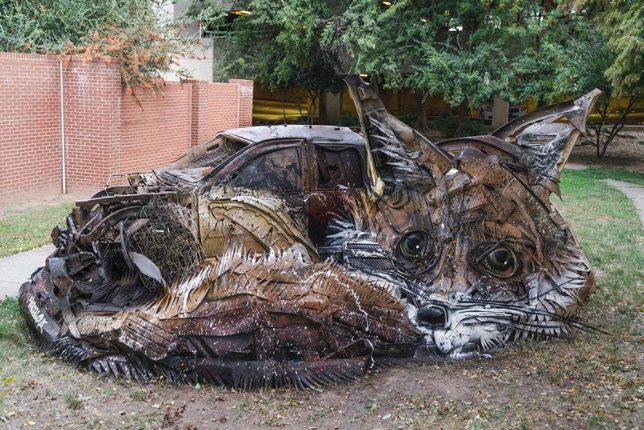
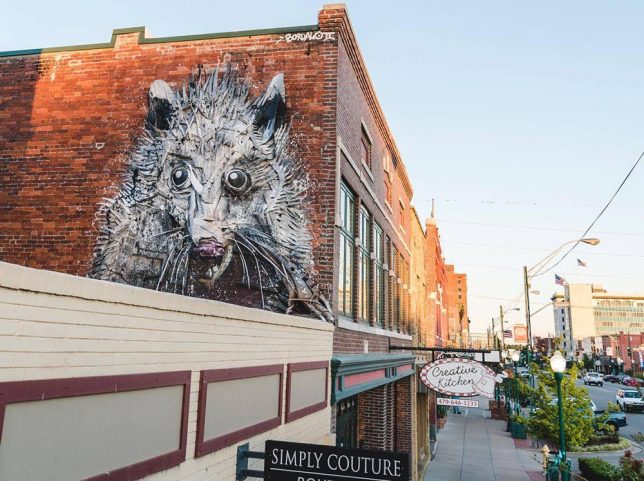
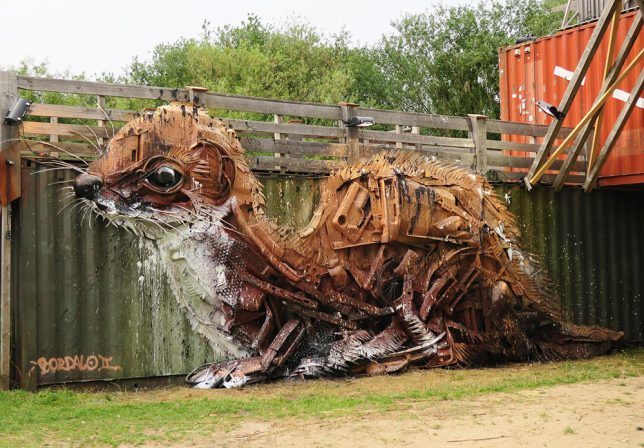
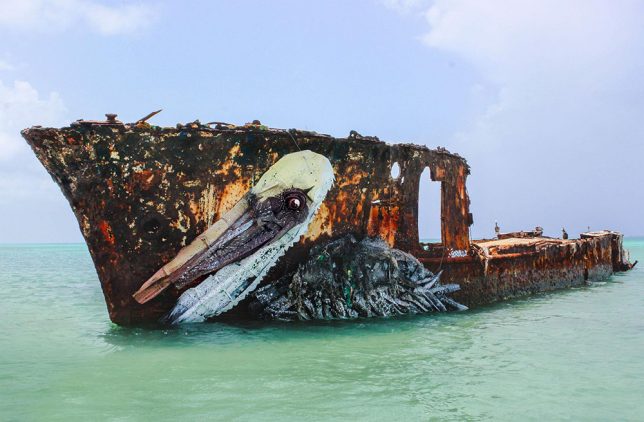
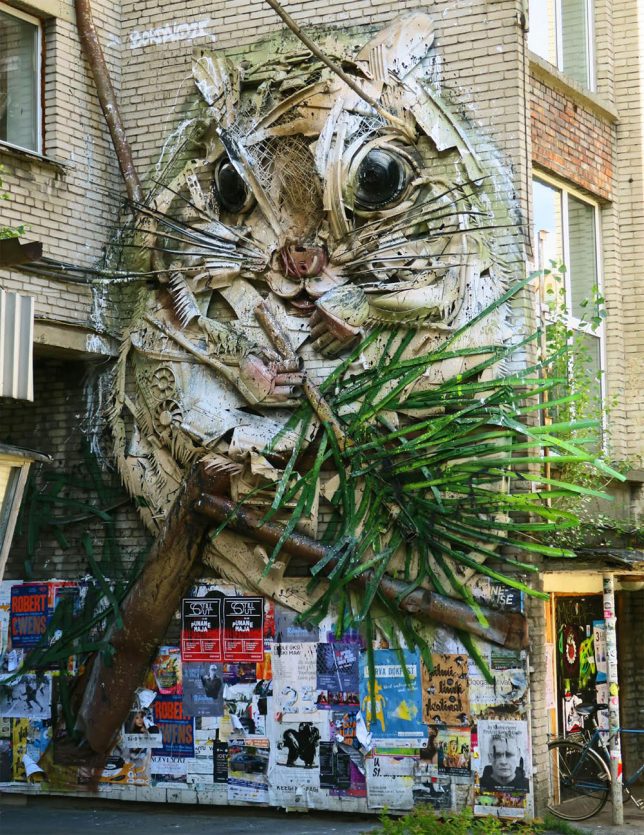
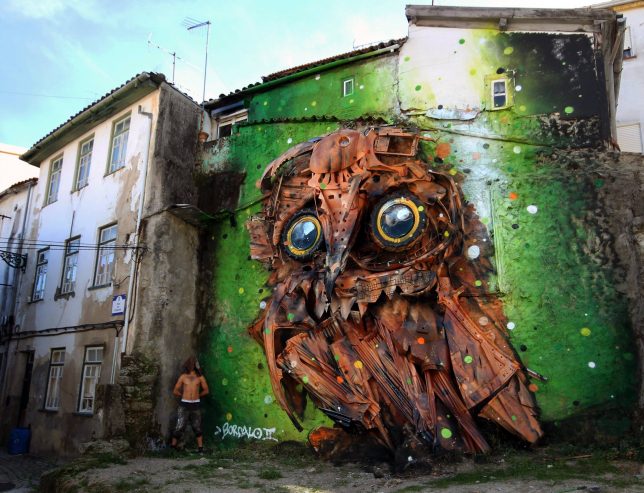
Literally popping out of city walls in three dimensions, wild animals emerge from a jumble of car parts, corrugated metal and random industrial objects masterfully layered and painted by Bordalo II. The Portuguese street artist has spent much of the last decade installing these giant murals in the streets of his hometown of Lisbon and other locales around the world, literally infusing new life into the stuff we’ve deemed junk and tossed away. Several new pieces have emerged in recent months, including a possum in Ft. Smith, Arkansas and a flying squirrel in Estonia.

trash-animals-10

trash-sculptures-7

trash-sculptures-6

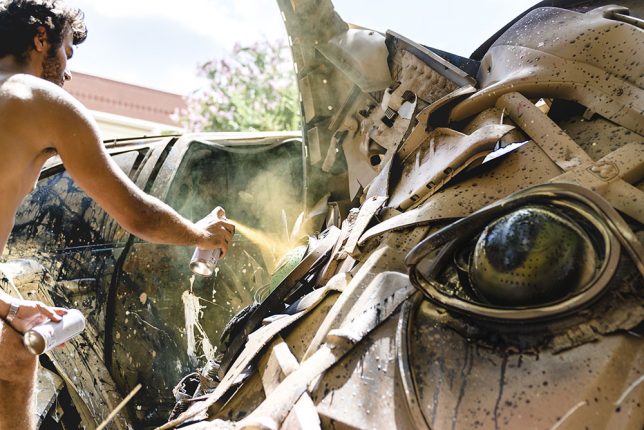
Each of Bordalo’s sculptures grows in an almost organic fashion depending on what kind of trash the artist can find on the streets near his installation location. As you can probably imagine, he has no trouble accumulating more materials than he can handle just with a quick trip driving around a few city blocks. Certain materials, like tires, are preferred because they’re easy to cut and shape.

trash-sculptures-1

trash-sculptures-2

trash-sculptures-3

trash-sculptures-4

Like so many street artists, Bordalo started out making illegal street graffiti, and his style emerged over time as he began to integrate 3D objects into the paint. “Even if in the beginning it was all about exploring and discovering the way to do, the way to make it work, I’m still trying to innovate, create new problems and have fun with them – this is the process that creates different expressions, forms, textures, etc.,” he says in an interview with Street Art News.

trash-sculptures-5

trash-sculptures-8

trash-sculptures-9

Take a look through Bordalo’s Instagram for more projects, and see if you can identify all the individual elements that go into each piece.

Share on Facebook


[ By SA Rogers in Art & Street Art & Graffiti. ]

[ WebUrbanist | Archives | Galleries | Privacy | TOS ]

WebUrbanist

 
Comments Off on Wild & Scrappy: 3D Trash Sculptures of Animals Pop Up in Urban Spaces

Posted in Creativity