RSS
 

Posts Tagged ‘Urban’

Tips for Minimalist Photography in an Urban Environment

15 Sep

Minimalism gained traction in America in the 1960s with links to the Japanese traditional culture of Zen Philosophy. As a reaction against the whims of abstract expressionism, artists like Sol LeWitt, Frank Stella, and Mark Rothko experimented with stripped back processes and imagery, exposing the bare bones of visual art.

The history of the minimalist photography movement is not dissimilar to that of their contemporaries. The scientific photography of Bernice Abbott is referred to as a marked pivot towards minimalism. Photographers like Robert Adams and Lewis Baltz also used reductionist techniques to explore composition in the natural and urban landscape.
Tips for Minimalist Photography in an Urban Environment

Like all visual art, minimalism is founded on the basic elements of design; line, shape, color, texture, form, and composition. The scope of interpretation within minimalist art is vast, with its proponents yielding a diversity of results and reasoning. Overall, however, minimalist art can be surmised within a single principle, the old adage of “keep it simple”.

Keeping it simple

Minimalism is about how little you can say without compromising meaning. Minimalist photography is a great opportunity to slow down and reevaluate your photographic process. Before taking a shot, take a breath. Think about your desired outcome. How does your knowledge of composition apply to the subject at hand? How would you like to approach exposure? Minimalism is a very meditative process, sort of like yoga, but for your photography.

Composing minimalist photography in an urban landscape

Often, the utilitarian components that make up an urban landscape are the same that serve as the best minimalist subjects. Minimalist depictions of nature tend to rely on the soft flow of organic structures. However, urban minimalist photography capitalizes on the bold lines of old buildings, fresh apartments, and upturned car parks.

Intermixed with bolts of color, texture, and juxtaposition, minimalist photography can be both subtle and loud at the same time. Photographers of minimalism capitalize on strong, stripped back elements to create both subtle and high-impact imagery. That’s why moving forward in minimalist photography often requires you to steep yourself in the very basics of photographic composition first.

Rule of thirds

The rule of thirds is a trick to help determine the overall composition of a photograph. Mentally divide an image up evenly into thirds both horizontally and vertically. The lines that intersect around the central rectangle indicate the points that capture the majority of a viewer’s attention. By offsetting important points in a photograph from the center rectangle, an image will feel more naturally appealing to your audience.

Minimalist photography relies equally on what has been included and excluded from an image. Composing a visually harmonious photograph with tools like the rule of thirds maximizes the short time a viewer has to engage with a photograph.

Tips for Minimalist Photography in an Urban Environment

This image is sectioned off into 9 even rectangles. The four central intersecting points indicate the focal points of the photograph.

Tips for Minimalist Photography in an Urban Environment

This image is an example of the rule-of-thirds in practice. No single component of the photograph lies directly within the center, guiding the viewer’s eye around the image rather directly to the center.

Color

Color has a language that establishes the atmosphere and emotional range of an image. Where traditional black and white highlights the form of an image, two or three highly contrasting colors can bring the facade of the urban environment to life.

Blocks of color convey vitality and hardness in an image, whereas a gradient is softer and more accommodating. Pastel color schemes depicted by many contemporary minimalist photographers deliver a surreal, dream-like quality to a photograph, while also alluding to childhood, disassociation and new-media aesthetics.

Tips for Minimalist Photography in an Urban Environment - color

Tips for Minimalist Photography in an Urban Environment

Isolated colors can add depth to an image and draw attention to details often overlooked in the urban landscape.

Tips for Minimalist Photography in an Urban Environment

Lines

Strong lines in minimalist photography carry the integrity of an image. Conveying depth and presence, bold lines leading in from the perimeter of an image grab a viewer’s attention and guide their eye through the artwork. Lines delineate the boundaries of different bodies within a space and can denote unrest at sharp angles or quiet emotion with organic ripples.

Horizontal lines are used as a device to indicate the horizon, perspective, or to completely upend a viewer’s sense of space altogether! When composing an image, follow each line through with your eyes. Adjusting the integrity of a line later in post-production can be extremely time-consuming. And the success of a minimalist photograph could (and probably will) count on it being exact.

Tips for Minimalist Photography in an Urban Environment

Leading lines reach the perimeter of the physical photograph and provide the viewer with a visual trail to follow into the interior of the image.

Shape

The compositional elements of line and shape often cross over in a visual plane. For example, the perimeter of a shape can be defined by its outer line, sectioning the interior of the shape off from the background of the image.

Sharp, inorganic shapes create unrest and action in an image, whereas smooth, organic shapes create a scene of peace, nature, and evenness. The urban environment consists of an inexhaustible array of sharp and smooth lines. Trying to bring the two spectra together creates a dynamic juxtaposition of design and emotion.

Tips for Minimalist Photography in an Urban Environment

Pattern and texture

Pattern and texture lift the image from the page. Texture is the physicality of an image, which engages with an audience by appealing to their sense of touch. Pattern, often combined with texture, adds detail to a photograph, revealing beauty the repetition of otherwise unobserved subject matter.

Minimalism and pattern can combine to emphasize size and number, delivering a feeling of sensory overload simply by the repetition of a single design. When limited to concentrated areas in an image, a pattern can serve as a disruption to the remaining landscape or as a contrast to emphasize negative space.

Tips for Minimalist Photography in an Urban Environment - texture

Textural images often depict the wear and tear of the urban environment in delightfully intricate detail.

Negative space

Negative space is what is not there which can be kind of confusing. It lends breathing room to an image. It allows the immediate subject matter to exist with little or no intrusion elsewhere in the frame.

As an example, an image of a single cloud, framed by blue sky neither intrudes nor detracts from the other, but the two exchange meaning nonetheless. The sharp contrast between vacant and overflowing environments means that urban landscapes are great for incorporating negative space into minimalist photography.

Tips for Minimalist Photography in an Urban Environment - negative space

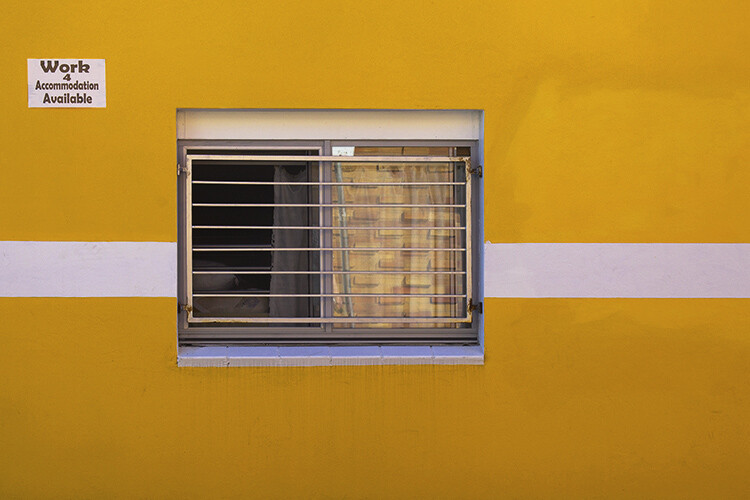
The geometric pattern on the right of this image is offset by the negative space on the left. The relationship balances out the image overall and enhances the bold yellow streak down the middle.

Tips for Minimalist Photography in an Urban Environment

Conclusion

Minimalism has seen a considerable resurgence in recent years, especially in interior design and photography. A wealth of online curatorship means that tags like #minimal and #minimal_perfection unearth fresh, reductionist imagery by the second. Although the overwhelming volume of images may seem contrary to the principals of minimalism itself, the evolution of the modern landscape continues to create a wealth of opportunity for photographic artists looking to branch out or hone their skills in composition.

How do you use minimalist photography with your images? Please share in the comments below.

The post Tips for Minimalist Photography in an Urban Environment by Megan Kennedy appeared first on Digital Photography School.
Digital Photography School

 
Comments Off on Tips for Minimalist Photography in an Urban Environment

Posted in Photography


Secrets in the Shadows: Urban Objects Transformed with Sidewalk Paint

29 Aug

[ By SA Rogers in Art & Street Art & Graffiti. ]

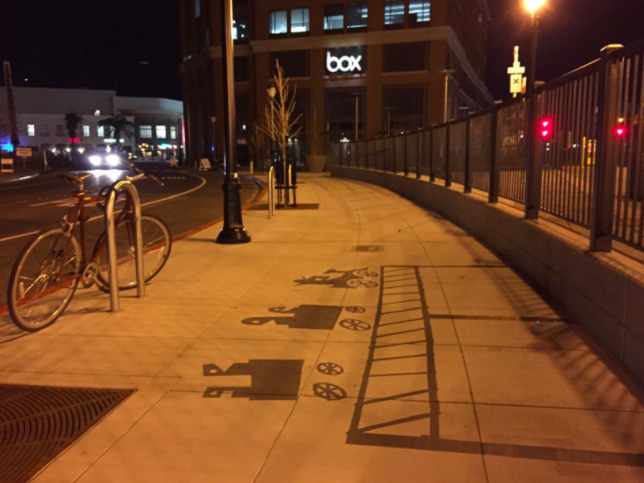
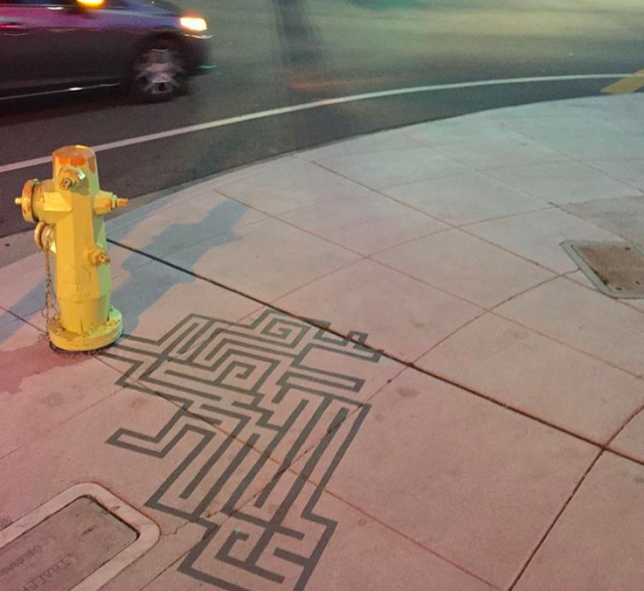
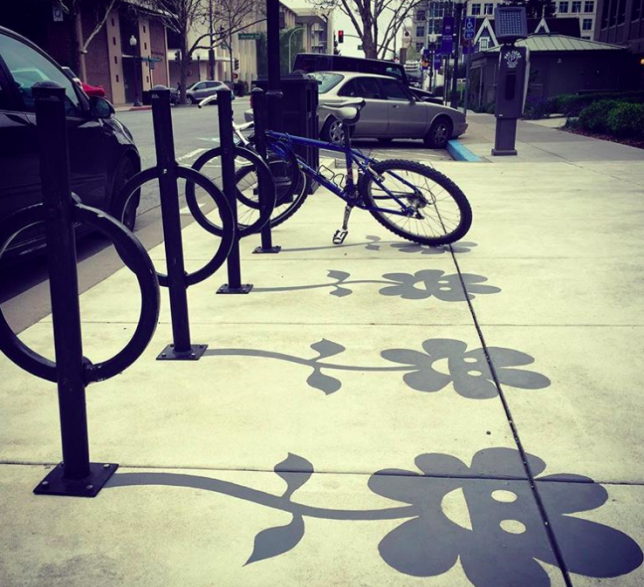
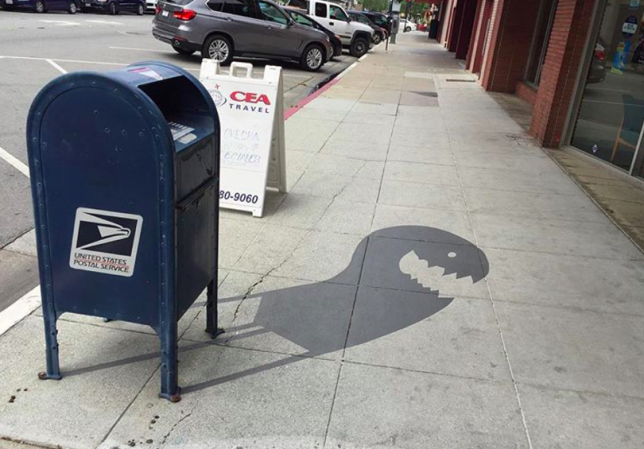
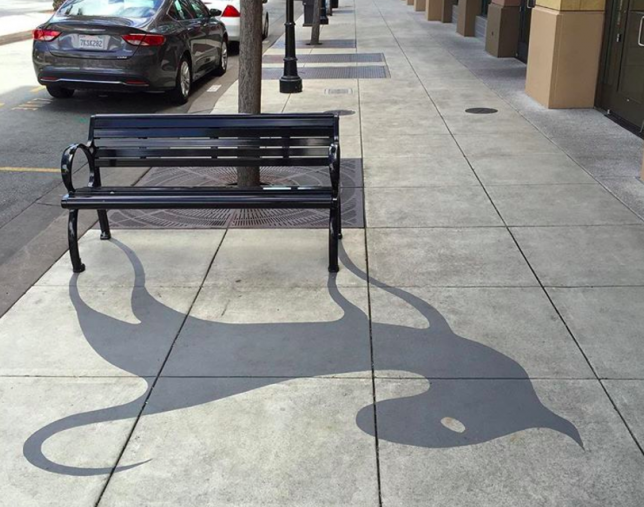
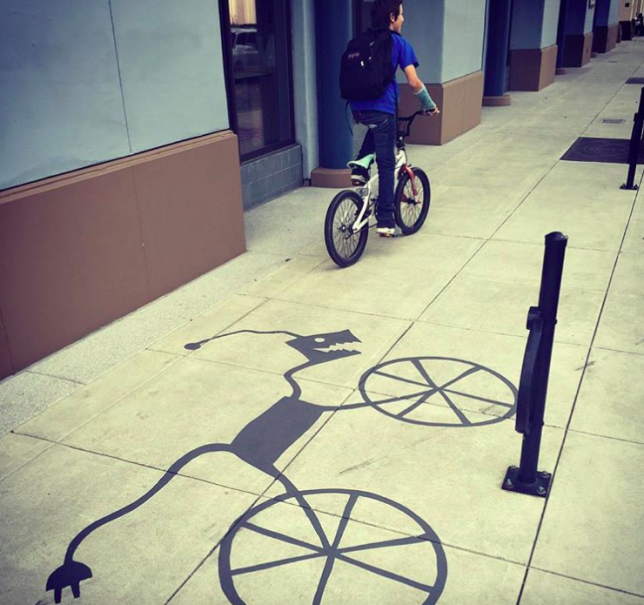
You might not even notice there’s anything unusual about these shadows until you’re right up on them, wondering why in the world a mailbox looks like a grinning monster, fearing that somebody slipped you a psychedelic drug. There’s nothing wrong with your perception of the world. You’re just lucky enough to spot one of Damon Belanger’s shadow art creations in the wild, painted on urban surfaces all over Redwood City, California. Depending on the time of day, the shadows can be surprisingly convincing, catching passersby off guard.

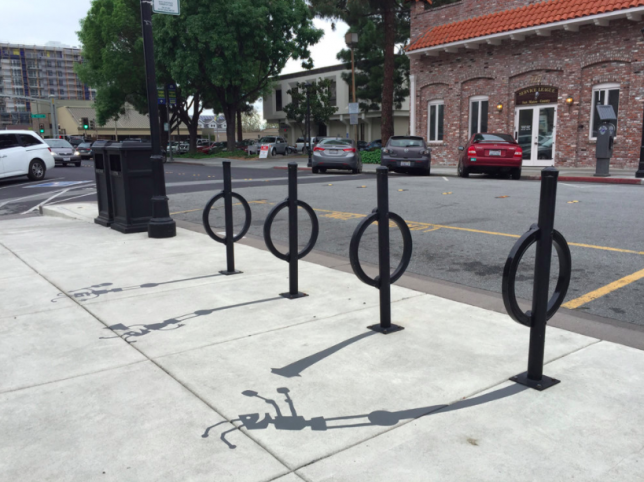
A public bench becomes a cat, a bicycle has a mind of its own and a cartoon train scoots along the top of a fence. A fire hydrant sprouts a maze, and smiling flowers grow from the bases of bike racks. The work was created in partnership with the Redwood City Improvement Association, and though it may be simple, it’s sweet, and a fun way to liven up public spaces. You can see more on Belanger’s Instagram.

“The shadow art has allowed me to bring out a more whimsical side of my art and allows me to play with shadows,” Belanger told the Daily Journal. “The shadows give regular mundane objects a lively spirit so people can have a little fun in their everyday lives.”

Share on Facebook


[ By SA Rogers in Art & Street Art & Graffiti. ]

[ WebUrbanist | Archives | Galleries | Privacy | TOS ]


WebUrbanist

 
Comments Off on Secrets in the Shadows: Urban Objects Transformed with Sidewalk Paint

Posted in Creativity


Plug & Plop: Urban Add-Ons Turn Street-Side Bollards into Seats & Tables

06 Aug

[ By WebUrbanist in Design & Furniture & Decor. ]

Designed to act as barriers, bollards are a common sight in cities around the world — but what if they could engage rather than just separate?

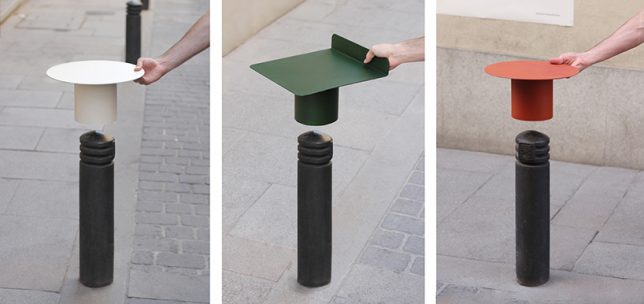
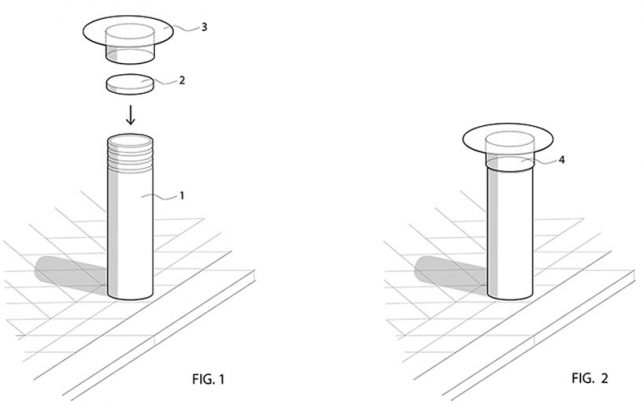
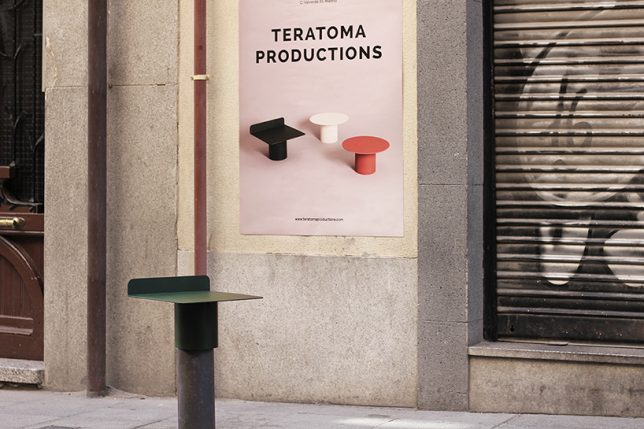
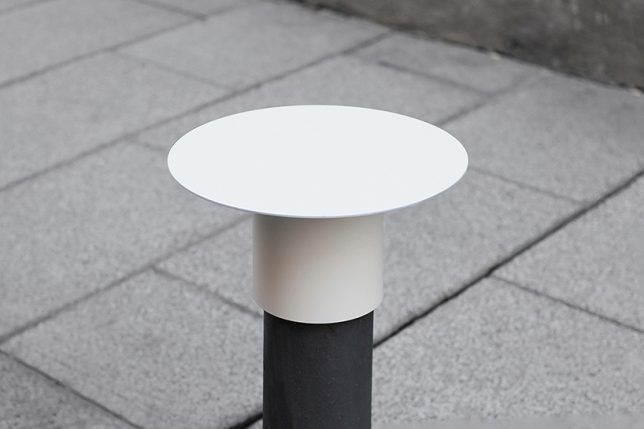
This series of simple additions from Teratoma dubbed PLUG A SEAT aim to transform (or at least extend) the function of the bollard, converting rows of columns into arrays of seating and table space.

The lacquered aluminum surfaces add a bit of color along with functionality, and have a variety of potential applications — they could be affixed permanently, or added temporarily by individuals eating lunch downtown, or deployed during street festivals.

These extenders can also be sized to fit different dimensions of bollard for different metropolitan areas (though one might hope that a future iteration could be able to expand and contract on demand).

In the grander scheme, these kinds of simple guerrilla furniture designs highlight potential new uses for old extant infrastructure. And who knows: maybe bollards will start to lose their original function as self-driving cars take to the streets, but instead of being removed could find second lives serving other purposes.

Share on Facebook


[ By WebUrbanist in Design & Furniture & Decor. ]

[ WebUrbanist | Archives | Galleries | Privacy | TOS ]


WebUrbanist

 
Comments Off on Plug & Plop: Urban Add-Ons Turn Street-Side Bollards into Seats & Tables

Posted in Creativity


NYC Transformed: Graffiti Artist Turns Urban Objects into 3D Cartoons

29 Jul

[ By SA Rogers in Art & Street Art & Graffiti. ]

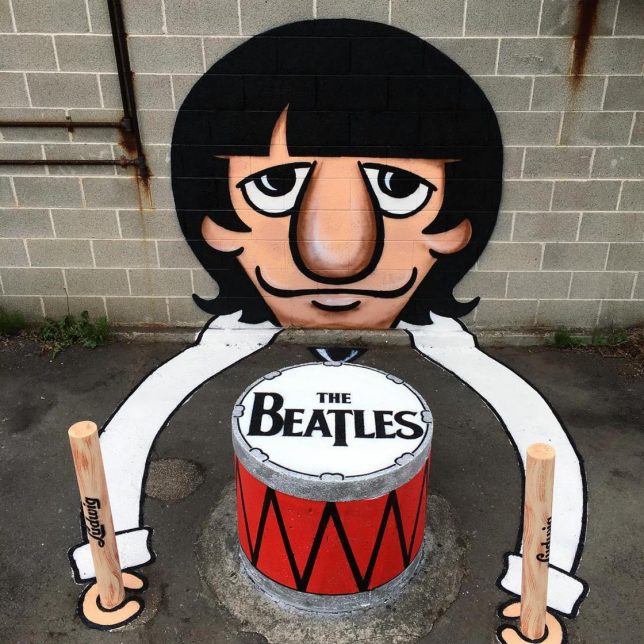
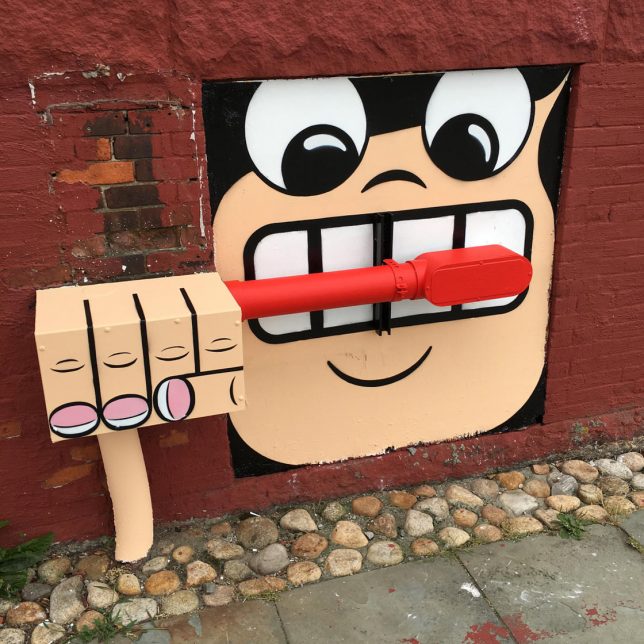
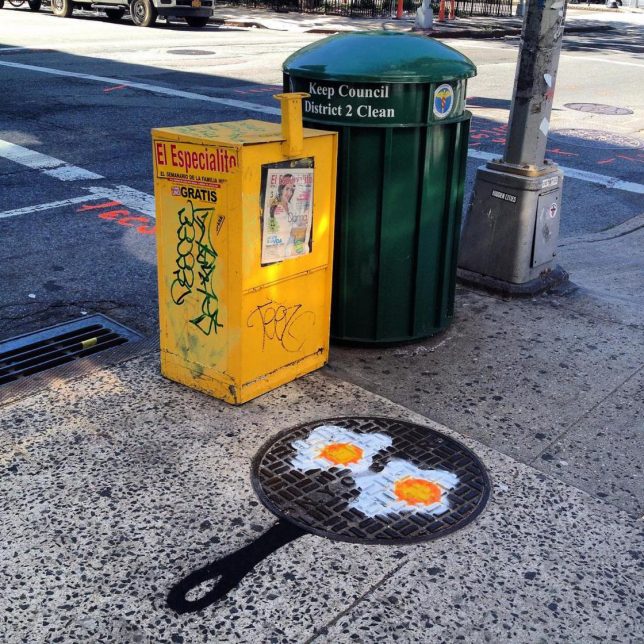
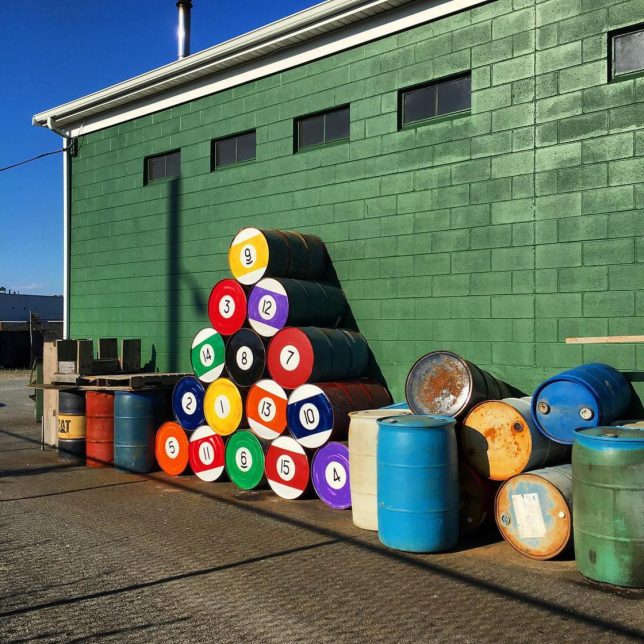
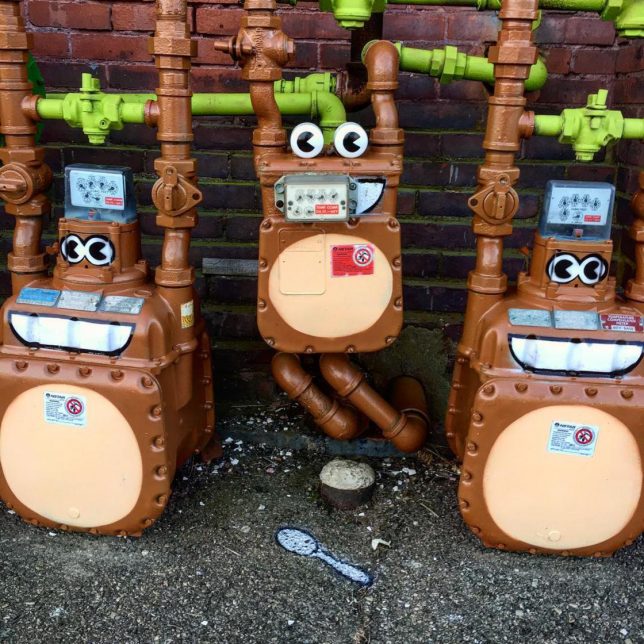
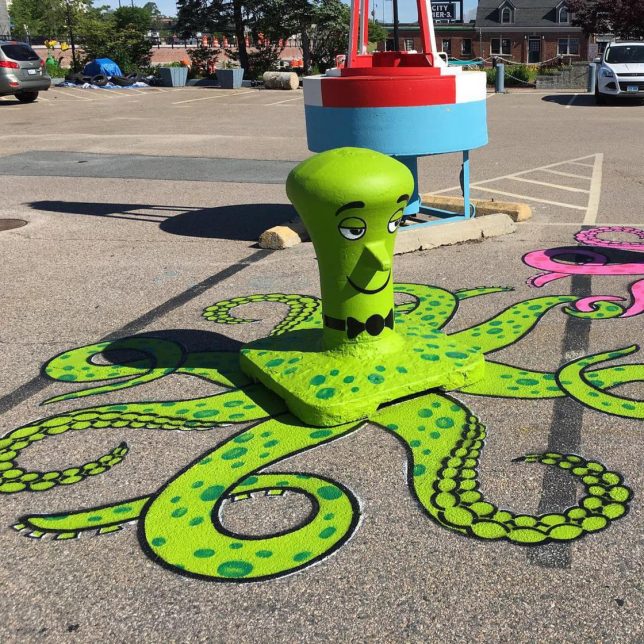
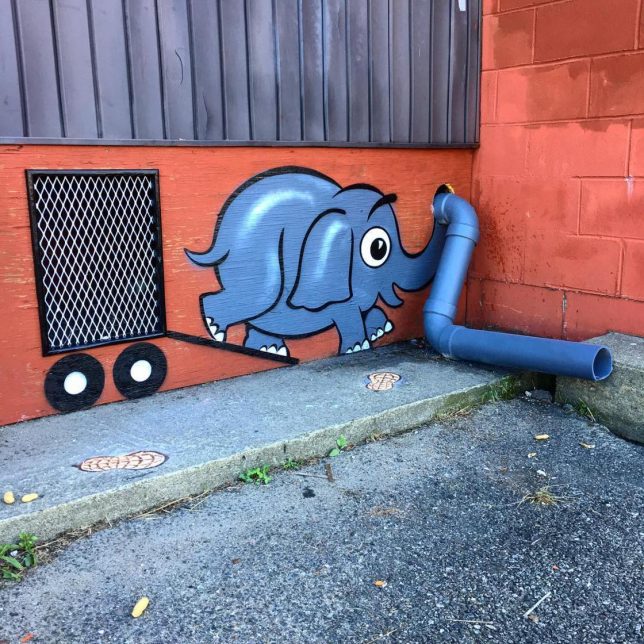
No street grate, pipe, manhole cover, stack of barrels or concrete blob on the beach is too random and irregular to be transformed into a lighthearted cartoon. Street artist Tom Bob looks for the potential in every alleyway, every sidewalk – seeing all sorts of creatures and scenes and bringing them to life in his signature vivid, playful style. You’ll never see street debris the same way.

BEFORE & AFTER ? Found this street sign end post as is. #bartsimpson #after #streetart #cartoonface #bart #simpson #tombobnyc #stencilart #thesimpsons #? #beforeandafter #tombob

A post shared by Tom Bob (@tombobnyc) on

JUMP ROPE GIRL #??#bikerack #jumpropegirl #sillouette #streetart #newbedford #massachusetts #brockavenue #nbma #southend #tombobnyc #publicart #tombob #jumprope

A post shared by Tom Bob (@tombobnyc) on

FLOAT LIKE A BUTTERFLY, STING LIKE A BEE!! ? RIP #muhammadali #thegreatest #boxer #champion #ali #cassiusclay ? #floatlikeabutterfly ? #stinglikeabee ? #streetart #saltspreader #tombobnyc #bumblebee #bee #?

A post shared by Tom Bob (@tombobnyc) on

The artist posts many of his creations on Instagram, sometimes showing before-and-after shots that give us an idea of just how mundane the scenes looked before he arrived with his cans of paint. Abandoned construction equipment becomes giant insects, a squashed traffic cone is roadkill, utility boxes turn into monkeys or crabs. The pieces seem to send a message that fun is wherever you want to find it.

ROAD KILL!! #splat #trafficcone #streetart #tombobnyc #stencil #tombob #stencilart #roadkill

A post shared by Tom Bob (@tombobnyc) on

Quiney #enjoying her @oreo #cookie @buttonwoodpark #nbma #? #oreocookie #manholecover #oreo #manholecover #streeart #stencil #manholecoverart #tombob @hmimoso4 @dlupe #oreocookies

A post shared by Tom Bob (@tombobnyc) on

? If you are in #newyorkcity tonight, come check out this piece I have in a group show @theskinnybar 174 #orchardstreet #les 7-4am curated by @djpumpkin #menatwork #warning #streetsign #roadsign #catching #gator #? #alligator #croc #sewer #sewergator #streetart #tombobnyc

A post shared by Tom Bob (@tombobnyc) on

With everything going on in the world, it’s good to have some levity to balance out the bad. The artist – whose real name is Thomas Bobrowiecki – was born in Massachusetts and earned a Bachelor of Arts degree in Design at Southeastern Massachusetts University.

Share on Facebook


[ By SA Rogers in Art & Street Art & Graffiti. ]

[ WebUrbanist | Archives | Galleries | Privacy | TOS ]


WebUrbanist

 
Comments Off on NYC Transformed: Graffiti Artist Turns Urban Objects into 3D Cartoons

Posted in Creativity


The Art of Tech Living: Amsterdam’s Urban Campsite Lets You Sleep in Sculptures

25 Jul

[ By SA Rogers in Destinations & Sights & Travel. ]

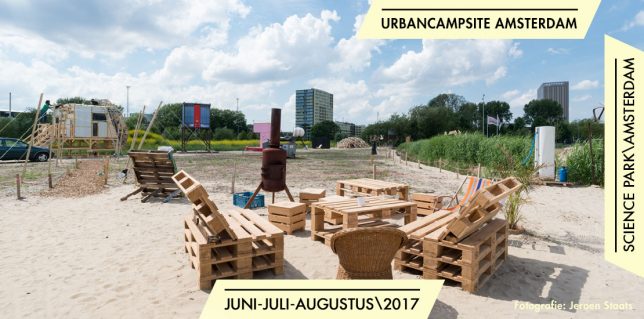
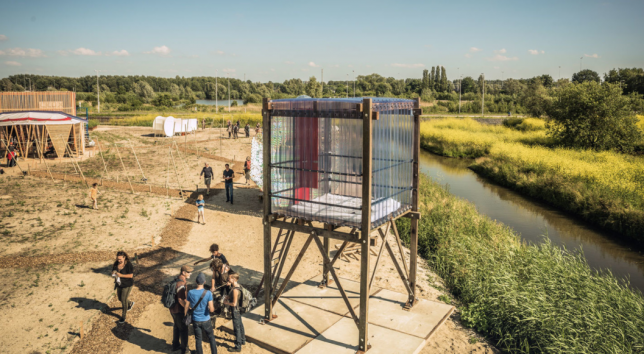
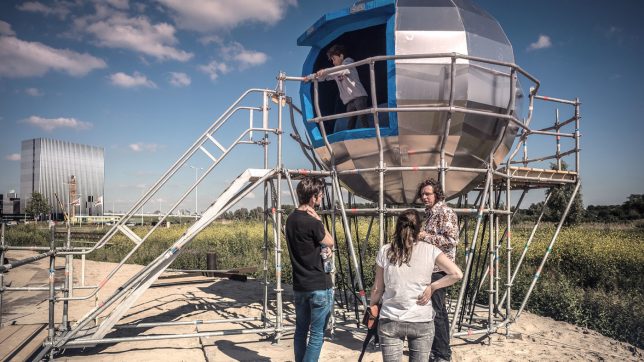
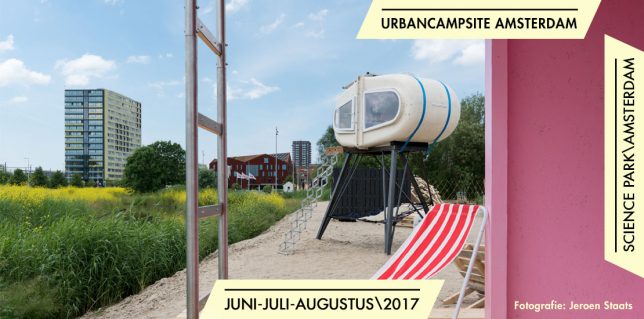
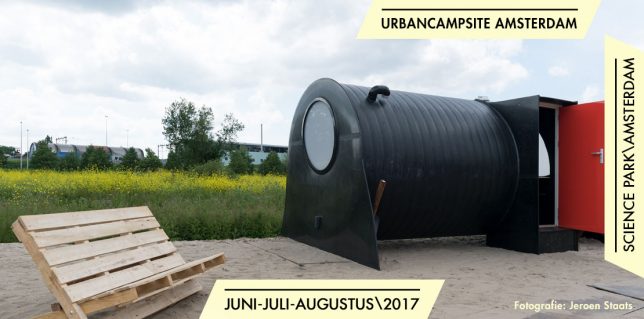
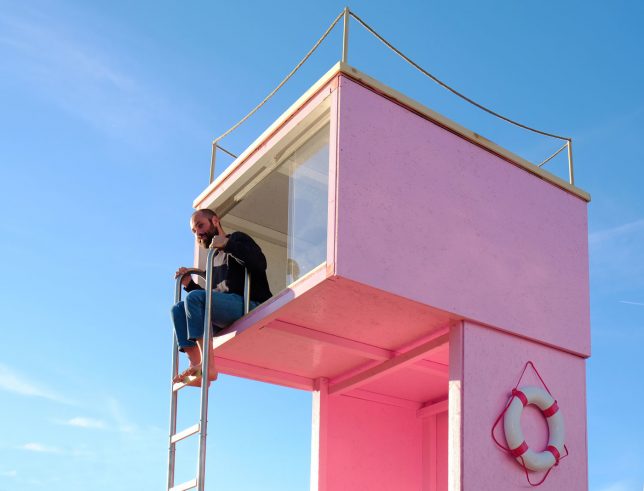
Every year, Amsterdam’s Centrumeiland of Ijburg hosts ‘Urban Campsite,’ a public exhibition of sculptural habitats allowing local residents and tourists can spend the night in mobile sculptures. Designers, artists and architects are invited to create cool structures that are way more interesting than the average tent and install them at Science Park, a new area in Amsterdam-East. This year’s theme is ‘The Art of Tech-Living,’ envisioning how art can give science and technology a little boost of imagination.

“Did you ever feel the urge to sleep in a piece of art? Well, then this is your chance! UrbanCampsite is the place where a camping and unique artistic objects meet. You can stay in beautiful, special, sometimes crazy works of art furnished as a hotel room. The UrbanCampsite offers its guests all the amenities of a normal campsite … and quite a lot more than that!”

Prospective guests book the individual habitats on AirBnB, and each sculpture is fully furnished inside. These ‘sleeping objects’ typically have room for two, though a couple will fit children as well, and they range from 85-120 Euros per night. They’re often made of reclaimed materials like trampolines, shrink wrap, pallets and metallic insulation.

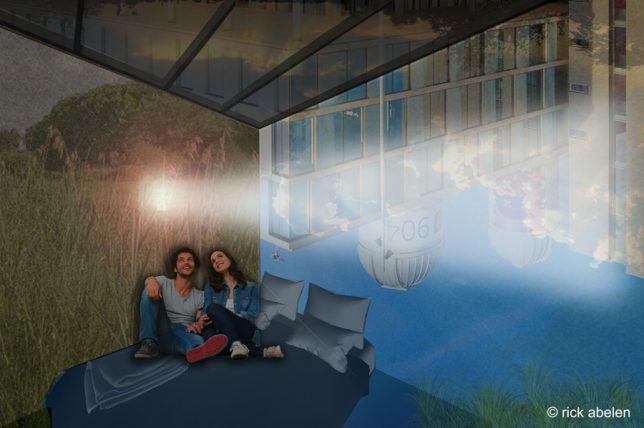
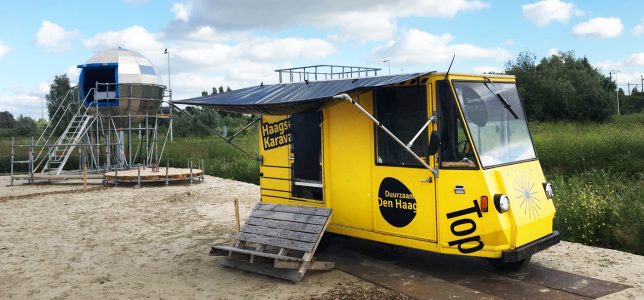
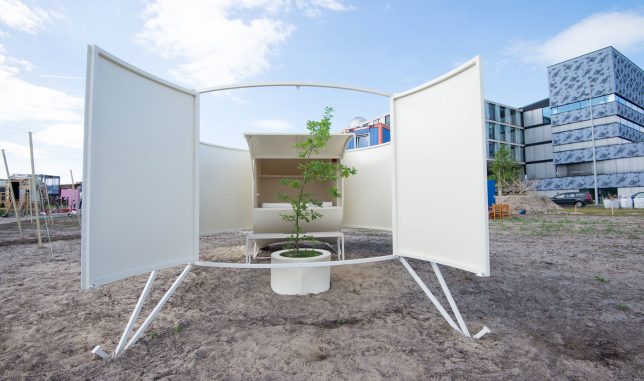
For 2017, the selection of sleeping objects includes a mini monastery with an oak sapling at its center, a giant camera obscura, a Dutch electric car from the 70s once used as a mobile post office, a stargazing lab, a 360-degree rotating research ship and a “luxury bungalow made of a sewer tube,” among others.

“Waiting for Water” by Stefanie Rittler and Sascha Henken, for example, bills itself as a humorous view on climate change, saying “The sea water level is constantly rising. Should we wait or change something?” In any case, you can enjoy the views from the upper-level bedroom while the exhibition is still safe on dry land.

Share on Facebook


[ By SA Rogers in Destinations & Sights & Travel. ]

[ WebUrbanist | Archives | Galleries | Privacy | TOS ]


WebUrbanist

 
Comments Off on The Art of Tech Living: Amsterdam’s Urban Campsite Lets You Sleep in Sculptures

Posted in Creativity


Kowloon Walled City: Drone Photos Reveal a Re-Growth of Urban Density

15 Jun

[ By SA Rogers in Drawing & Digital. ]

Once notorious both for its lawlessness and a maze of urban density so intense that sunlight couldn’t penetrate to its lowest levels, Kowloon Walled City was demolished in the 1990s, but a new version of it is rising from the ashes. Standing in stark contrast to the modern towers of Hong Kong just beyond its borders, Kowloon was an autonomous ‘city of anarchy’ built up from the ground like lasagna. 500 buildings were packed into less than seven acres, and there were no municipal services like trash collection or running water.

Outsiders called it the City of Darkness, and it certainly had a squalid appearance, but former residents remember it with fondness as a friendly and tight-knit community where everyone worked together to uphold their own poor but inventive society. But Hong Kong (and later, Britain – check out our previous coverage for the history) wasn’t too fond of the fact that it was run by the mob and packed with gambling dens and brothels, not to mention concerns about its structural soundness. So in 1993, all 50,000 inhabitants were cleared out and the whole thing was razed to the ground.

In its place came a 330,000-square-foot park full of paths and pavilions named after the city’s former streets and buildings. Ponds, gardens and floral walkways took the place of layer after layer of haphazard architecture. That park is still there – but it seems that the wild profusion of growth associated with Kowloon’s spirit couldn’t be contained. It may be modernized, with orderly rows of skyscrapers instead of a labyrinthine network of mismatched towers, but it’s growing more packed every year, and this level of density is creeping into the rest of Hong Kong, too.

Photographer Andy Yeung proves as much with his new drone photography series, Walled City. “The Kowloon Walled City was once the densest place on Earth. Hundreds of houses stacked on top of each other enclosed in the center of the structure. This notorious city was demolished in 1990s. However, if you look hard enough you will notice that the city is not dead.”

“Part of it still exists in many of current high density housing apartments where the only view out of the window is neighbor’s window. I hope this series can get people to think about claustrophobic living in Hong Kong from a new perspective.”

See the whole series at Andy Yeung’s website or on 500px.

Share on Facebook


[ By SA Rogers in Drawing & Digital. ]

[ WebUrbanist | Archives | Galleries | Privacy | TOS ]


WebUrbanist

 
Comments Off on Kowloon Walled City: Drone Photos Reveal a Re-Growth of Urban Density

Posted in Creativity


Urban Blinds: Skyline Curtains Turn Bright Days into Dark City Nights

28 May

[ By WebUrbanist in Design & Furniture & Decor. ]

Casting pixelated patterns into day-lit rooms, these shades swap boring views (or overly bright days) for iconic scenes of metropolises at night.

This particular set by HoleRole features famous structures from cities like Manhattan (the Chrysler) and London (the “Gherken”).

In each piece, minimal geometric windows and pinpoint stars on black prompt observing eyes to complete each picture, but theirs is not the only (or first) approach to urban curtain design.

Aaalto+Aalto designed a similar series (Better View) some time ago but with a few key differences. For one thing: by varying the sizes of the perforations, their built landscapes take on more dimension. Implied curves as the windows recede, for instance, allow the flat surface to appear warped (as illustrated above).

Also, the larger holes let some details shine through from the background. While visible window elements and natural scenery can be identified with inspection, they also serve to animate the scenes — instead of a black-and-white image, additional details make it seem like there are objects or activities filling in the windows. The net effect adds a bit of character and fun unpredictability.

Of course, none of these are true “blackout” curtains in the traditional sense, but for mood lighting during the day they are certainly a bit more interesting when total darkness is not required.

Share on Facebook


[ By WebUrbanist in Design & Furniture & Decor. ]

[ WebUrbanist | Archives | Galleries | Privacy | TOS ]


WebUrbanist

 
Comments Off on Urban Blinds: Skyline Curtains Turn Bright Days into Dark City Nights

Posted in Creativity


7 Tips for Urban Landscape Photography

22 Apr

When you ask people what is landscape photography they have no trouble defining it. But ask what urban landscape photography is and you will get conflicting answers. People have an idea, but often don’t really understand what it is, or how to go about doing it. One of the first things to do is work out what it is, and then how you can do your own urban landscapes.

7 Tips for Urban Landscape Photography

Urban landscape photograph, taken in the early evening from a rooftop looking back towards the city.

What is urban landscape photography?

Before you can start taking specific urban landscape images it is good if you understand what it is. If urban refers to cities and towns, then it is generally understood that landscapes of these would be defined as that. Any image within those places where humans live, work and play would be considered in that category.

Cities are very popular for this kind of photography. You will find that many of you are already doing urban landscapes, especially when you travel. However, when you ask others what it is you are often told cityscapes. Yes they are, but there is so much more to the genre than that.

Here are seven tips to help you get better urban landscapes and, hopefully, help you to understand what it is as well.

1 – Street photography

Street photography can fall into two categories, one is street portraits, and the other looks more at the scene and what is going on. The first is not what you would typically find in urban landscapes, but the second is.

Look for scenes where people are, groups, or individuals, but place them in their environment so you get a context of where they are and what is happening. You could photograph people shopping and take a look at consumerism. Perhaps go to sporting events and photograph how people carry on at them. There are parks where people may be sitting on their own with no one around. Anywhere that people hang out is going to make for some interesting urban landscape photography.

7 Tips for Urban Landscape Photography

A street scene showing the landscape and what people are doing in it.

2 – From above

There are many ways to photograph above the city now. You can see the tops of the buildings looking straight down to the streets below. You can get amazing views that are unique.

Observation decks allow you to look down onto the city. They aren’t always easy to shoot from, as you sometimes have to take photos through glass or some sort of security mesh.

Another way is a helicopter ride over a city. It is an option that many cities offer now. You can take a 15-minute ride if you want to pay for it. If you are lucky to live somewhere like Melbourne, you can also take early morning balloon rides over the city. You will get some views of the city that are available no other way.

7 Tips for Urban Landscape Photography

A view from above, this was taken from Eureka Deck, an observation deck looking over Melbourne.

3 – Long exposure photography

Without a doubt, there aren’t many types of photography that long exposures don’t suit. You can use it for individual buildings or for groups and streets. It allows you to create some magical scenes.

The most common one that people think of is using Neutral Density filters so you can get very long exposures, anything from 30-seconds to several minutes. They can help create movement with getting blurred clouds, or you can remove people and cars from streets. You can get some interesting effects with the filters. Whether you use it for one building or many, and over water you will get some different images.

7 Tips for Urban Landscape Photography

A long exposure of Melbourne taken across the river.

4 – Night photography and light trails

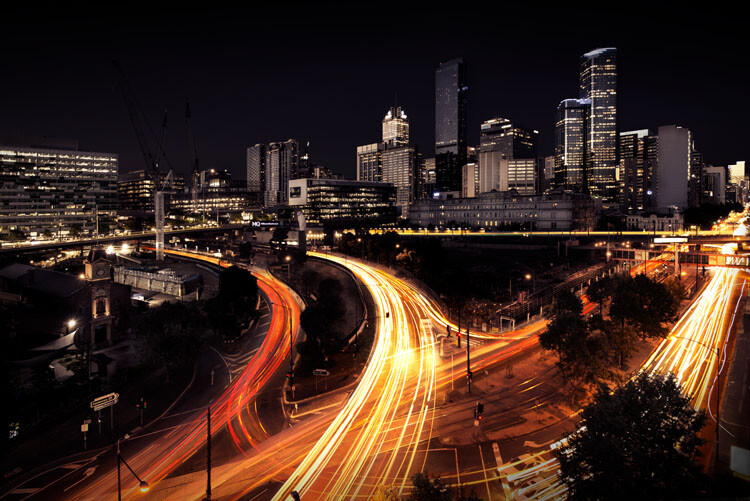
Night photography is another way. Urban environments are great when the sun goes down. As the lights come on you can get a completely different view. The camera will pick up a lot more than you can see with your eyes. Depending on how bright or dim it is you may be able to take some exposures for a minute to two, even longer.

You can also get great light trails at night. Look for interesting streets that have some great buildings in the background that you can use when capturing the trails.

7 Tips for Urban Landscape Photography

Light trails of cars moving around captured during the night.

5 – Interesting architecture

Every city strives to build interesting buildings. Architects like to show off as much as anyone. No matter where you are, see if you can find the most interesting structures to photograph.

You could figure out why a building was designed for an area; if there is something unique about it. Churches were often built on hills so the congregations were still looking up to them when they weren’t attending.

Look for buildings that are nestled in with others that are very different. Perhaps there is an old building somewhere that is surrounded by new ones. Scenes like that can give your images an interesting story.

7 Tips for Urban Landscape Photography

One of the most distinctive buildings in Melbourne, Flinders Street Station.

6 – Weather and seasons

People often forget how a city or town can look completely different in each season and how the weather can change it as well. If you only go to a place once, you don’t get a lot of choices. But if you live or visit them often then you can get a wide variety of shots when you photograph it at other times and in various conditions.

Throughout the year, the seasons will give you numerous opportunities to get scenes that are unique to that time. Autumn will have the colors, so any trees in the streets or parks can make them colorful. Winter will have people rugged up against the cold and public places are empty. In summer everyone is in lighter clothing and those same spaces are filled with people. Consider what sort of photos you want and then choose the season accordingly.

Rain, hail or shine, well perhaps not hail, but each will give your urban landscape a distinct look. The weather is not something you can control but you can take advantage of it. Photos of cities that are white from the snow can be magical. Rain will make all the surfaces reflective and make it look bigger and shinier. Don’t underestimate how much bad weather can make your photos that bit different.

7 Tips for Urban Landscape Photography

Rain has given Hosier Lane a shiny appearance.

7 – Leading lines

Bridges are beautiful, but they can be used for so much more than traveling. They can be the perfect way to help your viewer enter your image. Leading lines are fantastic for helping your audience know where you want them to look. Though bridges are one type, there are lots of others as well.

Really anything that will lead people into an image will work. Look for roads that enter and leave cities and towns. Using the light trails of cars or other vehicles can be great for the same thing. Don’t just think road and bridges, consider train tracks, a moving bus, anything that will take or point your viewer to the area where you want them to focus.

7 Tips for Urban Landscape Photography

Using the bridge as a leading line to take you into the early morning light in Melbourne.

Taking the tips

You don’t have to do all of these, but using one or a few will help you get good urban landscape photography images. Consider what you are taking and think about the environment around you. Make the most of it and give your images a purpose.

Share your urban landscape photography in the comments below!

The post 7 Tips for Urban Landscape Photography by Leanne Cole appeared first on Digital Photography School.

Digital Photography School

 
Comments Off on 7 Tips for Urban Landscape Photography

Posted in Photography


Underpass Art & Parks: 15 Fun Projects Reclaiming Disused Urban Space

13 Apr

[ By SA Rogers in Architecture & Cities & Urbanism. ]

Climbing walls, skate parks, art installations, theaters and even miniature marinas take advantage of the cathedral-like spaces beneath highways and bridges, revitalizing formerly disused and depressed square footage in urban areas. In cities around the world, underpasses are often fenced off, strewn with trash and generally unappreciated, but these intervention projects reclaim the space in fun and creative ways that benefit the community.

Folly for a Flyover by Assemble, England

“Starting with the idea that how spaces are imagined is often as important as their physical characteristics in determining their use, the Folly reclaimed the future of the site by re-imagining its past,” says ASSEMBLE of its ‘Folly for a Flyover’ installation beneath a disused motorway underpass in Hackney Wick. “The new ‘fairy tale’ for the site described the Folly as the home of a stubborn landlord who refused to move to make way for the motorway, which was subsequently built around him, leaving him and his pitched roof stuck between the East and Westbound lanes. The Folly hosted an extensive program of cinema, performance and play… by day the Folly hosted a cafe, events and boat trips exploring the surrounding waterways; at night, audiences congregated on the building’s steps to watch screenings, from blockbusting animation classics to early cinema accompanied by a live score.

A8ernA, Zaanstad Underpass Installation by NL Architects

Another underpass project offering access to the adjacent waterway is A8ernA by NL Architects, located on the river Zaan in the Zoog aan de Zaan village near Amsterdam. The architects describe the new highway, built on columns, as a “brutal cut in the urban tissue.” Their installation attempts to heal this cut while taking advantage of the cathedral-like space, creating an “optimistic intervention” encouraging a new type of urban life, and includes a supermarket, flower and fish shop, parking, a park and a ‘graffiti gallery.’ There’s also a skate bowl, a mini-marina, a soccer field and a small hilly park.

Underpass Park, Toronto

Toronto’s Underpass Park is not only the most extensive park to ever be built beneath an overpass in Canada, but one of the most unusual parks of its kind throughout the world. Transforming a derelict and underused space into a new urban neighborhood feature and pedestrian passageway, the park turns what was formerly a barrier between the north and south parts of the community into a connection. Murals by world-renowned graffiti artists, playgrounds, sculptural installations, sports fields and other amenities draw locals in to engage with the space on an unprecedented level.

Ballroom Luminoso Installation by JB Public Art, San Antonio

The I-35 freeway underpass in San Antonio briefly became ‘Ballroom Luminoso’ thanks to a public art installation by JB Public Art, featuring six color-changing chandeliers made of recycled bicycle parts and sprockets. After dark, the lanterns would light up, casting intricate gear-shaped shadows all over the concrete structure.

Seattle’s Fremont Troll

Frequently popping up in movies and television shows set in Seattle, the Fremont Troll is a public sculpture by four local artists set beneath a bridge in the Fremont neighborhood. The piece won a neighborhood competition in 1990 as an idea to revitalize what was, at the time, a dumping ground. The troll sculpture is clutching an actual Volkswagen Beetle.

Next Page – Click Below to Read More:
Underpass Art Parks 15 Fun Projects Reclaiming Disused Urban Space

Share on Facebook


[ By SA Rogers in Architecture & Cities & Urbanism. ]

[ WebUrbanist | Archives | Galleries | Privacy | TOS ]


WebUrbanist

 
Comments Off on Underpass Art & Parks: 15 Fun Projects Reclaiming Disused Urban Space

Posted in Creativity


Dockless Bike Shares: Convenience of Uber & Car2Go for Urban Cyclists

08 Apr

[ By WebUrbanist in Technology & Vehicles & Mods. ]

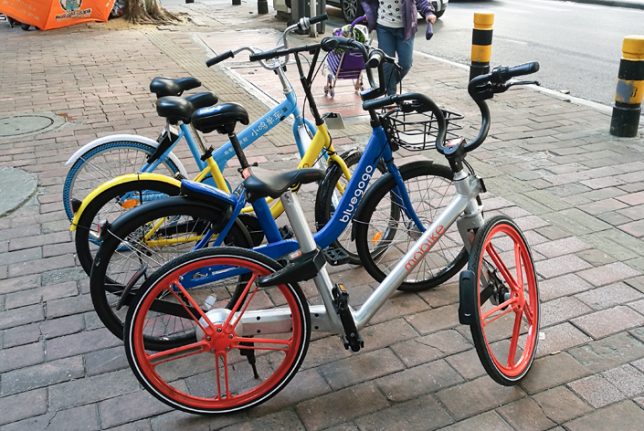
dockless share

Promising the convenient pick-ups of Uber (found all over) and drop-offs of Car2Go (which can be parked anywhere), new cycle-sharing services aim to overturn paradigm of dock-to-ride-to-dock. A single company in China has already put more than a million such bicycles on the streets. Users simply pull up an app to locate the closest bike then unlock it digitally (by scanning a QR code) and head on their way.

Anyone who has used dock-based bike sharing systems know they come with problems — they might not be close by, or could be filled (when you’re dropping off) or empty (when you’re picking up). On the automobile front, similar issues with some sharing companies have been solved by allowing users to leave cars wherever they want. This can result in concentrations of cars, though, that need to be spread back out — and a similar problem exists for bikes.

While small but similar programs exist elsewhere, The Guardian describes the problem as it has unfolded in China: “Seven hundred miles to the south-west, on the streets of the fast-growing Pearl River manufacturing hub of Guangzhou, the colourful dockless share bikes are everywhere. They are parked up by the hundred outside shopping malls and metro stations, often blocking the pavement; others, rendered useless by missing saddles, broken locks.” In other places, the shared bikes are piled up in alleys and vacant lots.

Some companies believe that docking stations are the long-term solution, but others continue to experiment with alternative approaches, like: marking out preferred spots on the sidewalk then adding or deducting credits based on bike drop-off placement. For now, though, these reports have to be done manually, relying on crowd-sourced participants. As GPS gets more accurate, though, it may be possible to do this automatically. In a way, this method would replace physical stations by creating virtual ones in the form of acceptable micro-areas on the digital map.

Share on Facebook


[ By WebUrbanist in Technology & Vehicles & Mods. ]

[ WebUrbanist | Archives | Galleries | Privacy | TOS ]


WebUrbanist

 
Comments Off on Dockless Bike Shares: Convenience of Uber & Car2Go for Urban Cyclists

Posted in Creativity