RSS
 

Posts Tagged ‘travel’

The Worst Mistake a Travel Photographer Can Make

31 Mar

As a travel photographer and photography teacher, I meet a lot of photographers on a daily basis. Whether they’re amateur or pro, newbie or experienced, first-timers or old-timers, they often have one thing in common: too much gear.

The pro shooters who join me on my photography tours in Southeast Asia tend to look more like pack mules than people: they’re loaded with lenses, lights, filters, and a veritable menagerie of photographic accoutrement – you know, the kind of gear that makes you look like you know what you’re doing.

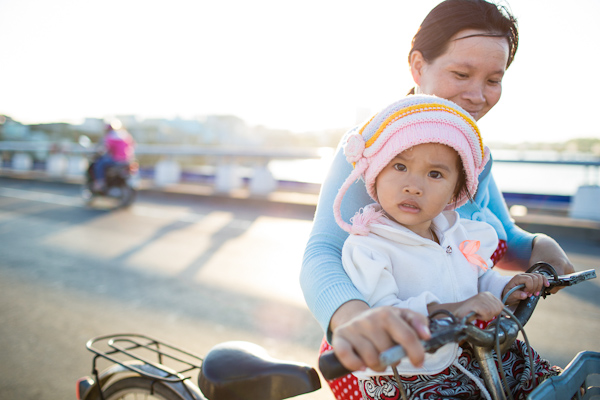
Travel photography mistakes 02

Being comfortable with your equipment allows you to compose your images better and faster.

The problem? None of them ever use any of the gear they’ve broken their backs to bring!

Ok, fine, there might have been one guy, one time, who made it a point to use every single lens he’d brought with him. But normally I see people sticking to one or two lenses per shooting session, never giving the extra gear a second thought. This is actually a really good thing, and all the more reason to ditch the extra baggage, and rely on one or two lenses alone.

Why am I so anti-gear?

1. Gear is heavy!

How are you going to move your feet, get down low, and capture your subject during the millisecond when the light is just right?

The first thing I teach beginning photographers is to get moving – move quickly, get close to your subject, and don’t be a lazy photographer. When you’re weighed down with kilos (pounds) of heavy gear, you’re not free to respond as each moment arises.

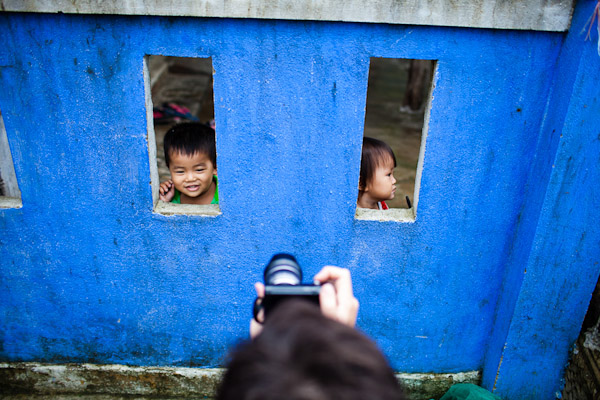
Travel photography mistakes 01

Having less gear allows for freedom of movement and enjoying interaction with the locals.

2. Gear is expensive!

I don’t mean you shouldn’t buy it because it’s expensive; I mean you shouldn’t bring it because it’s expensive.

As a travel photographer, I’m often in remote parts of the world where getting your gear stolen or damaged is a very real possibility. You can’t focus on the photo you’re taking, if you’re constantly worrying about your stuff getting jacked.

3. Gear is distracting!

If you have one or two lenses with you at any given time, your choice in a shooting situation is simple – A or B. If you’re hauling around 12 different lenses, you’ll not only face a major crisis every time you want to take a photo; you’ll feel the need to constantly switch lenses precisely because you brought so many lenses in the first place.

You’re also much more likely to use the wrong lens, in the wrong situation, just because it’s there. Bring less gear and eliminate the chance of making silly mistakes by 300%.

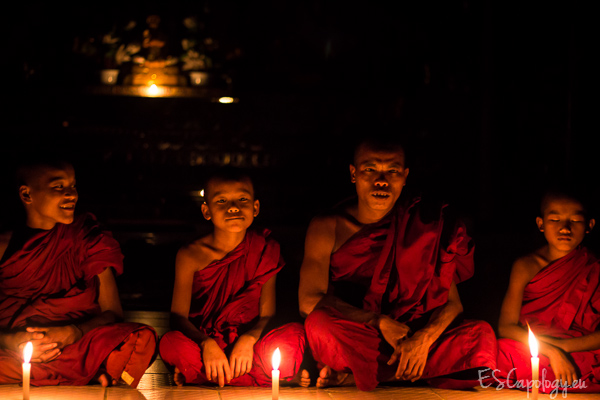
Travel photography mistakes 04

Keeping the same lens allows to react faster and more flexibility.

4. Gear makes you lazy!

I think of gear like a crutch. Instead of improving your skills, you become a slave to the latest and greatest gadget, thinking it will improve your craft. The thing about gear is that it takes years, even decades, to learn how to use a single piece of equipment masterfully. After 20 years of shooting with a certain lens, your brain begins to think in terms of its focal length. You effectively merge with the lens, become it.

That’s basically a hippy-dippy way of saying you should be a gear monogamist. Sure, you might play the field every once in a while, experimenting with a 35mm or 100mm lens, but you should remain faithful to your main squeeze in order to truly master her.

My main squeeze for the past three years has been a 50mm lens. Once in awhile I also use my 35mm and 100mm lenses, and it’s this trio that I plan to focus on for at least another decade in order to fully master their potential.

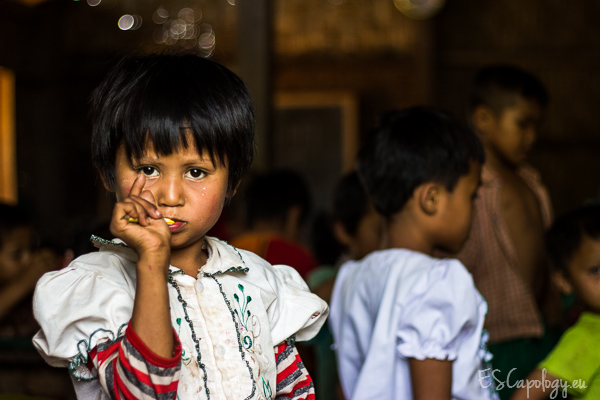
Travel photography mistakes 03

Knowing your equipment allows you more anticipation for better results in your composition.

A true travel photographer, or any photographer for that matter, is one who can capture a moment and communicate with his or her audience without the burden of a crap ton of gear. You’re much better off choosing one or two lenses and mastering them than you are having 17 lenses you can only sort of use.

All the photos in this article were taken during my photography tours in South East Asia.

How much gear do you bring with you on a shoot? Which lens can’t you live without?

Share your thoughts in the comments below.

The post The Worst Mistake a Travel Photographer Can Make by Etienne Bossot appeared first on Digital Photography School.


Digital Photography School

 
Comments Off on The Worst Mistake a Travel Photographer Can Make

Posted in Photography


Olympus brings PEN style and 5-axis IS to Stylus SH-1 travel zoom

31 Mar

OLYMPUS_SH-1_SLV_Rside.png

The Olympus Stylus SH-1 may look like a PEN mirrorless camera, but it’s actually a compact travel zoom. But it has inherited a pretty big feature from the PEN: 5-axis image stabilization. Other features of note include a 16MP BSI-CMOS sensor, 25-600mm equiv. F3.0-6.9 lens, touchscreen 3″ LCD, limited manual control, 1080/60p video, and built-in Wi-Fi. It will be available in May in black, white, and silver for under $ 400.

News: Digital Photography Review (dpreview.com)

 
Comments Off on Olympus brings PEN style and 5-axis IS to Stylus SH-1 travel zoom

Posted in Uncategorized


10 Ways to Improve Your Travel Photography Portraits

05 Mar

Last year I travelled all across South East Asia – a trip which not only expanded my personal horizon, but also helped to immensely improve my photography. At the beginning of my trip, my biggest struggle was taking good portraits. The problem wasn’t the lack of opportunities; I encountered incredible and the utmost photogenic scenes around almost every corner. Instead, it was that I just felt too shy or not confident enough to get close to my subject.

I had lots of excuses which might sound familiar to you: “I don’t want to disturb the moment”, “I don’t want to intrude on people’s privacy” or “It’s just a game of luck and chance anyhow”. It was frustrating and I knew that, despite all of the excuses, this was something I really had to work on. By lots or trial and error, and the help of some amazing photographers I met on the way, I gained some important insights on how to bring my people photography to a whole new level. I want to share these and hopefully help you overcome that awkward feeling and false reservation you have when photographing people.

Travel Photography Portraits 01

10 Ways to Improve Your Travel Photography Portraits

#1 Be ready

This is very basic and obvious, but so important. People photography is about brief moments, a glimpse which is normally not replicable. You are not doing landscape photography which leaves you with all the time you need. So have your lens cap off, have your camera switched on, be prepared to adjust settings and BE READY.

Travel Photography Portraits 06

Being ready to capture that one, special moment

#2 Get close

If you are unhappy with your portraits or if they looks boring, it is probably because you are too far away. I know it feels awkward to get really close to someone you don’t know, especially in a foreign country. It seems so much easier to break out your big lens, zoom in and just click away, hoping that your subject won’t notice you. Unfortunately this won’t work.

If you want to have crisp, sharp and extraordinary images which tell a story and leave your audience in astonishment, you have to overcome your shyness and get close. This will help to add more details on your subject’s face, increase sharpness and focus on only one or two elements. The viewer will automatically understand more about your image. Moreover, getting close will put you in control of things: the lighting, the background, the composition and the depth of field. These factors are so vital for a good portrait and so much easier to adjust when you are close to your subject.

Travel Photography Portraits escapology 11

Get close to your subject to control your image

#3 Practice approaching people

Travel Photography Portraits escapology 01

Learning to approach people with the right attitude – the secret of good portraits

You might think “That sounds great, but how do I get close to people?” This leads us to the biggest challenge in people photography, which has nothing to do with photography itself: dealing with people. Are you comfortable walking up to strangers, making small talk, then asking, “Can I take your picture?”

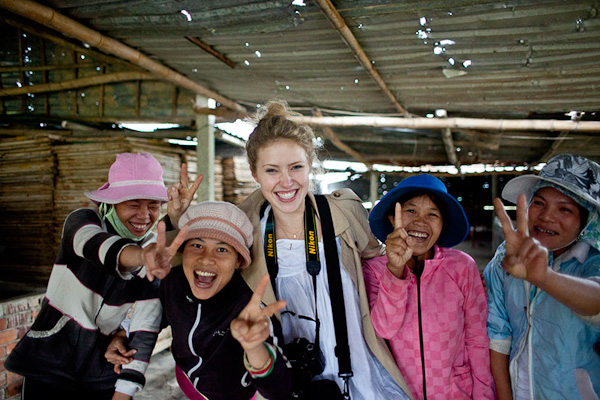
If not, the good news is, it’s something you can practice just like everything else in photography. It is all about your attitude and how you approach people. Get in contact, have a positive attitude, talk, and most importantly smile. Don’t be afraid of intruding on people’s privacy. Particularly in South East Asia the concept of privacy is totally different from ours in the West. Approaching strangers and asking very personal questions is considered perfectly normal. Open yourself and people naturally respond in the same manner. In short, don’t be shy, adapt to the local culture, get to know people, make friends and you will take better pictures.

#4 Learn the basics of the local language

How do you approach people if you don’t speak their language? I will let you in on a secret. It’s actually even easier to approach people if you DON’T speak the same language. It’s a great place to start since it is then not so much about WHAT you speak, but HOW you speak and the energy you give off. Learning a few words and phrases in the local language will go a long way to helping you approach people, and it doesn’t take much effort to learn. From my personal experience the six most important phrases you should learn beforehand are:

  • Hello, how are you?
  • My name is …?
  • I am from …?
  • What is your name?
  • Thank you!
  • Beautiful!

The last one will put a big smile on people’s faces after you have taken that nice portrait and show it to them. Get a small phrasebook. You can look up phrases when you need them or practice on longer bus rides. Ask your receptionist, taxi driver or local travel agent how to pronounce words. Don’t be afraid to make mistakes. It’s fun and will not only help to approach people, but also make your whole travel experience so much more worthwhile.

Travel Photography Portraits escapology 12

Knowing a few phrases in the local language can go a long way

#5 Smile – smile a lot!

Even if you don’t know any words or phrases, make sure to smile. A smile can go such a long way. If you are grumpy and angry because you are not getting your shots right, it will put people off and no one will want to go near you, and definitely won’t want to get their picture taken by you. When you come home from a photo walk, your mouth and cheeks should hurt from all the smiling.

Travel Photography Portraits 05

A smile can go a long way

#6 Take your time

Once you have made contact and established a good vibe, it is time to take your picture. Take advantage of all the “work” you have put in and take your time. It would be a shame to just hectically click away once or twice now. Be calm, think about the light, about what you want to emphasize (the eyes, the hands or the person itself) and about the background.

Since you are close to your subject now, you can control all of these things. Take a deep breath and try a couple of shots, maybe switch angles and try different things. By doing this, you will notice that your subject will also become more relaxed and get used to the camera. There is no need to rush. A rushed photo is usually never a good one.

Travel Photography Portraits 04

Waiting for the right moment is usually worth it

#7 Get moving

Reality can be quiet boring. There might be things in your scene that are boring or disturbing. We already talked about taking your time. Make use of it and arrange the scene to your needs, change angles, get moving. Don’t be lazy. You can eliminate things or include things just by moving around a little bit. Don’t just rely on the zoom.

Travel Photography Portraits 07

Move to create the image you had in mind

#8 Get a 50mm lens

What helped me to counter my laziness and actually get moving was the purchase of a 50mm prime lens. If you don’t have one in your bag yet, buy one. It is the one piece of equipment that boosted my creativity and the quality of my images almost instantly. You will not only learn to move more but also open your eye for new perspectives.

Travel Photography Portraits escapology 03

A 50mm lens to boost your creativity – give it a try

#9 Start with kids and people that are doing something

If you feel shy but are still willing to practice approaching people and getting close, start off with photographing kids and people that are doing something. Kids are easy to photograph. They usually love getting their picture taken, posing and never get bored doing so. I found it very rewarding in Asia but would suggest taking a more cautious approach in Western societies. Please always ask the parents first.

Shoot in busy areas or settings. People that are doing nothing will surely be looking at you. People that are doing something, can’t be bothered to look at you. When they are busy with their task, they will not care about you taking pictures. Look for traditional workshops or handicraft businesses. They usually make for great picture taking opportunities.

Travel Photography Portraits escapology 15

Occupied with traditional crafts – great picture opportunities

#10 Get out of the touristy areas

The touristic hubs are usually far from the country’s reality. At the same, time getting off the beaten track is usually not so difficult. Sometimes it just takes 15 minutes to find yourself in a small, local village. This is where you want to be as a photographer. You will meet real people who aren’t out to sell things. You will have more chances to interact, to practice your newly acquired language skills and take more authentic photographs. At the same time it will make for a much better travel experience than sticking to the “Lonely Planet Path”.

Travel Photography Portraits escapology 09

Hosted by monks in a monastery in Myanmar. No tour, no guide

All of this takes a little getting used to and practicing along the way. But it’s worth it. Please don’t just jam your camera in people’s faces when traveling abroad. It’s not nice and the pictures won’t be either. Take your time to interact with people, open up, get close and don’t forget to smile. This will make for great experiences, unforgettable memories and even better pictures.

Please share some of your favourite people photos with us in the comments and if you have another tips for photographing people, we’d love to hear them.

For more articles on travel and people photography check out these:

  • 6 Tips for Photographing People When Travelling
  • 5 Reasons Why Having People in Your Photos is a Good Thing
  • The Rewards of Photographing People When You Travel

The post 10 Ways to Improve Your Travel Photography Portraits by Philipp Dukatz appeared first on Digital Photography School.


Digital Photography School

 
Comments Off on 10 Ways to Improve Your Travel Photography Portraits

Posted in Photography


Sony Cyber-shot DSC-WX350 puts latest tech into travel zoom body

15 Feb

DSC-WX350_Black_Front-1200.png

The Sony Cyber-shot DSC-WX350 features an 18.2 megapixel BSI CMOS sensor and the company’s latest Bionz X processor, and puts it into a slim body with a 20X, 25-500mm equivalent F3.5-6.5 lens. The WX350 also shoots up to ten shots at 10 fps, records 1080/60p video, and has a ‘Motion Shot feature’ for capturing things like golf swings. And, like most of Sony’s midrange cameras, the WX350 also has Wi-Fi with NFC. The camera will ship in March for $ 320.

News: Digital Photography Review (dpreview.com)

 
Comments Off on Sony Cyber-shot DSC-WX350 puts latest tech into travel zoom body

Posted in Uncategorized


Canon unleashes PowerShot SX700 HS travel zoom

14 Feb

HR_SX700HS_RED_3Q_CL-2.png

Canon has introduced its new PowerShot SX700 travel zoom, which features a 25-750mm equivalent F3.2-6.9 lens and the company’s latest DIGIC 6 processor. While you’re zoomed in tight, the camera’s Zoom Framing Assist feature lets you quickly back out, recompose, and return to where you were. The SX700 also features manual exposure control, Wi-Fi with NFC, and 1080/60p video. The camera will be shipping next month in your choice of black or red for $ 349.99.

News: Digital Photography Review (dpreview.com)

 
Comments Off on Canon unleashes PowerShot SX700 HS travel zoom

Posted in Uncategorized


Bike Tire Tent: Compact Travel Shelter Wraps Inside Wheels

29 Jan

[ By WebUrbanist in Technology & Vehicles & Mods. ]

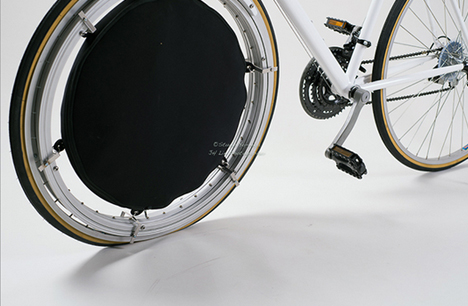
tire bike travel tent

For the cycling nomad, this design uses space you never knew you had, and helps free up room in front-of-handlebar baskets or on above-back-tire racks for other uses in the process.

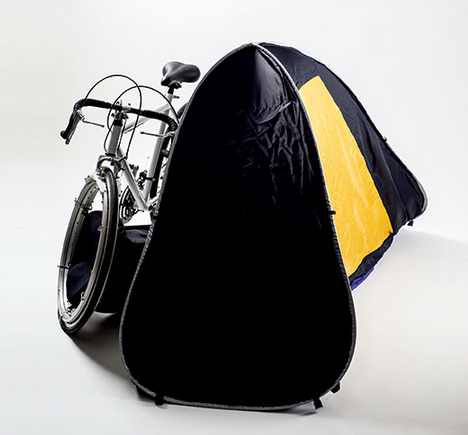
tire deployed camping closeup

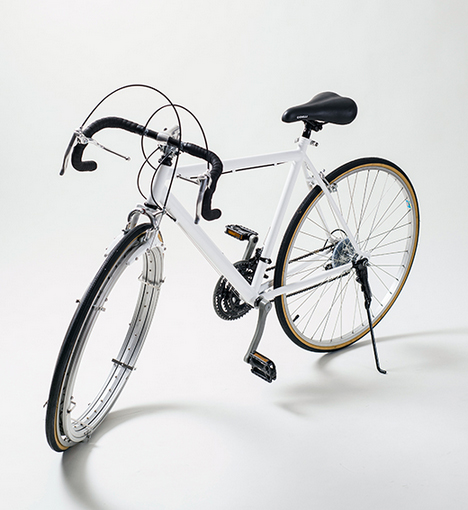
Designed by Chung-Jung Wu, Pei-Chun Chen & Li-Fu Chen, a specially-reinforced tire creates a void into which a biker can clip their travel tent for extended rides.

tire shelter wheel design

The easy-to-access clasps make it simpler and speedier to deploy the tent when you reach your temporary destination, rather than unwrapping it from a pack or unstrapping it from a fender platform.

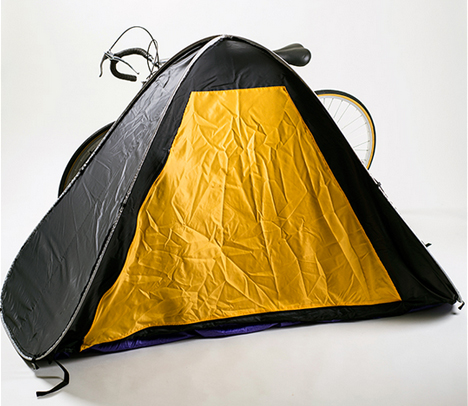
tire tent fully open

Of even greater value to long-distance travelers: precious cargo space on your back and elsewhere on your bicycle is freed up for clothes and other essential gear.

Share on Facebook


[ By WebUrbanist in Technology & Vehicles & Mods. ]

[ WebUrbanist | Archives | Galleries | Privacy | TOS ]


WebUrbanist

 
Comments Off on Bike Tire Tent: Compact Travel Shelter Wraps Inside Wheels

Posted in Creativity


The Rewards of Photographing People When You Travel

27 Jan

One of the most rewarding aspects of photography is that you can use the camera to connect with complete strangers, especially when you travel.

Unless you are heading to the wilderness, the scenery alone is only a part of any trip.  The people and culture you encounter is the other part.  A travel album feels much more complete when you include images of both scenery and people.  Or even better, images that combine the scenery and the locals.

asking

Maybe it’s a portrait of a seller at a local market, or an interesting person that you pass while walking down the street, or even your tour guide.

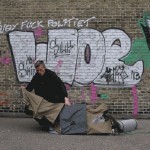
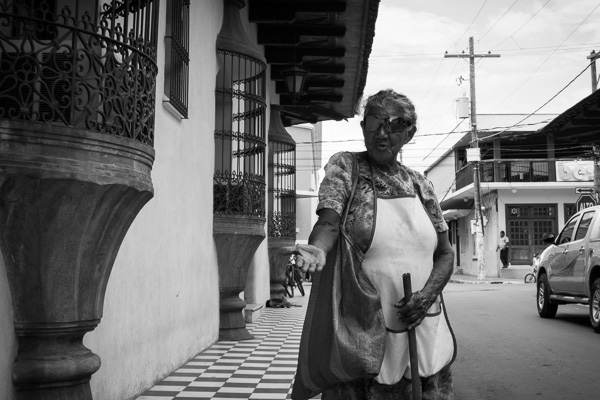
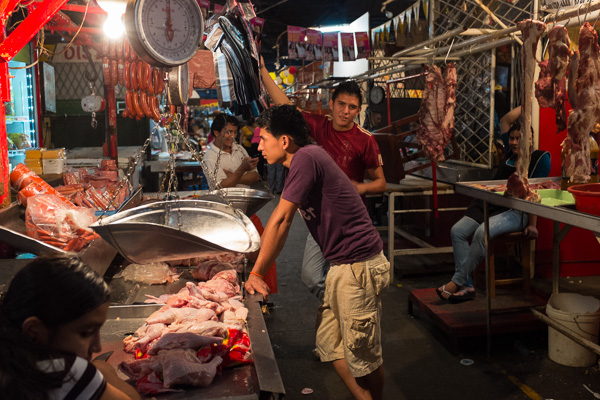
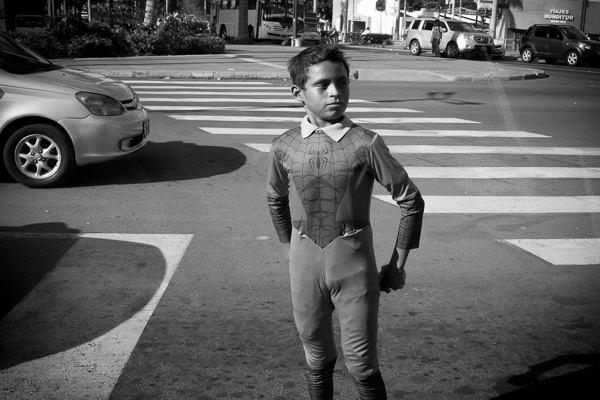
Not everybody will be happy to allow you to photograph them.  In the market in Managua shown in the above and below photos, every other person I asked said no to a portrait, but they still said no kindly.  Even though I didn’t speak the language, a little nod of the camera and a smile would let the person know that I wanted to photograph them.
That feeling you get when they give you permission to take their portrait, is worth almost as much as the photo itself. It is a powerful connection that will provide some of your favorite moments while traveling, and perhaps you’ll make a new friend.

Managua Market, The Rewards of Photographing People When You Travel
Whenever I travel, I try to capture three different types of images.  I try to mix together photographs of the scenery, (whether it be nature or architecture) portraits of people, and candid photographs of people and daily life.  I don’t always succeed at all of these, but I try.

So here are a few tips to help you capture better portraits when you travel.

Be respectful and careful of the local culture and laws

In certain countries, candid photography or even portraits of people are either not allowed or are looked down upon, while in other places, people are more likely to react with excitement.  Different countries and cultures have different views on this type of photography, so make sure to do your research or ask someone with experience.
Always use judgement when photographing people.  It’s not too hard to tell someone that does not like having their picture taken.

Managua Market, The Rewards of Photographing People When You Travel

Get close and focus on the subject’s eyes

By far, the most important rule when taking a portrait of a person’s face is that their eyes are sharp.  Focus directly on their face, or their eyes if you are close up.  It is not good if their ear is sharper than their eye.
And get close.  The portrait doesn’t need to be of their whole body.  Try some portraits with just the face and upper torso.

Soho Skater, The Rewards of Photography People When You Travel

Managua Market, The Rewards of Photographing People When You Travel

Pick a background and wait there

This works for both portraits and candid shots.  You’re going to come across interesting people spontaneously in your travels, but when you have some time, find an interesting background and wait for an interesting person.  Either capture the candid shot or ask them for a portrait, or both.

chicken_stall

Take your time

If someone gives you permission to take their portrait, you owe it to them to create the best portrait that you can. Taking a quick shot, saying thank you, and scurrying away nervously is a waste of time for both of you.

Don’t take too long, but make sure your settings are correct, the background, and angle of the subject to the main light source is ideal (and if it’s not, tell them where they should move), and that you are composing correctly.  The first compositional aspects that I try to figure out are whether I want to create a vertical or horizontal portrait and how close I want to get.

market

Expression and posture

When you first meet someone and instantly have to take their picture, getting them to give a strong, natural expression is just not always possible. Even if you are nervous and have no clue what you’re doing, try to act like you know what you’re doing.  The more confident you seem, the better they’ll feel.

Soho Portrait, The Rewards of Photographing People When You Travel

First tell them where they should stand.  Some people will be naturals, but many will look for some direction from you and will be uncomfortable until they get it.  Telling them where to stand, and to do so in a natural posture that feels comfortable to them is a way to make them more relaxed.  Otherwise, a lot of people will just stand stiffly, while waiting for some direction.

Throw out a positive word or two.  A simple, “That looks great” will mean a world of difference in making them comfortable, because they will think they are doing something right.  Even ask them to make up a pose for you!  A portrait is a collaboration.

A good trick to use when you don’t like their expression or they seem uncomfortable is to have them move over a step or two and reposition.  It’s something simple that can break them out of an uncomfortable posture or expression and have them start all over again.

And if they smile, tell them not to!  Natural smiles are good, but a forced smile can kill a portrait.

Start with one person

The biggest problem I encounter is that people who love the idea of capturing people when they travel still don’t follow through on it.  They seem to carry the feeling that they might be doing something wrong, or they might anger someone, or even more likely they simply don’t feel comfortable with approaching someone.

jugglerMany don’t seem to ever get over the initial hump of capturing that first portrait on a trip.  That’s unfortunate, because once you get past that, you’ll be hooked.

You probably know this already, but many people enjoy having their photo taken.  A significant percentage of people will be flattered when you ask.  A camera is a great connector between people.  Almost everyone knows what it is.

So start with one person.  The next time you are out there, just tell yourself that you will capture one portrait of a stranger over the course of the day.  All it takes to start is one.


Read some other articles on travel and people photography here:

  • How to Capture the Essence of a Place – Travel Photography Tips
  • Terrified of Street Photography? So Am I! Here’s How I Do It
  • Transcending Travel – a dPS ebook

The post The Rewards of Photographing People When You Travel by James Maher appeared first on Digital Photography School.


Digital Photography School

 
Comments Off on The Rewards of Photographing People When You Travel

Posted in Photography


Panasonic Lumix DMC-ZS35 and ZS40 travel zooms unveiled

11 Jan

ZS40_slant.png

CES 2014: Panasonic has introduced the Lumix DMC-ZS40 travel zoom, also known as DMC-TZ60 in some markets. Equipped with Wi-Fi and NFC, it provides a 30x zoom range (24-720mm equiv), an 18.1MP sensor, and a built-in electronic viewfinder. Its enthusiast-leaning feature set includes a control ring around the lens, Raw shooting, and focus peaking. Also introduced is a lower-cost model, the Panasonic Lumix DMC-ZS35 (TZ55), with Wi-Fi connectivity (though no NFC). The ZS35 covers a 28-560mm equivalent 20x zoom range, uses a 16MP sensor, and lacks a viewfinder. 

News: Digital Photography Review (dpreview.com)

 
Comments Off on Panasonic Lumix DMC-ZS35 and ZS40 travel zooms unveiled

Posted in Uncategorized


How to Capture the Essence of a Place – Travel Photography Tips

11 Dec

How to Capture the Essence of a Place
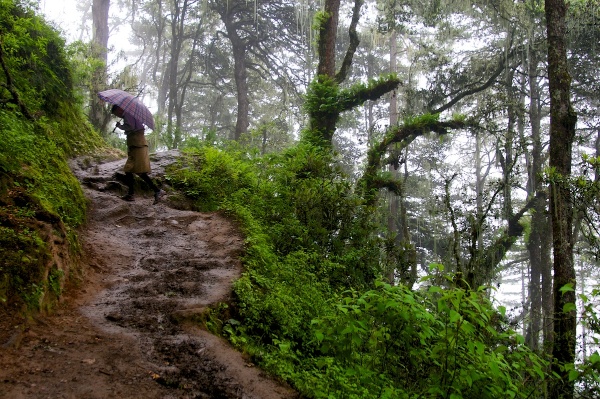
Storytelling  Sangay Walking Up Trail to Tiger s Nest Monastery  Paro Bhutan  Copyright 2013 Ralph Velasco

Travel Photography Tips

If you’re a traveler and you enjoy bringing back photos of the places you’ve visited – let’s face it, who doesn’t – then it’s extremely important to capture a set of images that more completely tells the story of the place. To me, the best way to ensure this in my own work is to work from a well thought out and organized shot list. Then I don’t have to worry about trying to remember the categories of images I have yet to photograph, as I have a check list at the ready all the time and I can easily track my progress.

Creating a shot list

The idea of creating a shot list is nothing new. It’s a concept that’s been around since the dawn of photography, and it’s so easy to incorporate into your photography workflow. I research what’s unique about the place so that I know what to be on the lookout for and then I make a list of all the categories of images I’d like to capture before I even set foot in a location. I find the more I know what I’m looking for, the more likely I am to find it. It really is as simple as that.

Scouting a location

Recently I had the opportunity to spend 10 days scouting in the reclusive Kingdom of Bhutan. It is one of the few countries in the world that require you to work with a local guide to drive and show you around the country at all times, that is unless you’re from a small number of surrounding countries, like India, whose citizens can come and go as they please.

Scouting trips are essential to laying the groundwork for the future photo tours I lead to any country, but even more so to this landlocked nation, about the size of Switzerland, but with only about 700,000 inhabitants. During a scouting trip I have a chance to meet, assess and bond with the local guide(s); visit the sites our group will visit; have the experiences they’ll be having; figure out the best times of days to be in certain locations and from where to shoot; and even test out the hotels, modes of transportation, restaurants and other services we’ll be using. But of course I’m also out to capture the quality images necessary to help market the trip to potential clients and to add these to my ever-growing portfolio from around the world. Additionally, although I’m often shooting right alongside my groups, having been to the location allows me to more fully concentrate on helping each participant to bring back the best possible images from their trip.

Dream location – Bhutan

Bhutan is a photographer’s dream, and there seems to be a photo opportunity around every corner from most of the categories on my shot list. But instead of shooting randomly, I try to use my list to track and organize the images I’m after. Maintaining your own shot list is as easy as using a piece of pen and paper, creating a spreadsheet, or simply using a free Notes app on your smart phone. Although, I did find the use of a shot list so important that I actually created an app for iPhone, iPad and iPod touch® called My Shot Lists for Travel to aid me in doing this, and it’s always in my pocket.

Below is a set of images I culled from the many thousands I made during that initial scouting trip, as well as several from the photo tour itself. This select group of images is meant to give viewers a high level sense of what the country of Bhutan is about, and what one might expect on a visit there. I could, of course, add dozens of other images from additional categories (food, interiors, sacred sites, details, etc.) to help create a complete cultural portrait of Bhutan, and when I put together my slideshow presentations I certainly have the chance to do that, but unfortunately space doesn’t allow here. Perhaps in a follow up article I’ll continue this theme.

The following categories are presented in alphabetical order:

ARCHITECTURE
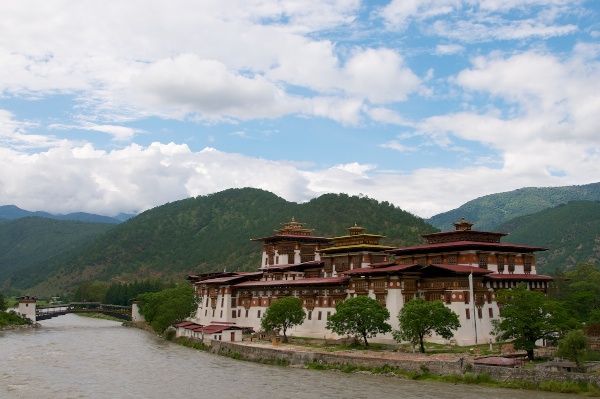
Travel Photography Tips Architecture  Punakha Dzong  Punakha Bhutan  Copyright 2013 Ralph Velasco

The architecture in Bhutan is extremely unique and it’s rare to find a single building that doesn’t adhere to this strict building convention. The “dzongs,” or fortresses (Punakha Dzong is pictured here), that dot the country are icons, and as such they’re an essential part of the visual story I want to tell.

EVERYDAY LIFE
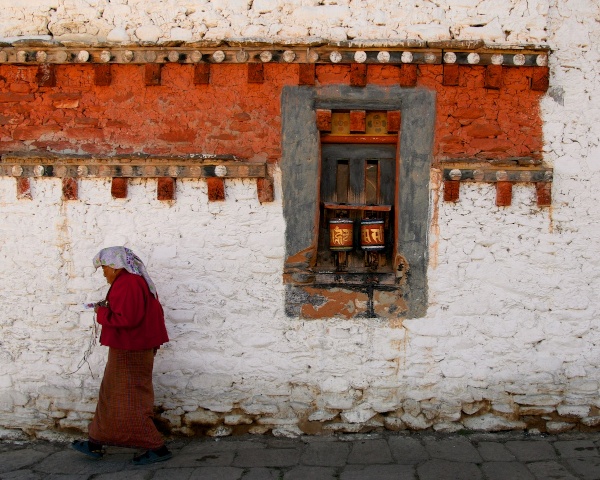
Travel Photography Tips - Everyday Life  Woman Spinning Prayer Wheels at 7th Century Monastery  Bumthang Bhutan  Copyright 2013 Ralph Velasco

It’s extremely important to show the local people just doing what they do. It might be standing in doorways, sweeping the local monastery courtyard, or filling butter lamps. As is the custom in Bhutan, many people, from young to old, are found at the local monasteries spinning everything from very large prayer wheels (with the right hand only and in a clockwise direction) to personal ones as they walk, again clockwise, around the building.

LANDSCAPES
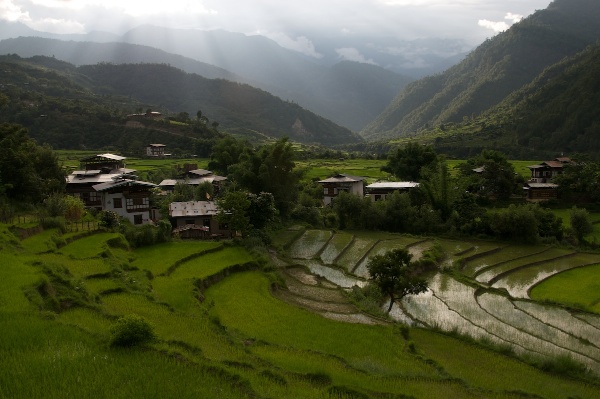
Travel Photography Tips Landscapes Sunset Over Rice Paddies  Punakha Bhutan  Copyright 2013 Ralph Velasco

Capturing the landscapes in Bhutan is a must. Here, venturing just outside the town of Punakha, on a fairly rough dirt road, we came upon yet another series of rice terraces spilling down the hillside. At this time of year (image above), during the summer monsoon season, the fields are an almost neon green, and just as the sun was falling behind the nearby mountains, considered foothills to the mighty Himalaya nearby, we pulled off the side of the road and I was able to make a few images before the good light was gone. Summertime is a great season to highlight the very green rice fields and other local vegetation. Come fall and winter, however, this area is completely dry and brown and a different photo opportunity presents itself (below).
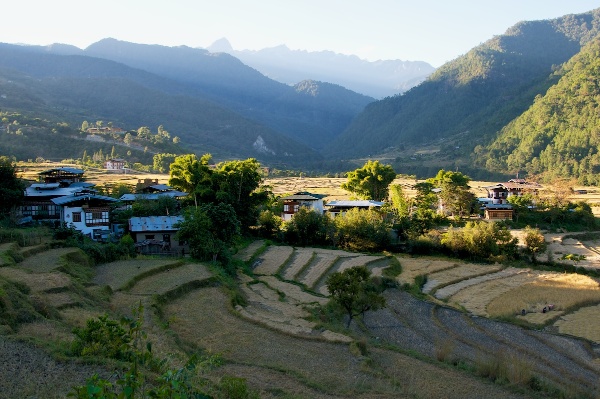
Travel Photography Tips Landscapes Dried Up Rice Paddy Landscape in November  Punakha Bhutan  Copyright 2013 Ralph Velasco

MAN-MADE WONDERS

Travel Photography Tips - Man Made Wonders - Tigers Nest Monastery in Complete Fog  Paro Bhutan  Copyright 2013 Ralph Velasco

Travel Photography Tips - Man Made Wonders - Tiger s Nest Monastery in the Mist  Paro Bhutan  Copyright 2013 Ralph Velasco

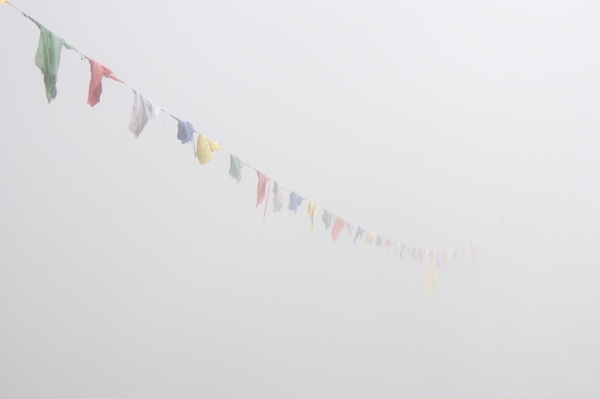
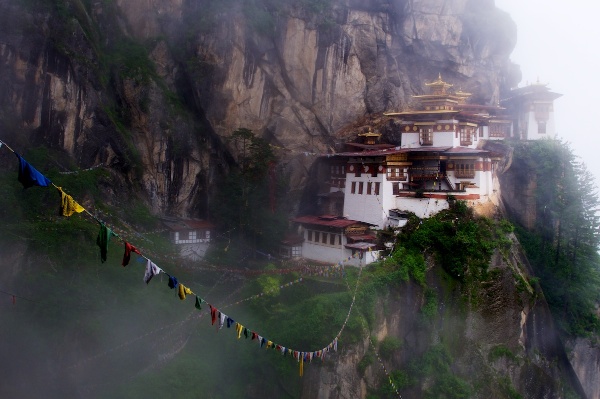
The Tiger’s Nest monastery is a classic example of a man-made wonder. First constructed in the late 1600s (it’s since burned down and been rebuilt several times) at almost 3,000 feet above the valley floor on a sheer cliff face, this architectural wonder is a great way of demonstrating man’s ingenuity and building skills. These images were made from the local viewpoint, just across a gaping chasm with a 1,000-foot drop. In the summer, weather is a bit unpredictable, but that can make for some great photo opportunities. I’d prefer to shoot on the fringes of inclement weather any day, as opposed to a plain blue sky, it just makes for much more interesting images. In the first image above I wanted to show what the scene looked like upon arrival, the prayer flags disappearing into the fog. But a bit of patience, one of the photographer’s best qualities (along with curiosity), paid off as the low lying clouds came and went, eventually revealing the Tiger’s Nest in an otherworldly haze, adding to its mystery.

NATIVE CLOTHING
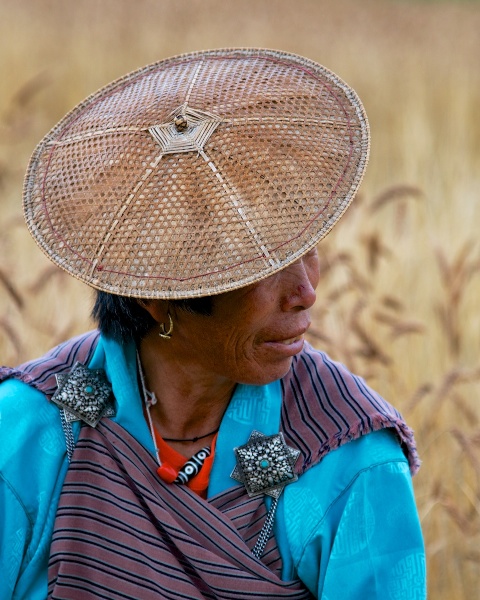
Travel Photography Tips - Native Clothing - Woman in Kira in Wheat Field  P  Bumthang Valley Bhutan  Copyright 2013 Ralph Velasco

The people of Bhutan wear very distinctive clothing. The women wear what’s known as a “kira,” often accented by two broaches, as in the first image above. Some of these broaches are antiques and have been handed down to each successive generation and can be worth thousands of dollars. Again, something very distinctive to this place. I encountered this particular woman as she was picking wheat in a field in the Bumthang Valley. Asking my guide/driver to pull over to the side of the road, I climbed over several fences and negotiated some muddy trails to get closer, but I like to think the result was worth the effort. She’s also wearing a traditional bamboo hat often seen in this part of the country, and I certainly want to highlight that.
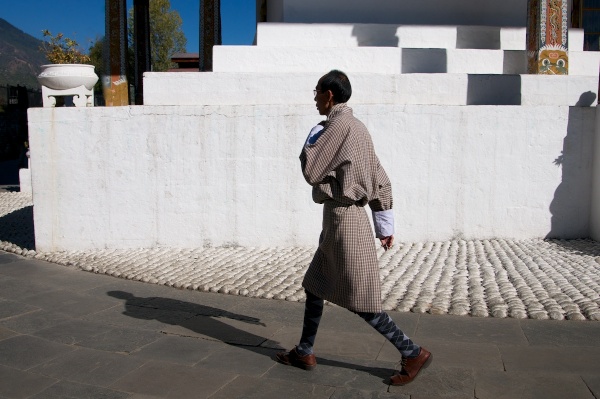
Travel Photography Tips- Native Clothing - Man in a Gho with Shadow  Thimpu Bhutan  Copyright 2013 Ralph Velasco

Men, on the other hand, wear what’s called a “gho.” This single piece of cloth, expertly wrapped around the man’s body and accented by the often white, rolled up sleeves, is seen everywhere in Bhutan, from the young school boys to the older men spinning their prayer wheels. The addition of a simple shawl is required to be draped over the man’s shoulder and around his waist as he enters the very sacred dzongs where it’s of the utmost importance to show respect for country and king. Our guide, Sangay, said that it’s law that during working hours a man must wear a gho. One of my tour participants asked him what the penalty is if a man is caught not wearing a gho, and Sangay said, “There is no penalty, it just doesn’t happen.”

PEOPLE
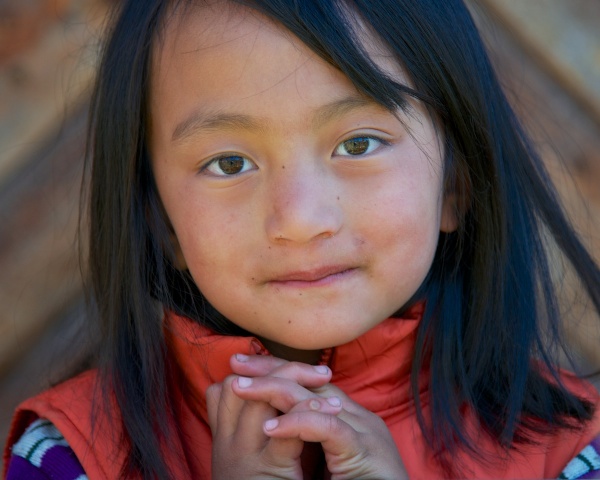
Travel Photography Tips - People - Little Girl with Hands Folded at Pepper House  Bumthang Valley Bhutan  Copyright 2013 Ralph Velasco

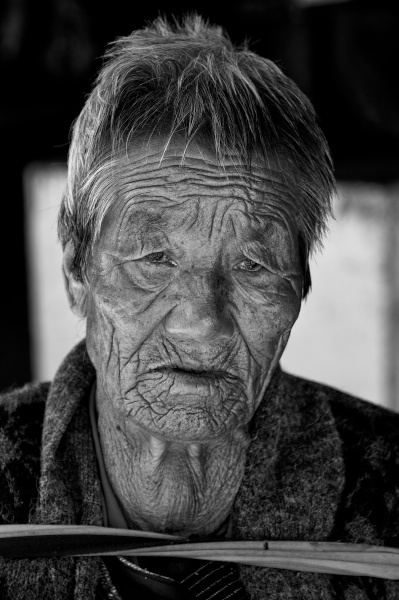
Travel Photography Tips - People -  Time in a Face  Thimpu Bhutan  Copyright 2013 Ralph Velasco

As in any country, a people are their culture, and undoubtedly Bhutan is no exception. The people photo opportunities are virtually endless in this nation where everyone seems to be outside most of the time (the interiors of the houses can be very dark and smoky from the wood burning stoves and lack of quality electricity). Although I do make an effort to get inside of people’s homes to experience this essential part of a place, as well. Getting out early in Bhutan will often be rewarded, allowing you to capture the children on their way to school, and the adults on their way to work, all generations dressed in their traditional ghos and kiras.

STORYTELLING
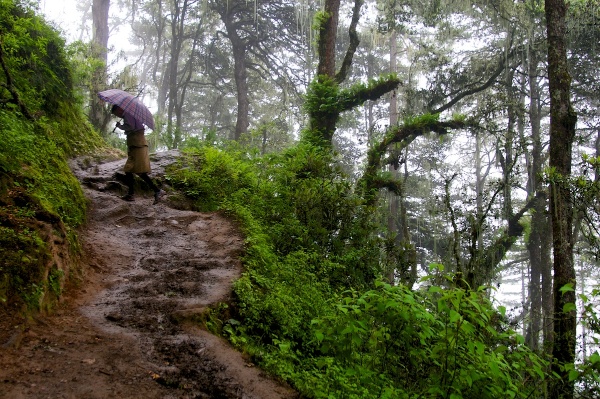
Travel Photography Tips - Storytelling  Sangay Walking Up Trail to Tiger s Nest Monastery  Paro Bhutan  Copyright 2013 Ralph Velasco

Although it’s a good aspiration, not every image has to be worthy of a magazine cover. Sometimes it’s important just to make an image so that you can convey the story behind it. In this shot I simply wanted to show the condition of the trail we took to get up to the viewpoint overlooking the infamous Tiger’s Nest Monastery near Paro, Bhutan. It’s not going to win any awards, but I think it conveys this idea, which was my intention.

Final words of advice

So my recommendation is to work from your physical shot list, not try to commit it to memory or shoot whatever presents itself at the time. The more prepared you are for the photo opportunities you seek, the more you’ll find them, I can almost guarantee it. Have a goal of five solid images in each category before you tick it off your list, as this will provide you with options when it comes to putting together that book, website or slideshow presentation later.

Finally, know that any single image may represent two, three or even five or more categories, so there can be some crossover.

Post originally from: Digital Photography Tips.

Check out our more Photography Tips at Photography Tips for Beginners, Portrait Photography Tips and Wedding Photography Tips.

How to Capture the Essence of a Place – Travel Photography Tips

The post How to Capture the Essence of a Place – Travel Photography Tips by Ralph Velasco appeared first on Digital Photography School.


Digital Photography School
 
Comments Off on How to Capture the Essence of a Place – Travel Photography Tips

Posted in Photography


DPReview Recommends: Best Compact Cameras for Travel

28 Nov

travel.jpg

There’s a big world out there, just waiting for you to explore it. In our opinion, a camera is one of the best traveling companions you can have. Depending on where you’re going, you might have specific priorities. Maybe you’re heading to the mountains? Or perhaps you’re exploring a city? Or maybe you’re doing a round the world tour. Here are our top five recommendations.

News: Digital Photography Review (dpreview.com)

 
Comments Off on DPReview Recommends: Best Compact Cameras for Travel

Posted in Uncategorized