What makes a compact tripod a good traveling companion? We’ve collected 5 aluminum ‘travel’ tripod and head combinations that are compact, but are also comfortably tall and hold up a reasonable amount of gear. In this roundup we cover their features, functions and finish quality, and we put them to work in the studio and in the field. Read more
Tag: travel
-
33 Inspiring Websites of Landscape & Travel Photographers
Landscape and travel photography are closely intertwined with each other. Travel photography, as many sub-genres of art and photography are, is largely undefined and encompasses a wide range of people, locations, cultures and ideas, including landscape photography. Such kinds of photos express the feeling of time and place, its mood and atmosphere without geographic limitations. The borders between amateur and Continue Reading
The post 33 Inspiring Websites of Landscape & Travel Photographers appeared first on Photodoto.
-
Travel Photography Tips – Video Tutorials
Summer is here in the northern hemisphere and you may be heading out on vacation soon. So today I have a couple videos for you with some travel photography tips.
First up is an interview by This Week in Photo podcast host Frederick Van Johnson with our own dPS writer Ralph Velasco. They talk about tips on how to scout locations, being prepared, getting out early, avoiding crowds, gear, approaching and photographing people, and more.
See more of Ralph’s images and tips in his dPS articles below:
- How to Capture the Essence of a Place – Travel Photography Tips
- 18 Tips for Shooting from a Train
- The Only Tip You’ll Need for Creating a More Interesting and Well-Rounded Set of Images of Any Destination or Subject
In this second video Justin Weiler from DSLR Traveller shows you his Top 10 DSLR Traveler Tips including: what equipment to bring, vary your shots, shoot more than you think you’ll need, cut before you share your images, get in some shots yourself, do research, meet the locals, and have a good time.
Do you have any additional travel tips you’d like to share? Please do so in the comments below.
The post Travel Photography Tips – Video Tutorials by Darlene Hildebrandt appeared first on Digital Photography School.
-
7 Proven Ways to Come Home with Better Travel Photos

Your next vacation or around-the-world escapade is the perfect time to brush up on your photography skills.
After all, taking a great photograph is never more important than when you’re seeing people and places you may never see again. Travel opens your eyes to other cultures, and if you prepare before you leave, it can also open the eye of your camera lens to infinite possibilities.
But first things first – let’s make sure you have a basic understanding of photography before you step onto the plane. Here’s a list of seven proven ways to come home with better travel photos.
#1 Take a good look at your gear
You don’t need to spend a million dollars on crazy-expensive gear. However, you do need a camera from this century. Better yet, a camera that was made in the last five years. Technology is changing so rapidly that you’re really going to notice a difference with newer cameras.
Also, don’t be afraid to check out the new lightweight DSLR cameras that are all the rage. You may feel cooler hauling around a huge Nikon D5300, but a more compact model can take great pictures too (plus compact is always better when you’re traveling).
#2 Get intimate with your settings

You haven’t just been leaving your camera in Auto mode, have you? What fun is that? Now I’m not saying you have to learn how to manually focus before you take-off for say, Fiji, but at least get familiar with these three need-to-know settings (the Exposure Triangle) on your DSLR camera.
#3 Do your research
Dive into Google Images, Flickr, or 500px to look for photos (and photographers) you love. Choose at least three travel photographers and follow their blogs.
Not only will get some great ideas for photographs, you’ll be able to find tips and techniques for getting specific effects you’ve seen in the photos you admire.
#4 Get to know your subject

Photographing people is one of the most exciting parts of travel photography. Imagine getting great shots of Buddhist monks in Laos, a tribesman in the African bush, or mountain people in the Himalayas. But you’re not just going to walk up to someone you’ve never spoken to and stick a camera in their face (promise me you won’t do that).
So how are you supposed to approach your subject? The #1 tip is to make friends first. That can be tough in and of itself when there is a language barrier, but it’s not impossible. Read: Practical tips to build your street photography confidence (which also applies when travelling).
#5 Get lost
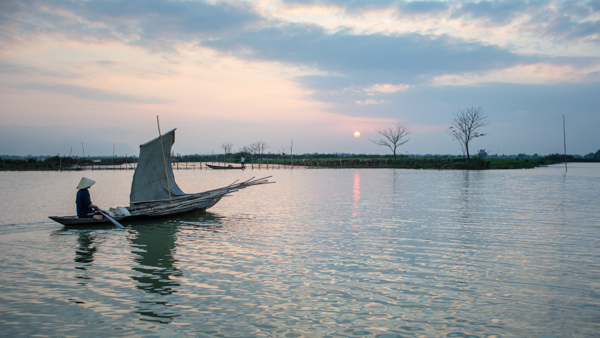
You’re not going to get great travel photographs taking pictures of the monuments and sites that every other tourist on earth has already photographed. When you travel, get lost! Venture out into villages and unknown areas that no one else goes to. Don’t be afraid to get off the beaten path.
The most exciting photos you’ll take won’t be of the Empire State Building, they’ll be of the ancient bartender in that random dive bar in Astoria, Queens (the one you never would have found if you hadn’t gotten completely lost).
#6 Get close
Repeat after me: “I will not be a lazy photographer.”

Lazy photographers use lenses instead of legs. I want you to use those legs of yours to walk, run, jump, swim, crouch, bend, and move any way you can to get close to your subject. Why? Because the simple act of getting close to your subject will drastically improve your travel photographs.
Once you’ve followed step #4, don’t be afraid to put your camera as close as possible to your subject, sometimes right in their face even.
Disclaimer: this tip does NOT apply to house fires, political violence, or wildlife safaris.
#7 It’s all about the light

The other day a student of mine showed me a photograph that was taken in the middle of the day, under the hot Hoi An sun. There were several problems with the shot, but the main reason it looked flat and lifeless was simply because of the time of day it was taken.
I told her what I tell everyone; don’t bother getting out your camera between the hours of 8 a.m. and 4 p.m. The light is too harsh. Get up before the sun and/or wait until the sun is about to set, and you’ll enjoy amazing light that will work wonders for your photographs.
That same student sent me a photo the following day, this time taken just before sunset. It was 10x better. Had she suddenly become a better photographer in less than 24 hours? Yes. But only because she learned to tell time.
Follow these seven tips and I have no doubt you’ll be taking amazing travel photographs on your next trip. Have any additional tips you’d like to share? Please do so in the comments below.
Safe travels!
The post 7 Proven Ways to Come Home with Better Travel Photos by Etienne Bossot appeared first on Digital Photography School.
-
Travel Through Trees: Root-Like Wooden Tunnel Installation
[ By Steph in Art & Installation & Sound. ]

You may have to crouch a little to take a journey through this system of tunnels, but it’s worth it to feel as if you’re traveling through the roots of an enormous tree. Artist Henrique Oliveira has transformed a bare white gallery space at the Museu de Arte Contemporânea da Universidade in São Paulo with a cavernous installation that looks as if nature has taken over.

‘Transarquitetônica‘ fuses real tree branches with tunnels made from reclaimed scrap wood to create an interconnected organic mass that visitors can actually walk through. The wood is an inexpensive temporary siding , known as tapumes, which is often used to obscure construction sites and then discarded.


“It’s wood that has been taken from nature, has been cut down into geometric structures, and they have been used by society and discharged,” says Oliveira. “And I take it back and I rebuild the forms there again, creating true nature forms. It’s bringing back the tree aspects to the material. It’s not just an object, it’s an experience.”


Oliveira’s largest installation to date, ‘Transarquitetônica’ grew from the artist’s original vision because the space provided by the gallery was so vast. The installation will be on display through the end of November.
Want More? Click for Great Related Content on WebUrbanist:
Wavy WasteLandscape Installation Made of 65,000 CDs
A surreal landscape in Paris, installed in a former funeral home, is made of 65,000 shimmering discarded CDs in an artistic statement about waste.
Click Here to Read More »»
Arbosculpture to Overgrowth: 25 Seriously Twisted Trees
From tree furniture designs to unchecked acts of nature here are 25 examples of the amazing malleability of trees.
Click Here to Read More »»
On Space Time Foam: Surreal Billowing Art Installation
PVC membranes provide a playground for visitors, requiring coordination between the people navigating its surface to keep them all from sliding to the center.
Click Here to Read More »»


[ By Steph in Art & Installation & Sound. ]
[ WebUrbanist | Archives | Galleries | Privacy | TOS ]
-
How To Shoot Unique Travel Photos Like You Wouldn’t Believe
In our world of digital photography, it’s tough to take one-of-a-kind travel photos. For example, let’s say you’re visiting the Leaning Tower of Pisa in Tuscany, Italy. With your camera around your neck, you stroll into the Piazza dei Miracoli and are struck by the strange bell tower’s architectural beauty. But you also notice the crowds of tourists snapping pictures like the paparazzi at Continue Reading
The post How To Shoot Unique Travel Photos Like You Wouldn’t Believe appeared first on Photodoto.
-
Versatility – Your Guide to Shooting Great Travel Photography
Professional travel photographers realize that the key to their business is versatility: to be able to shoot all styles of photography, and to consistently capture great shots even under very trying conditions. To be a strong assignment photographer you must identify your weakness and then work on it.
Instead of concentrating on what you shoot well why not break out of your comfort zone and try something more challenging? Some of the most experienced photographers from The WideAngle network give us their insights into a few of the specialized fields of travel photography.
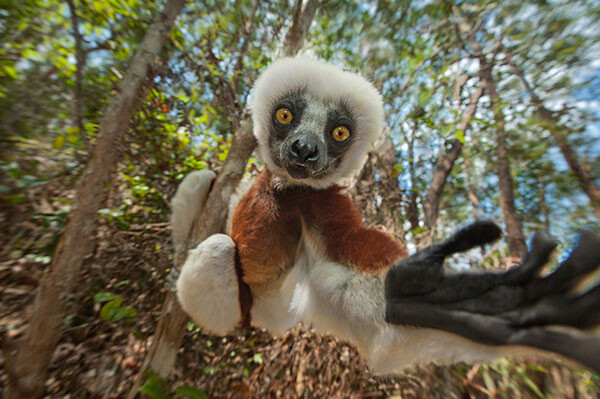
Image by Dale Morris
PHOTOGRAPHING WILDLIFE
British born wildlife photographer Dale Morris has built a reputation as one of the most widely published photographers in South Africa. His background as a trained naturalist allows him to capture aspects of the natural world that many photographers would miss.
I’m a firm follower of the philosophy that wildlife photography is not only about getting a great image but equally about taking time out to observe, and more importantly, really enjoy the experience of being in the company of wild animals. It helps to understand that every animal stands at the center of its own concentric set of invisible circles and if something unusual (a photographer for example) steps across the outermost boundary, the animal will react (usually by becoming more alert to your presence). Move across the next circle in the set too soon and an imaginary alarm is triggered. You are now running the risk of eliciting a flight or fight response. An animal’s rear end vanishing post-haste over the horizon rarely makes for a good photo, nor does a trampled and gored camera. Move slowly and in a non-threatening manner. The secret to wildlife photography is patience, empathy, awe and a true appreciation for your subject matter.
SHOOTING MOVEMENT
Craig Pusey is a dedicated motoring and expedition photographer, who’s never scared to go the extra mile for a shot. You might see him scaling an Indonesian volcano or lying face down in an Andean stream just to get the perfect angle.
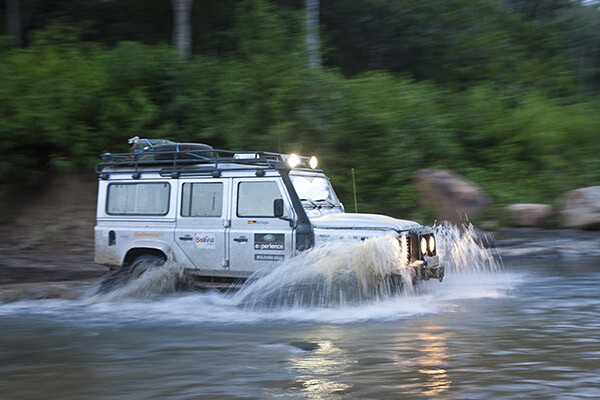
Image by Craig Pusey
The perfect panning shot takes practice. For people and animals moving perpendicular to you, aim to keep your shutter speed between 1/15th and 1/90th of a second to get a bit of blur. For faster things, like cars or galloping horses, set a speed of between 1/60th to 1/125th. Try to focus just ahead of the moving object and if you have the opportunity shoot a trial pan before your subject even arrives. (This will check exposure and focus but also make sure that no obstacles are going to get in the way of your pan…it also limbers you up!).
It’s best to start with a higher shutter-speed and then work down, but it’s also dependant on distance from you to the subject. The farther away, the lower your shutter speed will need to be to show the effect of panning. With practice you can shoot slower, and will be better be able to judge the object’s speed.
SHOOTING ARCHITECTURE
Laurence Garçon is an experienced Parisian artist, publisher and assignment photographer. She has travelled widely but has retained an unshakeable love affair with her hometown and is recognized as one of the city’s most visionary photographers.
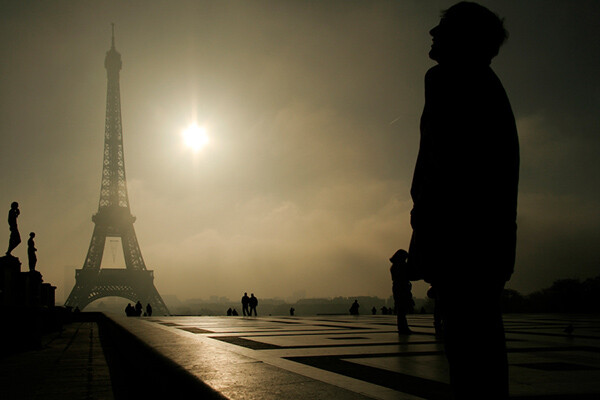
Image by Laurence Garçon
Firstly, be aware of the highlights. Play with the speed and the aperture of your camera to avoid over-exposing sunlit walls, etc. Secondly, try to frame a composition that will best display the building. Be prepared to wait a while for something to happen (a passer-by, a vehicle): this could be the element that will be capture the soul of the quarter. Be aware that, in some countries you may need specific permission to photograph some particular buildings (especially airports, military buildings, ministries, embassies, sometimes even bridges). If you plan to publish your photograph of a single (isolated) contemporary building, try to always mention the name of the architect.
PHOTOGRAPHING INDIGENOUS PEOPLE
Axel Fassio left his home in Italy to travel the world (everywhere from Antarctica to Iceland) on assignments. In 2013 he won a first prize at PX3 Prix de la Photograhie Awards in Paris and a 3rd at the International Photographic Awards. He’s currently based in Nairobi.
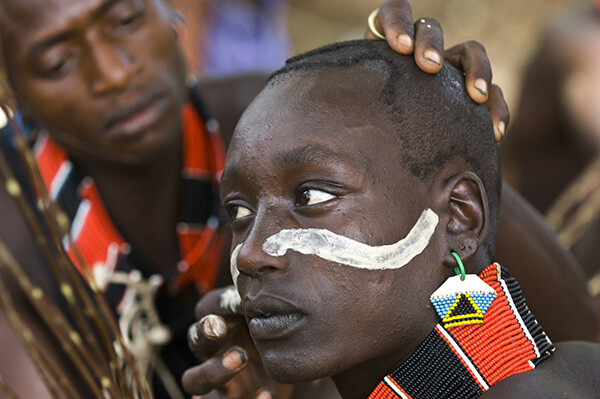
Image by Axel Fassio
Ideally, if time allows you should approach a community without a camera and hangout a bit, getting to know the elders and playing with the children. The last thing you would want to do is have to rush to take pictures. Resulting images would lack of spontaneity. A few hours are enough to create a basic ‘relationship’ within the community and the resulting images will benefit hugely.
If your time is limited, always contact the elders and ask permission to take photos. A money arrangement is common when time is tight but it’s not desirable. Negotiating to pay for each images tends only to produce aggressiveness among the people, bad memories for you and usually this shows in the shots.
Longer zoom lenses can be used to “steal” candid portraits and a wide-angle held at waist level often has the effect of bringing the viewer more intimately into the scene. It is always better to avoid clearly aiming at a person unless he/she is very comfortable and is agreeable to being photographed. In this case, a medium-length zoom is perfect for portraits.
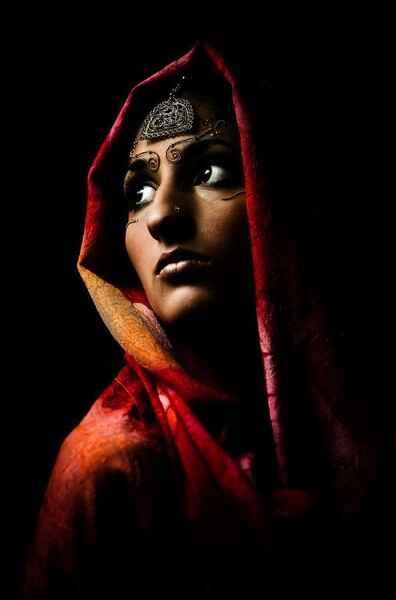
Image by Wylie Maercklein
SHOOTING PORTRAITS
Wylie Maercklein is an experienced Texas-based photographer and videographer with a specific talent for powerful portraits.
Portraits are similar to other action shots to me, in that you’re just waiting for the right moment. With a group, that moment is something larger – an externalized emotion. An action. With an individual portrait, it’s an internalized thing – it’s the moment when their defences drop just a little and you see something living behind their eyes.
LOW LIGHT AND NIGHT PHOTOGRAPHY
British photographer Jonathan Perugia has built a reputation as one of the most prodigiously published assignment photographers in the business. In addition to his freelance work he leads photography holidays with Authentic Adventures.
I love the way cities look after sunset, so I shoot a lot in low light. If you want to really explore this kind of photography, then adding a fast prime lens to your collection (if you use a DSLR) is invaluable. I use the Canon 50mm f/1.4, which is pretty good value. Another invaluable bit of kit is a tripod. Go for something as sturdy, but as light, as you can afford. Carbon fibre is ideal. Try to avoid anything flimsy. There are some good mini tripod options too, with bendy legs that will hook around a handrail at a push. Generally I avoid using flash, so I’m often at high ISOs. I recommend testing or researching your camera to see how high it will go without too much noise.
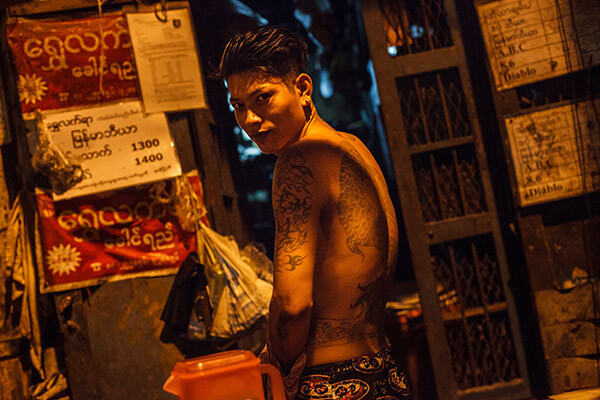
Image by Jonathan Perugia
For cityscapes, the best time to shoot is the period after sunset but before dark, when there is still colour in the sky. On a clear night you can get fantastic electric blue skies with all the city lights illuminated. Note that the brighter electric lights will start to blow out as the sky gets darker, so you may want to choose your frame accordingly. If there are no bright lights in the shot, you can use longer shutter speeds to get colour out of a sky that appears dark to the naked eye. Cloudy skies reflect street lights and can look quite surreal. This is the perfect time to do classic long exposure traffic shots with streams of light from the car lights. Smaller apertures give points of light a kind of starburst effect that looks more natural than starburst filters. You’ll notice that you can start shooting into doorways, shops, windows that wouldn’t work in daylight when the light outside is much brighter than inside.
Experiment and enjoy the different effects and colour casts you get after dark – even ‘painting with light’ with long shutter speeds and no tripod. Look for pools of light from street lamps, windows, street stalls.
SHOOTING LOCAL CEREMONIES
Ingetje Tadros is a Dutch-born photographer who emigrated to Western Australia. She spends much of each year on assignment in various parts of Asia.
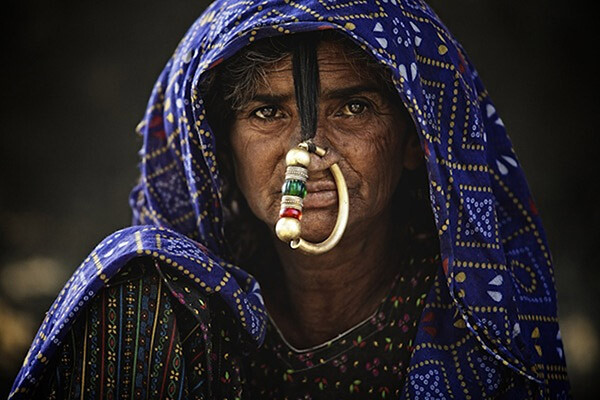
Image by Ingetje Tadros
While shooting ceremonies pay close attention to your choice of lens. Personally I like the 35mm prime as I like to be close and look for little moments. But, I also find it important that people feel comfortable with my presence and you need to be aware of personal space. When rituals are taking place it’s important to be aware what the rules are and specifically to know where you should and shouldn’t stand. Take your time and don’t just go in snapping. Try to limit use of flash to an absolute minimum as you should be as unobtrusive as possible.
Do you have any tips on versatility? How do you approach travel photography? Please share in the comments below.
The post Versatility – Your Guide to Shooting Great Travel Photography by Mark Eveleigh appeared first on Digital Photography School.
-
Off Camera Flash for Your Travel Photography
The creative use of artificial light in travel photography is a powerful tool that can take your images to the next level. While there’s a myriad of information available on getting started with off camera flash, the tutorial here is tailored for you. It will give you a start using these techniques with relatively cheap and portable equipment while on the road. The tutorial will cover the basics of gear you will need, along with real world examples of different techniques you can use to make your images pop.
It is assumed here that you have a full understanding of how to use your camera in manual mode, and some experience with the basics of flash photography. The techniques covered here are not overly difficult, and with some practice at home you will be able to approach your next trip with a new set of options to inspire your photography.
You may know, that images shot with on camera flash do not usually produce flattering results for your subjects. Moving your flash off camera often means an investment in more gear, though it doesn’t have to be super expensive or add too much bulk to your travel kit. The resulting images you get from this investment will be well worthwhile.
For this tutorial I’ll be covering some different options for putting together a basic one light setup that can be fired off camera remotely and modified through a small softbox or umbrella. This sort of setup is a practical way to travel, especially if you are on the road for an extended period, and don’t have help lugging around more elaborate studio style setups.
There are potentially many elements to your setup, each with wide ranging options in price, bulk and results. These bits of gear can be added to virtually any DSLR with manual functions and used with any lens that suits the type of images you want to produce.
Gear for Off Camera Flash Travel Photography
1. Flash gun or speedlight
There has never been a wider amount of choice when it comes to speedlites, or flash guns on the market. From the top of the range Canon and Nikon speedlights that cost upwards of $ 500.00, to excellent third party options, it can be a difficult choice to make.
Using off camera flash is best practiced via manual control of both the flash and camera, so higher end options like TTL (Through the Lens) flash metering are not essential, though this is increasingly an option with even cheaper third party flashes.
For a long time I’ve used a Canon 430 EX II, the mid-range option in the Canon Flash line-up, and a relatively affordable bit of gear. When starting out almost any flash will do, as even the cheapest can be fired off camera, and be modified to give you great quality light.
2. Flash Triggers
Once you have decided on which flash or speedlight fits your budget, then comes the maddeningly wide array of choices available to fire your flash remotely.
Radio triggers, which can be set to fire the flash from a small unit that slides into your camera’s hot shoe, and another attached to the flash itself, are amongst the easiest and cheapest way to get started.
You might hear many professionals touting the ownership of expensive ‘Pocket Wizards’ as something of an exclusive way into the mysterious world of off camera flash. They are great products but the market has changed. Cheaper options from Yongnuo or Photix cost a fraction of the price, and will work just as well.
I’m currently using a set of Yongnuo YN-622C Triggers, which have worked perfectly through some very tough travel. These also have the option on my Canon 5D3 of adjusting the flash power through the camera menu, which is really useful, though not essential.
3. Modifier
While bare flash can produce interesting results, this ‘hard light’ is not always desirable for the type of portraits most people will be looking to produce in their travel photography.
A ‘soft light’, produced by using a flash modifier, is the more common way to shoot, as it produces more flattering results for your subjects. Again, there is an endless array of options here. A small softbox or umbrella are the easiest and most versatile ways to get shooting.
A plain white shoot through umbrella is a cheap and compact option, and throws a fairly wide soft light that can be used for a range of portrait shots. The limitation with these umbrellas is that, as a travel photographer, you will more often than not be shooting outdoors. Any kind of wind while shooting with these might have you uttering expletives at the sight of your gear tipping over or the umbrella folding itself inside out.
A more easily managed item is a small softbox. While not as compact to transport or as simple to set up, these stay sturdy and produce a great, soft light that is useful in most portrait situations. I currently use the small Photoflex Light Dome XS, which has lasted a few years now without any damage. There are many similar options, and even DIY projects that you can find online.
4. Light Stand
This is an optional piece of gear that has the potential to be a lifesaver, or just a heavy metal rod in your bag. In most situations you will be able to get somebody to hold the flash or softbox, and roping in friends and family of your subjects to help can be a great way to help people relax.
If you do decide to bring a stand with you, it’s worth spending more over the cheap generic Ebay numbers, which from experience don’t last much past being taken out of the box. The Avenger range of stands are compact and sturdy.
5. Flash Gels
CTO (Colour Temperature Orange) gels are simply bits of plastic that you can place over your flash to vary the color temperature of light that reaches your subject. Use of these, or not, is according to personal taste. Strips of this plastic are cheap and easy to purchase online, with the sample packs offered by many companies a great way to experiment. Attaching a bit of velcro to the sides of the plastic and the flash to keep the gel in place is one way to keep things simple.
6. ND filter
Another optional piece of gear. The use of ND (Neutral Density) filters with off camera flash adds another tool to your creative arsenal. Using ND filters makes it possible to add more drama to your images with underexposed backgrounds and/or shallower depths of field during the day.
I use a range of ND filters, with the Lee 3 stop Solid ND filter, mounted with the Cokin Z Pro Holder the most common choice. Again, this is not an essential part of a flash setup, and something that can be added once you are more comfortable with the basics.
Shooting Off Camera Flash Travel Photography
Once you have your setup sorted it’s worthwhile practicing to get it all working in the quickest time possible. Without treating it like a frantic pit stop, it’s really handy to be able to get everything in order as fast as you can. On the road you don’t want to monopolize somebody’s precious time more than necessary. Being confident with your gear and shooting style, helps put your subjects at ease as well.
The following examples from recent shoots are broken into two rough styles of shooting with off camera flash. The first is the technique of balancing flash with ambient (available light), producing images where the light from your flash is subtle, and blends with the background of your subject. The second is the technique of underexposing the ambient or background light, and using shallow depth of field to add more drama to your images.
The golden rule to remember with flash photography is that your aperture setting, combined with your flash power, controls the amount of artificial or flash in your photos. Your shutter speed will control the ambient, or background, light.
Technique #1 – balancing flash with ambient

Natarajan, Little Andaman Island, India
I had met this elderly gentleman a few days prior to the shot taken here. At the time of our meeting he was the oldest living man in a remote part of the Andaman Islands Chain which was devastated by the 2004 Tsunami. I wanted to take his picture for a magazine feature I was putting together. By the time I got to his place to take a few shots one evening, it was right on dark, with only dim ambient light left to work with. This was a great time to break out the flash for a simple portrait.
After setting up a small softbox and attaching the radio flash triggers to fire the flash, I first exposed for the ambient light, setting my shutter speed and ISO to ensure a sharp image. I then chose an aperture of f/4, which combined with a telephoto lens, helped throw the background out of focus.
At these settings, without the use of flash, Natarajan’s features were dark and flat. Adding in the flash, fired remotely, allowed for a better portrait by emphasizing his strong features and throwing pleasing catch lights into his eyes (the reflection of the flash in your subjects pupils).

I asked my friend Stephan to hold the flash at a downwards 45 degree angle camera left, just out of frame, aimed at the left side of Natarajan’s face (see lighting diagram above). I usually start with the flash in manual mode, set to 1/16 power and work from there. If the flash is too strong you can power down or vice versa.
In this simple portrait, the flash light lends some shape to the subjects face without its use being so obvious.

Laura Dance Festival, Cape York, Queensland, Australia
The picture above was taken of a young boy from the Injanoo tribal group from the far north coast of Queensland, Australia. At the bi-annual Laura Dance Festival, tribal groups gather to dance and celebrate their ancient culture with outsiders.
After shooting the dance action for a few hours I wandered off to find some kids practicing their routines, with light from the setting sun filtering through the eucalyptus trees around the camp lighting up their moves.
With a small army of enthusiastic helpers I broke out the softbox and triggers, working quickly to keep the setting sun as an element to the shot. For this image a fairly heavy CTO gel was used over the flash to give the light the look of the setting sun. It’s not exact but lends a nice warmth to the light that would have otherwise looked more out of place at this time of evening.
I asked the boy to stand with the setting sun positioned behind his head, and then exposed for the background, ambient light. I chose to shoot from a low angle, as this usually works to emphasize strength in your subjects.
The flash was again set to manual and 1/16 power, which was close to the right flash exposure for the subject. This time the flash was held by another young dancer, just over my shoulder camera right (see lighting diagram below).

In the final image the highlights needed some recovery in post, and a slight vignette was added.
Backlighting your subjects this way (with the sun behind the subject) adds some dramatic effect, with the flash exposing a subject that would otherwise have been in near darkness without it.
Technique 2 – Underexposing with ND Filters for Dramatic Effect

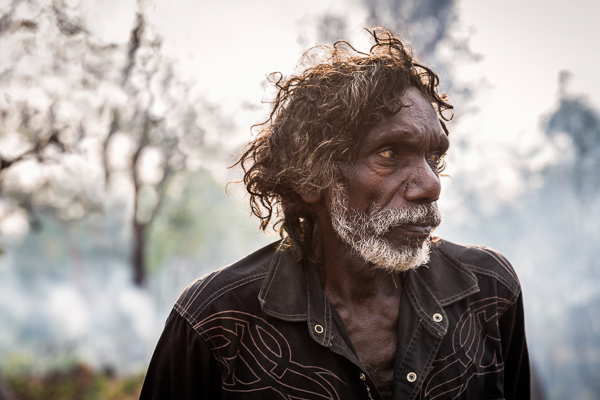
Adrian, The Marrinyama Mob
The image above is from a shoot in a remote part of Queensland, Australia. For part of the year the guys live a traditional lifestyle, hunting, dancing and performing tough initiations on younger boys. It was the height of summer, and I was working alone with searing desert temperatures and strong winds whipping up dust from the red earth around the camps which the group called home.
In these situations being comfortable with your gear, and confident with what you are trying to achieve is really important. A flimsy umbrella or larger modifier for the flash shots would have been difficult to manage on my own. I chose to use my ever reliable little softbox setup, mounted on a decent light stand, and worked towards creating images that I had envisaged before the shoot.
For this shot of Adrian, a slightly more advanced setup was used. I wanted a shallow depth of field and for the portrait to look dramatic. This was achieved with the help of a 3 Stop ND filter to underexpose the background while keeping a shallow depth of field a f/2.8.

The flash was set to full power camera left, set just out of the frame (see diagram above). The result is that the flash is more noticeable than usual, with the background underexposed and blurred nicely for effect.
The video below is from a recent shoot in remote Arnhem Land, Northern Australia. The softbox – flash – trigger setup mentioned throughout the article is shown towards the end of the footage. Again, the flash setup was used to help out during less than ideal lighting situations on this trip.
The sun filtering through the smoke of a slow burning bush fire behind Tom helped to add some drama to the image, with the flash providing the correct exposure for his face. The flash was held close to Tom, camera right, and fired at 1/16 power.
Hopefully this tutorial has given you a starting point to work from with off camera flash for your travel photography. There’s many tutorials available for every aspect of what has been mentioned here. Happy shooting.

The post Off Camera Flash for Your Travel Photography by Brook Mitchell appeared first on Digital Photography School.
-
It’s Not Travel Photography, But Photographing Travelers May Be Photography’s Next Big Thing


Photography: Paola ColleoniOn a trip to Paris with her best friend two years ago, Nicole Smith did what everyone does on vacation. As she and her friend stood at tourist sites, she would take out her phone, hold it at arm’s length and snap a few selfies. Sometimes the pair would buttonhole a passing stranger, hand over a camera and ask the passer-by to shoot a picture of them together. Not surprisingly, the results were, she says, always “meh.” Things changed though, when a friend in the city offered to photograph them in the style of a photojournalist as they wandered through the streets. The result wasn’t just a set of images that captured the spirit of her afternoon in a way that she could never have done alone, she says, but the beginning of a whole new business idea.
Two years later Flytographer now has professional photographers available to capture shots of vacationers as they tour the sites and sip cappuccinos in romantic cafes in 70 cities around the world.

Photography: Cadence FeeleyCustomers can choose from three different kinds of shoots: thirty minutes in one location produces fifteen photos and costs $ 250; an hour in one or two locations generates 30 photos and costs $ 350; and two hours in multiple locations produce 60 photos for $ 600. The commission earned by the photographer varies with the package but on average photographers can expect to receive 60 percent of the purchase price.
“It’s a fun, fast shoot.”
The photographers, though, only have to do the shooting. Flytographer will arrange the date, time and route of the booking, discuss the customer’s objectives and prepare a brief with all the details.
“It’s a fun, fast shoot and we usually capture the couple/family as they stroll around in a more candid, editorial-style,” says Nicole. “The photographer connects with the customer like a local friend.”
The question is how much demand there is for the attention of a professional photographer at a time when professional quality DSLRs are affordable to anyone who takes foreign travel, and when everyone is packing a camera in their pocket, complete with filters to turn even the worst of snaps into atmospheric mementos.
According to Nicole, Flytographer delivers a couple of important benefits that vacationers and travelers can’t produce alone.
The first is that everyone can be in the picture together, looking relaxed and at their best, (rather than at the end of an arm or having just rushed back into the frame.) The images are also more varied. Ask a local to shoot a picture and at best you’ll get a standard direct shot of you and you a friend standing in front of a building. At worst, you’ll get to watch a stranger running off with your iPhone or your Nikon. Flytographer’s photographers are expected to use different angles and vantage points to produce images that only a dedicated photographer can create. They’ll also be using their own equipment.
And those pictures will be high quality. They won’t be quick snaps but valued treasures that record a memorable experience.

Photography: Lauren Colchamiro
“People like ‘experiences’ vs more stuff and we are often told by our customers that their Flytographer photos were the ‘Best souvenir they’ve ever purchased,” says Nicole. “Too many people spend thousands of dollars planning a special trip only to return home in none of the photos, or if they are, someone else important is missing, or they are blurry etc. They also like that they can focus on soaking up the moment and being really present vs distracted trying to capture the moment through a camera.”
Photograph Honeymooners And Reunions
Customers tend to be couples and families but are often people making special, once-in-a-lifetime trips such as honeymooners or newly engaged couples, all-guy or all-girl vacations and multigenerational reunions. For the photographer, the shoot may sometimes have the same feel, and demand some of the same skills, as shooting a small event.
Altogether, in the year or so since the company’s launch, Flytographer has completed around 200 shoots across five continents. And the company is looking to expand, particularly in Hawaii, Orlando, Sandestin, Palm Desert, Scottsdale, Tremblant, Hong Kong and in the Caribbean, although it accepts applications from anywhere. Photographers in places with large numbers of tourists and small numbers of rival shooters will be in with a good shout of landing some useful extra work, and even photographers who travel a lot can find themselves shooting in different locations.
But you will need to impress. All of the company’s photographers are professionals with backgrounds that range from newspapers and magazines to corporate and fashion photography. Some are wedding and family photographers. Flytographer has also managed to land some adventure ski photographers who can capture shots of snowboarding clients as they fly down the slopes.
Nicole speaks with each of the photographers themselves, checks their background and makes sure that they have both solid technical skills and the ability to tell a compelling story through their shots. She also looks for people who have run their own business and understand the importance of delivering impeccable service. Applicants can apply at www.flytographer.com/join.
That Flytographer appears so far to have had little trouble either recruiting photographers or finding clients is pretty revealing. That there is plenty of demand among photographers to shoot quick, documentary-style images for fees that may work out, after travel and processing, to around $ 100 an hour, is hardly surprising. But the fact that so many people recognize that there’s a limit to what they can do with their iPhones and even their DSLRs is highly encouraging. People may think that they’re photographers but they are recognizing that quick snaps taken on phones tend to stay forever unseen on the hard drives while professionally taken images are viewed and treasured.
It’s also revealing, though, that while Nicole Smith has used professional photographers, she’s not a trained photographer herself. This was a business idea that came from a client of professional photographers. If clients can spot opportunities for photographers, why aren’t more photographers doing the same for themselves?
-
Travel Photography without the Travel – Going Local
Many photographers love to travel. They love the thrill of being in a new place, of capturing new scenes and experiences, and of coming home with quality images. But landscape and travel photography do not need to be confined to weeks-long trips to far-flung locations. This article will explore how to get the most out of a weekend (or even weekday) local photography outing (all photographs in this article were taken within a few miles of where I live).
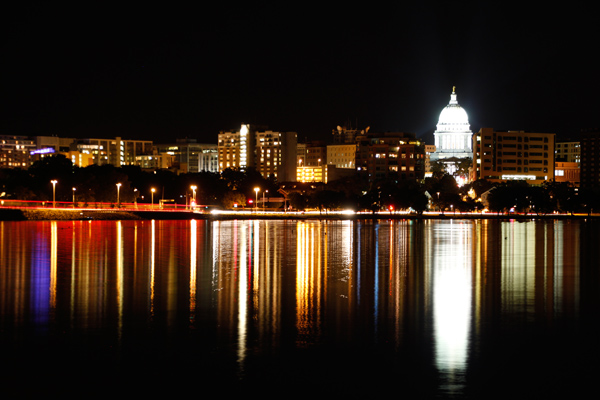
Before: Planning and Packing
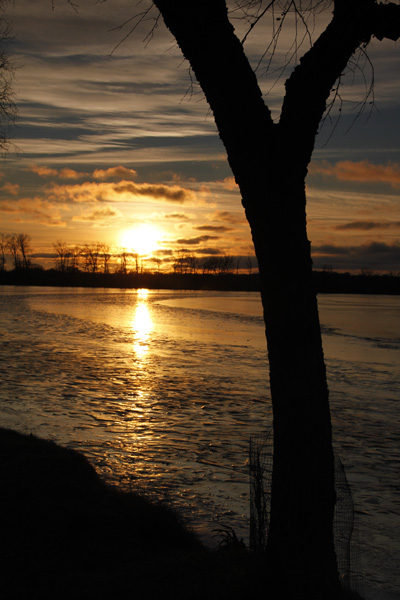
Making a plan or having a bucket list of photography wants is a great place to start. Always wanted to photograph a slow, silky waterfall? Looking to capture candid street photography shots of interesting people? Want to bring home that idyllic sunset shot over open water? Now is the time.
Start by spending a little time evaluating the photographic potential of what is already around you. We often become so accustomed to our day-to-day that we forget to recognize the possibilities of the familiar. Challenge yourself to find and seek out a nearby or local photography opportunity. Try browsing on Flickr for waterfalls and streams in your area or make a plan to spend some time in an older part of town watching for street photography opportunities.
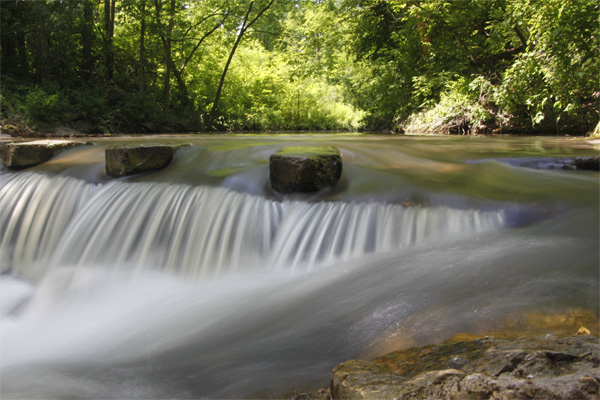
Urban waterfall
Want to catch that sunset or sunrise? Plan for the light. Look up sunrise and sunset times for your date(s) and location, and decide where you want to be shooting during the blue hour and golden hour in the morning and evening. You can even use programs like the Photographers’ Ephemeris to determine the timing and angles of sunrise, sunset, moon rise, and moon set, which can help you capture dramatic photographs of these events and their relative surroundings.
Now that you have a plan, create a packing list. Consider creating a ‘basic’ packing list for any photographic excursion that you can reuse for future trips. At a minimum, be sure to bring your camera body and any extra lenses, extra memory cards and batteries, your battery charger, a camera case, and basic cleaning supplies (blower, brush, and cloth). You may also wish to add a tripod, remote shutter release, and any additional filters or flash units, depending on your anticipated shots. Also do not forget about basic travel or emergency supplies like a flashlight or headlamp, cell phone, and snacks. Finally, I always stash a gallon sized plastic bag in my camera case or purse as well, which makes an impromptu rain or snow cover (cut out a corner to keep shooting) or just easy protection from unexpected weather.
During: Follow Your Plan, Amend Your Plan, and be Flexible
Getting the most out of a quick photography outing requires using your time wisely. This is where you will reap the benefits of your pre-trip planning and research. Give yourself extra time at each location to scope out the scene before you start photographing. Minutes spent walking around without your camera raised will help you zero in on the shots and angles you want rather than simply trying to capture it all and hoping something turns out well. Avoid the temptation to ‘lock’ yourself down once your tripod comes out. Be sure to consider alternate views of your subject. Read more about the importance of Perspective in Photography: don’t just stand there, move your feet!
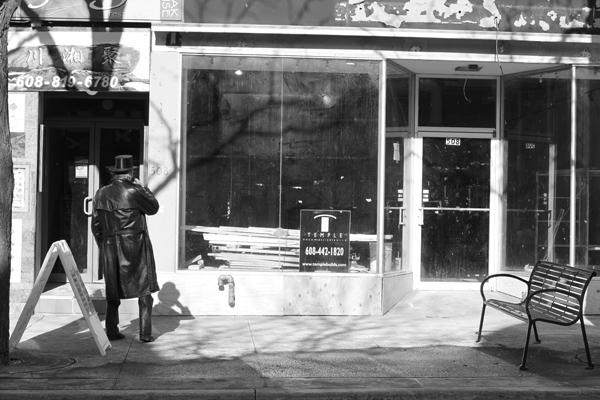
As with any photography, you should also be prepared to amend your plan as necessary. Weather, crowds, unexpected building closings, and innumerable other factors can interfere with even the best laid plans. Consider having a backup indoor plan for your outdoor day or an alternate location nearby, just in case. The benefit of exploring a nearby photography location is that it is much easier to return again if your first time does not work out the way you had planned.
After: Workflow and Reflection
Once you get home, be sure to download all of your photographs immediately and back them up as well, using whatever system you have established (multiple hard drives or disks, portable hard drives, cloud backup, etc.). Establish a system for tagging and evaluating your shots so that you can find your favorites quickly and easily.
Don’t shortchange yourself after the outing either. Take some time to review the trip as well as to review your shots. Write yourself some notes about what worked well and what did not. Continue to add on to your bucket list by thinking of new ideas or missed opportunities. You may be surprised at how much photographic potential you can find around you!
Have you been able to check items off your photography bucket list by focusing on opportunities closer to home? Share your favorites in the comments below.
The post Travel Photography without the Travel – Going Local by Katie McEnaney appeared first on Digital Photography School.


