RSS
 

Posts Tagged ‘travel’

Best Travel Photography Tips of 2014

31 Dec

traveltips_Georgia_2.jpg

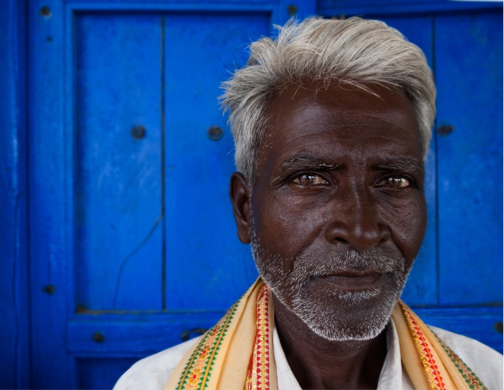
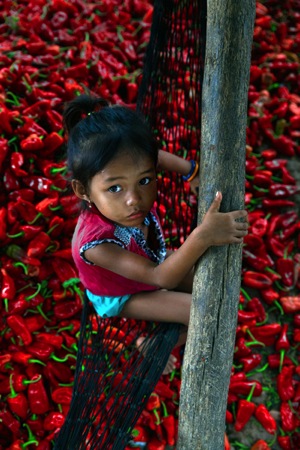
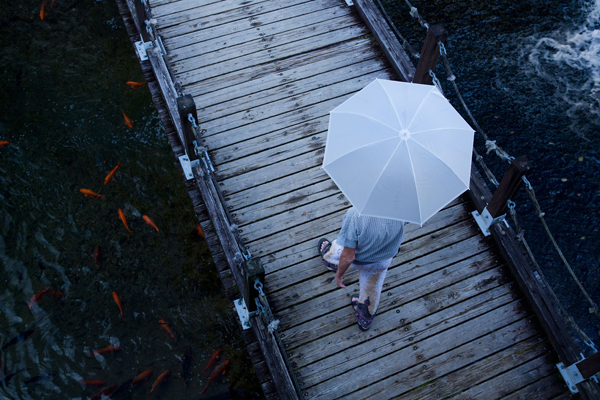
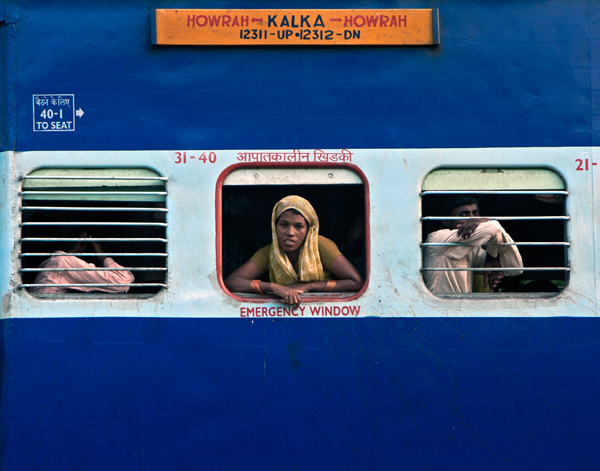
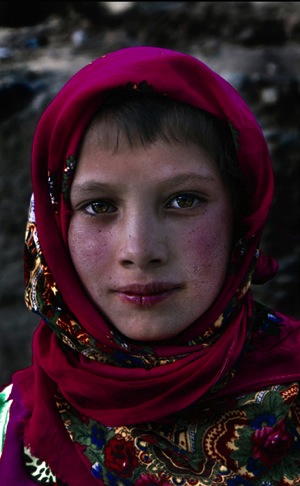
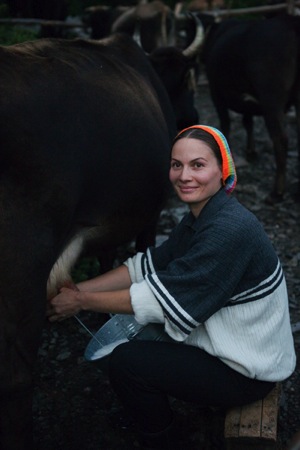
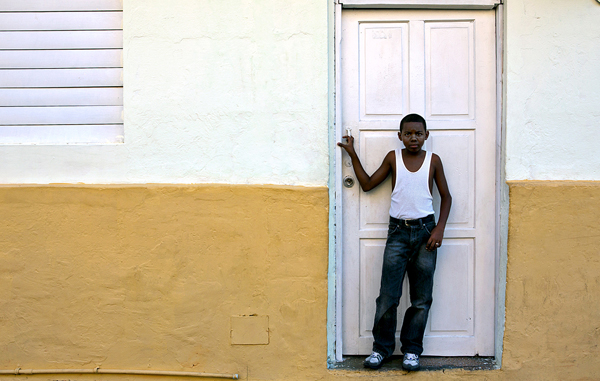
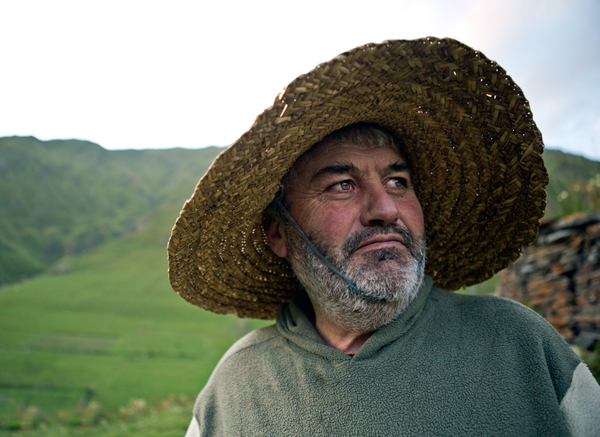
Travel photography is one of the most popular topics here on dPS. Things often seem more interesting to photograph when we are away from home, travelling somewhere exciting or just new. Here are some of the highest rated travel photography articles on dPS in 2014. In no particular order:

  • The Only Three Lenses You Need for Travel Photography
  • The Worst Mistake a Travel Photographer Can Make
  • Off Camera Flash for Your Travel Photography
  • 20 More Photography Tips Every Travel Photographer Must Know
  • 6 Tips for Photographing People When Travelling
  • 7 Proven Ways to Come Home with Better Travel Photos
  • 10 Ways to Improve Your Travel Photography Portraits
  • 5 Simple Tips to Improve Your Travel Photos
  • Versatility – Your Guide to Shooting Great Travel Photography
  • 6 Tips for More Unique Travel Photos in Busy Tourist Locations
  • Travel Photography without the Travel – Going Local
  • Overcoming the Fear – Creating Better Travel Photography Portraits
  • How to Get the Most Out of a Travel Photography Location

googletag.cmd.push(function() {
tablet_slots.push( googletag.defineSlot( “/1005424/_dPSv4_tab-all-article-bottom_(300×250)”, [300, 250], “pb-ad-78623” ).addService( googletag.pubads() ) ); } );

googletag.cmd.push(function() {
mobile_slots.push( googletag.defineSlot( “/1005424/_dPSv4_mob-all-article-bottom_(300×250)”, [300, 250], “pb-ad-78158” ).addService( googletag.pubads() ) ); } );

The post Best Travel Photography Tips of 2014 by Darlene Hildebrandt appeared first on Digital Photography School.


Digital Photography School

 
Comments Off on Best Travel Photography Tips of 2014

Posted in Photography


Snoozeboxes: Mobile Container Hotels Travel by Truck or Rail

22 Dec

[ By WebUrbanist in Boutique & Art Hotels & Travel. ]

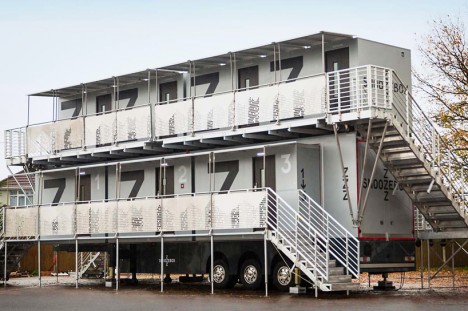
snoozebox trailer flat bed

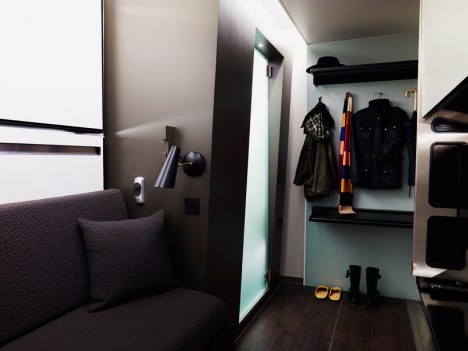
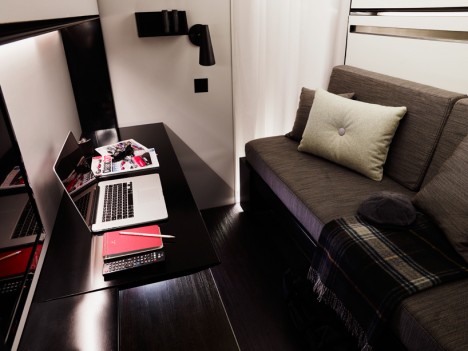
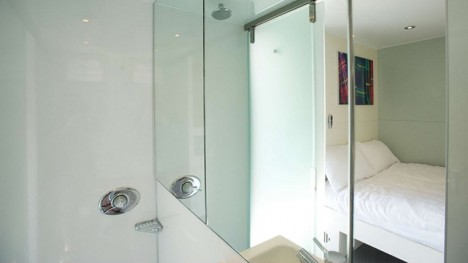
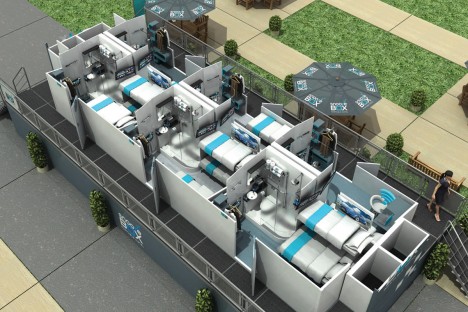
Modular, stackable and robust, these cargo containers may not look like much on the outside but provide surprisingly refined accommodations inside and can be packed and shipped cheaply and easily around the world to meet different demand.

snoozebox modular system interior

snoozebox interior module design

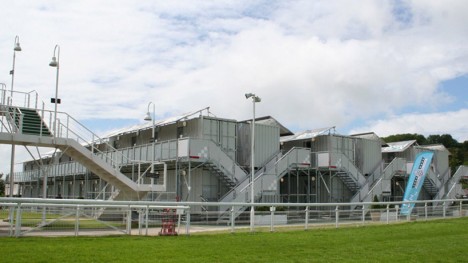
Recently renovated, the newest Snoozebox models can be shipped by road, rail, air or sea, fully deployed within two days and configured in a variety of ways for festivals, events or emergency housing.

snoozebox shelves sofa door

snoozebox fashionable interior design

snoozebox new remodel version

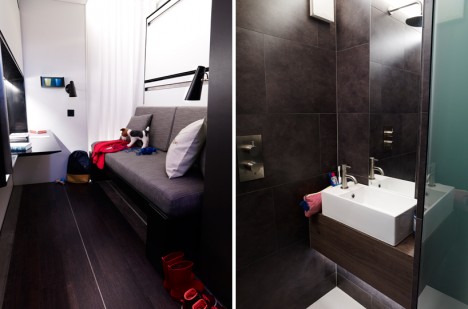
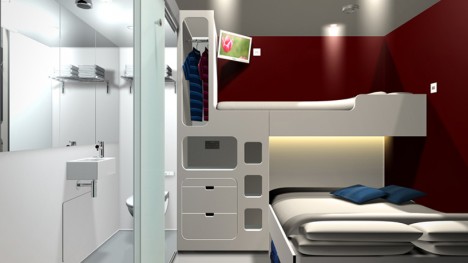
Making them appealing for off-the-grid contexts as well, “each of the units require no mains service – no provision for electricity, water or sewerage is necessary. each room is climate controlled and features a wet room, double bed, flat screen TV, power sockets, free wi-fi and a safe.”

snoozebox wet room walls

snoozebox door room divider

These small-footprint shipping container modules allow for “two upper level units, each offering two bedrooms, can be placed on top of the lower level, accessed by stairs with a walkway leading to each dwelling. internally, each temporary residence has four stowed bunk beds, which can be readily and easily converted.”

snoozebox stairs and ramps

snoozebox interior space design

shipping container hotel design

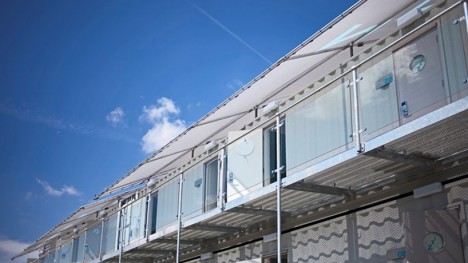
The older models were a bit more bare-bones in terms of their cladding but still provide all of the essential basics, including flat-pack circulation structures and shade provisions for sunny and hot climates.

Share on Facebook


[ By WebUrbanist in Boutique & Art Hotels & Travel. ]

[ WebUrbanist | Archives | Galleries | Privacy | TOS ]


WebUrbanist

 
Comments Off on Snoozeboxes: Mobile Container Hotels Travel by Truck or Rail

Posted in Creativity


Carry Less – Photograph More: Elevate Your Travel Photography

22 Sep

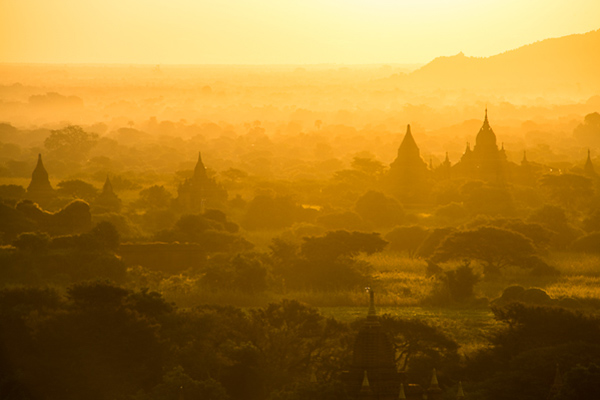
20131206_Bagan_563b

As a travel photographer, either on assignment or shooting a personal project, capturing great quality images that represent the spirit of a place and its people is key.

Looking to achieve that was a priority for me, so I always traveled with a bag full of gear, including at least two DSRL bodies, three or four lenses, flash, tripod, batteries, etc. It was a heavy load, and it slowed me down. I am a Nikon shooter, so my first approach to unload weight was to carry an all-purpose lens. I got the Nikon 28-300mm, and along with this, I’d carry the 14-24mm for wide-angle shots. Now I needed a backup camera or second body. I debated whether to keep carrying another Nikon body or to try something more compact. Finally I decided to get myself a mirrorless camera; enter the Fuji X system. My first mirrorless camera was the Fuji X-E1 with the kit lens, the wonderful Fuji 28-55mm. That camera was a turning point for me, and after my first trip I was sold on the system. Yes, I still shoot Nikon, but I just don’t travel with those big guns anymore.

The mirrorless technology is now really advanced – gone are the days when the image quality was not up to par with DSRLs and the availability of lenses was scarce. There are similar options from different manufacturers: Sony, Olympus, and Panasonic all have systems that eliminated the reflex portion and bulkiness of the typical DSRL. Please understand that I am mentioning Fuji because that’s the camera I use, but this is not an article to discuss a specific camera or brand. What you should consider is that for the most of us, the image quality of these cameras nowadays is amazing.

20131212_Inle_Lake_535b

I’d say I’ve switched, at least for travel. Fuji is now my go-to system for everything on the move, including photo walks. If you are planning to invest in a camera system, you should at least give mirrorless consideration, and here is why:

1) Travel Light

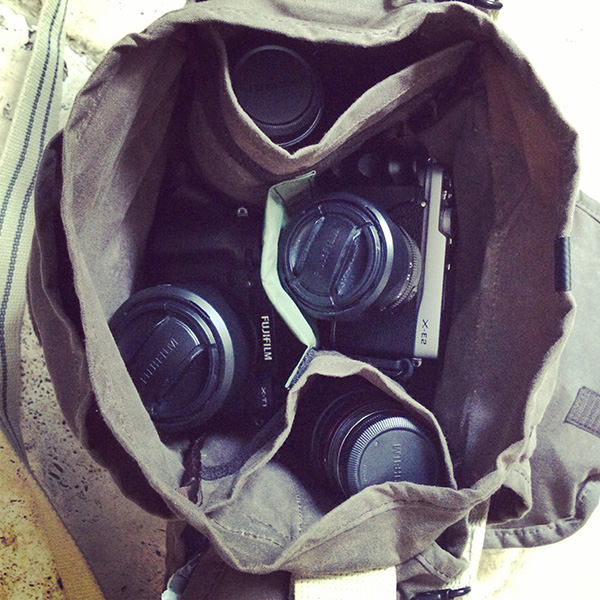
When using a mirrorless system, traveling light doesn’t mean that you’ll be out of options in the field. In just a small camera bag, you can fit a lot. This Domke F-3X Super Compact bag contains two bodies, five lenses, a flash, four extra batteries, radio triggers, a GPS for geotagging and SD cards. What I have here in terms of camera are the Fuji X-T1, Fuji X-E2, Fuji18-55mm zoom, Fuji 55-200 zoom, the 23mm and 35mm primes and an 8mm fish-eye from Rokinon. Believe me, I can carry this all day long without putting strain on my back, which brings me to the second point.

CAMERA BAG

2) Shoot all day

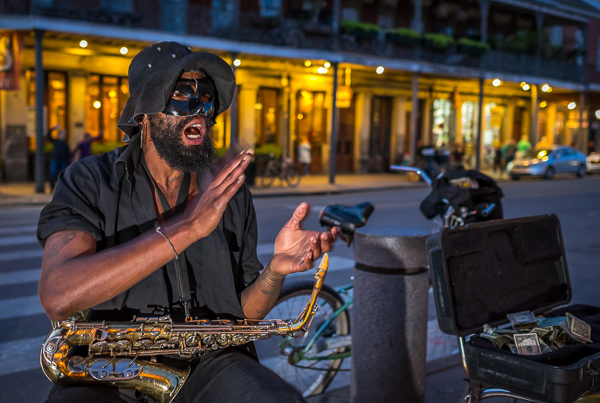
Wandering light means you can wander more. A small and light kit won’t wear you out and you can pretty much shoot all day long. With these cameras you can always have one on you, even if you are not carrying a camera bag. There are plenty of options where you can take them on your belt and even inside the pocket of a jacket. Having a camera with you all the time brings more opportunities to capture the people and places where you are traveling. The photo below was taken my first day in New Orleans; after a long flight I just went out for a walk with the Fuji X-E2, the 23mm prime and a flash in my pockets, and when the opportunity presented itself I was able to shoot it.

Street performer at night in New Orleans

3) Be invisible, blend in

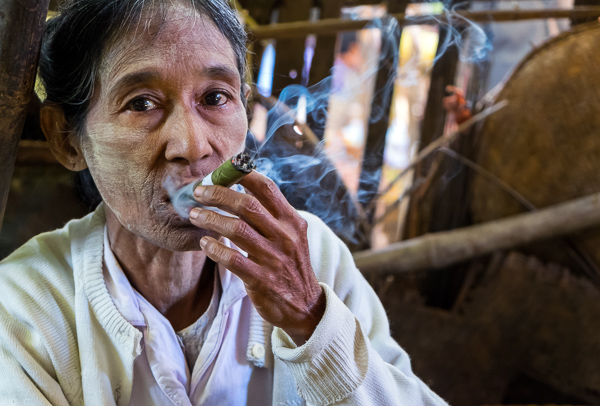
There is nothing more annoying than people being scared of you. Trying to stick a big lens or camera in front of people in public spaces, or even worse, in remote locations where you don’t speak the local language, is a formula for disaster. There is also a difference if they see you as a pro photographer or just another tourist. When you carry a small camera, you’ll most likely go unnoticed or they won’t feel as intimidated as they would when they think you are pro shooting for a magazine. I personally love to shoot markets: these places, away from big cities, are one the best ways to explore local cultures. I’ve noticed a big difference since I started to shoot with the Fujis on my trips. I can blend in more, I can aim the camera, smile, and get a photo with no problems, whereas before many times I’d have people turning their faces down or away from me. Just consider this fact alone and the difference it can make in your photography.

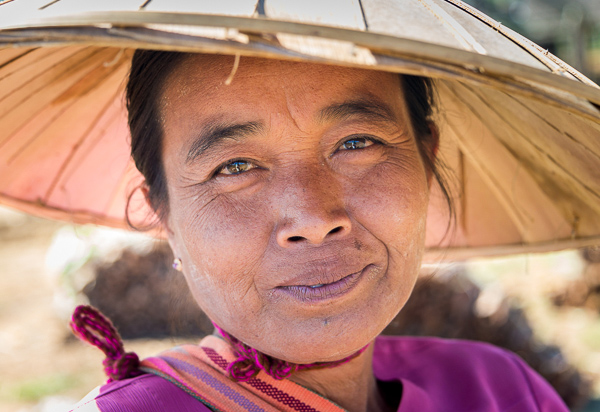
Old Burmese woman smoking a cigar

Another great feature besides what is mentioned above is how easy it is to work with an electronic viewfinder. Imagine being able to see exactly what are you getting in your viewfinder before making the shot. You can quickly adjust camera settings and see the changes on the fly. Seeing where your whites are clipping or how the shooting mode will affect the result of the image without having to move your eyes out of the viewfinder is phenomenal. I could go on an on about the benefits, but I am not a technical person.

If you like to travel and go places, in my opinion this is the way to go. The future is even brighter, as manufacturers continue to develop their lineups. Mirrorless is versatile and delivers excellent results. Touring light will make your travel photography better and you’ll be able to enjoy your trip more.

Any other mirrorless fans here? Show us your photos and tell us about it.

The post Carry Less – Photograph More: Elevate Your Travel Photography by Daniel Korzeniewski appeared first on Digital Photography School.


Digital Photography School

 
Comments Off on Carry Less – Photograph More: Elevate Your Travel Photography

Posted in Photography


6 Tips for More Unique Travel Photos in Busy Tourist Locations

10 Sep

Imagine this: you’ve scrimped and saved for months for your dream vacation, and a snazzy digital camera, hoping to capture some unique travel photography images along the way, only to be flustered by the hordes of other tourists with the same intentions. With the increased accessibility of cameras on devices of every kind, this is becoming a common scenario that can frustrate many photographers, both professional and amateur. But don’t lose hope! With these tips, I’ll show you some ways to think of travel photography in a new light so that you can take unique travel photos in busy tourist locations.

DPS Travel Photography 03

1. Take shots from different angles

To get a unique photo, consider your subject from a wide variety of angles. Get down on your knees and shoot from below, or step up on a bench, or use a monopod to shoot from on high. Do whatever you can, within reason, to shoot from different perspectives; this will greatly increase the odds of capturing a unique image.

2. Time your visits to outdoor attractions to coincide with the most ideal natural lighting available

One of the biggest challenges to shooting outdoor attractions can be harsh shadows due to lack of lighting control. You obviously don’t want to bring strobes and excessive flashes with you when you travel, so it’s best to use the sun to your advantage. Do your research with apps, such as The Photographer’s Ephemeris, to see where the sun will be, and plan your trip accordingly. Sunrise and sunset are probably among the most ideal times, but be aware that you’ll likely get competition from other photographers thinking the same thing (see image above).

3. Go where the crowds aren’t going

DPS Travel Photography 05

If the crowd in a tourist attraction is fixated on one particular part, turn around and see what is behind them. Look for details that are being passed by and not given attention. This gives you less competition, in addition to increasing the odds, of capturing a unique image that everyone else is overlooking. While you’re shooting in the opposite direction, this also gives you something to do while waiting for the crowd to thin out so that you have more time to capture a clean shot of the main attraction. Having patience, and waiting for breaks in the crowd, is also a key to shooting unique images.

4. Pull out your zoom lens and focus in on details

Challenge your photography skills and creativity by shooting exclusively with a macro, or zoom lens, for a while. Shooting with a longer focal length will encourage you to take in the intricate details of a place; something that is usually overlooked by other tourists who likely focus on taking selfies and wide-angle shots. There’s beauty in details, and zooming in close eliminates most of the risk of having other people block your shots.

DPS Travel Photography 04

5. Make other tourists part of your shot

Instead of viewing the hundreds of other tourists around you as burdens, why not make them a part of your photo? Pull a fast one on other shooters by pointing your camera in their direction. Many tourists will likely duck or move out of your way, so act fast to catch them in natural poses. The point is, think like a photojournalist, or marketing photographer, and consider the idea that conveying the idea of a full, and popular, tourist attraction is a photo-worthy moment in itself.

DPS Travel Photography 01

6. Take candid shots or portraits of the locals

In and around many tourist attractions, you’ll likely find lots of locals in the forms of security guards, vendors, taxi drivers, and more. If you’re searching for truly unique photo subjects, consider pointing your camera at some of these people who help run the tourist attraction, and making them a part of your photo. You could even get bold and approach some locals for a portrait. This might be tricky if you’re in an area where language barrier is a problem, but if you get creative with your body language, it’s fairly easy to get your point across. Portraits not only give you more opportunities to get creative, but also provide opportunities to chat with people, and perhaps find out other unique photo ideas in the area.

DPS Travel Photography 02

Have you got some great photos from crowded tourist locations? Please share them and your tips in the comments below.

The post 6 Tips for More Unique Travel Photos in Busy Tourist Locations by Suzi Pratt appeared first on Digital Photography School.


Digital Photography School

 
Comments Off on 6 Tips for More Unique Travel Photos in Busy Tourist Locations

Posted in Photography


8 Essential Tips for Travel Photographers

09 Sep

#1 Great travel photos are planned

Just think about what you are going to do, understand the scene, watch the light, the movement of people inside the image. When you take your pictures you have to consider all factors: from the time of day and the light, to the emotional preparation of the characters. It is true that luck exists, that someone at some time photographed just that smile, that you can collect stolen photos using a long lens. But few stolen photos have survived to become part of the history of travel photography.

DPS Plan your photos 8953

#2 The hair in your soup: An error for some people is something creative for others

A hair is a hair, but one thing is having it on your head and another quite different story is finding it in your soup. An error for some people is something creative for others.

Some questions customers usually ask me when traveling together are:

  • Is it okay if I use an aperture of f/8?
  • Hey, what is the right speed for this?
  • Does it matter if it comes out fuzzy?

My answer is always the same: It depends on what you want to do and what you want to highlight.

In sports photography you usually want to focus movement, and for this purpose you use high sensitivity (ISO) and high speed (shutter speed); but great photographers – specialists in their field – leave images fuzzy to emphasize movement, and get splendid results.

The important thing is that viewers of your photo understand the way you have used the error: if you intended to show movement, the viewer must understand it that way. Otherwise the result is just a blurred picture.

DPS  A hair 5636

#3 Eyes are the magnet of every photo

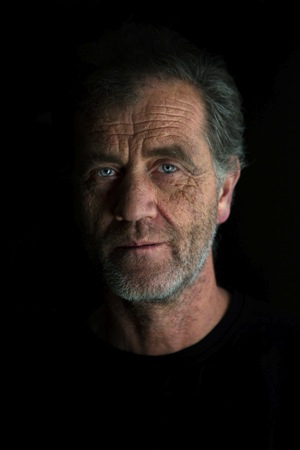
Look into people’s eyes, make personal contact. Eyes say a lot about people’s emotions, so much so that in many cultures people don’t want to look you in the eyes because they fear that you will be able to guess what they are thinking. Look for the light in the eyes – or total darkness. They are a magnificent photographic story line.

DPS  Eye contact

#4 One good photo a day – nothing else – nothing more

There is no rush. You don’t have to go off shooting like crazy. One photo a day is much more than the greatest photographers achieve when traveling. Don’t rush when shooting the photo. Take your time to take a good photo rather than waiting for luck to achieve what you are not capable of doing calmly.

#5 Forget about the long lenses if you are actually interested in real people on the street

The long lens is the perfect instrument to get away from people, and keep them at a distance. It isn’t the best method to create emotions and capture them in a photo. Get close. Look into people’s eyes. Create an emotion! The vast majority of Magnum’s photographers specializing in people prefer 24mm, 28mm or 35mm lenses.

If you want to grow as a photographer, use prime lenses: they force you to be fully aware of the frame and to take your time. If you are too far away, get closer. If you are too close, move away. I assure you that you will notice a tremendous improvement in your photos. If you don’t own fixed lenses, set your lens to the 35mm position using a band-aid.

#6 Many good pictures are made on your knees

Yes, on your knees. You’ll see how your whole concept of photography changes. I always get irritated by tourists taking pictures standing, from above, of a monk who is sitting on the floor. If you want people to have respect for you, the first thing you have to do is to show respect for others. Get down to their same height.

DPS  On your knees

#7 Find the best light and walk uphill or look for the worst light

Get up very early or wait for dusk. The best light appears with sunrise and lasts for the next 20 minutes or at nightfall. Walk where nobody else walks. In cities and villages, you will most certainly find more opportunities than most photographers, by going uphill, because most people look for what is easiest and requires less effort.

It always depends on what you want to show. Many great pictures are made at the worst moment: when the sun is at its zenith. This situation is exceptional for emphasizing shadows and highlighting hard heat conditions.

DPS  The worst Light 88

#8 Don’t act like a pro

Don’t work, just take photos. Many professional photographers who have lost their way in the struggle to create saleable images come to my courses. Try to keep up your freshness. Remember what it was that originally attracted you to photography. Don’t be afraid of taking photos your colleagues don’t like, and especially don’t be afraid of taking photos that don’t sell.

The post 8 Essential Tips for Travel Photographers by Harry Fisch appeared first on Digital Photography School.


Digital Photography School

 
Comments Off on 8 Essential Tips for Travel Photographers

Posted in Photography


Interview: Oded Wagenstein – Author of Snapn Travel Guide and dPS Writer

01 Sep

Oded Wagenstein interview

Oded Wagenstein is a travel photographer and writer. He’s built a reputation taking intimate portraits from around the world and is a regular contributor to National Geographic Traveler magazine (Hebrew edition).

Regular readers will be familiar with Oded’s wonderful photography and articles. We’re interviewing him here at dPS because we have just published his new ebook about travel photography.

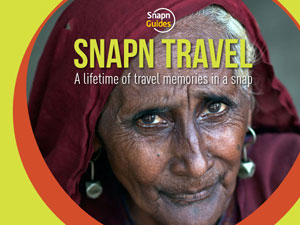
Oded Wagenstein interviewIt’s called Snapn Travel – A lifetime of travel memories in a snap, and it’s available from our sister site Snapn Guides. It’s a fantastic ebook that will help any photographer who is planning a trip to another country to take better photos while they are there.

In Snapn Travel Oded writes about the importance of creating images that tell stories. He explores the process that he undertakes on any travel assignment, from initial research to working in the field, to come away with powerful and evocative images. We’ll delve a little deeper into some of those topics in this interview.

The Interview

In your ebook you start by saying that travel photography is all about portraying the stories and emotions we find during our journeys. Can you elaborate on those ideas? How does one go from taking snapshots of places you see on your travels to taking photos that make full use of emotion and story?

Oded: Travel photography is almost as old as photography itself. Magazines and commercial photo publishers used to send travel photographers like Francis Bedford and James Ricalton to “exotic” places in the east to bring back some of that “oriental flavor” that everyone in the west was so badly after in the nineteenth century. Even until recently, if you visited a remote tribe in Africa and got an image of someone with a bone through his nose, you got yourself a “worthy” image.

But those days are over! We live in an era of digital photography, where cameras are so common, that even this tribe might have its own smartphone camera. Today, it is really hard to create fresh images that the world hasn’t yet seen. So, from my point of view, today, an image alone is not enough, as you must be able to tell a visual story. Don’t show me India, I know how India looks, tell me how traveling in India felt for you. If you want to sum up my philosophy: shoot what you feel and make your viewer feel the same.

Oded Wagenstein interview

A lot of your photos are portraits. How do you find willing subjects for your portraits when travelling?

Oded: Portrait photography is a “give and take” relationship, not “take and take”. I try to make it as fun as possible for the person I photograph. If he wants to tell me a story, I listen, and always do my best to send the photo to him. I make the process a conversation, and not a photo shoot. This lets my subject forget about the camera.

One of the most important skills I learned is to ask a person a question, shoot while he’s answering, and while I’m thinking about the next question. This makes everything natural and “flow”. Portrait photography is so much more than controlling aperture and shutter speed.

Oded Wagenstein interview

How do you overcome obstacles such as language differences or suspicion of foreigners?

Oded: I always travel with a fixer, who is a local that can serve as a guide and translator.

How do you become involved with the people that you meet? How do you come across as a traveller who is genuinely interested in people rather than a tourist who perhaps sees the local people as little more than subject for photos?

Oded: First, as obvious as it may sound, I am really interested in them. The image for me is just a byproduct: a nice byproduct, but not the goal. I am an image maker because the camera helps me “see” the world in a better way. It lets me start a conversation with a stranger, and maybe have a cup of tea with them. The camera is my bridge to the world and besides being interested in the person’s story, I always try to get inside the story and not watch it from outside. For example, once I was invited to a local Tajik wedding. I took a few pictures but then put the camera down and got on the dance floor. The next time I took out my camera, the pictures were much better.

Oded Wagenstein interview

Can you talk us through the differences between working on an official magazine shoot and going to a location purely under your own initiative?

Oded: I treat both scenarios exactly the same way. In both, the responsibility to come back with the best results is all on the photographer’s shoulders and no one can tell you exactly what to shoot and where to go. The magazine can help you with ideas or hiring a fixer (local guide), but you are your own boss, for better and for worst.

I do my visual research and learn about the culture (history, food, music, religion, etc.). On the ground, I hire a fixer and do my best to come back with the best images, even if it takes me long days, hard walks, and enduring extreme weather.

In my travel photography workshops, I always refer my students to the “client”. From my point of view, we all, professional and amateurs alike, have clients. Our clients are our viewers and friends, and I treat my Facebook viewers and my magazine editor with the same amount of effort and professionalism.

Oded Wagenstein interview

I like this piece of advice: “Discover things not commonly photographed and your stories will always be two steps ahead of the crowd.” Can you explain this in a little more depth? How do you find the things that are not commonly photographed?

Oded: You don’t have to travel far, or trek for miles, to find those places. You just need to think outside the box. For example, I did a story not long ago on Bollywood. India is so complex and rich, but I think that we always see the same things about the country: poor people in really colorful clothes. So I wanted to show a different side of India: rich and glamorous.

My students struggle to find interesting things to photograph in their own towns. And I tell them that one’s ordinary breakfast or road to work is another’s “exotic” country.

Oded Wagenstein interview

Last year I spent a week in the north of New Zealand’s South Island. I took some landscape photos but I wasn’t really happy with the results. It made me realixe just how hard landscape photography can be – you’re relying on the weather and light to do its part, and in many ways as a photographer, your hands are tied. You have to work with the landscape as it is, and (digital manipulation aside) there is nothing you can do to change it. Bearing in mind there isn’t much happening in a cultural sense in this part of the world, what advice would you give me if I was to go back to the same place and try again? How can I move from taking uninspiring landscape photos to finding and telling an interesting story?

Oded: This is a good question. Here you have two approaches:

The passive approach, or coming at the right time. Just come in the right season, the right day, at the right time. Say a cloudy winter day with golden rays of sunrise.

The active approach, or creating the right time. Good lighting is always needed, but bring a tripod, a good looking hat, a backpack, and capture yourself enjoying the view. You will see how the image becomes better because you added a “main hero” to the image and because people love watching other people. Don’t avoid people in your landscape photography, that’s my advice.

Oded Wagenstein interview

Traveling to a distant and exotic location is one thing, but given that most people can only spend a short time of the year doing this, what about the idea of travel photography in your own back yard?

Oded: Buy the Lonely Planet guide (or any other guide book) on your own country and travel by it. Take a silly tourist’s hat and view some postcards. See your own back yard as a tourist. Think of places you have special access to – maybe there is an interesting story or a person in your family (I have a few), maybe your job is not ordinary, and maybe your mother just cooked a local dish that I, as a foreigner, would love to see.

Do you have any questions for Oded about travel photography? Please let us know in the comments. And don’t forget to check out Snapn Travel – A lifetime of travel memories in a snap.

The post Interview: Oded Wagenstein – Author of Snapn Travel Guide and dPS Writer by Andrew S. Gibson appeared first on Digital Photography School.


Digital Photography School

 
Comments Off on Interview: Oded Wagenstein – Author of Snapn Travel Guide and dPS Writer

Posted in Photography


20 More Photography Tips Every Travel Photographer Must Know

21 Aug

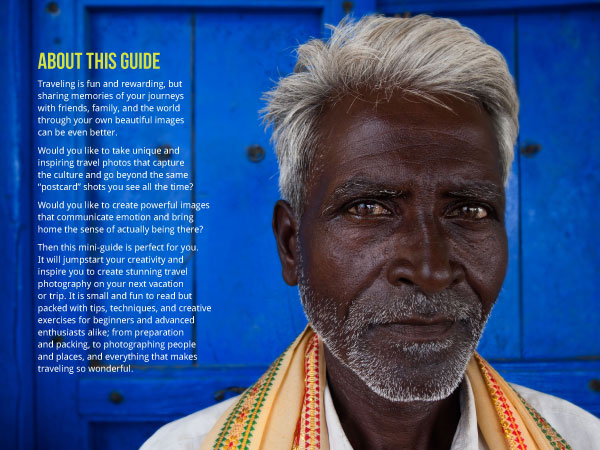
Pick up Oded’s new SnapnGuide (a dPS sister company) Snapn Travel here for only $ 7, a lifetime of travel memories in a snap. Traveling is fun and rewarding, but sharing memories of your journeys with friends, family, and the world through your own beautiful images can be even better.
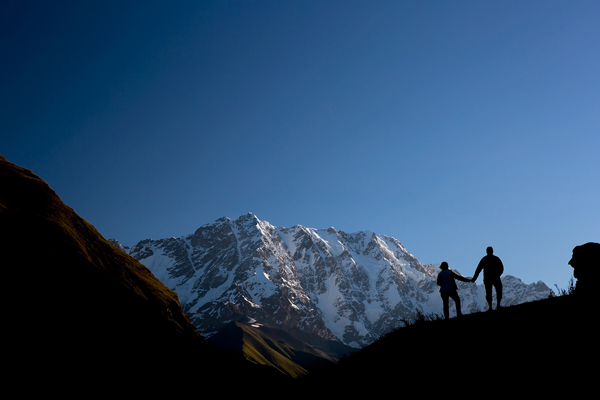
Traveltips Georgia 2

Georgia (the country)

Here are 20 more tips for great travel photography:

(You can read Part One 20 Photography Tips Every Travel Photographer Must Know here)

Before you go:

1. Make the visual decisions

For most of us, deciding where and when to go is based on many decisions, not necessarily related to photography. But there are some small decisions you can make to turn an ordinary trip into a photo-worthy one. For example, let’s say you are going on a business trip. You can squeeze a few hours of photographing between meetings. But a much better option would be to take a day or two off and spend this extra time photographing on location.

Or when planning your next family vacation, add a little visual research before the trip. Is there a nice festival or a market worth visiting at your destination? Is there something unique like an interesting ethnic group or unusual landscape that’s worth documenting? These small visual decisions can make a huge difference in your photographic experience during your trip.

2. Build a shot list

A “shot list” is a term from the movie industry. It’s a list of shots that are planned for a specific day. Want to come back home with better travel photography results? Then the shot list is your tool for the job.
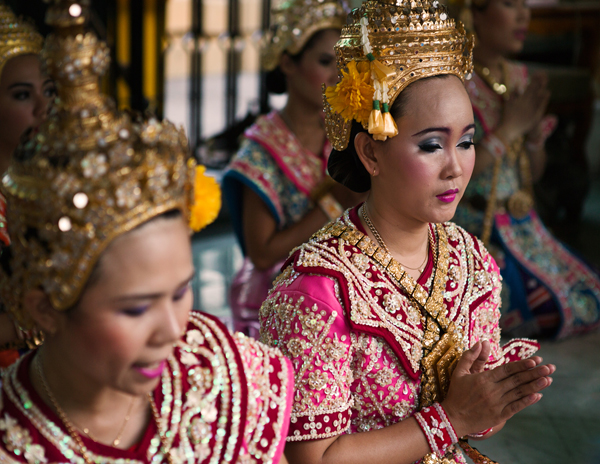
Traveltips thailand 2

Thailand

First, make a list of visual ideas as your “I won’t come home without” image list. Combine the iconic images with more creative ideas. For example, if you’re going to Paris, don’t skip the Eiffel tower. As a true symbol of Paris, it should be on your list. But make sure to add creative visual ideas, such as boutique wine shops, farmers markets, or anything to your liking. The shot list is there to help you, not restrict you. When you’re on the road, with so many new sights and smells competing for your attention, the shot list will keep you organized and be a continual inspiration for creating the next shot.

3. Smart gear choice

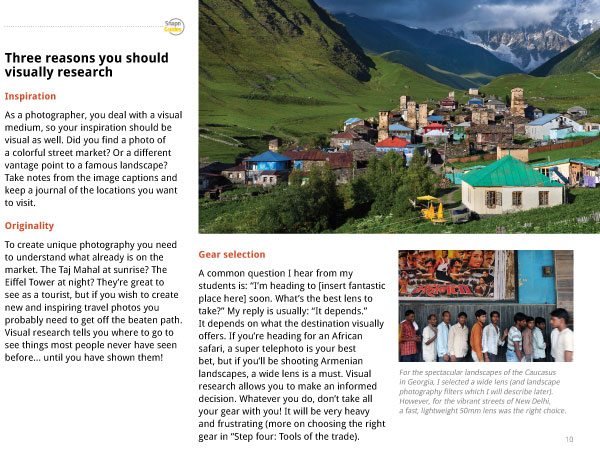
Don’t take all of your equipment with you! Match the gear to the destination. Do you really need that flash on the beaches of Thailand? Or that 50 mm prime lens for the safari trip to Tanzania? Choose wisely and you’ll worry (and carry) a lot less.

4. Photo boot camp

If you’re not making images on a daily basis, it will probably take you a few days on location just to “get in shape”. Get a jump-start by warming up at home by creating a daily photography routine at least one week before departure. This will make sure you’re at your best as soon as you step off the plane.
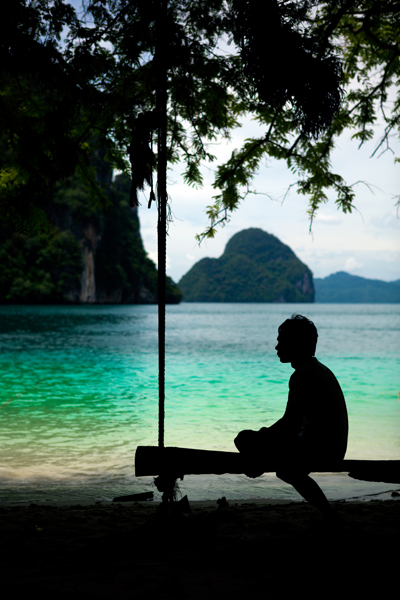
Traveltips thailand 1

Thailand

5. Coordinate expectations

Apart from our photographer’s “hat”, we all wear other hats, such as “father,” “spouse,” or “friend”. When traveling with others, we must wear many other “hats”. You must coordinate expectations with your travel partners to make sure the importance you’re placing on your photography during the trip won’t cause problems. Think and plan together about places you all can visit that would be great for even those who don’t take pictures: vantage points with scenic views, colorful markets, religious centers, etc.

When you get there

6. Location scouting

This is another movie industry term. It means that before even taking out your camera, it is wise to get familiar with your surroundings. Take at least a few hours to learn the area. Understand if there are any interesting places around your hotel, visit one or two places that are on your shot list and adjust it accordingly.
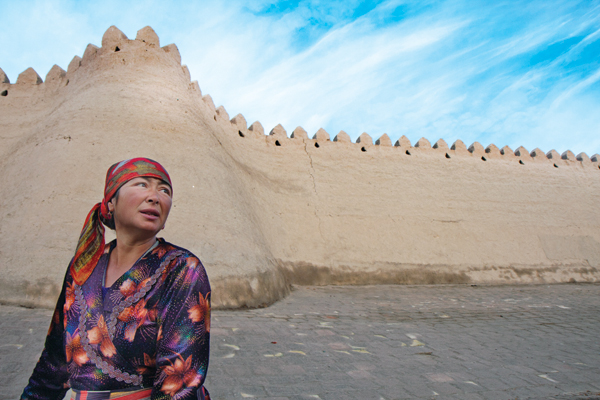
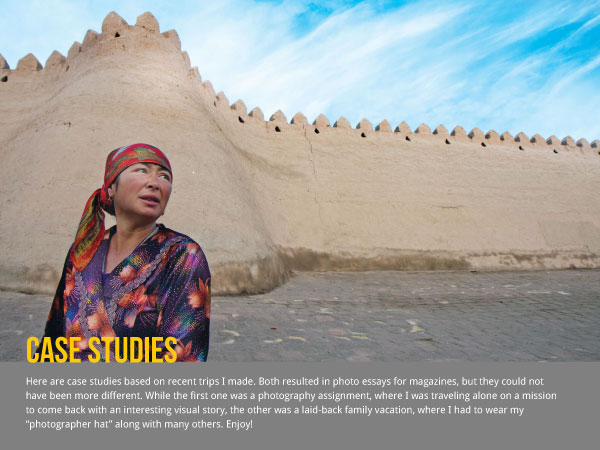
Traveltips Uzbekistan

Uzbekistan

7. Get up early

Yes I know, this one is a crazy ratings downgrade. But hey, travel photography is not for the lazy! The most precious thing on a trip is your time. Do not waste the hours of golden light of morning (or afternoon) on sleeping. Especially if you are traveling with non-photographers, it’s your time to do your best shots. You can save sleeping in for weekends at home.

8. Markets first!

Colors, food, local people, culture; markets are a photographer’s paradise. It’s always better to visit open markets (for the daylight) rather than covered ones. Some of the best markets I visited happen only once a week, be sure to be there.
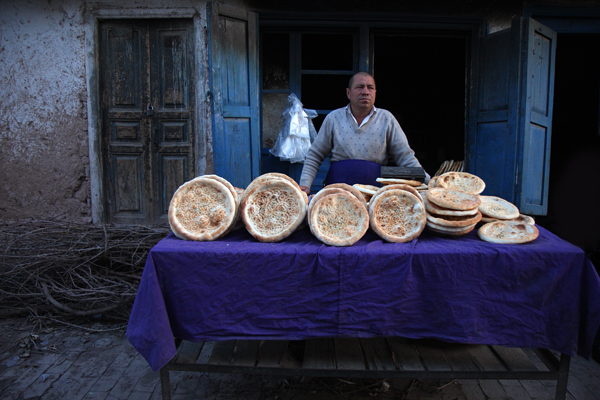
Traveltips china

China

9. Diversify your shoots

You took a landscape photo with a wide lens? Excellent, now do it again with a telephoto lens.

You’ve got the main square in daylight? Wonderful! Come back at night with a tripod and shoot long exposures. Make the most out of your once-in-a-lifetime trip as your diversify your shoots and portfolio.

10. Get out of your comfort zone

We all have places that are less comfortable for us, but visiting a new place is an excellent opportunity to get out of your comfort zone. Do you not have the courage to approach strangers in the street in order to take their portrait? This is an excellent opportunity. You might be surprise how easy and fun it is to do this with strangers.
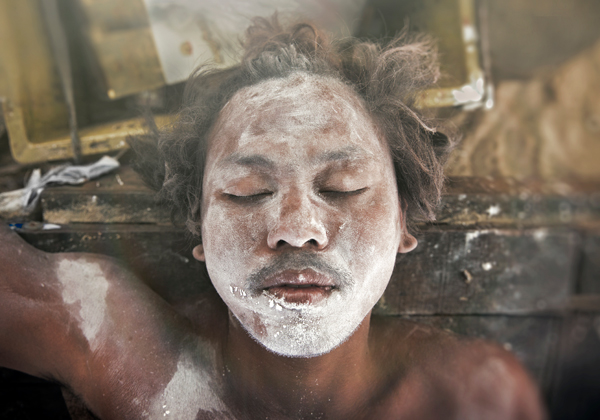
Traveltips thailand 3

Thaliand

11. Go iconic – but from a different point of view

We all know how Times Square, The Taj Mahal, and the Eiffel tower look. Don’t come back with the same, “we’ve seen it all before” images. You don’t have to skip those iconic places, they usually are truly worth the visit. But think of new and fresh ways to feature them. Try using a fish-eye lens, creative editing process, or reflections – the sky is the limit.
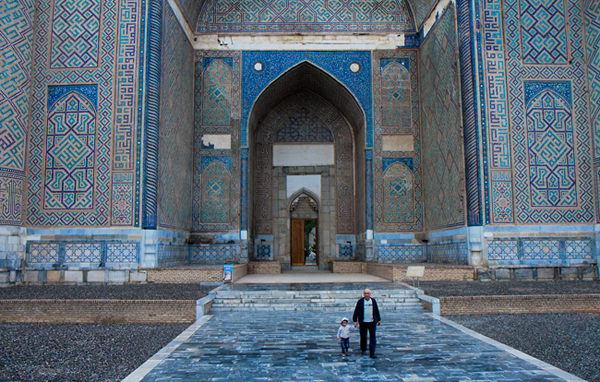
Traveltips Uzbekistan 2

Uzbekistan

12. Get inspired!

When I’m on a photography assignment, I always try to pay a short visit to a local gallery. Yeah, it sounds bit snobbish, but seeing the photography, paintings, or any other local art forms acts as a huge inspiration for my travel photography. We all want to create different and unique images. This is great way to do just that.

13. Setting a trap

I love this technique. Instead of jumping from place to place, looking for interesting subjects to photograph, I suggest to stay put and start building your frame with the background. Find an interesting vantage point on the street. You can even do this sitting at a sidewalk café. Establish your frame by determining the composition and exposure setting. Then wait for something interesting to enter your frame.
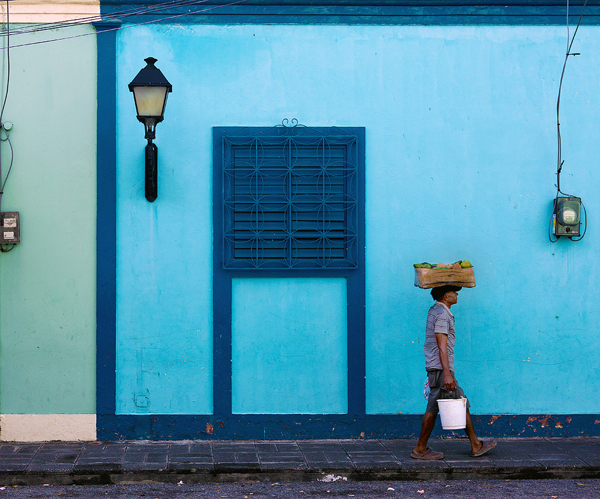
Traveltips Dominican Republic 4

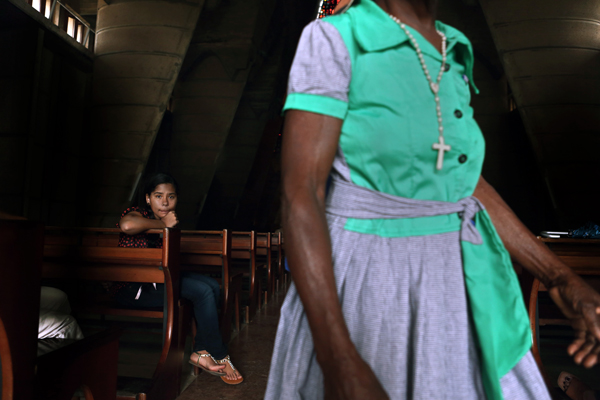
Dominican Republic

14. Join forces with a local

From experience, in travel photography, there is nothing like working with a local photographer. Use a social platform (Facebook, Flickr, couchsurfing) and find a local photo enthusiast like yourself, who can show you all the best places to photograph. Of course, there are always risks when meeting strangers from the internet. Use your common sense and don’t meet them somewhere secluded at first.

Coming back home

15. Backup

I cannot stress how important this tip is. Don’t wait until it’s too late. Laptop, hard drive, cloud storage, you name it. Backup your images on more than one source.

16. Clean your gear

Before you store your stuff, you should clean it. Sea salt, sand, or even just fingerprints on the lens, can damage your gear. Keep your equipment in good shape and you will enjoy it for many years.
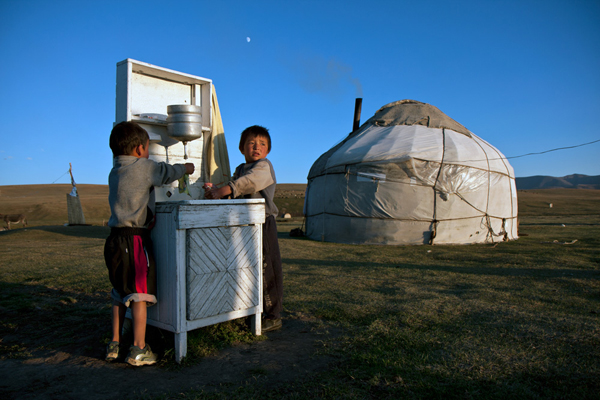
Traveltips Kyrgyzstan 3

Kyrgyzstan

17. Have a successes and misses notebook

In the past, I was recording a notebook of all my “almost got it” frames. Those fuzzy, overly bright, and “what the heck is this thing in the background” images.

I kept this notebook in order to learn how to not repeat my mistakes (and because we photographers like to be angry at ourselves from time to time). Then, I realized that it is just as important to understand why I failed as it is to understand why I succeeded. So, even today, after every assignment, I write ten things to keep and ten things to work on until the next trip.

18. Rest from it

I know it’s tempting, but resist the urge to filter, edit, and post-process your images the minute you get home. Give yourself at least a week before you do so. We tend to emotionally connect to our images, usually by the degree of investment and hard work we put into creating them. Give yourself time to disengage yourself from the experiences of your journey. This will help you see your images with less bias.
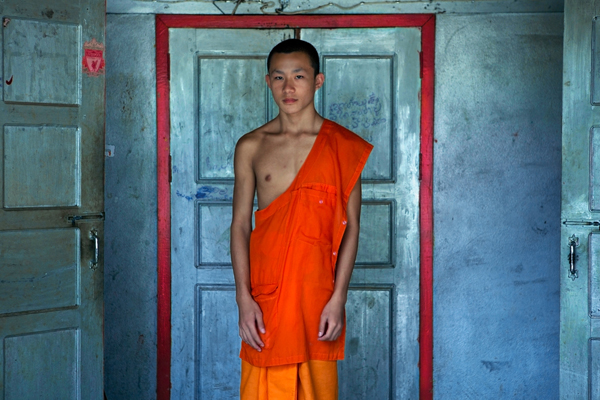
Traveltips laos 2

Laos

19. Get feedback

After learning from your successes and mistakes by yourself, use the help of someone else. Choose a friend, (preferably one with tact) and get his/her opinion on the images. It doesn’t matter if they’re a photographer or not. They should be honest, sincere and non-competitive with you.

20. Get it out to the world

Now, after resting from it, seeing it again with a new perspective, and hearing someone else’s advice, it’s time to get your art out to the world.

Choose up to 15 photos (not more). It is important to pay careful attention to the opening and closing images. Each image must stand on its own and together as a set. Add some text and post it to the world.

Note: the author would like to thank Nicholas Orloff for his help in writing this article.
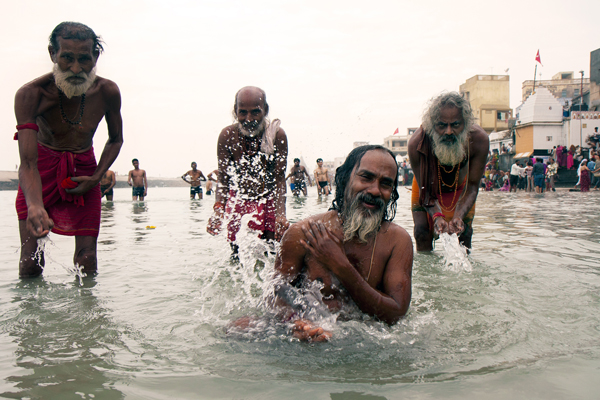
Traveltips India

India

The post 20 More Photography Tips Every Travel Photographer Must Know by Oded Wagenstein appeared first on Digital Photography School.


Digital Photography School
 
Comments Off on 20 More Photography Tips Every Travel Photographer Must Know

Posted in Photography


The Only Three Lenses You Need for Travel Photography

29 Jul

The only three lenses you need for travel photography anywhere in the world are a fisheye lens, a 50mm, and a 135mm (or similar telephoto).

You can agree and finish this article right here, or you can read on to see exactly why I would choose only these three lenses to take with me anywhere in the world.

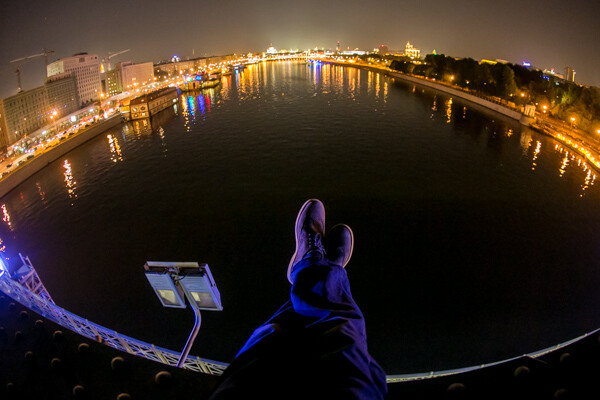
Canon fisheye 15mm 2.8

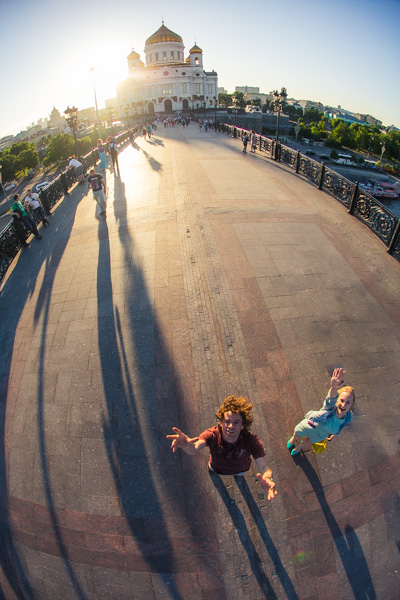
Night shot from atop a bridge in Moscow, using the Canon fisheye 15mm f/2.8

Before I say anything else, the fisheye I have in mind has an aperture of f/2.8, the 50mm has an aperture of f/1.4, and the 135 has an aperture of f/2.0. Popular, cheaper variations on these lenses would be the 24mm f/2.8, 50mm f/1.8, and the 100mm f/2.8 Macro. I’d also like to address what I imagine a popular response to this article might be: “What about the 24-105mm?” This lens is weak for a couple of reasons. The maximum aperture on this lens is f/4, which ends up being very limiting if you are trying to travel light (and going without an off camera flash).  Also, prime lenses are always superior in quality to zoom lenses. There are less moving parts and the image quality is cleaner. If you think having just one lens to cover a greater range is easier, just remember what you gain in convenience (by having one lens) you lose in quality, weight, and ability to “see” in the dark.

Each of these lenses are used for very specific reasons. Just as we wear different shoes for different purposes throughout our week, such as; sneakers for exercise, dress shoes for work, and slippers around the house – we use different lenses to convey different feelings, emotions, and to use as different tools to capture our experiences. Some lenses really are better than others for certain things. For example, portraits are best taken with lenses between 85mm and 135mm. The distortion to the face/ears is minimized and the truest proportions are found in this range.

On the other hand, you wouldn’t normally reach for a lens like this when shooting a landscape scene (there are always exceptions to every rule, and it’s fun to see what happens when you break the general guidelines). Great lenses for landscapes tend to be a bit wider, somewhere between 15mm and 50mm. I recently took only these three lenses with me on the Trans Siberian Railway from Russia through Mongolia into China. Here are MY reasons for bringing the 15mm Fisheye, 50mm f/1.4, and the Canon 135mm f/2.0 with me on this trip of a lifetime.

The Canon Fisheye 15mm f/2.8

canon fisheye 15mm

From Moscow, Russia

The Canon 15mm lens is my antidote to boring building pictures. When traveling abroad (or around your own town/city/village), interesting buildings are inevitably photographed. Oh, that old bridge with locks attached to it? Better take a picture. Oh, look at that old cathedral in the Kremlin, better take a picture. If it’s there, it must be important. Well, you can add your photo to 1.5 million other photographs right there on Flickr or Google images that look exactly like the one you just took.

What will you do to differentiate yourself? How can you take a picture that will make someone pause for more than half a second?  Ad companies are excited when someone spends 4-8 seconds looking at a photo. Can you get someone to look at one photo for that long? What would it take? For me, I decided I would never take boring, straight photos of buildings ever again. I’d either edit them in unusual ways (like creating an HDR image, or process it in very contrasted black and white), at unusual times of day, or I would attempt to photograph it differently than every other tourist before me.

canon fisheye 15mm

The subways in Moscow, Russia

Canon fisheye 15mm 2.8

Selfies are easy with the fisheye lens. That bag on my shoulder could hold my camera, three lenses, my laptop, batteries, some magazines and a book.

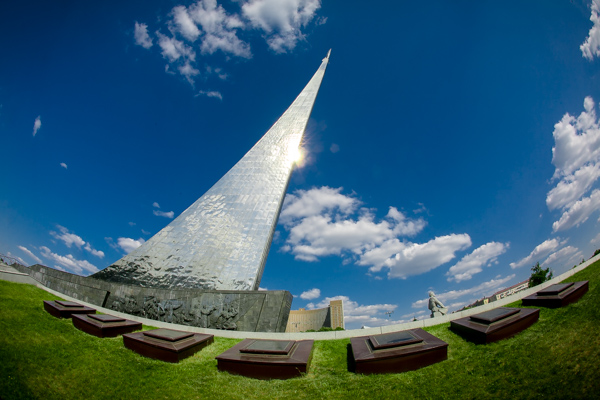
Shooting with a fisheye lens can be really fun, actually. Hold your camera up to your eye with a fisheye lens on, move the camera upwards and watch the horizon bend down sharply at the sides, creating a “globe” feel to your image. Tilt the camera down and watch the earth curve up like a big “U”. Buildings become warped and distorted in unusual ways, like a piece of Gaudi’s architecture. Stand in the middle of the street and point the camera straight upwards and watch the buildings on the side loom over you, like in a Dr. Seuss book.

canon fisheye 15mm

My bunkmates on the Trans Siberian Railway

Fisheye lenses can capture an entire room, cabin of a train, or a bathroom easily. They make selfies on your DSLR incredibly easy. You can take incredible photos of the stars at night. And best of all, they are great for doing the Camera Toss. (I suppose I should recommend NOT trying this ever, anywhere). Fisheye lenses add an element of fun and whimsy to travel photos, which I find otherwise a bit boring and predictable. It’s also an incredibly light and compact lens to travel with, which is why I always bring it along on my trips now.

canon fisheye 15mm

My camera toss, where I throw my camera with a fisheye lens high up into the air to capture a scene like this

The 50mm f/1.4

The 50mm lens is a standard, go-to, all-around lens. And while the Fisheye lens brings a lot of whimsy and fun to my travel pictures, some scenes just don’t call for that. I’ve heard it said that the 50mm is the closest representation to what we see naturally with our eyes. This lens is my best choice of the three options for Canon 50mm lenses. For only about $ 300, this lens has fantastic optics and a powerful aperture. It’s made of real glass lenses unlike the cheaper, lower quality 50mm f/1.8. And it focuses fast, unlike the much more expensive 50mm f/1.2, which happens to be twice as heavy.

Canon 50mm 1.4

A garden scene in Moscow, Russia taken with the 50mm f/1.4. Such lovely bokeh!

This is a great, inconspicuous lens on a camera body because it doesn’t stick out too much like a 70-200mm would, and the quality is just superb, as I’ve already said. It is extremely lightweight, and you could honestly walk around the entire day with just this lens. What I associate most with the 50mm f/1.4 lens is street photography. I love to take that lens and get lost down side streets and alleyways. I like to take photos of strangers on the street with this lens. The focal length is just right, so it feels as though the viewer is standing there by him or herself. It captures just enough of a scene to convey what is there.

Canon 50mm 1.4

A retired math teacher from Texas on the Trans Siberian Railway

The 50mm f/1.4 is also a great lens for portraits (though I prefer the 135mm f/2.0). It produces lovely bokeh. It forces you to get up close to your subject, making the portrait more intimate. You can’t hide behind a telephoto like the 135mm or a 70-200mm. You are an arm’s distance away, and being that close sometimes shows up on the subject’s face in interesting ways.

low light with the Canon 50mm 1.4

My Mongolian host preparing milk tea in the yurt.

The last thing that I think the 50mm f/1.4 does best, is capture images in low light situations. Trying to capture dinner in a restaurant at night using candlelight only? Totally possible. That light reflecting across the river at night? 50mm does it best! Sleeping in yurts for four nights in a row? Getting that delicious yurt light from the top of the tent is easy with the 50mm.

Canon 50mm 1.4

Taken in the back alleys of Beijing, China with my 50mm lens, my favorite street photography lens.

Fun fact: of my top 200 images from the trip, 112 of them were taken with the 50mm.

The 135mm f/2.0

The granddaddy of all these lenses, the 135mm f/2.0 has a special POW feel to it. Because it is a telephoto, it pulls the background in for a nice compact feel to the images. It is a great portrait lens as it completely obliterates the background in a sea of dreamy bokeh. And one special fact about the Canon 135mm f/2.0: it has the ability to focus at a distance of 1 meter (3 feet), which makes it almost like a macro lens.

Canon 135mm 2.0

My host on the left, after we road horseback from one village to the next, in Mongolia. Taken with the 135mm f/2.0

This lens is fun for me because it has similar properties to the 70-200mm, but it weighs nearly half as much, which will save your back and shoulders after a long day of walking around. This is a fun lens to spy on people from afar, if you are afraid of the straight-on street style encounters you get with the 50mm. This is actually a really interesting lens to do landscapes with if you have enough room. Look at this side-by-side comparison of basically the two same scenes, and look what the 135mm does to the mountains and landscape in the background. It really pulls them towards you, the viewer and truly implies the scope of the scene.

Fisheye versus 135mm

The same view from the fisheye and the 135mm. Notice the mountain with the bright spot in the background of the fisheye; it’s almost non-existent. With the telephoto the mountain becomes a major player in the photo.

Canon 135mm 2.0

Taken on my way to the oldest and deepest freshwater lake in the world. Lake Baikal, in Siberia, Russia.

canon 135mm 2.0

In the Kremlin, Moscow, Russia. This is one instance where I enjoy breaking the rules and using a telephoto lens to capture an idea of a building, rather than the whole thing with a 50mm or Fisheye lens.

I hope these images and words have inspired you. It’s really fun to limit yourself to prime lenses and feel how they work (and don’t work) in various situations. Being that close to just a few lenses over a month of travel really allows you to get to know the equipment well. So now let’s see some travel photos you’ve taken with prime lenses!

The post The Only Three Lenses You Need for Travel Photography by Phillip VanNostrand appeared first on Digital Photography School.


Digital Photography School

 
Comments Off on The Only Three Lenses You Need for Travel Photography

Posted in Photography


Travel tripods: 5 carbon fiber kits reviewed

28 Jul

What makes a tripod a good travel companion? We test out five carbon fiber ‘travel’ tripods that while compact and light, are also comfortably tall and capable of supporting a reasonable amount of gear. This review covers five models, examining their features, functions and ergonomics in use both in the studio and out in the field. Click through to read the roundup.

Articles: Digital Photography Review (dpreview.com)

 
Comments Off on Travel tripods: 5 carbon fiber kits reviewed

Posted in Uncategorized


Overcoming the Fear – Creating Better Travel Photography Portraits

22 Jul

Pick up Oded’s new Snapn Guide (a dPS sister company) Snapn Travel here for only $ 7. A lifetime of travel memories in a Snap.

Traveling is fun and rewarding, but sharing memories of your journeys with friends, family and the world through your own beautiful images can be even better. Especially rewarding are images of the interesting people you meet along the way, because creating travel photography portraits can be an amazing addition to your portfolio.

But, if taking pictures of strangers while interacting with them makes you uneasy, maybe even feeling a bit of fear? GOOD! Then this article is for you.

F11A1011

The world of photography is divided between two groups of people: those who enjoy creating portrait photography and those who do not. Through discussion with my own students I have realized that only about ten percent of those who avoid portrait photography actually do not like it. The remaining ninety percent, so I discovered, are hiding, deep down inside, a photographer who really desires to shoot portraits, especially when he or she travels to interesting and distant places, meeting people from other cultures.

But it is not that easy. Let’s be honest, sometimes it’s super hard. So what we do is we wrap ourselves with excuses like: “I do not feel comfortable with this”,”I do not want to invade a person’s privacy” and as the “golden excuse” we used that one story of someone who shouted at us at some market in Morocco.

Blue guy

First, from my experience, getting yelled at (and all kinds of other problems) only starts when you take photos of someone from a distance and they catch you in the act.

Paprlika princeBut here is another fact: there is nothing like photographing someone from a close distance. The eyes, the feelings and the huge visual story potential within. Besides, when we work from a close distance while interacting with the person, we gain control of our tools as photographers: composition, background, the “decisive moment” and we also have that amazing ability to tell the photographed person: “you know what, let’s take one more shot”.

In 99% of my travel photography work with magazines, I photograph portraits from a close distance, without hiding myself or hiding the fact I am taking a photo. Now, some will say that when a person sees a camera, it affects the authenticity of the moment. I will address this issue later.

First rule: tell, do not just show

This is the # 1 mistake of bad travel photography: trying to show a story, instead of telling it. Creating a diary instead of evoking feelings. Here is the unpleasant truth; apart from our family and close friends, no one cares where we travel and who we meet along the way. If you want to succeed in exciting your viewers, you need turn to a different approach.

10

Before the digital era, it was enough if you traveled to the other side of the world and came back with images of people from some exotic tribe. You know, those “colorful” images, of people with a bone stuck in their nose. Today, when almost every corner of our planet has been photographed, this is not enough anymore and we have to return to the basics; to that one element that hasn’t changed since the beginning of time – a story.

We are just obsessed with stories. A person is not only clothes, a Cuban cigar or colorful sari; a person is an entire story. A story is a complex thing to create, so for the first step I will ask that your images be able to answer this question: how does the person in the image feel? Is it a comedy or a tragedy? Has he just finished a day of hard work or is he enjoying a vacation? Look at the person’s body language and listen to his voice. Try to convey the type of feeling you had while meeting this person.

134.jpg

Choose the right equipment

Remember the following equation – if you have a telephoto lens, you will to use it, because that is the easiest way of shooting people, from a distance. Instead, go with a wide lens (up to 50 mm for full frame, 35mm for cropped sensor). Also, try to avoid complicated and sophisticated equipment like flash and tripods. This will attract unwanted attention in the streets and you will be busy handling the gear instead of focusing on the story in front of you.

73 08

Read about the culture

Yes, in India they wear sari and in Cuba they smoke cigars. To get a more in-depth story of the culture, you have to learn about it first. Prior to your trip, do a brief study of the place you are about to visit. View images, read material and mainly, answer important questions like:

  • How will people react to the camera?
  • Do I need to pay for taking a picture?
  • Are there things that I should not photograph?

In order to answer these questions you can ask someone who visited the destination or look for information on the web. If you do not know anything about the culture, you will fall into the cliché of photogenic tourist traps. But if you come with knowledge, it will affect your photography. My editor at the National Geographic Traveler magazine calls this “photographic intelligence”. Go the extra mile and read about the history of the place, the religious system, the food and the local music, which leads me to our next tip.

F11A7455

Use the local music to your advantage

Recently I photographed a story on the Dominican Republic. It was the first time I worked on this side of the world and suddenly I felt as if I almost forgot how to take pictures. I did not approach anyone and at first, my photography did not come out well at all. So, I just listened to some local music on my headphones. I do not recommend staying with headphones all the time, because it cuts you off from the environment. But for the first day, it’s a great tip; it puts you in the groove and makes you feel good. In conclusion, on the first day of your trip, do not trouble yourself with approaching strangers. Relax, listen to the local music, get into the groove and warm up with easier image making: buildings, landscape, food, etc.

71

Get outside when the lighting is right

The meaning of “Photography” is drawing with light. Even the most photogenic person will not look good in unsuitable light. There are no rules about lighting – no “good” or “bad”. There is appropriate and inappropriate lighting, because light has varying qualities: color, direction, strength, softness, etc. According to most photographers, the best light for most situations is within the “golden hours”: around sunrise and sunset. If this is your first time approaching people in order to photograph them, let the light be on your side. Try adjusting the correct time to go outside. If you cannot control the time (like when on an organized tour) try to photograph people in the shade.

34

Force yourself – get out of your comfort zone

After a day of listening to the local music, getting the groove and warming up with easy shots, it is time to start working. Do not delay it, even if it is very hard for you. Just fake it until you make it:

  1. 72Choose: choose a person you would like to photograph. Don’t use excuses like: “I can’t find anyone special”. Just make the shot, even if it’s only for practice. It is very important that you choose a person who is not on the move, because you need to get ready BEFORE approaching him, so it will be easier in a static situation (a seller in market stand, or someone relaxing at the park)
  2. Get ready: know your lens and exposure. Think about the composition and background.
  3. Approach: ask the person if you can take their photo. You can ask verbally or just by lifting the camera and smiling, waiting for a smile back.
  4. Explain: it doesn’t matter if you are in NYC or Tibet; people want to know why you are taking their photo. You can tell them how much you liked their shop, pet, hair, etc., or just mention that you like portrait photography and you would like to take their photo. Usually this kind of good feedback will be enough.

Now, you might get a NO for an answer. That’s okay! Say “thank you” and then just “get back on the horse”, move on to the next person. You might get a YES. That’s wonderful! Relax, think about the framing and make the image.

F11A9627

So what about the authenticity of the moment?

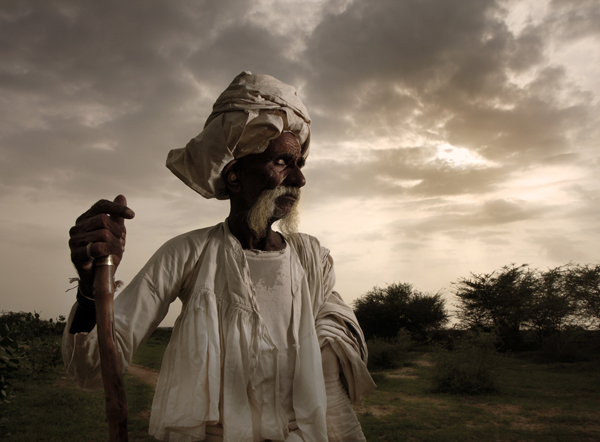
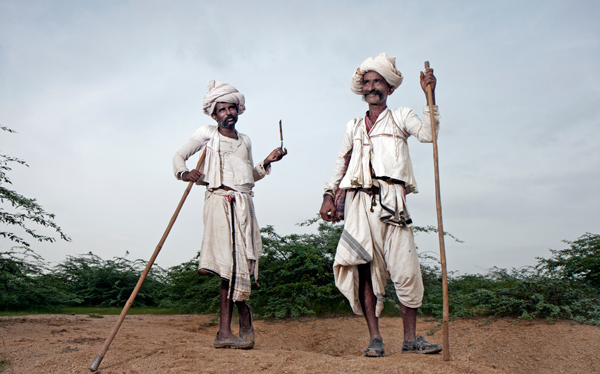
It’s True. Usually when a person is asked to be photographed, they will put on a “mask”. You can call it their pose. Sometimes this pose might be the thing you are looking for. When photographing two men for a story I did in India for the National Geographic Traveler magazine, that pose (image below), which is so typical for the Rabari tribe men, was perfect for the story I wanted to tell.

Page 29 b

If you don’t want the pose, my solution – give your subject time and space. Do not stop him or her from making that pose. Give them a positive feedback and show them how nice the first photo came out. From my experience, after a minute or two, the masks fall. That is because someone eventually will enter your subject’s shop, or they will receive a phone call or anything that might make your subject forget you are still there. This is the moment of magic. This is when the best pictures happen.


Pick up Oded’s new Snapn Guide (a dPS sister company) Snapn Travel here for only $ 7. A lifetime of travel memories in a Snap

  • Learn how to bring the emotion of your trip home with you, not just a memory card.
  • Become a travel photographer instead of a photographing traveller.


The post Overcoming the Fear – Creating Better Travel Photography Portraits by Oded Wagenstein appeared first on Digital Photography School.


Digital Photography School
 
Comments Off on Overcoming the Fear – Creating Better Travel Photography Portraits

Posted in Photography