RSS
 

Posts Tagged ‘travel’

DPReview Recommends: Best compact cameras for travel 2015

23 Dec

Whether you’re traveling the world or the next town over, having the right camera at your side makes all the difference. We’ve picked out our best picks for the photographer who wants to keep things simple by carrying a compact camera rather than one with interchangeable lenses. If you fall into that category, we’ve got great news for you – there are more high quality cameras with attached lenses than ever before, brimming with features tailored to your needs. 

Fujifilm X100T

$ 1099 | 16MP APS-C sensor | 35mm equiv F2 lens | Hybrid electronic / optical viewfinder | 3″ LCD

Few cameras in recent history have attracted as much of a cult following as Fujifilm’s X100 series. They’re the photographer’s darling – not just a good-looking camera, but a beautifully effective machine. The X100T is small and light, and won’t burden a weary traveler, and its low-profile lends itself to street shooting. If you don’t mind zooming with your feet, its 35mm F2 equivalent lens and 16MP X-Trans APS-C sensor will serve you well.

In addition to its travel-friendly size, the X100T offers a hybrid viewfinder with optical and digital views. That’s especially handy when the sun is high in the sky and the 1.04M-dot 3″ LCD becomes harder to see. Having been on the market over a year (at time of publication), its 16 megapixels are starting to feel quite low in comparison to some of its peers, but it also means that the price has dropped slightly since its launch. It is worth noting though that its movie mode, which was far from class-leading at launch, is now well behind the competition in terms of quality and 4K support.

With obviously classic design cues, the X100T’s controls and handling are timeless. Though it doesn’t offer the cutting-edge modern features of its newer peers, it won’t go out of style anytime soon. 

Also consider…

Ricoh GR II
Not a revolutionary update to the original by any means, but the Ricoh GR II’s 16MP APS-C sensor and 28mm F2.8 make the camera one of the best bargains on the market for under $ 600.

Panasonic Lumix FZ1000

$ 750 | 20MP 1″-type sensor | 4K video | 25-400mm equiv. focal range | XGA OLED viewfinder

You can zoom with your feet all day long, but some situations and shooting styles call for real zoom. The Panasonic Lumix FZ1000 doesn’t top its class in terms of massive zoom reach, but its 25-400mm equivalent zoom opens up plenty of options, and an F2.8-4.0 aperture is brighter than most of its peers. With a 1″-type 20.1MP CMOS sensor, it borrows some tech from the GH4 including 4K video recording at 30 fps. Its DSLR-style build includes a fully articulated 921k-dot 3″ LCD and a 2.4M-dot OLED viewfinder.

Also consider… 

Nikon Coolpix P900 
On the seventh day, the Nikon Coolpix P900 was created. And there was much zoom. An incredible 24-2000mm equivalent range, in fact. The P900 uses a considerably smaller 16MP sensor than the FZ1000, but its lens is impressive considering what it has to do, the image stabilization is amazing, and the built-in GPS won’t let you forget where you’ve been.

Sony Cyber-shot DSC-RX100 IV

$ 950 | 20MP 1″-type sensor | F1.8-2.8 24-70mm equiv. lens | Pop-up EVF | 4K video

It’s hard not to recommend the Sony RX100 IV to anyone buying a compact. It’s by no means a budget-friendly option, but it’s among the most capable pocket-sized cameras we’ve ever tested. Sony’s excellent 20MP 1″-type sensor is bigger than your garden-variety compact camera sensor with lots of dynamic range, and a 24-70mm equiv. F1.8-2.8 lens is much brighter than most of its competition. The camera’s tiny pop-up EVF is higher resolution than that of it predecessor and comes in very handy in bright outdoor light.

The RX100 IV really shines when you set the mode dial to movie mode. 4K/UHD recording is available, and at lower resolutions (upscaled to 1080p) high frame rates of 240, 480 and 960 fps can be used. Slow motion video is an awful lot of fun.

If you want to take control over your settings, shoot high quality video and make the most of your vacation Raw files, the RX100 IV is a solid choice. Of course, if you can live without 4K and high frame rates, the RX100 III will save you a couple hundred dollars and get you much of the same excellent image quality. Neither will get you a lot of zoom if that’s what you’re after, but their image quality is at the top of their class.

Also consider…

Panasonic Lumix DMC-ZS50 
Before there were fancy Sony point-and-shoots with 1″ sensors, Panasonic had the market cornered on premium zoom compacts for travelers. While its 12MP 1/2.3″ sensor looks a bit pedestrian in comparison, there’s something to be said for a 24-720mm equiv. zoom that just about fits in your pocket. And for under $ 300, it’s pretty much a steal for full manual controls, Raw support and Wi-Fi with NFC.

Panasonic Lumix DMC-LX100

$ 700 | 13MP Four Thirds sensor | 24-75mm equiv. F1.7-2.8 lens | Electronic viewfinder | 4K video

Why stop at a 1″-type sensor? That’s the question Panasonic engineers must have asked themselves, and lo and behold, the Lumix LX100 was born. It uses a cropped 13MP Four Thirds sensor coupled with a very fast 24-75mm equiv. F1.7-2.8 lens and offers great ergonomics and handling for the kind of photographer who wants quick access to exposure settings. It’s not as pocket-friendly as the RX100 IV, but its solid handgrip gives it a steady feel and its responsive user experience is one of the best we’ve encountered in a compact.

In addition to recording 4K video, the LX100 also offers a useful 4K Photo Mode, which lets you extract a high quality 8MB still from your clip. Its time-lapse and stop motion animation modes are also a lot of fun. Its zoom is certainly on the shorter side, and for someone who plans to stay in Auto mode the camera’s controls and customization will verge on overkill. But for the seasoned photographer wanting to give her shoulders a break from the big camera, the LX100 is a joy to carry and shoot with.

Also consider…

Canon PowerShot G5 X 
If you want just a bit more zoom (100mm at the top end) and a more traditional SLR-style body you may want to consider the Canon PowerShot G5 X. It sports a 20MP 1″-type BSI CMOS sensor (likely the same as in the RX100 III) and a 24-100mm equiv. F1.8-2.8 lens, along with a fully articulating LCD, high resolution EVF, and full set of manual controls. It’s not great for action shooting and it lacks 4K video, but the G5 X is still worth a look.

Olympus Tough TG-4

$ 350 | 16MP 1/2.3″ BSI CMOS sensor | 25-100mm equiv. F2.0-4.9 lens | Everything-proof

Nothing spoils a vacation like spilling a Mai Tai on your fancy new camera. The Olympus TG-4 isn’t just sealed against spills, its fully waterproof to 15m/50ft, as well as shockproof from 2.1m/7ft, crushproof to 100kg/220lbf and freezeproof to -10C/14F. Wherever your travels may take you, the TG-4 is up to the challenge.

Outside of its rugged specs, we like the TG-4’s ability to shoot Raw, making it possible to get very nice image quality with a little time invested in post-processing. Its moderate 25-100mm equiv. zoom, which is fast at its wide end, will get you a little closer to the action, and optional accessories like a macro LED ring light and waterproof fisheye lens open up more possibilities. It also provides the peace of mind of knowing your camera will survive just about anything your vacation throws at it.

Also consider…

Olympus Tough TG-860
The Stylus TG-860 is the TG-4’s more casual sibling, lacking buttoned-up features like Raw capture and Aperture priority mode, but provides identical rugged specifications with a flip-up selfie-friendly LCD. If you don’t anticipate doing extensive editing to your snapshots, the TG-860 is good, clean fun for a significantly cheaper price.
Articles: Digital Photography Review (dpreview.com)

 
Comments Off on DPReview Recommends: Best compact cameras for travel 2015

Posted in Uncategorized


DPReview Recommends: Best compact cameras for travel 2015

18 Dec

Whether you’re traveling the world or the next town over, having the right camera at your side makes all the difference. We’ve picked out our best picks for the photographer who wants to keep things simple by carrying a compact camera rather than one with interchangeable lenses. If you fall into that category, we’ve got great news for you – there are more high quality cameras with attached lenses than ever before, brimming with features tailored to your needs. 

Fujifilm X100T

$ 1099 | 16MP APS-C sensor | 35mm equiv F2 lens | Hybrid electronic / optical viewfinder | 3″ LCD

Few cameras in recent history have attracted as much of a cult following as Fujifilm’s X100 series. They’re the photographer’s darling – not just a good-looking camera, but a beautifully effective machine. The X100T is small and light, and won’t burden a weary traveler, and its low-profile lends itself to street shooting. If you don’t mind zooming with your feet, its 35mm F2 equivalent lens and 16MP X-Trans APS-C sensor will serve you well.

In addition to its travel-friendly size, the X100T offers a hybrid viewfinder with optical and digital views. That’s especially handy when the sun is high in the sky and the 1.04M-dot 3″ LCD becomes harder to see. Having been on the market over a year (at time of publication), its 16 megapixels are starting to feel quite low in comparison to some of its peers, but it also means that the price has dropped slightly since its launch. It is worth noting though that its movie mode, which was far from class-leading at launch, is now well behind the competition in terms of quality and 4K support.

With obviously classic design cues, the X100T’s controls and handling are timeless. Though it doesn’t offer the cutting-edge modern features of its newer peers, it won’t go out of style anytime soon. 

Also consider…

Ricoh GR II
Not a revolutionary update to the original by any means, but the Ricoh GR II’s 16MP APS-C sensor and 28mm F2.8 make the camera one of the best bargains on the market for under $ 600.

Panasonic Lumix FZ1000

$ 750 | 20MP 1″-type sensor | 4K video | 25-400mm equiv. focal range | XGA OLED viewfinder

You can zoom with your feet all day long, but some situations and shooting styles call for real zoom. The Panasonic Lumix FZ1000 doesn’t top its class in terms of massive zoom reach, but its 25-400mm equivalent zoom opens up plenty of options, and an F2.8-4.0 aperture is brighter than most of its peers. With a 1″-type 20.1MP CMOS sensor, it borrows some tech from the GH4 including 4K video recording at 30 fps. Its DSLR-style build includes a fully articulated 921k-dot 3″ LCD and a 2.4M-dot OLED viewfinder.

Also consider… 

Nikon Coolpix P900 
On the seventh day, the Nikon Coolpix P900 was created. And there was much zoom. An incredible 24-2000mm equivalent range, in fact. The P900 uses a considerably smaller 16MP sensor than the FZ1000, but its lens is impressive considering what it has to do, the image stabilization is amazing, and the built-in GPS won’t let you forget where you’ve been.

Sony Cyber-shot DSC-RX100 IV

$ 950 | 20MP 1″-type sensor | F1.8-2.8 24-70mm equiv. lens | Pop-up EVF | 4K video

It’s hard not to recommend the Sony RX100 IV to anyone buying a compact. It’s by no means a budget-friendly option, but it’s among the most capable pocket-sized cameras we’ve ever tested. Sony’s excellent 20MP 1″-type sensor is bigger than your garden-variety compact camera sensor with lots of dynamic range, and a 24-70mm equiv. F1.8-2.8 lens is much brighter than most of its competition. The camera’s tiny pop-up EVF is higher resolution than that of it predecessor and comes in very handy in bright outdoor light.

The RX100 IV really shines when you set the mode dial to movie mode. 4K/UHD recording is available, and at lower resolutions (upscaled to 1080p) high frame rates of 240, 480 and 960 fps can be used. Slow motion video is an awful lot of fun.

If you want to take control over your settings, shoot high quality video and make the most of your vacation Raw files, the RX100 IV is a solid choice. Of course, if you can live without 4K and high frame rates, the RX100 III will save you a couple hundred dollars and get you much of the same excellent image quality. Neither will get you a lot of zoom if that’s what you’re after, but their image quality is at the top of their class.

Also consider…

Panasonic Lumix DMC-ZS50 
Before there were fancy Sony point-and-shoots with 1″ sensors, Panasonic had the market cornered on premium zoom compacts for travelers. While its 12MP 1/2.3″ sensor looks a bit pedestrian in comparison, there’s something to be said for a 24-720mm equiv. zoom that just about fits in your pocket. And for under $ 300, it’s pretty much a steal for full manual controls, Raw support and Wi-Fi with NFC.

Panasonic Lumix DMC-LX100

$ 700 | 13MP Four Thirds sensor | 24-75mm equiv. F1.7-2.8 lens | Electronic viewfinder | 4K video

Why stop at a 1″-type sensor? That’s the question Panasonic engineers must have asked themselves, and lo and behold, the Lumix LX100 was born. It uses a cropped 13MP Four Thirds sensor coupled with a very fast 24-75mm equiv. F1.7-2.8 lens and offers great ergonomics and handling for the kind of photographer who wants quick access to exposure settings. It’s not as pocket-friendly as the RX100 IV, but its solid handgrip gives it a steady feel and its responsive user experience is one of the best we’ve encountered in a compact.

In addition to recording 4K video, the LX100 also offers a useful 4K Photo Mode, which lets you extract a high quality 8MB still from your clip. Its time-lapse and stop motion animation modes are also a lot of fun. Its zoom is certainly on the shorter side, and for someone who plans to stay in Auto mode the camera’s controls and customization will verge on overkill. But for the seasoned photographer wanting to give her shoulders a break from the big camera, the LX100 is a joy to carry and shoot with.

Also consider…

Canon PowerShot G5 X 
If you want just a bit more zoom (100mm at the top end) and a more traditional SLR-style body you may want to consider the Canon PowerShot G5 X. It sports a 20MP 1″-type BSI CMOS sensor (likely the same as in the RX100 III) and a 24-100mm equiv. F1.8-2.8 lens, along with a fully articulating LCD, high resolution EVF, and full set of manual controls. It’s not great for action shooting and it lacks 4K video, but the G5 X is still worth a look.

Olympus Tough TG-4

$ 350 | 16MP 1/2.3″ BSI CMOS sensor | 25-100mm equiv. F2.0-4.9 lens | Everything-proof

Nothing spoils a vacation like spilling a Mai Tai on your fancy new camera. The Olympus TG-4 isn’t just sealed against spills, its fully waterproof to 15m/50ft, as well as shockproof from 2.1m/7ft, crushproof to 100kg/220lbf and freezeproof to -10C/14F. Wherever your travels may take you, the TG-4 is up to the challenge.

Outside of its rugged specs, we like the TG-4’s ability to shoot Raw, making it possible to get very nice image quality with a little time invested in post-processing. Its moderate 25-100mm equiv. zoom, which is fast at its wide end, will get you a little closer to the action, and optional accessories like a macro LED ring light and waterproof fisheye lens open up more possibilities. It also provides the peace of mind of knowing your camera will survive just about anything your vacation throws at it.

Also consider…

Olympus Tough TG-860
The Stylus TG-860 is the TG-4’s more casual sibling, lacking buttoned-up features like Raw capture and Aperture priority mode, but provides identical rugged specifications with a flip-up selfie-friendly LCD. If you don’t anticipate doing extensive editing to your snapshots, the TG-860 is good, clean fun for a significantly cheaper price.
Articles: Digital Photography Review (dpreview.com)

 
Comments Off on DPReview Recommends: Best compact cameras for travel 2015

Posted in Uncategorized


20 Tips to Improve Your Travel Stock Photos

20 Oct

Here are 20 tips to help you take the best stock photos while traveling or around your hometown. Even if you don’t do stock photography, you can use these tips to help you get better images.

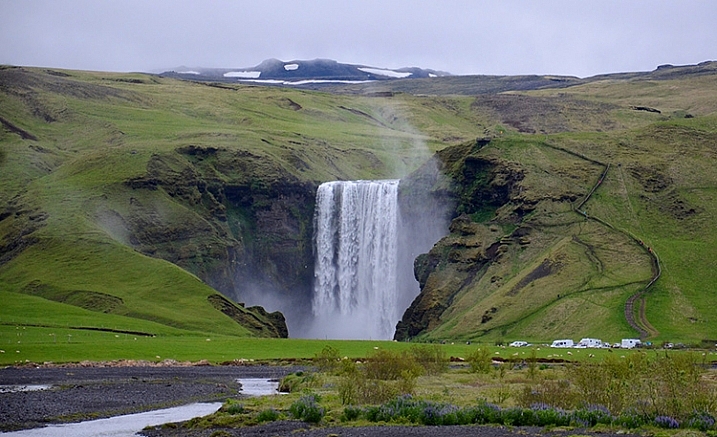
NEAR SKOGAR, ICELAND - JUN 19:  Skogafoss waterfall on June 19, 2015, was in the film The Secret Life of Walter Mitty in 2013.

NEAR SKOGAR, ICELAND – JUN 19: Skogafoss waterfall on June 19, 2015, was in the film The Secret Life of Walter Mitty in 2013.

1. Check stock photo websites to see popular locations

In addition to doing some web searches for areas of interest, a great way to know which locations are popular is to check popular stock photo websites, such as Shutterstock or iStockphoto. You’re not looking to recreate any existing shots, but it helps to know what’s been done well already and, more importantly, what is missing.

2. Check the itinerary of sightseeing buses

A great way to see what popular locations are is by reviewing any websites for sightseeing buses. Make a note of their stops and add them to your shot list.

3. For international travel, learn the basic words of the language

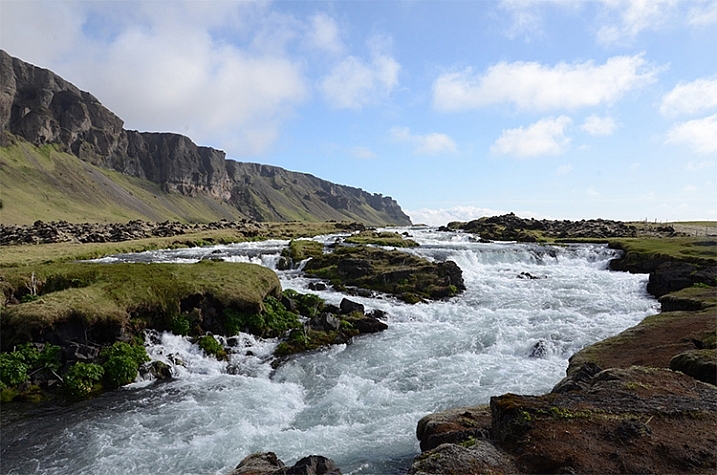
Iceland rushing water 750 px

Learning some key words like, “please”, “thank you”, and “Okay?” can make communication much easier abroad, and help spur friendships. uTalk is a terrific app to learn a new language, and Duolingo is great to refresh a language you are already familiar with.

4. Check out popular postcards

Taking a peek at postcards in tourist shops will give you an idea of the popular sites. Again, you are not looking to recreate shots, but you might be able to add a few locations to your shot list.

5. Get recommendations from locals

Check with the clerk at the grocery store, or gift shop, at your current stop for nearby locations that would be worth photographing. You may learn about some lovely hidden gems that will enrich your experience.

6. Consider renting a car to have greater control of your travel plans

Iceland goats 750 px

You never know what you’ll encounter on the road

Public transportation is fine within many cities, but if you’re going between towns renting a car allows you to pull off by the side of the road, and take those random shots that were not on your itinerary.

7. Take photos when you have a chance, you might not go back the way you came

Don’t figure you’ll catch something on your way back, you never know when serendipity will take you in a different direction than you intended. Get the shot now.

8. Take the sightseeing bus (or boat)

A sightseeing bus is a great way to get to the popular destinations, and if it’s a double decker bus, or a boat, you get views you couldn’t get otherwise.

9. If shooting for editorial stock always note the location of the photo

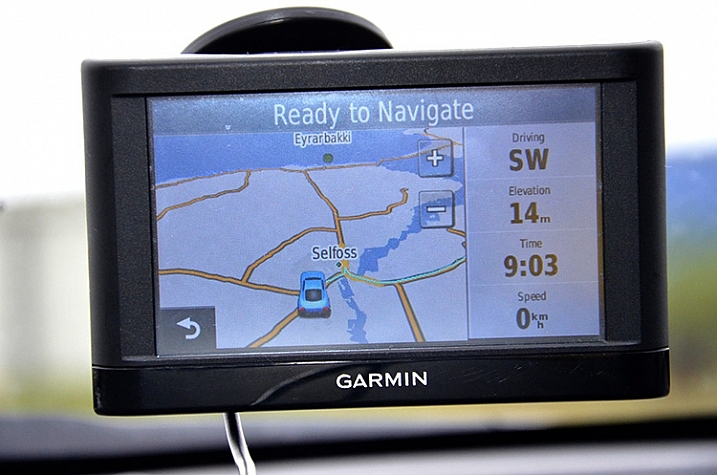
An editorial stock photo is going to require a location in the caption, so always note the name of the town. Take a quick shot of the welcome sign as you enter the town, or take a photo of a store with the town’s name. Of course having the location saved on your photo itself helps a lot too, but having it embedded within your photos makes it easier to quickly remember where you were. As another reminder, save all handouts from tourist spots, maps, and travel guides you pick up along the way to refer to later when processing your photos.

Iceland car GPS 750 px

10. Check your photo settings frequently

You don’t want to look back on your photos for the day and realize you had set your ISO to very high for an indoor shot, and forgot to reset it when you went out into a sunny location so your outdoor photos are grainy. Or you set your photo size to small when you need a big file to get photos large enough to be accepted by the stock photo sites. If this sounds like the voice of experience, it is. We all make these mistakes – don’t be too tough on yourself if you make them too, just live and learn.

11. Ask the experts

You’ll sometimes find professional photographers taking shots. If they seem approachable, ask them, politely, what they are photographing. Some will be very eager to discuss what they are doing, others not so much, but it’s worth a shot. You might get some great insights.

12. Give yourself time to get the shot right

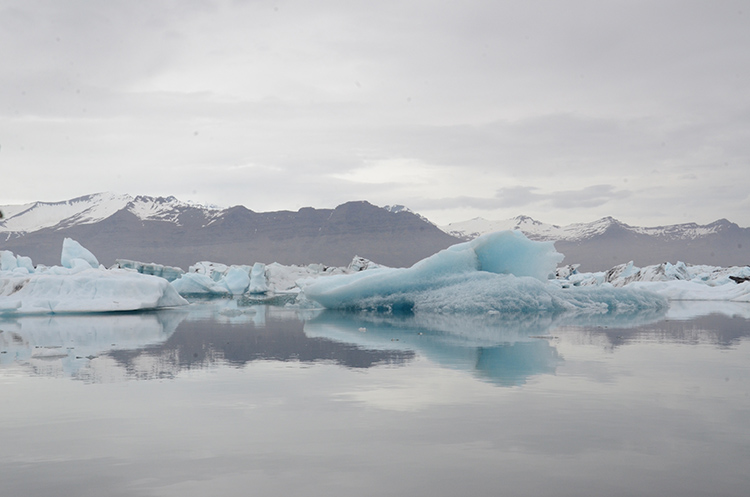
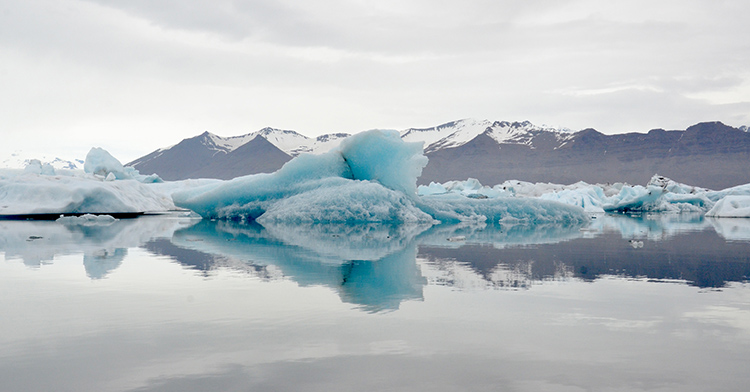
You’ve traveled thousands of miles to get there, you won’t be able to go back and reshoot, so give yourself the time to get the shot right. Work the photograph to clean up the background, to remove distractions so the focus is on the area of interest. Sometimes just taking a few steps to the side, or turning a bit can make a dramatic difference by removing distracting elements in your background, or focusing the eye on the area of interest.

Iceland Glacier Lagoon big blue side 750 px

Glacier on the side, not noticeable

Iceland Glacier Lagoon big blue 750 px

Glacier is the main focus of the shot

Hanging around also allows you to absorb the atmosphere of the place, and keeps you from rushing from photo to photo.

13. Think layers

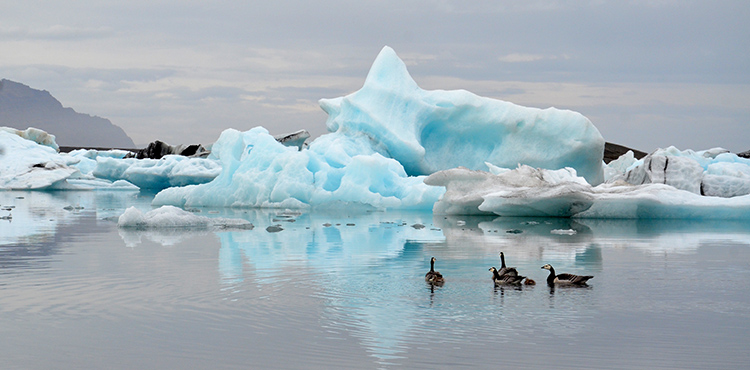
While you’re waiting for that right shot, think in terms of three layers: The area of interest as the middle layer, with a clean background layer to set it off. Wait for an interesting foreground to present itself, maybe people, or animals in this case, going past your area of interest. This makes the photograph come alive, gives it some depth, adds to the interest.

Iceland Glacier Lagoon geese 750 px

Geese add a sense of proportion to the glacier and bring the scene to life

14. Think like a guidebook author or a nature artist, or…

Pretend you are writing for a tourist guidebook – what kind of shots do you want in your guidebook? What would your potential readers like to see? How about if you were an artist preparing for a nature exhibit – what photographs would you want as part of your exhibit? Look at each location from different perspectives to get new ideas.

15. Take a variety of shots

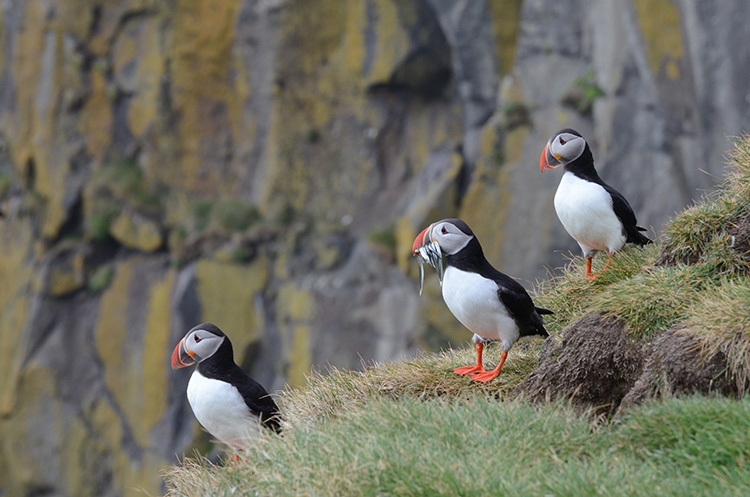
Give your clients as many options as possible. Take 15-20 shots at any one location, walk around and check different positions, try different angles, think close-ups, wide shots, vertical as well as horizontal shots. You’ll then have plenty of options to choose from for your final photographs.

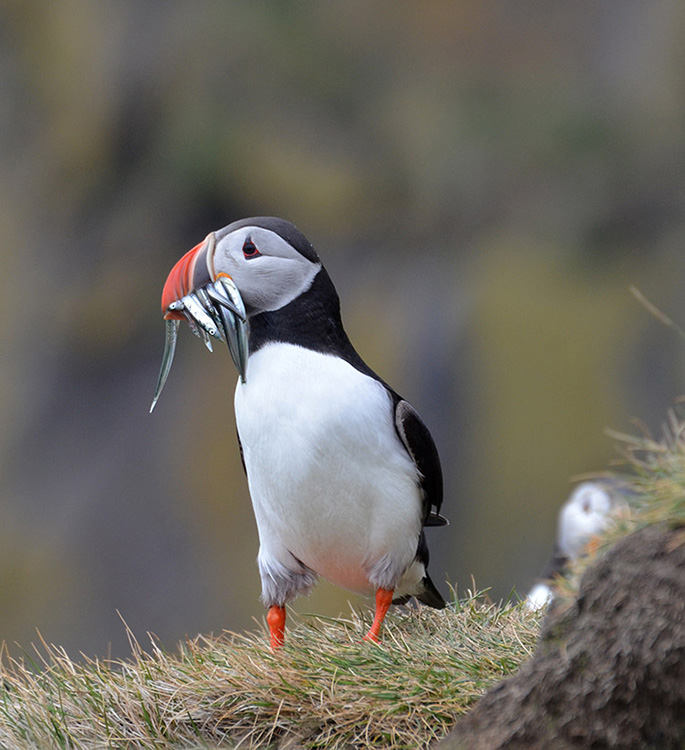
Iceland puffin with fish left 750 px

Iceland puffin with fish and buddies 750 px

Close-up and wide shots gives you and your clients options

16. Look behind you as you leave your location

Don’t leave the best shots behind your back. As you leave a location turn around and see what shot you might be missing.

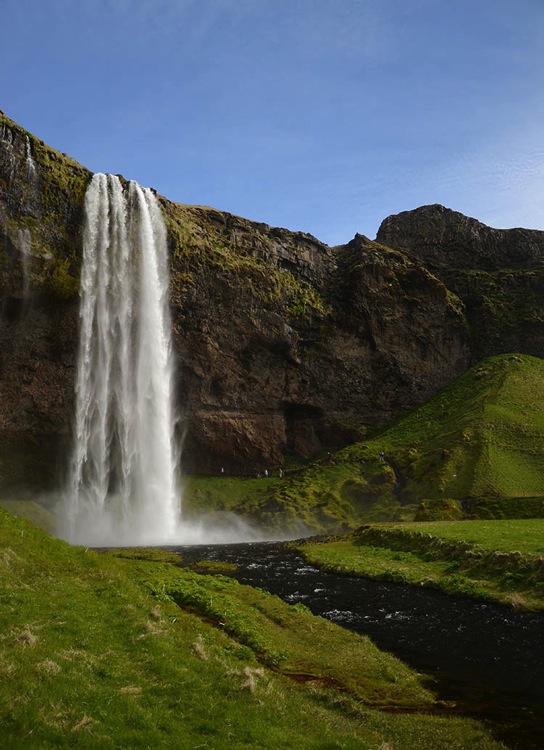
Iceland Seljalandfoss exit side 750 px

Don’t miss the great shot behind you

17. Offer to take photographs for others

Share your skills – if you see a group of people taking a group photograph, offer to take the shot for them. It makes for another chance to interact with people, and if you learned a bit of the language, all the better.

18. Be mindful of other people’s desire for privacy

People will make it pretty clear whether they are okay with being included in your photographs. Stay away from editorial photos of little children, and if you accidentally take a photo of someone who clearly doesn’t want to be in your photo, let them know you have erased the shot. On the other hand, many people will be eager to have you take their picture, and oblige happily.

19. Back up your photographs every night and cull as you go

Upload your photographs to your laptop and/or to the cloud, you’d hate to have your camera stolen or lost mid-travel, and lose all those shots. While you’re at it, delete the photos you know are not going to work out, those with people blocking the view, or out of focus, etc. Don’t wait until you get home to the daunting task of sifting through thousands of photographs.

20. Process your photos right away upon your return

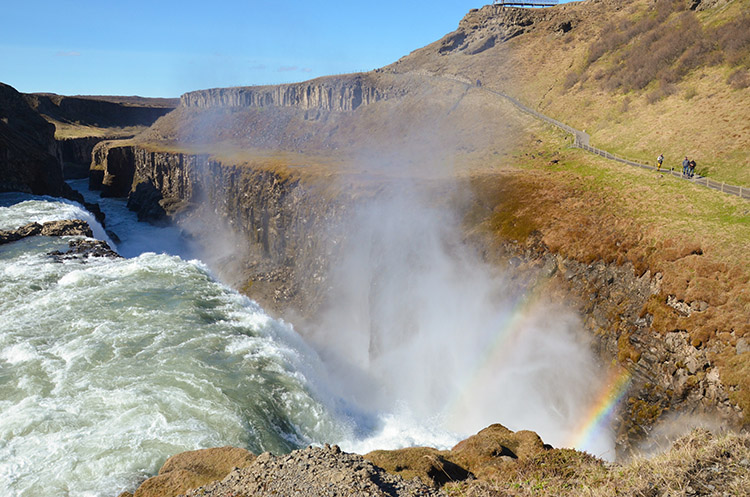
The longer you wait to process your photos the harder it will be to get to it. Unprocessed photos tend to get heavier with time and sink to the bottom of your to-do list. It’s best to process them while you remember what the sights really looked like, so you remember to uncover that rainbow you know was there but might not be so visible before Photoshop.

Iceland Gulfoss rainbows 750 px

Don’t forget to uncover the rainbow.

Best wishes on your photography adventures. Please share in the comments below if you have any questions or additional tips.

googletag.cmd.push(function() {
tablet_slots.push( googletag.defineSlot( “/1005424/_dPSv4_tab-all-article-bottom_(300×250)”, [300, 250], “pb-ad-78623” ).addService( googletag.pubads() ) ); } );

googletag.cmd.push(function() {
mobile_slots.push( googletag.defineSlot( “/1005424/_dPSv4_mob-all-article-bottom_(300×250)”, [300, 250], “pb-ad-78158” ).addService( googletag.pubads() ) ); } );

The post 20 Tips to Improve Your Travel Stock Photos by Susan Montgomery appeared first on Digital Photography School.


Digital Photography School

 
Comments Off on 20 Tips to Improve Your Travel Stock Photos

Posted in Photography


The Fine Line Between Travel Photography and Having a family Vacation

15 Oct

A simple Google search for travel inspiration yields thousands of beautiful images and motivational quotes. Words like, “The Best University is to travel”, “We must take adventures in order to know where we truly belong” and “To travel is to live a full life” flash across your computer screen amidst jaw-dropping travel photography imagery. It brings forth such great feelings of wanderlust and longing to hit the road.

However, for those of us who travel with families and/or young kids there is a nagging voice somewhere in the back of our heads that speaks up and says, “Be practical, can you really make this journey with the kids?”. Then if you add to this mix, a parent who is very emotionally attached to his or her camera, you have just stirred up a pot full of trouble for yourself.

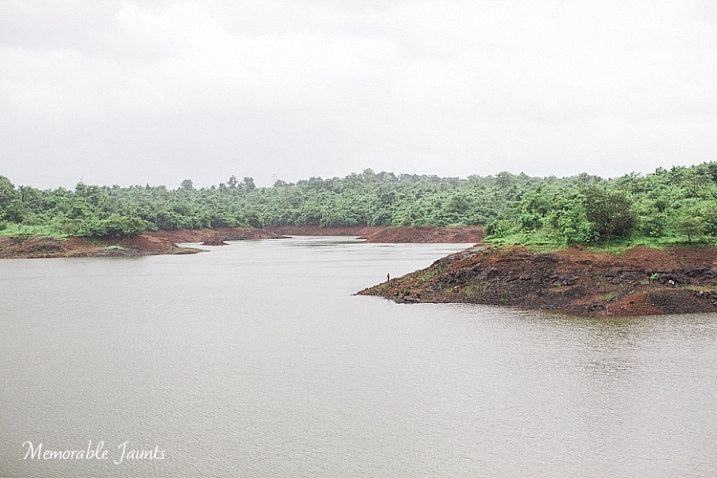
Landscape Image Near Bombay Memorable Jaunts for DPS

Being my family’s designated photographer, and having spent the past two months traveling across my home country of India, I experienced much of these same emotions on a day to day basis. India is a country like no other, where every part of the country has such a strong impact to the senses. It is big, busy, loud, and colorful – and is a photographer’s delight. The parent in me wanted to experience this magical journey with my family, and see my beautiful country through their eyes. Whereas the photographer in me was on a creative high and I wanted to document each and every thing I was seeing through my mind’s eye, and my camera’s viewfinder. I constantly struggled to find the right balance between being a mom, and being a professional photographer. 4000+ pictures later, I feel like I finally figured out what worked for me!

Memorable Jaunts Finding Balance as a photographer Article for DPS-1-2

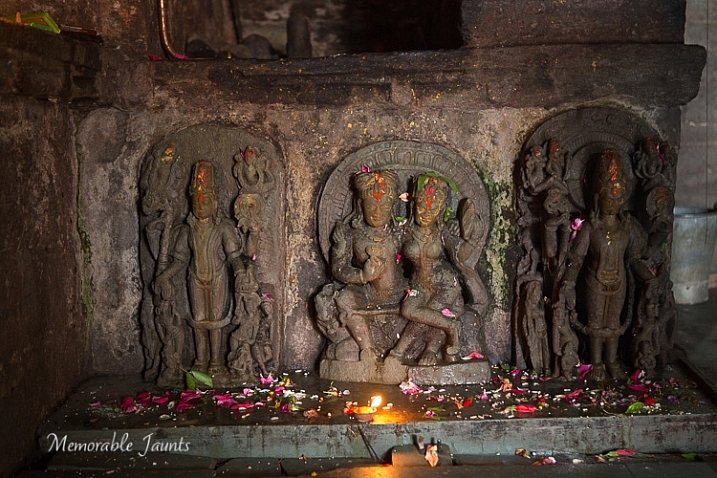
A quick detour on our road trip led to an ancient temple where I was able to take some amazing and interesting pictures inside the inner sanctum.

Research locations for photo opportunities ahead of time

Just like kids, we adults too crave structure and routine, especially when it comes to photography assignments. Just like you would carry a shot list for a wedding photography gig or a commercial assignment, knowing what to expect with every place you visit gives you a certain peace of mind. This is particularly true if you are visiting famous locations and monuments. I found that often in such places photography was not allowed, or you needed special permission, or had to pay a fee.

Research your travel destination as much as you can. Look for information online, or even ask in photography forums specific to your needs. I learned early on in my trip, that most religious monuments and places of worship don’t allow any type of photography. Even cell phones are not permitted. So I would often leave my gear at home, or in the car, and just enjoy the location with my family.

Minimum gear for maximum effect

Packing for months on the road is never easy, especially when you have a ton of equipment, and suffer from an acute case of separation anxiety with your gear. Once you have researched your travel destination and know what types of imagery to expect, only pack the appropriate gear. Maybe even challenge yourself to only use certain types of lenses and cameras. The more practical you are about your gear, the less frustrated you will be for taking stuff you don’t end up using. My goto setup was my Canon EOS 5D MK III and Canon 24-70mmL lens. I used that combination 75% of the time when I was traveling. I found that I could switch easily from photographing wide angle landscape shots, to narrowing in on my kids playing effortlessly with my zoom lens. I also carried my Canon 70-200mmL lens, but found it was very impractical in terms of its weight. Additionally, professional DSLRs and multitude of lenses tend to get heavy and uncomfortable to lug around for a 20 day road trip, and several flight journeys. If you are going off the grid, or visiting remote places, err on the side of caution, and perhaps travel with minimal gear like a small point and shoot camera.

Set aside some “me” time with just with your camera

Memorable Jaunts Finding Balance as a photographer Article for DPS-1

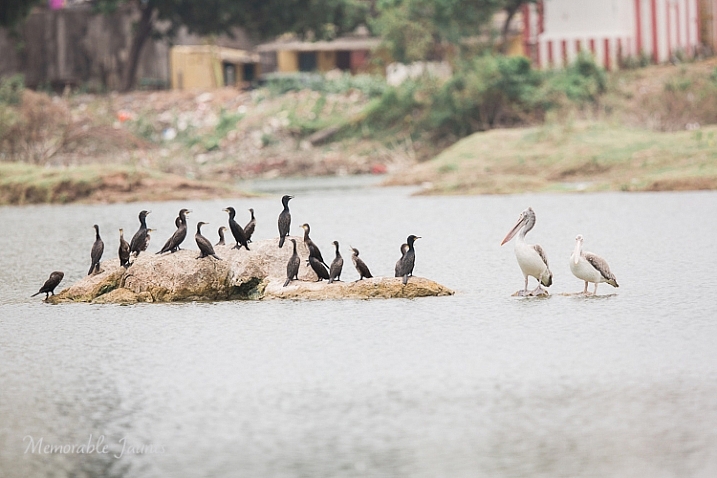
During a ‘me’ time photowalk close to my home in Chennai, I spent 30 minutes photographing these birds without any interruptions or disruptions!

The deal I stuck with my family is that at every new place we visited, I would get one hour just to be with my camera. Any photography assignment specific pictures would be taken at that time. The rest of the day was time spent with my family, and capturing those moments on camera sparingly. There were times when the camera was completely banned because I really wanted to treasure the moments, and not just focus on documenting the experience. And guess what, I found I was a much happier, and nicer person, at the end of the day!

Engage your family in your photo trips

Do you have old outdated gear sitting in your gear cabinet? You know those old first generation DSLRs that you will probably have to pay someone to take off your hands? Use them to get your family engaged in photography. My kids share my old DSLR with a kit lens, and they love it. They love playing photographer, and some of the images they capture are so adorable. I always make it a big deal to praise their budding photography skills, and in turn, they are generally more tolerant when mom wants to spend an extra 10 minutes photographing the waves crashing against the rocks at sunset (because it is the most magical sunset ever!)

Memorable Jaunts Finding Balance as a photographer Article for DPS-1-3

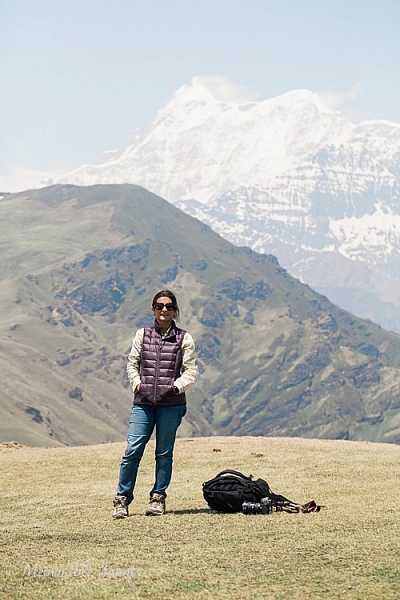
A rare image of me as taken by my daughter! – this was during a four day hike in the mountains, and it’s the only picture I have to prove that I was there too!

Memorable Jaunts Finding Balance as a photographer Article for DPS-2

But 10 days later, this was the best I could get of them! – No amount of negotiation could get them to turn around and face me.

Make memories and not pictures

Give yourself permission to not take any pictures occasionally. Put the camera away and just enjoy the experience of being on vacation. After all, you have probably spent a lot of money, and precious time, to get to your destination. Soak in the essence of the space and place, and make memories that will last a lifetime.

After my long summer break, I still felt that I never really had any time off. To me, every minute was a working one, whether was I being a full-time mom, or a travel photographer. While I did walk away with some amazing imagery, a part of me regretted not spending more time with my family. What are some of your strategies for finding a good balance?

googletag.cmd.push(function() {
tablet_slots.push( googletag.defineSlot( “/1005424/_dPSv4_tab-all-article-bottom_(300×250)”, [300, 250], “pb-ad-78623” ).addService( googletag.pubads() ) ); } );

googletag.cmd.push(function() {
mobile_slots.push( googletag.defineSlot( “/1005424/_dPSv4_mob-all-article-bottom_(300×250)”, [300, 250], “pb-ad-78158” ).addService( googletag.pubads() ) ); } );

The post The Fine Line Between Travel Photography and Having a family Vacation by Karthika Gupta appeared first on Digital Photography School.


Digital Photography School

 
Comments Off on The Fine Line Between Travel Photography and Having a family Vacation

Posted in Photography


8 Tips to Help You Come Home with Great Travel Photos

02 Oct

In this article I will talk about travel photography and how you can take great images of everything when you travel. I’m not talking about camping out at sunrise with bags full of lenses and filters to take epic landscape photographs; I’m talking about taking really nice shots of EVERYTHING! The food, people, details and landscapes combined – and all without turning your holiday into a photo shoot. With some simple tips you can come home with an album full of memories that stretches beyond a few hero shots.

Editor’s Note: The following article is written to be a fun guide to different types of documentary style travel photography. The author was exploring Vietnam as a guest of Helloworld Australia and Insider Journeys. She considers herself a jack-of-all-trades, master of none in the photography world.

8 Tips for great travel photos

#1 Landscape photography

1DaytimeLandscape

As much as I love waking up for a sunrise and utilizing all of the photography tools available to me to get a killer shot, sometimes I just want to take some snaps and have them be nice. When shooting landscapes during the day I look for vibrant colors, leading lines and simple compositions.

If you want to come home with a handful of nice landscape images from your holiday but you don’t want to spend all your time out in the field at the break of dawn then look for simple compositions, vibrant colors and leading lines. Using the most basic techniques like the Rule of Thirds (imagine your photo broken down into thirds both horizontally and vertically, and place points of interest on these third lines, for example the horizon) and the light that is available to you, it’s possible to come back with some keepers. Good examples can include the narrow laneways of old Dubai, the canals of Venice, the rivers of Alberta and the irrigation lines of the rice fields of Vietnam.

#2 Photographing the locals

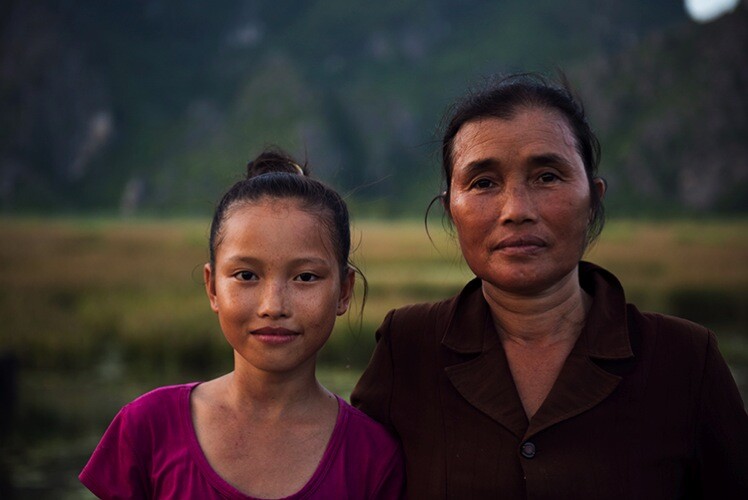
I’m sure that you love to meet the locals from whichever exotic location you’re visiting, but find it can be intimidating to ask for a photo. The trick to photographing locals is to have your camera absolutely ready to go before you even ask. I’m talking the right lens, the right light, and the right settings. Photographing strangers often means you don’t have the benefit of multiple shots to get it just right. A great focal length for photographing people is 85mm, it’s very flattering and it also means you don’t have to be in people’s faces when you shoot. Shooting in the morning or late afternoon means you’ll have soft, consistent light, on your subjects’ faces, and f/2.8 is a great aperture for shallow depth of field. For handheld shooting keep your shutter speed above 1/200th to minimize camera shake.

2PortraitOfLocals

I desperately wanted to take a photo of a mother and daughter I had just watched rounding up their water buffalo in Ninh Binh, but I knew the chances of them speaking English were slim. I didn’t have my portrait lens with me so I made do with my 24-70 f/2.8 at 70mm, and I had it ready to go for the ambient light before I even asked. I snapped off three quick bursts and nabbed a keeper.

#3 Shoot the details

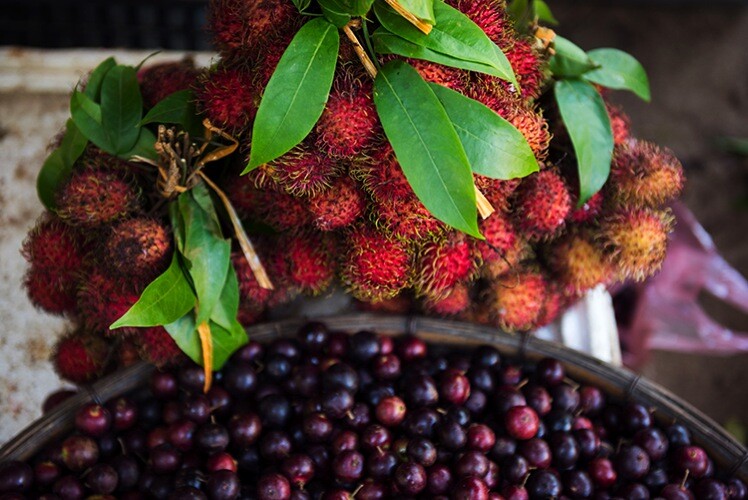
If you ever find yourself quietly admiring the small details of a new destination, then you might like to play around with isolating and photographing them. A great place to try your hand at detail shots is the local market. Using a shallow depth of field (f/2.8 – f/5.6) you can play around with photographing all manner of small details; the textures of a new fruit, a close-up of a flower, or even a line of colorful fabrics. Some photographers consider these filler shots but you might find they bring back wonderful detailed memories after time has passed.

3TDetailsMarkets

I personally love the small details of a new destination and often take my most favorite shots at bustling markets, or in the garden of a palace, instead of the palace itself. I always look for bright colors and new textures, then isolate what I love from a cluttered background by either zooming in or using shallow depth of field.

#4 Use juxtaposition

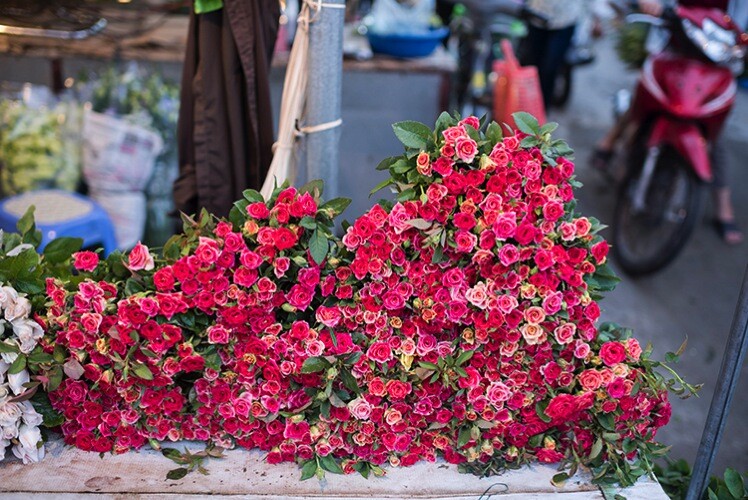
In a new destination you can’t help but notice that often things aren’t the same as they are at home, and sometimes a fun way of photographing that is through juxtaposition. This is when two very different things are shot close together of contrasting effect, for example ice cream with a steak, or a beautiful field of wildflowers with an urban factory in the middle. New locations can offer unlimited potential for photographing two things with juxtaposition together, that you might not see at home. Think new versus old, natural versus artificial, nature versus industry, etc.

4JuxtapositionStreetScenes

During an incredible morning exploring the Hanoi flower markets I enjoyed photographing the juxtaposition of the flowers besides the scooters, rubbish and chaos of Hanoi.

#5 Photograph animals

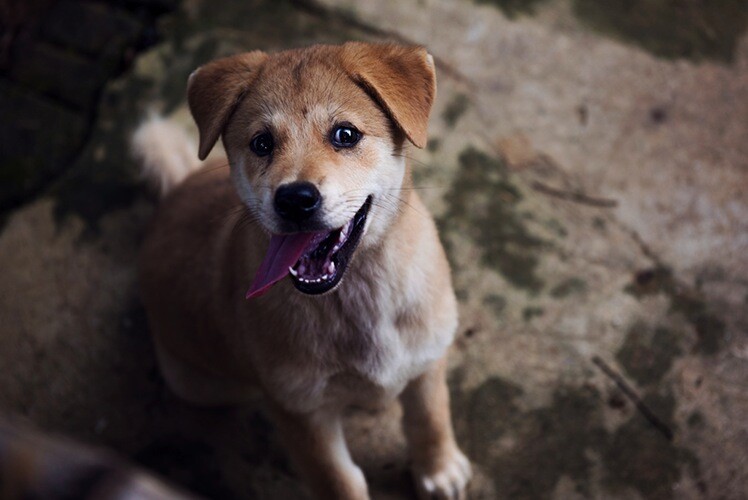
You might be fortunate on your travels to make some furry friends. This is often the case in South East Asia where cats and dogs roam the streets freely, and the smart ones know how to get a scrap of food or a cuddle. Photographing animals can be tricky at the best of times, let alone photographing animals that you don’t know very well. The first thing to remember if you want to increase your chances of getting a clean shot is to have a fast shutter speed, 1/1000th is ideal. Animals also benefit exceptionally well from having a sharp focus on their eyes, so a single focus point trained on the eye closest to you will work wonders. Other than that it’s really a matter of a little patience to capture a personality trait, or cute moment.

5FurryFriends

I don’t consider this photo a triumph of photography, by any stretch of the imagination, but I thought this puppy was adorable. I was able to quickly shoot a sharp image of him looking goofy, with a fast shutter speed and shallow depth of field.

#6 Photograph your resort or accommodation

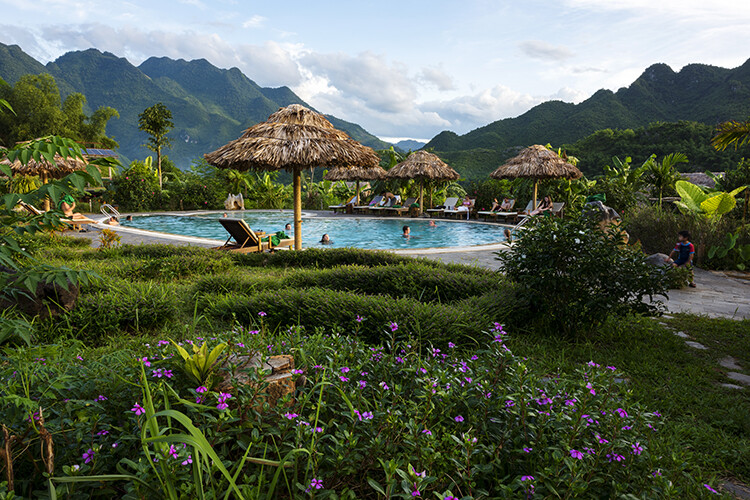
If you want to take a great photo of your resort to show off to friends and family you might quickly notice that resorts are usually quite populated. Rather than waiting for scores of people to move out of your way it’s possible to make them a part of your image without being the focus of your image and you can do this by using a distracting foreground. Rather than straight out taking a photo of the pool, garden, or communal area of your accommodation, scout around for a nice foreground such as a garden bed, a great path, grass or flowers or even a reflective puddle.

6YourResortGrounds

In Mai Chau I stayed at the stunning Eco lodge in Mai Chau valley, and I desperately wanted to photograph the pool, but hordes of swimmers weren’t going anywhere. After playing around with various compositions I realized that the flowers planted around the pool made a distracting foreground when I focused on them, but used a fairly wide depth of field using f/11.

#7 Food photography

If you are a foodie, and let’s face it aren’t we all these days, then you’re going to want to take photos of some of the delicacies that await you when you travel. Food photography can be very hard, or very easy, depending on what you are trying to achieve – but for holiday snaps you should K.I.S.S. (keep it simple silly).

The hottest food photography trend to hit the market these days is the flat lay, or simply photographing food from above. You can do this with a simple snapshot, or take a few minutes to improve your shot. Firstly a single focus point trained on a plate of food nearest to the middle is best. Unless you want to stand on a chair and lean precariously over the table the best way to get this shot is by holding your camera above the table facing straight down. A reasonable depth of field like f/5.6 will mean you’ll still get enough food in focus, even if you slightly miss your planned focus point. Taking a few minutes to arrange the food and utensils on the table can also pay off in the final shot.

7Food

I am a massive fan of the flat lay. I think it looks great in most instances, plus it has the added bonus of showing everything you’re eating and drinking in a single frame. In Vietnam we made a roadside stop and I enjoyed boiled eggs, sticky rice in a bamboo pipe, purple corn on the cob and fiery hot bird’s eye chilies. I loved all the broken eggshells on the dirt floor and worked them into my composition with a wider vantage point.

#8 Photograph your travel companions

I’ve saved the best for last, photographing your family, friends, or loved ones. I’m sure you love the simple gift of taking a nice photograph of your travel companion(s) in an exotic location, without making a major production out of it.

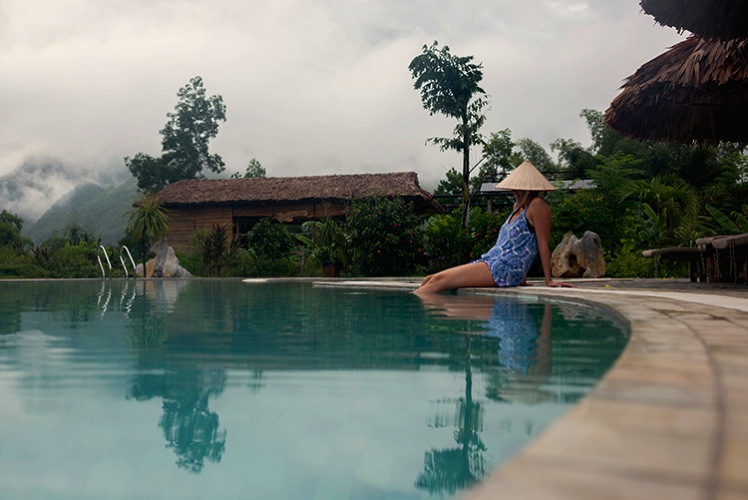
The best way to do this is by beating the crowds, just that. Wake up early and have the pool, beach, or street to yourself, and get the shot you want without the distraction of hordes of people. Take a minute to think about composition so that your subject is well framed by the location; use local props if you want to be a real tourist. Then it’s a matter of referring back to basic portraiture rules like flattering focal lengths and good light, a given if you make the effort to wake up early.

8FriendsOrFamily

In Mai Chau I wanted a nice shot of my travel companion, Simone, and I wanted the scene to be noticeably Vietnamese. We borrowed a hat from the resort, and set an early alarm hoping for mist in the valley. We weren’t disappointed.

So there you have it: How to take great photos of just about anything while you’re traveling, without destroying your holiday to do it. Always keep a camera close at hand, and enjoy showing off the many aspects of a new destination through your own unique photography: people, landscapes, food, animals, details and all the special moments that pass you by.

googletag.cmd.push(function() {
tablet_slots.push( googletag.defineSlot( “/1005424/_dPSv4_tab-all-article-bottom_(300×250)”, [300, 250], “pb-ad-78623” ).addService( googletag.pubads() ) ); } );

googletag.cmd.push(function() {
mobile_slots.push( googletag.defineSlot( “/1005424/_dPSv4_mob-all-article-bottom_(300×250)”, [300, 250], “pb-ad-78158” ).addService( googletag.pubads() ) ); } );

The post 8 Tips to Help You Come Home with Great Travel Photos by Lauren Bath appeared first on Digital Photography School.


Digital Photography School

 
Comments Off on 8 Tips to Help You Come Home with Great Travel Photos

Posted in Photography


Strange Sights of France: 12 Offbeat Travel Destinations

28 Sep

[ By Steph in Destinations & Sights & Travel. ]

france sights machines 2

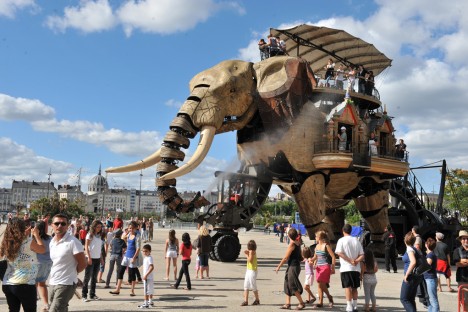
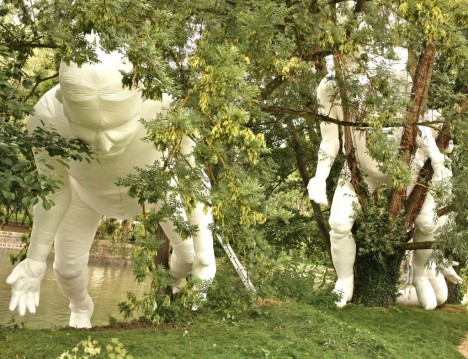
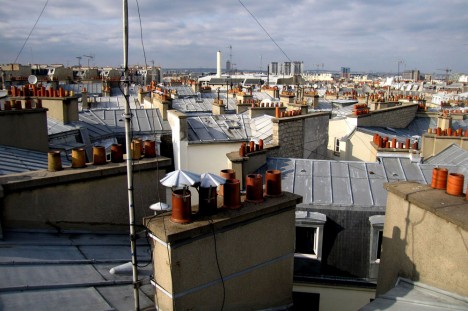
You haven’t really seen France if you’ve never toured a mansion made of pebbles, taken a ride on a gigantic animatronic elephant, checked out Nazi bunkers turned guerrilla art or gazed upon row after row of horrifying anatomical curiosities. These 12 offbeat and little-known sights in Paris and beyond go a bit off the beaten path for a whole new look at one of the world’s most popular tourist destinations.

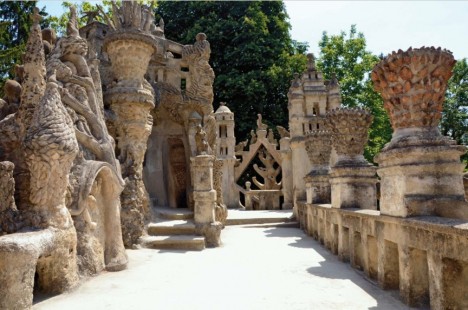
Palais Ideale: Palace of Pebbles
france sights postman palace

france sights postman palace 2

france sights postman palace 3

france sights postman palace 4

france sights postman palace 5

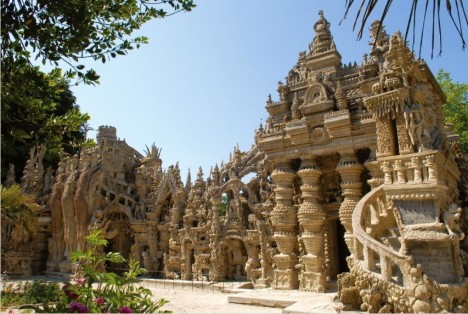
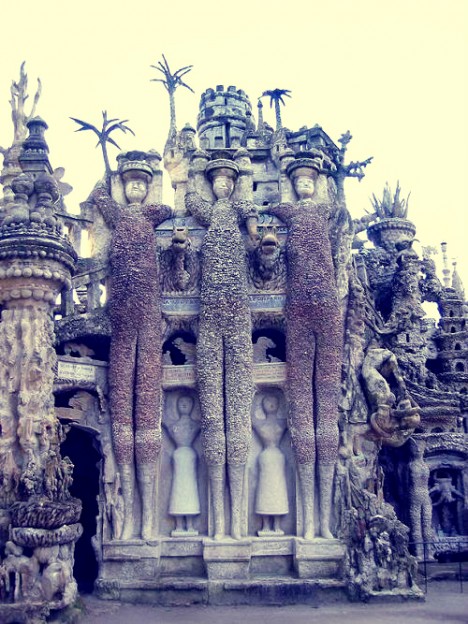
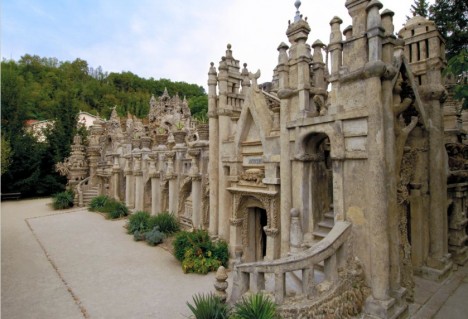
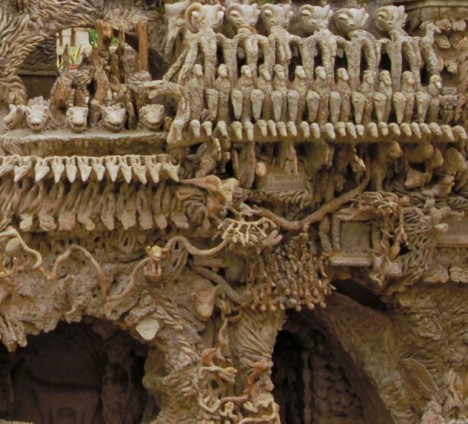
A postman named Ferdinand Cheval spent began building his “Palais Ideale” from scratch using pebbles in 1879, looking for interesting stones along his route and carrying them back in his pockets. As he grew more involved with the project, he began toting them in baskets, and then wheelbarrows. Each night when his shift ended, he would join the stones using cement, lime and mortar by the light of an oil lamp. It took him over twenty years to complete his masterpiece, which is filled with hundreds of incredible tiny sculptures. He also spent over eight years building his own mausoleum nearby, and was buried there in 1924.

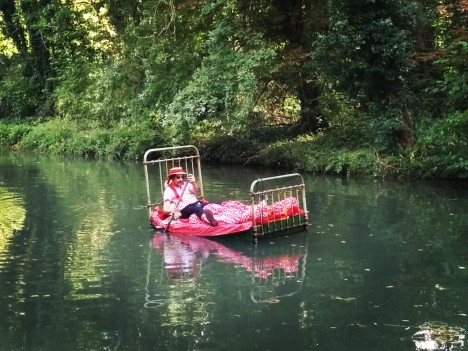
Le Moulin Jaune
france sights moulin 1

france sights moulin 2

france sights moulin 3

france sights moulin 4

france sights moulin 5

france sights moulin 6

france sights moulin 7

france sights moulin 8

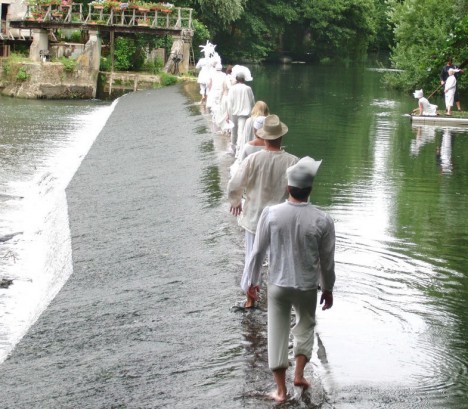
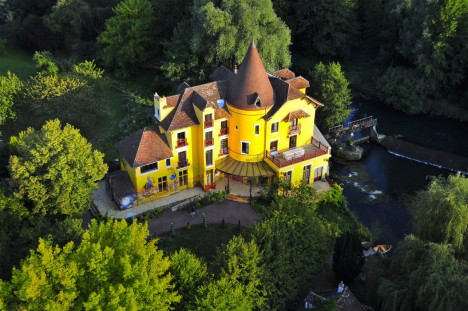
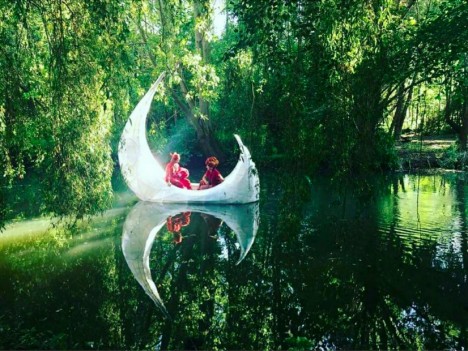
“The Yellow Windmill” is a quirky amusement park an hour’s drive southeast of Paris, with a bright yellow castle and a garden full of strange art installations and circus-like performances. The whole thing was dreamed up and run by a Russian avant-garde performance artist named Slava Polunin, who’s best known for “revolutionizing the art of clowning.” He can be spotted paddling down the Grand Morin river on his bed.

Paris’ Own Kowloon Walled City
france sights kowloon 1
france sights kowloon 7

france sights kowloon 6

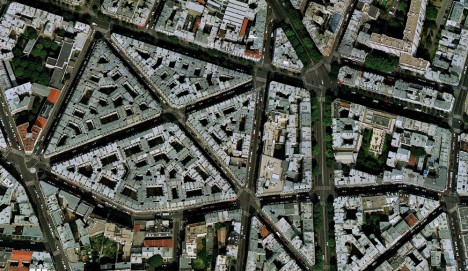
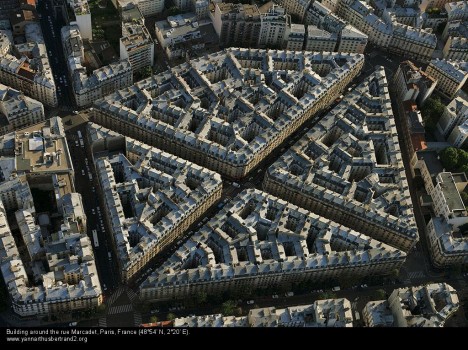
Paris would have had a lawless Kowloon City of its very own, almost exactly like the one that was razed in Hong Kong in 1993, had one 18th century vision for a “proletariat citadel” ever come to pass. The labyrinthine cluster of interconnected buildings in Paris’ 18th arrondissement at the intersection of rue Eugene Sue and rue Simart was built to host 10,000 workers, becoming one of the densest blocks in the city. The idea was that it could function as its own autonomous citadel resistant to the forces of suppression. Internal courtyards are so small, daylight barely pierces them all the way to the ground, and when it was first built, it very likely looked a lot like the real Kowloon. It never became nearly as squalid, however, so it’s not in danger of being demolished.

Pigeon Castles in the Countryside

france sights pigeonnier cielas

france sights pigeonnier 1

france sights pigionneir 1

france sights pigeonnier janicek

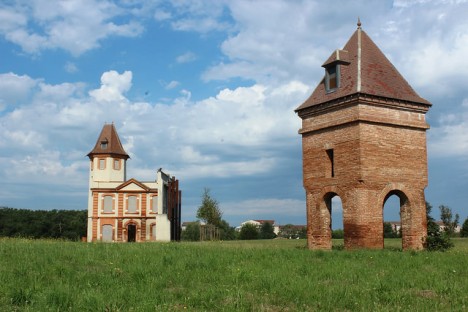
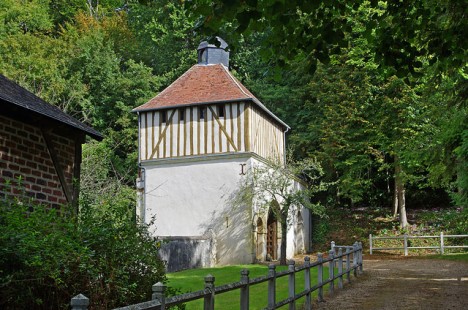
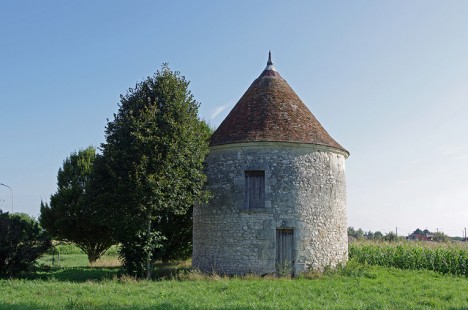
What look like bizarrely tiny castles dotting the French countryside (and other areas of Europe) are not made for humans at all, but rather pigeons. People once built ‘pigeonniers’ (or dovecotes in English) to house the birds, which were raised for their meat, eggsand fertilizer. But by the 14 century, they became a symbol of status, and only landed estates of a certain size were allowed to have them. As other types of meat became more available after the Middle Ages, pigeonneirs fell out o favor, and today many stand as ruins while others are carefully preserved. (images via Daniel Jolivet, alain cielas, patrick janicek)

Next Page – Click Below to Read More:
Strange Sights Of France 12 Offbeat Travel Destinations

Share on Facebook


[ By Steph in Destinations & Sights & Travel. ]

[ WebUrbanist | Archives | Galleries | Privacy | TOS ]


WebUrbanist

 
Comments Off on Strange Sights of France: 12 Offbeat Travel Destinations

Posted in Creativity


The travel photography of HDR guru Trey Ratcliff

09 Aug

Photographer Trey Ratcliff is known for imagery that couples saturated colors with dramatic flair and cinematic subjects. Shooting HDR for nearly a decade now, his work has been featured on major networks and is even displayed at the Smithsonian Institute. Read our Q&A and take a look at more of his colorful work. Read more

Articles: Digital Photography Review (dpreview.com)

 
Comments Off on The travel photography of HDR guru Trey Ratcliff

Posted in Uncategorized


How to Become a Professional Travel Photographer – Two Paths

27 Jul
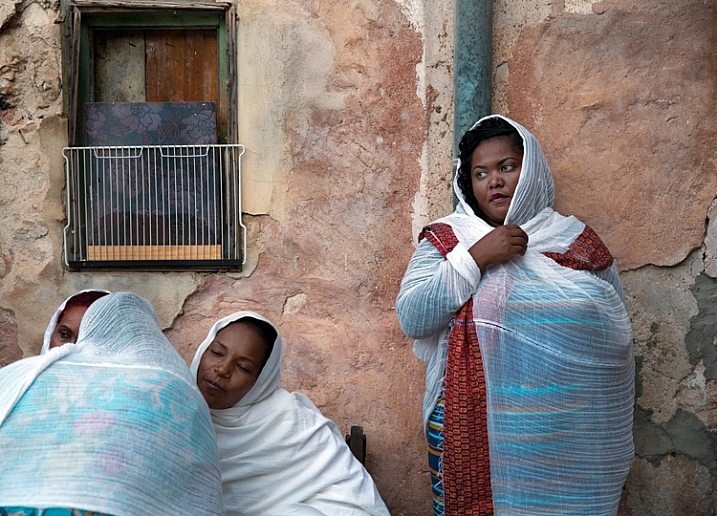
Ethiopian Meskel festival - By oded wagenstein

Ethiopian Meskel festival – by Oded Wagenstein

Many people are mistaken in thinking that travel photography is just about traveling and making photos. While, although that sounds like a dream job, not many people will pay you to just travel and take nice looking photos. Like any job, travel photography is work –  and usually, it’s very demanding.

Yes, you get to go to amazing places, meet exciting people, and the world is your office. But, it also has many downsides: sleeping in flea-infested guesthouses, never-ending bus rides from hell, harassment from corrupted policemen, loneliness, and lack of job stability to name a few.
Are you still here? Good! Let’s talk about how to become a travel photographer. There are two ways to approach this: finding a client, or finding a job that allows you travel.

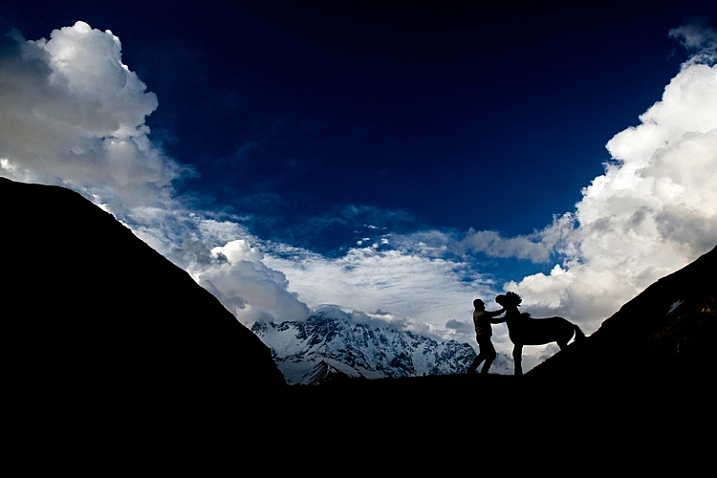
Georgia - by oded wagenstein

Aperture f/5.6, shutter speed 1/6000th, ISO 400. Exposure Compensation: -1.3
-Image by Oded Wagenstein-

First option – Find a client

As a travel photographer, you have many potential clients. Here I will discuss the most common: Governmental tourism organizations, NGOs, Commercial organizations and Media

Governmental tourism organizations

Many governments strive to promote tourism in their countries. To do so, they need photographs to show the things and activities tourists can see and do in their country. Budget-wise, they have usually deep pockets.

Pros: This is the most organized option, the client has a big-budget, and gives you access to places closed to the public.

Cons: It’s very hard to get your foot in the door. Usually these organizations prefer to work with big, well known magazines and newspapers that can promise not only good photographers, but wide exposure to their audience of readers.

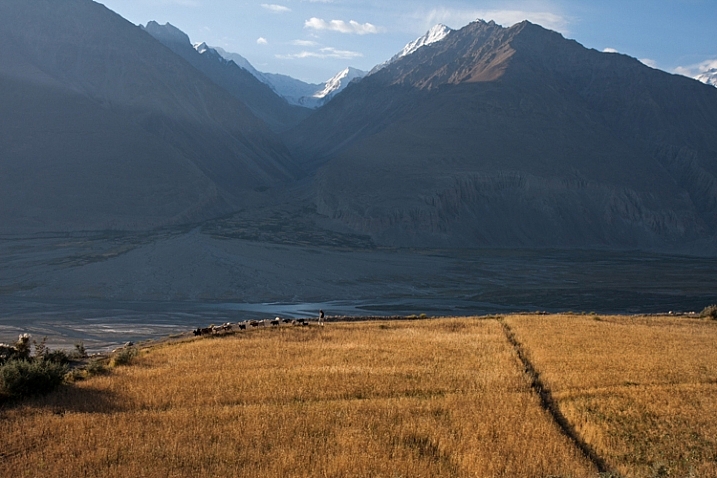
hindukush - By oded wagenstein

hindukush – by Oded Wagenstein

Tip from a pro: Instead of trying to work with a large media organization like a magazine or newspaper, become a small media icon yourself. If you have a large and influential presence on social media, such as Facebook and Twitter, you might be more appealing to these organizations than old school media. So, start a blog, gain followers, and who knows, you could be their next photographer.

Taking the first step: In most cases, working with governmental tourism organizations will never be your first career step. But starting a working relationship with a travel magazine or newspaper, or starting a blog and a Facebook page is a good idea. It’s best to specialize in a specific area of travel, such as adventure, food, etc.

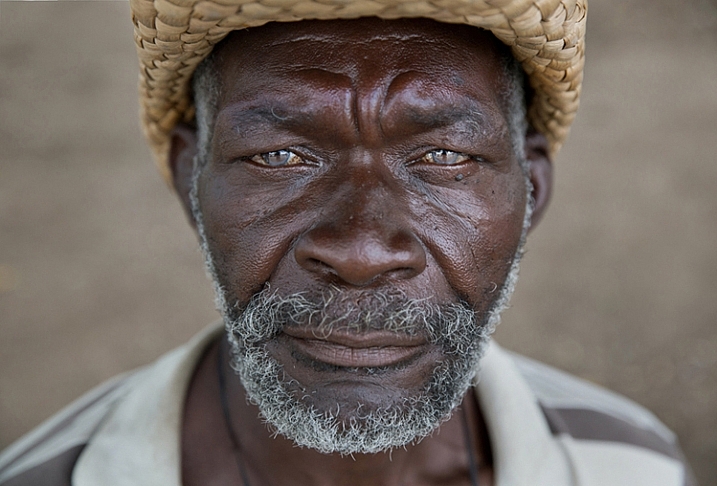
Portrait from Cuba - By oded wagenstein

Aperture f/4, shutter speed 10th, ISO: 500, Exposure Compensation -0.3
-Image by Oded Wagenstein-

NGOs

Some large NGOs (non-governmental organizations) need visual material to help them support their cause and attract donations.

Pros: It depends on the organization, but the work usually deals with super interesting projects on subjects like: animal rights, public health, or any other hot topic that demands the world’s attention.

Cons: This is not the job where you will be asked to shoot lovely landscapes and flowers, as many NGOs need photography as visual proof of their cause. This means you might be asked to get photos of matters that the local government wants to hide from the public eye (animal abuse, theft of natural resources, child abuse, etc.)
Tip from a pro: You can start by volunteering with an NGO that supports a cause you believe in. Then, through your working relationships with people from the inside and demonstrated photography skills, you might get to become the official photographer of the organization.
Taking the first step: You don’t always have to start somewhere far away. If this is your first time doing volunteer work, it would be wise to start locally. A nursing home or an animal shelter are good examples. You will start establishing your portfolio, and work for a good cause at the same time.

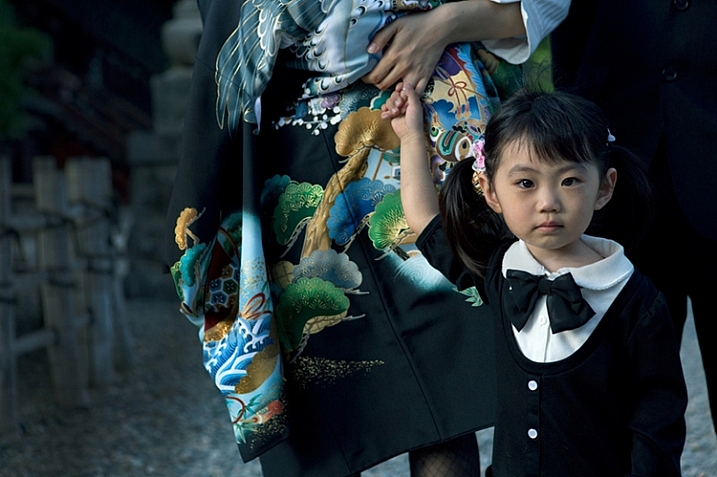
japan - By oded wagenstein

Aperture f/4, shutter speed 100th, ISO: 320, Exposure Compensation -1.7
-Image by Oded Wagenstein-

Commercial organizations

If you are a top notch, worldwide known photographer, it is very likely that customers from all over the world will want to use your services (for fashion, events, sports, architecture, products etc.). But as we are focusing on travel photography, commercial organizations that deal with traveling and tourism are more likely to hire you. Notable examples are hotels, tour companies, airlines and so on.

Pros: The commercial brands who hire a travel photographer are usually worldwide, and that can mean traveling a lot.

Cons: As traveling for free and shooting tourist destinations is a dream job for almost anyone, the fees offered for the job can be quite low. It’s common the photographer only gets paid with benefits like free flights or accommodation.

Tip from a pro: To work with the big brands, you need to market yourself in a way that will appeal to these types of clients. The kind of architectural or food photography a hotel chain needs is very different from what a tour company that specializes in extreme travel. Don’t try to work in all genres and styles. That’s a good path to becoming an inadequate photographer. Focus only on the genre and style you love and put all of your heart and effort into it.

Taking the first step: Approach the client with already made photos. Visited a nice hotel during your last vacation? The hotel’s management will probably be very happy to publish your images if they are good. Most likely they won’t pay you as they did not order the images from you, but they will give you a credit under the photo. But this would be a good start as you’re now published and have a working relationship with a known brand for your CV.

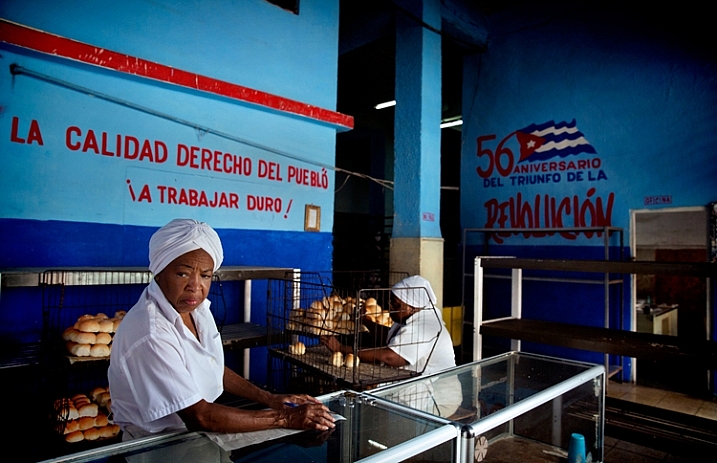
Bakery in cuba - by oded wagenstein

Aperture f/4, shutter speed 10th, ISO: 1000, Exposure Compensation -0.7
-Image by Oded Wagenstein-

Media

Having your travel photography printed on a glossy page of a well-known magazine…if that’s not a childhood dream, then what is? I will divide “media” into three areas: magazines and newspapers, digital platforms, and stock photography agencies.

Magazines and newspapers: Although they tend to be seen as old fashioned and don’t pay as well as other industries mentioned here, working for a newspaper (if you are into photojournalism) or a travel magazine is sure to be an interesting and creative job.

Digital platforms: These days digital platforms and websites are the leading source of information for most people. Although most well-known websites prefer to work with stock agencies (explained below) rather than directly through freelance photographers, some do have their own regular contributors and might send you to cover a story.

Stock photography: Shooting for stock photography is a subject for a different article (or five of them) but you can see stock agencies as the middle man between provider (the photographer) and buyer (magazines and websites). In order for news agencies or image bank websites to send you on assignment, you’re required to be a contract photographer. Each organization has its own contract and demands.  But some photo agencies will be willing to pay for your independent travel images if they are sellable. Do not expect large amounts. But hey, it’s better than nothing.

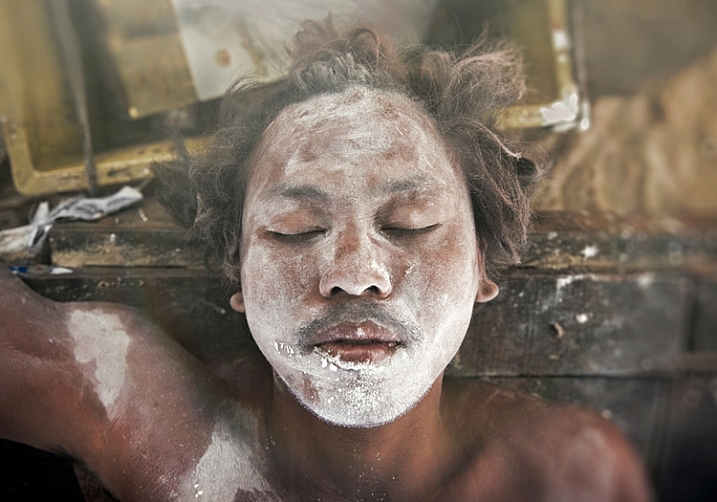
Thailand - by oded wagenstein

Pros: Dealing with the most interesting stories and places around the globe.

Cons: Of all the other clients, this one will probably pay far less than the commercial world. But hey it’s not all about the money, right? The work is usually as a freelancer as well.

Tip from a Pro: In order for a magazine or news agency to pay for your trip and fee, they need to be positive that you can deliver the job. Establishing a strong portfolio is a must.

Taking the first step: Again, like in other cases, starting locally is best. Ask to contribute photos, or propose a travel story, to your local newspapers.

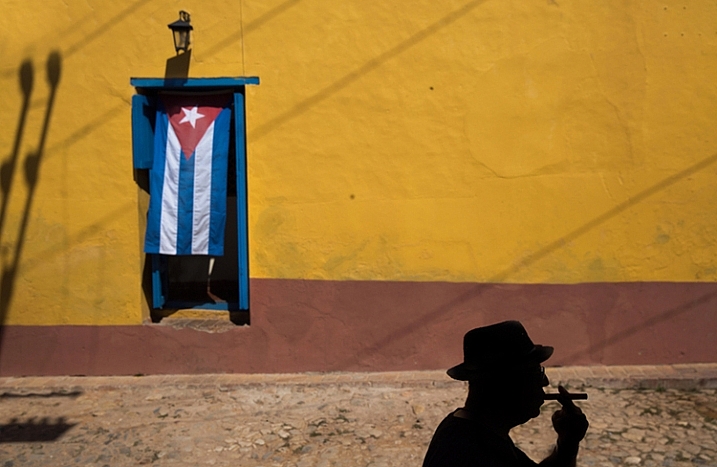
Trinidad, Cuba - by oded wagenstein

Aperture f/5, shutter speed 100th, ISO: 100, Exposure Compensation -2.7
-Image by Oded Wagenstein-

Second option – Find a job that requires traveling or relocation

If the instability of the freelance photographer’s way of life isn’t for you, you can always find a day job that involves traveling. Then you can go to lots of places, be paid for it through your job, and do travel photography in your spare time. Jobs like flight attendant, global salesperson, English teacher (or a spy!) are just several of many professions that let you visit your dream locations, without being too risky on the financial side.

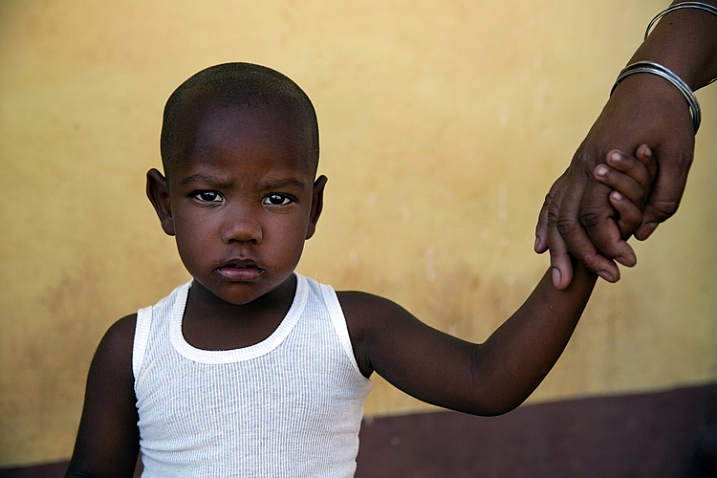
portrait of a dark boy - by oded wagenstein

Aperture f/3.5, shutter speed 100th, ISO: 200, Exposure Compensation -1
-Image by Oded Wagenstein-

Conclusion

This all may sound hard or even impossible. But, like in most arts, you need to be really good at what you do in order to make a living from it. You need to devote at least 50% of your time to marketing your portfolio, and above all, love your craft with all your heart.

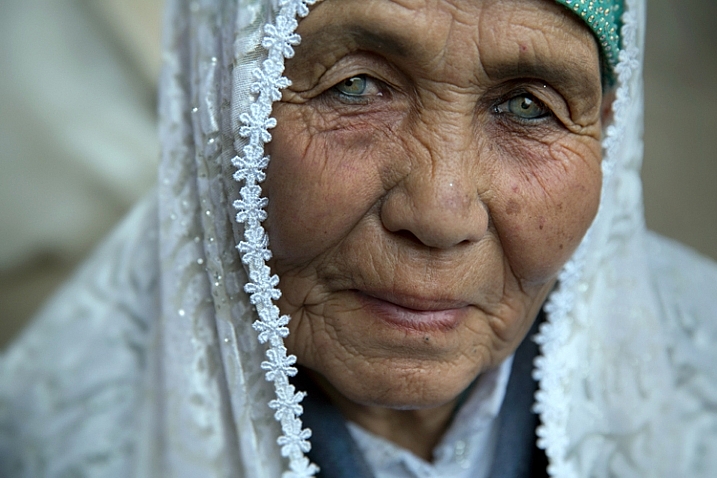
Uzbekistan - by oded wagenstein

Aperture f/4, shutter speed 10th, ISO 160, Exposure Compensation 0
-Image by Oded Wagenstein-

The author would like to thank Nicholas Orloff for his assistance in writing this article

googletag.cmd.push(function() {
tablet_slots.push( googletag.defineSlot( “/1005424/_dPSv4_tab-all-article-bottom_(300×250)”, [300, 250], “pb-ad-78623” ).addService( googletag.pubads() ) ); } );

googletag.cmd.push(function() {
mobile_slots.push( googletag.defineSlot( “/1005424/_dPSv4_mob-all-article-bottom_(300×250)”, [300, 250], “pb-ad-78158” ).addService( googletag.pubads() ) ); } );

The post How to Become a Professional Travel Photographer – Two Paths by Oded Wagenstein appeared first on Digital Photography School.


Digital Photography School

 
Comments Off on How to Become a Professional Travel Photographer – Two Paths

Posted in Photography


Multimodal Micro-Homes: Tiny Dwellings Travel by Truck & Rail

13 Jul

[ By WebUrbanist in Architecture & Houses & Residential. ]

ship modular multimodal dwelling

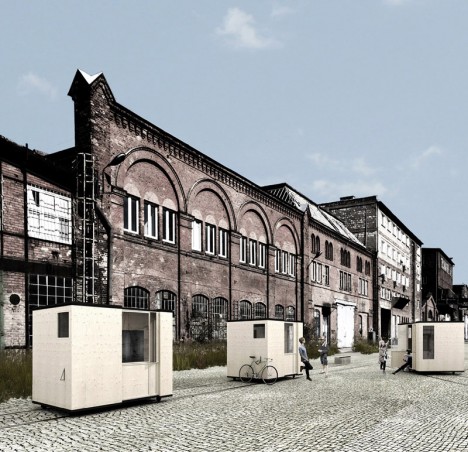
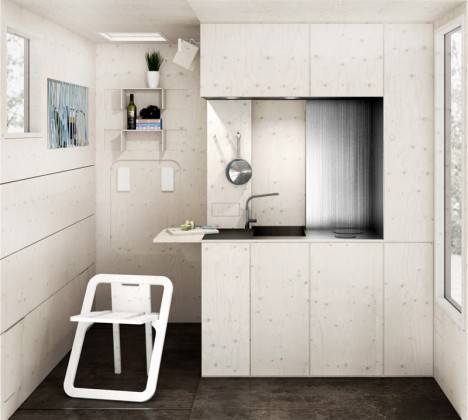
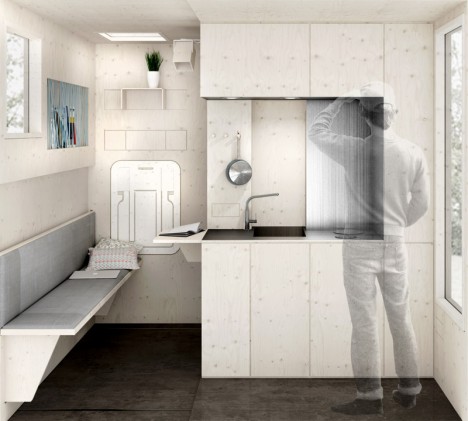
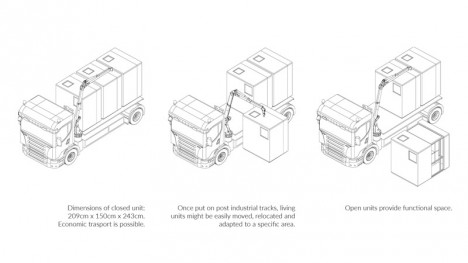
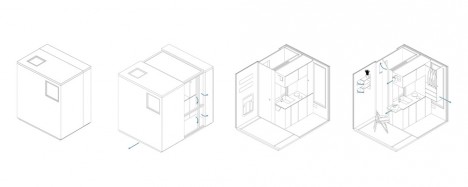
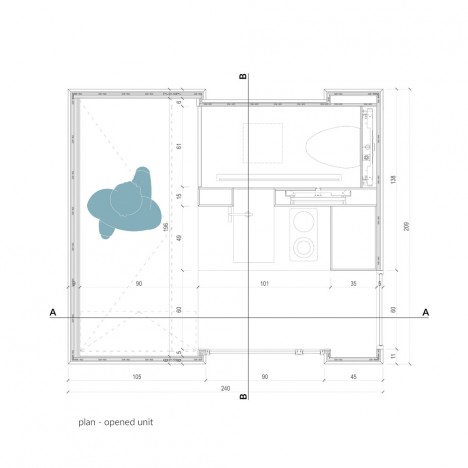
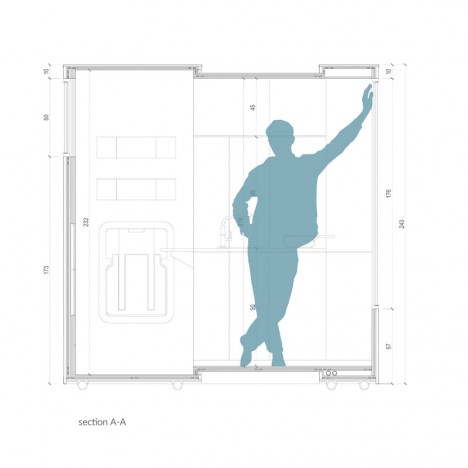
Designed around an aging shipyard and its crosscrossing maze of leftover railroad tracks, these series of expandable little dwellings can be rearranged or even moved entirely on demand. Each unit is small enough to fit multiple on a standard cargo truck, then undergoes a simple expansion once deployed on rails to create more living space.

shipyard compact kitchen chair

shipyard portable micro homes

Polish architecture students Tomasz Zablotny and Pawla Maszota are following in the footsteps of other great designers and speculators. The idea of a city on rails has origins both in conceptual architecture as well as science fiction, with authors like China Mieville imagining an entire world made up of ever-moving trains (Railsea).

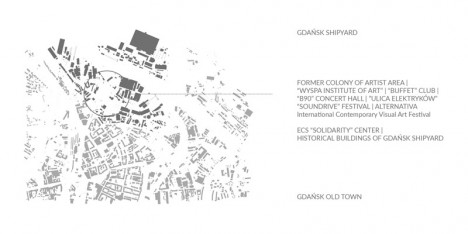
shipyard site plan

shipyard modular units

shipyard expanding box home

Designed for a specific site in Gda?sk, Poland, the project could of course be expanded to other places, but begins with a real location that could use a productive urban intervention. The ease of mobility inherent in these units makes it possible to reconfigure them for events, creating clusters that in turn leave open spaces for gatherings, festivals or exhibitions.

shipyard plan section

shipyard expanding home

In the past two decades, the number of workers along the docks has dropped by 90%, from 20,000 to just 2,000, leaving plenty of space for such an influx of new inhabitation and activity.

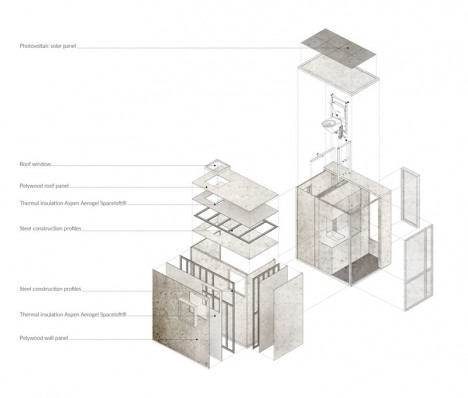
shipyard exploded axon drawing

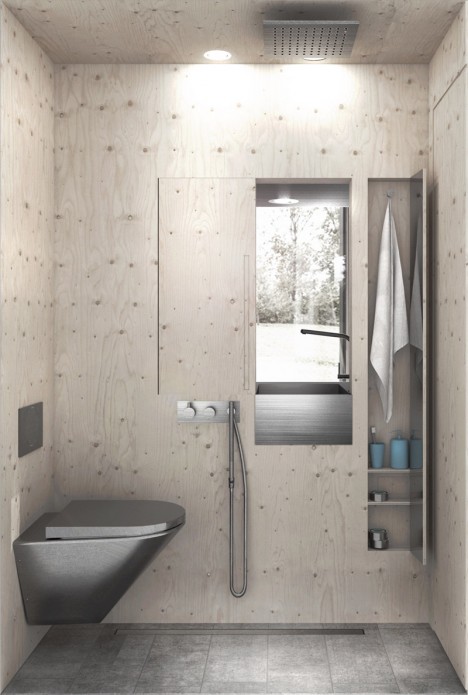
shipyard bathroom space

There are still some issues yet to be resolved, like indoor plumbing and electrical connections, but some of these (like showers) have already been considered, with auxiliary buildings to be created around this community. Should more permanent transformations ever be called for, the entire place essentially be packed up and moved along, traveling along the tracks or closed up and put back on trucks.

Share on Facebook


[ By WebUrbanist in Architecture & Houses & Residential. ]

[ WebUrbanist | Archives | Galleries | Privacy | TOS ]


WebUrbanist

 
Comments Off on Multimodal Micro-Homes: Tiny Dwellings Travel by Truck & Rail

Posted in Creativity


Travel: Zoom! Sony Cyber-shot DSC-HX90V real-world sample gallery

08 Jul

The Sony Cyber-shot HX90 has the kind of specs that should appeal to a travel photographer looking for something compact. It packs a 30x optical zoom covering a 24-720mm equiv. range and offers an 18.2MP BSI CMOS sensor. With Wi-Fi and GPS built in, it’s road-ready. DPReview Editor Barnaby Britton has been carrying it around for a while – check out our sample gallery to see how it performs. See gallery

Articles: Digital Photography Review (dpreview.com)

 
Comments Off on Travel: Zoom! Sony Cyber-shot DSC-HX90V real-world sample gallery

Posted in Uncategorized