RSS
 

Posts Tagged ‘Tips’

Five Tips for Special Event Photography

13 Apr

Often times shooting special events is not the most glamorous gig in photography, but when a client calls you up looking for a photographer to shoot an event, you take the job.  Sometime’s you end up somewhere great like the trading floor of the New York Stock Exchange, other times you’re in a small, dark, dull event space with only 20 people making the best of the situation.  Regardless of the size or location of the event, you’re job is to make some great images.  There are a lot of little things that can make diving into special event photography much easier or much harder on yourself, below are a few ideas of how to prepare and execute the photography at your next event.

Event photography tips 01

#1 Dress Like You Belong There

As a photographer, there are plenty of times when you can go to work in jeans and a t-shirt, after all clients aren’t watching you do post production.  When photographing a special event however, you should dress like you belong there and blend in with the crowd.  This doesn’t necessarily mean a suit and tie every time for men, or that a blazer is necessary for women, but slacks/dressy pants, comfortable, low key, black shoes and a nice shirt/blouse usually are a must.  If it is a higher end event you men should be sure to wear a suit coat and tie while women should wear a blazer if they feel it is necessary.  If you’re unsure of the appropriate attire, always air on the side of safety if you’re over dressed you can always take the coat off and stick the tie in your pocket.

Event photography tips 02

#2 Take Pre-event Shots

While it may be an afterthought for your client at the event, the event planner responsible for dotting the i’s and crossing the t’s will love that you captured shots of the room prior to the guests arrival. Not only will it be something they can use to sell their services in the future, it will also allow them to catalog the set-up in case they have a very similar type of event in the space again. This will prove invaluable to the client and should be the way you start any event.

#3 Don’t Over Shoot (but don’t undershoot either)

The divide on Over vs Under shooting seems like it would be quite blurry, it really isn’t. If you are photographing a special event, you have to remember that even though great photos are key, the attendees having a good time is the top priority. While it is completely acceptable to photograph the attendees, both candidly and posed, be sure to make mental notes of who you have photographed so that you aren’t going to the same groups of people over and over again. Along with posed shots, if the lighting allows for it, bump up your ISO and shoot candids with ambient light. Once you move past a cocktail hour and into a reception, keep your focus to the stage. Candid audience or crowd shots are nice here and there, but a good rule of thumb is that once plates go down and people are eating, keep the camera pointed away from the tables and onto the stage and shoot conservatively.

Event photography tips 03

#4 Be Quick

Wether it’s a panel discussion or candids at a cocktail hour, no one is at the event to be with you. Accept it. While shooting candids, be ready to go, take a step back, click off three frames and move on, any more than that (unless it’s a VIP or there is a glaring, non-camera related, issue) and you might be intruding on the attendee’s time. When shooting a panel discussion, or anything on a stage, shoot a lot with a long lens. While close, intimate shots from a wide lens look awesome, the people who are paying, or are invited to the event aren’t there to look at the back of their head. If you do have the opportunity to shoot from up close, be quick, quiet and stay as low as possible.

Event photography tips 04

#5 Edit Hard and Deliver Quickly

I find that no matter how hard I try to not over shoot an event, I still end up trashing about half of what was shot. It usually isn’t because the shots aren’t good, but because there is something very similar and slightly better in the edit. If you shoot three frames each of every group you photograph at an event(which is pretty typical) and have hundreds files, there’s no reason you can’t cut at least one of the frames for each group, if not two. Your client only needs the cream of the crop since there is only be a limited amount of use for event photos. If there are any VIP’s you might want to leave an extra frame or two in if they are also good, but for the general attendees the top frame of three works best every time. The same rule applies to shots of speakers or the panel at a discussion, edit hard and give the client the cream of the crop.

Once you get your edit down to the best images, bring your files into your editing software (I am still a diehard Photoshop guy) and crank out the images. The best thing about corporate events is that for the most part everything should be consistent and can be batch processed out in no time. From here, deliver your files, unless a disc is requested, we deliver everything via our PhotoShelter page online.

Event photography tips 05

Special Event Photography may not be the most fulfilling form of photography in the world, but when it comes time to pay the bills, you will be glad that you learned how to execute the photography aspect of them.  There are always events going on and opportunities to find work, just remember to dress the part, get photos before the event as well as during it, not over shoot, be in and out of groups and to edit hard with a quick turnaround to keep clients happy.

Event photography tips 06

The post Five Tips for Special Event Photography by Patrick Nugent appeared first on Digital Photography School.


Digital Photography School

 
Comments Off on Five Tips for Special Event Photography

Posted in Photography


NYT photo editor gives career tips for photojournalists

09 Apr

Screen_Shot_2014-04-08_at_2.40.59_PM.png

As part of their continuing video series, Photo District News has released an interview with James Estrin, founder of the New York Times ‘The Lens’ blog. Estrin provides a series of tips for the aspiring photographer. While many of these aren’t groundbreaking, the video has some real gems. Notably, in his advice to photographers looking to document strife or crisis in exotic places, he says to pursue stories that are closer to home. Learn more

News: Digital Photography Review (dpreview.com)

 
Comments Off on NYT photo editor gives career tips for photojournalists

Posted in Uncategorized


10 Photography Tips to Help You Take Your Photography up a Level

03 Apr

Man working

The best lessons are the ones you learn the hard way. Here are 10 photography tips I learned after lots of frustration, discouragement, money lost, and forever lost opportunities. These tips are not very common, I never heard them hence you probably never heard of them either. I hope they help you avoid the mistakes I made, and help you improve your photography. Let’s get to it shall we?

10 Photography Tips

1 – Always have a camera in your pocket. Always. Or else.
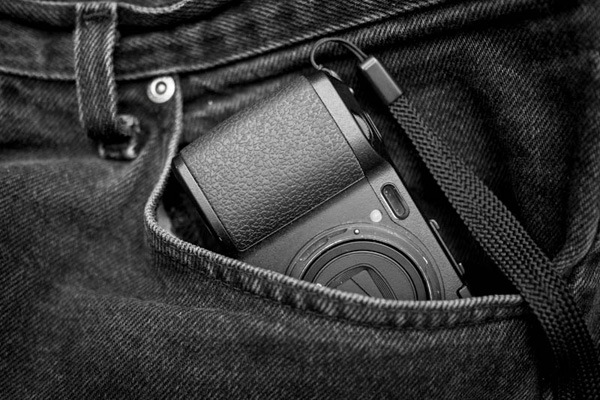
Pocket Camera Ricoh GRD IV

How many times have you been a situation where you kinda wanted to take your camera bag, but ended up not doing so because of the thought of lugging the bag, or even the DSLR itself?

It’s understandable. Do you want to take that DSLR everywhere you go? Who would want to dangle that thing while going to the grocery store? Nah. But one thing I’ve learned, is that images don’t wait for you. I’ve been through too many “I wish I had my camera with me” scenarios to know so.
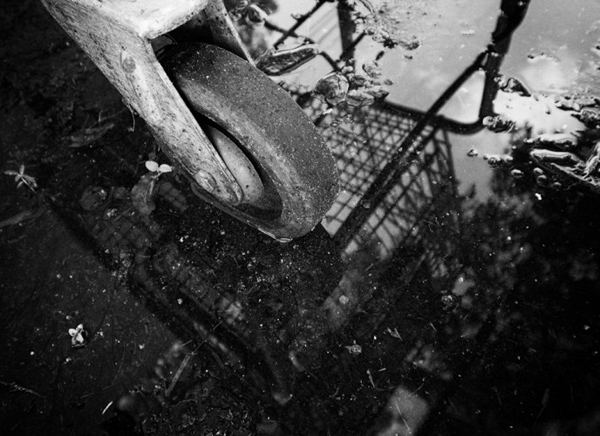
Abandoned Cart Ricoh GRD IV

Caption: An abandoned cart on my way to get a sandwich

One of the best things I did as a photographer was to get myself a pocket camera (The Ricoh GRD III, now I have the Ricoh GRD IV) and take it everywhere with me. It freed me photographically, and it made me stop thinking in terms of “photo shoots” and start thinking in terms of “life photography”.
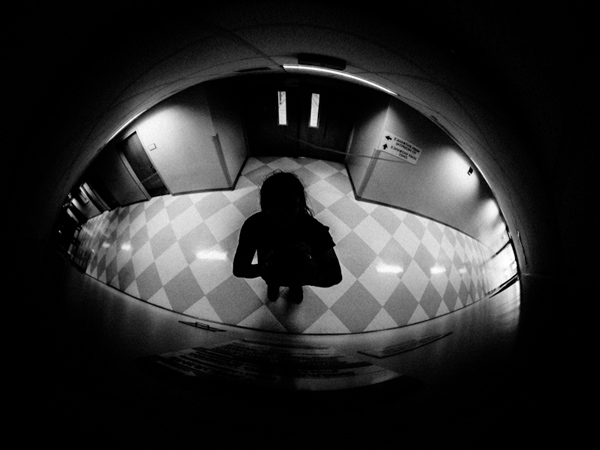
Distorted figure Ricoh GRD IV

Caption: At a hospital for a baby checkup

While the small compact ended up being my main camera, you don’t have to do the same, but do get a pocket camera. You have no idea how many images pop up in otherwise mundane situations like grocery shopping, or taking a stroll at the park.
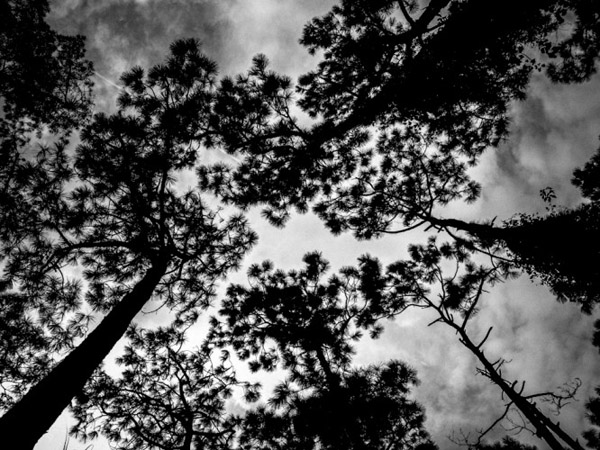
In the park

Caption: In the park

In a nutshell: photographs don’t wait for you, get a pocket camera to fill in the gaps where your DSLR is absent.

P.S: Your phone might do but I don’t know about you but I can’t stand using it, there’s no buttons nor dials! Also check out the Canon S120,

2 – Your background is as important as the subject
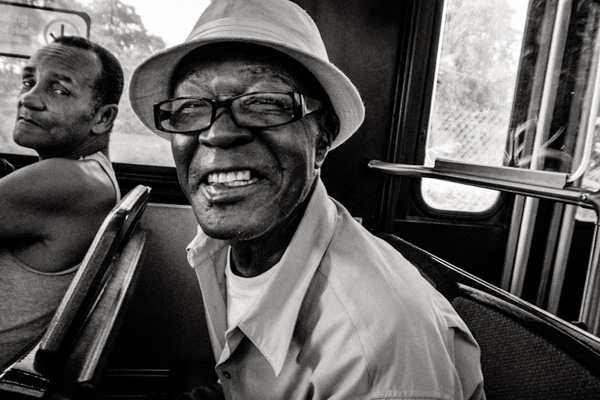
Man bus Ricoh GRD IV

When making an image, there’s bound to be a subject. But the subject is rarely alone, there’s the background to deal with. When looking through the viewfinder and you spot your subject, the first thing to do is not to press the shutter release button….it’s to pay attention to your background first.

There’s only two things a background can do for your subject: it can either bring attention to it, or detract from it. Say you are having a conversation with a friend, you wouldn’t want someone else’s voice distracting from your own, would you? So why let your subject be distracted by the background?
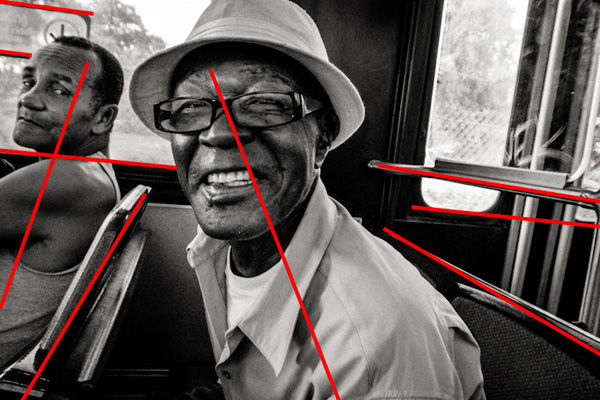
Man bus explanation Ricoh GRD IV

This guy was on the bus and was just priceless, after some entertaining conversation (too much, he was drunk and the whole bus was watching), I told him I would make his portrait. Even before rising my pocket camera, while talking I was wondering how I could draw attention to him.

At first I wasn’t going to include the guy on the left, but by changing the guy in the back leaned back and bought further attention to my subject. I happily made the shot.

In a nutshell: be attentive to your background, ask about every object, line, color: Does this distract or enhance what I am trying to focus on?

3 – Everything is light
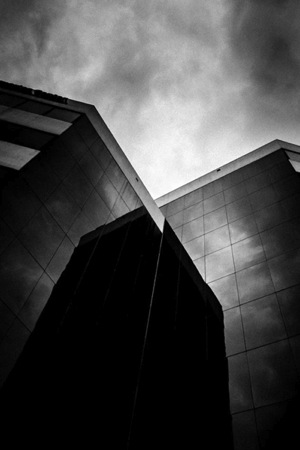
Building black white

What is the first thing you notice when you see your child or significant other? A person, right? Well that’s fine and all if you are dealing with them as another person, but when it comes to photography, you are dealing with LIGHT, so you have to train yourself to see everything in terms of LIGHT.

Did you ever notice how the face lights up when someone is watching TV? Did you notice that you feel differently when a landscape is shot at twilight versus dawn? Do you notice how there’s ugly shadows in the eye area when there’s harsh light?

The examples are infinite, but the skill starts when you force yourself to pay attention to the light. In the image above of the building, I was going to the bank and it was pretty overcast out, and I looked up. While I didn’t go to the bank to get this image, I knew what to expect (soft light, nice reflections of the clouds) and simply looked up and made the image.

In a nutshell: start noticing light, its qualities, the shadows it makes, the shapes it forms.
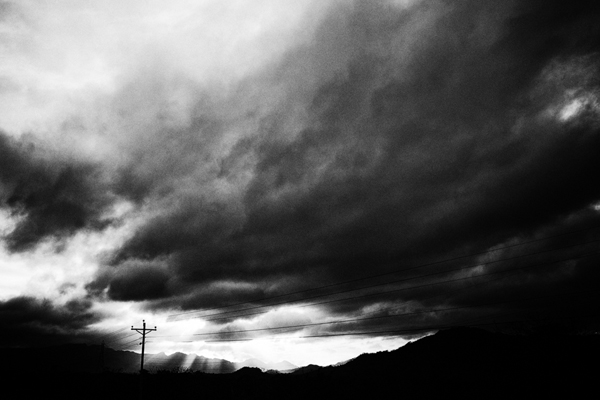
Clouds

4 – Treat your work as wine

Some photographs are either made by luck, or maybe you’re just a genius and you didn’t know it. I’ll vote for the second option because I like you. In all seriousness though, while your best photos might be made tomorrow, you could potentially have gold in your older work.
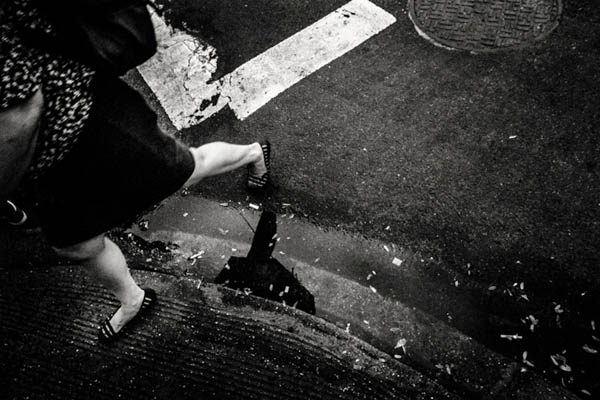
Woman walking

Caption: An image I found months later, I overlooked at first

Fact is, you might have something that you wouldn’t know the value of until you look at it with more mature eyes. I have shots from 10 years ago, (I never dreamed of becoming a photographer back then) that are stellar.
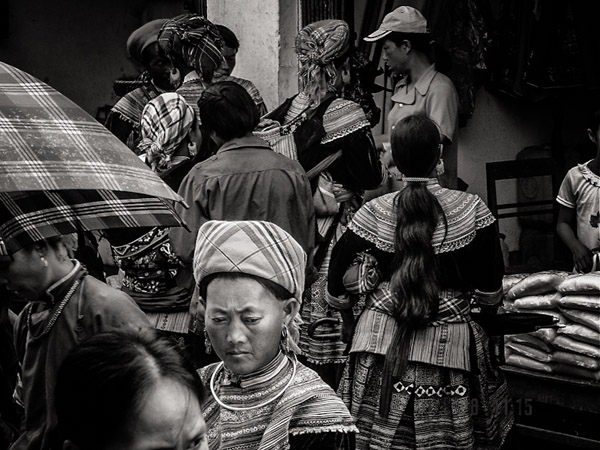
Vietnam hmong

I wouldn’t have seen them if I didn’t revisit the work. The image above was shot 10 years ago. Granted, there were only a few nuggets of gold in the whole pile, but who says no to gold? Plus after time has passed you won’t be as emotionally connected to the images, making you able to judge the images more objectively. Sometimes I go through my old stuff and I can’t believe what I missed! Or I am amazed at how I can recover images I believed were ruined.

In a nutshell: your photos are like wine, they get better with age, but you have to dig them up

5 – Shoot with your heart first

You know your stuff. You know what aperture is, when to bump up your ISO, you know how to expose well. But when you look at your images, you just can’t put your finger on what exactly is missing. Let me suggest that it’s the heart element that’s missing. You are not emotionally engaged with your work.

Photography is not about capturing what’s out there in the world, it’s about capturing what’s inside your heart. Shoot what matters to you and put more of yourself in the images.

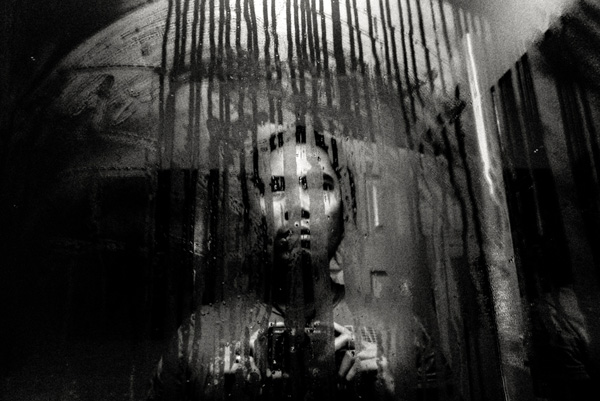
Here I was in a dark spot:
Dark photograph

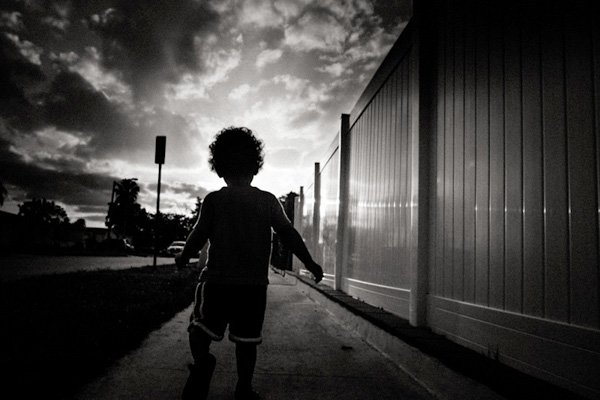
Don’t judge me by this image, I was just in a really bad spot. Here I was more optimistic:
Hopeful

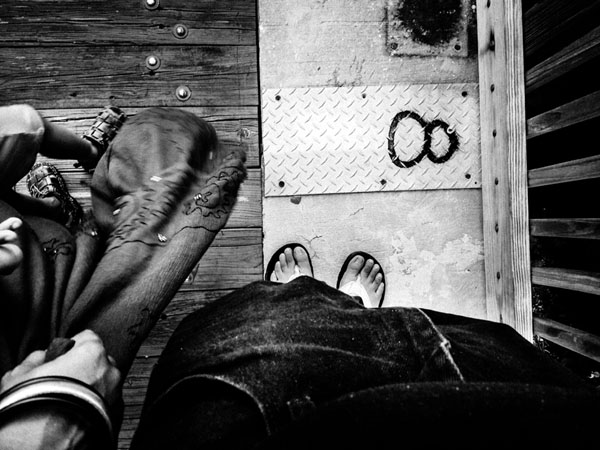
Here I was feeling the familial spirit:
Family

In a nutshell: shoot how you feel, your images will be more powerful. Plus, humans are hardwired to relate emotionally.

6 – Ask why

Not everyone is into photography for the same reasons. Some want to get rich, others do it because they like it, others for fame or to document their kids growing up – you get the point. We all have different motives for doing photography.

Question your motives and your photography path will become clearer. Knowing your why is like having a loupe in front of a light source, it will help you focus and get where you want faster. I can’t tell you your reasons because only you know that.

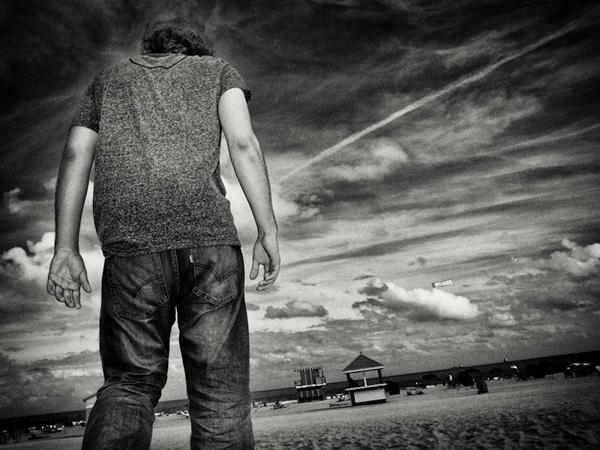
For me, photography is my way to dream awake. Don’t worry, my mom knew she had a dreamer in her hands early on. Don’t call the looney bin on me, but everyday I SEE things, no, not dead people, but slithers in the fabric of time that reveal my imagination. Take this image:
Take on life

When I saw this guy, I saw a hero ready to take on life itself. In reality, it was just a guy going to the beach. That’s my reason for photography: It helps me be in the world and in my imagination at the same time.

In a nutshell: it’s your turn, what’s your reason for photography? What is it about photography that attracts you so much?

7 – You are less limited by your gear than you think
Airplane

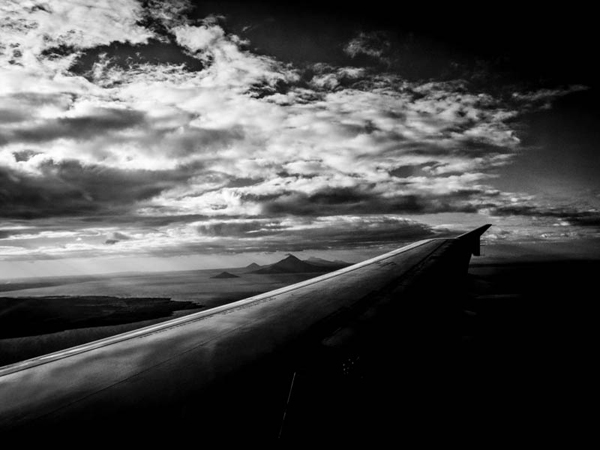
Take it from a guy that lost $ 1000s in gear buying and selling, it’s not about what gear you have, it’s what you do with it. As a photographer, there are things that can keep you from doing your work, one of them is being too focused on your next purchase.

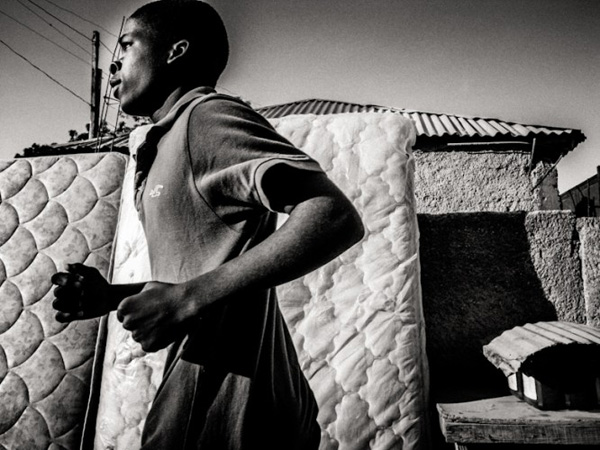
All the images in this article, (with the exception of 3-4) were made with a pocket, small sensor camera, with a 28mm fixed lens which I used with its upgrade for 4 years (the Ricoh’s mentioned above). Other cameras used were other compacts, my phone and one image with the NEX7 (the next point’s portrait).
Man running

Believe it or not you are more creative with less than more. The puzzle-solving brain is much more creative when limited in some way or another. For example, if we could fly, we wouldn’t have invented airplanes.

In a nutshell: whatever gear you have, find new ways to use it. Plus having too much simply makes you miserable anyways (been there).

8 – Let go of technical perfection
Son portrait

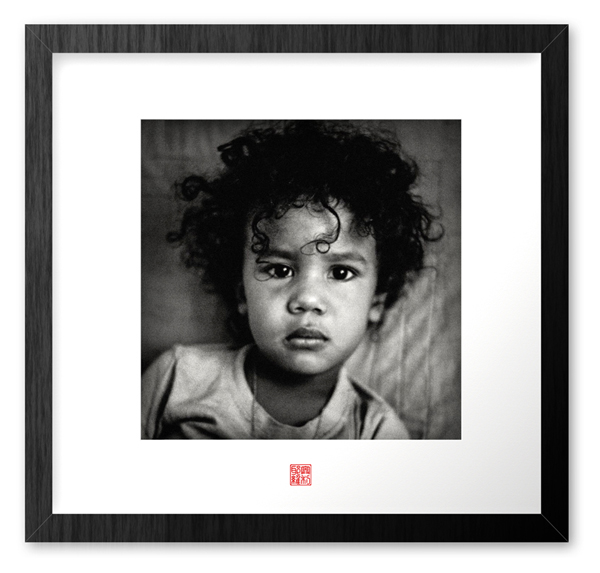
I think you should learn to expose correctly, learn when something is in focus, etc., and then let it go. I think too much time has been spent arguing on how a photo is slightly out of focus, or other small technicalities.

Some of the world’s most iconic photographs are slightly soft, some are outright blurry (Robert Capa – D.Day soldier), some even have white skies (Alberto Korda’s iconic image of Che Guevara – Guerriero heroico) amongst others.

Why didn’t you notice these imperfections? Well you didn’t seek them out, so you didn’t see them. The artistic qualities of a photograph are superior to its technical imperfections, so let go of them. Heck the Japanese have a concept, “Wabi-sabi” that basically means beauty in the imperfect.

So stop worrying about if you are 10000% in focus, if your white balance is the neutral greyest of neutral greys and start looking at what the photograph is about and how it makes you feel.

In a nutshell: let go of technical perfection, and focus on emotional impact.

9 – Think making photographs, not taking pictures

Being a photographer is an attitude, and one of the fundamental shifts that must happen is making the difference between taking a picture and making a photograph. What are you doing when you rise your camera up to your eye?

  • Are you taking a picture? In other words, are you content replicating what’s in front of the lens?
  • Or are you making a photograph? In other words using what’s in front of your lens as a starting point to communicate what’s inside you?

If you learned how to use your camera through the dPS Newsletter, you have the power the express yourself. Now you have to understand that you don’t take pictures, camera owners do that; you make them, photographers do that.
Angel heaven

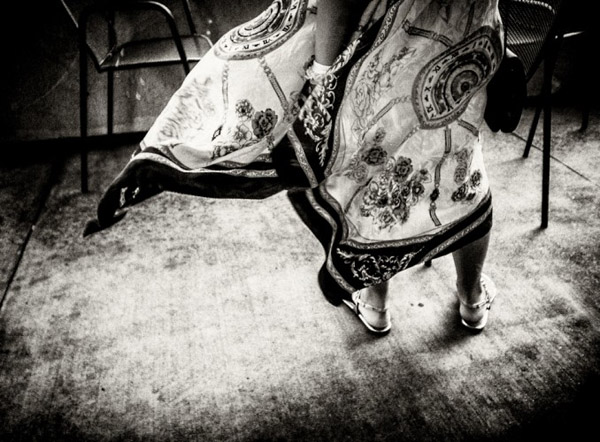
I was at a coffee shop, sitting down, writing on my device when I saw this dress flow in front of me. For one second I believed I was in heaven and looking at an angel. I used what was in front of me (a girl’s dress, how boring) and made a photograph, replicating the feeling I felt.

In a nutshell: start thinking like a painter, focus on making something, not taking.

10 – Make your photographs sticky

Picture this with me for a moment: a beautiful van is driving down a road, a soothing voice enumerates all the features of the van, AC, GPS, windows, kids are smiling in the back. Ah, life is good, the van flows nicely in the streets. The van is making a turn when all of a sudden, a nasty crash happens. Shock!

“You didn’t see that coming” says the tagline. It wasn’t a commercial for a van, it was one for safety.

This commercial stuck in the minds of many because the ad spent its time building up a pattern (that of a typical van commercial) and then broke it. The human brain sees in terms of patterns and expects things to go in a certain way, when it doesn’t, it forces us to remember to be ready for next time.

You can also do that with photographs. You can create a pattern and then break it. Roland Barthes, a philosopher, named the pattern the Studium, and the pattern breaker the Punctum in his book Camera Lucida. So, if you want your images to stand out, seek the Punctum.
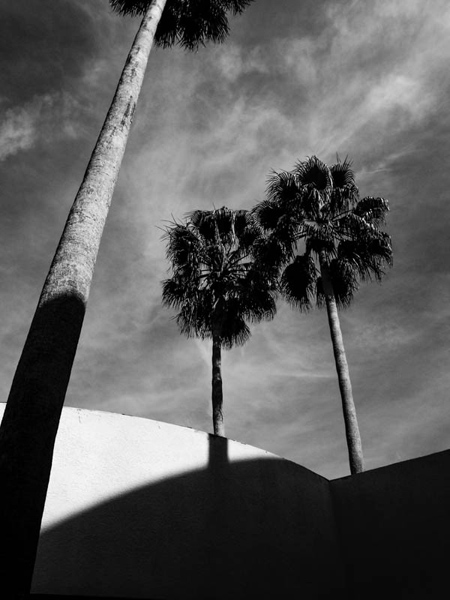
Studium punctum

Meh. How many palm tree images have you seen in your lifetime? Well I’ve seen them a lot too, so in order to make this one stick out from the crowd, I decided to align the shadow of a tree that was behind me, to the tree in the middle in front of the camera. What started as an average palm tree image is now much more interesting because of that pattern breaker. It’s unexpected. You expected a complete tree trunk and I replaced it with a shadow.

In a nutshell: anticipate the expected in your photograph, then break it.

So what other tips do you have for beginners? If you are just beginning yourself what do you struggle with the most? Share with us in the comments below.

The post 10 Photography Tips to Help You Take Your Photography up a Level by Olivier Duong appeared first on Digital Photography School.


Digital Photography School
 
Comments Off on 10 Photography Tips to Help You Take Your Photography up a Level

Posted in Photography


Tips for Boosting Your Confidence Doing People Photography

03 Apr

Feelings follow actions

We all know most people aren’t comfortable being photographed. What’s less well documented is many photographers actually feel nervous about photographing people.

It’s understandable when you think about it. Since we know that the people we’re photographing don’t want to be photographed, we feel we’re invading their space. We also feel just as ‘on show’ as the subject. We have to perform, be charming, build rapport, make people smile, effortlessly change the settings on our camera and ultimately show them how great they look in the photo. It’s a lot of pressure!

But hey, there’s never going to be a big sympathy movement for photographers, so we have to overcome our confidence demons on our own. I know how you feel. I used to quiver with fear when photographing people, too. Over the years I’ve picked up many helpful tricks and now I can actually enjoy the spotlight and hectic pressures of a large wedding. Here are a few for you:

Tips for boosting your confidence doing people photography

Plan the photo before you speak to them

Plan the photo Plan the photo3

Once someone has agreed to be photographed you don’t want to be standing there flapping about wondering what you’re going to do with them. Have a clear image in your head that’s based on the available light, backgrounds, and the message you want to convey through the environment and their pose.

Think about why you wanted to photograph them in the first place and then use your composition, posing and photographic skills to tell the story. The better prepared you are the more confident you’ll feel. You’ll be able to give your subject instructions and explain why you’re doing what you’re doing.

For example, you could say “Your hair looks fantastic and if we take the photo over here then the sun will create a beautiful halo as it shines through it.” The model will feel great, you’ll feel in control and you’ll really sound like you know what you’re doing.

Help your model feel confident

Help model feel confident 2 Help model feel confident

The more relaxed your model is, the easier the process will feel for you too. Stay positive. Even if you can see you’ve screwed up a photo just keep sounding positive. Tell them how well they’re doing and never let silence descend. As soon as you stop talking, your model will instantly tense up. Imagine someone staring at you without talking and you’ll know how the model feels.

Often when we’ve just gotten started I’ll say, “Right, I’m just going to take a couple of practice photos to make sure I’ve got the exposure perfect, so you can pull funny faces at me if you like.”. Whether they pull a face or not they’ll often be more relaxed or even smiling naturally at this point. Because of this, some of the best images in a session can be your first.

How to keep the conversation going

Keep conversation going

We’ve already established that silence is kryptonite for a photography session, but what do you say to help take the model’s mind off the photography? As a portrait and wedding photographer I prepare what I’m going to say during the session almost as much as I plan the photos.

Here is a selection of the techniques I use in different circumstances:

  • When photographing a group I might ask everyone to look at the person with the smelliest feet, or who spends the most time in the shower, etc.
  • I ask them to keep their eyes open for as long as possible. You start with a glazed expression but as their eyes begin to dry out they start to smile and then laugh. I turn it into a competition if there are several people.
  • Do you have any nicknames for each other?
  • For group photos I have a method for avoiding people blinking. I ask everyone to shut their eyes and then open them on the count of three. Just after I say ‘three’ I tell them to remember where I’m standing!
  • I ask them to guess the two people I get told I look like (it’s the comedian Harry Hill and the TV chef Heston Blumenthal, by the way)

Keep conversation going2

For travel portraits some of the above ideas might work, but you can also just ask simple questions like:

  • What do you love most about this place?
  • Is there anywhere you recommend I go?
  • Where’s the best place to eat?
  • Do you have any hobbies?
  • Don’t forget to tell them how beautiful their country and food is!

To help make the conversation even more natural I sometimes use a tripod and remote shutter button once I have the photo composed. This means I can maintain eye contact and build rapport more effectively. It helps the model feel like they’re in a proper conversation rather than staring at a piece of machinery.

Talk with them first

For a posed photo you should speak with the model first, whether you’re photographing a stranger or an old friend. Tell them why you want to take their photograph (I love your hair, you look cool, etc.) so the model isn’t left wondering.

When I’m on holiday I like to chat with the locals before I ask for the photo. Maybe I’ll buy something from their shop or pretend I need directions to get the conversation going. Once you start chatting and build rapport it feels much easier and more natural to ask for the photo.

*Note: for more read:  Practical Tips To Build Your Street Photography Confidence  for Tips for Photography People when Travelling. 

Talk with model first Talk with model first3

Camera tricks for the super-nervous

If you’re really too shy to speak with people, or want a reportage style – then the obvious solution is to use a long lens. However, it can feel a bit creepy doing this and it’s even more embarrassing when you get caught!

An alternative is to put your camera on a tripod and use a remote shutter. This way people don’t realize you’re taking a photo at that exact moment because you’re not looking through the viewfinder. You then wait for people to walk into your composition and fire the shutter at the right moment. You’ll have to pre-focus the camera and use a deep depth of field to increase your chances of a sharp image.

Another method is to use a wide angle lens and place the person you want to photograph at the edge of the photo. The camera won’t be pointing at them so your motive is less obvious.

Camera tricks for the nervous

Feelings follow actions

When talking about building confidence most people talk about ‘positive thinking’. Psychological tests have shown that in reality feelings follow actions. What this means is that if you act like you feel confident then you’ll actually become confident.

If you smile, project your voice, dress sharp and stand up tall you’ll actually start to feel more assured.

Do you have any techniques, games or phrases you use when photographing people? Write them in the comments box below – we’d love to hear them. If you really want to step out of your comfort zone try How to Photograph Strangers: the 100 Strangers Project.

The post Tips for Boosting Your Confidence Doing People Photography by Dan Waters appeared first on Digital Photography School.


Digital Photography School
 
Comments Off on Tips for Boosting Your Confidence Doing People Photography

Posted in Photography


Tips for Photographing Auto Racing

31 Mar

“Racing is life. Anything that happens before or after is just waiting.” – to quote Michael Delaney (played by Steve McQueen) in the movie ‘LeMans’. You don’t have to be a race car driver to feel the adrenaline rush that is auto racing. Being a photographer, and being part of the action can also be very exciting and a lot of fun.

There are a number of different types of racing such as sports cars, stock cars, rally cars, open wheel cars and even your local short track cars that might race on dirt or asphalt. Each type will have different tracks with their own level of accessibility for you to take photos. Nothing beats having unlimited access and if you can get a press pass, that is definitely the way to go. But if you don’t have that option available what can you do?

Fig 1

PANNING

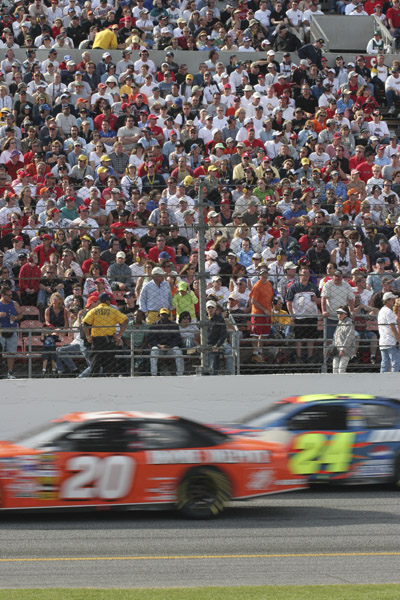
Road courses offer opportunities to get great action photos without having any special access. The images above was taken from the same vantage point of all spectators. By using a short ladder, I was able take this image over the fence instead of trying to look through it. A 300mm lens was enough to more than fill the frame, so an extreme telephoto lens was not required to get this photo.

I also used the technique known as panning. Panning with the car allowed the focus to stay on the main subject, but by slowing the shutter speed down enough you are still able to get the feeling of speed. You will need to find the right balance between aperture, shutter speed and ISO. If the shutter speed is too fast the car will look like it’s just stopped on the track. If it’s too slow then everything could be blurred. You want to slow your shutter speed down until the lettering on the tires just transforms into a nice short blur. Photograph a few laps at different speeds and then check them on your camera’s LCD screen until you get the right effect that you’re looking for.

Next, take notice of your aperture because this will determine your depth of field. Depth of field is typically less with a telephoto lens than it is with a wide angle. Adjusting your aperture will require a corresponding adjustment of the ISO to compensate and keep your exposure accurate. A depth of field that is too shallow may make it difficult to obtain a critical focus, so again take a look at a few practice images and make sure that your focus looks good to you (zoom in to 100% on your screen to be sure).

PREFOCUS

Autofocus is still sometimes unpredictable and it may lock onto a subject in the foreground or background just as you are about to take the shot. By switching to manual focus you can prefocus a location on the track and just wait for the cars (or motorcycles) to come to you. Once there, a simple click of the shutter and you’ve captured your racer in focus. There’s always an ideal racing line on any track so more than likely all racers will speed through at that same location unless they’re passing or being passed.

BLUR

Fig 2

This photo (image above) shows that sometimes you need to look around, notice your surroundings and try something a little different. By focusing on the spectators you can allow the cars to become a blur and emphasize their action on the track. Try different shutter speeds until you get the effect that you desire. This technique can be used for daytime or nighttime racing. A neutral density or gradual filter was not used for this image, but one could be used to increase the blur.

TRIPOD or MONOPOD?

Tripods and monopods are helpful to stabilize the action and help give you a sharper image. If you don’t want to use them there’s a formula for hand holding a camera with a long lens and it is as follows:

The shutter speed should be equal to or greater (faster) than the focal length of the lens (eg., 200mm lens = 1/200th shutter speed or faster) to avoid camera movement as you take your photo.

If you have a zoom lens like a 75-300 then this rule would apply at the longer focal length (1/300th of a second or faster). Don’t forget to add in the crop factor if this applies to your camera’s sensor also. With cameras that have stabilization systems either in the lens or camera body you can typically bend this rule by a couple of stops, but the tripod and monopod are still there to help when you need them. They are definitely preferable when using a super telephoto that you may be carrying around all day. I prefer a monopod because they are lightweight and easy to move around with, but you will need to find what works best for you with a little trial and error.

TWO CAMERAS

Photographing auto racing does require a certain amount of photographic equipment. We would all like to have the best that’s available, but most times that is not the case. Get the best equipment that you can afford and learn to make the best with what you have. If you can, carry a second camera with you so that you’re ready for that unexpected shot. Keep a telephoto lens on one camera and a shorter lens on the other. Being prepared for the unexpected to happen is when you’re going to get that great action photo.

ANGLE OF VIEW

Fig 3

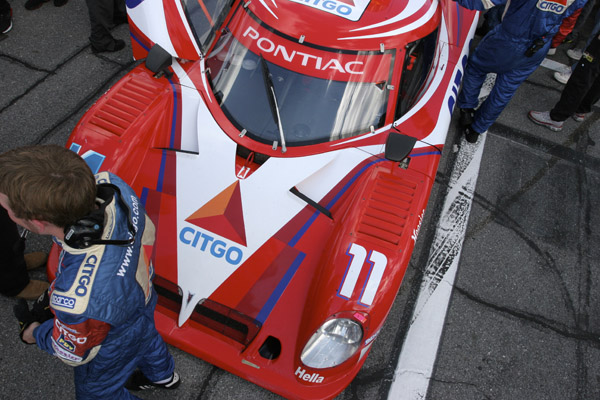
Be on the lookout for creative images. If you see a crowd of photographers in one location – try looking for an angle of view that they haven’t seen. You can hold the camera at a 45 degree angle and take photos with cars going across the screen diagonally to emphasize speed (see image above). Try taking photos from a low angle or a high angle. You can attach your camera to a monopod with a remote release and capture a high angle such as this car being rolled out to the starting grid (image below). Even though there are crowds of people around, this car is isolated and not something that you see everyday.

Fig 4

PIT STOPS

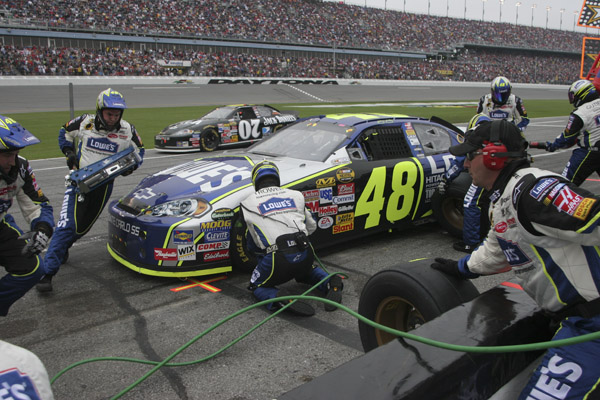
Pit stops are some of my favorite things to photograph because there is always a lot of action! You can get a lot of great images with a relatively inexpensive wide angle such as this image (below) taken with a 20-35mm lens. Some race tracks will allow you to purchase a pit pass, or a press pass will gain you access to pit road. If you do obtain access to photograph pit stops maintain your ‘situational awareness’. Be aware that every one of the pit crew members around you has a job to do and you don’t want to get in their way while they’re doing it. There is the potential for serious injury for you and crew members. So pick the moment that you want to get in there, take your images and step back so that they can do their job.

Fig 5

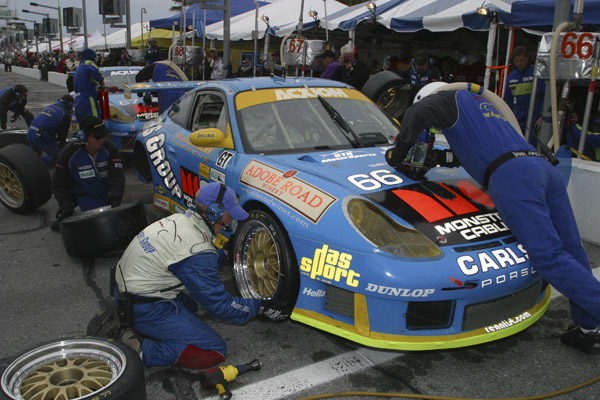
Some forms of racing allow photographers over the pit road wall to photograph pit stop action as long as you wear a firesuit. This type of access, in my opinion, is the ultimate and you are able to move around the car taking images that few photographers get to take (like the image below). If you are able to gain this type of access you also need to be aware of cars (or motorcycles) entering and exiting their pits.

Fig 6

IN SUMMARY – ACTION PLAN

Photographing auto racing can be challenging but a lot of fun. Take the best photos you can from the areas that you have access to and buy a pit pass to get closer to the action. The camera equipment required can be expensive, but learn to work with what you have, and upgrade your equipment when you can. There are also numerous rental companies available now and you may want to consider renting equipment to try before you buy. Good luck and good racing!

If you have racing photos that you’d like to share with others here please add them in the comments.

The post Tips for Photographing Auto Racing by Jim Wise appeared first on Digital Photography School.


Digital Photography School
 
Comments Off on Tips for Photographing Auto Racing

Posted in Photography


Better Landscape Photography Tips and Video Tutorials

30 Mar

This week I’m going to turn the focus to landscape photography. Your photography challenge this week being “Flora” it’s a good time to get out and there go find some great landscapes. So I’ve actually found not one, but three, short video tutorials with some really good landscape photography tips.

#1 Top 10 pro landscape shooting tips

As the title eludes to, this video shares 10 quick tips to help you get going. At just over four minutes you don’t have to waste any time before you get out shooting. The tips include: focal point, tripod, time of day, rule of thirds and more.

#2 Low Light Landscape Photography Tips

This one is by Stuart Low Photography and he goes over some tips for shooting when the light maybe isn’t so great like a gray gloomy day, and how to create interesting compositions. Besides, I just love his accent!

#3 The Australian Photography Show Ep1 – Landscapes

Last but not least is a really good video by Zulu Media. They go on a location photo shoot with landscape photographer Adam Monk at the famous Australian landmark, The Pinnacles. You don’t have to live in Australia to be able to use his tips though, you can apply these to any location and use them immediately. Some really good stuff in here as the two photographers show different ways of approaching the same subject matter and talk about lenses, camera settings and composition for impact.

I hope you enjoy these landscape photography tips. If you want more you can check out the Best landscape articles of 2013 here on dPS, or Living Landscapes, one of our most popular eBooks!

The post Better Landscape Photography Tips and Video Tutorials by Darlene Hildebrandt appeared first on Digital Photography School.


Digital Photography School
 
Comments Off on Better Landscape Photography Tips and Video Tutorials

Posted in Photography


Practical Tips To Build Your Street Photography Confidence

28 Mar

MWTL1001921

The noble pursuit of street photography requires a good measure of cunning and bravado. Of course, there is the ever present hurdle of luck and opportunity. Beyond knowing your streets, their patterns and ad hoc events, getting that wonderful shot is a guessing game.

When you are in the right place and you see the converging paths that will result in a great decisive moment, you need to be able to capture the scene. This can be learned and practised. Here are some practical tips to help you build your street photography confidence.

I feel like I’m wearing a sign that says, “Look everyone, a street photographer!”

I know what you mean. When I first started out, doing street photography, I was so focused on seizing photo opportunities I could see people staring back at me. On numerous occasions people I spotted as a potential photo saw me and moved away. Market vendors are deeply suspicious and, even now, I still get glared at.

I quickly realized I was missing shots because I was looking conspicuous and acting a bit weird. That slow purposeful walking and excessive bobble headed looking, then stopping and staring for longer than normal people stop and stare. Very conspicuous.

MWTL1004072

What changed?

Tourists. London is a tourism mecca and even on week days, the capital is buzzing with visitors from all corners of the globe. I take quite a lot of photos of tourists but, when I don’t want them in my shot, they can be quite annoying. In fact, tourists annoy everyone as they parade through other peoples’ photos with no remorse. Here’s the real value though. While people are irritated with tourists being in their way, they are also tolerated. Others, particularly locals, don’t shy away from their business. They jostle through the visitor throng, or continue their conversations. Tourists are, for the most part, ignored!

This was a great revelation for me and, as a street photographer, I decided to be just like a tourist.

Don’t look conspicuous

MWTL1002538

Dress casually and for walking

Check the weather and wear layers for the best and worst of the predicted forecast. I would steer clear of photographer jackets and other ‘practical’ photographer clothing. Think tourist: jeans, sweaters, hoodies, etc. I’ve tried a street photo walk in a three piece suit after a morning meeting. Don’t wear a suit either!

Personally, I recommend a small camera

Before you all jump to berate me, this is my recommendation for being inconspicuous as a street photographer. I used to walk the streets with a 1D Mark IIn and a 50mm f/1.2L lens. An extraordinarily capable camera with a decent fast lens. More often than not, the people I paused to photograph would see this camera and curtly move aside because the professional wants to take a photo and we’re in the way. And the shutter! On a train, I would stealthily raise this camera and fire off a shot. The looks I would get from people being loudly ‘papped’!

Use the neck strap on your camera

Raising a camera from your side to your face could be enough to be seen. With your camera around your neck, raising it to your eye is much less apparent. Of course, you can point your body and shoot ‘from the hip’ without moving the camera.

Carry a small bag or backpack

I take a spare battery, SD card, lens cleaner pen, business cards and a waterproof bag. That’s all, for the entire day’s shooting.

You don’t need a tripod.

Now step forth and be bold

MWTL1003373

So now you look pretty much like a stereotypical tourist with a camera, how do you act like one?!

Tourists look around a lot and walk slowly, but casually, taking in the scenery. As an exercise, try putting your camera in its bag and just walk around taking in the location. Can you still carry off that casual saunter with your camera in your hand or around your neck?

The second tip, and equally as important as the first, is to look through people rather than at them. Tourists look at the scenery and other people are simply obscuring their view. People will quickly realise they are not the focus of your attention if you are looking past them to what is behind them. It will take a while, but you’ll become practised with seeing a potential photo whilst still looking nonchalant.

Personally, I shoot with a rangefinder. Most of my shots are from around 15 feet away, so I leave my lens focused at that distance for quick response captures, like when someone walks toward you.

Otherwise I will focus for distance and then frame the shot. The trick here is to focus on another object which is the same distance as your subject. Then turn to your subject and shoot. You have minimized the time you are gazing at them by focusing elsewhere.

Street Portraits

MWTL1001783

Occasionally I will see someone who would make a great street portrait. I carry business cards around and this supports my brand as a street photographer. It’s this that gives me that needed boost to actually approach someone.

Be bold and polite and, this is imperative, know how you want them to pose. You have one chance to get them in position, after all, they’re doing you a favour.

As I approach the person I might say, “Hi, I really like your outfit/tattoo/hair/etc and I wondered if I can take your portrait?”

Take one shot. Check composition on your LCD. Take one more if necessary.

This is where I thank them and hand over a business card. I explain I’m a street photographer and point out my web site so they can go find their picture. This post photo exchange makes me feel less of an intruder and, hopefully, they are not fazed by the two minute distraction either.

Final thoughts

Hopefully these small tips will help you take street pictures while getting over the nervousness of simply trying to take photos. Through practice and experience, you will learn how people react and what you can get away with.

I don’t like to invade the intimate privacy of people or chase them down or ask them to walk back along the route I liked, so I do have a line I won’t cross, but I don’t miss a shot through lack of confidence.

Good luck!

The post Practical Tips To Build Your Street Photography Confidence by Michael Walker-Toye appeared first on Digital Photography School.


Digital Photography School

 
Comments Off on Practical Tips To Build Your Street Photography Confidence

Posted in Photography


Tips for Taking Street Portraits – Lessons Learned in India

26 Mar

On my trip to Rajasthan, India I packed my Canon 400D (Rebel XTi) with two lenses: my Canon EF 70-200mm f/2.8 IS USM (for long and candid photos) and my Canon EF 50mm f/1.8 II (for indoor portraits and low light photos) because I was aiming for portrait on the streets and specially head shots. Here are a few tips for taking street portraits, from my humble experience, and how to approach people before you take you shot.

#1 Always smile

11

You always want to let anyone who sees you with a camera know that you are a cheerful person and therefore they won’t mind being photographed by you. Even if they become angry because you asked, just smile and back off. You need to remember that being a photographer in the street is an image for all photographers in the public eyes.

#2 Avoid using the built-in flash on your camera

A common mistake that most beginners fall into is using the built in flash. For me this is meant only for quick shots of friends or family. But if you want to a portrait with great light, use natural daylight in the shade by making the subject face towards the light not the opposite.

21

#3 Don’t shoot in the sun

The reason is simple, hard light means hard shadows! Normally when you take a portrait for someone in the sun it creates hard shadows under the eyes, which is very bad for a portrait most of the time. Try to draw your subject to the nearest shady area available, or you can use a smooth board (or reflector) to make the light more even on the subject, that is if you dare to do all that with a stranger.

31

#4 Think about the light and shadows

It’s not enough just to take the shot in the shade during the day, away from the sun. You also need to consider how the light and the shadows are becoming on the subject’s face. You can do that by taking a test shot, then reviewing it on your camera screen by looking for the highlights and the shadows. If you don’t know how, practice it at home with your family or friends before going out to the streets.

41

#5 Don’t ask the person to smile

The good portrait comes first from the subject, then from you. So when you ask someone to smile, and they will, it won’t be a natural smile and sometimes it will bad for the shot. So don’t ask and they will reveal their true expression to the camera whether it’s a smile or sadness, sometimes you will be surprised.

51

52

#6 Use a large aperture for a blurry background

One of the key important things in portraiture is to focus on the eyes and blur the background, and sometimes part of the face. It will make a more dramatic and more attractive portrait to the viewer. And it also blur the background so it makes the viewer’s eye go only to the subject’s eye.

61

#7 Think about the background

What lies behind the subject is important, sometimes it’s good to have people in it and sometimes it’s better empty with no one. It really depends on how you intend to show your portrait.

71


Editor’s note: as I was searching Flickr for portrait images for the weekly inspiration collections (Portraits of men – portraits of women, I kept finding Zuhair’s portraits stood out among the rest. So I approached him and asked him to share some tips with us and he was gracious enough to do so. I hope you enjoy his images as much I do. If the eyes are the windows to the soul, I feel Zuhair’s portraits do a great job of showing us his subjects’ souls. 


The post Tips for Taking Street Portraits – Lessons Learned in India by Zuhair A. Al-Traifi appeared first on Digital Photography School.


Digital Photography School

 
Comments Off on Tips for Taking Street Portraits – Lessons Learned in India

Posted in Photography


Tips for Taking Street Portraits – Lessons Learned in India

25 Mar

On my trip to Rajasthan, India I packed my Canon 400D (Rebel XTi) with two lenses: my Canon EF 70-200mm f/2.8 IS USM (for long and candid photos) and my Canon EF 50mm f/1.8 II (for indoor portraits and low light photos) because I was aiming for portrait on the streets and specially head shots. Here are a few tips for taking street portraits, from my humble experience, and how to approach people before you take you shot.

#1 Always smile

11

You always want to let anyone who sees you with a camera know that you are a cheerful person and therefore they won’t mind being photographed by you. Even if they become angry because you asked, just smile and back off. You need to remember that being a photographer in the street is an image for all photographers in the public eyes.

#2 Avoid using the built-in flash on your camera

A common mistake that most beginners fall into is using the built in flash. For me this is meant only for quick shots of friends or family. But if you want to a portrait with great light, use natural daylight in the shade by making the subject face towards the light not the opposite.

21

#3 Don’t shoot in the sun

The reason is simple, hard light means hard shadows! Normally when you take a portrait for someone in the sun it creates hard shadows under the eyes, which is very bad for a portrait most of the time. Try to draw your subject to the nearest shady area available, or you can use a smooth board (or reflector) to make the light more even on the subject, that is if you dare to do all that with a stranger.

31

#4 Think about the light and shadows

It’s not enough just to take the shot in the shade during the day, away from the sun. You also need to consider how the light and the shadows are becoming on the subject’s face. You can do that by taking a test shot, then reviewing it on your camera screen by looking for the highlights and the shadows. If you don’t know how, practice it at home with your family or friends before going out to the streets.

41

#5 Don’t ask the person to smile

The good portrait comes first from the subject, then from you. So when you ask someone to smile, and they will, it won’t be a natural smile and sometimes it will bad for the shot. So don’t ask and they will reveal their true expression to the camera whether it’s a smile or sadness, sometimes you will be surprised.

51

52

#6 Use a large aperture for a blurry background

One of the key important things in portraiture is to focus on the eyes and blur the background, and sometimes part of the face. It will make a more dramatic and more attractive portrait to the viewer. And it also blur the background so it makes the viewer’s eye go only to the subject’s eye.

61

#7 Think about the background

What lies behind the subject is important, sometimes it’s good to have people in it and sometimes it’s better empty with no one. It really depends on how you intend to show your portrait.

71


Editor’s note: as I was searching Flickr for portrait images for the weekly inspiration collections (Portraits of men – portraits of women, I kept finding Zuhair’s portraits stood out among the rest. So I approached him and asked him to share some tips with us and he was gracious enough to do so. I hope you enjoy his images as much I do. If the eyes are the windows to the soul, I feel Zuhair’s portraits do a great job of showing us his subjects’ souls. 


The post Tips for Taking Street Portraits – Lessons Learned in India by Zuhair A. Al-Traifi appeared first on Digital Photography School.


Digital Photography School

 
Comments Off on Tips for Taking Street Portraits – Lessons Learned in India

Posted in Photography


Sunset Photography Tips Video Tutorials

22 Mar

Yesterday I shared a set of amazing sunset images and this week’s photography challenge is also to capture some sunset images. So to help you along with that is a video tutorial on how to underexpose to get more color in your sunset shots, also one of the tips I mentioned on the challenge page!

In this video Gordon Laing goes through step by step how to change the settings on your camera to do just that. Have a look:

And a second video by the Corel Learning Center with five more sunset photography tips. These are practical and easy to understand and follow:

Have some other tips, please share in the comments below!

Look for another article on sunsets coming up this week!

The post Sunset Photography Tips Video Tutorials by Darlene Hildebrandt appeared first on Digital Photography School.


Digital Photography School
 
Comments Off on Sunset Photography Tips Video Tutorials

Posted in Photography