RSS
 

Posts Tagged ‘Tips’

20 More Photography Tips Every Travel Photographer Must Know

21 Aug

Pick up Oded’s new SnapnGuide (a dPS sister company) Snapn Travel here for only $ 7, a lifetime of travel memories in a snap. Traveling is fun and rewarding, but sharing memories of your journeys with friends, family, and the world through your own beautiful images can be even better.
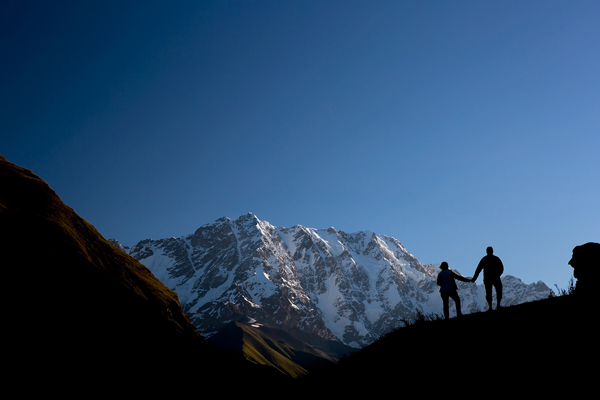
Traveltips Georgia 2

Georgia (the country)

Here are 20 more tips for great travel photography:

(You can read Part One 20 Photography Tips Every Travel Photographer Must Know here)

Before you go:

1. Make the visual decisions

For most of us, deciding where and when to go is based on many decisions, not necessarily related to photography. But there are some small decisions you can make to turn an ordinary trip into a photo-worthy one. For example, let’s say you are going on a business trip. You can squeeze a few hours of photographing between meetings. But a much better option would be to take a day or two off and spend this extra time photographing on location.

Or when planning your next family vacation, add a little visual research before the trip. Is there a nice festival or a market worth visiting at your destination? Is there something unique like an interesting ethnic group or unusual landscape that’s worth documenting? These small visual decisions can make a huge difference in your photographic experience during your trip.

2. Build a shot list

A “shot list” is a term from the movie industry. It’s a list of shots that are planned for a specific day. Want to come back home with better travel photography results? Then the shot list is your tool for the job.
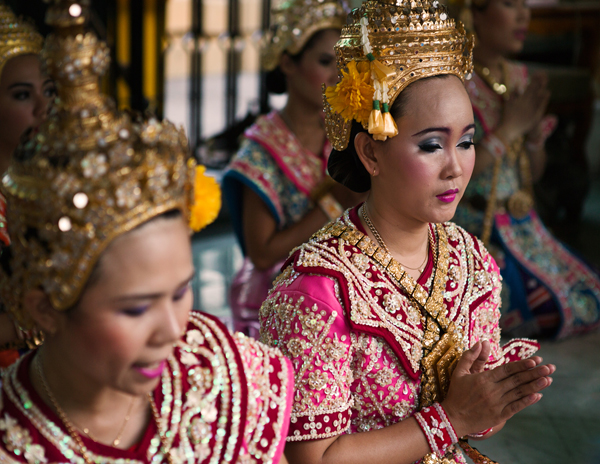
Traveltips thailand 2

Thailand

First, make a list of visual ideas as your “I won’t come home without” image list. Combine the iconic images with more creative ideas. For example, if you’re going to Paris, don’t skip the Eiffel tower. As a true symbol of Paris, it should be on your list. But make sure to add creative visual ideas, such as boutique wine shops, farmers markets, or anything to your liking. The shot list is there to help you, not restrict you. When you’re on the road, with so many new sights and smells competing for your attention, the shot list will keep you organized and be a continual inspiration for creating the next shot.

3. Smart gear choice

Don’t take all of your equipment with you! Match the gear to the destination. Do you really need that flash on the beaches of Thailand? Or that 50 mm prime lens for the safari trip to Tanzania? Choose wisely and you’ll worry (and carry) a lot less.

4. Photo boot camp

If you’re not making images on a daily basis, it will probably take you a few days on location just to “get in shape”. Get a jump-start by warming up at home by creating a daily photography routine at least one week before departure. This will make sure you’re at your best as soon as you step off the plane.
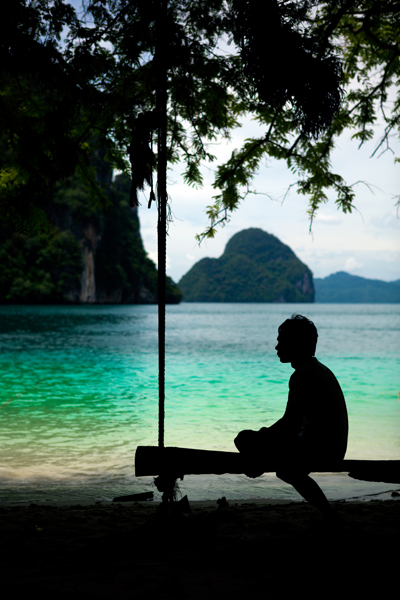
Traveltips thailand 1

Thailand

5. Coordinate expectations

Apart from our photographer’s “hat”, we all wear other hats, such as “father,” “spouse,” or “friend”. When traveling with others, we must wear many other “hats”. You must coordinate expectations with your travel partners to make sure the importance you’re placing on your photography during the trip won’t cause problems. Think and plan together about places you all can visit that would be great for even those who don’t take pictures: vantage points with scenic views, colorful markets, religious centers, etc.

When you get there

6. Location scouting

This is another movie industry term. It means that before even taking out your camera, it is wise to get familiar with your surroundings. Take at least a few hours to learn the area. Understand if there are any interesting places around your hotel, visit one or two places that are on your shot list and adjust it accordingly.
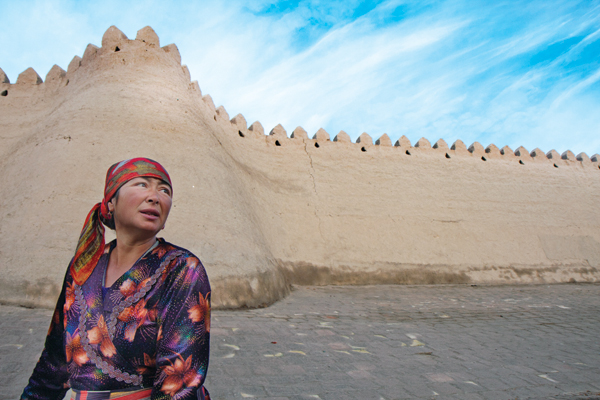
Traveltips Uzbekistan

Uzbekistan

7. Get up early

Yes I know, this one is a crazy ratings downgrade. But hey, travel photography is not for the lazy! The most precious thing on a trip is your time. Do not waste the hours of golden light of morning (or afternoon) on sleeping. Especially if you are traveling with non-photographers, it’s your time to do your best shots. You can save sleeping in for weekends at home.

8. Markets first!

Colors, food, local people, culture; markets are a photographer’s paradise. It’s always better to visit open markets (for the daylight) rather than covered ones. Some of the best markets I visited happen only once a week, be sure to be there.
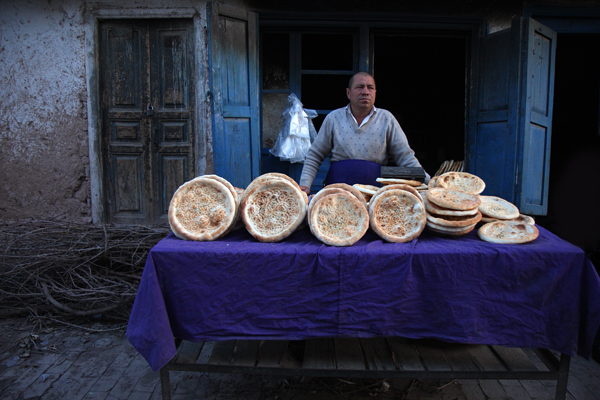
Traveltips china

China

9. Diversify your shoots

You took a landscape photo with a wide lens? Excellent, now do it again with a telephoto lens.

You’ve got the main square in daylight? Wonderful! Come back at night with a tripod and shoot long exposures. Make the most out of your once-in-a-lifetime trip as your diversify your shoots and portfolio.

10. Get out of your comfort zone

We all have places that are less comfortable for us, but visiting a new place is an excellent opportunity to get out of your comfort zone. Do you not have the courage to approach strangers in the street in order to take their portrait? This is an excellent opportunity. You might be surprise how easy and fun it is to do this with strangers.
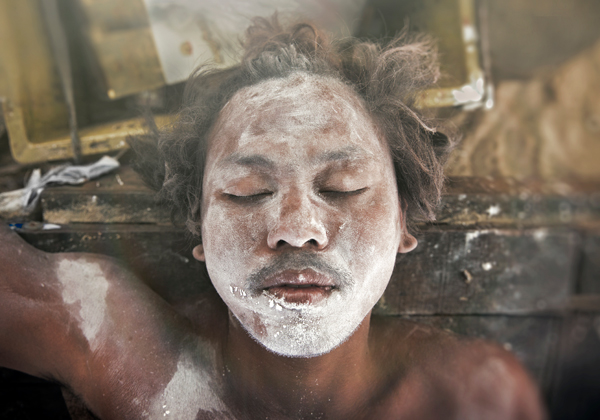
Traveltips thailand 3

Thaliand

11. Go iconic – but from a different point of view

We all know how Times Square, The Taj Mahal, and the Eiffel tower look. Don’t come back with the same, “we’ve seen it all before” images. You don’t have to skip those iconic places, they usually are truly worth the visit. But think of new and fresh ways to feature them. Try using a fish-eye lens, creative editing process, or reflections – the sky is the limit.
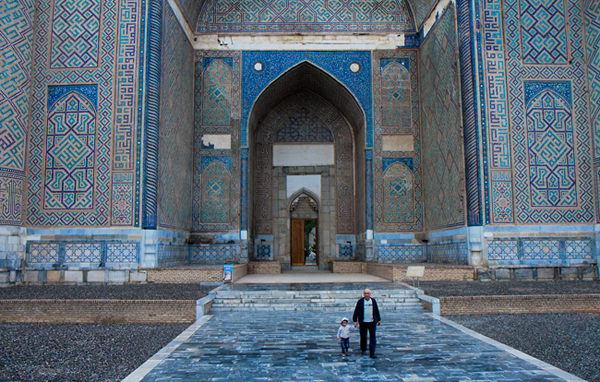
Traveltips Uzbekistan 2

Uzbekistan

12. Get inspired!

When I’m on a photography assignment, I always try to pay a short visit to a local gallery. Yeah, it sounds bit snobbish, but seeing the photography, paintings, or any other local art forms acts as a huge inspiration for my travel photography. We all want to create different and unique images. This is great way to do just that.

13. Setting a trap

I love this technique. Instead of jumping from place to place, looking for interesting subjects to photograph, I suggest to stay put and start building your frame with the background. Find an interesting vantage point on the street. You can even do this sitting at a sidewalk café. Establish your frame by determining the composition and exposure setting. Then wait for something interesting to enter your frame.
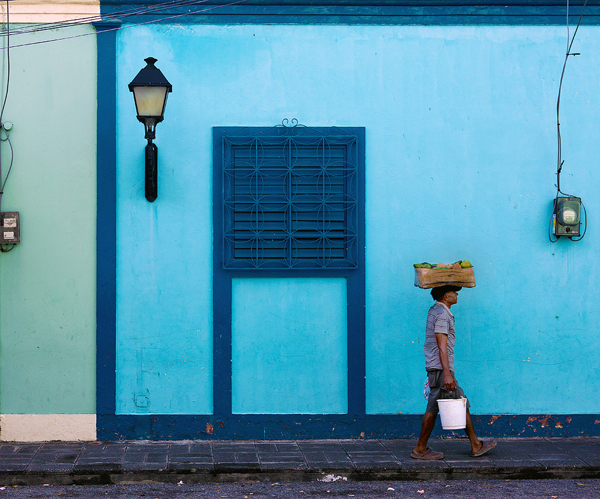
Traveltips Dominican Republic 4

Dominican Republic

14. Join forces with a local

From experience, in travel photography, there is nothing like working with a local photographer. Use a social platform (Facebook, Flickr, couchsurfing) and find a local photo enthusiast like yourself, who can show you all the best places to photograph. Of course, there are always risks when meeting strangers from the internet. Use your common sense and don’t meet them somewhere secluded at first.

Coming back home

15. Backup

I cannot stress how important this tip is. Don’t wait until it’s too late. Laptop, hard drive, cloud storage, you name it. Backup your images on more than one source.

16. Clean your gear

Before you store your stuff, you should clean it. Sea salt, sand, or even just fingerprints on the lens, can damage your gear. Keep your equipment in good shape and you will enjoy it for many years.
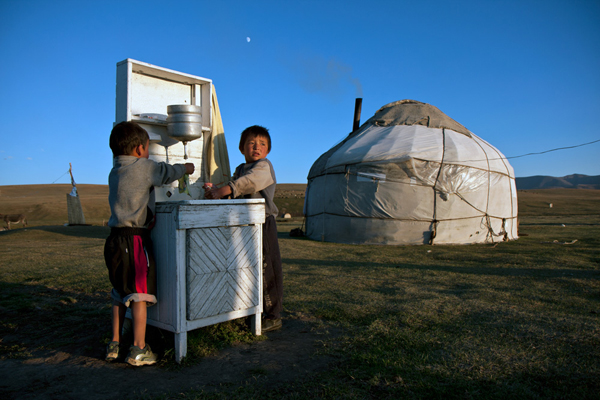
Traveltips Kyrgyzstan 3

Kyrgyzstan

17. Have a successes and misses notebook

In the past, I was recording a notebook of all my “almost got it” frames. Those fuzzy, overly bright, and “what the heck is this thing in the background” images.

I kept this notebook in order to learn how to not repeat my mistakes (and because we photographers like to be angry at ourselves from time to time). Then, I realized that it is just as important to understand why I failed as it is to understand why I succeeded. So, even today, after every assignment, I write ten things to keep and ten things to work on until the next trip.

18. Rest from it

I know it’s tempting, but resist the urge to filter, edit, and post-process your images the minute you get home. Give yourself at least a week before you do so. We tend to emotionally connect to our images, usually by the degree of investment and hard work we put into creating them. Give yourself time to disengage yourself from the experiences of your journey. This will help you see your images with less bias.
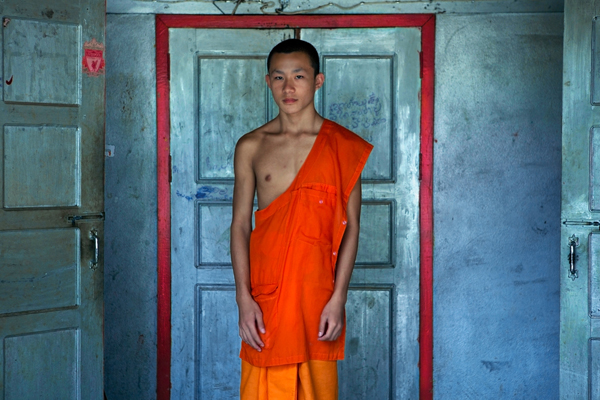
Traveltips laos 2

Laos

19. Get feedback

After learning from your successes and mistakes by yourself, use the help of someone else. Choose a friend, (preferably one with tact) and get his/her opinion on the images. It doesn’t matter if they’re a photographer or not. They should be honest, sincere and non-competitive with you.

20. Get it out to the world

Now, after resting from it, seeing it again with a new perspective, and hearing someone else’s advice, it’s time to get your art out to the world.

Choose up to 15 photos (not more). It is important to pay careful attention to the opening and closing images. Each image must stand on its own and together as a set. Add some text and post it to the world.

Note: the author would like to thank Nicholas Orloff for his help in writing this article.
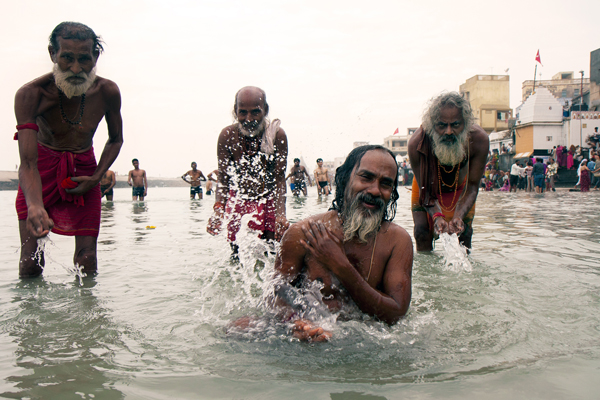
Traveltips India

India

The post 20 More Photography Tips Every Travel Photographer Must Know by Oded Wagenstein appeared first on Digital Photography School.
Digital Photography School

 
Comments Off on 20 More Photography Tips Every Travel Photographer Must Know

Posted in Photography


Tips for Taking Great Portraits in 10 Minutes or Less

20 Aug

Portraits 10 minutes or less 01

Yes, you read that right. 10 minutes tops (not counting editing time), and you could have a set of photos worthy to hang on the wall. Don’t get me wrong, I’m not telling you that every session should be that speedy, but sometimes that’s all the time you have.

Portraits 10 minutes or less 02

Maybe you’re dealing with some kids that aren’t too happy about being there, and 10 minutes is all they’re going to give you before the meltdown. Maybe you’ve got awful weather, and you’ve got 10 minutes before the tornado hits. Maybe you decide 10 minutes before the sun goes down that it’s the perfect day for some photos, and you must do them right then (or your model shows up an hour late and you’re losing light fast). Maybe you want photos of your favorite pet, and you know that you’ll be lucky to get 10 minutes of attention.

Maybe, like me, you like to do little mini-sessions sometimes, and you stack them in 10 minute increments. Maybe, just maybe, you like a challenge. So, here’s your challenge: see if you can follow these tips and get great portraits you’ll love in 10 minutes or less. Ready, set, go!

Portraits 10 minutes or less 03

Pick one location

For a portrait session in a time crunch, you must choose ONE location. Just one. Find a spot that has good light, a nice background, and stick with it. Moving around is great if you have lots of time, but our goal right now is speed and quality. Use a tried and tested spot, or scout out a good spot ahead of time. This would also be a good time to use a great indoor studio spot, but stick with just one backdrop.

Portraits 10 minutes or less 04

Make a plan

Go into your 10 minute session with a plan. For example: Let’s say you have a family who wants to hang a family photo collage on their wall. You know you’ll need a family photo, one of each kid, one of the kids together, and one of the parents together. You might want to give an option of portrait orientation (vertical), or landscape orientation (horizontal), especially for the family photo. So, take one of each of those. You may want to do one of family photo standing, and one seated. Maybe plan for one close-up and one full-body portrait of each kid. Whatever your scenario is, plan out ahead of time what you’re going to need, then stick to the plan. This isn’t the time to experiment.

Portraits 10 minutes or less 05

Put your subjects at ease quickly

Normally, you’d get to know your subjects a little bit, and put them at ease. You still need them to feel comfortable, so don’t skip this, just put it on fast-forward. The second you greet them, be happy, be enthusiastic, be fun! Every minute counts, so let them know right away that for this 10 minutes, your only focus is them. Let them feel your confidence in them, and in yourself. You don’t have time for awkward photos, so they have to be on board and comfortable right from the start. You could say something like, “Are you ready for the most painless photo session you’ve ever had? Let’s do this!”. It might get a laugh, and put them at ease right away. Who doesn’t want a painless photo session?

Portraits 10 minutes or less 06

Know your camera well

Finally, know your camera. When you’re in a time crunch, you don’t want to be fiddling with the settings, and panicking if things aren’t going how you expect. The more time you practice with your camera when you’re not under pressure, the better you’ll perform when it really counts. Know what settings you like, and when to use different apertures, shutter speeds, and ISO settings. If you are comfortable with these, you’ll be able to change them on the spot, in between photos, without wasting time.

If you aren’t comfortable with your camera yet, this would be a good time to use aperture priority, or even the auto setting. This isn’t the time to learn; this is the time to apply what you have already learned.

Portraits 10 minutes or less 07

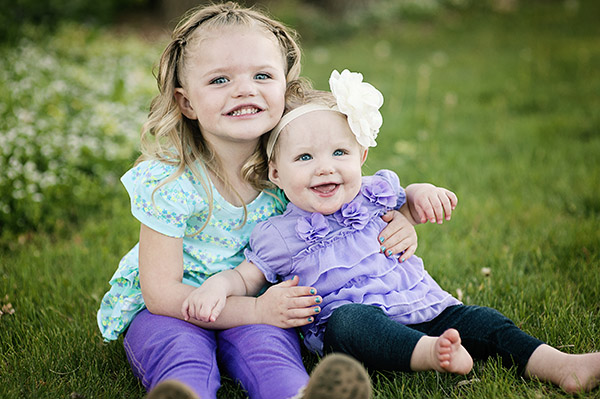
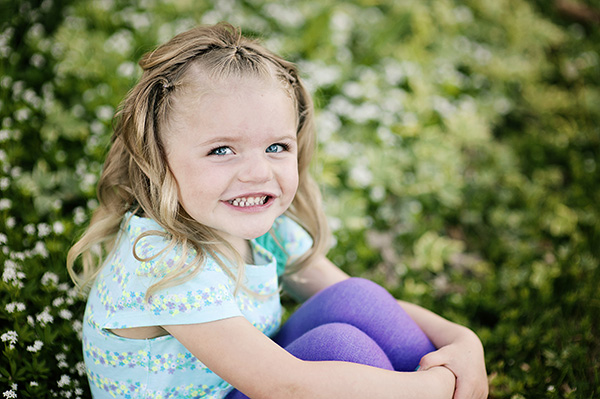
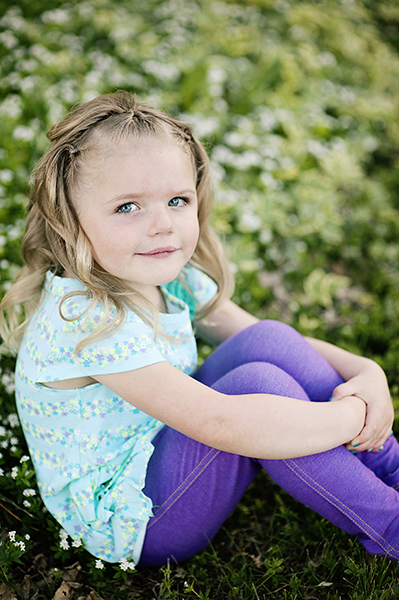
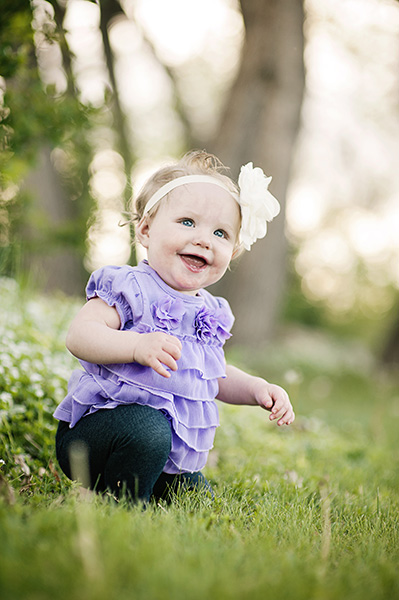
So, are you ready? I’m sure we’ve all got 10 minutes to spare. Give it a try, see if you can shoot at least eight portraits you love in 10 minutes or less using these tips. Let me know how it goes. The photos I shared here are an example of a real life less-than-10-minute session.

Portraits 10 minutes or less 08

The post Tips for Taking Great Portraits in 10 Minutes or Less by Melinda Smith appeared first on Digital Photography School.

Digital Photography School

 
Comments Off on Tips for Taking Great Portraits in 10 Minutes or Less

Posted in Photography


How to Photograph People: 7 Tips for Photographers Who Never Photograph People

19 Aug

lynseymattingly7

No matter what type of photography you specialize in or prefer, at some point you will find yourself having to photograph a human, or multiple humans. For favor, for fun, or because they share your genetic make-up or home address. If you own a fancy camera, there you will be at least once in your photographic life (but probably many more) where you will find yourself taking a portrait. Taking pictures of people is much different than beautiful mountains, scenic oceanscapes, historic architecture, butterflies, plates of food, or whatever it is that you usually photograph. Here are some basic tips to get the best portrait possible, especially for you if don’t usually see a human on the other side of the lens.

#1 Be realistic

Don’t overpromise your abilities or expect too much out of yourself. If someone asked me to take a picture of the snowcapped Rocky Mountains, which, as they have been my entire life, are right outside my window and something I know like the back of my hand, it would not be a good picture. I lack the skills for landscape photography, and more importantly, the interest. In my favor though, people aren’t likely to ask me to take a landscape image near like a non-portrait photographer will be asked to take portraits. Be upfront if you are willing to try it so that in the event it doesn’t go as planned, it won’t bother you enough to affect how you feel about photography in general.

lynseymattingly2

#2 Simplify everything

Backgrounds, clothing, props, light, etc. – simplify everything. Give yourself a running start out of the gate by having a solid foundation to work with. Look for flat or level backgrounds, horizon lines that don’t run through people’s heads, even lighting, and solid colors. I can’t emphasize this enough. The details which are the focus should only relate to the person, whether it’s a portrait of just the face or a full body, everything else should compliment this, or completely disappear to the viewer’s eye.

lynseymattingly5

#3 The easiest setting I know

At the risk of starting a heated discussion or this becoming a dumping ground for comments debating otherwise, I am going to share what I consider to be my best general setting and equipment advice.

First a few disclaimers: I shoot Canon and have no idea if these will translate to something else. Also, you must promise you will not be upset if this doesn’t work for you; sometimes finding what doesn’t work is just as important as finding what does (I tell myself this often to justify my many mistakes). Lastly, taking a great portrait is a lot more complicated than just one setting, but you have to start somewhere. There are likely to be people who disagree with my advice and I hope that this could start a supportive discussion on what has worked for others, rather than unhelpful commentary. Now, on with it…

  • Using natural light only if at all possible, dial in your ISO for something that makes sense; ISO 200 if it’s bright, 400 if it’s cloudy but even, 600 if it’s darker.
  • Shooting in Aperture Priority mode will allow you the most room for error, and is how many portrait photographers shoot regularly.
  • I like the f-stop to be at f/2.2 for one or two people, and f/2.8 or f/3.2 for groups of three or more (obviously this is speaking very generally and would best be used as a starting point to find what works for you). These settings will give you that “portrait blurry background effect” known as good bokeh.
  • Shooting in RAW will give you more wiggle room later when editing, though it takes more space on your memory card.
  • Use a prime lens if you can; I shoot nearly everything I take with my 50mm L1.2. This is a fancy lens no doubt, but any prime lens will typically be faster (have a larger maximum aperture) than a zoom lens, and with everything else going on, I find that using my feet as my zoom is one less adjustment my eyes and hands have to do.
  • I typically underexpose my images one stop. This works for me because I like to get the details and then bring it back up as needed myself in post.

This may not work for you, and there is absolutely no shame in running everything you aren’t sure about on auto. This doesn’t make you less of a photographer. All it means is that you think in this scenario, your camera – a magnificent piece of machinery that was created by thousands of professionals over decades with countless research, information, and experience – might guess better than you. That’s all.

lynseymattingly1

#4 Shoot from their eye level or higher, and at an angle

While photographing a person from below and not capturing an amazing view of 15 chins they don’t even have is possible, it’s not easy. For the best, most flattering set-up, shoot at their same eye level or above. I often have people kneel down and look up at me while I remain standing. As someone who has 20 different chins that only come out and play for pictures, I’m sensitive about this one and I find that even a child with the most adorable chubby cheeks and double chin is best photographed on a level playing field.

Additionally, taking pictures of someone straight on is both unflattering and uninteresting. Asking them to twist at the waist, shoulders, or neck and not face their body square-on, but rather follow their face’s direction will not only be much more forgiving to any subject (every single human has one eye that is smaller than the other – I’ve researched it), but will also make for a more professional finished portrait.

lynseymattingly3

#5 Don’t command a smile

Don’t command a smile, or instruct “cheese!” or say “hold still!”, or anything that could be interpreted as you attempted to force your feelings, or agenda, onto your subject. Even if you are going for a serious tone, and are trying to catch an image when they don’t realize or least expect it, you are much better off engaging them in conversation than setting up the moment and expecting a single second of utter perfection. A true portrait is genuine at its very least.

lynseymattingly6

#6 Resist the urge to run your final images through every Photoshop trick you’ve ever learned

If you don’t usually photograph people, the idea of playing around with editing tools might be fun. There are so many! This one turns their eyes into laser beams. This one makes their skin look like pure plastic perfection. It’s fascinating, I get it. However, if you’re wanting to stick to the basics, there isn’t much that needs to be done. Clean up blemishes with the Spot Healing Brush Tool, run a basic sharpen (I like the oddly named Unsharp Mask at 60%/2.0/0), and adjust your color and levels if needed. If I get stuck while editing an image, I ask those thousands of professionals what they think by running auto color, tone, and contrast just to see what it does. It nearly always takes everything too far, but it gives me an idea of where I want to go sometimes, just by showing me where I don’t.

lynseymattingly4

#7 Don’t try to turn it into something it’s not

Oh how I wish this image had a little more POW. A little zing. I’d love it if her entire face was showing and her hair was either more haphazard, or more perfectly fanned out. I wish there was more background showing. However, this is not a picture for a fashion magazine cover, but rather an image of my stepdaughter I took with my iPhone. We were on a walk and I spotted the purple flowers on the ground and told her to go lay in them. And because all of my stepdaughters do whatever I say, and think that I am totally magical, she raced right over and did it. Then an enchanted unicorn wandered up and flew us home. It’s drastically cropped, not necessarily for effect, but because she was giving me a snarl and wearing a very busy shirt. Is this a portrait? To me, it is. It’s a perfectly fine, authentic image and the subject herself loves it.

That is probably the most important thing when taking pictures of people.

Do you have any other tips you’d like to share? Please leave a comment below.

The post How to Photograph People: 7 Tips for Photographers Who Never Photograph People by Lynsey Mattingly appeared first on Digital Photography School.

Digital Photography School

 
Comments Off on How to Photograph People: 7 Tips for Photographers Who Never Photograph People

Posted in Photography


5 Actionable Tips to Get More Word-of-Mouth for Your Photography Brand

18 Aug

Finding clients for your professional photography can be a challenge. That’s why your photography business, as with any other type of business, needs some promotion. Word-of-mouth marketing techniques are as old as the world itself, and it really works! In this article, we’re going to talk about the importance of personal style, which photo portfolio format works best for your Continue Reading

The post 5 Actionable Tips to Get More Word-of-Mouth for Your Photography Brand appeared first on Photodoto.


Photodoto

 
Comments Off on 5 Actionable Tips to Get More Word-of-Mouth for Your Photography Brand

Posted in Photography


8 Tips for Photographing the Perfect Headshot – for Yourself

18 Aug

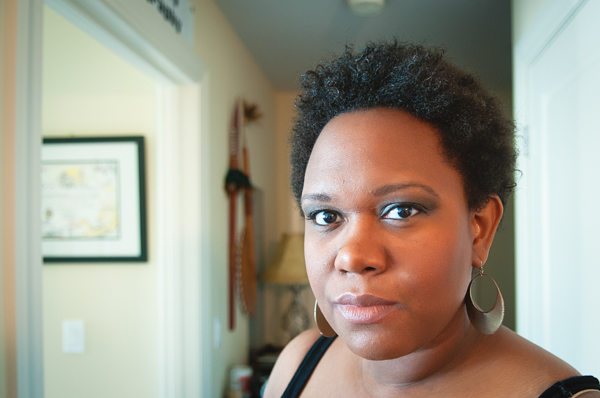
Having an awesome headshot is a great way to express yourself to your potential clients. You want your headshot to show a bit of your personality or something else special about you. The great thing about being a photographer is that you can create your own headshot. This article will give you some tips to create a headshot that’s perfect for you!

MonicaDayDPS 01

You want to approach creating your own headshot like you would approach any shoot. You need to make sure you have great lighting and great focus.

I created this headshot on my own. You can do this too. Here are my top tips for photographing the perfect headshot for yourself:

Tip #1 – Look great

Just because you’re your own photographer doesn’t mean you shouldn’t take this shoot seriously. Prepare for your headshot by making sure your hair is fabulous and that your makeup is done.

Tip #2 – Have great lighting

Whether you’re using available light or studio lighting, make sure you light your space well. If using available light, look for the light first. Find the best light in your home and make it work. Go outside if you need to. If you have strobes, flashes, or other light sources then make sure you’re set up with the most flattering light for your face.

MonicaDayDPS 02

Tip #3 – Shoot with a higher f-stop number

Getting sharp focus will be the most difficult part of photographing yourself. Instead of shooting at f/2.8 try shooting with a smaller aperture say, at f/11. This will give you a greater plane of focus to work with, and a greater chance of having sharp focus on you.

Tip #4 – Practice your posing

As a photographer, part of your job is to guide your subjects into the most flattering positions. Now it’s time to learn how to pose yourself. Get in front of the mirror and find the position that works best.

MonicaDayDPS 03

Tip #5 – Shoot tethered

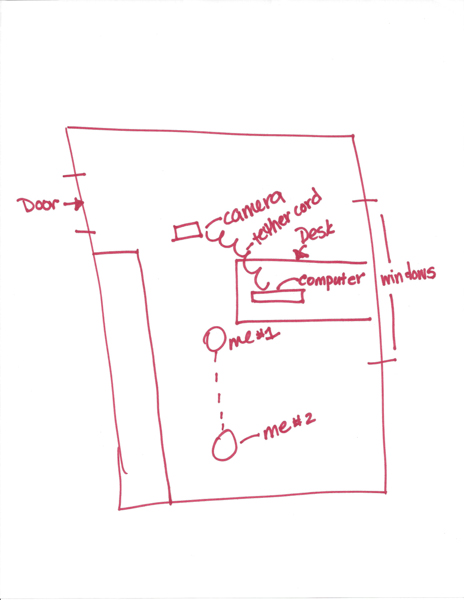
Shooting tethered is great for self portraits. This allows you to easily see what your camera is picking up without moving from your spot. Make sure your screen can be easily seen from where you’re standing. Here’s a diagram of my setup.

MonicaDayDPS 04

Tip #6 – Bracket your poses

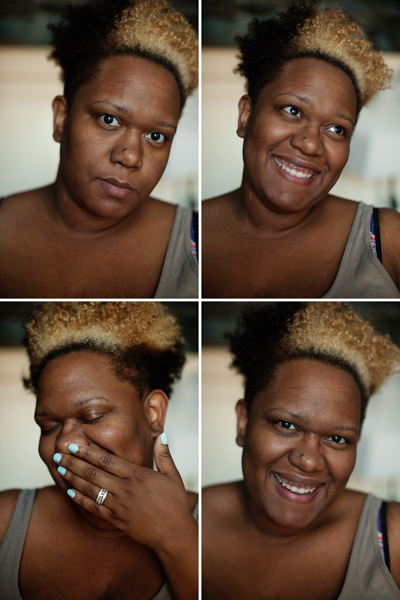
Just like when bracketing for exposure, slightly alter your angles in a series of three to four shots at a time. If you’re shooting tethered, you can easily see what needs to be changed.

MonicaDayDPS 05

Tip #7 – Make it interesting

You’re a photographer so that means you know how to get creative. Make your headshot a representation of your personality. Include your hobbies, your favorite place, things you like to do or even your name. Your headshot is an extension of your brand. Make it great.

MonicaDayDPS 06

Tip #8 – Edit it

Make sure you edit your photo. Don’t forget this important step. Treat this photo like any other shoot. Take it from a snapshot to a professional photograph by adding your special touch.

Remember, shooting your own headshot gives you complete control over your shoot while saving you a few bucks in the process. Don’t worry about making a mistake. You can take as many shots as you need to get the perfect photograph.

The post 8 Tips for Photographing the Perfect Headshot – for Yourself by Monica Day appeared first on Digital Photography School.

Digital Photography School

 
Comments Off on 8 Tips for Photographing the Perfect Headshot – for Yourself

Posted in Photography


A Quick Video with 7 Tips to Create More Powerful Images

17 Aug

In this short tutorial photographer Josh Cripps shares with you 7 tips to help you create more powerful images right now. You don’t have to buy any more gear, or take any classes. Put these tips into practice and get out there shooting.

So are you getting close enough to your subjects? How about composition? Do you create depth in your images? Are you practiced in the art of using leading lines? All your shots from eye level – why not change up the perspective a bit? How about using the light to your advantage?

That’s a quick summary of the tips in this video. Watch the whole thing to see some great image examples for each one. If you need ideas of what to shoot you can always check out the weekly photography challenge, this week it’s Blue. To see the current challenge you can always fine it in the right hand sidebar next to this article.

The post A Quick Video with 7 Tips to Create More Powerful Images by Darlene Hildebrandt appeared first on Digital Photography School.

Digital Photography School

 
Comments Off on A Quick Video with 7 Tips to Create More Powerful Images

Posted in Photography


3 Tips for Taking Great Cloud Photos

10 Aug

You may already have your own method of effectively shooting cloud photos. If so then you understand that conditions may vary greatly. Some days, your photos may turn out happy and light. On other days they may turn out dull and grey. However, there are at least three techniques you might consider in order to capture better sky and cloud photos.

Shoot when the sun is brightest and cloud movement is dynamic

01 DSC 1788

The best time to photograph an epic cloud shot is when the sun is at its brightest and is directly appearing and disappearing from behind the clouds. The above photograph was shot on a day in Prague when the clouds were particularly dynamic. It was windy so the clouds kept hiding and revealing the face of the bright sun.

Below is an example of why shooting when the sun is directly behind the clouds may be more compelling. Although the clouds in the photo below are interesting, the result is not as mysterious or as epic in my opinion as the one above. This is of course a matter of personal preference. Be patient, observe the situation and find out, which you like better.

02 DSC 1838

Wait for sunset to capture vibrant colors

03 DSC 8130

Many different techniques come into play when you want to photograph sky and clouds of different colors, but one of the more important factors to consider is the time of day. Sunset is the easiest time to capture vibrant colors. The reason is that as the sun goes down on the horizon, the sky and clouds will take on various hues of pink, orange, yellow and blue. The above photo was shot in Los Angeles where the sunset colors change every few minutes. At first, the clouds turned a bright orange and yellow.

Compare this to the photo below, where just a few moments later, some of the clouds cleared, the sky became a lighter blue and the remaining clouds turned reddish pink.

04 DSC 8135

By shooting clouds during sunset you will be able to capture a variety of unique colors.

Shoot on a tripod and bracket exposures to produce different moods

If you’re shooting with a DSLR, I recommend using a tripod and taking multiple photos in “Auto bracketing mode” or “Auto exposure mode”.

First, set your camera to Aperture Priority and then turn on Auto bracketing (AEB). It’s best to set your bracket exposures to -1, 0, and +1. This will give you three pictures of the clouds at various exposures. The three photos below were shot at -1, 0 and +1 exposures. Notice how distinctive they are in terms of mood.

05 DSC 8164

This image was shot at -1 has a dark and sinister mood.

06 DSC 8162

This photo, shot at 0 exposure, has a serene mood.

07 DSC 8165

Lastly, this image, shot at +1, has a light mood.

If you prefer, you can combine all three to create an HDR photo, which aggregates all the details from the different exposures. You may then edit the HDR photo to produce a photo with your own desired mood.

What other tips can you think of for shooting great cloud photos?

Do you ever shoot during thunderstorms? What’s the best cloud photo you’ve ever shot, and in what conditions? Share with us some examples and of course, if you have any other tips for great cloud photos that you think I’ve missed, please share those as well.

The post 3 Tips for Taking Great Cloud Photos by Ry Sangalang appeared first on Digital Photography School.

Digital Photography School

 
Comments Off on 3 Tips for Taking Great Cloud Photos

Posted in Photography


7 Pet Photography Tips to Capture Your Furry Friends’ Personality

08 Aug

For millions of people worldwide, no family is truly complete without a furry friend. Cats, dogs and all the critters in between are quick to crawl their way into your heart, and it’s no wonder why people want to capture their personality – forever. One of the best ways to do this is through snapshots. Like children, though, pets can Continue Reading

The post 7 Pet Photography Tips to Capture Your Furry Friends’ Personality appeared first on Photodoto.


Photodoto

 
Comments Off on 7 Pet Photography Tips to Capture Your Furry Friends’ Personality

Posted in Photography


Bird Photography Tips – How to Make Your Bird Photographs Stand Out

02 Aug

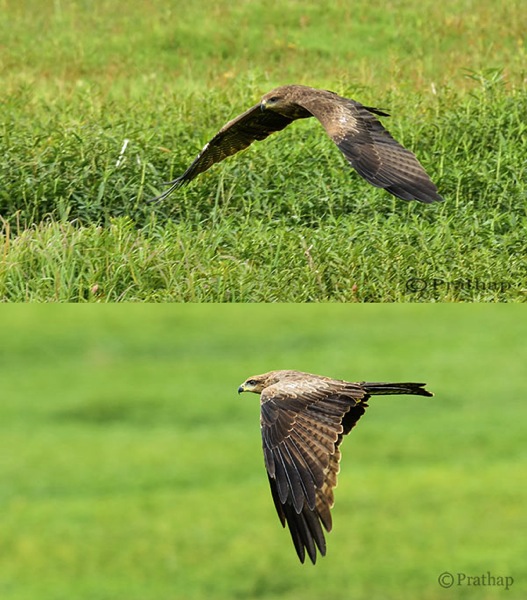
Have you ever been disappointed when browsing through the bird photographs in your own portfolio? I was, in fact many times! Even today I get disappointed to see several of my own bird photographs and keep thinking why did I take that photograph in the first place?

In most cases, the reason for failure of not appealing bird photographs is the boring or distracting background.

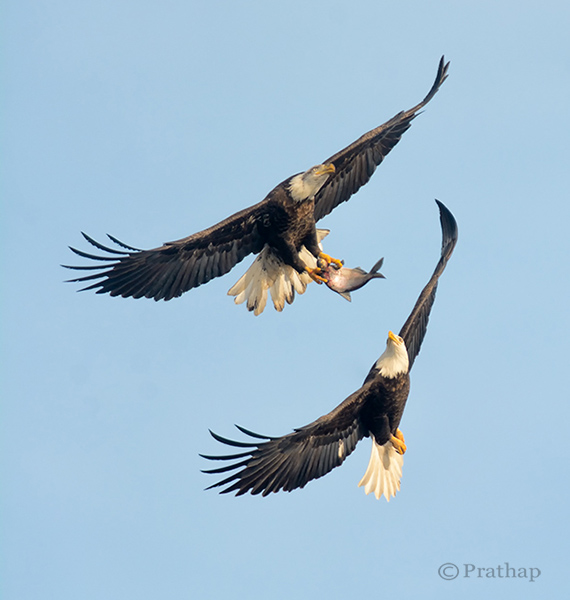
Nature Photography Simplified Bird Photography Bald Eagle Fight In Flight

Take a look at your portfolio again and see if the culprit is the background. You will be surprised, shocked, and probably start thinking why did I take this photograph? What was in my mind?

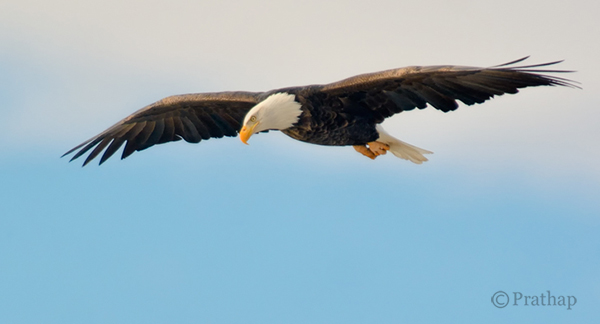
The reason is very simple. It’s our natural behaviour. We are accustomed seeing only what we want to see. Imagine a situation like this. You have your camera and a decent telephoto lens, when you see a magnificent bird like a Bald Eagle perching on a lone tree.
What do you do? You will most likely start capturing photographs in burst mode. Don’t you? We all do! The urge to capture the beauty, and the fear of losing that opportunity doesn’t allow us to think. Unless. . .

By following these very simple bird photography tips, and making a few changes before you press the shutter, you will be able to create bird photographs that stand out.

Your Background Makes the Picture

Remember that we see our world different than the Camera. We tend to see only what we want to see. Meaning, we are so tuned to looking at the world using filters. Our brain passes only the information which is very important to us filtering out all the unimportant things. So, we see only the bird and its beauty, but don’t see the background, or the distracting elements in the background.

But the camera doesn’t filter, it records everything that it sees.

No matter how beautiful the bird is, you have to make sure that the background is either clean, or interesting enough that it will complement the bird, which is your main subject of interest.

Nature Photography Simplified Bird Photography Eagle Flight Distracting vs Clean Background

Use Your Legs

Do you use your legs when you are photographing? Does this question sound crazy? Think again. Once you get to see the bird, it is a common tendency to capture it immediately. In that urge to capture, you generally forget to move around.

In order to get a clean and appealing background you have to move around sometimes, or rather most of the time. But remember to move very slowly. Most of the time moving just few feet to the left, right, forward or backward will give wonderful results.

Nature Photography Simplified Bird Photography Bald Eagle Flight

After all you are not a tripod!

Patience Always Pays Off

There is no substitute for patience when it comes to achieving anything worthwhile in your life. It is no different in the case of bird photography.

Why do we want to always move? Why can’t we sit in one place for several minutes to hours?

If you think deeper about it, you will understand that we are almost always restless. Also, we believe in the future or something that is non-existent. Learn to live in the present. Learn to embrace what is there in front of you. Rather than moving on in search of the next bird, spend time with the bird in front of you.

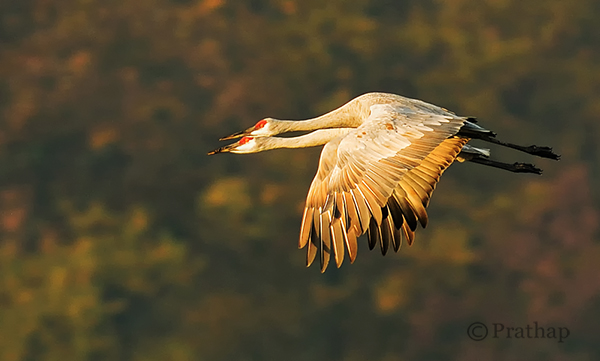
I would recommend you to spend hours to days in succession. You will fall in love with the bird and ultimately with nature. Patience is the key to making great photographs of any bird.

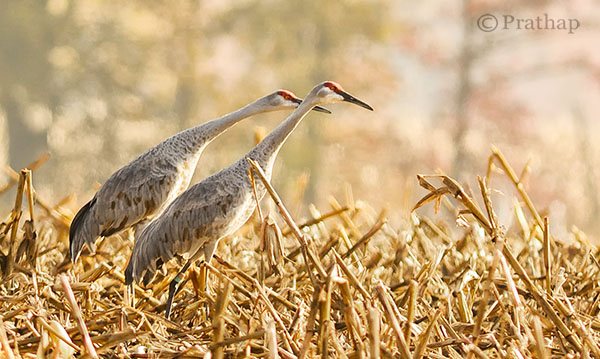
Nature Photography Simplified Sandhill Cranes Pair In Flight Jasper Pulaski Fish And Wildlife Refuge Indiana

Use Depth of Field (DOF) to Your Advantage

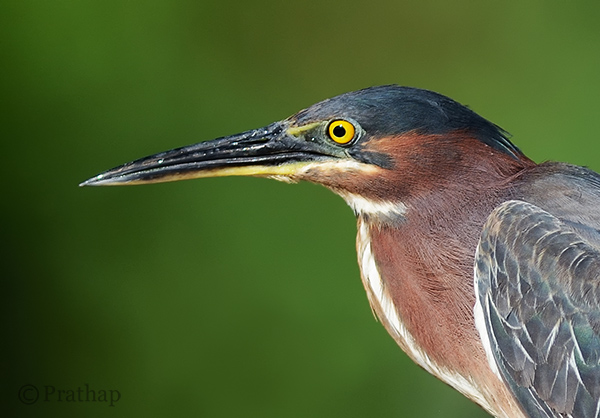
Depth of Field plays a major role in making your bird photographs look beautiful. By using DOF you can either isolate the subject from its background by using shallow DOF, or give importance to both the bird and its background by using deep DOF.

If the background does not convey anything about bird’s habitat, then using larger apertures like f/2.8, f/4, f/5.6 yields a pleasing bokeh in the background helping the bird to stand out in the frame.

Nature Photography Simplified Bird Photography Green Heron Portrait Bokeh Effect

Otherwise, including the habitat by using smaller apertures like f/8, f/11, etc., helps to narrate a story to the viewer.

Nature Photography Simplified Sandhill Cranes In Jasper Pulaski Fish And Wildlife Refuge Medaryville Indiana

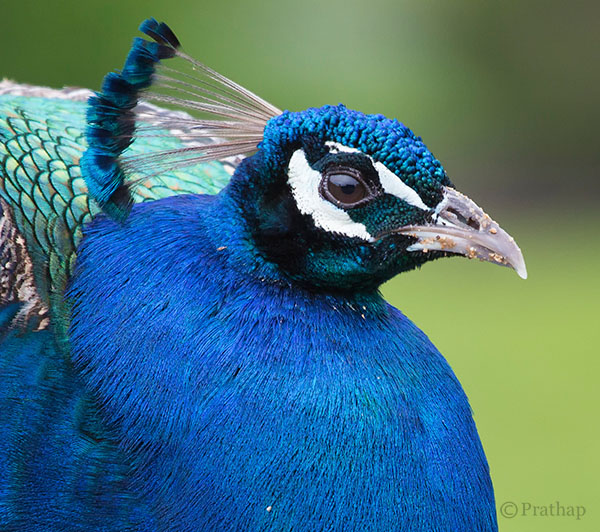
Fill the Frame

If you go through the bird photographs across the net, you will find that the majority of bird photographs will have the bird filling the frame.

Nature Photography Simplified Bird Photography Peacock Portrait

There are three main reasons for filling the frame with the bird:

  1. Most of the times, it’s all about the bird and its beauty. So, there is no reason why something else should be occupying the frame.
  2. The bird will be lost in the frame if it occupies only a part of the frame. Unless it is in its habitat, or there is a directional light illuminating it more than anything else in the frame.
  3. Filling the frame with the bird avoids any distractions in the background which is usually the case.

Remove Distractions in Post-Processing

This is a debatable topic for sure. Is it ethical or unethical? It depends really.

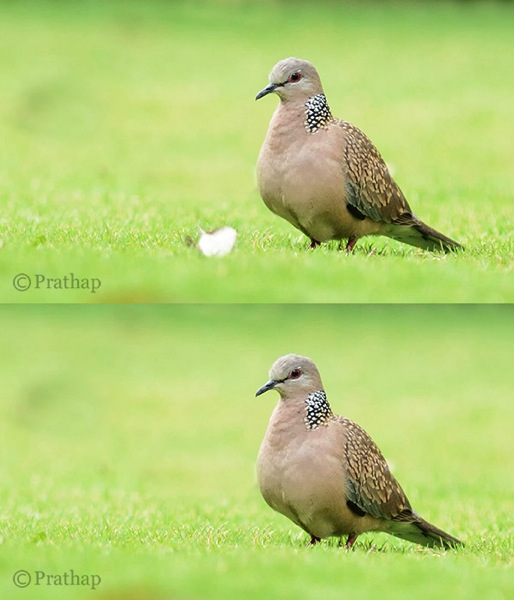
Are you sharing it only on social media sites? It shouldn’t bother you much. If you feel that removing distraction makes it a more pleasing image, it should be fine. However, it should not be overdone. Also, you should never do that if you are submitting your images to competitions or bird ID sites or any other place where it is not allowed.

You should always try to achieve a distraction free image in the field. But, that is not always possible. My suggestion is to remove only the distractions that are by no means possible to remove in the field. Things like a tiny branch running across the bird, bright elements like aluminum foils, papers, etc., could be removed as they don’t contribute to the final result.

Nature Photography Simplified Bird Photography Beautiful Dove Background After Removing Distraction In Background

Cropping is another way to remove distractions and recompose the scene. It is an essential tool for the bird photographer since it is not always possible to have the longest telephoto lens.

Conclusion

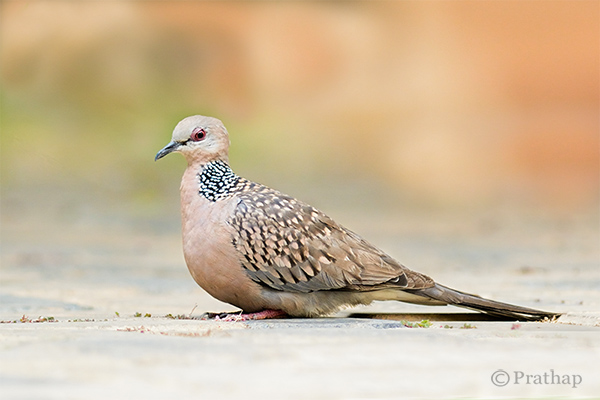
Keep the background clean and make the bird stand out in the frame

Nature Photography Simplified Bird Photography Dove Clean Background

You will make excellent photographs by following the above simple tips on bird photography. Now go out and shoot. That’s the best tip I can give if you want to seriously improve you bird photography, enjoy!

The post Bird Photography Tips – How to Make Your Bird Photographs Stand Out by Prathap DK appeared first on Digital Photography School.


Digital Photography School

 
Comments Off on Bird Photography Tips – How to Make Your Bird Photographs Stand Out

Posted in Photography


Top 5 Tips for Wildlife Photography

01 Aug

Wildlife photography is continually growing in popularity, thanks to the accessibility of digital cameras nowadays. I’ve been a wildlife photographer for almost seven years now, and a professional for the last few of them. Over time I have picked up some really valuable techniques and tips, specific to wildlife photography, gained from either experience or learning from others in my field.

Here are some the top tips for wildlife photography.

Black Headed Gull Splash

#1 Get to Know Your Subject

I cannot stress this enough – wildlife photography is all about time and patience, much of which should be spent studying and paying attention to your subject. Instead of just showing up at a location once, return time and time again to photograph it. Watch an animal’s behavioural traits and try to pick up on clues it gives as to its next movement. With practise, you’ll often be able to predict where an animal will move to next, or what it will do.

Don’t believe me? I’ve photographed red squirrels for many years now, and I can now almost continually predict its pattern of movement, purely by watching for behavioural “ticks” it provides. For example, by watching where the squirrel is looking and the way it sniffs the air, I can often tell which direction it will head to next.

Jumping with nut

#2 Use Your Lens Hood

That bit of plastic that comes with your lens isn’t just for decoration. It prevent stray light from hitting the lens, helping you produce clearer pictures, but it also provides physical protection for your lens. Too many times I see photographers with it on, but the wrong way round. Make sure you take a few seconds to attach it properly before shooting.

Once, I was on an island photographing Atlantic seals. The rocks were slippery, and it wasn’t long before I fell over and landed with my whole body weight on the nose of my Nikon telephoto lens. Thankfully I had the lens hood on, and what was potentially an extremely expensive slip, was no more than two small screws broken in the hood.

#3 Don’t Shy Away From Aperture Priority Mode

Recently, I’ve found a lot of photographers are shooting in manual mode because they believe that anything else is “cheating” and makes a shot unworthy. I don’t know any professional wildlife photographers that don’t shoot in aperture priority mode – although don’t get me wrong, manual does have its uses in some situations. However, in general, aperture priority is great for wildlife photography.

Light is often never evenly distributed in a woodland or similar environment. A moving animal will cross different areas of different light intensities. If you take a burst of photos of it moving through the area, aperture priority mode will adjust the settings and ensure your images are correctly exposed. In manual mode, there is simply no time to continually adjust the settings when shooting a constantly changing scene.

By all means, you should understand how to use your camera in manual mode, but aperture priority is not the enemy. Adjust the ISO to increase or decrease your shutter speed, and use exposure compensation to fine-tune the exposure.

Wavingseal

#4 Be Prepared for a Wait

I mentioned earlier that wildlife photography is all about patience. When starting out in this field, you need to remember that rarely do wildlife photographers get a great shot in just a few hours of waiting. You may need to return to a spot time and time again, waiting for hours on end, before you will capture a unique image.

This may sound daunting, but it makes any images you capture that extra bit more rewarding. If you’re waiting in a hide, take a book with you, or a film on your smartphone to pass the time. Just remember to keep looking up and checking the scene in front of you.

WTE Fight

#5 Think Outside of the Box

Finally, with so many people taking excellent wildlife images nowadays, it is important to think outside of the box. Look at images others have taken and think “how can I do it better”. If you want your images to be noticed and stand out, give them the wow-factor by taking a photograph that no one has ever seen before. I don’t mean a rare animal, but instead a rare style of shot.

Don’t give up at the first hurdle, and keep clicking your way closer to the elusive perfect shot!

The post Top 5 Tips for Wildlife Photography by Will Nicholls appeared first on Digital Photography School.


Digital Photography School

 
Comments Off on Top 5 Tips for Wildlife Photography

Posted in Photography