RSS
 

Posts Tagged ‘Tips’

5 Tips for More Successful Event Photography Using a Shot List

26 Oct

Company parties. Special galas. Nonprofit fundraisers. When someone asks you to shoot one of these events, you aren’t exactly leaping for joy, right?

Event Photo 04

Corporate event photography can get a bad reputation among creatives, mostly because it sounds like an unglamorous style of photography. While it is true that many aspects of corporate event photos can be very rote, these events actually a huge advantage that can lead to even more creative expression. Here’s why: There is almost always a set structure and schedule to corporate events that rarely deviates, meaning it is incredibly easy to build a shot list to get your essential shots out of the way very quickly. That means you have more time on your hands at the event to get creative with the way you choose to take these shots. Whether you’re a budding event photographer, or taking on an event as a favor, use these tips to build an effective event photography shot list that will make your clients happy and maybe even lead to other photography opportunities with them down the road!

Fact: Most corporate clients will not know what kind of photos they need.

At least in my experience working with west coast corporate clients, most of them can’t give me a clear answer when I ask how many photos they need, what they need shots of, etc. While this may seem frustrating at first, bear in mind that this vagueness from your client gives you the perfect opportunity to shine by filling in the blanks for them, because in general, most corporate clients want the same types of event photos.

So what kinds of photos do corporate clients want?

To answer this question, put yourself in the shoes of the branding or marketing coordinator who put the event together. Often, their whole purpose to having you there to is capture images that show that they did their jobs right by properly setting up the space and making sure the people they invited showed up and had a good time. They want shots that capture:

1. Setup shots of empty rooms, trade show booths, promotional items, signage, etc.

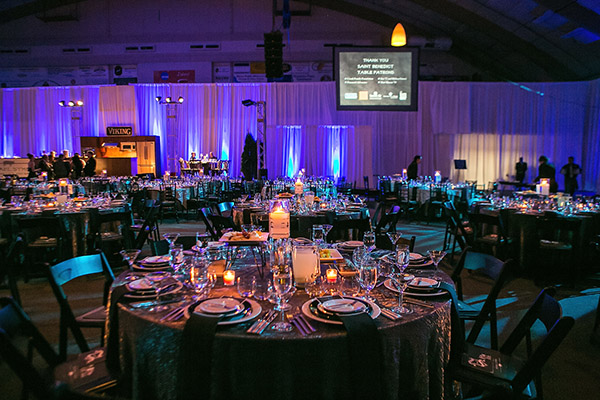
Event Photo 02

Be sure to arrive early to capture any event setup shots. It was someone’s job to put everything together, so he or she will definitely want images that show off all of the hard work that went into it. Generally, setup shots should be taken before guests arrive so that everything is still intact.

2. Candid and posed shots of VIPs or executives that are deemed important by the company.

Event Photo 01

This can be extremely tricky because often times, you won’t have any idea who the company CEO or big wigs are, even if the event coordinator hands you a sheet with all of their names on it. The best way to handle this is to ask the coordinator ahead of time if there is someone from the company who can accompany you and point out their VIPs and executives on site. Don’t be afraid to ask for help so that you can get your job done right.

3. Closeups and wide angle shots of any speakers.

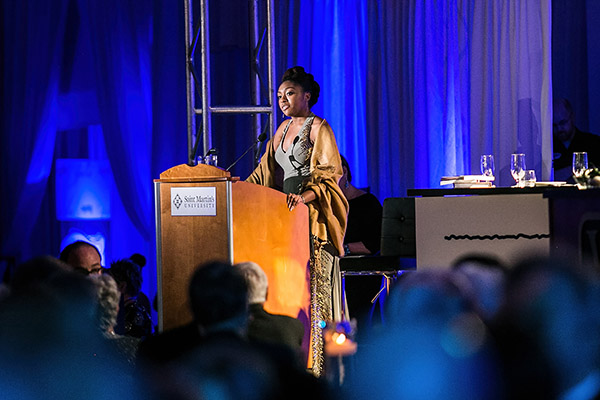
Event Photo 03

As much as possible, get shots of speakers that include branding and signage somewhere in the photo. Also bear in mind that you will not always have a designated spot to shoot from, so bring a telephoto lens and prepare to possibly shoot from farther away. If you’re shooting from up close, make your shots quick so that you don’t block the view of guests.

4. Guests looking engaged and interested at the event.

Barneys New York And The Parkinson's Project Host A Luncheon In Support Of The Parkinson's Project At The Kingfish Cafe

Try not to capture photos of people (especially VIPs and executives) making unflattering expressions or gestures. It can take some patience, but make sure you get images that indicate everyone was having a good time. If you captured any goofy expressions or moments, you might be able to submit them, but be sure to flag them as optional outtakes.

5. Shots that indicate the event was well attended, such as full room shots with lots of people.

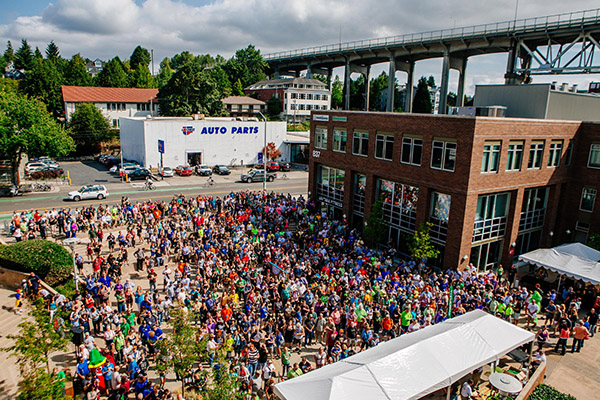
Event Photo 07

While it might still be valuable to include full room shots where only half of the seats are filled, you’ll want to pull out your zoom lens and focus in on larger clumps of people to provide shots that indicate the event was well attended.

The photos that corporate clients DON’T want

While event photography can in many ways feel like photojournalism, this is not the time to take too many images that are overly honest. Bear in mind that many times the photos are intended to be used for marketing purposes, so the last thing your clients want to see are ugly, unfavorable photos. Even though events might be poorly attended and the attendees might not be the most interesting people, it’s your job to make the event look and seem as fun as possible, even if you have to act like a hype person or stage photos to do so.

While there are many lessons and creative inspiration that can be obtained by winging it and thinking quick on the spot, professionals know there is generally more value to preparing ahead of time. One way to effectively do this is to think out every aspect of the shoot beforehand and great a comprehensive shot list. This will help you picture the finished shoot even before you step foot on set, greatly reducing any last minute issues that might arise, and giving you more freedom to take your necessary shots with creativity.

Do you photograph events? Do you have any other tips you’d like to share? You could also read 5 Tips for Special Event Photography here on dPS for more tips on covering events.

The post 5 Tips for More Successful Event Photography Using a Shot List by Suzi Pratt appeared first on Digital Photography School.


Digital Photography School

 
Comments Off on 5 Tips for More Successful Event Photography Using a Shot List

Posted in Photography


5 Tips for Underwater Photography Without Spending a Fortune

26 Oct

Underwater photography is so much fun that it will take you to the farthest reaches of the world, inspire you to buy thousands of dollars of dive gear, and thousands of dollars more worth of underwater photography gear. It can also make you want to throw your underwater camera rig against the side of the dive boat, then into the water, then dive down and get it just so you can throw it to the bottom again. Spending six hours of planning and preparation just to find out the water is murky or that the fish aren’t there, or that the manta rays aren’t at their feeding station is incredibly frustrating.

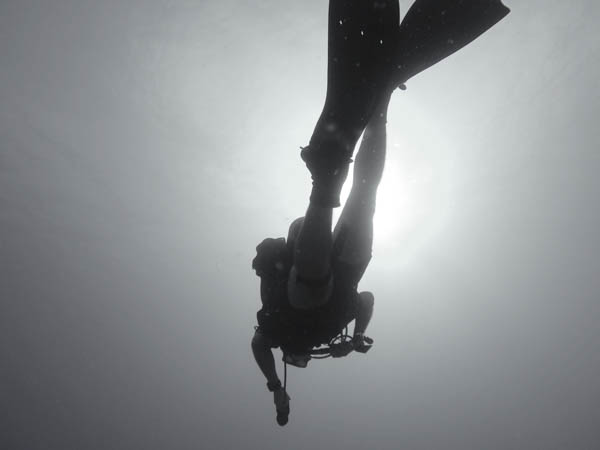
Diver Swimming

On the other hand, you can see such beautiful things, experience such euphoria when everything stays in place long enough to compose your shot properly, and discover the joy of finding out that it was all wonderfully in focus when you review your images on the computer. You can capture some of nature’s finest and most majestic moments in a way that most people will never see. You can open your audience’s eyes to the beauty of nature from a perspective that those who don’t SCUBA dive may never be able to experience.

There are many hurdles to being an underwater photographer. The first is the diving skill. There is no substitute for being a proficient and safe diver. You must be able to maintain neutral buoyancy and safely complete all dives.

The next challenge is the gear. As if photography wasn’t a gear intensive enough activity, to do it underwater you need special housings, dome ports, and even strobes.

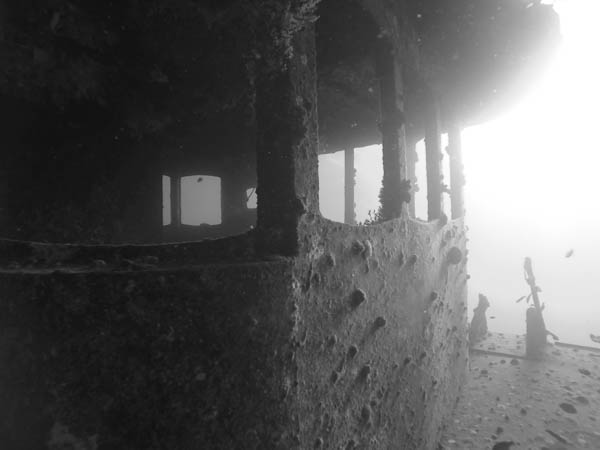
Bridge 2

Don’t let these hurdles stop you. Underwater photography is worth every bit of pain and sacrifice when you become proficient.

The problem most beginners face is that there’s really no good ambient light because the colors are filtered by the water. In my
experience, around 10 feet, you’ve lost any good color of light and you get the characteristic baby blue, boring pictures. So, you’re left with a conundrum – buy expensive strobes or have your pictures stink … or are you?

What if there was a better way to get underwater images without a strobe; one that didn’t require an expensive setup and the risky
business of bringing your DSLR into the water? What if you could learn a few simple but powerful techniques to let your underwater
images sing without a strobe?

Here’s what I recommend, go big or go black and white. Go big means dive into the deep end (pun intended) and buy the housings and strobes (you’re not planning on using just one are you?). This is an expensive but professional option. The second option is to go black and white.

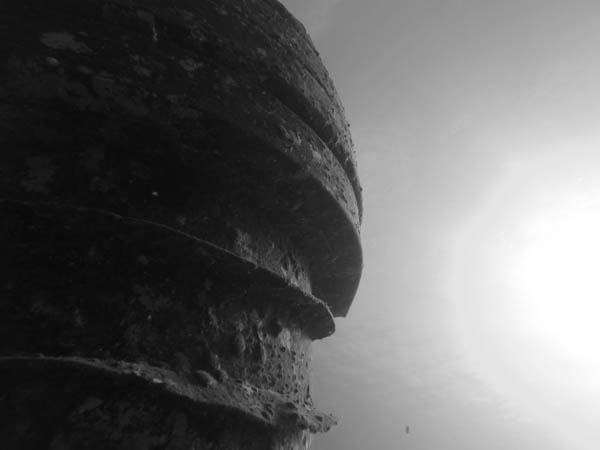
Bow Looking Down

If you compose and think about getting good black and white images your underwater results will be very compelling, easy to post-process, and simple to take. Some rules to live by include:

  1. Safety first (enough said)
  2. Don’t try for little fast moving, colorful fish – these won’t turn out without a strobe
  3. Look for compelling images of your dive buddies or large objects (like wrecks, turtles, and sharks – but no touching please)
  4. Get close
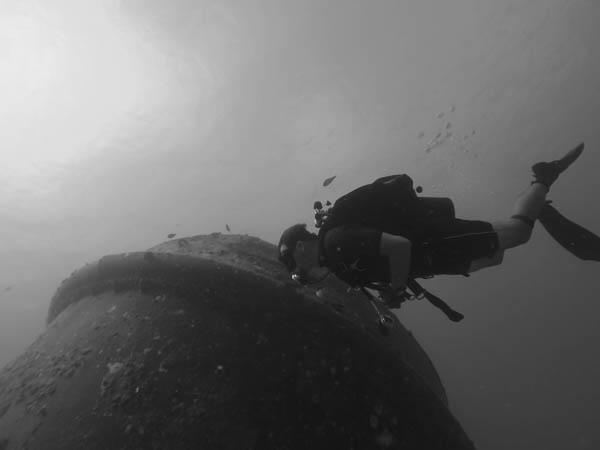
  5. Look for long lines (like a descent line) and compose them across the screen (not vertical please) with a good subject (like other divers)

Bow Crowss View

If you start with these five simple rules you’ll be able to shoot hang-it-on-the-wall quality images without an expensive strobe or underwater-housing. Who knows, you may even like shooting underwater so much you get a full setup one day. If you do, remember, throwing your gear never solves anything – expect exposure problems with your strobes, rig floods, focus problems, corroded buttons, cracked seals, or backscatter from murky water.

Now you’re ready to take your camera and start shooting underwater. Using a fisheye lens will make your life much easier when you start out. It makes issues like focus and composition much easier to get right. It also lends itself very well to black and white images.

Bow and diver

The post 5 Tips for Underwater Photography Without Spending a Fortune by Jon Haase appeared first on Digital Photography School.


Digital Photography School

 
Comments Off on 5 Tips for Underwater Photography Without Spending a Fortune

Posted in Photography


Elevate Your Landscape Photography Skills To The Next Level With These Easy Tips

25 Oct

My experience has taught me that landscape photography is great for everyone who’s just starting out with photography because landscapes give you the chance to improve your photography skills without annoying a model or someone else. This is how I started with photography after all. Ladscapes are also great for learning the basics of photography, since you have all the Continue Reading

The post Elevate Your Landscape Photography Skills To The Next Level With These Easy Tips appeared first on Photodoto.


Photodoto

 
Comments Off on Elevate Your Landscape Photography Skills To The Next Level With These Easy Tips

Posted in Photography


Create Your Own Font Using Tools and Tips

25 Oct

Here are a list of online font tools to use:

PaintFont
FontStruct
FontForge
BitfontMaker
Type light
gbdfed Bitmap Font Editor
Font Constructor
Raster Font Editor

Here are some tips for creating fonts:

Steps to creating a font by FontForge
My First Font – How to make your own font
Create Your Own Font – Wired How-To Wiki

Back to Top

BlogPhoto

 
Comments Off on Create Your Own Font Using Tools and Tips

Posted in Equipment


Tips, Tricks and Treats for Your Halloween Photos

15 Oct

This week, when my fearless leader, Photodoto Head Honcho Nancy Young, asked me to write a story on shooting Halloween, I must admit that I kind of had a freak out attack. I’m just not a Halloween person. I mean, bobbing for apples? Totally unsanitary. Haunted houses? They’re SCARY. But of course I take pictures of my children in their Continue Reading

The post Tips, Tricks and Treats for Your Halloween Photos appeared first on Photodoto.


Photodoto

 
Comments Off on Tips, Tricks and Treats for Your Halloween Photos

Posted in Photography


5 Tips for Photography Using Natural Light Indoors

14 Oct

Indoor Portraits Using Backlight Window Light

You would probably love to have ideal lighting conditions for every shoot, especially if you are strictly an outdoor, natural light photographer. However there are many situations when the lighting is not ideal. Think winter, rain or even harsh midday sun. Sometimes you are stuck indoors, or your client wants to have a photoshoot inside their home. When used correctly, natural light indoors can be just as pleasing as outdoor lighting and can also provide opportunity for some creative portraiture with contrast, shadows, and drama. Here are some tips to get the most out of your photography using natural light shoot.

#1 Know your environment and know the light

Like any situation, do your research before you start photographing indoors. Many times the direction of the house, the position of the windows, along with the time of year plays an important part in the amount of light coming through. Is your house North-South facing or East-West? What are sunrise and sunset times where you live, or where you are going to be photographing? Does the room have a sunroof that lets in additional light? Light also changes depending on the time of day.  As light changes, so does the color of light. This directly affect the white balance (WB) of the image. If your camera has the ability to shoot in RAW use it, as white balance can then be adjusted in post-processing. If you really want to get it right in camera, experiment with the Kelvin scale.

When planning a shoot in your home, take several shots the day before to analyze what time is best for the light.  Sometimes this is not possible especially if you are going to a client’s home or photographing a venue. But this is where a little prep work goes a long way. Don’t be afraid to ask these questions or even google the venue to check it out online.

Indoor Portraits Using Window Light From the Side Angle Memorable Jaunts

#2 Know how to use window light to your advantage

One of the best sources of natural light indoors are windows. Learn how to use them to your advantage. In general, the closer you are to the window, the more light you will have to use and work with. Where you place your subject in relation to the window light will affect the image dramatically. There are three different scenarios for using window light:

  • Sidelight with the window: Here the subject is parallel or at a slight angle, to the window. Depending on the time of day and amount of light, this may yield images that have more contrast especially with midday sun streaming through the window.
  • Backlit by the window: Here the subject is sitting with their back to the window facing the photographer. You will need to meter for the subject and blowout the highlights to properly expose the image for the person. The other option is to expose for the highlights, as in the window and get an indoor silhouette. You can also use a reflector to pop light back onto the subject’s face.
  • Front lit by the window: Here the subject is directly facing the window, you are between the window and your subject. This type of lighting position produces the most even light of all the three.

Indoor Portraits Using Window Light From a Back Angle Memorable Jaunts

Indoor Portraits Using Window Light From the Front Angle Memorable Jaunts

#3 Know your settings and equipment

Remember your exposure triangle; the relationship between ISO, f-stop (aperture) and shutter speed. This plays an important role in indoor photography. Choosing a fast enough shutter speed will eliminate any camera shake if you are not using a tripod. Choosing a wide aperture (low f-stop number) will provide a shallow depth of field and blur out the background (particularly useful if there is some clutter around the house). Choosing a larger ISO provides more light; particularly useful if there isn’t much natural light coming indoors. Most of the newer DSLRs have a large range of ISO and handle high ISOs really well. Plus there are tools to help reduce noise in the image during post-processing if you want a less grainy look.

#4 Use open hallways, doors, or even the garage to emulate a situation of open shade

If for some reason you are not able to use window light to illuminate the subject (due to inaccessibility to a window ), you can use open hallways, doorways or even a garage to emulate a situation of open shade. Have the subject sit close to the edge of the doorway and face the light.

Indoor Portraits Using Open Shade From A Garage Memorable Jaunts

#5 Know when to use a reflector and a diffuser

A reflector and diffuser are great tools to use for indoor portraits. A diffuser softens the window light just like a white curtain or blinds. It is particularly useful for windows that have harsh midday sun streaming through. A reflector used in conjunction with window light, can add just the right amount of light bounce-back to dramatically improve your indoor portraits (especially for sideand backlit images).

Indoor Portraits Using Diffusers and Reflectors to bounce light back Memorable Jaunts
The next time the weather gods decide to ruin all your perfectly laid out plans to have an outdoor, natural light, photoshoot, don’t rush to reschedule your session. Try and experiment with natural light indoors and diversify your portfolio. If you want to use other forms of indoor lighting check out the article from the dPS archives on creating indoor portraits without flash.

For another dPS writer’s tips for using natural light read Melinda Smith’s Tips For Great Indoor Portraits Using Natural Light.

Do you have any other tips for using natural light indoors? Please share those and your images in the comments section.

The post 5 Tips for Photography Using Natural Light Indoors by Karthika Gupta appeared first on Digital Photography School.


Digital Photography School

 
Comments Off on 5 Tips for Photography Using Natural Light Indoors

Posted in Photography


Tips for Photographing Head Shots

13 Oct

I’m always amazed when I take professional head shots how every photo shoot presents different challenges. That’s the beauty, and sometimes frustrating part of being a photographer. No shoot is the same.

When you have a model as the subject in front of your lens, being able to nail that shot will be a lot easier. What do I mean by easier? Models know how to pose and appear more relaxed in front of the camera than others. Straight away, you can concentrate on taking photos with little or minimal direction of your model.

Didi

Each photographer has their own unique style and methods when taking head shots. But like any genre of photography, the methods used will differ within each speciality. In landscape photography, a wide angle lens is a must and shooting with a small aperture(f/16), plus you are outdoors. Whereas shooting head shots is normally done in a studio with continuous or strobe lighting using a portrait lens.

Technical bits:

My favourite focal length for head shots is 70mm lens on a cropped sensor (Nikon 1.5x) so the equivalent is a 105mm on a full frame sensor. A tripod is essential for studio work, and Lighting is key. They are many different setups depending on how you want to shoot your model and how many lights that you have. The background should be neutral if possible (e.g. white, grey, black). Please see the description below for how to practice head shots in your home.

Tips:

  • Play some music on low in the background to create a chilled atmosphere.
  • Your skill at interacting with people will be key in nailing the shot.
  • Get your subject to blink 10 times quickly. This is a fun way to get them to relax and it also creates fluid on the eye to get better catchlights. This is where the light source such as a beauty dish or umbrella causes a specular highlight in the subject’s eye. There are tutorials online for adding catchlights in post-production but I prefer to catch them in camera.
  • Get your subject to lick their lips. This really only applies to male subjects as they don’t normally wear lipstick. Similar to above, it causes specular highlights on the lips.
  • Tilting the head at an angle provides for a better composition. Normally, I would only get female subjects to tilt their heads. I did a corporate shoot awhile back and asked one of the guys to tilt his head and I felt it worked.

Corporate headshot

  • Talk to your subject throughout the shoot by directing them, as opposed to talking incessantly. Most people who are posing for a head shot do not know what to do. This is key as a portrait photographer to be able to instruct without ordering.
  • Tell your subject beforehand to dress in neutral clothing, avoid fussy or very patterned garments or too many layers. As in the case of Michael’s headshot, I got him to remove his waist jacket.

Animated

  • Similar to exercise, warming-up is important. This is where you can have some fun and get as many different expressions as possible. This will hopefully help to capture the shot. Usually, I get my best shots towards the end of the session.
  • Get your subject involved. Show them the shots, ask them for feedback.
  • Give as much direction and positive feedback as possible, for example use comments such as – hold that expression, great smile, excellent, now, I want you to turn a little more this direction – and so on. Use your hands to direct which way you want your model or subject to move, this avoids that left or right confusion.
  • Being comfortable and interacting with others is vital as a portrait photographer. Don’t be afraid to get your subject to talk to you while you photograph them. This gets rid of that mouth-closed-jammed-shut-look. This worked a treat for Michael’s shot.

Black and white headshot

Personally, I tend to work fast as I know most people’s span of attention for a photo shoot is limited before boredom sets in. There is nothing worse than seeing that bored expression on someone’s face reflected back at you on screen. Also no amount of photoshop can replicate someone’s expression or essence. I feel you have to master this technique in camera.

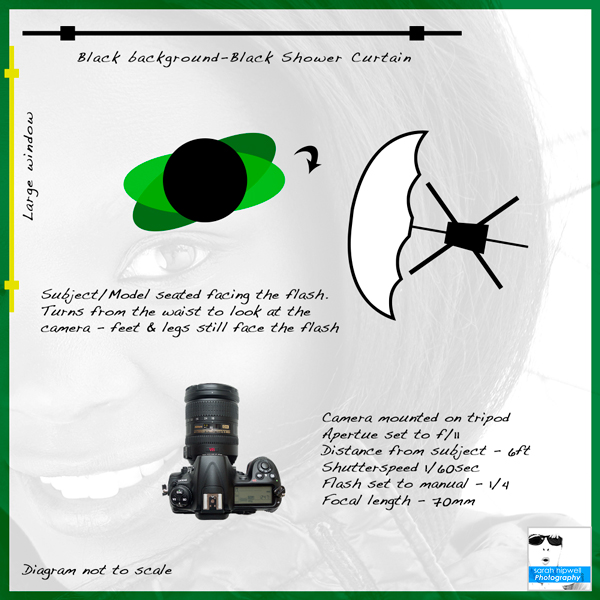
Easy headshot setup at home using one light off-camera

This setup can be easily done in your house beside a large window using one flash (speedlight) on a light stand. Have your subject sit facing towards the flash.

Headshot setup at home

Get the subject to turn from the waist towards the camera, so that their legs are still facing towards the flash. This will mean your subject’s form will not be square to the camera and their posture will be straighter. This makes for a more flattering pose. The eyes are the key feature to portrait shots. So they must be in sharp focus, and preferably have catchlights.

Conclusion:

Didi

I chose the photo of Didi as one of my favourite professional head shots for the following reasons. I was outdoors, which is always more challenging. The light is always changing and I was at the mercy of the weather (unlike a studio setting where the lighting is constantly the same and it doesn’t rain).

Just before I took this shot, it had started to rain – a light drizzle. I gave my jacket to Didi as she began to feel chilly. This was at the end of a long session. I got her to hold the white translucent umbrella that I brought with me. This was not for the rain but to block out the distracting background and it helped to bounce the natural light around her aided by the shiny material of the jacket – a sort of rim light. Her expression speaks for itself – she was happy and warm!

Do you have a favourite headshot or any other tips you’d like to share? Please do so in the comments below.

The post Tips for Photographing Head Shots by Sarah Hipwell appeared first on Digital Photography School.


Digital Photography School

 
Comments Off on Tips for Photographing Head Shots

Posted in Photography


4 Killer Tips To Nail Your Next Portrait Shoot

10 Oct

If you’re a portrait photographer perhaps you’ve found yourself in the position of carrying bulky, heavy gear around. That’s unnecessary though. With these 4 easy tips you’ll be able to get the best results at your next portrait session without the hassle and the back pain afterwards. These tips also help you save a fair amount of money that you Continue Reading

The post 4 Killer Tips To Nail Your Next Portrait Shoot appeared first on Photodoto.


Photodoto

 
Comments Off on 4 Killer Tips To Nail Your Next Portrait Shoot

Posted in Photography


Photographer’s Guide to iPhone 6: Capabilities, Tips & Gadgets

08 Oct

After many months of waiting, the iPhone 6 and its big brother, the iPhone 6 Plus, have finally arrived! Apple made the decision to keep the 8-megapixel sensor for the iPhone 6 iSight camera, despite other smartphones which have up to 20-megapixel cameras. However, the iPhone 6 camera is not the same as the one you’ll find in the iPhone Continue Reading

The post Photographer’s Guide to iPhone 6: Capabilities, Tips & Gadgets appeared first on Photodoto.


Photodoto

 
Comments Off on Photographer’s Guide to iPhone 6: Capabilities, Tips & Gadgets

Posted in Photography


5 Tips for Newbie Landscape Photographers

07 Oct

It doesn’t matter if you are a seasoned photographer or a beginner, most photographers want to learn how to make great landscape images. Once you have shot a few hundred sunset shots and a few sunrise shots, you may think you know how it’s done. Then you get out into the wild on a crisp early morning, before sunrise, and try and get some dramatic mountain scene or amazing seascape. Suddenly it’s not that easy. Landscape photography requires more than simply setting up and waiting for the shot. Sometimes you have to go back to a scene four or five times to get the shot you want.
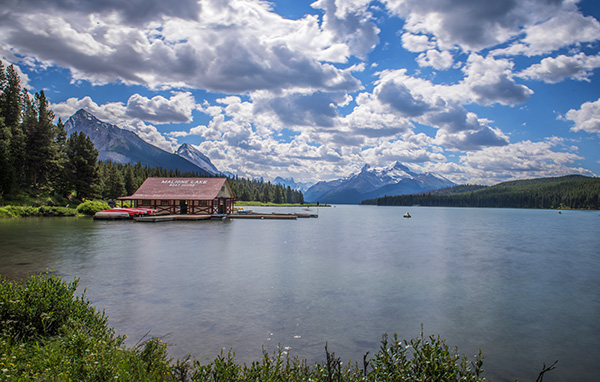
Canadian Rockies DL1_2975 LR

The majestic beauty of the Canadian Rockies

Landscape images can be seductive. When done properly, those viewing the image are transported to that place, they can feel the crisp mountain air or the warmth of the desert. So, you might be asking “How do I get those kinds of shots?” or “I think landscape photography is too difficult, am I good enough?” This article will answer these questions and a few more hopefully. The truth is, landscape photography is not difficult, but it does require dedication and passion. It will often require being up before sunrise, staying out late into the evening, or even early hours of the morning. It also requires good knowledge of your gear. Let’s take a look at how you can start getting better landscape images.

1. How to find good landscape photography locations?

Depending on where you live, you may have to drive somewhere to get some great landscape scenes. That may not be far, or you may need to get out of your city or suburb. What I often do before I visit a new place is google the area for dramatic landscapes. I will do a search like landscape scene canadian rockies and see what comes up. Sometimes you will see a vista that you didn’t know was in the area and you can start getting some ideas of what you will able to shoot.You can do the same on 500px or even Flickr; do a quick search for the name of the place you are visiting and see what comes up. From there you can narrow down what type of scene you want to shoot. Maybe you want to shoot from the mountain tops overlooking the city, a seascape, or even a forest scene.

Once you have some idea of what you want to shoot you then need to figure out the lighting. My go to tool is The Photographer’s Ephemeris. What I love about it is that I can simply drop a pin on a map and immediately see where sunrise and sunset will be, as well as moonrise. It gives me the direction of the sun and what time sunrise and sunset will happen. You can decide what time of day will work best for the shot you are planning.

2. What time of day is best for landscapes?

The Golden Hours are the best time for dramatic colours in landscape photography. You can also use blue hour to make some beautiful shots too; I prefer it for cityscapes, the city lights contrast beautifully off the blue sky. Golden Hour is your guide here. You will need to shoot at sunrise, sunset, or both, but plan beforehand though. There is nothing more frustrating than arriving at a scene, only to find out that as the sun is setting and your subject is in shade. If possible, visit the scene the day before at the time you anticipate shooting and watch where the light moves, that way you will know exactly where to set up your shot.
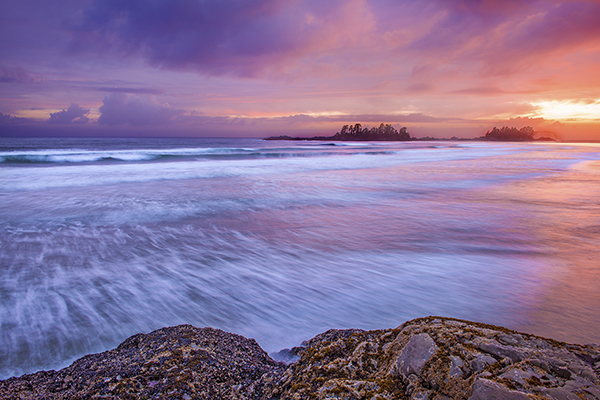
Moving water and a warm sunset make for a great landscape scene

Moving water and a warm sunset make for a great landscape scene

3. What camera gear do I need for landscape photography?

A Camera

Of course, this is a critical part of the whole formula, however, getting great landscape images does not require a 40 megapixel camera. You can shoot landscapes on any DSLR with 10 megapixels and more. The reason you don’t want to be shooting landscapes on a four megapixel camera is that you might shoot a great scene. Afterwards, you may want to print the shot nice and big and hang it on your wall, but if the resolution is too low, you may struggle to print a decent size image.

A Tripod

Yes, you will need a tripod. If you are shooting at sunrise or sunset, the amount of light will be minimal. You need to shoot at longer shutter speeds so you need to have your camera on some sort of support. A sturdy tripod will make all the difference. The beauty about a tripod is that once you have set up your composition, you can simply keep clicking away and not worry about composing your image each time, unless you move the tripod.

A Cable Release

I took a while to buy a cable release (remote trigger) when I first started photography, but once I had it, I wondered why I took so long to get one. A cable release allows you much more freedom. You can simply hold it in your hand, stand away from the camera and release the shutter whenever you want. Also, I like to observe the whole scene, rather than just looking through the viewfinder. I connect my cable release (I use a wired one), step away, and start shooting. Be sure that once you have locked focus to switch your camera to manual focus (or use back button focus),  especially if you are shooting at sunset. If you don’t, what can happen is that as night falls, the camera may struggle to lock focus and this could waste time. The best idea is to set your focus while the scene is still well lit, click it onto manual focus and then shoot away.

Filters

Graduated Neutral Density filters have long been the tool of choice for landscape photographers. This is still largely true, however, in recent years, many photographers have started to do more blended images. What that means is that you will expose for the bright part of the scene and take the shot, you will then expose for the dark part of the scene and take that shot. Very often, the bright part will be the sky and the dark part the foreground. Afterwards in Photoshop, you can then blend the two best exposed shots together. This is a very effective technique in tricky lighting conditions and sometimes can work better than a filter. I use a combination of both techniques. I will take some shots with a filter, then take some at different exposures and see what works best afterward.

The important thing is to make sure you get the best shots while you are out in the field. There is nothing worse than coming back from an early morning or late evening shoot to see that your images did not work out well because you exposed incorrectly. Getting the exposure right in the camera is key. It takes practice, so your first attempts may not be very dramatic. Keep working on it though, you will learn how to see the light, how to use the filters, and how to expose correctly if you practice enough.
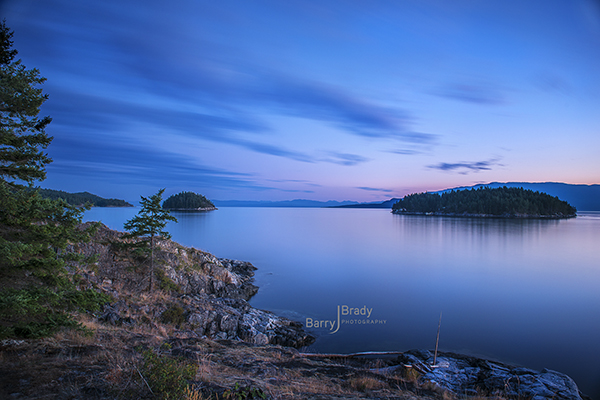
A neutral density filter was used to make the exposure longer  and to soften the water

A neutral density filter was used to make the exposure longer and to soften the water

Lenses

For the most part, a wide angle lens will work best for landscapes. You want to capture as much of the scene as possible in your shot to make the image look majestic and sweeping, and a wide angle lens creates that effect. Be careful not to use a fisheye lens; the distortion may not work well in a landscape shot. When you use a wide angle lens, it is a good idea to have foreground interest, that means, have something in the foreground that anchors the image. If you don’t have foreground interest, thats okay, you can still get some good shots. You will find though, the images with foreground interest tend to work better. You may also want to shoot landscape images with a zoom lens. This can work well, but not on every scene. Try it out, but if it’s not working, switch back to a wider angle lens.
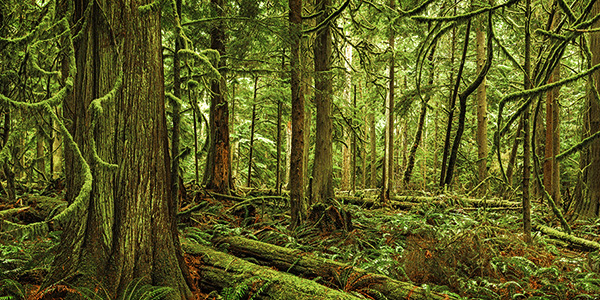
Stitched Panorama

This was not a wide angle shot, but it still works well

4. What settings should be used?

Exposure settings

There are no formulas for how to get the best landscape shot; there are a few guidelines though. First, you will generally want everything in your scene to be in focus. That means your aperture should be at f/8, f/11 or f/16. Once that is set, then you will need to set your shutter speed accordingly. You may have to take your shutter speed down to a few seconds to get a properly exposed shot. Thats okay, it adds to the image. Long exposures work really well when there is moving water or clouds in the scene; the water becomes soft and silky as do the clouds. Sometimes, the trees in your scene may wave in the breeze and the blur from that can work well too.

Another setting to look out for is your ISO. I recommend not to shoot in Auto ISO. This will create all kinds of problems especially at sunset. Your camera will see that the light is fading and it will simply bump up the ISO to compensate for the loss of light, this may result in digital noise, not very good for your landscape scene. Set your ISO to 100 (or as low as your camera goes) and keep it there. Only adjust your shutter speed to make sure you get the shot and of course, you will need to be on that trusty tripod!

White Balance

This is a creative choice. Start out shooting your scene in daylight white balance. Avoid using auto WB as this function will try and neutralize the colours in your scene. You want as much colour depth in your scene as possible, so start off with the daylight preset. You can then use the white balance creatively, for  example, using the Fluorescent preset will add magenta to your scene, Cloudy and Shade will add orange or red, and Tungsten will add blue. If you want to emphasize any of these colours in your scene, switch to the WB that will boost that. So, if you are shooting a sunset, use cloudy or shade to boost the reds and oranges. If these don’t work well for the scene, stick to daylight as it will render the colours in the scene correctly.

5. What’s next?

Once you return from your shoot, download your images and take a look through them. Normally, you will be doing this very late at night, so it is best to leave them until the next before you start editing them. Whatever your editing suite of choice is (Lightroom or Photoshop) you can get to work on them there. If you have shot some bracketed shots, you can do all that blending in Photoshop. The only guideline here is to take your time editing the images. Choose only the best images to be edited. You may find that you will shoot 100 images but only three or four are worth editing, thats okay. Edit only the best images and spend time making them look as dramatic as the scene you saw! For some quick tips on how to get your images to pop take a look at this article, you can also browse through this list of articles on Photoshop to get some in depth techniques.
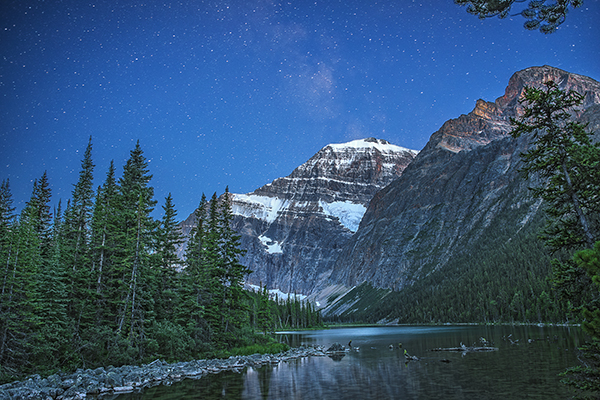
A blended shot, the foreground was shot earlier in the evening and the stars much later. This was blended in Photoshop afterwards

A blended shot, the foreground was shot earlier in the evening and the stars much later. This was blended in Photoshop afterward.

So, to wrap it all up, landscape photography is a combination of skill and patience. Skill takes time to develop, and patience enables you to wait for the right scene to unfold. In this fast paced digital life, there is something calming about shooting landscapes. You have no control over the weather, you have no control over the light, you simply have to be there, and press the shutter release if the conditions are right. The beauty is that, if the conditions do work out, the reward will be unreal. You will have some great images and you will have spent some quiet time in nature, enjoying a beautiful sunrise or sunset. The most important tip is to take your time. Don’t rush the process, don’t pack up until you are certain you cannot get a better shot than the last one you just made. Always go out and have fun, even if the light doesn’t play along or the weather is not what you hoped for, use it as a practice session and pretty soon, you will be capturing those breathtaking scenes with ease!

The post 5 Tips for Newbie Landscape Photographers by Barry J Brady appeared first on Digital Photography School.


Digital Photography School
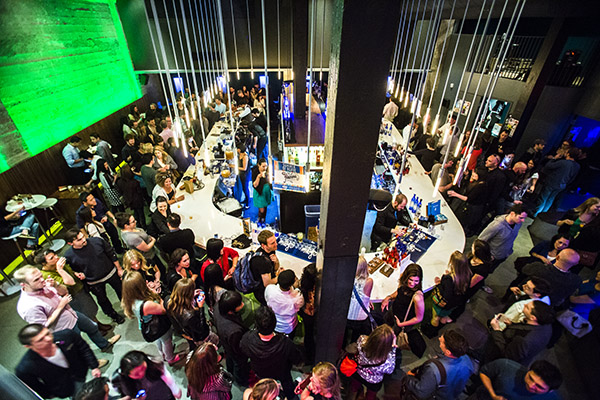
 
Comments Off on 5 Tips for Newbie Landscape Photographers

Posted in Photography