RSS
 

Posts Tagged ‘Tips’

10 Tips for Photographing Dragonflies

23 Jul

Dragonflies and damselflies are fascinating insects which can be particularly photogenic due to their bright colours and striking patterns. As with any type of wildlife, dragonflies can be challenging to photograph because they can scare easily and never seem to keep still. However, it may be easier than you think to get some great shots of these amazing insects. Here are 10 tips to get you started.

HhhdragonflyDPS

1. Choose the right equipment

As they are slightly larger than other insects, dragonflies can be photographed with anything from a point-and-shoot to a DSLR. The accompanying images have been taken with a DSLR. However, many of the principles remain the same whatever equipment you use.

A good zoom lens (100-400mm) can produce decent results, but a dedicated macro lens has the advantage of providing closer focus for high magnification. If you are using a zoom lens, fitting an extension tube to the lens will allow it to focus closer and should produce good results. This is a cheaper option than buying a dedicated macro lens. However, if you plan to photograph insects on a regular basis, a macro lens may be a worthwhile investment as you will be able to take frame-filling shots from a comfortable working distance so as not to scare away the dragonflies. The macro lens used to take the majority of the shots here was the Sigma 150mm f/2.8.

2. Find a good location

During the summer months, dragonflies can be seen anywhere there is water. Certain species may be found in your garden pond, while others could be found near rivers or streams. Damselflies, for instance, are often weaker fliers and tend to stay close to the water surface, whereas dragonflies can be seen flying further away from the water, sometimes perching at eye level.

Taking the time to research your native species of dragonfly, and their preferred habitats, before you go out will make you much more successful in photographing them. Be prepared to get a bit muddy as you may need to get low to the ground near the water’s edge. Wear appropriate clothing and respect the environment that you are working in.

3. Study their behaviour

Once you have spotted a dragonfly, take some time to watch its behaviour. You will quickly learn where it flies and where it likes to perch; some dragonflies prefer the ground, but others prefer to perch on grass or rocks.

Matingdamsels2DPS

Photographing dragonflies in flight can be pretty tricky. So, for starters, I would recommend trying to get some shots of dragonflies at rest. Rather than chasing a dragonfly around with your camera, I have found it better to watch out for a spot where they land, set up the camera nearby, and then wait. If you see a dragonfly perched on a stick approach slowly and carefully and avoid sudden movements. You should be able to get quite close. However, if the dragonfly does fly off, remain still and wait for a few minutes. It may well return to land on the same spot. Patience is key.

If you are lucky enough to find a dragonfly that is eating, you may be able to get closer as they seem to focus more on their meal rather than you.

Something that I have tried with some success is to take your own perch – a stick or reed – and place it near the water, close enough for you to take some shots should the dragonflies decide to land on it. Adding a couple of water drops could encourage them to land.

4. Get up early

Dragonflies are more active during the hottest part of the day as they require the heat from the sun to warm them enough to fly. If possible, I would recommend going out earlier in the morning, when it is slightly cooler and the sunlight is not as harsh as it would be around midday. You may not find as many dragonflies as you would later in the day, but those you do spot will likely stay still for longer, allowing you to get closer. You may even be lucky enough to get a shot of them covered in early morning dew, if you go out first thing.
DragonflybluepoolDPS

5. Control the aperture for sharp images

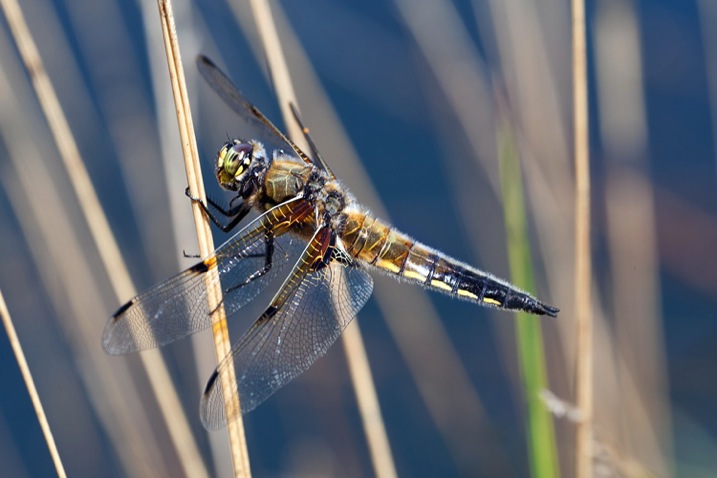
Sharpness is vital in macro photography, and to ensure you get sharp images you will have to use the aperture to control the depth of field. You will need to have as much of the dragonfly in focus as possible and one way that you can maximize this is to photograph the dragonfly sideways on. Making sure that the camera’s sensor is parallel to the body of the dragonfly will enable you to use a wider aperture to blur out any distracting background while keeping the whole of the dragonfly in focus.

Getting such a clear, side-on shot of a dragonfly will not always be possible. In such instances, you can increase the depth of field by reducing the aperture. I have found it useful to start off with an aperture of f/5.6, then take a series of shots working down to around f/11 or smaller, changing the shutter speeds and ISO accordingly. However, always ensure that the eyes are in focus and as sharp as possible. Your images will be poorer without this.

6. Get the correct exposure

Getting the correct exposure can be tricky, particularly if you are shooting in bright sunlight. You will get softer, diffused light by shooting earlier in the day or in slightly cloudier conditions.

Even when perched, dragonflies can make a lot of fast movements such as flicking their wings or twitching their heads. Therefore, you will need to work with relatively fast shutter speeds. I would recommend shooting in bursts of three or four frames, as when you are reviewing your shots, you may find one is particularly sharper than the others. You could increase the ISO setting slightly to allow faster shutter speed and smaller apertures, but probably no more than 400 to maximize the quality of your images. A tripod may come in useful if you do have to use slightly slower shutter speeds, however the locations where dragonflies are found are not always too tripod-friendly. If you decide to shoot while hand-holding the camera, make sure you keep a steady hand, maintain a good footing, and ensure image stabilization is switched on (if available).

7. Switch off autofocus

You will often get sharper shots of dragonflies by switching off the autofocus and focusing manually.

One useful (and inexpensive) piece of kit when shooting down low to the ground, is a right angle viewfinder, which attaches to your camera and allows you to look down into the viewfinder rather than having to lie flat on the ground. You could also try using your camera’s live view and zoom in on the detail to make sure the focus is as accurate as possible.

BluedragonflyDPS

8. Pay attention to the background

When lining up your shot, pay attention to the background. Ideally, an uncluttered background of a contrasting colour to the dragonfly will produce shots full of impact. However, some damselflies will land in vegetation closer to the water surface making a clean background almost impossible. Larger apertures will help blur out any distracting backgrounds; this works well if you can take them sideway-on, as previously mentioned. A wider aperture will also help to produce bokeh in the background (circles of light from out-of-focus highlights) depending on your personal tastes.

If possible, when selecting a spot to set up, try to place the subject as far away from any potentially distracting vegetation in the background. Moving a perch, or taking your own with you, may help with getting a cleaner background.

9. Think about composition

With such fascinating subjects, you have a range of options when thinking about composition. Try shooting the dragonfly from a range of angles (sometimes this helps to identify the species when you get home). It is not always necessary for the whole dragonfly to be included in the frame. If you can get close enough, you could attempt an extreme close-up on the eyes or part of the wing detail.

Alternatively, you could capture the dragonfly within its surrounding environment. For example, iridescent demoiselles can look great when perched low down on a riverbank. This works particularly well with slightly larger dragonflies, and as the insect does not have to dominate the image, a dedicated macro lens may not be required.

DragonflyeyesDPS

10. Try to capture some behaviour

Dragonflies look great at rest, but if you can, try to capture some of their behaviour for some unique shots. For example, damselflies mating can make shapes that look a bit like a heart (see above under #3), which can make for a pleasing image. Or, if you are up for a challenge, try to shoot a dragonfly in flight. For this, I would recommend using a telephoto lens of 300-400mm with an extension tube. Spend a few minutes watching how the dragonfly moves as they often follow the same path repeatedly. Once you have observed them flying, focus on a spot on their flight path and wait for the dragonfly to enter the frame. There is an element of luck with this type of shot. I have tried on many different occasions and sometimes the dragonfly will vary its flight patterns seemingly at random. Don’t give up though – patience is key with all wildlife photography and just enjoy the process of observing and photographing these amazing insects.

DragonflyingDPS

I’ve included several dragonfly shots taken in the UK. Please feel free to add your own as a comment below.

googletag.cmd.push(function() {
tablet_slots.push( googletag.defineSlot( “/1005424/_dPSv4_tab-all-article-bottom_(300×250)”, [300, 250], “pb-ad-78623” ).addService( googletag.pubads() ) ); } );

googletag.cmd.push(function() {
mobile_slots.push( googletag.defineSlot( “/1005424/_dPSv4_mob-all-article-bottom_(300×250)”, [300, 250], “pb-ad-78158” ).addService( googletag.pubads() ) ); } );

The post 10 Tips for Photographing Dragonflies by Richard Beech appeared first on Digital Photography School.

Digital Photography School

 
Comments Off on 10 Tips for Photographing Dragonflies

Posted in Photography


How To Shoot Fashion Shows Easily With These 6 Simple Tips

21 Jul

How To Shoot Fashion Shows

Hi there FashionPhotographyBlog.com readers, today we have a special guest joining us. Based in the Netherlands, Sander Van Leeuwen, has worked in fashion and commercial photography as well as film. He’s also been a loyal follower of FPBlog for many years now and had taken the time to write to us in a response to an article we had previously posted on how to shoot fashion shows.


We thought what he wrote was so insightful and it listed factors that the original post oversaw, that we decided that it would benefit a lot of you who may be trying to shoot fashion shows for the first time and not quite sure what to expect of the experience. We have invited Sander Van Leeuwen to share with us his 6 simple tips that can make shooting through the commotion of a fashion show just a little bit easier by being prepared for the experience.


We do want to want to make a disclaimer though before we start, and remind everyone that fashion shows are live events, and can be, by nature, a stressful affair. Like in wedding photography, if you miss the moment, you miss the moment. There is no going back!  The buzzing environment of fashion shows may not be everyone’s cup of tea, (perhaps not even for Sander) though some people thrive in these kind of situations. We just want you to be prepared, so you can be on your game and not miss those moments photographing powerful shots of the models on the runway. Take it away, Sander!


Hi folks, actually it’s kind of stupid that a lot of camera people (were) shooting the same show… the craziness during a show I did (the Amsterdam International Fashion Week 2009)… It was my first big show. I actually liked some of the parts (the parties and being with a lot of famous people (and) designers), but I hated the actual shooting, since it was kind of stressful. My experience:


1. Professional shows have good light: especially with the good high ISO performance, nowadays this is not an issue.


2. 70-200 mm is a good range. The only thing is most of the time you can’t shoot full body on the turn. But with 200 mm you can shoot nice full body shots during the whole runway and you can make some nice close ups of accessories.


3. DON’T USE FLASH! With a lot of photographers the chance is big you’re ruining someone else s picture with your flash, or someone else is ruining yours. Good organizations even officially forbid to use flash (if not other photographers will look at you (like) they are going to kill you).


4. A monopod is a must have. It happens that there is very little space and you can stand steady between all other photographers.


5. Take a bottle of water with you since waiting can be really make you tired and thirsty.


6. If it’s a multiple show even, try to make friends with some of the photographers so you can help each other when this is needed (save good spots for example) and you can have a nice chat while waiting… Did I mentioned waiting already? 😉


I hope this helps some photographers a little!


Kind Regards, Sander

Savale.nl


Did you find these tips useful? Please share this post on social media if you did 🙂


Also, if you have your own tips not covered in this list, please write them in the comments box. We will love to hear what tips you have.


Lastly, if you would like to be featured as a guest writer like Sander Van Leeuwen did, do send us a message and get in touch with us. We would like to hear from you. For more details on how to contribute to FashionPhotographyBlog.com click here –> CONTRIBUTE TO FPBLOG HERE


Fashion Photography Blog

 
Comments Off on How To Shoot Fashion Shows Easily With These 6 Simple Tips

Posted in Uncategorized


Pet Photography: 5 Simple Tips for Animal Photographers

14 Jul

For armature or professional photographers who use their skill for weddings, portraits, engagement, maternity or any other popular family photography, adding “pet photography” to your business card can be an added rise in business for you. How can a family photo be complete without Fido in the picture? Doing pet photography, or just understanding how to photograph a pet for Continue Reading

The post Pet Photography: 5 Simple Tips for Animal Photographers appeared first on Photodoto.


Photodoto

 
Comments Off on Pet Photography: 5 Simple Tips for Animal Photographers

Posted in Photography


4 Tips for Doing Photography on a Budget

14 Jul

Several times in the past few months people have asked me how to get into photography without spending a lot of money. I must admit the idea of emptying your wallet to get all the camera bodies, lenses, flashes, tripods, and other gear you need to do some serious photography can seem quite daunting, it certainly was for me when I first got bitten by the photography bug.

The good news is you don’t really need the latest, greatest, and most expensive gear to make some stunning images thanks to the magic of modern technology. In many cases all you need to do some serious picture-taking is the camera you probably already have with you: your smartphone. However as good as modern mobiles can be, they do have some serious limitations (particularly due to their small image sensors) like limited low-light capabilities, and non-zooming lenses. If you really want to up your game and take advantage of the bigger image sensors, larger lens selection, and incredible accessories available for DSLR or mirrorless camera without breaking the bank – here are a few options to get you started.

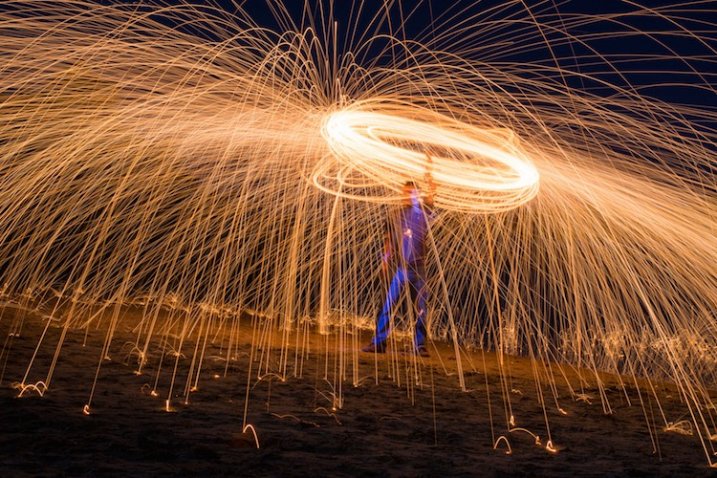
photographing-on-budget-beach-sparks

You don’t need a lot of money to take pictures like this. A basic camera and some creativity will do just fine.

1. Buy used gear

New cameras sure are nice, and I can certainly understand the desire to have a model with the most megapixels, best image sensor, highest ISO, fastest autofocus, and coolest bells and whistles. But, before you rush off to drop hundreds or thousands of dollars on a brand new model though, consider this – every picture you have ever seen was taken with a camera older than one you can buy today.

Think of the most famous photographs in history: A man facing down a row of tanks in Tiananmen Square. Muhammad Ali standing triumphant over a defeated Sonny Liston. The 1984 National Geographic photograph of a young woman from Afghanistan. These were all taken on film cameras, with capabilities outmatched in almost every possible way by even the cheapest digital camera today. Certainly new cameras make the act of taking pictures easier in many ways with bright screens, easy-to-use controls, and a host of other features designed to help you get the hang of your hobby. But if you’re pressed for cash buying an older, used camera can be just as good.

photographing-on-budget-cottonwood-borer

Photo of a cottonwood borer beetle taken with my old Nikon D200 that is far less capable than any new DSLR on the market today.

To put my money where my mouth is, I take most of the pictures on my weekly 50mm photo blog not with my new Nikon D7100, but with my ten-year-old Nikon D200, which can be found used online for a fraction of what a brand new camera costs today. It’s only 10 megapixels, and doesn’t have features like wi-fi, a tilting screen, or even the ability to use live view – but it allows me to take beautiful images and that’s often the only thing that matters.

Buying a camera just a few years old can save you significant amounts of money while giving you a high-tech photographic instrument that your photographic forebears from decades gone by would only have dreamed about. Older cameras like the Canon Rebel T2i, the Nikon D80, Olympus PEN E-P2 and many others don’t stack up to modern cameras when you look at marks on a checklist of features, but all of them are capable of producing amazing images, and can be purchased used for much cheaper than any new camera today. This applies to more than just camera bodies, and you can find very good prices on accessories like lenses, flashes, tripods, and other equipment too.

My brother took this shot with a ten-year-old DSLR and a macro lens he found when cleaning out his basement.

My brother took this shot with a ten-year-old DSLR and a macro lens he found when cleaning out his basement.

I prefer buying used equipment from sites that offer some type of warranty or trade-in period if you decide you don’t like what you receive. Two of my favorites in the United States are KEH.com and Adorama Used. Other sellers like B&H offer used cameras, and you can often buy refurbished equipment directly from camera manufacturers that even come with a warranty. Some photographers I know get a lot of high quality gear for cheap on sites like eBay and Craigslist as well. Be forewarned that sites like these often make no guarantees as to the quality of what you are buying, but as long as you are careful you can find some good deals.

For some buying tips read: How to buy used camera gear 

2. Make your own gear

If you’re like me you may find yourself scrolling through websites, or flipping through catalogs, dreaming of all the camera gear that you don’t have, mostly because so much of it is too expensive. While many common photography accessories can be purchased used, you can actually make your own versions for almost no money at all. These won’t stand up the the daily rigors of a professional photography environment, but most offer similar functionality as their full-priced name-brand counterparts for far less cash. From do-it-yourself tripods to homemade lighting kits, the internet is brimming with articles, videos, and tutorials for enterprising photographers looking to fashion their own equipment to save a buck or two. The end result might look the same as a professional product, but you may be quite surprised at what you can come up with to expand your photographic horizons with a bit of searching and a willingness to try making things by yourself.

Read these dPS articles for some DIY projects:

  • Creating Effective DIY Studio Lighting With Household Items
  • 5 DIY Hacks to Have in Your Camera Bag
  • How to Make a DIY Light Panel or Scrim
  • DIY Light Modifier You Can Do With Savage Translum Material
  • DIY How to Build and Use a Reflector to Take Better Portraits
  • How to Make An Inexpensive Light Tent – DIY

As an example, here’s a photo of a toy train I took with my son one morning before I left for work. It required no special equipment, and took about 10 minutes to set up.

A toy train, seen in a whole new light.

A toy train, seen in a whole new light.

You might think a photo like this would require an expensive camera, a fancy studio, and a lot of costly lighting rigs, but in truth it was quite the opposite. I shot this using my trusty D200 on our dining room table with a bit of aluminum foil taped to a board.

No fancy lighting or expensive equipment required.

No fancy lighting or expensive equipment required.

This is only one case scenario out of thousands, and just goes to show that a bit of out-of-the-box thinking, and some creativity, can net incredible results without requiring a trip to the bank. While spending money on additional gear and equipment can certainly boost your capabilities as a photographer, this is just one way to take you skills to the next level without breaking the bank.

3. Learn to use the equipment you already have

Recently I was talking about cameras with a fellow photography enthusiast who was a bit frustrated with his DSLR. He wanted to shoot in Aperture Priority but have his camera also take care of setting not just the shutter speed but the ISO as well. As he told me about the new camera he was thinking about buying and pondering how he could save enough money to get it. I asked if I could look through his camera menus a bit. A minute later I found that his camera did indeed have an Auto ISO setting which did exactly what he was hoping, and saved him hundreds of dollars right there on the spot.

This is only the most recent example of a phenomenon I have encountered many times; the camera you already have can probably do a lot more than you realize. If you’ve never sat down and read the manual for your camera, you might be in for a pleasant surprise when you find out how much it can actually do. You can almost always find online tutorials dealing with your specific camera with a bit of internet searching.

The equipment I used to shoot this was not expensive (a $ 100 pocket camera) but I did have to learn about lighting, posing, focal lengths, background compression, and other aspects of photography.

If you want to seriously enhance your photography skills without buying a single piece of new gear, one of the best routes you can take is to learn from others. Most cities have photography clubs where members meet regularly to teach workshops, share tips, or just gather to talk about their favorite hobby with fellow like-minded individuals. Often these groups and clubs require nothing of new members except a passion for photography. Those that do charge a fee usually keep it reasonable and have a good motive for doing so; membership dues give the group access to better facilities, early sneak peeks at new equipment, or even a notable guest speaker.

If you don’t have one of these groups in your area there are plenty of online forums as well, such as the ones right here at Digital Photography School. Joining a community, whether face-to-face or online, is a fantastic way to learn more about the capabilities of your gear, teach yourself about the principles of photography, and make personal connections that can help you when you need it. No new equipment is required – just a willingness to meet people, stretch yourself, and try something new.

4. Get out and shoot photos!

This might sound a bit silly, which is why I’m leaving this until the very end. I often have conversation with people who want to improve their photography skills but think they can only do it by spending money. One of the best ways to improve as a photographer is to actually go out and take pictures, and if  you already have a camera this requires spending no money at all.

It’s easy to think that buying a new camera, lens, flash, tripod, or camera bag will inspire you to get your creative juices flowing and take better pictures, but after a while all that gear will usually start collecting dust just like the camera equipment you already have. Whether you have a mobile phone, a pocket camera, or a full-fledged DLSR or mirrorless model, you are in possession of equipment that is light years beyond what your forebears had only a few decades ago. The secret to improving your photography is not about spending even more money on an ever-growing cache of equipment, but simply taking what you already have, going out into the world, and using it.

Capturing the beauty of nature with an old and relatively cheap iPhone 5.

Capturing the beauty of nature with an old and relatively cheap iPhone 5.

What about you? What are some of your favorite low-budget tips for improving your photography? Share your thoughts in the comments below.

googletag.cmd.push(function() {
tablet_slots.push( googletag.defineSlot( “/1005424/_dPSv4_tab-all-article-bottom_(300×250)”, [300, 250], “pb-ad-78623” ).addService( googletag.pubads() ) ); } );

googletag.cmd.push(function() {
mobile_slots.push( googletag.defineSlot( “/1005424/_dPSv4_mob-all-article-bottom_(300×250)”, [300, 250], “pb-ad-78158” ).addService( googletag.pubads() ) ); } );

The post 4 Tips for Doing Photography on a Budget by Simon Ringsmuth appeared first on Digital Photography School.


Digital Photography School

 
Comments Off on 4 Tips for Doing Photography on a Budget

Posted in Photography


4 Tips to Help you Decide Between Black and White or Color for your Image

09 Jul

Why do black and white photographs speak to us? In nature, colors are meant to attract, and cause things to catch our attention. Still, even without color, black and white images are a mainstay of our craft, and are powerful representations of the artistic spirit.

Half Color

There are many differing opinions when it comes to black and white photography. Some photographers love it, and shoot black and white exclusively, while other photographers absolutely shun the notion and shoot only in color. Then you have the majority of our lot who fall somewhere in between the love and hate poles. Luckily, the digital imaging age allows photographers to decide after the fact whether our images make us happier in full color, or in black and white. However, this ease of conversion can become somewhat of a problem because it is in fact so simple to switch from color to black and white, that it can cause conflicting feelings about which route to take. While there is really no absolute magic formula to determine the best choice for your particular image, there are some guidelines that you can follow to make your decision a little easier.

Here are four tips to help you decide if an image will be more appealing in black and white than in color.

Black and white or color?

#1 Does color have a large impact on the image?

This may seem like an easy judgment to make, but it is not always so simple. Color can be a fickle thing, and can either add to, or unintentionally detract interest from a photograph. Ask yourself, “does this image rely exclusively on color or are there other interesting aspects that can be emphasized?” Just how nice would it be to look at as a colorless rainbow? This not to say that all colorful objects and scenes won’t do well as black and white, but as a general rule most highly or diversely colored subjects should remain just that – colorful.

Silhouette
This image really had nothing to say in the way of color, so I made use of the heavy backlighting to create a strong contrast with the subject.

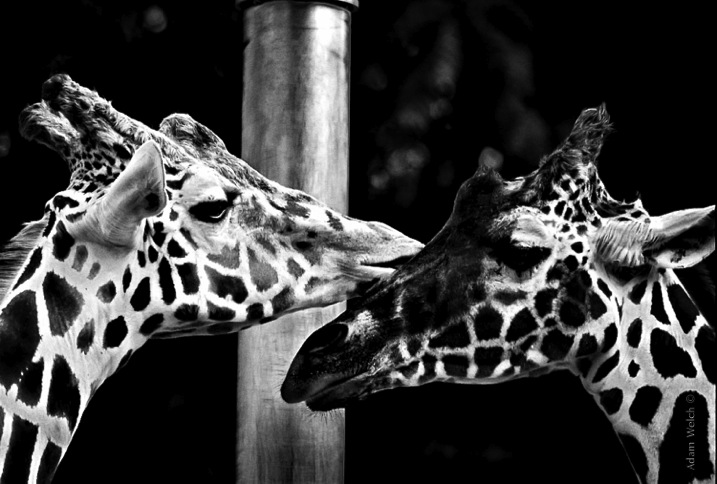
Two Giraffes
The original image didn’t have a lot going on as far as color, so I choose to convert it to black and white to really make the patterns pop.

The opposite of this usually proves to be true also. When you have an inherently bland scene or subdued colors, the image will usually do well when converted to black and white and this leads us to tip #2.

#2 Are there interesting light or contrasts?

This is where new photographers tend to encounter a little bit of difficulty because seeing good light or contrasts usually requires quite a bit of pre-visualization. Don’t worry! Developing an eye takes, well, some developing. The more you force yourself to look past what is readily apparent, the more you will learn to almost see in black and white.

When you remove color from the photographic equation, you are left with only differences in tone; lights and darks. These differences are what truly make good black and white images, and the differences in light and shadow bring contrast to the photograph. So, when you see that a given scene or subject presents the opportunity to exploit stark contrasts and unique lighting or shadow, it might be a great opportunity to try black and white. Take a look at this image of the leaf of a house plant.

Plant Leaf

I used a single flash behind the leaf to really bring out the contrasts within. Ordinarily these details might have gone unnoticed, and the black and white treatment really compliments the lighting.

The great Ansel Adam’s said that he; “could convey a greater sense of color with well executed black and white images using only light, shadow, and even subtleties in texture to express the qualities of the photo”. It’s that last variable, texture, that brings us to tip #3.

#3 Are there interesting textures?

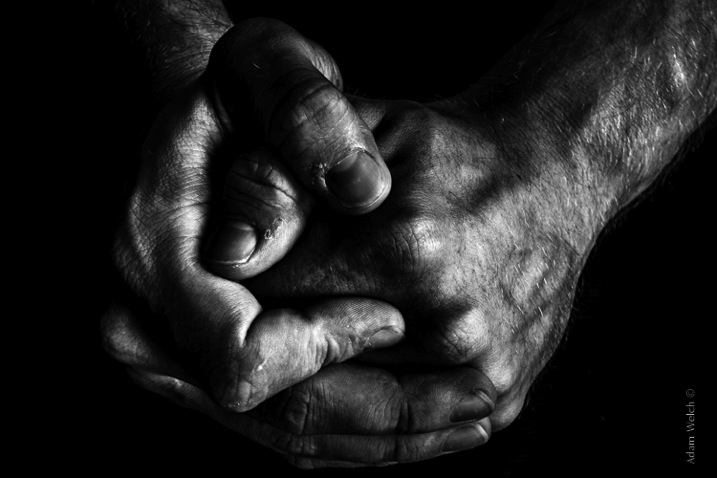
When we think of texture, we can easily describe it in terms of how things feel physically, when we perceive them through our sense of touch. Texture in photography, however, can be a little more challenging to put into words. Texture in a photograph has to be perceived with our eyes and then we determine if it’s smooth, rough, or coarse. Transforming the tactile tangible into a visually tangible image takes practice and a trained eye, and this is where working in black and white can be the best choice. Examples of textures that work well for black and white photos are wood, metals and stone, even plants and human skin. Directional lighting (light from largely one source coming from the side) compliments, and helps emphasize textures.

This image was made with natural lighting coming in directly from one side. This really brings out the texture, imperfections, and grittiness of the photograph.

Hands

This last tip goes beyond the physical attributes of an image and delves into the feelings we want to convey through a photograph. This is where black and white photography can really shine.

#4 What is the mood you want to create?

Have you ever looked a photograph, and been immediately struck by how the photograph felt? This is often referred to as the mood of a photo. It could be a bleak and rainy street scene, or an image of a warm and welcoming sunset. In any case, using black and white is a good way to convey a sense of mood in your photography. Admittedly, black and white usually imparts dark, bleak, somber, or an etherial overtone to a photograph, but that does not mean that it doesn’t work well for more upbeat images. Convert some of your landscapes to black and white to see how the mood can change. Experiment with black and white portraits which can portray your subject with a more stoic and brooding persona.

This photo of a hot day on Boston Common had lots of differences in lighting, along with some great coloring especially in the sky. Still, I chose black and white because it simply felt better to me, and matched what I saw in my mind more closely.

Boston Common

Keep in mind that you may run into some different terms if you decide to work more with black and white photography. These terms are usually interchanged, but in reality they are not all the same. It will help you to understand the differences in each so you can know what to expect.

Monochrome

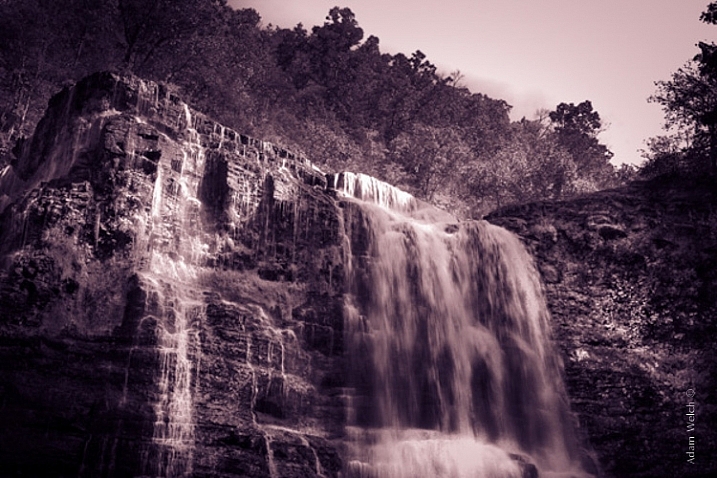
Monochrome simply means varying shades of only one color are used to make an image. This is often thought of as black and white (which are technically monochromatic) but in reality any color can be used. Sepia toned photographs are a good example of images which are monochrome.

This is an example of a monochromatic photograph that is not black and white.

Sepia Waterfall (2)


Grayscale

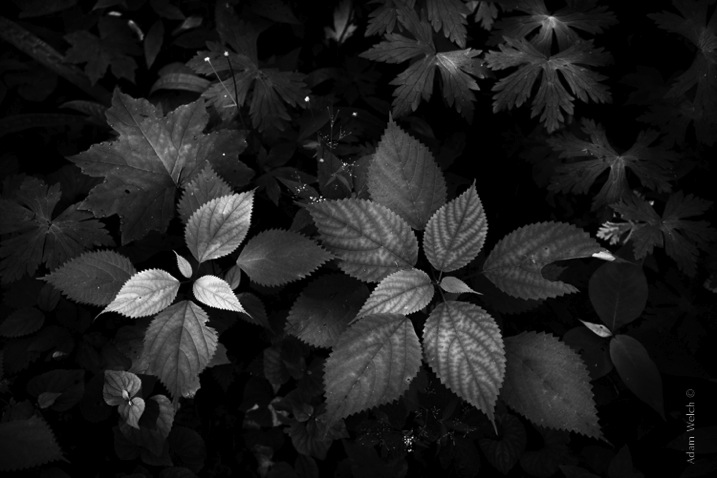
The term grayscale is another one that gets thrown around to label black and white images. Though not completely incorrect, grayscale images use only varying shades of gray (256 to be exact), and no other color. Grayscale can be a very bland when no other edits are used because it tends to leave the entire photo as middle gray. Notice how bland and uninteresting the below image looks when it’s converted to grayscale.

Grayscale

True Black and White

As I have said, black and white images are indeed monochromatic but not all monochrome images are black and white. True black and white photos use only black and white to produce the image although the majority still use a mix of gray tones.

This is the same image as above after it has been further processed to be closer to a true black and white photo. The differences in tones become becomes more apparent, and the photo becomes much more pleasing.

True BW

Black and white photography has been a staple genre since literally the inception of photography, and has evolved into a high art-form. Of course there are some people who simply do not like black and white images and prefer everything in color. Still, black and white photography is something that should not be discounted, and certainly not underestimated in terms of artistic expression. Today’s processing software makes converting color images to black and white nearly effortless, so use these tips and give it a try!

googletag.cmd.push(function() {
tablet_slots.push( googletag.defineSlot( “/1005424/_dPSv4_tab-all-article-bottom_(300×250)”, [300, 250], “pb-ad-78623” ).addService( googletag.pubads() ) ); } );

googletag.cmd.push(function() {
mobile_slots.push( googletag.defineSlot( “/1005424/_dPSv4_mob-all-article-bottom_(300×250)”, [300, 250], “pb-ad-78158” ).addService( googletag.pubads() ) ); } );

The post 4 Tips to Help you Decide Between Black and White or Color for your Image by Adam Welch appeared first on Digital Photography School.


Digital Photography School

 
Comments Off on 4 Tips to Help you Decide Between Black and White or Color for your Image

Posted in Photography


Night Life: Tips for Photographing Live Events at Night

03 Jul

Event photography can be a lot of fun. If you love taking photos, and you enjoy attending social events, then it would only seem natural that you’d enjoy taking photos at social gatherings, such as parties, concerts and night clubs. There are plenty of opportunities for intrepid young photographers (and photographers of other ages, as well) to make some money Continue Reading

The post Night Life: Tips for Photographing Live Events at Night appeared first on Photodoto.


Photodoto

 
Comments Off on Night Life: Tips for Photographing Live Events at Night

Posted in Photography


6 Tips to Find Undiscovered Photography Locations in Your City

02 Jul
This location was discovered by walking BEYOND the main public area and exploring nearby dirt paths.

This location was discovered by walking BEYOND the main public area and exploring nearby dirt paths.

There’s nothing quite like the rush of finding a nook, a cranny, a wall, a corner, or a building that looks amazing in photos but has not been fully discovered by others just yet. Ask any photographer about unique locations, and most likely they will cringe a bit at the thought of giving up their secret spots. How, then, do you find new locations for yourself? It’s not always necessary to go outside of your city (or even your neighborhood!) to find a great photography location.

Here are several tips for how to find those hidden gems you crave:

1. Break routine

Do you have a usual way to drive home from work? How about that super fast shortcut that you love to take when meeting friends for dinner? Set some time aside to go a different route, and really look at your surroundings as you drive by. Take note of things like texture, if there is a lot of shadow or direct sun on a wall, if there are bright colors, and if certain areas have easy access from the road. Are there any buildings that stand out to you? How about the landscaping – any beautiful trees that provide a dramatic canopy or a large flowering bush that has bright colors?

Use this designated time to explore, stop spontaneously when something speaks to you, and take some quick sample photos (even if with your phone!) to keep on file for future reference.

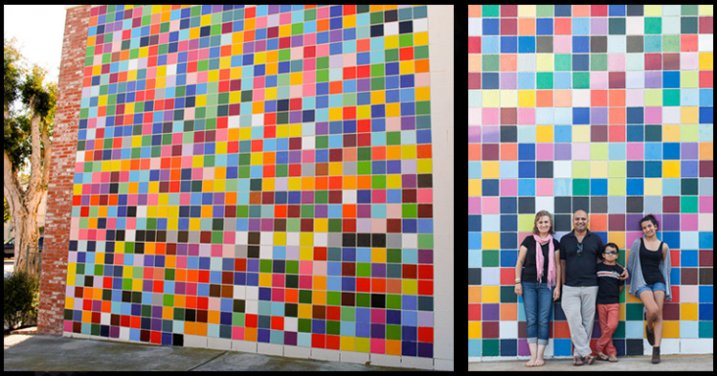
Cell phone shot while exploring is on the left.  Finished photo for a family portrait is on the right.

Cell phone shot while exploring is on the left. Finished photo for a family portrait is on the right.

2. Leave the car at home

This may sound extremely basic, but if you are like most people, you’re used to driving everywhere. While this is a huge time-saver, it also causes you to not SEE your surroundings in as much detail. When you walk, you see the cracks in the sidewalk, the nooks full of graffiti in the small alley behind the shops, or the vantage points that can be seen at eye level. Changing your perspective is an instant way to re-evaluate your surroundings. If you’re not able to walk, consider riding your bike. It’s still a more leisurely way to explore the details than by car would be, and it’s much easier than a car to stop repeatedly and explore.

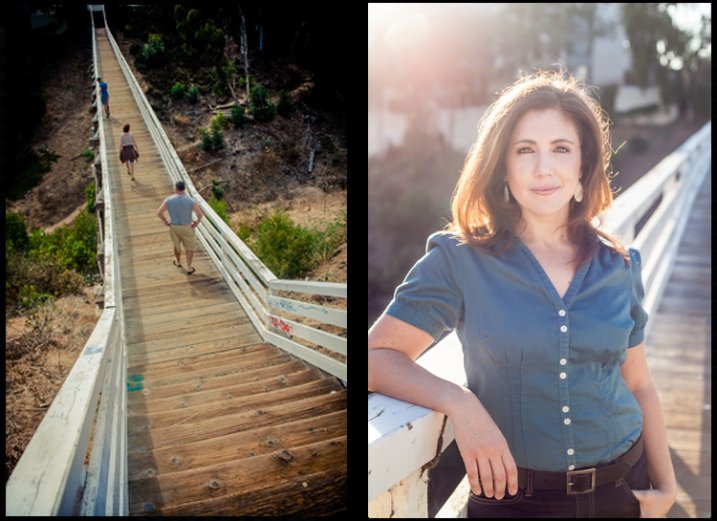
Not visible from the street, this pedestrian bridge gets overlooked from a car.

Not visible from the street, this pedestrian bridge gets overlooked from a car.

3. Ask

Sounds simple, right? Yet, how many of us actually do this? Most of us will search online, scan the forums and Facebook groups, and explore on our own. All this, we do instead of simply asking those around us. Next time you go into a small local store, ask the clerk if they have any favorite spots for photos, or ones that offer a fantastic view. Reach out to other local photographers you know; ask them if they have any locations they love going back to time and time again, and if they would be willing to take you there sometime. Ask your friend or relatives if they have any spots in town that they’ve always thought would be great for photos. Their answers may surprise you. Oftentimes, all you need to do is ask.

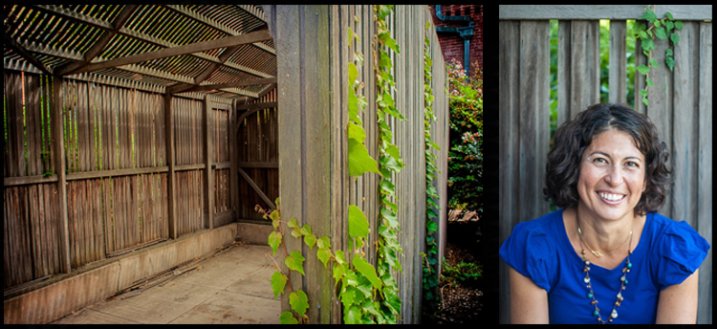
Many locals recommend this property, but few use the old carports as backdrops. Cell phone shot on left, final portrait on right.

Many locals recommend this property, but few use the old carports as backdrops. Cell phone shot on left, final portrait on right.

4. Create an assignment

It can be overwhelming to just get in your car and drive without knowing what you’re seeking. To make things easier, give yourself a specific type of location that you’re looking for that day. Perhaps you want to find a beautiful skyline view of your city, or you want to find a wall that has colorful graffiti for a backdrop. Maybe just give yourself a theme – industrial buildings, or lush bright flowering landscapes, or open pastures, or patterns.

Having a goal in mind can give you some direction as to where to start looking. Looking for rustic and open? Head out of the city and into wide open spaces. Looking for urban and gritty? Go straight for urban neighborhoods and industrial areas of town.

On a search for great texture and patterns, this wall was discovered. It is part of a research facility at a local university.

On a search for great texture and patterns, this wall was discovered. It is part of a research facility at a local university.

5. Yes, asking Google can help, too

Let’s face it, we go to Google for all our questions these days, and that’s okay. Do a bit of online research, keeping in mind some parameters for what you’re seeking. If you’re looking for old industrial buildings, be sure to enter that into your search. Be as specific as you can be, then get more general as needed to widen the net. There are also a good number of websites and books about “weird places” or “abandoned places”, all of which would have loads of appeal to photographers. If you do seek out abandoned or off-the-beaten-track locations, be sure to take all safety precautions possible to ensure a safe return.

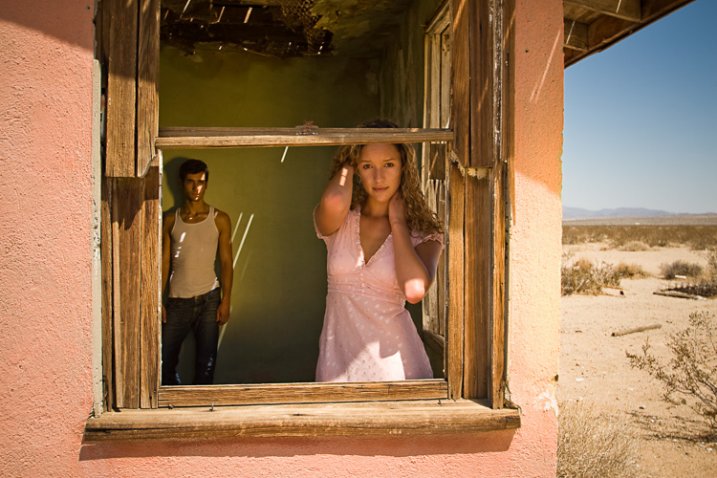
Researching abandoned locations in the desert resulted in this location near a major attraction.

Researching abandoned locations in the desert resulted in this location near a major attraction.

6. Keep records of your discovered gems

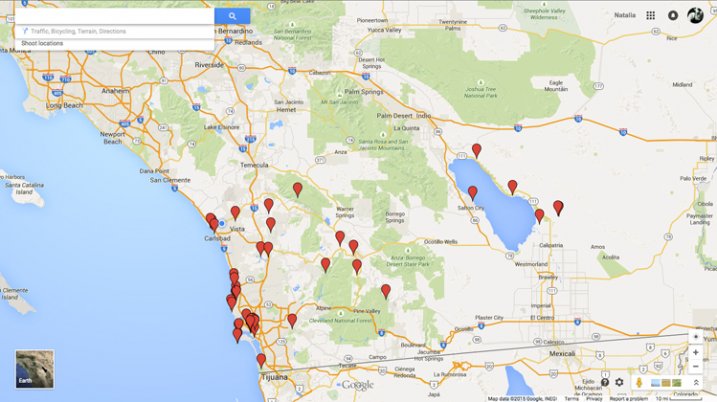
This is a tip about finding locations, but more about making sure to remember them. Find a system that works for you to keep track of locations you like, what type of work they may be suited for, any outstanding characteristics, and any sample photos you snapped while exploring. While everyone will have a slightly different way of organizing this information, Google Maps is highly recommended for marking locations on a map and adding notes.

If you have a Gmail account, you can go to Maps and create your own. After each outing, you can add pins to locations you want to remember, name them whatever you’d like, and even add a few notes. In addition to this, I would recommend keeping a folder on your computer that is specifically for sample photos of locations. This comes in handy, not only for remembering a location yourself, but also for showing a potential subject and convincing them of your vision for their photos.

An ongoing project - the personalized Google Map.

An ongoing project – the personalized Google Map.

Have you found tucked away locations that you are proud of? What tactics did you use for stumbling upon these spots? Please share in the comments below.

googletag.cmd.push(function() {
tablet_slots.push( googletag.defineSlot( “/1005424/_dPSv4_tab-all-article-bottom_(300×250)”, [300, 250], “pb-ad-78623” ).addService( googletag.pubads() ) ); } );

googletag.cmd.push(function() {
mobile_slots.push( googletag.defineSlot( “/1005424/_dPSv4_mob-all-article-bottom_(300×250)”, [300, 250], “pb-ad-78158” ).addService( googletag.pubads() ) ); } );

The post 6 Tips to Find Undiscovered Photography Locations in Your City by Natalia Robert appeared first on Digital Photography School.


Digital Photography School

 
Comments Off on 6 Tips to Find Undiscovered Photography Locations in Your City

Posted in Photography


7 Incredible Tips for Beginner Photographers

02 Jul

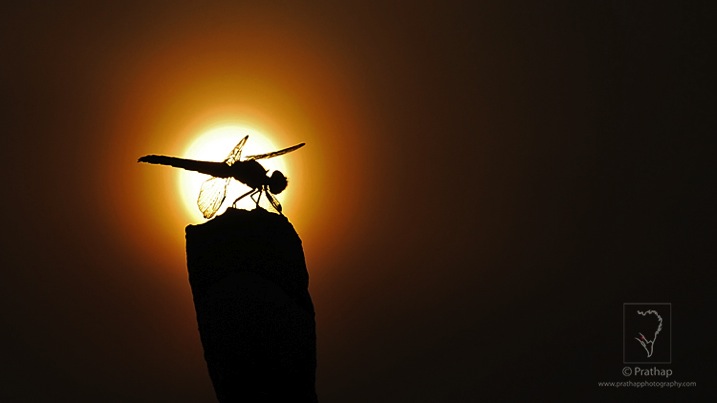
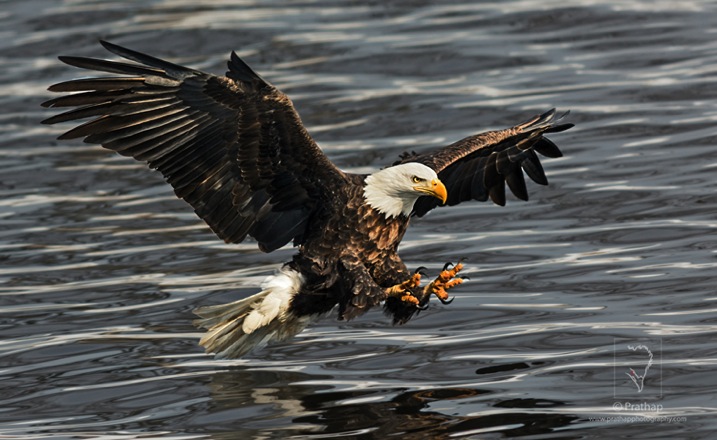
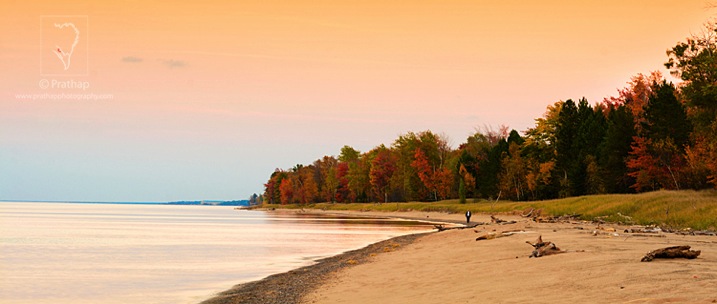
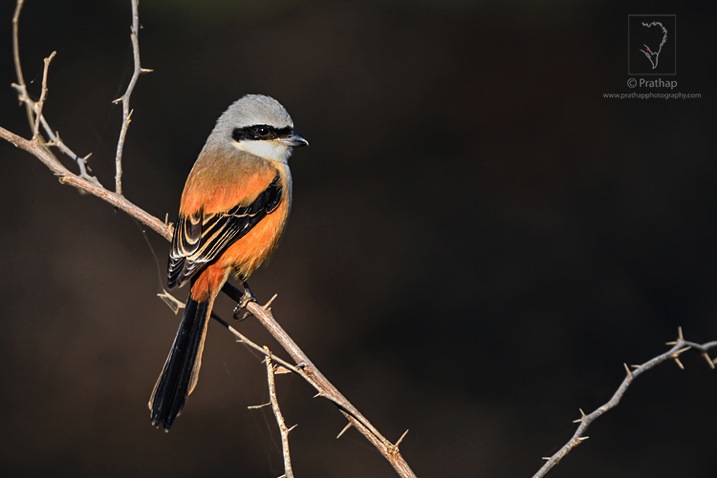
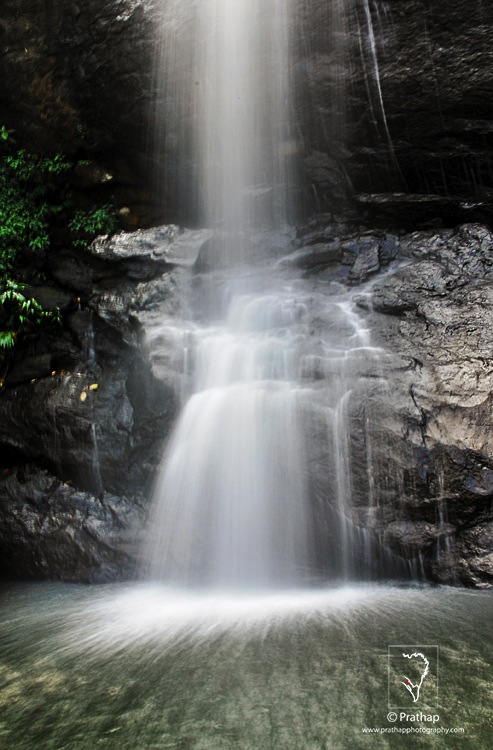
19 7 Photography Tips For Beginners by Prathap Photography Nature Phootography Simplified

As a beginner photographer, I was swaying around too much at times not knowing what was good and what was not. It took me several years, and countless hours, to really understand the right path and to focus my energy on the right techniques. If this sounds familiar to you, then here are seven incredible tips that will help relieve you of the dilemma a beginner faces in photography.

Note: These tips are in no way comprehensive but are definitely a good starting point

1. Buy an Affordable Camera

One of the biggest mistakes you could do is to invest all your savings to buy expensive gear. It will soon prove to be a burden and you might end up selling it if you are not able to pull out photographs that are good enough.

Will you be able to make good photographs from the very beginning? Chances are quite low. Even if you do, you may not be able to justify your purchase, because you do not know if it was the right choice for you or not. Only with experience, will you know which is the best camera or the lens for your photographic needs.

01 7 Incredible Photography Tips For Beginners by Prathap Photography Nature Phootography Simplified

My recommendation would be to buy a camera that is affordable to you, and focus your time and energy in building your photography skills as a beginner. That will go a long way in your photography journey.

2. Learn the Basic Settings

Settings found on cameras, especially DSLRs, can be overwhelming. To be honest, I haven’t used more than handful of settings to date. Why? Because that’s all I have needed to know!

Most important of the settings are:

  • Focusing Modes – AF-S (Nikon)/One-Shot AF (Canon), AF-A (Nikon)/AI-Focus AF (Canon), AF-C (Nikon)/AI-Servo (Canon)
  • Camera Metering Modes – Evaluative (Canon)/Matrix (Nikon), Center-weighted Average, Spot, and Partial (Canon)
  • Auto ISO Settings
  • Shooting Modes – Manual, Aperture Priority and Shutter Priority

If you learn to use the above settings without even thinking, then you will make your camera an extension of yourself, thereby having much more time for creative expression.

02 7 Photography Tips For Beginners by Prathap Photography Nature Phootography Simplified jpg

3. Understand Exposure

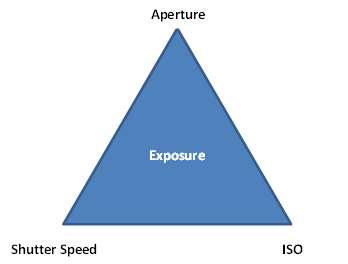
Making a proper exposure under any conditions is the key to making good quality photographs. Exposure is a combination of three pillars of photography called Aperture, Shutter Speed, and ISO. Exposure Triangle below depicts it in an easier way.

02 5 7 Photography Tips For Beginners by Prathap Photography Nature Phootography Simplified jpg

The amount of light passing through the lens opening (Aperture) for a specified duration of time (Shutter Speed) for which the camera sensor, set at a particular sensitivity (ISO), is open is called the Exposure.

03 7 Photography Tips For Beginners by Prathap Photography Nature Phootography Simplified jpg

Changing the value of any of these parameters, results in a change in exposure. That is why it is very important to understand aperture, shutter speed, and ISO to get a strong hold on exposure.

4. Make Use of Semi-Automatic Modes

DSLRs are generally precision machines that give you more control than other compact cameras. You must take control of it, and get it to work the way you want.

Learn semi-automatic modes like Aperture Priority or Shutter Priority to get out of Auto mode. Aperture Priority mode allows you to change the aperture while the other settings like shutter speed and ISO (if it is on Auto ISO mode) are chosen by the camera. Learn the effects of aperture on the end results using Aperture Priority. See the impact of depth-of-field as you change the aperture.

04 7 Photography Tips For Beginners by Prathap Photography Nature Phootography Simplified jpg

Shutter Priority mode allows you to change the shutter speed while the other settings like aperture and ISO (if it is on Auto ISO mode) are chosen by the camera. See how Shutter Priority helps you to change shutter speeds and see the effect of motion blur and freeze the action.

05 7 Photography Tips For Beginners by Prathap Photography Nature Phootography Simplified jpg

Sometimes, you may end up getting an overexposed or underexposed image while using semi-automatic modes. Exposure compensation technique allows you to compensate for the exposure.

Once you are comfortable with Aperture and Shutter Priority, getting proficient with Manual mode is quite easy. Manual mode gives you complete control of all three parameters – aperture, shutter speed, and ISO – to make an exposure.

5. Shoot in RAW Mode

One of the most overlooked feature of DSLRs, and some advanced compact cameras, is the RAW file format mode. In RAW mode, there is no compression applied to the sensor data, nor there is processing done (except little bit in some cases) like color saturation, contrast and sharpness.

JPEG format, the default mode, is compressed with different settings offering FINE to NORMAL quality. Compression means there is loss of data since it reduces the size of the photograph (or data) drastically. For instance, if your camera RAW file is 24 MB then you might end up getting a 8 or 9 MB file if you use FINE JPEG mode and it may be just 4 or 5 MB in NORMAL JPEG mode.

The amount of detail that a RAW file has may give you best possible result in terms of details in the shadow as well as in the highlight regions, considering that you have exposed the scene properly. Though there is an overhead of post-processing needed to convert a RAW file to a readable format like TIFF or JPEG in software, the end result is well worth the effort.

Another important aspect of using RAW format is that you can set the exposure compensation (within limits) and the white balance in post-processing without actually losing any data.

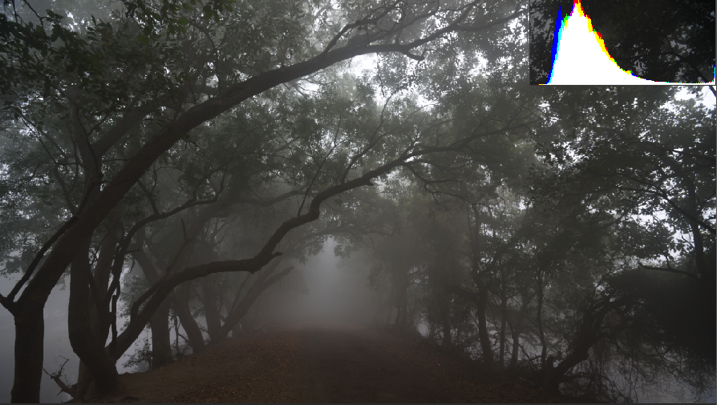
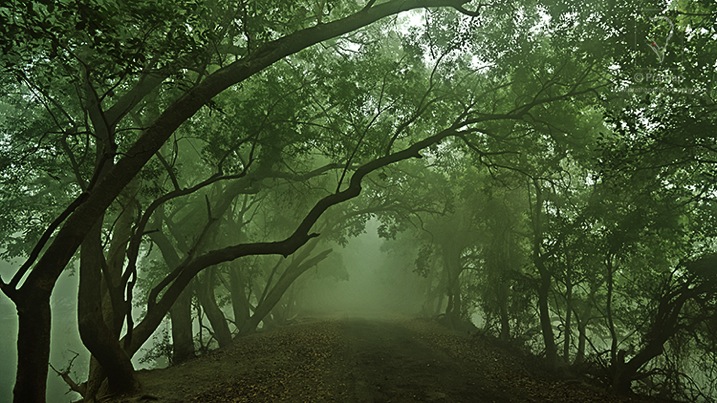
The image below has overexposed highlights as shown in the histogram.

06 7 Photography Tips For Beginners by Prathap Photography Nature Phootography Simplified jpg

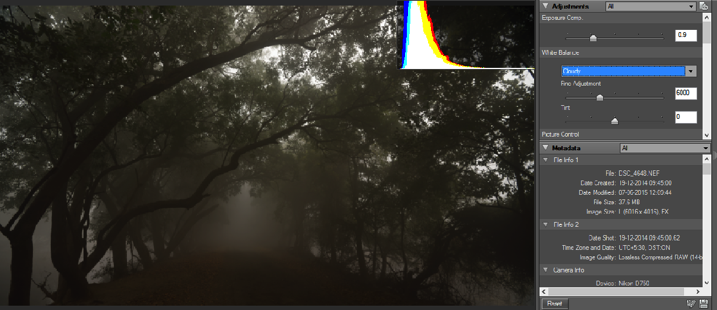
Using the Exposure Compensation tab I have recovered all the highlights, keeping the details in shadow intact. Also, I have changed the White Balance to Cloudy to get a warmer tone to the entire photograph.

07 7 Photography Tips For Beginners by Prathap Photography Nature Phootography Simplified jpg

Here is the processed photograph from of the RAW file shown above. Isn’t it amazing to see how much information a RAW file can hold!

08 7 Photography Tips For Beginners by Prathap Photography Nature Phootography Simplified jpg

As a beginner photographer, this might sound overwhelming but it is very easy if you consider the numerous advantages of using RAW format over JEPG format.

6. Learn to Use Histograms

Histograms are probably the most useful tool, apart from TTL (Through The Lens) metering, that digital cameras possess.
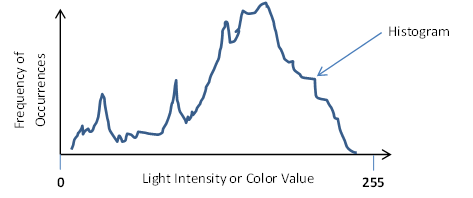
A histogram is a graphical representation of the light or color distribution in a photograph. It is a plotted with x-axis showing the light intensity value or the color value (usually a number between 0 and 255) and y-axis showing the frequency of occurrences of that particular value.

09 7 Photography Tips For Beginners by Prathap Photography Nature Phootography Simplified jpg

Your camera’s LCD shows the histogram next to each photograph that you’ve taken. Though you could make out if the photograph is properly exposed or not by looking at it, it does not always tell you the details present in different areas of the image. Also, it isn’t possible to make out the clipped blacks (no details in the darker regions) or washed-out highlights (no details in the brighter regions) on the small LCD display, especially on bright sunny days.

10 7 Photography Tips For Beginners by Prathap Photography Nature Phootography Simplified jpg

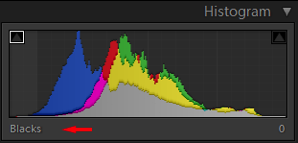
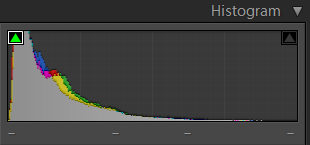
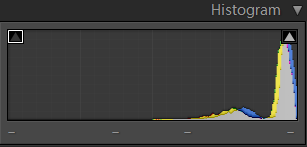
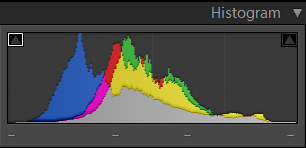
The histogram, on the other hand, gives you a fair idea of the distribution of the details in dark, shadow, mid-tone, highlight and bright regions. Below screenshots show one such example:

11 7 Photography Tips For Beginners by Prathap Photography Nature Phootography Simplified jpg 12 7 Photography Tips For Beginners by Prathap Photography Nature Phootography Simplified


13 7 Photography Tips For Beginners by Prathap Photography Nature Phootography Simplified 14 7 Photography Tips For Beginners by Prathap Photography Nature Phootography Simplified


15 7 Photography Tips For Beginners by Prathap Photography Nature Phootography Simplified

If the histogram is skewed towards the extreme left, then the image is underexposed.

16 7 Photography Tips For Beginners by Prathap Photography Nature Phootography Simplified

If the histogram is skewed towards the extreme right, then the image is overexposed.

17 7 Photography Tips For Beginners by Prathap Photography Nature Phootography Simplified

A properly exposed histogram is the one which does not have the clipped blacks (extreme left) or overexposed highlights (extreme right).

18 7 Photography Tips For Beginners by Prathap Photography Nature Phootography Simplified

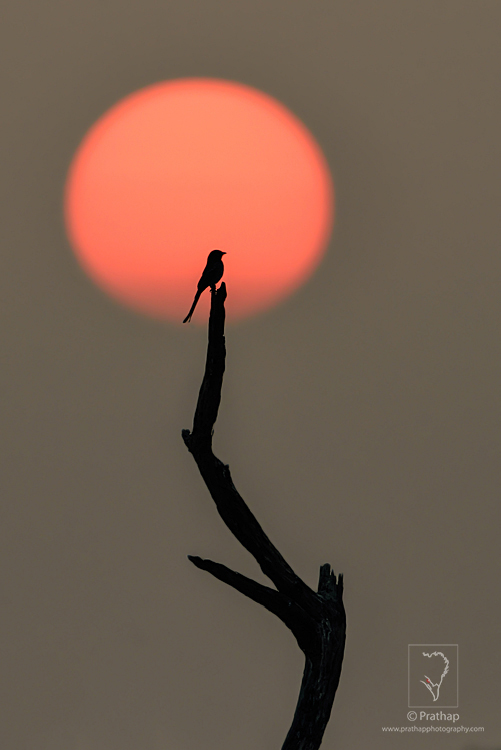
Though at times an image could be intentionally underexposed (to get a dark background in case of portraits) or overexposed (in case of sunrise/sunset photography where capturing details in the sun is not be possible) to get certain artistic impact.

7. It’s All About Light and Composition

One of the most often committed mistakes of beginner photographers is to spend a whole lot of time reading, debating, dreaming about the camera and accessories.

But photography is all about light and composition. If there is no light, there is no photograph. No matter how advanced or expensive your equipment is, at the end of the day it is you who have to take the photograph. At the end of the day, how you take the photograph, matters more than the camera or the lens you use.

If you see a masterpiece of Ansel Adams, would you ask which equipment did he use, or would you immerse yourself in the beauty of the photograph?

The skillful use of light and composition is what makes a great photograph. Learning to see the light and how it models the scene around you should be the first step in learning photography. Take note of how light changes the look and feel of the same subject in the course of the day.

Light has quality and direction.

Quality of light is best during early (two hours post sunrise) and late hours (one hour before sunset) of the day. Pre-dawn and post-dusk hours can help you witness, and photograph, some of the most spectacular landscape photographs.

Direction of the light could be frontal, side or backlit depending on where the sun is located relative to the subject. Each has its own application and should be studied thoroughly.

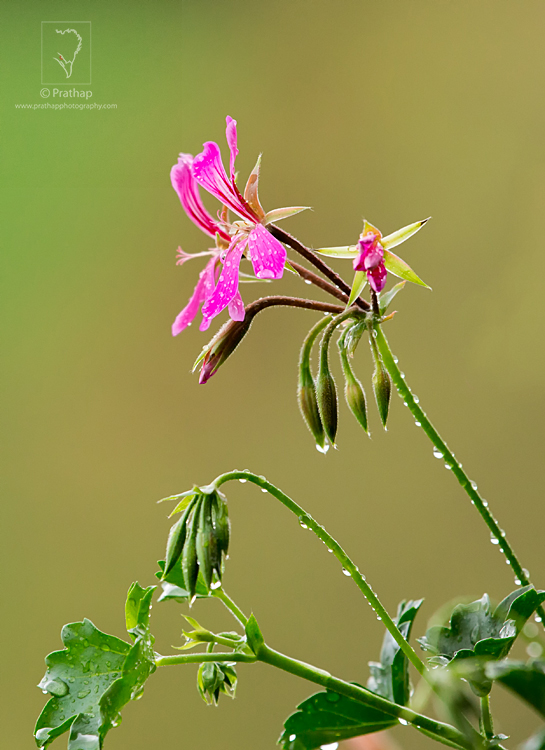
19 7 Photography Tips For Beginners by Prathap Photography Nature Phootography Simplified

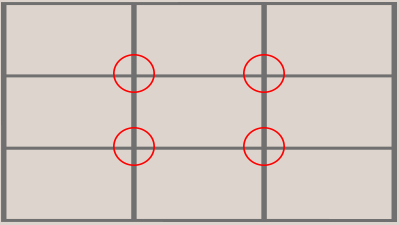
Composition is the key differentiator between a bad and a good photograph. A photograph that is carefully composed demands viewers’ attention as opposed to a snapshot. Photography composition is a way of organizing the elements in a scene to make a statement that is understood by the viewer. The Rule of Thirds is one of the best photography composition techniques that will quickly improve your photography.

20 7 Photography Tips For Beginners by Prathap Photography Nature Phootography Simplified

By keeping the subject on one of these four power points (circled in red) will yield a more dynamic photograph, because there is a visual tension created due to uneven negative space.

21 7 Photography Tips For Beginners by Prathap Photography Nature Phootography Simplified

Conclusion

I hope you enjoyed reading this article and got some good ideas about the concepts that you should focus on as a beginner in photography. Have a great time!

googletag.cmd.push(function() {
tablet_slots.push( googletag.defineSlot( “/1005424/_dPSv4_tab-all-article-bottom_(300×250)”, [300, 250], “pb-ad-78623” ).addService( googletag.pubads() ) ); } );

googletag.cmd.push(function() {
mobile_slots.push( googletag.defineSlot( “/1005424/_dPSv4_mob-all-article-bottom_(300×250)”, [300, 250], “pb-ad-78158” ).addService( googletag.pubads() ) ); } );

The post 7 Incredible Tips for Beginner Photographers by Prathap DK appeared first on Digital Photography School.


Digital Photography School

 
Comments Off on 7 Incredible Tips for Beginner Photographers

Posted in Photography


8 Tips for Gorgeous Fashion Photography

01 Jul

Most young photographers are convinced that fashion photography is an impossible dream. The glamorous international lifestyle, the huge audience, the awe-inspiring photoshoots and the high-paying checks are only some of the reasons why this sought-after profession seems inaccessible. But while there are no easy checklists or sure-fire plans to ensure your success, there are certain small steps to bring you Continue Reading

The post 8 Tips for Gorgeous Fashion Photography appeared first on Photodoto.


Photodoto

 
Comments Off on 8 Tips for Gorgeous Fashion Photography

Posted in Photography


5 Tips That Will Make Your Food Photos Stand out from the Crowd

01 Jul

1 Cornish Game Hen

Food photography may be more popular now than ever before. The blogosphere is exploding with pictures of food, and social media sites like Pinterest and Instagram are flooding you with never-ending streams of food photos 24/7. Creating food images that stand out in this massive sea of content is a difficult task. Here are five tips to help you get your food photos noticed.

#1 Don’t be afraid of shadows

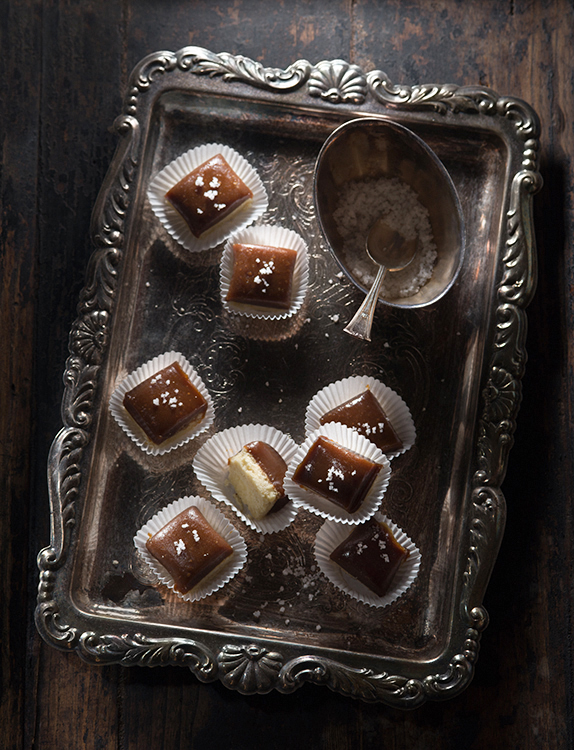
Shadows make a scene look realistic, give your food texture, and create mood, so don’t hesitate to make them part of your food photo. To create nice, dark shadows let your light fall onto your food either from the back or the side at a fairly low angle, from just a little bit above the surface of your set. Use reflectors sparingly, or not at all. Reflectors bounce light back into the areas of your photo that your light source doesn’t reach, in other words, into the shadows. So to keep the shadows dark, don’t reflect the light.

1 Salted Caramel Candy

In the salted caramel candy photo above my light was falling onto the set from the back at a low angle and I didn’t use any reflectors.

#2 Imply action

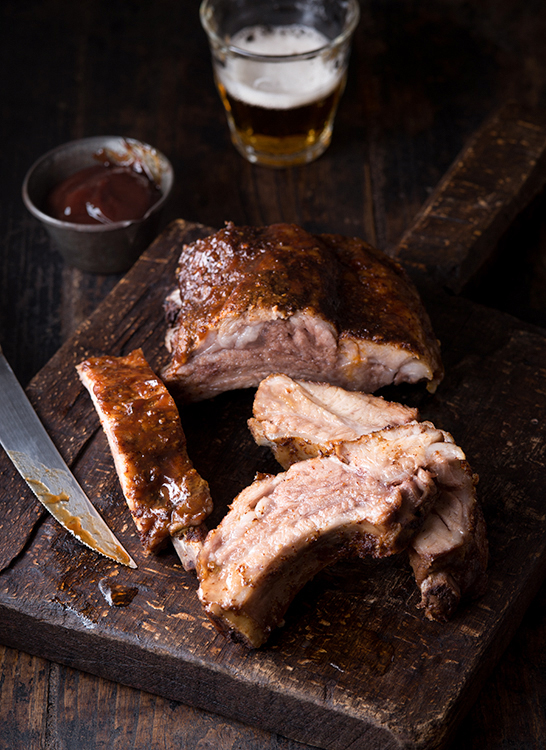
Action makes your viewers feel as if they are part of your scene; that kind of engagement is always a good thing. Action can be literal, such as a hand holding a hamburger or pouring syrup over a stack of pancakes, but there are other (and actually easier) ways for you to suggest that something is happening in your photo. One example is a glass of freshly poured beer. Your viewers likely know that the lifespan of the foam top on a beer is only a minute, so seeing a fresh beer tells them that someone must have just been at the scene to pour it.

2 BBQ Ribs

#3 Point your lens up at food that is tall and stacked

Shooting up from slightly below the food is an unusual angle for food photography; but it can create really compelling images of tall items such as cakes, and things that are stacked, like burgers or, as in the example below, shards of toffee. The food will be towering above the viewer which makes it look big and impressive. Needless to say this angle doesn’t work for flat food, so don’t shoot a pizza with this method.

3 Toffee

#4 Create visual contrast

Contrast comes in many varieties and helps make your food photo look interesting. You can create contrast by incorporating different shapes into your photo, such as round and rectangular (or square). You can also create contrast by including colors in your photo that are on opposite sides of the color wheel (complementary), like red and green, or blue and orange. The lettuce cup photo below illustrates both of these concepts, the square dish contrasts the round lettuce cups and the red sauce provides contrast to the green lettuce.

4 Lettuce Cups

#5 Leave negative space in the image

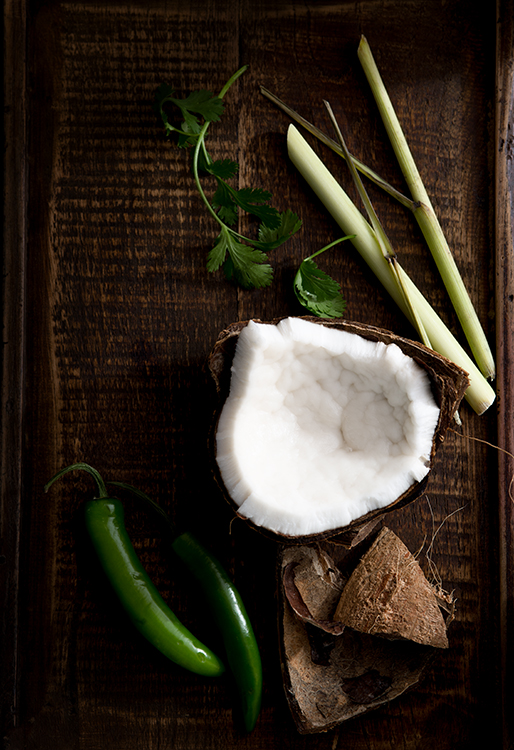
Don’t feel that you have to fill every square inch of the frame with food or props. A little negative (empty) space gives the food room to breathe, and will keep your viewers from getting overwhelmed and feeling claustrophobic. There are no hard and fast rules that dictate where to leave negative space in a food photo but the rule of thirds is always a good place to start. Imagine your photo dissected into thirds, both vertically and horizontally, and place your subject on or near one of the four points where those lines intersect. Leave the rest of your photo empty and take a test shot. Does the scene look good to you or is it too barren? If it looks like it’s missing something, add more elements to the frame, one by one and along the imaginary lines that dissect your frame, until you have a composition that looks pleasing to you. That’s how I went about composing the Thai curry ingredients shot below.

5 Thai Curry Ingredients

I hope these tips give you some new ideas for your food photography. If you have any others please share them in the comments below.

googletag.cmd.push(function() {
tablet_slots.push( googletag.defineSlot( “/1005424/_dPSv4_tab-all-article-bottom_(300×250)”, [300, 250], “pb-ad-78623” ).addService( googletag.pubads() ) ); } );

googletag.cmd.push(function() {
mobile_slots.push( googletag.defineSlot( “/1005424/_dPSv4_mob-all-article-bottom_(300×250)”, [300, 250], “pb-ad-78158” ).addService( googletag.pubads() ) ); } );

The post 5 Tips That Will Make Your Food Photos Stand out from the Crowd by Nicole Branan appeared first on Digital Photography School.


Digital Photography School

 
Comments Off on 5 Tips That Will Make Your Food Photos Stand out from the Crowd

Posted in Photography