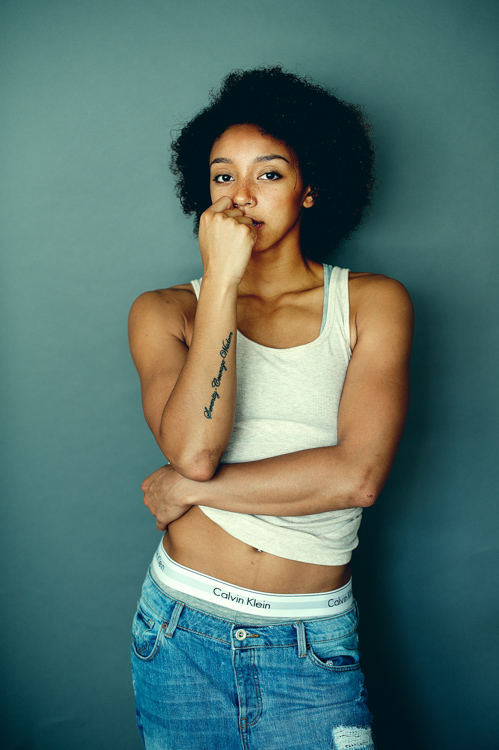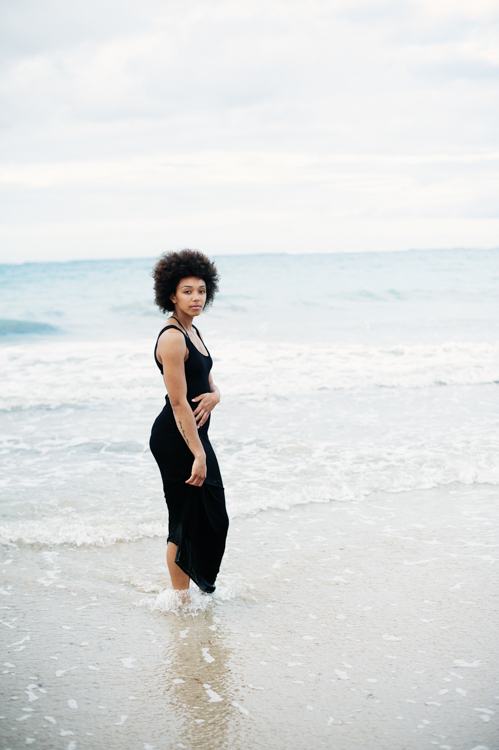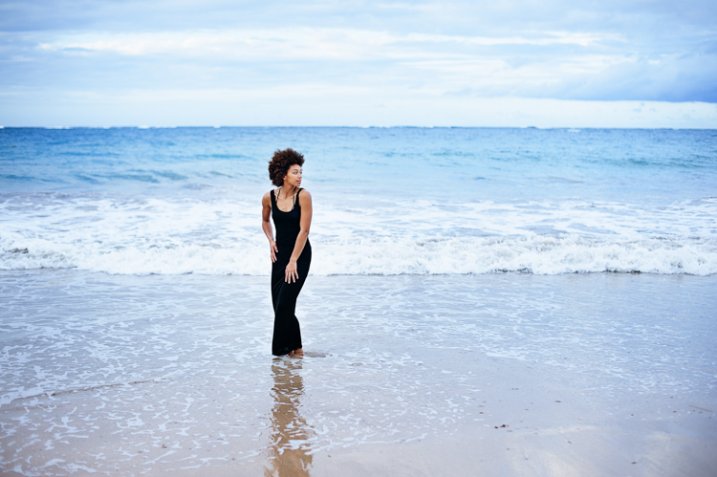
RSS
 

Posts Tagged ‘Tips’

Tip-Top Tips for Shooting Fireworks

30 Jun

With the 4th of July fast approaching, you’re probably already searching for the best ways to shoot them ‘werks.

We’ve got you covered here with a few quick ‘n dirty tips and an excellent article covering more depth.

Quick Tips

  • Prime Location: Scout out the best location for the show in advance – downwind of the fireworks and free of obstructions.
  • Manual Focus: Your auto-focus is gonna have a rough time here, so don’t rely on it. Manually set your focus to infinity (or a bit closer for Canons.)
  • Low ISO: You’ll want the blacks to remain black, so keep things at or under ISO 100.
  • High Aperture: Wide aperture is key with fireworks, since they’re just made of burning embers. Shoot at f/8-f/16.
  • Low Shutter Speed: Use bulb mode if you have it. If you’re bulb-less, go for the longest shutter speed you’ve got.

Check out even more tips in this article at Digital Photography School.

Photo by Micah Goff


© Erin for Photojojo, 2015. |
Permalink |
No comment |
Add to
del.icio.us

Post tags:


Photojojo

 
Comments Off on Tip-Top Tips for Shooting Fireworks

Posted in Equipment


7 Tips for Better Skyline Photography

30 Jun

Reminder: now until July 7th (AUS EST) the Landscapes, Cityscapes & Photography Tricks eBook is on 50% off at Snapndeals.

When we talk about cityscape photography, one of the most basic and trademark shots is the full skyline; the artificial horizon, made of buildings and towers jutting up and down into the sky above. Skylines can be jagged and coarse, or faint and smooth, often depending on the nature of the city itself.

Follow these tips for better skyline photography:

1. Find a Good Vantage Point Outside the City

Skyline image1

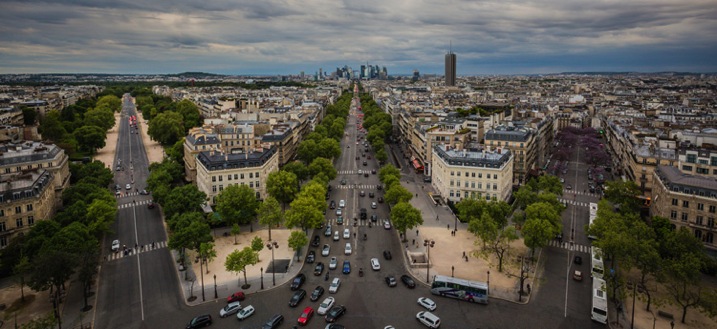
To find the city, escape it. One surefire way to capture a city skyline is to leave the city itself. If it’s sitting on a river, hop across; if it’s in a valley, climb the mountain outside. There are terrific vantage points outside cities, like hills, islands and boats, but all will involve a fair bit of travel time and some physical stamina to keep moving until you find a wide enough angle.

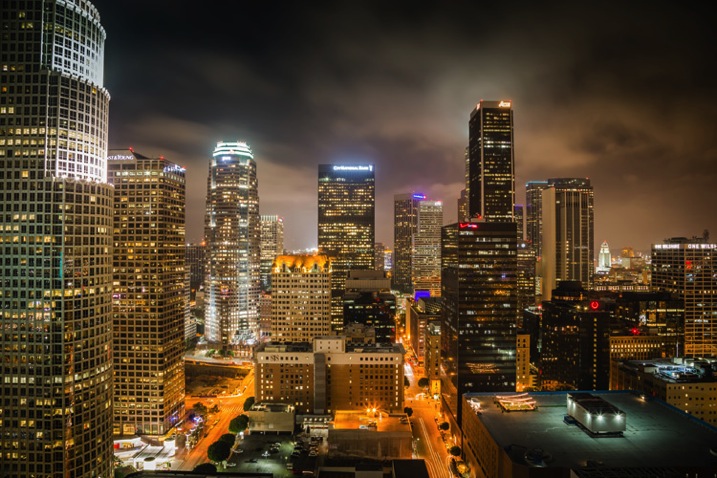
Take, for example, downtown Los Angeles: to capture this magnificent skyline, most photographers would hike up a nearby hill or visit the Griffith Observatory until they find a good angle. If you want to include major sites, you’ll need to go even farther: take a boat down to the islands south of Toronto, and you’ll find a clear shot of the CN Tower amid one of the world’s most recognizable downtown skylines. You’ll have to venture to uncommon places to find these angles.

2. Focus on the Corner of a Building

Finding the right focus can be difficult with the city miles away, especially in low light. In LiveView mode, use the LCD screen to zoom in on the corner of a building, and then manually focus until it is crisp.

Skyline image2

This will help ensure that your skyline comes out crisp, and not fuzzy with the autofocus guessing game.

3. Take Some Shots During the Blue Hour

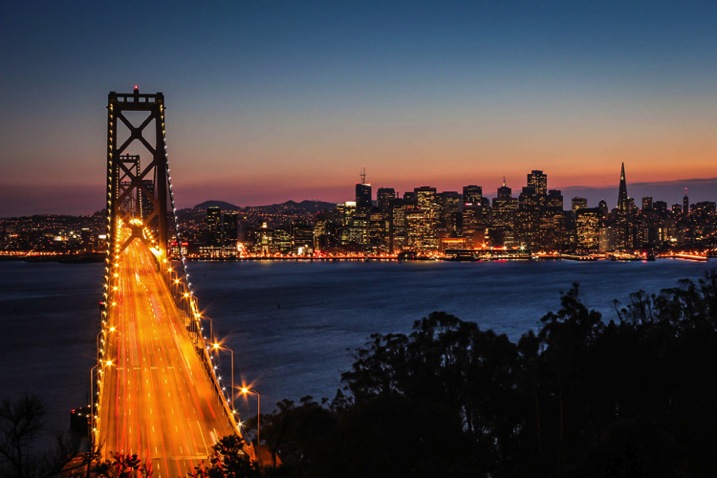
Skylines can light up right after the golden hour, in what’s known as the Blue Hour, that short moment in twilight when the sky is still blue, but the city lights have already turned on. Shooting in pitch-blackness is harder to get good results, and not as visually stimulating, assuming you’re keeping your shot in color. Blue Hour will give your skyline a hearty azure backdrop, and make your image that much more interesting.

Skyline image3

4. Go Wide Angle

For skylines and cityscapes, focal lengths between 12mm-35mm are a good bet. It’s not a necessity, but you will appreciate the wide angle more often than not. This will allow you to capture a nice skyline without having to be miles outside the city.

Skyline image4

5. Use a Deeper Depth of Field

If you want a deeper depth of field, you’ll need a narrower aperture, something like f/11 – f/16, which will create a consistently detailed image.

Skyline image5

Typically, when capturing cities and landscapes, deeper depths of field is more desirable, so every detail of the frame appears in focus. This calls for a narrow aperture, or high f-stop.

6. Consider a Panorama

Sometimes even with a wide angle lens skylines are too long to fit in one photo, that’s when you’ll find a perfect opportunity to try capturing it as a panorama.

Skyline image6

A panorama is where you take multiple photos in a row with overlapping edges, then stitch them together to make a single image. Naturally, this shot is wider than most, long and narrow, it can capture a full skyline, bypassing adding in too much excess sky or ground.

7. Use Your Self-Timer and Bracket at Night

Just after sundown, I usually try and take five bracketed shot sequences in cities; the variety of light, between the bright street lights and the cooling sky, makes for a full palette of color and light that should be captured as accurately as possible. By capturing all these exposure levels you can ensure you are capturing all the light in the scene. You can choose which is best later or combine them with HDR processing techniques.

Skyline image7

Later into the evening, as shutter speeds get longer, I usually condense that to just three bracketed shots because of time. Sometimes even single exposures can do the trick, if I’m spending too long on a shot.

If you set your 2-second self-timer, and use a DSLR with exposure bracketing features – you can click the shutter and the camera will fire off all the shots without you needing to hold it, which risks blur from shaky hands (very useful on a cold rooftop).

Hope these tips have been helpful getting you started, have fun out there!


For Further Training:

SnapnDeals currently has a discount on this new in-depth eBook designed to help you master challenging lighting conditions no matter your experience level, take more compelling photos, post-process them to perfection, and delve even further into long exposure tricks so you know all the possibilities. Get Landscapes, Cityscapes & Photography Tricks at 50% Off now.

googletag.cmd.push(function() {
tablet_slots.push( googletag.defineSlot( “/1005424/_dPSv4_tab-all-article-bottom_(300×250)”, [300, 250], “pb-ad-78623” ).addService( googletag.pubads() ) ); } );

googletag.cmd.push(function() {
mobile_slots.push( googletag.defineSlot( “/1005424/_dPSv4_mob-all-article-bottom_(300×250)”, [300, 250], “pb-ad-78158” ).addService( googletag.pubads() ) ); } );

The post 7 Tips for Better Skyline Photography by Richard Schneider appeared first on Digital Photography School.


Digital Photography School

 
Comments Off on 7 Tips for Better Skyline Photography

Posted in Photography


4 Tips to Learn to Live Through Photography

28 Jun

The magic of an instant

What is photography anyway? It is a fraction of a second of eternity that you try to capture, with better or worse technique, with deeper or shallower depth of field. But, in short, that’s all about photography, and it is this magic what makes photography an art. The essence of why many of us like photography, goes beyond what we can capture with our DSLR and show to others. It is the experience of the moment, and how one learns through the years to be aware of the present. It was just a few months ago when I learned what mindfulness was about, and I immediately noticed the similitude with how I experience photography. It is all about being present in the moment that one is trying to capture.

The journey back home

The journey back home – something so magnificent like ephemeral cloud formations could pass right away if you are immersed in past or future thoughts instead of being present.

1) Be there

To be present involves being aware of oneself in the present moment. The fact that one is observing and capturing a situation is not enough to take a great picture. I am a visual person. There is large chance that since you like photography, you are as well. That means that you learn better by watching a film than by reading a book. You then may prefer a figure or infographic, rather than its explanation. In my case, long before I got my first serious camera, and committed myself to learn the techniques and nuances to show other people the way I see the world, I already enjoyed looking at other people’s pictures. However, it was seldom that I actually observed the world around me.

Photography teaches us that those amazing pictures we love viewing from other photographers, are actually out there if you dare to look. I don’t remember a particular moment when I realized I was alive. There was no such an experience. But I somehow learned through photography that the best camera obscura that I can count with is my eyes. The best film is my memory. And it is awesome because it also comes along with many other senses. Once you realize that, you discover that the difference between a snapshot and a great picture is that: for the latter you acknowledge all the angles of the scene, you walk your picture before you take it, you breathe it, you feel it, and then compose it. You ARE in the picture as the one capturing it. And you want somebody else to BE there with you seeing the same scene.

2) Chase the moments

Daddy when will it stop

Daddy, when will it stop?: This is my daughter’s frustration for not being able to go outside on a long, boring summer Sunday. It wasn’t until I realized her feelings that I knew what to photograph.

You have to be quick if you are for example, a street photographer, but that’s how life is in cities, right? However, there is not much difference than, let’s say, a fashion production in the sense that it is a fraction of a second, just a moment that you are able to transmit into a picture. We have to learn to chase the moments… to do so we have to BE in the scene.

If you run out of battery, or you find yourself without your bulky DSLR with you, then simply capture it in your mind. I literally make the sound “click” in my mind. You don’t need to, that is my own mental issue. But whatever it is that you like to chase and capture, whether it is your cat, a pint of beer, or the garbage on a street – be there. Paraphrasing Henri Cartier-Bresson, most of the situations that you see around you will repeat if you wait long enough. Yes, even those pictures that you missed because you didn’t bring your camera with you. Be present to know what you are after. Learn about your subject, revisit the site and you will get the shot you want.

3) Know what you feel

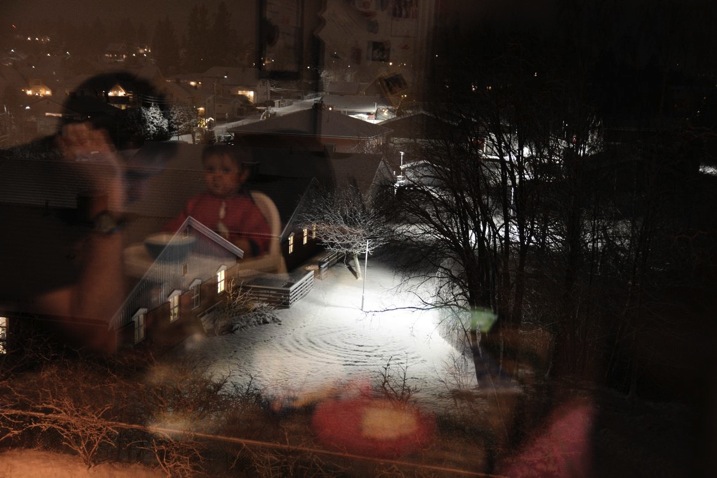
Xmas eve in Oslo

Christmas eve in Oslo – This time, it was my feeling of confinement on a cold Christmas eve that I tried to capture. Me and my friend (in the picture) are used to warm and sunny Christmas festivities. Not this time.

If the scene you are watching makes you angry, then be angry and capture angriness. Be aware of the weight of the camera in your hands. Be aware of your finger pressing the shutter in the moment you do. Reflect about why did you choose to press it just then, and not before. Watch the object’s geometry, its beauty. Do you really want to be there? Does the marriage of that couple you are photographing make you happy? What is it that makes you happy? Their smiles? All the people celebrating together? You don’t need to do anything else with those feelings. Let them be in you, and let them go away. But just when you realize them, capture that moment in a picture. Capture with the camera the pictures you would like to share, but capture for yourself every fraction of a second of your life. BE there where you are.

4) Use your other senses

Smelly shoes

Smelly shoes – When I see this picture I can’t stop feeling the heat coming from these shoes that have walked who knows how long under the sun.

To some extent, you can also transmit with a picture, what your other senses were capturing. This is one of the biggest challenges of photography. Smell, listen, feel, taste. To me, the perfect picture is one that transmits all those other sensations, smells, noises, emotions, and temperature apart from what you are just watching. That takes a level of mastery that not everyone achieves. But if you are still there like me, on your long way to becoming a great photographer (even if we may never become a renown one), learning photography in its broader sense is an excellent way to learn to be present in that short lapse of time that our lives are meant to last.

Rotten fly

Rotten fly – What are your feelings about this dead fly?

googletag.cmd.push(function() {
tablet_slots.push( googletag.defineSlot( “/1005424/_dPSv4_tab-all-article-bottom_(300×250)”, [300, 250], “pb-ad-78623” ).addService( googletag.pubads() ) ); } );

googletag.cmd.push(function() {
mobile_slots.push( googletag.defineSlot( “/1005424/_dPSv4_mob-all-article-bottom_(300×250)”, [300, 250], “pb-ad-78158” ).addService( googletag.pubads() ) ); } );

The post 4 Tips to Learn to Live Through Photography by Alejandro Ruete appeared first on Digital Photography School.


Digital Photography School

 
Comments Off on 4 Tips to Learn to Live Through Photography

Posted in Photography


Photographing in Crowded Locations – 5 Tips to Avoid the Masses

25 Jun

Travel photography is certainly one of the most rewarding experiences you, as an image-maker, can have. You get to combine visiting amazing places, learning about other cultures, and, of course, your passion for taking photos, all at once.

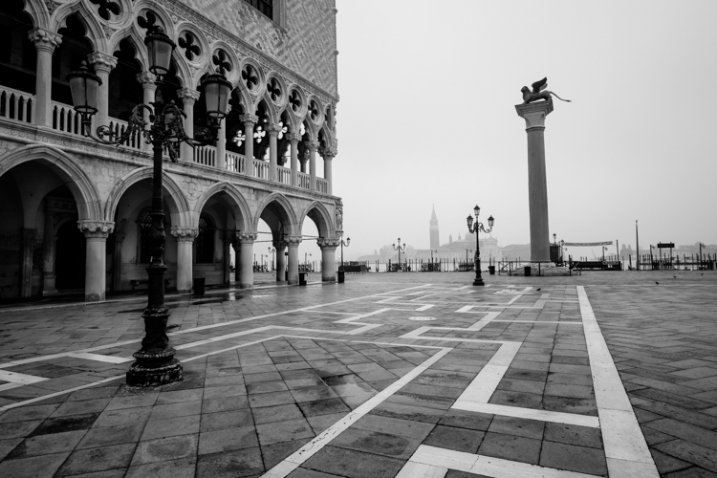
VENICE, ITALY - CIRCA MAY 2015:  Piazza San Marco and Doge's Palace with San Giorgio Maggiore behind.

Piazza San Marco and Doge’s Palace with San Giorgio Maggiore behind – Venice, Italy

However, certain famous locations, or populated cities can be frustrating. You arrive there to find out they are always crowded with visitors and tourists, making it almost impossible to shoot clean photos without intrusions. Granted, locations like these have been photographed millions of times by somebody else before, but I know you can’t consider it your very own until you’ve pressed that shutter button. Here are some suggestions to avoid becoming disgruntled and frustrated in crowded locations, so you can return home from your next trip with memorable images.

1) Shoot up

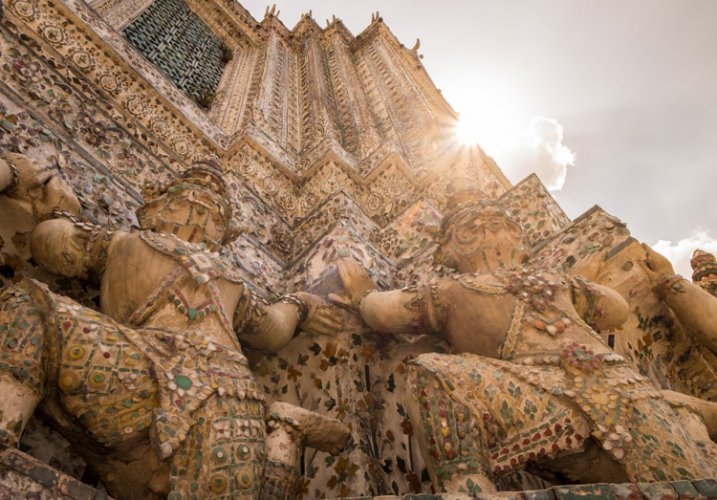
A good way to avoid the masses is to photograph above their heads. Pointing your camera up makes an interesting and different angle. There are plenty of subjects, and architectural elements, that can be easily recognized when shooting this way. Landmarks such as national buildings, memorials, or iconic temples, just to name a few, are ideally suited for this as they can be effortlessly recognized by your viewer without showing them in their entirety.

BANGKOK, THAILAND - CIRCA SEPTEMBER 2014: Detail view of Wat Arun, a popular Buddhist temple in Bangkok Yai district of Bangkok, Thailand, on the Thonburi west bank of the Chao Phraya River

Detail view of Wat Arun, a popular Buddhist temple in Bangkok, Thailand

2) Shoot details and close-ups

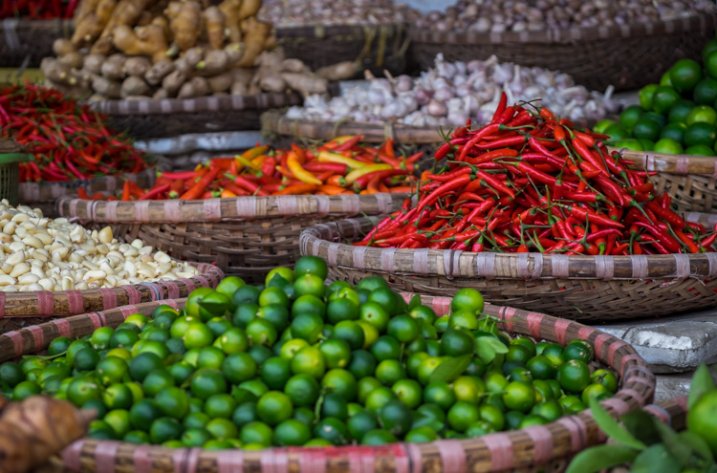
Get closer and make details stand out. One the best themes to try this one on is food. Epicurean photos are often used in travel publications to illustrate local customs and traditions. This is easy, as you can just aim your camera straight and click. You can photograph your own food during meals, or walk into a market and search for interesting colors and textures. You can also try close-ups on reflective surfaces, like windows, or water reflections in the streets. The idea is to concentrate on small details that can also help to tell your story.

Vegetables in Hanoi

Vegetables in Hanoi

3) Go early

Beat the crowds by getting there right at dawn. This is not for everybody – but no pain, no gain. The quality of the morning light, and beautiful sunrises, are the main reasons why most landscape and nature photographers love to work at this time of the day. But you’ll also find that in popular destinations, most of the tourists are sleeping, so this is your opportunity to find empty streets. Go out and take photos early, while nobody is there, then get back to your hotel and catch up with breakfast.

4) Go late

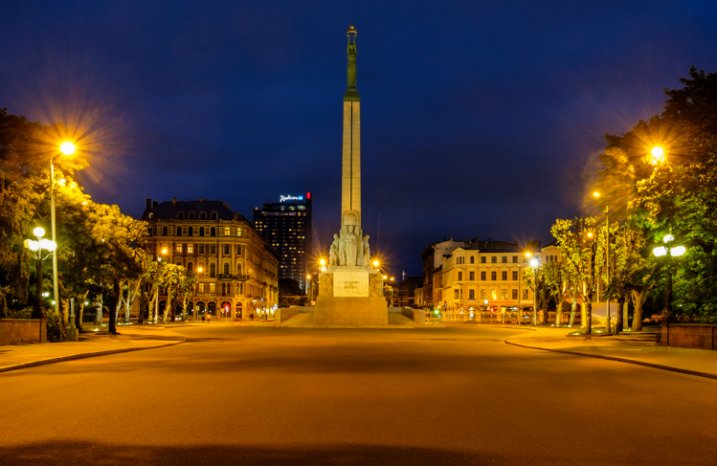
If you are not a morning person, you still have chances to take great photos. Surely this works the opposite of going early, but in most cases, you’ll find empty quarters as well late in the day. You can take advantage of strolling around well past dinnertime and shoot the sought-after spaces with nobody in sight. Better yet, do like the pros and photograph both instances for better results, and more options for better pictures.

Riga Freedom Monument

Riga Freedom Monument, Latvia

5) Photograph the people

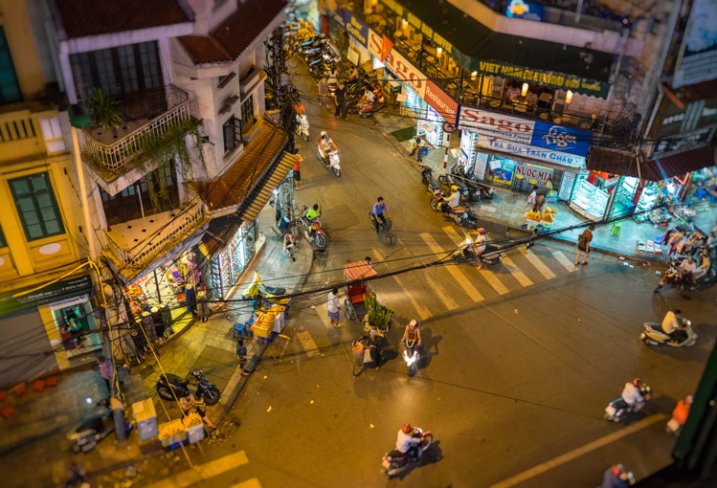
If nothing else works out, you can just photograph the people. After all, what better way to show sense of place than documenting the locals, or even the flocks of tourist enjoying their thing? You see, it’s okay to try to avoid conglomeration, but in some instances it just can’t happen, or simply won’t reflect the true spirit of the destination.

Corner Street in Hanoi

Corner Street in Hanoi

Needless to say, there are several other ways to address the matter. You are more than welcome to share in the comments below your photos and experiences in similar situations, and what you find works best for you.

googletag.cmd.push(function() {
tablet_slots.push( googletag.defineSlot( “/1005424/_dPSv4_tab-all-article-bottom_(300×250)”, [300, 250], “pb-ad-78623” ).addService( googletag.pubads() ) ); } );

googletag.cmd.push(function() {
mobile_slots.push( googletag.defineSlot( “/1005424/_dPSv4_mob-all-article-bottom_(300×250)”, [300, 250], “pb-ad-78158” ).addService( googletag.pubads() ) ); } );

The post Photographing in Crowded Locations – 5 Tips to Avoid the Masses by Daniel Korzeniewski appeared first on Digital Photography School.


Digital Photography School

 
Comments Off on Photographing in Crowded Locations – 5 Tips to Avoid the Masses

Posted in Photography


Tips for Getting Proper Exposure for Night Photography

24 Jun
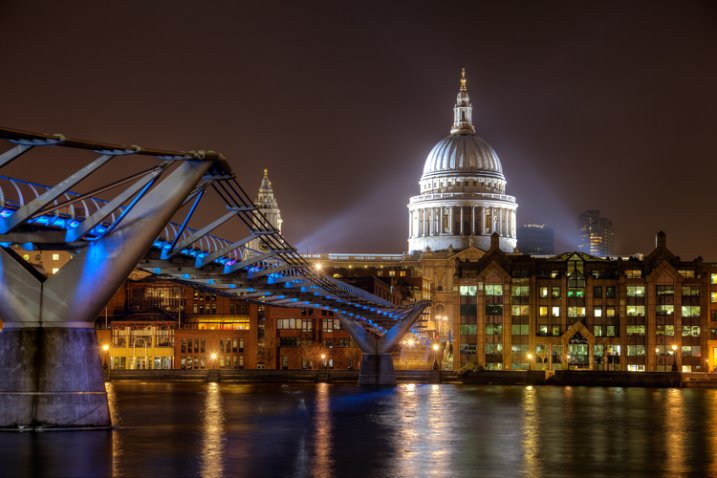
Proper Exposure at Night - Millenium Bridge example

Exposure settings for this shot: Shutter speed of 4 seconds; aperture at f/5.6; ISO 400.

Night photography can be much more rewarding than photography during the day. Because everything looks different at night, you don’t need to go somewhere exotic to get great pictures. Bridges, attractions, and buildings are usually brightly lit at night, and places that might seem rather pedestrian during the day – can make stellar photography subjects at night. Further, you can take your time when photographing at night, more so than during the day. There are generally less people out, and you don’t have to worry about the light changing.

The main challenge when photographing at night is getting a proper exposure. During the day, you can just walk around and hand hold your camera without worrying about camera shake. In addition, because of the amount of available light during the day, you don’t need to worry about shooting at a high ISO and the resulting digital noise. At night, however, hand holding is generally not an option and digital noise can be a major problem.

The principles of exposure work the same way at night as during the day – you will just need a lot more time to allow light into your camera. It goes without saying that you will need a tripod to stabilize your camera, and a remote shutter release to keep from moving anything during the exposure. But with these changes made, you can get out and explore the night with your camera. When you do, here are some tips to keep in mind to help you maximize the experience.
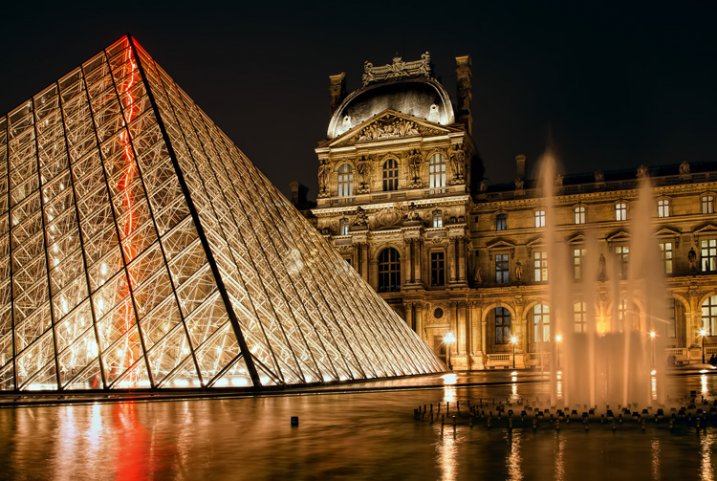
Proper Exposure at Night - ouvre example

Exposure settings for this shot: Shutter speed of 4 seconds; aperture at f/11; ISO 400.

# 1.  Work in Manual Mode

The first tip is to make sure you are shooting in Manual mode. In Manual mode, you will set the shutter speed, aperture, and ISO. This puts you in complete control over you camera.

When shooting at night, your camera will be on a tripod and you will be working slowly. There is no need to use any automatic mode because of the speed provided. Further, there might be a little trial and error with the exposure settings (the camera can be easily fooled by the great differences in bright and dark areas of the picture) and you want to make sure you have plenty of control over this process. Manual mode gives you that control.

#2.  Make sure you are comfortable with Bulb Mode

Manual mode only works for exposures up to 30 seconds. If you need a shutter speed that is longer than 30 seconds, the only option for getting a proper exposure is Bulb mode. Therefore, while you should generally shoot in Manual mode, you should also be comfortable with Bulb.

In Bulb mode, the shutter stays open as long as you hold the shutter button down. When you press the button, the shutter opens. When you release the button, the shutter closes. To avoid introducing any shake or movement into the exposure, using a remote shutter release is imperative when using this mode.

With Bulb mode you can make your exposure several minutes long. If your remote shutter release does not have a timer built-in to it, make sure you keep another timer handy (your phone may have one). If your remote does not have a timer, make sure it has a locking feature so you do not have to hold it the entire time.
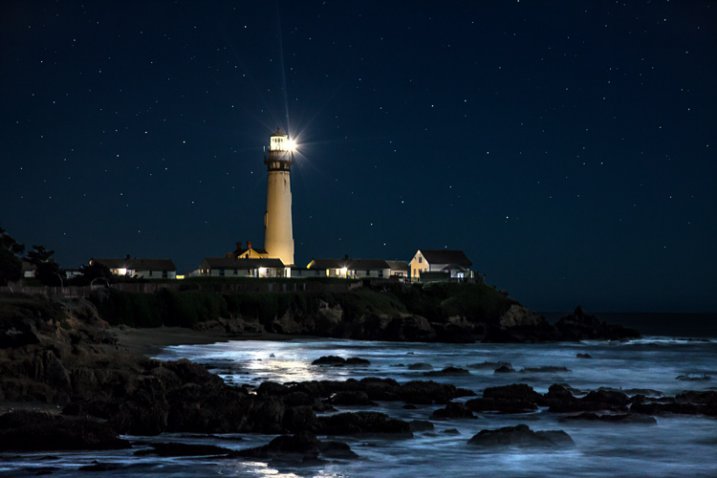
Proper Exposure at Night - Pigeon Point example

Exposure settings for this shot: Shutter speed of 6 seconds; aperture at f/5.6; ISO 1600.

#3.  Shoot in Raw

When shooting at night, it is particularly important to make sure you are shooting in Raw format. The Raw files coming out of most cameras are 14 bit files, whereas JPEGS are only 8 bit files. The more bits, the higher the range of available colors and the smoother the transitions between them.

The reason shooting in Raw is even more important at night, is that most of the colors that a camera can capture are at the top (bright) end of the scale. The range of available colors at the low (dark) end of the scale is extremely limited. At night, your pictures will almost always include a large dark portion. A JPEG file, with its reduced color options, you will likely introduce banding in your pictures.

#4.  Bring a flashlight

Knowing your camera controls really well pays dividends at night. You can make changes to the settings without being able to see everything. Nevertheless, a small flashlight is tremendously useful. Keep one handy to make sure you can see everything on your camera and tripod. It occasionally comes in handy for lighting areas of your picture as well.
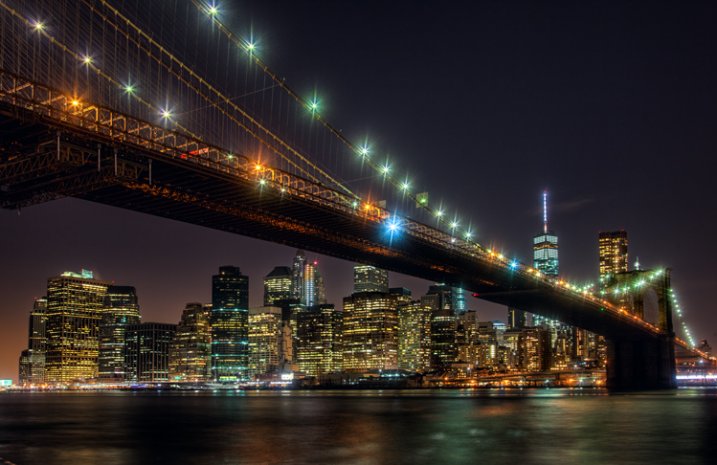
Proper Exposure at Night - Brooklyn Bridge

Exposure settings for this shot: Shutter speed of 10 seconds; aperture at f/9.0; ISO 200.

#5.  Choose proper settings

Proper settings will always depend on the situation. Nevertheless, there are some ways you should bias your settings when shooting at night. Here are a few:

  • Aperture: Open up your aperture more at night than you would during the day (i.e., use a lower f/number). Most night photographs tend to be of shots on a narrower plane than shots during the day. Further, the background and sky will be black anyway and you will not need as large a depth of field. The larger aperture also has the benefit of letting more light into the camera.
  • ISO: Keep your ISO setting as low as you can. Night photography always means there will be dark areas in your pictures, and these dark areas inevitably lead to digital noise. Raising the ISO will compound the problem.
  • Shutter speed: Whereas shutter speed might be the first exposure setting you worry about during the day, it should generally be the last one you think about at night. Since you will be shooting from a tripod, you can let the shutter stay open as long as you need. If you have traffic (streaking lights), a fountain, or running water in your picture, the longer shutter speed will actually benefit your pictures anyway. The only exception is high winds, or other instability impacting your rig.

One other setting to check is the Long Exposure Noise Reduction, which will be in your camera’s menu. If you enable this option, the camera will make two exposures, one normal and one with the shutter closed, which the camera will use as a comparison to filter out noise from the normal picture. Photos taken with this option enabled will take twice as long to expose, but will be less noisy.

#6.  Meter for the highlights

Determining the proper exposure level can be tricky at night. Each metering mode presents its own challenges. If you use evaluative metering, the camera is likely to be confused. If you use spot or partial metering, the meter will jump around depending upon whether you are aimed at a bright light or the dark background.

One answer to this problem is to use spot metering and to expose for the highlights. Set your meter between +1 and +2 as you meter on the highlights. The +1 -2 setting will keep your highlights looking bright, but at the same time, will keep the highlights within the dynamic range of the camera. Do not worry as much about the dark portions of the picture. If the dark areas happen to turn black, well, it is nighttime after all, and there is supposed to be some black. Take a test shot and adjust as necessary.
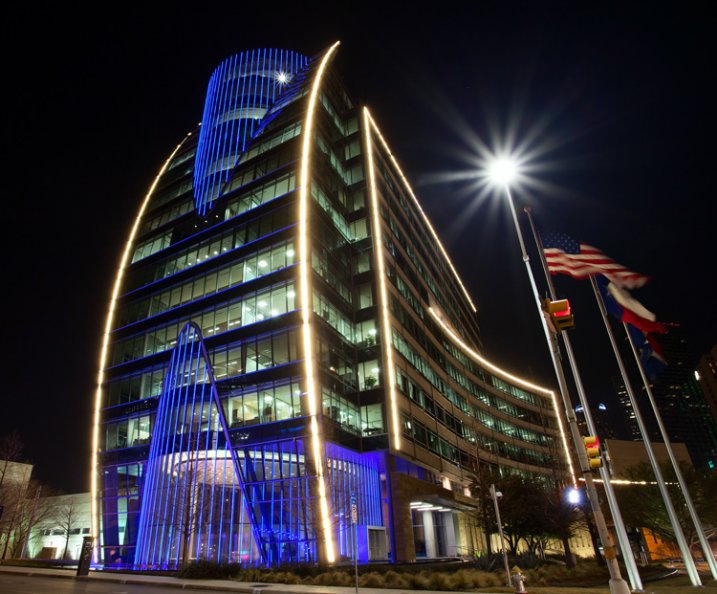
Proper Exposure at Night - Dallas example

Exposure settings for this shot: Shutter speed of 5 seconds; aperture at f/16; ISO 400.

#7.  Take a test shot at a high ISO

Speaking of test shots, you should make liberal use of them when shooting at night. However, you don’t want to sit around for 30 seconds, a minute, or even longer, waiting to see if the test shot is going to work out. The best way to get a test, without wasting a lot of time doing so, is to take tone at a much higher ISO than you would ordinarily use.

For example, let’s say you think the proper exposure settings for a given shot are: 30 seconds at f/5.6 with an ISO of 400. Rather than taking that shot and waiting around 30 seconds for the exposure, crank up the ISO and speed up the shutter speed by the same number of stops. The exposure level will be the same, but it will take a lot less time to expose the test picture. In this case, I would raise the ISO by four stops to ISO 6400 (raising it one stop to moves it to ISO 800, one stops increases it to ISO 1600, three stops to ISO 3200, and four stops gets you to ISO 6400). That allows you to reduce your shutter speed by four stops to only 2 seconds (reducing the shutter speed by one stop shortens it to 15 seconds, two stops shortens it to 8 seconds, three stops to 4 seconds, and four stops gets the shutter speed down to 2 seconds).

When you are satisfied with your exposure, just decrease the ISO and increase (lengthen) the shutter speed by an equal amount to get back to the final settings.

#8. Bracket your photos

Night photography is one area where you will want to bracket your photos. Blending and HDR can work wonders at night, but even if you are against such processing, bracket your photos anyway. Think of it as exposure insurance.
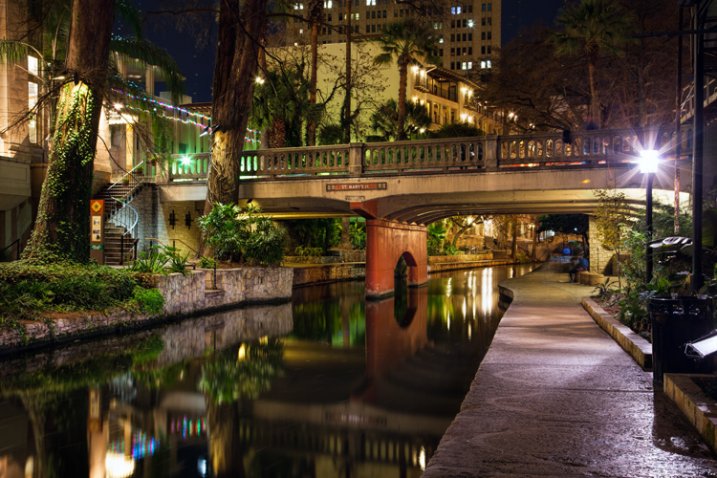
Proper Exposure at Night - San Antonio Riverwalk example

Exposure settings for this shot: Shutter speed of 30 seconds; aperture at f/11; ISO 200.

#9.  Verify the exposure with the Histogram

After you have taken your exposures, check them on the LCD on the back of your camera. The picture on the LCD will show you if the exposure is close to correct, but it is better to also check the histogram to make sure the exposure is within the dynamic range of your camera. Remember to keep the highlights on the right side of the histogram, but avoid a spike on the far right. If the dark areas spike on the left side the histogram, that is okay since parts of your picture are supposed to be black. In general, however, keep as much of the image as possible within the range of the histogram, but err on the side of keeping the highlights from blowing out.

Exposing at Night

If you are not totally comfortable with exposure, then doing some night photography will get you there in a hurry. You will have your camera on a tripod in unchanging light, so you can take as much time as you need to think through the exposure, and get it right. You’ll be forced to take into account the highlights and shadows when you meter, then study them on your histogram. Taking test shots, and making adjustments, will help you see the interrelationships between the exposure controls.

When you follow these steps, you are likely to get some great shots. Every city lights up its major attractions, bridges, and museums – often in colorful ways. A scene that might be boring during the day could be a great photo at night. Often, because of the effects of the lights, you’ll actually be surprised at what you end up with. Taking your time and applying these tips to nail the exposure will help you maximize the experience.

googletag.cmd.push(function() {
tablet_slots.push( googletag.defineSlot( “/1005424/_dPSv4_tab-all-article-bottom_(300×250)”, [300, 250], “pb-ad-78623” ).addService( googletag.pubads() ) ); } );

googletag.cmd.push(function() {
mobile_slots.push( googletag.defineSlot( “/1005424/_dPSv4_mob-all-article-bottom_(300×250)”, [300, 250], “pb-ad-78158” ).addService( googletag.pubads() ) ); } );

The post Tips for Getting Proper Exposure for Night Photography by Jim Hamel appeared first on Digital Photography School.


Digital Photography School

 
Comments Off on Tips for Getting Proper Exposure for Night Photography

Posted in Photography


5 Tips to Take Less Photos of Everything and Take More Photos That Mean Something

22 Jun

How many photos do you have from a recent holiday, that you just haven’t had time to organize? Or, have you come back from a dream vacation and your photos just don’t seem to match up with your memories? You are not alone, as this is an all too common issue, and both of these questions have their roots in a simple and easy to fix problem.

Take fewer photos, not more!

001A resized2

I mean this literally, but also figuratively. Yes, overall take fewer photos. But, in reality this is a lesson in becoming more conscious of your photography. What is the point of the photo? Why are you clicking the shutter at that moment?

You may have heard many times, that in the era of digital cameras, you can shoot your heart’s desire (a.k.a. until your SD or CF card is full), unlike with film which needed to be developed and only had a limited number of photos on each roll. While that is true, it is not true that more photos equals better photos. Well, you may have also heard that professional photographers shoot hundreds, or thousands, of photos just to get one or several good ones. That is also true, but they are first and foremost shooting with a purpose. Literally shooting less will allow you to discover your point of view, and thus figuratively you will shoot less of everything, and more of something.

Here are five tips on how to take less quantity of photos but more compelling ones

Tell more stories

The story could be your personal story or could be of something else, but most important is that you communicate with your photos. If you are always shooting, you cannot create; you simply react. Creating a balance between creating and reacting will give you storytelling abilities. Be proactive by finding a place with good leading lines and waiting, not by rushing and hoping that one of your clicks is a keeper. Think about a beginning, middle, and an end. This can be easily depicted with shots at different focal lengths like a wide-angle (image above), a close-up (below), and finally a full-frame scene. The process of storytelling is something we have all grown up with – get back to it. Remember, the more simple the story, the more universal it can be.

001B resized2

Close-up gives direction.

001C resized2

Full-frame concludes the events.

Give yourself some time to write (in a travelogue or in a diary)

This gives you an opportunity to reflect, which gives meaning and helps you find purpose. Looking at your own writing helps you realize your patterns day by day, or travel experience by travel experience. Identifying structure will help you select moments and behaviours that lend themselves to your style of photography. You may see yourself getting up late despite your desire to have better golden hour photos, or that you feel more creative in the afternoon so you can set aside time to create your photographic stories when others are resting. You will also love reading what you write in 10 years!

Curb your fleeting feeling

Time is limited and you might just miss the moment. For a photographer, this manifests itself in too many photos, and too little purpose. The reality is you are always going to miss something, you can’t be in two places at the same time, and you definitely can’t turn back the clock. But that doesn’t mean that you must give in to the fleeting feeling. Let the event occur, or the scene develop, and visualize what you want from it. Be selective about your vision and then get it, not all of it. Three meaningful photos outweigh thirty so-so snapshots. You have worked hard for your days off and money saved for leisure; enjoy it and enjoy being productive with your photography.

Create a concept and stick to it. Resist pulling out your camera immediately.

This can be an exercise in patience and restraint. Buildings are not going anywhere, rivers will stay their course, and the coffee shop will always have another interesting customer. Find your concept in a developing scene, whether it is the arches of a building, reflections of the water, or a pair of hearty hands sipping a hot beverage. Know that your vision is attainable. Your concept can be simple or complicated, modern or traditional, but only needs to be defined and pursued by you. Just do it with conviction and don’t measure your concept against others. Go for it!

002A resized2

Creating a concept.

002B resized2

Slight variation of shooting through a window and making it B&W.

002C resized2

Going back to the concept and color to provide continuity.

Philosophically you will never find what you are looking for…

There is an old Chinese proverb that says, “If it will happen, it will no matter your actions; if it will not happen, it will not no matter what you do.”. There are many circumstances which seem to be too peculiar to be a coincidence, and as a photographer these are the moments of pure brilliance. Be present for them; don’t chase after them. There is a whole world of events that are unfolding in front of us at each moment. Your awareness of them is subject to your willingness to be aware of them, not the existence of them.

Photography and traveling have always gone hand in hand. Both have ways of opening up new horizons and being in touch with new possibilities. Both are essential. Spend some time with an ethos of travel, a perspective of photography, and a philosophy of life – and watch your photos tell a story that speaks to the hearts and minds of more than just a few close friends. Instead of having photos sitting unedited, unorganized, and undiscovered; take less photos of everything and take more photos of something. Create a convergence between your photos and your ideas. Less really is more, especially when a photo is worth a thousand words.

googletag.cmd.push(function() {
tablet_slots.push( googletag.defineSlot( “/1005424/_dPSv4_tab-all-article-bottom_(300×250)”, [300, 250], “pb-ad-78623” ).addService( googletag.pubads() ) ); } );

googletag.cmd.push(function() {
mobile_slots.push( googletag.defineSlot( “/1005424/_dPSv4_mob-all-article-bottom_(300×250)”, [300, 250], “pb-ad-78158” ).addService( googletag.pubads() ) ); } );

The post 5 Tips to Take Less Photos of Everything and Take More Photos That Mean Something by Branson Quenzer appeared first on Digital Photography School.


Digital Photography School
 
Comments Off on 5 Tips to Take Less Photos of Everything and Take More Photos That Mean Something

Posted in Photography


6 Tips Using Visual Weight to Improve Your Composition

19 Jun

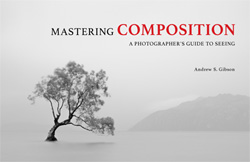
Andrew’s newest ebook Mastering Composition is now on special for a limited time only at Snapndeals.

Visual weight (also called visual mass) is the principle that some elements of the photo pull the eye more than others.

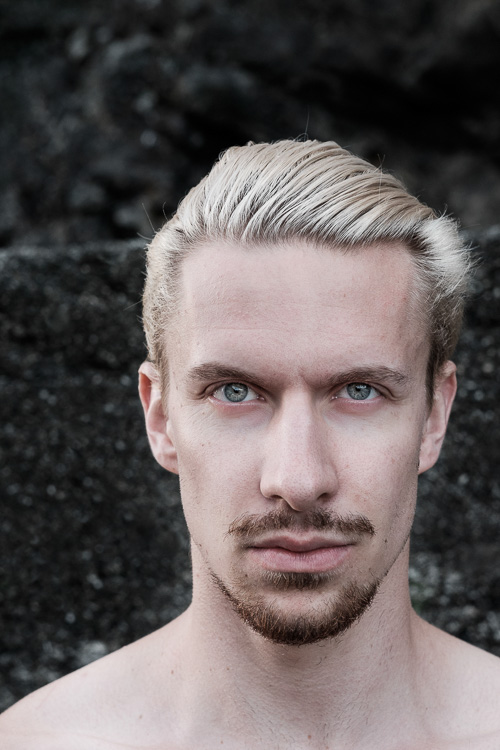
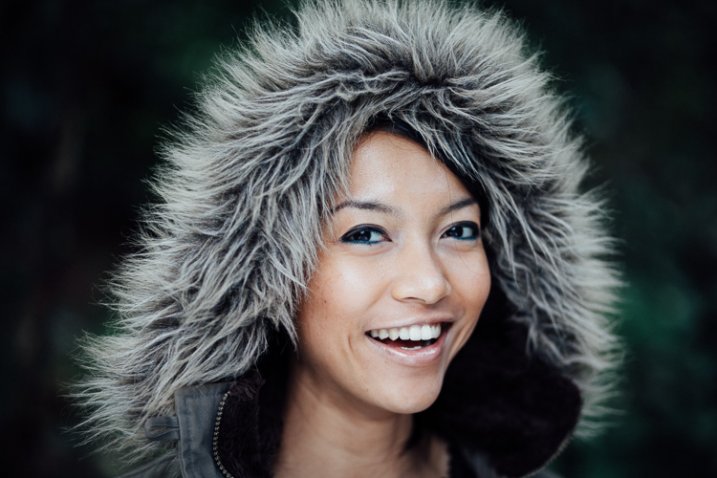
Take a look at the portrait below. Where does your eye go? It should go straight to the eyes, because they have the most visual weight. They are the element exerting the greatest pull.

Visual weight and composition

Notice that the model’s eyes are not positioned on the traditional intersection points created by the rule of thirds. That doesn’t stop them from pulling the eye, although it could be argued that their visual weight would be strengthened by placing them on a third.

Let’s look at the principles of visual weight (or visual mass) that you can use to improve the composition of your photos.

1. Light tones

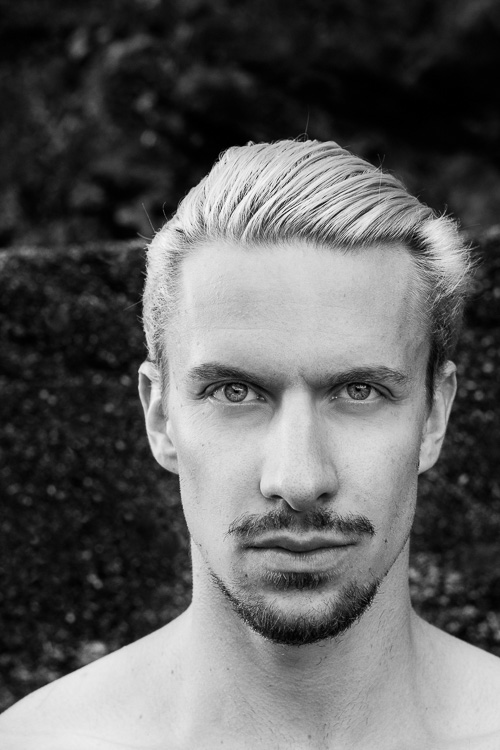
Light tones and highlights pull the eye more than dark ones (the basis of tonal contrast). There is a strong contrast in the portrait above between the model’s skin and hair, and the dark background. It is easier to see in a black and white version of the same photo.

Visual weight and composition

2. People

Curiosity about other people is part of the human condition. Our eye goes straight to any human figure that is present in a photo. Recognixable faces exert a stronger pull, while the eyes (the window to the soul) have the strongest visual weight of all.

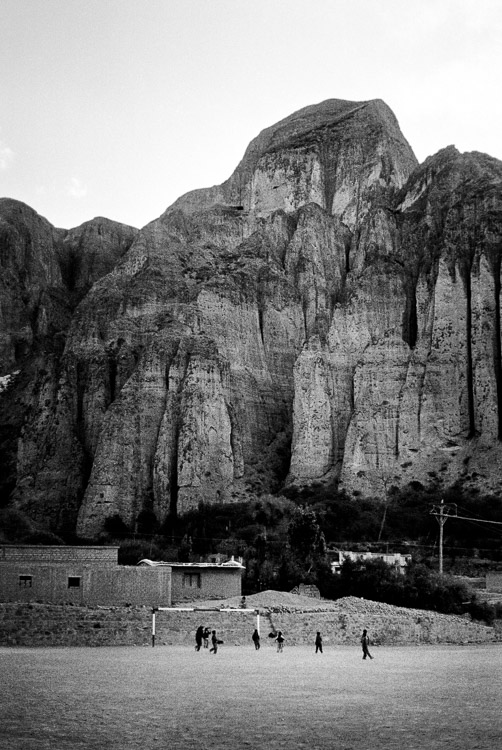
This explains why you can use people, small in the frame, to give scale and context. It works because our eyes go straight to those figures, as long as they stand out from the background (gestalt theory in action).

The people in the photo below are small, yet the eye goes straight to them. The inclusion of the human figures helps give the scene scale, and emphasizes the size of the mountain behind them.

Visual weight and composition

3. Visual weight and size

The larger the element of a photo, the more it pulls the viewer’s eye. This principle works in harmony with the others discussed in this section. A small human figure, for example, can have much more pull than a large, inanimate object. A small splash of red can also pull the eye very strongly. But for objects of similar texture and colour, the larger one has the stronger pull.

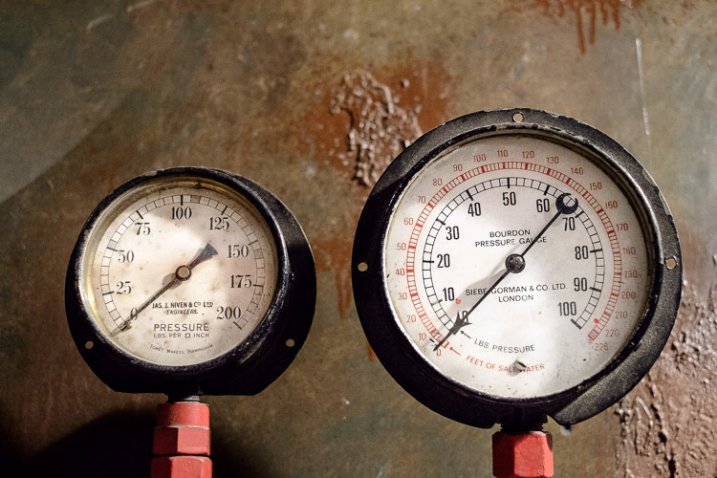
For example, the dials in this photo are virtually identical in terms of shape and design. The one on the right has the most visual weight because it is the largest of the two.

Visual weight and composition

4. Sharp or recognizable elements

Objects that are sharp or easy to recognize pull the eye more than ones that aren’t. According to gestalt theory, the mind looks for patterns and shapes that helps it make sense of chaotic scenes. Once something is identified, it gains significance in the frame compared to those that aren’t.

The most obvious example of this is a portrait taken against a strongly blurred background. The visual weight of the background is reduced because it is no longer sharp, and no longer recognizable. The use of negative space also comes into play.

Visual weight and composition

5. High contrast

High contrast subjects have more visual weight than low contrast ones. This is a good principle to apply in post-processing as well as the photo taking stage. Instead of increasing contrast universally across the image, try increasing it more in the areas where you want the viewer’s eye to travel. Lightroom’s Clarity slider is an excellent tool for this.

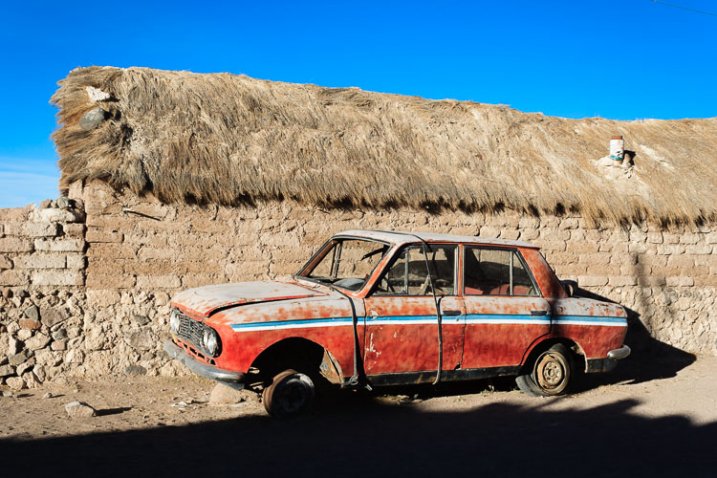
In this example I used the Clarity slider to emphasise the texture of the old car and help draw the eye to it.

Visual weight and composition

6. Visual weight and colour

Bright, saturated colours draw the eye. But not all colours are equal. Warm hues have more visual weight than cool ones. Red is the strongest colour of all.

Simplifying the composition makes the relationship between the colours in the photo easier to see. A technique you can use, if your subject is brightly coloured, is to position it against a background comprised subdued, less powerful hues like grey, green and brown.

Simplifying works for all aspects of visual weight. Eliminate everything that isn’t necessary. Keep the background as simple as you can. Once you’ve done this, look at the remaining elements and think about how the eye will move around between them, according to the principles of visual weight. The relationships between them become clearer as the composition is simplified.

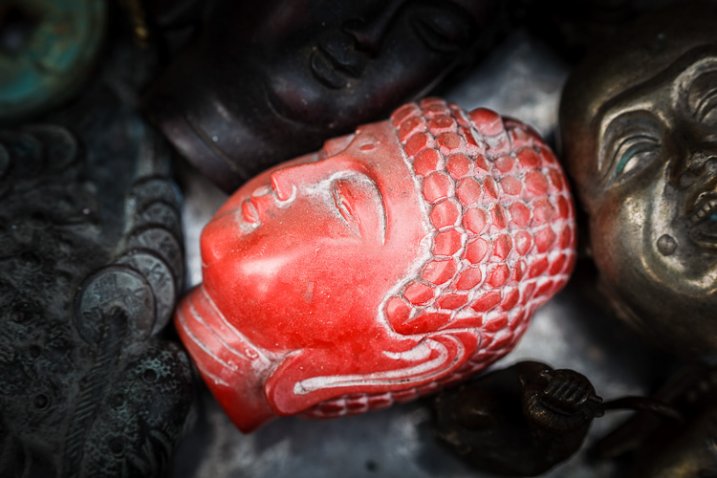
The red figurine in the centre of the photo below has the most visual weight. I emphasised this in post-processing by using the Clarity slider to increase its contrast and adding a vignette to darken the background.

Visual weight and composition


Mastering CompositionMastering Composition

My new ebook Mastering Composition will help you learn to see and compose photos better. It takes you on a journey beyond the rule of thirds, exploring the principles of composition you need to understand in order to make beautiful images. It’s on special for a limited time only at Snapndeals.

googletag.cmd.push(function() {
tablet_slots.push( googletag.defineSlot( “/1005424/_dPSv4_tab-all-article-bottom_(300×250)”, [300, 250], “pb-ad-78623” ).addService( googletag.pubads() ) ); } );

googletag.cmd.push(function() {
mobile_slots.push( googletag.defineSlot( “/1005424/_dPSv4_mob-all-article-bottom_(300×250)”, [300, 250], “pb-ad-78158” ).addService( googletag.pubads() ) ); } );

The post 6 Tips Using Visual Weight to Improve Your Composition by Andrew S. Gibson appeared first on Digital Photography School.


Digital Photography School
 
Comments Off on 6 Tips Using Visual Weight to Improve Your Composition

Posted in Photography


Tips for Posing Muscular Female Body Types

18 Jun

You’ve found a model. You’re excited. She’s in AMAZING shape. I mean amazing as in 8% body fat and abs that you can wash your clothes on. This might not be quite what you were expecting so here are some tips for posing your muscular, super fit model in more feminine poses.

Muscular Posing 1

This athletic model has a muscular physique. The tips in this article will help you pose her in a softer way.

Don’t flex

Tell your model to avoid flexing. It might sound counterintuitive but these are not sports or fitness competition photos. You do not want the flex, you want the form. Make sure you encourage your model to relax. Relax her shoulders and her arms. Her shoulders are broad so you want to help her relax them as much as possible.

Accentuate the curves

Unless you’re shooting an athletic or an androgynous story, you will most likely want your model to have some curves. Your muscular model will most likely not have curvy hips. You can create the illusion by posing. The key here is to watch as your model moves, see what her body does.

Muscular Posing 2

Have her hug her body and play around with her arms. You can also have her bend her knee just a little to add a bit of a curve.

Have her push her hips to one side, as she drops her shoulders and arms to hug her body. Another trick is to have her hug her body. This can create curves where there are none. As she’s hugging, have your model bend forward a little. Shoot from various angles to find the most flattering look. Thirdly, have her bend a knee – just a little. This knee will add yet another angle for you to work with. The knee should be moved as you’re shooting. Try having her cross her knee in front of the other leg. Use all of these tricks together to achieve the look you want.

Muscular Posing 3

Have your model embrace her hips. Encourage her to push one side out and have her hands and different lengths along her body as she leans forward just a bit.

Frame it

You can do a lot with a photo with your framing. Your muscular model will most likely have broad shoulders and you can bring those in a bit with your framing. Have your model pose with her shoulder facing you. Have her turn her head towards you, and you’ve now softened her shoulders. Encourage her to drop her shoulders as much as she can. She might not be able to go far so pay close attention, you don’t want to hurt her.

You can have her tilt a bit if you need to. You can also have her face straight on towards you. Have her put her hands on her sides slightly above her hips, one hand should be just a bit higher than the other. Have her roll her hips towards the camera just a bit. One hip should be slightly to the side. This pose gives her a bit of movement in her shape and helps to soften her form. From this point, you can vary your shooting angle and framing to get the look your going for.

Muscular Posing 4

Have your model turn her shoulder directly towards the camera. Shoot at different angles to get the look you’re going for.

These tips are the starting point for posing your muscular model. If you’re shooting athletic or competition photos then you’ll want to tweak these poses to accentuate the muscles. Remember that what you see is what you photograph. If something doesn’t look quite right, change it to look better. Use these tips to create the look you and your model want.

googletag.cmd.push(function() {
tablet_slots.push( googletag.defineSlot( “/1005424/_dPSv4_tab-all-article-bottom_(300×250)”, [300, 250], “pb-ad-78623” ).addService( googletag.pubads() ) ); } );

googletag.cmd.push(function() {
mobile_slots.push( googletag.defineSlot( “/1005424/_dPSv4_mob-all-article-bottom_(300×250)”, [300, 250], “pb-ad-78158” ).addService( googletag.pubads() ) ); } );

The post Tips for Posing Muscular Female Body Types by Monica Day appeared first on Digital Photography School.


Digital Photography School
 
Comments Off on Tips for Posing Muscular Female Body Types

Posted in Photography


Tips for Enhancing Night Sky Photography in Photoshop

17 Jun

You will learn some important steps of enhancing a night sky photo in this tutorial. It is specifically useful if your photos were shot in areas with notable light pollution. Light pollution could spoil your photo by outshining the comparatively dim stars in the sky. Here are the tips for bringing back those spectacular stars in the sky.

First a slight digression, I recommend to shooting your night sky photos in RAW format if you aren’t already. This is because RAW has an incomparable dynamic range which enables you to bring back the details of the photo, including the night sky in post-processing.

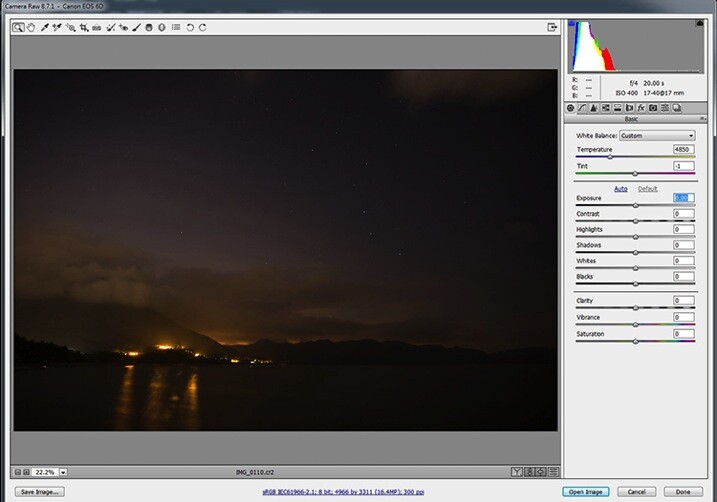
Pic1

The photo in the above screen capture is underexposed. We will need to play around with the exposure adjustments in a RAW Editor first. Generally, if the exposure of a dark image is boosted too much, there will be tons of noise. It is because the sensor failed to capture sufficient photons when the photo was underexposed. Therefore, the differences in the number of photons among pixels are significant. Such differences are the culprit of noisy images.

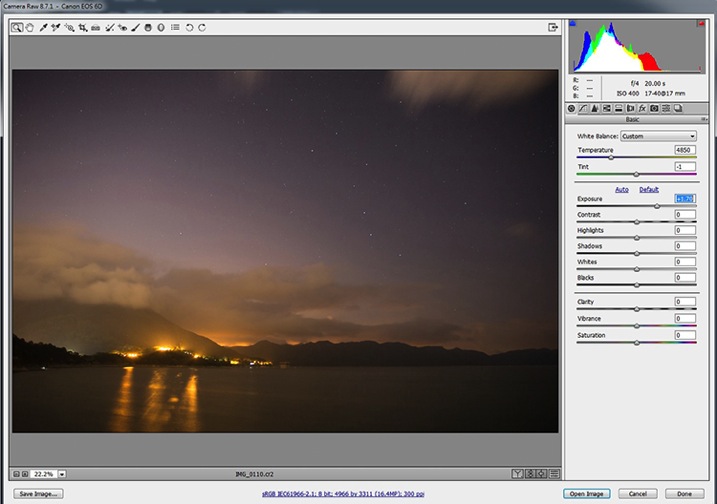
Pic2

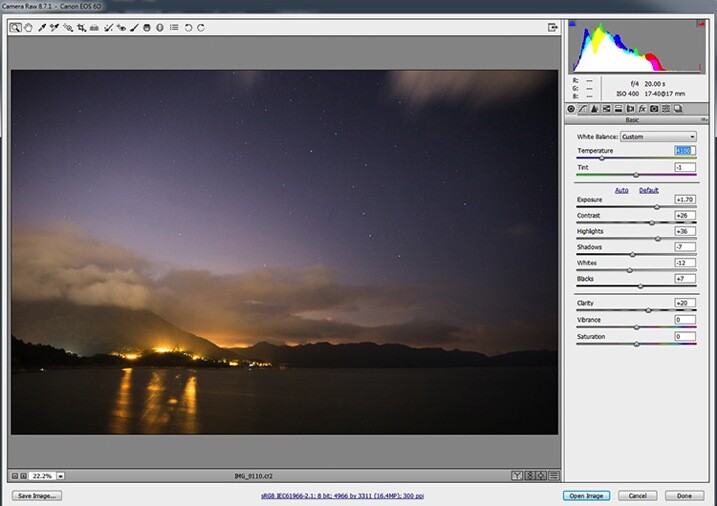
First, you have to increase the exposure until the brightness of the photo appears to be appropriate. While adjusting the exposure parameter, use the histogram in the top right corner as a reference.

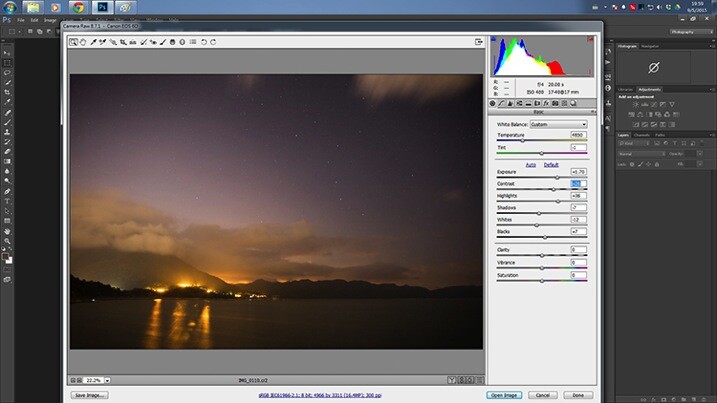
Pic3

You may want to play around with the value of the Highlight, Shadows, Whites and Blacks sliders for fine tuning the exposure. After that, add some contrast to the photo, this will make the stars stand out a little bit.

Pic4

You will need to boost the Clarity here for the whole scene. This improves the sharpness of the photo, including the stars. In my opinion, a bluish night sky is far more impressive and, therefore, you will need to adjust the Temperature setting. I would recommend a color temperature between 3500-4100. This will strike a balance between realism and aesthetic. Then, click “Open Image” (if you’re using Lightroom right click and choose “Edit in Photoshop” to continue with the next steps).

pic5b

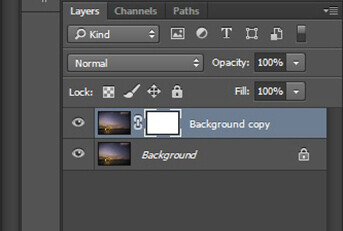
Make a duplicate a copy of the Background layer after opening the image. Right click on the original layer, and click on “Duplicate Layer” from the pop-up menu. After that, create a layer mask for the duplicated layer. To create a layer mask, you will need to have the new layer chosen and click on the third button at the bottom of the Layer panel. Then, select the image next to the layer mask in the Layer panel.

Pic6

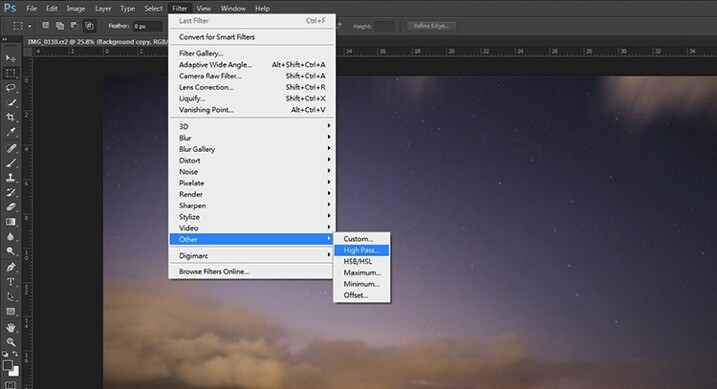
Now you are going to add a High Pass filter to the newly duplicated layer. Choose Filter > Other > High Pass. This is to further enhance the visibility of the stars.

Pic7

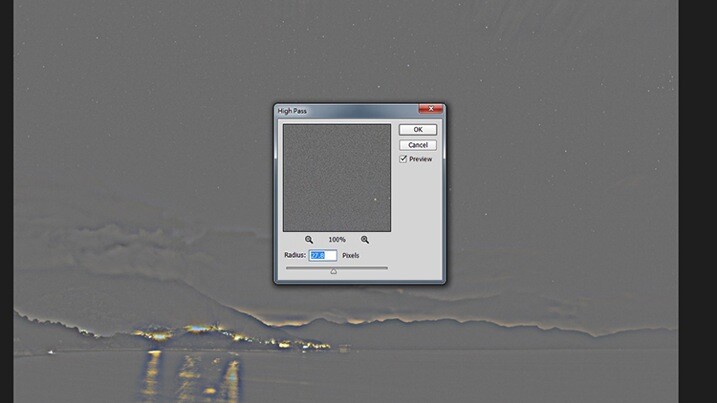
A pop-up window will appear, tweak the Radius until the stars are being highlighted in the preview.

pic8b

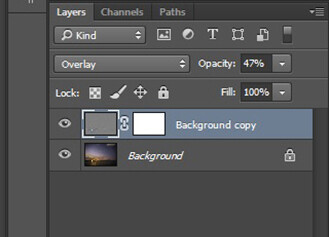
Head back to the Layers panel. You will have to switch the Blending Mode of the layer from Normal to Overlay. The whole image will be sharpened noticeably. If you feel like the image is over-sharpened, you can lower the Opacity of the layer.

Pic9

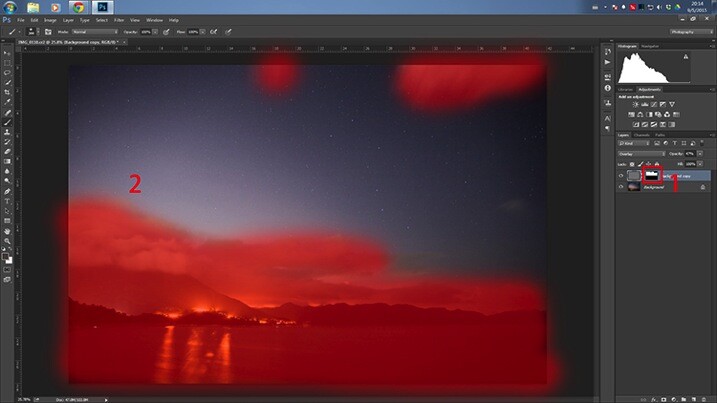
You may find that the areas outside the night sky are being oversharpened. In order to remove the excessive sharpening from the other areas, you will have to erase (hide) them by painting on the layer mask that you created earlier.

Pic10

First, choose the layer mask in the Layer panel. Then, paint over the unwanted areas (the highlighted area in the above screen capture) with a black-colored brush.

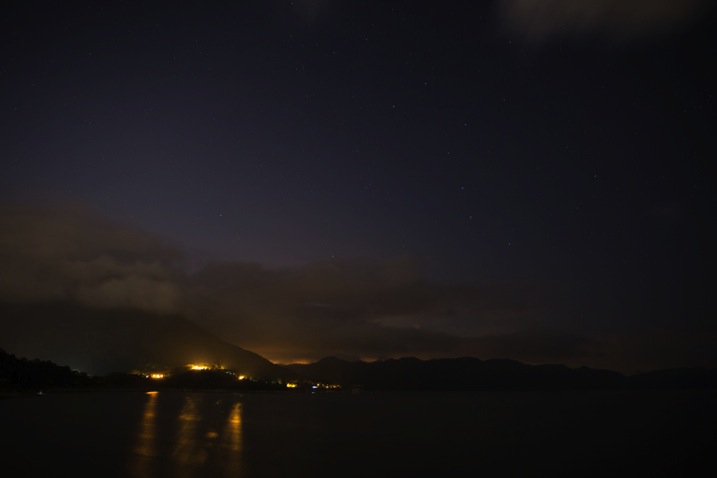
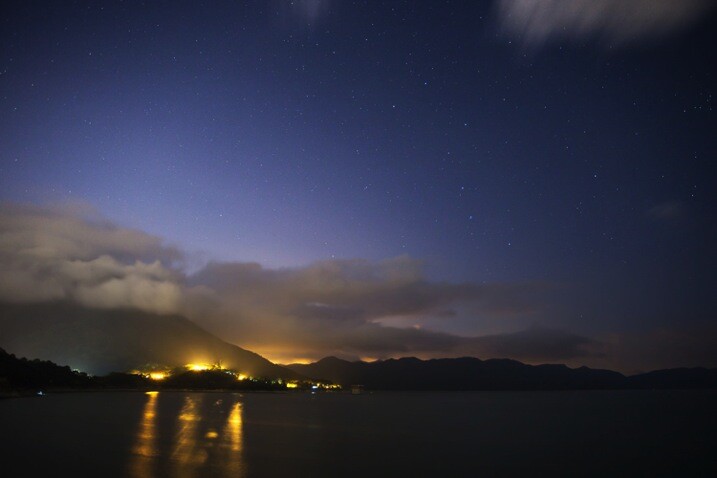
Here is the final result:

Before

BEFORE

IMG 0110

AFTER

Conclusion

There are three techniques for enhancing the visibility of stars in the night sky. First, adding some contrast to the photo will help to a certain extent. Secondly, increase the clarity of the whole photo. Lastly, don’t forget to use the High Pass filter sharpening for the final enhancement. Thanks for reading, I hope you enjoyed it.

googletag.cmd.push(function() {
tablet_slots.push( googletag.defineSlot( “/1005424/_dPSv4_tab-all-article-bottom_(300×250)”, [300, 250], “pb-ad-78623” ).addService( googletag.pubads() ) ); } );

googletag.cmd.push(function() {
mobile_slots.push( googletag.defineSlot( “/1005424/_dPSv4_mob-all-article-bottom_(300×250)”, [300, 250], “pb-ad-78158” ).addService( googletag.pubads() ) ); } );

The post Tips for Enhancing Night Sky Photography in Photoshop by Chris Yiu appeared first on Digital Photography School.


Digital Photography School
 
Comments Off on Tips for Enhancing Night Sky Photography in Photoshop

Posted in Photography


10 Fantastic Natural Wedding Posing Tips

16 Jun

It’s been a long time since the 80s and 90s formal wedding portraits in studios, that have given wedding photography a bad name in some circles. Nowadays there are really amazing wedding photographers creating images that look like art and capture true emotion, not staged photos. If you are thinking about getting into wedding photography or want an insiders look at how some of that beautiful, natural wedding posing is created, here are 10 tips to help keep it real.

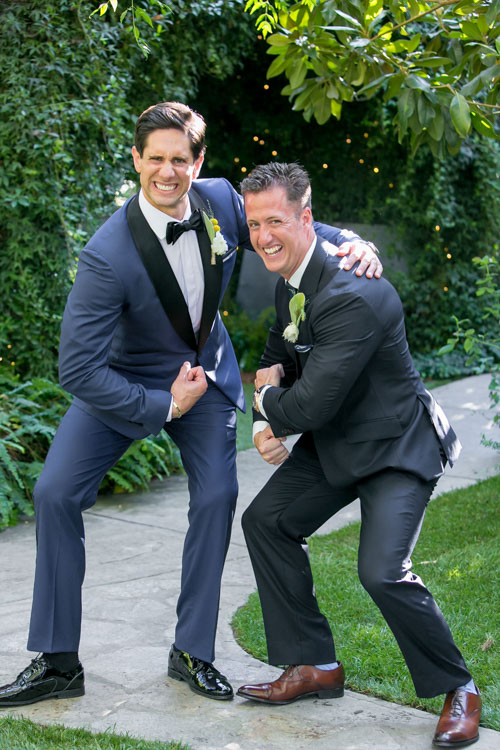
1. Stay in Touch

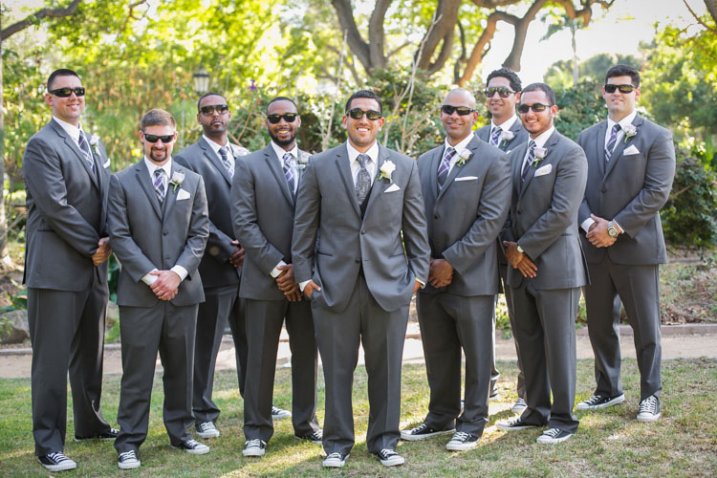
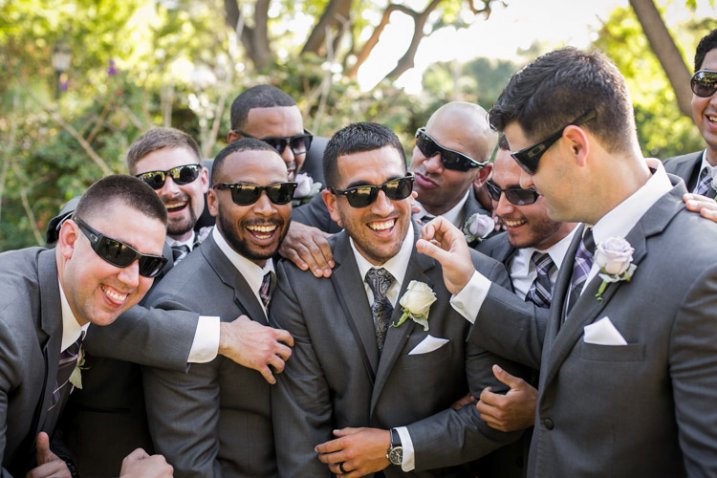
There is something very intimate and powerful about seeing people touching. This might seem obvious to you, but I think a mistake can be made by leaving space between couples or groups. Tell your groups “Get real close- don’t be afraid of each other!” Or something silly like “Pretend you like each other!” with a big smile on your face. With the groomsmen, I love getting them in a line for something formal, and then telling everyone to “Harass the groom!”

digitalphotographyschool-1-6

Standard photo of groomsmen.

digitalphotographyschool-1-7

Look at the difference in a photo when you have people connecting physically. It doesn’t always have to be romantic to get a great photo.

digitalphotographyschool-1-9

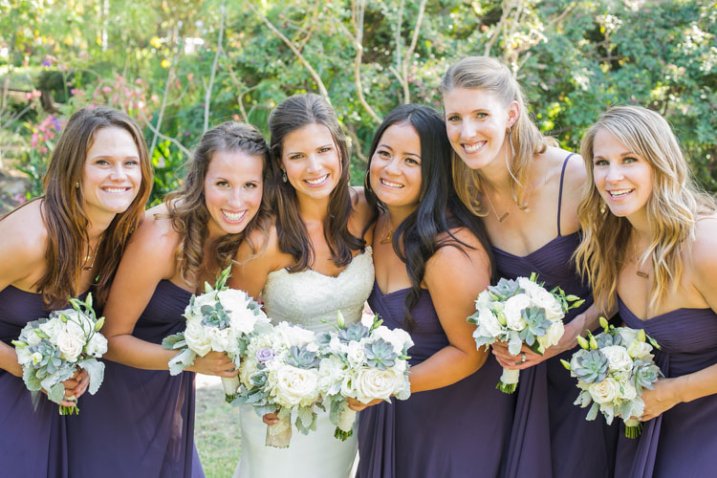
Telling the bridesmaids to get as close as possible, and then lean towards me, gets them connecting physically with each other and elicits natural smiles.

2. Walk Away and Come Back

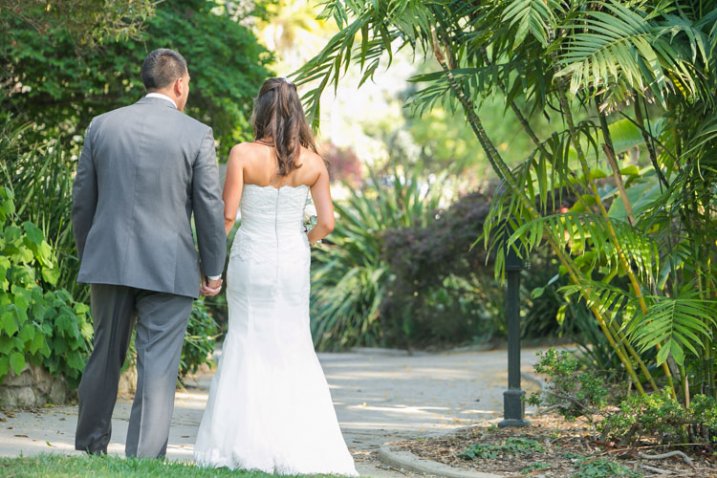
This is my go to wedding posing instruction for most brides and grooms. I tell them to “Walk away, talk about what you’re going to do tomorrow.” Then after a few good shots I tell them to “Come back.” It’s the easiest thing for them to do, they aren’t thinking about themselves or me because I’m far enough away, and it looks natural because it is natural.

digitalphotographyschool-1-10

digitalphotographyschool-2-3

digitalphotographyschool-1-11
digitalphotographyschool-1-12

3. Look at Your Shoes

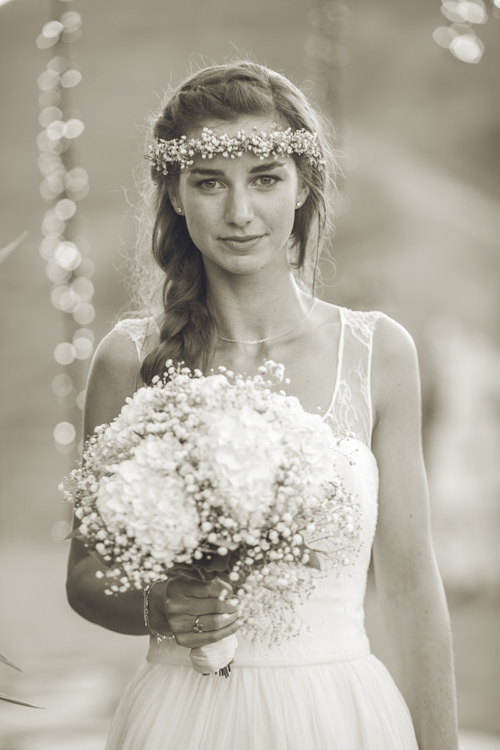
This is a fun one that I’ve discovered makes for a very pretty glamour shot with the brides. Often I’ll see them look over their side at their shoes or the bottom of their dress, and the moment always seems fresh and natural and pretty, especially showcasing their profile. If they aren’t doing that naturally, you can always say “Look over your shoulder at your shoes.” Be ready to click in a moment!

digitalphotographyschool-1-13

digitalphotographyschool-1-14

4. Button Up

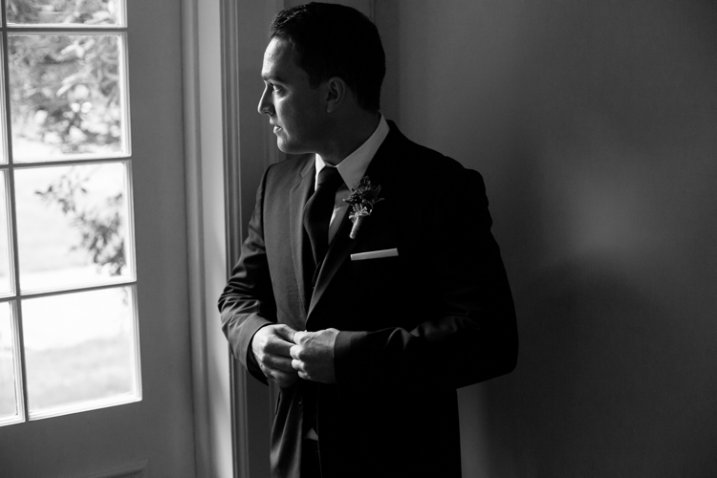
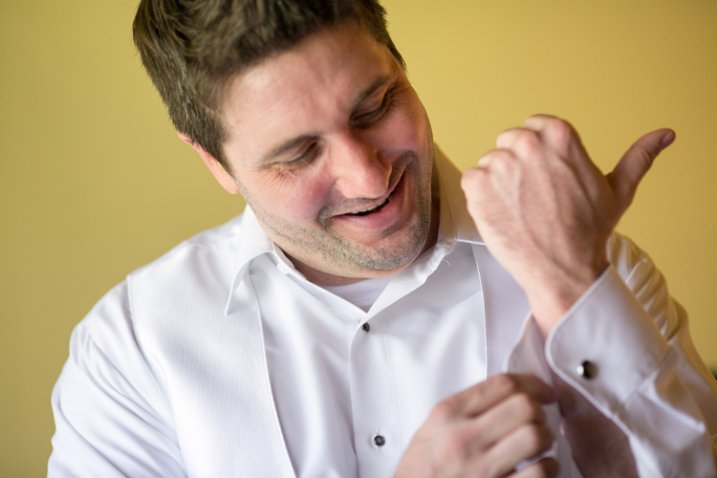
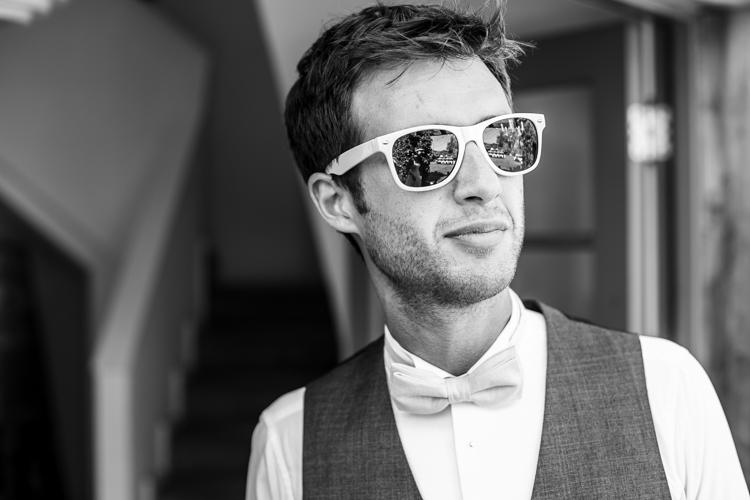
There are some great natural wedding posing moments with the groom as he is getting ready. As the title suggests, tell the groom to unbutton and button his jacket up. Or put on his cufflinks. Or adjust his bowtie/tie. This gives him something to do, the moment looks natural and masculine, and if you are near some nice window light, you’ve got your money shot.

digitalphotographyschool-1-17

digitalphotographyschool-1-21

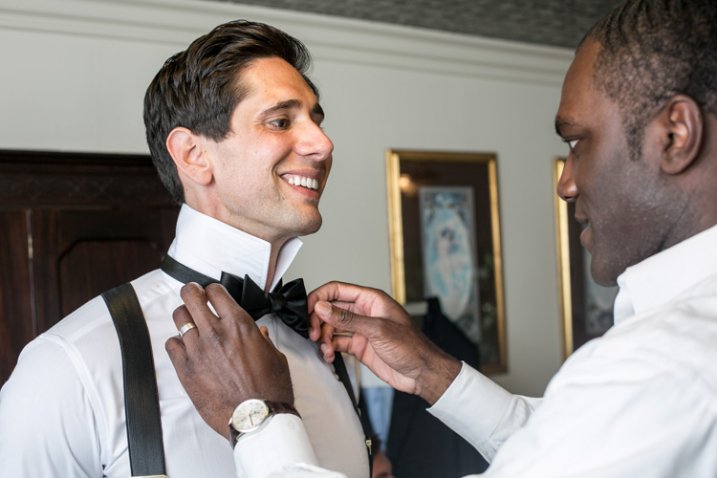
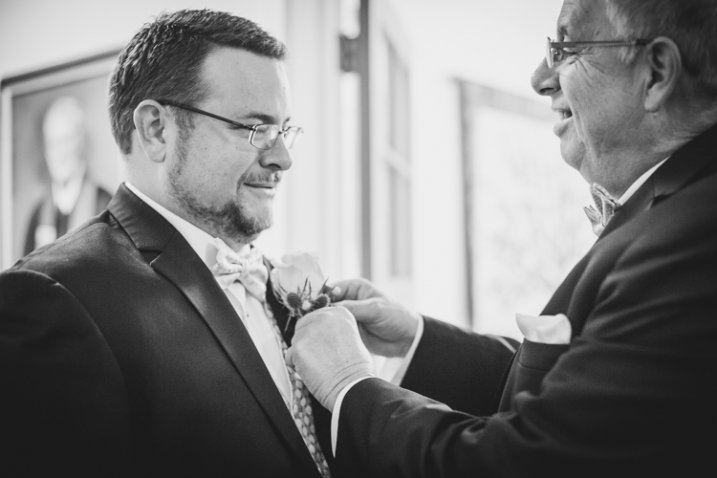
5. Help the Groom Get Ready

This also involves the groom, but is a slight variant on the last tip. Have the groom’s father or best man (or anyone, really) help adjust something on the groom. Ideally his bowtie, tie, or boutonniere. If they aren’t doing it already, ask a groomsman if he can “make sure the groom’s tie is on right.” This creates a natural moment that looks great, and also involves tip #1, Stay in Touch.

digitalphotographyschool-1-18

digitalphotographyschool-1-20

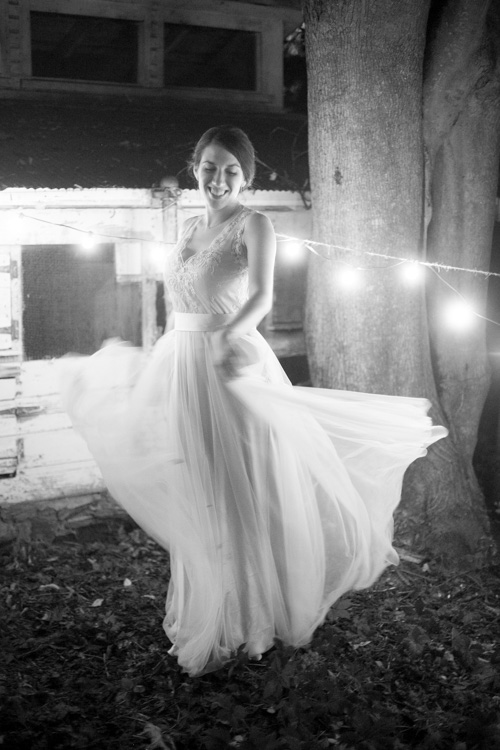
6. Spin

If the bride has got the dress, use it! With the right personality and dress combination, you can bring out your bride’s inner child with this fun wedding posing tip. Ask her to spin! Slow down your shutter speed for a fun movement photo.

digitalphotographyschool-1-22

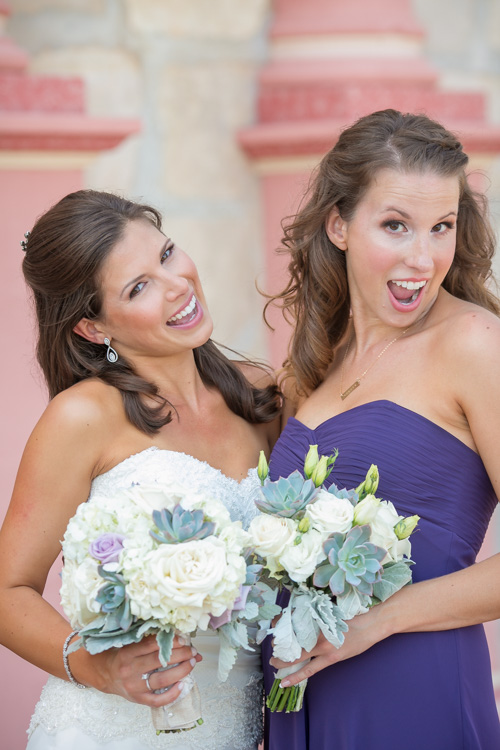
7. Something with Personality!

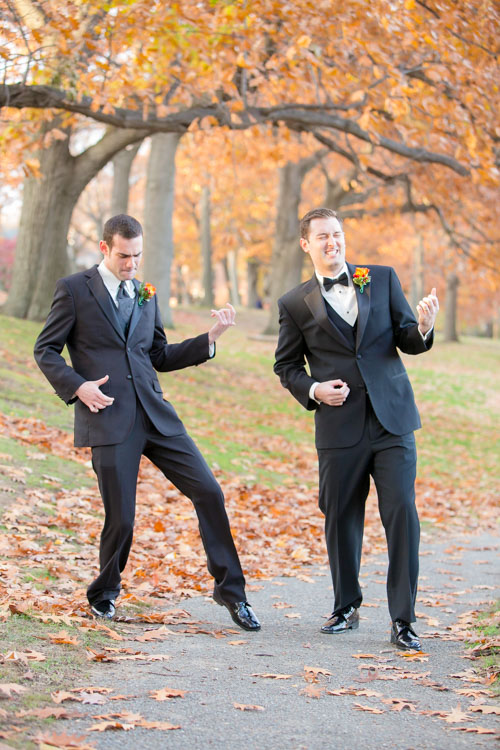
I like doing this during photos with the wedding party. I typically will take a photo with the groom and each of his groomsmen separately, and the bride and each of her bridesmaids separately. To make it fun for them (and if the group seems like the type to do it) after each standard photo I’ll tell them to give me “something with personality!” This is typically what comes out, completely on their own:

digitalphotographyschool-1-24

digitalphotographyschool-1-52

digitalphotographyschool-1-25

digitalphotographyschool-2-5

There are always lots of laughs during this time, and everyone enjoys something that could potentially be a bit tedious.

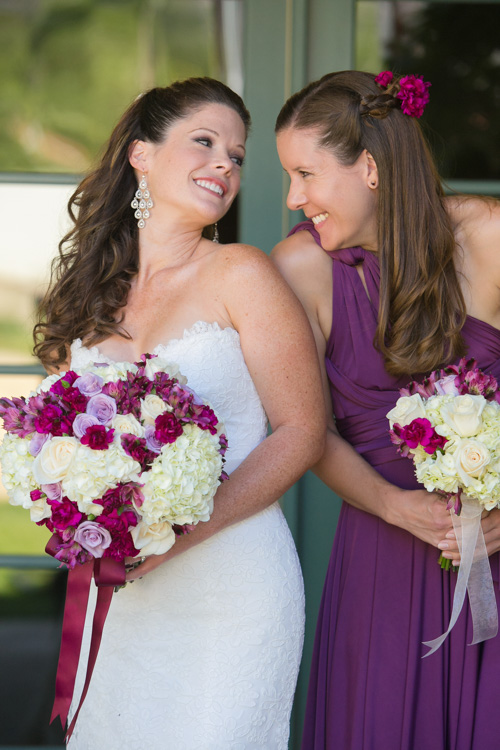
8. Look Away, Look at Me

Good portrait photographers know there is a fleeting moment that occurs half a second before a person focuses their vision on something. It’s a completely natural moment that is entirely unselfconscious. The person is busy deciding where to look and in that moment they are truly themselves, unaware of the camera or how they look. Take advantage of that moment. You can create this moment by telling your bride or groom to “look away…now look at me”, then *snap* you’ve got it.

digitalphotographyschool-2-6

digitalphotographyschool-1-54

Bonus – looking away is also a nice photo moment that is unselfconscious.

9. Compliment

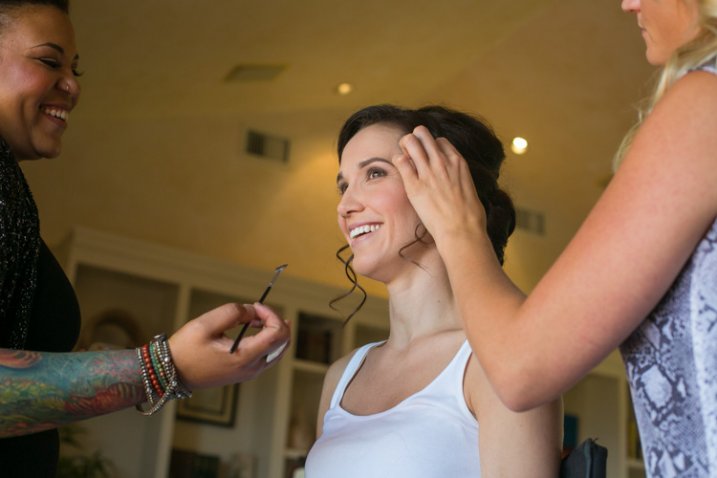
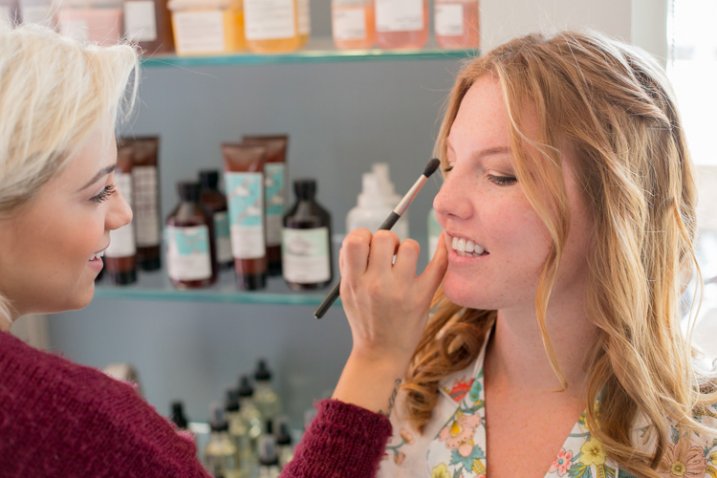
Don’t be afraid to compliment your brides – or their mothers, sisters, grandmothers, etc. – this one is mainly for the ladies. I use this wedding posing tip at the beginning of the day, usually when makeup is being applied. Nothing brings out a natural smile like a genuine compliment. “You look amazing!” “So beautiful.” I’ve heard married guys say they have a hard time doing this, but it doesn’t have to be creepy and I’m never overstepping any boundaries when I tell someone I think they look fantastic. Doing this turns a bored getting-makeup-done look, into a lovely smile.

digitalphotographyschool-1-55

digitalphotographyschool-1-56

digitalphotographyschool-1-57

10. The Almost Kiss

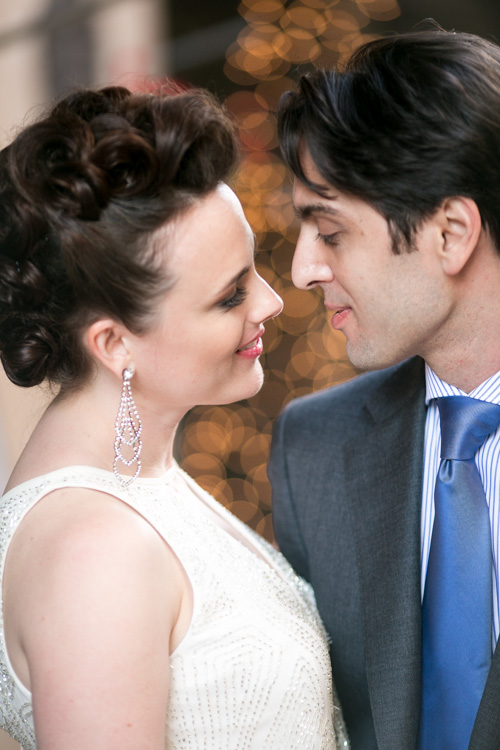
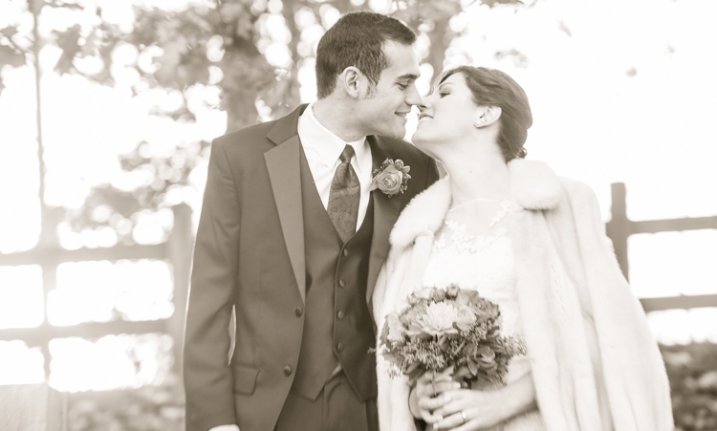
A little secret in the wedding photography industry is something called the “almost kiss.” This is used to create fantastic natural wedding posing. Kisses are fine but can sometimes be sloppy, maybe too intimate, and they give it all away. You can create palpable tension by telling a bride and groom to “get close for a kiss, but you are not allowed to kiss. Don’t do it!” This creates the best photo moments ever. In the end, give them what they want and let them kiss.
digitalphotographyschool-1-15

digitalphotographyschool-1-16

Hopefully some of these tips have given you some inspiring ideas! Feel free to add your own awesome natural wedding posing tips in the comments below. I know there are many more great ways to make your wedding photos fantastic. Thanks for reading- Phil

googletag.cmd.push(function() {
tablet_slots.push( googletag.defineSlot( “/1005424/_dPSv4_tab-all-article-bottom_(300×250)”, [300, 250], “pb-ad-78623” ).addService( googletag.pubads() ) ); } );

googletag.cmd.push(function() {
mobile_slots.push( googletag.defineSlot( “/1005424/_dPSv4_mob-all-article-bottom_(300×250)”, [300, 250], “pb-ad-78158” ).addService( googletag.pubads() ) ); } );

The post 10 Fantastic Natural Wedding Posing Tips by Phillip Van Nostrand appeared first on Digital Photography School.


Digital Photography School
 
Comments Off on 10 Fantastic Natural Wedding Posing Tips
Posted in Photography