RSS
 

Posts Tagged ‘Tips’

6 Tips for Using ISO Effectively With Your Camera

02 Dec
Taken at ISO 800 (shutter speed of 30 seconds and aperture at f/8.0)

Taken at ISO 800 (shutter speed of 30 seconds and aperture at f/8.0)

ISO has long been called the third corner of the exposure triangle, but was it really? In the film days you couldn’t even change your ISO, except by changing your film. In the early days of digital, you could change your ISO after each shot, which was a definite improvement. But, if you dared to increase the ISO, your picture would probably end up with a lot of digital noise in it. The reality is that most of us were confined to a very narrow range of ISO values when making our exposures.

Times have changed though. Newer cameras offer a lot more flexibility when it comes to ISO. First of all, they are capable of taking pictures at higher ISOs. Cameras now will routinely shoot at ISO 25,600 (and higher), which was almost unheard of just five or six years ago. Secondly, when newer cameras do shoot at higher ISOs, they produce less digital noise. Check out this chart from DxO Mark showing the ability of cameras to shoot at higher ISOs without being ruined by noise:

DxO-aging-chart

The chart shows the maximum useable ISO for given cameras introduced over the last 12 years. Notice how the dots are higher on the chart the further you go to the right.  The newer cameras are to the right of the graph and the tests show that they can shoot at higher ISO values with less digital noise.

In addition, seemingly mindful of the desire of photographers to change their ISO more frequently, camera manufacturers have made it easier to change ISO on the fly. Some, like Fujifilm, have even put ISO on par with shutter speed and aperture by giving ISO its own dial. As a result, it is easier to change the ISO and it truly has status as an equal partner in the exposure triangle.

Even beyond cameras, however, we now have a much greater ability to remove digital noise from our pictures. Much of this improvement is thanks to Lightroom. With a quick slider adjustment, we can eliminate much digital noise from our pictures, without making them blurry. Further, if you have a severe noise problem, there are dedicated plug-ins like Noiseware and Photo Ninja, designed to reduce noise in your pictures, which have continued to improve.

As a result of all of this, you have a lot more flexibility when it comes to ISO. But how does this really impact your photography? And where should you set your ISO in different situations?

If you are just getting started, you might be bewildered by the numbers, or perhaps don’t even know where to start. If you have been shooting for a long time, you may be locked into some habits that were engrained before all these changes in technology. Either way, here are some tips to help you put ISO to work, to improve your photography.

Tip 1: Start with ISO 200

If you have been shooting for a long time, you might be in the habit of keeping your ISO at 100 to keep noise out of your pictures. As mentioned above, given the state of camera technology, this was a prudent practice. Now, however, there is almost no discernible difference between a shot taken at ISO 200 and ISO 100 in most cameras. You may as well use ISO 200 as a default to give yourself an extra stop of light. It will result in better pictures. How so? In one of two ways:

  • It will allow you to use a faster shutter speed, which will make your photos sharper if you are hand holding
    AND/OR
  • It will allow you to use a larger aperture to increase your depth of field

By using ISO 200 instead of 100, you will enjoy a little extra flexibility in your exposure settings, without an increase in digital noise. It is pretty much a case of something for nothing.

Tip 2: Use ISO 400 for clouds or dusk

Do not hesitate to move the ISO up to 400 (or even higher depending on your camera) when the need arises. If you are outdoors and there are any clouds, or if the sun is starting to move toward the horizon, go ahead and move to ISO 400. You will find there is very little increase in digital noise in most cameras at this level.
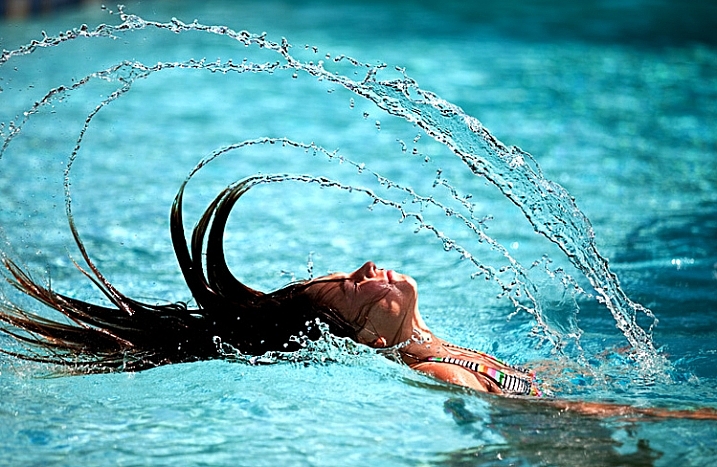
Even though this was a bright, sunny day, the need for a super-fast shutter speed meant that I needed to increase my ISO to 400 to get this shot.

Even though this was a bright, sunny day, the need for a super-fast shutter speed meant that I needed to increase my ISO to 400 to get this shot. Exposure info: 1/8000th, f/2.8, at ISO 400

Tip 3: Crank it up to stop the action

Previously, you faced a dilemma when trying to stop the action. Should you:

  1. Increase the ISO and risk having the picture ruined by noise, or
  2. Keep the ISO low and risk having the picture ruined by blur because of the slower shutter speed you would be forced to use?

Obviously, neither choice was ideal. But now, with better cameras and noise reduction tools, there is no reason not to increase your ISO when you are photographing action (assuming you are not trying to blur it). In that case, start by moving the ISO up to 800.

Tip 4: Start with ISO 1600 indoors

As soon as you move indoors, increase your ISO to 1600 if there is reasonably good light. Move it even higher if the lighting is poor. There is a lot less light indoors, even though it often doesn’t look that way to you (your eyes adjust very quickly).

It was not possible to use a tripod in the Opera Garnier in Paris. Hence, ISO 3200 for this picture (actually pictures, since it is many pictures stitched together)

It was not possible to use a tripod in the Opera Garnier in Paris. Hence, ISO 3200 for this picture (actually pictures, since it is many pictures stitched together)

Note: If you have, and can use a tripod then keep your ISO lower if possible (there is no moving subject).

Tip 5: Don’t be afraid to use 6400

I was recently trying to take pictures of a high school play, featuring my daughter. I faced a toxic combination of extremely low light, and a moving subject (flash was not allowed). I had a pretty fast lens, opened all the way up to f/2.8. To keep the subject from being blurred, I needed to use a shutter speed of at least 1/400th of a second. To get a proper exposure, I required ISO 6400. I used it, and then gave it a dose of Lightroom noise reduction later, to get the following picture.
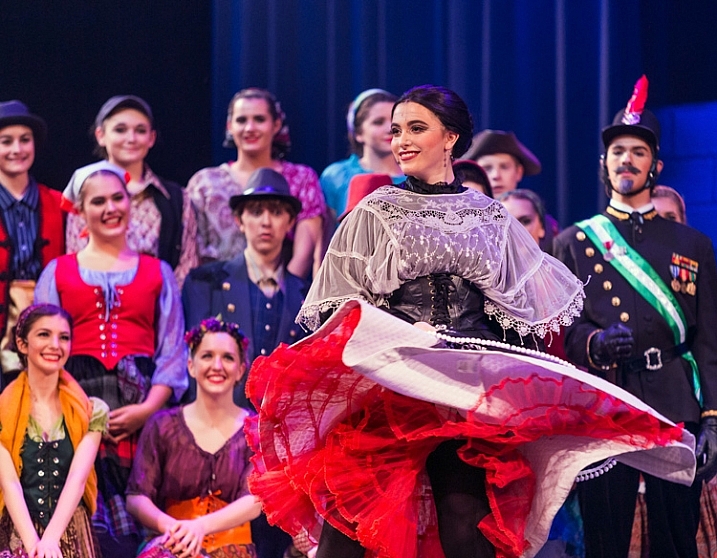
Hannah-Play

Exposure info: 1/500th, f/2.8, at ISO 6400

Perfect? No. But if I had hedged at all, it would have been blurred and completely ruined. The point is that ISO 6400 might not get you perfection, but it will get you a shot, when the alternative is no shot at all.

Tip 6: The same applies for higher ISOs

Nobody wants to use very high ISO values. But when you’re faced with the choice of a shot at ISO 6400 or 12,800 (which will probably have a noise problem), versus a blurry shot from using too slow of a shutter speed, take the noisy picture every time. You have some hope of curing a noisy picture in Lightroom. You have no hope of fixing a blurry subject.
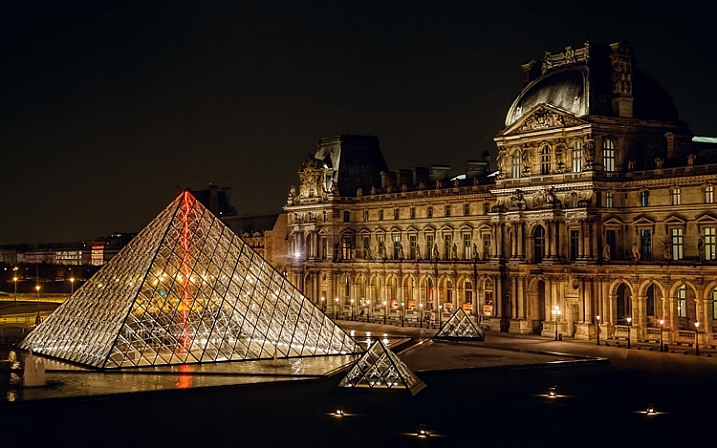
This was shot through a window from inside the Louvre, and using a tripod was not possible. Since I was hand holding, I needed to use ISO 3200. I didn't like using an ISO that high, but it beats not getting the shot at all (or having it blurry from too slow of a shutter speed)

This was shot through a window from inside the Louvre, and using a tripod was not possible. Since I was hand holding, I needed to use ISO 3200. I didn’t like using an ISO that high, but it beats not getting the shot at all (or having it blurry from too slow of a shutter speed). Exposure info: 1/8th, f/4, at ISO 3200

Conclusion

I recognize that, in a sense, this entire article could be summarized as: It is okay to increase your ISO. There is more to it than that though, and that is particularly true if you are just starting out, or getting used to a new camera. I have used hard values in this article to give you default numbers, for some different scenarios. That said, of course, every situation you will face as a photographer is different. Just use these as starting points and adjust from there. In time you will get your own starting points.

Further, your use of ISO will depend on your camera as well. Obviously, newer and more expensive cameras have better low-light performance. How does yours stack up? You can check the DxO Mark rating to start. The best thing to do is to test your camera, which is easily done by taking the exact same picture at different ISO values (while adjusting shutter speed to keep the exposure the same) and then comparing them on your monitor (at 100%). Having done so, you will be well poised to use ISO to improve your pictures.

googletag.cmd.push(function() {
tablet_slots.push( googletag.defineSlot( “/1005424/_dPSv4_tab-all-article-bottom_(300×250)”, [300, 250], “pb-ad-78623” ).addService( googletag.pubads() ) ); } );

googletag.cmd.push(function() {
mobile_slots.push( googletag.defineSlot( “/1005424/_dPSv4_mob-all-article-bottom_(300×250)”, [300, 250], “pb-ad-78158” ).addService( googletag.pubads() ) ); } );

The post 6 Tips for Using ISO Effectively With Your Camera by Jim Hamel appeared first on Digital Photography School.
Digital Photography School

 
Comments Off on 6 Tips for Using ISO Effectively With Your Camera

Posted in Photography


4 Tips for Connecting and Photographing Kids More Naturally

30 Nov

We’ve all seen family photos where everyone is happy, kids are smiling, and the whole brood looks like they are having the time of their lives. Photos like this seem so natural that it’s easy to think they required almost no work at all, when in reality the photographer was likely working like crazy behind the scenes trying to get the perfect pictures.

Shooting photos of adults is one thing, but working with kids brings a whole new set of challenges to the table. Whereas adults generally take directions and respond to requests, kids can be running all over the place, and getting kids to cooperate can be a bit like trying to herd cats. If you have ever had an experience like this, or if you are thinking about getting into family photography, here are four tips for photographing kids that might come in handy.

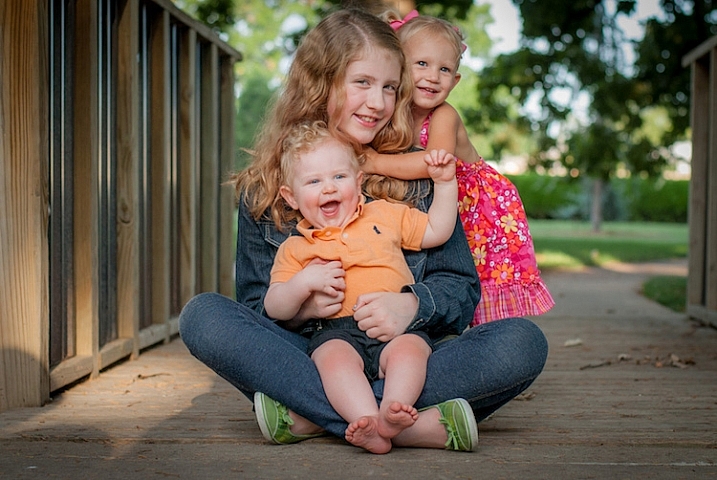
photographing-kids-girl-purple-dress

These usually help when I’m doing a family photo session, and if you struggle when taking pictures of kids, some of these tips might be just the ticket for that elusive perfect photo.

Get to know the children

Anyone who has spent time doing family photos already knows this rule, but I have seen plenty of photographers fail to get the shots they were aiming for, because they did not do this simple initial step. The first thing I do when taking family pictures is spend a few minutes getting to know the kids. I ask them what their names are, their age or year in school, and have them tell me a little bit about their lives. Ask them specific questions, otherwise you’ll get answers that are too general and unhelpful. “Do you have pets? What are their names? What’s your favorite kind of ice cream? What’s your favorite movie?”

photographing-kids-bridge

By learning a bit about these kids they felt more comfortable working with me and I got much better pictures as a result.

Don’t stop there though. Use these first few minutes as a chance to build a relationship with the kids, and tell them a bit about yourself too, so they see you as a friendly photographer, and not a scary adult with a giant camera lens. One trick to doing this is answering the questions you pose to them after they have had their turn. I like to get a little goofy and set a fun tone for the shoot by giving fake answers that usually make kids laugh. “I’ve got a pet iguana named Mr. Pickles. I like peanut butter and green bean ice cream.” You might feel a bit silly doing this, but it accomplishes two very important things:

  1. It helps establish a relationship and sense of trust between you and the kids, making them much more likely to cooperate during the rest of the session.
  2. It shows the parents that you care about their kids, which can make all the difference between a successful shoot, and a series of awkward moments that will haunt you for weeks.

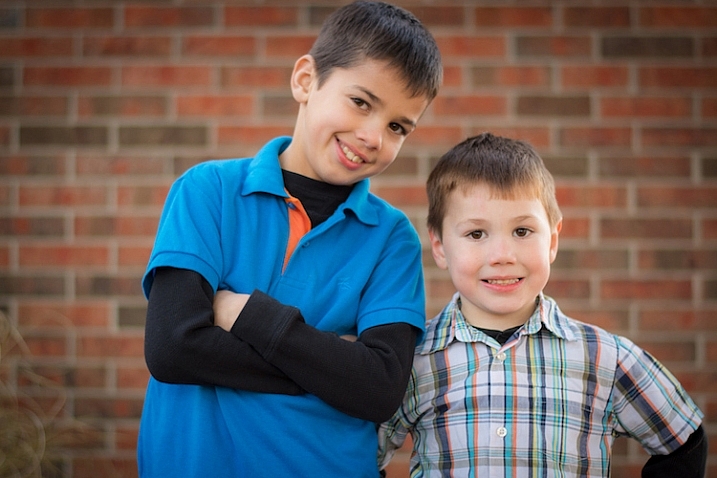
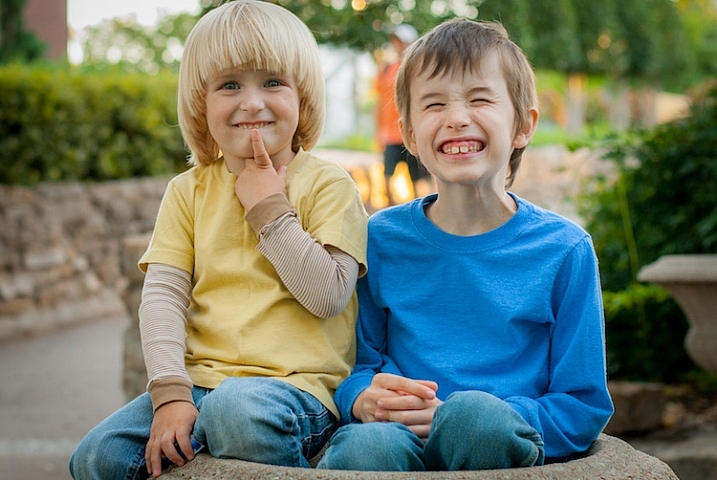
photographing-kids-two-boys

Have them bring something special

Once you have a foundation built with the little ones, it’s time to actually take some pictures. This can be a little difficult because kids aren’t used to doing things that you usually want them to do when taking photos. You might have a specific pose or composition in mind, but the kids would much rather be running around or climbing trees.

One of my favorite tricks is to have children bring artifacts from their own lives such as books, stuffed animals, or a favorite toy. Not only will it give them something on which to focus their attention during the photo shoot, but it gives you something you can talk about to build a good working relationship for your brief time together. Have them tell you a bit about their stuffed animal, ask if you can read a few pages from the book, or spend a minute playing with their toys together.

It may seem silly to have thousands of dollars of camera gear sitting idle while you and the kids are pretending to play house with stuffed bunnies, but think about the big picture (ha!) here: by doing this you are sowing the seeds for a successful session and impressing the adults at the same time. And that can be worth a lot when they call you for more pictures in the coming years.

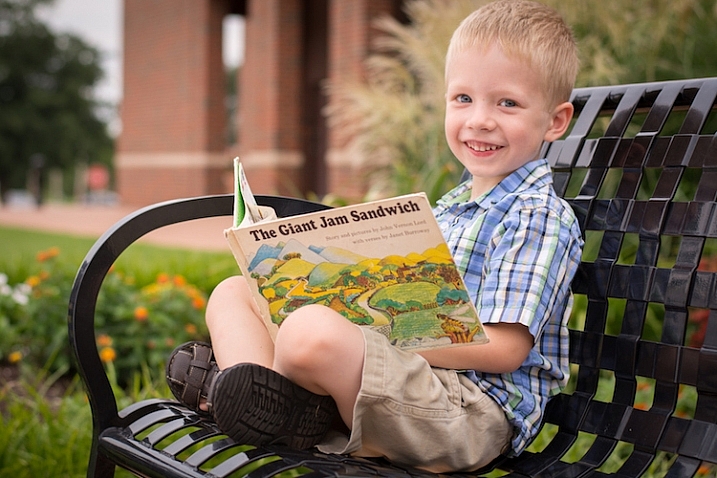
photographing-kids-boy-book

This boy’s grandfather told me this was his favorite photo of his grandson, partially because of the book which was a family favorite.

Take some information and twist it

One of my favorite tactics to get kids to smile and laugh, is taking something they already told me when I was getting to know them, and asking about it later on, but with a twist. I purposely get some basic facts incorrect.

If a little girl brought along her favorite toy truck, ask her about her airplane. “It’s not an airplane, it’s a truck!” she will often reply with a huge grin. If a boy told you he is five years old, ask him how he likes being seven. When he corrects you, tell him you’ve always been bad at math so you might keep forgetting.

My favorite trick is to make up my own words. A couple of kids brought their well-worn copy of the children’s classic Green Eggs and Ham, but when I talked with them about it I pronounced it Green Freggs and Fram. These little intentional screw-ups almost always make the kids laugh and smile, and it also gives them a chance to teach you something in return, which kids almost always like doing. Let them correct your mistake and show you how to do it properly, and they will start to feel like they have a true back-and-forth relationship instead of seeing you as just another adult bossing them around. In doing so you will find the kids to be much more cooperative when you really do have instructions for them to follow.

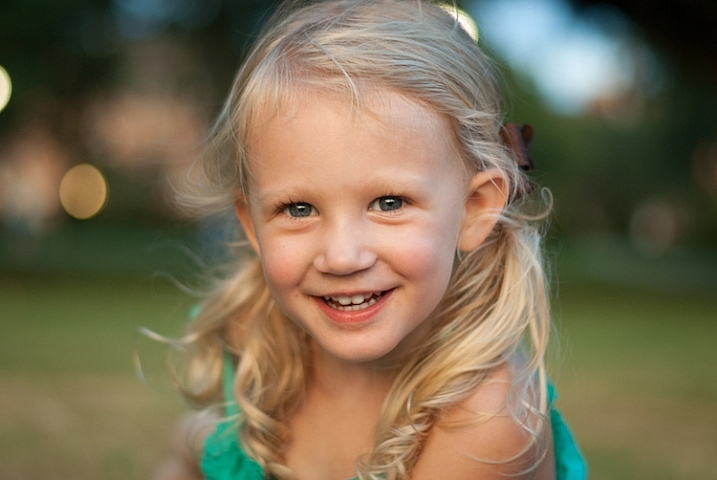
photographing-kids-girl-smiling

Embrace the absurdity

As adults we have all too many inhibitions when it comes to expressing ourselves. We worry about what people will think, how our clothes look, and what everyone around us is doing, and as a result we generally don’t like to make waves, cause a ruckus, or deviate from the norm. Most kids have no such filters, and the results can make for some hectic and stressful photography sessions – if you let it. If you’re the kind of photographer who relishes control and order, perhaps photographing kids is not your particular cup of tea. If you can learn to accept the absurd serendipity of kids, you will not only get some better photos as a result, but you and your clients will have a much better time as a result.

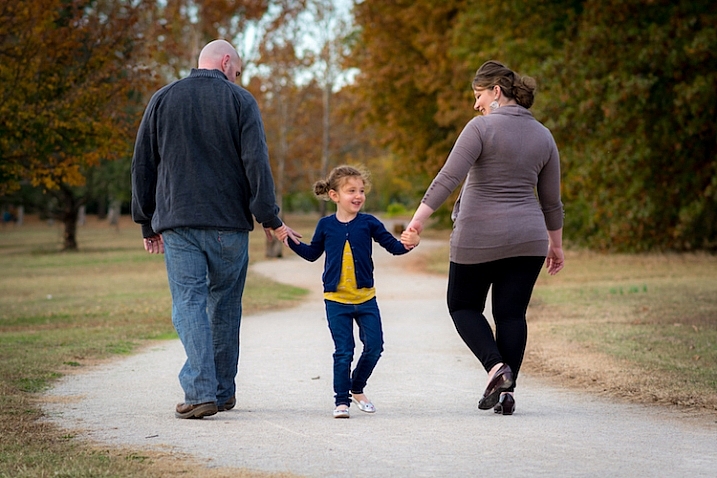
photographing-kids-family-walking

This girl was so bubbly that she rarely stood still, and by embracing her goofiness I got some pictures that her parents were thrilled with.

Rather than telling kids what to do and how to pose, let them just be themselves and capture pictures in the moment. Shots of them playing, goofing around, and jumping on each other might not be what you had in mind initially, but these are the kind of pictures parents, family, and friends often enjoy the most. If your clients do want some specific poses try to get them done first, and then let the kids have fun and loosen up a bit.

photographing-kids-boys-flowerpot

“Mr. Ringsmuth, can we take some photos in a flower pot?” “Sure boys, why not?”

One point to remember is that you’re not just taking pictures but creating and capturing memories. Months down the road when clients show your photos to their friends and family, they will often discuss the photo session itself, and how you treated them and their kids. Even if your photos are stunning, your clients will often sour the moment with a bit of commentary about you as an individual. “Yeah this photo is nice but the guy who took it was such a jerk! He practically yelled at our kids to get them to smile.” You want them to be saying things like “We are so happy with the pictures, and our kids had such a fun time with the photographer. She really connected with them and made them laugh.” Not only are your clients more likely to appreciate their pictures, they will be more willing to book future sessions with you, and sing your praises to their acquaintance,s which will often lead to more customers.

What about you? What are your favorite tips and tricks for taking pictures of little ones? Share your thoughts in the comments below, along with any examples of your favorite kid photos.

googletag.cmd.push(function() {
tablet_slots.push( googletag.defineSlot( “/1005424/_dPSv4_tab-all-article-bottom_(300×250)”, [300, 250], “pb-ad-78623” ).addService( googletag.pubads() ) ); } );

googletag.cmd.push(function() {
mobile_slots.push( googletag.defineSlot( “/1005424/_dPSv4_mob-all-article-bottom_(300×250)”, [300, 250], “pb-ad-78158” ).addService( googletag.pubads() ) ); } );

The post 4 Tips for Connecting and Photographing Kids More Naturally by Simon Ringsmuth appeared first on Digital Photography School.

Digital Photography School

 
Comments Off on 4 Tips for Connecting and Photographing Kids More Naturally

Posted in Photography


Tips for Creating Outdoor Portraits

27 Nov

On now at Snapsdeals is Wayne’s ebook: Portrait Tips and Techniques: Timeless Portraits. Sale ends December 8th (2015) get it now and save 20%.

These tips are a follow-up to my previous article about 6 Tips for Taking Better Natural Light Classic Portraits, and the process of creating simple posing and composition for outdoor portraits. To me, these things are what refines a portrait. You can have the perfect lighting conditions and location, but if the subject looks awkward or the composition is unbalanced, the image will fail aesthetically.

Each of these images will give you some tips and understanding of the creative process for creating outdoor portraits:

#1 – Creating back-view portraits

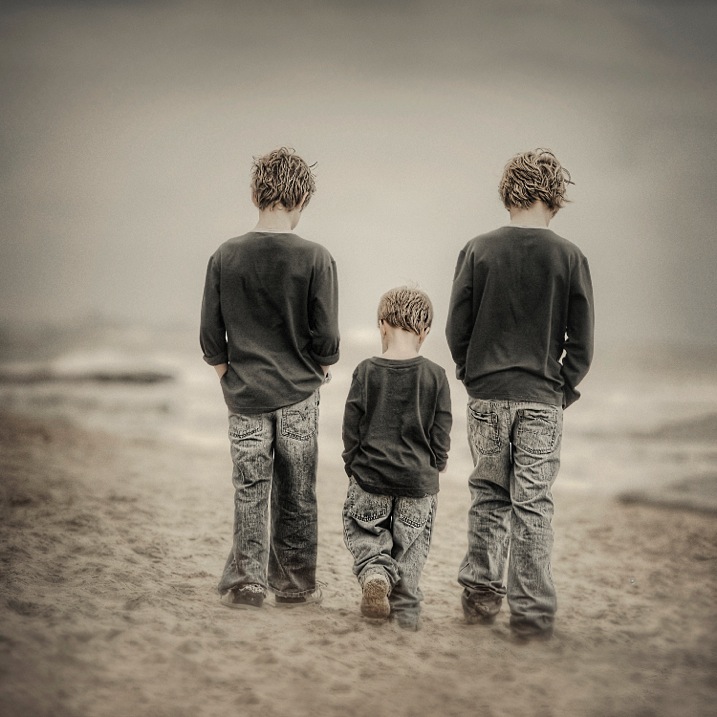
DPS 1

Creating interactive back-view portraits is fairly easy. In the portrait above I asked the two older boys to put their hands in their pockets, and start walking slowly in a specific direction. Of course the youngest one followed and mimicked his big brothers.

Ideally you want to get your subjects to talk to each other while walking and watch for the unexpected reactions. Getting them to talk about sports, school holidays or any interests they have, will make them more cooperative and loosen them up, making the portrait more natural looking.

I suggest you use continuous autofocus and a zoom lens for these types of portraits. This was taken with a 70-200mm lens at f/4. The original image of the three boys was the normal 3:2 rectangle, but in post production I decided on a square.

#2 – Interactive poses

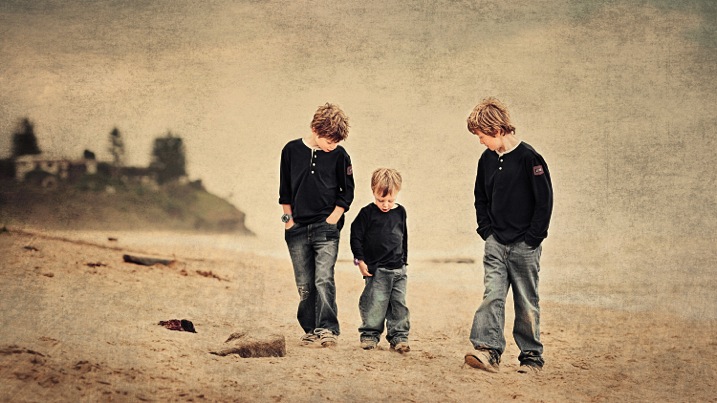
DPS 2

Same three boys in an interactive pose. I set this shot up like a movie director, by simply giving them some direction of what to do, then let them go, and recorded their reactions. Just letting them walk around and happy snapping doesn’t work for me. I prefer to place them in the scene I want, based on background and lighting, tell them what to do and then record their natural reactions.

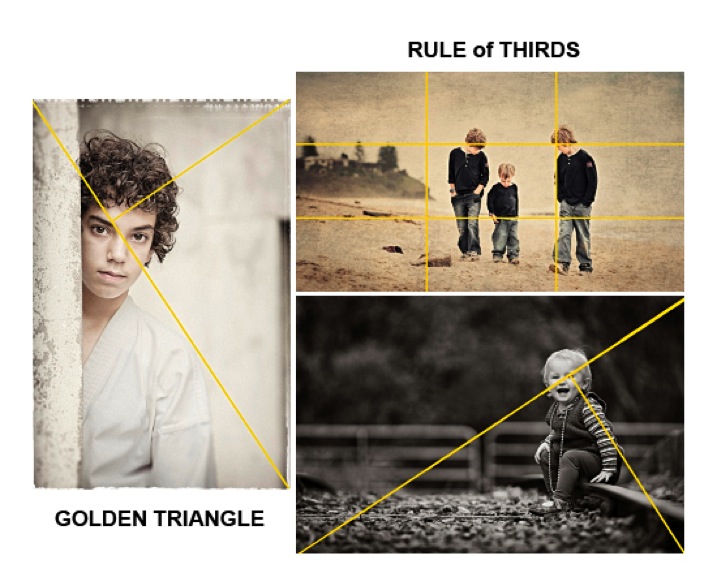
In this study I placed the boys away from the headland, so they were against the sky, and let them kick a piece of driftwood around. A ball would have been another option. The composition I used is the Rule of Thirds which can be seen at the bottom of this article.

When doing these types of environmental portraits, I suggest you create it like a landscape, then place the subjects into it.

#3 – Find the light and pose for the subject

DPS 3

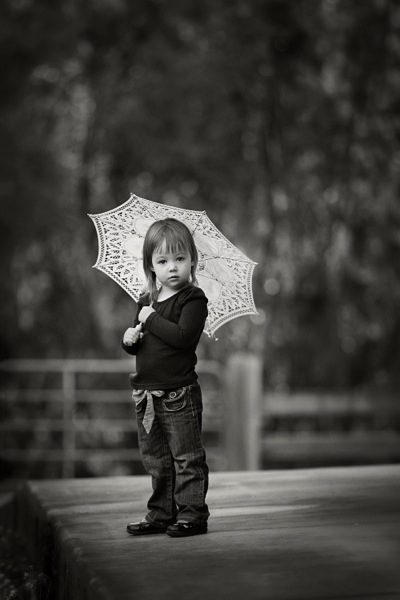
After establishing the location, background, and direction of light, I placed the the young girl near the edge of the path, her body turned away from the camera at approximately 45 degrees to the camera, her head turned back to camera.

There was a building to her left, which was subtracting light from the left hand side of her face. The umbrella was the client’s prop, which I decided to use. I felt that her hair would have blended into the background otherwise, but this way her head is framed by the contrast of the umbrella. I like the way she was holding on to the umbrella, it simplifies her hands from being a distraction.

If she had been older, I would have asked her to bend her front knee, therefore placing her weight on the back foot, creating an s-curve through her body. There was a temptation to place her to camera right, thereby in the RH third, but I chose the opposite side for a different look. No right or wrong reason, just my preference.

#4 – Connect people to each other and the background with posing

DPS 4

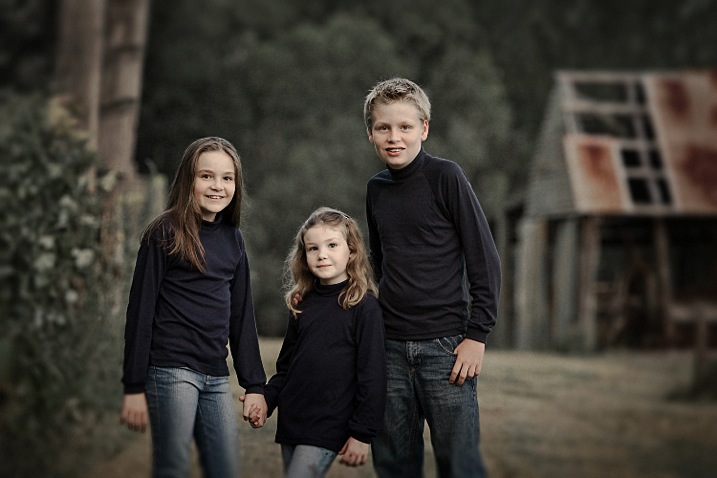
In the portrait of the children above, I wanted to place them between the old shed and the fence line, allowing their heads to appear against the soft muted tones of the out of focus trees. Having secondary backgrounds like the shed and fence against the distant background of trees can add extra depth, giving a more three dimensional look.

The pose is natural, with a small amount of refinement. I like the subjects to turn away from the camera, then look back, rather than shoulders square on to camera. Also by leaning the outside subjects to the centre, it creates more emotion through body language, which also creates a slightly more triangular composition (by luck matching the shed roofline).

The varying heights of the children allows each of them to have their own space. Often you will see heads in a row on the same plane. Note the simplicity of the hands, curled away from camera or in their pockets, not draped over the shoulders. Also with the two girls holding hands, and the youngest one leaning across towards her brother, it creates a connection within the group.

#5 – Match tones for high or low key portraits

DPS 5

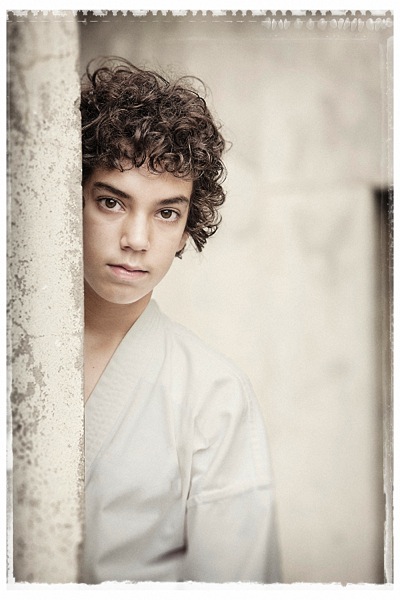
When creating high key or pastel portraits, it’s important to “key-in” the clothing colours to the background. For example: white against white, or cream against cream, or soft muted tones against other muted tones, NOT light on dark. The idea is to be drawn to the face, not the contrast between backgrounds.

This young boy (above) has great eyes, so we don’t want to be looking anywhere else but his face. His karate outfit is white, but for my artistic license, I changed it slightly to harmonize more with the background. In the black and white version for the client, I left it white.

The pose is simple, and he is square to camera, with his body and head leaning more to his left. His head is also tilted slightly down, which allows us to see the full roundness under his eyes. I find this pose more engaging for him. Composition is close to the Rule of Thirds but I do prefer the Golden Triangle. (See below)

#6 – Camera angle is important

DPS 6

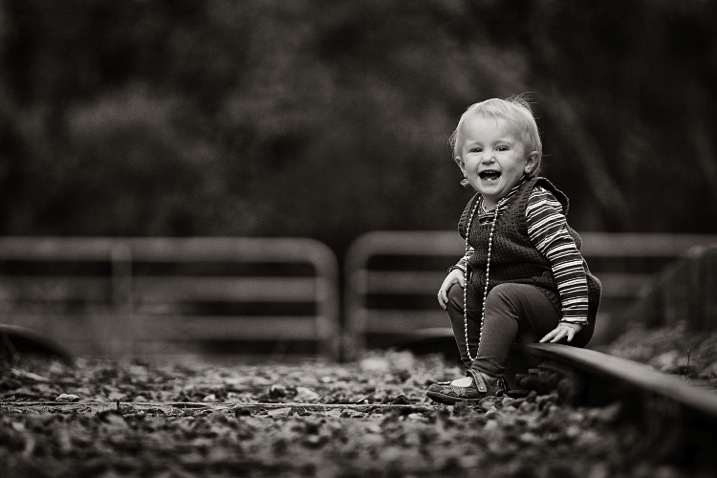
A low camera angle was selected for this portrait to bring the viewer down to the child’s level. Also by lowering the camera, this places her head above the gates in a neutral uncluttered area, allowing her face to stand out from the background. Another advantage is that the low angle causes the lens to blur the foreground so much, that it leads you directly to the sharp subject.

Again the subject is angled away from the camera and her head is turned back to camera. Her hands are naturally placed.

It’s very important to remember when posing children or adults, to turn the body and legs away from the camera to avoid unflattering crotch shots of all ages. If you don’t know how to pose hands, give a child something to hold, failing that, hide them as much as possible. Personally I recommend learning how to pose them to look natural, and then you will recognize when they’re not correct, and be able refine the pose.

Summary

DPS 7

  • Avoid the body and face being posed in the same direction.
  • Try keeping the face at about 45 degrees to the body as a starting point.
  • When seated, avoid knees and feet/shoes pointing directly at the camera. Turn them away.
  • Direct children to do natural things when creating interactive portraits such as talking to each other, kicking a ball, reading, etc. This will create realism.
  • Always watch your background, and give your subjects their own space to avoid a busy image.
  • Use hands to touch, and overlap bodies to create poses that have a connection between people. (E.g. the three kids above)
  • Try to shape poses to replicate objects that may be in the composition.
  • When possible, key-in clothing colours to harmonize or compliment background tones. (E.g. photo # 5)
  • Select a low camera angle when photographing kids. Get down to their level or below.
  • Use foreground blurring to make your subject pop. (E.g. photo #6)
  • Use the Rule of Thirds or the Golden Mean as a starting point for improving your composition.

On now at Snapsdeals is Wayne’s ebook: Portrait Tips and Techniques: Timeless Portraits. Sale ends December 8th (2015) get it now and save 20%.

googletag.cmd.push(function() {
tablet_slots.push( googletag.defineSlot( “/1005424/_dPSv4_tab-all-article-bottom_(300×250)”, [300, 250], “pb-ad-78623” ).addService( googletag.pubads() ) ); } );

googletag.cmd.push(function() {
mobile_slots.push( googletag.defineSlot( “/1005424/_dPSv4_mob-all-article-bottom_(300×250)”, [300, 250], “pb-ad-78158” ).addService( googletag.pubads() ) ); } );

The post Tips for Creating Outdoor Portraits by Wayne Radford appeared first on Digital Photography School.

Digital Photography School

 
Comments Off on Tips for Creating Outdoor Portraits

Posted in Photography


5 Tips for Photographing Your Own Children Stress-Free

27 Nov

As a mother to three little ones, I can say without any doubt nor a moment’s hesitation, that my kids are my most difficult subject – ever. My usual tips and tricks with other families, simply do not work with my own kids, and I have to employ new strategies along with controlling my own emotions. So yes, I do fully understand, despite my profession, the despair and frustration many of you parents go through when capturing photos of your very own children.

But, fear not! Below are my top five tips for taking the stress out of photographing your own children.

Stress free photography tips03

1. Prepare yourself mentally

Keep your expectations realistic so that even if only one photo comes out decent, you can consider the shoot a success!

2. Plan the photoshoot

Plan the shoot in advance – a long way in advance. The first step in planning is visualizing the photoshoot. Schedule the shoot in your diary. Do mental and physical preparations weeks before; raid the wardrobes to see what clothes the kids can wear, accessories they can use, what might you need to buy to add to the clothes if necessary. Decide which areas of your home you want to use for the shoot, and choose well-lit one, or if you are going to the local park plan the spot ahead of time. What toys and props, if any, can they play with that goes with the tone and colour of the shoot – for example favourite teddy, lego, craft sets, etc?

Stress free photography tips01

3. Talk about it with your kids – also way in advance

Chat informally to your kids about it far in advance, so they know it is happening at some point, and will not be taken by surprise. Slip it in conversation casually like it’s no big deal (of course it’s a huge deal) and that you are going to have some fun during the photoshoot.

4. On the day of the shoot

Leverage novelty and adventure.

If doing the shoot in your garden or patio set it up nicely so it’s a novelty. Keep it a surprise too, so you can capture their excitement. Use a tent for example or some buntings or teepee. Or better yet, take them to your local park for a little adventure or picnic. The important thing is to make the photoshoot a special experience for them.

Stress free photography tips04

De-clutter if doing the shoot in your home

Clear and prepare the areas you want them to sit in so they are free of clutter, and other objects you don’t want to be in the photos. Choose a spot with ample natural light, somewhere next to a window for example. Put some favourite toys in a bag nearby. Get your camera settings ready and put your camera to one side. Make a clear space where you want your child to sit, and a clear space for yourself as well. Take out one toy from the bag you have already prepared, and put it in the space for your child. Invite your child to play with it.

Look towards the light

Make sure your child is either facing the light, or that at least half of their face is in the light. Whatever camera you use, especially if you are not using manual mode, the more light there is – the less the chance of getting blurry photos. If you shoot in semi-automatic mode (such as Aperture or Shutter Priority), just make sure you set a minimum to your speed so that it’s fast enough, at 1/125th or higher to avoid blurry photos. You can also bump up your ISO to make your camera more sensitive to light. If you can change your aperture, change it to a low number (larger opening) such as f/3.5 or lower, so you let in more light and also get the blurry background effect.

Cheese…NOT!

It’s always nice to have a mixture of candid shots, and portraits, and your child need not smile at all. Steer clear of making them say “cheese”, as that almost always gets a fake-looking smile. Trying to get a genuine smile or laughter captured on camera isn’t always easy.

Stress free photography tips02

With younger children five and under, singing their favourite tunes and rhymes work well. If you have someone with you, get them to do silly things like crazy dancing, making bunny ears with their fingers behind your head, playing peek-a-boo and making toys dance behind you to some silly singing. The noisier, the sillier, the crazier – the better.

With older kids, talking about things they find hilarious is the key. Get in close so you can capture those expressions, the gappy teeth, the precious look in your child’s eyes. Ask them about their favourite activities and things that they LOVE, and you see those eyes begin to sparkle as they start talking candidly.

Use flash or a reflector if shooting backlit

If you want to shoot with a backlit effect so that your child is facing away from the light, you will need to use a flash or a reflector, otherwise you will end up with a silhouette. If there is some clear profile of the face or outline, a silhouette could be a very nice photo too.

Direct your flash

If there is not much light available, turn your camera’s flash on, but stick a card around the flash so that it directs the flash somewhat sideways, rather than firing the flash straight on which flattens the face and creates harsh shadows under the chin and jawline. Directing the flash provides light and shade. Bouncing the flash upwards or backwards gives you a natural look, as you are just using the flash as a little fill-light.

Take time to play

Play a little game with your child, talk, cuddle, create a relaxed atmosphere. Take some photos while your child is playing with the toys you have prepared. Interact with your child so you get photos of your child looking at you, as well as looking away, which are great candid shots.

Stress free photography tips05

Top tip: give your child an activity and make your child laugh. Be mindful of your child’s attention span.

The younger your child is, the shorter the attention span. Don’t offer all the toys at once. Stick to one area for a quick photoshoot, or if your child gets bored take the adventure into another spot nearby, and start fresh but keep that quick too.

If your child has had enough, it’s probably better to stop and continue another day. In my experience, the ages between one and three years are the most difficult time to get clear, sharp, and good photos of your own children. But don’t forget to take a snap or two of those pouts and long faces – the images may come in handy at their wedding reception many years down the line, as well as being a special memory.

5. Celebrate!

Stress free photography tips07

Stress free photography tips06

Have some snacks and little treats ready so you can celebrate afterwards. Even if you only manage to get ONE decent photo, it’s always good to celebrate. It makes the photoshoot a positive experience and will work in your favour at your next photoshoot. If you ended up with nothing, still celebrate that you had some play, snuggle, and cuddle moments together.

If the shoot does not go well at all, well there is always a next time…

Do you have any photos of your kids, or some other tips and tricks that have worked well for you? Please share in the comments below.


googletag.cmd.push(function() {
tablet_slots.push( googletag.defineSlot( “/1005424/_dPSv4_tab-all-article-bottom_(300×250)”, [300, 250], “pb-ad-78623” ).addService( googletag.pubads() ) ); } );

googletag.cmd.push(function() {
mobile_slots.push( googletag.defineSlot( “/1005424/_dPSv4_mob-all-article-bottom_(300×250)”, [300, 250], “pb-ad-78158” ).addService( googletag.pubads() ) ); } );

The post 5 Tips for Photographing Your Own Children Stress-Free by Lily Sawyer appeared first on Digital Photography School.

Digital Photography School

 
Comments Off on 5 Tips for Photographing Your Own Children Stress-Free

Posted in Photography


5 Tips to Help You Take More Natural Looking Portraits

09 Nov

You’ve probably seen those beautiful portraits where couples are embracing, and laughing naturally off-camera, or two children are skipping up the beautiful country lane-way, bathed in the most perfect light. Everything in the image looks flawless, yet it still seems like the photographer just happened to be walking past at the exact right moment to capture the perfect shot.

So why is it when I try and capture those perfect candid moments someone always has their eyes closed, hair is covering half of their face, or the lighting is wrong, or worse still an unsuspecting passerby in bright pink sweat pants walks through the background of the shot.

Lifestyle 2

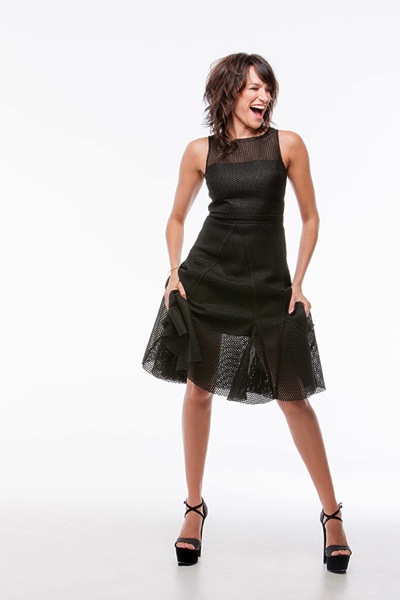
In this image I gave each model one action to repeat over and over, to achieve a natural candid feel. (The Footy Show cast – image courtesy Nine Network Australia)

Getting realistic and natural looking shots can be really tricky. If I set up the shot, and try and direct certain poses and reactions, the shots can look really stiff and contrived. If I try and get people to laugh on cue, it tends to look fake.

I can always leave it to chance in the hope that the people I’m working with do something worth photographing but this isn’t always an option. So what’s the best way to get people to look natural on camera? Here are my five favorite and most successful techniques to help you take more natural looking portraits:

1. Check your mood

People tend to mirror, and reflect the mood of the photographer, so if you are having a bad day or feeling grumpy, then your models are going to pick up on that vibe. If you want happy and excited looking expressions, then you need to have that vibe yourself. If you are not feeling it before the shoot, for whatever reason (stuff happens right?) then do whatever it takes to put yourself in a good mood. Listen to a funny podcast on the commute in, call a friend who makes you laugh, read funny stuff. Eat half a jar of Nutella (don’t judge me).

WW14 192

2. If you want people to laugh genuinely, then give them something to laugh about

I’m constantly wisecracking through the shoot, and ever ready to capture the expressions as the joke hits. The best way to do this is to set up your models in the position you want them, start with serious poses, and then throw in a funny remark between frames.

You don’t even need to be that funny for this technique to work. You only really need two or three good jokes, or lines, that will crack a group of people up. I’ve been using the same lines for years and they still work. The important part is that you make them your own, and it’s something you would say, or feel comfortable saying.

3. Laugh with people

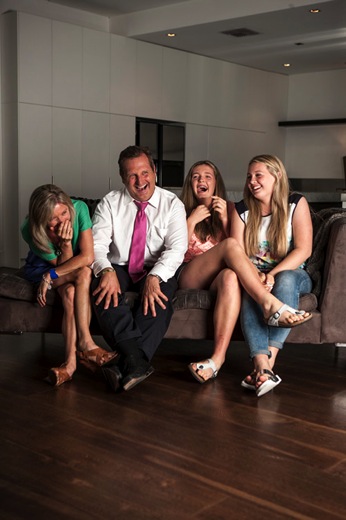
GB MEL14 750 Lifestyle 3

To get this image of the Dalton family (above) I actually just started laughing with them. Laughing with your models is infectious. I felt a bit embarrassed doing it at the start, but soon discovered it was totally worth the genuine laughs, and reactions I got. (The Dalton Family/Foxtel)

Another great trick to make models laugh is I actually ask my models to laugh, and will start laughing with them. This always starts out really awkward, everyone laughs uncomfortably, and at first they are laughing at me. But, after a while, everyone is laughing with me, and I’m always able to capture some genuine and beautiful laughing shots.

4. Give each person something to repeat

Lifestyle 4

In this image, I gave each of the girls a specific action and eye-line, while they walked toward my camera. The client wanted a fun, positive, natural-looking shot. If this sort of image is left to chance, all the girls end up looking in the same direction, or have the wrong facial expression.

Try and give everyone in the group a set of actions to repeat as you shoot. This makes it easier to control the group, and keep the shape of the shot you are trying to get. I find I have greater success when I give each model only one action to repeat, and a direction to look toward.

An example of the direction I gave for the girls walking above would be:

  • Girl A (use their real names or course!): Walk towards me, look into the camera and smile at me like you’ve just seen your best friend
  • Girl B: Walk towards camera and smile over at girl A
  • Girl C: Tell a story, and gesture with your hands and look over at girl B
  • Girl D: Laugh to yourself and walk towards camera

5. Keep talking, coaxing, encouraging, directing

People perceive silence from a photographer as a sign that you are unhappy with what they are doing.

PPTS Women 0035 PPTS Men 0026W

What’s your favorite technique for getting natural looking portraits? Do you have any great tricks we could all try? I’d love to hear about them. Please share any others in the comments below as well as your images of natural looking portraits you’re proud of.

googletag.cmd.push(function() {
tablet_slots.push( googletag.defineSlot( “/1005424/_dPSv4_tab-all-article-bottom_(300×250)”, [300, 250], “pb-ad-78623” ).addService( googletag.pubads() ) ); } );

googletag.cmd.push(function() {
mobile_slots.push( googletag.defineSlot( “/1005424/_dPSv4_mob-all-article-bottom_(300×250)”, [300, 250], “pb-ad-78158” ).addService( googletag.pubads() ) ); } );

The post 5 Tips to Help You Take More Natural Looking Portraits by Gina Milicia appeared first on Digital Photography School.

Digital Photography School

 
Comments Off on 5 Tips to Help You Take More Natural Looking Portraits

Posted in Photography


Photo Tips From Our Furry Favorites, the #dogsofinstagram!

09 Nov
dogs

We took a crash course in barking, then asked our favorite #dogsofinstagram for their secrets to taking the perfect pup pic.

Read through the tips below, peep the “paw”esome photos and enter yourself in our #dogsofinstagram Giveaway.

Don’t have a dog (yet)? Share this post with friends who do, so they’ll post more photos of their furry friend for all to see (and to give them a chance to win big).
(…)
Read the rest of Photo Tips From Our Furry Favorites, the #dogsofinstagram! (722 words)


© Erin for Photojojo, 2015. |
Permalink |
No comment |
Add to
del.icio.us

Post tags:


Photojojo

 
Comments Off on Photo Tips From Our Furry Favorites, the #dogsofinstagram!

Posted in Equipment


10 Tips for Better Landscape Photography

06 Nov

Landscape photography is a very popular genre and many amateur photographers start their hobbies doing it. There is, however, a lot more to it than just going out somewhere beautiful, putting your camera up to your face, and clicking the shutter button.

Have you gone out and taken some landscape photos, then found that they didn’t look that good when you got home? Do you get lost when you go out, and don’t know what to photograph, or how? Here are 10 tips to help you get you do better landscape photography.

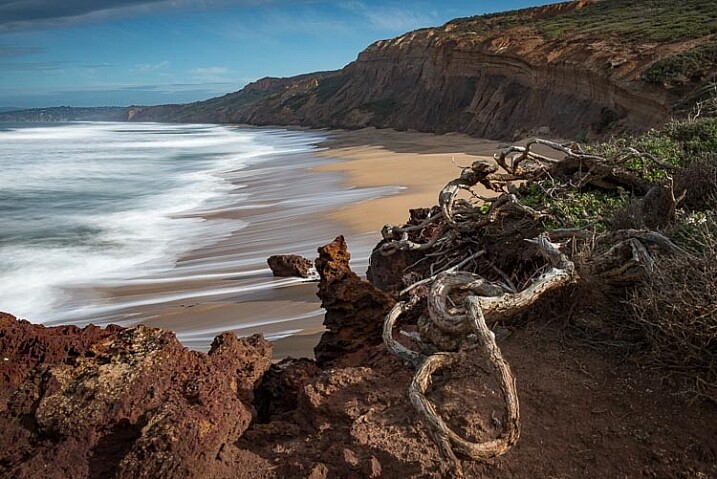
leanne-cole-ten-tips-landscape-3611

A bush trying to grow on the edge of some cliffs show how harsh the environment is and leads you to the cliffs.

1 – Work the scene

One thing you see a lot of new photographers doing is walking up to a scene, taking one photo, and think they are done. However, a more experienced person will take a lot more photos, and spend time walking around and seeing what they can get from that scene.

Think about different angles, and different heights. With digital you can take so many photos, and it won’t cost you anything, other than a few minutes. So work the scene, and see what else you can get.

2 – Leading lines and patterns

This is something that we all learn from the beginning, find a leading line that will take your viewer into the image. Fences, roads, or anything that is like a line, that starts at the side of the frame, and takes people into your image. It is the invitation to look at the photo.

Patterns can be a great way attracting attention. If you notice a pattern somewhere, and take a photo of it, there is a good chance that your audience will also find it interesting. Patterns can be anywhere, in the ground, on the bark of trees, how they are planted. They can be fascinating.

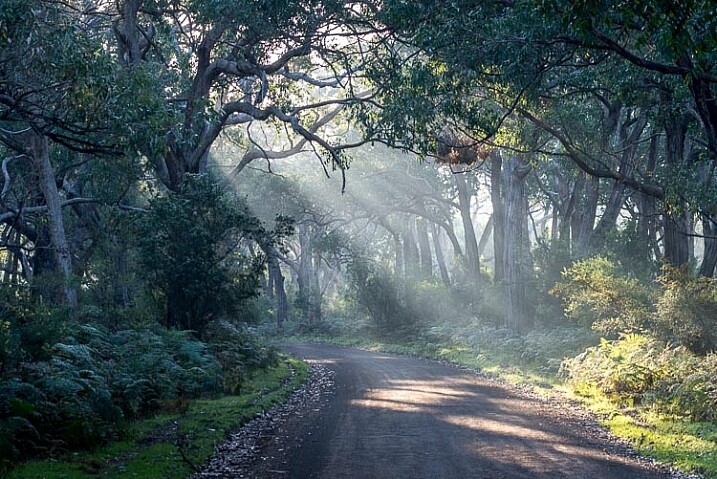
leanne-cole-ten-tips-landscape-3836

Roads can be great leading lines to take your viewer into your image.

3 – Time of day

This is something that we all learn at the beginning, time of day is important. It is also dependent on the time of the year. Here in Southern Australia you can shoot all day long in winter. The sun is never high in the sky, the shadows are soft, and it is a great time of the year to take photos. On the other hand, summer is terrible. It is hot, the light is harsh, the shadows are sharp, and often the colors in your images can look bleached.

Think about where you are, and what time of the day is best where you want to take photos. Some people prefer early morning, there aren’t many people around, and you can get what you want before the day starts. Others prefer later in the day, and don’t mind sharing their location.

Some areas that you want to photograph will be better for sunrise, as you may not be able to get a sunset there. Or it could be the other way around. Many coastal areas on the east coast of Australia mean that is it almost impossible to get a sunset, so you need to get up early and aim for sunrise instead.

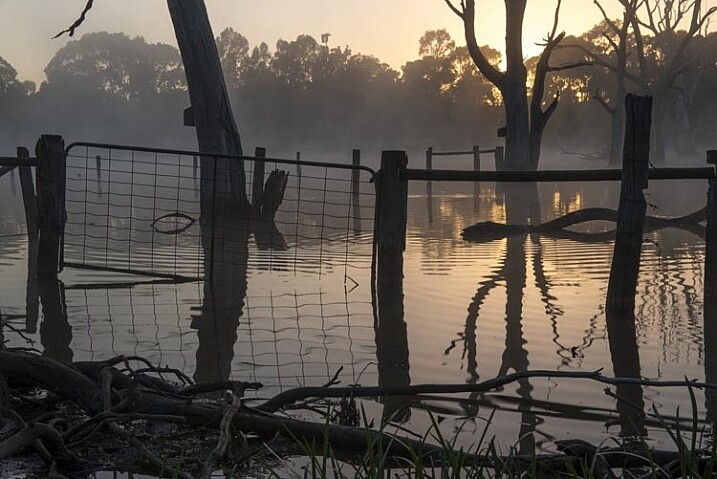
leanne-cole-ten-tips-landscape-0122

Early morning can mean sunrise, but at certain times you can also get mist on water.

4 – Look at your foreground

The foreground is often forgotten when taking landscape photos, but sometimes what is right in front of you is exactly what you need to make your image stronger.

Some images of landscapes can be a bit more interesting by adding a small plant or something that is in the front, close to the camera. It can also be a leading point to the scene at the back of the image.

leanne-cole-ten-tips-landscape-7254

The foreground plants give interest to the landscape behind.

5 – Look at what other photographers do

Without a doubt, one of the best things you can do is to look at other photographers, and take note of what they do. Don’t underestimate how much you can learn by looking at the work of others. Not just good or professional people, but also amateurs, you can see the good and the bad.

Look work that you like and determine why you like it, exactly what it is that you think makes it work. Can you pinpoint what it is about that image that makes you jealous that you didn’t take it?

Take notes of images that you don’t think are very good. Analyze them and see what it is that you find isn’t working. Learn from them, and make sure you don’t make the same mistakes.

6 – Think about the seasons

It’s very easy to go out one day and take photos of a particular place, then forget it exists, but what about thinking about other times of the year. Some places will look better in summer than they do in winter. Spring could be a time with lots of flowers, while autumn will give you colourful trees.

Photographing the same place throughout the year can give you a different feeling to your images every time you go there.

It is also a good idea to think about where you want to take photos, then consider what will be the best season to show it off. The mountains can look sparse and uninspiring in the summer, but in winter they are covered in snow; it adds a different dimension.

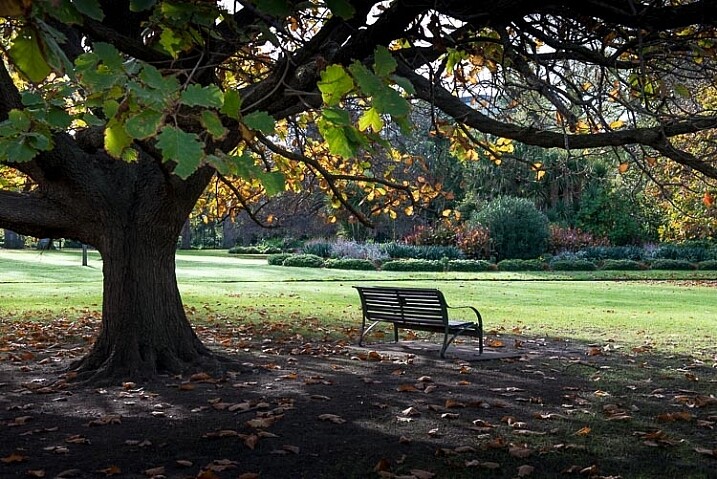
leanne-cole-ten-tips-landscape-1050

Autumn can bring lots of color to your landscape photography.

7 – Look for the smaller landscape

When you are out, it is very easy to put on a wide angle lens, and take all your photos with it. Most landscapes are wide vistas showing the scene that is before you. But, there are other ways to show what is there. Look around for objects or flora that you can use in the foreground. This is especially good if the subject is in the distance. It can give something interesting in front of your image.

Try taking a zoom or macro lens with you. You might be able to photograph something like the flora. Don’t just zoom right in on flowers that may be growing on it, try considering the whole plant and where it is situated. It can you give it some context as to its environment. This can help you tell a whole other story at times.

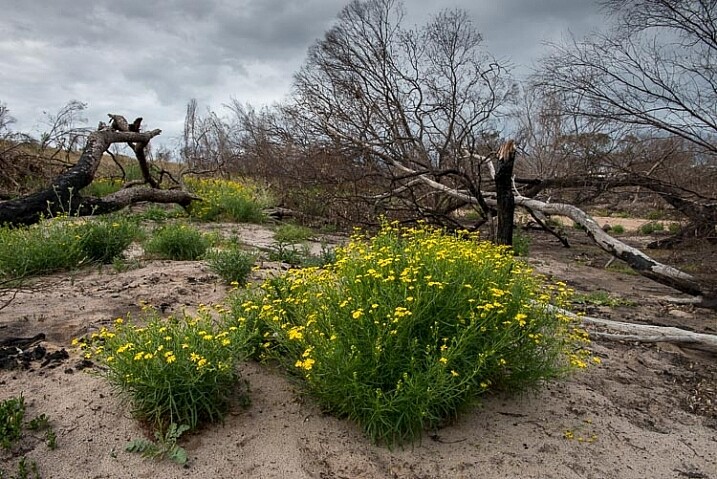
leanne-cole-ten-tips-landscape-7351

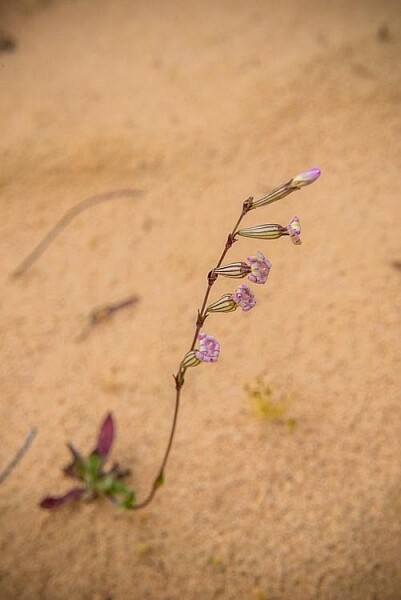
Flowers trying to grow in sand helps to tell the story of the location.

8 – What equipment do you need

You don’t need anything special to photograph landscapes, a camera with a decent lens is enough. You can use a compact camera just as well as a DSLR, it is really up to you.

If you are using a DSLR then you probably want a wide angle lens, or something a bit longer. Landscape photographers tend to use wide angles more, though many also use up to 200mm lenses as well. You don’t need the best camera that is available, and often it’s the lens choice that will give you the best results.

A sturdy tripod is good to have. The best advice is to get the best you can afford, don’t skimp on the price, you will regret it later if you do. A remote shutter release is a great piece of kit to have as well, or you can use the self-timer on your camera.

When you progress, and as you get more skilled at landscapes, the equipment list tends to grow. You will find yourself wanting items like filters for long exposures or better lenses. The list can be endless.

9 – Tripod: when to use or not

There is an opinion that if you are a serious landscape photographer, then you will always use a tripod, no matter what. If you are not, then you can’t be sincere about your craft.

It’s one way of looking at it. But, so many new and experienced photographers, find it can be limiting, or stifle your creative flow; that you can’t move around easily when taking your photos.

The short answer to this is that you have to feel comfortable when you are doing photography, so there is nothing wrong with not using a tripod. Though you also have to accept that, at times, you may not get the sharpest images – so it’s a trade-off.

If you are shooting at night then a tripod is a must, especially if you don’t want noisy photos. A tripod means you can use the best settings on your camera to get the highest quality image.

10 – Look for the story

There is no denying that some places you go to will seem boring, and you will wonder why on earth you went there. It’s one of those times when you will want to consider other tips here, but one tip that can really help is to find the story of the area.

Consider where you are, and why you went. Is there some history that you can see that still remains? How can you incorporate that into the image to show the story?

In many places in Victoria, Australia, you can travel to a town and find very little there. The only thing there might be grain silos, and fields of crops in various stages of growth. Look at the silos up close, and see if you can photograph how long they have been standing there. Look for how they are used. There will always be railway tracks next to them, so shoot how they lead you to the silos (see tip #1 above). Maybe do one from a distance showing the silos standing tall in a flat country. The story becomes all about the silos and that countryside.

Landscape photography is wonderful, and what you can take photos of is endless. Think about all the tips here and they should help you do your best landscape photography.

Please share any other tips you have for landscape photography, and your images in the comments below. If you use some of the tips, let me know how they worked out for you.

googletag.cmd.push(function() {
tablet_slots.push( googletag.defineSlot( “/1005424/_dPSv4_tab-all-article-bottom_(300×250)”, [300, 250], “pb-ad-78623” ).addService( googletag.pubads() ) ); } );

googletag.cmd.push(function() {
mobile_slots.push( googletag.defineSlot( “/1005424/_dPSv4_mob-all-article-bottom_(300×250)”, [300, 250], “pb-ad-78158” ).addService( googletag.pubads() ) ); } );

The post 10 Tips for Better Landscape Photography by Leanne Cole appeared first on Digital Photography School.

Digital Photography School

 
Comments Off on 10 Tips for Better Landscape Photography

Posted in Photography


5 Tips for Striking Getting Ready Shots of Brides

06 Nov

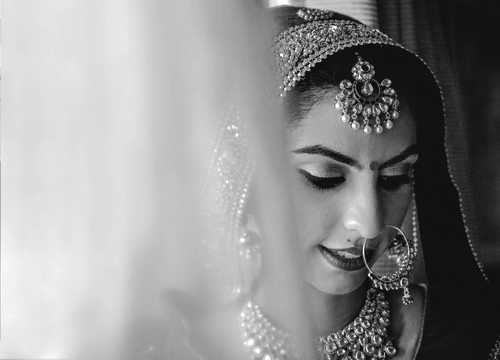
The Bride in her wedding dress, shy and tense, beautiful and alluring. She provides quite a conundrum for a wedding photographer. How does one work towards capturing the emotions that often rush over the bride as she prepares for holy matrimony?

DPS2

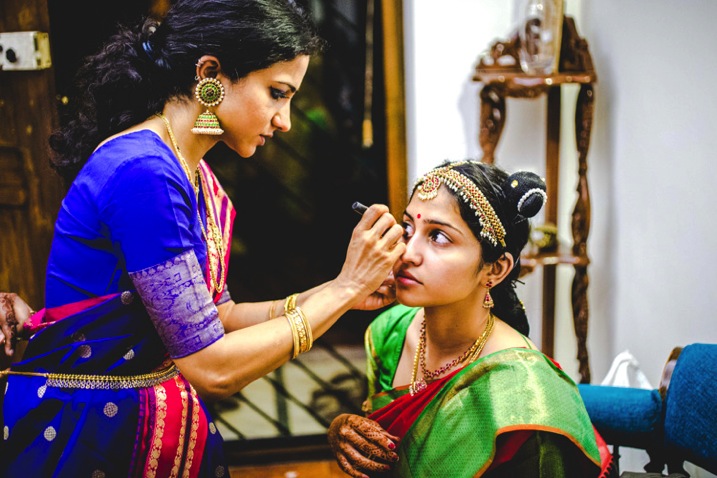
Over the years that I’ve shot weddings in India, I’ve come to appreciate the Bridal getting ready session. This is the calm before the storm when the bride will look her best, and it is the least interrupted time the photographer has with the bride. Below are a few tips and tricks I’ve honed that help me capture my brides at their best in some pre-wedding getting ready photos:

1. Work with the most important person in the room.

The bride typically gets ready in a room in the presence of the make-up artist and supportive sister(s) and friend(s). In this group, the most important person is the make-up artist. Work with him or her to understand their work flow. Is she left handed or right handed? What is the order in which she does her stuff? Does she schedule her breaks??
All this information is critical for you to capture the best angles, and moments, in the getting ready process. You don’t want to interrupt another wedding professional when she is in her zone. Respect her and together you can make the bride look her best and capture the process.

DPS1

2.The Three Perspective Rule

Every wedding photographer has been taught to capture the subject from multiple perspectives. While I agree with this, I believe there are three specific perspectives that are critical for capturing the bride getting ready. They are:

The Top Down

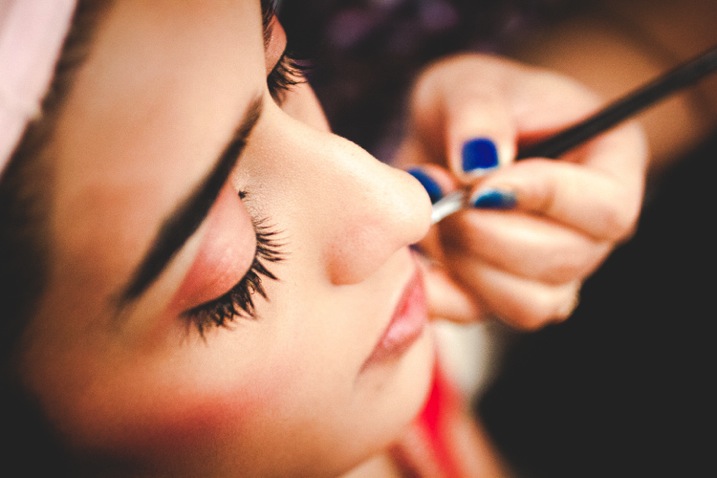
These shots provide a god view of the process and often help focus the viewer’s eye on a specific aspect of the process. Below is a top-down of the eye liner getting done. A lot of clutter in the room (weddings are messy !) can be worked around and simple moments like the addition of lipstick or the adjustment of a dress can be shown with a certain dramatic flourish.

DPS3

The Bride’s View

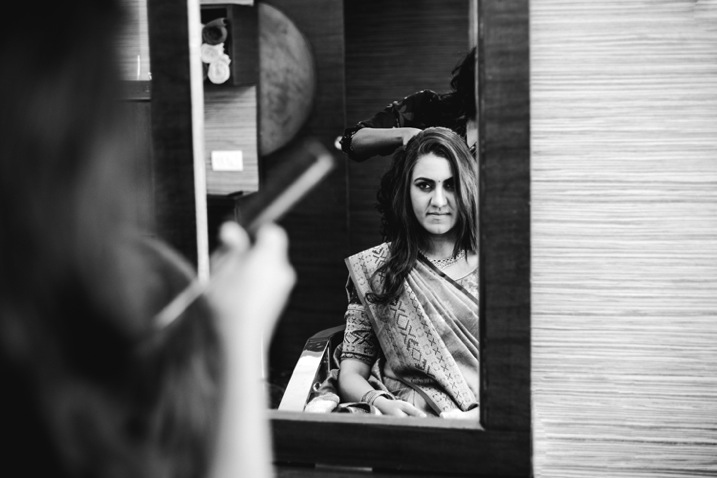
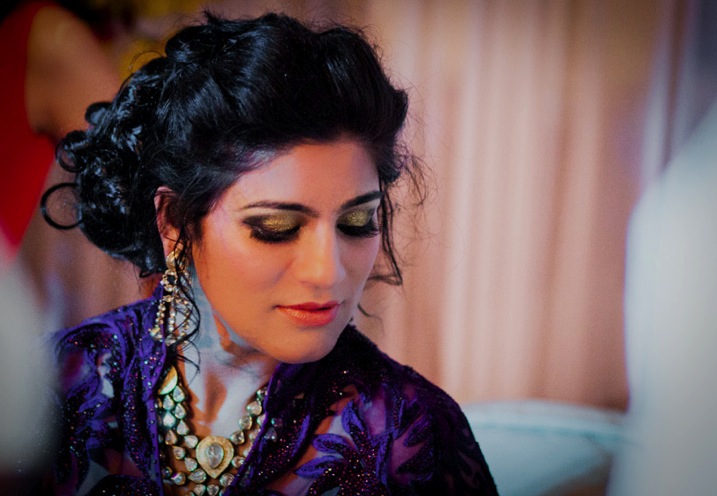
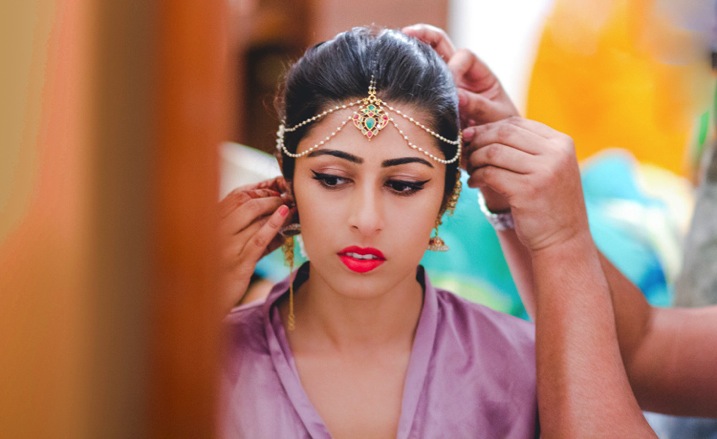
Do not forget that the most important person after the make-up artist is the bride. It’s important to capture this session from her perspective too. Get down to her level if she is sitting. Imagine what she is going through. Follow her eyes to see what is capturing her precious attention. Make use of a mirror to capture her in a moment of self-reflection. Below is a picture of bride when she is just looking at herself while her friends are helping her with her earrings.

DPS4

The Fly on the Wall

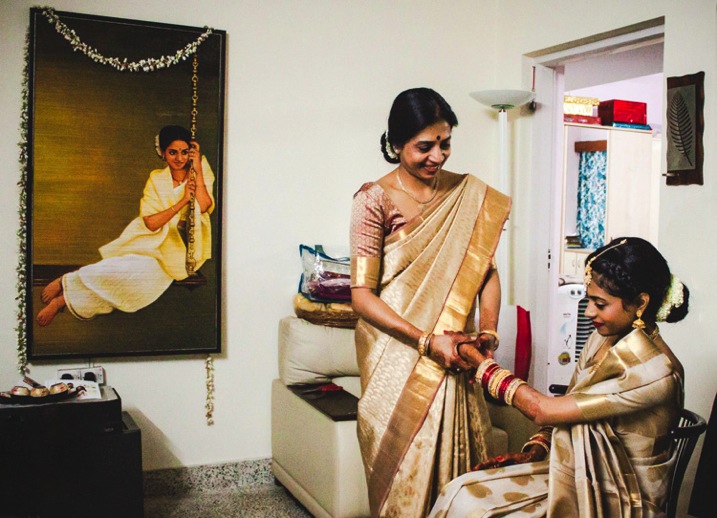
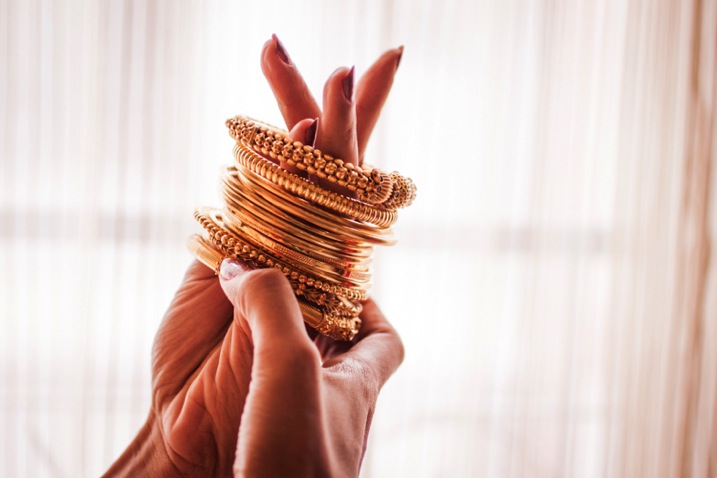
Remember that clutter I mentioned? That is part of weddings. They are like the handwritings of the bride and her sisters. Try going to the corner of the room with a wide angle lens and capture the confusion and chaos in all its glory. Get on a chair and view the room from above and try to spot what is adding color and personality to the room. Maybe it’s the jewellery spread carelessly on the bed. It could be the mother happily putting bangles on the bride’s arm, or maybe the groom trying to look through the window (it’s happened!).

DPS5

3. Expect the Unexpected

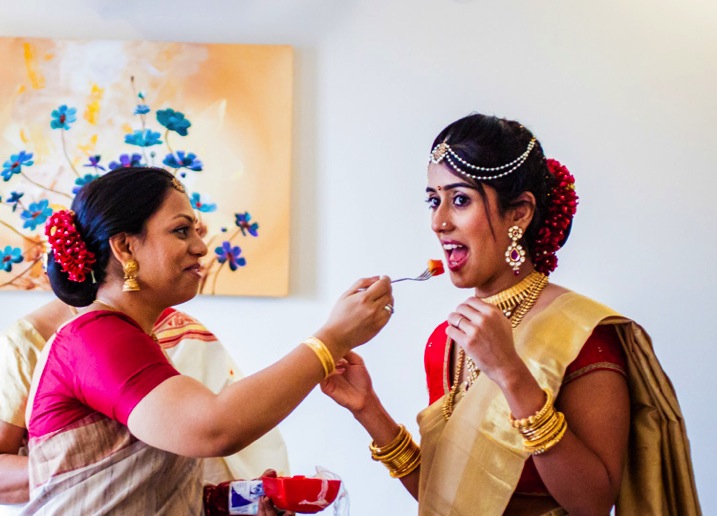
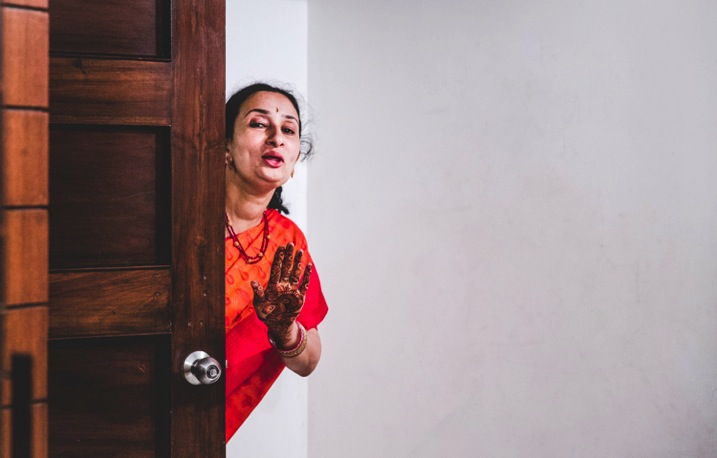
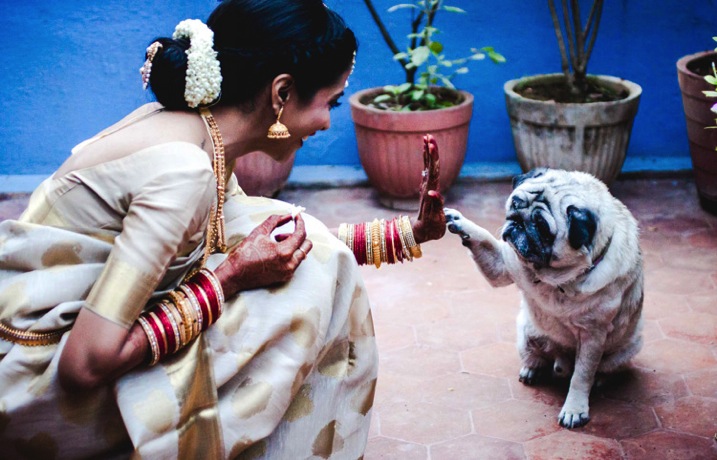
Wedding photographers should approach the weddings with the attitude of a journalist looking for a scoop. Still, during the getting ready time, it’s easy to let your guard down as everything seems pre-planned, and in motion. Some of my most candid pictures have been taken in moments of delightful serendipity. Below are pictures from different weddings.

DPS6

A sister-in-law feeding the bride minutes before she stepped out

DPS7

The bride’s aunt reminding her that she has just five minutes to go

DPS6b

And then sometimes the pet just walks in to say the final goodbye!

4. The Trousseau and Trinkets

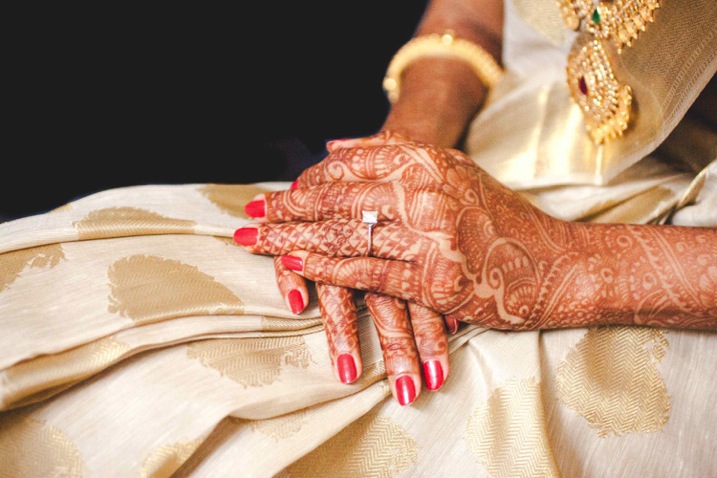
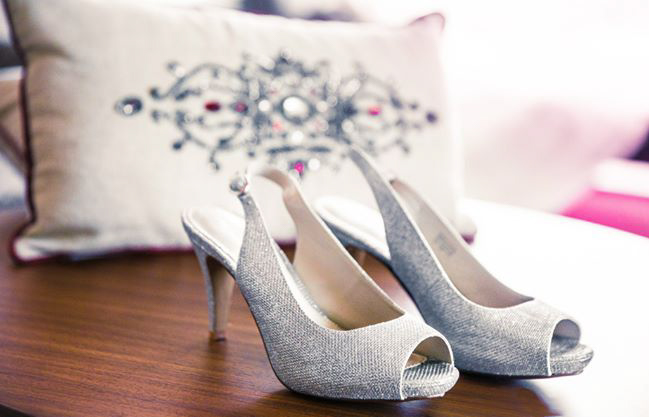
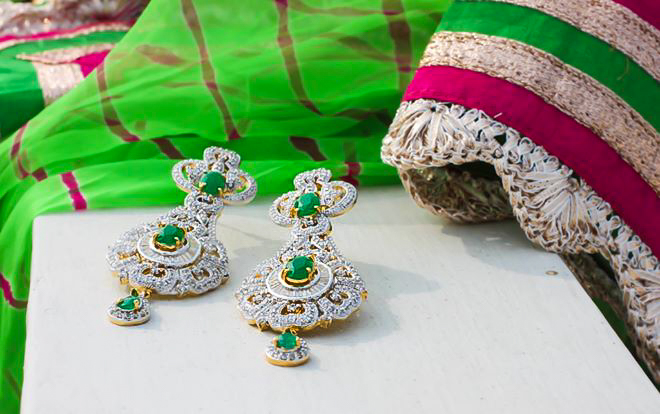
There are brides that wear a simple white silver bracelet, and others that wear elaborate gold chains, adorned with peacock and mango motifs, that were made nearly a century ago for their grandmother’s wedding. The Wedding Trousseau and the accompanying trinkets say a lot about the personal choice of the bride and her traditions. It is important to capture them with respect, and a certain sensitivity, as these hold meaning for a family more that what we as a person viewing in from outside can appreciate.

These items could simply be the Wedding Trousseau itself, which the bride, her sister, and friends would have spent weeks agonizing over, and probably spent many woman-hours putting together.

DPS8b

DPS8 DPS9


DPS9b

5. Lights, Camera, Action!

Light – what else is there for a photographer to contemplate? The challenge doing portraiture for a bride getting ready is that the event sometimes occurs in a small compact bedroom, studio, or dressing room at the temple, church, or hotel where the wedding is taking place.

It’s important to understand what the sources of lights in the room are, and perfectly professional to ask the make-up artist and bride to reorient themselves, or the way they face to make the pictures look better.

Be prepared to use white curtains to bounce of light from your flash or shoot from outside the room through a window to get light right!

DPS10 DPS11

I hope you find these tips helpful, whether you are doing wedding photography as a professional, or at a friend or relative’s wedding. Please share your own tips and comments below, as well as your images.

googletag.cmd.push(function() {
tablet_slots.push( googletag.defineSlot( “/1005424/_dPSv4_tab-all-article-bottom_(300×250)”, [300, 250], “pb-ad-78623” ).addService( googletag.pubads() ) ); } );

googletag.cmd.push(function() {
mobile_slots.push( googletag.defineSlot( “/1005424/_dPSv4_mob-all-article-bottom_(300×250)”, [300, 250], “pb-ad-78158” ).addService( googletag.pubads() ) ); } );

The post 5 Tips for Striking Getting Ready Shots of Brides by Manvi Gandotra appeared first on Digital Photography School.

Digital Photography School

 
Comments Off on 5 Tips for Striking Getting Ready Shots of Brides

Posted in Photography


The More the Merrier!Group Photo Tips and Ideas

05 Nov

What’s better than a photo of a loved one?

A group photo of a BUNCH of loved ones!

But simply standing around and saying cheese? Yawn. We rounded up group photo ideas that will have everyone running, dancing, and more.

Whether you’re shooting pics of your pals or preparing for family holiday cards, you’ll get a kick out of these ideas and their unique results!

(…)
Read the rest of The More the Merrier!
Group Photo Tips and Ideas (658 words)


© Taylor for Photojojo, 2015. |
Permalink |
No comment |
Add to
Group Photo Tips and Ideas”>del.icio.us

Post tags:


Photojojo

 
Comments Off on The More the Merrier!Group Photo Tips and Ideas

Posted in Equipment


6 Tips on How to Make More Time for Photography

04 Nov

188

YOU have time for photography!

How does that statement make you feel? Does it ring true to you? If you are thinking, “That might be true for others, but not for me and my busy life.”, this article may change your mind.

We would all love to have the luxury of doing whatever we want, whenever we want to do it, but that’s not how life works for most of us. We have jobs, family, kids, homes, yards, church responsibilities, community obligations, the list goes on and on. If you really want to use your camera more, learn more about photography, and practice your skills on a regular basis, maybe the following tips will help.

187

1 – Schedule it in

Sometimes we know we want to photograph something, and we figure that sometime during the day we’ll grab our camera and it will happen. If we’re being realistic, we know that the chances of that happening are pretty slim.

If you really want to get more photography into your life, you have to make it a priority. We know that priorities get scheduled in first. You’ve probably seen the object lesson where you fill a jar with sand and then try to pack the rocks into it. Of course the rocks don’t fit; the jar has already been filled with little pieces of sand. If you put the rocks in the jar first, and then shake the sand in around the rocks, you can fit both of them in there. Priorities are your rocks. They have to fill your jar of time first, and then the other little things that don’t matter as much will find a way to fit in where they can.

Write your photography plan for the day down on your calendar. In pen. Then treat it like any other important appointment. If it’s not written down, it’s much easier to push it aside for other things that happen to come up. Also, remember that it doesn’t have to be a long session every time. Sometimes five minutes is enough to capture something fun.

191

2 – Let go of perfection

You may have it in your mind that you need to photograph an elaborately staged fairy tale story, or that you must photograph a mountain scene at precisely 6:30pm on a foggy day, or that your little girl has to have perfectly curled hair and perfectly matched clothes, without a speck of dirt.

If you are always waiting for the perfect conditions to happen, chances are you won’t get much photography done. Sometimes those perfect conditions happen, and it’s magical, but sometimes magical photos happen when you least expect them.

You may have to drag your night-owl self out of bed at sunrise to fit photography time into your day. You may have to snap a photo of your daughter with messy hair and mud pies on her face, because that’s when the opportunity presents itself. You may have to bring your camera to work, and find a moment in midday bright sun to explore your surroundings with your lens.

Don’t get too hung up on everything being just right. Sometimes you actually learn more when you have to deal with less-than-ideal circumstances, then you are even more appreciative of the times when everything falls into place perfectly.

186

3 – Keep your camera with you

We’ve talked about scheduling quality time with your camera into your day, but sometimes you may find yourself with a pocket of time you aren’t expecting. If you have your camera close by, you can take advantage of that time.

As much as possible, have your camera with you. If the weather is mild, keep it in your car. Take it to work with you. Bring it along to family functions, or parties. You don’t have to be that person who always has a camera up to your face, but have it available, just in case. There have been too many times where I’ve been in a situation where I wished I had my camera with me, and everyone around me wished I did too. But sadly, I had forgotten to bring it, or hadn’t thought I would need it. Unless you are worried about the temperatures you will have to leave it in, or about it being stolen, just bring it.

You may want to consider your smartphone, or a small pocket camera, as legitimate options also. You can get pretty great photos, even without your DSLR, so use whatever camera you have with you to create art, and capture beautiful things around you.

158

4 – Combine photography with other activities

Going camping in the mountains? Make it a double-duty activity of camping and nature photography. Play date at the park with friends and kids? Bring your camera along for a fun session with lots of cute faces to photograph. Business trip for work? Your camera can be your travel companion, and help you explore a new city.

Find opportunities to work photography into the things that you are already doing. You don’t have to drop everything you’ve planned to find time to take a few photos. Look at the week ahead of you, and see how many already-planned activities you can fit photography into. It might surprise you how many activities will open up exciting photography opportunities, without adding any extra time to your already busy day.

159

5 – Find your motivation

We all are motivated by different things. Some of us are very goal-oriented, and some are not. Some of us thrive on challenges, and some of us get motivated by something fresh and new. Find what motivates you, and apply it to your photography.

If you like challenges, you could try a 365 Photo a Day Challenge, or make a list of objects to find and photograph, and see how fast you can check them all off. When I was new to photography, I was part of an online group called Mission 24. Each week we would take turns choosing a subject to photograph, and everyone in the group had 24 hours to interpret the subject in their own way, photograph it, and post it to the blog. Then we’d vote on which image was the winner each week. It was all in fun, and really helped us to get our cameras out, and encourage one another.

If big goals are your thing, maybe you’d like to set a goal of starting a portrait business, or selling prints of your landscapes or wildlife photography. It will take lots of time and effort to build a business, but that goal may be just what you need to make you really prioritize your photography time.

You might even find that purchasing something like a brand new awesome photography bag, or the new lens you’ve been dying to get, will motivate you to get your camera out more often.

182

6 – Give it a rest

This may sound like the exactly wrong advice for this article, but sometimes you need to put your camera aside, and not worry about photographing anything for a while.

If you feel like trying to fit photography into your day is stressing you out, and you’re not finding joy in it, then it may be time to take a little break. Forcing yourself will only make things worse. Put your camera in your bag, zip it up, and put it away. Don’t get it out until you WANT to.

You will most likely find that after a short break, you can’t wait to get your hands on your camera again, and it’s back to being a joyful, fun activity. Absence makes the heart grow fonder, right?

185

What are your best tips for fitting photography into a busy schedule? I’d love to hear them, please share in the comments below.

googletag.cmd.push(function() {
tablet_slots.push( googletag.defineSlot( “/1005424/_dPSv4_tab-all-article-bottom_(300×250)”, [300, 250], “pb-ad-78623” ).addService( googletag.pubads() ) ); } );

googletag.cmd.push(function() {
mobile_slots.push( googletag.defineSlot( “/1005424/_dPSv4_mob-all-article-bottom_(300×250)”, [300, 250], “pb-ad-78158” ).addService( googletag.pubads() ) ); } );

The post 6 Tips on How to Make More Time for Photography by Melinda Smith appeared first on Digital Photography School.

Digital Photography School

 
Comments Off on 6 Tips on How to Make More Time for Photography

Posted in Photography