RSS
 

Posts Tagged ‘Three’

Three Exercises to Limit Yourself and Grow as a Photographer

25 Jun

Today’s digital cameras are marvels of modern technology, allowing even the most inexperienced photographer access to state-of-the-art imaging systems that were the domain of supercomputers, and research institutions only a few decades ago. With prices plunging continually lower, and more devices equipped with cameras than ever before, photography has reached the point of ubiquity: cameras are everywhere, and anyone who wants to take photos can do so. But sometimes, the best thing you can do to grow as a photographer is to take the opposite approach and set some strict limits for yourself. By operating within the bounds of some simple constraints, you will often find yourself exploring new photographic possibilities that you had never realized were there before.

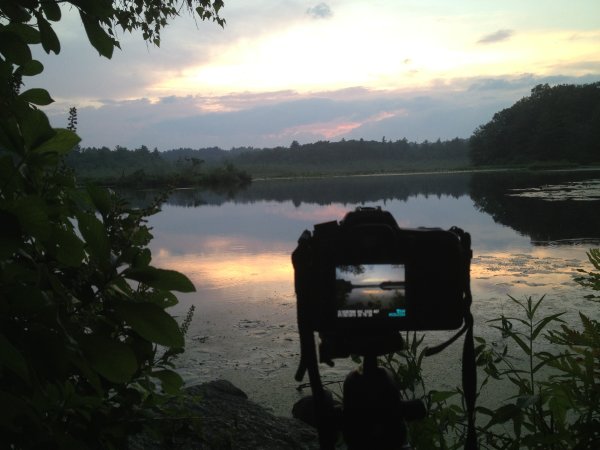
Duck pond

1. Limit the number of shots you take

Memory cards are extraordinarily cheap. It’s tempting to buy the biggest card you can afford in order to ensure you can fill it with thousands of pictures and not worry about running out of space. But not too long ago, photographers were limited to just a handful of pictures at a time. Each roll of film (i.e. memory card) could hold 36 shots at most, and they were crazy expensive by today’s standards. Imagine paying four dollars for a memory card that could only hold a couple dozen photos and only be used once! Nevertheless, for decades our photographic forefathers were able to churn out amazing images by working within these limits, and so can you.
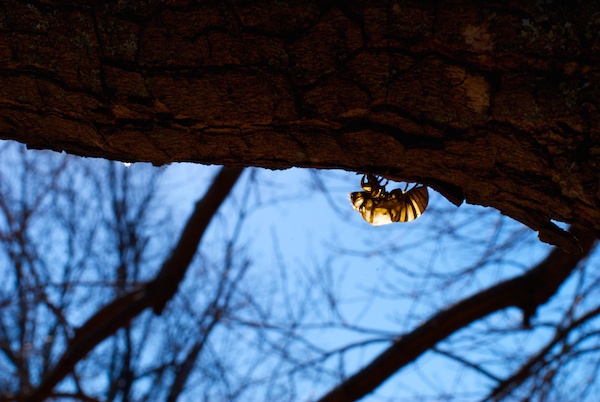
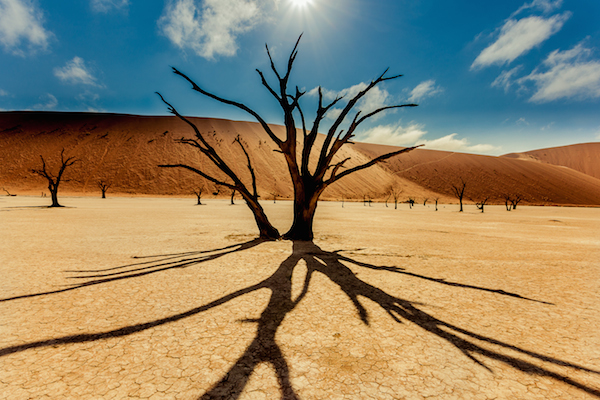
Cicaida tree

The next time you go out to shoot, limit yourself to only a handful of pictures–set the number beforehand, and stick to it. In doing so, you will have to be much more purposeful about what you photograph. Rather than take the “spray and pray” approach where you shoot hundreds of photos now and find the good ones later, take a more measured and intentional approach by really studying your subjects and finding the best shots through careful planning. You might be frustrated at first, but will soon find that you develop a much more intimate relationship with your subjects, the lighting, the composition, and other elements of photography. Limiting yourself to only a few pictures will help you make each shot count, and help you shoot for quality instead of quantity.
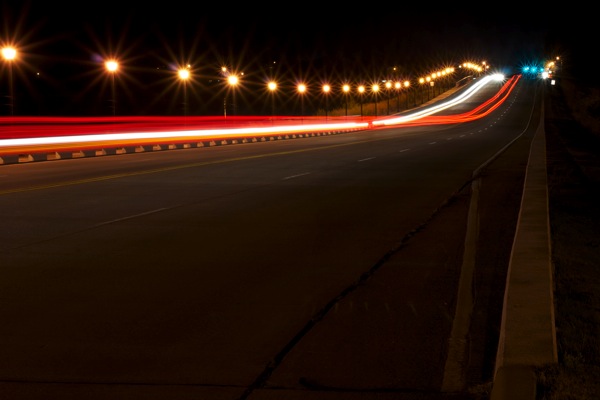
Night lights

2. Limit your focal length

Zoom lenses are a wonderful thing, and are a great way to help you get closer to the action or take in a wide angle of view on a given scene. But zoom lenses on consumer cameras are a fairly recent invention, and not long ago every camera shipped with a simple prime lens, meaning it could not zoom at all. Imagine not being able to zoom in and out! You would have to physically move yourself to get closer to the action–not at all what people expect nowadays. But by limiting your focal length you can, ironically, find yourself stretching your photographic muscles in ways you never thought possible.

Flower bug

When you allow yourself only one focal length, it forces you to look at the world with a different perspective and see new opportunities for pictures. Let’s say you are out with your kids at the park, but instead of standing on the side and zooming in, try locking your lens at one focal length such as 24mm or 35mm and physically walking around to get closer. You will soon discover new perspectives that you overlooked, because you were relying on the zooming capability of your lens. Or if you normally like to take photos of nature or architecture at a wider settings like 18mm, try setting your focal length to something like 55mm and see what happens.

True, the pictures you take will look nothing like what you are used to, but you will see the world from a new perspective and find all sorts of different photographic opportunities you never realized were there. If the temptation to start zooming in or out strikes, don’t give in. Move yourself around and look for ways to work within the limit you have set, and you will be surprised at what you can accomplish.

Toy top

Of course the best way to limit your focal length is to buy a prime lens, which I highly recommend. Not only will you learn to maximize the possibilities afforded by a single focal length, but you will get other benefits like a much larger aperture which means better photos in low light, and nice blurry backgrounds too.

3. Limit your subject

We’ve all heard people tell us to take time to stop and smell the roses, but what about taking time to photograph them? Or, specifically, one single rose. That’s the idea here: rather than taking pictures of many roses, trees, buildings, sculptures, or people – focus on just one subject and look for new and interesting ways to capture it on digital film. Study it from every possible angle, and find ways of positioning it (or yourself) that might not seem so obvious. Try returning at different times of day, or seasons of the year, and see how it changes. You might end up with dozens or even hundreds of pictures that are boring, uninteresting, or just not all that good. But you will also likely end up with some gems that are far beyond what you thought you could accomplish before.

Tree perspective

Limiting yourself, in a world with limitless photographic opportunities, might seem counter productive at first. But if you give it a try, you will find that putting some constraints on your photography will help stretch yourself in new ways and find interesting picture opportunities that you might have overlooked hundreds of times before.

The post Three Exercises to Limit Yourself and Grow as a Photographer by Simon Ringsmuth appeared first on Digital Photography School.


Digital Photography School

 
Comments Off on Three Exercises to Limit Yourself and Grow as a Photographer

Posted in Photography


Contest – Win One of THREE Photography Courses from New York Institute of Photography

05 Jun

Over the last few years here at dPS, wNYIP Logoe’ve run some incredibly popular competitions with one of our partners – the New York Institute of Photography – to give away to lucky dPS readers some of their great photographic teaching.
Due to popular demand – we’re doing it again this week.

For this competition, NYIP is giving away THREE prizes.

Each will be won by a different dPS reader. Here’s what you could win:

Complete Course in Professional Photography – worth $ 1,499

This is NYIP’s most popular course. It teaches everything an aspiring photographer needs to know about the art, technique, and business of photography. Want to become a better photographer? Then this course is for you.

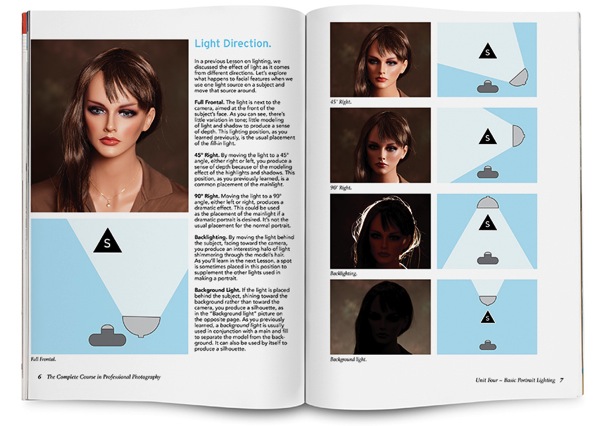
NYIP spread Light Direction

All courses include comprehensive and illustrated lesson books, CD audio guides, DVD video training, photo projects, professional evaluation and personal student advisers.

How to Win

To win this competition you’ll need to:

  • Watch the video below
  • Leave a comment below and tell us why you’d like to enrol in New York Institute of Photography. Please note: there is a limit of 1 entry per person.
  • Do this in the next 8 days and on June 12th, 2014, the team at NYIP will choose the best three answers and we will announce the winners in the following days.

Deadline is June 11th, Midnight PDT. Comments left after the deadline will not be considered.

By “best” – we’re looking for people who have an understanding of what NYIP is, what the course offers, and how it suits their needs. There’s no need to write essay length comments to win – but we’re looking to hear what you like about NYIP, the course and how it would help your development as a photographer.

This competition is open to everyone around the world no matter where you live, but there is only one entry per person please. To enter – simply leave your comment below.

Don’t forget to share this post with your friends! Like NYIP on Facebook for special offers and announcements on all of the NYIP Courses!

Disclaimer: NYIP is a paid partner of dPS.

The post Contest – Win One of THREE Photography Courses from New York Institute of Photography by Darlene Hildebrandt appeared first on Digital Photography School.


Digital Photography School

 
Comments Off on Contest – Win One of THREE Photography Courses from New York Institute of Photography

Posted in Photography


Three Methods of Making Stunning Photographs in Bright Sunlight

26 May

Location Lighting Masterclass – The Art Of Shooting Into The Sun

Shooting directly into the sun may not be the first thing that pops into your mind when creating a photograph, but the effects it can have on your final image when done correctly can border on magical.

1

#2 The Dreamy Look

There are three primary looks that can be achieved by shooting into the sun.

  1. The first of these takes advantage of lens flare and aims to over-expose the image drastically, creating a ‘dreamy’, almost glowing look. (see image above)
  2. The second ignores the foreground entirely, exposing only for the brightly lit sky and creating foreground silhouettes.
  3. The third comes somewhere in between, exposing for the brightly lit sky and simultaneously using reflection or fill flash to overpower the foreground shadows.
The Silhouette Look

#2 The Silhouette Look

#3 The Balanced Look

#3 The Balanced Look

Let’s work through each of these in turn, how to make stunning photographs in bright sunlight.

#1 – the Dreamy Look

This is not a photographic style I typically aim to produce, however it is nonetheless popular with many photographers. The style aims to expose for the skin tones predominantly, allowing the background to become significantly overexposed; and in the process, create a soft glow around the subject. This style can also take advantage of lens flare (the rings of light that appear in your shot when you shoot directly at bright sunlight) and the varying types of lens flare that different lenses create. To achieve this look, ensure that you have spot metering selected on your camera and measure directly for the skin (you will need to be in aperture priority mode for this). It doesn’t matter if the background overexposes; the primary aim is to expose for the skin and facial features. The brightness of the background will typically create a haze across the rest of the image.

4

#2 – the Silhouette Look

Again, using the camera’s spot meter in Aperture Priority mode, you will need to meter and expose for the background. Select an area (not directly on the sun itself) of sky near to the sun. You can lock the exposure using the AE lock function (usually the “*” button on Canon cameras) to enable recomposition of the image. Alternatively, note the shutter speed reading where you metered on the sky, switch to manual mode and set the camera up with the given shutter speed and aperture manually. Here, the aim is to darken everything in the foreground so be sure to think about the kind of silhouette you’re creating. Less is usually more. Too much in the foreground just creates clutter and loses the focal point.

5

#3 – the Balanced Look

The final, and arguably the most powerful is partway in between, and utilizes flash to fill the image exposure correctly.
Just like the silhouette style, you should meter on the background sky. If you don’t use flash, you’d end up with another silhouette. Instead, crank up the power of the flash as far as it will go (it takes a fair amount of flash power to overcome direct sunlight). About 600w (watt seconds) is preferable, and ensure that the subject you want to light up remains relatively close (due to the inverse square law, light fall-off will very quickly erode the power of the flash). Some post-production boost to the shadows and recovery of the background highlights may be necessary to properly balance the exposure.

6

A few general hints to help with direct sunlight shooting:

1) Autofocus often struggles in direct sun. Try first shading the end of your lens with your hand, focussing on your subject, then switching off autofocus and taking the shot without shading the lens.

2) Colors and white balance can often be thrown by bright sunlight. Be sure to shoot in RAW so that you can true up any color differentials later on.

7

3) Use a polarizer or ND (neutral density) filter where you can. Really bright direct sunlight and long exposures are not good for your camera’s sensor over time, just as they are not good to stare at with your naked eye.

4) Think about the time of day – you want light to fall behind your subject, not on top of it. Therefore, early mornings and late afternoons are best for this type of photography. It is also when the sunlight is weakest, resulting in less overexposure and less risk of damage to the sensor.

8

5) Think about alternative fill light sources. Consider reflective windows, white walls, metallic surfaces – effectively anything that can bounce the direct sun back into the subject to naturally add fill light. This means you will need to have your back to the reflective source.

10

6) Consider some post-production magic, if too much flare is coming into the shot. Mount the camera on a tripod so that the image doesn’t shift, then take two shots of the same scene with the same exposure settings. For one shot, leave the image as is, but for the second, shade the end of the lens with your hand. It doesn’t matter if your hand appears in the image because during post production, you simply join the half from the shaded shot that doesn’t have your hand in it, with the bright half from the unshaded shot. This technique will leave the full effect of the flare around the sun, but enable you to remove the surplus flare from the rest of the image.

9

The post Three Methods of Making Stunning Photographs in Bright Sunlight by Leo Edwards appeared first on Digital Photography School.


Digital Photography School

 
Comments Off on Three Methods of Making Stunning Photographs in Bright Sunlight

Posted in Photography


Win One of Three Lenses From Tamron!

04 May

Over the last few years here at dPS, we’ve run very some very popular competitions with our partners to give away, to lucky dPS readers, some of their great photographic products.

We are lucky enough to be able to do it again this week!

Tamron Lenses for Post Graphic - Cropped

For this competition, Tamron is giving away THREE prizes!

These three unique prizes are designed to help every level of photographer create BETTER pictures. Tamron is the world’s most awarded photographic lens line. Each will be won by a different dPS reader. Here’s what you could win:

  • Tamron SP 17-50 f/2.8 Di II VC – worth $ 599
  • Tamron 18-270 f/3.5-6.3 Di II VC PZD – worth $ 449
  • Tamron SP 70-300 f/4-5.6 Di VC USD – Worth $ 449

SP 17 50MM FTamron SP-17-50MM f/2.8 Di II VC 18270VCPZDTamron 18-270 f/3.5-6.3 Di II VC PZD 70300VCTamron SP 70-300 f/4-5.6 Di VC USD

Learn a little more about Tamron here.

How to Win

To win this competition you’ll need to:

  • Visit the above lens information pages and learn more about each lens and its core use
  • Leave a comment below and tell us why you’d like to win and HOW you would you utilize each lens. Please note: there is a limit of 1 entry per person
  • Do this in the next 14 days and on May 19, 2014, the team at Tamron will choose the best 3 answers and we will announce the winners in the following days

Deadline to enter is May 17, 2014, Midnight PDT (PST). Comments left after deadline will not be considered.

Tamron Pic  Blow

By ‘best’ – we’re looking for people who have an understanding of the lenses and how they will best suit your needs. So you’ll need to check out the product pages to put yourself in the best position to win.

There’s no need to write essay length comments to win – but we’re looking to hear what you like about the lens and how it would help your development as a photographer.

This competition is open to everyone around the world no matter where you live – but there is only one entry per person. To enter – simply leave your comment below.

Tamron logo

About Tamron

Disclaimer: Tamron is a paid partner of dPS.

The post Win One of Three Lenses From Tamron! by Darlene Hildebrandt appeared first on Digital Photography School.


Digital Photography School

 
Comments Off on Win One of Three Lenses From Tamron!

Posted in Photography


24 April, 2014 – Three New Articles, Two On The NEW Leica T and Fueling The Endowment

24 Apr


There are three new articles being published here today; two reviews of the just announced Leica T, one by Michael and the other by Australian contributor Nick Rains. You can also read much more about the Leica T on our colleague Sean Reid’s subscription web site Reidreviews.

There is also the beginning today of a blog about Michael and Chris’ trip to Vancouver and China, to go on press for the printing of Michael’s two new books. In addition to daily reports, stills and videos, Chris will be shoting a documentary on book photo production, including interviews with Lenswork’s publisher Brooks Jensen, and the world famous designer of "Michael Reichmann – a 20 Year Photography Retrospective" – Arturo Chapa.


The Luminous Landscape – What’s New

 
Comments Off on 24 April, 2014 – Three New Articles, Two On The NEW Leica T and Fueling The Endowment

Posted in News


Kowa to make three manual focus lenses for Micro Four Thirds

17 Feb

kowa2.png

Japanese optical company Kowa – best known for its spotting scopes and binoculars – has revealed that it plans to make three lenses for Micro Four Thirds cameras. The Kowa Prominar 8.5mm F2.8 MFT, 12mm F1.8 MFT and 25mm F1.8 MFT will all feature manual focus and aperture control, and use low-dispersion XD glass and aspheric elements to minimise distortion and aberrations. They’re due to be released in summer 2014.

News: Digital Photography Review (dpreview.com)

 
Comments Off on Kowa to make three manual focus lenses for Micro Four Thirds

Posted in Uncategorized


Win One of Five – Three Month Subscriptions from Skillfeed By Shutterstock!

21 Jan

Over the last few years here at dPS, we’ve run some very popular competitions, and this month will be no different! This month we are working with one of our newest partners – Skillfeed, By Shutterstock – to give away to lucky dPS readers, full access to their creative and technical Video Tutorials!

For this competition, Skillfeed is giving away FIVE prizes!

These five prizes are designed to be helpful for all levels of photography and post-production. Each will be won by a different dPS reader. Here’s what you could win:

Three month subscription to Skillfeed’s library of Creative and Technical Video Tutorials! A $ 57 Value!

There are loads of tutorials that you’ll get access to including:

201401211703.jpg

How to make a Pop Art portrait from a Photo in Photoshop Easy

201401211704.jpg

DSLR Digital Photography Course

How to Win

To win this competition you’ll need to:

  • Visit the above library of courses information pages and explore the multiple Video Tutorial offerings.
  • Leave a comment below and tell us which tutorials are of most interest to you WHY you’d like to learn these new skills. Please note: there is a limit of 1 entry per person.
  • Do this in the next 16 days and on Thursday, February 6, the team at Skillfeed will choose the best 5 answers and we will announce the winners in the following days.

The deadline for entries is Wednesday, February 5, 2014, Midnight PST. Entries placed after deadline will not be considered.

By ‘best’ – we’re looking for people who have an understanding of the Video Tutorials and how they will best suit their needs. So you’ll need to check out the tutorial pages to put yourself in the best position to win.

There’s no need to write essay length comments to win – but we’re looking to hear what you like about the video tutorials and how it would help your development as a photographer.

This competition is open to everyone around the world no matter where you live – but there is only one entry per person.

To enter – simply leave your comment below.

Disclaimer: Skillfeed is a paid partner of dPS.

The post Win One of Five – Three Month Subscriptions from Skillfeed By Shutterstock! by Darren Rowse appeared first on Digital Photography School.


Digital Photography School

 
Comments Off on Win One of Five – Three Month Subscriptions from Skillfeed By Shutterstock!

Posted in Photography


Behind The Scenes of Three of My Most Popular Landscape Photos

26 Sep

In the following post I’m not going to remind you again that you need to bring your tripod with you. I’m not here to warn you that weather is unpredictable and you should check the latest forecast before heading out the door.

Nope this post won’t cover the fact that you should bring a flashlight and a few other miscellaneous tools just in case something goes wrong. And of course I won’t be telling you that you should tell someone where you’re going and when you’ll be back incase you do get lost, hurt or otherwise incapacitated and need help getting home.

Instead of rehashing the basics or providing some motivational tips to get you off the couch I’m going to show you three ‘behind the camera’ photographs that I took with my iPhone, share the final shot, and talk a bit about how I made each image.

Sound good? Okay let’s start!

First Up – A Small Cascade Near Trap Falls in Ashby MA

IMG_1902

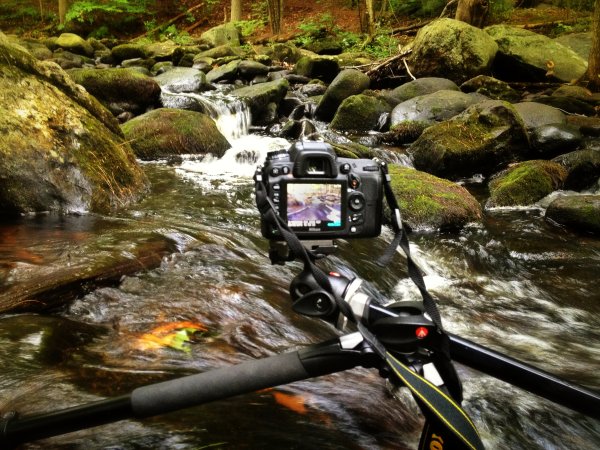
As you can see the camera was positioned as close to the water as I could comfortably get it – one wrong move and it’s all over for me and my love of photography.

So does the fear of putting my camera in the drink stop me from attempting to grab a photograph? Not in the least!

p1637190443-4-650x365

This shot was something I saw from 100 yards up the bank of the river. I noticed the cascade and knew that it’d be the perfect place to set up my D7000 and Tokina 11-16mm, but how was I going to get into the middle of the river?

As I got closer to the scene I noticed that there were a few wet stones no larger than an iPad leading out into the middle of the river – right where I wanted to be. All I needed was a little balance and some luck and both my camera and I would make it back to the shore dry and one ‘keeper’ richer.

Standing on a rock in the middle of the river the size of an iPad is no easy task and trying to fiddle with camera settings and frame a shot doesn’t make it any easier. I used the Manfrotto’s center-column design, which allows you to swing the center column out so that it is parallel to the ground, to get as close to the water as I could, and I used the live view feature on my DSLR to frame the shot and achieve perfect focus.

After taking a few test shots and fine tuning my exposure I settled on the following settings for the shot: ISO 100, 11mm, f/14, 13.0 seconds. (Note: There is also an ND filter in play here which allows for the longer exposure time).

Next Up – A Stunning Sunset at Stony Brook in Norfolk MA

IMG_1713

Okay so this photograph probably isn’t even close to as dramatic as the one above, but it is still able to show you a bit about my thought process when capturing photographs. I could have photographed this scene further back from a nice easily accessible lookout, but I clambered over rocks and got as close to the shore as I could.

By positioning the camera on the tripod I was freely able to adjust the settings and fine tune the exposure and composition of the shot. The settings I used here were: ISO 100, 36mm, f/10, 1/160.

sunset at stony brook

Finally – Capturing Lightning Out Of My Window

Here in south eastern New England we don’t get all that many storms and due to the tall trees and densely populated urban areas it’s not easy to get a clear view of the sky when they do occur.

After hearing my phone alert me to a sever thunderstorm watch that was in effect until well after dark and a quick look at the radar confirmed that it looked like it would pan out. I quickly decided to get a plan together to capture my first lightning bolts as a photographer.

IMG_1571

With a couple hours of notice I was able to get really creative with my set up. I found a piece of cardboard and some duct tape to make a makeshift shelter for my room and the rest of my camera. I knew I wanted to open the window and the screen to get as clear a sight line as possible, but I didn’t want the rain or mosquitos to get into the house. (If you’re curious I finished sealing the cardboard after I took this photo).

I made sure to set my focus while I still had daylight to work with as it would get difficult to do so when darkness hit. I used my ND filter to lengthen the shutter speed which would hopefully allow me better chances to capture bolts of lightning and locked down my settings as follows: ISO 100, 13mm, f/9.0, 20.0 seconds.

Once everything was set up all that was left to do was wait for the storm to get close. As soon as I heard the first crack of thunder I set the Nikon’s intervolometer to capture an image every 25 seconds for about an hour or so, turned out all the lights in my house, and went to bed.

A few hours later, after the storm had long passed, I woke up curious to see if my trap had worked. The end result was a handful of lightning bolts frozen in time – this is one of my favorites.

lightning photo

Do you have any behind the scenes stories to share?

Tell us about how you captured one of your favorite shots in the comments below!


Post originally from: Digital Photography Tips.

Check out our more Photography Tips at Photography Tips for Beginners, Portrait Photography Tips and Wedding Photography Tips.

Behind The Scenes of Three of My Most Popular Landscape Photos


Digital Photography School

 
Comments Off on Behind The Scenes of Three of My Most Popular Landscape Photos

Posted in Photography


Three Useful Tips On How To Make Your Photography Backdrops Fun

31 Jul

Untitled-1

The popular image of a professional photographer is of somebody who takes portrait pictures against a purely white background. To the very top with their profession, this really is all they desire, but it is more common in a photography business to find customers who want dynamic backgrounds. These could be of the nation’s flag, or simply of different colors, however the professional photographer will also be able to provide additional options. Amateur photographers and people studying the subject at school, will also want to use more than just an ordinary white background. Rather than going for traditional colors or images like flags, it’s a good idea to shake some misconception a little by utilizing fun and dynamic photography backdrop sets to present your subjects a much more interesting picture. There are lots of ways in which you are able to improve the appearance of your respective backgrounds.

1) Get Relevant
Use striking images that is popular with customers. There will always be themes which people find interesting, like fairy-castle, racing cars, and holiday themes. It is easy to purchase posters and also other accessories that can fit into the theme, and printed backgrounds can be acquired which will satisfy your clients. By way of example, as the Twilight series is as popular as ever, a spooky theme, with large full moons, and mists, will surprise clients who want to theme their picture around the popular book and film series. Needless to say, this type of background also doubles as a ‘rock and roll’ theme, therefore it is a good purchase for those on a low cost. Bricks or walls as backgrounds will also be very popular, although sometimes your subjects will have their own ideas in what they want. Some clients have even joined together with the fun and dressed up as a comedy villain and heroine, together a backdrop of a train appearing about to run them down. These types of backdrops may bring out the fun side of clients, and also help you to capture a good portrait ones.

2) Go Wild
One other popular theme with people and one which may be turned into a fantastic and fun picture is nature image. The seaside is particularly popular, and also the photographer can enhance the image with the addition of buckets and spades. This backdrop is perfect for children, but young partners might prefer a more ‘windswept’ theme. Nature can even be charming, so performing a portrait picture of a family with their pets could be enhanced by using a ‘nature’ picture to their rear, full of animals. For anyone with an eye for the budget, self-printed images of animal prints can be quite a good alternative, or even a large print tablecloth with animal images on can be a cheaper replacement for buying printed backdrops.

3) Try it for yourself
Of course, don’t assume all professional photographers contain the budget to splash on a variety of different backdrops, which is where the principle of DIY could be a good way to come up with a fun background without splashing the cash. The best form of DIY photography backdrop is one made from torn sheets of colored paper, or ribbons, strung in the studio utilizing an old curtain rail. These could look particularly effective if you adopt a colour scheme, such as green or blue strips. Ribbons help give a classier look to the images, because they have neat edges, and appear smooth and professional. An alternative for these backdrops is by using wallpaper or print stamps to make fun and original backgrounds. See TheLAShop for excellent photography ideas.

BlogPhoto

 
Comments Off on Three Useful Tips On How To Make Your Photography Backdrops Fun

Posted in Equipment


Three Tricks for Faking Depth of Field in Your Photos

29 May

Extra photos for bloggers: 1, 2, 3

There was a time when you’d want to stare at a photo for hours but couldn’t quite put your finger on why.

Then you taught yourself a little bit about photography and realized it was a photo’s dreamy depth of field that reeled you in — razor sharp details with a background that slowly fades to a wonderfully creamy blur.

To get really fantastic depth of field, photographers invest in pricey lenses. The good news is there are ways to create the illusion of depth of field without forking over the moola.

We’ll show you three totally accessible tools that’ll help you get a similar effect and will be fun to experiment with, too!

How to Fake Depth of Field

p.s. WE ARE HIRING A WEB DEVELOPER. If you love photography and San Francisco and codes, APPLY HERE.

p.p.s. WE ARE ALSO HIRING AN EVANGELIST/BIZ DEV HERO. Creative deal-maker types, APPLY HERE.

Why It’s Cool

When you look at a picture, your brain does all kinds of neat things to figure out what’s going on, and it just about does it all in a single instant.

Well, we just happen to speak brain! It turns out there are a bunch of cool tricks that can really please your viewer’s eye without them knowing you didn’t use a fancy lens.

We are going to show you three simple creative cheats to control the viewer’s perception of depth of field in your photos. That means you’ll be able to create the illusion that parts of your photo are out of focus while your main subject is crisp and clear.

The Ingredients List!

  • A camera
  • A glass window
  • Or a translucent glass window (or steamed up glass)
  • Or a foggy day

The Fog Method

beforeFog can be a bummer when you’re wishing for sunny weather, but here’s one way to embrace it: use its diffusing super powers to your advantage when you’re out shooting.

When it’s foggy out, objects near you appear clear and things further away are, well, foggy.? That’s the simple principle you’re working with.

Wide open spaces such as lakes or the coast work really well for playing with this concept as mist tends to be heavier over water.

Experimentation is the key, so do try setting your point of focus and exposure at a few different places in the picture to see what effects you get.

TIP: If you find a subject you really like, it can be worth waiting or coming back as the density of fog or mist can change over the course of a few minutes.

Diffuse Details with Glass

beforeGlass is a super accessible tool to get your subject to pop. All you need to do is sit your person just behind the glass.

There are two ways glass works to make your subject stand out.

The first is that anything reflected in the glass is by default slightly diffused. Juxtaposed, your person, who we’ll assume is in focus, looks extra sharp. Simple!

The second is your setting. If the interior that sits behind the glass is dark (which it normally is since it sits farther away from the sunlight that streams in), then your subject will pop for that simple reason.

You’ll create a perceived depth of field by having your subject well-lit and in focus against a dark backdrop and out-of-focus reflections.

TIP: Car windows work really well. The trick with a car is to setup the shot and then to try covering any widows which are letting light fall onto anything but the subject. You’ll be amazed at the effect of simply hanging a jacket to cover the light of an opposite-facing car window.

Translucent Glass for Mega Blur

beforeThe third method is placing your subject behind translucent glass. You might be able to find translucent glass in a store front, a shower door, or create your own by fogging up clear glass with steam.

The way this method works is a little more obvious — translucent glass obscures details as they get further away from it.

?You’ll notice that the hands are in focus, but the body which is only slightly further back starts to get dramatically blurry.

?In this picture, we placed a bedside table lamp in the shower (to the right of the models feet, pointing upwards) to add drama and illuminate her shape. The light from behind the model was from an open window.

Taking It Further

  • Turn a foggy picture upside down to give it an extra ethereal look (like we did above!).
  • Using the third method, Anastasia Mastrakouli made this beautiful alphabet out of photos of nude silhouettes.
  • Another method of getting faking depth of field is the Brenizer Method! Check out our guide.

Related posts:

  1. Get Greater Depth of Field with the Brenizer Method Extra photos for bloggers: 1, 2, 3~Have a cool photo…
  2. Get Sharp Photos with These Easy Tricks Extra photos for bloggers: 1, 2, 3 Getting a once-in-a-lifetime…
  3. 3 Tricks to Turn a Spring Clamp Into Your Best Photo Accessory ~Have a cool photo product or site? Reach 270,000 photo…


Photojojo

 
Comments Off on Three Tricks for Faking Depth of Field in Your Photos

Posted in Equipment