Every year the CP+ show in Yokohama Japan is a hive of activity and innovation, as hoards of Japanese and western camera enthusiasts flood the Pacifico Yokohama conference center to get their hands on the latest camera gear. But that’s not the only fun to be had – alongside the ranks of shiny new cameras and lenses, displays and presentation stages can be found a lot of things which have been cut in half. Seriously – loads. Click through to see for yourself
Tag: Things
-
7 Things I’ve Learned from Photographing Storms
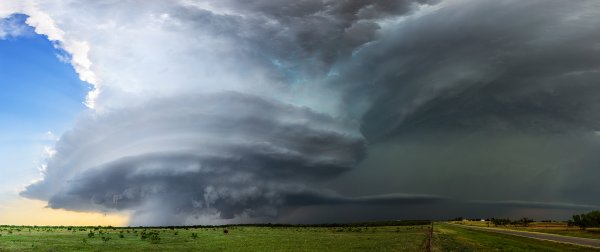
A massive supercell near Henrietta Texas in May, 2014. © James Brandon
I’ve been a professional photographer for around five years now. I’ve photographed a lot of different subjects throughout the years, but nothing in the world could have prepared me for photographing storms. When I stood in front of my first supercell on May 8th of 2013, I was hooked. A low hanging wall of cloud hovered over the field in front of me as its rotation increased by the second. The 40mph winds at my back were feeding moisture and warm air into the storm. The grass in the field was all bent down towards the monster looming in front of me. Yeah, that’s all I needed to become totally obsessed.
That was back in the spring of 2013. Since then I’ve become good friends with a few very seasoned storm chasers and have gotten a chance to ride along with them on several storms, both last season, and now this season. Mike Mezeul, for example, has become a great friend over the past couple of years and we even lead workshops together now. He’s an absolute wealth of knowledge when it comes to weather and I highly suggest you check out his work.
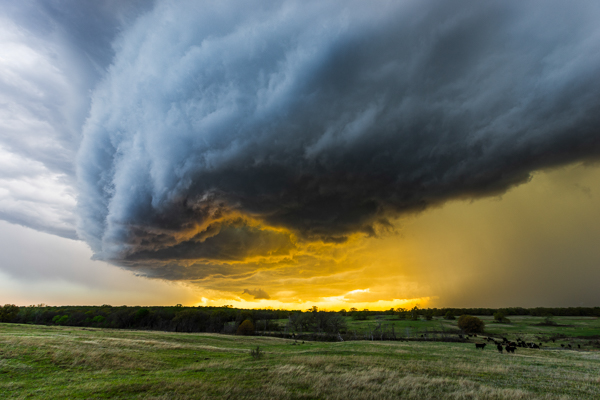
In these brief two seasons of chasing, I have already racked up countless hours chasing, God knows how many miles, and my bank account certainly knows how many tanks of gas. In spite of all that, I’m still very new to this world of storm chasing and storm photography, and to be honest, at this point, I’m more of a storm photographer than a storm chaser. I’ve already started getting a lot of questions about storm chasing so I thought I’d put together an article here on dPS going over some of the things I’ve learned thus far, with the preface that I am not an expert at this point. Whether you’re interested in dipping your toes into this genre of photography or just want to know more about it; read on.
1) Storm chasing and storm photography are two very different things
This is something that has become more apparent the more I go out. It’s tough to separate the two because when I go out in search of storms, even I say that I’m going storm chasing (but I’m really not at this point). The people up front in the car are the chasers. The driver is actually doing the chasing and the person riding shotgun is navigating and forecasting. Me? Well most of the time, at this point, I’m in the back; along for the ride. So you might say that I’m chasing with them and you might not. Who cares. I have been in the passenger seat a few times now (in charge of forecasting and navigating) and it is not easy. You can’t be focused on getting pictures in that seat. You’re responsible for navigating the road networks out on the chase — staying one step ahead at all times — while also keeping an eye on the storms using radar.
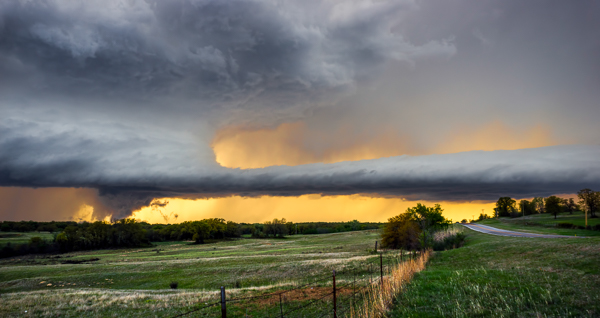
I haven’t photographed a tornado yet, but this is about as close as I’ve come. This wall cloud (the section of a storm where tornadoes DO come from) began lowering behind the tree line while rotating quite rapidly. © James Brandon
2) Becoming a good chaser takes time, dedication, mentoring and experience
Learning about weather has become a huge passion of mine ever since starting the process of getting my private pilot’s certificate (which I finally got back in late 2012). Weather has to be a passion to get into chasing. It just has to. You’ve got to have an intimate knowledge of weather patterns, frontal systems, pressure systems, lifting mechanisms, dry lines, triple points, dew points, troughs and so much more. You have to know when a scary looking cloud is just that; a scary looking cloud. Many rookie chasers (yes, I’ve done this) will see a scary, ominous looking cloud that is low to the ground and think it’s a tornado forming. They are looking in one direction — at the wrong part of the storm — while the actual danger is somewhere else. Lucky for me, I’ve always had experts with me to point out what I should be concerned with, and what I shouldn’t be.
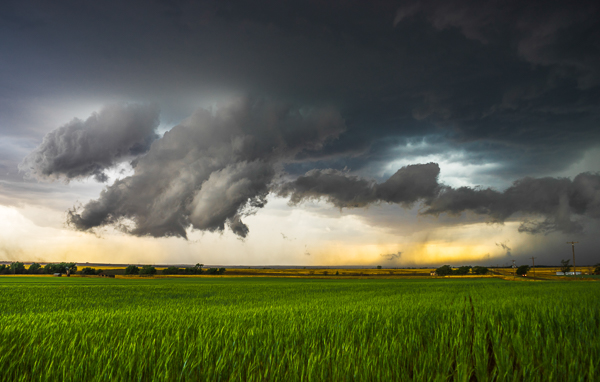
This image shows an area of outflow from the storm that was moving off to the right. At one point the cloud began to resemble a funnel that was almost touching the ground. However, it wasn’t rotating and it was on the wrong part of the storm. A few minutes later, tornado sirens began going off in the small town nearby, even though the storm wasn’t tornado warned yet. Someone had called in and said a tornado was on the ground.
3) Until you become a seasoned chaser, NEVER go alone
The best chasers out there have dedicated their lives to this stuff. It’s not a weekend hobby. Seriously: Don’t go out alone if you’re a rookie. Just don’t do it. You’ll be putting both your life and the lives of others at risk. Going out on your own means becoming driver, navigator, forecaster, and photographer all at the same time. Just earning a permanent spot up front in a chase vehicle is a coveted thing that takes years (and should) of experience to accomplish. It’s referred to as the “hot seat” for good reason. When you’re on your own, it’s impossible to be totally safe. You have to concentrate on driving, but you also have to pay attention to the storm. That means that you’ll likely be using some sort of radar app on your phone or laptop and will be checking that instead of paying attention to driving. This is a recipe for disaster that will catch up to you eventually.
4) Like any hobby/interest, there are a lot of egos and hot heads
I’m sure this one is going to piss some people off but it’s just the truth. It’s true with anything though. Go buy a Remote Control car and get into RC car racing. Go join your local camera club. Buy an RV and start spending time with fellow RV owners. Every group has them. In storm chasing you will see them driving on the wrong side of the road, passing people with their amber lights flashing while driving 90 in a 55 to get to a storm that’s still 20 miles away (risking lives just to get on a storm), parking their cars just off the side of the road and then leaving their doors open so that traffic has to swerve around them…the list goes on.
Most of them also cover their entire car in storm chasing decals, weather instruments, antennas, and amber lights. The point is: Pay attention to the stuff that these people do and don’t do it. Having amber lights on your car doesn’t make you any more important than the guy in front of, or behind you. Storm chasers are not law enforcement or emergency services. Being a chaser doesn’t give you any special powers or authority.
5) There are also a lot of amazing people
While there are a lot of egos out there, there are just as many incredible people who have more knowledge about weather than I could ever even dream of. These are the people who make storm chasing a noble pursuit. Some of them are self taught, some have masters and doctorates in meteorology or climatology. I’ve had the fortune of meeting some amazing people already just in two seasons. If you can befriend these people, and honor their knowledge and authority, you will have a good chance at advancing your own knowledge at an accelerated pace.
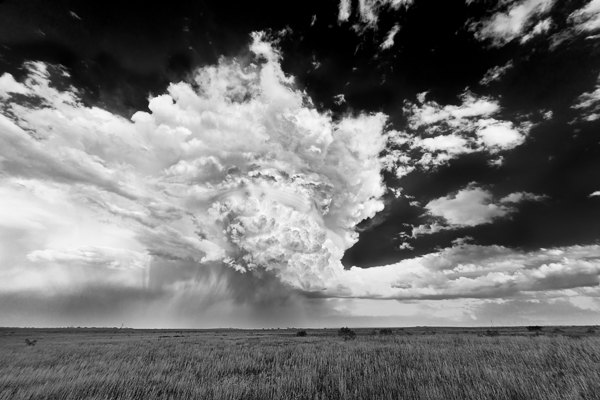
A beast of a supercell in Throckmorton, TX back in May of 2013. Around 10 minutes after I took this photo the storm fell apart and disappeared.
6) It’s not about tornadoes
Sure, easy to say for the guy who hasn’t photographed a tornado yet. In all seriousness though, tornadoes occur in somewhere around 1-2% of supercells. I don’t do this for a living and it’s still a very new passion, so I’m not going to drive 10,000-15,000 miles across the country ever year in search of tornadoes. Even if I did, I’d still see tornadoes so seldom that if that were my goal, I’d feel like a failure. On top of that, tornadoes are incredibly dangerous and destructive, and take lives every year. If I can one day photograph a beautiful tornado in the middle of nowhere, miles away from a town or residence, I’ll be happy. But if there’s a town nearby, or a neighbourhood, or even just a house, I’ll be praying against a tornado each and every time. I’m not after tornadoes. I’m after structure.
Standing in front of a supercell with 30-50mph winds at your back, watching as it rotates and grows, is one of the most awe-inspiring things you’ll ever witness. Seeing the raw power and fury of mother nature is just incredible. I’ve stood in a field with warm, moist 40mph winds at my back feeding the storm in front of me. Then, in an instant, the air turned dry and super cold. The storm had began ingesting the cold air from the evaporating rain it was dropping, and in essence it killed itself by doing so. Within 10 minutes, the entire storm was gone.
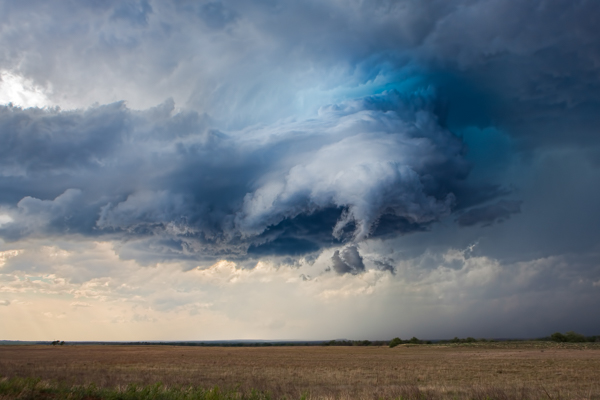
An image of a rotating wall cloud from the storm I described in the paragraph above. This was actually my first storm to ever photograph.
7) Chasing has become a circus in recent years – tread lightly
It’s something you can’t fully understand unless you see it. With shows like Storm Chasers, the constant media attention that chasers get during storm season, social media, etc., an innumerable number of people have come out of the woodworks to chase storms in the U.S. When the Storm Prediction Center posts a moderate or severe risk day, you can rest assured that the roads will be packed with chasers (especially if it’s during a weekend). This can, and does, present an added element of danger to chasing storms. I’ve heard stores of road networks being completely clogged up from just chasers while a tornado is on the ground nearby. Because of this, the people I chase with usually don’t go out chasing on days like this. Some of the best storms I’ve seen to this day were on slight risk days when most chasers stayed home.
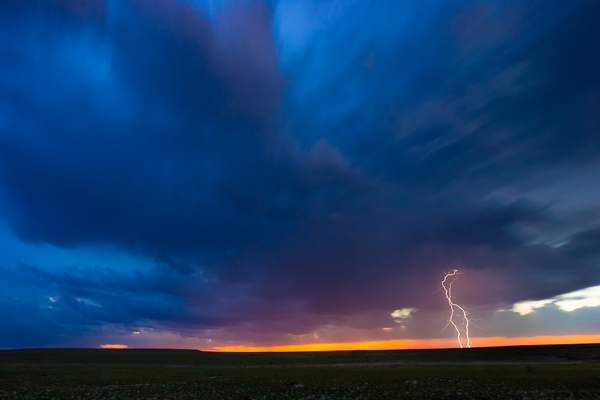
A CG (cloud to ground) lightning bolt strikes in a field somewhere in east Texas as a storm moves off into the distance.
In closing
Storm photography, storm chasing, whatever you want to call it, has become something I look forward to all year long now. The main months for chasing in Texas, and the surrounding area, is March through May – which means I have to dream about it from June through February. Sure, supercells can pop up in the surrounding months but not nearly as often. If you want to see what chasing is all about, please follow the advice that I set out above. These storms kill people every single year and should not be taken lightly. Don’t go unless you can secure a seat in the car of an experienced and knowledgeable chaser. For the record, someone who chases storms doesn’t necessarily qualify as an “experienced and knowledgeable chaser.” There are many people who chase solo year after year who shouldn’t be out there. Use caution and choose wisely.
If you have any questions, let me know in the comments below! To follow along with me during the upcoming storm season, be sure to follow me on Instagram. Thanks!
googletag.cmd.push(function() {
tablet_slots.push( googletag.defineSlot( “/1005424/_dPSv4_tab-all-article-bottom_(300×250)”, [300, 250], “pb-ad-78623” ).addService( googletag.pubads() ) ); } );googletag.cmd.push(function() {
mobile_slots.push( googletag.defineSlot( “/1005424/_dPSv4_mob-all-article-bottom_(300×250)”, [300, 250], “pb-ad-78158” ).addService( googletag.pubads() ) ); } );The post 7 Things I’ve Learned from Photographing Storms by James Brandon appeared first on Digital Photography School.
-
2014 DPReview Readers’ Best Shots: Things
Picking favorites is hard. Nevertheless, our readers were up to the task when we asked them to submit their best shots of 2014. We received over 1400 submissions, and it was no small job picking favorites. We didn’t need the reminder, but it underscored just how talented our readership is. Photos were divided into three categories and we settled on a small selection to feature in each.
-
4 Things You Must do BEFORE Becoming a Professional Photographer
Are you considering making the leap from being an amateur photographer to a professional? Join the club!
There are many pro photographers today making a living off of the craft, but of course there are a fair number of challenges that come with the job. I’ve been a successful full-time professional photographer for two years now, and like most others, I have my share of things I wish I had done to prepare for the lifestyle. Here are four basic things that every aspiring professional photographer should do before they make the leap.
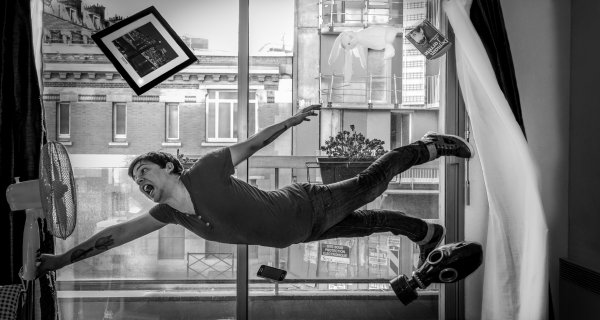
By John Lee Maverick
1. Determine what kind of professional photographer you want to be
The most important thing you should carefully detail is what type of photographer you strive to be, and who is your ideal client. Do you want to shoot weddings and families, corporate events and head shots, or creative portraiture for editorial or advertising use? The answer to this question is crucial to help you identify if the market segment you choose is profitable, and if so, who is your target audience and how best to appeal to them to hire you. You wouldn’t market wedding photography services in the same way that you would sell corporate headshot services because your ideal client is different.
Once you determine the photography skills you want to market, the next step is to make sure that you have demonstrated skill in that area. Do you and the current clients you’ve worked with feel that your photography work to date demonstrates commercial viability (in other words, would enough other people pay for it)? If so, then it’s time to build an online portfolio of images demonstrating your creativity and skill. Make sure your portfolio not only contains a fair number of unique images, but also some words that introduce yourself and establish the qualities that set you apart from your competition. Don’t skimp on the words – remember that some people connect better with words over images.
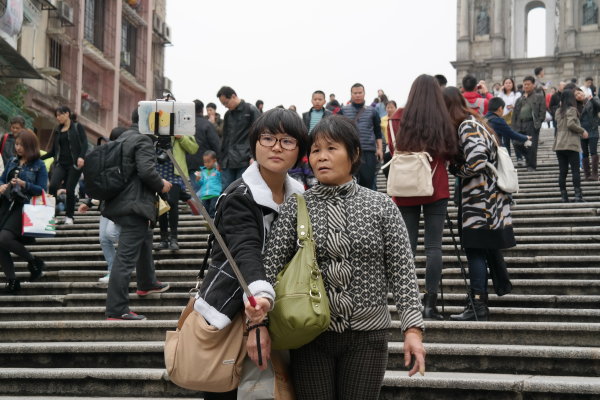
By Jonathan Chie
2. Establish your baseline expenses and make sure you have some savings
One of the biggest challenges that professional photographers can face is the instability of a reliable paycheck. Unless you can strike up long-term photography contracts with clients or find a steady stream of clients, there’s no guarantee you’ll be getting a monthly paycheck. Even if you do get clients, there’s a huge chance that payments will come in later than expected (to compensate in these instances, be sure to charge a late fee).
As a result of potential payment instability, it’s important that you assess your monthly baseline expenses and know how much you absolutely need to be making in cash each month. Next, match these expenses to how much you currently have in savings and make sure you would have enough saved away to cover yourself in case you don’t bring in enough revenue. Give yourself about six months to a year to establish your business and generate regular income; if over time you can’t cover your baseline expenses with your savings and sales, that’s the first signal that your professional photography career might need some reconsidering.
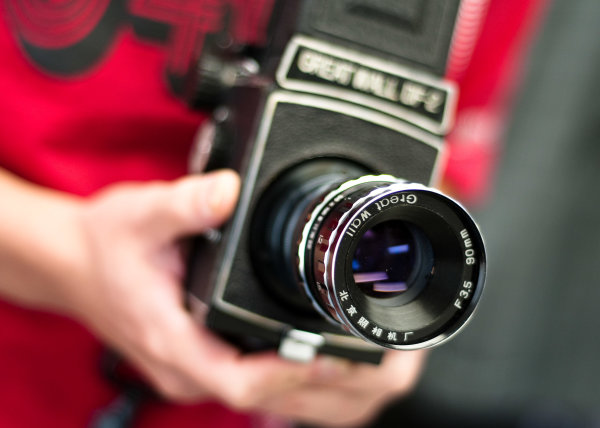
By Kenny Louie
3. Buy and insure all of the gear you will need, and know where to rent if needed
As a professional photographer, you should own, or have regular access to, all of the essential camera gear that is needed to fulfill the photography jobs that you are seeking. For example, wildlife and sports photographers absolutely need to have telephoto lenses, whereas real estate photographers need to have wide angle lenses. Do your homework and know what kind of gear you’ll need, and start acquiring it, or at least know where you can rent the gear that is too expensive or impractical to own. If you’re lucky, you’ll have a brick-and-mortar camera rental center in your town or a nice friend willing to loan out gear; if not, there are several gear rental options online worth looking into.
If you do purchase your own gear, be sure to get insurance on all of your equipment to aid in covering the expenses of needing to fix broken gear or replace stolen gear. As an amateur photographer, you’ll likely be able to have your equipment covered by personal property insurance, which is usually pretty affordable. However, as a professional photographer, you’ll need to get professional or business insurance coverage of your gear, which tends to be a bit pricier, but also more inclusive of business-related problems that could occur such as liability issues.
By vintspiration
4. Get professional photography memberships
As a professional photographer, you’re entitled to some benefits if you know where to look. One of the first memberships you should look into is Canon Professional Services (CPS for Canon shooters) or Nikon Professional Services (for Nikon shooters) – there will be a membership for your brand in your country, just do some searching. The benefits of each vary but can include expedited shipping on repairs, equipment loans, and on-site support at certain events. To enjoy the full benefits of Professional Services, you’ll have to prove that you are a full-time professional or that you own a set amount of professional gear, and in the case of Canon pay an annual fee. But the value of having quicker repairs is immeasurable for professionals.
Another membership worth looking into is with the Professional Photographers of America (PPA). A non-profit association with over 27,000 members in 50+ countries, the main benefits of membership are equipment insurance and discounts and savings from select vendors, all of which are included in PPA’s annual fee. There are of course many other photography associations, distinguished mainly by the types of photographers they serve, each offering its own set of benefits. Examples include the American Photography Association, National Press Photographers Association, and North American Nature Photography Association, to name a few. This is again when it becomes pertinent to specialize in a specific type of photography. Look for similar groups in your area or country.
Are you considering becoming a professional photographer? What other questions are on your mind as you prepare?
googletag.cmd.push(function() {
tablet_slots.push( googletag.defineSlot( “/1005424/_dPSv4_tab-all-article-bottom_(300×250)”, [300, 250], “pb-ad-78623” ).addService( googletag.pubads() ) ); } );googletag.cmd.push(function() {
mobile_slots.push( googletag.defineSlot( “/1005424/_dPSv4_mob-all-article-bottom_(300×250)”, [300, 250], “pb-ad-78158” ).addService( googletag.pubads() ) ); } );The post 4 Things You Must do BEFORE Becoming a Professional Photographer by Suzi Pratt appeared first on Digital Photography School.
-
Wild Things: Marsel van Oosten’s landscape and wildlife photography
“Simplicity is the ultimate sophistication,” says wildlife and nature photographer Marsel van Oosten. A talented landscape and wildlife photographer, his imagery has been featured in a number of publications like National Geographic. Check out more of his work and peek inside his camera bag. See gallery
-
Gear Envy: Five Things to Consider Before Buying Your First Camera
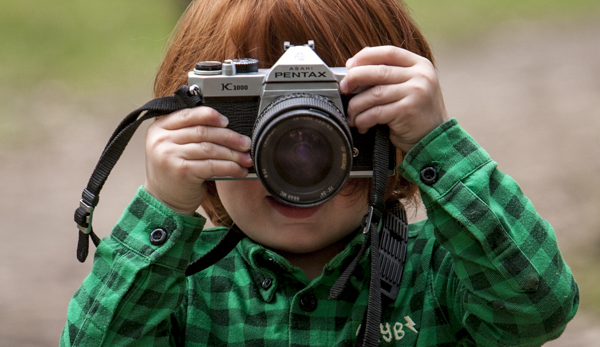
1. The Ol’ Gear versus Photographer Chestnut
What’s the best camera and lens you can buy when you’re starting out?
- Anything by Nikon
- Anything by Canon
- Nikon and Canon are overrated; Pentax is what all the cool kids are using
- Do the best you can with what you can afford right now
A photographer went to a socialite party in New York. As he entered the front door, the host said “I love your pictures – they’re wonderful; you must have a fantastic camera.” He said nothing until dinner was finished, then: “That was a wonderful dinner; you must have a terrific stove.” – Sam Haskins
Believing a great camera will make you a great photographer is like thinking Roger Federer’s tennis racquet will make you a world champion tennis player. Um, it won’t – I’ve tried. I’ve also worn the same jeans as Gisele Bundchen and they didn’t make me a supermodel. Cooking with Wolfgang Puck’s saucepans didn’t make me a master chef either.
Great gear won’t make you a great photographer. Great lenses, however, can improve the sharpness of your images, and great lights and accessories can improve their quality. But all of that can be undone with poorly executed or sloppily composed images.
Just because something’s technically perfect doesn’t necessarily make it great or even good. A good photo should inspire an emotional reaction, and no camera or lens available today can achieve that for you.
I’m blown away daily by evocative photos on Instagram, 500px, and Flickr. Eighty percent or more of these images are taken with smart phones or entry-level cameras with kit lenses. When I share my images online, I get just as big a response from images taken with my iPhone as I do from images taken with pro gear. Because of the Internet, there’s never been a greater time in history to have your work seen and loved, or to inspire a reaction.
The best first camera you can buy is the one you can afford right now.
2. What are you shooting?
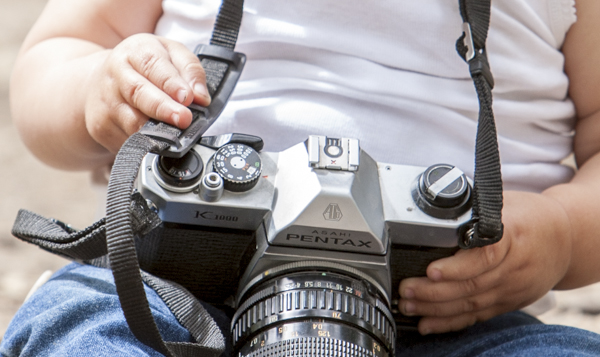
Next, you should ask yourself what your your gear is for? Where will you use it and how often?
- I only take my camera to church on Sundays.
- I’m going to document my trek to the summit of Mount Everest, rodeo rides and my next Tough Mudder event.
- I photograph sixty weddings a year.
- I’m still learning, but I love to take photographs every opportunity I get.
Are you planning on taking your camera to rugged subzero locations? Will you be shooting thousands of images a day or only taking photos on special occasions? This is the first question to consider before purchasing any new gear – what will you use it for?
If your answer is #2 or similar, you may want to consider a heavy duty pro body that’s built to take rough and tumble handling and extreme weather conditions; a cheaper lightweight camera may not withstand the wear and tear or hold up to the elements.
If you plan on taking thousands of frames daily or weekly, it may be more cost effective to invest in a mid-range camera that’s built to shoot more frames. The shutter on a cheap camera usually rolls over and dies after about 100,000 frames, so spending a few hundred extra may give you more longevity.
The subject matter you’ll be shooting will also influence your choice of lens. For example, if you’re planning on shooting a lot of portraits and head shots, many fashion and portrait photographers use long fixed focal lenses or zoom lenses. If you’ll be doing a lot of weddings, professionals stock their kits with wide and long lenses and lenses that are somewhere in-between. If you’ll be shooting a lot of scenery, landscape photographers get more use out of wider lenses. And lastly, if you plan on shooting a lot of food or products, you may want to consider adding a macro lens to your kit.
3. Brand loyalty. Which brand should you buy and why?
With cameras there’s no definitive answer to this question. Nikon appears to have a slight edge over all the other SLR brands, but there are advantages and disadvantages to each.
I spent the first 15 years of my career shooting with Nikon because both my brother and my first mentor used them. I loved my Nikon and never dreamt of swapping over. I initially invested in secondhand bodies and prime lenses and after I had saved enough coin to buy new, I stayed loyal to Nikon. Later when I switched over to digital, I continued my Nikon love affair.
The decision to convert to Canon was made for me by the lack of decent Nikon upgrades on the market in 2004-2005 and by the fact that Canon’s 1DS MKII blew anything Nikon made that year out of the water. I switched to Canon and invested in two new camera bodies, new lenses, speedlights and accessories.
Fast forward 10 years and you could argue that Nikon now makes better bodies than Canon, and that Canon makes slightly better lenses. For better or worse, I’ve made a commitment to Canon, and I’m sticking to that – for now. I still suffer the occasional bout of gear envy, but hey, I’m only human.
My advice is to test out each camera on offer in your price range. You’ll find that some cameras are more comfortable to use than others. Also factor in the warranty, general after-sales service, and how easy it is to have the brand you’re looking at serviced or repaired in your area. Another good indication of quality is the camera’s resale value. If your potential camera is flooding the low-end of the secondhand market, it may be a good indication you’re about to buy a lemon. Finally, check out camera reviews and look up discussions about the model you want to buy on forums. The photography community is incredibly thorough and generous with information.
4. Holy crop! Does size matter?

I bought my first digital Nikon 13 years ago and paid $ 17,000 AUD (approx. $ 14,000 USD) just for the body. It took 256 MB memory cards and produced raw image files that were around 6 MB. I used that camera to shoot hundreds of covers, poster shots, magazine spreads and advertising campaigns, and nobody ever questioned the file size.
Today my iPhone takes 8 MB photos. So, does that mean my iPhone camera is better? Umm – no. It’s not the quantity of the megapixels that count; it’s the quality of the megapixels and the size of the sensor. Cramming lots of megapixels onto a tiny sensor decreases image quality, making grainier looking files.
So how big are the sensors in the various cameras on the market today? A camera phone sensor is the size of a tic tac, a compact camera sensor is the size of an M&M, an entry-level SLR sensor is the size of postage stamp, and a pro level camera sensor is the size of a 35mm film frame.
So how many megapixels are enough and what’s the best size sensor for you? Well again, the answer comes down to what the output is going to be.
If you plan on shooting images that are going to end up on billboards or really large wall prints, then a full frame sensor that produces raw image files that are larger than 20 MB is ideal. An entry-level camera can produce large enough files to create billboard size images; they just won’t look anywhere near as good.
If you plan on printing midsize images — A4 (8.5×11″) or smaller — then an entry-level to mid-range camera will achieve really good results.
Finally, if you’re mostly going to share your images online, you can get away with a smart phone or compact camera, but any of the above will do the job, as well.
5. Physical size and weight
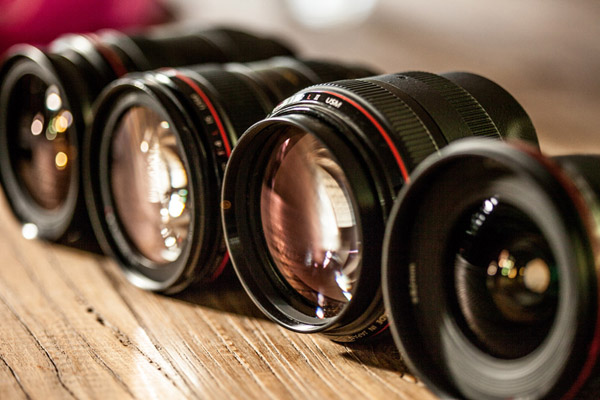
Does this camera make my bum look big?
This factor is often overlooked until you get home and pull your new camera out of the box and use it a few times. You may think you want the biggest, heaviest camera and the longest lens, but four hours into an eight-hour mountain hike, you may change your mind.
I currently use two different bodies: the 1DS MKIII and the 5D MKIII. My 1DSIII weighs twice as much as my 5D and produces better quality images, but I’m prepared to take a hit in quality when I’m travelling because I know I’ll shoot more if I’m carrying a lighter camera. Having to schlepp a heavy camera around makes me think twice about bringing it out in the first place.
A good camera should feel comfortable and be like a natural extension of your body. Test out how easy it is to change settings with one hand; believe me, this will get frustrating if it’s a difficult process.
Have I missed anything you feel is worth considering? Do you have anything to add to the discussion or have any questions? I’d love to hear from you.
googletag.cmd.push(function() {
tablet_slots.push( googletag.defineSlot( “/1005424/_dPSv4_tab-all-article-bottom_(300×250)”, [300, 250], “pb-ad-78623” ).addService( googletag.pubads() ) ); } );googletag.cmd.push(function() {
mobile_slots.push( googletag.defineSlot( “/1005424/_dPSv4_mob-all-article-bottom_(300×250)”, [300, 250], “pb-ad-78158” ).addService( googletag.pubads() ) ); } );The post Gear Envy: Five Things to Consider Before Buying Your First Camera by Gina Milicia appeared first on Digital Photography School.
-
7 Things You’ll Want to Know Before Turning Pro
Seven Things You’ll Wish You Knew Before Turning Pro
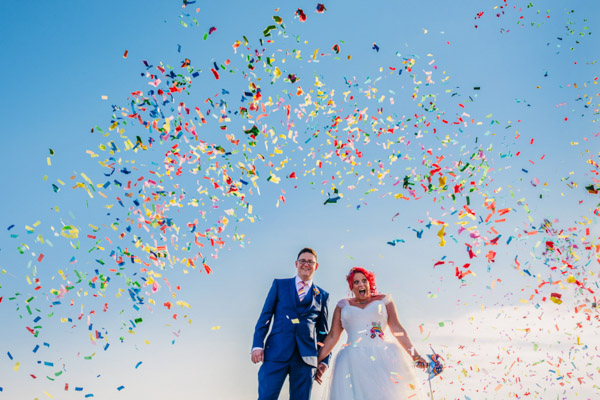
Do you remember your first job? Your first, proper, grown up full-time job. You probably walked in on your first day, not really having much of a clue about what was expected from you. Your manager probably sighed to themselves at the thought of moulding your young, inexperienced self into a viable member of the workforce.
It probably took time but with some guidance, a bit of a learning curve, and probably a few mistakes along the way, you made it.
Now replicate that situation, but imagine you don’t have a manager, or any colleges to bounce ideas off of and to ask for advice. Welcome to your first tentative steps into self employment as a full-time photographer.
You might have been running your business alongside a day job for a while before making the leap. You might have found a support network and accountant, and you might have a good idea of your own processes and policies.
You never know what you don’t know though, so I picked the brains of a group of full-time, professional wedding photographers to find out what they wish they’d known when starting out.
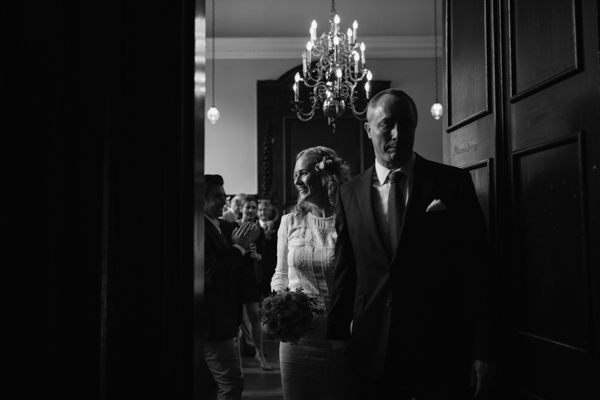
1) “It doesn’t matter how good you are at taking photographs if you’re no good at marketing your business.” – www.blincpicsphotography.com
Building a brand, working on your organic search engine reach, getting featured, focussing on word of mouth referrals, and paid advertising can all be great ways of getting your name out there. It can be a little overwhelming to know where to start though!
dPS has some great articles on marketing techniques in its archive here.
2) “Don’t be scared to say no. It’s okay to turn away business if it’s not a good fit for you.” – Smashing the Glass
We’ve all been there, especially early on in our careers. You accept any job that crosses your path, including those who just need a photographer within their budget, rather than specifically wanting YOU and appreciating your value.
Sometimes you take jobs because they pay you money and you need money. In an ideal world, though, it’s all about creating value and making people see that value, and building your business to attract the clients you want to work with.
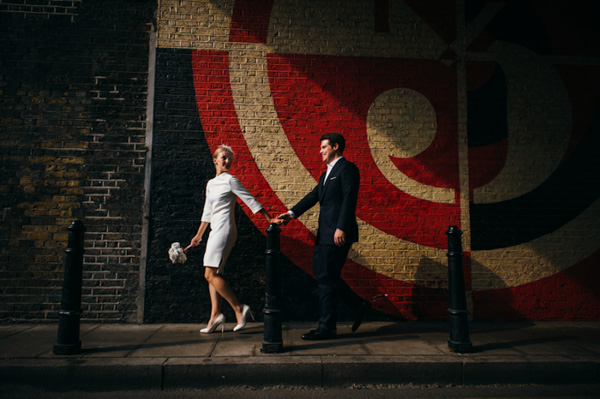
3) “Creating a good workflow is essential. You need to establish good habits from day one.” – Tux and Tales Photo
You might not think you need a client management system to start off with, but you do need a way of tracking your client work flow.
You also need to establish procedures, processes, and a routine that helps you get things done. How will you know when to send out a final invoice? How will you gather feedback from customers to improve your service going forwards? How will you manage expectations? You could use PDFs that explain procedures to clients and set expectations, or you could publish information on your blog or website that explains the way you work and your timescales.
Just because you work for yourself doesn’t mean you can let go of good structure and procedures.
Also do your accounts weekly. Trust me.
4) “The most unique selling point you have is you.” – Jordanna Marston
Be true to yourself, trust your gut and don’t worry too much about what you think you should be doing. Be true to yourself and you will attract clients that connect with you.
The most successful wedding photography businesses I know have their owner’s personality stamped all over them. They have created a brand, they create work that they believe in and that’s authentically them.
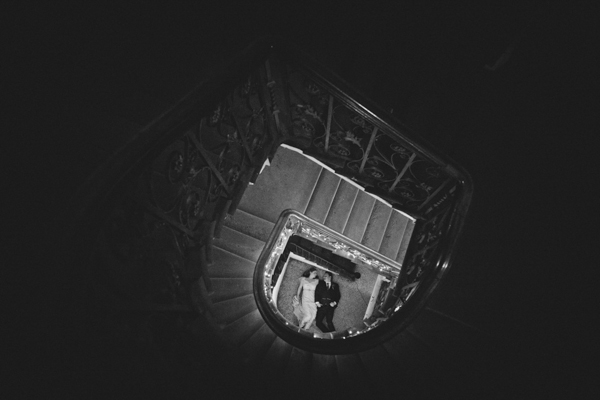
5) “When photography is your passion and your business, you can end up doing it 24/7.” – My Heart Skipped
Don’t forget to explore, discover, be curious and do other things that fill your heart with joy. That joy and creativity will feed back into your photography.
Of course the opportunity issue can occur too and you might find that you only end up shooting when you’re working, rather than shooting for pleasure. Find a balance. Do personal work and have other interests and sources of inspiration.
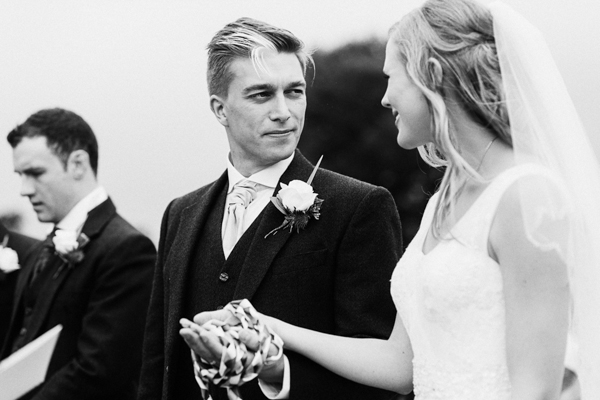
6) “You can’t make a silk purse out of a sow’s ear.” – Andy Gaines
It’s tempting to focus on editing and throwing a filter on everything to find your style, but your style will come naturally when you’re making good work.
What makes your image is light, composition, expression and moment. Not the latest trend in post-processing.
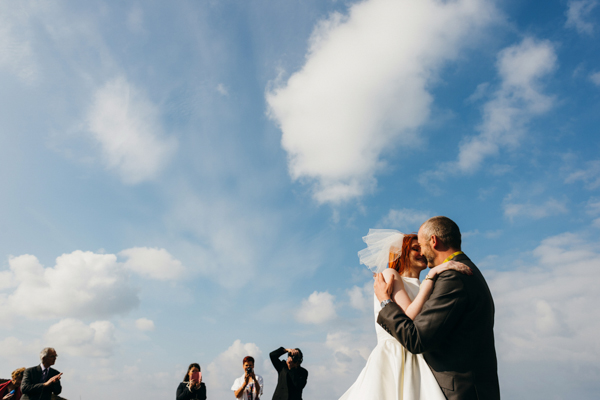
7) “Keep work and play time separate, not only for yourself, but for those you love.” – Paula Ohara
If you learn how to fully switch off, you’ll be fully switched on when you need to be.
Work/life balance is so important. A huge tipping point for me was when I designated a separate work space. I have an office in my house now, but there was a time that I worked from the corner of my living room. It’s really good to have that separation, so you can switch off at the end of the day.
Keep at least one day a week free for yourself. Sunday is my day off now and I try to take it easy on a Monday, if my work load allows it. In my first year or so I routinely worked seven days per week, to keep on top of my editing and my day job commitments.
Make balance a priority. Although I haven’t quite mastered it myself yet…
Are you a pro, do you have any other tips you’d add to this list?
googletag.cmd.push(function() {
tablet_slots.push( googletag.defineSlot( “/1005424/_dPSv4_tab-all-article-bottom_(300×250)”, [300, 250], “pb-ad-78623” ).addService( googletag.pubads() ) ); } );googletag.cmd.push(function() {
mobile_slots.push( googletag.defineSlot( “/1005424/_dPSv4_mob-all-article-bottom_(300×250)”, [300, 250], “pb-ad-78158” ).addService( googletag.pubads() ) ); } );The post 7 Things You’ll Want to Know Before Turning Pro by Laura Babb appeared first on Digital Photography School.
-
Ten things you need to know about the Sony Alpha 7 II
Sony announced the Alpha 7 II last week relatively quietly, introducing a new member to its full-frame mirrorless family. The a7 II brings 5-axis in-body stabilization to a full-frame camera for the first time, claiming 4.5 stops in shake reduction. Other updates include improved ergonomics – you can see these for yourself in our hands-on overview of the a7 II. Here’s what you need to know about Sony’s newest Alpha camera. Read more
-
Bracket All the Things: Reclaimed-Surface Tables & Shelves
[ By WebUrbanist in Design & Furniture & Decor. ]

What started as a set of infinitely-flexible table legs has now spawned a second but equally stellar sibling design: a series of wall brackets that let you turn scraps into shelving and switch out surfaces whenever you find something neat and new (or old).

Made in Detroit, the Floyd Leg system allows users to choose what kind of material they want to create anything from desks to dining, coffee, side or even ping-pong tables.


The owner simply splices the desired surface between the colorful and variable-height brackets, be it reused lumber and scraps or new off-the-shelf boards – as a bonus, the bracket system means the surfaces can also be uneven.

Using the same design strategies, the Floyd Shelf mounts to walls and will let you swap in and out whatever you want to use With its industrial aesthetic, the adjustable bracket set lends itself particularly well to rugged or worn found materials.


“I was moving frequently between cities and constantly disposing of furniture. The legs were born out of this circumstance and the idea also resonated with our friends. We decided to launch a Kickstarter to gauge what the public reaction would be to the legs,” says Kyle Hoff, creator and co-founder. With an initial goal of producing 100 sets, the pair raised funds for an initial run of over 1,500 sets and shipped to 33 countries.

“Backers sent in photographs of their creations. It was exciting to see people employ the legs in ways that reflected their own living spaces,” says Alex O’Dell, co-founder. The Floyd Legs are produced in Detroit utilizing the existing manufacturing infrastructure. “We appreciate having our production facility only a 10 minute drive away. It allows us to more close- ly integrate the manufacturing and design processes, while also ensuring the quality of our prod-ucts,” says Hoff.

The Floyd Leg serves as a pilot piece for a greater line of products that the company will be launching in September 2014. “We’re committed to producing simple, flexible furniture made for denser living in cities. High design furniture is inaccessible and mass produced often means disposable,” says O’Dell. “One of our goals is to really rethink the way people buy and engage with furniture—from the purchasing experience to shipping and assembly,” says Hoff.
Want More? Click for Great Related Content on WebUrbanist:

Elastic Living: Sliding Shelves Hide Modular Rooms
Slide out the kitchen or bedroom when you need it and file it away when you’re done with this clever transforming modular interior series.
Click Here to Read More »»

Drop-Leaf Desk: Small Side Table Converts into Work Surface
Designed as carefully as it is hand-crafted, this Tablet Desk has a deceptively streamlined look that hides a series of modular features and space-saving …
Click Here to Read More »»

16 Creative Modern Tables and Crazy Table Designs
Are modern tables having an identity crisis? Here are 16 creative modern table designs that look like they are eager to transform into something else entirely
Click Here to Read More »»


[ By WebUrbanist in Design & Furniture & Decor. ]
[ WebUrbanist | Archives | Galleries | Privacy | TOS ]
-
7 Things That Keep You From Charging What You’re Worth (and how to get over them)

Charging people money is scary. Having people I’ve never met ask me to produce something I have metaphorically promised the world I can do at a professional level, that may or may not meet their expectations, is terrifying. There is so much I can’t control – the weather, the mood of everyone involved, my camera suddenly deciding to jam without warning, that nerve condition I Googled last night where something snaps in your eyeball without warning and you go blind in mere seconds. Never mind that every single time I leave my house, I’m pretty sure that I am completely out of any possible creativity, creativity that will never renew itself, and it’s only a matter of time before everyone realizes I’m just a fraud that got lucky for a while.
 And that’s on a good day.
I get hired repeatedly by my clients, seem to be able to pull off a shoot in most elements, and as of yet, that nerve hasn’t snapped in my eyeball. However if you look at my pricing comparatively for my area, my pricing history, or ask my mom, I am not charging enough. It’s not that I don’t want to make money of course, it’s that I feel bad taking it from people. I’m not sure I deserve what I am currently charging for what I do, never mind even more. There is no true way to measure the market rate for a photographer, but there are plenty of reasons that setting my rates – determining my true market value – is enough to make me want to go pick-up an application at McDonalds.
#1 It seems like everyone is a photographer – and even the one’s that aren’t have a fancy camera
At some point I am hoping that all of us can get together and agree that owning a fancy camera does not make someone a photographer by trade. I happen to own a really nice guitar after a gifting incident that took a wrong turn. Sometimes just for fun, I sit at my desk with it and strum like I’m a fledgling musician in a coffeehouse working for tips and free lattes. But all of the strumming in the world isn’t going to change the fact that I completely lack the coordination to have my left hand do about anything and I can’t play a single note.
Get over it
Consider every job that relies on nice equipment – a baker needs a fancy oven, an auto-mechanic requires a collection of expensive tools, a fast car alone doesn’t make anyone a race car driver (though with the right stretch of highway and a good song on the radio, we all have the potential to be a rockstar). Ownership, or even a working knowledge, of a tool does not make someone a professional anything.
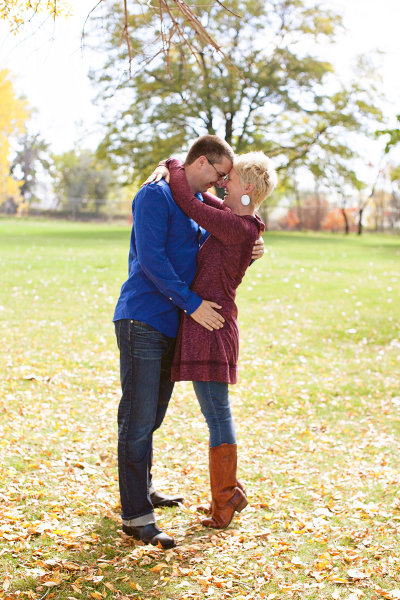
#2 You’re stuck in portfolio building mode
Chances are if you are a professional photographer, you’ve done portfolio building of some sort; maybe you did portraits for friends for free, did corporate work for cost, or photographed thousands of landscapes until you felt comfortable putting your work out there for sale. Making the step from being a budding photographer to a full-fledged “real” photographer who charges money for their work is a huge but necessary one. Once you have established that you are a photographer with a body of work to show for yourself, you are no longer building from scratch. If you’ve built the house structurally sound, you’re not going to build another house to put on top of the original that’s better. Build your business to be sturdy, flexible, and confident and instead of tearing down and starting over, you will just remodel from time to time and rearrange the furniture when you need to freshen the place up.
Get over it
Spend a day going through your entire portfolio and honestly reflect on your work. Do you have a nice representation of the type of photography you want to charge for? Can you see noticeable differences in the images you created when you first started to now? Do you have images that you are quite proud of and show what you are all about as an artist? If you answered yes, the truth is you already have a portfolio. You will continue to build on this portfolio as you have more (paying) clients, as your skills improve, and as your style becomes more defined and evolves but charging your honest market rate is what is going to help you to get there.
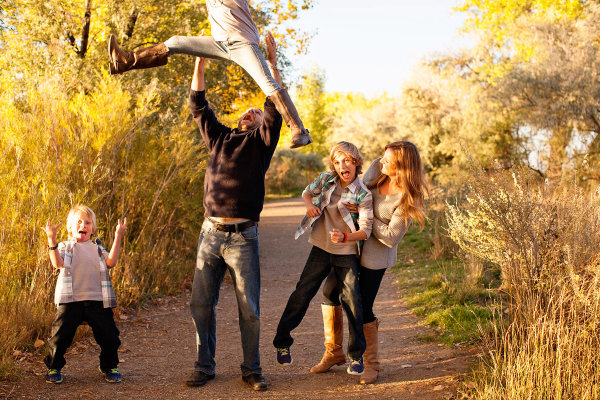
#3 You’re forgetting about your overhead costs
Admittedly I spend my editing days in pyjamas at my desk. Most days I don’t commute anywhere, I eat lunch in my own kitchen, and I never have to contribute to a coworker’s birthday party fund. On the surface it appears I spend next to nothing to bring in a lot, but what I lack in dry cleaning bills, I make up for in expensive equipment, monthly subscriptions, website maintenance, business collateral, and more. Once a chunk of change has already been spent on that fancy camera, building it into your actual cost of doing business can be quickly forgotten.
Get over it
Come up with a list of every single expense you have from your electric bill to run your computer, to how much you spend in cat treats to keep your cats nearby, giving you someone to talk to all day so you don’t go crazy. Don’t forget to allow for things like wear and tear on your cameras and lenses, new software you may need, and the traveling involved with getting to a shoot. You should also include extra funds for unforeseeable repairs and expenses, increases in printing costs or other regular fees, and any classes or workshops you will attend to support your photography. Divide this total by the amount of days you can reasonably work in a year and what you have is the bare minimum day rate you need just to keep doing it. Know this budget as actual numbers, not just a vague amount and it will become very clear, very quickly, if you are not charging enough to make it worth your while no matter how much you love it.

#4 You don’t yet have a solid work and edit flow
I don’t have a good rebuttal for this one. All I know is that if photographers couldn’t charge money for their work until they had a proven workflow in place, there would be no photographers.
Get over it
Even if you don’t subscribe to the flakey artist bit, your process is going to change often, having to constantly accommodate for seasonal fluctuation, client needs, and your own style. So long as you have a true desire to be a professional photographer and a method to getting pictures out of your head and into your camera, and then into the hands of clients, you have a workflow sufficient enough to charge a reasonable rate and work from there.
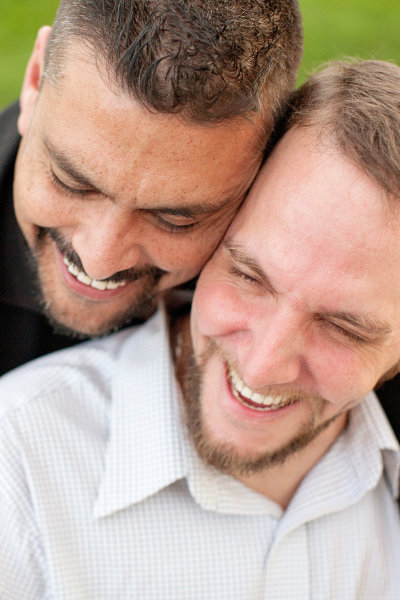
#5 You assume you’re not good enough
Do not feed this monster! This monster will come to your door often in your career and just like my kid’s friends, the more candy you give him, the more frequently he will come around and the longer he will stay. Be realistic and competitive, but do not base your entire pricing system on a lack of confidence. Photography, like most creative occupations, is often personal and will never fit firmly in the category of just business.
Get over it
Ask an objective friend to take a thorough look at your portfolio and prices. Show them your competitors and walk them through exactly what it takes you to go from nothing to a finished image, ready for delivery.

#6 Because you couldn’t afford yourself
Rather than being a large business that strives to be the cheapest choice for customers, you are one single person. It’s easy to get hung-up on the idea that if professional photography isn’t in your budget, then it’s not in other people’s either. I haven’t paid for photography in six years – I take pictures of my own children often and when I want family photos or any other picture that actually includes me, I trade with a photographer friend. I am not a good judge of what people are willing to, or can spend on a family photographer.
Get over it
Do you buy art? Do you support artists? This includes musicians, actors, and that guy on the corner that can fold himself into a two foot plexiglass cube and eat fire. I give that guy a dollar every time I see him and I bet you would too. People budget for what they truly want and what is important to them. If they want to invest in your time and talent, who are you to tell them no?
#7 You’re allowing yourself to be paid in kind words and compliments
Ouch, this one stings. Everyone wants to be liked and let’s face it, kind words are better than a sharp stick in the eye. Especially a compliment that is given based on skills you have worked hard to perfect. Confidence is something every photographer needs at least a bit of, but accolades don’t pay the rent.
Get over it
If you aren’t charging them, someone else will be happy to and collect the compliments too.
Besides – I would be a terrible fry cook.
The post 7 Things That Keep You From Charging What You’re Worth (and how to get over them) by Lynsey Mattingly appeared first on Digital Photography School.