RSS
 

Posts Tagged ‘Things’

Announcing the All Things Photo Podcast

28 Apr

I’m happy to announce that I’ve launched a new podcast titled All Things Photo with Eric Cheng. Between the two of us we have decades of professional photography experience and a unique perspective as industry insiders, Eric with DJI & Lytro and myself with BorrowLenses. Unlike other podcasts this series will also include video vignettes above and beyond our recorded discussions. I welcome you to subscribe on iTunes (listing soon to be available) and subscribe to the All Things Photo YouTube channel. There is a lot still to be done getting the podcast off the ground (including decorating my office), but content begins flowing today.

All Things Photo #1: Lightroom 6.2 Troubles + Light L16 Camera Impressions
Hyped concerns and expectations…

  1. Lightroom releases a buggy update that revamps the beloved Import screen and sparks widespread ire amongst photographers.
    Warranted or overblown?
  2. Light announces the L16 camera promising in camera processing, wifi capabilities, depth of field control and a wide range of optical focal lengths (35-150mm). What we saw at the Light L16 camera launch party in San Francisco.

Additional Content
Essential Resources to Back Out of a Lightroom Upgrade – JMG-Galleries.com

Lightroom 6.2 Release Update and Apology – Adobe Lightroom Journal

Previous import experience to be returned – Adobe Lightroom Journal

Adobe Lightroom Import Screens Before and After – Petapixel

Light.co L16 Camera web site – Light.co

Light L16 Camera promotional video – Vimeo

The Light Story (video) – Vimeo

Robert Scoble Interview of Light CEO Dave Grannan (video) – Facebook

Read more at http://allthingsphoto.libsyn.com/allthingsphoto-1-lightroom-62-troubles-light-l16-camera-impressions#3bUZtXh236Oc2k2E.99
If you’re interested in joining our podcast mailing list visit All Things Photo, our site will be up shortly (much quicker than displayed)

The post Announcing the All Things Photo Podcast appeared first on JMG-Galleries – Landscape, Nature & Travel Photography.


JMG-Galleries – Landscape, Nature & Travel Photography

 
Comments Off on Announcing the All Things Photo Podcast

Posted in Equipment


4 Things You Can Learn From Film and How to Apply Them to Your Digital Photography

15 Apr

Since the introduction of digital cameras, photography is becoming more and more popular amongst everyone. This is largely due to the fact digital has dramatically reduced the cost of taking photos, as they no longer required to be developed, and the recording media (SD or CF cards) can be reused. Another fantastic advantage of digital, is the instant replay it gives you of the photo just taken, giving you the option to correct any flaws in the image. This is something that could not be done with film, and each photo taken would cost money; regardless of how great it was, or was not.

Digital Film

Digital technology has come so far in the last several years that it is out-performing film on almost every level; for example, camera’s can now go up to ISO 3.2 million – an ASA (film equivalent to ISO) level that was never even considered during the films days.

But does this mean that film is useless, and has nothing to offer? Absolutely not. Regardless of whether film is making some sort of a resurgence or not, there are still many things that film can teach you about photography, that digital simply cannot. Here are some thing that shooting with film can teach you better than what digital capture can do:

1. SELF CONFIDENCE

With the immediacy of the feedback that digital cameras provide you, it is all too easy and tempting to continually check your camera’s LCD to see how your photo has turned out. This tendency to keep looking at the LCD is often referred to as chimping. You may chimp for various reasons, ranging from ensuring your photo is correctly exposed (the most common reason), in focus, or seeking self-gratification that you’ve done a good job.

Now, imagine you were photographing with film. You would not be able to see your photos straight away; you’d have to wait a week or even two! You would not be able to see if the photo was correctly exposed, or pat yourself on the back about getting a great frame – at least not right away!

Film taught photographers to read the light and tones within their environment, and to learn how to use their tools correctly. This built confidence within photographers to trust in their own abilities and decisions. It meant that photographers would worry less about receiving positive reassurance on the photo they’d just taken; they knew that they had exposed and focussed correctly and kept going. There was no ,”Hold on, I’ll just check to make sure your wedding dress is correctly exposed”, or “I missed that shot because I was checking my exposure.”

Fredrik Holmberg

By Fredrik Holmberg

So why is chimping a bad habit? Because it says that you are not that confident in your own abilities and judgement, and you need the constant reassurance that you are doing a good job. It results in you potentially missing a great opportunity for a photograph, as your attention has now shifted from your subject to your camera. Wedding, sport, and action photographers may miss a critical moment, a defining moment, if they are always looking at their screen. If you’re looking at your screen, you’re not ready for the moment and you most certainly are not taking photos.

For portrait photographers, taking your camera way from your eye breaks that connection between yourself and your subject. It also says that you’re more interested in the result than you are them.

Apply this to your digital photography

To increase your confidence in your own abilities, I challenge you to only look at your LCD once or twice the next time you’re out photographing. These times should really only be to help you achieve the exposure you wish. If the lighting conditions are consistent, there is no reason you should need to look at your LCD again.

2. PUSH YOURSELF MORE

All too often you may see an outstanding result on the back of your camera. You stop taking photos because you are convinced that it cannot be bettered; only to see your friend take a better image right next to you. The instant replay of your work on the back of your camera can often prevent you from pushing yourself just that little bit further, and getting that great shot. That instant replay didn’t exist on film cameras, so photographers didn’t know if they had “the shot” or not; they had to keep pushing themselves to ensure that they did get it.

Calvinnivlac

By calvinnivlac

If you’re tempted to keep looking at your screen, I’d encourage you to turn preview or replay to off in your camera menu. If you are still tempted to press play and have a sneaky peek, tape a little piece of paper or card over the screen so you cannot see the image.

Apply this to your digital photography

Do not be tempted to keep looking at your screen, and being satisfied with what you see after the first one or two frames. Keep going. Perhaps you could try different angles, settings, lighting etc., but you should always keep pushing a little further to get a better shot. Even if it is just three or four additional frames.

3. YOU THINK MORE

Taking a photo with digital cameras costs nothing; just the minuscule amount of electricity the camera needs to operate and a little bit of storage. Memory cards can hold thousands of photos – far more than the 36-exposure roll of film. But that limitation of 36 exposures can teach you something that digital cannot – discipline.

John Goode

By John Goode

Think about the last time you went out taking photos. How many did you come back with? I would bet that you might have hundreds of photos to go through, maybe even thousands. Now, divide that number by 36. That’s how many rolls of film you went through. When you have such a limited number of exposures until you have to change your roll (which takes a lot more time than switching memory cards, by the way), you don’t just take photos every time you see something you like. You look at the subject or scene and consider it more carefully. In doing this, you evaluate if it is indeed worth taking a photo of or not.

Apply this to your digital photography

Try shooting with a smaller memory card like 1gb, or even smaller if you can find some old cards. Limit yourself to 36 shots per day or per outing. Do not delete images as you go, only fill the card or your limit of shots and no more. It will help you be more intentional with your shooting. If you are always deleting images, that defeats the purpose of having a smaller card!

4. GREATER VARIETY IN YOUR WORK

Have you ever gone through photos that you’ve taken and realized that you took so many images of the same thing, with little or no difference between many of them? Do you find it boring going through your photos sometimes because there is such little variation in so many images? With film, each frame cost more money than digital, so photographers made each frame count.

Phil

By Phil

Apply this to your digital photography

Do you really need 10 photos of the same object, from the same angle? No, you don’t – those 10 frames are all the same, so therefore are really just one photo taken ten times. You can still have 10 photos of the same subject, but vary them; try different angles, focal length, exposures. Even try photographing it with a different lens (wide angle versus telephoto). Make each frame different to the next, and make each frame count. Not all the images will work out, but you will have much more variety in your work from the same number of subjects. It will also help you greatly in the future when deciding on what approach to take for your next subject.

Summary

So there you have it, some simple and practical things that shooting with film can teach you better than digital. If you have a film camera laying about collecting dust, why not pick it up, put a fresh roll of film in (extra points if you shoot on slide film) and start using it? It will be quite a strange sensation using a film camera and the the images you take may not be that fantastic to start. Should you stick with it, it will help you on your journey to improving you photography and in my experience, nothing is more satisfying that nailing a photo on film over digital.

googletag.cmd.push(function() {
tablet_slots.push( googletag.defineSlot( “/1005424/_dPSv4_tab-all-article-bottom_(300×250)”, [300, 250], “pb-ad-78623” ).addService( googletag.pubads() ) ); } );

googletag.cmd.push(function() {
mobile_slots.push( googletag.defineSlot( “/1005424/_dPSv4_mob-all-article-bottom_(300×250)”, [300, 250], “pb-ad-78158” ).addService( googletag.pubads() ) ); } );

The post 4 Things You Can Learn From Film and How to Apply Them to Your Digital Photography by Daniel Smith appeared first on Digital Photography School.


Digital Photography School

 
Comments Off on 4 Things You Can Learn From Film and How to Apply Them to Your Digital Photography

Posted in Photography


9 Things You Need to Know to Become a Nature Photographer

29 Mar

Nature photography is a very popular field to be involved in. That’s no surprise though, as it gets you outdoors and seeing our planet in a way that others may miss. When I first started as a nature photographer, I began to see things differently. It sounds cliché, but I paid more attention to my surroundings and saw things from different angles.

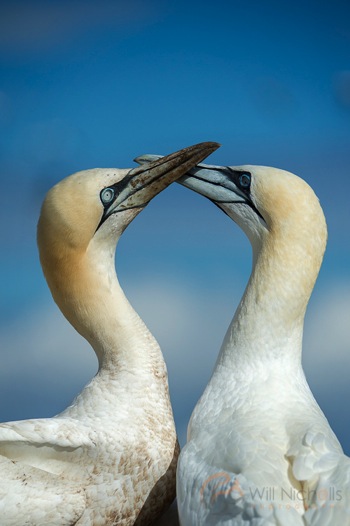
Will Nicholls 3This tutorial will look at some of the most important things to keep in mind if you are looking to become a nature photographer.

#1 You’ve got to love it

Luckily this isn’t a very hard thing to adhere to, but you must love nature to excel at capturing it on camera. Nature photographers spend a lot of time outdoors. If you’re a landscape photographer, you’ll spend lots of your time hiking through scenic areas for just a few clicks of the shutter. Wildlife photographers often spend hours and hours sitting in one place, waiting for an animal to appear. Without the passion and drive behind you, this can be mind-numbing.

So it’s not for everyone, but if you’re reading this article, then chances are you have that interest programmed within you already!

#2 Be different

While it’s great that nature photography is so popular, this brings with it one big challenge – everybody is doing it. This means you need to figure out how you can be different (assuming you want your photos to be noticed).

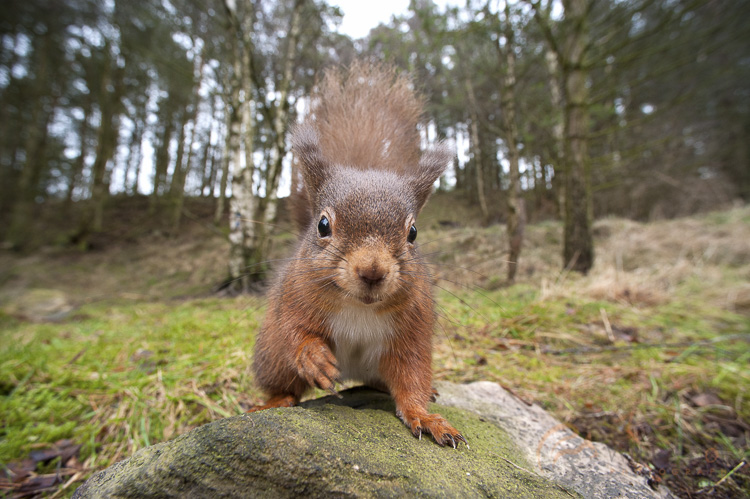
This could be anything from focusing, and specializing on a single family or species of animal, to developing an artistic quirk and style in your photography. Personally, I spend a lot of my time photographing red squirrels – thousands of hours actually, to give you some idea. All this time has allowed me to learn about the animal, and capture behaviour that others have not managed.

Will Nicholls 5

#3 Take risks

By taking risks I mean with your time, not necessarily something dangerous to your wellbeing. As the saying, “Nothing ventured, nothing gained.” suggests, if you don’t take risks then you are unlikely to capture those truly mesmerizing images.

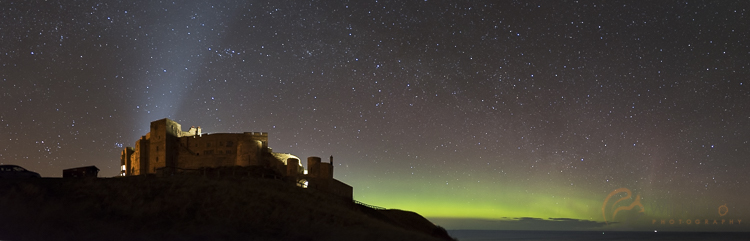
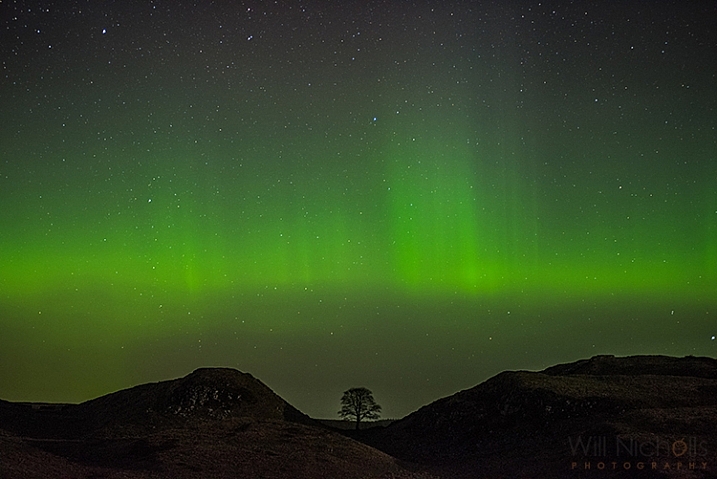
Recently in the North of England, there was a display of the aurora borealis. Typically, it is hard to predict this phenomenon, and the available forecasts only look an hour ahead. It can finish as quickly as it starts, so planning for such an event is not really possible. I decided that I wanted to capture the Northern Lights with a particular castle in the foreground, but it was over two hours away. Nevertheless, at 2 a.m. I dropped everything, and raced off to the coast. When I arrived the display was weakening, but I waited a further two hours and the lights erupted in front of me. I got home at 8 a.m., but it was well worth it.

I’m particularly pleased with this result as photographing the Aurora Borealis can be especially challenging because we are positioned only just north enough to see them.

Will Nicholls 8

#4 Be respectful of nature

Unfortunately, this is one thing that is not adhered to by everyone who calls themselves a nature photographer. Having an ethical approach to your photography, especially when it involves animals, is of the upmost importance. Those who don’t are shamed within the industry, and immediately lose the respect of the majority of photographers who really care about their subjects.

No photo should come before the welfare of an animal or place. It’s just that simple, and remembering this rule will help to improve your photos in the long run. The best photographers don’t cut corners, and you’ll find they have a great affinity with the environment.

Will Nicholls 4

#5 Think about what you’re photographing

It’s easy to press the shutter when you finally find what you’re looking for, whether that be an animal or a scene, but clicking the shutter without thought will often result in unimpressive photos. Think about what you’re trying to convey to the viewer. You want the person looking at the picture to feel like they are in your shoes, looking at the scene themselves.

For landscape photography, this often comes with effective composition, thinking about both your foreground and background to properly document a scene, and avoiding a flat appearance.

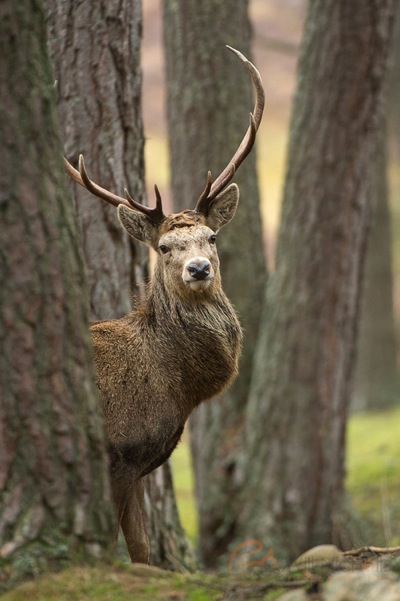
With wildlife photography, this comes from capturing the character and behaviour of an animal. Impactful photos can be achieved by establishing eye contact between the viewer and the subject.

Will Nicholls 7

#6 Introduce scale

Sometimes we are just bowled over by the scale of something in nature. Documenting this with a camera can be tricky as you’re recording a three dimensional scene with a two dimensional medium. Think about using objects to show scale in your photos.

For this photo of the Northern Lights, I photographed it above a tree. This tree is particularly famous, resting in a gap on Hadrian’s Wall in England – and it’s actually rather large itself! This helps to convey the expanse of the sky and display above.

nature photography


#7 Try a different lens

This is another way of experimenting with your photos, and it works for both landscape and wildlife photography. If you usually shoot with a wide-angle lens, then put it down and pick up a telephoto. If you use a telephoto, then try something shorter. This forces you to play with perspective, and capture something new.

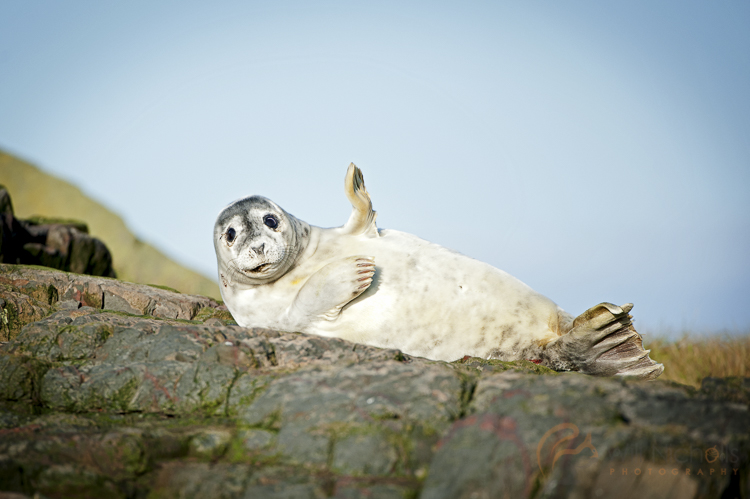
Photographing wildlife with a wide-angle lens is great fun, and can result in some fun shots that incorporate the surroundings into the image.

Will Nicholls 2

#8 Plan your shoots

Just because nature is relatively unpredictable, that doesn’t mean you shouldn’t plan your shoots. Have an idea of a photo you want to capture, and keep at it. Maintaining a long-term study of an area, or animal, will allow you to capture something extra special. It may be that particular shot you’ve been chasing, or something completely different.

#9 Don’t give up

If it was easy then everyone would do it. Nature photography requires a huge amount of time, but it should also be something that you can relax and enjoy – it definitely shouldn’t be a burden on you.

Will Nicholls 6

Results don’t come instantly, and like anything, it takes practice to achieve great images. Since you can’t direct nature and tell it what to do, taking good photos can be a longer process than in the other disciplines, but the challenge is what keeps it interesting.

Please share any other things you’ve noticed about being a nature photographer, and your nature images in the comments below.

amzn_assoc_placement = “adunit0”;
amzn_assoc_enable_interest_ads = “true”;
amzn_assoc_tracking_id = “dpsgeneral-20”;
amzn_assoc_ad_mode = “auto”;
amzn_assoc_ad_type = “smart”;
amzn_assoc_marketplace = “amazon”;
amzn_assoc_region = “US”;
amzn_assoc_linkid = “6710d26f550e9793f41475ee806fee9e”;
amzn_assoc_emphasize_categories = “13900861”;
amzn_assoc_fallback_mode = {“type”:”search”,”value”:”digital cameras”};
amzn_assoc_default_category = “Photo”;

googletag.cmd.push(function() {
tablet_slots.push( googletag.defineSlot( “/1005424/_dPSv4_tab-all-article-bottom_(300×250)”, [300, 250], “pb-ad-78623” ).addService( googletag.pubads() ) ); } );

googletag.cmd.push(function() {
mobile_slots.push( googletag.defineSlot( “/1005424/_dPSv4_mob-all-article-bottom_(300×250)”, [300, 250], “pb-ad-78158” ).addService( googletag.pubads() ) ); } );

The post 9 Things You Need to Know to Become a Nature Photographer by Will Nicholls appeared first on Digital Photography School.


Digital Photography School

 
Comments Off on 9 Things You Need to Know to Become a Nature Photographer

Posted in Photography


How to Prepare for a Portrait Session: A Few Things Your Photographer Wishes You Knew

10 Mar

Portrait photography is all about the face and can be really intimate and feel a little obtrusive for subjects that aren’t used to being photographed. But the end result can be beautiful and produce a photo that really captures the person. For the photographer there are a few aspects of different types of portrait photography that they wish their subjects Continue Reading

The post How to Prepare for a Portrait Session: A Few Things Your Photographer Wishes You Knew appeared first on Photodoto.


Photodoto

 
Comments Off on How to Prepare for a Portrait Session: A Few Things Your Photographer Wishes You Knew

Posted in Photography


CP+ 2016: Things we found that had been cut in half

29 Feb

CP+ 2016: Things we found that had been cut in half

‘I don’t know, Rishi’, I said in the press room, over warm coffee from a warm can. ‘I don’t know if I should do another ‘things we found that had been cut in half’ slideshow.’ Rishi was silent. I went on: ‘Is it even funny? And there aren’t that many things at the show this year which have been cut in half. Mostly I’ve just seen things which are whole. I don’t know whether I should do it’. 

Rishi looked up. There was pain in his eyes. Confusion. The confusion of a child who’s starting to suspect that Santa doesn’t exist but isn’t ready to believe it.

His normally whisper-quiet voice rose slightly. ‘You have to do it’ he said, almost pleading. His voice became louder still – ‘You have to do it. Not because it’s funny – Barney, listen to me. It’s not funny. It has never been funny. But that’s not why you do it. You do it because it’s tradition.’

‘Dammit, Rishi’ I said, straightening in my chair and in the same motion, banging my knees against the oddly low desk, ‘You’re right. And stop yelling, you’re freaking me out’. 

CP+ 2016: Things we found that had been cut in half

Could you disappoint this face? I couldn’t.

CP+ 2016: Things we found that had been cut in half

So, without further ado, here’s a selection of things we found at CP+ which had been cut in half. Buckle up, it’s going to be a wild ride*

First up is Nikon’s brand new flagship D5. Capable of taking pictures very quickly of things moving even more quickly, the D5 is as tough as week-old sushi and entirely sealed against dust and moisture incursion. Not this one though – why not? Because this one has been cut in half. Water and dust can get right in, all over the place.  

*It won’t be. 

CP+ 2016: Things we found that had been cut in half

With pro-level DSLRs being cut in half left right and center in previous years, I think Ricoh has been feeling a bit left out. In fact, I suspect that this is one reason for the much anticipated release of a proper Pentax full-frame camera, the K-1. 

The K-1 is a 36MP full-frame camera with a host of solid core photographic features including in-camera stabilization, a revamped AF system, support for legacy Pentax K-mount lenses and little LED lights hidden in clever places all over the camera body. The rear LCD is articulated, using an innovative and unusual strut and hinge design, and the shifting sensor can be used to create full-color resolution exposures, correct wonky horizons and even track stars for night shots.

This K-1 can’t do any of that though, because it’s been cut in half. This one is literally useless. 

CP+ 2016: Things we found that had been cut in half

An early prototype of the K-1, before Ricoh’s engineers realised that using clear plastic would cause serious light-leak issues. 

CP+ 2016: Things we found that had been cut in half

Here’s a blast from the past – a Nikon F from the early 1960s, cut in half good and proper. A period of huge social change, the 1960s saw revolutions on several fronts – sexual, social, political and photographic. This was the decade of TTL metering, removable prisms, wideangle lenses and motor-drives. Before the 1960s, the idea that a professional camera could be displayed like this – bisected, with its delicate parts exposed to public view – would have been unthinkable.

How much has changed. Yet how much remains the same. 

This Nikon F could be yours for only  ¥248,000 (~$ 2200). Superglue not included. 

CP+ 2016: Things we found that had been cut in half

In many ways a more innovative camera than the Nikon F, Canon’s F1 (which came along a little later) proved itself a solid, reliable workhorse for Canon FD photographers in the 1970s. With TTL metering built in (not via an optional metering head, as with the Nikon F) an optional (and insanely noisy) 3.5fps motordrive and a faster maximum shutter speed, the F1 was popular among sports and action photographers.

There’s no way this one is being used to photography any sports or action though. Not only are the mercury cells that powered the F1 unavailable these days, this camera has been cut in half. It’d just fall sideways off the tripod.

CP+ 2016: Things we found that had been cut in half

Sony had a big booth at this year’s CP+ show, and as well as a new camera, the 24MP a6300, the company was also showing off three new ‘G Master’ lenses. Designed to cover the full-frame imaging area of the company’s a7-series mirrorless interchangeable lens cameras, the new 24-70mm F2.8, 70-200mm F2.8 and 85mm F1.4 are the most convincing pro-level optics yet released for Sony’s FE mount.

Here’s the new FE 70-200mm F2.8 GM OSS. Comprised of a remarkable 32 elements in 18 groups, elements include one double-side aspherical and one extreme aspherical element, plus ‘Nano AR’ coating. This particular lens is even more complex, being made up of 46 elements in 36 groups. Because it’s been cut in half. Bonkers! 

Read more about Sony’s new G Master lenses

CP+ 2016: Things we found that had been cut in half

Oooh, look at all that lovely glass. This is the Sony FE 85mm F1.4 GM portrait prime, sliced wide open for all to see. This lens comprises 11 elements in 8 groups, and features a new XA (extreme aspherical) element which has been rendered even more aspherical in this lens by being cut in half. 

Read more about Sony’s new G Master lenses

CP+ 2016: Things we found that had been cut in half

The third lens in Sony’s new G Master trio is the FE 24-70mm F2.8 GM, which is intended as a standard zoom for Sony’s flagship a7R II. Our intial impressions of image quality from this lens are very encouraging, but it’s the Direct Drive SSM autofocus motor which has us most impressed.

When paired with an a7R II this lens acquires focus – and can continue to focus on moving subjects – extremely quickly. We didn’t get the chance to try out the performance of this particular sample, but we’re pretty confident that it won’t be great. After all, it’s been cut in half. 

Read more about Sony’s new G Master lenses

CP+ 2016: Things we found that had been cut in half

Sensors come in all manner of shapes and sizes – actually no, that’s not really true, but they come in all manner of sizes at least. From full-frame on the Sony booth to Micro Four Thirds at Panasonic, here’s the company’s new Leica DG Vario-Elmar 100-400mm F4.0-6.3 ASPH Power OIS. Optically much simpler than Sony’s 70-200mm, the Leica 100-400mm is equivalent to a 200-800mm lens when attached to a Micro Four Thirds body.

It has has one aspherical, one UED, and two ‘regular’ ED elements, as well as a nine-bladed circular aperture. Or it would, if it hadn’t been cut in half. We didn’t get the chance to shoot with this sample yet but we’re pretty sure it’s going to give some very ugly bokeh. 

CP+ 2016: Things we found that had been cut in half

Here’s the Olympus M.Zuiko Digital 300mm F4 IS Pro, which offers an equivalent focal length of 600mm in full-frame terms. This lens has impressed us with its sharpness, durability and relatively light weight. This one is even lighter than normal, but much less resistant to the elements. It’s been cut in half, you see. Very silly.  

CP+ 2016: Things we found that had been cut in half

When it comes to cutting things in half, Zeiss is one of the best companies out there. And as usual, the Zeiss stand was a positive orgy of bisected primes, split zooms and half-naked wide-angles. Here’s the company’s Zeiss Milvus 21mm F2.8, which retails for almost $ 2000 normally. This one isn’t worth even half of that amount though. Off-center performance (on one side only) is terrible, because it’s been cut in half.

CP+ 2016: Things we found that had been cut in half

Hey, remember the tiny, cute little Voigtländer VM 40mm F2.8 Heliar we wrote about last year?

CP+ 2016: Things we found that had been cut in half

It looks even tinier and cuter when it’s been cut in half. 

CP+ 2016: Things we found that had been cut in half

Less small but still pretty cute is Tamron’s new SP 90mm F2.8 Di VC USD 1:1 Macro, the latest version in a line of very well-regarded 90mm macro lenses from Tamron stretching back decades. Weather-sealed with a built-in vibration correction stabilization system we’re really looking forward to seeing how this new macro prime performs. Not even Vibration Correction will get sharp results out of this one though though – this one has been cut in half. 

CP+ 2016: Things we found that had been cut in half

An etymological diagram of the human brain, cut in half. These are the literal translations of latin terms for the various brain regions. After 4 days at CP+, Rishi and I are mostly creating content from our ‘Little Brain’ area, although my Slime Gland has been giving me trouble. It’s probably just the jet-lag.

We’ve got more content lined up for you over the next few days, including some more technical analysis of Nikon’s D5 and D500, and interviews with senior executives from Canon, Nikon, Ricoh and more. Thanks for reading and goodbye (for now) from Yokohama. 

Articles: Digital Photography Review (dpreview.com)

 
Comments Off on CP+ 2016: Things we found that had been cut in half

Posted in Uncategorized


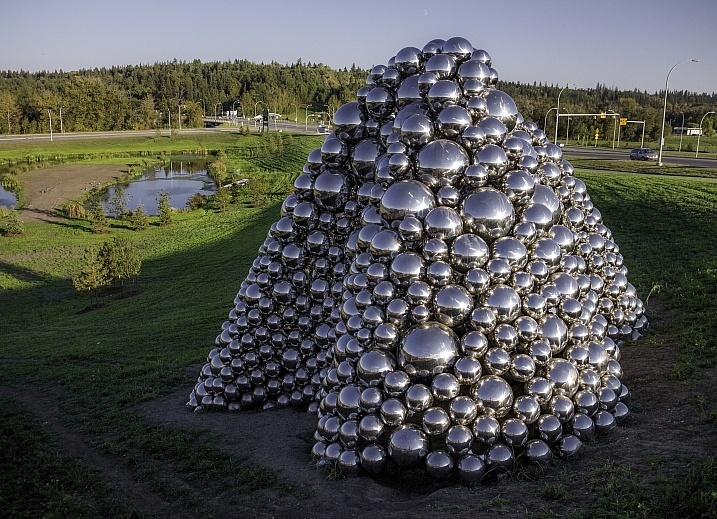
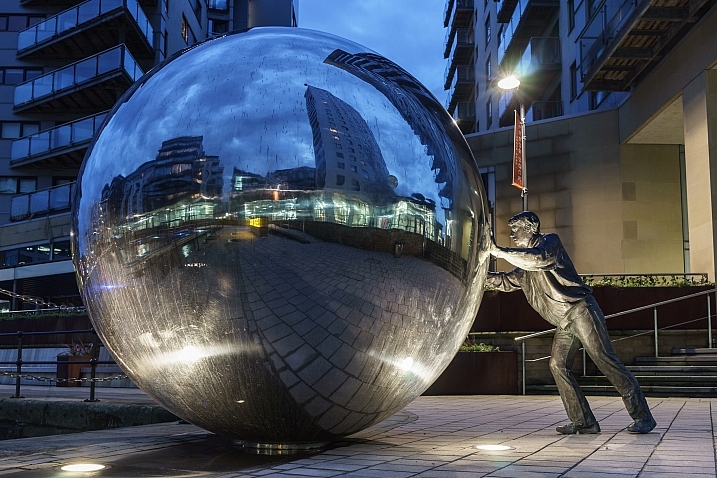
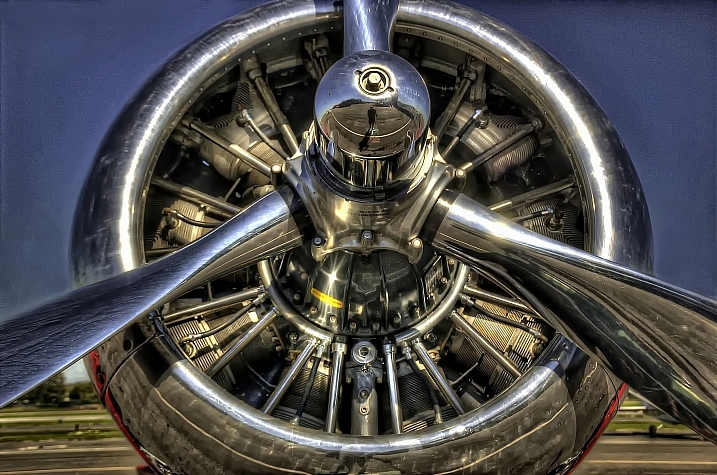
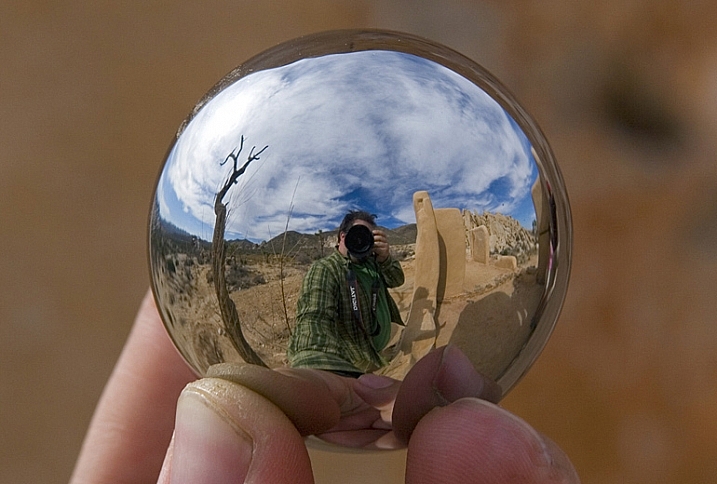
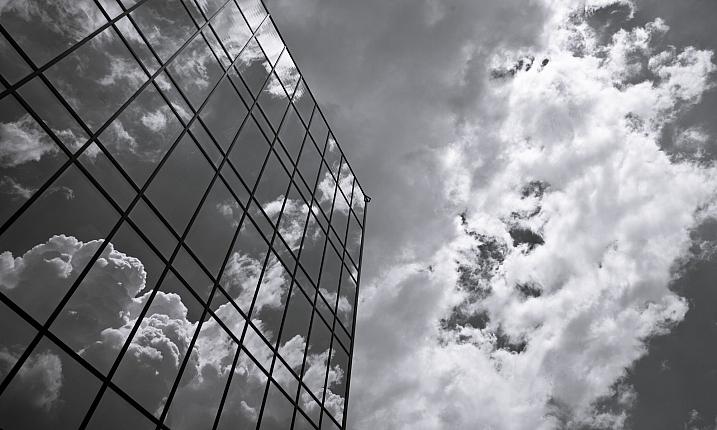
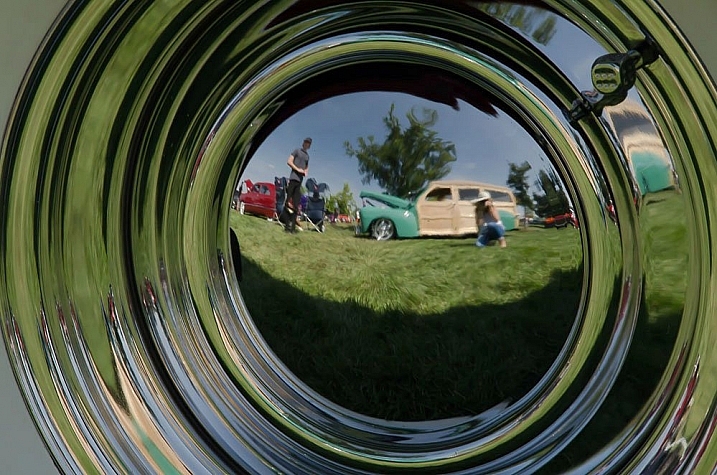
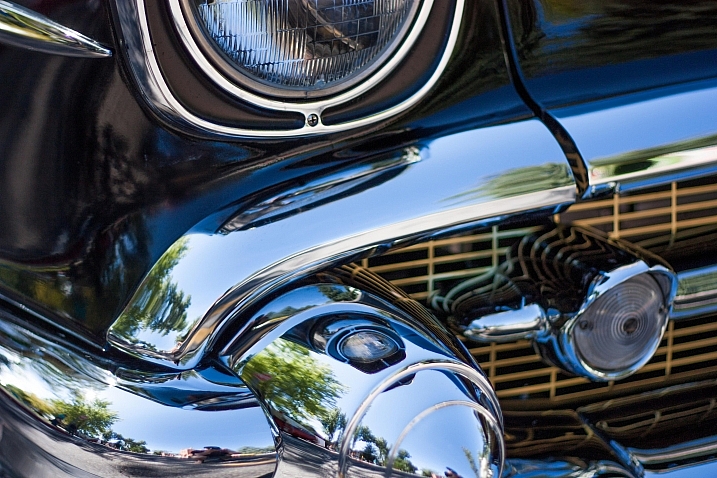
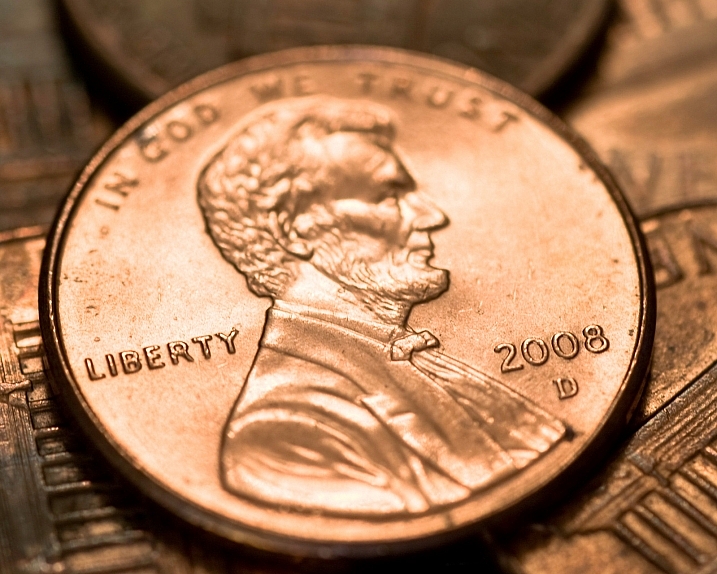
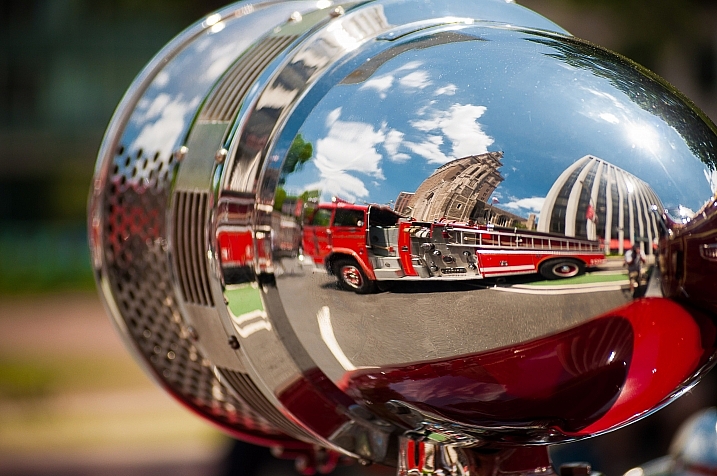
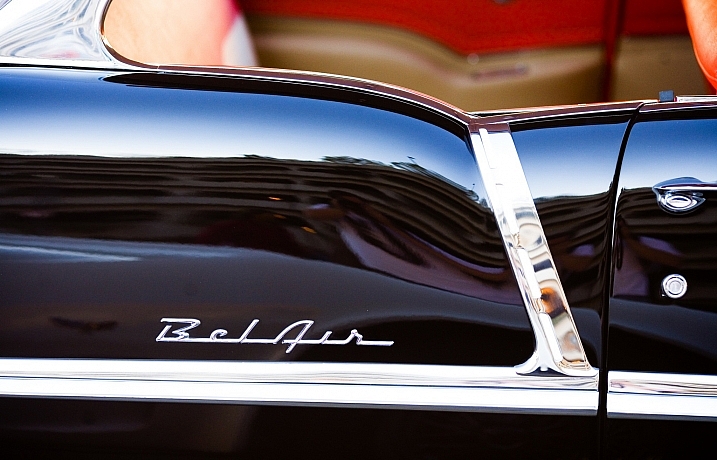
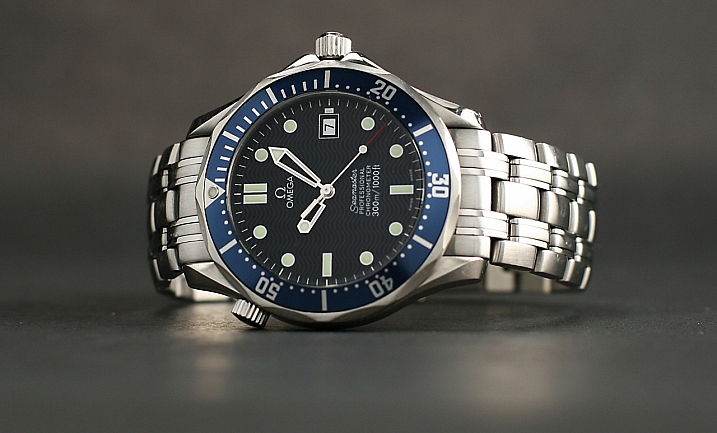
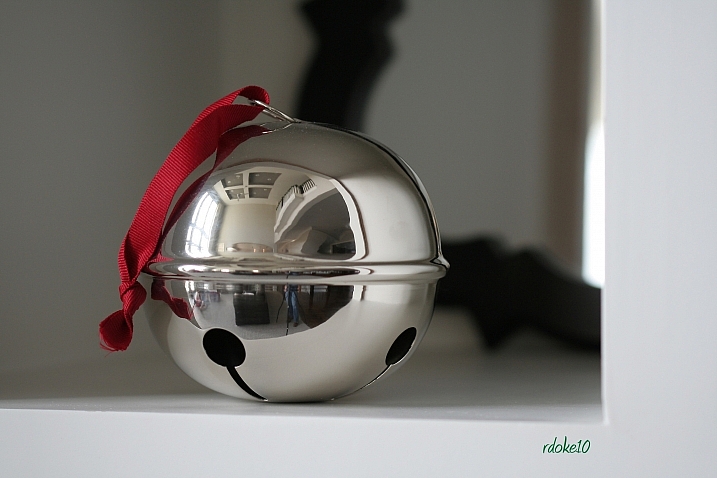
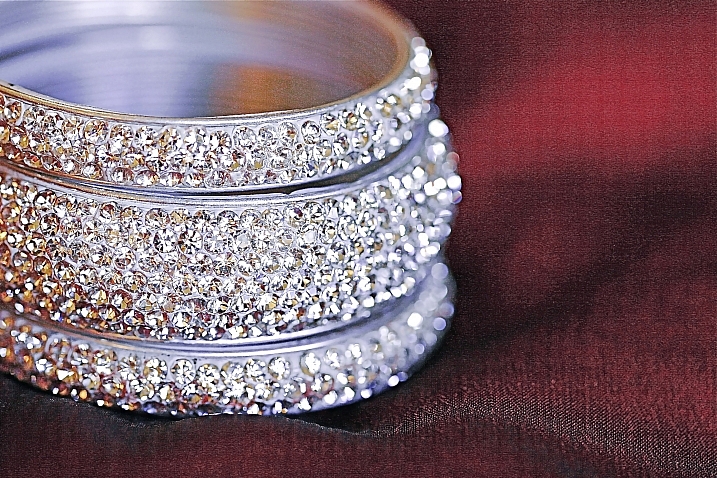
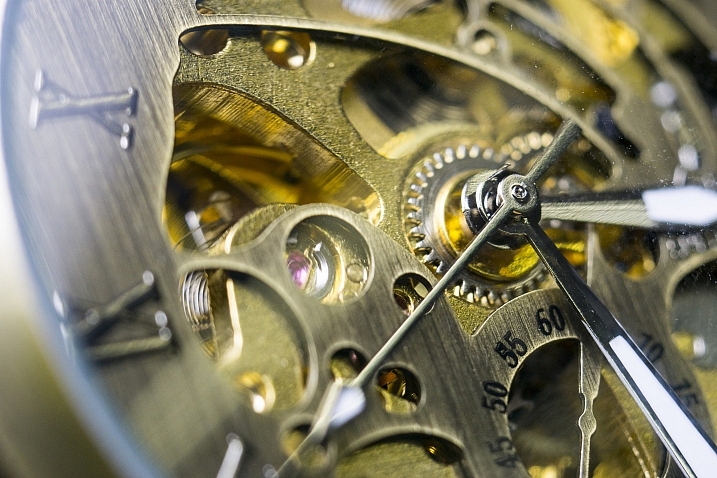
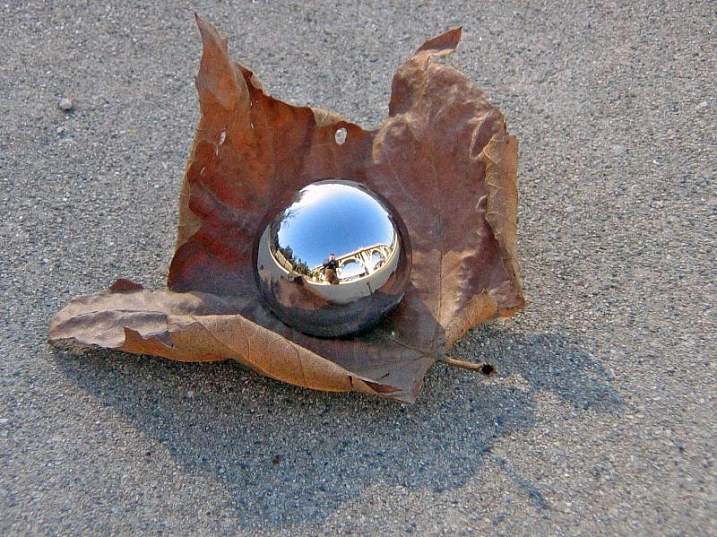
29 Polished Images of Shiny Things

29 Jan

I think as human beings we are all attracted to shiny things – oh look squirrel! Just kidding.

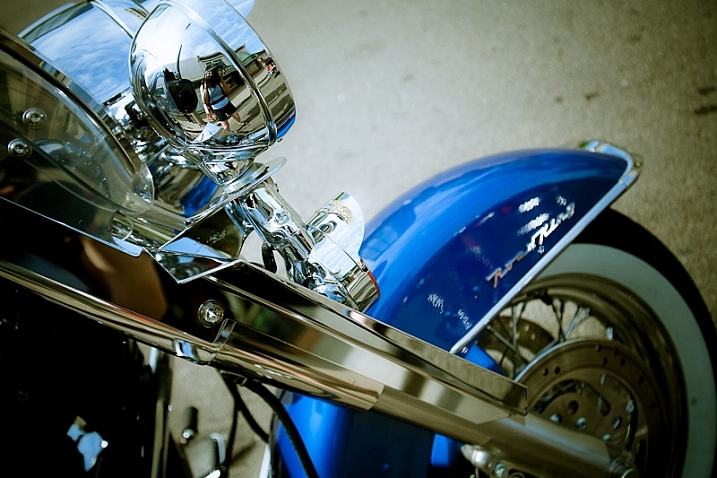
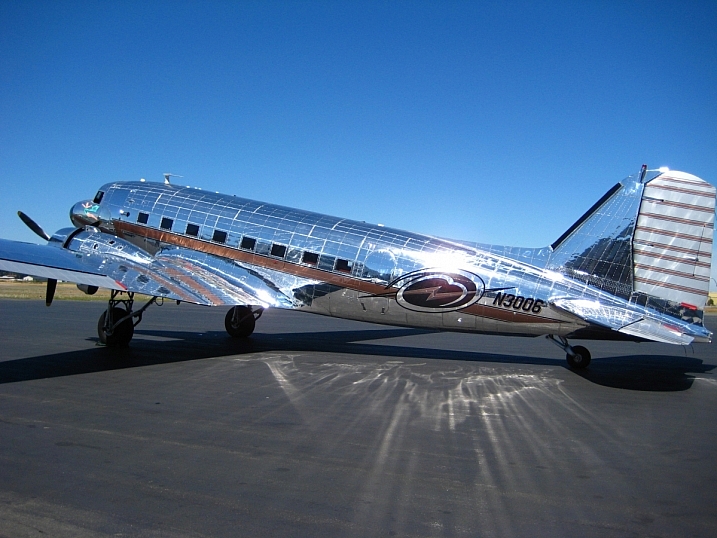
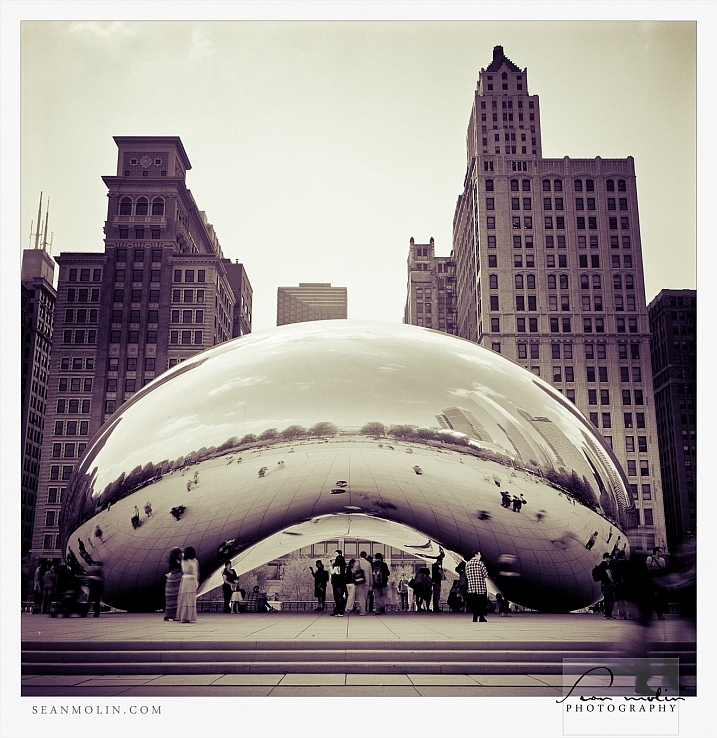
But they go grab our eye. However, photographing them can be a bit trickier. You have to watch out for reflections, or maybe use them in your composition to your advantage. But you have to be intentional about it as a photographer.
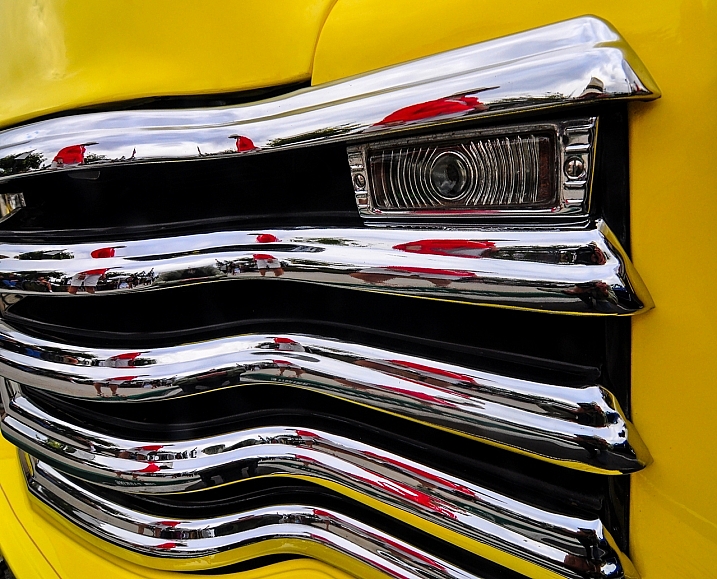
In these images I found of shiny things let’s see how some other photographers handled this tough subject:

Darlene Hildebrandt

By Darlene Hildebrandt (a selfie of mine from 2009!)

Brian Burger

By Brian Burger

Bill Gracey

By Bill Gracey

Sean Molin

By Sean Molin

Lawrence OP

By Lawrence OP

Dave Wilson

By Dave Wilson

Kurt Bauschardt

By Kurt Bauschardt

Alan Newman - An1.uk

By Alan Newman – an1.uk

Neil  Kremer

By Neil Kremer

Kolby

By Kolby

Siggi Churchill

By Siggi Churchill

Cathy McCray

By Cathy McCray

Jon Matthies

By Jon Matthies

*Vintage Fairytale*

By *Vintage Fairytale*

Killerturnip

By killerturnip

Kolby

By Kolby

Tiago

By Tiago

Darlene Hildebrandt

By Darlene Hildebrandt

> Mr.D Photography

By > Mr.D Photography

Thomas Hawk

By Thomas Hawk

Mark

By Mark

Ron Doke

By Ron Doke

Nana B Agyei

By Nana B Agyei

Genna G

By Genna G

Philippa Willitts

By Philippa Willitts

Carlos

By carlos

Aleksey Gnilenkov

By Aleksey Gnilenkov

Fatima

By Fatima

Tobias S.

By Tobias S.

googletag.cmd.push(function() {
tablet_slots.push( googletag.defineSlot( “/1005424/_dPSv4_tab-all-article-bottom_(300×250)”, [300, 250], “pb-ad-78623” ).addService( googletag.pubads() ) ); } );

googletag.cmd.push(function() {
mobile_slots.push( googletag.defineSlot( “/1005424/_dPSv4_mob-all-article-bottom_(300×250)”, [300, 250], “pb-ad-78158” ).addService( googletag.pubads() ) ); } );

The post 29 Polished Images of Shiny Things by Darlene Hildebrandt appeared first on Digital Photography School.


Digital Photography School

 
Comments Off on 29 Polished Images of Shiny Things

Posted in Photography


5 Things to Consider Before Deciding to Specialize or Not in Your Photography

25 Jan

There comes a point in every photographer’s career where they ask themselves the proverbial question, “Should I specialize in a specific genre of photography? Or should I just keep photographing anything and everything that comes my way?” There are several schools of thought on this dilemma, depending on who you ask, and what you read. Ultimately the answer is very personal, and specific to each photographer. The point of this article is not to convince you, the reader, of one way verses the other. The objective here is to simply state my personal reasons for how I would answer that question, and leave the final decision making up to you.
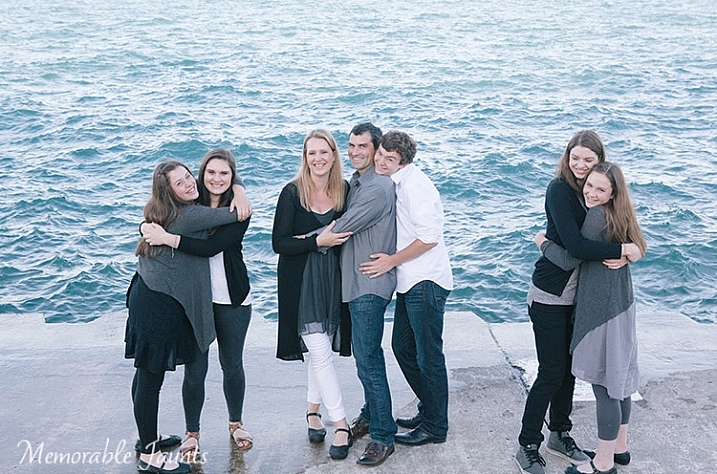
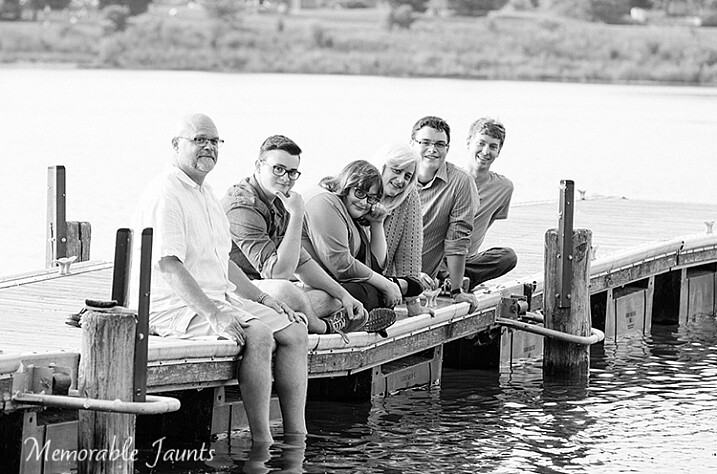
Memorable Jaunts DPS Article on Specializing in your photography

#1 Jack of all trades, master of none

I really believe in this age-old motto. I find that when you focus on multiple genres of photography, your photographic style and creative voice takes that much longer to develop. Different genres of photography require different strategies. What works well for family portraits, may not work well for still life. What works great for food photography, may not work for pet photos. Yes, the basic concepts of lighting rules, composition techniques, and technical camera knowledge, are mostly similar, but the style of photography varies depending on the subject. When you focus on multiple genres, there tends to be a mishmash of imagery in your portfolio, which may not be what you want in the long run.

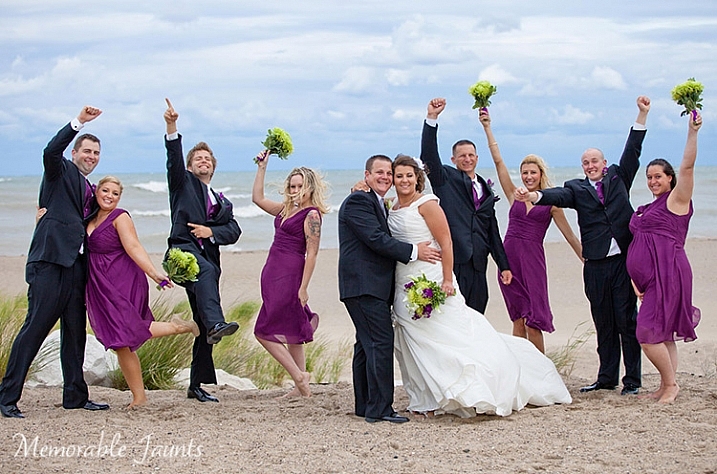
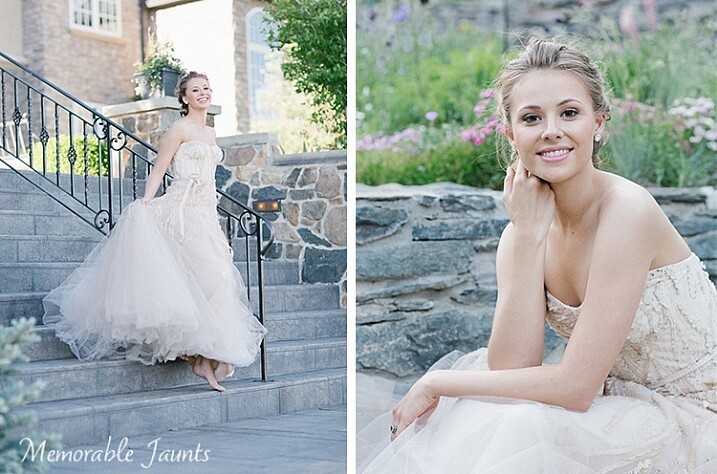
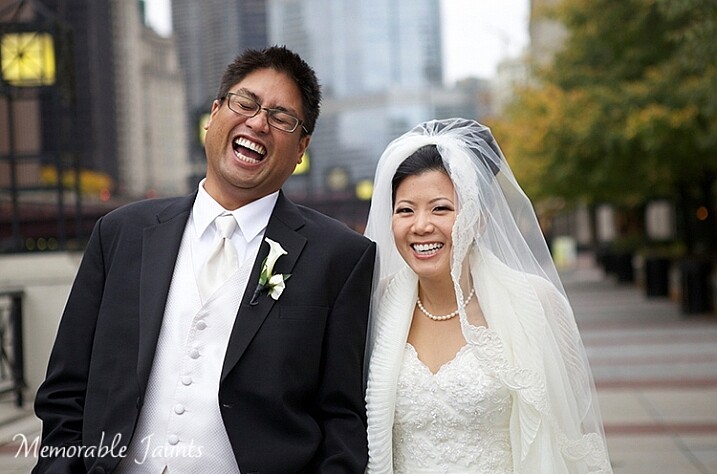
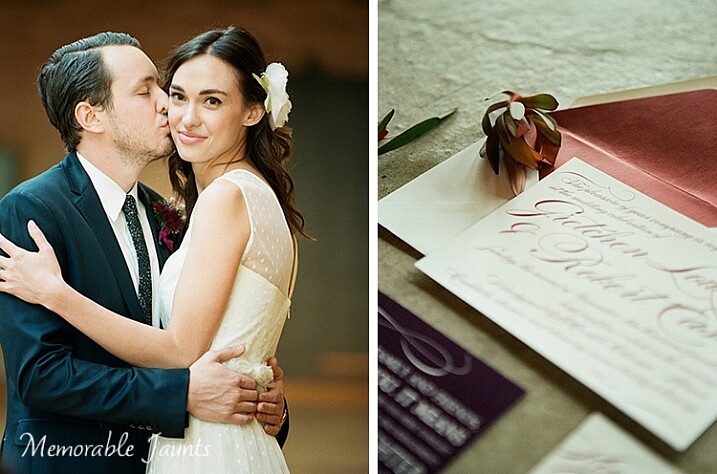
Memorable Jaunts DPS Article Specializing in your photography Wedding Images 01

I love capturing weddings and bridal portraits, some of my favorite genres of photography!

#2 Attracting your ideal client

In my mind, an ideal client is one who loves your work, and is willing to pay the right value for your services, no questions asked! Clients always demand and expect the best value for their money. When a client inquires for a particular job, they expect to find someone who is the best at what they are looking for.

For example, a family looking for beautiful, timeless, annual family photos, will expect the photographer they hire to know what he or she is doing, not just from a photography standpoint but also in terms of posing, lighting, post-processing, and delivery. So, when they inquire about family photos, they are expecting to hire someone who has enough experience under their belt so as to make the client’s experience an enjoyable one. Imagine for a moment, they hire a photographer who has limited experience photographing families, but is great with still life or product photography. Now suddenly, halfway through the shoot, the kids decide enough is enough and start acting up. Will the still life photographer, who does not expect his subject to simply get up and walk away, really know how to handle the situation? It’s more than likely that photographer is going to panic, making the client extremely upset, and they will expect to be offered a full refund, no matter how the final images turn out. Remember a positive client experience is the number one priority of any professional photographer!

Memorable Jaunts DPS Article Specializing in your photography Family Portraiture Images 02

This family session was a highlight of 2014 that got me several clients who wanted extended family photoshoots!

Another family that loved the images from past sessions and moved schedules to accommodate me! - It felt awesome to be appreciated.

Another family that loved the images from past sessions and moved schedules to accommodate me! – It felt awesome to be appreciated.

#3 Understanding your own strengths and weaknesses

I feel like this one is not just relevant for photographers, but for everyone in general. When I get asked what I like to photograph, I immediately know what to say. I love photographing people and travel (preferable with people in the images). I specialize in portraiture because I feel one of my key strengths lies in interacting with people, and getting natural emotions and expressions through my imagery. As an extension to this genre, I love photographing weddings, because it is such an emotional day for all concerned. Being able to document a couple’s special day, surrounded by family and friends, has been a wonderful experience for me.

Now, if you ask me what I don’t like photographing, I have an even faster response ready! Traditional newborn photography is something I absolutely run away from. Don’t get me wrong, I love kids, but there’s just something about hanging baskets, swaddled blankets, and twisted limbs that freaks me out. The only two newborn photo sessions I have done in my five year career, have been newborn lifestyle photoshoot which may not have been exactly what my clients wanted.

My only attempts at Newborn Photography.

My only attempts at newborn photography.

I love the emotions captured here and it is one of my favorite genres of photography!

I love the emotions captured here and it is one of my favorite genres of photography!

#4 Paying the bills verses having a career

Now you may question this one. Are they not the same? On the surface these two may be the same thing for most people, and I have to admit for a while this was true for me as well. When I was just starting off, while family portraiture was what I gravitated towards, I did take jobs like real estate photography and birthday events because they helped pay my bills. But over time, I realized that the time and effort that I was putting into these so called “bill paying jobs” was not really worth it. The time to get to the event, hire a baby sitter, rent or borrow event specific equipment like light stands and extra flashes, as well image processing time, all added up and when I factored in time-to-money ratio. It just was not bringing in the money I thought it was. Often times we don’t realize that time is more money than money itself.

#5 Doing what you love

This one falls in line with point #3 above. Most of us get into photography because we love taking photos. It is a field where creativity and motivation run high, when we do the things that we really enjoy. However, the moment photography becomes a chore, it looses its charm. We start to feel burdened, and lack motivation and creativity. We all know that photography is a field where a mediocre job is very apparent in the images we produce. Bad lighting, loose composition, and bad editing, very quickly become very apparent to all. But when we photograph things that we really enjoy, we tend to produce stellar imagery that we love.

A blogpost about Film and feeling vulnerable as a photographer when using a film camera got me two wedding inquiries because the brides appreciated my honesty and loved the emotional appeal of the images!!

A blogpost about shooting film, and feeling vulnerable as a photographer when using a film camera, got me two wedding inquiries because the brides appreciated my honesty and loved the emotional appeal of the images!!

With all this being said, I don’t mean to imply that you should say no to jobs that are outside your expertise, especially if you are just starting out in this field. But don’t promote yourself as being the person who says “yes” to everything.

Specializing also doesn’t mean you have to give up photographing all those other things out there. Go ahead and photograph those apples sitting on the counter with the warm mid-day sun streaming through your window, or get the action shot of your kids playing soccer, but those should not make their way to your portfolio. Don’t suddenly start marketing yourself as a sports photographer. It might just repeal that client who is looking for a fashion photographer, which is exactly how you want to be known.

So, what is your speciality?

googletag.cmd.push(function() {
tablet_slots.push( googletag.defineSlot( “/1005424/_dPSv4_tab-all-article-bottom_(300×250)”, [300, 250], “pb-ad-78623” ).addService( googletag.pubads() ) ); } );

googletag.cmd.push(function() {
mobile_slots.push( googletag.defineSlot( “/1005424/_dPSv4_mob-all-article-bottom_(300×250)”, [300, 250], “pb-ad-78158” ).addService( googletag.pubads() ) ); } );

The post 5 Things to Consider Before Deciding to Specialize or Not in Your Photography by Karthika Gupta appeared first on Digital Photography School.


Digital Photography School

 
Comments Off on 5 Things to Consider Before Deciding to Specialize or Not in Your Photography

Posted in Photography


5 Essential Things You Need to Know About the Lightroom Library Module

16 Dec

Essential things Lightroom

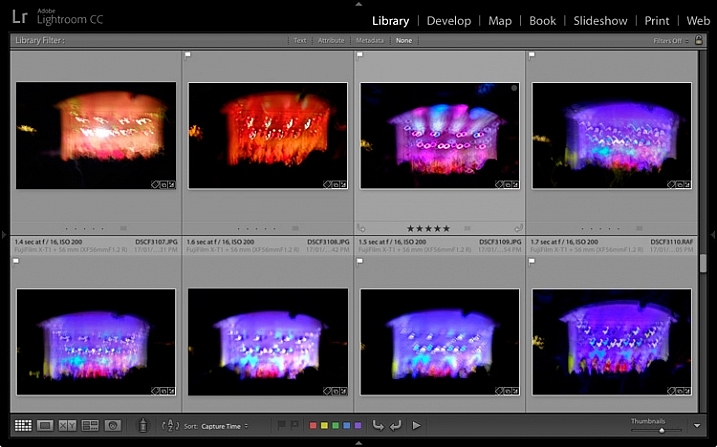
For those of you who have been following my Lightroom articles I thought it would be fun to test your knowledge. We’ll start with the Lightroom Library module because the work you do here, lays the foundation for everything you do inside Lightroom. Master the Library module and you’ll be well on your way to becoming an expert on the entire program.

Ready? Let’s start with what is probably the most important thing of all – backing up your Catalog.

1. How to back up your Catalog

This is really important. Your Lightroom Catalog is absolutely essential because it’s where Lightroom stores every piece of information it has about your photos. Not only does this include the location of your photos (i.e., where they are saved on your hard drive) but any metadata associated with them (from camera settings to keywords), Lightroom specific information (such as which Collections a photo belongs to) and any edits you have made in the Develop module. Yes, these are all stored in the Catalog.

How much of a disaster would it be if you lost all this data? I’m sure it would be a major loss. That’s why it’s so important that you back up your Catalog regularly. You should also back it up to an external hard drive, not to an internal one, in case your computer is lost or stolen.

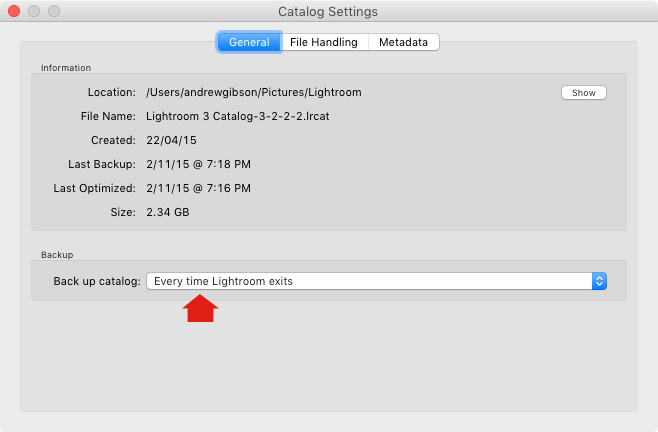
You can check your back up settings by going to Lightroom > Catalog Settings. Click the General tab – Back up catalog should be set to Every Time Lightroom Exits as shown below.

Essential things to know about Lightroom

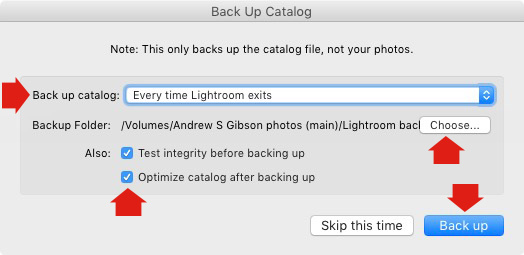
Connect the external hard drive on which you back up your Catalog, then exit Lightroom. Before Lightroom closes down, it displays the Back Up Catalog window. The Backup Folder setting should point to a folder on your external hard drive. If it doesn’t, click Choose and change it now.

Essential things to know about Lightroom

When you exit Lightroom is the only time you will see this popup box, and the only place you can change where it saves the backup of your catalog.

Make sure the Test integrity before backing up and Optimize catalog after backing up boxes are ticked. When you’re done click the Back up button. Lightroom will save a backup of your Catalog to your external hard drive before closing. This may take some time, especially for a large Catalog, so be patient.

Some important things to note about Catalog backups:

  • You only need to keep the last two or three backups. You can delete older ones to free up hard drive space.
  • If you have Lightroom 6 or Lightroom CC the backed up Catalogs are compressed, saving hard drive space.
  • You should always back up your Lightroom Catalog to a different hard drive than the one the main Catalog is stored on. That way, if your main hard drive fails, the backed up Catalog is safe.
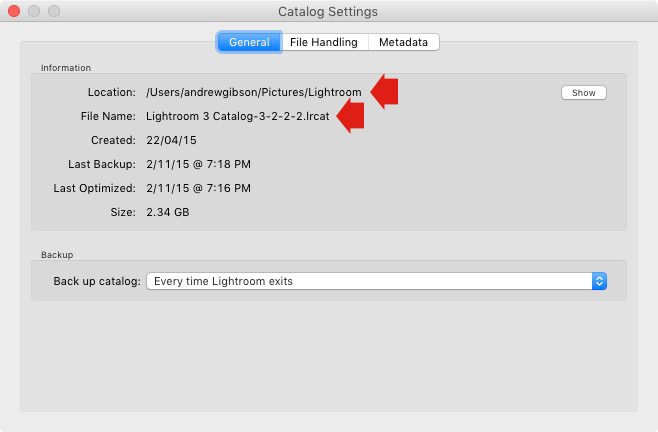
  • Once a month (or more often if you like) copy the latest backup to Dropbox, Google Drive or another cloud storage solution. This is to protect you in case you lose both your computer and your external hard drive to theft or fire. The location and name of your Lightroom Catalog are recorded in Catalog Settings.

Essential things to know about Lightroom

2. How to back up your photos

This is important to mention because I want to make sure you understand that your photos are not stored inside Lightroom, or in the Catalog. Your photos are saved on your hard drive (or drives) and you need to back them up yourself. It is your responsibility – Lightroom doesn’t do it for you.

There are many ways of backing up photos, you need to find the method that works best for you. However I’m sure it will help if I share my method. Feel free to use, adapt or ignore it.

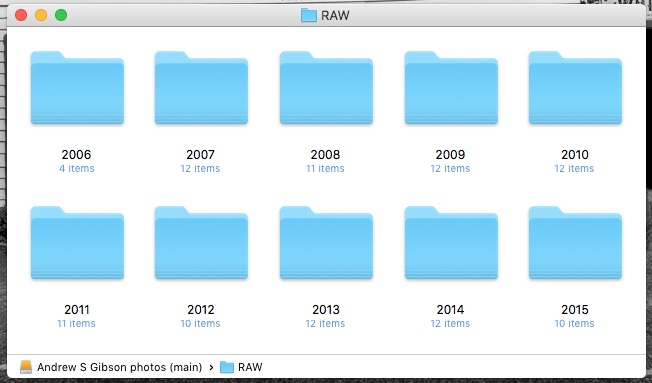
  • Create a folder called Raw. All your Raw files are stored in there (I shoot everything in Raw – you could simply call your folder something like Photos if you shoot a mixture of Raw and JPEG).
  • In that folder create a new folder for every year you take photos.

essential things about Lightroom

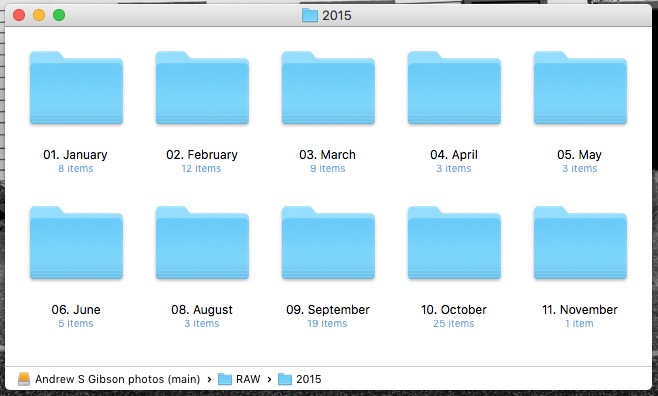
  • In each of those folders, create 12 folders, one for every month of the year.

essential things about Lightroom

  • Whenever you import photos into Lightroom, select the correct destination folder depending on the month and year the photos were taken.
  • Place each shoot into a folder of its own. You can either give it a name or organize the folders by date.

essential things about Lightroom

This system works because it’s easy to see whether your Raw files are backed up. Want to back up all your Raw files to another hard drive? Just copy the Raw folder. Want to see whether you’ve backed up all the photos you’ve taken this month? It’s easy to do so with this system.

By the way, I keep my Raw files backed up to four different external hard drives, one of which is stored off-site. That way, if one of the hard drives fails, I have three other copies.

3. How to set up File Handling in Catalog Settings

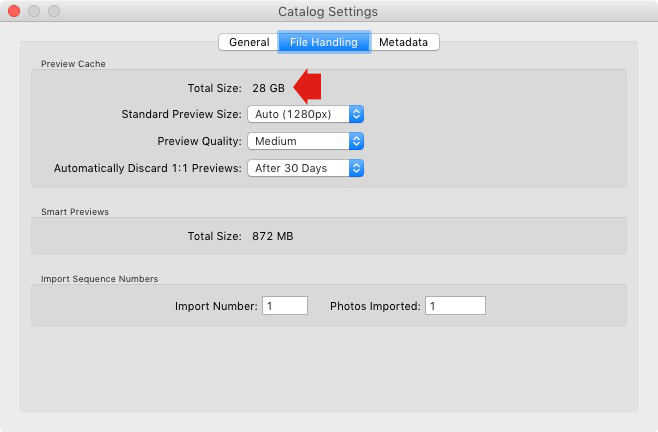
The File Handling settings are important because they help you strike a balance between optimizing Lightroom’s performance speed, and using hard drive space.

The first thing you need to look at is the total size of the cache. This tells you how much hard drive space your previews take up. For example, looking at mine (see below) I can see my Lightroom previews are currently taking up 28GB.

Essential things to know about Lightroom

It’s important to keep some of your hard drive free (at least 10%, but preferably more) otherwise Lightroom will slow down (as will everything else your computer does). If you are running out of hard drive space, come and have a look here to see if your preview files are too large.

There are two steps to keeping your previews file under control.

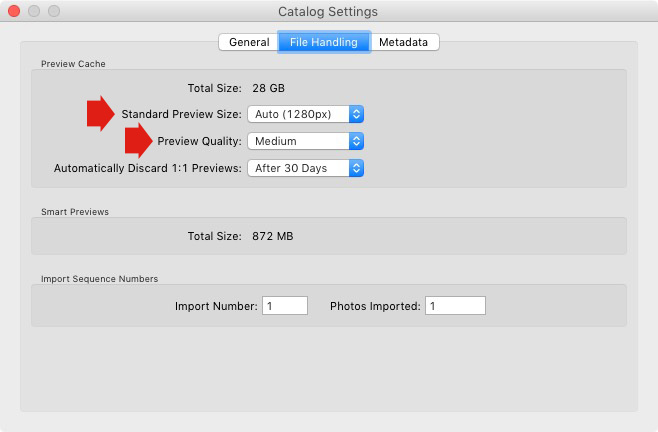
1. Make sure Lightroom is generating the optimum size Standard Previews. These are used to display your photos in Loupe View and don’t need to be any larger than your monitor’s resolution.

If you have Lightroom 6 or Lightroom CC you can set the size to Auto. Lightroom will calculate the optimum size for you. In Lightroom 5 or earlier pick the size that best matches your monitor’s resolution.

Set Preview Quality to Medium – it gives you the best balance between quality and size.

Essential things to know about Lightroom

2. Set Automatically Discard 1:1 Previews to After 30 Days. You need 1:1 previews for zooming in to photos, and working on them in the Develop module. However, they are very large. If you generated 1:1 previews for every photo in your Catalog, and never deleted them, you would eventually run out of hard drive space. To be honest, it doesn’t really matter which setting you choose here as long as it’s not set to Never. You can always regenerate discarded 1:1 previews if you need them again later.

4. How to search for images

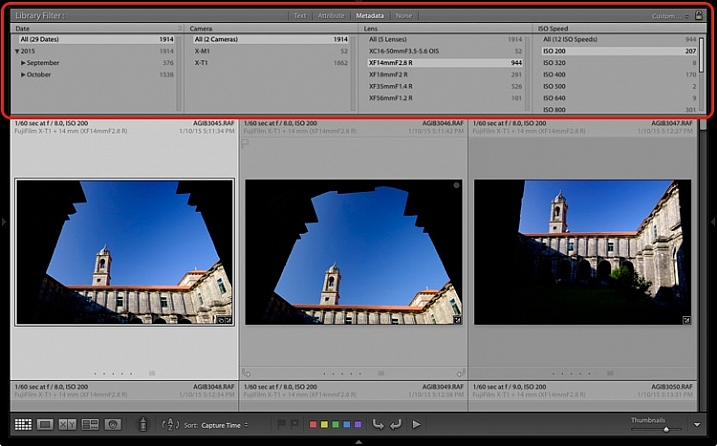
One of the benefits of building the Lightroom architecture on a database is that it is easy to search your photos. You do this in the Filter Bar, which is displayed above the Content Window in Grid View (press ‘\’ on the keyboard if you don’t see it).

There are three types of searches:

  1. Text: Search keywords, filenames, titles, captions, etc., for text sequences.
  2. Attribute: Filter by flag, star rating, colour label or file kind (master photo, virtual copy, or video).
  3. Metadata: Search by date, camera, lens, camera setting (ISO, shutter speed, aperture, etc.), aspect ratio or any of the dozen or so search options listed there.

Have a play with these options to see how it works. Just bear in mind that Lightroom is searching the selected folders or Collections, not your entire Catalog when you do so (select All Photographs to search your entire library).

Essential things to know about Lightroom

5. How to use Collections

Collections are virtual Folders, which you use to organize your images. Folders are limited because a single photo can only be stored in one Folder at a time. The same photo can be stored in as many Collections as you like, making Collections the easiest, and most flexible, way to organize your photos.

An example of this is a photo taken of a person called Jenny in Rome in November 2015. The photo can only be stored in one Folder, but it can be added to a Collection called Jenny, another one called Rome, another called 2015 – in fact as many as you need.

Your folders should be set up to make backing up easy (see earlier point). Your Collections should be used to organize your photos. My article Use Lightroom Collection to Improve your Workflow will help you with this.

Your turn

Of course, this list is not exhaustive, but I’d like to hear your thoughts as well. What do you think is essential to know about the Library module? Do you have any questions about the points raised in this article? Please let me know in the comments below.


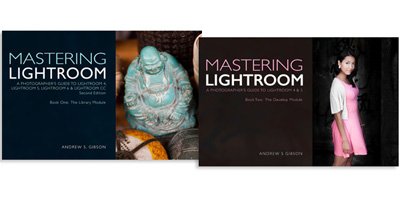
The Mastering Lightroom CollectionMastering Lightroom ebook bundle

My Mastering Lightroom ebooks are a complete guide to using Lightroom’s Library and Develop modules. Written for Lightroom 4, 5, 6 and CC  they  show you how to import and organise your images, use Collections, creatively edit your photos and how to work in black and white.

googletag.cmd.push(function() {
tablet_slots.push( googletag.defineSlot( “/1005424/_dPSv4_tab-all-article-bottom_(300×250)”, [300, 250], “pb-ad-78623” ).addService( googletag.pubads() ) ); } );

googletag.cmd.push(function() {
mobile_slots.push( googletag.defineSlot( “/1005424/_dPSv4_mob-all-article-bottom_(300×250)”, [300, 250], “pb-ad-78158” ).addService( googletag.pubads() ) ); } );

The post 5 Essential Things You Need to Know About the Lightroom Library Module by Andrew S. Gibson appeared first on Digital Photography School.


Digital Photography School

 
Comments Off on 5 Essential Things You Need to Know About the Lightroom Library Module

Posted in Photography


4 Things You Should Know About Focal Length and Composition

13 Nov

Lenses are the eye of your camera. The focal length of a lens (and your point of view) determine how much of the subject your camera sees.

You may already be familiar with the basics, and understand the difference between, say, wide-angle and telephoto lenses, but let’s dive into the the topic a little deeper to see what’s really going on.

focal length and composition

There are four fundamental things to know and understand about the focal length and composition.

1. Focal length is not as important as field-of-view

There are two factors that determine the field-of-view of a lens:

  1. The focal length.
  2. The digital sensor or film size

Field-of-view (sometimes called angle-of-view) is far more important than focal length, because it tells you how much of the scene the lens sees. However, as field-of-view changes according to sensor size, manufacturers tell us the focal length instead. Focal length is a fixed measurement that doesn’t change (it is literally the distance from the middle of the lens to the focal plane, which is the sensor).

Here are some practical examples.

Example #1 – 50mm prime lens

A 50mm prime lens has a field-of-view of 47 degrees on a full-frame camera. This field-of-view approximates what we see with our own eyes. But what happens when you put the 50mm lens on an APS-C camera (crop factor of 1.6x)? The crop factor of the smaller sensor means that the lens now has a field-of-view of around 30 degrees, making it a short telephoto lens.

This change in field-of-view means that you have to move further away from your subject in order to fit it in the frame, which also changes the perspective (giving the compressed effect that characterizes short telephoto lenses).

If you want the equivalent of a 50mm lens on an APS-C camera you need to use a focal length of around 31mm, as it has the same field-of-view (47 degrees).

A prime lens with that focal length doesn’t exist (you could choose between a 28mm or a 35mm depending on whether you wanted a slightly wider or a tighter field-of-view), but you can set that focal length if you have a zoom.

focal length and composition

50mm lens, full-frame camera. The lens has a field-of-view of 47 degrees.

focal length and composition

50mm lens, APS-C camera. The same lens has a field of view of 30 degrees with this camera.

Example #2 – 21mm lens

The same applies to wide-angle lenses. A 21mm prime lens has a field-of-view of around 92 degrees. That’s a nice wide field-of-view ideal for landscape photography, or creating images with dramatic perspective.

But put it on an APS-C camera the field of view narrows to around 65 degrees. It’s still a wide-angle, but the effect is much more moderate. It now has nearly the same field-of-view as a 35mm lens does on a full-frame camera

To get the same field-of-view as the 21mm lens (on a full frame) you would use a 14mm lens (on an APS-C camera).

focal length and composition

This photo was taken with a 14mm lens on an APS-C camera. It has the same field-of-view as a 21mm lens does on a full-frame camera.

Example #3 – 16mm lenses

It’s even possible to have two lenses with the same focal length, but different fields-of-view (on the same camera).

A 16mm wide-angle lens has a field-of-view of 107 degrees – but a 16mm fisheye has a field-of-view of 180 degrees.

They have the same focal length but each one is designed for a different purpose. The 16mm wide-angle is designed to keep straight lines straight. The fisheye doesn’t try to do that, and as a result has a much wider field-of-view.

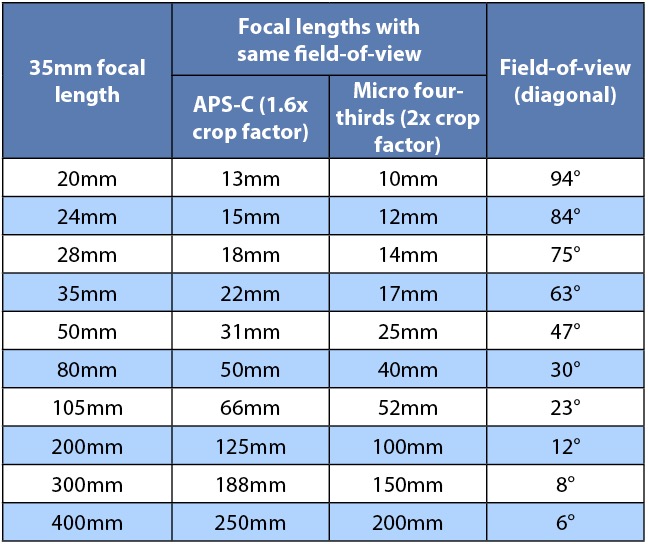
This table shows the field-of-view of common focal lengths with full-frame, APS-C and micro four-thirds cameras.

focal length and composition

The next points explore the relationship between field-of-view and composition.

2. Wide-angle lenses are lenses of inclusion

You can think of any lens with a field-of-view wider than around 63 degrees as being a wide-angle. That’s 35mm or shorter on a full-frame camera, 20mm on APS-C, and around 18mm on micro four-thirds.

Wide-angle lenses have two characteristics that affect composition:

  1. The wide field-of-view means that you have to move in close to your subject to fill the frame. But, at the same time wide-angle lenses also include quite a bit of the background. The shorter the focal length, the closer you need to get, and the more background is included.
  2. Wide-angle lenses also appear to have more depth-of-field at any given aperture setting than longer focal lengths (they actually don’t, it has to do with lens to subject distance which also changes with focal length).

These two factors combine to make wide-angle lenses, ones of inclusion. You can always fit more into the frame with a wide-angle lens, no matter how close you get to your subject. The background is also more likely to appear more in focus, than it is with longer focal lengths. Getting in close, creates the dramatic perspective that some photographers love. It emphasizes line, and creates a sense of depth, that images taken with longer focal lengths can lack.

The slightest change in your point of view makes a dramatic difference to the composition of the photo. The shorter the focal length, the more this applies. As wide-angle lenses include so much background it can be difficult to simplify the composition and remove all distractions. There’s no way around it, it’s just a characteristic you have to embrace.

focal length and composition

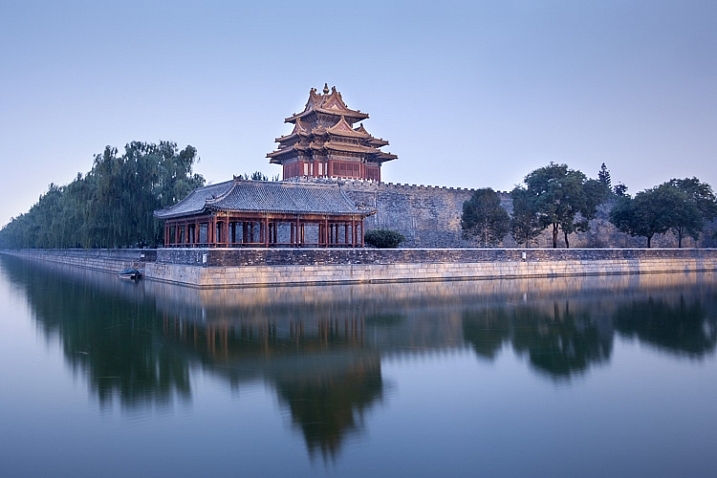
This photo, taken with an 18mm lens (APS-C), includes the buildings, the city wall, the reflection in the water, the city trees disappearing into the distance, and keeps everything in sharp focus.

3. Telephoto lenses are lenses of exclusion

A telephoto lens is one that has a field-of-view of around 30 degrees or less. That’s around 85mm or longer on a full-frame camera, 50mm on an APS-C camera, and 40mm on micro four-thirds.

Telephoto lenses are ones of exclusion. They have a narrow field-of-view. Fill the frame with your subject, and you won’t get much background in at all. It is also easy to throw the background out of focus by using a wide aperture, and making sure there is sufficient distance between your subject and the background.

focal length and composition

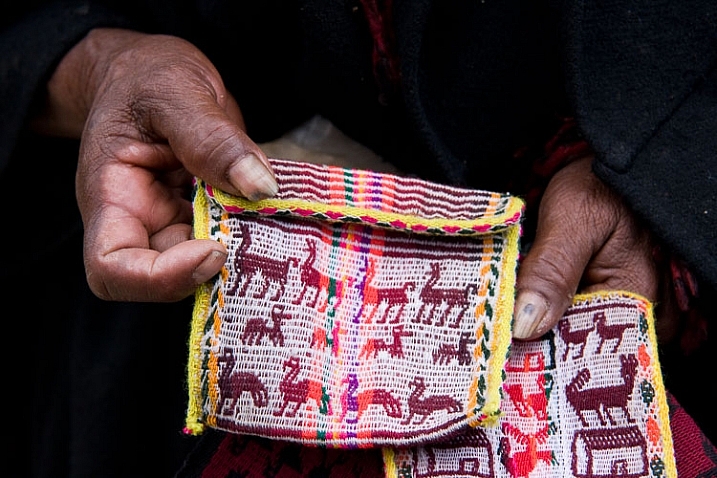
This photo, taken with a 50-150mm lens set to 72 mm (APS-C), shows the woman’s hands and the textiles she is selling. There is not much in the background at all.

4. Normal lenses occupy the middle ground

Normal lenses, those with a field-of-view somewhere around 55 degrees, occupy the middle ground between wide-angle and telephoto. They don’t create images with the dramatic perspective that you can obtain with a wide-angle, nor do they exclude the background to the same extent as telephotos.

If you have a normal prime lens you can open the aperture up to defocus the background, sometimes quite dramatically if you get close enough to the subject. But, you can also often stop down enough to get everything within the frame in focus.

focal length and composition

I took this photo with a 35mm lens, a normal lens on an APS-C camera. It lacks the dramatic perspective, and wide field-of-view of the photos taken with wide-angle lenses. But it includes more of the background and shows less compression than the photos taken with telephoto lenses.

Your turn

Can you think of anything else that photographers ought to know about focal length, field-of-view, and composition? If so, please let us know in the comments. I’d like to hear your thoughts.

Note: this is the second in a series of articles on dPS this week talking about composition. See: Using Framing for More Effective Compositions and look for more over the next few days.


Mastering Composition ebookMastering Composition

My new ebook Mastering Composition will help you learn to see and compose photos better. It takes you on a journey beyond the rule of thirds, exploring the principles of composition you need to understand in order to make beautiful imag

googletag.cmd.push(function() {
tablet_slots.push( googletag.defineSlot( “/1005424/_dPSv4_tab-all-article-bottom_(300×250)”, [300, 250], “pb-ad-78623” ).addService( googletag.pubads() ) ); } );

googletag.cmd.push(function() {
mobile_slots.push( googletag.defineSlot( “/1005424/_dPSv4_mob-all-article-bottom_(300×250)”, [300, 250], “pb-ad-78158” ).addService( googletag.pubads() ) ); } );

The post 4 Things You Should Know About Focal Length and Composition by Andrew S. Gibson appeared first on Digital Photography School.


Digital Photography School

 
Comments Off on 4 Things You Should Know About Focal Length and Composition

Posted in Photography


8 Things to Do in Autumn When You’re a Photographer

23 Oct

8 Things to Do in Autumn When You’re a Photographer   Autumn is a great time for relaxing at home under warm blanket, with hot tea and a nice book to read or a movie to watch. But not for a photographer. If you still consider autumn not the best time for outdoor shooting… well, any kind of shooting and Continue Reading
The post 8 Things to Do in Autumn When You’re a Photographer appeared first on Photodoto.

Photodoto

 
Comments Off on 8 Things to Do in Autumn When You’re a Photographer

Posted in Photography