RSS
 

Posts Tagged ‘Things’

CP+ 2014: Things we found that had been cut in half

16 Feb

DSCF1307.jpg

Building modern digital cameras and lenses is an exacting business. Each product is made up of sometimes hundreds of tiny components, assembled to meticulously narrow tolerances and if one piece is out of alignment, the whole is compromised. But you want to see what stuff looks like when it’s been cut in half? Yes. You do, you know you do. It’s OK, we won’t tell anyone. Click through for a look at things that we found at CP+ that have been cut in half. 

News: Digital Photography Review (dpreview.com)

 
Comments Off on CP+ 2014: Things we found that had been cut in half

Posted in Uncategorized


5 Things to Consider Before Starting Your Photography Business

29 Jan

Starting a photography business is extremely easy with the accessibility and affordability of digital cameras and processing programs. Often the lure of entrepreneurship, with these low barriers to entry, leads to many photography business owners of all business experiences. Experience levels range from lack of business competence, to the need for growth in photography skills to a mixture of skills with varying weaknesses and strengths. Before entering into business it is important to evaluate whether you are technically proficient, ready to deal with business legalities, have a good grasp of business operating costs, engaging in market research and client management.

Photography business 05

#1 – Are you technically proficient?

The first step is to determine if technical proficiency is at a level to provide a quality, consistent product to each client that comes through the door. The importance of delivering consistently rests in word of mouth marketing and preventing disappointment when a client’s expectations are not met.

Photography business 04

#2 – Are you ready to deal with business legalities?

After technical proficiency comes the battle of business legalities including (but certainly not limited to: business formation, filing appropriate tax documents, acquiring required permits and licenses and using quality contractual documents. These legalities can be acquired through outsourcing to lawyers and certified public accountants, but a good, knowledgeable grasp of business legalities and the requirements placed on business owners is paramount to the success of your business.

Photography business 03

#3 – Do you know your business operating costs?

Following the previous two business necessities comes the costs of running the business. Having arms around the operating costs will assist you in setting appropriate pricing, and in making future investment decisions. Business operating costs are expenses that are directly related to the operation of the photography business. This is calculated by ascertaining costs of resources used to maintain the existence of the business. Operating costs include: rent, utilities, licenses, fees, insurance, maintenance of equipment, office supplies, income taxes, and wages.

Note: It is a good idea to also include a “rainy day savings” into the operating costs for you to have to fall-back on in times of need.

Photography business 02

#4 – Have you done your research?

An ever-required and demanding aspect of business is the initial and constant research on market influences, demands and overall factors that impact how the business will be maintained and marketed. Engaging in research is an organized effort to obtain information about the local market and potential clients. In order to effectively create and implement a successful business strategy, research must be done. Research should include identifying marketing information, trends, and the SWOT (SWOT = Strength, Weakness, Opportunity and Threats to the business) analysis of competitors. The strategies decided upon from out of this research are a key factor to maintaining a competitive edge over competitors and a higher probability for engaging clients.

Photography business 07

#5 – Do you know how to manage clients?

Juggling all of the previous “business things” can get even more complicated when adding on managing of clients. Having a solid business workflow filled with automation, organization and constant revision is necessity to keep the business moving forward when it becomes easy to be distracted with client management and production of the products and services.

Photography business 06

Having the right answers to these considerations does not guarantee a successful business but will increase probability for success, higher level of client satisfaction and less frustration along the way.

The post 5 Things to Consider Before Starting Your Photography Business by Rachel Brenke appeared first on Digital Photography School.


Digital Photography School

 
Comments Off on 5 Things to Consider Before Starting Your Photography Business

Posted in Photography


50 Things I Try to Avoid in Street Photography

15 Jan

street-photography-tips-03

I am a huge proponent of negative learning, that you can learn more by taking on the opposite approach. Philosopher Nassim Taleb calls this “via negativa”. It is the idea that the best way to gain “happiness” in life isn’t chasing what makes us happy, but by vehemently avoiding what makes us unhappy (a long commute to work, a horrible micro-managing boss, poisonous and negative “friends”, and an expensive house mortgage).

I also believe strongly that one should never listen to “rules” of anything in life (especially street photography). However, below is a list of things (which has personally helped me) I avoid in street photography . Pick and choose what resonates with you, and leave the rest:

50 Things I Try to Avoid in Street Photography

  1. “Chimping” (checking the LCD screen) after taking photos on the streets
  2. Using more than one lens for street photography (I prefer a 35mm)
  3. Not mixing my digital and film photos in a project
  4. Letting the number of “favorites” or “likes” dictate whether a photo is good or not
  5. Letting criticism affect me negatively. Rather, I try to use it to empower me to find weaknesses in my work.
  6. Uploading a photo online publicly without having at least 3 people critique it in-person first
  7. Spending a lot of time looking at photos online ; rather I spend more time looking at photo books
  8. Leaving the house without a camera
  9. Hesitating before taking a street photograph
  10. Cluttered backgrounds
  11. Showing my bad photos (I have tons of them)
  12. Shooting more than one type of film at a time (Kodak Portra 400 for color, Kodak Tri-X for black and white)
  13. Going a full day without taking a photographstreet-photography-tips-01
  14. Involving myself in online debates about the definition of “street photography”
  15. Meeting my photography friends without some new work to show them and get critique on
  16. Charging money for my photos
  17. Taking a photo of someone on the streets without saying “thank you” by smiling at them
  18. Not to focus on single images. Rather, I try to focus on projects
  19. Looking at gear review sites (when I’m bored) unless I’m serious about buying a new camera
  20. I don’t own more than one lens for my camera (only a 35mm)
  21. I don’t care about sharpness
  22. I don’t like bokeh in street photography
  23. Forgetting how lucky I am to be able to go out and take photos
  24. Taking boring photos
  25. Taking check-in luggage when I travelstreet-photography-tips-02
  26. Comparing myself to other photographers
  27. Developing my film for at least 3 months after I shoot it
  28. Uploading photos online until letting it “marinate” for at least 6 months to a year
  29. Not to falling into the trap that buying a new camera will make me suddenly become more “creative” and “inspired” in my photography
  30. I don’t mind asking for permission to take someone’s photo in the street
  31. I don’t check comments on my photos more than once a week
  32. Spending more time on social media, and less time out shooting on the streets
  33. Leaving comments or critiques on other people’s photos that are shorter than 4 sentences long
  34. Only taking photos of people
  35. I rarely take photos of homeless people
  36. Taking photos of street performers
  37. Deleting photos (unless they are really nice or the photo is boring)
  38. Taking the film out of my camera when someone asks me tostreet-photography-tips-04
  39. Shooting to please my critics
  40. I ultimately don’t shoot for anybody else but myself
  41. Making excuses when a photo doesn’t work
  42. I don’t like photos without emotion
  43. Recommending zoom lenses in street photography
  44. Recommending lenses longer than 50mm for street photography
  45. Shooting wide open on the streets (generally at f/8-f/16)
  46. Recommending selective color or HDR for post-processing street photographs
  47. I don’t mind “killing my babies” (photos that I think are good but really aren’t)
  48. Shooting in bad light without a flash
  49. Sharing more than one photo a week on social media
  50. I don’t think you should listen to everything in this list. Rather, make your own! :)

Editor’s note: what things do you try and avoid when you’re doing photography of any kind? Share your list with us in the comment section below!

The post 50 Things I Try to Avoid in Street Photography by Eric Kim appeared first on Digital Photography School.


Digital Photography School

 
Comments Off on 50 Things I Try to Avoid in Street Photography

Posted in Photography


Things we found stuffed down the back of CES 2014

13 Jan

ollocolors.jpg

CES 2014: After all of the meetings, hands-ons and reports were done, we spent a little time wandering the CES 2014 show floor, as we always do when time allows, and found a few interesting products on the side streets between the towering booths of major manufacturers. Many photo-focused products this year related to mobile in some way, standing beside an endless array of iCases, iKeyboards and iEverything else. Click through to see what we found when we left the beaten path…

News: Digital Photography Review (dpreview.com)

 
Comments Off on Things we found stuffed down the back of CES 2014

Posted in Uncategorized


Stunning images of things invisible to the naked eye

01 Nov

Entry_25002_Egmond_Chaetoceros_debilis.jpg

A close up of a corkscrew-shaped plankton, a look into a weaver spider’s abdomen, and a microscopic view of a mouse’s spine are among the winners of this year’s Nikon Small World Photomicrography Competition. Dutch photographer Wim van Egmond took top prize for his Chaetoceros debilis (marine diatom) image. See gallery

News: Digital Photography Review (dpreview.com)

 
Comments Off on Stunning images of things invisible to the naked eye

Posted in Uncategorized


Ten things we learned this week

12 Oct

lead.jpg

It’s been a busy few days here on DPReview.com, with new products being released in both the camera and mobile industries, news, previews and of course plenty of in-depth reviews still in progress. In this short article we look back at some of the things we’ve learned over the past week or so from the industry and from you, our readers. Click through to read more. 

News: Digital Photography Review (dpreview.com)

 
Comments Off on Ten things we learned this week

Posted in Uncategorized


Six things iPhone photographers want from Apple

09 Sep

TS520x0~cms_posts-6017046818-event-invite.png

Apple looks set to release at least one new model iPhone tomorrow, and since the announcement of the iPhone 5, Samsung, Nokia, HTC and Sony have collectively raised the bar on smartphone camera hardware, leaving iPhone photographers glancing enviously at phones with physical zoom lenses, 41-megapixel sensors, so-called ‘ultrapixels’ and detachable lens hardware. In this article, Lauren Crabbe examines the current state of the various iPhone rumors, and takes a look at what current iPhone owners want in a new model.  

News: Digital Photography Review (dpreview.com)

 
Comments Off on Six things iPhone photographers want from Apple

Posted in Uncategorized


Six things to expect in mobile from the Microsoft/Nokia merger

09 Sep

nokia.jpg

Following Microsoft’s purchase of pretty much all of the best bits of Nokia, what does this mean for the mobile industry? Microsoft has the cash, but has been hammered for lacking innovation, whereas Nokia has fought back from a position of irrelevance to release some truly exciting products, but has struggled to make an impact with consumers. Click through for our thoughts on what this might mean over at connect.dpreview.com.

News: Digital Photography Review (dpreview.com)

 
Comments Off on Six things to expect in mobile from the Microsoft/Nokia merger

Posted in Uncategorized


103 Things I’ve Learned About Street Photography

31 Aug

By Street Photographer Eric Kim

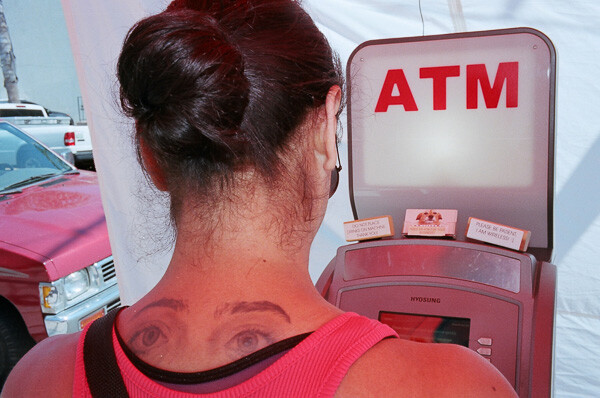
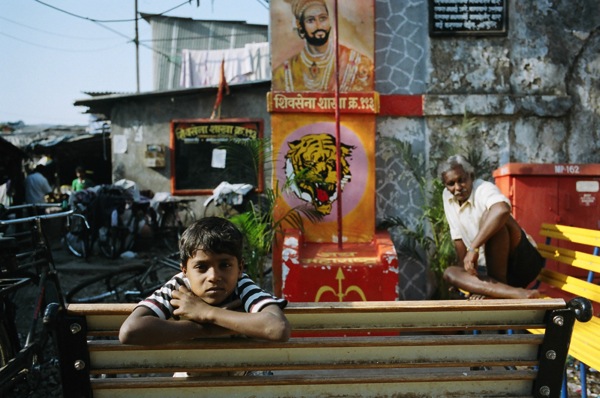
Calcutta 2013 2

  1. A good photo asks more questions than provides answers
  2. 35mm as a focal length is generally ideal for most street photographers. 28mm is too wide (most people don’t get close enough) and 50mm is too tight.
  3. My keeper ratio : one decent shot a month, one shot I am proud of in a year.
  4. “When in doubt, click.” – Charlie Kirk
  5. When in doubt, take a step closer.
  6. You will become a better photographer by asking people what they don’t like about your shots (rather than what they like).
  7. A harsh and constructive critique is better than a pat on the back.
  8. A good photo critique needs (at least) 4 sentences online. Preferably 8 sentences or more.
  9. It isn’t the quantity of social media followers you have that matters, rather then quality of followed you have that matters.

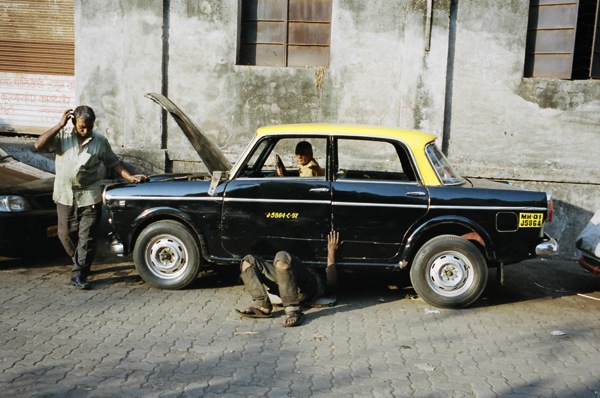
Calcutta 2013 1

  1. Be consistent : stick with one camera, lens, film, or post processing approach to develop your style.
  2. Great photography projects generally take at least 5-10 years.
  3. Buy books, not gear.
  4. The only way money will make you happier in photography if you invest it into experiences (travel, workshops, teachers) rather than material things (cameras, lenses, gear).
  5. The best camera bag in street photography is no camera bag.
  6. “The decisive moment” is a myth. Even Henri Cartier-Bresson took at least 5 photos of scenes he found interesting and worked the scene to get the one memorable shot.
  7. Most famous photographers are only known for their 1-3 most popular images after they die. If you accomplish the same, you have done your job as a photographer.
  8. When shooting film, it is better to over expose than underexpose (film has more details in the highlights).
  9. When shooting digital, it is better to unexpose than overexpose (digital has more details in the shadows).
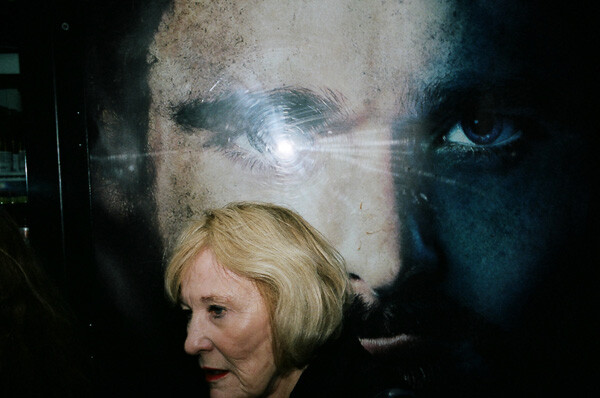
  10. Street photos of people just walking by billboards is boring.
  11. To become a great street photographer you must first understand what a great street photograph is. Study the masters.

Eric Kim Color 1

  1. When shooting street photography with a DSLR, micro 4/3rds, or a compact and you don’t want to worry about technical considerations, just use “P” mode at ISO 1600.
  2. Projects are more meaningful than single images.
  3. Creating a photo book is the ultimate expression of a photographer.
  4. Shoot as if each day were your last.
  5. One camera, one lens is bliss.
  6. Grain is beautiful, noise is ugly.
  7. My favorite films are Kodak Tri-X (for black and white) and Kodak Portra 400 (for color).
  8. Bokeh in street photography is overrated. Shoot at f8-16
  9. With film, your first 10,000 photos are your worst. With digital, it is more like your first 1,000,000 are your worst.
  10. The secret of a memorable street photograph : capturing emotion.
  11. A street photograph without emotion is dead.
  12. No amount of post processing will make a crappy photograph into a good photograph.
  13. Wait at least 6 months to a year before uploading your images to the Internet, to truly understand if is a good photograph or not.
  14. When it comes to editing, remember to “kill your babies.”
  15. Cheesy titles in street photographs don’t make them any better.

Calcutta 2013 11

  1. Watermarks in street photographs ruin the viewing experience for your audience.
  2. Buying a more expensive camera won’t make you a better street photographer.
  3. Shooting film will teach you more discipline in street photography (and may lead you to become a better photographer).
  4. Street photography is the most challenging genre of photography out there.
  5. A great street photograph needs strong content (what’s inside the frame) and form (composition).
  6. Shoot for yourself, not others.
  7. Spend less time on gear review sites and more time on Magnumphotos.com
  8. You can never spend too much money on photo books.
  9. You are your worst critic. Always get critique from others, they will help spot the holes in your photography.
  10. Sticking with one focal length for a long time will help you better pre visualize your shot and master framing.
  11. You are only as good as your worst (public) street photograph.
  12. Secret to good multi subject shots : don’t overlap your subjects and look for emotional gestures.
  13. How to improve your framing : don’t crop for a year.
  14. How to become a better editor : don’t upload photos to social media for a year.
  15. Try to shoot at eye level (or extremely above or below) your subjects. So crouch when taking photos of people sitting down, shorter than you, or kids. Or shoot from a very high vantage point.

Eric Kim Color 6

  1. 99% of street photographs are ruined by messy backgrounds.
  2. To get cleaner street photographs, first find a clean background and then wait for your subjects to enter the scene.
  3. If your mom likes your street photographs, your photos are probably generic and boring.
  4. Always carry a camera with you.
  5. Street photographs don’t have to have people in them (but generally are more interesting with them in it).
  6. You don’t need a Leica to shoot street photography. Be grateful for what you have and use what you got.
  7. Spend 99% of your time editing your photos (choosing your best images) and only 1% of your time post processing them.
  8. Style in street photography is a combination of having consistent equipment (camera and focal length) as well as “look” (film or post processing style) and content (the subjects you generally photograph).
  9. It is better to over shoot a scene then under shoot a scene.
  10. “Shoot from the gut, edit with the brain” – Anders Petersen
  11. It is always nice to have a shooting partner when out on the streets.
  12. “Shoot who you are.” – Bruce Gilden
  13. Taking a photo of an interesting character isn’t enough. Try to capture them in an interesting context or with a good gesture.
  14. Don’t take photos of homeless people and street performers. They rarely make good photos.
  15. Don’t worry if your photos qualify as “street photography” or not. Just aim to make meaningful and memorable images.

Eric Kim Color 2

  1. Telling the truth isn’t the job of a street photographer (it is for the photo journalist).
  2. Don’t be afraid to interact with your subjects when shooting on the streets. Not all of your photos have to be candid.
  3. You can make interesting posed street photographs. But don’t pretend to your audience that they are candid.
  4. There is no one “right” definition of street photography. Define it personally for yourself and just shoot.
  5. You often can’t control the scene when you are shooting in the streets, but you can control whether you share the image or not. Case in point : don’t make excuses for the small failures in your photos, just edit out those shots.
  6. Don’t respect the critique of other photographers unless you have seen their portfolio.
  7. Zoom lenses will prevent you from becoming a great street photographer (you will never master one focal length). Stick to primes (preferably a 35mm full frame equivalent). 28mm and 50mm are okay too (if you can use it well).
  8. A single photo can’t tell a story (it doesn’t have a beginning, middle, or an end). Only photo series or projects can do that.
  9. The photos you take are more of a reflection of yourself (than of the people you photograph).
  10. The importance of looking at great photos : you are what you eat. Fine french cuisine = great photos in books, galleries, or exhibitions. Junk food = most photos on Instagram, Flickr, Facebook (not always, but mostly).
  11. 99% of people on the Internet don’t know what a great street photograph is. Don’t always trust the comments, likes, and favorites you get from the Internet on social media sites. Rather, stick around in street photography critique groups (or private ones).
  12. You will find the best street photography opportunities in the least expected places.

Eric Kim Color 4

  1. When you see an interesting person or a scene, don’t just take one photo and move on. Aim to take at least 5 photos (or more if possible).
  2. Beware using telephoto lenses in street photography. Remember, “Creepiness is proportional to focal length.”
  3. Incorporate your own reflections and shadows in street photography. They often make interesting images (look up Lee Friedlander).
  4. Photos shot head on have more energy and drama than photos shot from the side.
  5. A brief list of great street photographers : Garry Winogrand, Lee Friedlander, Henri Cartier-Bresson, William Klein, Daido Moriyama, Diane Arbus, Weegee, Bruce Gilden, Alex Webb, Joel Meyerowitz, Martin Parr, Josef Koudelka,
  6. After taking a photo of a stranger, make it a rule to look at them, smile, and say thank you.
  7. I never regret taking photos. I always regret not taking photos.
  8. It is better to beg for forgiveness than ask for permission.
  9. Be confident while you are shooting and rarely will you have any issues. Be nervous while shooting and you will ruin into many problems.
  10. The only person you should try to impress with your photos is yourself.
  11. The benefit of getting eye contact in your photos : eyes are the windows to the soul.

Eric Kim Color 5

  1. Don’t make photos. Make connections.
  2. The best place to shoot street photography isn’t New York, Tokyo, or Paris. The best place to shoot is your backyard.
  3. See your scenes with your eyes and shoot with your heart.
  4. If you are working on a project and photographers discourage you by saying “it has been done before” ignore them. Nobody has done it like you before.
  5. Street photography is applied sociology with a camera.
  6. If you aim to get recognition for your photography you will never get it.
  7. If someone gets upset when you take their photograph, offer to email them a copy. Carrying around business cards always come in handy.
  8. Don’t just look at photos, read into them.
  9. To double your success rate in street photography, double your failure rate.
  10. The photos you decide not to show are more important than the photos you decide to show.
  11. Rather than creating photos to please your audience, find an audience that will be pleased by your photos.

Eric Kim Color 12

  1. Street photography isn’t a contest about how many followers, viewers, followers, exhibitions, books, cameras, lenses, and fame you have. There are no winners and losers. Collaborate with one another instead of competing with one another.
  2. Giving away my prints and cameras has brought me more joy than selling it for money.
  3. The friendships I have made through street photography is mode valuable than any of the photos I have ever taken.
  4. Luck is when preparation meets opportunity – Seneca. Make your own luck.

Check out more from Eric Kim at his Blog, Facebook, and Twitter.

Post originally from: Digital Photography Tips.

Check out our more Photography Tips at Photography Tips for Beginners, Portrait Photography Tips and Wedding Photography Tips.

103 Things I’ve Learned About Street Photography


Digital Photography School

 
Comments Off on 103 Things I’ve Learned About Street Photography

Posted in Photography


It’s Not Always Sunsets and Kittens: Photographing the Tougher things in Life

02 Aug

Not every shoot I’ve done is full of lollipop promises, cute matching (but not too matching) outfits, and happy families throwing their kids up into a perfect blue sky with puffy cloud dreams.  In fact, typically the ones that didn’t, are among the most important pictures I have ever taken.  The ones that there are no road maps for, no instructions, and no cheat sheets.  Several years ago I photographed a beautiful wedding of a young couple deeply in love on a perfect July day.  I shot the wedding, went home, and put those images at the bottom of my “waiting to be edited” stack.  Which is where they stayed until I got a random call that the groom, a police officer, had gone missing in an attempt to save a young girl who had almost drowned in a fast moving river.  For three days rescue teams searched for him, until they found his body a day shy of his and his new bride’s first month anniversary.

I Googled everything I could think of in an attempt to edit the images, perfectly and quickly with poise and professionalism, as I knew that they would now would hold a gravity beyond what I could have ever imagined when I shot them.  I found nothing—no road map, no instructions, no guide for this massive task I had ahead of me.  Instead I holed up in my office for a weekend with a bottle of scotch and a case of tissues, emerging in time for them to be delivered to his bride at his memorial service.  Those images are now locked in a vault of sorts for me professionally, and I can only hope that by now they perhaps bring an amazing and strong woman great comfort and lovely memories of a beautiful day in her life.

Photography is a very powerful thing.  And having the ability to do it is an incredible gift.  Not all tough to photograph events will be dire, but do photography even just as a hobby for long enough and you will find yourself in situation beautiful in it’s complexity and the images you take poignant beyond words.

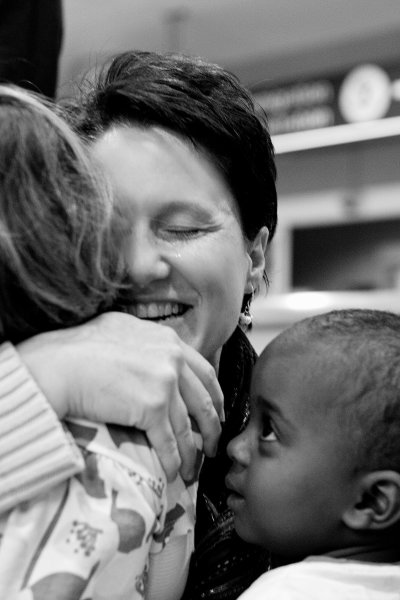
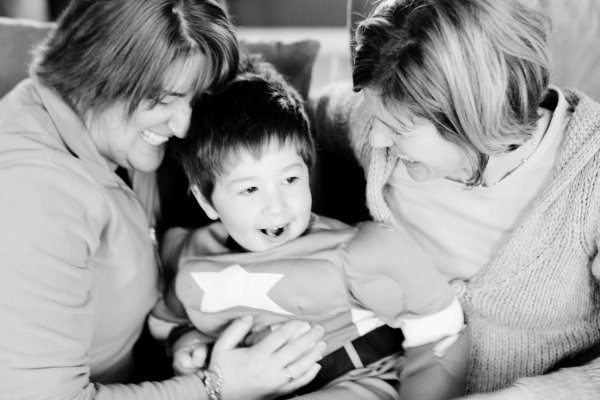
This is a picture of my dear friend, her son, and her son’s birth mom.  It’s out of focus and isn’t properly exposed.  The kid is wearing a Captain America costume and was feeling especially “spirited” on this day.  It is all of the makings of disaster.  Yet it is one of my favorite images and incredibly important to both myself and the people in it.  A picture doesn’t have to be technically perfect to be amazing.  Sometimes it’s just you being in the right place at the right time, hauling a camera in tow.  Sometimes it’s a matter of you being invited to something very special because you have been trusted to document it.  What a beautiful responsibility that is.  Sometimes it’s not about the where and the how you do it; it’s about that you showed up and did it.  The pictures you take may turn out perfect.  They may not.  Either way, they will be treasured as great gifts.
IMG_3380b

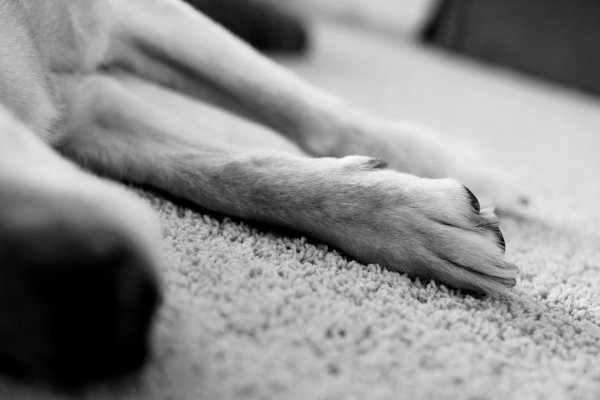
Every once in a while I get asked to photograph someone (or a pet) who is gravely ill, or a funeral or memorial service.  I have never been in a situation personally to want a photographer at something like this, but I am always honored when asked to do something so significant.  This is one of those situations where if you have any reservations at all, you should politely decline.  It’s a heavy task, one that can only be done with complete focus and presence.  The first thing I do if I’ve been asked to photograph something like this is make absolutely certain that the immediate family members are all in agreement in wanting my services and what exactly that means to them.  While I have personal guidelines, I want to be sure that what they are wanting works with these, and also something I will be able to do with great compassion.  Each time I’ve photographed this type of situation I have come across someone that didn’t feel I should be there or was confused by my presence and camera.  My best advice is to reply very simply and quietly: “I was asked to be here today” and move on.  Not everyone will understand why a photographer was requested.  Often I don’t understand myself.  But I know that I am doing something important as part of a healing process for another and that’s reason enough.
IMG_0213b

IMG_9323b

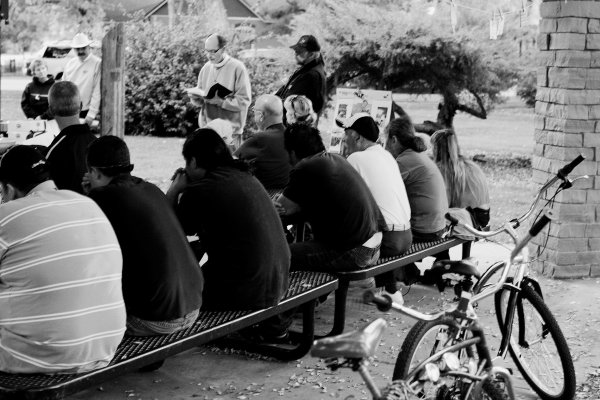
Sometimes the occasion is joyful and wonderful and still requiring of great tact and compassion.  Homecomings, be them military or adoption or just long awaited, fall into this category.  If you have been invited to something like this, take a moment to be a bit proud of yourself.  Go on—I’ll wait.  This means that you have been asked to be part of a moment so delicate and special that your abilities are obvious and you are trustworthy beyond measure.  Your camera may have been your golden ticket in the door, but your skills is what will get the job done.  This is one of the few times I stay completely out of the way and ask nothing of anyone.  I am there only to document, not set-up moments or force poses and smiles.  The event will happen so naturally and beautifully on it’s own that you need only to trust in yourself, stay alert and in the moment, and know that the most intense moments will happen very, very quickly.      IMG_0207b

IMG_0243b

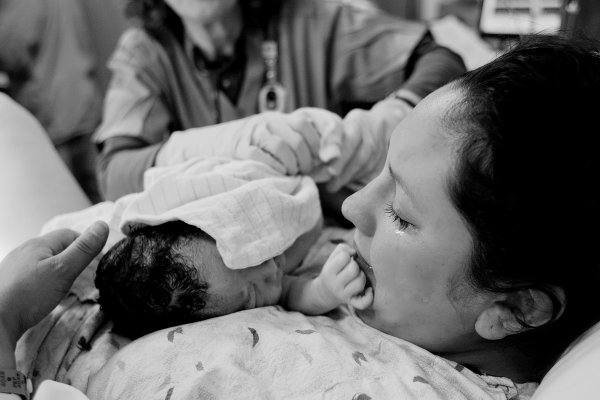
In my humble opinion, there is no greater honor than being trusted to photograph someone.  Making the honor of being asked to photograph a human coming into this world the highest of the high.  If you ever get the chance the witness life start, I highly recommend it.  Most of this is going to be common sense, but in this case, don’t shoot for the moon.  You are documenting something so special, so amazing, there is no need to force a specific shot.  In a perfect world, you’ll be allowed to stand near the mother, at the top of the bed (or similar), lessening the chances of angles that no one will want pictures of, and increasing the chances of being able to stay out of the way.  Photographing a birth is one of the only times I truly have to use everything I have to hold it together and do my job.  But it turns out you can focus (literally and figuratively) through a layer of tears pretty easily if you need to.  Much like birth itself, this is pure adrenaline; nothing to plan, no way of knowing what shots you are going to get.  I do like to always ask if there is something special that is hoped for—perhaps the first bath or a picture of the baby getting weighed.  Things like that are usually possible and of importance for some.  Photographing births is a game of hurry up and wait and only a couple of things are certain: good glass, a high ISO (no one wants a flash here and the room is often dark), and impeccable manners.

IMG_4838b

IMG_4846b

These type of images may not end up being part of your portfolio, they may not be technically perfect in any way, but likely to someone they will mean everything.

Post originally from: Digital Photography Tips.

Check out our more Photography Tips at Photography Tips for Beginners, Portrait Photography Tips and Wedding Photography Tips.

It’s Not Always Sunsets and Kittens: Photographing the Tougher things in Life


Digital Photography School

 
Comments Off on It’s Not Always Sunsets and Kittens: Photographing the Tougher things in Life

Posted in Photography