RSS
 

Posts Tagged ‘Take’

5 Good Reasons to Take Your Dog on Photography Walks

27 Sep

When I travel into the city (San Francisco) I take along my furry assistant and mini model, Mila, for the trip. She’s been working with me for awhile now. She trades in Pup-Peroni and DentaStix, and her daily rate is affordable, but I think she’d work for free too without complaint. I’d always rather bring my pup along on photography walks than go solo.

Take Your Dog on Photography Walks Header

There are a lot of great reasons to practice photography with your dog! I can already think of five good reasons to take your dog on photography walks.

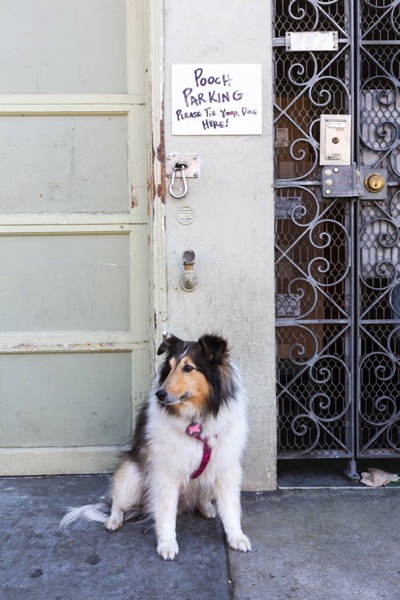
1. Dogs pose for you

What better way to get test shots of a location than to photograph an assistant? But assistants cost money or at least a glass of wine, so if you’re running a tight ship your dog is a great option. My girl Mila has stood in for me on many location scouting trips. The best part about it is that I now have gazillions of photos of her from all of our adventures.

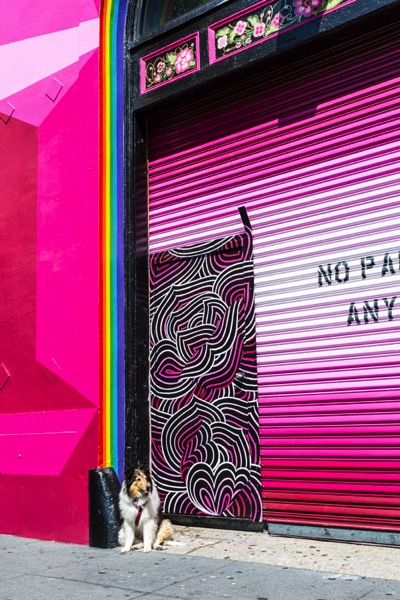
Take Your Dog on Photography Walks - dogs pose

Would this image have been as interesting without Mila posed in the middle?

2. Dogs break the ice

I find this especially useful for street and travel photography. People are less leery of me walking around taking pictures of their homes, businesses, etc., when I have Mila with me. In fact, they often stop to take pictures of her. Her presence encourages positive interaction and engagement, which is very helpful for me when I am trying to get the pulse of a place. Plus, it relaxes people, which makes for all-around better photography in my book.

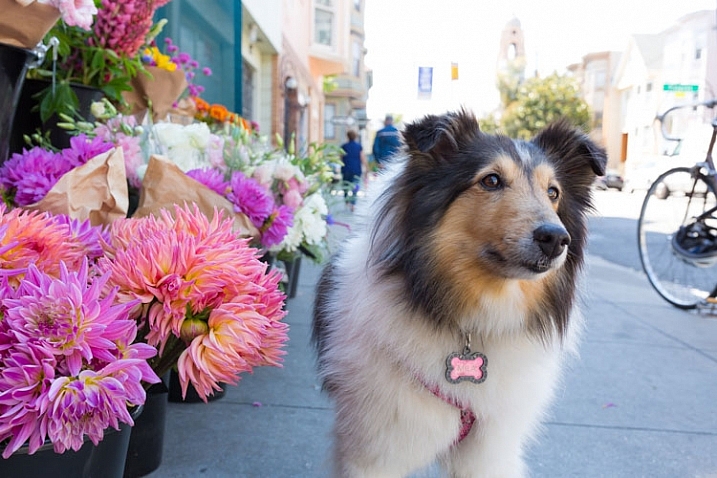
Take Your Dog on Photography Walks - dogs break the ice

Mila always turns heads on the street. Who doesn’t love a dog that knows how to work the camera?

3. Dogs are like kids, they teach you patience

They need to be fed when they’re hungry. They need to drink when they’re hot. They fidget and don’t give you much time to get that winning shot. Oh, and they get tired and need to take naps in the middle of the street. If you thought child photography was difficult, try pet photography.

Mila is an exceptionally well-trained and mature dog, but she still reacts to her basic needs much as a toddler would. Practicing photography with her makes me very aware of my timing and helps me develop my patience, speed, accuracy, and client empathy. Dogs are great “personal trainers” for working with younger or more demanding subjects.

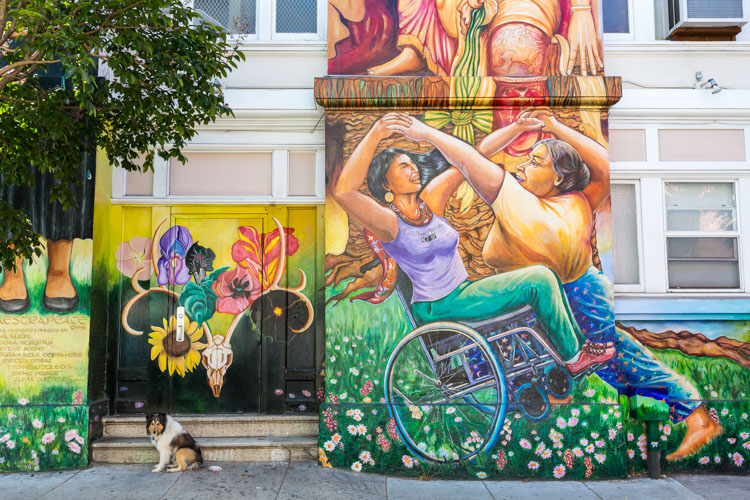
dogs are like kids they teach you patience

The hunched shoulders tell me all I need to know: it’s time to take a break. Even so, Mila was patient enough to let me snap this shot of her in front of the famous murals at the Mission District Women’s Center.

4. Dogs protect you

I will not lie, the thought of walking solo through San Francisco with the street value equivalent of a small sedan around my neck is somewhat unnerving. Couple that with a lack of situational awareness when I am focused on taking a shot, and I’ve got all the makings for a pretty nice mugging. I always feel better when Mila is with me because (a) thieves don’t like messing with chicks with dogs, and (b) she’s got really sharp teeth. (I learned the hard way not to hand-feed her bacon.) If you can’t take a human friend on your next photography walk, why not take man’s best friend?

Take Your Dog on Photography Walks - dogs protect you

Check out that sassy tongue! I challenge anyone to mess with me while my furry bodyguard is on the job.

5. Dogs encourage new perspectives

It’s true that all photographers get into ruts. We get used to taking certain kinds of photos because we’ve had past success with them and therefore know they will be well-received. We have to continually challenge ourselves to seek out new perspectives, and a great way to do this is to imagine seeing the world through someone else’s eyes.

Why not a dog’s? When I work with Mila, I always get inspired to look at things differently because I have to get down on her level or compose shots to complement her smaller size. Just be prepared for lots of dirty knees, soiled shirts, and the occasional funny look as you combat crawl through grass and gutters towards your furry subject.

Get low. Amazing how the scenery changes when you're 18 inches off the ground.

Get low. Amazing how the scenery changes when you’re 18 inches off the ground.

Conclusion

I love taking my dog with me on photography walks. Does it add some extra complexity? Absolutely. (I realized a little too late that I shouldn’t drink two glasses of water on the way to the city, it’s not easy to find dog-friendly bathrooms!) But I think about the rewards of having a pet companion with you on a photography walk, one that encourages you to interact with your environment and seek out new perspectives. It is well worth the extra effort.

If you don’t have a dog of your own to accompany you, perhaps you can borrow a friend’s.

Scroll below for more images from our San Francisco photography walk. Do you take your dogs on photo walks with you? Please share your photos and thoughts in the comments below:

Take Your Dog on Photography Walks 8

Black Magic Woman. I never knew Mila was a Santana fan. The things you learn about your dog on a photography walk.

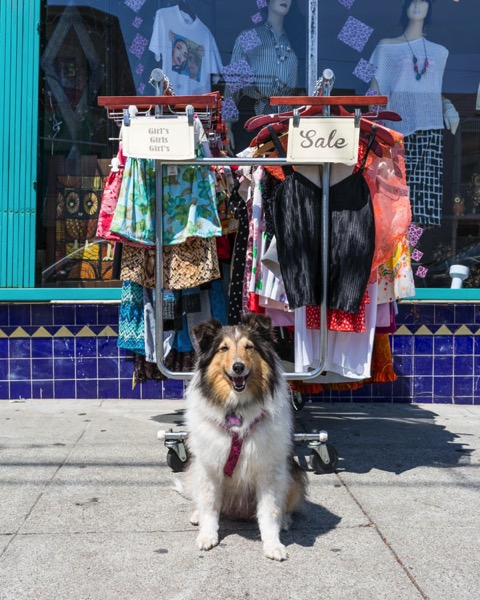
Take Your Dog on Photography Walks 9

Funky fun style is a must in the Mission! Wear something colorful and bohemian and you are bound to blend in. Mila’s fashion sense led the way to this rack of hot threads.

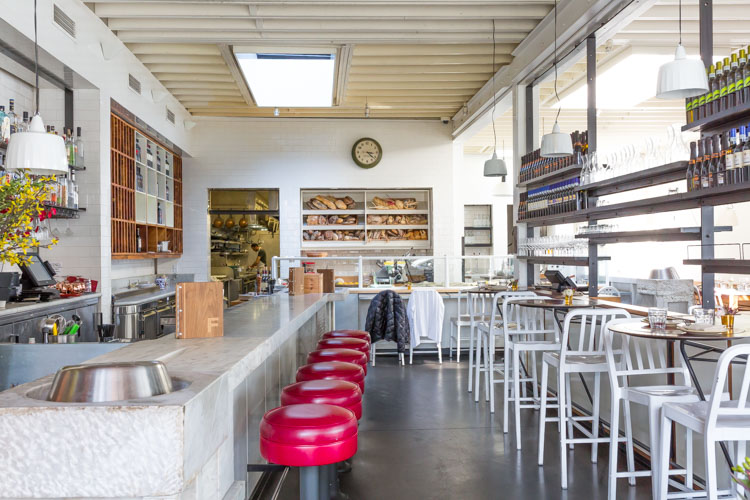
Take Your Dog on Photography Walks 10

Dog Friendly. There are lots of lovely outdoor seating options at cafes, making them great places to grab a bite with your furry friend.

Take Your Dog on Photography Walks 11

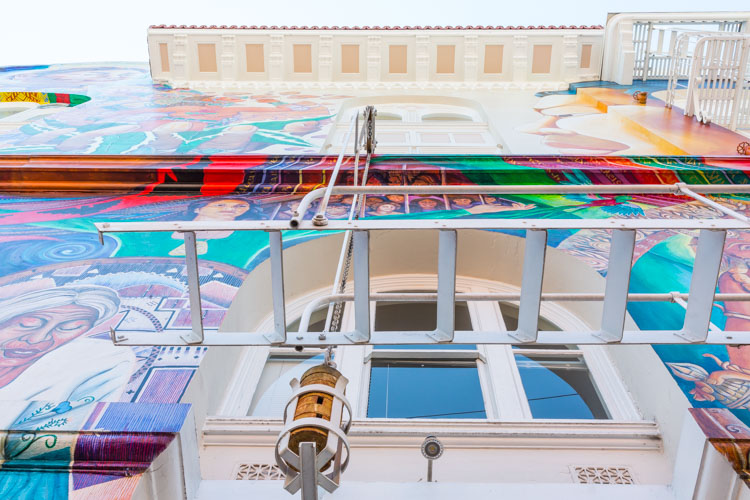
I imagine this is what Mila sees when she looks up. The Mission District is renowned for its vibrant murals that celebrate the heritage and culture of the local Mexican community.>

Take Your Dog on Photography Walks 12

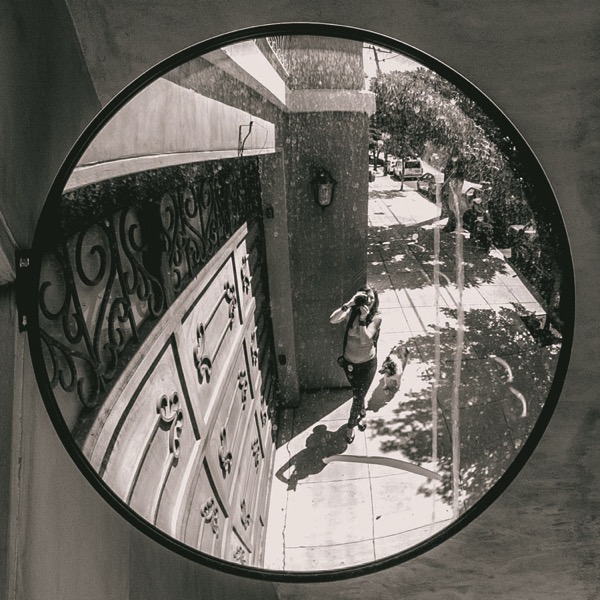
Driveways in San Francisco are often small and on an incline, making backup mirrors like this an important garage accessory. They’re also convenient when you want to take a grungey selfie with your Sheltie.


googletag.cmd.push(function() {
tablet_slots.push( googletag.defineSlot( “/1005424/_dPSv4_tab-all-article-bottom_(300×250)”, [300, 250], “pb-ad-78623” ).addService( googletag.pubads() ) ); } );

googletag.cmd.push(function() {
mobile_slots.push( googletag.defineSlot( “/1005424/_dPSv4_mob-all-article-bottom_(300×250)”, [300, 250], “pb-ad-78158” ).addService( googletag.pubads() ) ); } );

The post 5 Good Reasons to Take Your Dog on Photography Walks by Jessica Tallman appeared first on Digital Photography School.


Digital Photography School

 
Comments Off on 5 Good Reasons to Take Your Dog on Photography Walks

Posted in Photography


How to Choose Your Camera Angle to Take Better Portraits

18 Sep

Taking portraits involves so many variables that it can feel overwhelming for a new photographer. What lenses do you use—zoom, prime, or a mix of both? Do you shoot full-frame or cropped sensor? Will you shoot indoors or outdoors. Even the subject matter can be tricky, with some portrait photographers working exclusively with families, others who only shoot high school seniors or newborn babies, and still more who do a mix of everything.

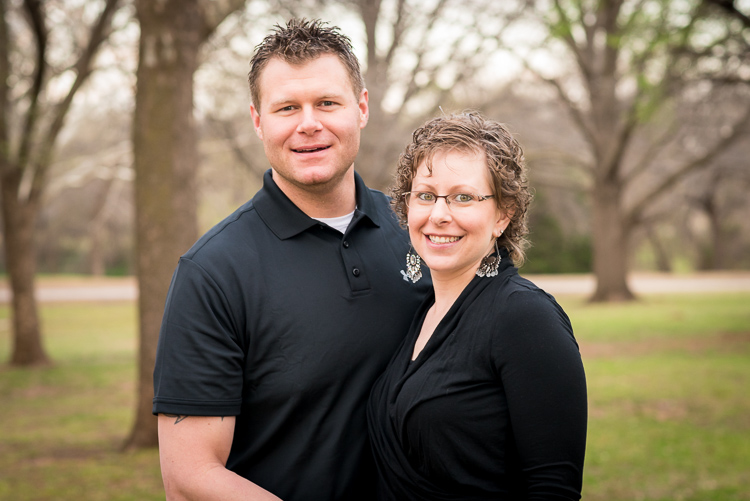
all-about-angle-husband-wife-outdoors

Nikon D750, 85mm, f/4, ISO 900, 1/250 second

While you are pondering all these variables it can be easy to lose sight of the forest for the trees and forget about a few key basics such as posing and lighting, and no matter what style of portraits you choose to pursue there is one thing that always comes into play which may not seem obvious: the camera angle from which you shoot. This can make all the difference between happy clients and complaining customers. Understanding how you can use camera angles and points of view can greatly enhance any portrait session.

Point of view – up high or down low

Understanding how your camera angle, or point of view, can affect your shots will go a long way towards improving not just your portraits, but your photography in general. How you position yourself in relation to your subjects can have a dramatic effect on the resulting pictures. As an illustration of how this works, here are two pictures of a family from a recent home-based session I did. Both show a very similar scene, and yet the different angles from which I shot them results in two vastly different images.

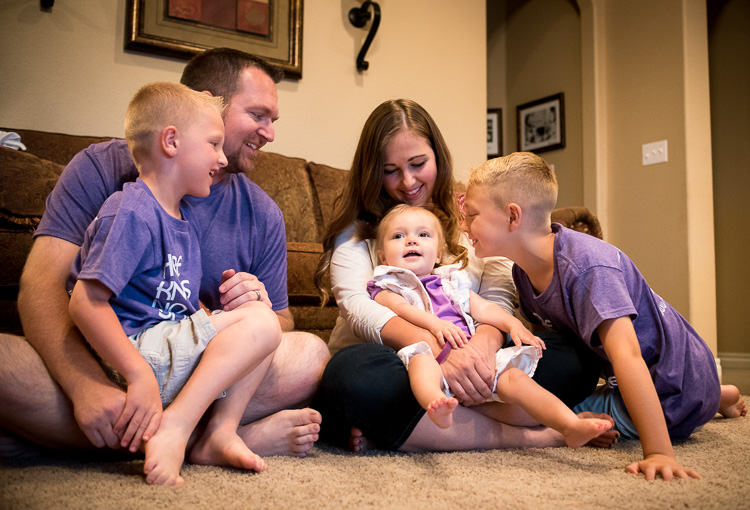
all-about-angle-family-indoors-low

Nikon D750, 35mm, f/4, ISO 5600, 1/90 second

As I shot the image above I was very low to the ground. Crouching down on my hands and knees, I got very close physically to the family while the mother and father watched the boys play with their sister. It feels like the viewer is part of the scene, right there with them as they all share a fun moment together. This is entirely due to the low angle from which the picture was shot. Now take a look at virtually the exact same scene but shot from high above.

all-about-angle-family-indoors-high

Nikon D750, 35mm, f/4, ISO 3600, 1/90 second

To get this picture I grabbed a dining room chair and stood on it to get a shot from a much higher angle. The result is a picture that feels quite different from the first one. It doesn’t seem like you are a part of the scene, but an outside observer looking at the family as they gather together.

While I like both images, each one creates a very different emotional response on the part of the viewer. Even though both were shot with the same camera and lens, at the same location, with the same subjects, the result is two pictures that are vastly different from one another all because of the angle from which they were taken.

Even subtle changes make a difference

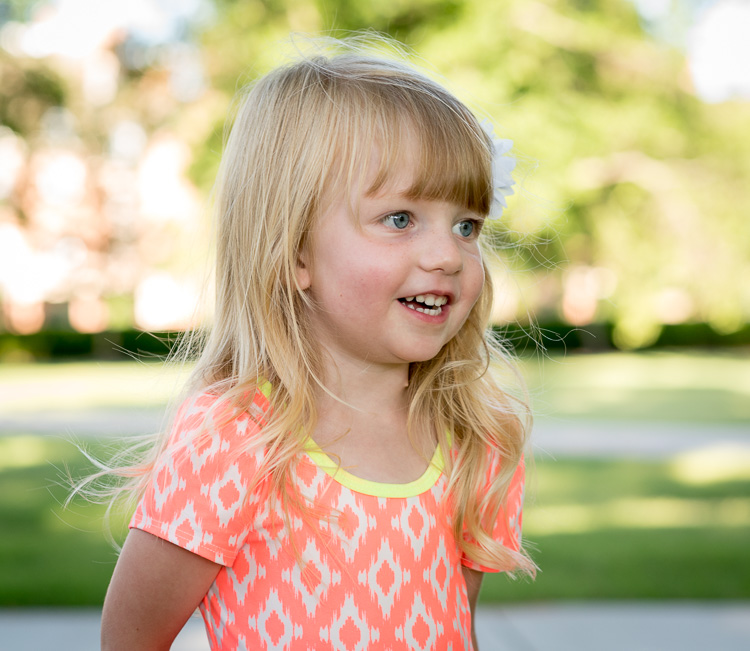
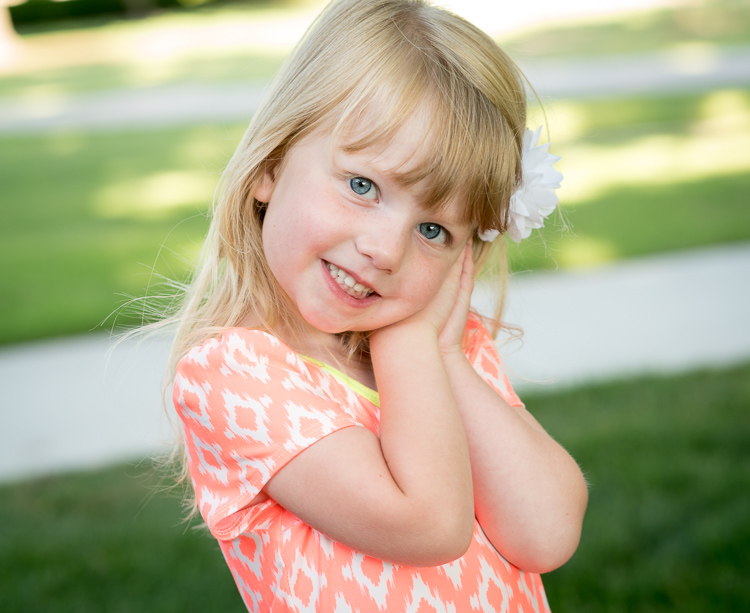
You can see a similar, but more subtle, effect in this pair of portraits I took of a young girl near her birthday.

Shot with a Nikon D750 and 85mm lens.

Nikon D750, 85mm, f/4, ISO 800, 1/500 second

The angle here isn’t as low as the first one of the family, but it’s low enough to be on the girl’s eye level. To get this I had to kneel down and stand a few meters back as her mother talked with her from my right-hand side. It gives a similar sense of intimacy as the first picture of the family and feels as though the viewer is near the girl and part of the scene.

This changes a bit when the girl is shot from an adult’s eye level looking down (below).

all-about-angle-child-playing-high

Nikon D750, 85mm, f/4, ISO 560, 1/250 second

While the effect here is not as dramatic as the example with the family, you will still note a similar result in terms of emotion and tone. Instead of getting down on eye level I shot this while standing up about the same distance away. It doesn’t feel like you, the viewer, are a part of the scene and instead it seems like you are merely an observer. Notice how the sidewalks in the background cut across the frame at odd angles whereas in the first one the sidewalks neatly cross in horizontal lines, adding a subtle touch without being too obvious or gaudy.

Once again I don’t think either picture is necessarily better or worse, but both are quite different as a result of the camera angle.

Kids – break the rules

This is, incidentally, one of the most common issues I see with people who are taking casual snapshots of their kids, whether with a fancy DSLR or just their mobile phone. Taking a few seconds to crouch down and get on eye level with the children can make all the difference in the world between an intimate moment frozen in time, and a boring snapshot.

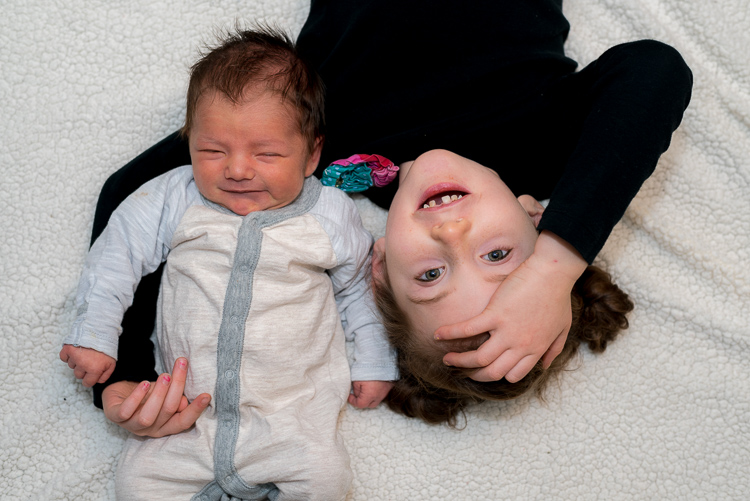
However, I don’t want to give the mistaken impression that shooting from a high angle is necessarily a bad thing. It can be a very good thing indeed, and quite effective when used intentionally, such as this image of a girl with her two-week-old baby brother (below).

Shot with a Nikon D750 and 50mm lens.

Nikon D750, 50mm, f/4, ISO 400, 1/125 second

This picture was a bit tricky, but the results were well worth it. I was doing this on location in the family’s home so I didn’t have a lot to work with, but I wanted to get something a bit unique. I put the two kids on a blanket on the floor, got a chair to stand on, and positioned myself directly above them while bouncing my flash off the ceiling.

It resulted in an image that feels more fun and playful as if the viewer is peeking in on a fun moment between the two siblings. The equipment here was nothing all that special (I could have just as easily used my old D7100 and 35mm lens to get the same shot) but paying attention to the angle made for a picture that stood out quite a bit from the rest of the image I shot that day.

Other camera angles to consider

Sometimes finding the right angle involves something as simple as choosing where to put yourself in relation to your subject, not necessarily whether to shoot from high above or down low. You can see this in the example below. After an hour of taking a variety of traditional portrait-style

After an hour of taking a variety of traditional portrait-style shots, I stood back while the family walked back to their car and took some pictures with the sunset casting a warm glow through the trees above.

Shot with a Nikon D750 and 85mm lens.

Nikon D750, 85mm, f/4, ISO 180, 1/400 second

There are some elements that I could do without, such as the tree branches coming from the left-hand side. But overall the picture feels warm, cozy, and conveys a sense of comfortable intimacy as if I have captured the family in a quiet and sincere moment. It puts you, the viewer, as an outside observer to the scene and almost feels like you are watching from afar as the family shares a special time together.

This is in stark contrast to the next picture, which despite being at a different location is composed in almost exactly the same manner except for one variable: the angle.

Shot with a Nikon D7100 and 85mm lens.

Nikon D7100, 85mm, f/2.8, 1/250 second, ISO 100

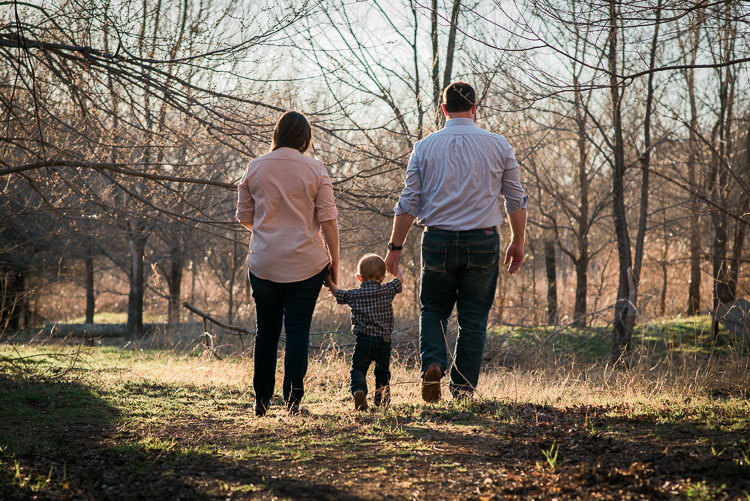
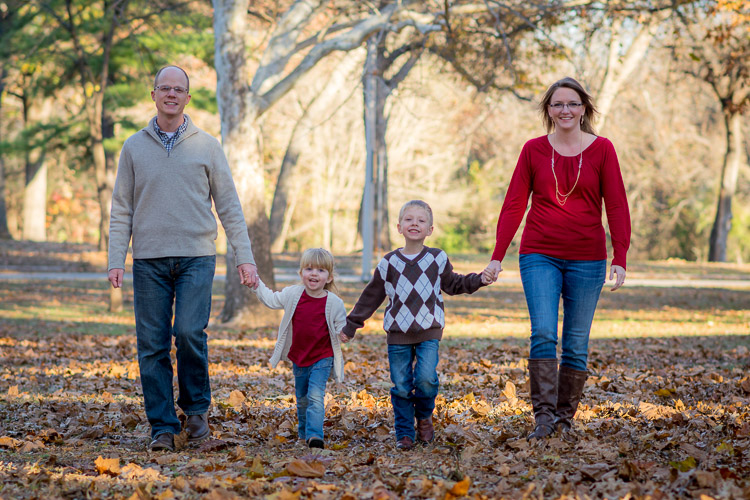
This picture feels like it’s full of energy, excitement, and enthusiasm as the family holds hands and walks towards me. I like both pictures quite well, but changing the angle resulted in two images that are vastly different from one another.

Summary

Hopefully, these examples give you an idea of how your camera angle and point of view can dramatically affect the types of portraits you take. If you are looking to try something new and kick your photography up a notch without spending any money on more gear, try doing something as simple as changing your angle and see what happens.

In fact, this now makes me wonder about your favorite tips and tricks for shooting portraits at different angles. Leave your thoughts in the comments below, and feel free to share pictures as well!

googletag.cmd.push(function() {
tablet_slots.push( googletag.defineSlot( “/1005424/_dPSv4_tab-all-article-bottom_(300×250)”, [300, 250], “pb-ad-78623” ).addService( googletag.pubads() ) ); } );

googletag.cmd.push(function() {
mobile_slots.push( googletag.defineSlot( “/1005424/_dPSv4_mob-all-article-bottom_(300×250)”, [300, 250], “pb-ad-78158” ).addService( googletag.pubads() ) ); } );

The post How to Choose Your Camera Angle to Take Better Portraits by Simon Ringsmuth appeared first on Digital Photography School.


Digital Photography School

 
Comments Off on How to Choose Your Camera Angle to Take Better Portraits

Posted in Photography


Cats, Not Ads: Feline Photos Take Over London Tube System

15 Sep

[ By SA Rogers in Design & Guerilla Ads & Marketing. ]

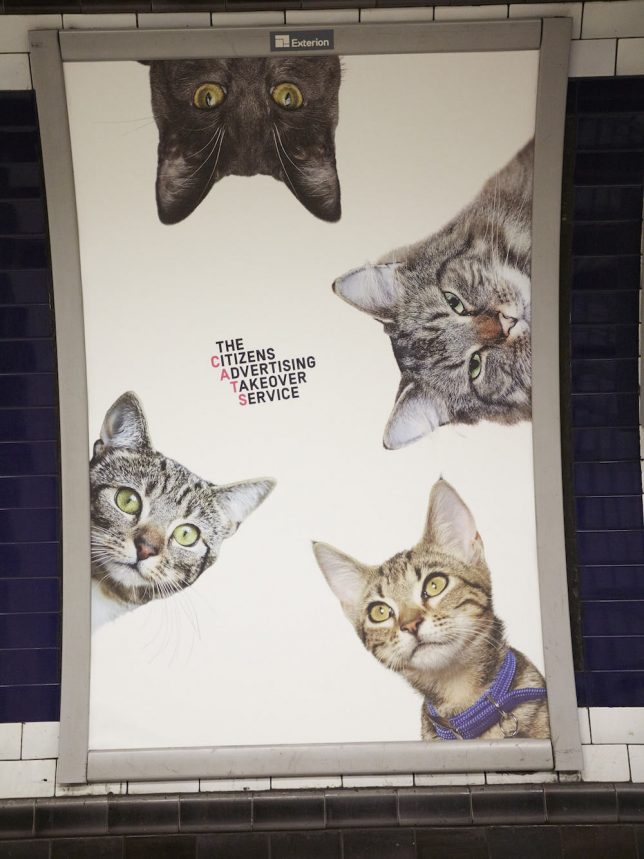
subway cats 1

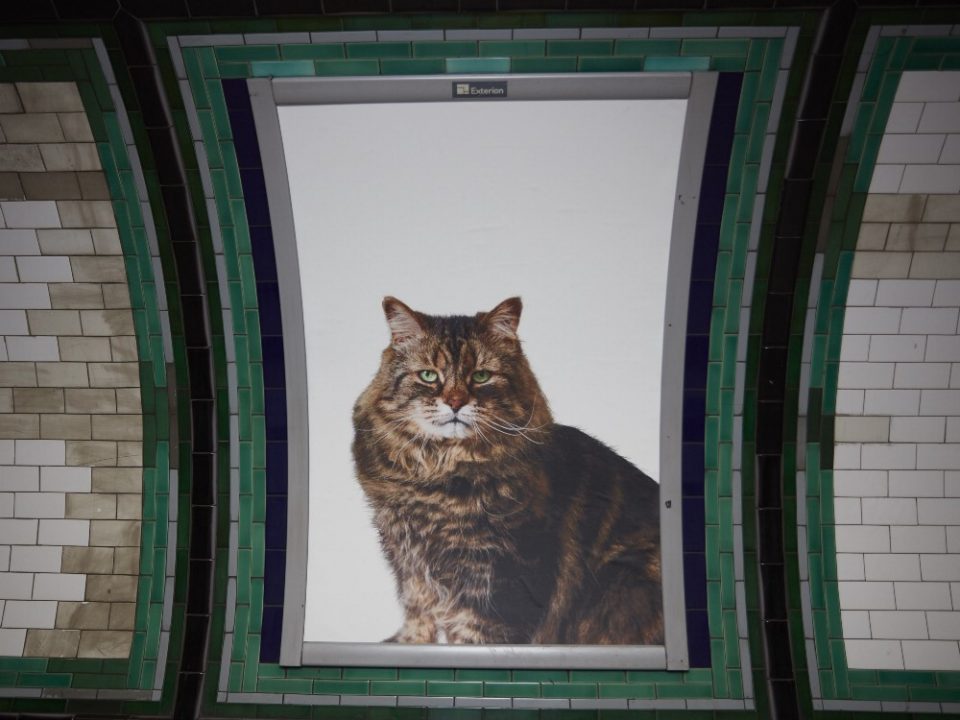
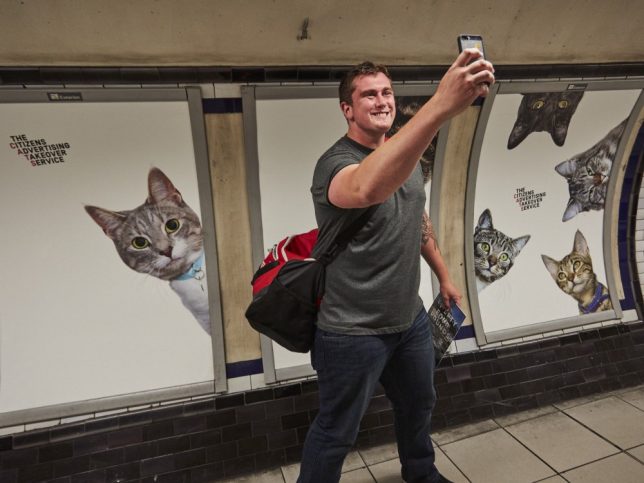
The same ad spaces that shouted about insurance and laundry detergent last week now contain nothing but fluffy cats, as an art collective uses the internet’s number-one obsession to temporarily transform the London Tube system. The Citizens Advertising Takeover Service (CATS) is the result of a Kickstarter campaign by brand-new collective Glimpse aiming to “create a rip in the space time continuum.”

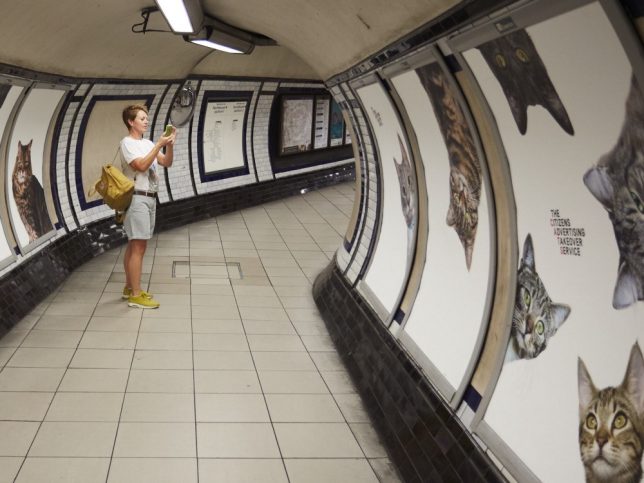
cat ads 3

The group raised enough money to buy all of the ad spaces in the Clapham Common station – a total of 68 – for a two-week period, and the new posters feature cats from the Battersea Dogs and Cats Home and the Cats Protection charity. The organizers are careful to note that they’re not against advertising per se, but rather hope that the project will “inspire people to think differently about the world and realize they have the power to change it.”

The Citizens Advertising Takeover Service replaced 68 adverts in Clapham Common tube station with pictures of cats. Organisers say they hope the pictures will help people think differently about the world around them. Credit: CatsnotAds.org

But the broader point – and appeal – of CATS is the citizen takeover of public spaces, with everyday people getting to decide what they want to look at as they navigate their cities. Wouldn’t you rather be surrounded by what essentially functions as an ad for animal rescue services than dozens of posters pushing a bunch of junk corporations want you to purchase?

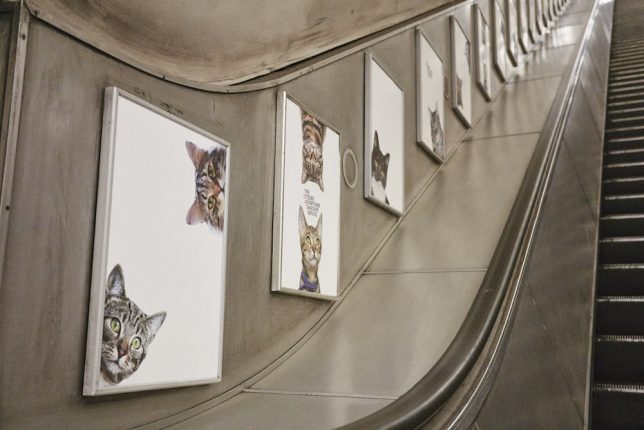
cat ads 2

“Back in February we asked ourselves to ‘imagine a world where friends and experiences were more valuable than stuff you can buy,’” says Glimpse founder James Turner in a post on Medium. “The team began thinking about crowdfunding to replace Tube adverts with something else. Beautiful forests? Time spent with family? Hmmm. We wanted this to become famous, so we needed something the internet would love. Frame it that way and the answer’s obvious. Cats.”

The Citizens Advertising Takeover Service replaced 68 adverts in Clapham Common tube station with pictures of cats. Organisers say they hope the pictures will help people think differently about the world around them. Credit: CatsnotAds.org

“We’ve been on the news in China, and one of our backers is flying in from America to see his cat in one of the final posters. This project has uncorked a kind of energy that I haven’t experienced before. When you talk about CATS, eyes light up and new ideas start to flow. We don’t know exactly how Glimpse is going to work, but we want to carry this energy with us as we grow up.”

Share on Facebook


[ By SA Rogers in Design & Guerilla Ads & Marketing. ]

[ WebUrbanist | Archives | Galleries | Privacy | TOS ]


WebUrbanist

 
Comments Off on Cats, Not Ads: Feline Photos Take Over London Tube System

Posted in Creativity


Take a peek at some of the contenders for Wildlife Photographer of the Year 2016

03 Sep

First Wildlife Photographer of the Year 2016 images

Splitting the catch. Audun Rikardsen / Wildlife Photographer of the Year

A 40 minute, 104°F wait for a hornbill to toss a termite. Hours in cold water waiting for a crowd of giant cuttlefish to strike the right pose. If there’s a lesson to be learned from this year’s Wildlife Photographer of the Year finalists, it’s the importance of patience in wildlife photography.

Now in its 51st year, the Natural History Museum’s Wildlife Photographer of the Year competition attracts entries from all over the world. Winning images will go on display at the London museum starting October 21st, but you can get an early preview of some of the finalists here. They’ve been selected from nearly 50,000 entries coming in from 95 countries. If the early results are any indication, we’re in for a treat when all of the winners are revealed.

Wildlife Photographer of the Year is developed and produced by the Natural History Museum, London.

First Wildlife Photographer of the Year 2016 images

Splitting the catch. Audun Rikardsen / Wildlife Photographer of the Year

Sometimes it’s the fishing boats that look for the killer whales and humpbacks, hoping to locate the shoals of herring that migrate to these Arctic Norwegian waters. But in recent winters, the whales have also started to follow the boats.

Here a large male killer whale feeds on herring that have been squeezed out of the boat’s closing fishing net. He has learnt the sound that this type of boat makes when it retrieves its gear and homed in on it. The relationship would seem to be a win-win one, but not always. Whales sometimes try to steal the fish, causing damage to the gear, and they can also become entangled in the nets, sometimes fatally, especially in the case of humpbacks. The search for solutions is under-way, including better systems for releasing any whales that get trapped.

Having grown up in a small coastal fishing community in northern Norway, Audun has always been fascinated by the relationship between humans and wildlife. And for several years, he has been trying to document the interactions between whales and fishermen. A specially designed, homemade underwater camera housing allows him take split?level pictures in low light. But he needs to get close to a whale, though not close enough to disturb it or be dragged under a boat’s side propeller. So having the fishermen’s permission to snorkel by their boats has been as important as being tolerated by the whales.

Canon EOS 5D Mark III + 11– 24mm f4 lens at 11mm + 1.2 Lee filter; 1/200 sec at f6.3; ISO 640; custom-made housing.

First Wildlife Photographer of the Year 2016 images

Termite tossing. Willem Kruger / Wildlife Photographer of the Year

Termite after termite after termite – using the tip of its massive beak-like forceps to pick them up, the hornbill would flick them in the air and then swallow them. Foraging beside a track in South Africa’s semi-arid Kgalagadi Transfrontier Park, the southern yellow-billed hornbill was so deeply absorbed in termite snacking that it gradually worked its way to within 6 metres (19 feet) of where Willem sat watching from his vehicle.

Though widespread, this southern African hornbill can be shy, and as it feeds on the ground – mainly on termites, beetles, grasshoppers and caterpillars – it can be difficult for a photographer to get a clear shot among the scrub. The bird feeds this way because its tongue isn’t long enough to pick up insects as, say, a woodpecker might, and though its huge bill restricts its field of vision, it can still see the bill’s tip and so can pick up insects with precision. What Willem was after, though, was the hornbill’s precision toss, which he caught, after a 40-minute, 40°C (104°F) wait.

Nikon D3S + 600mm f4 lens; 1/5000 at f4; ISO 800; Kirk WM-2 window mount + Benro GH-2 Gimbal tripod head.

First Wildlife Photographer of the Year 2016 images

Golden relic. Dhyey Shah / Wildlife Photographer of the Year

With fewer than 2,500 mature adults left in the wild, in fragmented pockets of forest in northeastern India (Assam) and Bhutan, Gee’s golden langurs are endangered. Living high in the trees, they are also difficult to observe. But, on the tiny man-made island of Umananda, in Assam’s Brahmaputra River, you are guaranteed to see one.

Site of a temple dedicated to the Hindu god Shiva, the island is equally famous for its introduced golden langurs. Within moments of stepping off the boat, Dhyey spotted the golden coat of a langur high up in a tree. The monkey briefly made eye contact and then slipped away. Today, there are just six left on the island, and, with much of the vegetation having been cleared, the leaf-eating monkeys are forced to depend mainly on junk food from visitors.

Canon EOS 500D + 55–250mm f5.6 lens; 1/250 sec at f5.6; ISO 1250.

First Wildlife Photographer of the Year 2016 images

Nosy neighbour. Sam Hobson / Wildlife Photographer of the Year

Sam knew exactly who to expect when he set his camera on the wall one summer’s evening in a suburban street in Bristol, the UK’s famous fox city. He wanted to capture the inquisitive nature of the urban red fox in a way that would pique the curiosity of its human neighbours about the wildlife around them.

This was the culmination of weeks of scouting for the ideal location – a quiet, well?lit neighbourhood, where the foxes were used to people (several residents fed them regularly) – and the right fox. For several hours every night, Sam sat in one fox family’s territory, gradually gaining their trust until they ignored his presence. One of the cubs was always investigating new things – his weeping left eye the result of a scratch from a cat he got too close to. ‘I discovered a wall that he liked to sit on in the early evening,’ says Sam. ‘He would poke his head over for a quick look before hopping up.’ Setting his focus very close to the lens, Sam stood back and waited. He was rewarded when the youngster peeked over and, apart from a flick of his ear, stayed motionless for long enough to create this intimate portrait.

Nikon D800 + 17–35mm f2.8 lens at 17mm; 1/6 sec at f4.5; ISO 800; Nikon SB-700 + SB-800 flashes; PocketWizard Plus III remote release; Manfrotto tripod.

First Wildlife Photographer of the Year 2016 images

The disappearing fish. Iago Leonardo / Wildlife Photographer of the Year

In the open ocean, there’s nowhere to hide, but the lookdown fish – a name it probably gets from the steep profile of its head, with mouth set low and large eyes high – is a master of camouflage.

Recent research suggests that it uses special platelets in its skin cells to reflect polarized light (light moving in a single plane), making itself almost invisible to predators and potential prey. The platelets scatter polarized light depending on the angle of the sun and the fish, doing a better job than simply reflecting it like a mirror. This clever camouflage works particularly well when viewed from positions of likely attack or pursuit.

What is not yet clear is whether the fish can increase its camouflage by moving the platelets or its body for maximum effect in the ocean’s fluctuating light. The lookdowns’ disappearing act impressed Iago, who was free-diving with special permission around Contoy Island, near Cancun, Mexico. Using only natural light, he framed them against a shoal of grey grunt to highlight the contrast between them.

Canon EOS 5D + 20mm f2.8 lens; 1/320 sec at f11; ISO 400; Ikelite housing.

First Wildlife Photographer of the Year 2016 images

Blast furnace. Alexandre Hec / Wildlife Photographer of the Year

When the lava flow from Kilauea on Hawaii’s Big Island periodically enters the ocean, the sight is spectacular, but on this occasion Alexandre was in for a special treat.

Kilauea (meaning ‘spewing’ or ‘much spreading’) is one of the world’s most active volcanoes, in constant eruption since 1983. As red-hot lava at more than 1,000°C (1,832?F) flows into the sea, vast plumes of steam hiss up, condensing to produce salty, acidic mist or rain. Alexandre witnessed the action and returned in an inflatable the following evening to find that a new crater had formed close to the shore.

Capturing the furious action in a rough sea was no easy task. From 100 metres (328 feet) away, he was blasted with heat and noise – ‘like a jet taking off’. In a moment of visibility, his perseverance paid off, with a dramatic image of glowing lava being tossed some 30 metres (98 feet) into the air against the night sky.

Nikon D300 + 70–200mm f2.8 lens at 70mm; 1/350 sec at f4; ISO 800.

First Wildlife Photographer of the Year 2016 images

Playing pangolin. Lance van de Vyver / Wildlife Photographer of the Year

Lance had tracked the pride for several hours before they stopped to rest by a waterhole, but their attention was not on drinking. The lions (in South Africa’s Tswalu Kalahari Private Game Reserve) had discovered a Temminck’s ground pangolin. This nocturnal, ant-eating mammal is armour-plated with scales made of fused hair, and it curls up into an almost impregnable ball when threatened.

Pangolins usually escape unscathed from big cats (though not from humans, whose exploitation of them for the traditional medicine trade is causing their severe decline). But these lions just wouldn’t give up. ‘They rolled it around like a soccer ball,’ says Lance. ‘Every time they lost interest, the pangolin uncurled and tried to retreat, attracting their attention again.’

Spotting a young lion holding the pangolin ball on a termite mound close to the vehicle, Lance focused in on the lion’s claws and the pangolin’s scratched scales, choosing black and white to help simplify the composition. It was 14 hours before the pride finally moved off to hunt. The pangolin did not appear to be injured, but it died shortly after, probably not just from the stress of capture but also from being out in the heat all day.

Canon EOS 5DS R + 500mm f4 lens; 1/1600 sec at f4; ISO 1600.

First Wildlife Photographer of the Year 2016 images

Thistle-plucker. Isaac Aylward / Wildlife Photographer of the Year

Try keeping a flying linnet in sight while scrambling down rocky embankments holding a telephoto lens. Isaac did, for 20 minutes. He was determined to keep pace with the linnet that he spotted while hiking in Bulgaria’s Rila Mountains, finally catching up with the tiny bird when it settled to feed on a thistle flowerhead.

From the florets that were ripening, it pulled out the little seed parachutes one by one, deftly nipped off the seeds and discarded the feathery down. Isaac composed this alpine-meadow tableau with the sea of soft purple knapweed behind, accentuating the clashing red of the linnet’s plumage.

Canon EOS 1200D + 75–300mm f5.6 lens; 1/640 sec at f5.6; ISO 400.

First Wildlife Photographer of the Year 2016 images

Collective courtship. Scott Portelli / Wildlife Photographer of the Year

Thousands of giant cuttlefish gather each winter in the shallow waters of South Australia’s Upper Spencer Gulf for their once-in-a-lifetime spawning. Males compete for territories that have the best crevices for egg?laying and then attract females with mesmerizing displays of changing skin colour, texture and pattern.

Rivalry among the world’s largest cuttlefish – up to a metre (3.3 feet) long – is fierce, as males outnumber females by up to eleven to one. A successful, usually large, male grabs the smaller female with his tentacles, turns her to face him (as here) and uses a specialized tentacle to insert sperm sacs into an opening near her mouth. He then guards her until she lays the eggs. The preoccupied cuttlefish (the male on the right) completely ignored Scott, allowing him to get close.

A line of suitors was poised in the background, waiting for a chance to mate with the female (sometimes smaller males camouflage themselves as females to sneak past the male). Scott’s hours in the cold water were finally rewarded when the onlookers momentarily faced the same way, and he framed the ideal composition.

Canon EOS 5D Mark III + 15mm f2.8 lens; 1/200 sec at f18; ISO 320; Seacam housing; two Ikelite DS161 strobes.

First Wildlife Photographer of the Year 2016 images

Swarming under the stars. Imre Potyo? / Wildlife Photographer of the Year

Imre was captivated by the chaotic swarming of mayflies on Hungary’s River Rába and dreamt of photographing the spectacle beneath a starlit sky. For a few days each year (at the end of July or beginning of August), vast numbers of the adult insects emerge from the Danube tributary, where they developed as larvae. On this occasion, the insects emerged just after sunset.

At first, they stayed close to the water, but once they had mated, the females gained altitude. They filled the air with millions of silken wings, smothering Imre and his equipment in their race upstream to lay their eggs on the water’s surface. Then they died, exhausted, after just a few hours. This ‘compensatory flight’ – sometimes as far as several kilometres upstream – is crucial to make up for the subsequent downstream drift of the eggs and nymphs, and luckily for Imre, it was happening under a clear sky.

To capture both the mayflies and the stars, he created an in-camera double exposure, adjusting the settings as the exposure happened. A flashlight added the finishing touch, tracing the movement of the females on their frantic mission.

Nikon D90 + Sigma 17–70mm f2.8–4.5 lens at 17mm; double exposure 1.3 sec at f14 and 30 sec at f3.2; ISO 800; in?camera flash; flashlight; Manfrotto tripod + Uniqball head.

Articles: Digital Photography Review (dpreview.com)
 
Comments Off on Take a peek at some of the contenders for Wildlife Photographer of the Year 2016

Posted in Uncategorized


‘Ansel made photographs, he didn’t take them’: Jeanne Adams interview

27 Aug

Ansel Adams’ name is synonymous with landscape photography, but a new interview with Adams’ daughter-in-law Jeanne reveals more about a lesser known side of his work. The long-time CEO of the Ansel Adams Gallery talks with Advancing Your Photography’s Marc Silber, discussing the legendary photographer’s portraiture and architectural imagery, and shares some stories of Adams’ interactions with his workshop participants. 

Articles: Digital Photography Review (dpreview.com)
 
Comments Off on ‘Ansel made photographs, he didn’t take them’: Jeanne Adams interview

Posted in Uncategorized


3 Ways to Take Advantage of Bad Weather

23 Aug

In Norway we grow up hearing, “there’s no such thing as bad weather, only bad clothes”. While this wasn’t what you wanted to hear when you were eight years old, and had to go to school even though it’s -20c and a snowstorm, it’s what we are used to. Instead of complaining about the cold weather we would wear an extra layer of clothes and go about our day as normal.

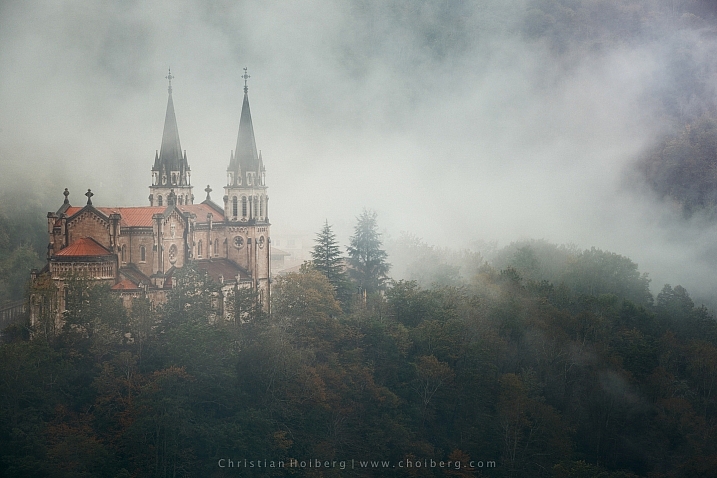
Foggy sunrise at Covadonga cathedral in Asturias, Spain

Foggy sunrise at Covadonga cathedral in Asturias, Spain

This way of thinking has in many ways impacted my photography and made me go out with a camera, even though it’s rainy, windy or just bad weather. What many seem to neglect is that even though the weather is bad, there are still a whole lot of great images waiting to be captured. They are just a little harder to find. Here are three ways to take advantage for bad weather conditions and still get good photos.

#1 – Drop the sky and zoom in

Bad weather often means a grey sky without contrast. Personally, there’s not much I dislike, more than that in a landscape image. Most of the time this uninteresting sky will take unnecessary attention from the subject, and do more harm than good.

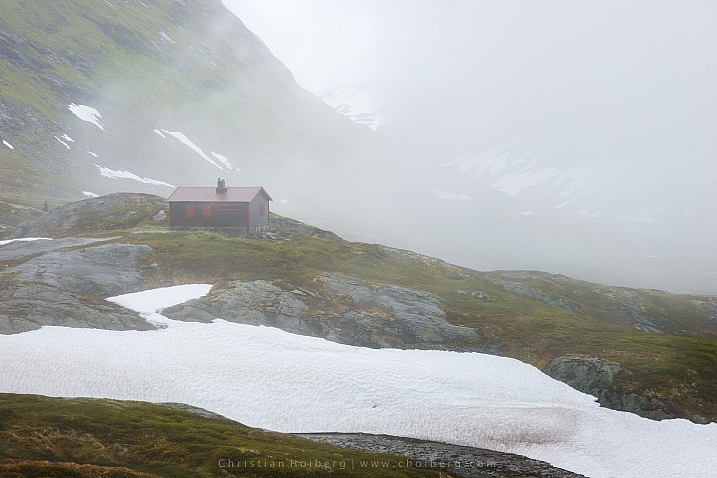
Jotunheimen-Cabin-Fog

Remote cabin in Jotunheimen in foggy weather

So, instead of including a sky that lacks contrast, use a telezoom and focus on a smaller detail in the landscape. Perhaps there’s a cabin, a river, or maybe even a deer in the area around you. Use your zoom and make these subjects into the main part of your image.

This can also be a good exercise for your creative vision, as it forces you to slow down and pay attention to your surroundings. It forces you to carefully look through the landscape and notice every single

In fact, I’ve found using a telezoom beneficial for my photography in general, as I’ve become more aware of the scenery, and I’m constantly searching for something that sticks out.

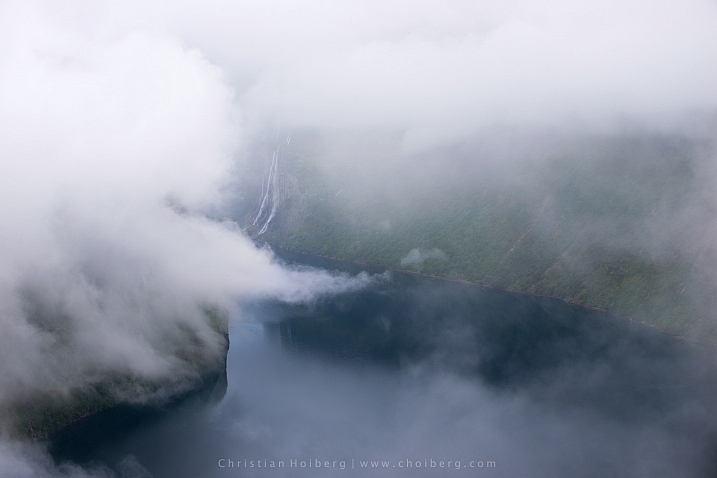
Geirangerfjorden-fog

The low clouds made an interesting framing of this waterfall in Norway

#2 – Photograph waterfalls

On sunny days it’s very hard to get good images of waterfalls, as the light is hard and the reflections are bad. Most likely the water will look hard and “shiny” even though you’re using a long exposure.

When the sky is grey, it’s raining, or when there are a lot of clouds, you’ve got the perfect excuse to go photograph waterfalls. Since the sun is not an issue, the light will be softer, and you’ll have no problems with hard light on the water. This lets you do both short and long exposures, and still have decent light.

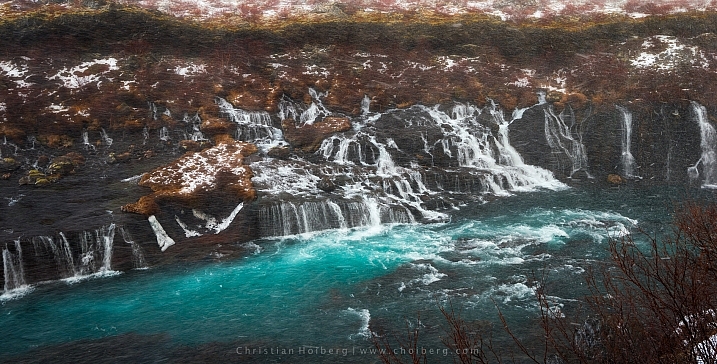
Hraunfossar-snowstorm

A quickly passing snowstorm gave interesting light to this waterfall on Iceland

If it’s raining you should consider using a polarizer filter, though, as the rocks (if any) around the waterfall might reflect some light. The polarizer will kill most of the remaining reflections and you’re left with a great result.

#3 – Take a hike in the woods

My last piece of advice on how to take advantage of bad weather, is to take a walk in the woods. This is something I often do when it’s a rainy day, both with and without my camera. Sometimes it’s nice just to go for a hike in familiar terrains, while other times it can be really rewarding to bring the camera.

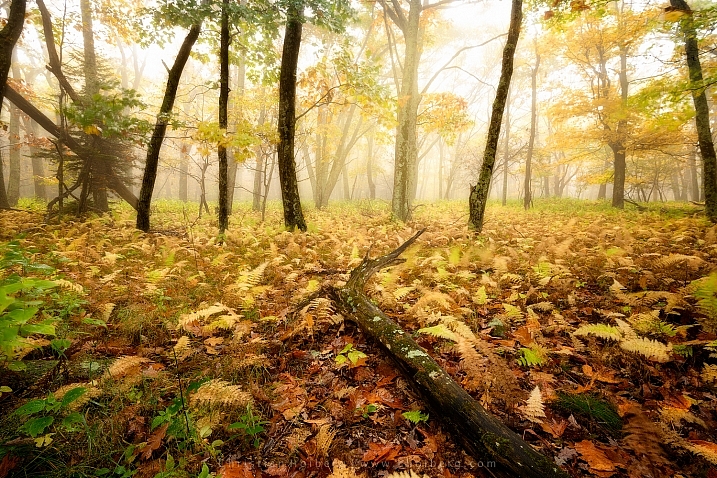
ShenandoahMistFall

Misty morning in Shennandoah National Park

Personally, I do not often bring my camera in the woods when I’m going during the daytime. The reason is that I find the mood to be much more compelling when it’s early in the morning, or late at night. At this time the light is even softer, and you can get some dark moody images, or perhaps you’re lucky to even get the light shining through.

Another benefit of going early in the morning is that you increase the possibility to encounter deer or other animals. Just be sure that you don’t make too much noise when hiking, as that will scare away most wildlife.

Dyrholaey-people

Bonus tip: Bring rain gear for both yourself and the camera! Also, bringing both an air blower and a microfiber cloth is important when you’re photographing in bad conditions.

What do you prefer to photograph when the weather is challenging? Let us know in the comments below, and share your images of bad weather as well.

googletag.cmd.push(function() {
tablet_slots.push( googletag.defineSlot( “/1005424/_dPSv4_tab-all-article-bottom_(300×250)”, [300, 250], “pb-ad-78623” ).addService( googletag.pubads() ) ); } );

googletag.cmd.push(function() {
mobile_slots.push( googletag.defineSlot( “/1005424/_dPSv4_mob-all-article-bottom_(300×250)”, [300, 250], “pb-ad-78158” ).addService( googletag.pubads() ) ); } );

The post 3 Ways to Take Advantage of Bad Weather by Christian Hoiberg appeared first on Digital Photography School.


Digital Photography School

 
Comments Off on 3 Ways to Take Advantage of Bad Weather

Posted in Photography


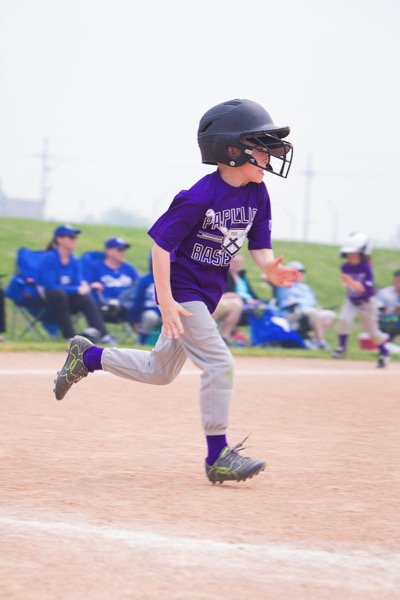
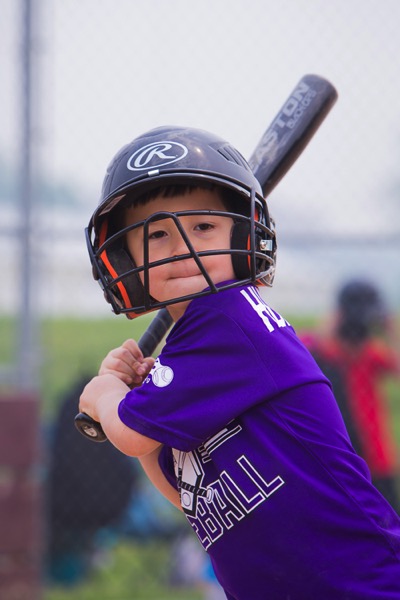
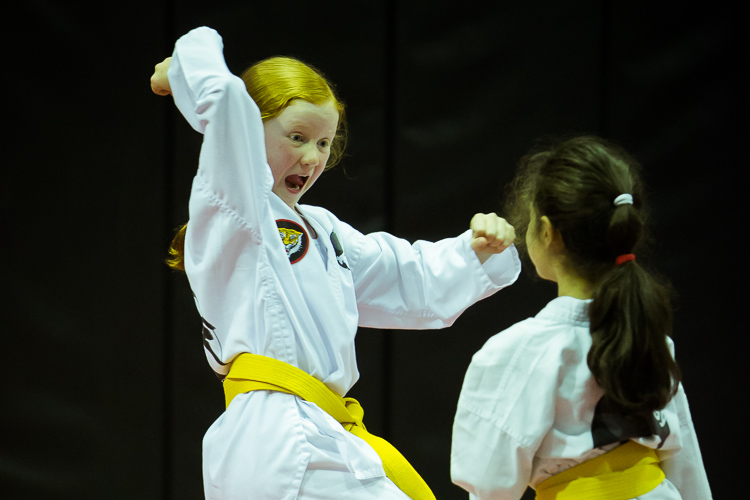
Tips and Tricks to Help You Take Better Youth Sports Photos

07 Aug

A favorite photography subject of any parent is their child’s sporting activities. But, sports photography can be challenging for the beginning photographer. It requires a robust understanding of camera settings and how they relate to one another. It can also be hugely rewarding to capture exhilarating moments that will be cherished for years to come.

Here are a few tips and Tricks I’ve learned for getting awesome sports photos.

_88J6306

1 – Know the Sport

Every sport has the picture perfect moment. You know the one – the horse with its leg tucked just so, or the peak of the handstand. The moments captured on trading cards, or those that appear on the front covers of sporting magazines are good examples.

Chances are that because you’ve sat on the same bleachers week after week, that you know your child’s sport inside-out. A good sports photographer can anticipate the play, and is ready to capture the shot. For sports that are routine based – gymnastics, figure skating, equestrian, and the like – be sure to watch the practice so you’ll know when and where the picture perfect moments will occur, and where you need to position yourself to capture them.

Sports 2

Capturing the passion of the athlete. The flare from the flash in the background was a happy accident. Exposure info: 85mm, f/6.3, 1/160th, ISO 500.

2 – Be Courteous

Before the game, have a chat with your child’s coach and make sure it’s okay for you to photograph the game – some sporting organizations have special rules for photographers which you’ll need to be aware of beforehand. During the game, be courteous to the other parents who are watching their own children. Please don’t be “that guy”, taking up half the bleachers with mountains of gear, or the one standing at the front, blocking the view of others.

3 – Choose your Lens

Generally speaking, longer lenses are better for sports photography, as the action is occurring some distance from you (and it’s uncool for a parent photographer to be on the field during play). A lens around 200mm is a good place to start. If you’ve just won the lotto, I’m well informed that professional 400mm and 600mm lenses are awesome (they can also be rented if you really want to try them out, and don’t have a winning lotto ticket in your back pocket).

Sports 6 Sports 7

Exposure info on above images: 200mm lens, ISO 200, f/5.6, 1/320th of a second.

4 – Get the Camera off Auto

Yes, I know your camera has a sports/action mode. It might even have a cute little picture of someone running. But shooting sports in manual mode (or at least shutter priority) is a perfect way for you to learn how the exposure triangle works. It will also be a lesson in compromise because I can pretty much guarantee that unless you’re shooting in bright sunlight, something will have to give. Do you accept high ISO noise but stop the action, or do you accept some motion blur for less noise?

Sports 1

Shooting the pause moments. Note the ridiculously high ISO needed for this dimly lit indoor venue. Exposure info: 105mm, f/4, 1/160th, ISO 10,000.

Shutter Speed – Sports shooting is one occasion where the age old adage of “minimum shutter speed = 1/focal length” doesn’t work. In reality, you’ll need to go much faster if you want blur-free images. To stop action at walking speed, try at least 1/250th of a second. For running, you’ll need 1/500th or faster. If these shutter speeds aren’t possible (most likely due to low light), try to anticipate and shoot the posed moments – those times when the athlete pauses for a microsecond (image above). It might be landing a trick, a look before throwing the ball, the moment before throwing a punch.

Sports 10 Sports 4

Exposure info on above images: 200mm lens, ISO 200, f/5.6, 1/320th of a second.

Aperture – Shoot with the largest aperture your lens allows. Professional lenses will generally open up to f/2.8. This will have two benefits – you’ll minimize depth of field (throwing the background out of focus and drawing more attention to your subject), plus you’ll be letting more light in (thus allowing a faster shutter speed).

Sports 9 Sports 8

Exposure info on above images: 200mm lens, ISO 200, f/5.6, 1/320th of a second.

ISO – You’ll often have to shoot at a high ISO to get enough light, especially if you’re shooting indoors. Trial and error will tell you how high your camera can go while still achieving an acceptable image. If you end up having to shoot at ISO 6400 and end up with a noisy image, just turn it black and white and tell people (in your best British accent), “It’s art, dah’ling!”

Focus mode – Check that your focusing mode is set to Continuous or Servo mode. This will ensure that the camera is constantly recalculating focus as you track a moving subject in your viewfinder. Every camera will handle this slightly differently, so it’s worth thumbing through your camera manual to understand how your particular model works.

5 – Get Down Low

Many beginner photographers make the mistake of shooting from a standing position. For youth sports, this means that they are generally shooting down on the athlete – not a very flattering angle. Instead, try kneeling on the ground for a better perspective.

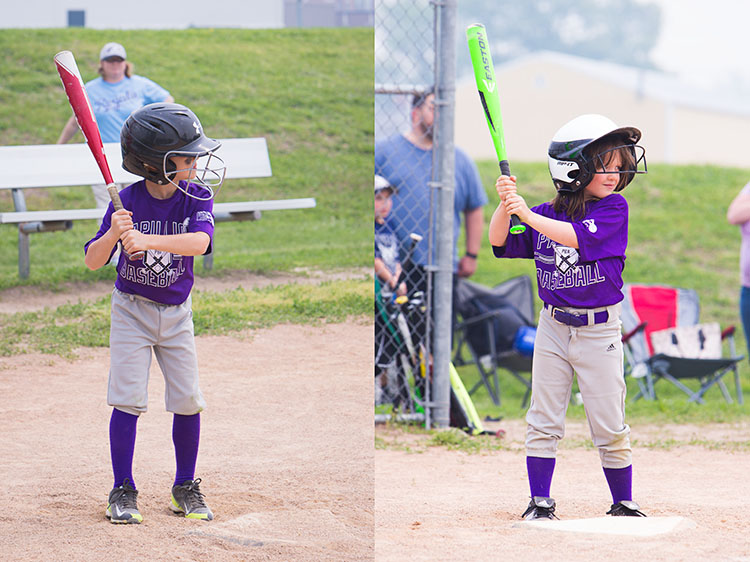
These two images, taken from different camera angles, show how shooting from a lower angle can make all the difference.

These two images, taken from different camera angles, really show how shooting from a lower angle can make all the difference. Notice you can see more of her face in the image on the right, taken from a lower camera position.

Exposure info on above images: 200mm lens, ISO 200, f/5.6, 1/320th of a second.

6 – Practice

As with all genres of photography, practice makes perfect. Try different angles or shooting from different positions around the field to see what works best. I guarantee you’ll see improvement as you keep shooting.

7 – Beware the Light Cycle

If your sport is being played in a large indoor venue (or outdoors at night), more than likely it will be lit by cyclic lights (mercury vapor, sodium vapor, fluorescent, etc). These cheap and efficient lights are a sports photographer’s worst nightmare. Unlike natural sources, these lights emit certain frequencies, and completely miss others, resulting in a unique color temperature that is difficult, if not impossible, to properly white balance in camera.

In addition – and completely undetectable to the naked eye – these lights have distinctive cyclic patterns, varying in both light intensity, and color temperature, multiple times per second. Shooting under them can be very much a hit-and-miss affair. Sometimes you’ll catch the light in a blue phase of the cycle; a millisecond later you’ll get magenta. You might get slightly darker, or brighter. Sometimes neighboring lights will be on different cycles, so part of your photograph will be dark and part will be light, each with a different color temperature. (Don’t believe me? Try this test: under a fluorescent light, set your camera to manual with a fast shutter speed like 1/250th, take a series of identical images in rapid succession, then compare the frames. The faster the shutter speed you pick, the more the effect will be visible.)

The lights here cycled yellow.

This image was shot under sodium vapor lights and shows the intense yellow frequencies emitted by this type of light, even with the camera color balanced for the white uniforms. Exposure info: 150mm, f/3.2, 1/320, ISO 5000.

Commercial architecture photographers combat this problem by lowering the shutter speed to allow more than one full cycle of light to be read by the sensor. However as we’ve already discussed, slow speed doesn’t usually work for action sports photography. Worse, many sports in these type of venues (equestrian, figure skating, gymnastics) don’t allow flash for player safety reasons, so you’re stuck using available light.

There is nothing you can really do about cyclic lights, other than to simply take more photos, and pray that you hit the cycle right. For odd colors, you could play with the individual channels in Photoshop, or convert the entire thing to black and white (this will be the only time you’ll ever hear me say “fix it in post-production”).  Regardless, it is something that you should be aware of so you don’t make yourself crazy trying to figure out why you got the results you did.

8 – Have Fun

Sports 5 Sports 3

Exposure info on above images: 200mm lens, ISO 200, f/5.6, 1/320th of a second.

Youth sports are all about participating and having fun. Photographing them is no different. If your cherub is playing in the sand or picking her nose instead of chasing the ball, capture it! These are the memories you’ll treasure one day (or so they tell me). And remember that it’s okay to put the camera down sometimes and just enjoy the game too.

googletag.cmd.push(function() {
tablet_slots.push( googletag.defineSlot( “/1005424/_dPSv4_tab-all-article-bottom_(300×250)”, [300, 250], “pb-ad-78623” ).addService( googletag.pubads() ) ); } );

googletag.cmd.push(function() {
mobile_slots.push( googletag.defineSlot( “/1005424/_dPSv4_mob-all-article-bottom_(300×250)”, [300, 250], “pb-ad-78158” ).addService( googletag.pubads() ) ); } );

The post Tips and Tricks to Help You Take Better Youth Sports Photos by Rebecca Olsen appeared first on Digital Photography School.


Digital Photography School

 
Comments Off on Tips and Tricks to Help You Take Better Youth Sports Photos

Posted in Photography


6 Ways to Take a Candid Portrait of Somebody You Know

04 Aug

Get Andrew’s The Candid Portrait eBook at 43% off now over at Snapndeals, only until August 9th (AUS time).

The phrase candid portrait is often used to refer to the type of portrait taken when the subject is unaware of the photographer. This is usually seen in street photography, but also applies in other areas such as documentary style wedding photography.

A candid portrait

If you think of a candid portrait as being one that captures someone acting authentically or with a natural expression, as opposed to one where the model has been directed to pose or act in a certain way, then it follows that you can also take candid portraits of people you know. Or even somebody that you don’t know, but have seen in the street and asked for permission to make a portrait.

Here are some tips for taking candid portraits of people with permission.

1. Look for expressions that capture character

If you are taking photos of somebody in a formal situation and you want to capture natural expressions rather than a more forced one (or the sullen expressions preferred by many fashion models) then you need to become a keen observer.A candid portrait

Watch for the moments in-between, the ones where your model is relaxed while you pause before taking another photo. How do they behave while the camera isn’t pointing at them? How do they respond when you talk to them? What expressions do you see when they talk about something that interests or excites them? What unconscious gestures do they make?

I was taking photos of a friend when I noticed that she had a particular gesture that she sometimes made, when the camera wasn’t pointing at her. I waited until it happened again, then asked her to hold the pose while I took the photo (right). The resulting portrait is one of her (and my) favorites from the shoot.

2. Make the most of random encounters

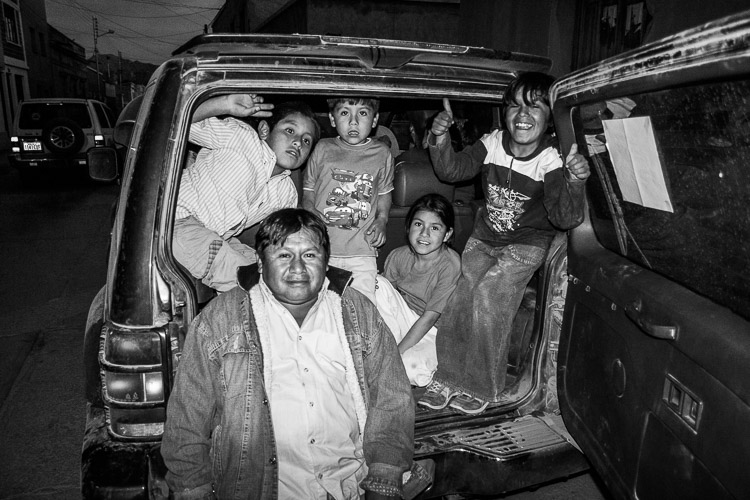
I remember my first evening taking photos in Bolivia. It was late afternoon, quickly fading to dusk, and the streets were lit by a soft red glow, cast by the setting sun.

I raised my camera to take a photo of a mud brick building. From the corner of my eye I saw a small boy running down the street. He passed in front of the camera, stopped, turned towards me, and started waving his hands in the air. He obviously wanted to be in the photo, and a few seconds later he was joined by an older boy, presumably his brother, who also posed for a photo. Then they continued on down the street, and beckoned me to follow them.

Curious, I followed, and they led me to a car parked around the corner, where their father was waiting for them. They explained what had happened, and then the father asked me to take a photo of all of them together. He was a little drunk, and invited me to their house for dinner. I politely declined, although I would have liked to see the look on his wife’s face when I arrived.

A candid portrait

When you are traveling and people are being open and friendly like this, take advantage. Be open to random encounters, and the possibilities that can arise from them. At the very least you will have some interesting experiences and new stories to tell.

3. Use a small camera and lens

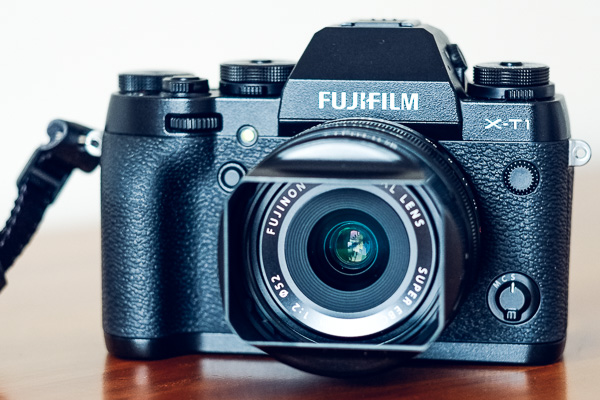
A friend of mine is an experienced model. I have photographed her with an EOS 5D Mark II and an 85mm lens, which is a fairly large combination. I have also used a Fujifilm X-T1 and 56mm lens, which is much smaller. She commented afterwards that the experience was different, and that she felt under much less pressure to be a good model with the smaller camera.

Fujifilm X-T1 firmware upgrade

If an experienced model feels this way, then imagine the effect on somebody who is not used to having their photo taken. I’m sure this is one of the reasons that people like to take photos on smartphones, and why the results can be surprisingly good – because the people being photographed feel no pressure to do anything, other than act natural.

The lesson is that camera and lens size matter. Cameras and lenses are tools, and it is up to the photographer to choose the most appropriate one for the job at hand. A smaller set up will help you capture candid portraits, even of people you know.

4. Find a good reason to ask someone if you can make a portrait

If you are not used to asking strangers if you can make a portrait of them, it becomes a lot easier if you can give them a good reason. You don’t always have to search very hard to find one.

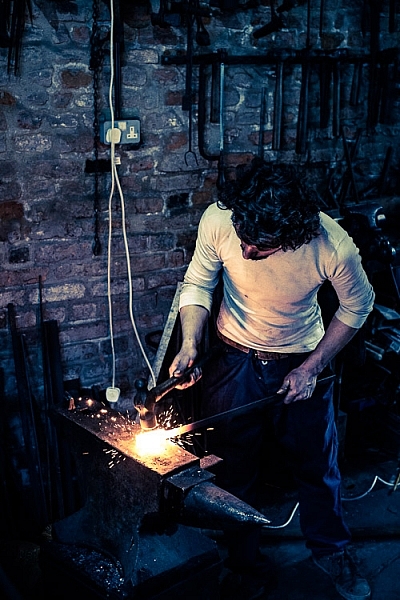
For example, a few weeks ago I visited a blacksmith’s forge that uses forging techniques from 100 years ago. The smiths there do demonstrations for the visiting public, and I simply asked if I could take some photos while the smith was doing his demonstration. The result is a very natural portrait of somebody at work.

A candid portrait

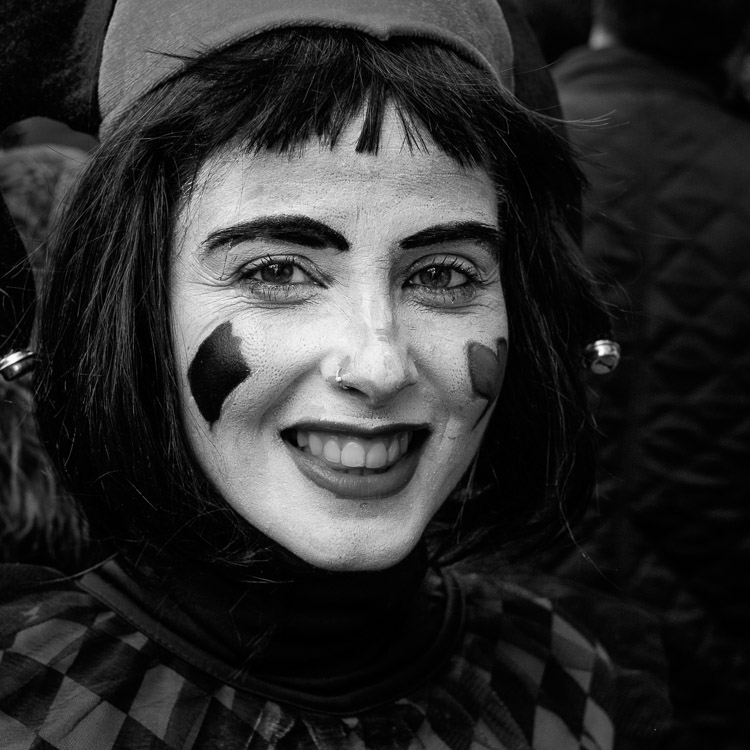
At carnival in Cadiz earlier this year there were lots of people dressed in costume, but only a few with face paint. When I saw somebody with interesting face paint I asked if I could take a photo (it helps that I speak reasonable Spanish). Each time I explained that I really liked their make-up, the person said yes, and I took a couple of photos.

This is one of the natural expressions I was rewarded with.

A candid portrait

5. Undertake a project

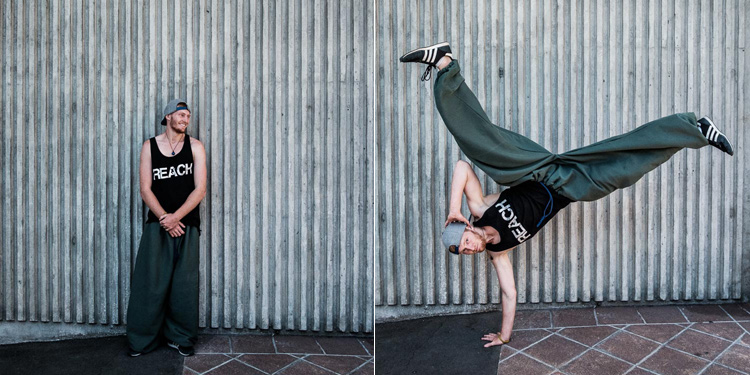
Early last year I thought it would be interesting to take some photos of people practicing parkour, and got in touch with some local traceurs through a Facebook group. Two of them in particular were interested in a shoot, so we went out into the streets of Wellington and they showed me some of the things that they do. I took photos and portraits as we went along. It was easy to create candid portraits as well as some action photos, because they were enjoying what they were doing and having fun.

I didn’t think about it until afterwards but now it occurs to me that what we were doing was a form of street photography, just one where I was working in a collaboration, rather than trying to take photos of people without them noticing me. That led to a entirely different set of photos than I could have made if I had seen them doing their thing in the street, and just taken some photos without any form of interaction.

A candid portrait

6. Take photos of friends doing interesting things

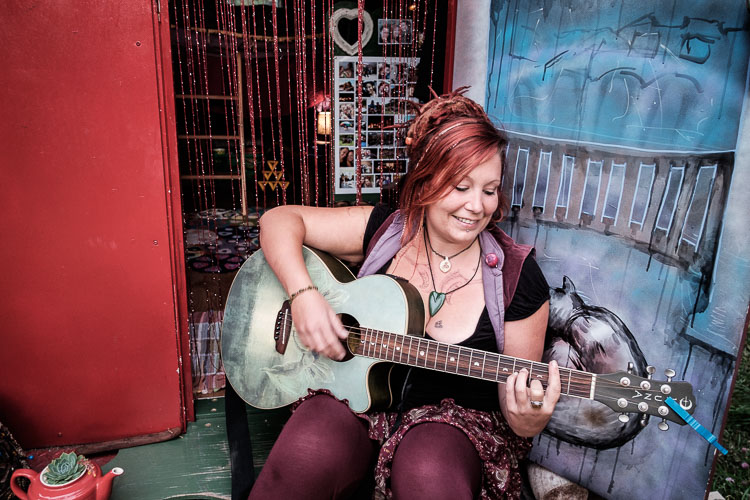
A friend of mine made her own gypsy caravan to live in. I think this is a fantastic tiny space project, and once it was finished I asked her if I could take some photos of her there. Her natural enthusiasm came across as we talked about it. I asked her to sit outside and play her guitar. While she was absorbed in what she was doing, I made some candid portraits that captured expressions like this.

A candid portrait

Do you have any techniques of your own for taking candid or natural portraits of people that you know? I’d love to hear them – please let me know in the comments.

Get Andrew’s The Candid Portrait eBook at 43% off now over at Snapndeals, only until August 9th (AUS time).

googletag.cmd.push(function() {
tablet_slots.push( googletag.defineSlot( “/1005424/_dPSv4_tab-all-article-bottom_(300×250)”, [300, 250], “pb-ad-78623” ).addService( googletag.pubads() ) ); } );

googletag.cmd.push(function() {
mobile_slots.push( googletag.defineSlot( “/1005424/_dPSv4_mob-all-article-bottom_(300×250)”, [300, 250], “pb-ad-78158” ).addService( googletag.pubads() ) ); } );

The post 6 Ways to Take a Candid Portrait of Somebody You Know by Andrew S. Gibson appeared first on Digital Photography School.


Digital Photography School

 
Comments Off on 6 Ways to Take a Candid Portrait of Somebody You Know

Posted in Photography


Polaroid Swing is a new take on Apple’s Live Photos

14 Jul

Apple didn’t invent the concept, but ever since the company launched its Live Photos feature it has been en vogue to add a touch of motion to still images – just enough to give you a better idea of the atmosphere at the time and place of capture.

The latest new app to slightly vary this theme is Polaroid Swing. The app captures 60 frames in a quick burst and combines them into an animated image. When viewing you can trigger the 1-second animation by twisting your device or swiping across the screen. This works in both directions. Below are a couple of samples for you to try, just move the mouse across the images:

As you would imagine, final results can be shared via Facebook, Twitter and other means. The effect is pretty neat but, as we’ve seen many times before, there is danger of the novelty factor wearing off pretty quickly. That said, the owners of the legendary Polaroid name seem to firmly believe in Polaroid Swing’s success. They have not only licensed the Polaroid name but also invested in the app. Polaroid Swing is available as a free download from the App Store now; an Android version is still in the works.

Articles: Digital Photography Review (dpreview.com)
 
Comments Off on Polaroid Swing is a new take on Apple’s Live Photos

Posted in Uncategorized


Take a look around: traditional stills versus VR in Iceland

13 Jul

Introduction

Time to relax – does VR capture lower the barrier for creating memorable vacation content? Let’s take a look. Nikon D810 + Nikon AF-S 35mm F1.4G @ F2 | 1/8000 sec | ISO 200. Photo by Carey Rose

Back in April, two friends and I took a trip to Iceland, spending eight days circumnavigating the island via its famous ring road. Happily, around that time we were looking for some updated content for our review of the Nikon D810, so I took one along and wrote up a shooting experience.

In general, though, I enjoy documenting my travels even when I’m just traveling for fun. I find it to be a nice creative recharge, simply photographing for myself, in my style, with my choice of equipment. Of course, the D810 I borrowed wasn’t my personal equipment, but it was near-ideal for the sorts of situations I found myself in (plus, handling-wise, it isn’t quite so different from the D700 I was originally planning on bringing).

But now we’ve got VR technology beginning to make waves in the consumer electronics industry. What’s more, capture devices are getting more accessible: the Ricoh Theta S retails for just $ 349, making it a cheaper proposition than most DSLRs, as well as my secondhand X100 and Ricoh GR, which are my usual go-to cameras for casual photography.

The Ricoh Theta S carries an MSRP of $ 349, and offers full 360 stills and video capture as well as smartphone integration.

At its core, the act of taking a photograph requires some translation of the 360-degree setting in which the photographer stands into a two-dimensional window, for viewing on the web or in print. But 360-degree VR capture changes that. When you’re literally just capturing the entirety of a scene around you, is there value in it for other viewers? When you’ve removed one of the most basic creative tenets of capturing a photograph, what are you left with?

During our time in Iceland, my friends and I were lucky enough to have the opportunity to borrow a Ricoh Theta S as well. Without any prior experience, we tried to use it as we did our DSLRs – to see if and how it could offer value to us above and beyond our traditional camera kits.

Click-and-drag on a desktop or laptop to view the 360 footage. All ‘traditional’ photographs by Carey Rose, and all Theta S 360 images by Jordan Stead.

360-degree viewing methods

Spoiler alert – when viewing the Theta S footage on a 2D viewing device, such as a laptop or smartphone, I find the results somewhat underwhelming. And throughout this article, you will, of course, notice that the files from the Ricoh are a little low-res, and lack some ‘pop’ that you can see in files from the D810. This shouldn’t really be a surprise given the dramatic differences in hardware, so I’ll be focusing on the viewing experience concerning the 360-stills rather than outright image quality.

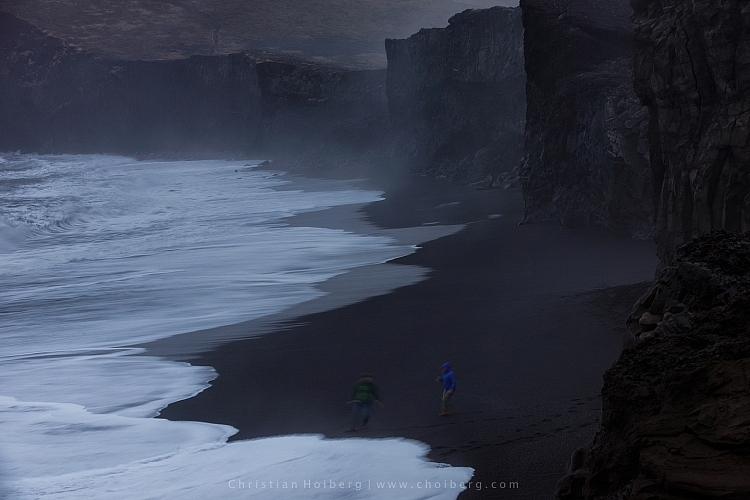
Here’s a collection of stills captured on a D810 from a black sand beach outside Vik, in southern Iceland.

The top two images are shot with a 35mm prime, and the bottom two with an 80-200mm F2.8 zoom. Now, as I alluded to in my shooting experience, these may not be your standard picture-perfect postcard images from this setting. But that’s okay, because that’s not generally how I shoot when I’m shooting for myself. I like to use several different photos to focus on several different aspects of a scene, as opposed to shooting wider-angle ‘overall’ photos that get more of a sense of place in a single image. Something approaching the latter is what you get when you use the Theta S. 

I find viewing the 360 as you see it above in a web browser or on a mobile phone to be somewhat ‘distant.’ The distortion is strong, and therefore distorts the sense of place, even though you can see everything in the scene. Everything also feels very far away, which ties in with an overall sense of detachment I feel looking at it, even though I know that I’m just a little ways down the beach in the image. You can zoom into the 360 image to reduce the distortion somewhat, but then the experience becomes even less immersive.

The overall feeling I get is of a person quickly taking an eye-level wide-angle photograph of something in front of them (not a criticism of my friend Jordan who was shooting with the Theta – the 360’s I took on this trip also had the same feel). Also, if you happen to view it on a phone, by default you ‘look’ around the scene by reorienting your phone in 3D space, which makes you look very silly if you are looking at it in public.

But then I looked at it through a Galaxy Gear VR headset, and everything changed.

Articles: Digital Photography Review (dpreview.com)
 
Comments Off on Take a look around: traditional stills versus VR in Iceland

Posted in Uncategorized