RSS
 

Posts Tagged ‘Stunning’

10 Tips for Taking Stunning Winter Portraits of Your Kids

03 Dec

Just because it’s winter doesn’t mean we can only shoot indoors. It may be cold (and rainy if you’re in London) most days, but when the winter sun shows its face, it fills the earth with a beautiful warm glow, especially late in the day. This bring us to what is known as the golden hour – typically about an hour before sunset. The further you are from the equator, the more time you would need, in my case about 1 – 1.5 hours, before sunset.

Winter portrait1

Here are my 10 top tips on how to get stunning winter portraits of your own kids:

#1 Choose the right day and time

Choose a sunny day and plan to get to your shooting location a good hour or so before sunset.

#2 Dress them warmly and make it fun

Wrap your children up nice and toasty so they won’t complain. Tell them you are taking them out for one hour to the park or the playground (or your chosen location) but that you would like to take a few photos of them before you get to the actual promised site. The easiest for us was the playground, as we have to walk about 10 minutes from the entrance to the park to get to there. It is a good idea to choose a halfway point to stop.

Winter portrait3

#3 Have warm beverages during or after the session

Either bring a snack or warm drinks in a thermos (keep it light and simple though), promise to take them for a nice warm drink in a nearby cafe after your little trip to the playground, or make them hot chocolates when you get home (whatever works for you).

#4 Find the good light and start shooting

Halfway to the playground, your kids would already have been having fun running and chasing each other. Remind them of the photos you want to take, and show them the light is so beautiful and perfect. Ask for their suggestions where you could stop and take some nice picture. Make sure there is light coming from one side, but that they are fully in the shade of a tree (open shade) to avoid hotspots and mottled faces.
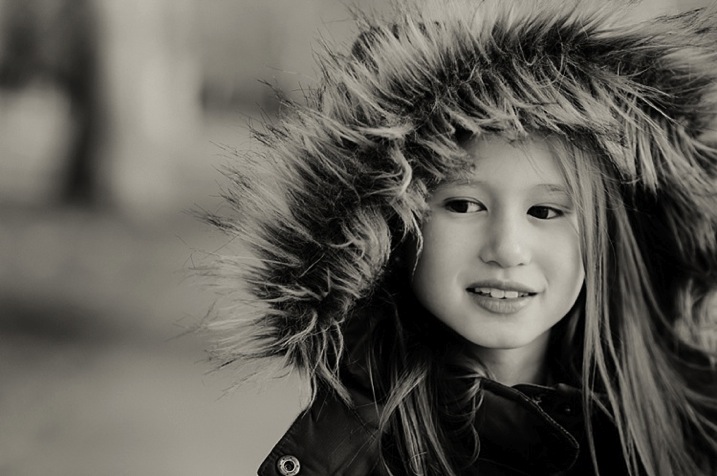
Winter portrait2

#5 Be fast

Keep it quick! Kids get bored if you take too long so just aim for a few portraits. Ask them to stand, cuddle and tickle, or make each other laugh, swap places, do their own poses and click away like nobody’s business.

Techie tips: If shooting in semi-automatic mode, choose a wide aperture or set it to Aperture Priority (and choose a large aperture, small f-number) so you get the blurry background effect. Always focus on the child’s eyes if possible.

Winter portrait5

#6 Use backlight to your advantage

Shoot with the kids backlit. The best time to do this is during the golden hour. The sun is low, the sky is a reddish blue and the light is softer, more diffused, and indirect.

Shooting backlit is really quite a difficult technique which requires some mastering. This is when the sun or light source is in front of your camera, and behind your subject. The late sun gives stunning soft light, that illuminates your child’s hair or clothing like it has just been kissed by the sun.
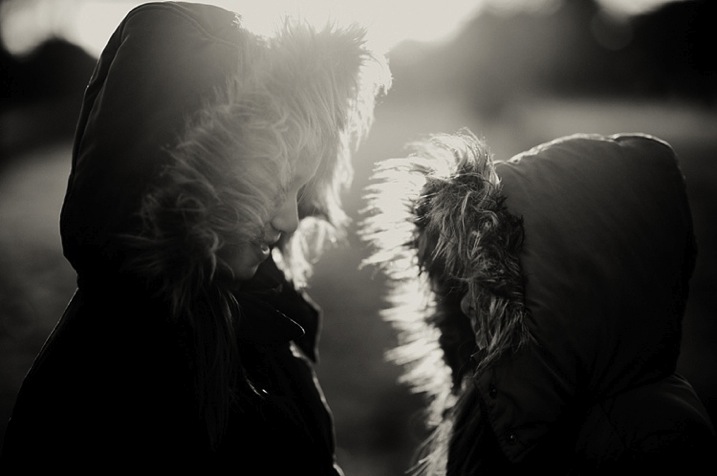
Winter portrait4

You would also need either a really wide aperture, a flash, or a reflector to bring light back into your child’s face. A reflector can be a large white/silver/gold sheet that you angle towards their face, to bounce the light back into it. Or, you can choose a location with a natural reflector such as a white, or light coloured wall, facing the sunset and position your child in front of it, at an angle, so that part of their face gets the reflected light. I suggest a wide aperture for portraits as that helps give a nice glow to the skin, spot metered, and focused on the eyes.

#7 Go for lens flare

This is really quite difficult as you don’t want to be looking straight at the sun. When you see the sun’s rays streaming through the viewfinder of your camera, that’s a sure sign that you are capturing flare. Flare floods your camera with light and everything else becomes a muddy, hazy silhouette. So try to get only a very small bit of flare right at the top or side of the viewfinder, and you will still get some good details, rather than a completely hazy image, devoid of any definition or detail.

Winter portrait6

#8 Embrace the imperfections

From personal experience, my imperfections, mistakes, and lack of skills fuel creativity. So don’t be afraid to make mistakes and have imperfections; they are a blessing. Use them and learn from them.

Winter portrait7

#9 Capture some scene details after the portraits are done

When the portraits are done, capture some contextual details such as the sky, trees, plants, grass, flowers, etc. Years down the line, when you look back at these photographs, details will help you remember the mood, the time, and the emotions of that day. Now that there’s no need to rush and the kids are playing, take your time and choose which details grab you, and take your breath away.

Techie tips: Don’t forget to change your aperture when shooting the sky and trees to a much smaller one, in this case around f/5.6 or smaller. I find that while you can shoot wide opened it is more prone to have chromatic aberration than if you shoot at a smaller aperture. Really, it’s personal preference, but this is what I recommend.
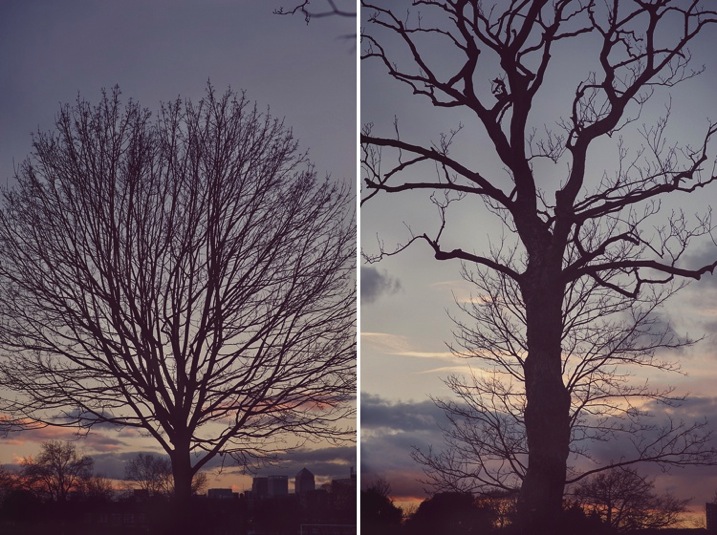
Winter portrait10

#10 Last but definitely not least, reward and celebrate

Promise your kids not just the playground, but extra treats like snacks and hot drinks, and even a small surprise. It reinforces having a photoshoot as a positive experience, and ends it on a happy note. Then top it with a movie night at home!

Have you done any winter portraits of your kids? Please share your images and any other tips you have in the comments below.

googletag.cmd.push(function() {
tablet_slots.push( googletag.defineSlot( “/1005424/_dPSv4_tab-all-article-bottom_(300×250)”, [300, 250], “pb-ad-78623” ).addService( googletag.pubads() ) ); } );

googletag.cmd.push(function() {
mobile_slots.push( googletag.defineSlot( “/1005424/_dPSv4_mob-all-article-bottom_(300×250)”, [300, 250], “pb-ad-78158” ).addService( googletag.pubads() ) ); } );

The post 10 Tips for Taking Stunning Winter Portraits of Your Kids by Lily Sawyer appeared first on Digital Photography School.
Digital Photography School

 
Comments Off on 10 Tips for Taking Stunning Winter Portraits of Your Kids

Posted in Photography


Create Stunning Works Of Art from Your Photography: Our Most Popular Deal Back for 24 Hours

06 Jul

Today as part of our Mid Year Deal week we’ve got two amazing courses for you from the amazing Sebastian Michaels.

Deal 1: 70% Off Photo Artistry: Fine Art Grunge Composition Course

It’s back! But for 24 hours only…

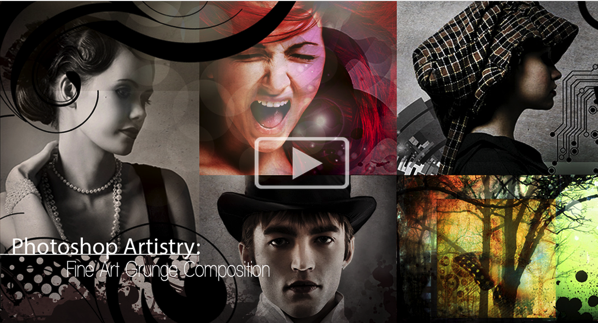
Photoshop Artistry: Fine Art Grunge Composition course — at an incredible 70% off the RRP!

Screen Shot 2015 07 05 at 7 50 11 pm

This was the hottest deal featured on our site in 2014. It flew out the door and smashed records in our dPS Christmas sale.

So due to popular demand, we’ve brought it back for one more day here!

Create Stunning Works Of Art from Your Photography

If you want to go from merely editing your photos to creating intricate photo-art compositions, then this is is the deal for you.

This cutting edge course will awaken your creative genius and reveal the secrets the pros use to create stunning works of art.

By showing you how to create something new and extraordinary with your images, it will completely transform the way you approach your photography and use Photoshop. You’ll find yourself turning out richer, more sophisticated compositions than you ever thought you could create.

With glowing reviews and an unbelievable amount of included value (over 70 training videos, downloadable PDF cheat sheets and over 7GB of bonus pro-designed content), you definitely can’t go wrong with this one.

And at $ 89, it’s a MASSIVE $ 208 off… a price course creator, Sebastian Michaels, has only offered to dPS (you won’t find it anywhere else).

Go ahead and see what all the fuss is about!

Deal 2: Awake: Living the (Photo)-Artistic Life – $ 118 Off the Normal Price

NewImage

If you’re like one of the many dPS readers who took advantage of this deal in our Christmas sale, Sebastian’s new course is sure to tickle your fancy, too…

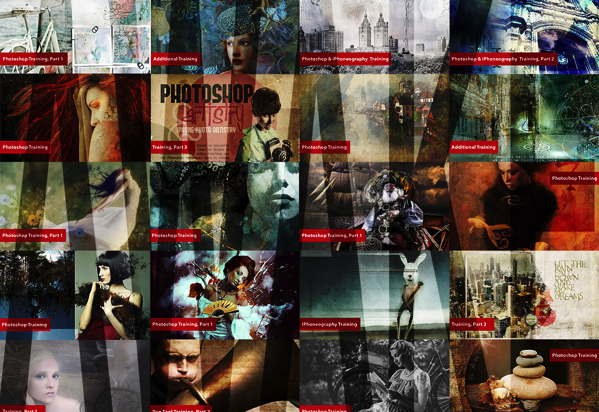
‘Awake: Living the (Photo)-Artistic Life’ is about waking up to all the possibilities and beauty around you — stimulating your imagination, vitality and inspiration, to find your unique artistic voice. Your art will become a more present, more powerful part of your life.

With a full year of training, artist tutorials and pro-designed content, spots in the course are limited. So at $ 118 off the normal price just for today, you’ll have to be quick!

Sign up here.

Grab one or grab them both – these courses from Sebastian are only available at these prices for 24 hours!

googletag.cmd.push(function() {
tablet_slots.push( googletag.defineSlot( “/1005424/_dPSv4_tab-all-article-bottom_(300×250)”, [300, 250], “pb-ad-78623” ).addService( googletag.pubads() ) ); } );

googletag.cmd.push(function() {
mobile_slots.push( googletag.defineSlot( “/1005424/_dPSv4_mob-all-article-bottom_(300×250)”, [300, 250], “pb-ad-78158” ).addService( googletag.pubads() ) ); } );

The post Create Stunning Works Of Art from Your Photography: Our Most Popular Deal Back for 24 Hours by Darren Rowse appeared first on Digital Photography School.

Digital Photography School

 
Comments Off on Create Stunning Works Of Art from Your Photography: Our Most Popular Deal Back for 24 Hours

Posted in Photography


Light Lines: Stunning String Installation Inside Abandoned Church

04 Jul

[ By Steph in Art & Installation & Sound. ]

abandoned church installation 1

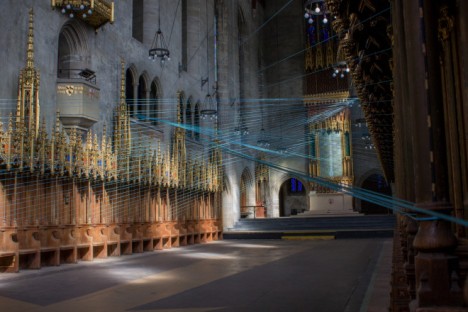
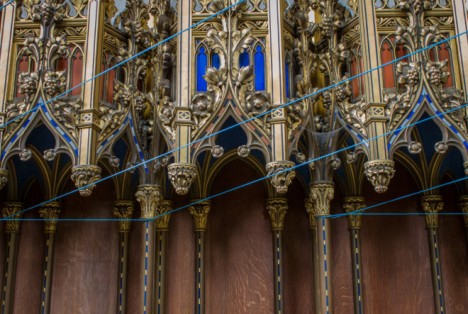
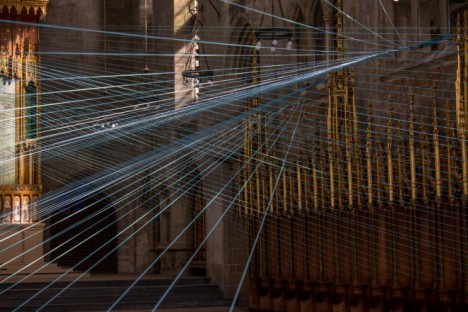
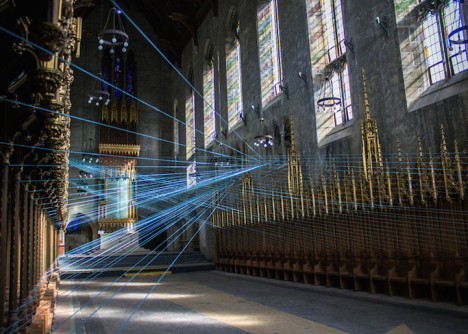
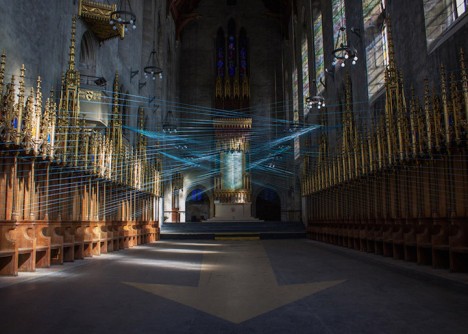
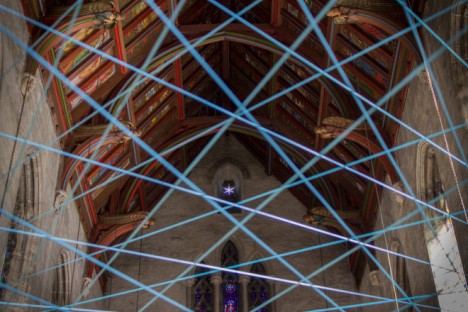
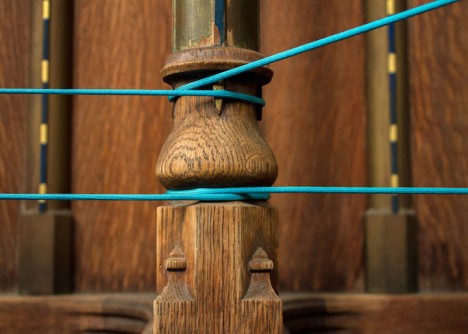
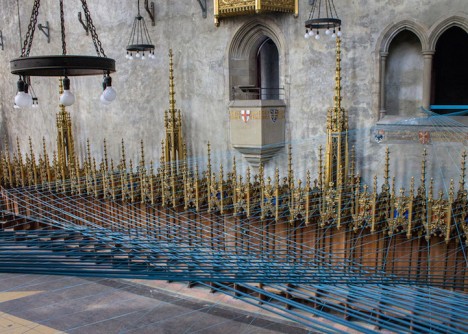
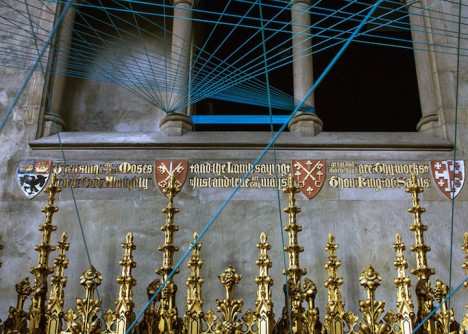
What seems at first to be narrow rays of turquoise light streaming in through the stained glass windows of a vacant Gothic Revival church turn out to be over 6,500 feet of paracord painstakingly wound around ornate posts and columns. Artist Aaron Asis temporarily transformed West Philadelphia’s St. Andrew’s Collegiate Chapel, which has been closed for more than 40 years, with a geometric string installation that shifts the spatial perception within its darkened nave.

abadoned church installation 2 abandoned church installation 3 abandoned church installation 4

Entitled Ci-Lines, the project re-opened the disused chapel for three days over three weekends so visitors could take in both the grandeur of the church itself and the surreal sight of criss-crossing string creating new geometries within the negative space. Built in 1924, the chapel was used for sermon lessons and school services until 1974, and though the larger complex has been reclaimed for other uses, the chapel remains vacant.

abandoned church installation 5 abandoned church installation 6 abandoned church installation 7

“The geometry of Ci-Lines is like an artistic exercise in connecting the dots, crisscrossing overhead and inviting visitors to visually explore a sculptural form as a portal into the nuances of a vacant environ,” says Asis. “The resultant series of cords in tension draws direct inspiration from the existing architectural form inside the chapel. These cords literally render a woven and symmetrical connection between the ornamental posts lining the chapel walls and architectural columns featured along the balconies above, combining to act as a temporary catalyst for observation, investigation, conversation, and realization of spatial majesty in vacant context.”

abandoned church installtion 9 abandoned church installation 10 abandoned church installation 8

Asia hopes that the project will renew interest in the historic structure, helping to preserve it as the cityscape around it shifts and changes. Making use of vacant spaces for art installations helps the public see them in a new light and can spur ideas for revitalization.

Share on Facebook


[ By Steph in Art & Installation & Sound. ]

[ WebUrbanist | Archives | Galleries | Privacy | TOS ]


WebUrbanist

 
Comments Off on Light Lines: Stunning String Installation Inside Abandoned Church

Posted in Creativity


11 Tips for Creating Stunning Photographs of Cities at Dawn

30 Jan

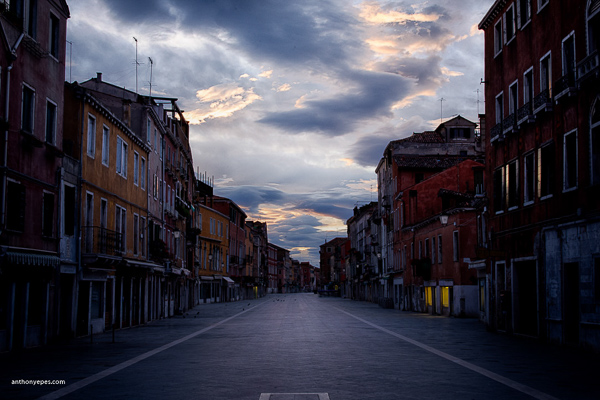
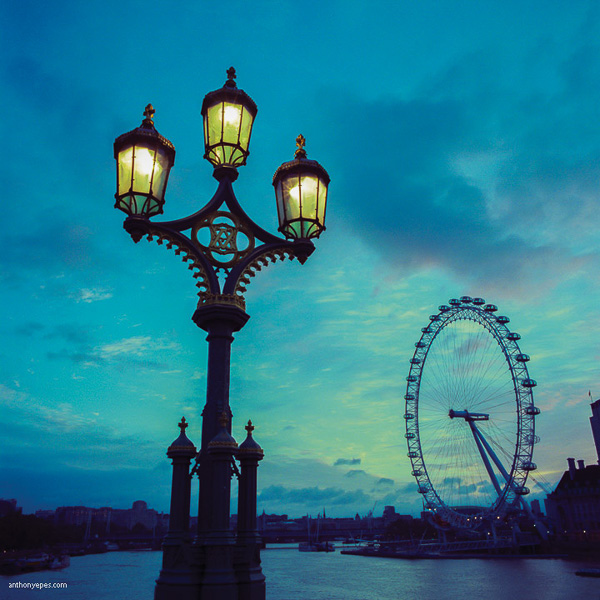
We’ve all seen hundreds of gorgeous photos of sunrises over beaches and beautiful landscapes. Of course they have the capacity to wow and inspire, but I would argue that it’s far more interesting to photographs cities at dawn. You have so much more to work with – buildings, graffiti, debris, rivers, glass, the odd person, roads, and greenery in the midst of all of this urban-ness. The possibilities to create unique photos are endless. So, if you combine all this intense city landscape with the wonderful and quickly-changing light of dawn, you have an amazing combination.

Anthonyepesphotography DPS 1

I’ve been shooting cities at dawn for over a decade now. For me cities are at their most inspiring when they are empty of people, traffic, and chaos and bathed in the beautiful light of dawn.

Here are 11 tips on how to create stunning photographs of cities at dawn:

1. Sunrise

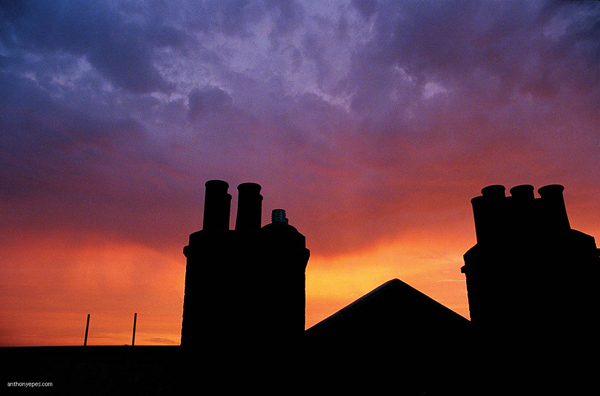
Sunrise, especially when it’s an epic one, is obviously the focus for any early morning shoot. But it shouldn’t be just about capturing the sunrise.

  • Clouds: To me what is special about any given morning is what kind of clouds are in the sky. Clouds are what make mornings different from day to day and are one of the reasons to keep going back to the same place again and again.
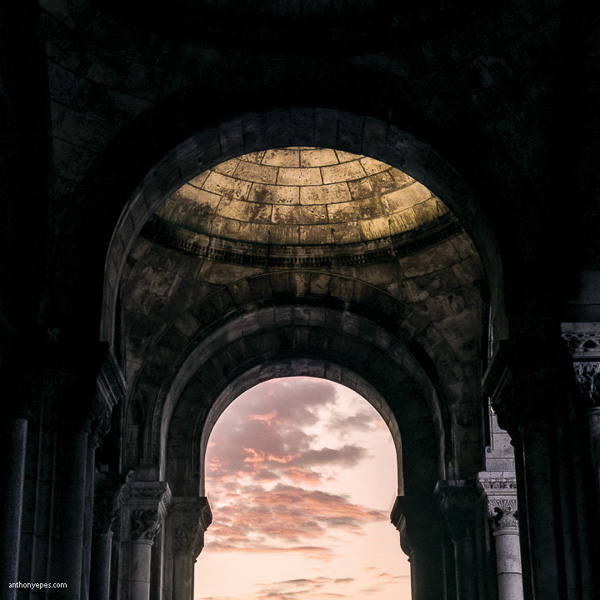
  • Other elements: Think about other elements you can use to enhance the photo. Try framing the sunrise, and the sky, to create an interesting contrast (see photo above).
  • Foreground: Find an interesting subject for your foreground, using the sunrise like a tapestry.

Anthonyepesphotography DPS 2

2. Emptiness

Being in a city (which is usually densely packed with people) suddenly deserted, creates a feeling that you are in a different world. You see the city as it really is, and it changes what you see but also what you photograph.

This sense of emptiness is made especially impactful when you photograph:

  • Tourist attractions
  • Roads
  • Monuments
  • Public squares

Anthonyepesphotography DPS 3

3. Varying types of light

The sunrise may be the shining moment of the morning, but don’t forget other unique qualities to early morning photography.

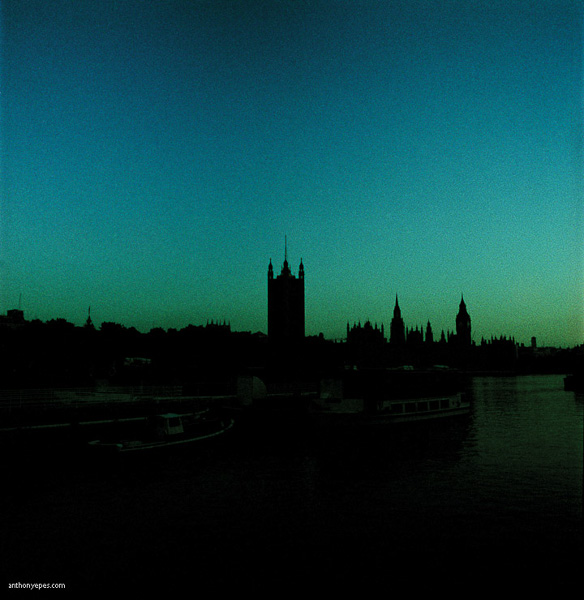
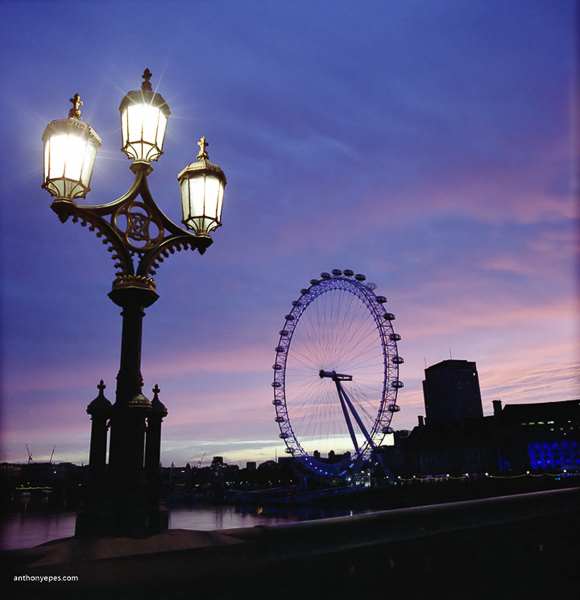
  • Blue hour: Is a very short time between night and sunrise, when the sky changes quickly from dark to light. It happens again before sunset, but at dawn the beauty of the blue hour is enhanced by the emptiness and stillness of the city. When you are shooting during the blue hour, be prepared as the light changes very quickly. Get your camera set up on a tripod and have your scene already composed, so that when it arrives and the light is changing, you won’t miss it. If you have a shot you really like, be patient, and shoot slowly as the light changes. Slowing down like this also creates the opportunity to relax enjoy the view and look around for the next shot.

Anthonyepesphotography DPS 4

  • Artificial and natural light: Contrasting artificial and natural light. There is a very short time at dawn when you have both, and the effect is beautiful.
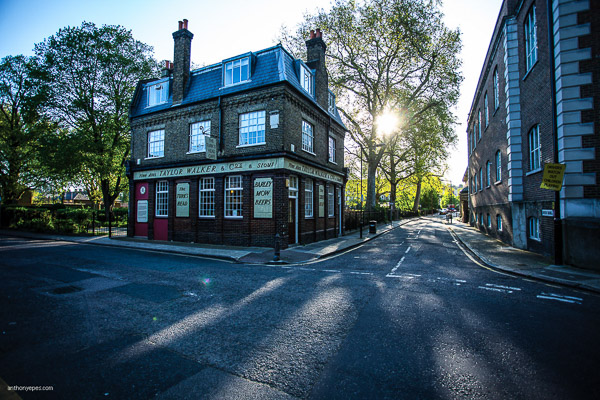
  • Low sun, long shadows: At dawn the sun rises from below the horizon and moves up into the sky at a height dependent on the time of year (and what part of the world you are in). The effect of a low sun is that it creates long shadows, which are stunningly effective with the low light of dawn. Stick around for a few hours after sunrise to capture the light falling over the streets and buildings like this:

Anthonyepesphotography DPS 5

4. Look for light sources

A bundle of different elements like buildings, roads, glass, and windows with the light falling onto them creates a myriad of opportunities for light to bounce, reflect, bend and distort. If you see light falling onto a wall, or reflecting onto a piece of glass, look for its source. It could be that the source is more interesting than the effect the light is creating.

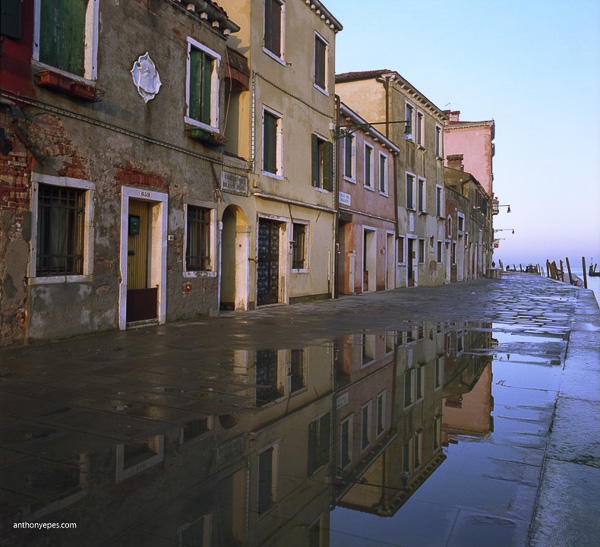
  • Reflections: Are a gem to photograph and dawn is such a brilliant time because there aren’t people crowding around disturbing them. Search out water as it’s usually still – puddles, canals, ponds and my favourite – glass buildings.

Anthonyepesphotography DPS 6

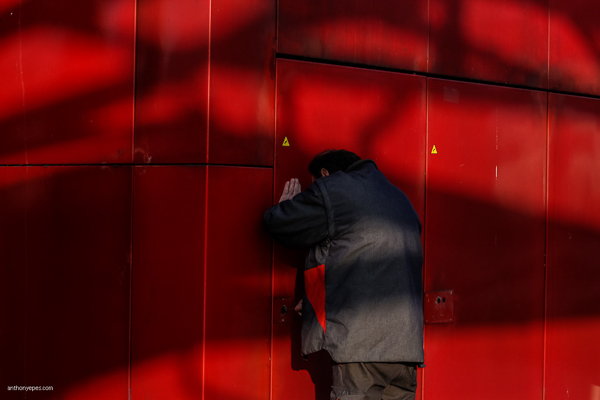
  • Light effects: The low sun creates a myriad of effects as it filters through trees, buildings and other city architecture. Look at this man, locking up, and how the shadows enhance the mood and meaning of the photo.

Anthonyepesphotography DPS 7

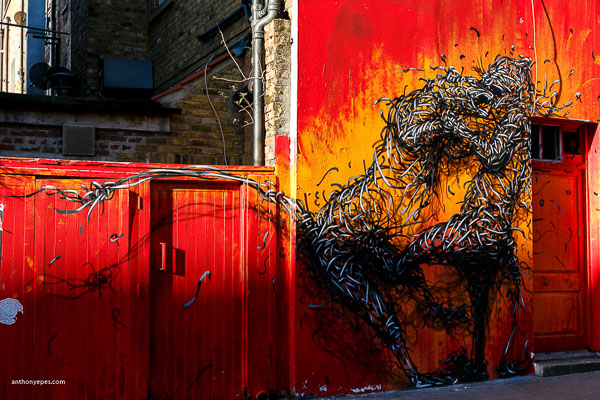
  • Use the light for contrast: Search out the unusual. I love the contrast of some of the rougher, decaying edges of a city with the vibrant light of dawn.

Anthonyepesphotography DPS 8

5. Seek out people – they are usually doing interesting things at dawn

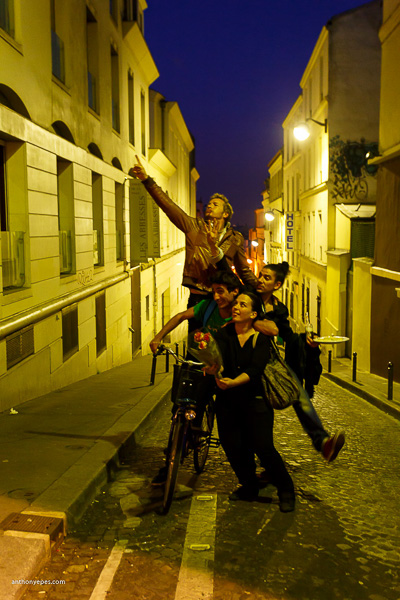
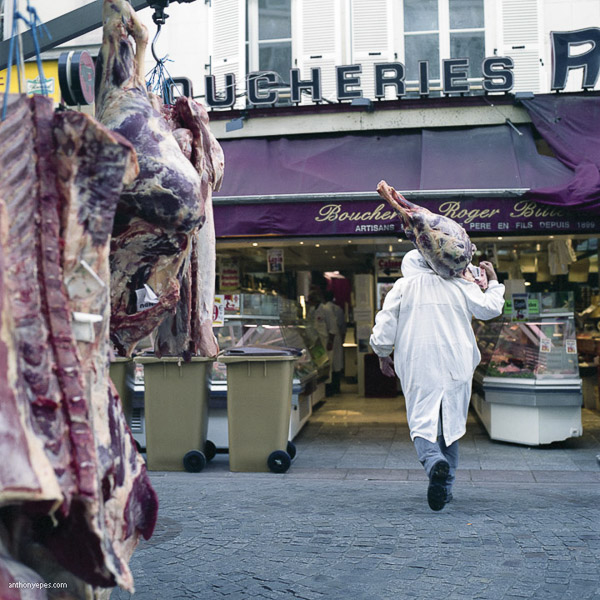
Most people out at dawn are either working or they’ve been out all night enjoying themselves. They make interesting, and often very willing subjects!

Anthonyepesphotography DPS 9

Anthonyepesphotography DPS 10

6. Return to your favourite spots

No two sunrises are the same. So, if you have a favourite spot, go back and photograph it on a different day, during different seasons. The quality of the light will be different, perhaps there will be changes in the cityscape (London is never the same year to year), you will notice contrasts. Give yourself a challenge, ask yourself: How can I make this same scene a distinctive photograph? What else can I do? Push yourself to create more unique photographs every day.

Anthonyepesphotography DPS 11

Anthonyepesphotography DPS 12

7. Explore

Go off the beaten track. Photographing the iconic sites is amazing in any city (it’s iconic for a reason, right?) and having St. Mark’s Square in Venice to yourself at dawn is a heady experience. But there are always so many areas of any city that are not so frequently photographed. It could be the docklands in London’s East End, the rough and run down area east of Paris’s Sacre Coeur or the eastern edge of Venice, where I found abandoned buildings and ancient fortresses. Everything seems other-worldly at dawn and worth exploring.

8. Look behind you (and above, below, around and everywhere)

When you are going out to shoot, it’s important to really look around you. Doesn’t this sound like a simple task that we spend all of our lives doing? Actually no! You will be surprised by how much we all miss as we rush around in the little bubble of our minds, distracted by our thoughts and our tasks for the day.

Don McCullin says it brilliantly: “You can feast your eyes on a daily basis, although I suspect the average man on the street goes through life with narrowed vision, not seeing the whole scope of what’s going on around him.”

If you want to create images with a WOW factor you have to pay attention to what’s around you. What the photo world calls, “The art of seeing”.

I find being out at dawn helps me see, because there isn’t the usual distractions, our senses are more heightened, it’s an unusual time of day to be awake (for most of us) and we are seeing our familiar streets and places in a new light.

9. Get started early

I like to have found my location before I go out. From there I wander, but it’s good to have a initial place so you don’t waste time. I like to be in this first location at least an hour, sometimes an hour and half, before sunrise. There are some incredible opportunities to photograph the blue hour.

10. Be prepared with your kit

The light changes very quickly at dawn, and you definitely don’t want to miss that spectacular sunrise. My essential kit list for dawn shooting includes:

  • A small torch (flashlight) for setting up your camera in the dark
  • A plastic bag for my camera in case it rains (cheap but it works!)
  • A visor or hat as walking into the sunlight is hard on the eyes
  • Gloves (it’s often cold at dawn, even in summer)
  • A light, but sturdy tripod, (you’ll need this for the first couple of hours, but then you’ll be carrying it, hence it should be light)

11. Get yourself acquainted with your camera

This may seem a bit obvious but it is something most people don’t do; know your camera. Lack of camera knowledge can turn a simple shoot into a difficult one (especially in the dark)! Know what all those buttons do, some may make your life easier.

Does that give you some ideas for photographing your city at dawn? Or perhaps getting up early on the next trip? Share your comments below please.

BIO
Photographer Anthony Epes is currently publishing a series of photo books on Cities at Dawn, with instalments on London, Paris, Venice, New York and Istanbul. Inspired by his books Anthony runs photo workshops at dawn in some of the world’s most interesting and beautiful cities. His work has been featured on BBC World, French Photo Magazine, The Economist, Hyperallergic and CNN. He blogs about photography on his website.

SOCIAL MEDIA
• https://plus.google.com/u/0/+AnthonyEpes/posts

Twitter
• https://www.facebook.com/londonatdawn
• https://www.flickr.com/people/anthonyepes/
• https://www.linkedin.com/in/anthonyepes

googletag.cmd.push(function() {
tablet_slots.push( googletag.defineSlot( “/1005424/_dPSv4_tab-all-article-bottom_(300×250)”, [300, 250], “pb-ad-78623” ).addService( googletag.pubads() ) ); } );

googletag.cmd.push(function() {
mobile_slots.push( googletag.defineSlot( “/1005424/_dPSv4_mob-all-article-bottom_(300×250)”, [300, 250], “pb-ad-78158” ).addService( googletag.pubads() ) ); } );

The post 11 Tips for Creating Stunning Photographs of Cities at Dawn by Anthony Epes appeared first on Digital Photography School.

Digital Photography School

 
Comments Off on 11 Tips for Creating Stunning Photographs of Cities at Dawn

Posted in Photography


A Collection of Stunning Photos of Birds

03 Oct

Birds are a tricky subject to photograph. They move to fast and erratically, getting sharp images of them in flight is a challenge. But the large birds so majestic looking, and the tiny ones so delicate even shots of them in a flock or sitting still can be great.

So let’s have a look at some photographers that are doing it right, and some stunning photos of birds in this week’s image collection.

The Birds

Photograph HELP !! by Henrik Nilsson on 500px

HELP !! by Henrik Nilsson on 500px

Photograph Look at me! by Marco Redaelli on 500px

Look at me! by Marco Redaelli on 500px

Photograph Flying Kiss 14 by Marco Redaelli on 500px

Flying Kiss 14 by Marco Redaelli on 500px

Photograph Phantom of the Opera by Max Rinaldi on 500px

Phantom of the Opera by Max Rinaldi on 500px

Photograph Sunrise Journey by Mostafa Ammar on 500px

Sunrise Journey by Mostafa Ammar on 500px

Photograph Taiwan blue magpie flying by FuYi Chen on 500px

Taiwan blue magpie flying by FuYi Chen on 500px

Photograph Carry Out by NHLinh on 500px

Carry Out by NHLinh on 500px

Photograph To The Moon by cherylorraine smith on 500px

To The Moon by cherylorraine smith on 500px

Photograph Eyes on You.. by Phoo (mallardg500) Chan on 500px

Eyes on You.. by Phoo (mallardg500) Chan on 500px

Photograph 73A2325 Follow The Leader by David Orias on 500px

73A2325 Follow The Leader by David Orias on 500px

Photograph Dove Love by Jon Rista on 500px

Dove Love by Jon Rista on 500px

Photograph Bath by Michaela Smidova on 500px

Bath by Michaela Smidova on 500px

Photograph Bathing Blackbird by Csilla Zelko on 500px

Bathing Blackbird by Csilla Zelko on 500px

Photograph Refreshment by Geoff Powell on 500px

Refreshment by Geoff Powell on 500px

Photograph Cooling down by Ronald Kamphuis on 500px

Cooling down by Ronald Kamphuis on 500px

Photograph An angry little bird by Jan M. on 500px

An angry little bird by Jan M. on 500px

Photograph Portrait by Ben Canavaggio on 500px

Portrait by Ben Canavaggio on 500px

Photograph Wrong way by John Purchase on 500px

Wrong way by John Purchase on 500px

Photograph tree and birds by ahmet  harmanc? on 500px

tree and birds by ahmet harmanc? on 500px

Photograph butter up >.< by Matcenbox  on 500px

butter up >.< by Matcenbox on 500px

Photograph Bird :) by Alexander Lazarov on 500px

Bird :) by Alexander Lazarov on 500px

Photograph siblings! by Itamar Campos on 500px

siblings! by Itamar Campos on 500px

Photograph Discussing!  by Itamar Campos on 500px

Discussing! by Itamar Campos on 500px

Photograph barn owl by Detlef Knapp on 500px

barn owl by Detlef Knapp on 500px

Photograph Mirror. by Geir Magne  Sætre on 500px

Mirror. by Geir Magne Sætre on 500px

Photograph Kussharo Swans 1 by Jon Cornforth ? Cornforth Images on 500px

Kussharo Swans 1 by Jon Cornforth ? Cornforth Images on 500px

Photograph Me! Me! by Sue Hsu on 500px

Me! Me! by Sue Hsu on 500px

Photograph We're Going On An Adventure by Justin Lo on 500px

We're Going On An Adventure by Justin Lo on 500px

Photograph oo00o by Prachit Punyapor on 500px

oo00o by Prachit Punyapor on 500px

Photograph Feeding Time by Chris Lue Shing on 500px

Feeding Time by Chris Lue Shing on 500px

Photograph Mom! Timmy won't move over! by Jim Cumming on 500px

Mom! Timmy won't move over! by Jim Cumming on 500px

Photograph I believe i can fly! by Remco van Daalen on 500px

I believe i can fly! by Remco van Daalen on 500px

Photograph Parents Love by Anneliese & Claus Possberg on 500px

Parents Love by Anneliese & Claus Possberg on 500px

Photograph Rockhopper Showering by Will Burrard-Lucas on 500px

Rockhopper Showering by Will Burrard-Lucas on 500px

Photograph Dippy on Compton Bay by Jeremy Cangialosi on 500px

Dippy on Compton Bay by Jeremy Cangialosi on 500px

Photograph Is this pose fine?? by Samrat  Mukhopadhyay on 500px

Is this pose fine?? by Samrat Mukhopadhyay on 500px

Photograph 3 Part Harmony by Ben Page on 500px

3 Part Harmony by Ben Page on 500px

Photograph Puffin with Sandeels by Ian Schofield on 500px

Puffin with Sandeels by Ian Schofield on 500px

Photograph Harmony by Photosequence  on 500px

Harmony by Photosequence on 500px

Photograph Left outside by Gilad Hazan on 500px

Left outside by Gilad Hazan on 500px

Okay so that ended up being a lot of photos. I like birds, what can I say?!

The post A Collection of Stunning Photos of Birds by Darlene Hildebrandt appeared first on Digital Photography School.

Digital Photography School

 
Comments Off on A Collection of Stunning Photos of Birds

Posted in Photography


3 Simple Ways to Create Stunning Eyes in Your Portrait Photography

03 Oct

EYE MONTAGE

Image model credits, clockwise from top left: Chris Milligan/Fremantle Media, Rachael Lever, Danny Spannerz/East Brunswick Tattoos, Tiffany Diaz

“Here’s looking at you, kid.”

Reclusive Hollywood legend Marlon Brando would always close his eyes when paparazzi tried to take his photo. He knew that without his eyes open an image wasn’t worth publishing.

The eyes are the single most important feature of any portrait. Beautiful eyes can make even the dullest portrait mesmerizing. Poorly lit, out of focus eyes, or eyes that lack connection, will weaken the impact of a portrait.

Here are my three favorite techniques to make eyes really stand out in your portraits.

#1 – Light

Light makes photography. Embrace light. Admire it. Love it. But above all, know light. Know it for all you are worth, and you will know the key to photography.” – George Eastman

Eyes look best when they are lit well, with beautiful catch light. Catch lights are the reflection of a light source in the eyes. The size, shape, and brightness of your catch lights depend on the light source you use.

WindowLight

Two large, frosted windows from my studio create beautiful catch lights. Model: Bryana Karanikos

Naked Flash on camera

Diffused flash on-camera creates a slightly softer, rectangular catch light.

Med Soft off camera

Medium softbox, off-camera, positioned at 2 o’clock gives a soft, natural catch light.

ChasingLight 2250

Poorly lit eyes without catch lights look cold, and a bit creepy.

#2 – Expression

You are what you think. All that you are arises from your thoughts. With your thoughts you make your world.” – Anon.

EyesBA

In the image on the left (above), Tiffany’s eyes are cold, and she looks nervous. After I gave Tiffany a visualization exercise, her eyes appear warm, confident, and connected (right image above) Model: Tiffany Dias

How you communicate, connect, and direct your model is key to capturing a great expression in the eyes. If your model’s smile isn’t genuine, his or her eyes will appear cold and dull-looking. If your model is nervous or distracted, this too will be reflected in his or her eyes.

One technique I use to create a great expression is visualization. I ask my model, If you could be anywhere doing anything right now, where would that be? Tell me about that moment. Who is there? What does it feel like? Once they are in the moment of their visualization, their entire body language and expression changes.

#3 – Post-production

Be willing to give that extra effort that separates the winner from the one in second place.” — H. Jackson Brown Jr.

Post-production can lift your images from good to great, when it’s done well. The key to great post-production is not overdoing it. It’s easy to get excited with all the tricks and enhancements that post-production software offers. It’s addictive and much like opening a jar of Nutella – very difficult to control yourself once you’ve begun.

I try and use the overnight rule when it comes to retouching. Once I’ve worked on an image, I won’t look at it again for at least a day. I find my eyes constantly adjust to the modifications I’m making, so it’s more difficult to see when I’ve gone too far (much the same way I dressed in the ’80s).

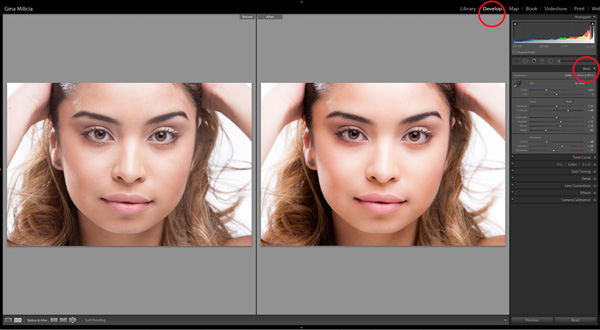
Here’s a step-by-step technique to enhance eyes using Adobe Lightroom:

EYESBP 10

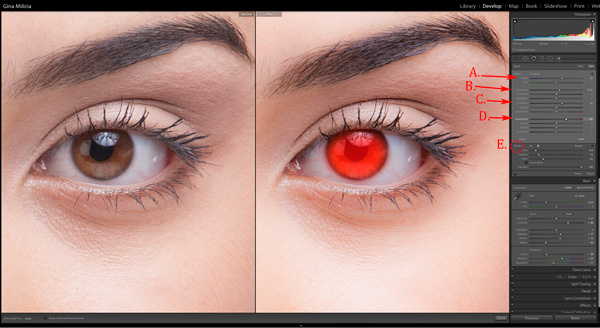
Before and after: I’ve used Lightroom to make the eyes sharper and brighter and enhanced their color.

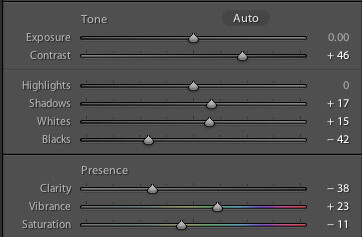
a) Import your image into Lightroom and use the basic development panel to develop the shot. In this case, I’ve used one of my own beauty presets.

EyesBP 2

EyesBP 2B

Here are the basic adjustments I’ve made for this image.

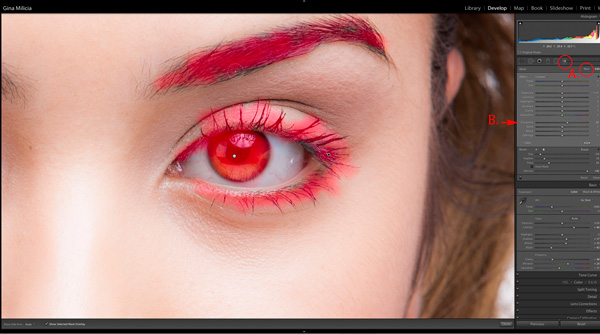
b) Zoom in to the eyes (B.) and select the adjustment brush tool (A.) You can also select the brush using keyboard shortcut K. See image above.

EyesBP 4

c) The next step is adjusting the eye color:

EyesBP 5

  • Increase the temperature slider (A.) to make the eyes appear warmer in tone.
  • Increase the exposure slider (B.) to brighten the iris.
  • Increase the shadow slider to bring more detail into the shadow area (C.)
  • Increase the sharpness slider to make the eyes appear more detailed.

Adjusted only the colored part (the iris) of her eye (highlighted in red) and set the brush to have a slight feather and low flow so you can build up your adjustments slowly.

d) Next, select a new adjustment brush (A.), increase the sharpness slider (B.) by +22 and paint over the colored part of the eyes, eyelashes, and eyebrows. This will really make the eyes stand out.

EyesBP 6

e) Finally, select a new adjustment brush. Set the exposure slider to -29 and increase the clarity to +10. Paint around the edge of the iris. This will darken the area slightly and give the eye more definition.

f) The final image has been imported into Adobe® Photoshop®, where I have done a basic skin retouching to remove a few small blemishes.

EyesFINAL

I’d love to hear about your techniques for enhancing eyes and see some examples.

Gina has a new dPS ebook just released – Portraits: After the Shot – check out out here!

The post 3 Simple Ways to Create Stunning Eyes in Your Portrait Photography by Gina Milicia appeared first on Digital Photography School.

Digital Photography School

 
Comments Off on 3 Simple Ways to Create Stunning Eyes in Your Portrait Photography

Posted in Photography


Frozen in Motion: 24 Stunning High Speed Photographs

14 Aug

[ By Steph in Art & Photography & Video. ]

High Speed Reugels 1
Spectacular forms that come together and dissipate far too quickly for human eyes to perceive are captured permanently using high-speed photography techniques. The elusive and temporary shapes created when liquid is thrown into the air or pellets are shot at strawberries become momentarily sculptural.

Floating Sculptures by Floto + Warner
High Speed Floating Sculptures 1

High Speed Floating Sculptures 2

High Speed Floating Sculptures 3

Ephemeral sculptural forms that shift and change by the nanosecond are captured against stark landscapes in particular chaotic arrangements that will never be seen again. The final theatrical photographs in this series by Floto + Warner momentarily make elusive forms within colored liquid seem three-dimensional and static. Getting these dramatic images just right is no easy task; many attempts are made to toss the fluid into the air so that it looks just right against the hills and desert of northern Nevada.

Liquid Orchids: Paint Splash Flowers
High Speed Liquid Orchids 1

High Speed Liquid Orchids 2

High Speed Liquid Orchids 3

Colorfully streaked, blossom-like forms come into being just for a split second when artist Fabian Oefner drops a sphere directly into a tank filed with layers of acrylic paint in various shades. The explosion that results from the impact of the object in the tank, which often happens too quickly for our eye sot properly take it in, is permanently preserved via high-speed photography.

Exploding Food by Alan Sailer
High Speed Exploding Food 1

High Speed Exploding Food 2

High Speed Exploding Food 3

Avocados, popsicles, strawberries and chocolate bunnies are ripped apart in spectacular patterns and forms when photographed just at the instant of an impact from a pellet or marble. Photographer Alan Sailer uses a micro-second guided spark flash to get the images, and a PVC or copper cannon to launch the food-destroying objects.

Black Hole: A Visual Demonstration of Centripetal Force
High Speed Black Hole 1

High Speed Black Hole 2

High Speed Black Hole 3

High Speed Black Hole 4

Physics and art come together in another project by Swiss artist Fabian Oefner, appropriately titled ‘Black Hole’ for the visual effect that’s achieved. The images are created using a drill and a high-speed camera that can create flashes as brief as 1/400000 of a second; a sensor connected to the drill sends an impulse to the flashes to freeze the paint in motion.

Next Page – Click Below to Read More:
Frozen In Motion 24 Stunning High Speed Photographs

Share on Facebook


[ By Steph in Art & Photography & Video. ]

[ WebUrbanist | Archives | Galleries | Privacy | TOS ]


WebUrbanist

 
Comments Off on Frozen in Motion: 24 Stunning High Speed Photographs

Posted in Creativity


Three Methods of Making Stunning Photographs in Bright Sunlight

26 May

Location Lighting Masterclass – The Art Of Shooting Into The Sun

Shooting directly into the sun may not be the first thing that pops into your mind when creating a photograph, but the effects it can have on your final image when done correctly can border on magical.

1

#2 The Dreamy Look

There are three primary looks that can be achieved by shooting into the sun.

  1. The first of these takes advantage of lens flare and aims to over-expose the image drastically, creating a ‘dreamy’, almost glowing look. (see image above)
  2. The second ignores the foreground entirely, exposing only for the brightly lit sky and creating foreground silhouettes.
  3. The third comes somewhere in between, exposing for the brightly lit sky and simultaneously using reflection or fill flash to overpower the foreground shadows.
The Silhouette Look

#2 The Silhouette Look

#3 The Balanced Look

#3 The Balanced Look

Let’s work through each of these in turn, how to make stunning photographs in bright sunlight.

#1 – the Dreamy Look

This is not a photographic style I typically aim to produce, however it is nonetheless popular with many photographers. The style aims to expose for the skin tones predominantly, allowing the background to become significantly overexposed; and in the process, create a soft glow around the subject. This style can also take advantage of lens flare (the rings of light that appear in your shot when you shoot directly at bright sunlight) and the varying types of lens flare that different lenses create. To achieve this look, ensure that you have spot metering selected on your camera and measure directly for the skin (you will need to be in aperture priority mode for this). It doesn’t matter if the background overexposes; the primary aim is to expose for the skin and facial features. The brightness of the background will typically create a haze across the rest of the image.

4

#2 – the Silhouette Look

Again, using the camera’s spot meter in Aperture Priority mode, you will need to meter and expose for the background. Select an area (not directly on the sun itself) of sky near to the sun. You can lock the exposure using the AE lock function (usually the “*” button on Canon cameras) to enable recomposition of the image. Alternatively, note the shutter speed reading where you metered on the sky, switch to manual mode and set the camera up with the given shutter speed and aperture manually. Here, the aim is to darken everything in the foreground so be sure to think about the kind of silhouette you’re creating. Less is usually more. Too much in the foreground just creates clutter and loses the focal point.

5

#3 – the Balanced Look

The final, and arguably the most powerful is partway in between, and utilizes flash to fill the image exposure correctly.
Just like the silhouette style, you should meter on the background sky. If you don’t use flash, you’d end up with another silhouette. Instead, crank up the power of the flash as far as it will go (it takes a fair amount of flash power to overcome direct sunlight). About 600w (watt seconds) is preferable, and ensure that the subject you want to light up remains relatively close (due to the inverse square law, light fall-off will very quickly erode the power of the flash). Some post-production boost to the shadows and recovery of the background highlights may be necessary to properly balance the exposure.

6

A few general hints to help with direct sunlight shooting:

1) Autofocus often struggles in direct sun. Try first shading the end of your lens with your hand, focussing on your subject, then switching off autofocus and taking the shot without shading the lens.

2) Colors and white balance can often be thrown by bright sunlight. Be sure to shoot in RAW so that you can true up any color differentials later on.

7

3) Use a polarizer or ND (neutral density) filter where you can. Really bright direct sunlight and long exposures are not good for your camera’s sensor over time, just as they are not good to stare at with your naked eye.

4) Think about the time of day – you want light to fall behind your subject, not on top of it. Therefore, early mornings and late afternoons are best for this type of photography. It is also when the sunlight is weakest, resulting in less overexposure and less risk of damage to the sensor.

8

5) Think about alternative fill light sources. Consider reflective windows, white walls, metallic surfaces – effectively anything that can bounce the direct sun back into the subject to naturally add fill light. This means you will need to have your back to the reflective source.

10

6) Consider some post-production magic, if too much flare is coming into the shot. Mount the camera on a tripod so that the image doesn’t shift, then take two shots of the same scene with the same exposure settings. For one shot, leave the image as is, but for the second, shade the end of the lens with your hand. It doesn’t matter if your hand appears in the image because during post production, you simply join the half from the shaded shot that doesn’t have your hand in it, with the bright half from the unshaded shot. This technique will leave the full effect of the flare around the sun, but enable you to remove the surplus flare from the rest of the image.

9

The post Three Methods of Making Stunning Photographs in Bright Sunlight by Leo Edwards appeared first on Digital Photography School.

Digital Photography School

 
Comments Off on Three Methods of Making Stunning Photographs in Bright Sunlight

Posted in Photography


12 stunning images from Smithsonian’s photography contest

26 Apr

0151284_2_248070.jpg__1072x0_q85_subject_location-1840_1005_upscale.JPG

Smithsonian.com has announced 60 finalists for its 11th annual photo contest. More than 50,000 photographs were submitted by photographers from 132 different countries. Ten images were selected from each of six categories: The Natural World, Travel, People, Americana, Altered Images and Mobile. See gallery

News: Digital Photography Review (dpreview.com)

 
Comments Off on 12 stunning images from Smithsonian’s photography contest

Posted in Uncategorized


A Collection of Stunning Landscape Photographs

04 Apr

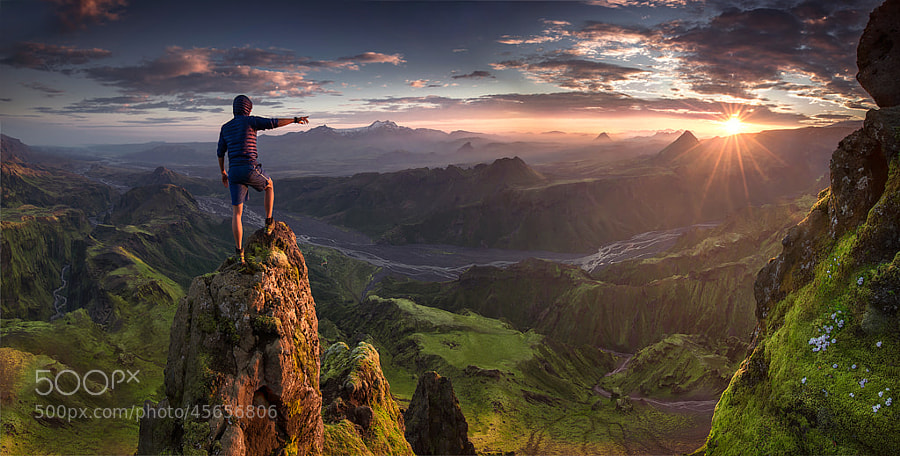
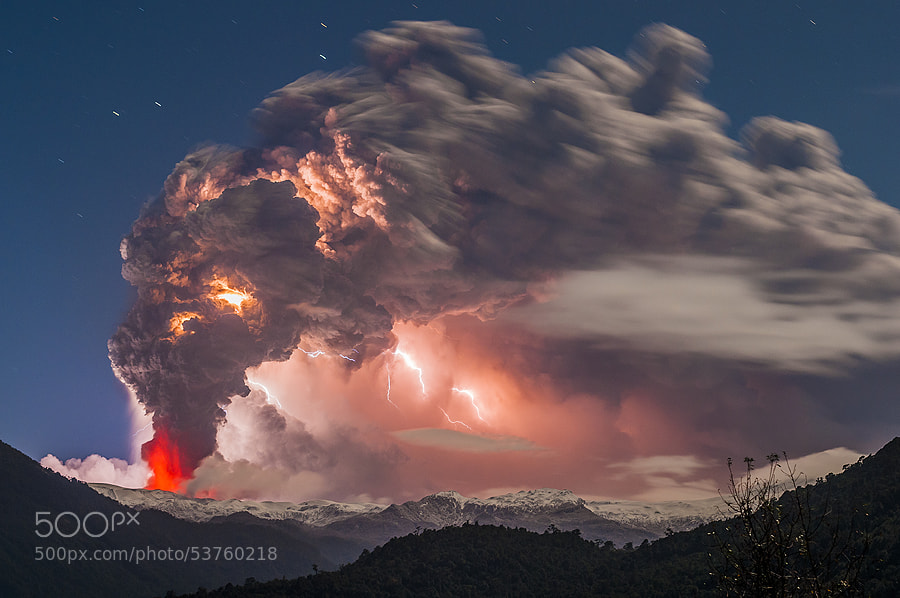
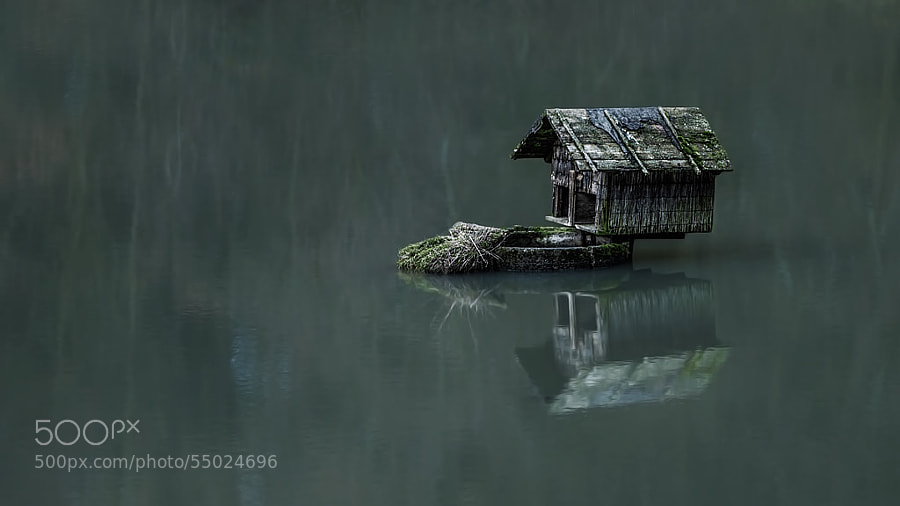
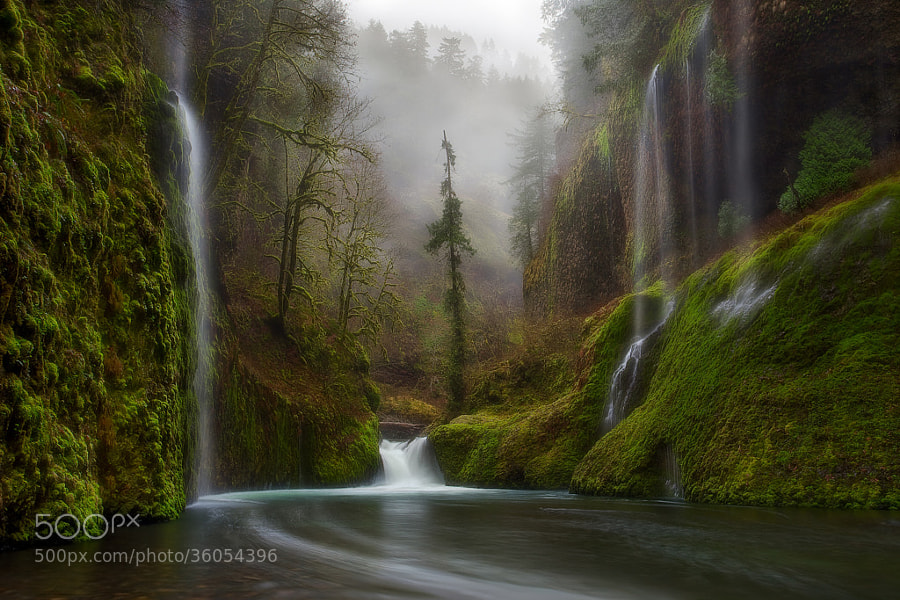
This week’s collection of images to inspire you comes from 500px! Thanks to Evgeny Tchebotarev (founder of 500px) for letting us use these images, and for housing such a great website full of amazing images. To view any of them larger in all their glory, just click on the photo credit below the image.

Enjoy these amazing landscape photographs!

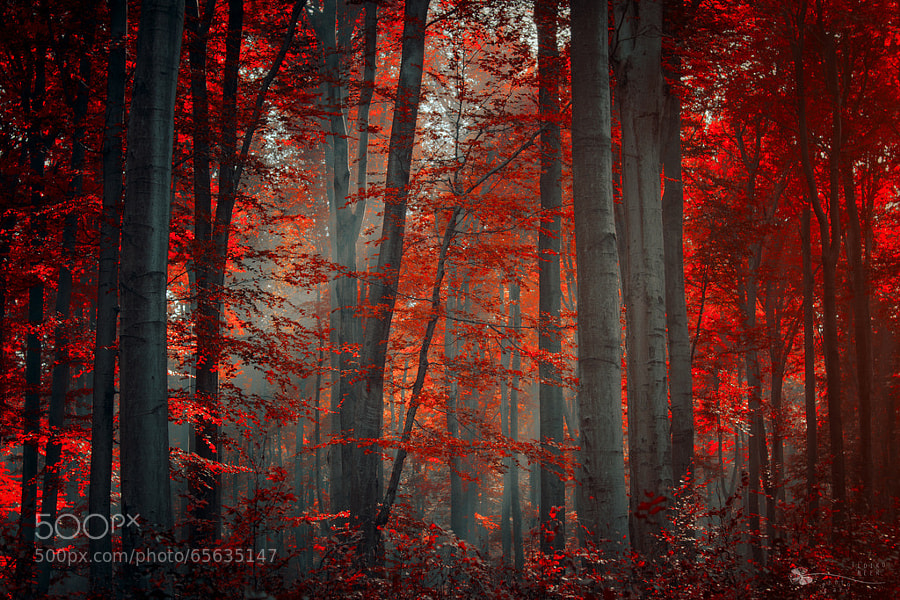
Photograph stille wasser by Ralf Thomas on 500pxstille wasser by Ralf Thomas on 500px

Photograph Firewood by Ildiko Neer on 500px Firewood by Ildiko Neer on 500px

Photograph blue dreams by dpicture on 500pxblue dreams by dpicture on 500px

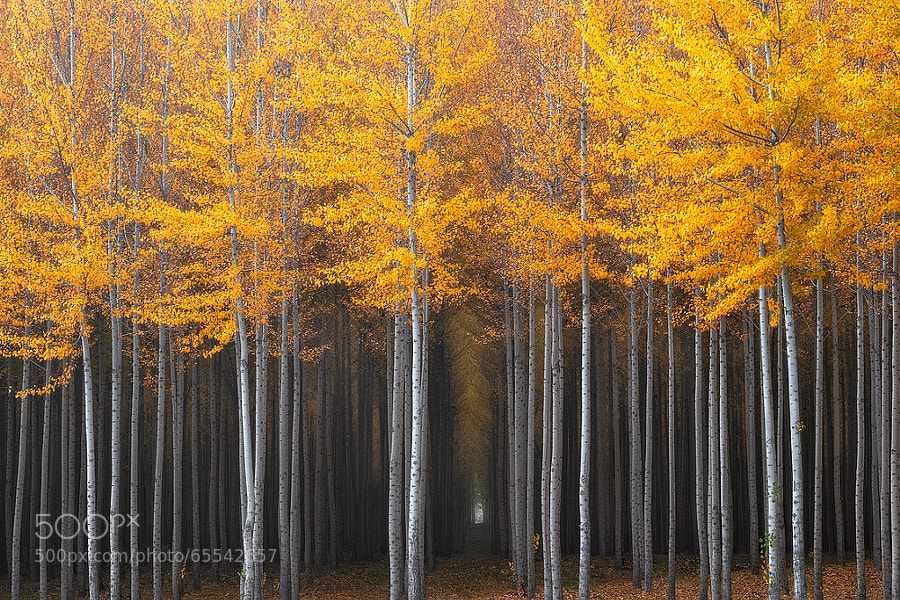
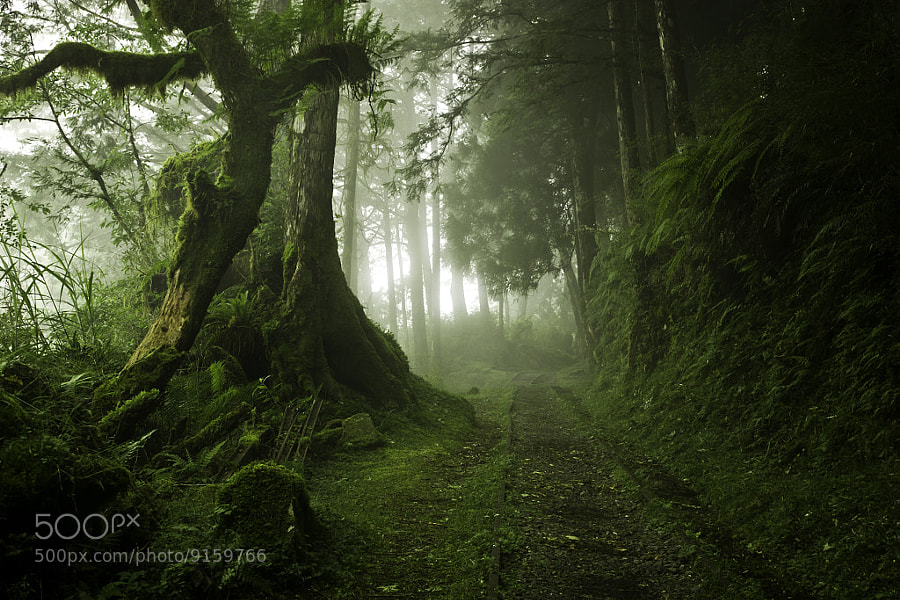
Photograph Mysterious Hallway by David Thompson on 500pxMysterious Hallway by David Thompson on 500px
Photograph Time Lapse by Danny Velasco  on 500px Time Lapse by Danny Velasco on 500px
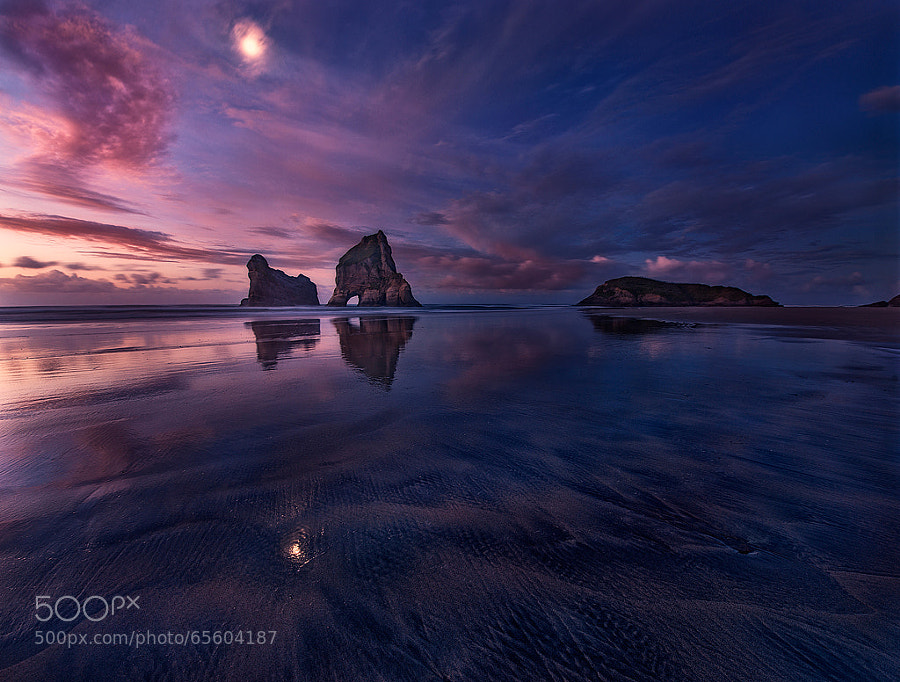
Photograph Golden Bay: When Night Falls by Yan Zhang on 500px Golden Bay: When Night Falls by Yan Zhang on 500px
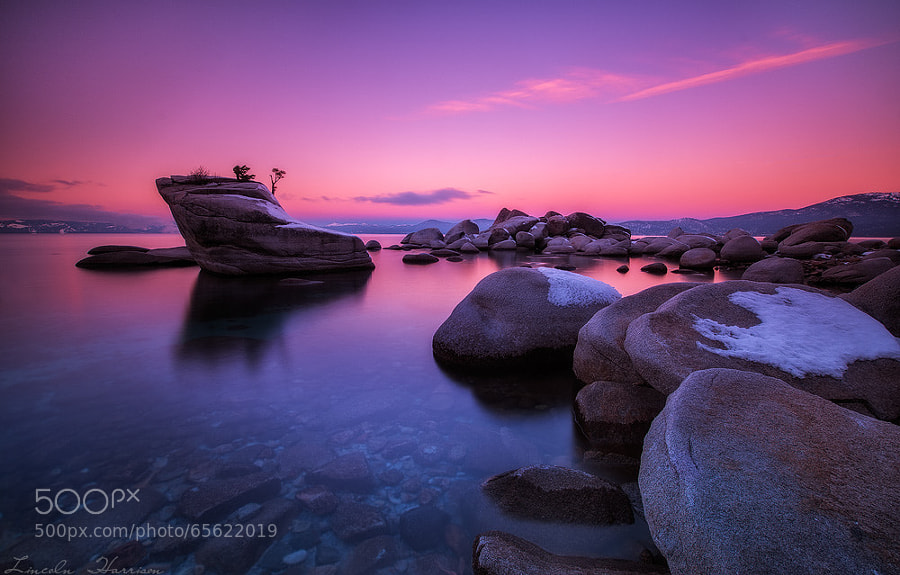
Photograph Tahoe by Lincoln Harrison on 500pxTahoe by Lincoln Harrison on 500px
Photograph Sweet Tuscany by Marcello  Spiazzi on 500pxSweet Tuscany by Marcello Spiazzi on 500px
Photograph Spring has Sprung by Iron Scaggs on 500px
Spring has Sprung by Iron Scaggs on 500px

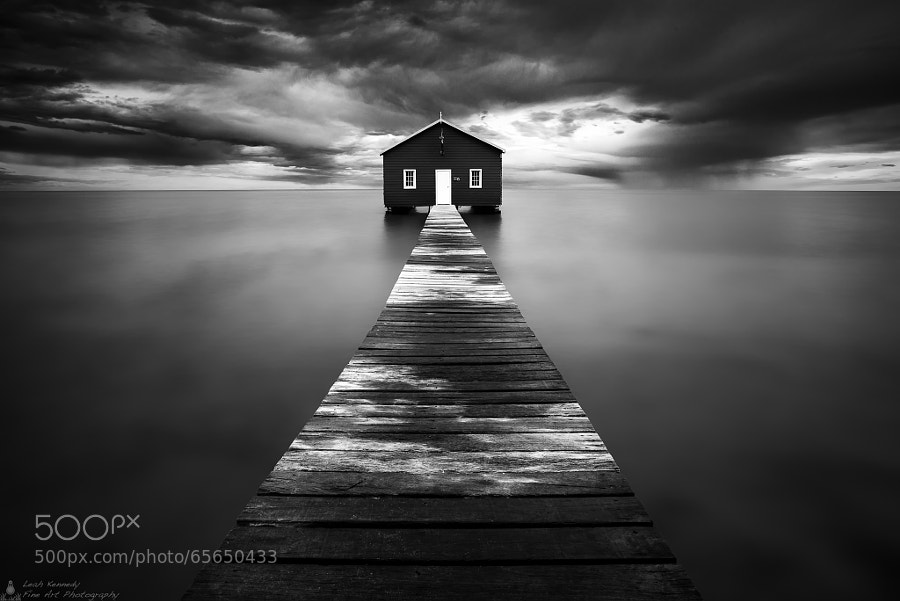
Photograph The Boatshed by Leah Kennedy on 500pxThe Boatshed by Leah Kennedy on 500px

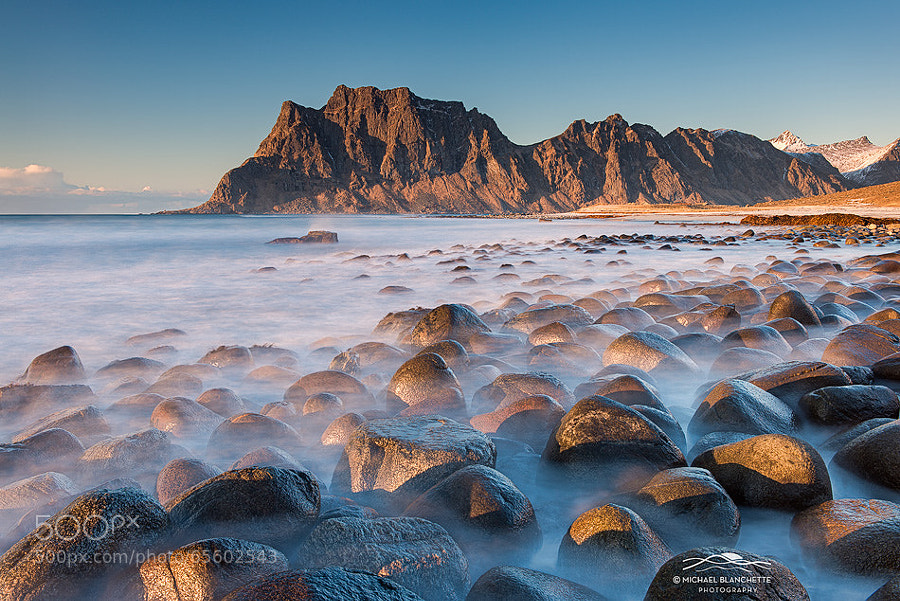
Photograph Ghostly Rocks by Michael Blanchette on 500pxGhostly Rocks by Michael Blanchette on 500px

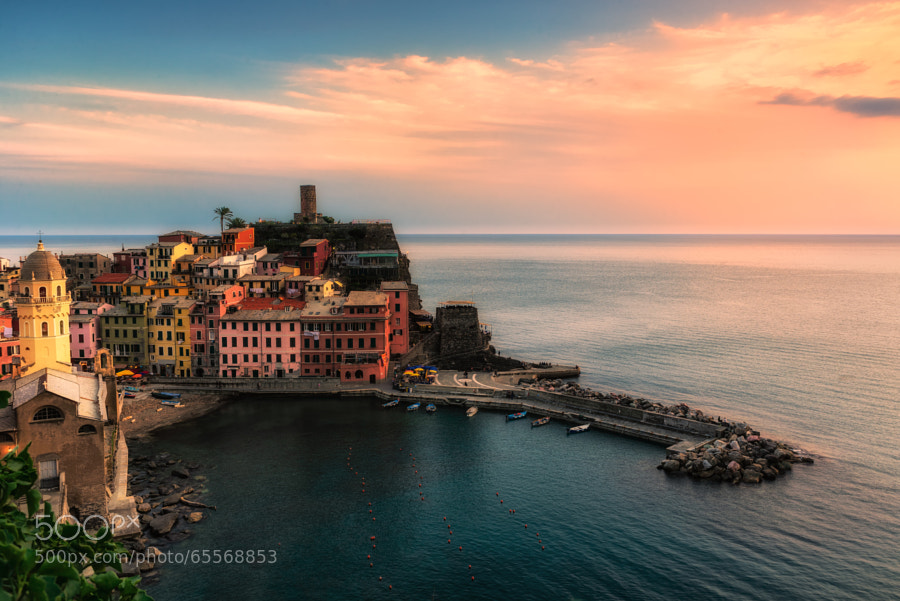
Photograph Vernazza at sunset by Fabrizio Lunardi on 500pxVernazza at sunset by Fabrizio Lunardi on 500px

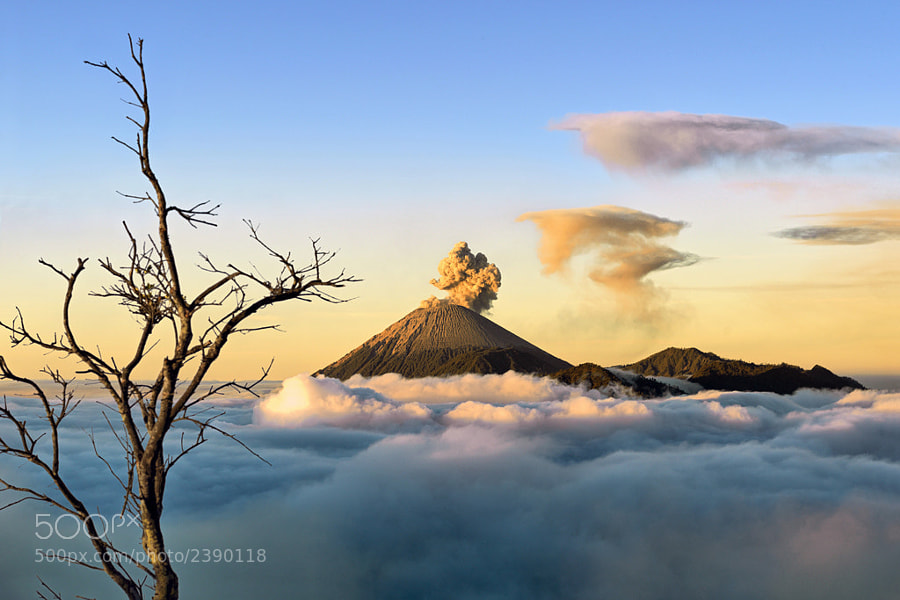
Photograph Heaven on Earth by Hartono Hosea on 500pxHeaven on Earth by Hartono Hosea on 500px
Photograph Breaking Through by Michael Woloszynowicz on 500pxBreaking Through by Michael Woloszynowicz on 500px
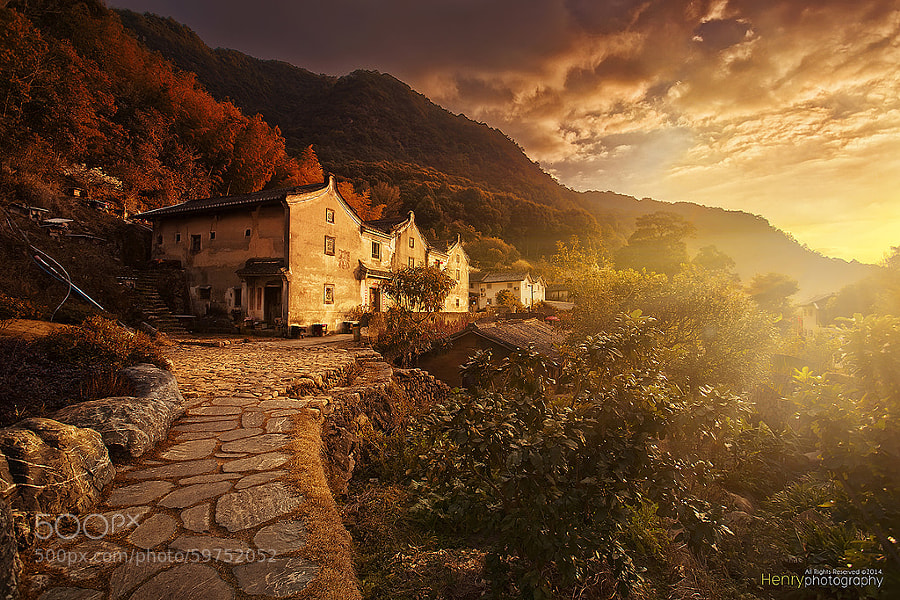
Photograph Sunset in Old Village by Henry Wang on 500pxSunset in Old Village by Henry Wang on 500px
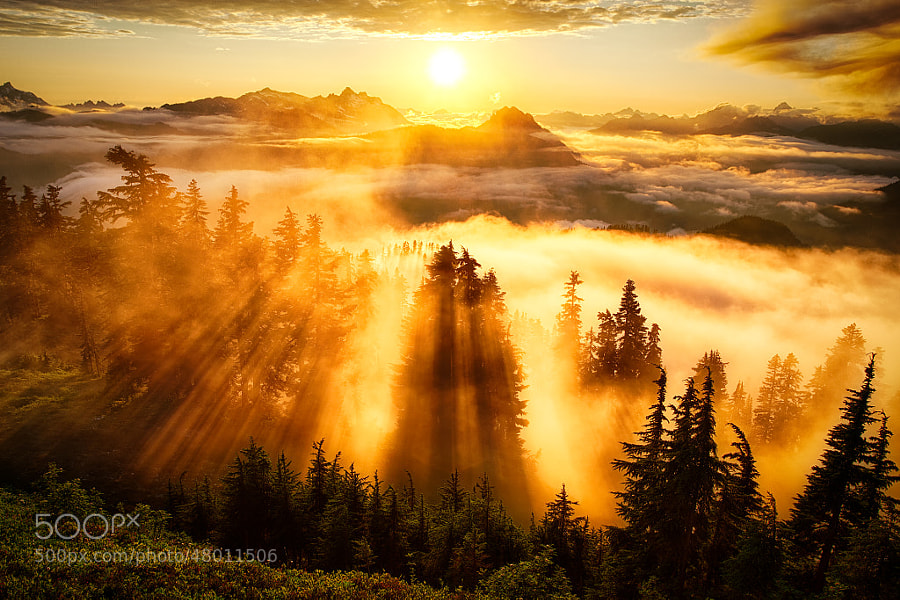
Photograph Golden Hour at its Finest by Michael Matti on 500pxGolden Hour at its Finest by Michael Matti on 500px
Photograph Heart Reef by Tanya Puntti on 500pxHeart Reef by Tanya Puntti on 500px

Photograph First Contact by Max Rive on 500pxFirst Contact by Max Rive on 500px

Photograph Postcard from hell by Francisco Negroni on 500pxPostcard from hell by Francisco Negroni on 500px
Photograph house of the duck by Ronny Engelmann on 500pxhouse of the duck by Ronny Engelmann on 500px
Photograph Curtains in the Fog by Miles Morgan on 500pxCurtains in the Fog by Miles Morgan on 500px
Photograph Heaven on Earth by Marc  Adamus on 500pxHeaven on Earth by Marc Adamus on 500px

Photograph To Hogwarts! by Daniel Korzhonov on 500pxTo Hogwarts! by Daniel Korzhonov on 500px

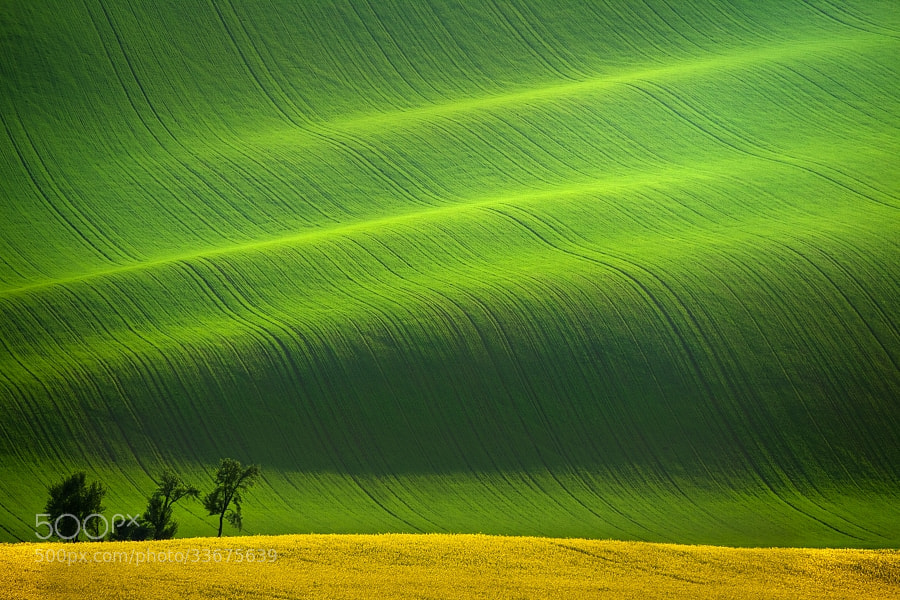
Photograph South Moravia II by Daniel ?e?icha on 500pxSouth Moravia II by Daniel ?e?icha on 500px

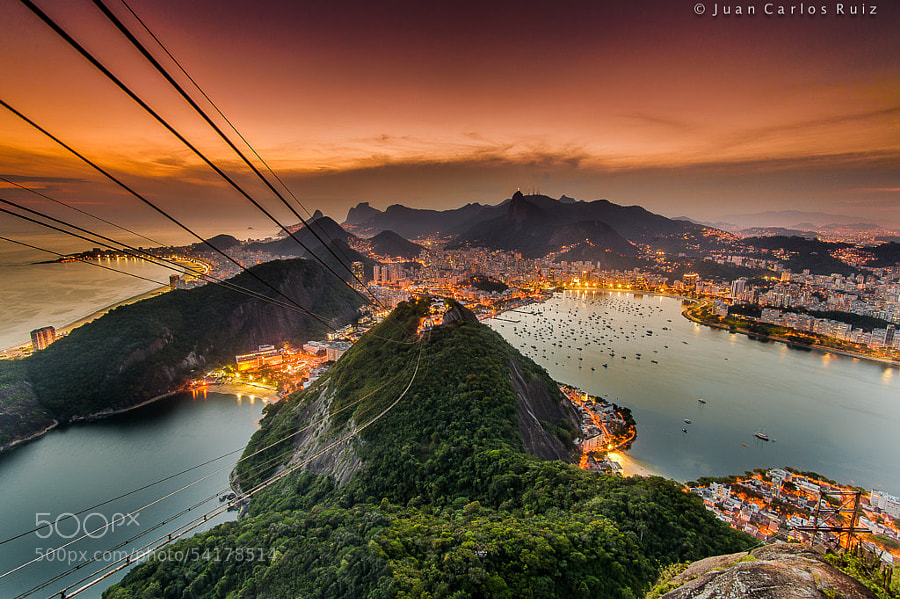
Photograph Amazing Rio by Juan Carlos Ruiz on 500pxAmazing Rio by Juan Carlos Ruiz on 500px

Photograph Squaw Rock Falls in the Fall by debbiedicarlo on 500px

Squaw Rock Falls in the Fall by debbiedicarlo on 500px

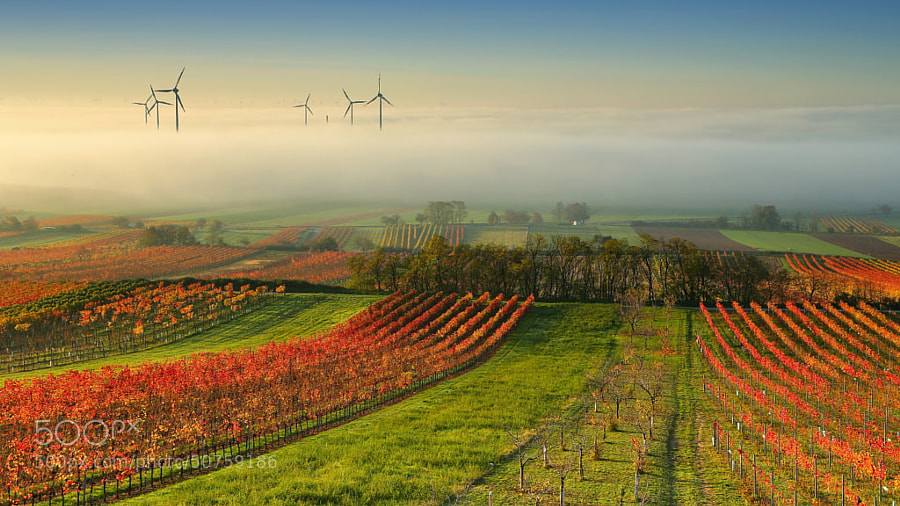
Photograph Wine Country in the mist by Matej Kovac on 500pxWine Country in the mist by Matej Kovac on 500px

Photograph Wood Cart Rail #1 by Justin Jones on 500px Wood Cart Rail #1 by Justin Jones on 500px
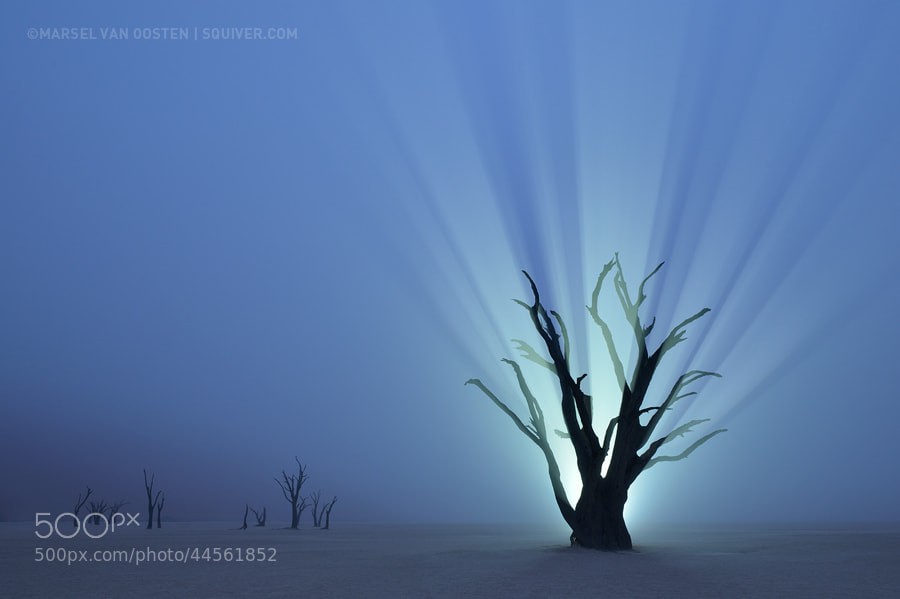
Photograph Resurrection by Marsel van Oosten on 500px Resurrection by Marsel van Oosten on 500px
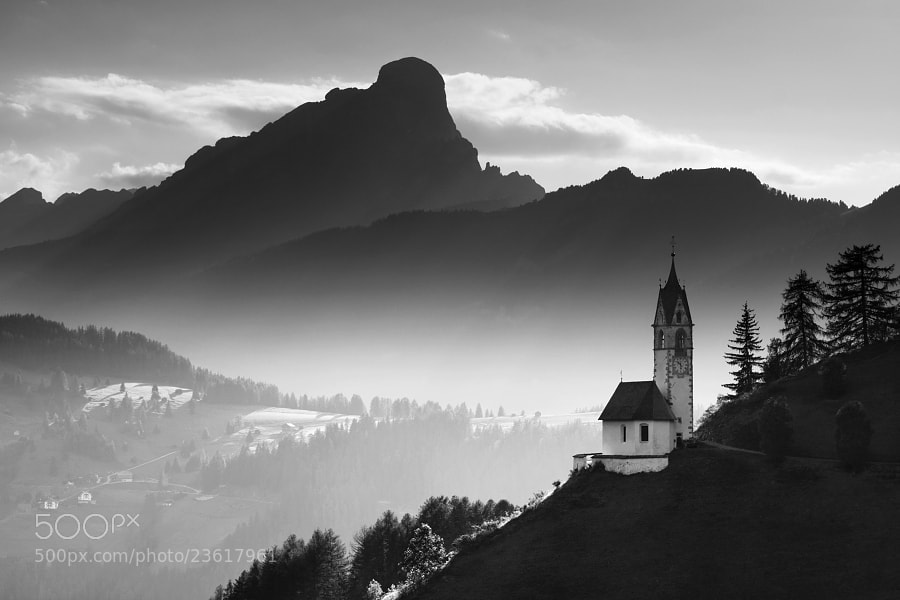
Photograph Alpine Church  by Daniel ?e?icha on 500pxAlpine Church by Daniel ?e?icha on 500px
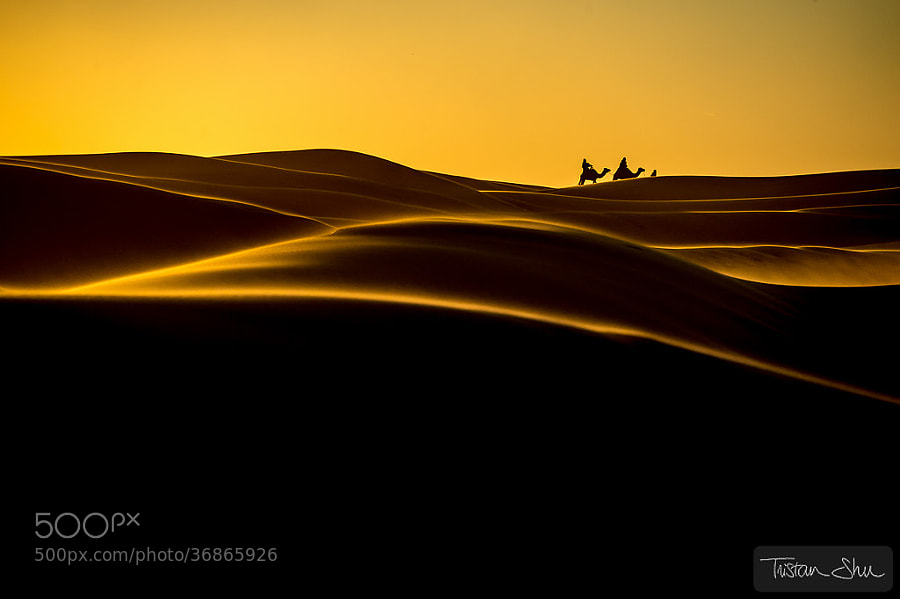
Photograph The Desert Life by Tristan Shu on 500pxThe Desert Life by Tristan Shu on 500px
Photograph Zaanse Schans by Iván Maigua on 500px Zaanse Schans by Iván Maigua on 500px

Photograph Bird Tree by Jordan Ek on 500pxBird Tree by Jordan Ek on 500px

I hope you notice something about many of these images. What is it that makes them great photographs? I can think of at least THREE qualities exhibited by some or most of the images above that make them a cut above the average landscape photo. Can you tell me what those three things are? What do you see that makes them stand out?

Share in the comments if you think you know what I’m thinking!

The post A Collection of Stunning Landscape Photographs by Darlene Hildebrandt appeared first on Digital Photography School.

Digital Photography School

 
Comments Off on A Collection of Stunning Landscape Photographs

Posted in Photography