RSS
 

Posts Tagged ‘Stunning’

Underground Urban Wonders: 7 Stunning Sub-City Spaces

18 Mar

[ By Steph in 7 Wonders Series & Travel. ]

Urban Underground Main

Far below the bustling cities of London, Paris, Montreal, New York and Helsinki are subterranean spaces ranging from dark, dank and dangerous storm drain tunnels to entire complexes complete with shopping malls and swimming pools. Some are the result of cities deciding to build down rather than out, while others remain populated only by fringe communities as officials ponder transforming them for legal public use.

Underground Farm in London Air Raid Tunnels

Urban Undergrounds London Farm

Below the London Underground, in a deep subterranean level of World War II bomb shelters, is a sight you’d never expect to see: ‘Growing Underground,’ an experimental farm producing hydroponic crops over 2.5 acres of the abandoned passages. Elevated, rodent-proof tables placed beneath growing lights coax garlic chives, radishes, watercress, coriander, thai basil and other edibles. Growing in this underground space means 70% less water is required than above-ground farming, and there’s also no need for pesticides. The operation provides hyper-local micro greens to restaurants, wholesalers and retailers within the city, and the company plans to expand into tomatoes and mushrooms.

Stunning Makeover for Paris Underground

Urban Undergrounds Paris 1

Urban Undergrounds Paris 2

What could the abandoned subway stations beneath Paris potentially hold? One city mayoral candidate is working with architects to examine new purposes for these vast, neglected spaces, including restaurants, theaters, night clubs, parks and swimming pools. They’re large, strong, open spaces with great acoustics, already located near major urban hubs, ready to be reclaimed by the public. Eight stops in total have been deemed suitable for the project, some of which have been boarded up for nearly a century.

Helsinki Underground ‘Shadow City’

Urban Undergrounds Helsinki 1
Urban Undergrounds Helsinki 2

Finland’s capital city has decided to fight sprawl by building down rather than out, building an underground city containing a swimming pool, shopping district, church, hockey rink, data center and ‘parking caverns.’ For Helsinki, this makes perfect sense (especially for the data center), as the city is built on rock that’s naturally insulating. Building down avoids the need for ugly parking decks, and also provides storage for things like coal. Officials plan to continue expanding these spaces including another 200 underground structures, new metro lines and a road tunnel project that will connect existing access roads leading into the city.

RÉSO Underground Complex, Montreal

Urban Undergrounds Montreal RESO

Montreal’s Underground City, officially known as RÉSO, is a series of interconnected spaces in and beneath the downtown area. It’s one of the largest underground complexes in the world with over 20 miles of tunnels spread over a 4.6 square mile area, containing shopping malls, hotels, condos, banks, offices, apartments, museums, universities, seven metro stations, two commuter train stations, a regional bus terminal, an amphitheater and an arena. More than 120 access points connect above-ground Montreal to this underground city. The first link began in 1962 with the construction of the Place Ville-Marie office tower and underground shopping mall, built to cover railway tracks that were considered an eyesore. The fact that the complex links so many transit stations enables Canadians and visitors to avoid nasty weather when traveling from one area of the city to the next.

Next Page – Click Below to Read More:
7 Urban Underground Wonders Active Subterranean Spaces

Share on Facebook


[ By Steph in 7 Wonders Series & Travel. ]

[ WebUrbanist | Archives | Galleries | Privacy | TOS ]


WebUrbanist

 
Comments Off on Underground Urban Wonders: 7 Stunning Sub-City Spaces

Posted in Creativity


Stunning 360-degree view from One World Trade Center

11 Mar

1-World-Trade-Center.jpg

When an astonishing Gigapan image shot atop the Freedom Tower at One World Trade Center hit the Internet recently, few probably realized the massive undertaking that was required to capture this suddenly iconic image. In a remarkable making-of video Time’s Senior Editor of Photo & Interactive, Jonathan D. Woods explains how it started with sketches on bar napkins. Learn more

News: Digital Photography Review (dpreview.com)

 
Comments Off on Stunning 360-degree view from One World Trade Center

Posted in Uncategorized


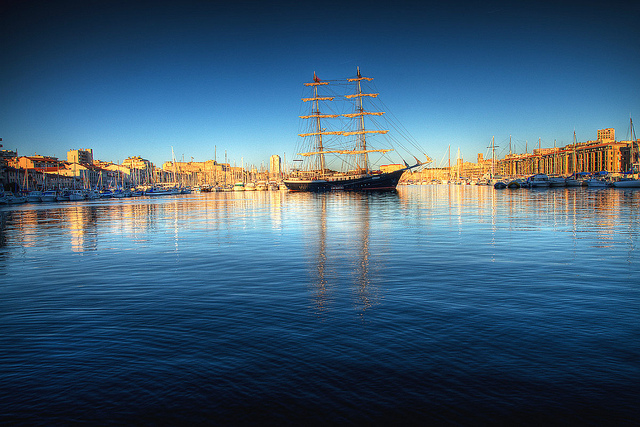
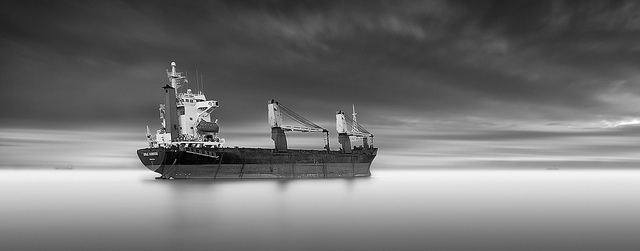
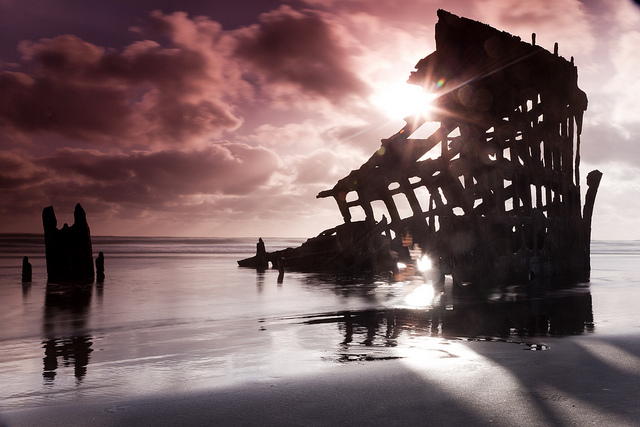
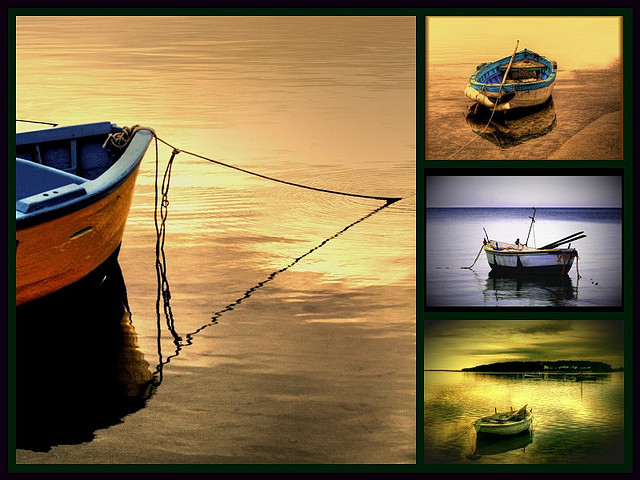
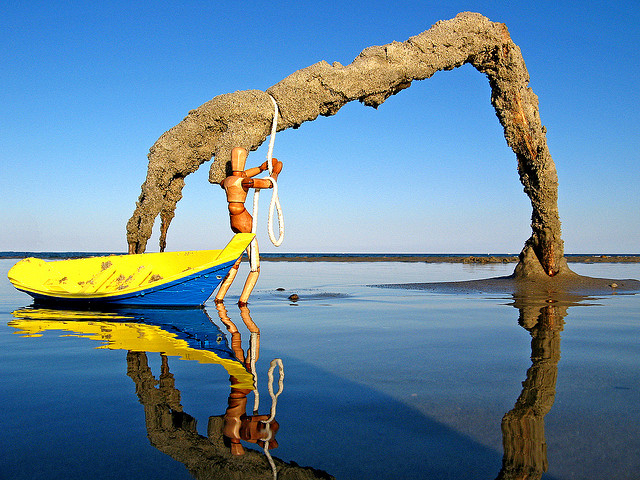
39 Stunning Photos of Boats

01 Mar

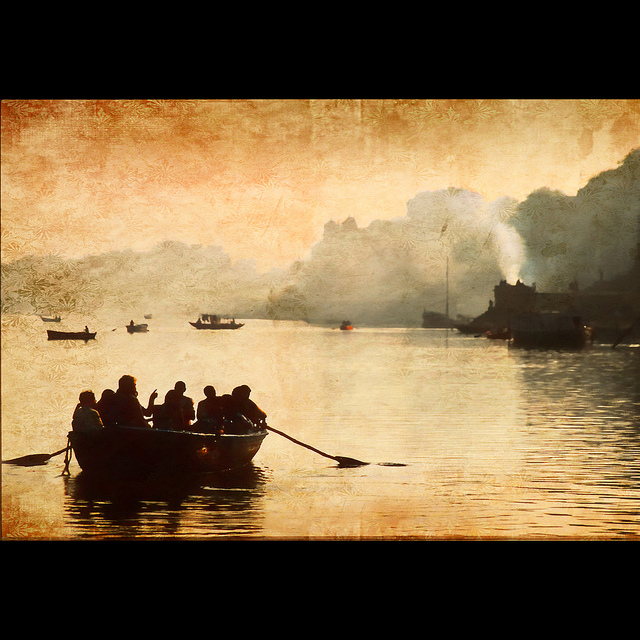
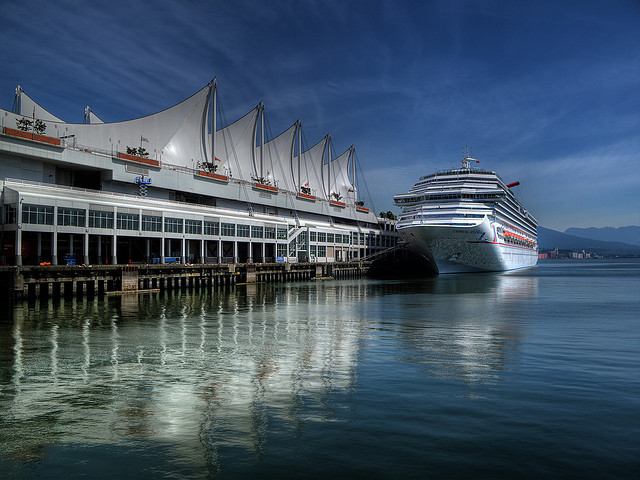
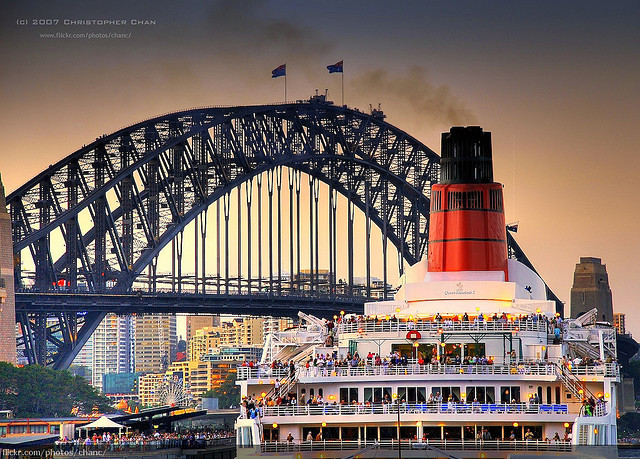
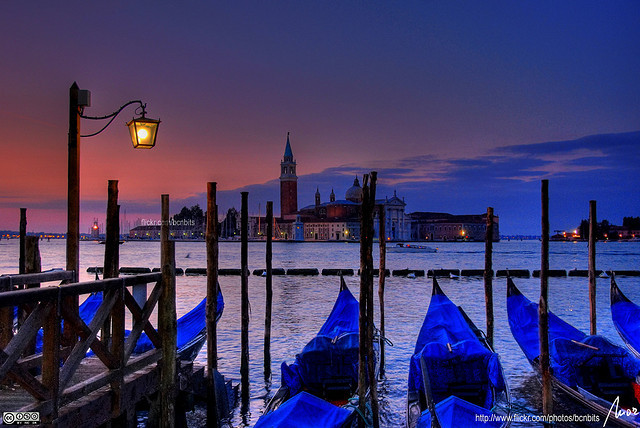
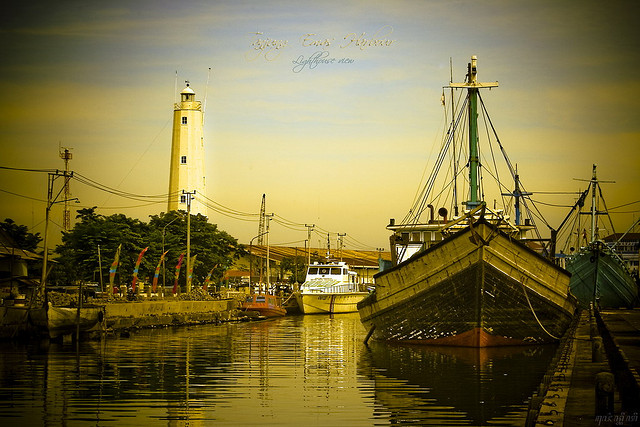
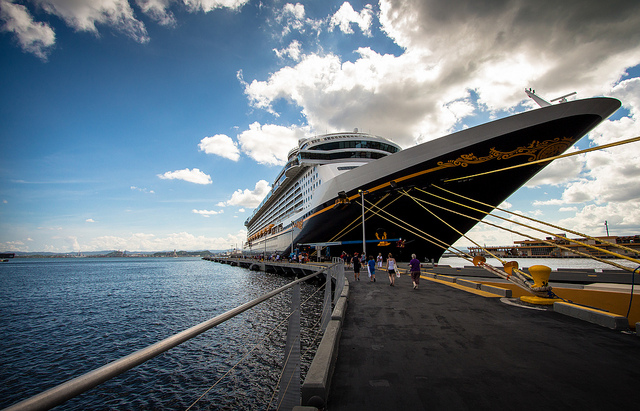
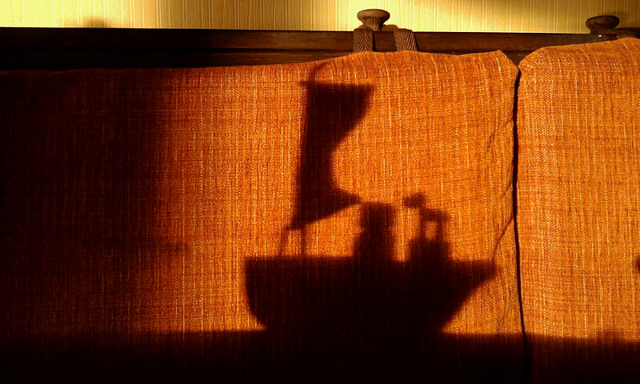
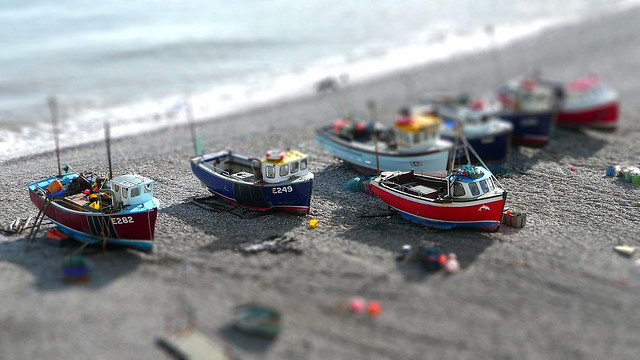
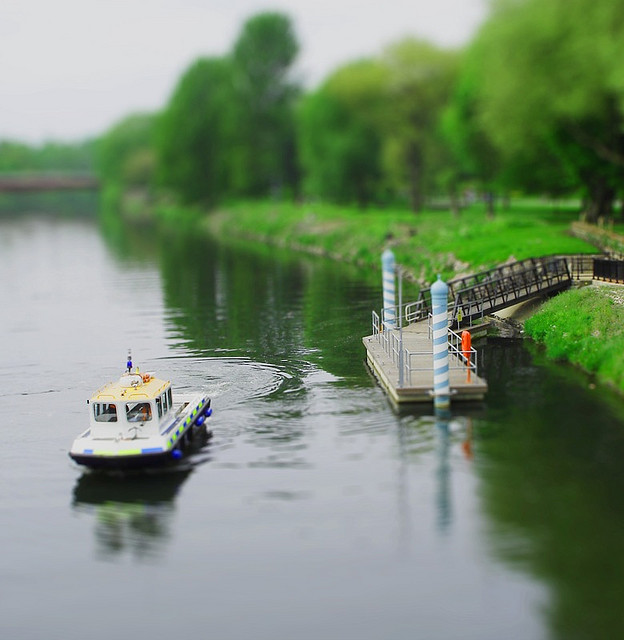
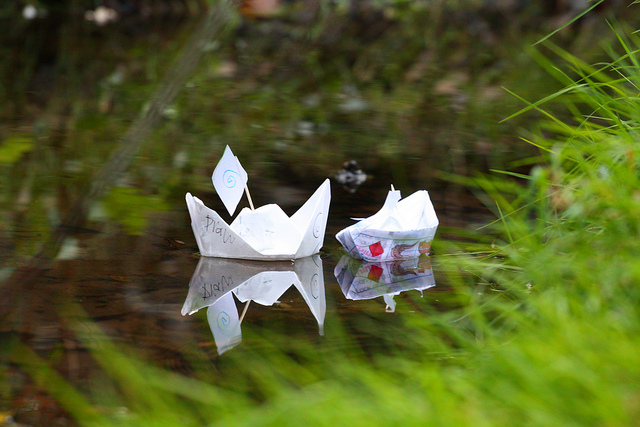
So in a shift of gears this week after 3 weeks of portrait oriented challenges and inspiring images, this week I’m featuring 35 stunning photos of boats.

The ocean is a place of peace and turmoil. Boats can be on the water or dry docked. Big boats like cruise ships, and small ones like toy boats. They’re all here.

Enjoy!

By Riccardo Cuppini

By MorBCN

By zev

By Nick Kenrick

By John Ryan

By Mike Baird

By Jason Mrachina

By Evan Leeson

By Christopher Chan

By MorBCN

By Let Ideas Compete

By Jesper Hauge

By hendra nugraha

By Greg McMullin

By Trey Ratcliff

By marcovdz

By Jeff S. PhotoArt

By Steve James

By Scott Smith

By Scott Smith

By marcovdz

By Wendell

By Casete

By drwhimsy

By Geee Kay

By Vinoth Chandar

By Michael Holden

By Jon Martin

By Cinzia A. Rizzo

By Erich Ferdinand

By Michael Donovan

By Ian Usher

By josullivan.59

By Oliphant

By Send me adrift.

By John Morgan

By Tomasz Huczek

By matt

By Hans Kylberg

The post 39 Stunning Photos of Boats by Darlene Hildebrandt appeared first on Digital Photography School.


Digital Photography School

 
Comments Off on 39 Stunning Photos of Boats

Posted in Photography


Wyoming’s stunning weather and landscapes in time-lapse

15 Jan

Screen_Shot_2014-01-09_at_9.51.34_AM.png

Photographer Nicolaus Wegner’s dedication to his craft has produced a captivating time-lapse video of the wild weather and beautiful landscapes of his home state. In the 14 months it took him to complete his Wyoming Wildscapes II project, he saw it all — from meteor showers, to lightning across hills and prairies, and 60mph winds. Watch video

News: Digital Photography Review (dpreview.com)

 
Comments Off on Wyoming’s stunning weather and landscapes in time-lapse

Posted in Uncategorized


We Are Nature: Stunning Combinations of Nature + Humans

04 Jan

[ By Delana in Art & Photography & Video. ]

we are nature volume iii

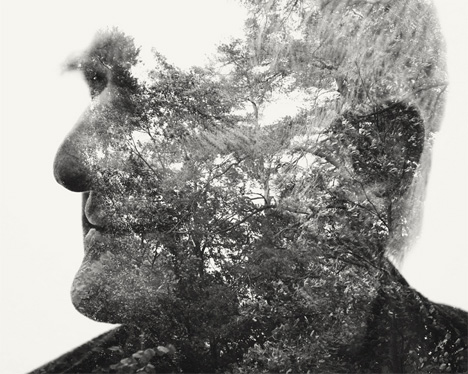
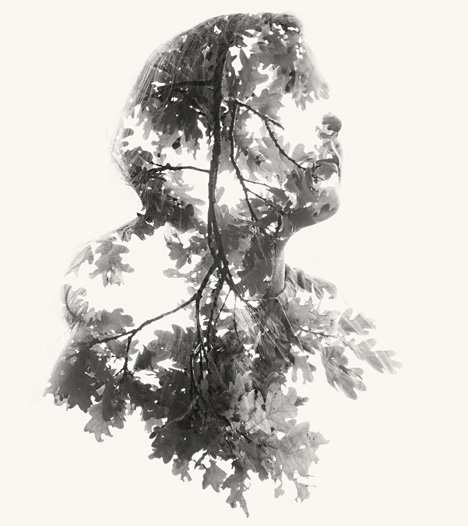
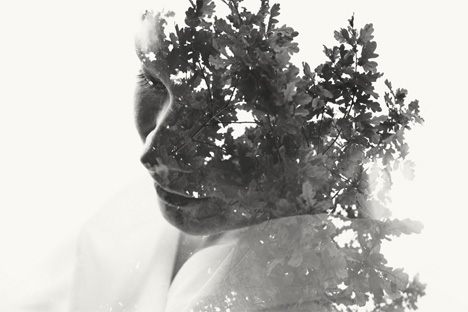
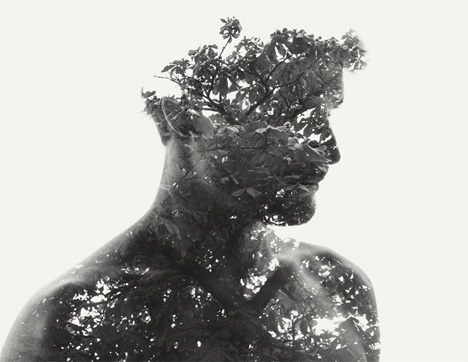
Photographer Christoffer Relander combines nature and human faces to create preternaturally beautiful portraits. The double and triple exposures blend aspects of the natural world and the grace of the human form.

humans plus nature photography

nature superimposed on humans

More than a few artists have compared the grace of nature and the beauty of humanity, but Relander’s interpretations imagine a world in which we, the animals, are as delicate and fragile as nature.

double exposures nature and humans

nature and human form

Many of the artist’s portraits add an extra dimension to the humanity of the subject. There are others, however, that all but erase the human portion of the composition. Leaves, branches and blossoms take the part of skin, veins and muscles.

graceful combinations of humans and nature

nature photography and human form

The truly amazing part of Relander’s work is that he doesn’t use Photoshop to create these masterpieces of multiple exposures. He creates them all in-camera using a Nikon DSLR.

Share on Facebook


[ By Delana in Art & Photography & Video. ]

[ WebUrbanist | Archives | Galleries | Privacy | TOS ]


WebUrbanist

 
Comments Off on We Are Nature: Stunning Combinations of Nature + Humans

Posted in Creativity


Salt Mines Converted to Stunning Subterranean Museum

06 Dec

[ By Steph in Global & Travel & Places. ]

Salt Mine Subterranean Museum Romania 1

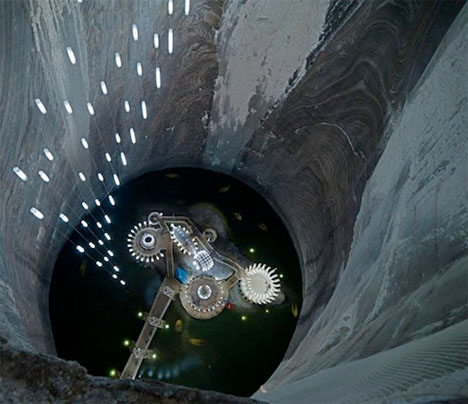
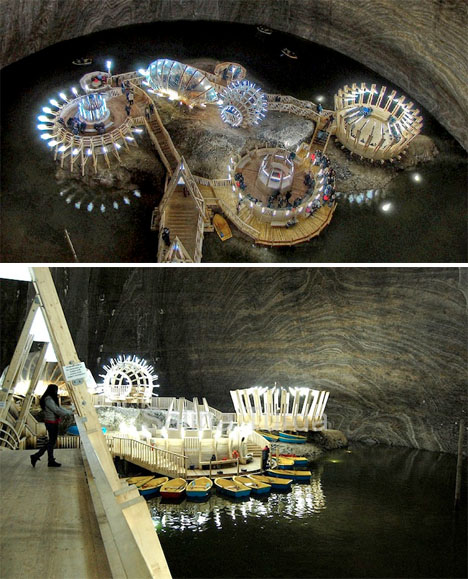
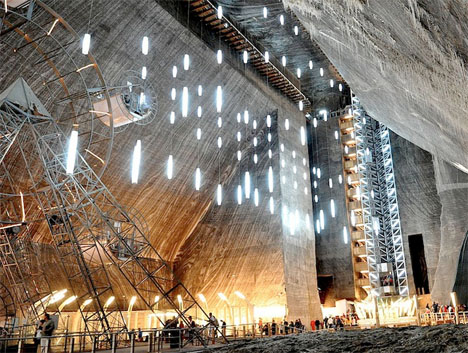
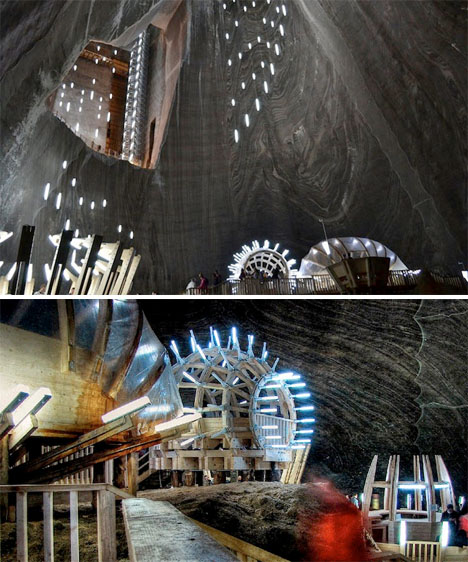
Between the eerie glowing lights, the otherworldly cavernous spaces and the long strange trip it takes to get there, this subterranean museum feels like it could be located on an alien planet. The Salina Turda Salt Mines of Romania have been converted to the world’s largest salt mining museum, but this is no dry historical tour – there’s weird wooden architecture, a playground and even a ferris wheel.

Salt Mines Subterranean Museum 2

Salt Mine Subterranean Museum Romania 3

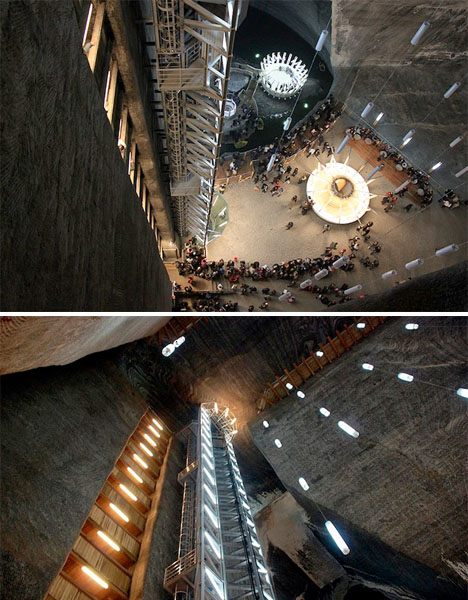
All of the LED lights sticking out of those unusual architectural shapes at the center of the museum make it quite a sight from far above, when looking down into the mine plunging 120 meters (393 feet) into the earth. Visitors take elevators to each of the three museum chambers at various depths to see the restored equipment.

Salt Mines Subterranean Museum Romania 4

The sports arena, amphitheater, mini golf course and bowling lanes are reason enough to take a trip to the mine, but the caverns themselves are the main attraction. Uplighting shows off the amazing natural patterns on the excavated walls. There’s even a small subterranean lake with boats for rent.

Salt Mine Subterranean Museum Romania 5

The mines were first excavated in the 17th century and provided a vast wealth of salt for the Romans. The interior is totally free of allergens and almost entirely devoid of bacteria, and maintains a temperature of about 52 degrees with 80% humidity.


Share on Facebook


[ By Steph in Global & Travel & Places. ]

[ WebUrbanist | Archives | Galleries | Privacy | TOS ]


WebUrbanist

 
Comments Off on Salt Mines Converted to Stunning Subterranean Museum

Posted in Creativity


Using Sun Flares and Starbursts to Create Stunning Images

02 Dec

This is a guest post by Katie McEnaney

An Introduction to Sun Flares and Starbursts

A sun flare or starburst is an incredibly cool photographic technique and one that is easy to achieve without any special post-processing or editing tricks. You will be amazed at the effects you can create by learning a few simple settings and knowing the proper situations for taking beautiful sun flare and starburst photographs.

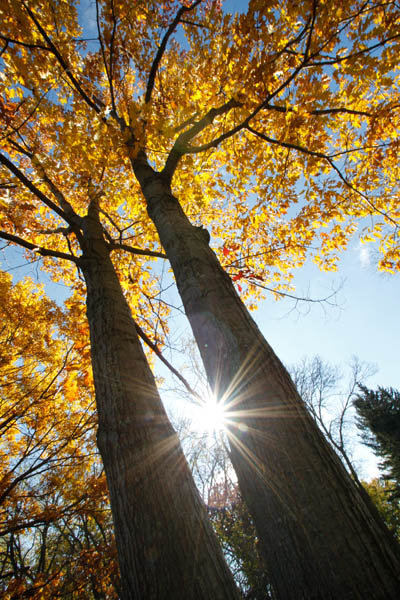
McEnaney sunflare vertical tree

How to Shoot Sun Flares and Starbursts

It is possible to obtain sun flare and starburst images with a point and shoot camera, but for more reliable results, you will want to use a DSLR or interchangeable lens camera with adjustable aperture. A UV filter on your lens is suggested to protect your camera’s sensor, as you will be shooting directly into the sun when capturing sun flares. Stability is critical for capturing starbursts, so a sturdy tripod and remote shutter release are recommended.

The technique for shooting successful sun flares and starbursts is to use a narrow aperture such as f/22 and a relatively wide focal length like 18 mm. With a narrow aperture, the blades inside your lens close down to create a very small opening for light to pass through. This narrow opening creates a slight diffraction or bending of the light, which causes a point source of light (described below) to become a starburst shape when it hits and is recorded by the camera’s sensor. Different lenses are built with different numbers of blades: the more blades, the greater the number of points on the flare or starburst. The wider the focal length also contributes to the size of the starburst shape, as a wider focal length can create a larger starburst.

For settings, you want to start by shooting in Aperture priority (Av for Canon or A for Nikon) mode and setting your aperture to f/22. You also want to shoot at a fairly low ISO, around 100-200, to avoid the increased noise of higher ISO values. The camera will then choose the shutter speed. If the final image turns out too dark or too light, you can switch to shooting in Manual mode, dial in the same settings, and then slightly increase the shutter speed for a lighter picture or decrease the shutter speed for a darker picture.

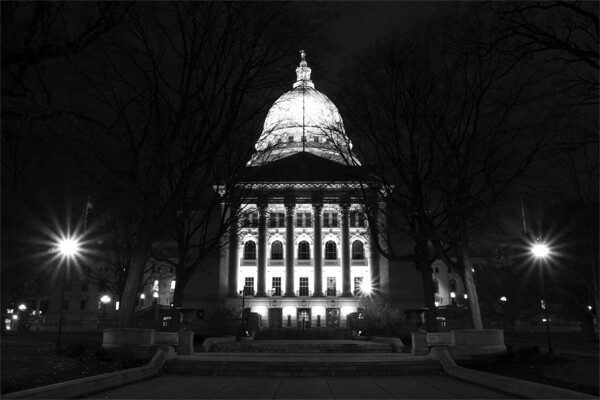
McEnaney Capitol night starbursts

In lower light situations, your shutter speed may become so slow that you need a tripod to ensure a steady shot. (The general rule of thumb is that you should be able to successfully hand-hold a shot at a shutter speed of 1 over the focal length of the lens. For example, you should be able to hand-hold a shot with an 18 mm lens at 1/18th of a second or faster or a 50 mm lens at 1/50th of a second or faster.) If you are photographing starbursts after dark, then your shutter speeds will generally be slow enough to require a tripod or other stable surface. The alternative option would be to start increasing your ISO, which will also increase the noise in the final image.

Along with the tripod, a remote shutter release (corded or wireless) is helpful to avoid shaking the camera when pressing the shutter button. If you do not have a remote, you can set the 2-second or 10-second timer on your camera instead. A remote shutter release also allows you to use the Bulb setting on your camera to get shutter speeds longer than 30 seconds.

Timing and Strategies for Sun Flares and Starbursts

Sunbursts and starbursts are created from small point sources of light, rather than larger dispersed or diffused light sources. A point source is one where light is emanating from a singular location: a bulb in a street lamp, a car headlight, a direct flashlight, even strings of holiday lights. A dispersed light source is one where light is emanating from a broader location: a frosted light bulb, an overhead florescent light panel, or the tubes of a neon sign. A diffused light source is one where the location of the light is very spread out or difficult to detect: the sun in an overcast sky, large studio lights with diffusers or softboxes, or light bounced off a large surface or reflector.

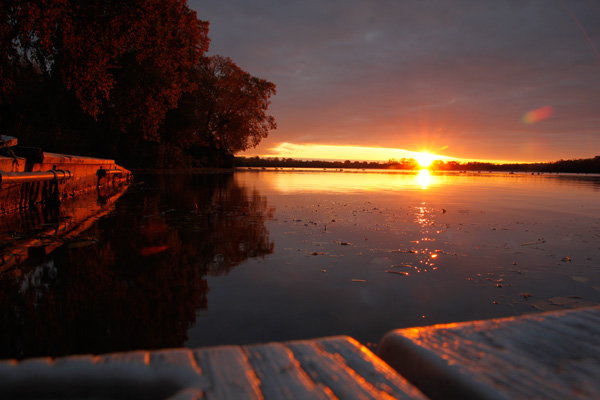
McEnaney sunrise sunflare

The sun is not generally a point source of light, as it is often too bright and overwhelming to create a sun flare. So, the best time to capture sun flares is when the sun is low in the sky, either in the early morning or late afternoon. The winter season is ideal for sun flares, as the sun is lower in the sky for longer periods of the day.

sun flare and starburst photo

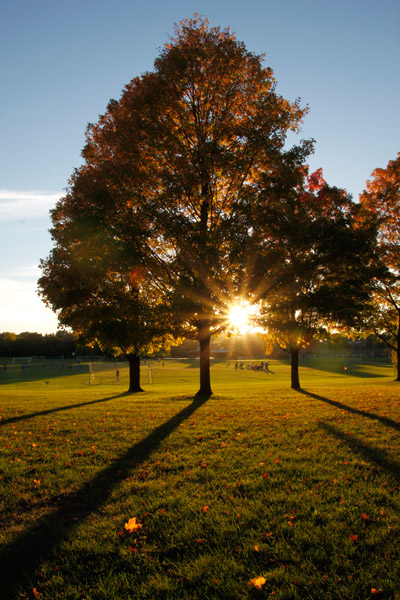
Once you have the right time of day, the second step for creating a sun flare is to position the sun in your composition so that it is partially obscured behind another object, such as a tree or the edge of a building. Even at low angles, the sun can still be so bright that it will overwhelm your scene and create large bright patches rather than a starburst shape. Partially obscuring the sun also serves to amplify the effect of the narrow aperture. Position the camera so that the sun is directly behind the object and determine your final composition. Then, move the camera slightly until the sun is just beginning to peak out from behind the object and take the picture.

McEnaney sunflare two trees

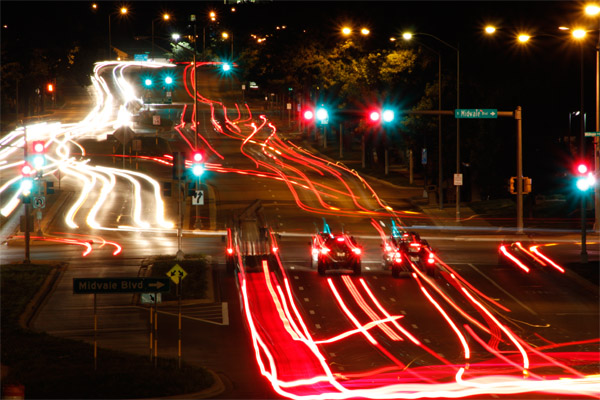
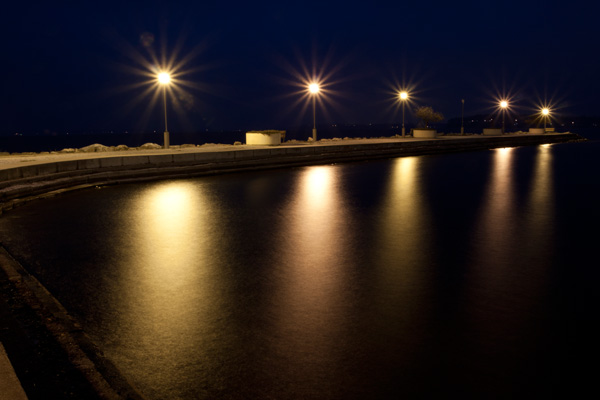
To create starbursts at night, you need to find suitable point sources of light. Street lamps and strings of lights work well. Because these sources are not as overpowering as the sun, you do not need to partially obscure them. This gives you a wider range of compositional choices. You can also combine multiple point sources of light to create an entire collection of starbursts in a single image. Moving lights will be rendered as blurs or light trails, while stationary lights will become starbursts.

McEnaney traffic trails

Composing with Sun Flares and Starbursts

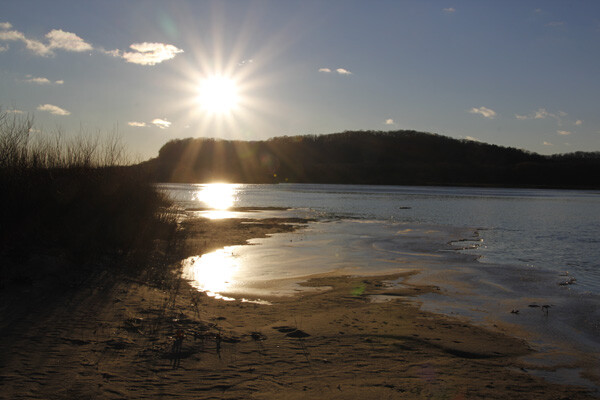
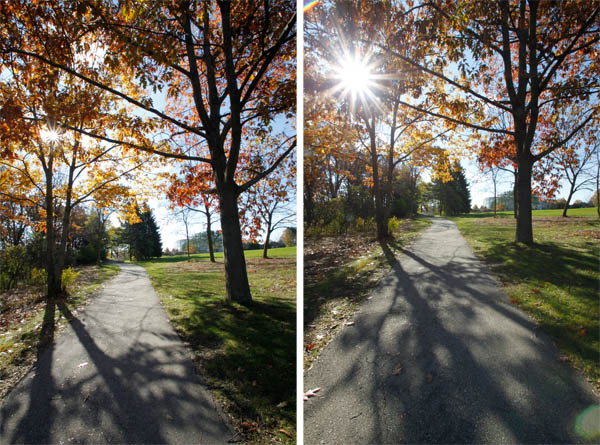
Be willing to be patient and experiment with your compositions and angles for sun flares. Slight differences in the angle of the sun and the amount of sunlight streaming in can make a big difference in your final image. The two images below were taken of the same tree, two minutes apart. The only compositional difference was backing up several feet for the second image, so that the sun was only barely obscured by leaves rather than partially blocked by the trunk.

McEnaney sunflare compare

Once you have mastered the single flare, you can step up the challenge and capture multiple sun flares in a single image. An easy way to do this is to use reflected light. Light reflecting off several points or different surfaces can create multiple individual point sources. Look for situations where sunlight is bouncing off water, vehicles, or other reflective surfaces. In this goodbye photograph of my old car, the multiple flares were created by the sunlight bouncing off the dents and divots of the hail damage on the hood (bonnet) of the car.

McEnaney car sunflares

Starbursts are a great effect to use with holiday lights. Each individual light is a point source and can be rendered as its own starburst. The starburst look adds an extra sparkle to your holiday images, but you can use strings of white or colored lights to add starbursts to any kind of subject you choose.

McEnaney holiday starbursts

For cityscape starbursts, seek out locations with congregations of street lights or other point sources of light. The blue hour (the approximate hour before sunrise or after sunset) is an ideal time to photograph lights outside, as the deep blue colors in the sky set off the scene. Your camera will record these blue colors for a short time even after they are no longer visible to your eyes.

McEnaney starbursts water

Now that you know the basic idea behind sun flares and starbursts, you will start seeing opportunities everywhere. Get your f/22 aperture ready, and get out there!


Katie McEnaney is an educator and photographer from Madison, Wisconsin. Read more tips on her blog, Boost Your Photography, and connect with her on Google+, Twitter @archaeofrog, and Flickr. Her first eBook, Boost Your Photography: Learn Your DSLR, will be available soon on Amazon.

Post originally from: Digital Photography Tips.

Check out our more Photography Tips at Photography Tips for Beginners, Portrait Photography Tips and Wedding Photography Tips.

Using Sun Flares and Starbursts to Create Stunning Images

The post Using Sun Flares and Starbursts to Create Stunning Images by Guest Contributor appeared first on Digital Photography School.


Digital Photography School

 
Comments Off on Using Sun Flares and Starbursts to Create Stunning Images

Posted in Photography


Stunning images of things invisible to the naked eye

01 Nov

Entry_25002_Egmond_Chaetoceros_debilis.jpg

A close up of a corkscrew-shaped plankton, a look into a weaver spider’s abdomen, and a microscopic view of a mouse’s spine are among the winners of this year’s Nikon Small World Photomicrography Competition. Dutch photographer Wim van Egmond took top prize for his Chaetoceros debilis (marine diatom) image. See gallery

News: Digital Photography Review (dpreview.com)

 
Comments Off on Stunning images of things invisible to the naked eye

Posted in Uncategorized


‘Light Goes On’ – stunning video by light painter Darren Pearson

28 Oct

lightpainter.jpg

Darren Pearson is a ‘light painter’, who creates photographs and videos that feature elements which are ‘painted’ with light during long exposures. Most photographers have probably tried painting with light at least once, but Pearson takes it to a new level in his video ‘Light Goes On’ which features a skeleton (one of his common ‘characters’) drawn with light, skateboarding through various locations. Click through to watch the appropriately halloween-themed video.

News: Digital Photography Review (dpreview.com)

 
Comments Off on ‘Light Goes On’ – stunning video by light painter Darren Pearson

Posted in Uncategorized


Flying Robots: 6 Stunning Unmanned Aerial Vehicle Projects

24 Sep

[ By WebUrbanist in Technology & Vehicles & Mods. ]

unmanned aerial vehicle flights

From the MIT Senselab quadcopter and ETH Zurich self-assembling multicopter to DIY drones mounted with paintball guns, toy rockets and automatic weapons, flying robots are quickly making their way from distant war zones to local city streets. The big question in the minds of many is whether this proliferation is a utopian or dystopian development. The following six examples (each with its own video) highlight extremes both positive and negative in the controversial and fast-paced evolution of unmanned aerial vehicles (or: UAVs for short).

Headline-Making Buzz as UAV Makes Surprise Flyby

Recently Angela Merkel made headlines as she was photographed close-up by a UAV, which then promptly crashed when its controller was approached by police and had to drop the controls. The Pirate Party claimed credit, stating they wanted to force the issue of urban surveillance and the domestic use of non-combat drones. At and it worked: her close encounter with a miniature UFO has sparked serious debate about the roll of UAVs in everything from front-line combat to city surveillance.

Self-Assembling Multi-Copter Flies in Raft Formation

self assembling multi copter

Before going further down the complex political and social implications of drone development, it is worth looking at the innovative upside and sheer technological achievement associated with UAV innovations, starting with the following Distributed Flight Array developed in a Swiss research lab. In this experimental project, a series of autonomous hexagonal copter pods assembles itself into a group on the ground using laser guidance systems. Once attached and aloft, each component copter within the larger composite ‘raft’ plays a roll in maintaining altitude and stability, rotating clockwise or counterclockwise to create lift and cancel torque.

self flying helicopter raft

From Gizmag: “As the united band of robots hovers and climbs off the ground, each robot module is using inertial sensors to detect tilt and roll – exactly the same sensors found in an iPhone or iPad to detect tilt. Each of the modules determines how to correct for pitch (forward and back tilting) and roll (side to side tilting) by making small adjustments to the speed of its propeller. The data link on the infrared light beams helps the robots decide which direction and axis is which.”

Flying Tour Guide Takes You to Desired Destinations

mit lab autonomous vehicle

Meanwhile, researchers at Massachusetts Institute of Technology have built a less playful and more purposeful autonomous quadcopter designed to help people navigate cities or to aid in remote search-and-rescue missions. The SkyCall from Senseable City Lab provides networked intelligence in physical form, and is more than just a prototype – initial versions are being deployed on MIT’s campus to give guided tours or take visitors to specific on-demand destinations when summoned by phone or via other mobile devices.

mit campus tour robot

From Dezeen: “UAV technology holds huge disruptive potential …. We want to harness this and specifically explore its value to the city and its inhabitants.” In this case: “Rather than the visitor diverting their attention to a map, the autonomous guide provides an intuitive navigational system of simply ‘following’.” Of course, not everyone has such a bright vision for these various new flying devices, as you will see below.

Next Page:
Rise Of Drones 6 Sides Of Unmanned Aerial Vehicle Debate

Share on Facebook


[ By WebUrbanist in Technology & Vehicles & Mods. ]

[ WebUrbanist | Archives | Galleries | Privacy | TOS ]



WebUrbanist

 
Comments Off on Flying Robots: 6 Stunning Unmanned Aerial Vehicle Projects

Posted in Creativity