RSS
 

Posts Tagged ‘Shoot’

Shoot Great Concert Photos & Win a Trip to Way Over Yonder Music Festival

10 Sep

Whether you’re a festival fanatic or haven’t seen a concert in years, we’ve got something you might like.

We’ve teamed up with Scoutmob, Paste Magazine and Hotel Tonight to send one lucky winner (& pal) to Way Over Yonder festival in Santa Monica, California.

Flights, hotel, festival tix (VIP, natch) and gift cards to the Scoutmob and Photojojo stores are included. And it takes all of 5 seconds to enter!

Enter to go to Way Over Yonder, free!

And… while you’re waiting to see if you won, improve your concert photography skills with a few of our favorite guides:

  1. Music Photography Made Simple
  2. Music Photographer’s Guide to Festival Photography
  3. Concert Photography Tips From Digital Photography School

p.s. A new iPhone is coming! To celebrate, every checkout in the shop gets free enrollment into our Phoneography 101 course today.

Related posts:

  1. Rockin’ Photography: How to Shoot Great Concert Photos It’s all about the D&B. (Dark and blurry.) If you’re…
  2. Get Out and Shoot! — 3 Great Ideas for Shooting Outside in Your Town or City There’s one sure-fire way to improve all of your shots:…
  3. Shoot to Sell: Taking Better Photos for eBay, Etsy & Instructables   We’ve teamed up with our buddies at Instructables to…


Photojojo

 
Comments Off on Shoot Great Concert Photos & Win a Trip to Way Over Yonder Music Festival

Posted in Equipment


So You’re Going to Shoot A Wedding: Part 3 of 3 [editing, etc.]

28 Aug

It’s done.  You survived it.  It was the longest day of your photography career, you’re exhausted, and all you can think about is how right I was (it’s cool—I get that a lot).  But…….You. Did. It.  And chances are you didn’t get locked in a bathroom,  or miss the kiss, or have a complete equipment failure, or faint face-first into the cake.  You shot a wedding.  What’s next?

IMG_0651b

Back-up everything.  Possibly several times

As no-brainer as this is, when I shoot portraits, I’m not a diligent about it as I should be.  I’m more of a “cross my fingers/hope for the best/fly by the seat of my pants” kind of gal in most areas of my life.  But a wedding is different.  Good luck explaining to a new bride that your laptop played a vanishing act with the images and you need her to re-do the whole wedding for photographic purposes.  It’s my greatest fear.  My greatest fear used to be a complete equipment failure at a wedding, but then I had that happen a few weeks ago and somehow survived it, so I’ve graduated my fear list a bit.  As soon as I get home from a wedding, no matter that I can barely see straight, I upload everything to my computer, and then back-up everything to an external drive or disc.  Additionally I don’t erase my memory cards until I need them again and I have cloud storage.  Because I’m neurotic like that.  Weddings are often thousands of images and this takes both time and space.  Having both of those things is yet another factor in the expense of wedding photography (see: never shoot a wedding for free).  In most other areas of my life, I am totally okay with just hoping for the best and surrounding it with good thoughts.  But this isn’t one of them.

IMG_0594b

Give a sneak peek

These images are going to take you a long time to go through, edit, and deliver.  Unless you have some sort of crazy amazing one day editing process, which if you do, I’m going to need you to email that to me immediately.  While everyone is anxious to see pictures, no one is more anxious than a still-glowing bride.  Give them a little taste and buy yourself some time to ice your camera-strap-indented neck and regain clear vision.  Social media is a fabulous option for this if it’s available to you.  That way everyone can see them and fawn over how great the images are, giving you a little boost of confidence and the newly minted couple a little attention—both of which work in your favor for the long editing road ahead.  (Oh friend, it’s a long road.)

IMG_4988b

Decide if you are interested in doing this again

Every wedding I have ever shot has led to at least one referral.  In general, I don’t photograph weddings.  Yet, there I am, every summer, finding myself wanting to pass out from heatstroke with a 10 pound black box in front of my face.  Why?  Because I’m a sucker.  I suppose I could tell you that it’s because I love weddings and true love and all that, but the truth is: I’m a sucker.  Throw a few compliments at me and I’ll do about anything that doesn’t involve roller coasters.  I hate roller coasters.  (I also hate those rides where you spin on something that’s spinning.  I’d like to have a long talk with the guy who thought that was a good idea for your internal organs.)  Even if you didn’t hand out a single business card……even if you don’t have a single business card…..they will find you.  Unless you were a miserable human being to be around (I don’t judge—I’ve been there), you will get a call about another wedding.  Decide right now if this is something you ever want to do again so you can handle that call that will come later.  There is nothing wrong with saying no, thank you.  It might not be your cup of tea.  Or quad carmel latte (I’m becoming a really expensive coffee date lately).  There is also nothing wrong with having loved it.  The point is that you need to decide quickly because there is literally a barista of sorts waiting on your order and she has a whole line of impatient people behind you and a smoke break coming up.

IMG_0231b

Don’t overdo it

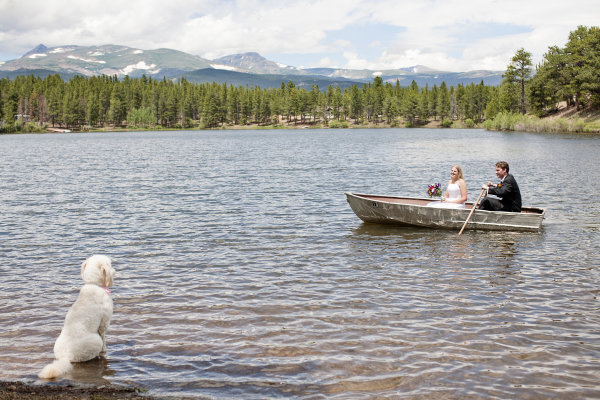
The last wedding I shot came in at just shy of two thousand images.  There were 26 guests, and that’s including the dog ring bearer.  I shot for less than 4 hours.  I’m an over-shooter.  I know this.  In my defense: WHAT IF I MISS SOMETHING???  For this said wedding I have no less than 40 images of “the kiss”.  Truth?  They all look the same.  Don’t get me wrong—it was an amazing kiss.  Record books, in fact.  But, those 40 images I shot in probably 30 seconds of time all look pretty much the same.  Yet I want them to see every one!!!  What if they love one that’s slightly different than another??  What if the clouds moved just a bit and it makes for the best of forty?  I don’t know.  What I do know is that to the average person, all 40 of those images look exactly the same.  Pick one, edit it to loveliness, and move on.  No one knows you have forty of them.  And likely, no one cares.

IMG_3669b

Deliver the images with deserved fanfare

I personally don’t do any printing; if you book a session or a wedding with me, your flat fee includes my time, the finished (edited) high resolution images on a disc, and a full printing and usage release.  This is how I have been doing it for years and I find that not having to mess with an 8×10 print of this one or a 5×7 of that one or marking-up my printing costs to cover everything is a much easier way of doing things.  And easy works best for me because I am a terrible insomniac (see numerous references to coffee above) and when I get overwhelmed with work (which is often), I go lock myself in my closet and cry a little.  However, just handing over a disc feels like a near let-down when I’ve been editing for weeks and, as previously mentioned, spent an extremely long and tiring day just shooting the images.  I like a little fanfair, and because wedding photography is such an investment, I think my clients should get a little ribbon and bow.  Or maybe a horn section.  Depends on what I have access to at the time.  I like to put together a “highlight” slideshow of 50 or so of the images that the couple can send to their friends and family to watch online.  Additionally, I usually put together a little gift of sorts to give along with the disc—maybe a large print that I put in a readymade frame or for a smaller wedding, I might print off 4×6 prints of each image and put these in a pretty box so theycan make awedding album easily.  It honestly just depends on the couple and what I charged.  My goal here is only to hand them over something more lovely than a cold silver flat circle.

lynsey_peterson22

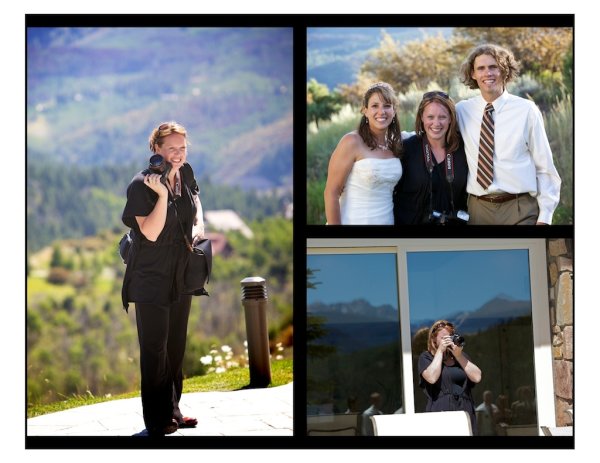
Wedding photography was never my goal, nor do I consider myself a wedding photographer.  I have never advertised or marketed for it, though I have shot about 70 of them in the last decade.  It’s tough—I’m not set-up to be a wedding photographer, both from an equipment and time perspective, yet I find myself doing several a year even still.  All joking aside, I don’t EVER take on a wedding just for the money or just out of wanting to do something wonderful for a loved one.  Every wedding I have ever shot I only ended up there because I truly felt that I was the best person for the job.  Many times I was right (this isn’t a time to be humble), but a couple times I was wrong and it makes for a painfully long event day and editing process.

IMG_7294b

The reason wedding photography is met with such passion by veterans and hobbyist alike is because it’s a big deal; there are no re-dos, no second chances.  It’s a type of photography that is all it’s own.  So only shoot the weddings where you feel confident that you and the couple feel similar about the end vision.  Only shoot the weddings where you genuinely like the couple; if you wouldn’t want to have a beer with them, you’re not going to want to spend a 10 hour day with them.  Only shoot the weddings that will give you more than a paycheck, whether that be experience, a day of fun, or that good feeling of doing something wonderful for someone else and knowing you did a good job.  It doesn’t matter if you believe in true love or soul mates, it doesn’t matter if you feel like weddings are too over-the-top and unnecessary, it doesn’t matter if one of the biggest highlights was the free piece of cake (I’m a big fan of cake), what matters is that you went in there knowing that you were the person for the job, that you stayed there feeling like you were doing a great job, and you left there happy to have done it.

me at jillandty

Tired and glad for it to be over, but happy to have done it.

Post originally from: Digital Photography Tips.

Check out our more Photography Tips at Photography Tips for Beginners, Portrait Photography Tips and Wedding Photography Tips.

So You’re Going to Shoot A Wedding: Part 3 of 3 [editing, etc.]


Digital Photography School

 
Comments Off on So You’re Going to Shoot A Wedding: Part 3 of 3 [editing, etc.]

Posted in Photography


How to Shoot High School Football

25 Aug

It’s the middle of August here in Atlanta, and that means that the kids are back in school.  It’s a bit earlier than most places, but regardless of where you live the rites of fall will soon be in full swing.  Here in the South, one of those rites plays itself out every week– not in cathedrals of brick and stained glass windows, but in those made from steel beams, cement bleachers, and 6,400 square yards of well-tended grass.  Yes, it’s high school football season.  And in the South that means an almost religious zealotry.  If you think I’m kidding, give me a call and come for a visit.  Make sure to bring your camera, though, because you’re not going to want to miss this.
FB-348

The Right Gear

I’m not going to spend a lot of time here discussing camera bodies.  Some of the photos in this article were taken six or seven years ago on a used Nikon D70, while later images were shot with a Nikon D300 or D700.  As long as you are photographing with a reliable DSLR, your bigger concern is going to be the glass. As much as you may covet that 400mm lens you see NFL sideline photographers shooting with on TV, it is possible to get really great shots at this level with a few basic pieces of equipment.  As with any sporting event, you are going to want a good mix of wide-angle and zoom images.  When I first started shooting sports I was using one body and one lens– the 70-200mm f/2.8.  I was able to shoot and edit creatively enough to get that variety of necessary focal lengths.  As things progressed, I was able to add a second lens– the 24-70mm– to the arsenal.  With these two lenses I was able to get everything cropped properly in the camera, without having to rely on destructive post production.  If you can only afford one fast lens right now, definitely opt for the longer zoom.

Fast lenses are also going to be important once the sun goes down because most high school sports have a prohibition against using flash.  I’ll confess to occasionally firing my flash, but be careful with your angle.  You don’t want to blast a player with flash full in the face and possibly change the outcome of the game.

Since flash is not going to be an option, you will most likely need a monopod for keeping your camera steady– particularly at slower shutter speeds after the sun goes down.

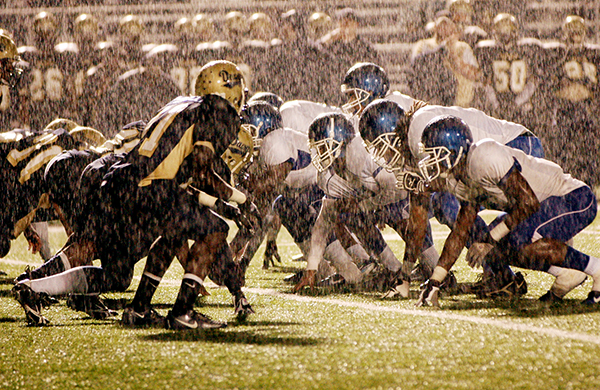
As with any type of shoot, make sure you have all of the necessary backups– batteries, memory cards, etc.  Make sure you also have a plan for when it starts raining.  This isn’t an “IF” it starts raining.  Into every sports shooter’s life some rain WILL fall.  Be prepared for it.  The Think Tank Hydrophobia or the OP/TECH USA Rainsleeve should do the trick
Trust me.  At some point it's going to rain.

Trust me. At some point it’s going to rain.

Getting In

Unless you are a credentialed photographer from a media outlet or the school’s contracted photography company, chances are you’re going to have to pay to get in.  The good news is that it’s usually less than $ 10.  You might be able to talk your way in, but the money goes to a good cause, so don’t be a tightwad.

Get There Early

You are also going to want to get there early.  The teams take the field to warm up anywhere from one to one and a half hours before game time.  Warm-ups are going to give you one of your best opportunities for quality shots.  For starters, the light is better.  The sun hasn’t set and you’re going to have a really great quality of natural light– particularly if you shoot with the sun at your back.  Players also tend to move a little more slowly in warm-ups than in the actual game.  You’ll have an easier time capturing motion, and more of an opportunity to isolate individual players.  In some cases, you may even be able to actually walk out onto the field to shoot and not be restricted to the sidelines.  If you do walk out onto the field, PLEASE BE CAREFUL!  There are probably 150 kids and coaches out there warming up.  They are big, fast, and not paying attention to you.  Their job is to play football– not give you a good photo op.
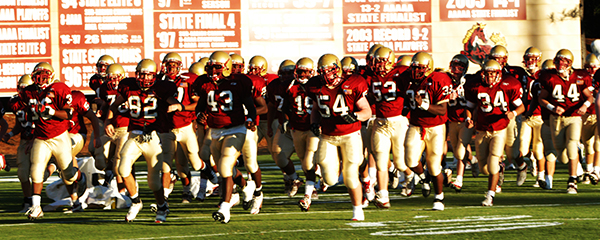
Get there early and take advantage of the sun while you can.

Get there early and take advantage of the sun while you can.

Know the Sport

The biggest key to getting quality photos of any sport is to have a solid understanding of the game and how it is played.  These games have an ebb and flow all their own.  You are going to want photos of both the offense and the defense.  Is it a running play or a passing play?  What are the odds they’re going to fake the punt on 4th down?  Do you need to be on the sideline or the end-zone?  The home side of the field or the visitors’?  Remember that there is a big difference between shooting as a media photographer and shooting as a parent.  As a reporter or school photographer, you are there for “the big picture.”  As a parent, you are mostly concerned with getting photos of your son, and he’ll be easy to track with that big number on his back.  In either case, the more you understand the subtleties of the game the better prepared you will be.
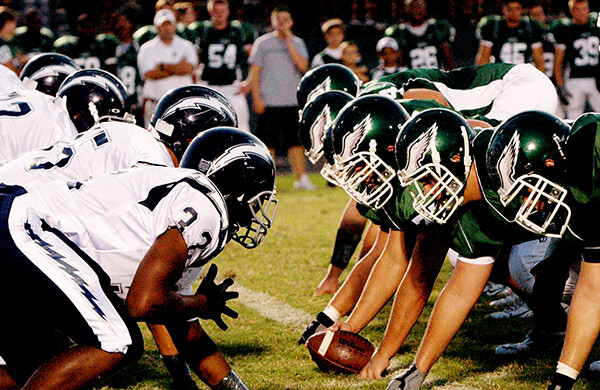
FB-207

Focus

When I say “focus” I’m not just talking about your photography.  As noted above, these kids are big and fast and strong, and are trained to run through anything in their way.  I once saw a photographer stand his ground on the sidelines, despite the fact that a player was being pushed out of bounds right at him.  I watched as his camera, lens, and monopod all went flying in three different directions and he flew in a fourth.  He was wheeled off the field with cuts to his face and a leg that had been broken in two places.  No photograph is worth that.  Focus on where you are and what is going on around you.
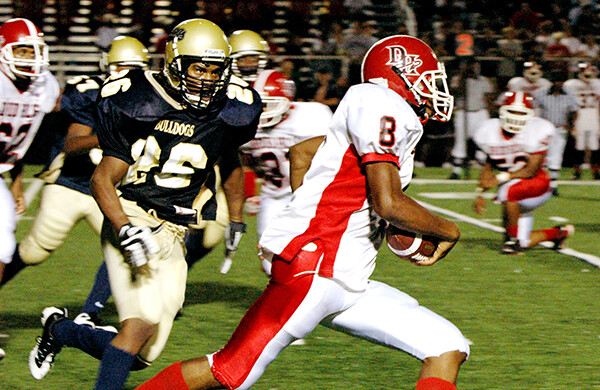
FB-281

Now let’s talk about the other kind of focus.  It’s an action sport and you want action photos.  Whereas you would ordinarily focus on the eyes for a portrait, these kids are all wearing helmets and you’re not going to have that option very often once the game starts.  Your camera’s auto-focus works by looking for contrast.  Football uniforms are usually going to have a lot of contrast between the color of the jersey and the color of the numbers.  If you can get the eyes, great.  If not, your best bet is to try locking on either those numbers or the ball once players start moving.
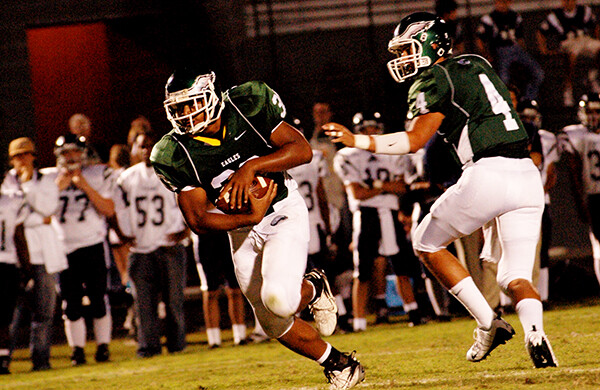
FB-213

Camera Settings

As with any photo shoot, there is not necessarily a “right” or “wrong” exposure.  But this is a sport, after all, and if you come home with 250 blurry photos you aren’t going to be happy.  Keep in mind that since shutter speed controls ambient exposure, the faster your shutter speed is the better your chances of freezing the action.  I generally like to start with a shutter speed of 1/500 and adjust my aperture and ISO accordingly until I get the look I want.  Since this is an outdoor sport, your lighting is going to be changing over the course of the game.  What started out with great natural light before the sun went down is going to finish in the dark under less-than-ideal stadium lights.  That may mean slowing down your shutter speed to let in more light, as well as opening up your aperture or raising your ISO.  This is going to take some practice.  Be prepared for some trial and error.
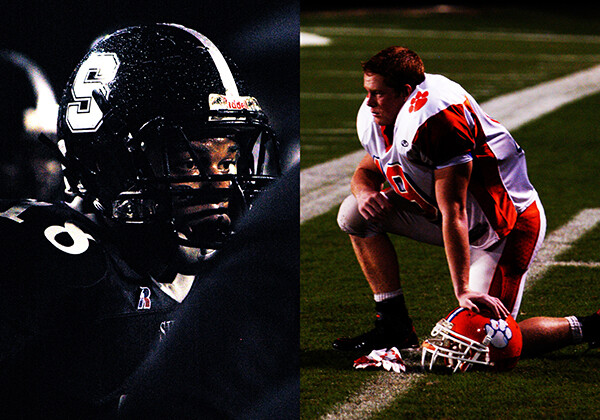
FB-777

Vantage Point

First and foremost, let the light guide you.  I know…sounds all dramatic and stuff, but really.  Take advantage of the sun while you can
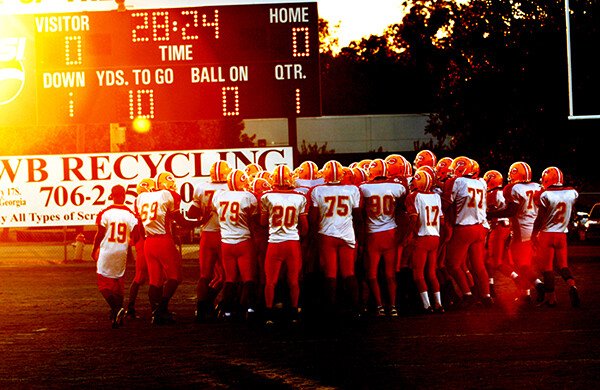
FB-071

Obviously, the closer you are to the action the better your photos will be.  As noted earlier, having a solid understanding of the game will definitely help you decide where to be.  This is one reason why you hardly ever see a veteran sports photographer standing still for very long.  Be aware that some places are going to have restrictions on where you can and can’t stand, regardless of your press credentials.  “The Box,” for example, is the area on the sideline between the 20-yard lines.  This area, for a variety of reasons, is supposed to be off-limits for anyone other than players, coaches, trainers, etc.  A game official who is a stickler for the rules could penalize the team for your presence in the box.  If that happens, start running and don’t look back.

There is a natural tendency to shoot a football game primarily from “your team’s” side of the field.  If you’re a parent, this is where you know people and feel comfortable.  Try going around to the other side of the field once in a while.  From this vantage point, you will not only capture the action, but your own team’s colors and sideline will add a great element to your background.

Be Creative.  Keep Your Eyes Open

It’s football, but that doesn’t mean you can’t be creative with your angles and composition.  If you’re the parent of a player, find a way to focus on your athlete and make them stand out.  If you are selling game photos on your website, getting creative will only help your sales.  I tend to think in terms of portraits.  Changing angles resulted in getting this quarterback against a perfect background.
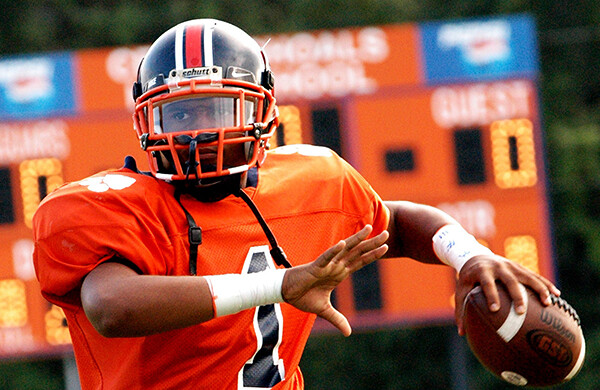
FB-295

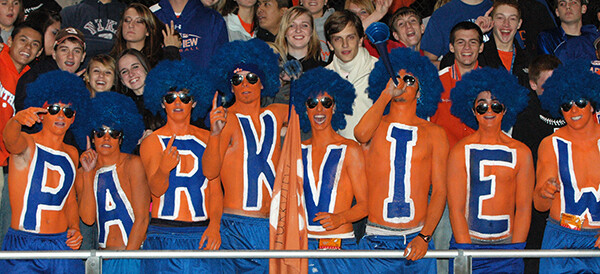
Don’t fall into the trap, though, of assuming that everything worth photographing is right there on the field in front of you.   Spend some time in the stands.  Shoot the crowd reactions.  Photograph the band and the cheerleaders.  Capture the traditions.  There is so much more going on in that stadium than just a football game.  Turn your back on the action once in a while and take a look around you.  There are stories everywhere.   Learn to keep your head on a swivel.
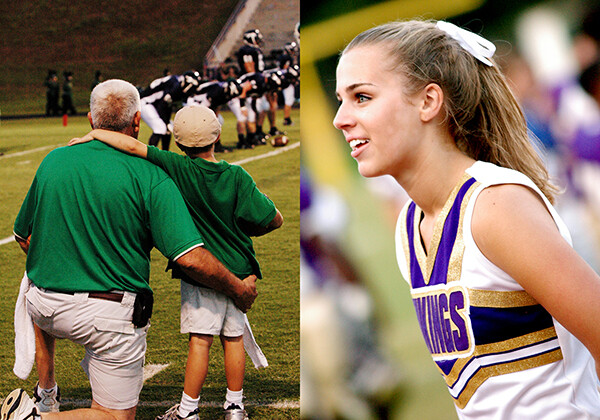
FB-999

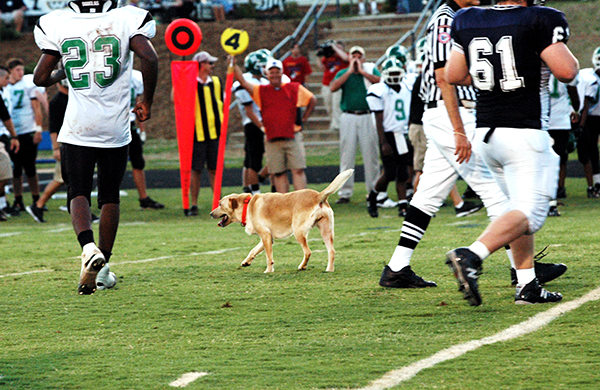
Pay attention.  You never know who might drop in.

Pay attention. You never know who might drop in.

Spray and Pray…to Motor Drive or Not to Motor Drive?

As with so much of what we do, five photographers will give you five different answers.  When I first started shooting high school sports I was doing so with a slow camera that didn’t have the buffer speed for just leaning on the motor drive and hoping for the best.  That was probably a good thing.  I learned to both compose my shots and choose my moments a little more carefully.  I developed a pretty fast shutter finger, and, I think, a better eye for sports action. Even now, though, with better equipment, I tend to leave my camera set for single clicks.

FB-888

Etiquette

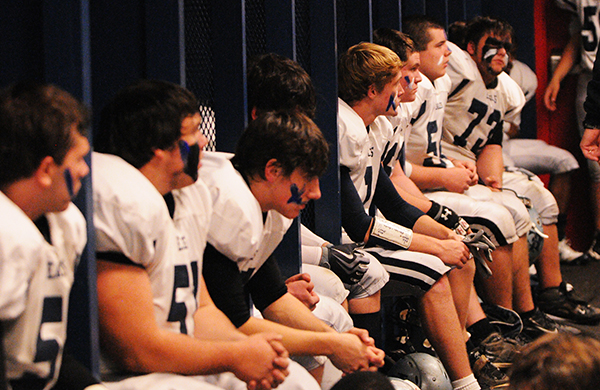
If you are covering a particular team over the course of a season, introduce yourself to the coaches.  Your job will be easier if they know who you are and why you are there.  These kids may be big and strong, but they are still kids and these coaches are looking out for them.  Play your cards right with the coaches and there’s no telling what kind of access you might get.
FB-178

Being nice to coaches gets you all kinds of access.

If a coach or official tells you something, listen to them.  If they ask you to move, you move.  You’re in their house and you have to play by their rules.

No flash.  It may sound silly to you, but you have no idea what the consequences might be.  There may be college scouts in the stands, and you blinding the receiver with your flash might have an impact on whether that kid gets a scholarship or if he’s even recruited at all.

If play stops for an injury on the field, show some respect and PUT YOUR CAMERA DOWN.  While it might make for compelling photography, it is entirely possible that you just witnessed the end of a child’s life-long dream or his chance of going to college.  You don’t want him or his parents seeing that on your website.  This is high school, not the NFL.  Be sensitive and keep it in perspective.

Any seasoned photographer will tell you that photographing sports is not easy, and football may be one of the hardest.  With with a little practice and preparation, though, you’ll see your images start to improve quickly and steadily.

Post originally from: Digital Photography Tips.

Check out our more Photography Tips at Photography Tips for Beginners, Portrait Photography Tips and Wedding Photography Tips.

How to Shoot High School Football


Digital Photography School

 
Comments Off on How to Shoot High School Football

Posted in Photography


So You’re Going to Shoot A Wedding: Part 2 of 3 [Day Of]

13 Aug

If you want to know how to photograph a wedding, there are ton of books on the subject but the truth is nothing is going to be a greater lesson than just doing it.  This series is not about what shots to take or how to shoot.  It’s about being a lone ranger vendor with no roadmap. Read Part 1 on the topic of Preparation here.

It’s Game Day folks.  Your pockets are jammed packed with spare batteries, CF cards, and gum.  You’re rested and ready.  You’re a vision of both professionalism and cool comfort.  You’re terrified out of your mind that you’re going to mess up, but no one else can even sense that.

Now what?

IMG_1868b

The Art of Bossy Invisibility

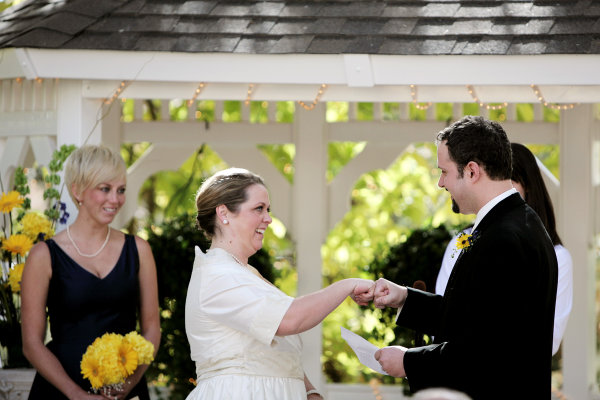
This is the finest line you will walk all day: staying out of the way, but being right in the middle of everything.  One of the first things I do when I get started at the ceremony site is to chat with the officiant.  At that point, I have (hopefully) already met with the bride and groom and have a feel for if they are the type that want great pictures even if it means me shoving my way in, or if they would prefer that it’s a fun night for all of their people and no one even noticed that they had a photographer there.  

The officiant may have some very specific thoughts on this too.  Either they don’t care a bit and feel the couple are in charge, or they may ask you to stay out of the center isle, refrain from obviously standing during seated moments, and similar during the ceremony.  It’s the hardest part of the whole day—you are there to do a job, but you also don’t want to be known as the pushy portfolio-building photographer who couldn’t take a hint.  

At least 50 times a wedding I have to silently ask myself if the potential shot is amazing enough to risk being intrusive.  Sometimes the answer is yes and sometimes it’s no.  And sometimes I make a bad choice and I find myself obnoxiously close or I miss a great shot.  The sun  still always rises the next day though.

IMG_0101b

Shoot THEIR wedding, not Yours

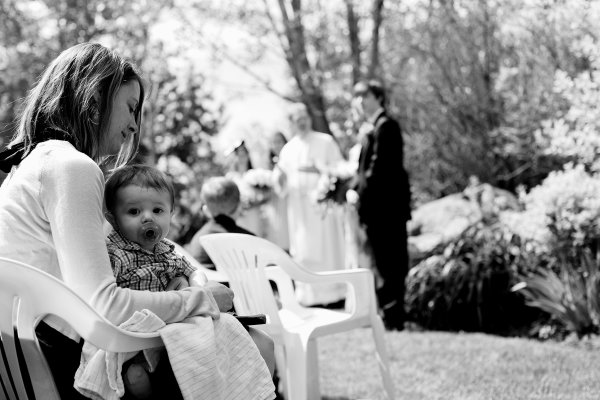
I’m a huge flirt.  And I don’t discriminate with this at all—men, women, kids, babies, dogs, whatever.  And while it maybe hasn’t made my dating life simple, it’s been great for my career and getting people  to feel comfortable and look happy quickly and easily.  

When this baby started making eyes at me with drool dripping, I forgot where I was for a second and thought, how fun is this shot—this baby oblivious to the union of souls happening mere yards away and instead diggin’ on me.  The problem with this shot is that, cute as it may be, there is nothing the couple—my clients—are likely to do with it.  They may not even know for sure who that baby is for all I know.  They hired me for pictures of them, important moments, and candid situations.  Not evidence of me flirting with a baby.  

Stay true to your style—it’s what you were hired for.  But always in the back of your mind remember that the end result will be what the couple didn’t get to see, what they didn’t remember, and what they will treasure for a lifetime.

IMG_0779b_color

Don’t Miss the Moments

This is the greatest fear of every wedding photographer; that something will happen and they will miss the kiss.  Or the moment when the groom sees his bride for the first time.  Or the entire first dance because they somehow got locked in the bathroom and no one could hear them banging on the door, screaming to be let out.  (That last one is maybe just my own fear.)  

Worrying won’t get you anywhere.  Odds are, you’re not going to miss the big moments.  What is more possible though is that by being on high alert every second for hours on end, you’ll miss some sweet little situations that could be an image no one expected, yet a perfect capture.  Try to be there as an observer that isn’t stressed about seeing every little thing happen.  You’re going to miss some stuff.  But you’re going to see a lot more than anyone else there.  It’s the most interesting backstage pass—enjoy the VIP status and use it wisely.

 weddingarticle

Shoot The Whole Story

Often couples in an attempt to cut costs, will push back the arrival time of the photographer or ask for ceremony and portrait shots and nothing else.  This is understandable: wedding photography is expensive.  I personally feel it’s the worst corner to cut with the exception maybe of tossing a giant cubic zirconium in platinum, but this is tough to explain to cost-conscience couples.  

If this is a wedding you are shooting that in any way will become a part of your wedding portfolio, go above and beyond and shoot even what’s not asked of you.  To only shoot the ceremony or portraits, leaves you with little to show for your effort and nothing that’s enough to impress the next couple you may try to book.  This may cost you time you didn’t account for or aren’t getting paid for, but it will come back to you in the long run when you have a wedding in it’s entirety as part of your portfolio.  It’s also just plain ol’ good experience.

 IMG_2935b

Make the Retail Shots Meaningful

I am convinced that those bouquet shots that photographers go to so much trouble to shoot at every possible different angle go completely to waste and I’m staying convinced of that until the day I walk into someone’s home and see a 16×24 gallery wrap canvas featuring a rose bouquet, laying casually on the alter as if by magic.  Flowers are expensive—I get that.  And every bride has likely been putting the occasionally thought into what color daisies her bridal bouquet is going to include since she was in the 4th grade.  But there’s better stuff to document, I promise.  Sure, take a pretty flower picture—why not.  

Digital is cheap and you likely will have a little down time while people are shoving chicken picatta into their faces (because, promise me, you will never, ever shoot people eating.  Don’t be that photographer.) But look for the details that are meaningful.  Instead of putting the rings somewhere weird and artsy, zoom in close and shoot that shiny new ring on their hand when they aren’t looking.  When it’s casually on their grooms face and they are enjoy a small moment.  Photograph the details that will be important years later.

And if you do get locked in the bathroom, don’t panic.  I have to hold on to the belief that a missing wedding photographer isn’t something that goes unnoticed for long.

Post originally from: Digital Photography Tips.

Check out our more Photography Tips at Photography Tips for Beginners, Portrait Photography Tips and Wedding Photography Tips.

So You’re Going to Shoot A Wedding: Part 2 of 3 [Day Of]


Digital Photography School
 
Comments Off on So You’re Going to Shoot A Wedding: Part 2 of 3 [Day Of]

Posted in Photography


3 Reasons to Shoot Vertical Aspect Landscapes and 6 Tips on How to Shoot Them

08 Aug

A Guest Contribution by Todd Sisson – author of our brand new Landscape Photography eBook (currently 33% off for 7 more days only).

The majority of landscape images are photographed in the horizontal aspect. I guess this because the horizontal format approximates the way in which we perceive ‘reality.’ However landscapes look stunning in the vertical format and often the unique characteristics of the upright format suit a scene better than a horizontal* composition. I am guilty of undershooting verticals these days, primarily for commercial reasons, but in any given shooting situation I try to remind myself to seek both a vertical and a horizontal composition from a scene.

Here’s why I think you should photograph vertically and some quick tips for successful upright image making.

Reason One: Verticals are Easy to Learn

Vertical composition using a wide angle or ultra-wide lens is the fast track to making interesting landscape images. My first successful landscapes were all vertical compositions where I found a moderately photogenic foreground object and used this to lead into the greater scene. To this day I find it easier to frame up an interesting sunset in the vertical format. I use rocks, grasses, flowers – just about anything with form to introduce the viewer’s eye to the scene.

Moraine Lake, Alberta Canada (1997).  Nikon F601, Nikkor 24mm, f/16, (shutter speed unknown), Fuji Velvia and most importantly, Lee 3 stop GND filter.  This was the first image that I ever made that actually turned out how I thought it would!  Note that foreground elements don't have to be spectacular to work, they just have to be well arranged in the frame and complement the rest of the scene.  When I was learning, I found it easier to eliminate foreground distractions and make a 'tight' composition in the vertical format. As a result, I shot far too many verticals in my early days and very few good horizontal images...

Moraine Lake, Alberta Canada (1997). Nikon F601, Nikkor 24mm, f/16, (shutter speed unknown), Fuji Velvia and most importantly, Lee 3 stop GND filter. This was the first image that I ever made that actually turned out how I thought it would! Note that foreground elements don’t have to be spectacular to work, they just have to be well arranged in the frame and complement the rest of the scene. When I was learning, I found it easier to eliminate foreground distractions and make a ‘tight’ composition in the vertical format. As a result, I shot far too many verticals in my early days and very few good horizontal images…

Reason Two: Vertical Compositions can be more Dynamic

In this dPS blog post, I explained the principles of ‘dynamic landscape compositions’. What I didn’t reveal in that article (for some inexplicable reason) was that vertical compositions can often accentuate the dynamic qualities of an image – particularly when using an ultra-wide lens.

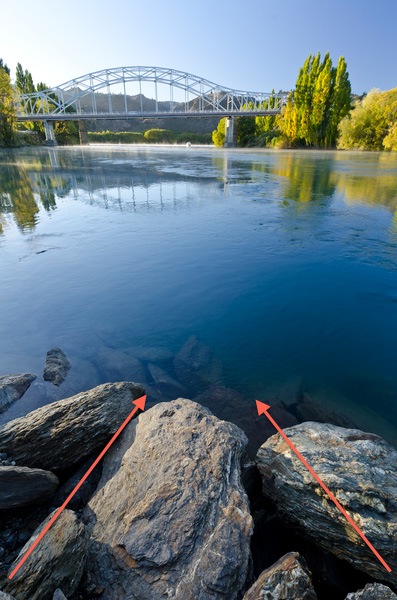
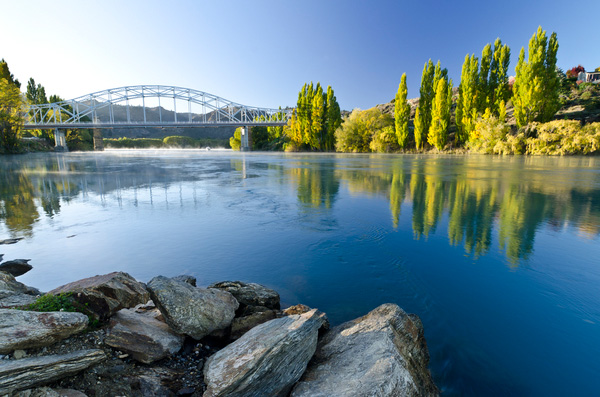
The Clutha River at Alexandra (it's not wonky, the bridge slopes downhill...).  Nikon D7000, Nikkor 12-24mm f/4 DX, Marumi Polarizer. 12 mm, f/11, 1/13th, ISO100.  The vertical format accentuated the leading lines present in the foreground rocks.  Getting low and tilting down on an ultra-wide lens distorts and extends the perceived length of leading lines in the foreground.

The Clutha River at Alexandra (it’s not wonky, the bridge slopes downhill…). Nikon D7000, Nikkor 12-24mm f/4 DX, Marumi Polarizer. 12 mm, f/11, 1/13th, ISO100. The vertical format accentuated the leading lines present in the foreground rocks. Getting low and tilting down on an ultra-wide lens distorts and extends the perceived length of leading lines in the foreground.

The Clutha River at Alexandra (the bridge still slopes downhill – I promise!).  Nikon D7000, Nikkor 12-24mm f/4 DX, Marumi Polarizer. 12 mm, f/11, 1/13th, ISO100.  When shooting horizontally, the bridge and trees would not be in frame if we used the same camera angles and proximity that were applied in the vertical format. In this case I had to step back and recompose to include everything, which reduced the dynamic impact of the rocks.

The Clutha River at Alexandra (the bridge still slopes downhill – I promise!). Nikon D7000, Nikkor 12-24mm f/4 DX, Marumi Polarizer. 12 mm, f/11, 1/13th, ISO100. When shooting horizontally, the bridge and trees would not be in frame if we used the same camera angles and proximity that were applied in the vertical format. In this case I had to step back and recompose to include everything, which reduced the dynamic impact of the rocks.

Reason Three: Verticals Sell Well

In the introduction I polluted the artistic sanctity of the article by mentioning ‘commercial reasons’. Five years ago we made most of our living from selling postcards of our images – horizontal postcards vastly outsell vertical postcards, and they fit better on a display stand, so I found myself inadvertently locked into a horizontal mindset (as I mentioned last week, deep thought and self-awareness are not my strong point). This sales trend is definitely mirrored in our website where the bulk of our print sales are horizontal.

However, In the past year we have ramped up our stock photography activity and this is one area where vertical images sell extremely well – especially for editorial usage and magazine covers where the format works beautifully with the vertical layout of printed media. Consequently, we are shooting a lot more vertical images. You may not be a full-time photographer but there are myriad ways to earn money from your photographic hobby these days, don’t leave money on the table – shoot verticals along with your horizontal compositions.

Vertical Shooting Tip 1: Get Low and Close

As I noted in the previous image, getting low and close accentuates the visual power of leading lines and dramatically increases the visual weight of foreground features. To go low you will need to use a tripod that has no centre column in order to get super close to the ground, I have detailed our tripod advice here which may be of interest if you are perplexed by the ins and outs of the tripod purchasing process.

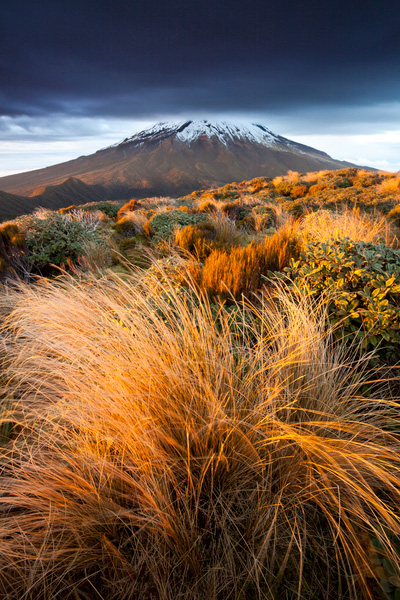
Mount Egmont New Zealand. Canon 5d mkii, Canon 17-40mm f/4 ultra-wide, Marumi polarizer. 17 mm, f/16, 1 sec, ISO100. By getting implausibly close to the foreground grass in this scene I have eliminated other distracting elements, increased the visual weight of the grasses and accentuated the leading lines in the bottom right of shot. As well as being close, I was also very low to the ground while making this image.

Mount Egmont New Zealand. Canon 5d mkii, Canon 17-40mm f/4 ultra-wide, Marumi polarizer. 17 mm, f/16, 1 sec, ISO100. By getting implausibly close to the foreground grass in this scene I have eliminated other distracting elements, increased the visual weight of the grasses and accentuated the leading lines in the bottom right of shot. As well as being close, I was also very low to the ground while making this image.

Vertical Shooting Tip 2: Get High and Close

When using an ultra-wide lens it is possible to include the full sweep of a scene and accentuate the visual dynamics of the image by getting above the foreground elements and composing vertically. To achieve this you will need a tripod that extends well above the height of your subject matter and then angle the camera downwards.

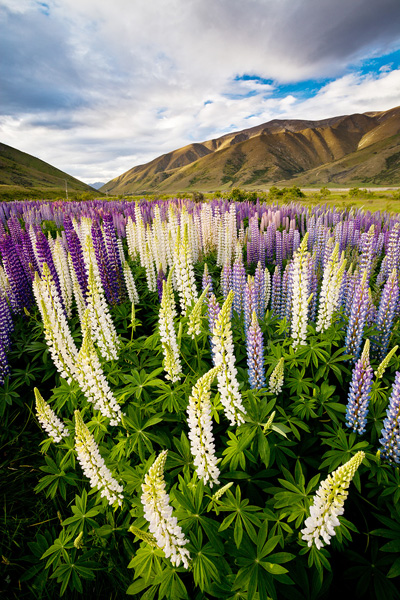
Lupine flowers, Mackenzie basin New Zealand (by Sarah Sisson). Canon 5d mkii, Canon 17-40mm f/4 ultra-wide, Marumi polarizer. 17 mm, f/16, 1/8th sec, ISO100. Sarah had to fully extend her tripod and stand on a box in order to get the camera above these chest high lupin flowers.  The high perspective meant that all of the meadow is visible  and accentuated the space between flowers in the foreground.

Lupine flowers, Mackenzie basin New Zealand (by Sarah Sisson). Canon 5d mkii, Canon 17-40mm f/4 ultra-wide, Marumi polarizer. 17 mm, f/16, 1/8th sec, ISO100. Sarah had to fully extend her tripod and stand on a box in order to get the camera above these chest high lupin flowers. The high perspective meant that all of the meadow is visible and accentuated the space between flowers in the foreground.

Vertical Shooting Tip 3: Break down the Composition

When composing strong verticals I tend to ‘break down’ the scene into foreground, midground and background (the same thinking helps with horizontal images of course). A good composition will contain interest in all three of these visual zones – which roughly approximates the rule of thirds compositional guidelines.

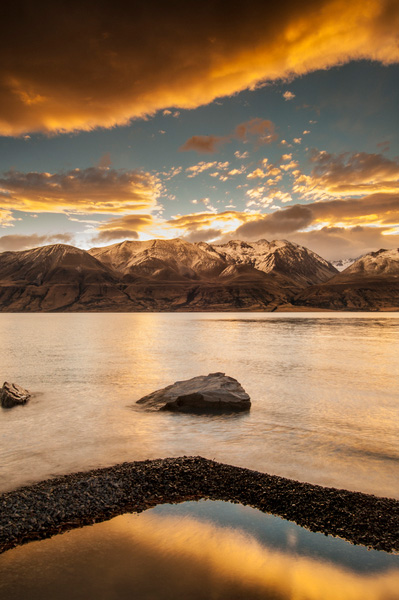
Lake Pukaki New Zealand.  Nikon D800e, Nikkor 17-35mm f/2.8 ultra-wide lens, Marumi Polarizer and Singh Ray 3 stop GND filter. This image has layers of visual interest in the foreground (gravel bar and rocks) mid-ground (reflected color & mountains) and the background (the sky). Note that the terms foreground, mid-ground and background align loosely with the principles of the rule of third – I find that I shoot more in sync with the rule of thirds for verticals than horizontals.

Lake Pukaki New Zealand. Nikon D800e, Nikkor 17-35mm f/2.8 ultra-wide lens, Marumi Polarizer and Singh Ray 3 stop GND filter. This image has layers of visual interest in the foreground (gravel bar and rocks) mid-ground (reflected color & mountains) and the background (the sky). Note that the terms foreground, mid-ground and background align loosely with the principles of the rule of third – I find that I shoot more in sync with the rule of thirds for verticals than horizontals.

Vertical Shooting Tip 4: – Leave some Space

Having just referred to the dreaded rule of thirds, I feel it my duty to throw a spanner into the works. Try messing with your vertical compositions by leaving ‘too much’ empty space. Dead space can look cool and graphic designers love it for dropping text into (sales tip).

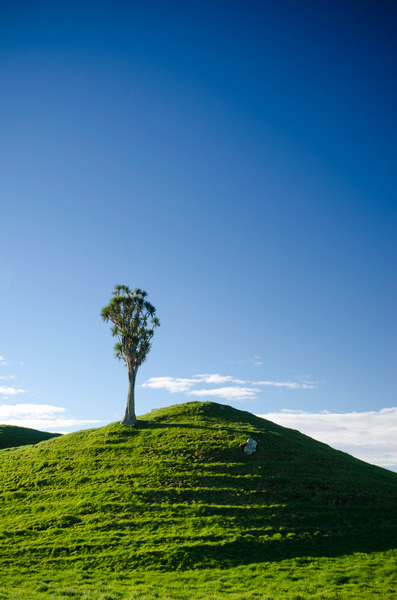
Lone cabbage tree, Taranaki New Zealand.  Nikon D7000, Nikkor 16-85mm DX, Marumi Polarizer. 35 mm, f/11, 1/20h, ISO100.  I think that vertical images often look great with plenty of empty real estate (I am a gleeful recidivist breaker of the rule of thirds). This image has sold several times as an interior page with text dropped over the sky portion.

Lone cabbage tree, Taranaki New Zealand. Nikon D7000, Nikkor 16-85mm DX, Marumi Polarizer. 35 mm, f/11, 1/20h, ISO100. I think that vertical images often look great with plenty of empty real estate (I am a gleeful recidivist breaker of the rule of thirds). This image has sold several times as an interior page with text dropped over the sky portion.

Vertical Shooting Tip 5: Try Telephoto Verticals

Telephoto verticals are a particularly attractive compositional option, particularly around mountains. Because the long edge is oriented top to bottom you can exploit telephoto compression more effectively (by allowing more foreground into the frame at longer focal lengths and emphasizing the height differential across the scene).

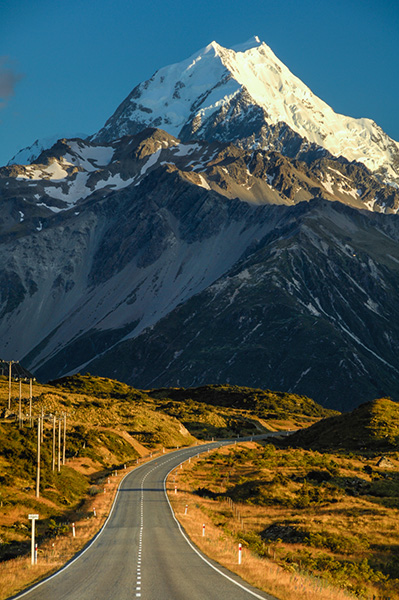
The road to Mount Cook New Zealand.  Nikon D7000, Nikkor 70-200mm f/2.8 Vrii, Marumi Polarizer. 135 mm (202mm 35mm equivalent), f/11, 1/15h, ISO100. The vertical aspect exaggerates the effects of telephoto compression in scenes like this.

The road to Mount Cook New Zealand. Nikon D7000, Nikkor 70-200mm f/2.8 Vrii, Marumi Polarizer. 135 mm (202mm 35mm equivalent), f/11, 1/15h, ISO100. The vertical aspect exaggerates the effects of telephoto compression in scenes like this.

Vertical Shooting Tip 6: Invest in an L-Bracket

An L-bracket or ‘L-plate’ is an L­-shaped (surprise, surprise!) tripod mounting plate that wraps around your camera body. This allows you to effortlessly mount your camera in the vertical orientation without having to flop the ballhead’s mounting point over on it’s side. Never again will you have to fight gravity and adjust tripod legs in order to get the camera leveled when shooting vertically – genius!

You will find a bit more information on the benefits of L-plates here on our website.

*I use the terms vertical or horizontal because the commonly used ‘portrait’ and ‘landscape’ terminology makes me abnormally irascible and grumpy. These terms are a nonsensical hangover derived from a Windows 95 printer options dialog box (maybe this riles my inner Mac Veteran). After all, a portrait can be photographed vertically or horizontally and likewise a landscape…..

Todd & Sarah Sisson are full-time landscape photographers based in Central Otago New Zealand. They are the authors of our new eBook Living Landscapes: A Guide to Stunning Landscape Photography.

Their work can be found as fine art prints & canvas prints at www.sisson.co.nz  They can be found on Facebook, Google Plus and Twitter.

Post originally from: Digital Photography Tips.

Check out our more Photography Tips at Photography Tips for Beginners, Portrait Photography Tips and Wedding Photography Tips.

3 Reasons to Shoot Vertical Aspect Landscapes and 6 Tips on How to Shoot Them


Digital Photography School

 
Comments Off on 3 Reasons to Shoot Vertical Aspect Landscapes and 6 Tips on How to Shoot Them

Posted in Photography


On Assignment: Scout and a Shoot Pt. 2

01 Aug

Okay, so we're back shooting at the MCE after our scout a couple of days ago. The weather is hot, so I am glad I choose speedlights. Much less to lug.

Leading off is entrepreneur Biplab Pal, of Zreyas Technology, whose company facilitates product development and manufacturing for other companies.

Let's walk through this and the other shoots…

Read more »
Strobist

 
Comments Off on On Assignment: Scout and a Shoot Pt. 2

Posted in Photography


On Assignment: Scout and a Shoot Pt. 1

29 Jul
Gonna do something a little different today.

If at all possible, before a job I try to get to the location a day or two in advance and do a quick scout. This helps me to think a little in the interim and to anticipate any problems I might have during the shoot. It also helps me to decide what gear to bring — i.e., not to overpack.

So let's do a quick scout together. In the next post, we'll walk through the shoot itself.

Read more »
Strobist

 
Comments Off on On Assignment: Scout and a Shoot Pt. 1

Posted in Photography


How to Shoot Landscapes at Sunset

26 Jul

Sunsets are a huge draw for landscape photographers due to the unique light at the end of the day. Not only is the colour of the light attractive but also its low angle as the sun goes down gives greater texture to the landscape.

Whilst the conditions at sunset have the potential to yield great images, they also provide challenges that need to be overcome to maximise that potential.  Here I want to share some tips and approaches for shooting landscapes at sunset.

Camera Settings

One thing I am often asked is “what settings should I use to photograph a sunset?”.  Photographing at sunset is no different to shooting any other landscape; therefore the following make a good starting point:

Shooting mode: Manual
ISO: 100
Aperture: f/11 (maximising depth of field, without compromising image quality)
Shutter speed: Adjust so that detail is retained in the sky highlights (if too bright, make it faster, if too dark, make it slower)
White balance: Daylight/Sunny (if shooting in JPEG)

However camera settings alone do not guarantee success, there are a few other things to consider.

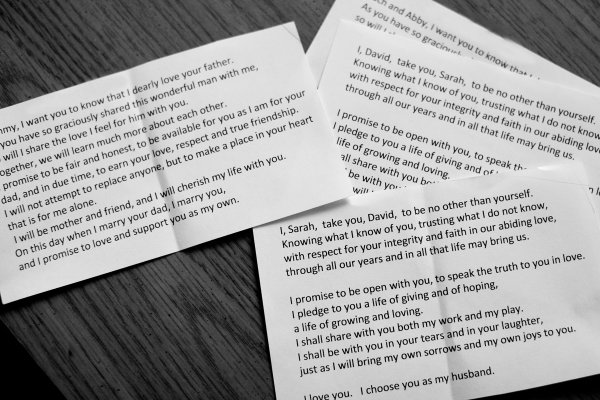
Sunset with star burst

Shot into the sun as the sun crossed the tree line (ISO 200, f/11, 30s, using 3-stop graduated ND filter, 10-stop ND filter)

Exposure

Often, the draw of a sunset is a brightly coloured sky containing reds, pinks and oranges and the temptation can be to make the sky the focal point of the image, expose for it, and throw everything else into silhouette.  If there is an interesting skyline, this can work compositionally however if not, you will be left with an image that can lose the viewers interest quickly – after the sky, there is nowhere left for the eye to go.

Also, one of the joys of sunset is capturing the golden light illuminating the world in front of you and casting long shadows.  Therefore, capturing both the land and sky correctly exposed can produce images with a much higher impact that will hold the viewers attention for longer.  However, therein lies one of the challenges.

When the sun is low, the sky will appear very bright in comparison to the land.  Due to the limited dynamic range of digital sensors, the difference in brightness between the sky and the land can cause problems for the resulting image – if the difference is too great, you will either lose detail in the highlights (sky) or shadows (land).

There are two ways to overcome this:

  1. Use graduated neutral density filters (as covered in this post) to reign in the bright sky, and ensure that you can record the full range of highlights and shadows in one image
  2. Take multiple images (one exposed for the sky, one exposed for the land as a minimum) and blend the two together using photo editing software.

Both approaches come with complications (the potential for unwanted flare or colour casts from filters, or unwanted movement between exposures for the blending).  My preference is to use graduated neutral density filters, with the aim of getting as much right in-camera in one image, to save having to spend time blending exposures when back at my computer.

Sunset, shot away from the sun

Shot with the sun at 90 degrees to my right highlighting the foreground rock detail (ISO 100, f/11, 1.6s, using 3-stop graduated ND filter)

Don’t pack up when the sun goes down

Too many people pack up and head home when the sun goes down, but it’s only 10 or so minutes after the sun has set that the real colour display in the sky begins.  A small amount of time after the sun drops below the horizon, you often see any clouds in the sky take on a red/pink hue.  As there is no bright light source at this time, shutter speeds soon increase to a few seconds, so a tripod is a must, but you will be able to capture images with incredible saturation in the sky, without any post processing.

Sunset taken after the sun went down

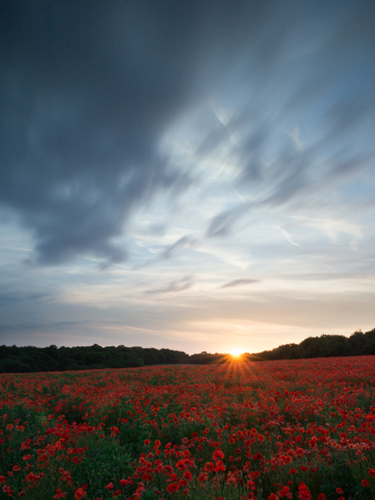
Taken approx. 30 minutes after the first image above, showing the clouds taking on the pink/purple tones (ISO 200, f/11, 4s, using 2-stop graduated ND filter)

Don’t forget sunrise

Everything I’ve written here discusses shooting at sunset, but it all applies to sunrise too.  It is a much more difficult to motivate yourself to go out at sunrise, but it is my favourite time of day to take landscape images as the light is just as magical and, depending on the overnight temperatures, you can often be greeted with early morning mists that can add a whole new dimension to your landscape images.

Sunrise with mist rolling over landscape

Taken just after sunrise with mist rolling in the valley below (ISO 100, f/11, 1/40s, using 3-stop graduated ND filter)

So whilst sunrise or sunset are challenging times of day to shoot effectively, hopefully the above tips will help you go out and capture the full potential of the landscape in front of your lens.

Post originally from: Digital Photography Tips.

Check out our more Photography Tips at Photography Tips for Beginners, Portrait Photography Tips and Wedding Photography Tips.

How to Shoot Landscapes at Sunset


Digital Photography School
 
Comments Off on How to Shoot Landscapes at Sunset

Posted in Photography


So You’re Going to Shoot A Wedding: Part 1 of 3 [Preparation]

06 Jul

About 5 seconds after I purchased my first professional camera, long before I hung a shingle or had any idea of what I was doing, the requests to shoot weddings came flooding in. Because let’s face it; someone’s always getting married. And your cousin’s dentist’s cleaning lady’s daughter would love a deal. And you are maybe just the photographer to give her one.

There are thousands of opinions regarding if non-wedding photographers should ever even consider taking a stab at shooting a wedding– free, favor, or otherwise. For the purpose of this article (and my sanity) we aren’t going to touch the politics of that with a 10 foot pole. Instead, we are going to assume that for whatever reason, you are shooting your first or near first wedding, like, tomorrow and you need a little reassurance that going ahead and shooting it as planned is a better idea than attempting to break your leg on purpose so you can be hospitalized and therefore legitimately unable to work. (The recovery time for this is longer than you would think. I’ve looked into it.) Here are 5 tips for the preparation of said wedding/non-purpose-leg-breaking.

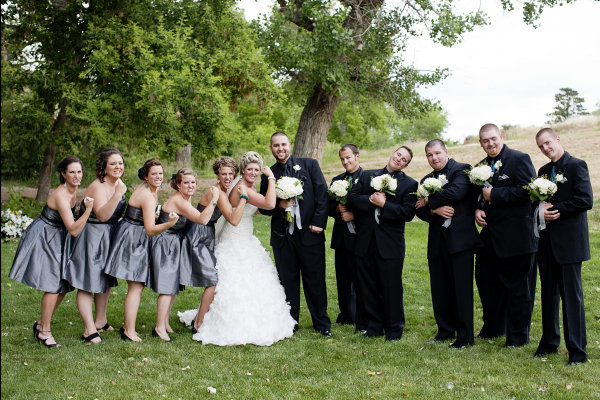
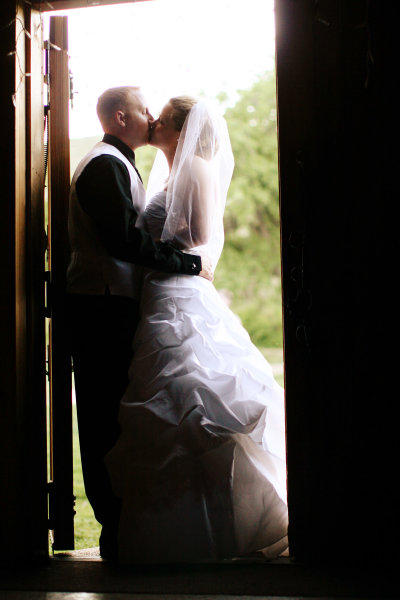
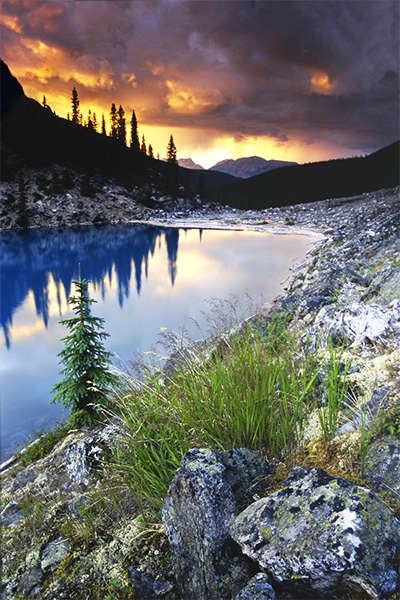
PHOTO ONE 1

Value Yourself

Never, ever, ever shoot a wedding for free. I know it’s tempting. Maybe you’ve never shot one before and you feel awkward about charging. Or maybe it’s your brother/sister/neighbor/dry-cleaner’s wedding. Still, absolutely no.

Here’s why: these pictures, even if they aren’t of the caliber of work you hope to produce in the future, have worth. Great, amazing worth. A worth that is only increased when they aren’t just handed over for nothing in exchange. Now, in the right situation, I do a TON of work for cheap or trade and always have. But there has to be an energy exchange of some kind.

Work for trade, work for the slightest possible fee to cover your time and equipment rental or wear, but don’t work for free. Never, ever.

You don’t want to work with people who would expect you to and they don’t want to work with someone who doesn’t value their abilities. No matter how new you are to photography, you are right now reading an article on a website all about photography. That says that you have enough interest to research it, and I’m willing to bet, enough skill to pull it off.

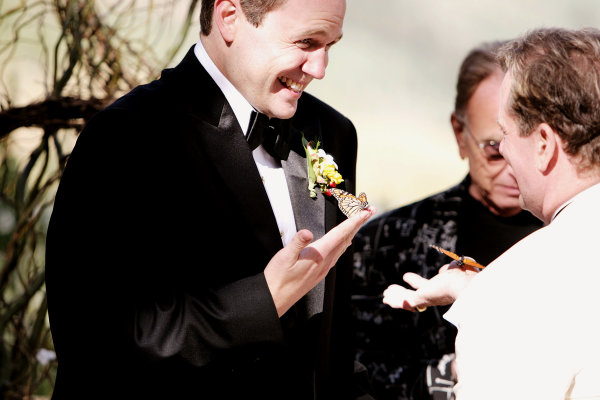
PHOTO TWO 1

Prepare Yourself

I’m pretty high energy. I inhale coffee like it’s air and have to constantly remember to slow down when I talk. And walk. And drive. (Though that one probably doesn’t have much to do with caffeine.) Even so nothing lays me out like shooting a wedding. I don’t care if I have two assistants and the kindest, easiest, and most photogenic couple on the planet; it’s still exhausting.

Plan nothing the day before, and nothing the day after. The night before, sleep like it’s your job. Ice your eyeballs. If you’re into that kind of thing. You will likely be carrying twice as much equipment as normal, working five times as long, and running around like a toddler that mistook Red Bull for apple juice. No matter if you accepted actual compensation for this job or not—you owe yourself and the resulting images the best possible set-up. Day of, that set-up is comfortable shoes, a shirt that gives you renewed faith in human kind, and your lucky underwear. Or whatever. 

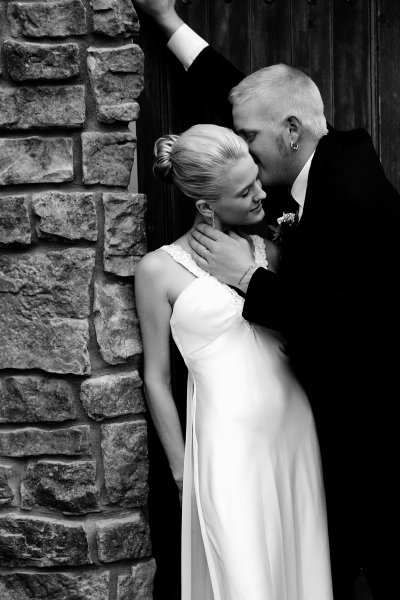
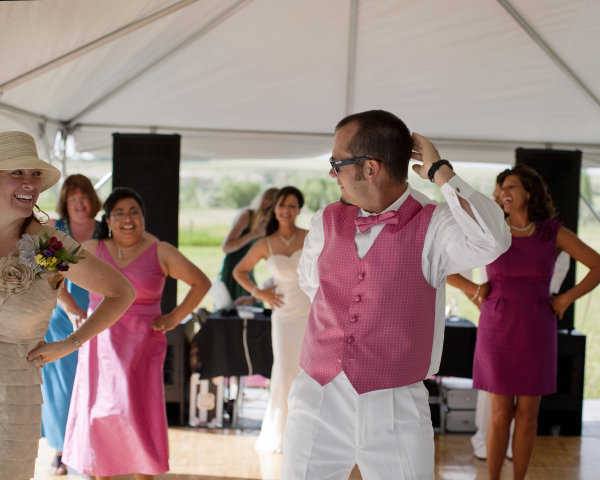
PHOTO THREE 1

Have a plan…..and Faith

Most brides have been told by wedding planners, magazines, and overzealous soon-to-be mother-in-laws that they need to provide their photographer with a “shot list”. If you can avoid this upfront, do. Instead tell them that you plan on taking all the typical and expected shots you can and if they want to provide you with a short list of requested special shots that you may not think of on your own, they are welcome to. You may not know that it’s very important to the bride that all of her uncles fifth removed on her father’s side get a picture together.

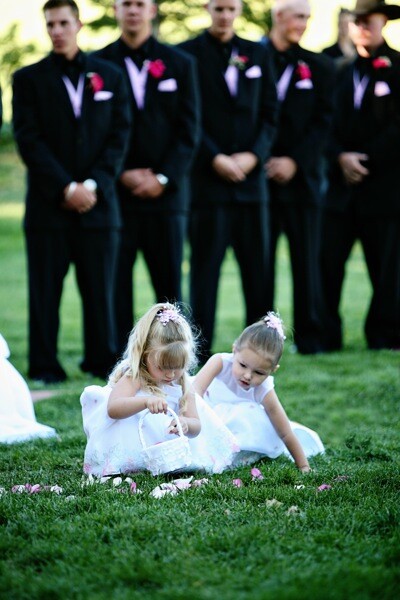
But you darn well know that she wants a shot of the kiss, a shot of the wedding party, a shot of cute flower girls doing cute flower girl things, and all the other standard shots that these lists tell brides they need to ask for. If they have a few simple unusual requests, this list goes in your pocket and is all you need. Everything else will happen as it’s supposed to, when it’s supposed to, and if you worry about it, you’ll just miss the cute flower girls doing cute flower girl things.

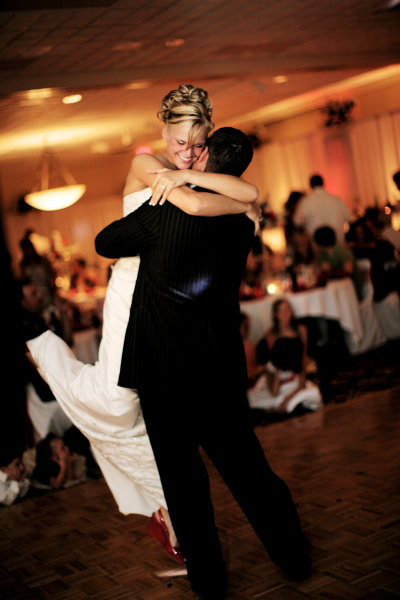
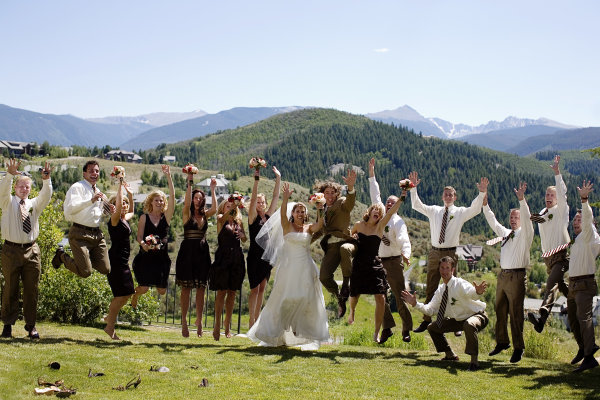
PHOTO FOUR

Bring the Right Equipment (and it’s Not what you Think)

Pack a lunch, water, and easy to eat snacks. I’m not even kidding. I know what you are thinking right now—but they will have food there! Yes, they will. But the logistics of you and said food meeting up for a little break time rendezvous are extremely complicated. Trust me.

Also, you’ll want gum, Advil, and safety pins.

Correction: someone will want these things. It may be you. It may not be. But everyone will assume you are packing minty freshness, pain relief, and an emergency dress fix, so you may as well pleasantly surprise them.

Finally, and this may seem a bit excessive to some but I am nothing if not a bit excessive; I bring an entire change of clothes. A lesson learned after a waitress carrying a tray of full wine glasses and I collided at the very beginning of a reception. I got to spend the rest of the evening smelling like a winery and everyone else got to wonder why the photographer had already hit the free bar when they hadn’t even gotten to the front of the buffet line yet.

PHOTO FIVE 1

Do you have an Exit Buddy?

Whether you have an assistant or not, you need a friend. A go-to. A pal. A person on the inside.  A free Girl Friday, if you will. I don’t know who that person is. Right now, you don’t know who that person is. But it will be obvious who it’s supposed to be and you will find them early on. And you will latch on to them in a way that will have you trading BFF necklace halves by the end of the night.

This person is going to explain who is who to you. Help you out when cousin Johnny is begging for your number and you still have 3 hours of dodging him while trying to remain professional.

This person knows who is giving the toast, every bridesmaid’s name, and will happily fetch you bouquets when you have everything set-up for the perfect shot but everyone forgot their bouquets in the bathroom. It’s a bridesmaid, an aunt, an unofficial wedding planner, a step-sister, or maybe just a knowledgeable family member that is only there for the free food.

And to help you, it turns out.

Post originally from: Digital Photography Tips.

Check out our more Photography Tips at Photography Tips for Beginners, Portrait Photography Tips and Wedding Photography Tips.

So You’re Going to Shoot A Wedding: Part 1 of 3 [Preparation]


Digital Photography School
 
Comments Off on So You’re Going to Shoot A Wedding: Part 1 of 3 [Preparation]

Posted in Photography


Readers Shoot Back: Sergey Zaytsev

03 Jul

I sometimes kill an afternoon scanning the excellent work that Strobist readers upload to the site's Flickr group. Every now and then one will really stop you in your tracks, as did Georgian photographer Sergey Zaytsev's homage to his country's Queen Tamar, seen above. Very cool that it was done with more creativity than dollars (or lari, I should say?) and with a strong historical inspiration, to boot.

Would it surprise you to find this was done with a Nikon D300s and a few bare Cactus KF36 Vivitar 285 knockoffs? 'Cause that's what he used.

Read more »
Strobist

 
Comments Off on Readers Shoot Back: Sergey Zaytsev

Posted in Photography