RSS
 

Posts Tagged ‘Shoot’

Point & Click: Street Stencils Show Tourists Where to Shoot

19 Feb

[ By WebUrbanist in Global & Travel & Places. ]

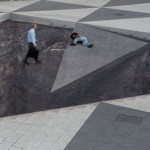
shitty photo standing spot

Urban travelers love taking pictures, but ideal angles are not always obvious to visitors – many ultimately either stand in same hard-to-find spot or fail to take an interesting photograph altogether.

shitty photos shoe stencil

shitty photo stencil yellow

shitty perspective angle picture

That’s where Mimi Chan and Utsavi Jhaveri step in, spray-painting a set of shoe prints around cities. These markings in turn tell people where to place their feet, point and click to capture the ‘perfect’ (if a bit redundant) image of a given monument or sight.

shitty pic street graffiti

Starting with San Francisco and New York City, the pair found some of the project upsides included: having an excuse to wander cities (especially after dark), getting external sponsorship to cover expenses and ultimately being thanked by tourists who genuinely appreciated being told how and where to take a better picture – all that and increasingly copious press coverage, of course.

no shitty photos project

no shitty photos coverage

Overtly, the #noshittyphotos project is aimed at reducing poor photography via these cookie-cutter stencils, but of course it makes you wonder: does the world really need more photos taking from the same angle of the same thing? What is it about retaking the same shot that attracts people to documenting something over and over again? Does it help us remember or is it simply a way to lay our own small claim to having seen something?

Share on Facebook


[ By WebUrbanist in Global & Travel & Places. ]

[ WebUrbanist | Archives | Galleries | Privacy | TOS ]


WebUrbanist

 
Comments Off on Point & Click: Street Stencils Show Tourists Where to Shoot

Posted in Creativity


Low Light Photography: How to Shoot Without a Tripod

22 Jan

A tripod is my most valuable photo accessory. In fact, I view it as an essential item, and not an accessory. But sometimes using one is just not practical. Sometimes you get caught without it unexpectedly, and sometimes they even break. It’s good to know what to do in these situations so you don’t miss any photo opportunities.

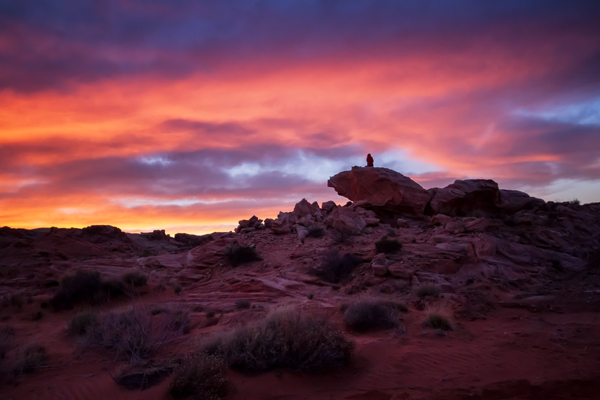
Sunset in The Valley of Fire, Nevada by Anne McKinnell

While shooting in the Valley of Fire, Nevada, I broke my tripod. Of course, there was a spectacular sunset that night. I was able to make this photo by increasing my ISO to 2000 and using a wide aperture of f/5.0 (the widest aperture for the lens I was using) when normally I would have used a much small aperture for this scene.

If you don’t have your tripod with you, or you’re trying to make do without one, you still have some options for low-light photography.

1. Use a wide aperture

If you want to handhold your camera in low light, you’ll have to work with a wide aperture, a high ISO, or both. Often landscape photographers want to use a small aperture such as f/18 to get maximum depth of field, but that isn’t practical for low light situations. Instead, use your camera’s widest aperture (the smallest f number) and focus on the most important feature in the frame.

Most standard kit lenses don’t perform very well in the dark, so if you do a lot of this type of photography, consider picking up a simple 50mm f/1.8 lens; nearly every brand has a cheap one and they’re well worth it for their sharpness and low-light capability. The maximum aperture of f/1.8 is a full 3.5 stops (lets in 12x more light!) wider than a standard 18-55mm kit lens at the same focal length.

2. Use Image Stabilization

The rule of thumb for shutter speed is that if you want a sharp image, the shutter speed should be no slower than the same fraction as your focal length – that is, if you’re using a 50mm lens, set your shutter speed to 1/50 second. However, if your lens has image stabilization, the shutter value can be two or three stops slower than this. This leeway makes a big difference in low light situations.

3. Use proper camera holding techniques

In low light photography, learning the proper stance and camera holding technique can give you even more leeway when it comes to preventing camera shake. It’s all about stability – plant your feet firmly, about shoulder width apart. With your right hand on the shutter button, hold the lens with your left hand, to steady it. Tuck your elbows tightly into your chest and control your breathing, shooting after you exhale whenever possible. All these things will contribute to your own stillness, minimizing handshake blur.

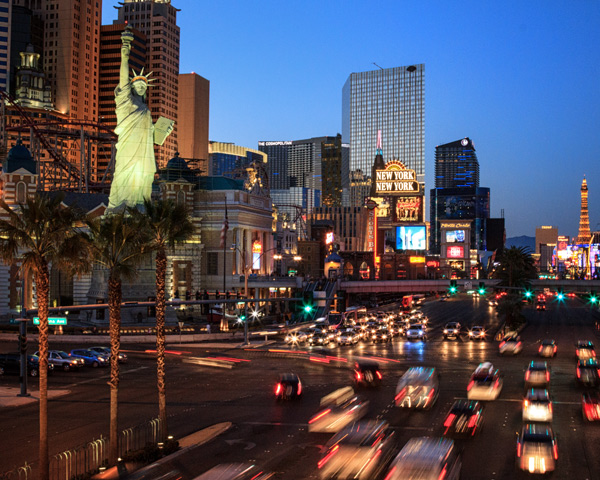
New York New York, Las Vegas by Anne McKinnell

In Las Vegas, I wanted to make an image with a fairly long shutter speed to blur the motion of the cars. However, I was standing on a bridge that had a chain link fence, and it was also a narrow pedestrian bridge with lots of pedestrians. Using a tripod was not practical. Instead using ISO 1250 and proper camera holding techniques allowed me to hold it steady for half a second.

3. Use a high ISO setting

ISO refers to the level of light sensitivity of your camera. The higher the ISO the more sensitive the sensor is to light, therefore the less light is needed to make a good exposure. The downside is that the higher the ISO, the more “noise” you will find in your image. Noise is a grainy look as opposed to a smooth look. Some noise is okay and it can often be removed in post processing.

When photographing in low light, turn your ISO up as high as you can before the image quality gets too noisy. This setting is different on every camera and an acceptable amount of noise is different for every photographer.

I recommend that you do an exercise so you know the maximum ISO for your camera, that results in a noise level you think is acceptable. Take the same shot at a number of different ISO settings and when you view the photos on your computer later (view at 100% size or 1:1), you will see at what point image quality begins to deteriorate. With today’s cameras this point is probably higher than you might think. Often with ISO 800 or 1600 you will see some noise, but not so much that you can’t fix it in post processing. It’s a good idea to try this exercise both in good light, and low light situations.

Canada Geese at Sunset by Anne McKinnell

Photographing Canada Geese flying overhead at twilight meant that I needed a relatively fast shutter speed to stop the motion. Therefore, I had to use a high ISO and a wide aperture to enable the faster shutter speed. This image was made at ISO 1600, f/4.5 1/200 second.

Noise is not necessarily a bad thing and can be used for creative purposes. If you are using a very high ISO, try shooting in black and white – it removes the colour from the noise and instead gives your photos an old-school grainy look.

Some of the most beautiful landscape photographs are made in low light, so learning these techniques will help you take advantage of low light opportunities and get that great shot even when you don’t have a tripod.

Further reading on low-light photography:

  • A guide to outdoor low-light photography
  • Better low-light photos without a flash
  • 15 tips for low light landscape photography

The post Low Light Photography: How to Shoot Without a Tripod by Anne McKinnell appeared first on Digital Photography School.


Digital Photography School

 
Comments Off on Low Light Photography: How to Shoot Without a Tripod

Posted in Photography


Rumored Sony Xperia ‘Sirius’ reported to shoot 4K video

22 Jan

TS520x0~cms_posts-9705313773-im01.jpg

Information has leaked about the Android 4.4.2. KitKat OS to be included in Sony’s next flagship Xperia handset that points to 4K video capability. Codenamed ‘Sirius,’ the high-end device will reportedly carry many of the same camera features that the current flagship Sony Z1 offers like manual exposure control, and along with 4K video is expected to add some new features like ‘timeshift video,’ a high frame rate movie mode with the option to apply slow motion effects. Read more on our sister site connect.dpreview.com.

News: Digital Photography Review (dpreview.com)

 
Comments Off on Rumored Sony Xperia ‘Sirius’ reported to shoot 4K video

Posted in Uncategorized


Do you Shoot in the Rain? – Poll Results

12 Jan

A few weeks ago I posed the question:

Do you Shoot in the Rain or Pack up at the First Drop?

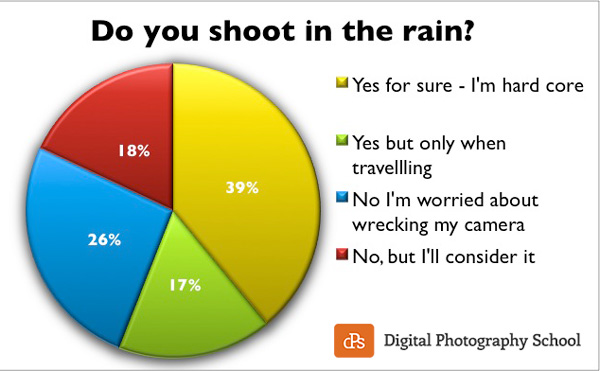
Over 7000 people voted and the survey results are in.

rain-poll-results-dps-2

Looks like close to half of us (39%) are crazy enough to just go for it come hell, or in this case high water, while about a third are worried about their gear. If you have a non-sealed camera body and kit lenses you should take due care in protecting your gear in inclement weather for sure.

For those 18% of you what want to give it a go, here are a few articles on how to protect your gear:

  • Tips to Protect your Gear in Harsh Weather Conditions
  • How to Protect your Camera in Extreme Conditions
  • How To Keep Camera Gear Safe While Traveling (another thing to consider)
  • Embrace the Weather with Your Photography

Remember to take the current poll and tell us what software you use the MOST here.


The post Do you Shoot in the Rain? – Poll Results by Darlene Hildebrandt appeared first on Digital Photography School.


Digital Photography School

 
Comments Off on Do you Shoot in the Rain? – Poll Results

Posted in Photography


Some Reasons Why to Shoot High ISO

08 Jan
1/125th at F2, ISO 6400 (Fuji X100s)

Fuji X100s: 1/125th at F2, ISO 6400.

The most common photographic fear that I come across these days is when people are afraid to raise the ISO setting on their cameras.

Just a handful of years ago, these fears were justified.  Raising your ISO to 1600 or 3200 was a no-go for a majority of cameras.

But no longer. Things are changing.

Some Reasons Why to Shoot High ISO  

The improvements in camera technology have been such that you can now photograph at ISO 1600, 3200, and even 6400 with many of the newer SLRs, micro four-thirds, and mirrorless cameras.

Before you move on, if you are unclear about what ISO is, read more on the subject here:

  • Introduction to ISO
  • Photography 101.7 – ISO
  • Moving Toward Manual Settings: Understanding ISO (a beginner’s guide)

But doesn’t a lower ISO mean better image quality?
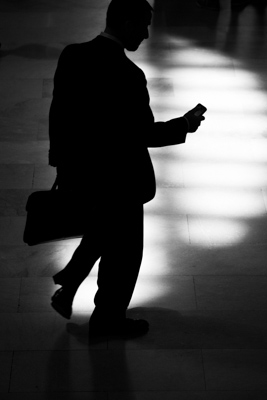
Canon 5D Mark II: 1/320th at F6.3, ISO 1600 (135mm). The high ISO allowed for a 1/320th shutter speed to account for both the motion in the scene and for the long focal length used.

Canon 5D Mark II: 1/320th at F6.3, ISO 1600 (135mm). The high ISO allowed for a 1/320th shutter speed to account for both the motion in the scene and for the long focal length used.

Well yes – and no.

Yes, if you are setting up a studio shot and controlling the lighting.  Yes, if you are using a tripod, if you are a landscape photographer, or if there is very strong natural light.  Yes, if you don’t have to compromise your shutter or aperture settings to expose the shot correctly.  ISO 200 will always create a significantly sharper and cleaner image than a shot at ISO 1600 when the aperture and shutter settings are the same.

In every other case the answer is no.

Raising your ISO will give you the ability to capture a higher quality photograph in many situations because it gives you the ability to use a faster shutter speed and smaller aperture (a larger aperture number) to get a sharper scene.  Getting the aperture and shutter settings correct are much more important than using a low ISO in creating a technically great photograph.

If you want to know how great event photographers consistently create such bright and beautiful images, it’s not only because they use fast lenses and flashes.  It’s because they are not afraid to raise the ISO to very high levels to capture the natural light in a scene.

In addition, the look of grain at high ISOs in digital cameras has become more pleasing.  The newer camera models have not only reduced the strength of grain (noise) at high ISOs, but they have given that grain a more pleasing look.

ISO has now become a luxury instead of an obstacle.  We can photograph in dark areas while handholding the camera when we need to.
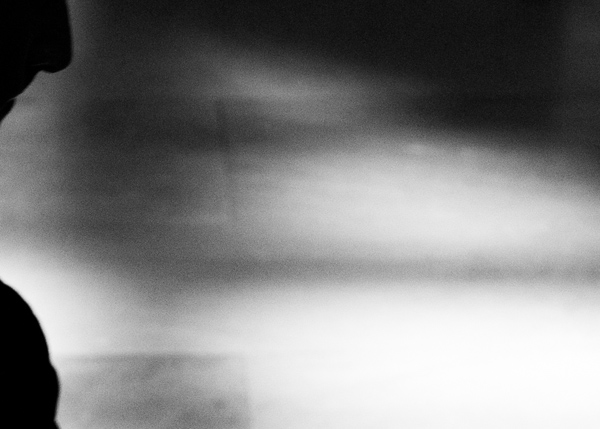
Detail Shot of the 5D Mark II at ISO 1600. Minimal, pleasing grain.

Detail Shot of the 5D Mark II (released in 2008) at ISO 1600. Minimal, pleasing grain.

When shooting at a high ISO, get the exposure right

The major problem with photographing at a high ISO is that raising the exposure in post production significantly will ruin the look of the grain.  Raising the exposure a small amount is usually okay, but if you are photographing with a high ISO, you need to be even more diligent than usual about exposing your images correctly in the camera.

Pay attention to colour noise versus black and white noise

You also want to pay attention to how your camera handles the look of noise in your colour images.  The Fuji X100S, for instance, handles colour noise exceptionally well, where as other cameras do not do so well with colour noise at very high ISO levels.  However, in many cases, the problem can often be solved by simply turning the photo into black and white.
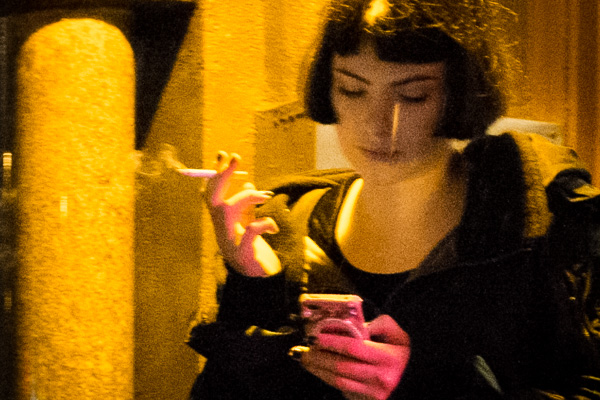
Fuji X100S, tiny detail at 6400.  Excellent color noise.

Fuji X100S, detail shot at ISO 6400. Very significant grain but excellent colour noise.

Take a look at the image detail above.  This was taken with a compact mirrorless camera at the very extreme end of its ISO range, 6400.  Yes, there is a lot of grain but it still looks good.   I prefer not to go over 3200 with this camera when I can avoid it, but without using ISO 6400 here I probably would not have been able to capture this image.

How do I test my camera’s ISO?

I wish I could talk about specific cameras here, but the list is too long.  I use the Canon 5D Mark II (released in 2008) and Fuji X100S and regularly shoot at ISO 1600, 3200, and even 6400 when capturing the city streets at night.  The Canon 5D Mark III does an even better job with noise at high ISO.

Each camera has different noise (grain) levels, so the first step is to research reviews on the noise levels of your camera or potential purchase.

If you own the camera already, the next step is to test it out yourself.  Make sure you are using a fast shutter speed and an aperture of somewhere between F8 and F16, so that each image you take is guaranteed to be sharp.  Then take the same shot at ISO 200 all the way through 6400.  Look at the images zoomed in to 100% (1:1 in Lightroom) on your monitor in both black and white and colour.

If you have a photo printer, I highly suggest printing out those images to see how the grain looks in real life and to see the differences between each image.

It is also important to remember, if you are regularly printing at smaller sizes, such as 5×7 or 8×10, then you will likely not notice a significant difference between ISO 200 and 1600.  If you prefer to print at larger sizes, such as 13×19 or 20×30, then there will be a noticeable difference.  So test it out.

Canon 5D Mark II: 1/500th at F9, ISO 800 (28mm).
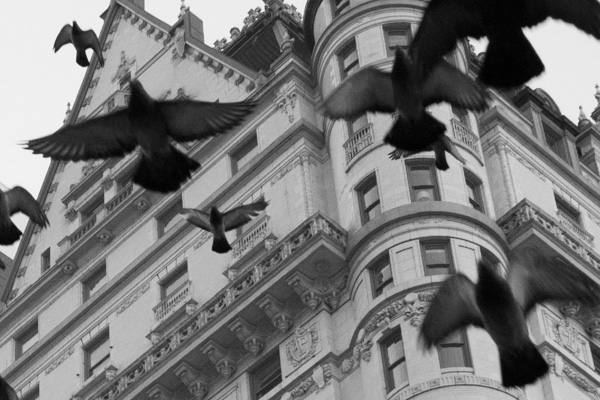
Canon 5D Mark II: 1/500th at F9, ISO 800 (28mm).

Zoomed in - insignificant grain at ISO 800.

Zoomed in – insignificant grain at ISO 800

Fuji X100S: 1/250th at F9, ISO 1600.

Fuji X100S: 1/250th at F9, ISO 1600.

Insignificant and pleasing grain.

Zoomed in – insignificant and pleasing grain

Grain is beautiful!

Do you remember the last old, grainy photograph that you saw in person?  It was gorgeous, right?  Digital technology is getting there.  Now is the time to get over your fear and try out shooting at higher ISO!

The post Some Reasons Why to Shoot High ISO by James Maher appeared first on Digital Photography School.


Digital Photography School

 
Comments Off on Some Reasons Why to Shoot High ISO

Posted in Photography


How to Shoot Festive Lights from a Car

04 Jan

In keeping with the holiday season I found this video and thought it was not only a unique idea but very timely if you want to give it a go before all the lights come down.

How to shoot festive lights from a car!

Some of the things mentioned in the video:

  • Vanguard Alta Pro 284CT Carbon Fiber Tripod Legs with Multi-Angle Central Column System
  • Canon EF 8-15mm f/4L Fisheye USM Ultra-Wide Zoom Lens for Canon EOS SLR Cameras

Further reading on how to shoot festive lights:

  • How to Create a Winter Wonderland Holiday Photo
  • How to Take Beautiful Bokeh Christmas Images [With 39 Stunning Examples]
  • 23 Christmas Lights Photos – With a Twist

The post How to Shoot Festive Lights from a Car by Darlene Hildebrandt appeared first on Digital Photography School.


Digital Photography School

 
Comments Off on How to Shoot Festive Lights from a Car

Posted in Photography


So you Want to Shoot Landscapes? [Top 12 dPS Landscape articles from 2013]

27 Dec

Landscape photography is always a popular topic here on dPS. Who doesn’t a great mountain scenic image, or a shot of the rolling waves on the ocean?

Image by Todd Sisson – author of our Living Landscape Photography eBook

In this, the first of our “Best of 2013” series are 12 of the top landscape articles from 2013. In no particular order:

  1. 11 surefire tips for improving your landscape photography
  2. Composing dynamic landscape images
  3. Getting landscapes sharp: focus stacking
  4. Getting landscapes sharp using hyperfocal distance and aperture selection
  5. 4 rules of composition for landscape photography
  6. 4 essential ingredients for great landscape photographs
  7. 3 reasons to shoot vertical aspect landscapes and 6 tips on how to shoot them
  8. 3 steps to gorgeous landscape images
  9. How to shoot landscapes at sunset
  10. Tips for shooting landscapes with a telephoto lens
  11. Wide angle lenses and the landscape
  12. Include the foreground for dramatic landscapes

For even more information on landscapes pick our popular ebook Living Landscapes.

The post So you Want to Shoot Landscapes? [Top 12 dPS Landscape articles from 2013] by Darlene Hildebrandt appeared first on Digital Photography School.


Digital Photography School

 
Comments Off on So you Want to Shoot Landscapes? [Top 12 dPS Landscape articles from 2013]

Posted in Photography


How to Shoot Sports at Night and in Other Challenging Situations Like a Pro

21 Dec

Sports photography is often shot either one of two ways – a 1/1000th shot freezing everything in frame and capturing a single, frenetic moment during a race, or at 1/60th, panning with the subject and creating some motion blur to emphasize the speed of the subject. No matter which method, they’re always taken during the day. Daylight allows photographers to Continue Reading

The post How to Shoot Sports at Night and in Other Challenging Situations Like a Pro appeared first on Photodoto.


Photodoto

 
Comments Off on How to Shoot Sports at Night and in Other Challenging Situations Like a Pro

Posted in Photography


All That You Need in Your Camera Bag for a Successful Wedding Photography Shoot

16 Dec

There are many challenges to successful wedding photography, and it can be a hectic day, even for skilled photographers.It includes the photography of activities involving the wedding and photographs of the family members, friends and couple before the marriage, as well as coverage of the wedding day and post wedding. It’s a viable endeavor that supports the efforts of many Continue Reading

The post All That You Need in Your Camera Bag for a Successful Wedding Photography Shoot appeared first on Photodoto.


Photodoto

 
Comments Off on All That You Need in Your Camera Bag for a Successful Wedding Photography Shoot

Posted in Photography


Do you Shoot in the Rain or Pack up at the First Drop?

25 Nov

In line with this week’s photography challenge, weather, I want to do a quick survey to see if you shoot in the rain or not.

I get a lot of questions from my students about shooting in the rain (or snow, or on the beach) and whether or not it will damage their camera. Of course that depends on the camera body you own (some are weather sealed, some are not – if you aren’t sure read your manual or check the manufacturer’s website), and the precautions you take.

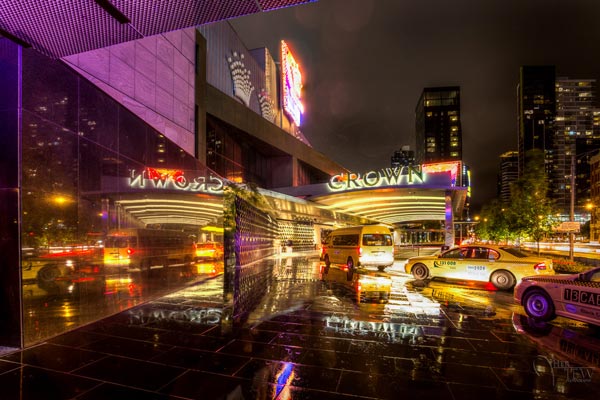
Personally, I do get out in the rain and shoot. In fact this was done in the pouring rain in Melbourne (dPS headquarters) at the casino. I ducked under an overhang, covered up my camera and myself, and got puzzled looks from the passers by.

Photography of the Melbourne casino in the rain

So, my question for you is – do you brave it? Or do you play it safe?

Note: There is a poll embedded within this post, please visit the site to participate in this post’s poll.

Post originally from: Digital Photography Tips.

Check out our more Photography Tips at Photography Tips for Beginners, Portrait Photography Tips and Wedding Photography Tips.

Do you Shoot in the Rain or Pack up at the First Drop?

The post Do you Shoot in the Rain or Pack up at the First Drop? by Darlene Hildebrandt appeared first on Digital Photography School.


Digital Photography School

 
Comments Off on Do you Shoot in the Rain or Pack up at the First Drop?

Posted in Photography