RSS
 

Posts Tagged ‘REVIEW’

Just Posted: Nikon D7100 in-depth review

27 Apr

d7100prodshot.png

We’ve just published our 25-page, in-depth review of the Nikon D7100. Sitting atop Nikon’s APS-C DSLR lineup, the D7100 offers a 24MP CMOS sensor sans AA filter and a 51-point AF system that borrows heavily from the D4. In terms of ergonomics and handling the D7100 will feel familiar to D7000 users looking to upgrade, but it also inherits recent changes we’ve seen from Nikon in the D600 and D800 models. Is the D7100 a compelling option for enthusiasts tempted by the recent wave of affordable full frame DSLRs? Click through to find out.

News: Digital Photography Review (dpreview.com)

 
Comments Off on Just Posted: Nikon D7100 in-depth review

Posted in Uncategorized


Just Posted: Nikon D7100 In-depth Review

26 Apr

d7100prodshot.png

We’ve just published our 25-page, in-depth review of the Nikon D7100. Sitting atop Nikon’s APS-C DSLR lineup, the D7100 offers a 24MP CMOS sensor sans AA filter and a 51-point AF system that borrows heavily from the D4. In terms of ergonomics and handling the D7100 will feel familiar to D7000 users looking to upgrade, but it also inherits recent changes we’ve seen from Nikon in the D600 and D800 models. Is the D7100 a compelling option for enthusiasts tempted by the recent wave of affordable full frame DSLRs? Click through to find out.

News: Digital Photography Review (dpreview.com)

 
Comments Off on Just Posted: Nikon D7100 In-depth Review

Posted in Uncategorized


Panasonic Lumix DMC-GH3 Review

25 Apr

Panasonic Lumix DMC-GH3 Review.jpg

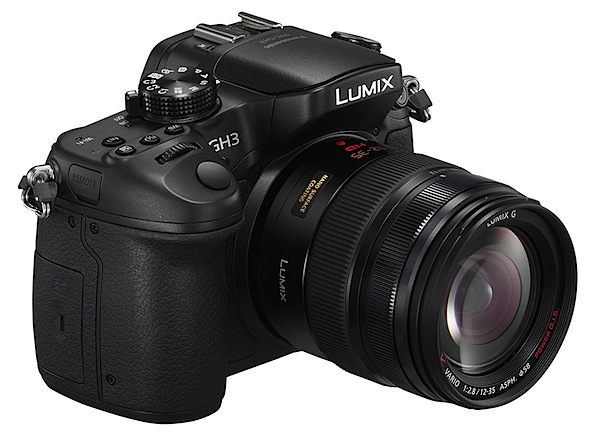
For whatever reason it was a long wait for the Panasonic Lumix DMC-GH3 — I counted about six months. Worth waiting for?

Yes, for a number of reasons, not all directly to do with image making either.

As a MILC (mirrorless interchangeable lens camera) this is as fully featured as you can get and then offers more in the rugged department: it has a magnesium alloy, full diecast body, coupled with splash and dustproof construction, achieved by tightly sealing sections of the camera body.

Test lens was the Lumix G Vario Power OIS f2.8/12-35mm, equating to a 24-70mm lens in a 35 SLR.
Panasonic Lumix DMC-GH3 Back.jpg

Panasonic Lumix DMC-GH3 Review Top.jpg

Panasonic Lumix DMC-GH3 Controls

There’s a ton of external controls planted on the GH3′s body.

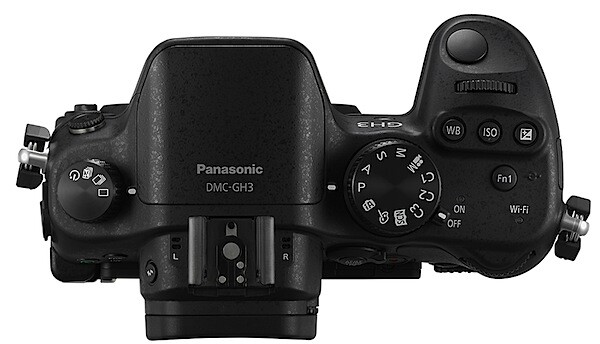
Top deck: at left is a tiny wheel that gives access to single shot or burst shooting as well as the self-timer and an auto bracketted exposure option.

The mode dial has eleven positions: PASM; ‘creative’ video shooting; three custom modes; stills creative control; 13 scene modes (inc portrait, backlit, children’s faces etc); intelligent auto; intelligent auto plus.

By now you will have sussed out that this camera attempts to straddle two levels of user: the expert who wants precise control of image capture and the dabbler, keen to fiddle with images.
Menu.jpg

Pool 3.JPG

Further along the top deck is the prominent on/off lever; three buttons that take you to ISO, AWB and exposure compensation; there is a front and a rear rotating dial that take you through a number of options; the shutter button is right at the front of the pronounced speed grip. And then there is the first of five Function buttons, with the other four sprinkled around the rear surface of the camera.

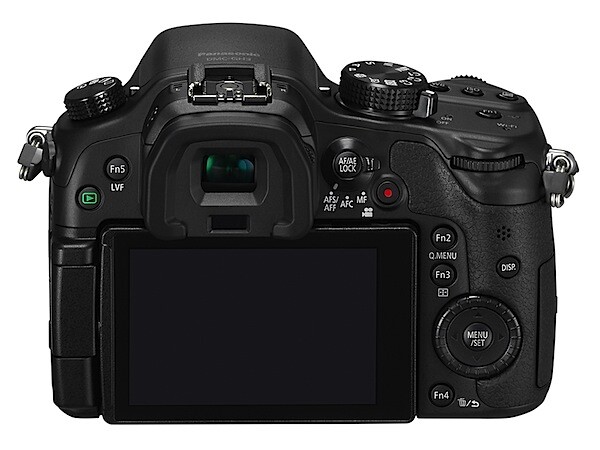
Rear: replay; Function buttons 2, 3, 5; auto focus and exposure lock button; video record; display options; a rotating control dial and concentric menu button.

So you can see, as I said: ‘There’s a ton of external controls …’

Panasonic Lumix DMC-GH3 Features

The 16.05 megapixel Live MOS sensor can capture a maximum image size of 4608×3456 pixels, or 39x29cm as a print.

Video? You can shoot Full HD in either MPEG4 or AVCHD. I was able to shoot stills while recording video with no apparent interruption to the latter. The AF tracked seamlessly mid video recording … a great performance.

Video users will appreciate the enhanced handling of the program material as it embeds SMPTE-compliant time code either in Rec Run or Free Run count-up methods; this makes it easy to synchronise multiple video shots or sound sources in post production.

In video sound recording, the DMC-GH3 has Dolby Digital for AVCHD Progressive /AVCHD videos, and linear PCM (LPCM) for un-compressed MPEG4 video. There are two 3.5mm terminals for an external microphone and headphone.

The camera uses OLED displays both in the rear LCD and the turret finder: while both displays are excellent, the former suffers in bright sunshine.

In the design of the GH3 great attention was paid to minimising sensor noise, preventing sensor noise from entering the output signal and preventing noise from entering the signal processing circuit, power supply and grounding lines. Sensitivity ranges from ISO 200 to ISO 12800, but you can extend this to ISO 25600 by accessing a special function.
Cinema 1.JPG

Foot plate.JPG

More

The camera’s HDR mode takes three shots at different exposure levels and automatically combines them to produce a single image. Other shooting functions include Time lapse shooting and multiple exposures using four shots to combine into one.

The rear LCD screen can rotate 180 degrees laterally and tilt 270 degrees vertically.

Continuous speed: the GH3 can shoot at 6 fps in full res of 4608×3456 (maximum 18 consecutive shots in RAW+JPEG) and 20 fps at 2336×1752 pixels (maximum 80 consecutive shots in JPEG).

I much appreciated the on screen distinct level gauge, which detects the horizontal/vertical angle of view as well as sensing if the camera is tilted forwards or back.

The touch screen can be more useful than you think: just by touching the subject you want as your point of focus, the camera will focus on the subject and take the picture automatically.

In Creative Control mode you can access a range of additional image effects. You set the effects to add by selecting example images and confirming them on the screen. Such effects as expressive, retro, high and low key, mono. etc.

Panasonic Lumix DMC-GH3 ISO Tests

Panasonic DMC-GH3 ISO 125.JPG

Panasonic DMC-GH3 ISO 400.JPG

Panasonic DMC-GH3 ISO 800.JPG

Panasonic DMC-GH3 ISO 1600.JPG

Panasonic DMC-GH3 ISO 3200.JPG

Panasonic DMC-GH3 ISO 6400.JPG

Panasonic DMC-GH3 ISO 12800.JPG

Panasonic DMC-GH3 ISO 25600.JPG

Going well at ISO 1600. Still clean at ISO 3200. OK at ISO 6400. Noise becoming visible at ISO 12800 but colour OK. At ISO 25600 noise is well up and there are signs of a colour shift.

Panasonic Lumix DMC-GH3 Review Verdict

Quality: excellent colour, tops in the sharpness dept.

Why buy the Panasonic Lumix DMC-GH3: built in flash with a GN of 12 (ISO 100 in metres) that covers a 24mm range; access to a wide range of lenses, inc Leica’s optics.

Why not: too many pro-ish controls for some users; too many amateur options for pros!

To me, this would make an excellent camera for an ambitious beginner: you could start by using it as a point-and-shoot, then gradually move upwards as you learn the more complex controls.

Panasonic Lumix DMC-GH3 Specifications

Image Sensor: 16.05 million effective pixels.
Metering: Multiple, centre-weighted and spot.
Effective Sensor Size: Four thirds 17.3×13.0mm CMOS.
Lens Factor: 2x.
Compatible lenses: Micro Four Thirds.
Exposure Modes: Auto, Program AE, shutter and aperture priority, manual.
Shutter Speed: Bulb, 60 to 1/4000 second; flash sync 1/160 sec.
Burst Speed: 6 fps.
Memory: SD/SDHC/SDXC cards.
Image Sizes (pixels): 4608×3456 to 1712×1712. Movies: 1920×1080, 1280x720p, 640×480.
Viewfinders: Turret finder (1.74 million pixels), 7.6cm LCD screen (614,000 pixels).
File Formats: JPEG, RAW, JPEG+RAW, AVCHD/MPEG4, MPO (3D).
Colour Space: Adobe RGB, sRGB.
ISO Sensitivity: Auto, 200 to 12800.
Interface: USB 2.0, AV, HDMI mini, WiFi, DC input.
Power: Rechargeable lithium ion battery, AC adaptor.
Dimensions: 133x93x82 WHDmm.
Weight: Approx. 550 (inc battery).
Price: Get a price on the Panasonic Lumix DMC-GH3 (body only) or the Panasonic Lumix DMC-GH3 with Panasonic H-FS 45-150mm Lumix G Series Lens.

Post originally from: Digital Photography Tips.

Check out our more Photography Tips at Photography Tips for Beginners, Portrait Photography Tips and Wedding Photography Tips.

Panasonic Lumix DMC-GH3 Review


Digital Photography School

 
Comments Off on Panasonic Lumix DMC-GH3 Review

Posted in Photography


Just Posted: Canon Pixma Pro-10 Review

24 Apr

Pro10thumb.jpg

We’ve just posted a 6-page review of the Canon Pro-10 printer. The Pro-10 sits in the middle of Canon’s professional inkjet lineup below the Pro-1, which we were very impressed by when we reviewed it last year. The Pro-10 can print up to 13 x 19 inches, has built-in Ethernet connectivity, offers a maximum print resolution of 4800 x 2400 dpi, and features a ten-cartridge LUCIA pigment inkset with three monochrome inks and a chrome optimizer. Click through for a link to our full review.

News: Digital Photography Review (dpreview.com)

 
Comments Off on Just Posted: Canon Pixma Pro-10 Review

Posted in Uncategorized


Smartphone camera review: Blackberry’s back with the Z10

21 Apr

BlackBerryZ10.jpg

BlackBerry, the phone maker formerly known as Research in Motion, has a lot riding on its newest smartphone, Z10. It’s the debut handset for the long-delayed BlackBerry 10, the operating system that the company hopes will mark the beginning of a turnaround after years of losing ground to Apple’s iOS and Google’s Android platforms. We take a thorough look at the camera capabilities of the Z10 in our review on connect.dpreview.com.

News: Digital Photography Review (dpreview.com)

 
Comments Off on Smartphone camera review: Blackberry’s back with the Z10

Posted in Uncategorized


Sigma DP3 Merrill Review

19 Apr

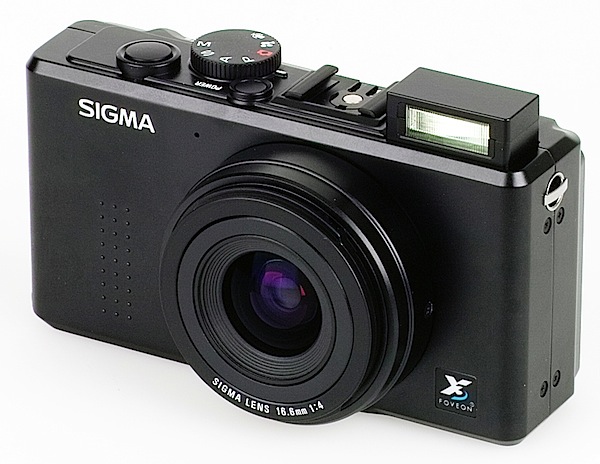
Sigma DP3 Merrill-flash.jpg

Some see the arrival of cameras such as these as indicative of camera companies responding to the market by taking on smart phones as a camera to take everywhere.

While phone cameras are damned useful and most of them take pretty decent images, they fall down in many respects.

Some, but not all, fall down in low light, with little access to high IOS settings; many disallow precise control of the lens aperture, enabling low light photography and/or control of depth of field; a similar story can be told of shutter speed control, preventing sharp images of fast moving objects; extended zooms are rare in smart phone cameras; battery life may be foreshortened due to excessive phone use.

But we’re not here to bash smart phones … god love ‘em!

Back to the review.

As usual, I started firing off with not a peek in the manual. OK for a few shots, then the screen blacked out!

Messing about with the buttons I found I had encountered one that accidentally canned the display. Dumb!

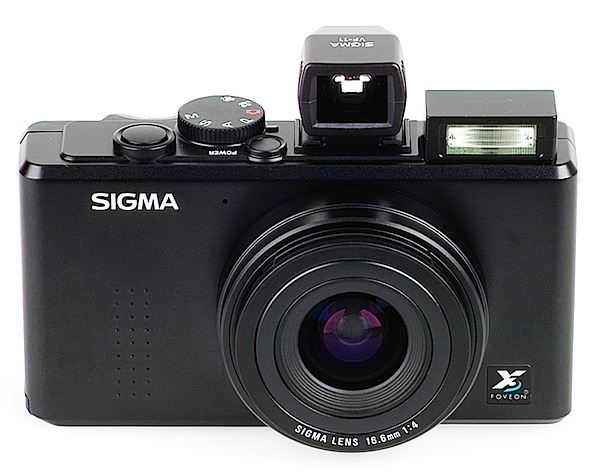
The DP3 Merrill looks like a bread-and-butter digicam in its all black livery with very few external controls, each id’d by clear white text. And little else.
Sigma DP3 Merrill with VF.jpg

Sigma DP3 Merrill-Back.jpg

Controls

Top deck: flash hot shoe, button for mode selection and shutter plus a command dial that allows alteration to diaphragm, shutter speed and menu.

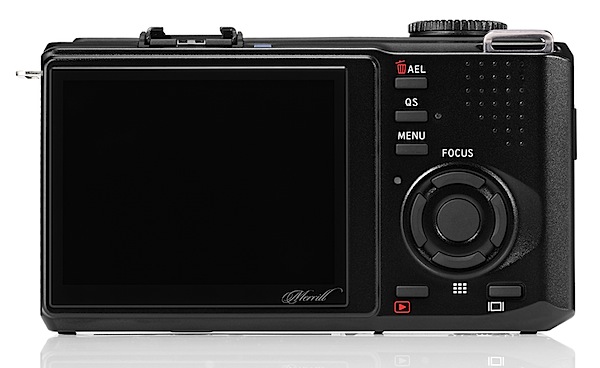
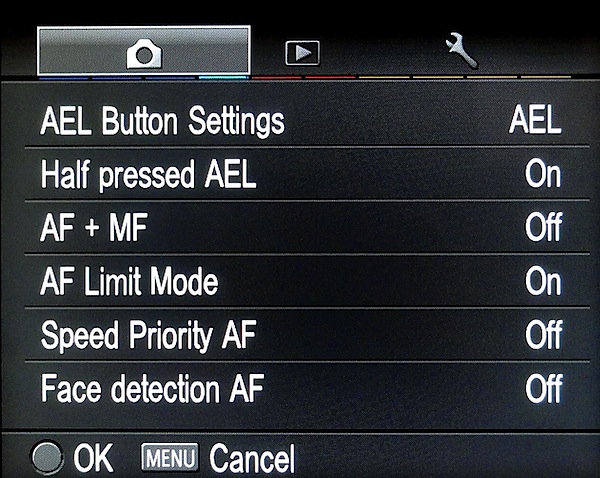
Rear: a button for AEL (exposure lock), doubling for trash; a QuickSet button that accesses commonly used functions like ISO, flash mode, metering and drive modes; the menu button which takes you into the not over-loaded menu options; the four way controller selects picture settings (contrast, sharpness, saturation) and focus pattern; replay; display on/off and other options.

If you want to select Program or shutter or aperture priority you tap the mode button. Simple!
Menu.jpg

Sigma DP3 Merrill Features

The big headline with this camera is its Foveon X3 sensor that captures 46 million pixel still images. See below for an explanation.

The maximum image size is 4704×3136 pixels or 40x27cm as a printed image.

Video: A tiny 640×480 MPEG movie clip at 30fps. This camera is surely not for making movies.

Beach window 5.JPG

Brick wall 2.JPG

Car light.JPG

The fast f2.8/500 lens has a 35 SLR equivalent of 75mm, so it’s an ideal beast for shooting portraits, not general scenery. Macro? Ideal!

A large buffer memory enables the camera to capture up to seven RAW images per sequence in continuous shooting mode.

Auto focus has a multi point select mode that selects the desired focusing point from nine different frames and a free move mode that can move the desired point to any spot. Manual focus is also available by using the focus ring for focusing — just like an SLR!

Startup Time

It was three seconds after power was applied that I could take the first shot; follow-ons came in at a little over a second apart. Not fast!

Distortion

No problems.

Sigma DP3 Merrill ISO Tests

Now here is where the walls fall down!

Sigma DP3 ISO 100.JPG

Sigma DP3 ISO 400.JPG

Sigma DP3 ISO 800.JPG

Sigma DP3 ISO 1600.JPG

Sigma DP3 ISO 3200.JPG

Sigma DP3 ISO 6400.JPG

My tests ran from ISO 100 to ISO 6400. On running the images on screen it was apparent that images in the range ISO 100 to 800 had no problems but when ISO 1600 was reached, a blue cast appeared.

Worse still, the ISO 3200 shot displayed even more problems, which became more severe at ISO 6400: these were noise, desaturation of the image and the appearance of horizontal ‘tracking lines.’

The camera’s selling agent was asked about this oddity and replied: ‘I have attached a few photos taken with the DP2 Merrill. You will note a similar pattern appearing on the photos as the ISO increases. This is seemingly a limitation of the Foveon sensor.

‘The most effective range of the camera that we have been able to ascertain is between 100 and 800.

‘I hope this sheds some light on the situation.’

‘The latest version of Sigma’s Photo Pro 5.5.1 software can correct some of the colour noise and further processing can help too.” Download at http://www.sigma-sd.com/download/photopro.html

‘When using the Sigma Photo Pro software you will notice that the initial image (in the RAW .X3F format) gets a lot crisper and the colour will correct to some extent when the software has rendered the image.

‘Further processing with Lightroom/Photoshop etc can reduce some of the noise.

‘But again, the camera’s effective ISO range is generally between 100-800 and this works across the current range [of cameras] and a lot of the older range of Foveon sensors.

‘One other thing about this camera is that you will get the best performance when shooting RAW images.’

I did not take the opportunity of using the software fix; it seemed to me that the high ISO problem is something that should have been attended to in the original camera design.

I have searched the Internet and found there is some limited comment about the problem.

Not a good look!

Sigma DP3 Merrill Review Verdict

Quality: I found the colour depth to be quite outstanding; sharpness was also excellent.

Why you’d buy the Sigma DP3 Merrill: compact, good quality lens, big sensor.

Why you wouldn’t: fixed, longish focal length too restricting; slow and hesitant AF.

Without doubt, a high level camera but the ISO problem is a serious deterrent for me.

Sigma DP3 Merrill Specifications

Image Sensor: 46 million effective pixels.
Sensor: 23.5×15.7mm Foveon X3 CMOS.
Lens: f2.8/24.2mm (75mm as 35 SLR equivalent).
Metering: Evaluative, centre-weighted, spot.
Exposure Modes: Auto, Program AE, shutter and aperture priority, manual.
Shutter Speed: 30 to 1/2000 second.
Memory: SD/SDHC/SDXC/MMC.
Image Sizes (pixels): Stills: 4704×3136 to 2336×1568.
Movies: 640×480.
Viewfinder: 6.35cm LCD screen (920,000).
File Formats: RAW, JPEG, RAW+JPEG, MPEG4.
ISO Sensitivity: Auto, 100 to 6400.
Continuous Shooting: 3 fps (4 JPEGs or 3 RAW).
Interface: USB 2.0, AV, audio out, DC input.
Power: Rechargeable lithium ion battery, DC.
Dimensions: 121.5×66.7×80.6 WHDmm.
Weight: 400 (body only).
Price: Get a price on the Sigma D3 Merrill Digital Camera at Amazon.

INFO

Foveon X sensor. How it differs:
To capture the color that other image sensors miss, Foveon X3® direct image sensors use three layers of pixels embedded in silicon. The layers are positioned to take advantage of the fact that silicon absorbs different wavelengths of light to different depths. The bottom layer records red, the middle layer records green, and the top layer records blue. Each stack of pixels directly records all of the light at each point in the image.
More info at www.foveon.com

Post originally from: Digital Photography Tips.

Check out our more Photography Tips at Photography Tips for Beginners, Portrait Photography Tips and Wedding Photography Tips.

Sigma DP3 Merrill Review


Digital Photography School

 
Comments Off on Sigma DP3 Merrill Review

Posted in Photography


18 April, 2013 – A Matter of Character – Not Just Another Camera Review

18 Apr

When we say someone or something has "character", what do we mean?And in particular, what does it mean for a camera to have character? Find out in my latest essay – A Matter of Character – Not Just Another Camera Review. Then let us know what your idea of a camera with character might be on our Discussion Forum.


"Yes I downloaded the videos. THEY ARE AWESOME!!! I learned so much I think my brain is going to explode.


The Luminous Landscape – What’s New

 
Comments Off on 18 April, 2013 – A Matter of Character – Not Just Another Camera Review

Posted in News


Review in Progress: Pentax K-5 II and K-5 II S

17 Apr

k52leading.jpg

Continuing the move toward cameras without optical low-pass filters, Pentax last year released two versions of its flagship digital SLR, the K-5 II and K-5 II S, the latter with no OLPF. Both cameras retain the same body and 16MP resolution, but get an upgraded autofocus sensor and a new air-gapless LCD. We’ve started our review, but wanted to put up a quick look exploring whether there’s a difference between the two in terms of image quality. 

News: Digital Photography Review (dpreview.com)

 
Comments Off on Review in Progress: Pentax K-5 II and K-5 II S

Posted in Uncategorized


Just Posted: Panasonic Lumix DMC-GH3 review

16 Apr

GH3.jpg

Just Posted: Our Panasonic Lumix DMC-GH3 review. The GH3 is the latest model in Panasonic’s range-topping series of Micro Four Thirds cameras that aims to offer a tool as suited to keen film makers as enthusiast photographers. The GH3 has added a host of video industry-requested features as well as promising the best-yet stills image quality from a GH camera. However, the last year or so has seen other camera makers take an interest in movie shooting, so has Panasonic done enough to stay ahead? Read our review to find out.

News: Digital Photography Review (dpreview.com)

 
Comments Off on Just Posted: Panasonic Lumix DMC-GH3 review

Posted in Uncategorized


Pentax MX-1 Review

14 Apr

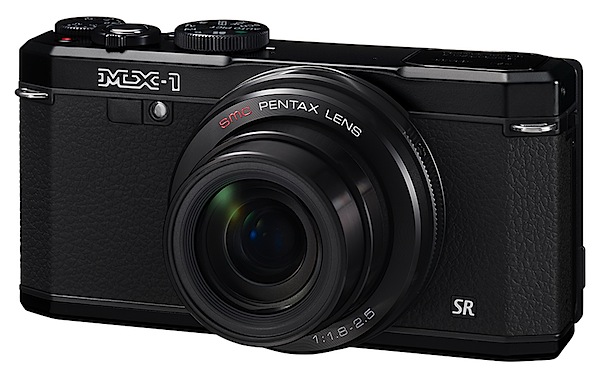
Pentax MX-1.jpg

Many people can be misled by some camera makers’ claims of higher pixel counts, maxi zoom ranges etc … when in fact they’re actually being sold a turkey.

Pentax MX1_SILVER high res.jpg

Pentax MX-1-back.jpg

Pentax MX-1-top.jpg

This is one camera that goes against the trend: it can capture only a 12 megapixel image, has only a 4x zoom and its 35 SLR equivalent range is a meagre 28-112mm … reasonable but not spectacular.

However, look a little deeper into the digits and you discover the CMOS measures 14.9mm diagonally and is capable of capturing a maximum image of 3984×2656 pixels, printing out to a 34x22cm print.

Its video capture is in MPEG4 and runs to Full HD 1920×1080. You cannot shoot a still mid video.

As well, the maximum lens aperture is f1.8, shrinking to only f2.5 when fully zoomed in. Obviously, a dim and dark spaces lover!

Pentax MX-1 Features

For such a small, pocketable camera, the MX-1 is surprisingly heavy. It does have a distinctly retro look and will make long time Pentax users a trifle teary!

The control layout is sensible, well ID’d in largish, white text.
Scene modes.jpg

Top deck: at left, the flash cell; to the right the mode dial which gives access to PASM; 21 scene modes (kids, panorama, sport etc); HDR shooting (based on a three shot capture); user specified mode; movies; and a green mode which takes you an easy, no forethought picture taking mode.

Further right we find power button; shutter button and zoom lever; the familiar red video record button; exposure compensation dial.

Rear: here we find the vari-angle screen (Hooray!) that can be lowered down by approx 45 degrees or raised upward to approx. 90 degrees; an E-dial which varies ISO setting, shutter and aperture settings; an AV/AE-L button that lock exposure settings; trash; replay; info and menu buttons; plus the four way rocker which takes you to still/continuous shooting, flash settings, ISO and macro.

Overall, a quite tidy and easily followed regime of external controls.

Info button.jpg

I found the info button useful to give a current status display and then affords immediate access to such matters as the size of the AF area, image size, AWB etc. This was useful as, for some odd reason, I continually threw the camera into ‘bright’ capture mode instead of normal … the info button reassured me of where I was control-wise.
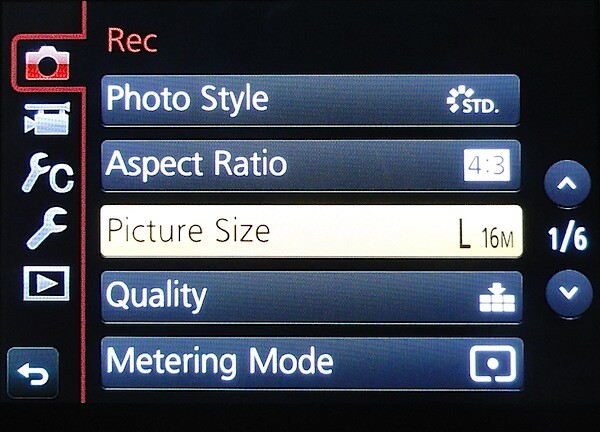
Menu.jpg

Status.jpg

The rear screen finder menu system is, admittedly, more involved but at least it does give access to an enormous range of options, running from custom image settings (natural, vibrant, bright etc).
The camera is well balanced but I would have liked a speed grip for the right hand to feel more secure.

Chupa chups.JPG

Mercedes.jpg

More: The camera has a novel Handheld Night snap mode helps the photographer capture sharp, blur-free night-time images by shooting multiple images in a run, then synthesizing them into a single image.

Now, a little magic that I have never seen before on a digicam: a level indicator that shows the camera tilt not only left and right but fore and aft also. As I said: Magic!

The MX-1 has a dual shake-reduction system that seems to work its magic with quite a bit more effectiveness than many of its peers.

Digital Filters: with these (15 in all) you can edit captured images to take on a variety of looks: B&W, retro, high contrast, soft, miniature and pos to neg … amongst others. Got me!

The AF system has 25 points.

There’s face detection (32 in all) and pet detection (3 in all). Plus smile capture and blink detection.

Startup Time

From startup it took about three seconds until I could shoot the first shot; follow-ons about a second apart.

Distortion

No sign of any problems at the zoom’s wide or tele ends.

ISO Tests

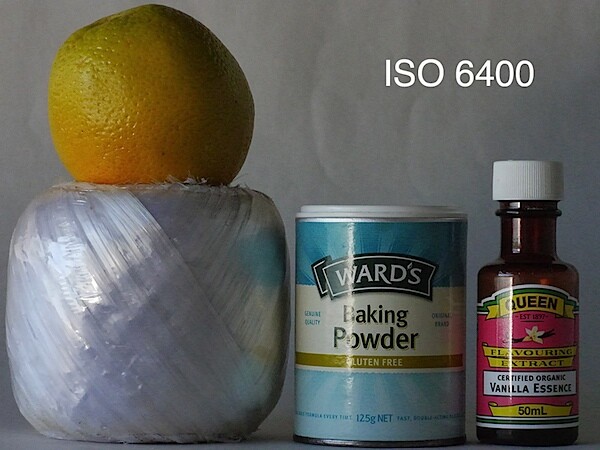
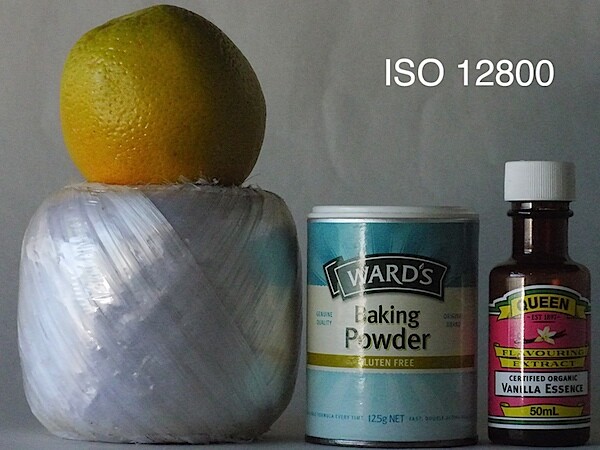
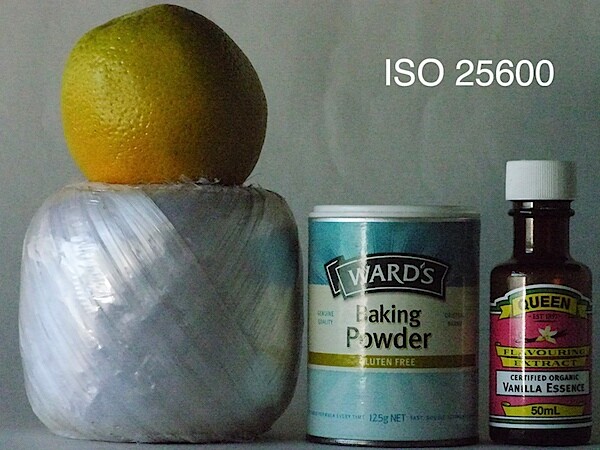
Pentax MX-1 ISO 100.JPG Pentax MX-1 ISO 400.JPG Pentax MX-1 ISO 800.JPG Pentax MX-1 ISO 1600.JPG Pentax MX-1 ISO 3200.JPG Pentax MX-1 ISO 6400.JPG Pentax MX-1 ISO 12800.JPG

By ISO 3200 the noise and definition had risen to such a degree that IMHO the setting would be unusable.
Staircase.JPG

Pentax MX-1 Review Verdict

Quality: about average.

Why you’d buy the Pentax MX-1: reasonably fast lens; Adobe DNG (RAW) capture; a wide variety of filters and image treatments for the dabbler.

Why you wouldn’t: you really want a DSLR; limited zoom range.

I found a lot to like in the MX-1: it sat well in the hand, the controls were easy to get around. And, it felt like a camera!

Pentax MX-1 Specifications

Image Sensor: 12 million effective pixels.
Sensor: 15mm CMOS.
Lens: f1.8-2.5/6-24mm (28-112mm as 35 SLR equivalent).
Metering: Multi segment, centre-weighted, spot.
Exposure Modes: Auto, Program AE, shutter and aperture priority, manual.
Shutter Speed: 30 to 1/8000 second.
Memory: SD/SDHC/SDXC plus 75.3MB internal memory.
Image Sizes (pixels): Stills: 3984×2656 to 1536×1536.
Movies: 1920×1080 (30fps), 1280×720 (30+60fps).
Viewfinder: 7.6cm LCD screen (920,000).
File Formats: RAW (DNG), JPEG, MPEG4.
ISO Sensitivity: Auto, 100 to 12800.
Interface: USB 2.0, HDMI mini, AV, DC input.
Power: Rechargeable lithium ion battery, DC.
Dimensions: 122.5x60x51.5 WHDmm.
Weight: 391g (inc battery, card).
Price: get a price on the Pentax MX-1 at Amazon.

Post originally from: Digital Photography Tips.

Check out our more Photography Tips at Photography Tips for Beginners, Portrait Photography Tips and Wedding Photography Tips.

Pentax MX-1 Review


Digital Photography School
 
Comments Off on Pentax MX-1 Review

Posted in Photography