RSS
 

Posts Tagged ‘Reasons’

4 Good Reasons Why You May Want to Wait to Share Client Photos

14 Dec

A few decades ago the Heinz company ran a series of commercials featuring people patiently waiting for their ketchup to be poured from glass bottles, each ending with the tagline, “The best things come to those who wait.” Even though these ads seem kind of silly now, they do have a lesson for photographers: sometimes it pays to be patient, especially when sharing photos with your clients.

Almost every time I return from a photo shoot, and start going through the pictures on my computer, I get caught up in the excitement and have a nearly unbearable urge to start sending pics, previews, and first-looks to my clients. I often can’t wait to share my work with them so they can see for themselves how things turned out. However, if you take the opposite approach and apply the brakes a bit, you and your clients will have a much more positive experience, and you will be better prepared for the long run and the rewards it brings. If you are the type of person who, like me, wants to send your clients a few sneak peeks or previews before you deliver your finished pictures, here’s a few reasons you might want to reconsider that practice.
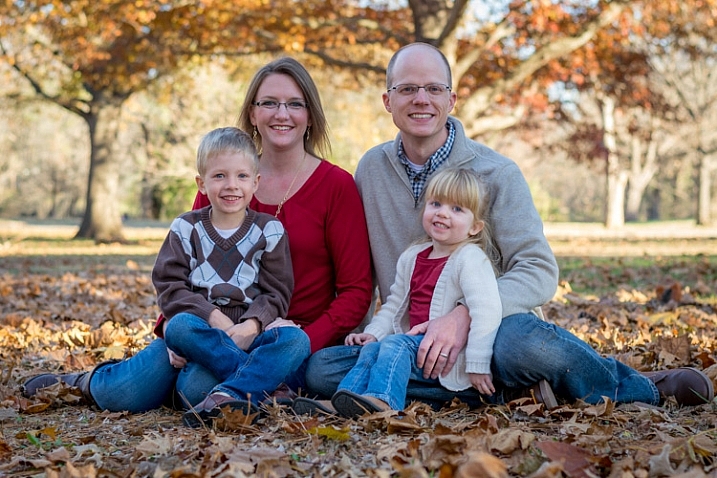
wait-to-share-photos-family-kids-park

1 – Put your best foot forward

Recently I spent an hour in the park taking pictures of a family, and as I was going through nearly a thousand images in Lightroom later that evening, I came across a few that I just had to share with the parents. They were so precious, and their little girl looked like she was having the time of her life, so I knew they would be thrilled to get a couple photos right away. I sent them to the mother’s mobile phone and she responded with ecstatic adulations, and a few minutes later the pictures showed up on Facebook where they immediately got dozens of likes and a handful of comments like “Great shot!” and “Lovely family!” So far so good, right? I mean, where’s the harm in sending a few pictures the evening after a photo session if that is the result?

My goal in sending a few initial photos was to give my clients a sneak peek (that’s literally what I said when I texted her: “Here’s a sneak peek from today’s session!”) which would whet her appetite for the rest of the photos, but in doing so I essentially ruined the surprise. It’s like sneaking a peek, to use the expression, beneath the wrapping paper a week before Christmas and getting a glimpse at your presents–it’s fun, but it makes the actual unwrapping a bit anticlimactic, since you already know what to expect.

Another problem with this approach is I found a few other pictures later on that were even better, but by then the surprise had worn off. Yes the clients were still thrilled to get their images, but by the time I had the official gallery all put together, with watermarked proofs for sharing on social media, the excitement had worn off and her friends were not as interested as they were initially. I basically sacrificed quality on the altar of immediacy, and in doing so hurt my brand just a tiny bit in the process.
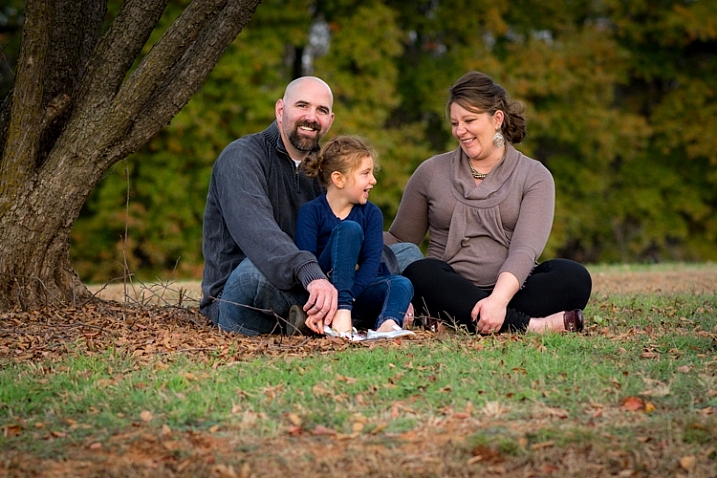
wait-to-share-photos-family-tree

If I had simply waited until all the photos were finished and given my clients everything when I was truly ready to do so, I would have had much better results overall. Every photo would have been personally selected, properly edited, and appropriately watermarked for sharing on social media. My client’s photos would have looked better and so would my photography operation in general. This same scenario has repeated itself time and time again, and often my wife has to talk me down from the edge. I’m eager to share a few quick photos, but if I just wait a week or two until they are actually ready for sharing, the results are always better for everyone involved.

2 – Initial edits are usually not the final edits
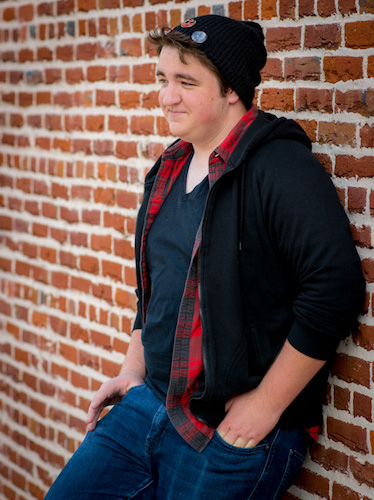
wait-to-share-photos-senior-brick-wallThis second lesson is more practical and less emotional, but it rings true for me every time. My initial edits to my pictures are almost never the same as my final edits, and thus rushing to share images right away inevitably leads me to getting an inferior product into the hands of my customers. My editing workflow in Lightroom looks something like this:

  1. Import all photos
  2. Apply custom portrait presets
  3. Pick out my favorites
  4. More editing
  5. Cut out more photos
  6. Edit again
  7. Cut down again
  8. Edit, tweak, enhance
  9. Export the best of the best for printing and sharing

If I share a preview of the session with my clients, it’s usually after step 4, or worse, step 3. (Which sadly has been known to happen more times than I care to admit.) That means I am giving my client, and everyone with whom they share those sneak peeks, images that are quantitatively inferior to what I am capable of producing. If you were baking a cake that you know needs 30 minutes in the oven, would you serve it after 25 minutes because you can’t wait for your guests to taste it? No way! You would serve it only when it’s done and give your friends the highest quality dessert possible as a result. We should give our photographs, and the people with whom they are shared, no less than the time they need to be the quality they deserve.
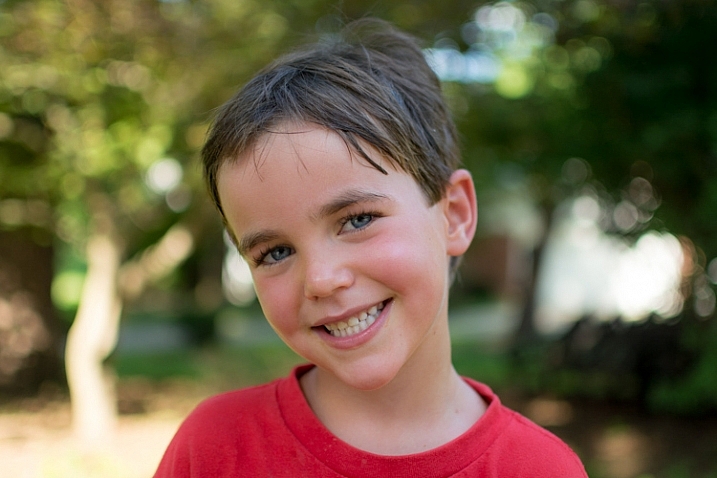
wait-to-share-photos-child-red-shirt

3 – People think things that take longer, are higher quality

Think for a moment about something special you have in your life: a physical object, a trinket or knicknack, or something with function or purpose like a bookshelf or cabinet. More likely than not, the things we hold dear, and to which we assign greater value, have one thing in common – they were constructed with care over time. Humans often assign greater significance to things that we know took a long time to create. Spelunkers gaze in awe at natural rock formations and crystals that were formed bit by bit, over millions of years. We pay more for wines that has been aged over time, even though they are often no better than their one-year-old counterparts. Rome itself, so the saying goes, was not built in a day. Why then are we, as photographers, so quick to share photos with our clients, if people expect that quality takes time?

I know how tempting it can be to want to share a few pictures right after you are done with a photo session. It hapens to me almost every time! It might get you some immediate accolades from your clients, but can be somewhat counterproductive in the long run. Early sharing can send the wrong signal to your clients, and their friends, about the quality of your pictures. Think about it from your clients’ perspective – would you feel good about spending $ 500 on a photo session if the photographer finished editing your images in one day, or would you rather know that he or she spent a week or two to get the colors, the cropping, and other edits just right?
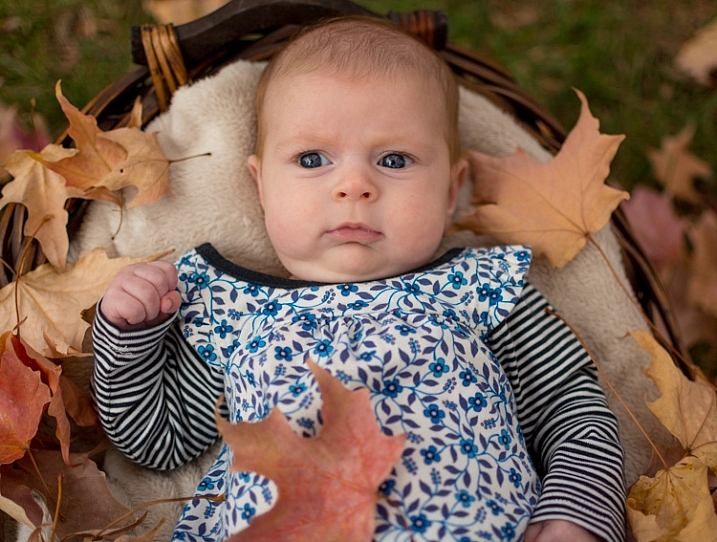
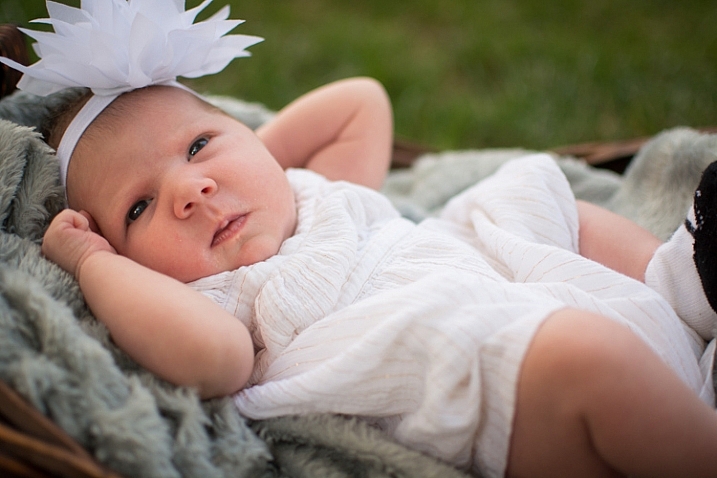
wait-to-share-photos-baby-basket

If your clients have to wait a week or two for their pictures they will assign a much greater value to them, because they know it took you longer to arrive at the final product. When I think about giving clients a preview or sneak peek, my wife, ever the voice of reason, usually pulls me back from the edge and reminds me that we’re only helping our business in the short term. That is not creating the type of high-quality perception we want people to have when they think about having us do their pictures.

4 – Sharing photos early cheapens your talent and skill

One of the nice things about the prevalence of smartphones is that everyone has a camera. Of course the downside to this is many people also consider themselves photographers, when they may not have all the training, experience, and skill that most of their professional counterparts possess. While I’m not one to judge, and far be it from me to say whose work has value and whose work does not, I do know that if you want people to spend money on your photography services, you need to give them a reason to do so.

Why should I pay someone $ 1500 to shoot my wedding if my friend says he can do it for half that with his new Canon Rebel and a kit lens? Why should I pay $ 300 for pictures of my kids when my sister can just use her  iPhone with its really nice camera? The reason is because you, as a photographer, are much more than just a person with a camera. People are paying you for your knowledge and skills, your ability to work with people and capture their emotions, and to create beauty and art with the press of a shutter button. You have experience shaped by years of trial and error. Sharing pictures within hours of taking them can send your clients a signal that your work is no different than anyone else with a halfway decent camera.
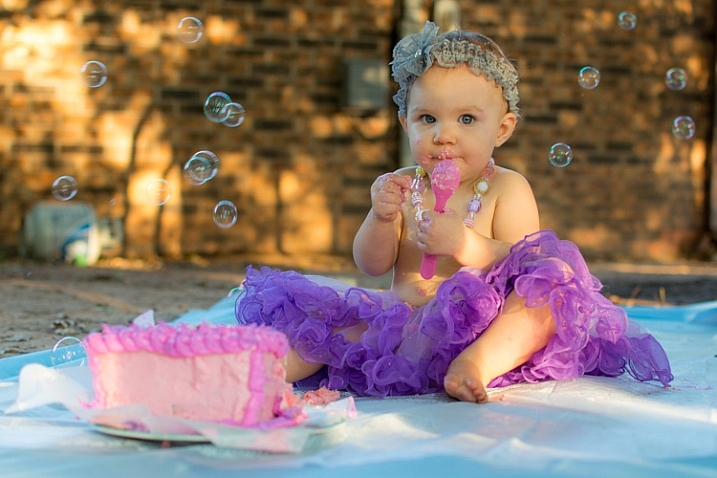
wait-to-share-photos-birthday-cake

It was so tempting to share this photo with the girl’s mother right away, but after a week I had taken more time to properly edit it to where it was much better than the original.

By carefully culling your photos from a session, taking time to edit them to perfection, and choosing only the best of the best to eventually give to your clients, you are sending a message that you might not be the fastest game in town, but you mean business, and do quality work. To use another food analogy, anyone can stop at a fast food burger joint and get a quick meal. For a quality top-notch hamburger you need a sit-down restaurant where your food takes a decent amount of time to prepare. Even if both establishments get their beef from the same distributor, the public perception of the latter will almost always be greater than the former, partly for the simple reason that you don’t get your food right away. The same holds true for photography – the best things come to those who wait.
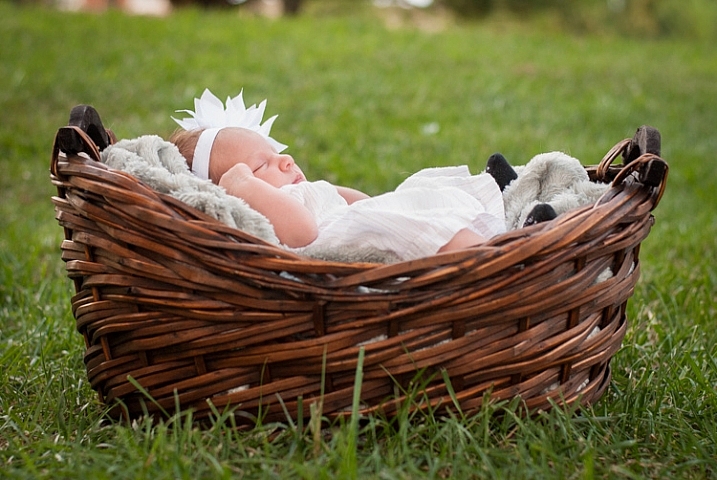
wait-to-share-photos-baby-basket-park

Of course one obvious problem here is how long to wait. As a general rule I like to give my clients their images within two weeks, and often a bit sooner. Much more than that and they can get a bit annoyed, as you would also have a problem waiting two hours for a hamburger, no matter how tasty it was. Every photographer is different, and the length of time depends on many different variables, but as long as you set your clients’ expectations upfront you should be fine. You might even benefit from over-estimating the length of time it will take, and then delivering your pictures a bit sooner. This type of under-promising and over-delivering can go a long way towards building goodwill with your clients, and give them an even more positive impression of you and your work.

What about you? Do you like to share your photos online right away or take your time? I’m interested to hear your thoughts in the comments section below.

googletag.cmd.push(function() {
tablet_slots.push( googletag.defineSlot( “/1005424/_dPSv4_tab-all-article-bottom_(300×250)”, [300, 250], “pb-ad-78623” ).addService( googletag.pubads() ) ); } );

googletag.cmd.push(function() {
mobile_slots.push( googletag.defineSlot( “/1005424/_dPSv4_mob-all-article-bottom_(300×250)”, [300, 250], “pb-ad-78158” ).addService( googletag.pubads() ) ); } );

The post 4 Good Reasons Why You May Want to Wait to Share Client Photos by Simon Ringsmuth appeared first on Digital Photography School.
Digital Photography School

 
Comments Off on 4 Good Reasons Why You May Want to Wait to Share Client Photos

Posted in Photography


3 Reasons to Have Your Own Portrait Taken

19 Nov

I teach a six-week class at Oklahoma State University called “Preparing Online Instructors” which is designed to give faculty who have never taught internet-based classes, a solid foundation upon which they can build a successful online course. The class is delivered mostly online, and structured much like any other: it has quizzes, homework assignments, and required online discussions. One of the goals for my class is to put college instructors in the role of a student, so they get to experience an online class firsthand. This gives them a better understanding of the needs and challenges that any normal college student might face when taking online classes.

In the most recent offering of this POI course one of the participants, who is a tenured professor with decades of teaching experience under his belt, remarked at how strange it was to once again have homework and quizzes. “I haven’t taken a class like this in almost 30 years,” he said to me at the end of our third week, “And I think I finally understand why my students have so much trouble meeting due dates.” As photographers it’s essential that we take the same approach from time to time: put down our cameras and experience what it’s like to be on the other side for a change.

have-your-photo-taken-family-leaves

A few weeks ago my wife and I had a friend of ours take some photos of our family, and it was a nice opportunity to remove my photographer’s hat, and just go along for the ride as a person being photographed. We had a fantastic time, and along the way I realized a few things that have not only helped me, but I believe would benefit you and many other photographers as well.

#1 It helps you understand your clients’ perspective

Most of the time we photographers see things from our own side, and when we go to a photography session we look at things that are important to us; lighting, backgrounds, props, camera gear, and so on. When our clients show up, we’re often in full photographer mode telling people what to do, where to look, how to pose, and generally asking them to meet our needs. Switching things around and allowing yourself to be photographed helps you see all these things in an entirely different perspective—one that could make all the difference in your own work.

have-your-photo-taken-family-bench

Having photos taken with my own kids gave me a whole new appreciation for what this family must have gone through before I took their pictures.

When we went out to our recent family session I realized there was a whole lot going on behind the scenes before we even met up with our photographer, and even though I was aware of this intrinsically, I had never actually experienced it firsthand. My wife and I bought new shirts for ourselves and our two little boys, we all got haircuts, and there were all sorts of last-minute hassles from diaper changes to shoe switches. When we arrived on location with our photographer we were frazzled, our boys were anxious, and we desperately tried to keep all the clothes clean just long enough for some pictures that were bound for our Christmas card.

have-your-photo-taken-baby-blanket

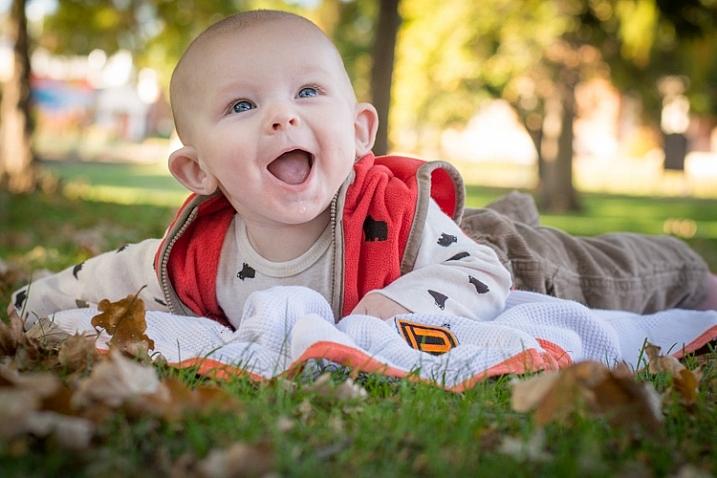
Knowing what it took to get my own kids prepared for a photo session, I can only imagine what this baby’s parents must have gone through to get him ready.

Normally when I take photos I don’t pause to consider everything my subjects may have gone through leading up to the shoot, and if people arrive late, or seem like they are not paying attention, I can get a little frustrated (though I try to never let it show). However, after putting myself in the role of a client, I have a new appreciation for just how hectic things can be, and have tried to loosen up much more ever since.

If someone seems distracted, maybe there’s a good reason. If parents seem exasperated with their kids, maybe they spent hours before the shoot trying to get everyone to put on their nice clothes, or even, if there are toddlers, put on any clothes at all. There’s a lot going on in the lives of our clients, and if we don’t take time to be in that role ourselves from time to time, it can cause us to lose touch with reality and get stuck with photography tunnel vision. Even though it might seem counterintuitive to suggest that one of the best ways to improve as a photographer is to stop taking pictures and let yourself be photographed, I certainly found this to be the case for me.

have-your-photo-taken-senior-hat

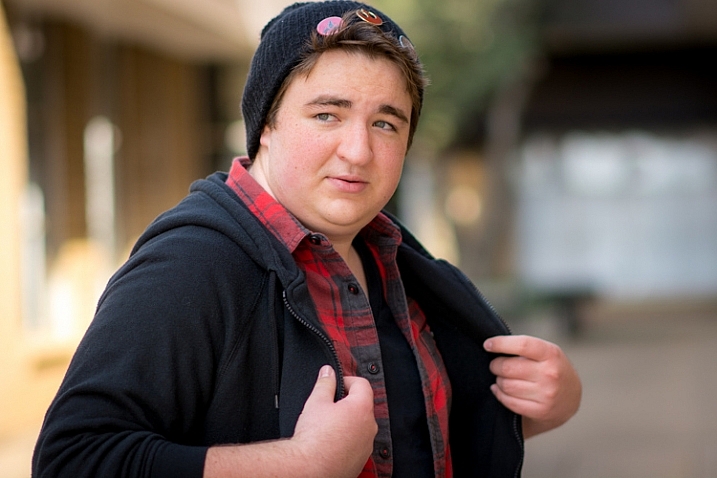
Watching a photographer take pictures of my four-year-old helped give me new ideas for taking photos of high school seniors.

It helps you understand other photographers’ perspective

When I’m doing a photo session I’m often thinking about technical details; where the light is coming from, whether I will need to manipulate light with reflectors or strobes, what exposure settings will produce the results I want, and so on. I, of course, make sure to smile and interact with my subjects too, and all this makes for a tricky combination. Having my own photos taken helped me understand all this much more than I ever have before, and has helped me see my own role as a photographer in a new way.

have-your-photo-taken-baby-basket

The woman who took our pictures was a consummate professional. She was friendly, she spent time with our kids, she suggested fun poses but gave us plenty of leeway to have our own input, and she even brought her own daughter to help get our kids to smile. I honestly don’t know how she did all this, because we spent much of the session coralling our boys who were more interested in getting their new jeans dirty, than having their pictures taken (although she did get plenty of fun candid shots when that happened).

Being on the other side of the lens helped me have a new understanding of what a good photographer needs to do in order for a session to go smoothly, and helped me see some glaring flaws in my own technique that need to be addressed. I learned from our session that I need to be more patient, while also being more confident. I appreciated when our photographer told us where to go, what to do, how to pose, and do other sorts of things that I sometimes have trouble saying. I wanted our photographer to take charge, and that’s precisely what she did. She walked a good line between friendly and firm, while also paying attention to the setting and the the technical aspects of her camera gear.

It’s one thing to experience this from your own perspective, but letting your guard down and allowing yourself to be photographed can help you not just appreciate the role of photographer but find ways to improve your own skills.

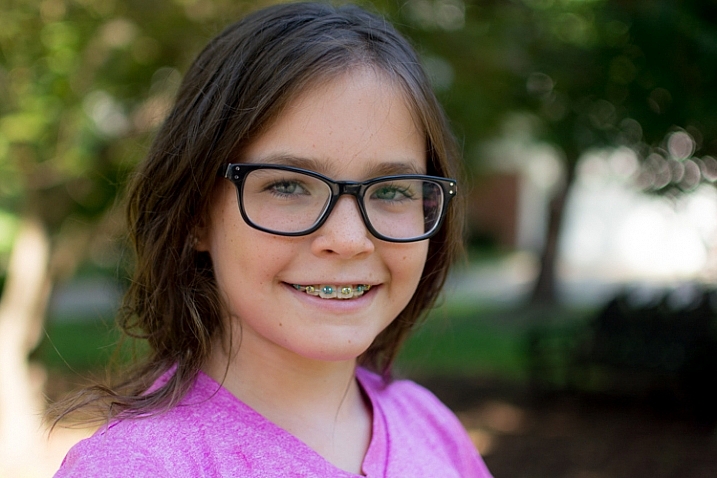
have-your-photo-taken-fourth-grader

It gives you new ideas for photographs

Like any good photographer I like to study the work of others, from portrait artists like DaVinci and Rembrandt, to the landscapes of Ansel Adams and modern masters like Steve McCurry. Learning from other practitioners is one of the best ways you can grow. Even just browsing through Instagram or Flickr often helps inspire me, and give me new ideas for my own photography. But nothing was quite like getting our own pictures taken by a professional photographer.

We had our photo session at a park on the south side of town that is one of my favorite places to shoot. I know what I like in terms of setting, lighting, and background, and while I am quite pleased with the images I bring back from my own shoots I was surprised at what our photographer was able to get from the exact same location. She had vastly different ideas for our pictures than I would have ever come up with on my own, and seeing her go through the mental and physical process of creating our pictures gave me all sorts of new ideas for my own photography.

I often get inspiration from other pictures, and enjoy watching tutorials online where people discuss how they got certain shots, but being part of the creative process as the subject instead of the photographer put all this in a whole new light. I came back from our session full of new ideas to try the next time I go there, or anywhere else, to take photos.

have-your-photo-taken-high-school

It’s kind of ironic that one of the best ways to improve as a photographer is to put down your camera and let someone else do all the work, but I am so glad I had this experience and wish I had done it a lot sooner. It’s not always easy or even possible to do this sort of thing. For example, if you are a wedding photographer but are already married, you probably won’t get to go through the experience of being the bride or groom being photographed. If there is a way, though, I highly recommend making it happen, and at the very least you should end up with some nice pictures of yourself and your family

Just like some of the professors who take my class at OSU, I found myself learning so much more than I ever would have realized, simply by putting myself in someone else’s shoes.

What about you—what are some things you have learned from being photographed? What are some of your favorite pictures that illustrate how you have grown? Leave your thoughts and any examples in the comments below.

googletag.cmd.push(function() {
tablet_slots.push( googletag.defineSlot( “/1005424/_dPSv4_tab-all-article-bottom_(300×250)”, [300, 250], “pb-ad-78623” ).addService( googletag.pubads() ) ); } );

googletag.cmd.push(function() {
mobile_slots.push( googletag.defineSlot( “/1005424/_dPSv4_mob-all-article-bottom_(300×250)”, [300, 250], “pb-ad-78158” ).addService( googletag.pubads() ) ); } );

The post 3 Reasons to Have Your Own Portrait Taken by Simon Ringsmuth appeared first on Digital Photography School.

Digital Photography School

 
Comments Off on 3 Reasons to Have Your Own Portrait Taken

Posted in Photography


5 Good Reasons You Should Get the Latest Lightroom Upgrade

02 Nov

If you’re a photo-fanatic, there is a lot to keep up with. New camera models are being announced way too often, firmware updates, fancy new lenses keep popping up, and on and on.

Lightroom_icon

I didn’t even mention software yet but now that I have, let’s see what’s new with our old pal Lightroom (LR) and its latest upgrade.

Since this is the default program that you’re likely to find running on almost every photographer’s computer, it’s worth discussing what you might be missing (or not if you’re a minimalist post-processor) if you haven’t upgraded to the latest version – LR 6 or the Adobe Creative Cloud (CC).

If you are like me, you will be happy to hear that the general interface has survived untouched in the latest versions. That is to say, in many respects the program has retained the same look and features, and the tasks which you are accustomed to doing, are the same.

So what do you get for your $ 79 (that’s the price of upgrading from an earlier version) or what more do you get for your $ 149 if you haven’t yet jumped on the LR bandwagon? Let’s take a peek at some of the added features that may prove most useful.

If you are still clicking away on LR 4, the long list of reasons to upgrade is even more compelling than the jump from LR 5 to LR 6 – here are some good reasons to get the latest Lightroom upgrade.

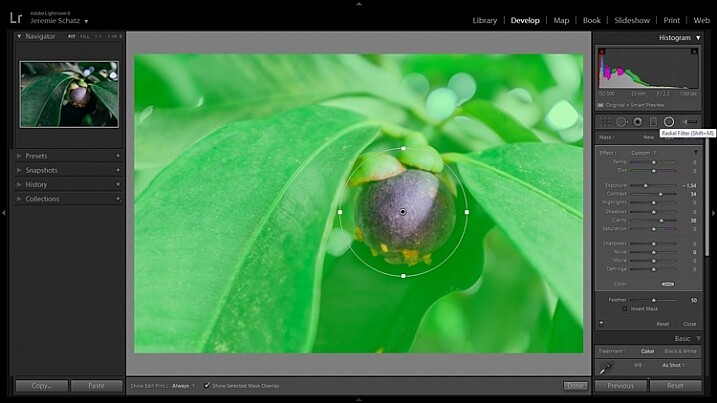
Radial Filter

Lightroom's radial filter

The Radial Filter reveals a new level of editing control.

Probably one of the most welcome features that LR users are grateful for (I know I am), is the Radial Filter (shift+m). This filter allows you a higher degree of flexibility in masking for dodging, burning, and the other adjustments available within the Adjustment Brush.

One handy way to increase the effectiveness of the Radial Filter is after making your initial adjustments, right click on the pin and duplicate the filter. Once it is duplicated you can then choose Invert Mask from the adjustment panel and make another set of changes – perhaps making opposing changes to further the effects you applied with the first filter (this invert selection feature is lusted after for LR’s adjustment brush).

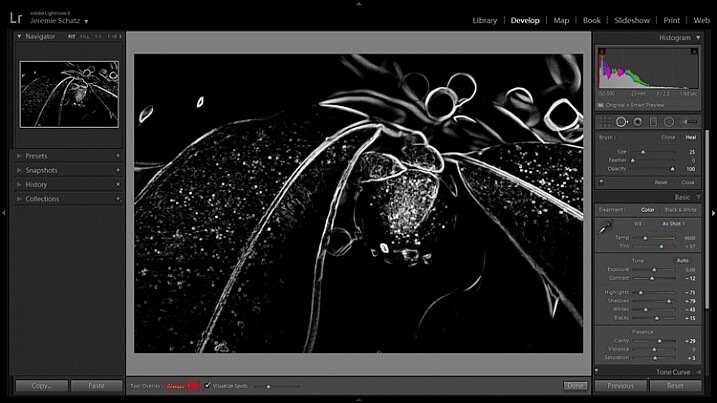
Visualize Spots

Lightroom's visualize spots tool

The Visualize Spots filter helps you catch dust spots and other blemishes that you may otherwise overlook.

If you are a user of the Spot Removal tool, you are going to be psyched for a handy little addition called Visualize Spots. This little check box toggles between the normal view and an inverted black and white image which clearly highlights sensor dust or skin blemishes which you may want to eliminate (if you don’t see that option hit the T key to show the toolbar).

I find this feature quite handy when editing on my laptop, as it can be easy to overlook spots on the small screen, or because of glare. It may save you the hassle of having to toss out a big print because you overlooked spots.

Facial Recognition

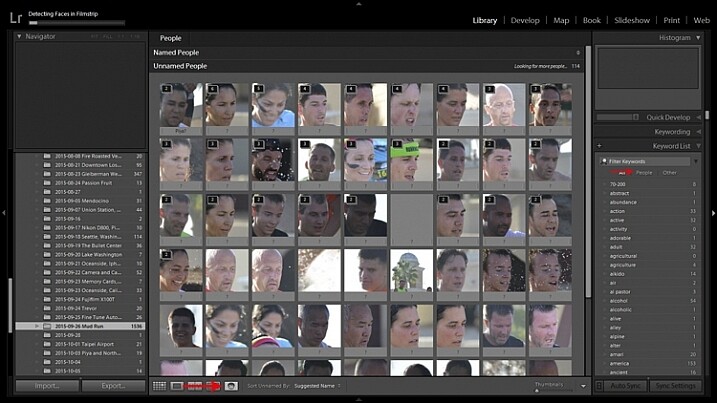
Lightroom's facial recognition feature

LR’s new Facial Recognition feature can locate people throughout your entire collection.

Facial recognition has also been added to LR’s suite of updates. This is a feature that has existed in other software for some time (such as Picasa all the way back to 2009) so LR was a little behind the curve on this one – better late than never though.

Certainly this addition made many people happy, as it means one less keyword to have to enter into metadata. When activating this mode (keyboard shortcut O) LR searches selected photos for all recognizable faces and compiles a list. You can then plug in names for the different faces which LR can then use to search for in your entire catalog.

Furthermore, LR adds these names as a keyword in metadata and has created a new sub-menu for people within the Keywords panel.

Overlay Guide

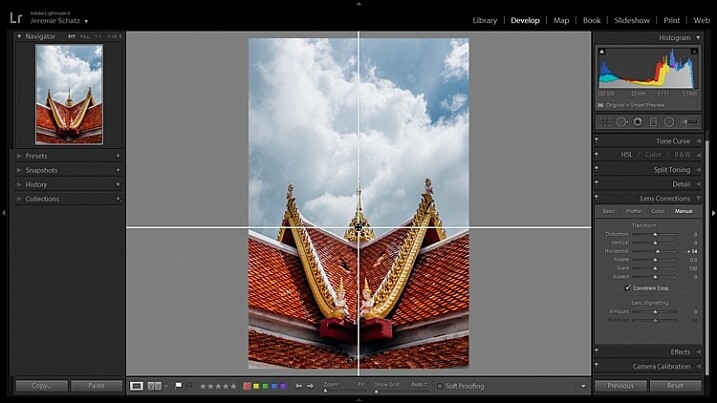
Lightroom's guide overlay feature

The Overlay Guide is more flexible and less cluttered than the grid overlay.

A simple addition that I find handy is a new movable overlay guide.

All it does is give you a vertical and horizontal line, that create a sort of crosshairs, which you can move around for composition and alignment purposes. It is useful as a less cluttered guide, used in conjunction with transform lens corrections.

It would have been nice to just have this nested in with the crop overlays, instead you have to access it through: View>Loupe Overlay>Guides.

Smart Previews

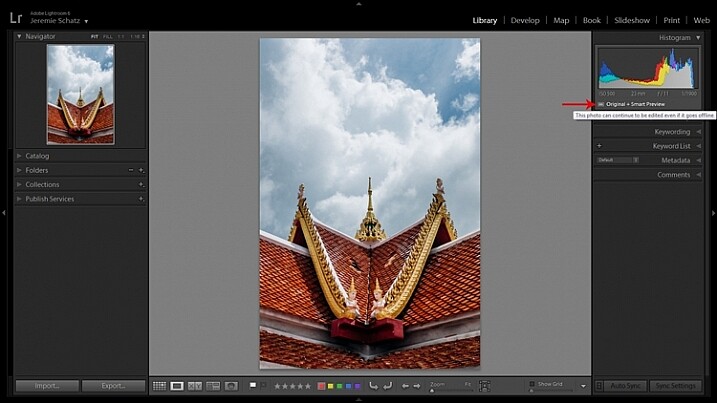
Lightroom's Smart Preview feature

Smart Previews allow you to make edits to offline photos.

Smart Previews are one of those features that I always wished LR had, and my wish finally came true.

This feature enables you to create compressed copies of images which can then be used to make offline edits. This works great if, like me, you store your original images on an external drive but want to be able to make edits on the go.

If edits are made to Smart Previews in LR, your original image will be updated with those new changes when it comes back online (when the external hard drive is reconnected).

You can set LR to automatically create Smart Previews for images upon import, otherwise you can create them manually for any images, folders or collections that you wish. To create Smart Previews, go to: Library>Preview>Build Smart Previews.

Conclusion

Naturally, this is not an exhaustive list of all of LR’s newer features. There are quite a few other sensational new additions such as HDR and Panorama Merge, Cure Pet Eye Effect, Slideshow improvements, new auto-cropping features, not to mention increased performance.

Have you recently upgraded? What are your favorite new features?

googletag.cmd.push(function() {
tablet_slots.push( googletag.defineSlot( “/1005424/_dPSv4_tab-all-article-bottom_(300×250)”, [300, 250], “pb-ad-78623” ).addService( googletag.pubads() ) ); } );

googletag.cmd.push(function() {
mobile_slots.push( googletag.defineSlot( “/1005424/_dPSv4_mob-all-article-bottom_(300×250)”, [300, 250], “pb-ad-78158” ).addService( googletag.pubads() ) ); } );

The post 5 Good Reasons You Should Get the Latest Lightroom Upgrade by Jeremie Schatz appeared first on Digital Photography School.

Digital Photography School

 
Comments Off on 5 Good Reasons You Should Get the Latest Lightroom Upgrade

Posted in Photography


5 Reasons To Should Shoot Your Landscape Images in RAW

20 Sep
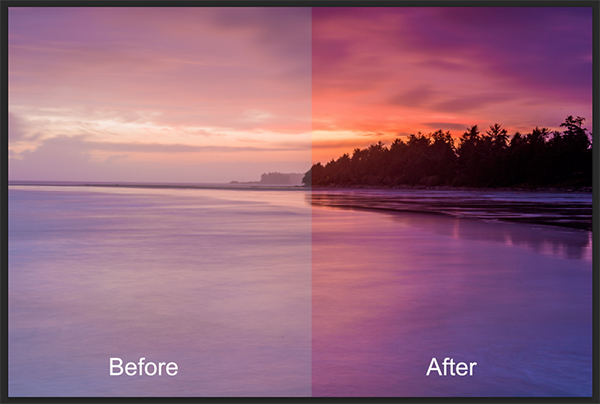
Detail recovered from a RAW file, before and after

Detail recovered from a RAW file, before and after.

There is often a debate among photographers about shooting in RAW. Try it out – next time you are with a group of photographers, ask them who shoots in RAW. Better still, ask them why they don’t shoot in RAW. The conversation will become pretty interesting. When I first started photography, I was told that shooting in RAW was a waste of time and that I won’t need all that “information”. I was told it was better to shoot on JPEG as it saves space. Yes, RAW files are bigger, especially on a high-resolution camera, but is it true that we don’t need all that “information”? Over the past few years, I have done a fair amount of research into the RAW vs JPEG debate and I now shoot completely in RAW. Yes, my image files are MUCH bigger; yes, I need more space to store my images; yes, it does impact my image editing workflow. Is it worth it? A categorical yes. Here are five reasons why you should shoot your landscape images in RAW.

1. Details

RAW files are big because they don’t discard any image information that is captured in the scene. When you shoot on JPEG, the algorithm for JPEG determines which information is discarded and which is kept without changing the way the image looks. That is great for saving space on your memory card, but not so good if you intend to edit your images in Photoshop.

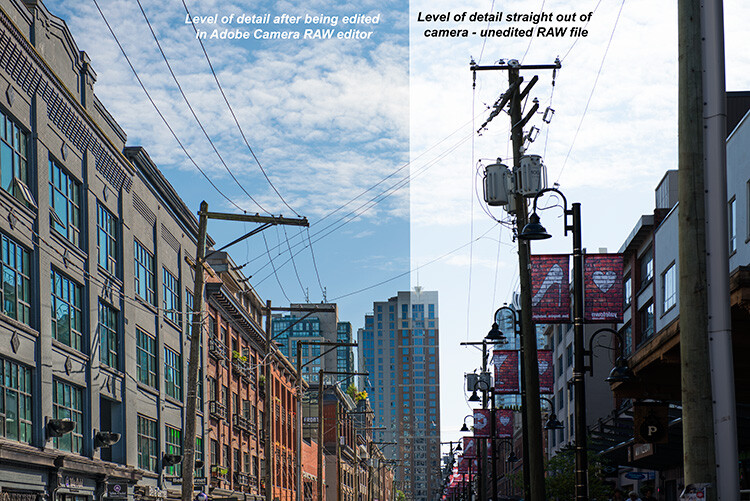
The reality is that your camera can capture a significant amount of data if you shoot in RAW, which in turn gives you much more flexibility in Photoshop later. On average, a normal JPEG file will be between four and six megs per image. The same image shot on the same camera in 14-bit lossless RAW format will be 25 – 30mb, five times bigger. The reason is that there is much more information in a RAW file. That information is critical in post-production. You can get so much detail out of a RAW image, such as pulling back blown-out highlights and bringing back detail in the shadows that would be impossible to recover in JPEG format. This doesn’t mean you should be sloppy and not pay attention to your exposure. What it does mean is that in tricky lighting conditions, you will be able to get a shot that’s usable.

Recovered details in a street scene, overall much more detail can be seen.

Recovered details in a street scene, overall much more detail can be seen.

2. Color

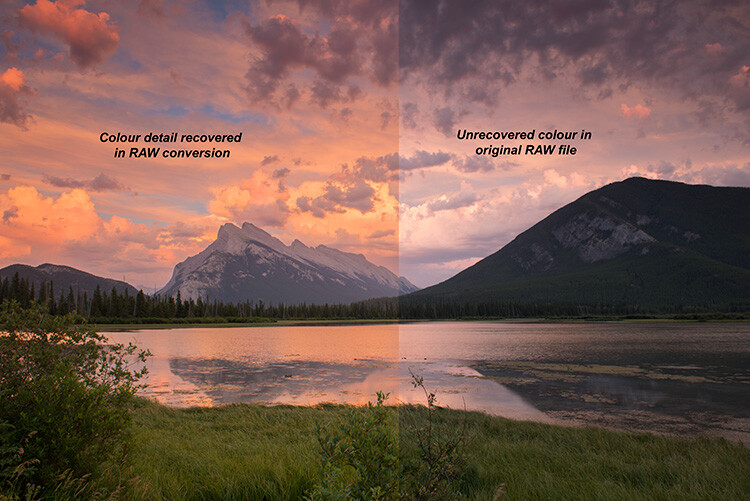
We all shoot on color nowadays. If you don’t, you should, even if you are going to convert to black and white – but that’s for another post. Shooting in RAW means that you are saving as much color information as possible from the scene. This is really important in landscape photography, portrait photography, food photography and even street photography. The color in your scene can make the difference between a good image and a great image. By shooting in RAW, you will have all the color information possible. The important part of that is the subtle color. For example, the gradation in the sky will look better than it would on JPEG, even if you think that JPEG will be fine from a color perspective.  If you are shooting a landscape scene, you want to get as much color information as you can. RAW would be the format to do this. In Photoshop, the vibrance function will saturate the colors in your scene which are undersaturated and this can give your RAW file that subtle boost to make the image pop.

Much more colour can be rendered from a RAW file

Much more color can be rendered from a RAW file.

3. Exposure

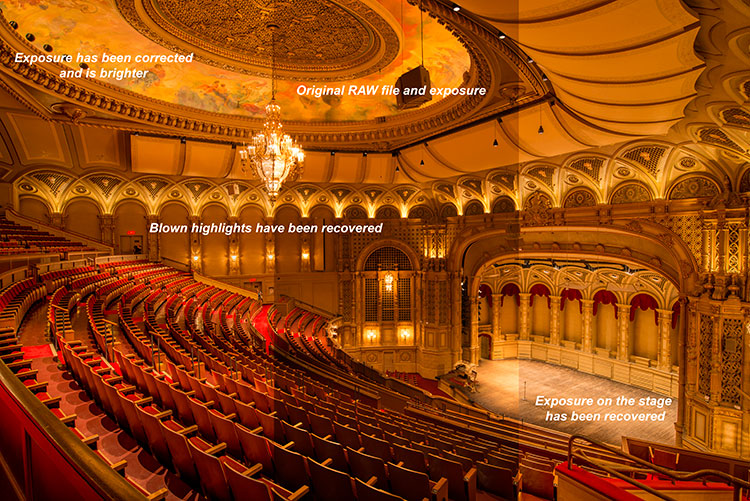
The exposure in your scene should always be as good as you can get it in camera. In the past, most photographers would underexpose a little to make sure they didn’t blow out the highlights. In recent years, most photographers shooting in RAW have been exposing to the right (ETTR). The new generation of cameras have a really good dynamic range and are able to render details in the shadows and the highlights in one shot. This was not possible a few years ago. ETTR means that when you look at your photograph’s histogram, try and push it over to the right a little – in other words, overexpose it a little. The reason is because RAW can handle highlights in a scene really well and if your shadows are a little brighter there won’t be as much noise in the shadows. This is really a good technique to use in landscape photography and architectural photography. Your images will be cleaner and have very little noise in them. Once you adjust the image in Photoshop, you will have a well-exposed image across the dynamic range.

Blown out highlights in this scene were brought down, but the overall exposure was brightened.

Blown out highlights in this scene were brought down, but the overall exposure was brightened.

4. Flexibility

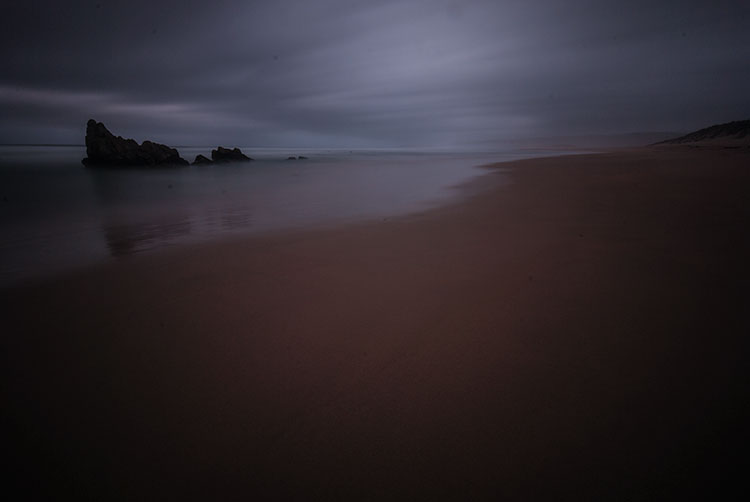
The best part about RAW files are that they give you flexibility. If you shoot landscape images or street photography, you have a lot of information to work with and you can use that information to create the best possible image. Also, Photoshop is always improving their tools and functions. I have gone back and reworked older images: the RAW file had all the information and the new functions brought out the best of that scene. This has happened quite a few times, so don’t delete “throwaway” images so quickly. For this reason, I am also not a fan of chimping too much. Wait until you download the images to see what is worth keeping. Use RAW to give you as much flexibility as you can, even on older images.

Original RAW file, the image was really dark from the use of an ND filter

Original RAW file, the image was really dark from the use of an ND filter.


The result of the above image after being edited in Adobe RAW converter

The result of the above image after being edited in Adobe RAW converter.

5. Quality

Editing your RAW image is a two-step process. The first step is converting it in a RAW converter. (Lightroom converts RAW images, as does Photoshop and many other image editing products.) Once you have made the corrections and subtle adjustments in the RAW converter, then you can open the converted image in Lightroom or Photoshop. You will then be editing on the best quality image possible. Image quality is almost the “holy grail” of photography. If you ask any photographer what the most important thing is for any image, it will most likely boil down to image quality. To be clear, when I say image quality I include sharpness, noise, dynamic range, color, tone, chromatic aberration and so on. Anything that adds to the overall look and feel of the image. Your image quality will be fantastic if you work carefully in your RAW converter and edit well in Photoshop. You can get good image quality in JPEG too, but you will be able to squeeze that much more out of the image if you shot in RAW.


Look at the quality and detail of the scene after being edited in Adobe Camera Raw converter

Look at the quality and detail of the scene after being edited in Adobe Camera Raw converter.

RAW is a great format to use if you plan on editing your images. If you shoot landscapes, fashion, food, architecture and even weddings you should be considering shooting in RAW. One caveat on using RAW for weddings – you don’t have to shoot the whole wedding in RAW, but shoot the important images or images where the light is tricky in RAW. That way you can be confident you have the shot and information you will need for editing later.

RAW requires a different workflow for your image processing. If you don’t want to spend too much time editing, then maybe RAW will not work for you. The reality is RAW files are bigger, but that’s because they capture so much more information. If you are skeptical, give it a try. Shoot some scenes in RAW and try the Adobe RAW converter. Lightroom also works with RAW files. You might find that you have more details and information in your image than you thought.

googletag.cmd.push(function() {
tablet_slots.push( googletag.defineSlot( “/1005424/_dPSv4_tab-all-article-bottom_(300×250)”, [300, 250], “pb-ad-78623” ).addService( googletag.pubads() ) ); } );

googletag.cmd.push(function() {
mobile_slots.push( googletag.defineSlot( “/1005424/_dPSv4_mob-all-article-bottom_(300×250)”, [300, 250], “pb-ad-78158” ).addService( googletag.pubads() ) ); } );

The post 5 Reasons To Should Shoot Your Landscape Images in RAW by Barry J Brady appeared first on Digital Photography School.

Digital Photography School

 
Comments Off on 5 Reasons To Should Shoot Your Landscape Images in RAW

Posted in Photography


7 Reasons Why You’d be Crazy Not to use Lightroom Presets

11 Aug

Today, in this digital age, your job isn’t done once you’ve taken the photos, you’re really only halfway there. You need to edit your photos. Luckily, using Adobe Lightroom, combined with some really high-quality presets, you can instantly start getting amazing results, rather than spin your wheels being frustrated trying to edit your photos.

But first – what is a Lightroom preset?

DPS Presets Article Cover Photo

A Lightroom preset is simply a collection of photo edit settings inside of Lightroom that are bundled into a single click allowing you to edit photos far more efficiently than you would otherwise by repeating those same settings and editing steps one by one.

Here are 7 reasons why you’d be crazy not to use Lightroom presets:

Save Time

When using Lightroom presets, with only one click you’ll be able to instantly get your photos to an 85-90% edited state, and sometimes you’ll even be completely done with one click! Rather than edit each photo from start to finish, you can spend your time on the fine-tuning part of the editing process.

Simple to Use

Learning any new software can be intimidating, and take time to master. While it’s certainly important to always take strides at truly learning the program, using presets will let you instantly get started in Lightroom, and edit your photos simpler than ever before.

LR Preset Screenshot what and why presets

Variety

Does the photo look best in black and white or a sepia edit? Or maybe a vibrant color edit or a subdued vintage look? Using Lightroom presets will give you a ton of creative variety right at your fingertips so you can effectively try different edits and see which style is most fitting for a particular photo, or even full photo session. Quick tip – when you hover over a different preset, Lightroom will show you a preview of how that photo will look with that preset applied (in the Navigator box, at the top of the left panel in the Develop Module, see screenshot above).

Digital Photography School Lightroom Presets 0001 Variety

Consistency

When you are editing an entire photo session, using the same presets across the whole photo shoot will give your images a more uniform and consistent look, as opposed to editing each and every photo one-by-one, which can yield varying settings and a disjointed look to your image set.

Completely Customizable

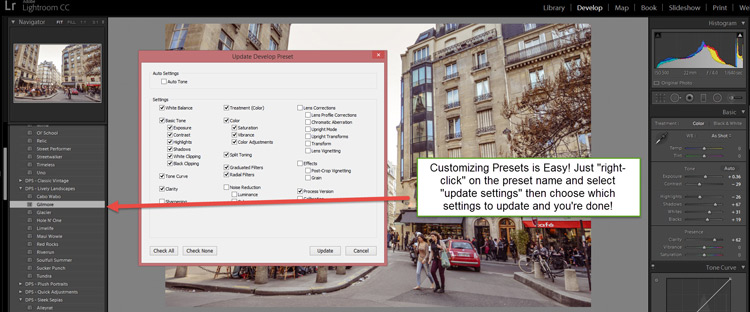
Have a preset you love, but you always have to slightly adjust the color or contrast? Or maybe your very own style has changed over time? No problem at all. Any develop preset you use inside Lightroom is completely customizable and it’s as easy as a couple mouse clicks.

DPS Customize Presets 750

Lightroom versus Photoshop

Presets work inside Lightroom and actions work inside Photoshop. Both programs have their place in a professional photographer’s editing workflow. However, Lightroom is the primary editing software of choice for both professionals and hobbyists alike. Not only is it far easier to use and learn compared to Photoshop, but within Lightroom all of your edits are non-destructive. That means that your original unedited photo is always stored in Lightroom so you can experiment as much or as little as you want, without ever degrading the quality of your original image.

Presets + Batch Editing = The Winning Combo

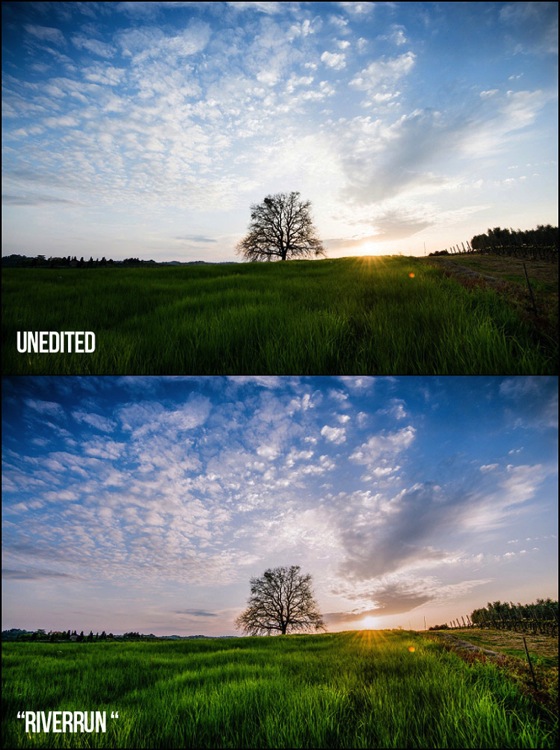
Final Landscape 750

Example from the dPS 101 Lightroom Presets Pack

One of the greatest benefits of using Lightroom is its ability to edit a lot of photos very quickly by batch editing, or syncing, your settings from one photo to many at once. When you combine high-quality presets with batch editing in Lightroom you will be able to drastically cut down your complete photo editing time per session.

Now that you have a better understanding of how using Lightroom presets can dramatically reduce the amount of time you spend editing your photos, while getting you better results and increasing your creativity – it’s time to grab some presets for you to use inside of Lightroom.

Introducing the dPS 101 Lightroom Presets Pack

You can scour the web to research and find different Lightroom presets, you can choose to create your own, or you can make your life really easy and purchase the official Digital Photography School – 101 Lightroom Presets Pack that I’ve created.

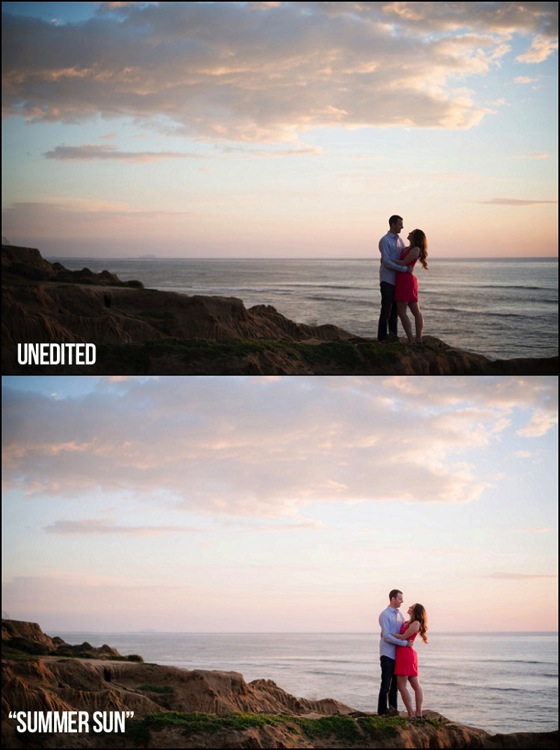
Final Portraits 750

Example using the Summer Sun preset from the dPS 101 Lightroom Presets Pack

This ultimate preset bundle includes seven different themes, so you can easily find and use a preset that is the most fitting for your specific photo, without having to waste any time. You’ll find presets dedicated for portraits, stunning black and white & sepia presets, presets for landscape photography, street photography, vintage presets and much more.

It doesn’t matter if you are a beginner or professional, you’ll love these presets and the amazing results you’ll get from them. Click here to learn more and save big by getting them during this limited time introductory special promotion price.

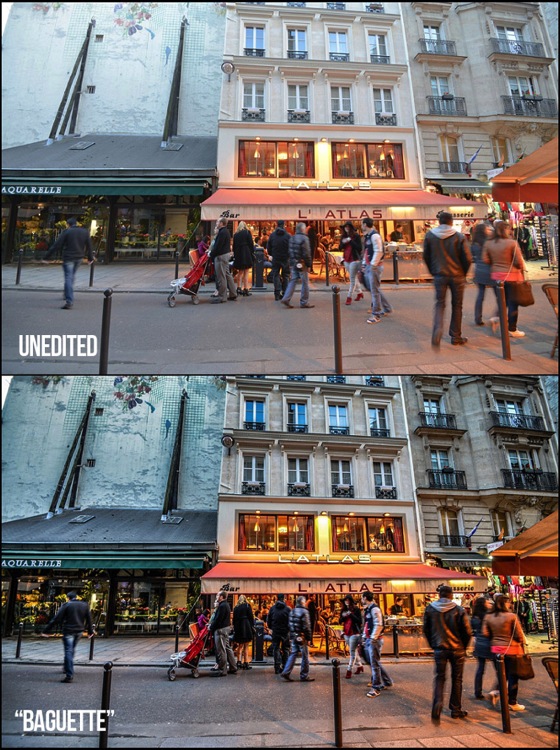
Final Street 750

Example from the dPS 101 Lightroom Presets Pack


presets_coverdPS 101 Lightroom Presets Pack

Cole’s handcrafted a brand new set of presets, exclusive to dPS.

  • Instant Digital Download
  • Guaranteed for 2 full months
  • Pay by PayPal or Credit Card

For a limited time only get them at the introductory price of $ 20.


googletag.cmd.push(function() {
tablet_slots.push( googletag.defineSlot( “/1005424/_dPSv4_tab-all-article-bottom_(300×250)”, [300, 250], “pb-ad-78623” ).addService( googletag.pubads() ) ); } );

googletag.cmd.push(function() {
mobile_slots.push( googletag.defineSlot( “/1005424/_dPSv4_mob-all-article-bottom_(300×250)”, [300, 250], “pb-ad-78158” ).addService( googletag.pubads() ) ); } );

The post 7 Reasons Why You’d be Crazy Not to use Lightroom Presets by Cole Joseph appeared first on Digital Photography School.

Digital Photography School

 
Comments Off on 7 Reasons Why You’d be Crazy Not to use Lightroom Presets

Posted in Photography


Art of Interaction: 300 Reasons to Attend INSTINT 2015 in MN

21 Jul

[ By WebUrbanist in Art & Installation & Sound. ]

instint_montage-1200x799

Featuring a combination of workshops, lectures, mixers and parties, INSTINT (from the makers of eyeo) brings together some of the most influential and exciting creatives dealing with interactive architecture, art, design and technology from around the world. With less than 60 tickets left, you would be wise to register as soon as possible and if you will be coming to Minneapolis from out of state (or country), be sure to start making travel plans today.

nataly_gattengo_Lightswarm_1200x700

Attending the event last year, WebUrbanist’s founder and lead technologist were stunned by the high caliber not only of the presenters but the 300 attendees as well, all of whom had stories to share about their work in and beyond the realm of interaction design.

This year, WU is once again a proud official media partner of this amazing gathering. In addition to selected talks from last year (embedded above), more videos from INSTINT 2014 can be found on Vimeo – but keep in mind: at least half of the experience is simply interacting with others in attendance during and beyond the event, so the talks themselves tell only part of the story.

rachel_wingfield_Secret-Garden-Party_1200x700

Frequently found at the bleeding edge of their intersecting fields, INSTINT’s various compelling presenters manage to show off a combination of stunning completed works while also sharing behind-the-scenes lessons for others looking to create responsive environments, interactive art or smart objects. Attendees will be inspired by the finished projects but also learn a great deal from the trials, errors and iterations described in honest detail as well.

ruairi_glynn_Performative-Ecologies-1200x700

Over three days and in addition to multiple workshops, lunches and mixers, this year’s 14 outstanding speakers include Rachel Wingfield from London, whose experiments with future scenarios combine biology with technology to create living architecture, as well as Nataly Gattengo of San Francisco’s Future Cities Lab who has won awards for robotics, responsive building systems and other developments around the Internet of Things.

cyril_diagne_M.Kalia_Metamorphosis_1200x700

More from the organizers: “Great ideas and technology create ever-new opportunities to bring projects to life everywhere and anywhere imaginable. Along with this opportunity comes the inevitable trials and challenges of physical and site specific work. One-off projects made for one-off locations can make you pull your hair out, and/or go broke in the process. The volume of variables, old and new, can be overwhelming: unpredictable environments, bleeding edge technology, custom fabrication, code, bugs, insects, greasy fingers, hackers, crashers, crashes, caches, spoilers, laws, landlords, curators, committees, workers, shippers, solder, electricity, sunlight, moonlight, fluorescent light, reflections, bad ideas, egos, feasibility, durability, production planning, scope, scale, budgets, and on, and on. What knowledge can be applied from previous experiences and what has to be learned on-the-fly, on a per project basis? INSTINT aims to arm you with insights and inspiration, and expand your ability to execute projects in this exciting, but complex, sometimes harrowing, and ever-shifting field.” Register today!

Share on Facebook


[ By WebUrbanist in Art & Installation & Sound. ]

[ WebUrbanist | Archives | Galleries | Privacy | TOS ]


WebUrbanist

 
Comments Off on Art of Interaction: 300 Reasons to Attend INSTINT 2015 in MN

Posted in Creativity


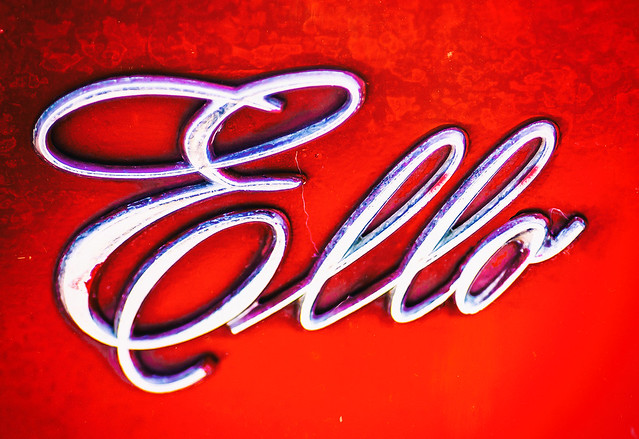
10 Reasons You Should be on Ello

28 Jun

10 Reasons You Should be on Ello

1. Because you are a leader not a follower. Because you pave the way. You are a trailblazer. You are like Lewis and Clark, like Henry Ford, like Jackie Robinson. Ride Sally Ride. You skate where the puck is going, not where it’s been. You do not stick around Europe for the Bubonic Plague. You hop on a boat and sail away. Far away. You’re like a pirate, or better yet, a pilgrim, albeit a very thirsty pilgrim who likes whiskey and is also much nicer to your American Indian friends.

Who cares that your mother and your aunt and that guy from 2nd grade or the mailroom guy at work are not on Ello. You are, and when they finally get there you will be able to brag about being there first.

2. Because ads suck. Are you tired of seeing those creepy ads that follow you around the internet? Yeah, you know the ones. You weren’t even going to buy the bikini you were just checking out the site for “artistic inspiration” and the next thing you know there it sticks for six months on your Facebook page, popping up each time you visit unless you uninstall and reinstall your browser. I don’t want to buy a BMW. I don’t want to go to Arby’s. I don’t want 40% off at Banana Republic. I don’t want to accidently click on a photo only to discover it’s a “sponsored post” from Dos Equis. Ads suck. Not only does Ello not have ads today, as a public benefit corporation they never will.

Earlier this week what were top Facebook and Twitter execs pushing at Cannes Lions? Yep, you guessed it, how to advertise at you even more.

Oh and that includes Instagram too. Things are about to get much, much worse there.

What was Paul Budnitz, co-founder of Ello talking about during Cannes Lions? How to be a good husband and father.

3. Because your life is not an algorithm. Are you tired of Facebook burying your posts and hiding them from your friends? You shouldn’t have to pay to sponsor your own posts to your own friends. Tired of missing important updates from the people that you care about or having to navigate complex settings just to try to see what you want to see?

You are not a machine or a robot so why should your social network treat you like one — even though robots are super cool and you might like them, or movies or dreams about them, it doesn’t mean you are one.

Take back control over Facebook’s secret algorithm and maintain your friends in two simple buckets, friends/noise. Oh and don’t be too noisy. :)

4. Because everyone is a photographer and our photos deserve to be seen large. Bottom line, photos look better, bigger. Photos look better when they are the size that you upload them as, not compressed and miniturized and mixed in with a bunch of ads and game invites and dumb memes and other clutter.

Your photos matter. Your art matters. Everyone is an artist and everyone should care about their art. You tell me, which site shows your photos better?

5. Because variety is the spice of life. Tired of seeing the same posts by the same people over and over and over again on the Facebook algorithm? Why not make some new friends? Some of the most creative people in the universe are publishing some truly epic art on Ello right now, while you are reading this post.

Tired of Facebook just recycling content from the same 15 people over and over again in your feed? Come to Ello and discover something fresh, something new, something inspiring. Do you like to travel? Check out Ello Travel. Do you like photography? Check out Ello Photography. Do you like food? Check out Ello cooking. Truly fine community curated content.

Integrate yourself in some new verticals and open up your world a little bit.

6. Because life should not have to be SFW. Humans are amazing creatures and the human body is a beautiful thing. Breastfeeding is natural. There’s nothing wrong with boobs. Ello will never censor or remove fine art celebrating the human body. In fact, Ello itself curates a super interesting feed of NSFW content.

Facebook and Google won’t let you host or view the naked human body. Don’t worry though, if you are one of the more modest types there is a very easy setting on Ello to filter out any NSFW content from your Ello experience. The difference is that on Ello *you* choose what you want to see or not see.

7. Because Ello is a super positive community. Tired of seeing hate and abuse on Twitter? Tired of seeing pointless arguments about politics and name calling on Facebook? Ello is one of the friendliest places on the web right now. The community is empowered. You are not a cog in a machine or fuel for the advertising furnace, you are part of a bigger social movement where people are committed and care about making Ello a welcoming place for all.

People on Ello take this responsibility seriously and you will find some beautiful, generous people who want to build you up not tear you down. Abuse and hate has been non-existent on Ello. As Ello gets larger, undoubtedly some of this may creep in, but Ello has a strong blocking tool and a serious commitment to fighting internet harassment and abuse.

8. Because the people who run Ello day in and day out care. One of the things you will find at Ello is that the folks running the show are not just nameless, faceless individuals. The people behind Ello are some of the most passionate, committed, thoughtful people dedicated to personal expression and social empowerment on the web.

Who are the people behind Ello? They are publicly listed and I’d encourage you to check them out and learn a little bit more about who is running the most exciting and growing community on the web right now. The people who run Ello are accessible and care about what you think about your community. They themselves are as big a part of the community as any of us and contribute beautiful art and work every single day.

9. Because the iOS app is awesome! Have you tried the new Ello iPhone app? It rocks (don’t worry Android users, an Android app is in the works too). The new Ello iOS app is elegant and beautiful, just like the web version. More on the Ello iOS app here.

10. Because the web is a new virtual museum and Ello has the best art. You will find some of the best art being produced today on Ello. Not only will you find artists and photographers posting their own work, but you will find thoughtful curators also sharing and properly crediting amazing art all over the world.

You can find me on Ello here. Stop by and say hi and lets be friends. :)


Thomas Hawk Digital Connection

 
Comments Off on 10 Reasons You Should be on Ello

Posted in Photography


6 Reasons to Become a Nature Photographer

15 May

#1 An Ever-Changing Subject

Nature photography never gets boring. Whether it be wildlife or landscape photography you are interested in, there is always a new angle you can introduce to your photos.

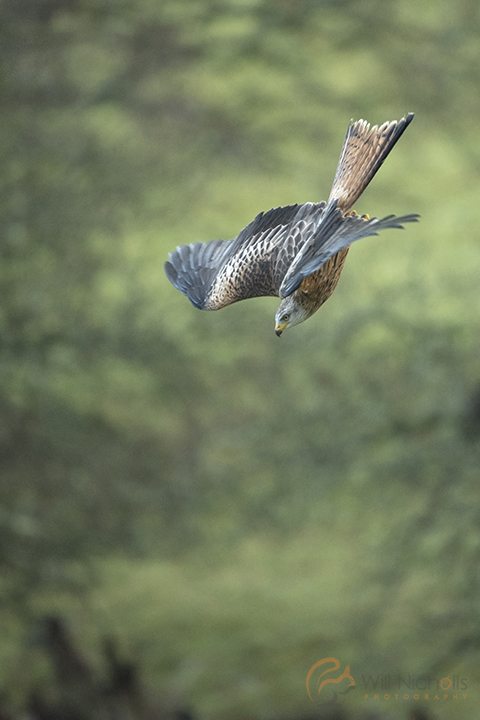
Kite Dive

For landscape photography, the weather is never exactly the same – clouds make unique formations, and the way sun rays cast over the scene in front of you are always very special.

If you take photos of wildlife, then you will be forever capturing moments that will never be repeated. Take the example of two birds fighting on a branch: you will never get a photo of the exact same birds, with the exact same body and wing positions, in exactly the same backdrop. You have an opportunity to record something truly unique.

#2 Be At One With Nature

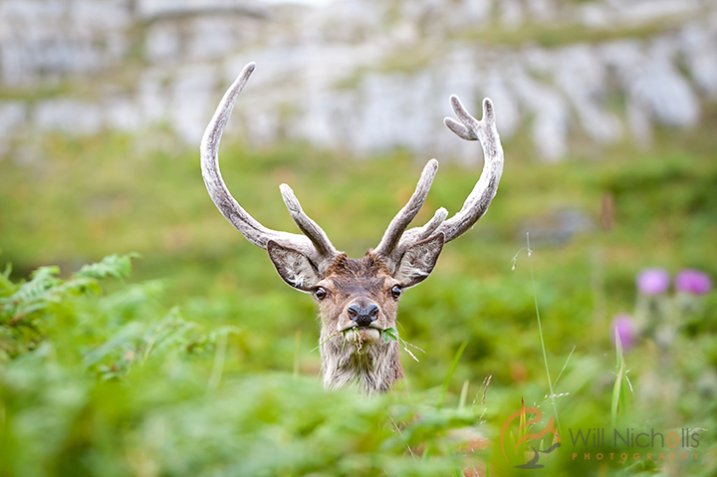
Red Deer Head

There’s no better excuse for getting outside than feeding your thirst for nature photography. Nowadays a lot of people spend too much time indoors, and going outside is extremely beneficial for your wellbeing – that’s for both your health and enjoyment. If you’ve caught the photography bug then getting into the outdoors with your camera becomes something you really enjoy doing.

#3 It’s Easily Accessible

Nature is everywhere – you don’t need to look far to find a beautiful scene or a bird that is willing to come to a bird feeder. You don’t have to book a studio and a model to take photos; just go outside and start clicking that shutter.

Even for those who live in cities, there is wildlife everywhere – you may just not know it yet. At night, deer and foxes come into suburban areas and make for interesting photographs. Venture out into the countryside and you will find rolling hills and endless photographic opportunities.

#4 It’s Relaxing

Nature photography is extremely therapeutic if you can reap enjoyment from it. If you have had a stressful week, heading out to be alone with your camera and the natural world can be a great way to wind down and forget any troubles.

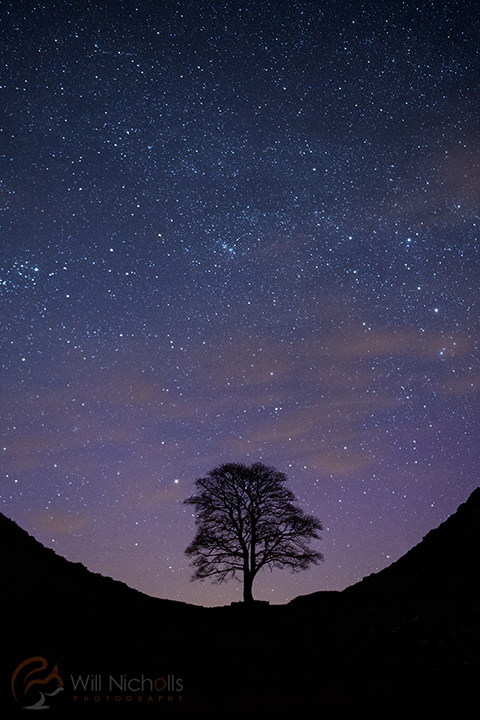
starssmall

#5 Everyone Loves Nature

Most people admire nature in some form. Whether that be appreciating a dramatic, serene landscape or the glint in a swooping eagle’s eye, your photos are going to be appreciated by a wide audience. If you are looking to share something that people can connect with, nature photography is a great way to do this.

When done correctly, nature photos will transport the viewer into your shoes, allowing them to imagine the scene as if they were there with you. Providing this window into the natural world to those who may not be able to access it themselves is a great thing to do.

#6 Raising the Profile of the Environment

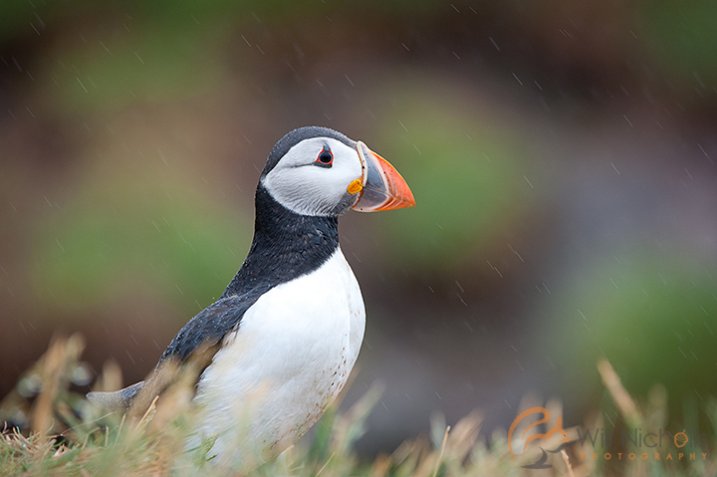
PuffinInRain

Nature photography helps to raise the profile of our planet and the environment. It allows people to experience things they may not see themselves, and therefore encourages them to care about its preservation. You can, in a small way, help to raise awareness of the natural world and work to promote its conservation.

googletag.cmd.push(function() {
tablet_slots.push( googletag.defineSlot( “/1005424/_dPSv4_tab-all-article-bottom_(300×250)”, [300, 250], “pb-ad-78623” ).addService( googletag.pubads() ) ); } );

googletag.cmd.push(function() {
mobile_slots.push( googletag.defineSlot( “/1005424/_dPSv4_mob-all-article-bottom_(300×250)”, [300, 250], “pb-ad-78158” ).addService( googletag.pubads() ) ); } );

The post 6 Reasons to Become a Nature Photographer by Will Nicholls appeared first on Digital Photography School.


Digital Photography School

 
Comments Off on 6 Reasons to Become a Nature Photographer

Posted in Photography


5 Reasons You Should Learn Long Exposure Photography

12 May

Long exposure imagery is an interesting and highly satisfying technique of creating images. It requires you to use the manual mode or sometimes shutter priority mode to control your shutter speed.

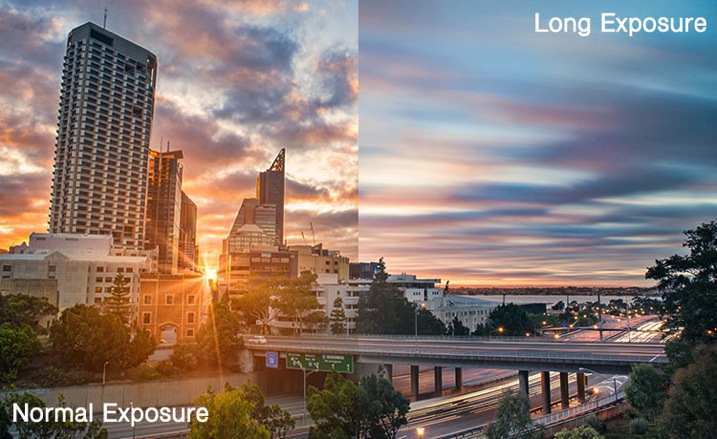
Normal vs Long exposure

Shutter priority mode is marked on Nikon camera with ‘S’ and on Canon systems with ‘Tv’. They mean the exact same thing. When you switch to shutter priority mode you can select the shutter speed while the camera selects the appropriate aperture.

Obviously if you need a bit more flexibility, you should use the manual mode, where both shutter speed and aperture value are in your control. That helps you to maintain a long shutter speed while also controlling the depth of field.

At this point you would probably be asking yourself why you would need to shoot long exposure images. Wouldn’t shooting such exposures risk your images to be washed out? This is because there are some other tools and techniques involved in the process as well. Such as using ND filters or using exposure compensation to find the right aperture / shutter speed combination that allows sufficient light over a long period of time without risking a washed out image.

So why should you learn how to shoot long exposure images?

1. You can record an image over a long period of time.

Something that evidently means an action is recorded as it unfurls in front of the camera. For example, clouds moving across the sky in a landscape image creates a beautiful blurred effect that gives the hint of time passage. The same thing happens when you shoot an image of a pier and the surf coming back and forth is recorded over a long period of time. The final result will be a beautiful misty look.

2. You can make waterfalls become silky.

Water fall

If you love nature photography there are probably a million different subjects that you could shoot using the long exposure technique. Waterfalls are often shot using a slow shutter speed which basically results in a long blurred line of water and accentuates the overall surreal look of the image. I call this “silky waterfalls”.

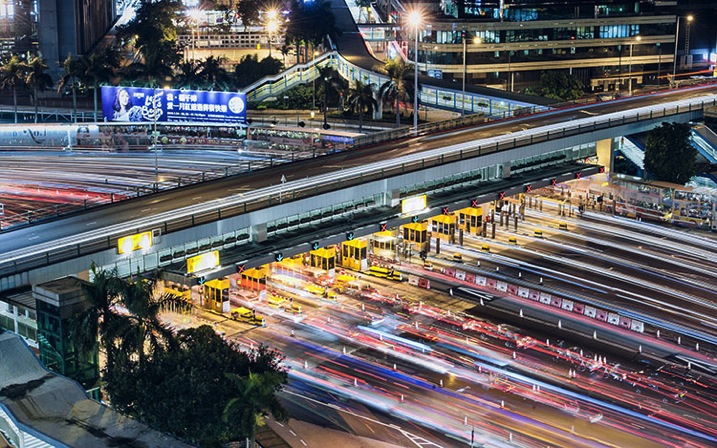
3. You can capture trails of lights.

Light trail

Long exposure technique is perfect for night time photography as well. You can shoot star trails, light trails, light painting, or even fireworks. All of these subjects require a long shutter speed which allow the sensor to be exposed to the light movement. These topics, when doing right, can capture a beautiful pattern of light in the final image easily.

4. You can make the annoying pedestrians disappear.

There are certain unique perspectives to get if you are prepared to use the long exposure technique in broad daylight. It is not difficult, you will just need an ND filter. What I have in mind primarily is street photos. Let’s say you are photographing a busy street at noon. You want a look when nobody is around. On a busy street right in the middle of the day, it is seemingly an impossible task. Not if you know how to use an ND filer.

A ten stop ND filter, something like a Lee big-stopper, is what you need. You can first meter for the scene, then attach the filter to the front of the lens. A ten-stop filter will allow you to use a shutter speed of up to 10 stops slower than what you metered initially, without the filter. That will make everybody simply disappear. If you do it the right way, what you will get in your image is a city completely devoid of people! Like a postapocalyptic
scene, it will be an amazing image.

5. You can easily create B&W fine art photographs.

Another reason you would want to shoot long exposure photos is to enhance your black and white compositions. Black and white images are somehow more powerful than color images.

Sydney bridge

It is the contrast, the different shades of grey, ranging from pure white to pure black, the shapes, the forms, everything seems to appear more interesting. The greatest disadvantage of B&W images is that, well, they are devoid of color. That, however, is also the greatest advantage. Because without color, the essential aspects of composition and the underlying story comes to the forefront.

Do you have any other compelling reasons to do long exposure photography? Please share in the comments below.

googletag.cmd.push(function() {
tablet_slots.push( googletag.defineSlot( “/1005424/_dPSv4_tab-all-article-bottom_(300×250)”, [300, 250], “pb-ad-78623” ).addService( googletag.pubads() ) ); } );

googletag.cmd.push(function() {
mobile_slots.push( googletag.defineSlot( “/1005424/_dPSv4_mob-all-article-bottom_(300×250)”, [300, 250], “pb-ad-78158” ).addService( googletag.pubads() ) ); } );

The post 5 Reasons You Should Learn Long Exposure Photography by Kevin Choi appeared first on Digital Photography School.

Digital Photography School

 
Comments Off on 5 Reasons You Should Learn Long Exposure Photography

Posted in Photography


5 Reasons a Pro Photographer Sometimes Regrets That Decision

04 May

Following your dream is not always easy. Actually, it’s never easy.

To be frank, I think the only way you can achieve a dream goal is to leave yourself no other choice. You can’t say, for instance, “I’ll try this for a while and see how it goes.” because you’ll always find a reason (often a pretty good one) to give up and do something else. You have to be fully committed. That makes it easier decision-wise, because you literally leave yourself no other choice but to keep going forward. But the process itself is still very hard.

dps4

So, that’s what I did and now I take pictures for a living. I also write for magazines and for newspapers. Sometimes, I sell my images by themselves, but my articles I always sell with my photos. I’ve been doing it for a long time now, and I can’t imagine any other way to make a living. But that doesn’t mean it hasn’t been a struggle. Sometimes, when everything seems to be going against me, I have regrets about choosing photography for a career. Here they are, in no particular order.

#1. Low Pay

Photographers work hard, whether they shoot weddings, war zones or wallabies. But the pay is generally not great, which is just a polite way of saying it sucks. There are exceptions, of course, but they are, well, exceptions. So you work hard and are good at what you do, but you don’t make a lot of money. Your friends earn a lot more than you do, which is fine, but after a while it gives a numerical significance to how much you’ve sacrificed to be a photographer.


Of course it’s possible to make a lot of money at photography, as Peter Lik will tell you, but if making money is a priority in your life, you’re far better off choosing a different career.

Now, I know what you’re thinking. You’ve heard that before, and it’s not going to be a problem, you’re ready to live frugally. You say that now, but will you feel the same way in ten years?

dps5

#2. Inspiration

While it’s definitely true that you should try to work at something you love, it has its consequences. The most obvious is that what you love becomes work. I have friends who shoot images just because they enjoy it and sometimes I think, “hmm, they seem to be having more fun at this than I am!”

The truth is, taking pictures with the aim of selling them is different, most of the time, from taking pictures for the pure joy if it. A lot of people confuse the two things.

It’s not that I love it any less, I don’t think, but sometimes it’s hard to keep up with the enthusiasm I see in amateur photographers. As much as I enjoy taking pictures — hey, I’m the one who decided to make a living out of it — I also like doing other things as well. I guess this is a way of saying that when you do the thing that you love for a living, you choose something else for a hobby.

#3. Work Never Ends

One of the great things about being a self-employed entrepreneur of sorts, is that if Monday the weather is great and a friend calls up and suggests a long lunch on a patio somewhere, at that moment you get to say, “Sure, sounds great!” Or perhaps, if you’re more disciplined than I am, you say, “Maybe next time, I really have to get some work done.” But the point is, you have the option. Freedom is pretty great.

dps2

Of course, it comes at a cost, because depending on how you look at it, you’re never truly free. You can draw the line between work and play wherever you like, yes, but that’s both a good thing and a bad thing. Because you’re never not working. I sometimes envy my friends who have regular Monday-to-Friday jobs because when I see them on the weekend, they’re truly off work. Not me.

Also, vacations? Pretty much never. I go to a lot of great places, don’t get me wrong, but mostly on my own. I know this sounds like the stuff of dreams, but believe me, it’s still work. You go on an assignment somewhere and tell your friends you went to such-and-such destination, and all they think is “Ah, vacation.” But being in a vacation spot and actually being on vacation are two very different things. I get it, because vacations are awesome – I wish I could take one.

#4. Loss of Creative Input

Depending on the kind of photography you do, it can be hard to maintain a personal vision, or any creative input at all, really. I was once at the studio of a friend of mine, a commercial photographer who pulls in many big-time clients. I wasn’t involved in the shoot in any way, he just invited me over so I hung out and watched, scarfing down the free sushi when nobody was looking.

The shoot was of a young couple who had found their dream home. It was going to be a full-page advertisement in magazines and newspapers. The art director was there, and he knew exactly what he wanted. He had a clipping of a photo taken by somebody else, gave it to my friend and essentially said, “Copy this. This is what we want exactly.”

dps3

This is an extreme example, but the point is, if you want to make money taking pictures, you shoot what other people want. At the very least, you shoot what other people want but in your style, and that’s the best-case scenario.

That’s why a lot of photographers take lower-paying jobs that allow them more creative control. If not, there are times when you’re just a robot putting the camera where other people want it and pushing the button when they say so. Unless, that is, you’re a superstar commercial photographer, but if that’s the case, you’ve already paid your dues, I’m sure.

I don’t usually have an art director over my shoulder telling me what to do, but I still submit my images to photo editors and designers, and they get to choose which ones get used, not me.

#5. The Myth of Being Your Own Boss

Some people who have regular jobs, whatever those are, tell me, “You are so lucky, you’re your own boss.”

dps1

Well I suppose I am, in a way, my own boss. But that depends on how you look at it. From my perspective, I have it a lot worse because I don’t have just one boss, I have many. Every one of my clients is my boss.

I’ve been lucky in finding many great people to work with (for?) but I’ve had my share of nightmare clients, as well. Some of those people pay quite well, and although I’d sorely like to tell them to do something to themselves which is unprintable here, well, you know how it goes. Sometimes I have the courage to fire a well-paying client, and sometimes I don’t. But if you think that being a freelancer allows you to escape the unpleasantness of having to deal with certain bosses, think again.

Thinking about turning pro? Here’s another good read on the topic from a different pro photographer’s perspective: 6 Things to Consider Before Becoming a Professional Photographer

Mike Randolph has been a professional writer and photographer for more than 20 years. His photos have appeared in National Geographic publications as well as hundreds of others. For photo tips, techniques and gear talk, check out his travel photography blog.

googletag.cmd.push(function() {
tablet_slots.push( googletag.defineSlot( “/1005424/_dPSv4_tab-all-article-bottom_(300×250)”, [300, 250], “pb-ad-78623” ).addService( googletag.pubads() ) ); } );

googletag.cmd.push(function() {
mobile_slots.push( googletag.defineSlot( “/1005424/_dPSv4_mob-all-article-bottom_(300×250)”, [300, 250], “pb-ad-78158” ).addService( googletag.pubads() ) ); } );

The post 5 Reasons a Pro Photographer Sometimes Regrets That Decision by Mike Randolph appeared first on Digital Photography School.

Digital Photography School

 
Comments Off on 5 Reasons a Pro Photographer Sometimes Regrets That Decision

Posted in Photography