RSS
 

Posts Tagged ‘Really’

Ultimate Photo Playlist: Songs That Really Click

25 Sep

Photos aren’t just a treat for the eyes. They can also be music to your ears!

We’ve put together the Ultimate Photo Playlist, over 70 songs about photos and all of the emotions they stir up– ranging from happy feet to heartbroken.

Whether you’re a photographer or simply an admirer of the art, somewhere on this list is a song (or two or three or many more!) for you.

Now get ready because these songs are guaranteed to get you in the mood…for photography!

Turn Up the Volume (…)
Read the rest of Ultimate Photo Playlist: Songs That Really Click (1,043 words)


© Taylor for Photojojo, 2014. |
Permalink |
No comment |
Add to
del.icio.us

Post tags:


Photojojo

 
Comments Off on Ultimate Photo Playlist: Songs That Really Click

Posted in Equipment


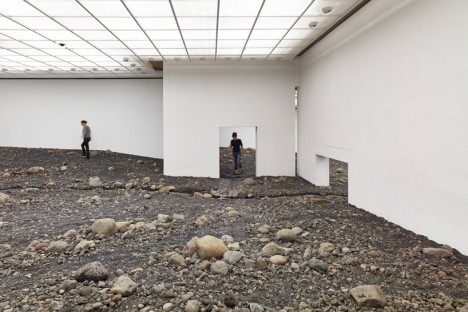
Interior Land Art: Riverbed Really Runs Through this Museum

31 Aug

[ By WebUrbanist in Art & Installation & Sound. ]

river interior museum gallery

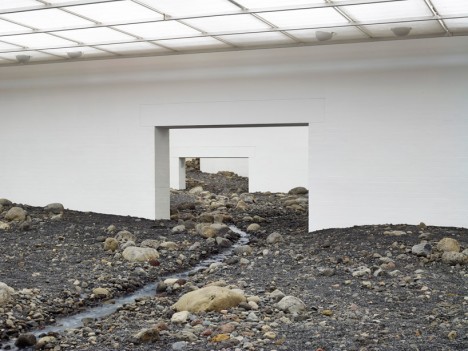
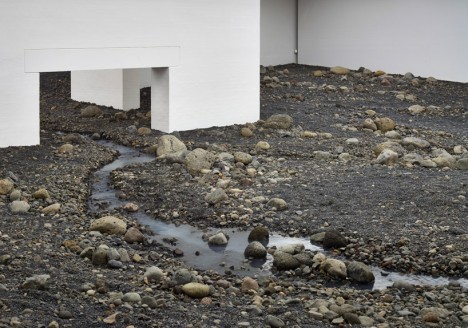
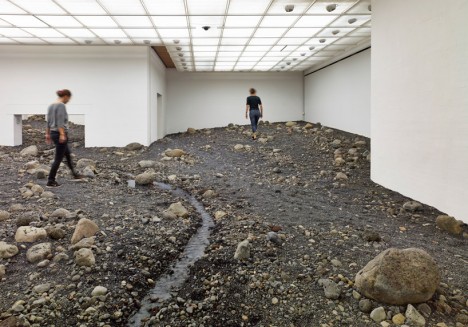
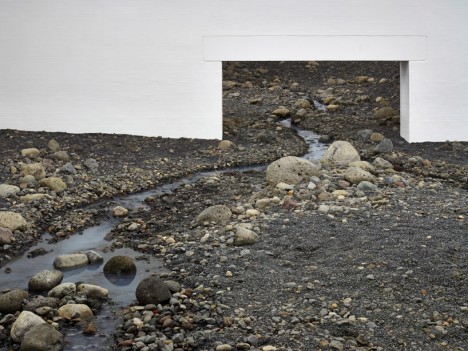
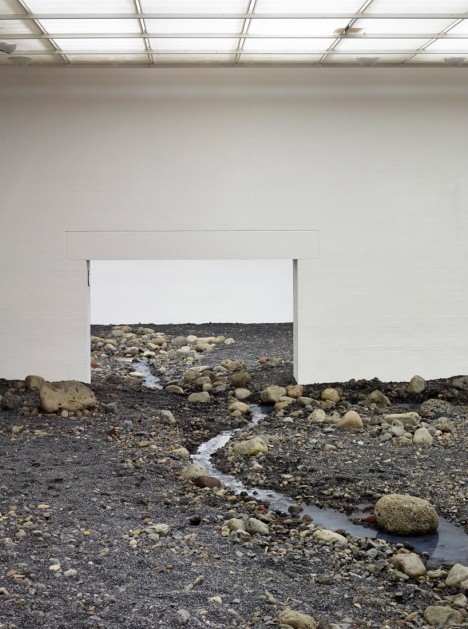
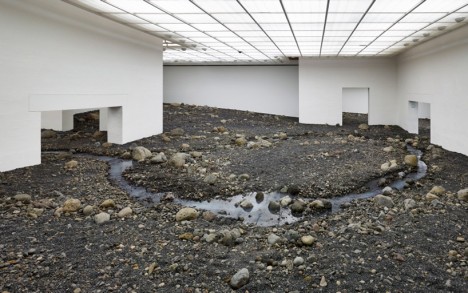
Art rarely gets as gritty and real as this, particularly in a gallery, with rocks, earth and water running through simple doors, between white-walled rooms and under uniform interior lighting.

riverbed walking closeup example

Olafur Eliasson, a Danish and Icelandic artist, created Riverbed as one of a series of installations for the Louisiana Museum of Modern Art in Denmark, challenging visitors to experience both museums and landscapes in new ways.

riverbed zoomed in doors

Meanwhile, the spaces become both intimate and perhaps uncomfortable as the earthwork slopes upward into ultimately-inaccessible areas.

river runs through art

The artist explains: “What I’m interested in with my work at the Louisiana isn’t really that you experience an object or an artwork. I am interested in how you connect this landscape to the rest of the world and ultimately, how you experience yourself within it.”

riverbed walking visitor tour

Traditional floor tiles slowly give way to a rugged landscape of stones and dirt, leading up to the sides of a real river inexplicably traversing the gallery interior.

riverbed art installation denmark

Aside from other references, the work is a nod to the sculpture garden that used to sit in the same spaces where this section of interior galleries now stands.

riverbed dirt rock water

“When we’re in our familiar surroundings, in our circle of family and friends, our senses are very finely tuned, but the further away we get from the local context, the cruder the sensing becomes. I wonder if our focus on the atmospheric can give us a relationship with something that is very abstract and far away.” (Images by Anders Sune Berg)

Share on Facebook


[ By WebUrbanist in Art & Installation & Sound. ]

[ WebUrbanist | Archives | Galleries | Privacy | TOS ]


WebUrbanist

 
Comments Off on Interior Land Art: Riverbed Really Runs Through this Museum

Posted in Creativity


What’s Really Missing from Your Photographs?

27 Aug

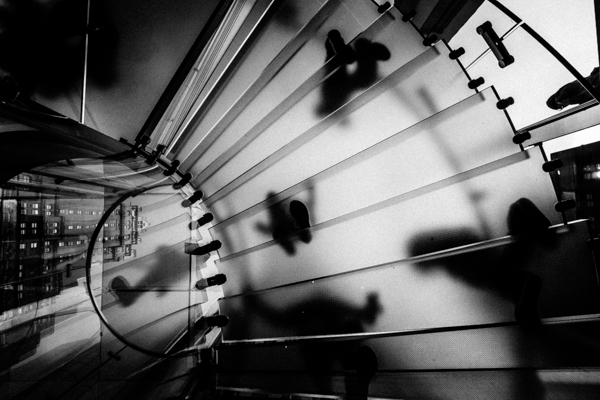
01 cover apple store glass step

Ever felt that your images are missing a certain je-ne-sais-quoi? I remember when I was a proud young shooter, I showed my images to my photography 101 teacher, ready for him to crown me the next best photographer he’s ever seen (Hey I was young). He looked at them, and politely said “They are coming along”.

What. The. Heck dude!? I looked at him in disbelief. I tried some Jedi mind tricks on him; trying to juice some positive note out of him. After a while, it was evident he didn’t want to offend me, I tried pressing him a last time and he gave me the same answer…that my photos were coming along. After thanking him I went my own way, still fooling myself that my stuff I was amazing.

Truth is, he was right, I felt there was something missing from my photographs, I couldn’t put my finger on it, but I knew it. I could see it in other’s images but not mine. I knew my technical photography, I knew the subtleties of composition, I was a graphic designer after all, but there was something that eluded me in photography and I couldn’t figure out what…until something terrible happened.

RRrrrring! A few years ago, I got a call from my aunt, she asked me to call my brother. Apparently my mom had some health issues. I was cool about it, my mom was a cancer survivor, and she sometimes failed here and there, having seizure but never anything major. I dialled my brother promptly.

Yo man! Heard there’s something wrong with mom, what’s up? I asked, ready for the news that she had a seizure episode or something.

He quickly blurted out three words in a rage. I heard the three words I was always afraid of hearing. She. Is. Dead…………. I dreaded hearing those words for years, ever since I knew she had cancer when I was 10.

I remember going to her room hundreds of times, just making sure that her belly was going up and down, meaning she was breathing, still alive. Mental preparedness didn’t mean jack in that moment. She survived cancer, but the Haitian earthquake claimed her.
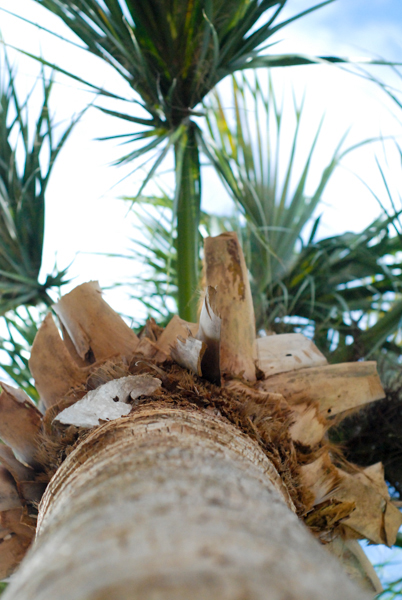
Palm tree 1
Typical image before my mom passed away

Way to go brother to break the news, right, right? But I’m digressing. So, why am I telling you this? Well, after the storm calmed a bit, eventually, it dawned on me: I never made any photographs of her.

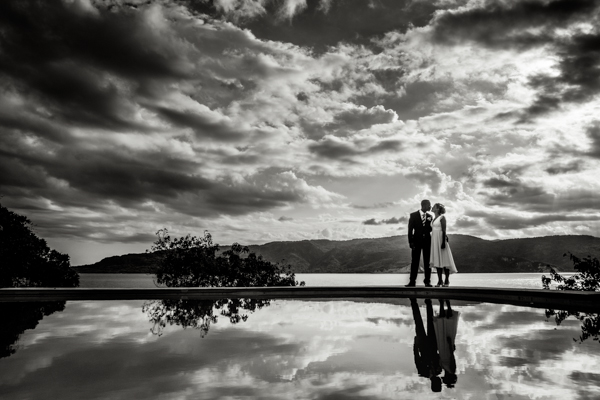
Before my mother went back to Haiti, she was in the US, but instead of spending time making photos of her, I chose instead to take pictures of buildings and flowers. I then understood something a little too late: My photographs didn’t mean anything to me. I shot because I saw other people shooting (thanks internet!), not because I cared for what I was doing. That “thing” I was missing? It was simple: connection. Connection to my work. I could have made a photograph of my mother that showed how much I loved her, how much I cared. A photograph that only I could have made, but I kept shooting things I didn’t care about.
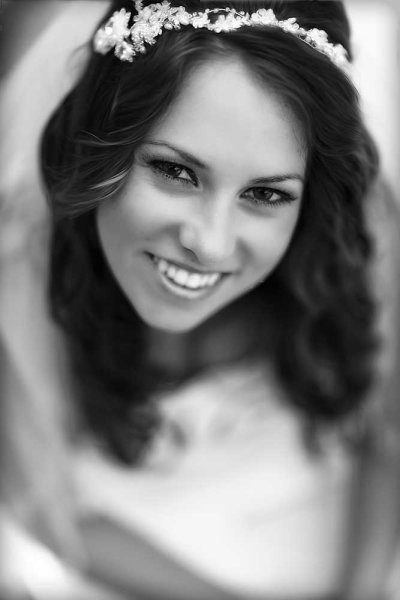
02 haiti wedding

Please don’t misunderstand, I’m not putting down making photos of flowers and buildings, I’m only saying to be emotionally connected with what you are doing. If you find yourself into photos of flowers and whatnot, by all means do it! Many photographers did, especially later in their life. You have to find your connection to your work. If you think that many landscape photographers fall short of Ansel Adam’s work, it’s really not because he had somehow special gear, it’s because he had a strong, borderline religious connection with Yosemite National Park, he came alive when he was there. Most modern landscape photographers are only interested in the physical landscape, Ansel was interested on making images that recreated the sense of awe and majesty that he felt.

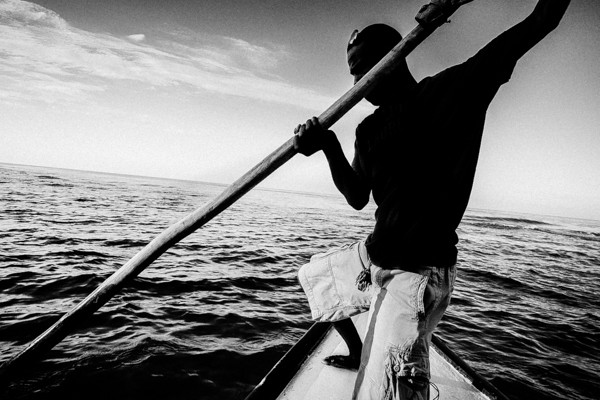
It’s not the technical, the gear, the sharpness that will make you a better photographer. It’s your connection to your work. That’s the magic that no one can replicate. So what’s really missing from your photography? You. Nothing more and nothing less. So far we can’t just plug our brains into another’s to transfer the feelings and emotions we are feeling inside, but can hardly express with words. The closest thing we have to transferring our emotions directly is photography (or art in general), so why spend our time shooting things we don’t care about in the first place?
03 haitian fisherman

You can’t fake connection, shooting something that doesn’t mean anything to you will show in the work. What we feel while looking at a photograph is proportional to what the photographer felt when making it…..the big idea is that connection transcends the photograph.

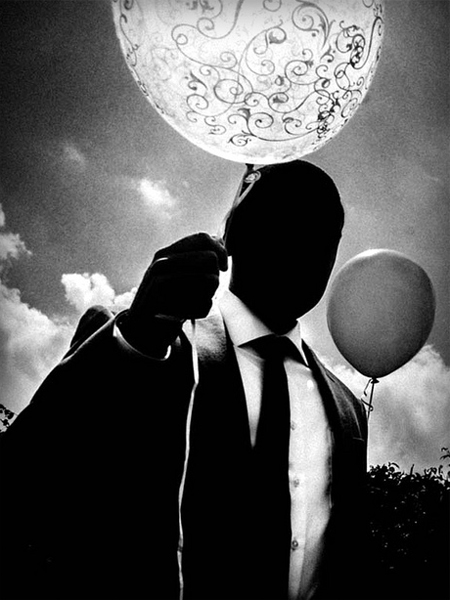
When someone looks at your images, do they see something distinctively you or do they see yet another photographer? It might be easy to get likes by shooting what is expected of a photographer, but it’s much more rewarding to be yourself and connected to your work as a photographer. Trust me, been there, done that!

Be yourself, stay focused and keep on shooting.
04 surrelist photo

The post What’s Really Missing from Your Photographs? by Olivier Duong appeared first on Digital Photography School.


Digital Photography School

 
Comments Off on What’s Really Missing from Your Photographs?

Posted in Photography


Opinion: Do we really need the Fuji X30?

26 Aug

With the camera industry moved on somewhat since the birth of the Fuji X series compact, is there still room for a 12 million pixel compact in a less-than compact body? In this opinion piece, senior contributing writer Damien Demolder ponders the very existence of Fujifim’s newest X-series camera. Read more

Articles: Digital Photography Review (dpreview.com)

 
Comments Off on Opinion: Do we really need the Fuji X30?

Posted in Uncategorized


Video: Canon REALLY wants you to look after your camera gear

14 Jun

Screen_Shot_2014-06-13_at_11.15.50_AM.png

Canon USA has released a video explaining how to take care of your camera gear. In the video, hosted by Holly Groder of Canon’s call center, Canon gives a series of recommendations for things to avoid, and things to get into the habit of doing, to keep your gear clean and fully functional. If you mentally delete the word ‘Canon’ from every other sentence there’s plenty of sensible advice for caring for your gear – whatever the manufacturer. Click through to see the video.

News: Digital Photography Review (dpreview.com)

 
Comments Off on Video: Canon REALLY wants you to look after your camera gear

Posted in Uncategorized


National Park Photography Workshop Permits: Are They Really Necessary?

10 Jun
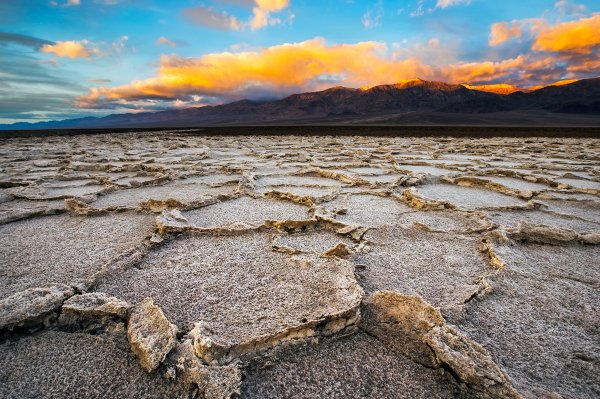
badwater-sunrise

Sunrise on the West Side Road at Badwater Basin, Death Valley

Back in February of 2014, I led two back-to-back photography workshops in Death Valley National Park with my friend and fellow photographer Mike Mezeul. Planning workshops is a lot of work and takes a lot of love and dedication to do right. Before the process of getting everything set up (making sure the students had all booked their flights, hotels, rental cars, etc.) we needed to apply for a workshop permit. This is sort of a tough thing to do timeline wise. You can apply for it ahead of time before you even announce the workshop; but then you run the risk of paying the $ 210 (average cost) and the workshop falling through or something like that. Or you can wait until you book spots for the workshop and then apply for the permit; but then you run the risk of not getting the permit in time for the workshop. We opted for the latter because we had plenty of time to get the application in and get the permit back. We got our workshop permit in time and had nothing to worry about. We weren’t going to risk getting in trouble with the park in an effort to save a few hundred bucks.

Now fast forward to the second workshop. We had just wrapped up a beautiful sunrise shoot at Badwater Basin on the West Side Road (Death Valley. The patterns at the main part of Badwater (by the parking lot) were in pretty terrible shape but we decided to take the group there after the sunrise shoot so they could see all the educational signs, walk around for a bit and get a picture of the “280 Feet Below Sea Level” sign. While we were there, a man came up to me and asked if we had found any good patterns. I’ve never been one to withhold secrets so I told him about the spot we found over on West Side Road. I noticed he had a van full of people and shortly after, they were on their way.

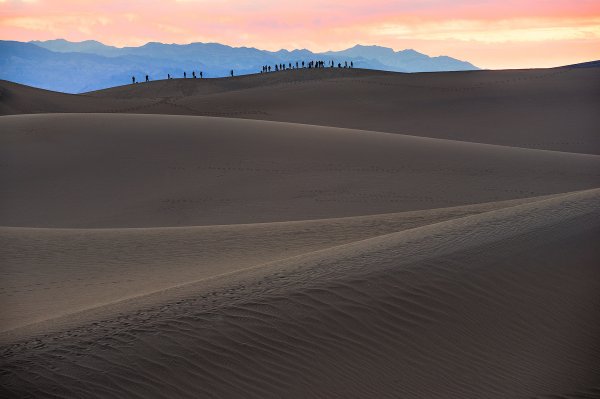
Workshop students set up for sunrise at the Mesquite Flat Sand Dunes

Workshop students set up for sunrise at the Mesquite Flat Sand Dunes

Our group stayed at the Badwater parking lot for another 30 minutes or so before heading back into Furnace Creek for breakfast. When we got to the Forty Niner Cafe we saw a large table of around 20 people (all with their photography gear) sitting in silence. It was really strange. Nobody was really talking and everyone looked stressed out and upset. I went to use the restroom and that’s when I saw the same guy who I’d spoken to at the Badwater Basin parking lot.

He told me that he was a workshop instructor and they were on day two (the first full day) of their photography workshop. He had taken my advice and driven his group down to the West Side Road but when he got there, a Park Ranger was waiting for him. As it turns out, the instructor and his partner had decided to forgo the workshop permit because they had applied for one the year before and never got asked about it at during that workshop. He figured, “Why not save the $ 210?” It’s not like Death Valley has much staff left after all the government cutbacks, right? Wrong.

The Ranger asked for his permit and when the instructor said he didn’t have one, he was told to leave the park immediately. He was instantly given a $ 2,000 fine for conducting a workshop inside a National Park without a permit. He had to leave his group of around 20 students inside the park–students who had paid the tuition for the workshop, bought plane tickets into Vegas, rental cars to drive into the park and $ 200/night hotels within the park. On top of that, he had to appear before a judge in federal court in California three months later. That meant another flight to book, a couple nights in a hotel, a rental car and living expenses for the trip. Based on the outcome of the court appearance, he was facing upwards of $ 10,000 in fines and a lifetime ban from the park. I’m not sure what the outcome was with his group of students but I’m assuming they got their money back for the workshop.

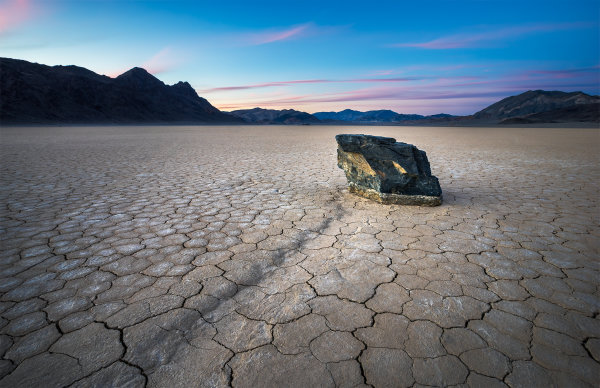
A mysterious sailing rock during sunset at the Racetrack Playa

A mysterious sailing rock during sunset at the Racetrack Playa

The Lesson to be Learned

The takeaway here is not to cut corners. If you are conducting a workshop inside of a national park, a national monument or even some state parks; get a permit. It’s not worth taking the risk and there are Park Rangers out there doing research. I talked to another photographer who was holding a workshop out in Zion National Park a while back. He had applied for a permit (and got one) to take his group into the Subway. When he got to the parking lot to start the hike, a Ranger was waiting there for him to check his permit. I’ve heard other stories of the Rangers looking up workshops on Google and then keeping track of the instructors on social media. They then try and pinpoint where the group will be and see if they can track them down to make sure they have the permit. All it takes is a tweet saying, “Beautiful sunrise at the Mesquite Dunes this morning.” To be honest, $ 210 is a very small fee to pay for holding a workshop inside of a national park. On top of that, you are supporting the park by paying the fee much in the same way you support it by purchasing park passes and entry fees.

If you are a student and will be attending a workshop inside a park, make sure that your instructor has the right permits. In my opinion, an instructor that cuts corners to save their bottom line isn’t an instructor worth paying tuition for a workshop.

For more information on choosing a photography workshop or tour, read these:

  • Taking a Photography Workshop; Why it is Different from a Photo Tour
  • Choosing a Photography Workshop Or Tour
  • Is that a Workshop, Tour or Seminar [Part I]

The post National Park Photography Workshop Permits: Are They Really Necessary? by James Brandon appeared first on Digital Photography School.


Digital Photography School
 
Comments Off on National Park Photography Workshop Permits: Are They Really Necessary?

Posted in Photography


Nova: The First Ever Off-Phone Flash that Really Flashes

09 Jun

Extra photos for bloggers: 1, 2, 3

Who is that ghost haunting all of the pics you took last night? Oh, it’s you? There has got to be a better flash than that one on your phone.

There is! It’s the Nova, the first ever off-phone flash that syncs with your phone (and protects you from haunted photos).

It talks to your phone via bluetooth so it’s free to roam up to 20 feet away, light from any angle and still flash when you hit your shutter.

The Nova is so small it fits in your wallet, but it is packed with LEDs that make it mighty bright.

Use the Nova app to adjust the brightness and color of your flash. Add warmth when the lights are low to give your smiling face an attractive glow and keep ghostly creatures from creepin’ in.

Get Your Own Nova Flash
$ 59 at the Photojojo Shop


© Britta for Photojojo, 2014. |
Permalink |
No comment |
Add to
del.icio.us

Post tags:


Photojojo

 
Comments Off on Nova: The First Ever Off-Phone Flash that Really Flashes

Posted in Equipment


Why the First DSLR You Buy Doesn’t Really Matter

23 May

It’s about time! You finally made the decision to buy your first DSLR camera, you have saved a couple of bucks and started browsing around. Quickly, you realize the market is full of good (really good) cameras, and you start to feel overwhelmed. You ask your photographer friend or, even worse, a camera store salesman and end up feeling even Continue Reading

The post Why the First DSLR You Buy Doesn’t Really Matter appeared first on Photodoto.


Photodoto

 
Comments Off on Why the First DSLR You Buy Doesn’t Really Matter

Posted in Photography


Is it REALLY the Gear?

31 Mar
EOS-1D X with EF 200-400 f/4L IS USM +1.4x Extender. 1/1000, f/5.6, ISO 800.

EOS-1D X with EF 200-400 f/4L IS USM +1.4x Extender. 1/1000, f/5.6, ISO 800.

Recently, I’ve noticed some comments from readers who seem to feel that the gear I use for my shots is the reason I get the images I do. They seem to feel that similar results cannot be achieved using consumer level gear. True, I use some top-of-the-line gear, and there are many reasons for that. But rare is the shot that I was able to get with an EOS-1D X or 5D Mark III that I could not also get with a Rebel T5i.

So that begs the question: why do pros spend so much money on top-of-the-line cameras and lenses? 

There are three basic reasons:

#1 – The first is speed

The EOS-1D X and Nikon D4s, the top two leading pro level cameras available, both shoot at 12 frames per second (fps) or faster. Often, shooting that fast is unnecessary. But when you are a working pro, and your paycheck depends on you capturing just the right moment at a sporting event, or when shooting a news event, that speed can mean the difference between missing the decisive moment, or capturing the exact shot your editor or client is looking for. In the series above, I was shooting at 12 frames per second, and these three consecutive frames were the peak action of a save made by the goalie.

Rebel_Sports

Rebel T2i and EF-S 55-250 f/4-5.6 IS – 1/500 at f/5.6, ISO 640

Could I have gotten this shot with a slower camera? If my timing was good, I’d have gotten one of these frames, or something close. But when I’m shooting for a paycheck, I need to be sure, and if possible, come away with several shots. Keep in mind, of these three shots, for a camera that shoots at 5 fps, you’d be getting less than half of this sequence. For the average person shooting their child’s sporting event, five frames per second may seem like plenty. But a lot can be missed in those spaces between images. In addition, processor speed is faster, and the camera is able to get images from the camera’s buffer to the memory card faster. It’s all about what is good enough for you. For most people, five frames per second is plenty.

#2 – The second reason is durability

Canon’s EOS-1D series cameras, and Nikon’s D4s camera, are among the toughest cameras ever made. They are built to withstand heavy use, with shutters rated to handle several hundred thousand frames. The bodies are constructed of magnesium alloy, making them resistant to impact damage, and they are sealed to resist dust and moisture. A working pro is dependent on his cameras and lenses to put food on his table, and professional cameras are designed to help him do that over and over again. While these features may help make the camera more reliable to a working pro, it has very little to do with that pro’s ability to capture a compelling image.

#3 – The third reason is an expansion of basic features

Autofocus systems tend to have more focus points, and are more configurable than in consumer grade cameras. AF systems in pro level cameras generally have more cross-type points as well, which helps them to focus more quickly. Metering systems are also generally more elaborate in higher level cameras, offering RGB metering in some models, as well as face and color recognition. These enhanced features may make it somewhat easier for a pro to get a shot, but also keep in mind that pros are often working in more extreme situations, for both lighting and action, than the average person with a camera.

EOS 5D Mark III with EF 70-200 f/2.8L IS II. 1/320 at f/5.6, ISO 640.

EOS 5D Mark III with EF 70-200 f/2.8L IS II – 1/320 at f/5.6, ISO 640

This brings us to the next topic – lenses

EOS-1D X with EF 85mm f/1.2L II lens. 1/4000 at f/1.2, ISO 100.

EOS-1D X with EF 85mm f/1.2L II lens. 1/4000 at f/1.2, ISO 100.

One particular comment asked how I expected others to be able to achieve the results I did using top of the line lenses, when others were using only kit lenses. The bottom line answer to this is, that some shots you won’t be able to duplicate without a particular lens. Others can be done regardless of which lens you have, like the image above. While it was taken with an EF 70-200 f/2.8L IS II, the focal length was 135mm, and I was stopped down to f/5.6. This means that someone using an EOS Rebel T5i, with the EF-S 18-135 f/3.5-5.6 lens could easily duplicate the shot. The differences will be notable when a fast aperture is used – for instance, when I use the Canon EF 85mm f/1.2L II lens wide open, while you may using a 70-200 zoomed to 85mm at f/2.8. While the framing will be the same, the depth of field will not be, and the bokeh (the quality of the out of focus area) will be different. This is evident in the shot to the left. While the EF 85mm f/1.8 lens will come closer to achieving this look, the bokeh is quite different between the 1.8 and 1.2 apertures. Certain lenses have certain characteristics and often photographers use these lenses specifically because of these characteristics. This is not to say that equally stunning images cannot be captured with a kit lens- they most certainly can. I am simply stating that certain lenses have a quality I prefer for certain shots.

Read: the most popular lenses among dPS readers here

So, is it the gear? Really? Yes, and no.

The bottom line is that compelling images can be captured with a point and shoot just as well as can be captured with a top-of-the-line DSLR. But a point and shoot, or an entry level DSLR have some limitations that a pro level DSLR doesn’t. As a photographer, it’s up to you to learn to work around these limitations, or to decide if it’s time to upgrade to a higher level camera or lens. But don’t simply assume that because an image was made with a pro-level camera that it could not just as easily have been made with a consumer-level camera. In the image below, I would have loved to have a 5D Mark III with EF 100mm f/2.8L IS macro. I didn’t have that with me the day I shot this. Instead, a Rebel XSi with EF-S 55-250 did the job, and got me just as nice a shot. Saying it’s the gear is giving the gear too much credit, and it also sells the photographer short.

EOS Rebel XSi with EF-S 55-250 IS. 1/250 at f/5.6, ISO 100.

EOS Rebel XSi with EF-S 55-250 IS – 1/250 at f/5.6, ISO 100

The post Is it REALLY the Gear? by Rick Berk appeared first on Digital Photography School.


Digital Photography School
 
Comments Off on Is it REALLY the Gear?

Posted in Photography


Infamous Examples of Really Bad Edits You Could Do to Your Pictures

28 Feb

Post-processing can be a great tool to improve your photography, whether you do it step-by-step, use Photoshop actions, Lightroom presets or any other product (or app!) for enhancing your images. Retouching a photo is the last step in creating a good photo, and it adds that last touch of the artist. But when is retouching too much? The type and amount Continue Reading

The post Infamous Examples of Really Bad Edits You Could Do to Your Pictures appeared first on Photodoto.


Photodoto

 
Comments Off on Infamous Examples of Really Bad Edits You Could Do to Your Pictures

Posted in Photography