Usually at DPReview Connect we focus on high-end devices from established smartphone manufacturers. However, sometimes we come across devices from lesser-known manufacturers that, because of their specification and price point, have the potential to make excellent alternatives for budget-minded mobile photographers. The Xiaomi Redmi Note 2 is such a device. Read more
Tag: quick
-
A Quick Guide to Email Marketing for Photographers
Photographers are turning to social media these days to try and get their names out there and reach their target audiences. Being active on social media is critically important for small businesses these days, but more traditional online marketing tactics, like email marketing, are still very useful. Ignoring email as a part of your marketing campaign could cost your photography Continue Reading
The post A Quick Guide to Email Marketing for Photographers appeared first on Photodoto.
-
Quick Lightroom Tip Using the Graduated Filter
This video tip is courtesy of Anthony Morganti and shows us what you can do using the Graduated Filter tool in Lightroom. What if you’ve maxed out your basic adjustments and want to go farther? This little tip might do the trick for you, check it out:
Learn more about using the Graduated Filter in LR here.
A very cool tip, had you thought of that or done this before? Do you have any other Lightroom tips and tricks? Please share in the comments below.
googletag.cmd.push(function() {
tablet_slots.push( googletag.defineSlot( “/1005424/_dPSv4_tab-all-article-bottom_(300×250)”, [300, 250], “pb-ad-78623” ).addService( googletag.pubads() ) ); } );googletag.cmd.push(function() {
mobile_slots.push( googletag.defineSlot( “/1005424/_dPSv4_mob-all-article-bottom_(300×250)”, [300, 250], “pb-ad-78158” ).addService( googletag.pubads() ) ); } );The post Quick Lightroom Tip Using the Graduated Filter by Darlene Hildebrandt appeared first on Digital Photography School.
-
Edelkrone introduces QuickReleaseONE, a universal quick release adapter
Edelkrone has introduced its QuickReleaseONE, a device the company says is the first universal quick release on the market. The QuickReleaseONE screws into the tripod mount on the bottom of a camera, and attaches to the 1/4″-20 screw on any tripod plate. Read more
-
Quick Review: PhotoKeeper
PhotoKeeper aims to provide photographers with safe cloud storage and easy access to their images from anywhere. While there’s no shortage of websites providing free storage for photos, PhotoKeeper goes beyond the standard offerings and tailors its product to photographers. Are its features worth the price? Read review
-
Quick Review: Photographers.pro
Many services exist that allow non-developers to create their own websites without too much hassle, but only a handful cater specifically to photographers. The service Photographers.pro aims to stand out by offering an all-inclusive package for photographers that provides a website (including a custom domain address and email) for a yearly fee of $ 70. Does it distinguish itself from other options available to photographers? We recently took it for a spin to find out. Read more
-
How to Shoot and Process a Time Lapse Movie – Quick Method
The other day I was in the city and I was watching the clouds because they were moving so fast. It was a sign that bad weather was on the way, but I also knew the clouds would be a good opportunity to try some time lapse photography.
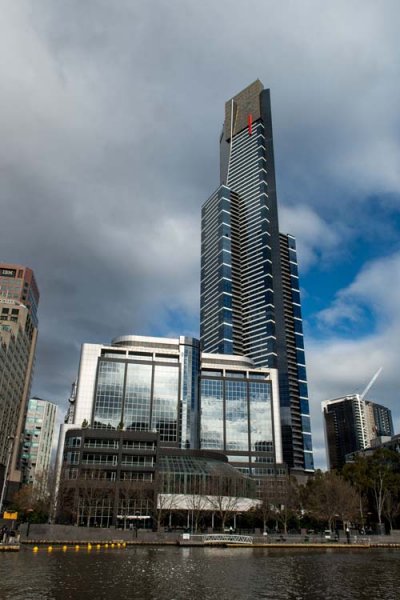
There are many ways of taking a series of images to use for time lapse photography. My camera was setup on a tripod and set to take a photo every five seconds over 10 minutes. In total 120 images were taken, however that number is up to you. The other day I took 300 images to use for one.
You can do this in various ways and it is best to check your camera manual to see if you can take photos at intervals. If you can’t then you may have to use something like an intervalometer or just manually take a photo every five seconds or whatever interval you choose.
When I got home I did some research and found a fairly easy way of putting the images together to get a quick time lapse. Follow along a I show you how you can do this as well.
Lightroom
The 120 images were imported into Lightroom. If you are unsure of how to Import photos then look at this article: Quick Tip: Importing to Lightroom Made Easier.
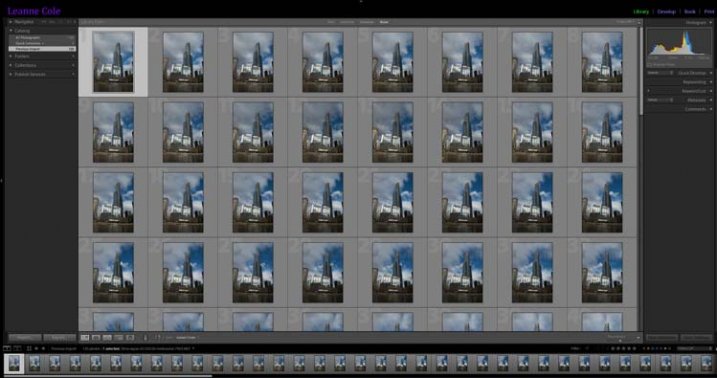
The images for the time lapse in Lightroom
Choose the first image and you do some basic processing to it in the develop module. I straightened, then cropped, a bit of a building out of the side of it, brought out the shadows and highlights.
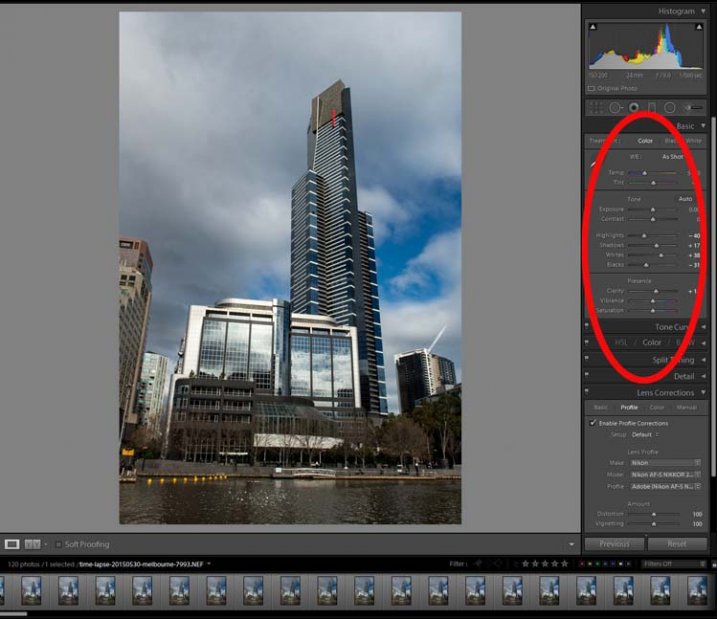
Processing done to the first image.
Select all images for the time lapse and click Sync, in the bottom right of the Develop module.
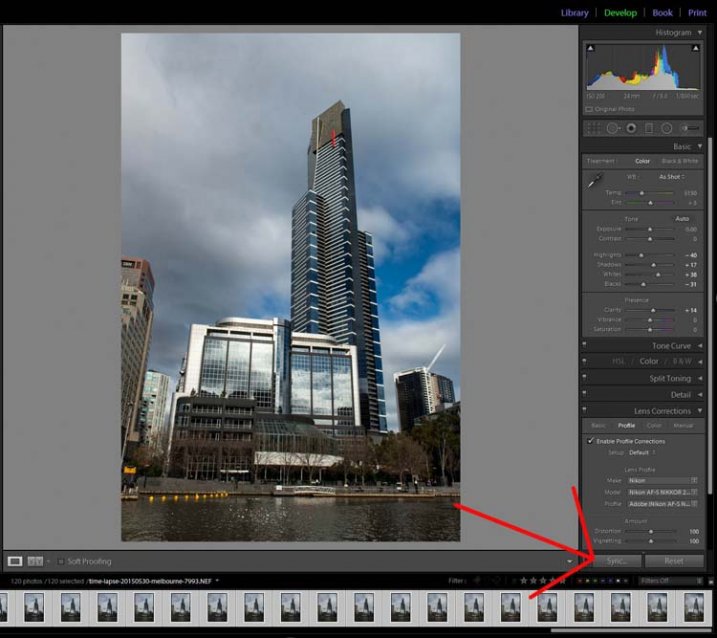
The Sync Button
When the window to Synchronize Settings comes up, tick the box at the bottom to Check All. You want all the changes that you made to the first image to be applied to all of them. They are basically all the same image except for the changes that you want to use for the time lapse.
Press Synchronize in the bottom right of the window. You will see that all the images change and are now ready to be exported.
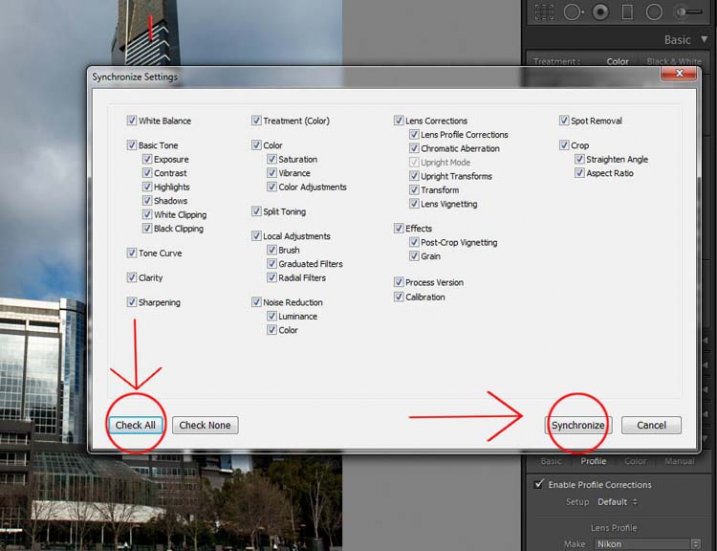
Synchronizing the images.
Exporting the Sequence
There are a few things to consider when you export them, one is the way you rename them. If the number or sequence isn’t at the front of the file name then there may be software problems to put them in the right sequence. It doesn’t make a difference with Photoshop CC.
The images should be changed to jpeg. It is only for the internet so you can use a low resolution, 72 dpi is okay. The size of the image was changed to 1980 pixels for the longest side, which is a good size for videos and for HD.
In the following image you can see which export settings I used for the Time Lapse sequence images.
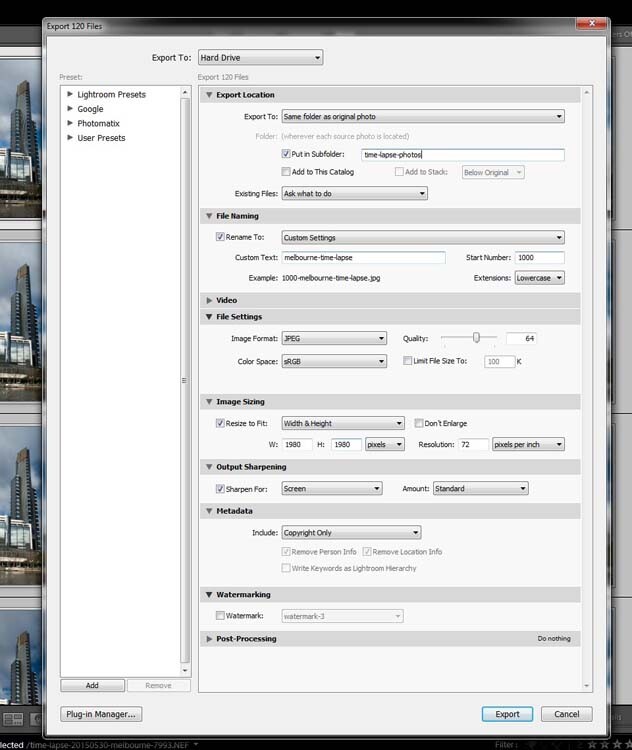
Exporting the images.
Press Export. Then, to put the images together to make the time lapse you will need to move into Photoshop.
Photoshop CC
In Photoshop you need to go to File and Open. (File > Open) Go to the folder with the exported images and select the first one in the sequence. In the same window, before you press Open, make sure you check the box that says Image Sequence which is down near the bottom.
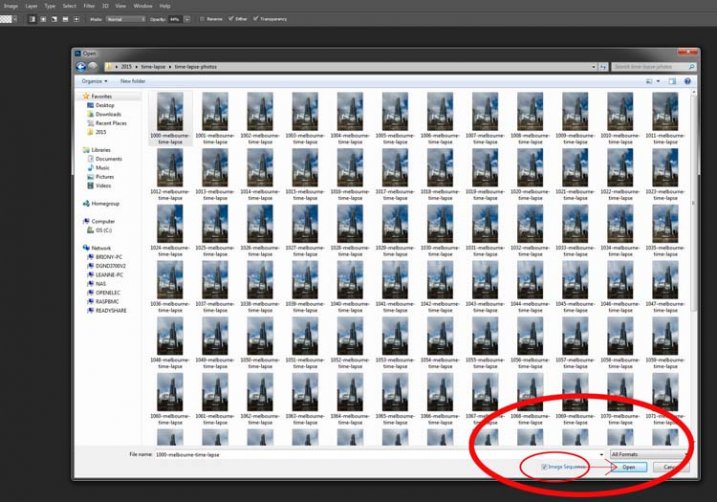
Getting the images ready for the time lapse.
Once you have checked it, select Open.
Before Photoshop opens them a new window will come up asking you how many frames per second you want to use.
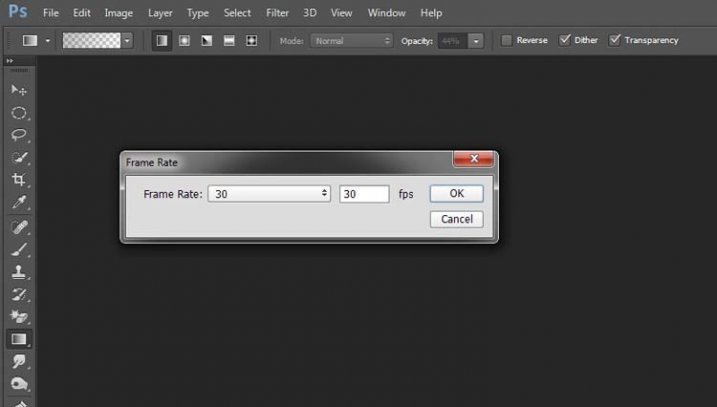
Setting the frame rate.
At this stage you can just click OK; you will have a chance to change it later on if you want to make it slower or faster.
To make it a time lapse you need to open another window in the Photoshop main window. Go up to Window in the main menu at the top, and then down to Timeline and select it. (Window > Timeline)
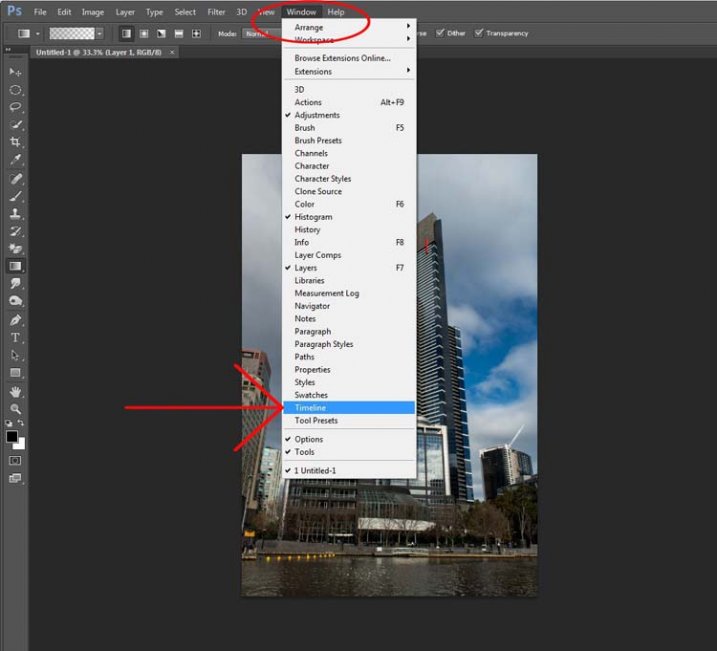
Opening the Timeline.
You will see a new window appear down the bottom. Look at the following image:
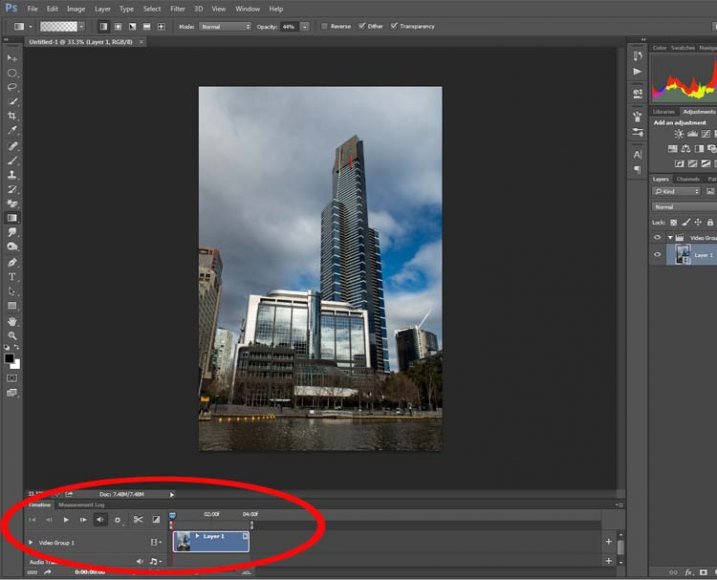
Looking at the Timeline.
If you press the play button you will see your time lapse run.
If you want to change the Frame Rate this is the time to do it. In the Timeline Window, up in the top right corner, you should be able to see a down arrow with lines next to it, click on that and a drop-down menu will appear. Go down and select Select Timeline Frame Rate…
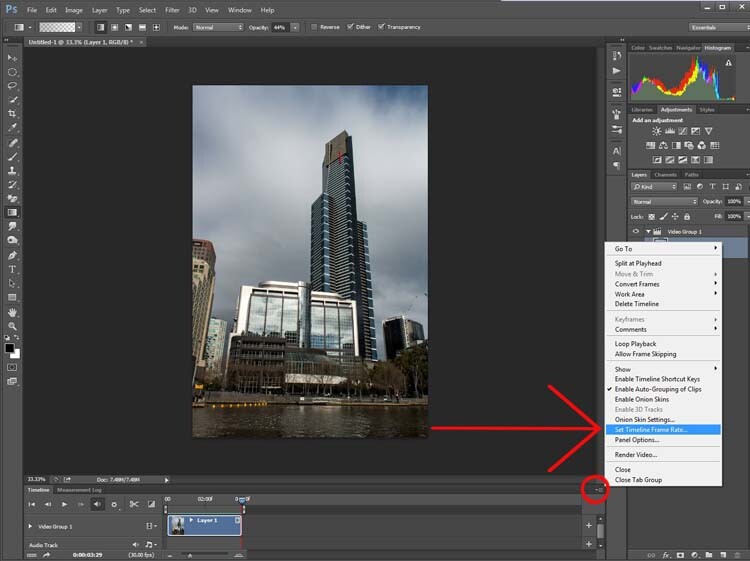
Changing the frame rate.
You can change this as many times as you like. Keep doing it until you get a frame rate you like. Once you are happy with how long it runs for, you can render the video.
Go up to File, then select Export. In the drop down menu choose Render Video. (File > Export > Render Video)
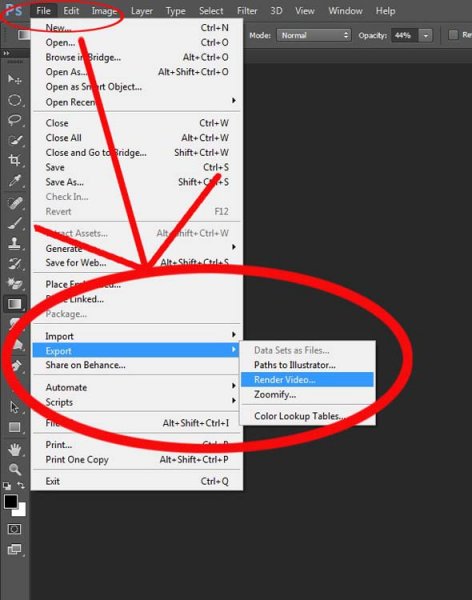
Exporting the video.
After initializing, the Render Video window will come up. In this Window you can name your video and decide in what format you want it saved.
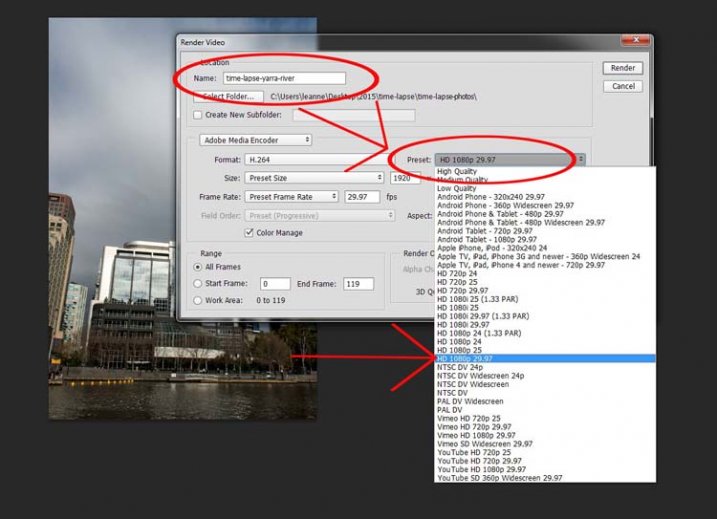
Working out the video type.
Set it on one of the HD settings and you will get an MP4 video. It gives you quite a good video.
If you decide you really like doing them there are lots of other methods, this is just a quick way to do time lapse movies using Lightroom and Photoshop CC.
googletag.cmd.push(function() {
tablet_slots.push( googletag.defineSlot( “/1005424/_dPSv4_tab-all-article-bottom_(300×250)”, [300, 250], “pb-ad-78623” ).addService( googletag.pubads() ) ); } );googletag.cmd.push(function() {
mobile_slots.push( googletag.defineSlot( “/1005424/_dPSv4_mob-all-article-bottom_(300×250)”, [300, 250], “pb-ad-78158” ).addService( googletag.pubads() ) ); } );The post How to Shoot and Process a Time Lapse Movie – Quick Method by Leanne Cole appeared first on Digital Photography School.
-
Quick Tips for Getting Into Stock Photography
Getting accepted as a stock photographer can be a difficult and frustrating process. Especially when your best photos get rejected by photo reviewers. After helping many photographers trying to become accepted as Shutterstock contributors, I have discovered how the process can instead become a fun and educational experience.

Why become a stock photographer?
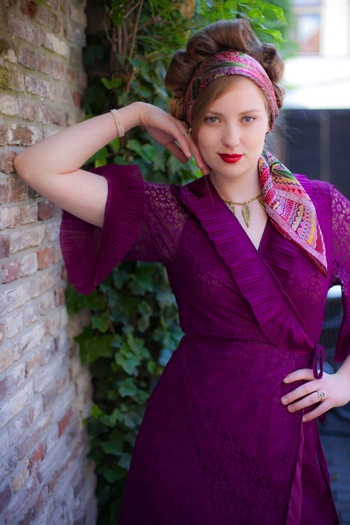
Earning money on your digital photography work is a great way to earn an extra income. But it is often not the main motivation for why many people try to become contributors. Being accepted, and being able to call yourself a stock photographer, means something. Similar to how many people develop their skills so they one day can become a professional in their field, being able to call yourself a stock photographer will for many mean more than saying you’re a professional photographer.
When someone presents themselves as a professional photographer, people tend to have different views of what that means. Some associate a professional photographer with someone that makes high quality photos. Others may think of the person they hired to photograph their wedding. Or perhaps someone that has their photos sold in a gallery. Some may think a professional photographer is only someone that has a diploma, or someone that works full-time and earns their main income from their photography.
Being able to say you’re a stock photographer says something about the level you have reached. Why? Because the stock photography industry is well known for its high quality requirements.
Furthermore, the best part of being a stock photographer is knowing your work is being purchased, appreciated, and used all around the world. With modern tools like Google image Search, you can back trace and find were and how your most popular photos are being used.

Are you qualified?
If you know how to make a manual exposure, get the focusing correct and have a good eye for correct white balance, you’re most likely qualified to become a stock photographer.
Expect to get rejected
It might take a few attempts. But once you’re accepted, as many existing stock photographers can testify, it made them an even better photographer. A rejection of your initial submission might feel like a disappointment at first. But take advantage of the feedback and suggestions provided. Your initial submission will most likely be more strictly evaluated than the general submissions you’ll make in the future after getting accepted.
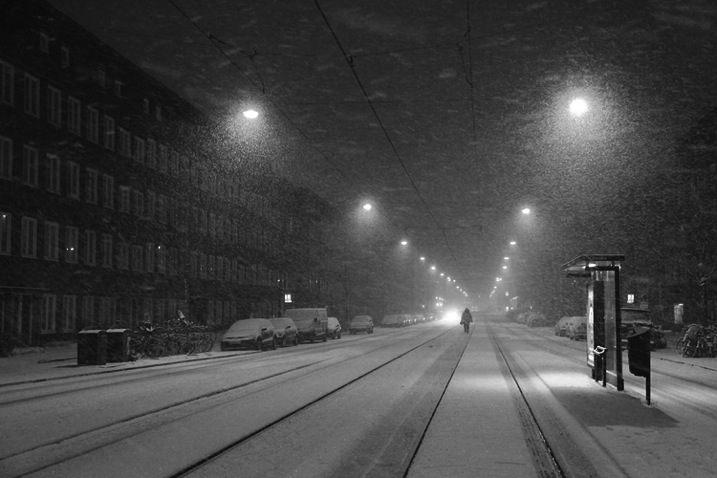
Find the motivation to learn
Try to see your first submission as a homework assignment for reading the stock agency’s submission guidelines. Like any course or workshop, your first homework assignment is not expected to be flawless. There will most likely be room for improvement. With this attitude, learning about stock photography can be an educational, fun, and even motivating experience.
The first batch of photos is the hardest
For example, when signing up to one of the most popular stock photography sites like Shutterstock, you are asked to submit 10 samples of your best work. Seven of these must pass the strict inspection of their reviewers. But if rejected, you’re provided with great feedback to help you improve your photography.

It gets easier after getting accepted
As any existing stock photographer can testify, your initial batch of submitted work is much more strictly evaluated than the general submissions you will make in the future after getting accepted.
You’re closer to getting accepted than you might think
A submission that is not approved is often not completely rejected either. Many rejected photos can have only one minor issue that can sometimes even be fixed with a little editing. Even though it may feel like your entire batch of submitted work was rejected, you might only be a few adjustments away from getting accepted.
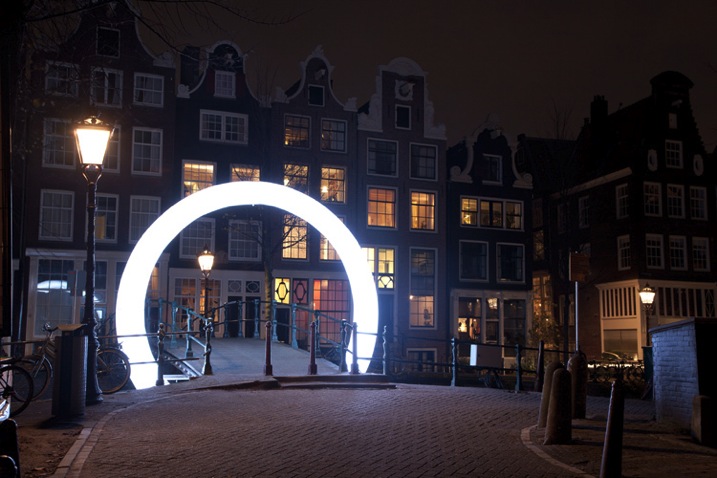
Try again. Many existing stock photographers did.
Many existing stock photographers did not get accepted on their first attempt. For every initial submission that is not approved, take good use of the feedback that is required. See it as a free portfolio review from experts in the field. Be inquisitive, study the material and try again!
googletag.cmd.push(function() {
tablet_slots.push( googletag.defineSlot( “/1005424/_dPSv4_tab-all-article-bottom_(300×250)”, [300, 250], “pb-ad-78623” ).addService( googletag.pubads() ) ); } );googletag.cmd.push(function() {
mobile_slots.push( googletag.defineSlot( “/1005424/_dPSv4_mob-all-article-bottom_(300×250)”, [300, 250], “pb-ad-78158” ).addService( googletag.pubads() ) ); } );The post Quick Tips for Getting Into Stock Photography by Kjell Leknes appeared first on Digital Photography School.
-
Metz mecablitz 26 AF-1 Quick Review
While plenty of DSLRs also have a built-in flash, the feature has been out of favor with mirrorless manufacturers, prioritizing miniaturization. This is where the Metz mecablitz 26 AF-1 digital steps in. Small compared to standard hotshoe flash units, it’s still a good deal larger than those that come in the box with most mirrorless cameras. Read review
-
How to See the Light for Portraits: A Quick Tip for Beginners

As a beginning photographer, one of the easiest ways to move from taking average snapshots to more professional looking portraits is to develop a good understanding of light. Harsh and uneven lighting can often be distracting and make the photograph look amateur, whereas even lighting allows the viewer to focus solely on the subject and is more visually appealing.
Spending some time learning about the exposure triangle, the quality and direction of light is a great first step, something that I highly recommend to everyone. That said, even if you understand the theoretical aspects of light, it can still be difficult to walk into a park with your children, or clients, and know intuitively where to situate your subject for the best possible portrait lighting. So, I’d like to share one quick and easy trick that you can use to help you “see” the best light if you’re unsure of where to begin:
The Circle Trick
Step One:
Have your subject stand facing you, at the appropriate distance for whatever focal length you’re using. Think of the two of you being like a clock, with you in the center tether position and your subject as the clock’s hour arm in the 12 o’clock position. Take a photo.

In this instance, I was photographing my daughter in our backyard at about 6:30pm. My starting (12 o’clock) position was with the sun behind her.
Step Two:
Have your subject move to the three o’clock position. Pivot with them so that you continue to face each other. Take another photo.

Now, I’ve moved her into the 3 o’clock position. You can see that if you’re looking at her, the sun is predominantly on the left side of the image.
Step Three:
Have your subject move to the 6 o’clock position. Again, pivot with them. Take another photo.

Now, she’s moved into the six o’clock position, and is looking into the sun. You can see that’s going super well.
Step Four:
Have your subject move to the nine o’clock position. Continue to pivot with them, and take another photo.

Finally we’ve moved into the nine o’clock position. As you’re looking at her, the light is primarily on the right side of her face.
Step Five:
Review the four photos that you’ve just taken, and decide which one offers the most appropriate lighting for the look you’re trying to achieve.
Unless you’re shooting at high noon with the sun directly above you, you’ll probably notice that the lighting will vary dramatically between each of the four photos, with some being much more visually appealing than others. This gives you a great starting point to be able to visually “see” the light and quickly determine which direction you’d like your subject to be facing for your portraits (or in a large park, which general direction you may want to head for your session).
Bonus Tip:
If you notice pretty severe backlighting as in the photo for the 12 o’clock position above, and that is not the look you’re trying to achieve, try having your subject sit down!

This image was taken in the exact same location as the “12 o’clock” image above, only with my daughter sitting on the ground instead of standing.
Keep in mind that the circle trick works in the reverse as well, with your subject standing in the same location and you walking around them as the positions of the clock. Sometimes it’s easier for the photographer to do the bulk of the moving around rather than the subject. On the other hand, I spend a lot of time photographing elementary age children, and find that they really enjoy getting to be a special helper at the beginning of a photo shoot. Getting them engaged early on is a good way to help them to feel comfortable with me. In fact, even though I don’t actually need to use the circle trick anymore to be able to see the light, sometimes I still use it as a quick ice breaker at the beginning of sessions with younger children, showing them the four different photos at the end.
For many people, understanding the quality and direction of light is something that’s learned practically – the more you practice, the more you’ll eventually begin to be able to “see” the light intuitively. This is one really simple (and quick!) way to begin to train your eye to begin to see light – so if lighting for portraits is something that you tend to struggle with, grab a friend and give it a try!
googletag.cmd.push(function() {
tablet_slots.push( googletag.defineSlot( “/1005424/_dPSv4_tab-all-article-bottom_(300×250)”, [300, 250], “pb-ad-78623” ).addService( googletag.pubads() ) ); } );googletag.cmd.push(function() {
mobile_slots.push( googletag.defineSlot( “/1005424/_dPSv4_mob-all-article-bottom_(300×250)”, [300, 250], “pb-ad-78158” ).addService( googletag.pubads() ) ); } );The post How to See the Light for Portraits: A Quick Tip for Beginners by Meredith Clark appeared first on Digital Photography School.