RSS
 

Posts Tagged ‘Project’

A Worthy Project for Landscape Photographers: League of Landscape Photographers

04 Apr

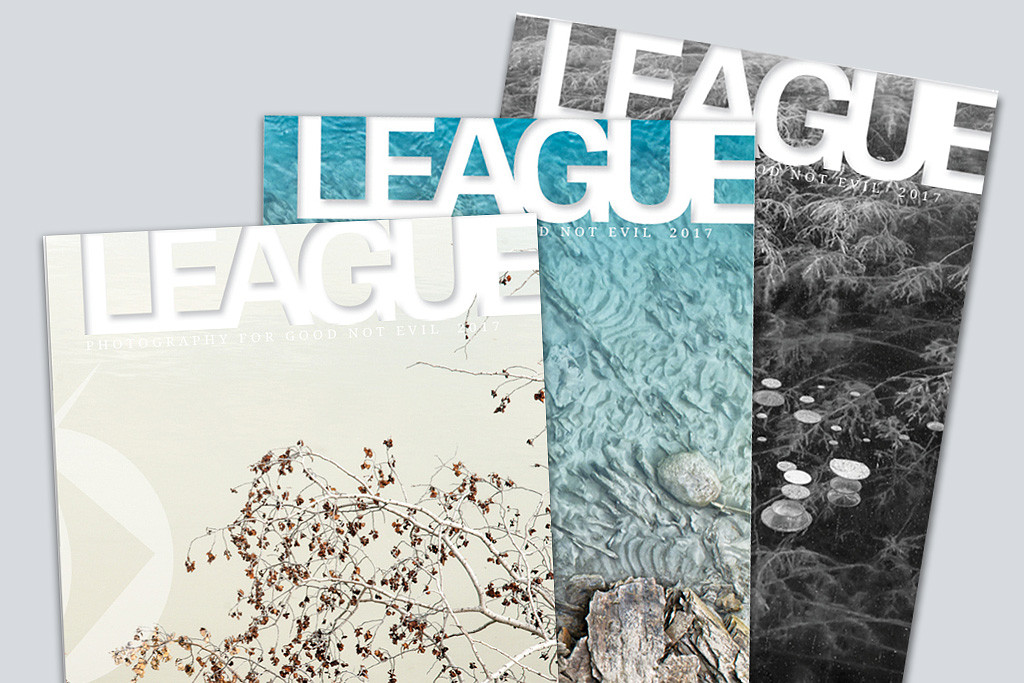
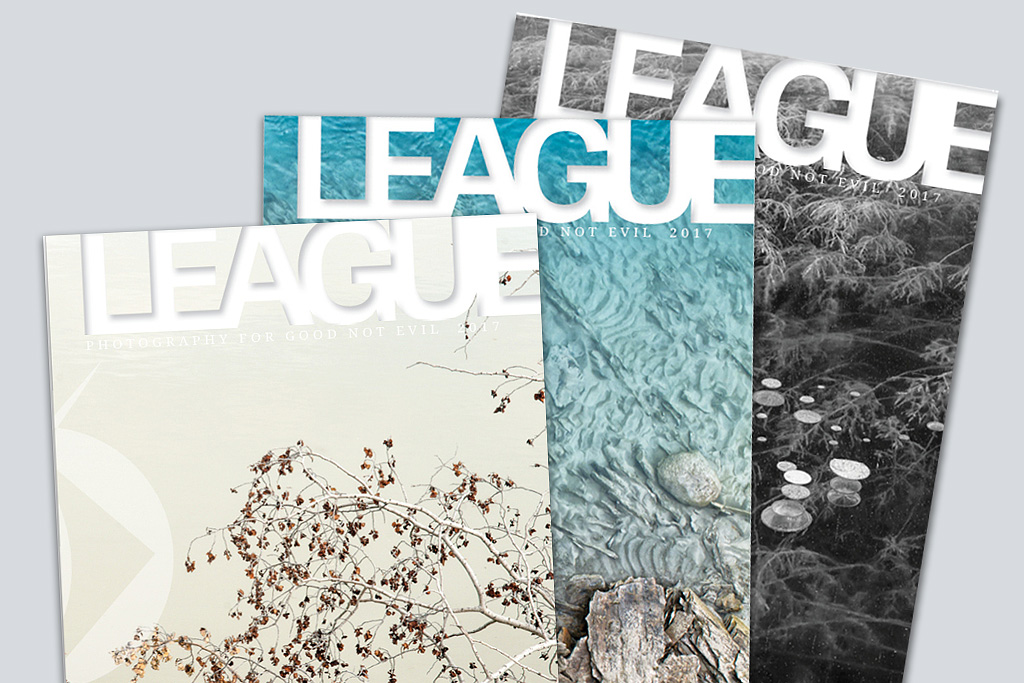
Three cover splay

Canadian landscape photographers Samantha Chrysanthou and Darwin Wiggett have created the League of Landscape Photographers, a self-identified group of artists who photograph the world around them in accordance with high ethical and artistic standards. ‘Landscape’ in this group is defined broadly to include wilderness and human interactions with and connections to the land. There is no cost to being a League member but each member must post a personalized code of ethics on their website or social media pages to join. League members share and discuss their ideas, portfolios and projects in the League Facebook group and on the League blog. The pinnacle achievement of the group is the annual, collectable fine-art Leaguemagazine to be released in the fall of 2017. There is currently a fundraising subscription campaign on until April 4 with the goal of getting $ 30,000 CAD to fund 1000 copies of the magazine that will go to subscribers worldwide. All proceeds from the subscriptions go to the creation of the magazine with its evocative imagery and high-end local printing and design. This is a magazine funded by photographers for photographers (no ads or commercial content) and funds raised go to fairly pay ALL contributors for their creativity. League magazine strives to promote photography with a conscience and show that photography can make a positive impact through thoughtful and ethical creativity.

Act quickly as their fund raising deadline is drawing near.

The post A Worthy Project for Landscape Photographers: League of Landscape Photographers appeared first on JMG-Galleries – Landscape, Nature & Travel Photography.


JMG-Galleries – Landscape, Nature & Travel Photography

 
Comments Off on A Worthy Project for Landscape Photographers: League of Landscape Photographers

Posted in Equipment


Belgian wins €15,000 Zeiss Award for Faroes project

15 Mar

$ (document).ready(function() { SampleGalleryV2({“containerId”:”embeddedSampleGallery_4065689823″,”galleryId”:”4065689823″,”isEmbeddedWidget”:true,”standalone”:false,”selectedImageIndex”:0,”startInCommentsView”:false,”isMobile”:false}) });

A young photographer from Belgium has been announced as the winner of the 2017 Zeiss Photography Award for a month-long project on the inhabitants of a remote collection of islands off the north coast of Scotland. Kevin Faingnaert’s Føroyar series wins him a €3,000 cash prize as well as €12,000 worth of Zeiss lenses in the contest that was themed ‘Seeing Beyond – Meaningful Places’.

Faingbaert spent a month photographing and living among the dwindling population of the Faroe Islands – a group of islands that sit between Norway and Iceland along the border of the Norwegian Sea and the North Atlantic. His series includes pictures of the people, the landscape as well as some of the buildings of the islands, but mainly focuses on the population loss of the area, as youngsters move away to find work, and the harshness of the conditions.

Zeiss says it received over 30,000 images from 4677 photographers representing 130 countries for this year’s competition. As well as the winning series the judges selected the work of nine other photographers for a shortlist.

  • Anna Filipova, UK
  • Mario Adario, Italy
  • Christopher Roche, UK
  • Sonja Hamad, Germany
  • Ben Bond Obiri Asamoah, Ghana
  • Frederik Buyckx, Belgium
  • Nicholas White, UK
  • Fabian Muir, Australia
  • Nicky Newman, South Africa

The prizes will be presented to Faingbaert during a ceremony at the Sony World Photography Awards in London next month. For more information, and to see the full project along with the shortlisted images, visit the Zeiss Photography Award 2017 web pages.

Press Release

Announcing the Winner of the ZEISS Photography Award 2017

Kevin Faingnaert from Belgium documented life on the Faroe Islands, offering a portrait of a culture which may not exist for much longer.

The winner of the ZEISS Photography Award has been chosen: Kevin Faingnaert from Belgium impressed the international Jury with his photo series Føroyar in which he offers a portrait of life on the Faroe Islands located between Scotland and Iceland. “There is a wonderful completeness to Kevin’s series,” says Claire Richardson, Picture Editor at the Lonely Planet. “Epic landscapes mix with tenderly composed portraits, tied together by a soft muted palette, which immediately draws you in. Everyday events in these remote communities are captured by the lens, from a parishioner sitting quietly in a local church to a village football game. But look closely at this unforgiving and wild environment and you realize that these are ordinary people living in extraordinary circumstances, hanging on at the edge of the world.”

“Hundreds of people used to live here, now there are just five or ten people left”

Kevin Faingnaert lived amongst the local inhabitants on the Faroe Islands for a month, couchsurfing and hitchhiking. “The Faroese were very warm and welcoming,” he says. To show his appreciation, he made breakfast for his hosts, shoveled snow and went out to sea with the fishermen. On his trips across the islands he passed by small villages. “A few decades ago they were inhabited by hundreds of people, but now there are often just five or ten people left because the young people have moved to the cities in search of better opportunities. They don’t see any future in the places they were born in.”

The thirty-year-old is delighted by his win: “I’m incredibly honored by winning the award and that my photos get recognized in between the endless amount of other wonderful stories being told. Most importantly it gives me strength and motivation to continue my work and to take up new ideas which have been in my mind since forever.” As his prize, Faingnaert will receive camera lenses from ZEISS worth a total of 12,000 euros as well as 3,000 euros for a photo trip. The awards ceremony will take place in London on 20 April 2017.

30,000 submissions from 130 different countries

“Meaningful Places” was the theme of the ZEISS Photography Award 2017 which ZEISS conducted in collaboration with the World Photography Organisation (WPO). 4,677 photographers from more than 130 different countries submitted more than 30,000 photos. Experts from the world of photography served on the jury: in addition to Claire Richardson, Sarah Toplis from the online art dealer The Space and the photographer Jürgen Schadeberg Dr. (h.c.) judged all the entries. The following photographers made the short list:

Anna Filipova, UK

Mario Adario, Italy

Christopher Roche, UK

Sonja Hamad, Germany

Ben Bond Obiri Asamoah, Ghana

Frederik Buyckx, Belgium

Nicholas White, UK

Fabian Muir, Australia

Nicky Newman, South Africa

Faingnaert’s winning photo series as well as a selection of other images from the competition will be on display at the Sony World Photography Awards & Martin Parr – 2017 Exhibition at the landmark Somerset House, London from 21 April to 7 May 2017.

Articles: Digital Photography Review (dpreview.com)

 
Comments Off on Belgian wins €15,000 Zeiss Award for Faroes project

Posted in Uncategorized


A Fun Project You Can do in Your Own Home – How to Create a Physiogram

09 Mar

Anyone who has ever experimented with shutter speed knows that long exposures can yield some pretty interesting results. Whether it’s light painting at night or capturing the motion blur of a running river, long exposures can truly transform an image. A physiogram is a slightly different take on long exposure projects like light painting. It’s a technique that can easily be done in your living room, with no assistant required. Although the resulting images may look complex, the process to create a physiogram is actually very simple.

How to Create a Physiogram

How to Create a Physiogram

This double-physiogram was created by photographing part of a physiogram, covering the lens mid-exposure, swinging the LED in a different direction and resuming exposure.

How to Create a Physiogram

What is a Physiogram?

Physiography is actually a field of geography that studies the processes and patterns found in the natural environment. The name physiogram is apt because it is a photographic study of the patterns and movement of a suspended object. Imagine an object tethered to a string and suspended from a fixed point. If you push it, the object will swing around in a neat circular motion at first, completing each rotation in roughly the same place each time. However, as the object loses velocity, it will complete an orbit that is increasingly smaller than the last one.

The sequence of rotations that the object takes while it swings around isn’t visible to the naked eye. Fortunately, however, we can use photography to reveal these fascinating patterns. By attaching a light source like a flashlight or LED (don’t use a laser pointer – they can wreck your camera’s sensor!) to a rope or string and allowing the object to swing, we can view the entire path of the object in a single long exposure. The resulting photograph or physiogram reveals fascinating patterns and shapes.

How to Create a Physiogram

What you will need

  • A small flashlight or LED  (key chain lights work great)
  • About a meter (3 feet) or so of string
  • A white sheet of paper
  • Camera with manual exposure capabilities
  • A dark room

Note: the tools in the Light Painting Brushes set can work as your light source for this and add color to your physiogram as well. 

How to create a physiogram

Take the LED and tie the length of string to it. Small LED lights on keychains are great because they won’t smash your lens if they fall. They also have a narrow light for better line definition and come with a key ring and chain for hanging perfectly vertical. You can usually pick one up at discount stores.

How to Create a Physiogram - light source

These novelty keychains are great for creating physiograms because the light source is narrow and bright. They are also easy to suspend from the ceiling. You can depress the ON button with a bit of duct tape.

Take the other end of the string and attach it to the ceiling with a pin or hook. You want to fix the LED so that it will swing easily, about a meter and a half (5 feet) above the camera to start. Your camera will be positioned on the floor directly beneath the LED, so make sure each component is securely fastened. Having a UV filter fixed to the lens is a good idea, just in case something does drop on the camera.

The view looking up – I attached my keychain to a length of string suspended from a removable hook in the ceiling

Camera setup

To photograph nice clean lines of light, we will need to focus the camera on the head of the LED. This can be difficult when the camera is laying on the floor, and the LED is hard to define against the background of the roof. Instead, place your camera directly underneath the LED and place a piece of white paper beneath the camera to mark the spot (you may need to mark an X on the paper as your camera cannot focus on just white, it needs contrast). Then, take your camera and position it beside the hanging LED. Autofocus on the piece of paper and once it locks, turn the autofocus function off.

To start off, set your exposure time to 30 seconds at f/16 with 100 ISO. Position your camera beneath the LED, turn the LED on and turn out the room lights. Give the LED a good push, but be careful not to swing it so hard that it goes out of frame. Wait until the light settles into an even motion and press the shutter button.

How to Create a Physiogram

This exposure was taken directly after I swung the LED. The rippled effects are due to the light source moving out of sync with the rest of the pendulum set-up. As centrifugal force takes over, the lines become smoother.

Once your exposure is complete, have a look at the results!  This project does require some trial and error to perfect, adjustments to your pushing technique, exposure time, and changing the length of the string or the light source are all ways you can refine the final image. A shutter release cable or remote trigger is handy too if you are experiencing camera shake.

How to Create a Physiogram

The physiogram was made with a flashlight. The lines look thicker because the light from it is wider. Using a small LED means that you will see more defined lines.

Tidy it up in Photoshop

Although you need a dark room to properly photograph a physiogram, you may find that part of the background still shows up in your photographs.  This is caused by the light of the LED spilling around the room as it swings. The easiest way to fix this is by adjusting the black point in Photoshop. By adjusting the black point, you can reset what is interpreted as the blackest point in an image, without compromising the white light of the physiogram.

How to Create a Physiogram

The roof and light can still be seen in this image due to the light spilling from the light source. Adjusting the black point in Photoshop is the easiest way to darken the background without affecting the pattern of the physiogram

First, open your image in Photoshop and select Curves (in the adjustment layers panel or via Image > Adjustments > Curves). Click on the eyedropper tool with the black ink and the cursor will change to the eyedropper icon. Now click on an area in the background of the image, preferably a lighter tone that occurs consistently throughout the unwanted backdrop.

How to Create a Physiogram

Click this eyedropper.

How to Create a Physiogram

Then click on an area of the background you want to be pure black.

How to Create a Physiogram

And voila!

How to Create a Physiogram

See how much cleaner the background is now.

As soon as you click an area in the image, any tone up to the selected tone will be reset to read as completely black. It may take you a few tries to get the background uniformly dark (if you don’t like what it did, undo it click a different spot). This will also get rid of light fittings from your image as well as the hook that fixes the LED to the roof.

Spice it up a little

Once you get the hang of creating physiograms, switch it up a little! You can put layers of cellophane, glad wrap or glass over the lens for different textural and color effects. Change the light source, string length or zoom in and out during the exposure to create different pattern results.

This is a great opportunity to have fun and experiment, so enjoy! If you have kids they will love helping you with this project. Please give it a try and post your results in the comments below.

How to Create a Physiogram

I used glad wrap over the lens to soften the lines of this physiogram. The sharp lines indicate the beginning of the exposure with no glad wrap. The softer, more central lines have been taken with the glad wrap over the lens towards the end of the exposure.

How to Create a Physiogram

Some lines in this physiogram aren’t visible. The beak of the Angry Bird keychain blocked light from the LED. I quite like the effect, however.

How to Create a Physiogram

To create the multi-coloured effect in this image I used the gradient tool and blending layers function in Photoshop

How to Create a Physiogram

How to Create a Physiogram

The post A Fun Project You Can do in Your Own Home – How to Create a Physiogram by Megan Kennedy appeared first on Digital Photography School.


Digital Photography School

 
Comments Off on A Fun Project You Can do in Your Own Home – How to Create a Physiogram

Posted in Photography


Street Kintsukuroi: Art Project Fills Cracks in Pavement with Gold

02 Mar

[ By SA Rogers in Art & Street Art & Graffiti. ]

sidewalk kintsugi

Taking a concept most commonly applied to broken pottery, artist Rachel Sussman applies golden pigment to the cracks in paved urban surfaces in a series called ‘Sidewalk Kintsukuroi.’ In Japan, this tradition – also known as kintsugi – treats breakage and repair as a valuable part of an object’s history instead of something to disguise. The cracks are highlighted and in effect, celebrated, making the object more visually interesting.

sidewalk kintsugi 2

sidewalk kintsugi 3

It’s interesting to see this idea of embracing flaws extended to public surfaces. Instead of simply allowing them to be paved over, Sussman calls attention to them and makes them into works of art. In this sense, these cracks become part of the constant evolution of a city, remaining visible even after the functionality of these roads or sidewalks has been restored.

sidewalk kintsugi 4

sidewalk kintsugi 5

The resulting patterns are often quite stunning, their irregularities taking on abstract compositions of light and dark, matte and luminescent. In some cases, they almost look like marble.

sidewalk kintsugi 6

sidewalk kintsugi 7

Susan created the in-ground installations using tree sap-based resin and a combination of bronze and 23.5 carat gold dust. To reproduce the effect in a gallery environment, the artist hand-painted enamel and metallic dust onto photographs of the physical works. They’re currently on display as part of the Alchemy: Transformations in Gold show at the Des Moines Art Center.

Share on Facebook


[ By SA Rogers in Art & Street Art & Graffiti. ]

[ WebUrbanist | Archives | Galleries | Privacy | TOS ]


WebUrbanist

 
Comments Off on Street Kintsukuroi: Art Project Fills Cracks in Pavement with Gold

Posted in Creativity


Unable to recover from failed Kickstarter project, Triggertrap announces it will close shop

01 Feb

Triggertrap, one of the pioneers in the area of smart camera triggers, has today announced that it will cease operations within approximately a month. Triggertrap was founded in 2011, following a successful Kickstarter campaign. The initial product offered a wide range of trigger options, including, sound and motion sensors and an intervalometer.

In 2013 the company launched another Kickstarter campaign, this time for the Triggertrap Ada, a modular and expandable follow-up version to the original product line. Despite the campaign being very successful, raising more than $ 500,000, trouble started when the cost of components was higher than originally quoted by some suppliers and in May 2015 Triggertrap had to admit the project had failed and the Ada could not be delivered. 

The company has never been able to recover from this failure and today one of the founders, CEO Haje Jan Kamps, has posted an article on medium, announcing the closure of the company. 

“Triggertrap, like any startup, had some big highs and lows. At one point, we employed 15 staff; a team of photographers, coders, support, marketing, logistics, and operations. Ever since we announced that our Triggertrap Ada Kickstarter project failed, we’ve been in a downward spiral. For the past 18 months, we’ve been operating with just a few team members, who have been working their asses off to keep the lights on. But ultimately, we weren’t able to claw our way out of the hole, and the company now owes the company’s founders around $ 60k. With no realistic hope of ever paying that money back, and after ten months in a row of struggling to make payroll for our remaining staff members, we decided it was time to give up.”

Technical support for Triggertrap products will end with immediate effect. Apps will remain available for download in the respective app stores but are sooner or later likely to run into incompatibility issues with updated operating system . If you are happy to keep using your current mobile OS and rely just on the Reddit-forum for support, you can still buy a Triggertrap device at a hefty discount in the online store.

Articles: Digital Photography Review (dpreview.com)

 
Comments Off on Unable to recover from failed Kickstarter project, Triggertrap announces it will close shop

Posted in Uncategorized


Urban Agrihood: Detroit Produce Project Feeds 2,000 Households for Free

25 Dec

[ By WebUrbanist in Architecture & Public & Institutional. ]

mufi-initiative

The Michigan Urban Farming Initiative (MUFI) has developed a multi-acre urban agricultural campus in Detroit with gardens and an orchard designed to feed thousands of local residents.

This so-called “agrihood” reflects a different approach to neighborhood planning and growth centered around urban agriculture — it provides fresh and locally-grown produce to local households. In the case of Detroit, disused land has been repurposed to realize this farm project.

farm-aerial

“Over the last four years,” explains MUFI cofounder Tyson Gersh, “we’ve grown from an urban garden that provides fresh produce for our residents to a diverse, agricultural campus that has helped sustain the neighborhood, attracted new residents and area investment.”

The program is about more than just feeding people — it addresses food deserts but also nutritional illiteracy, teaching residents about healthy eating as well as sustainable and local agriculture.

michigan-urban-farming-initiative

MUFI is currently working to convert an old deserted building into a new Community Resource Center as part of its non-profit educational initiatives. From there, they aim to build a local healthy food cafe and other amenities for serving and connecting with the community. They are also working on a basetern project (turning basements into cisterns) to provide water for the food they grow.

“We’ve seen an overwhelming demand from people who want to live in view of our farm, says Gersh. “This is part of a larger trend occurring across the country in which people are redefining what life in the urban environment looks like. We provide a unique offering and attraction to people who want to live in interesting spaces with a mix of residential, commercial, transit, and agriculture.”

Share on Facebook


[ By WebUrbanist in Architecture & Public & Institutional. ]

[ WebUrbanist | Archives | Galleries | Privacy | TOS ]


WebUrbanist

 
Comments Off on Urban Agrihood: Detroit Produce Project Feeds 2,000 Households for Free

Posted in Creativity


Blog Project: Your Best Photos From 2016

15 Dec

It’s that time of year again and if you’re a regular JMG-Galleries reader that means one thing…
it is time to kick off the 10th annual best photos of the year blog project. This is by far my most popular blog project with hundreds of photographers taking part last year (see Best Photos of 2015, 2014, 2013,  2012, 2011, 2010, 2009, 2008 and 2007). Around this time of year people start to ask if I’d be running this project again. The answer clearly is always YES!
1. I love this project and I love that so many people get excited about it.
2. It’s a great way exercise to improve your photography (10 Ways to Top Your Best 20xx Photographs).
So with out any further delay here is how you take part to submit your best photos of 2016.

How to Participate (Read Carefully)

  1. Review & select your best photos from 2016.
    Note: Photo edit carefully narrowing down your results to your best 10 or 5 photos. Reference Pro Tips: Photo Editing with Gary Crabbe for pointers.
  2. Create a blog post on your web site or a Flickr/500px set containing your best photos from 2016.
  3. Complete the form below by Tuesday JANUARY 3rd at 11:59PM PST to take part. The following Tuesday, or there about, I’ll post a link to all submitted sites and photos on my blog. Through out the week I’ll also share the results across all my social media accounts.

Spread the Word!
Feel free to spread the word of this project on Twitter, Facebook, Google+, photo forums you frequent and/or your blogs. All who are interested in taking part are invited.


Loading…

The post Blog Project: Your Best Photos From 2016 appeared first on JMG-Galleries – Landscape, Nature & Travel Photography.


JMG-Galleries – Landscape, Nature & Travel Photography

 
Comments Off on Blog Project: Your Best Photos From 2016

Posted in Equipment


Benjamin Von Wong’s latest project spotlights conservation with mermaid photo series

13 Dec

$ (document).ready(function() { SampleGalleryV2({“containerId”:”embeddedSampleGallery_6050913312″,”galleryId”:”6050913312″,”isEmbeddedWidget”:true,”standalone”:false,”selectedImageIndex”:0,”startInCommentsView”:false,”isMobile”:false}) });

A single plastic bottle doesn’t make for a terribly compelling photo. But what about 10,000 plastic bottles and an brightly costumed model? That’s a different story.

Benjamin Von Wong’s latest project seeks to call attention to the problem of plastic pollution. Von Wong quotes research that says 50% of plastic is used just once before it’s thrown away, and by 2050 the world’s oceans will contain more plastic than fish. 

Von Wong wanted to call attention to the problem, and came up with a concept that would help represent his subject beautifully – colorful mermaids lost in a sea of plastic. To do so required a massive number of plastic bottles and an equally large space to stage the scenes. You can read more about the logistics on Von Wong’s blog.

Using a Sony a7R II and a 16-35mm F4 ZA OSS, Von Wong captured the scale of his creations by rigging the camera to a system of plywood and pulleys, suspending it high above his model. He controlled it remotely from an iPad, and previewed images on a borrowed 52″ TV. See how it came together in the behind-the-scenes video below. If you want to take action, you can sign a petition to pledge to reduce your use of plastic. 

Articles: Digital Photography Review (dpreview.com)

 
Comments Off on Benjamin Von Wong’s latest project spotlights conservation with mermaid photo series

Posted in Uncategorized


NYC Dance Project: How two photographers capture the beauty in movement

06 Nov

NYC Dance Project: The Art of Movement

Charlotte Landreau, Soloist, Martha Graham Dance Company. © Ken Browar and Deborah Ory

New York City-based photographers Deborah Ory and Ken Browar have spent the past two and a half years creating images of today’s most influential dancers in their home studio. A project that began in a quest to make photographs to decorate their daughter’s bedroom quickly became a long-term endeavor to capture the beauty of movement. This self-funded project, fueled by their passion for photography and dance, resulted in the team’s first book: The Art of Movement—a beautiful, award-winning 300 page compilation featuring photographs of more than 70 dancers from the world’s leading companies including American Ballet Theatre, New York City Ballet, Alvin Ailey American Dance Theatre, Royal Danish Ballet, among many others.

Ory, who started dancing when she was 7, began her photography career photographing rehearsals when a dance injury prevented her from performing. She has shot editorial for magazines including Self, Martha Steward Living and Real Simple and served as photo editor for House and Garden and Mirabella.

Fashion and beauty photographer Browar began his career in Paris, with work published in some of the leading fashion magazines in Europe and the U.S. including Vogue, Elle and Marie Claire. Browar’s interest in dance began when he photographed dancers for the Paris Opera Ballet.

Together their NYC Dance Project has been featured in numerous magazines ranging from Harper’s Bazaar to Vogue Italia.

For behind the scenes insight into the project, you can read our Q&A with this talented team. Be sure to scroll through the gallery to see some of the images from the project.

The book can be purchased here. Follow NYC Dance Project on Facebook and Instagram And if you’re in New York City, check out these events celebrating the book:

November 7 – ABT Jr Council Book Launch – A cocktail party and book signing; many of the ABT dancers will be there. More info and tickets

November 10 – Barnes and Noble Book Signing – 7pm – 150 East 86th Street, New York City. A book signing and Q&A. Ory and Bowar will be joined by Martha Graham Principal dancers, Lloyd Knight and Masha Dashkina Maddux (the dancer on the cover). More info here

?November 30, 2016 – Martha Graham Dance Company Studio Series – 7pm. Ory and Browar will be having a discussion with Artistic Director, Janet Eilber. Members of the Martha Graham Company will be performing and there will be a chance to take photographs of the dancers. Reserve your tickets here

December 8, 2016 – Rizzoli Bookstore – 6-8pm. 1133 Broadway, New York City. There will be drinks and a launch party to celebrate the book as well as a panel discussion with Ory, Browar and the dancers.??? rizzolibookstore.com

NYC Dance Project: The Art of Movement

Xin Ying, Principal, Martha Graham Dance Company. © Ken Browar and Deborah Ory

How did the NYC Dance Project get started? What was your inspiration?

The inspiration for the project came when our daughter Sarah, an aspiring ballerina, wanted to decorate her room with dance photographs. To our disappointment, we were not able to find images of the current dancers that Sarah admired in any contemporary books or photographs. There were beautiful images of famous dancers from past generations – such as Baryshnikov or Markova, taken more than 40 years ago – but nothing of the current stars.

Ken decided we needed to photograph these dancers ourselves. We were great fans of Daniil Simkin, the American Ballet Theatre Principal Dancer, and sent him an email asking him to be our first subject. Daniil loves photography and agreed to be photographed and this was the beginning of NYC Dance Project. Daniil helped us in getting a lot of other dancers involved in the project. It was a time when dancers were starting to use social media to promote themselves and they were interested in having images taken.

We originally thought it was going to be a blog, but after we had 4-5 shoots, we realized this had a longer life than we thought it would.

NYC Dance Project: The Art of Movement

Gillian Murphy, Principal, American Ballet Theatre. © Ken Browar and Deborah Ory

You’re very active in social media. How has that benefited you and the project?

Social media is a really important part of our project and we started with it right away. Daniil Simkin was very involved in social media and helped us learn how to promote our project through Facebook and Instagram. Our audience has been really active and it’s been a great way for us to reach even more people. Through social media, we have been able to reach an international market – we have dancers from around the world contacting us and asking about doing shoots with us when they are touring to NYC. It’s been a great way for us to connect worldwide with the dancers.

Having a large social media following was also important to our publisher, as it’s a great way to promote the book.

NYC Dance Project: The Art of Movement

Michael Jackson Jr, Alvin Ailey American Dance Theater © Ken Browar and Deborah Ory

Your studio is set up in your living room. How do you manage that arrangement?

Ken and I mostly worked in rental studios or outdoors previous to this and the fact that we work from our home changes the mood for the shoot. There are usually no more than the two of us, the dancer and sometimes a hair and makeup artist. Because it’s a small crew, in our home, it’s a very warm and friendly environment. There is something about the casualness of being in our home that we really love. We also can do a shoot at the last minute. Often we leave our studio set up for a few days and shoot several dancers. We go in spurts where shoot a lot, then we put our home back together and spend a few days editing.

The space we have is very large. We were able to do a shoot with 9 dancers here, although it was very tight. Ideally we would have an even larger studio, but as this is a self-funded project, we never would have been able to do it if we rented a studio.

NYC Dance Project: The Art of Movement

Michael Jackson Jr, Daniel Harder, Sean Aaron Carmon, Alvin Ailey American Dance Theater. © Ken Browar and Deborah Ory

Tell us about how your studio space is set up, what gear you use and how you work together.

Our home is a loft space with 16 foot high ceilings. Usually our background is about 15 feet high. We work with a Hasselblad on a tripod, using a standard 80mm lens. We now have the H6D. We like working with medium format, because we love the way it looks. Also, we like printing the images very large and the medium format lends itself well to this. We work very slowly, as we are using strobes and never have used a motor drive. When a dancer does a jump, we have to get the timing right, there is no room for mistakes!

We tend to keep our lighting very simple, with just one or two lights – from the top and/or side, depending on where the subject is and how they are moving. We’ve been using Profoto’s D4’s. These are not as fast as other lights that would stop the action 100%, but we are not bothered by not having technically perfect images. It’s the emotion and movement that we are trying to capture.

Our light is just to enhance the movement. We’ll start with the movement and think about how the light can work the best to complement it. Since the dancer is always moving throughout these shoots, we are constantly adjusting the light, bringing reflectors in and out and refining things. It’s all very fluid.

NYC Dance Project: The Art of Movement

Artem Ovcharenko, Principal, Bolshoi Ballet. © Ken Browar and Deborah Ory

…(cont.) People write us all the time asking if we can send them a lighting diagram. We can’t do this as we are constantly adjusting the lights. It’s so helpful having two people making the images – one of us is watching the dancer and the other is moving a light or adjusting it.

We use hand painted backgrounds that we’ve had an artist make. She is constantly refining it over and over for us. At one point she told us that she can’t add any more paint to it, it was getting too thick to roll up!

We have wood floors but we put a Marley dance floor, which comes in rolls, on top of the floor and underneath the canvas. That helps dancers from slipping and helps keep the canvas in place as well.

In the beginning we each worked with our own camera and had our own idea of what the image should be. The dancer would have to repeat the movement for each of us and we would compare who captured it better. Now we have become a team and work with one camera.

NYC Dance Project: The Art of Movement

James Whiteside, Principal, American Ballet Theatre. © Ken Browar and Deborah Ory

When a dancer comes into the studio for a shoot, how much do you direct them? Where do you begin?

Most of these dancers are well known dancers that we have seen perform before. If we haven’t seen them live—such as dancers from another country—then we’ll watch videos of them so we kind of know their strengths. Ken and I have an idea about what we would like to capture about each dancer, but once the dancer comes in, it’s a collaboration with them as well. We have them start moving with very little direction from us. We’ll look at a few images together and start to refine them. Usually we pick one or two ideas to work on and fine tune those until we get an image we all feel works well.

NYC Dance Project: The Art of Movement

Miriam Miller, New York City Ballet. © Ken Browar and Deborah Ory

Who styles the dancers and where do you get the outfits for the shoots?

I [Ory] do most of the styling for our shoots. Once we worked with a stylist and we felt it was too much about fashion and often the clothes did not move well. The clothing needs to be simple and beautiful, but most importantly, it needs to move well.

Clothing is a really important element for us. We’ve gotten outfits from different designers, including Leanne Marshall, who has been a big contributor for us. Companies like ABT will sometimes give us old costumes. They’re tattered and hand stitched and I love that you can see little rips and tears.

We also sometimes paint their pointe shoes so they match the clothing. In fashion you would never wear the same colored shoes with every outfit, so why would you wear pink pointe shoes with every dress?

NYC Dance Project: The Art of Movement

Fana Tesfagiorgis, Alvin Ailey American Dance Theater. © Ken Browar and Deborah Ory

What software do you use and how much post-processing is involved?

On set we shoot tethered with Hasselblad’s Phocus software. The images are brought into Lightroom to edit and the post-processing is done in Photoshop, after we have made our selects. Post-processing is pretty minimal in terms of what we do to the pictures. Most of our time is spent cleaning up spots and dust in the background. There is very little manipulation of the images themselves.

Often we have to remove cats from the photos! Our cats are literally walking through the set and often they are in the photo or there is a tail in the picture. They will go lay down underneath the dancer, no matter what the dancer is doing!

NYC Dance Project: The Art of Movement

Misty Copeland, Principal, American Ballet Theatre, from our shoot for Harper’s Bazaar, Degas story. © Ken Browar and Deborah Ory

You were commissioned by Harper’s Bazaar to do an editorial with American Ballet Theatre’s Principal dancer, Misty Copeland in conjunction with the Degas exhibit at MOMA. How did that come about?

Harper’s Bazaar found us on Instagram and also through another principal dancer who recommended us for this job. Glenda Bailey, their Editor-in-Chief, wanted someone who was used to shooting dancers, rather than a fashion photographer. Also, we had worked with Misty before, so they had seen our images of her. While we were very fortunate that they picked us, we were not really looking for commercial assignments at that time. They asked us if we had a porfolio and we just suggested they look through our Instagram feed. It was interesting to us as we knew how difficult it can be to send your portfolio and try to get jobs with magazines like Harper’s Bazaar.

It was a really difficult shoot. Bazaar wanted to make the pictures look exactly like Degas’ painting of dancers. We were stressing about how to make these images keep the perspective and painterly look of the Degas paintings. Degas sometimes just painted things in the background and we could not figure out what these things were. What are those blue streaks? Is he painting a set or was that just for effect? It was really a challenge re-creating these paintings!

There were about 50 people on set, and it was the first time we had worked with a crew that large for a dance shoot. The space we used at Pier 59 photo studios in NYC was really large, but we had to create 5-6 sets and there was only room to put up 2 at a time. Luckily, there were a lot of people to help us create these sets and it all came together beautifully. There was a lot of press surrounding the story, so it really helped us to get better known.

NYC Dance Project: The Art of Movement

© Ken Browar and Deborah Ory

Your first book, The Art of Movement, was released this October. What was it like to publish your first book?

As photographers, both of us had always dreamed of making a book. We certainly did not just create the images for instagram! Meeting with publishers was a bit depressing, however; most said they only do a dance book every ten years or so. It took a lot of persistence, and also a great literary agent, to help us find the right publisher. Although it worked out in the end, we got our contract at the last minute. Our publisher, Black Dog & Leventhal, wanted to get the book out this year, so we had to work incredibly quickly to meet the deadline. We barely slept for a few months. Putting together a 300 page book in such a short amount of time was very ambitious and stressful, but looking back now, it definitley feels worth the struggle!

NYC Dance Project: The Art of Movement

Michael Jackson Jr and Sean Aaron Carmon, Alvin Ailey American Dance Theater. © Ken Browar and Deborah Ory

What’s next for you?

It’s likely that we will make another book. The next step is also working with galleries. We just started working with the Holden Luntz Gallery in Palm Beach and will be looking for a gallery in NYC as well.

Articles: Digital Photography Review (dpreview.com)
 
Comments Off on NYC Dance Project: How two photographers capture the beauty in movement

Posted in Uncategorized


6 Tips for How to Build a Story and Shoot a Photo Project

04 Nov

I’m a strong believer that setting yourself photo projects is the best way to improve your photography skills. Projects give you focus and help you build a cohesive body of work. A photo project can last for years, and set a theme that helps you find new people and subjects to photograph.

Of course, you may be wondering what sort of project you could set yourself that would achieve these aims. A project can be simple, like photographing flowers in your back yard, or it can be more complex, such as travelling to a foreign country and photographing the people you find there.

storytelling-projects-22

Getting ideas for a photo project

You’ll find lots of inspiration at websites like Feature Shoot that regularly publish photo projects.

I’m going to give you some advice on tackling a project by giving you some examples from a project that I undertook to photograph artists and craftspeople. I have learned a number of things from this project.

Here are some of the most important:

  • Meeting new people and learning about their crafts is interesting. I like meeting and talking to new people and learning about their lives. The brief window I have during the shoot is a chance to connect and talk about art and creativity, as well as the work of the artist or craftsperson. Some of those people have become friends. This project has rewarded me on a personal level as well as on a photographic one.
  • It helps me find something interesting to photograph. For example, 18 months ago I spent three days in Raglan, a small town on the west coast of New Zealand’s North Island. Before I went, I contacted two local craftspeople and asked if I could drop by and take some photos. Both said yes – and I made my most interesting photos on the trip during those two shoots.
  • The project grows by itself. I send photos to the people I photograph, then ask them if they know of anybody else who may be interested. These personal introductions and recommendations help me find new artists and craftspeople to photograph.
  • My portraiture skills have improved. Practice makes perfect, and every shoot means I get a little better at this documentary style of portraiture.

Here’s a portrait I made of artist Chris Meek, one of the artists I photographed in Raglan. We had a great conversation about art, creativity, and life. I’d never have had this experience if I hadn’t embarked on the project.

storytelling-projects-20

So, once you’ve decided on a project, how do you make it a success? These ideas will help.

1. Shoot a variety of images

This is important because it adds interest and variety to the photos you get from the shoot. But I’d like to add a proviso, because I think in general there are two ways to approach a project shoot.

Firstly, is to concentrate all your resources on getting one great photo. The second is to create a set of varied photos that collectively give a better interpretation and tell a story.

My suggestion is to combine these two approaches. Aim to create a variety of photos, but give each photo your best effort. In other words, when you see the possibility of an image, give it your full attention and make it as good as you can before you move on to the next.

storytelling-projects-17

How do you create variety? Here are two ways:

1. Vary your viewpoint. Get closer to your subject, or farther away. Take photos from below, or from above. Of course, the best viewpoint depends a lot on the subject of your project, the light, and the lenses you are using. But the key is to always be thinking about how you can add variety by moving around and taking photos from different angles.

2. Take scene setting shots and close-ups. You could start with a scene-setting photo that captures everything, then move on and create a variety of photos from closer viewpoints showing details.

This works well for projects like mine, where you can take a photo of the artist or craftsperson at work in their studio, along with a series of tighter images and close-ups that show them at work. In this example, you can also take photos of the product the craftsperson makes as well as photos of the craftsperson themselves.

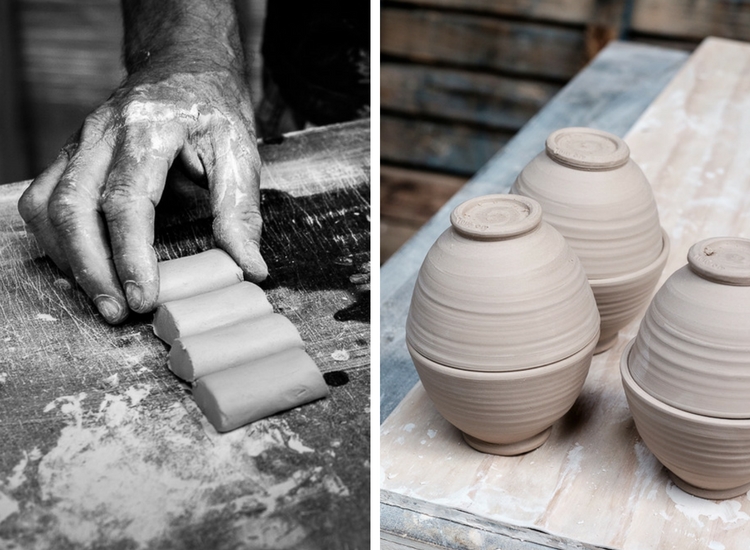
These two photos show Todd, a flute maker, working in his garage. Both were taken with the same lens, but I got a lot closer to make the second image.

Story telling and doing a creative photo project

This also applies to more static subjects like landscapes. If you have a landscape related project, you can create variety with photos that show the entire scene, mixed with some that show close-ups of details that you noticed within the scene.

2. Tell a story

It’s often hard to a story with a single image, but it’s much easier with a sequence of photos because you can show different aspects of the same story in each one.

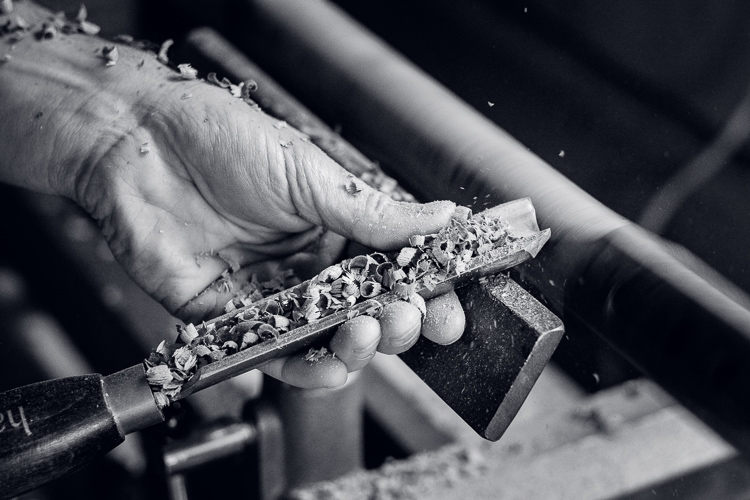
For example, with my photos of craftsmen I like to show images taken at different stages of the creation process. Put together they show how a certain item was made. That’s the story. These three photos show different stages in the creation of an artwork by Chris Meek.

storytelling-projects-6

storytelling-projects-5 storytelling-projects-7

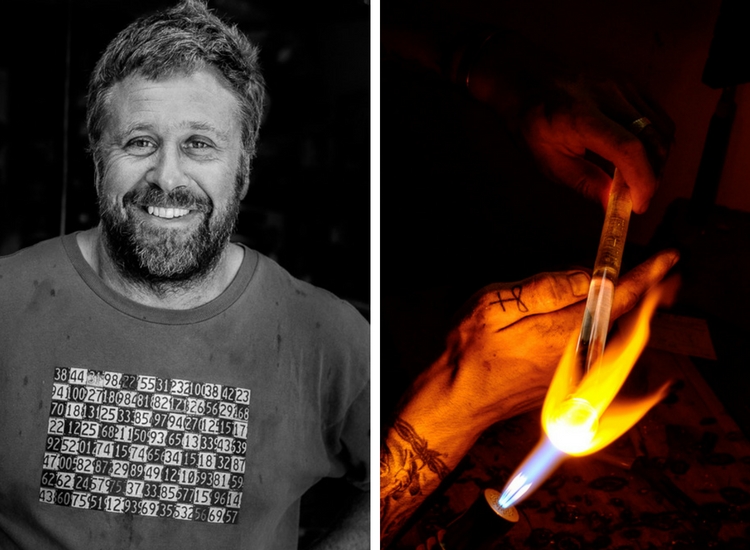
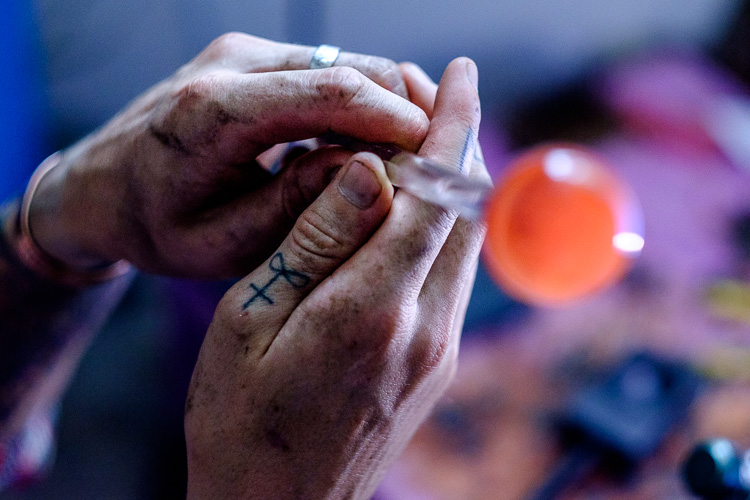
You can also tell a story by paying attention to detail. While taking photos of Eoin, a glass blower, I noticed that his hands gave away a lot about his profession. So I made sure that I took photos like this, that shows the dirt on his hands and the tattoo on his thumb.

Story telling and doing a creative photo project

3. Find commonalities that link the photos

While photo stories need variety amongst the images to create interest, it is helpful if the photos are also linked in some way. For example, you could process all the photos from a shoot in black and white. Or they could be processed in a similar style, perhaps by using the same Lightroom Develop Preset as the basis for the processing.

Or, if you have a project that involves portraits, you could use light to link the photos. Using the same lighting setup for each portrait is one way to to do that.

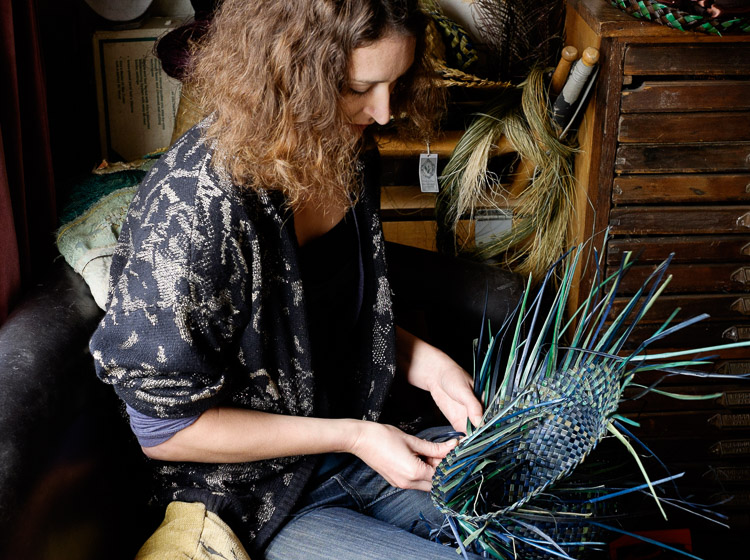
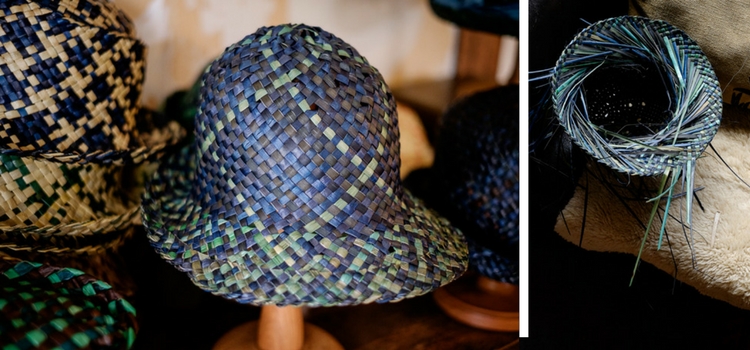
These photos of Jasmin, a weaver who makes hats, are linked by the lighting and the processing. Each is lit by natural light coming through a window in her home, and given the same color treatment in Lightroom.

storytelling-projects-9

storytelling-projects-21

4. Show genuine interest in people

If your project involves people it is important to be genuinely interested in them and what they are doing. Let’s say, for example, you undertake a project taking portraits of surfers. You’ll get the best results if you are genuinely interested in surfing and enjoy talking with surfers.

It’s all about authenticity. If you’re genuinely interested in people, you will have plenty in common and find it easy to talk with them. But, if you’re not, then you won’t make the connection that is essential for good portraiture.

5. Give it time

Give your projects time to evolve and mature. For example, if you have a project photographing your local landscape, giving it time lets you create a series of photos that show the variation created by weather and seasons. Showing the changes that happen over a period of time is also another way of telling a story.

6. Compare and evolve

The reason why projects are such a good learning experience is because they give you the opportunity to compare your current work with your earlier photos. You will see how your ideas and techniques have evolved over time. You’ll also benefit by building a body of work and learning to edit a portfolio by selecting the strong images that work together.

Story telling and doing a creative photo project

Your turn

Have you undertaken any photography projects? Did they help you become a better photographer? Please share your thoughts and project in the comments below.


The Creative Image

If you found this article interesting then please download my free ebook, The Creative Image for 10 brilliant ideas for creative photography projects you can do.

googletag.cmd.push(function() {
tablet_slots.push( googletag.defineSlot( “/1005424/_dPSv4_tab-all-article-bottom_(300×250)”, [300, 250], “pb-ad-78623” ).addService( googletag.pubads() ) ); } );

googletag.cmd.push(function() {
mobile_slots.push( googletag.defineSlot( “/1005424/_dPSv4_mob-all-article-bottom_(300×250)”, [300, 250], “pb-ad-78158” ).addService( googletag.pubads() ) ); } );

The post 6 Tips for How to Build a Story and Shoot a Photo Project by Andrew S. Gibson appeared first on Digital Photography School.


Digital Photography School

 
Comments Off on 6 Tips for How to Build a Story and Shoot a Photo Project

Posted in Photography