RSS
 

Posts Tagged ‘Professional’

There’s no ‘right way’ to use Instagram as a professional

22 Jun

Okay so it might not be super minimalist….it might not fit the feed… but rules are meant to be broken right?! ???

A post shared by Jennifer Moher (@jennifermoher) on

I don’t view my Instagram feed very seriously. I put some ‘work’ photos on there that I’m proud of, both from reviewing cameras and my freelance work. I definitely don’t do a very good job of curating – people who are interested in both motorcycles and cats would probably like my feed, but I’m not sure how much overlap there really is for those audiences.

So for those who are full-time, working professional photographers who need to hustle clients for a paycheck, how does Instagram fit in? Rangefinder Magazine asked five photographers about their posting philosophies, and got five pretty different results.

Jennifer Moher likes to show people that she’s more than just a wedding photographer, so while her feed has a pretty consistent visual aesthetic, there’s a lot of her personal life on there, with everything from hikes to coffee cups. Caroline Briggs, on the other hand, says ‘a random snap of my coffee cup would be too jarring and off-topic,’ and therefore keeps her personal and professional photography in two separate accounts.

Are you on Instagram? How does it fit into your photographic world? Let us know in the comments, and head on over to Rangefinder for the full writeup.

Via: Rangefinder

Articles: Digital Photography Review (dpreview.com)

 
Comments Off on There’s no ‘right way’ to use Instagram as a professional

Posted in Uncategorized


How To Shoot Professional Portraits

10 May

Good weather is  when photographers like taking photos outdoors. A lot of photographers go to parks to take beautiful shots. But how can they stop taking casual photos and start creating professional portraits? This article gives you a lot of recommendations on how to create art photo portraits. Where to start? Of course, first you should begin planning your photo Continue Reading

The post How To Shoot Professional Portraits appeared first on Photodoto.


Photodoto

 
Comments Off on How To Shoot Professional Portraits

Posted in Photography


7 Tips to Get Professional Results on Your Next Outdoor Fashion Photography Shoot

28 Apr

Many photographers like to take portraits or fashion outdoors, as it does not require any huge investment such as owning a studio space and lights. Though it might look like an easy task, there are few things that you need to be aware of before and while doing fashion photography outdoors.

Outdoor fashion photography 01

You might have a good-looking model and expensive camera and lens, but you still may not be able to capture professional results. You need not worry, as the tips mentioned below would help you drastically improve your results during your next outdoor fashion photo shoot.

1. Know the location well

The location is one of the first things you should finalize while planning an outdoor photo shoot. Scout the location at least once before the day of the shoot to ensure that you do not waste time on the final day. It is even better if you take some photos of the places that you feel could be perfect for your images, and simply browse through them on the day of your shoot.

If you follow these practices for your next outdoor photo shoot, you would surely save a lot of time as you would have already pre-planned and pre-visualized your frames.

Outdoor fashion photography 4

2. Choose the right time of the day

Once you have finalized the location for the fashion photo shoot, you need to make sure that you choose the right time of the day to captured desired results. There is no fixed time of day that you should be shooting, it all depends on the weather conditions and how you want to use the ambient light.

Try and avoid the time when the sun is at its peak as it would create hard shadows on your model’s face. The safest time to shoot outdoors is either just after the sunrise or a couple of hours before the sunset. During a cloudy day, the light would be soft and there would be less contrast in the background (depending on the backdrop) but it all depends on your choice. I you wish to capture photos with diffused light, you can go ahead and shoot during a cloudy day.

Outdoor fashion photography 5b

3. Choose the right background

It is important to spend some time thinking about the background in your photo. You might see a beautiful location and simply pick up your camera and get started taking photos, without even visualizing whether the background will make or break your photo.

You need to think, visualize, and then frame accordingly, making sure that the colors in the background and the colors of the model’s clothes are not getting merged. The colors in the background should not overpower the model, which is the main highlight of your photo.

Outdoor fashion photography 05

4. Try mixing ambient and flash light

Go out of your comfort zone and do something different by using both ambient light as well as flash. This gives an extra dimension to your photos. You can use the sun as the key light falling on the subject and place the flash at the back of the model to give a rim light effect on their face or hair. Or you can use the sun light as the rim light or the kicker and the flash as the key light source, this allows you to control the shadows on the face.

Outdoor fashion photography 02

5. Make the model comfortable: Talk and Compliment

Expressions and body language of the model are key ingredients in fashion photography. You need to make sure that your model is comfortable shooting outdoors, as sometimes there may be other people surrounding you as you work. If it’s possibility that you are shooting with a model who is not professional or has just started his/her career, you as a photographer have to make your model feel comfortable.

You can do so by constantly interacting with your model, compliment them while he/she is posing and make them feel confident. You need to tell your model whether they are posing right, you must direct and get the best out of the model in the friendliest way possible.

Outdoor fashion photography 08 Outdoor fashion photography 09

6. Get the best possible exposure in camera

Never shoot with the thought that the exposure can easily be adjusted during post-processing. You can adjust the exposure later during the post-processing stage but you might end up losing details in your photo, depending on the camera that you are using. If you have taken a photo which is 2-3 stops over/under exposed, adjusting the exposure during processing will not give details as good as a correct exposure would.

If you adjust the exposure of an underexposed photo, remember that you may also be introducing noise. Similarly, if you adjust the exposure of an overexposed photo then you will not be able to retain as much details in the highlights as you would have in a correctly exposed photo.

To ensure that you are capturing correctly exposed photos during the shoot, you should refer to the histogram in your camera.

7. Shoot in RAW format

Never be afraid of shooting in RAW. It may take up space on your memory card but it is really for your benefit. Shooting fashion in RAW format allows you to capture much more details as compared to the JPEG format, which helps in retouching the image during post-processing.

Outdoor fashion photography 6

Another benefit of RAW format is that it contains the maximum dynamic range possible from your camera and can be used to recover an overexposed or an underexposed image during the processing, as discussed in the previous point. You can also edit the same RAW file multiple times, without losing any details. Whereas, a JPEG file loses its quality every time you edit the image.

Conclusion

Being a photographer, you need to plan and stage the photo shoot so that you get the best possible results out of your model. From choosing the apt location to scheduling the shoot at the right time of the day, it is your job to get the things planned in advance to save time and energy. Try and get out of your comfort zone by adding more light sources such as the flash lights or strobes, this will help give you more professional results.

You might be using the best possible camera and lens, but if you are not able to get good expressions and body language, your photos will not stand out. So, the next time you plan an outdoor fashion photo shoot, do keep these tips in mind to achieve the best possible results.

Share your fashion photography tips and images below.

The post 7 Tips to Get Professional Results on Your Next Outdoor Fashion Photography Shoot by Kunal Malhotra appeared first on Digital Photography School.


Digital Photography School

 
Comments Off on 7 Tips to Get Professional Results on Your Next Outdoor Fashion Photography Shoot

Posted in Photography


Fujifilm launches professional support program for GFX system in the US

27 Apr

Starting in May Fujifilm will provide a professional support program for its GFX medium format system. Photographers who want to take advantage of the Fujifilm Professional Services (GFX FPS) program have to own the GFX camera and at least one GFX lens. You also have to sign up within 30 days of purchase of a GFX product and be based in the continental United States.

The cost of the program is $ 499 per year which buys you the following goods and services:

  • Welcome kit
  • Personalized FPS Card confirming exclusive access to dedicated hotline technician telephone and email support
  • 30% discount on non-warranty repairs for Covered GFX System products
  • Expedited two business day turnaround time for repairs with free 2-day express shipping to and from the repair facility
  • 4 Check & Clean program service vouchers
  • 50% discount on additional Check & Clean program services and 2 business day turnaround for check and clean services with complimentary 2-day express return shipping for all service
  • GFX system product loaners for covered equipment in repair may also be available upon request if repair is expected to exceed two business days

If you are Fujifilm GFX owner and thinking the program might be useful to you, you can find more information and register to become a member on the Fujifilm website. 

Press Release:

FUJIFILM PROVIDES EXCLUSIVE SUPPORT FOR PHOTOGRAPHERS WITH NEW GFX PROFESSIONAL SERVICES IN THE U.S.

Valhalla, N.Y., April 24, 2017 – FUJIFILM North America Corporation, as the leader in innovation for photographers, announced the new Fujifilm Professional Services (FPS) in the U.S. beginning in May 2017. This service is designed to provide exceptional support for photographers currently using the newFUJIFILM GFX system, Fujifilm’s first medium format mirrorless digital camera. The innovative GFX system utilizes a Fujifilm exclusive 43.8 x 32.9mm (FUJIFILM G Format) 51.4MP CMOS sensor that delivers ultra-high image quality. The GFX 50S combines the heritage of over 80 years of imaging and theaward-winning functional design for a relentless pursuit of perfect image quality.

GFX FPS Program Puts Photographers First

Members of the new GFX FPS Program will receive extensive benefits to ensure the utmost support for photographers utilizing the new FUJIFILM GFX System, including:

  • Welcome kit
  • Personalized FPS Card confirming exclusive access to dedicated hotline technician telephone and email support
  • 30% discount on non-warranty repairs for Covered GFX System products
  • Expedited two business day turnaround time for repairs with free 2-day express shipping to and from the repair facility
  • 4 Check & Clean program service vouchers (voucher limitations, terms & conditions apply, terms here)
  • 50% discount on additional Check & Clean program services and 2 business day turnaround for check and clean services with complimentary 2-day express return shipping for all service
  • GFX system product loaners for covered equipment in repair may also be available upon request if repair is expected to exceed two business days

GFX FPS Program benefits are intended to put photographers first by providing service and convenience for an optimal photographic experience.

Program Requirements, Availability and Pricing

The GFX Professional Services begins on May 1, 2017 for an annual membership fee of USD $ 499.Photographers can become a member of the GFX FPS Program by registering online. For full details on the GFX Professional Services program requirements, please see the GFX digital camera and GF lens purchase requirements and other eligibility requirements here.

Articles: Digital Photography Review (dpreview.com)

 
Comments Off on Fujifilm launches professional support program for GFX system in the US

Posted in Uncategorized


Professional powerhouse: Hands-on with the full-frame Sony Alpha a9

23 Apr

Hands on with the Sony a9 (ILCE-9)

We got a chance to get our hands on the Sony alpha 9 immediately after its announcement. Our first reaction? Continuous shooting with full time live view isn’t a gimmick: you can follow the action without any interruption. 

This is an entirely different beast compared to the a6500, which only had 8 fps live view during continuous shooting. This is a nearly 8-fold increase in frame rate: actual 60 fps live view during bursts (120 fps when not shooting).

Hands on with the Sony a9 (ILCE-9)

It feels more substantially built than the existing a7 cameras, but without it becoming hefty. Sony says the a9 is ‘well sealed – especially around most buttons and dials’ for dust and moisture resistance. Whether it’s up there with the Canon EOS-1D X Mark II or Nikon D5 remains to be seen.

The camera’s grip is a little deeper than the a7 cameras, which means it’s more comfortable to hold with larger, heavier lenses such as the 24-70mm F2.8 GM.

Hands on with the Sony a9 (ILCE-9)

Despite the fairly radical specifications, the a9 retains the same fundamental form factor as the existing series II a7 cameras. However, as you’ll be aware if you were following the camera’s launch, just about everything inside the body shell has been revised to optimize speed. And outside the shell too – far more direct controls, like the AF and drive mode dials up top.

Hands on with the Sony a9 (ILCE-9)

Here’s just some of the cleverness that lives inside the camera: the processing board with twin SD card slots, a 3.7m dot OLED viewfinder and a beefed-up lens mount with more screws for greater strength and durability. But the big news is the 24MP stacked CMOS sensor, mounted on a 5-axis stabilized cradle.

The 24.2MP stacked CMOS design includes memory for buffering immediately behind the pixel layer. This and the (comparatively) modest pixel count are key to the camera’s fast readout, which underpins the camera’s headline features: 20 frames per second shooting, 60 fps AF/AE calculations for improved subject tracking, and a fully electronic (truly silent) shutter with minimal rolling shutter.

The Bionz X processor itself is also new (relative to the a7R II and a99 II), and comes with a front-end LSI. These improvements help increase processing speeds 1.8-fold and the buffer 6-fold relative to the a7R II, allowing for 241 continuous compressed Raws during 20 fps bursts. These improvements also help reduce power consumption by 40% compared to the a7R II.

Hands on with the Sony a9 (ILCE-9)

Although it looks a lot like an second-generation a7 series camera, the a9 features a range of improvements, many of them things that photographers (including us) have been requesting for some time.

The most obvious of these is the AF point joystick on the camera’s rear panel. This and the dedicated AF-On button (as opposed to the recessed button switchable between AF/MF and AEL on previous cameras) will be immediately welcome by anyone who’s shot with an existing Sony camera. The joystick is responsive, but often as you’re using it it accidentally registers a center (downward press), which can be assigned to any function custom buttons can be assigned to. For now, we suggest assigning it to ‘Not Set’ (nothing) so you don’t inadvertently activate something else (like center point AF-S, which it’s set to by default) while trying to move your AF point.

There have been changes to the elements that have been carried over too. For example, the dial on the rear plate of the camera is larger and has more noticeable ‘clicks’ as you turn it, making it far easier to use with precision. The buttons also have a more direct feel, rather than the slightly spongy sensation of the ones on the existing models (particularly the a7R II and a7S II.

Hands on with the Sony a9 (ILCE-9)

Our first impressions of the camera are that everything is that bit faster. Startup time is reduced (30% faster than a7R II), as is the speed at which the viewfinder panel is activated when you pull the camera up to your eye. AF is faster as well: 25% faster AF acquisition speeds, and 30% higher detection rate when it comes to Eye AF and face detection, compared to the a7R II. Low light AF speeds and performance should be improved as well, as Sony now claims AF at -3 EV with F2 lenses (1 EV better than the a7R II).

We’re also impressed with the new quad VGA viewfinder. Its offers a crisp, detailed view and fast enough refresh rate to follow action (120 fps, dropping to 60 fps during bursts). Since it’s OLED, it’s nice and contrasty. We wish the LCD had improved though: Nikon and Canon DSLRs offer retina-esque displays on their newer cameras that make shot images look that much more inspiring.

Hands on with the Sony a9 (ILCE-9)

Other changes include the addition of a physical control for switching between MF and the camera’s different AF modes. This, along with the ability to assign an AF area mode (with or without AF activation, a la Nikon D5/500) to the camera’s custom buttons, should make the a9 as quick to operate as it is at shooting.

Unfortunately, as of now, only one AF area can be assigned as ‘Reg. AF Area’ (oddly by long-pressing the Fn button while in that AF area mode), so you’ll only be able to instantly switch to one other AF area mode from the one that is currently engaged. We’ve requested Sony to enable multiple AF area modes to be assignable to multiple buttons, directly via the menu, as opposed to having only one ‘Registered AF Area’ the camera can store in memory. This might allow you to quickly switch between, say, Lock-on AF, complete Auto (when Lock-on fails), and good old center point. It would be even nicer if one could specify AF-S vs. AF-C for any of these modes so that, for example, I could generally keep the camera in AF-C, but always fall back to good old center-focus-and-recompose when all else fails.

Hands on with the Sony a9 (ILCE-9)

Stills aren’t the only area that gains massive improvements over previous models: Full-frame 4K video is now oversampled 2.4-fold from 6K footage. No pixel-binning, no line skipping. This leads to incredibly crisp footage but, more importantly, with extremely low rolling shutter thanks to the incredibly fast readout speeds of the new stacked CMOS sensor.

Which makes it all the more a shame that, for some reason, Sony decided to forego S-Log (and Picture Profiles entirely) on this camera. Sony claims this is because the camera is aimed at professional stills shooters, but for a camera that shoots such good full-frame 4K, we feel it’s a bit of a shame.

Hands on with the Sony a9 (ILCE-9)

The a9 uses a new battery. The ‘Type Z’ NP-FZ100 is bigger than the existing batteries and offers significantly more capacity: 16.4Wh to be exact, up from 7.7Wh in the older, ‘W’ type packs used in previous models. This allows the camera to achieve a rating of 650 shots per charge, based on CIPA standard tests.

As always, it’s quite common to be able to get many more shots out of a battery than the rating suggests, but the higher rating should mean the a9 will regularly be able to shoot for twice as long as most of the a7 series before needing a battery swap.

Hands on with the Sony a9 (ILCE-9)

Announced alongside the a9 is an accessory that should excite existing E-mount camera owners, particularly videographers.

The NPA-MQZ1K Multi-Battery Adaptor Kit comes with two of the new NP-FZ100 batteries and has space for another two. It not only works as a charging station for up to four Z type batteries but also has a dummy battery that allows it to be used as an external power pack. The unit is compatible not only with the a9 but also with the a7, a7R, a7S, a7 II, a7R II, a7S II, a6000, a6300, a6500, a5000, a5100 and RX10 III, providing up to 8x their current battery capacity. It include tripod-style mounting sockets, for attachment to a video rig.

Hands on with the Sony a9 (ILCE-9)

The ports on the camera’s left flank are all fairly familiar: headphone, mic, USB and HDMI. What’s slightly unexpected is that, despite the camera’s speed, the USB port is only version 2, rather than the much faster USB 3.

As you can see, the doors aren’t especially substantial, which is presumably why Sony isn’t making particularly strong claims about weatherproofing.

Hands on with the Sony a9 (ILCE-9)

The a9 is the first Sony to feature an Ethernet port, making clear its pitch-side intentions.

We’re surprised to see a traditional flash sync socket, for studio work. We’d expect that of Sony’s current models: the higher-resolution a7R II (which, curiously, lacks a flash sync socket) would appeal more to studio photographers. A hint perhaps that there’s a higher-resolution a9-series body on the way…

Hands on with the Sony a9 (ILCE-9)

An optional VG-C3EM battery grip doubles the camera’s battery life. The grip itself holds two batteries but fills the battery compartment, meaning you end up with two batteries in total, rather than three. Still, a rating of around 1300 shots per charge with two batteries puts the a9 will into DSLR territory in terms of longevity.

What do you make of the Sony a9? Let us know in the comments.

Articles: Digital Photography Review (dpreview.com)

 
Comments Off on Professional powerhouse: Hands-on with the full-frame Sony Alpha a9

Posted in Uncategorized


The Myths and Realities of Becoming a Professional Photographer

19 Jan

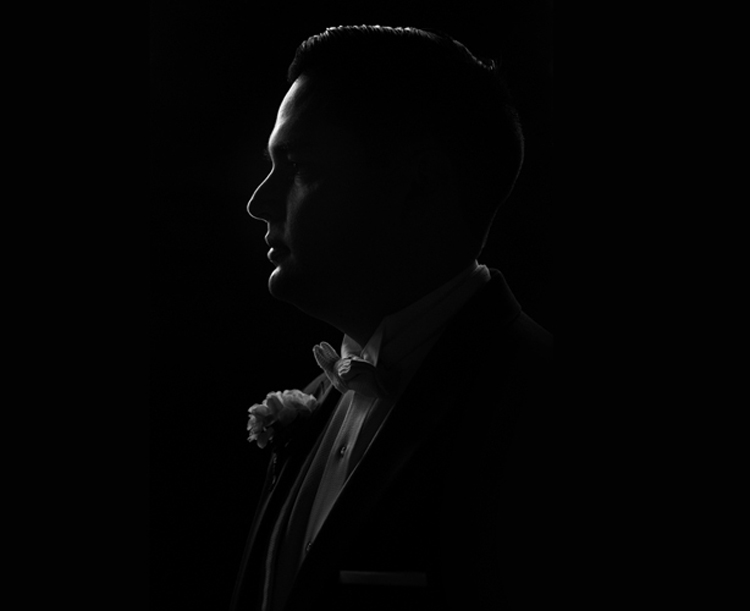
As a professional photographer, I think the number one mistake for aspiring pros is to fall for certain myths about the craft and career. In this article, we’ll look at some of the myths and realities of being a professional photographer. If you’re on the fence about taking the leap it may help you decide.
professional photography myths

But first a little story

My heart was beating fast as I approached the school. My dad was holding my hand when I started to put my foot down on the ground. Despite my protests, my dad quickly dropped me in class and left in a flash. I wasn’t his problem anymore.

Bad move. I started screaming.

The teacher, as wise and as calm as she could, tried to calm me down. She made the mistake of putting her hands near my face. I opened my mouth just like you see in the movie jaws and WHAM I bit her hands and pressed as hard as I could. I bit her so bad you would think an enraged dog bit her.

The moral of the story

What, you may ask, does that have to do with professional photography? In a sense, everything, because that episode taught me about one thing I would like to talk about today – setting expectations.

You see, I had absolutely no idea what I was getting into both as a 5-year-old heading to school for the first time and starting out as a professional photographer. They both caused me trouble. If you do not plan, you plan to fail, but it’s hard to plan when you have absolutely no idea what to expect!

professional photography myths

Here are a few myths that I believed about professional photography and how reality slapped me hard. Hopefully, these will help you avoid the same mistakes I made.

Myth #1 – Being a professional photographer = validation

I don’t know where the idea comes from, but it seems like for everyone that picks up the camera, the pinnacle of achievement seems to become a professional photographer. It’s almost like a necessary evolution. At first, you have a camera, people start complimenting your work, then you decide to become a pro. It was too late for me to realize it, but I would have been perfectly happy as an amateur.

At the end of the day what really matters is the images, if you can get a few bucks for them, great! But becoming a pro will not magically validate you or your images. I expected to feel better about my images and myself when money started rolling in, but that never really happened.

Myth #2 – You get to spend all your time shooting
pro-photography-myths-1

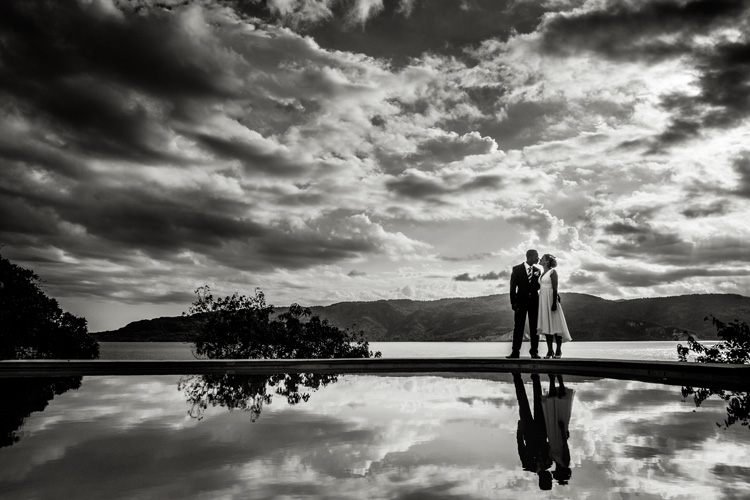
This is most likely the biggest myth of all time in regards professional photography. People sell it to you like all you will be doing is shooting all day, every day. But that is far from the truth because you will spend more time seeking work than actually working.

You don’t spend most of your time shooting, you spend it marketing, attending events, networking, putting yourself out there. Whatever time you get in front of the camera, you’ll spend two to three times as much simply editing as well.

If you believe photography is hard, it is actually the easy part. The hard part comes after; selling your work. It’s a sobering truth that probably hits every photographer, writer, painter, etc., that the product or service is only the first and easiest part of the process, the hardest effort comes afterward.
professional photographer myths

But you say, “I believe that I am good photographer, and people will realize how much better I am than Joe Shmoe.” I understand the feeling, and you are probably better than Joe, but that brings us to the next myth.

Myth #3 – Being good is enough

I call this myth the “best product fallacy”. Just because you are good doesn’t mean anything. Van Gogh was good yet he died in obscurity. Talent is not enough, the world has millions of talented photographers, painters, actors and more that are eating dust.They had a social experiment where they put one of the

There was a social experiment where they put one of the world’s highest paid musicians in a subway station, playing a million dollar violin by the way. Did the world recognize his talents, did they put their wallets out begging him to take their money? No. Nobody really cared. Watch the video below.

We’ll get back to this later but for now, just know it doesn’t matter that you’re a good photographer. Don’t get me wrong, you’d better be good at what you do, but that does not in any way shape or form guarantee you success by itself. Talent is just not enough.

Myth #4 – You’ll be rich and famous

If everything you see is success story after success story, doesn’t it follow that if you try it too, you might become rich and famous? Even more, won’t you just blaze through it because you are talented? Many photographers make a living telling you how to be a professional, so of course, they will sell you a dream. It’s like many guys on YouTube, you’ve probably seen a few.

professional photographer myths

They try and sell you a dream. But the reality for all the photographers that I know, is that it’s an income that pays the bills. And they sure aren’t well-known outside their local area. Sure there are superstar photographers in the world but that is what they are, stars. Just like the Hollywood stars, for every well-known one, there are others just making a living.

The things is that not everyone can be a superstar photographer (depending on who you ask, a superstar makes more than $ 40,000 a year) because when it comes to wealth distribution there is inherent inequality. There will always be a group that makes more than the rest combined. For example, there’s about 20% of the countries that have 80% of the wealth, about 20% of actors make 80% of the wealth, about 10% of the companies that make 90% of the wealth: Companies like Apple, Google, Microsoft, Samsung, etc., take the lion’s share.

Only the top elite will ever reach that level

Same for photography, there’s a group that earns more than all others combined (and if you really want to go deep, a group within that group that earns more than the others combined again, Terry Richardson, who earned 58 million in one year, is probably in that group ).

professional photographer myths

The worse part is that many of them make it sound easy because they want to teach you how to become a professional photographer. I’m not saying you can’t become rich and famous. What I am saying is, that when you are on your quest for fame and fortune know that there’s only a few that can make it to the very top. It’s a bit like football, not everyone can be an NFL player. That should put in perspective the amount of effort required.

Count the costs

A few years ears ago I had to rent a U-Haul truck to move from my apartment to my wife’s parents’ house with our baby in tow. The reason was that I had failed to understand that professional photography was as much about marketing and selling as it was photography. It almost cost me my marriage as well.

So, count the costs. If you want to build a house, add up the costs, if you want to be a pro, count the costs. It’s not just about shooting, see the sacrifices and the long and hard road ahead.
professional photographer myths

Also, understand the nature of the beast. You will usually see success stories but never those who have failed…and there’s more of the latter than the former. Take it from me, I cried many times because things were not working.

What now?

This article is by no means meant to discourage you from becoming a professional photographer, just the opposite. It is meant to empower you to avoid unnecessary pitfalls due to unrealistic expectations. That episode at 5-years old would not have happened if only my dad prepared me for exactly what was going to happen. I would not have needed to move out to my in-laws’ if I had known what to expect going pro.

If you want to become a pro, by all means, go for it, just be realistic about it. You’ll need to learn a whole other field (business, marketing, etc.) above and beyond photography. Coming back to Joshua Bell (the violinist), he didn’t change, his skills didn’t change, the only difference between him and countless other metro violinists is his marketing. So the wisest thing you can do is to learn about marketing, running a business, and how to sell your work. This is probably the single most important piece of advice I could ever give you, because trust me, your images won’t sell themselves.

professional photographer myths

Conclusion

I love being a professional photographer, I wouldn’t do anything else, it’s in my blood. But making a living from photography is harder than many would lead you to believe. It’s not just about being talented, it’s about selling yourself, and more of your time will be spent doing the latter than the former.

I believe people make mistakes so that not only they can learn from them, but others can benefit as well. So, take it from me, I had to move in with my wife’s parents, I was on the brink of divorce and had many teary nights. Count the costs, and learn how to sell.

Be yourself, stay focused, and keep on shooting.

googletag.cmd.push(function() {
tablet_slots.push( googletag.defineSlot( “/1005424/_dPSv4_tab-all-article-bottom_(300×250)”, [300, 250], “pb-ad-78623” ).addService( googletag.pubads() ) ); } );

googletag.cmd.push(function() {
mobile_slots.push( googletag.defineSlot( “/1005424/_dPSv4_mob-all-article-bottom_(300×250)”, [300, 250], “pb-ad-78158” ).addService( googletag.pubads() ) ); } );

The post The Myths and Realities of Becoming a Professional Photographer by Olivier Duong appeared first on Digital Photography School.


Digital Photography School

 
Comments Off on The Myths and Realities of Becoming a Professional Photographer

Posted in Photography


Brides Magazine suggests professional photographers use ‘Cannon or Nikon’ cameras

29 Dec

An article recently published in Brides magazine offered soon-to-be newlyweds some questionable advice on how to find a professional wedding photographer. Though it has since been edited, the original version of ‘Essential Questions You Need to Ask Your Wedding Photographer’ included a paragraph suggesting consumers should only hire a photographer who uses a ‘Cannon [sic] or Nikon’ camera.

The article aims to provide advice on choosing a professional wedding photographer, however, it previously contained the following paragraph regarding questions the client should ask a prospective photographer:

What kind of equipment do you use?

“They should say either Cannon [sic] or Nikon, which are the most readily available professional cameras available,” says Tiffani. “However, there are professional and amateur cameras in both brands. A professional camera should be a ‘full format’ camera. This will ensure that you can print large-scale prints easily.”

Brides has since updated the article without an editor’s note to simply read, “Ideally, your photographer would use a readily available professional camera, Matsuura advises.” 

Via: PetaPixel

Articles: Digital Photography Review (dpreview.com)

 
Comments Off on Brides Magazine suggests professional photographers use ‘Cannon or Nikon’ cameras

Posted in Uncategorized


Save 60% off with these Professional Photoshop Actions & Lightroom Presets

21 Dec

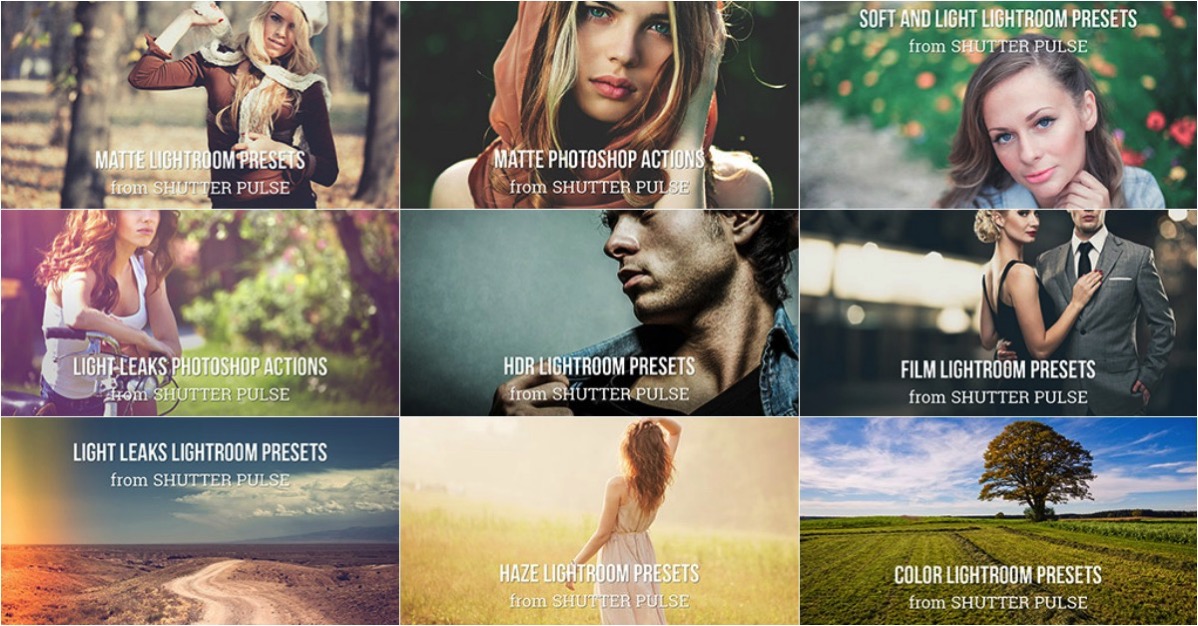
It’s Day 5 of our 12 Days of Christmas sale and today our friends over at Shutter PulseShutterPlus are offering an exclusive 60% off to dPS subscribers.

Shutter pulse

Today you can save 60% on their Professional Photoshop Actions and Lightroom Presets.

Quality Photoshop Actions and Lightroom Presets allow you to save a massive amount of time during post processing, and they can also help you to achieve impressive looks and effects with ease.

Today you have the option to pick up the following ShutterPlus Packs:

  • 300+ Photoshop Actions Bundle – Just $ 29, normally $ 39
  • 330+ Lightroom Presets Bundle – Just $ 29, normally $ 59
  • OR… get Both Bundles for an even bigger saving of just $ 39, normally $ 98!

These Bundles Include 100’s of effects including:

  • Stunning HDR Effects
  • Vintage Effects
  • Cinema-Inspired Effects
  • Film-Inspired Effects
  • Matte and Haze Effects

Pick up your bundle before it’s gone!

P.S. You’ll need a copy of Adobe Lightroom and/or Photoshop to use Presets or Actions.

P.P.S These presets are completely different to the dPS presets on sale yesterday, so here’s your chance to build up your preset collection so you have the right look for every occasion!

googletag.cmd.push(function() {
tablet_slots.push( googletag.defineSlot( “/1005424/_dPSv4_tab-all-article-bottom_(300×250)”, [300, 250], “pb-ad-78623” ).addService( googletag.pubads() ) ); } );

googletag.cmd.push(function() {
mobile_slots.push( googletag.defineSlot( “/1005424/_dPSv4_mob-all-article-bottom_(300×250)”, [300, 250], “pb-ad-78158” ).addService( googletag.pubads() ) ); } );

The post Save 60% off with these Professional Photoshop Actions & Lightroom Presets by Darren Rowse appeared first on Digital Photography School.


Digital Photography School

 
Comments Off on Save 60% off with these Professional Photoshop Actions & Lightroom Presets

Posted in Photography


This image is why the world needs professional photographers

21 Dec

A gunman assassinated Russia’s ambassador to Turkey yesterday at the opening of a photography exhibit in Ankara. Associated Press photographer, Burhan Ozbilici was covering the event and witnessed the assassination first hand, which occurred while the ambassador was addressing the room of attendees.

In the face of an active gunman meters away, Ozbilici kept on making pictures. And because of his bravery, the world can witness and better contextualize this horrific event. But before you go on calling Ozbilici a hero for being brave, consider for a moment that he did exactly what he is trained to do. He did what any good photojournalist should have done. 

In an interview with the Los Angeles Times today, Ozbilici had this to say about the incident:

“I was, of course, fearful and knew of the danger if the gunman turned toward me. But I advanced a little and photographed the man as he hectored his desperate, captive audience,” Ozbilici tells the LA newspaper. “I was thinking: ‘I’m here. Even if I get hit and injured, or killed, I’m a journalist. I have to do my work. I could run away without making any photos… But I wouldn’t have a proper answer if people later ask me: ‘Why didn’t you take pictures?’”

It’s a stark reminder that the world needs well-trained photojournalist now more than ever. Unfortunately the trend in the newsroom, both in the United States and World-wide has been a constant cycle of slashing staff photography positions. 

There are a lot of reasons why photojournalism jobs are disappearing, the decline of print/classified ads is surely one, but the increase in smartphone image quality is another. Smartphones have come a long way and for many media companies, a multi-talented journalist who can shoot some photos and video with their iPhone is often considered good enough.

So what if instead of a proper photojournalist, the Associated Press has sent just a reporter with a smartphone to cover the event? After all, it’s just a gallery opening right? A quick snap of the ambassador behind the podium and a few shots of the gallery walls to accompany the text should do the trick. 

The point is, there really is no substitute for a professional photojournalist with years of training and field time. In an era when news is increasingly catered toward one’s specific taste, the facts can be elusive. But a good photojournalist can get us closer to the truth. It’s their job.

Articles: Digital Photography Review (dpreview.com)

 
Comments Off on This image is why the world needs professional photographers

Posted in Uncategorized


Have your say: Best enthusiast / professional ILC of 2016

08 Dec

Have your say: Best enthusiast / Professional ILC of 2016

2016 was pretty good for high-end ILCs, as we’d expect from a Photokina year. The world’s largest photography trade-show is held on every even-numbered year, in September, and this year’s show saw major announcements from several manufacturers. But we also saw several high-end ILCs released earlier in 2016, including flagships from Canon and Nikon.

In this poll, you’ll get the opportunity to vote for your choice of the best enthusiast / professional ILCs released this year. For the sake of a manageable selection, we’ve drawn a line here between enthusiast and professional and enty-level / midrange, so the chances are that if your favorite camera isn’t listed in this article, it can be found here.

You’ll find the poll embedded in the final page of this slideshow, but for now, click through to read more about this year’s crop of enthusiast and professional ILCs.

Canon EOS-1D X Mark II

The Canon EOS-1D X Mark II is a thing of beauty, but it’s built for hard work. In addition to its new 20.2 megapixel full-frame CMOS sensor and Dual DIGIC 6+ Image Processors, the Mark II includes a 61-point High-Density Reticular AF II system and a 360,000-pixel RGB+IR metering sensor with enhanced precision and performance compared to its predecessor, improving facial recognition and tracking, as well as nature scenes.

The camera also boasts excellent dynamic range and reduced color noise compared to its predecessor throughout its standard ISO speed range of 100 – 51,200. The EOS-1D X Mark II camera offers high resolution DCI 4K video at frame rates up-to-60p, and full HD video at frame rates up to 120p.

All of this adds up to a highly impressive camera. We rate it extremely highly, but what do you think? Cast your vote and let us know. 

See full specifications, user reviews and more

Canon EOS 5D Mark IV

Canon’s EOS 5D-series is one of those long-established series of cameras that it’s hard to get too excited about, simply because they’ve always been very solid, very reliable, very good products. The latest in the series, the EOS 5D IV is the best yet.

Featuring an all-new 30MP CMOS sensor, DIGIC 6+ processor, Dual Pixel AF system and 4K video capture, the 5D IV offers a fully expanded ISO range of 50-102400 and includes ‘Dual Pixel’ AF, allowing for responsive face detection and focusing in live view and movie mode. When shooting with the viewfinder you can take advantage of a 61-point AF system (41 of which are cross-type) with expanded vertical coverage.

What do you think of the EOS 5D Mark IV? Head to the end of this slideshow and cast your vote. 

See full specifications, user reviews and more

Fujifilm X-Pro2

The Fujifilm X-Pro2 is the long-awaited update to the original X-series ILC, the venerable X-Pro1. As well as slightly tweaked ergonomics it offers a new 24.3MP APS-C X-Trans CMOS III sensor and an ‘advanced hybrid multi viewfinder’ that can be an optical or electronic viewfinder, or a combination of the two.

The X-Pro 2’s new image processor is 4x faster than that of its predecessor and offers a maximum ISO sensitivity of 51,200. The autofocus system has been updated substantially, now offering 273 total AF points of which 77 are phase detection (covering 40% of the frame), and much faster performance.

Are you in love with the X-Pro 2’s high performance and classic styling? Cast your vote and let us know.

See full specifications, user reviews and more

Fujifilm X-T2

We really like the X-T1, and with the X-T2, Fujifilm improved an already very nice camera even further. The X-T2 is Fujifilm’s latest enthusiast SLR-style mirrorless ILC, and one of two X-series flagships – the other being the X-Pro 2. The X-T2 features a 24MP X-Trans CMOS III sensor and the company’s latest image processor (X-Processor Pro). The rugged magnesium alloy body is sealed against dust and moisture and has a unique articulating LCD as well as a large, high resolution EVF.

The AF system has been greatly improved compared to the X-T1 and had 325 total focus points, 169 of which are phase-detect, as well as a higher readout speed. The addition of 4K video (and good 4K video, at that) rounds up an impressive spec sheet, and makes the X-T2 one of our favorite cameras of the past year. Is it one of yours? 

See full specifications, user reviews and more

Nikon D500

They said it was a myth. They said it was impossible. They said we were fools for hoping for a D300S replacement after almost seven years, but 2016 was the year that Nikon granted the wishes of a great many of its loyal users and released the D500. 

The 20MP D500 is Nikon’s flagship APS-C format DSLR. With continuous shooting speeds of 10 fps and a 200 shot buffer for Raw images, the camera is aimed squarely at action and fast-paced photographers who don’t mind the smaller sensor, or who might even benefit from its extra reach. It features the same 153-point AF system and 180k-pixel RGB metering sensor of the professional full-frame D5, along with the same EXPEED 5 processor. It can also capture 4K/UHD video.

Since it was released, the D500 has become one of our favorite sub full-frame DSLRs ever. Were you one of those people who were waiting years for it to appear? Cast your vote and let us know. 

See full specifications, user reviews and more

Nikon D5

The D5 is a professional full-frame DSLR with ‘Nikon’ on the front of it. That means it’s fast, has a battery life you can measure in thousands of frames, and has a world-beating AF system. The D5 is a significant upgrade to the D4S, and sets new standards in terms of autofocus, thanks to a new 153-point AF system with an almost uncanny ability to track moving subjects. Less impressive is the D5’s slightly half-baked 4K video mode, but for Nikon shooters who need to get stills in tough conditions, the 20MP D5 is as good as it gets. 

Most of us mere mortals could never justify buying one, but is the D5 impressive enough to be one of your favorite cameras of 2016?

See full specifications, user reviews and more

Olympus OM-D E-M1 Mark II

Don’t be fooled by its small sensor – the Olympus OM-D E-M1 Mark II is a powerhouse. Featuring a newly designed 20.4MP MOS sensor and TruePic VIII engine, the E-M1 II is capable burst rates of 60 fps in Single AF and an incredible 18 fps with C-AF. The new Dual FAST autofocus system combines contrast detection with 121 on-chip phase-detect points.

The E-M1 II has in-body 5-axis image stabilization which reduces shake by up to 5.5 stops. Its body is weather-sealed and features a large electronic viewfinder, 3″ LCD fully articulating touchscreen and dual memory card slots. The camera can capture both UHD and DCI 4K at 30p and 24p respectively, at bit rates of up to 237Mbps.

We continue to be impressed by the performance of the OM-D E-M1 II, but is it one of your standout cameras of 2016? Vote now and let us know.

See full specifications, user reviews and more

Pentax K-1

Something of a white whale for many long-time Pentax fans, Pentax’s long-awaited full-frame DSLR finally became real in 2016. The first 35mm format Pentax-branded DSLR (the first to make it to market, anyway), the K-1 offers a 36.4MP CMOS sensor, 5-axis sensor-shift image stabilization, a ‘nearly 100%’ optical viewfinder and 33-point AF system with 25 cross-type points.

The 3.2″ 1.04M-dot LCD uses a new flexible tilting design which allows for horizontal, vertical and diagonal movement while keeping the screen in alignment with the lens axis. Designed with the needs of landscape photographers in mind, what the K-1 lacks in speed and autofocus performance it makes up for with tough construction and well thought-out ergonomics. We love it, but is it one of your favorite cameras of 2016? Let us know.  

See full specifications, user reviews and more

Sony Alpha a99 II

The Sony Alpha a99 II was a bit of a surprise when it was announced, but proves that there’s life left in Sony’s A-Mount system yet. And it’s pretty impressive – the a99 II features a full-frame 42MP BSI CMOS sensor, Hybrid AF system with 399 contrast detect and 79 cross-type hybrid points. The camera can shoot at 12 fps with continuous autofocus and 8 fps with live view. It can capture 4K video (UHD or Super 35) using the XAVC S codec with bit rates of up to 100Mbps. The a99 II also offers both S-Log2 and S-Log3 gammas and can output 4:2:2 4K video over its HDMI port.

The rugged body is weather-sealed and has built-in 5-axis image stabilization. Are these features enough to put the a99 II on your list of best high-end cameras of 2016?

See full specifications, user reviews and more

Sony Alpha a6500

Sony’s flagship APS-C camera gains five-axis image stabilization and touchscreen operation compared to its predecessor. A larger buffer and more processing power also help set it apart from the older a6300. In most other respects it is identical, and includes the same still image quality and 4K video features as the a6300, and the same 425 on-sensor PDAF system.

The a6500 might not feel like an entirely ‘new’ product, but it’s one of the best-performing products of its type on the market. Is it one of your favorite cameras of 2016? Cast your vote and let us know.

See full specifications, user reviews and more

Vote now!

Voting is easy – you pick your favorite products by dragging and dropping. You can pick up to three, and rank them in order of priority.


Have your say

$ (document).ready(function() { Poll({“pollId”:”2073471655″,”openForVoting”:true,”mainElementId”:”poll0″,”slot”:null,”isSingleChoicePoll”:false,”minNumberOfChoices”:1,”maxNumberOfChoices”:3}); })

Have your say: Best enthusiast / professional ILC of 2016
Your answers
1. Required
2. Optional
3. Optional
You need to login to vote

Canon EOS-1D X Mark II

Canon EOS 5D Mark IV

Fujifilm X-Pro2

Fujifilm X-T2

Nikon D500

Nikon D5

Olympus OM-D E-M1 II

Pentax K-1

Sony a99 II

Sony a6500

Voting is easy – you pick your favorite products by dragging and dropping. You can pick up to three, and rank them in order of priority.

Poll Rules:

  1. This poll is meant to be a bit of fun. It’s not sponsored, promoted or paid for in any way and DPReview staff don’t care how you vote, so please don’t start a flame-war in the comments. I.e., please don’t be a troll.
  2. It’s fine to vote for the Pentax K-1 products that you haven’t used (some aren’t yet shipping, after all) but please don’t vote for the K-1 purely just to sandbag another product or brand. I.e., please don’t be a troll.
  3. Please only vote once, from a single account. Creating and voting from multiple accounts for a community poll of no consequence is a silly thing to do with your time. See points 1 and 2, above, about not being a troll.

Articles: Digital Photography Review (dpreview.com)

 
Comments Off on Have your say: Best enthusiast / professional ILC of 2016

Posted in Uncategorized