RSS
 

Posts Tagged ‘portraits’

DEAL: Save 30% off Phil Steele’s Headshots and Portraits Course

10 May

1368020478609390876Over on our sister site – SnapnDeals – we have a great offer running right now – it gets you 30% off Phil Steele’s Headshots and Portraits course.

Many of your have taken Phil’s other courses and will be familiar with his helpful videos so will know that he always delivers great training for photographers.

This course will teach you how to take professional looking head shots and portraits on a budget – just using small flashes. Normally the course is $ 47 but with this Snapn Deal it is just $ 33.

Check out full details of what’s included here.

PS: if you’re interested in weekly promotions like this just add your email address to the field below and we’ll send you a weekly update of all new deals.

It’s free, we don’t share your details with anyone and you’re welcome to unsubscribe any time if you don’t find the deals to be for you.

Post originally from: Digital Photography Tips.

Check out our more Photography Tips at Photography Tips for Beginners, Portrait Photography Tips and Wedding Photography Tips.

DEAL: Save 30% off Phil Steele’s Headshots and Portraits Course


Digital Photography School

 
Comments Off on DEAL: Save 30% off Phil Steele’s Headshots and Portraits Course

Posted in Photography


Creepy Portraits Made Using DNA from Gum & Smokes

09 May

[ By Steph in Conceptual & Futuristic & Technology. ]

DNA Portraits 1

The chewed gum, fingernail clippings and cigarette butts you leave behind in public places could say a lot more about you than you’d like to imagine. Artist Heather Dewey-Hagborg makes this abundantly clear with her series, ‘Stranger Visions’, which reproduces people’s faces using DNA extracted from such forensic evidence collected in New York City and Brooklyn.

DNA Portraits 2

Dewey-Hagborg is a PhD student studying electronic arts at Rensselaer Polytechnic Institute in Troy, New York. After extracting the DNA from her samples, she focuses on specific genomic regions, sequences them and then enters the data into a computer program, which produces a model of the face of the person who tossed that item onto the ground.

DNA Portraits 3

From those models, Dewey-Hagborg produces sculptures of the faces using a 3D printer. These life-sized portraits, which look similar to death masks, hang on gallery walls, often beside wooden boxes holding the original samples and showing photographs of where they were found.

DNA Portraits 4

The artist learned about DNA extraction from a course in molecular biology at Genspace, a do-it-yourself biology lab in Brooklyn where she does some of her work. She uses standard DNA extraction kits ordered online to analyze the DNA. The results are shockingly detailed; a mask of her own face made using the same technique shows just how accurate the results can be. However, there’s no way to tell age from DNA, so the computer produces a 25-year-old version of the person. Learn more about the process at Smithsonian.

Share on Facebook


[ By Steph in Conceptual & Futuristic & Technology. ]

[ WebUrbanist | Archives | Galleries | Privacy | TOS ]


WebUrbanist

 
Comments Off on Creepy Portraits Made Using DNA from Gum & Smokes

Posted in Creativity


Backlit Photography 101: Secrets of Expressive Backlit Portraits

08 May

Do you want to avoid an overworked edit in order to obtain golden portraits with sunrays and lens flares? Shooting against the sun is challenging, however three factors and a bit of practice can easily transform your backlit photography. One of the leading rules in elementary photography is to avoid shooting against the sun. Usually you will end up with Continue Reading

The post Backlit Photography 101: Secrets of Expressive Backlit Portraits appeared first on Photodoto.


Photodoto

 
Comments Off on Backlit Photography 101: Secrets of Expressive Backlit Portraits

Posted in Photography


Constellation Portraits: Thread Wrapped Around Nails

03 May

[ By Steph in Art & Drawing & Digital. ]

Kumi Yamashita Nail Art 1

A single, unbroken sewing thread is wrapped around a grid of carefully placed galvanized nails to bring human faces to life in stunningly intricate detail. Artist Kumi Yamashita, best known for light and shadow art, has crafted a series of portraits just as beautifully wrought as any made with more conventional media.

Kumi Yamashita Nail Art 2

Kumi Yamashita Nail Art 7

Kumi Yamashita Nail Art 3

Entitled ‘Constellation,’ for the visual effect of the nails and thread, the series is created on wooden panels painted solid white. Thousands of small silver nails are set into the wood, and Yamashita carefully winds the thread around them, sometimes using an entire spool for a single portrait.

Kumi Yamashita Nail Art 4

Kumi Yamashita Nail Art 5Kumi Yamashita Nail Art 6

Based in New York City, Yamashita was born in Japan and received her Master of Fine Arts degree from Glasgow School of Art. The Constellation series continues Yamashita’s transformation of everyday materials into visually arresting images that challenge the way we perceive these items.

Share on Facebook


[ By Steph in Art & Drawing & Digital. ]

[ WebUrbanist | Archives | Galleries | Privacy | TOS ]


WebUrbanist

 
Comments Off on Constellation Portraits: Thread Wrapped Around Nails

Posted in Creativity


Portraits on an Overcast Day? Use a Reflector

02 May
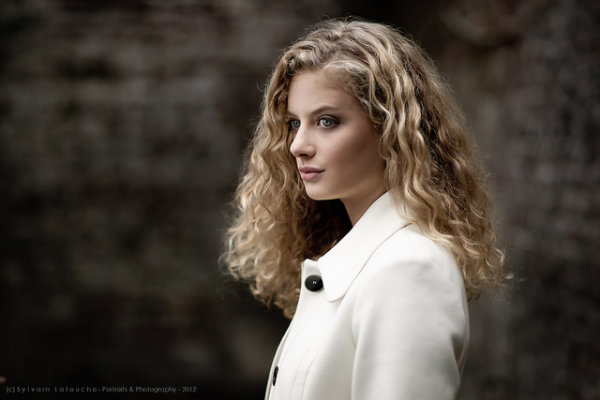
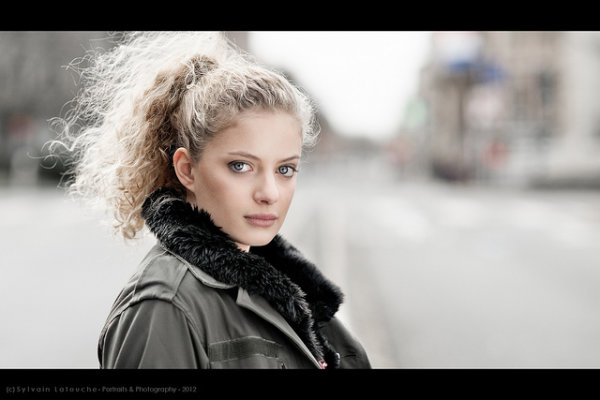
Photographer: Sylvain Latouche. Shot with a Sony A850 and a 105cm silver circular foldable reflector.

Photographer: Sylvain Latouche. Shot with a Sony A850, 85mm lens and a 105cm silver circular foldable reflector.

As we head into Autumn here in Australia the days are becoming shorter and we’re seeing more and more overcast days. While some might say the weather is poor – this is one of my favourite times to shoot portraits out doors.

Overcast cloudy days present photographers with some beautiful soft and even light with the loads acting as a big natural diffuser.

This also means you can position your subjects almost anywhere as there’s little direct light which can open up great creative possibilities.

One of the key tools to have at your disposal on these kinds of days is a reflector (they come in all kinds of shapes, sizes and colours – grab one of the affordable 5-in-1 sets here if you’re just starting out) to help to bounce some of that lovely soft light up into the face of your subject.

This adds more light into the scene to help with exposure but also fills in any shadows that may be cast (often under the chin, nose etc).

In general you’ll want to position your reflector below and angling the reflected light back up towards the subject to fill in what shadows their may be – but do experiment with positioning the reflector at different distances and angles from your subject to see what impact that has.

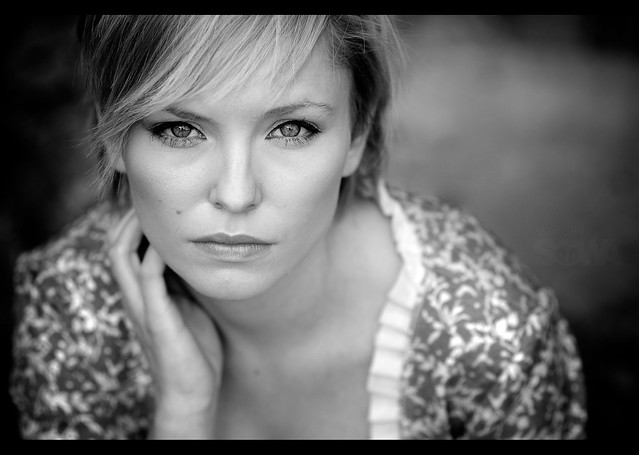
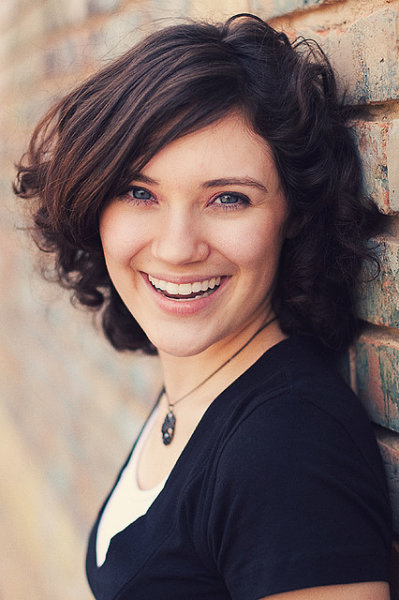
Check out some of the following examples – all shot on overcast days with nothing more than a reflector (click the photos to be taken to the photographers page).

Photographer: Sylvain Latouche. Shot with a Sony A850, 85mm lens and 105cm silver circular foldable reflector.

Photographer: Sylvain Latouche. Shot with a Sony A850, 85mm lens and 105cm silver circular foldable reflector.

wondering...

Photographer: Marcin Sowa. Shot with a Nikon D300, 85mm lens and reflector.

Photographer: Casey Lee. Shot with Canon EOS 30D, 50mm lens and a Gold Reflector.

Photographer: Casey Lee. Shot with Canon EOS 30D, 50mm lens and a Gold Reflector.

Senior Portrait 1 - Tamara (Color)

Photographer: Paul Ryan. Shot with Canon EOS 5D, 24-70mm lens and a Silver Reflector.

Post originally from: Digital Photography Tips.

Check out our more Photography Tips at Photography Tips for Beginners, Portrait Photography Tips and Wedding Photography Tips.

Portraits on an Overcast Day? Use a Reflector


Digital Photography School

 
Comments Off on Portraits on an Overcast Day? Use a Reflector

Posted in Photography


Clothing for Portraits – How to Tell your Subjects What to Wear

12 Apr

portrait-clothing-featured

The clothes your clients or portrait subjects are wearing in their photo can be a touchy subject to discuss with them, especially if you are just doing a portrait for them as “a friend with a good camera”. Even as pros we have a hard time getting people to listen and they show up in clothes that make us cringe and even hurt our eyes.

This article will help you understand what to suggest your subjects wear for their portrait. You’ll also learn how to help them understand why your suggestions really are in their best interest so they actually listen to get it right.

Clothes make the portrait

What the subjects are wearing in a portrait is just as important as all the other details such as: lighting, location, and posing. Poorly selected clothing can really take away from an otherwise really great portrait.   The goals in helping your portrait subjects or clients select clothing are:

  •  to make the people the main subjects
  • to flatter the subjects and help make them look their best
  • to disappear and be a non-issue

Poorly chosen clothing, or having no discussion about it at all, can result in just the opposite of all those things.  NOT what you want to have happen!

  • clothing that stands out so much you hardly even notice the people
  • arms, legs or tummies that look less than flattered and people that are unhappy with the end results
  • clothing that takes so much attention and draws your eye around that it becomes more about the clothes and a fashion photo that it does a portrait of the people in them

So what IS the best thing for people to wear?

I get asked for tips on this a lot in my portraiture classes. People “hear” funny things about what they should or shouldn’t wear for their portraits and show up in the damnedest things that sometimes make you shake your head and say “what were they thinking?” But they don’t know what is right, or what is better unless you tell them and help them understand why.

This is what I recommend for what to wear to a portrait session

  • wear solid coloured clothing
  • choose muted tones that are a bit subdued
  • choose similar tones for your top and bottom (both dark or both light)
  • choose 1-3 colours for your group portrait, ones with similar tones that go nicely together and have everyone work within that colour palette. For example: dark green, navy, and burgundy – all dark jewel tones.  OR tan, a lighter olive green, and denims – all lighter, softer tones.
  • choose a top with sleeves at least to the elbow
  • choose long pants for men/ladies or a skirt below the knee for ladies
  • choose dark socks and footwear (unless it’s a barefoot photo on the beach)
  • keep jewellery simple and minimalistic
  • do your hair the way you’d normally do it while wearing these clothes (I’ll explain more later)
  • if getting a haircut or new hairdo, make your appointment at least 2 weeks prior to your portrait session

Okay so I added a few bonus pointers on hair and make-up but they go right along with the clothing.

Notice I consciously did NOT use the word “don’t” anywhere in the list above?  There’s a reason for that. People’s brains actually don’t register the words: don’t, not, or no. So when you say them the brain just disregards and registers what comes after.  For example, if I say, “do NOT think of a lemon” what did you just do?  Of course, thought of a lemon. So when you are explaining clothing (or anything for that matter) and giving suggestions on what to wear, take great care to always say what you DO want.

If you tell people, “okay don’t wear stripes, flowers or bright colours.”  What will they remember?  “I think my photographer said something about stripes and bright colours,  so that’s what I’ll wear.”

And they probably heard somewhere that for photography you need to put your make-up on extra dark and heavy, so even ladies that normally wear none or very little can show up with black eye liner and raccoon eyes. I know, because it’s happened to me when I didn’t discuss it. She will HATE her photos because it doesn’t look like her.  She likely won’t say anything, she just won’t pick any and you’ll think she didn’t like your work.

It is YOUR job as the photographer, even if you are just doing it for fun and for friends, to help people look their best in the portrait you take.  So let’s look at the points above and how you explain it to them so they get on board!

I actually had a hard time coming up with “bad” examples of what not to wear. I’ve been doing this for so long I don’t have any portraits that don’t come fully prepared.  So I’ve found a couple group images just so you can see the difference the clothing makes.

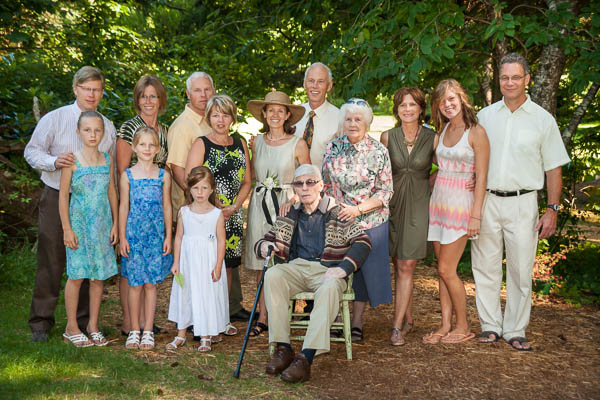
The image below is from a wedding so they weren’t all planning on having this group portrait done. But it shows what happens when the clothes have not been planned.  There’s multiple colours, some dark and some light. We have a few bright patterns and a short skirt. We have a lot of short sleeves (it was a hot day) and some white shoes.  Can you see how all those things make an impact?  Overall it’s actually not that bad, I’ve seen a lot worse but let’s see what a little refinement can do to help.
portrait-clothing-001

Group portrait from a wedding, not planned so they were wearing what they were wearing.
portrait-clothing-002

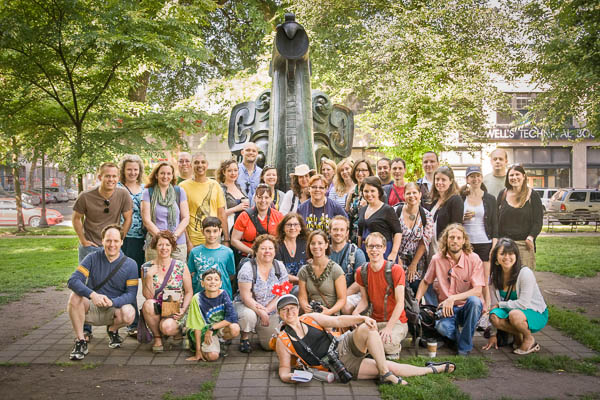
Another “bad” example, again a group portrait from a photo walk this time. Notice how all the colours and patterns draw attention?

Examples of clothing that is working

This family chose all black and denim and for the most part it is working really well. Only thing I suggest as a change would be Mom in longer sleeves.  Notice how much attention her arms get?  For her that’s fine, but for someone self conscious about their arms or their weight, this will make their arms look larger.
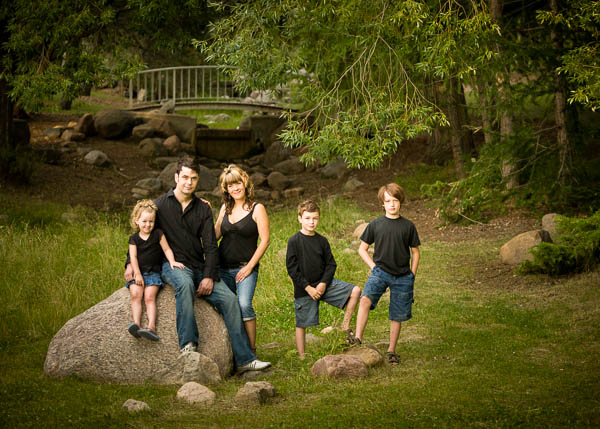
portrait-clothing-004

In the image below everyone is in black except the baby. Babies are always tough because finding plain colours or black for a baby is almost impossible. Notice two things here.  #1 the baby stands out the most, and in this case that’s fine because she’s the smallest and you want to see her.  #2 if that had been an adult in the light outfit do you think it would work as well?  Doubt it, the result will be that person will stand out and look larger. No one likes to look bigger!  Trust me.
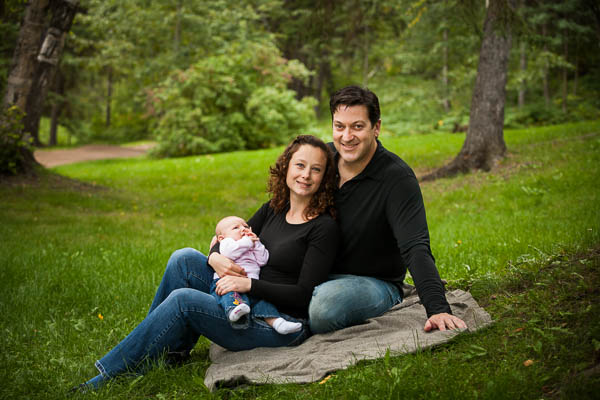
portrait-clothing-005

This is my sister’s family so they’ve been well trained on what to wear (I even got in this phone). Once again dark tones have been selected: greys, deep purple, and navy. Those all work well with jeans. Can you see the difference between me wearing long sleeves (left) and my sister wearing short sleeves (upper right)?  What does it do to the bare arms? How do they look compared to mine?
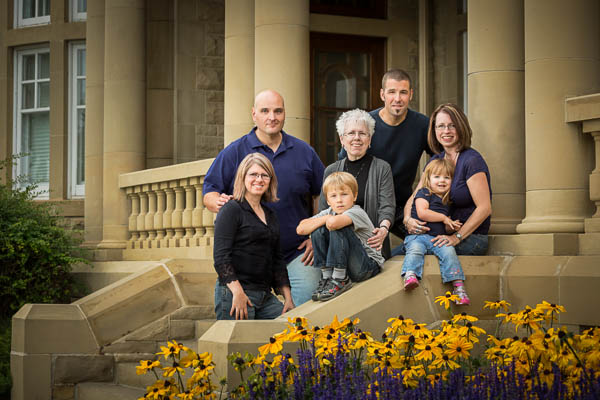
portrait-clothing-007

How to get them to agree and follow your suggestions

The key to explaining all this and getting people to agree and go along with your suggestions is in HOW you tell them. If you just list off all this stuff it can seem a bit pushy and like you’re telling them what to do. Most assume they know how to dress themselves and giving them a list could make them feel a tad insulted so they get defensive rather than listen to your suggestions.

Photography is part technical stuff, part artistic stuff and part psychology!

Let’s look at my recommended list again but this time adding in the WHY. By stressing the benefit to the subjects, or why they would want to do this, they will “get” it in a big way. Like I said, I have very few portraits that I’ve done in the last ten years that show up in poor clothing because I’ve prepped them so well and they know that if they want to look their best they will follow these guidelines.

  • wear solid coloured clothing so that we see all of your faces and no one person stands out. If you wear stripes or flowers, you will stand out from the rest of your group.
  • choose muted tones that are a bit subdued so that you are the subject not your clothes and you don’t stand out from the group. Bright colours project (especially reds, oranges, and yellows), which also makes you look larger.
  • choose similar tones for your top and bottom (both dark or both light) so that one doesn’t look bigger than the other.  White top, dark pants will make your top look bigger.  White pants, dark top will make your butt look bigger.
  • choose 1-3 colours for your group portrait, ones with similar tones that go nicely together and have everyone work within that colour palette. For example: dark green, navy, and burgundy – all dark jewel tones.  OR tan, a lighter olive green, and denims – all lighter, softer tones.  So that we see the people first and your portrait looks stunning. Wedding group photos look so good because they’re all wearing the same colours and the people stand out!
  • choose a top with sleeves at least to the elbow  because your arms take up more skin area than your face and will draw attention and it may also make your arms look larger
  • choose long pants for men/ladies or a skirt below the knee for ladies so that your legs don’t take attention from your faces, and you will be able to sit and bend without showing too much leg
  • choose dark socks and footwear (unless it’s a barefoot photo on the beach) because white just sticks out like a sore thumb and that’s all you’ll notice in your portrait
  • keep jewellery simple and minimalistic because too much draws attention from your face
  • do your hair the way you’d normally do it while wearing these clothes – no fancy up dos with jeans, no pony tails with evening gowns, etc. This is common sense, or so you’d think, but I’ve had ladies go to the hair salon and get fancy up dos then show up in jeans and a t-shirt.  It just simply doesn’t make sense cause you wouldn’t normally do that to put on jeans and go to the park for a BBQ or something. So tell them “it is because your portrait will be more timeless and represent more closely who you are, not just what you look like.”
  • if getting a haircut or new hairdo, make your appointment at least 2 weeks prior to your portrait session – again this seems like a no brainer but you’d be surprised! Fresh hair cuts rarely look their best the same or next day. Ladies need time to practice working it, men need it to grow out just a little. Allow some time to live with your new look before your portrait session.

See a common thread in my notes above?  Most people have the same fears about being photographed – yes fears!  Being photographed is right up there on the fear list next to public speaking and going to the dentist, I kid you not!  Their fears are about looking stupid, not knowing how to stand or pose, and looking fat or old. So if you can help them see that these clothing tips will allow them to eliminate at least one of their fears before you even start, then you just have to deal with all the rest later!  Most of clothing suggestions has to do with helping them look slimmer and not stand out. How to stand and pose to minimize weight issues is another article, stay tuned!

Putting it all together

You may notice most of the “good” examples here are wearing dark colours. That’s pretty common as most people have heard that dark or black makes you look slimmer. To some degree that’s true. But light colors can work too if everyone in the group does similar, then the one person in dark clothes would stand out. Little kids in denim and white tops with bare feet is super cute, as is little girls in white sun dresses. Don’t be afraid of other colours or tones, just keep them similar. Some of my largest extended family groups over the years that have done the best even went as far as to put each family unit in their own colour scheme (one in browns, one in greens, etc) and mom and dad in another – all with dark jeans.  I’ve also had some ladies go as far as to buy everyone a matching shirt.

The thing is once you get them on board and understanding the logic behind it – the WHY – they will go to great lengths to make it work because they know it’s for their benefit!
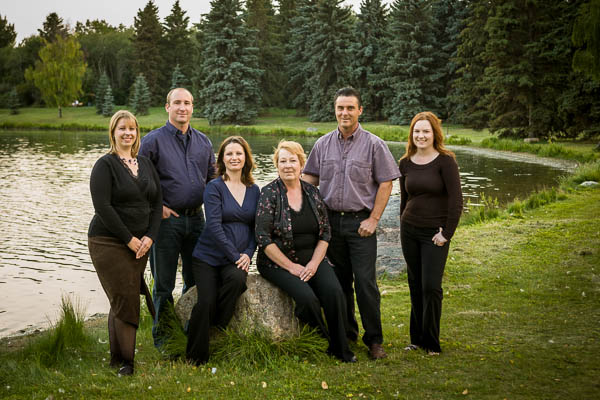
portrait-clothing-006

Action Plan

If this all sounds like a lot and is overwhelming, feel free to copy my list and make a little sheet to hand out to people.  Just make sure you add the benefits, like in my second list.

Show me your successes or ones that didn’t work out so good. I’m happy to give suggestions on how to improve it for next time.

Post originally from: Digital Photography Tips.

Check out our more Photography Tips at Photography Tips for Beginners, Portrait Photography Tips and Wedding Photography Tips.

Clothing for Portraits – How to Tell your Subjects What to Wear


Digital Photography School

 
Comments Off on Clothing for Portraits – How to Tell your Subjects What to Wear

Posted in Photography


Art or Intrusion? Photographer Johnny Tergo’s ‘drive-by’ Portraits

11 Apr

MG_7543_printed_V2.jpg

Street photography isn’t everyone’s cup of tea, and for every Cartier Bresson, watching from a distance, there’s a Weegee, pushing a camera into the faces of their bemused subjects without asking permission. Los Angeles-based photographer Johnny Tergo has taken this approach to a new level, rigging up his truck with a camera and bright studio strobes in order to ‘bring the studio lighting aspect to everyday real life on the streets’. Click through for the full story, and images (via wired.com)

News: Digital Photography Review (dpreview.com)

 
Comments Off on Art or Intrusion? Photographer Johnny Tergo’s ‘drive-by’ Portraits

Posted in Uncategorized


Window Light Portraits: Weekly Photography Challenge

06 Apr

During the week we posted a simple exercise here on dPS to practice working with Natural Light (from a window) when taking portraits.

Today we thought it might be fun to make the exercise this weeks photographic challenge as it’s both simple to do and something that has the potential to teach you a lot (and all you really need to do it is a camera and a window (or even a door would do).

3 directions window light

Read the exercise here and then get to taking some window lit portraits!

Once you’ve taken your ‘Window Light Portrait’ image and have upload it to your favourite photo sharing site either share a link to it or – embed it in the comments using the our new tool to do so.

If you tag your photos on Flickr, Instagram, Twitter or other sites with Tagging tag them as #DPSWINDOW to help others find them. Linking back to this page might also help others know what you’re doing so that they can share in the fun.

Also – don’t forget to check out some of the images posted in our last challenge – Sunlight challenge where there were some great images submitted.

Post originally from: Digital Photography Tips.

Check out our more Photography Tips at Photography Tips for Beginners, Portrait Photography Tips and Wedding Photography Tips.

Window Light Portraits: Weekly Photography Challenge


Digital Photography School

 
Comments Off on Window Light Portraits: Weekly Photography Challenge

Posted in Photography


The Importance of Location for Outdoor Portraits

02 Apr

By Annie Tao

Just like in Real Estate, Photography is about location, location, location. Well, sort of. It’s not as much the beauty of a location, but rather, the quality of the light at a location.

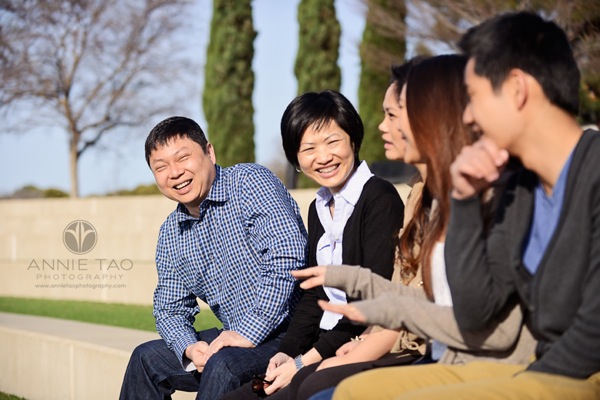
Case in point, my shoot this past weekend was of a lovely family in a seemingly lovely location. It was a small, narrow park that wrapped around a large lake. Sounds pretty, but the light was not desirable for portraits. Imagine clear skies and a sun that was as bright as can be! There weren’t structures or large trees to provide shade.

Why is this bad? Direct sunlight on clear, bright days means high contrast, squinting subjects, and unflattering shadows.

Can you still make this work? Certainly, but the kinds of shots are not as varied because of the location.

[FYI: For outdoor lifestyle sessions, I shoot entirely in natural light. This is my style of shooting. This article does not apply if you use lighting equipment or accessories outside.]

Since my clients chose the location for sentimental reasons, it was worth starting
there. Then we got in our cars to find a different location… one that has objects to diffuse the sunlight as well as add interest to the images.

First Location

Even from this one image, you can tell that it is a pretty location, but you can see that the trees are thin and the sunlight is super bright.

Annie Tao Photography San Francisco Bay Area lifestyle photography family in the bright sun LOCATION ONE

Second Location

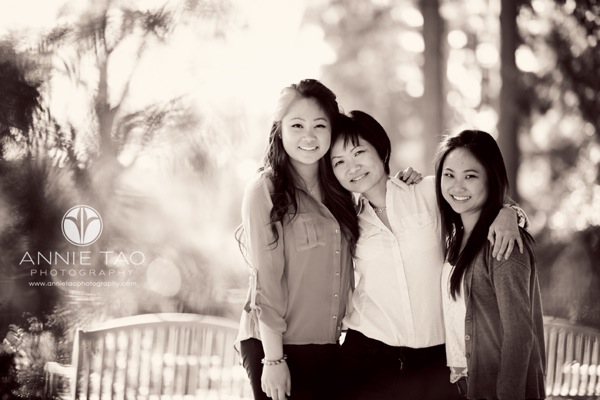
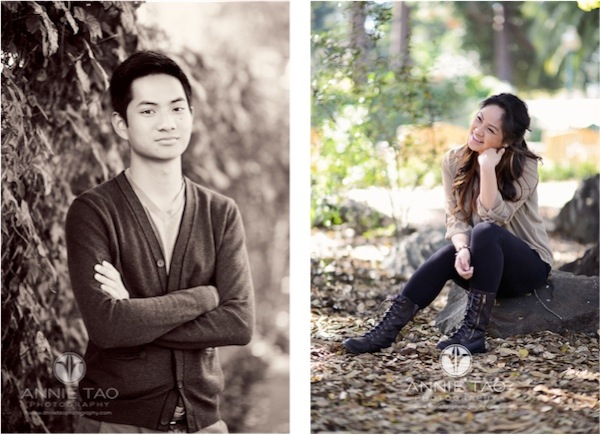
These images are examples of what can be achievable with the right light and location.

Annie Tao Photography San Francisco Bay Area lifestyle photography mom with her adult daughters

Annie Tao Photography San Francisco Bay Area lifestyle photography young adult sitting on rock

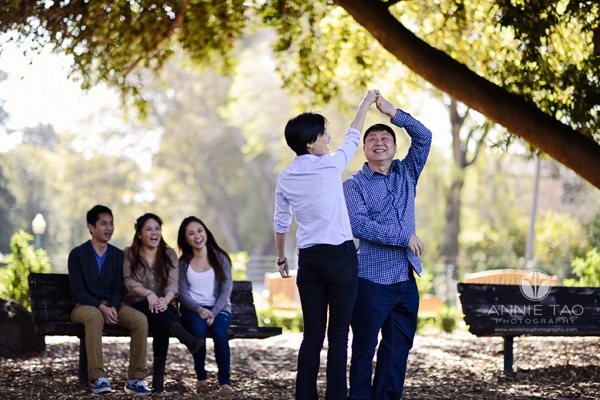
Annie Tao Photography San Francisco Bay Area lifestyle photography parents dancing while their children watch on a bench

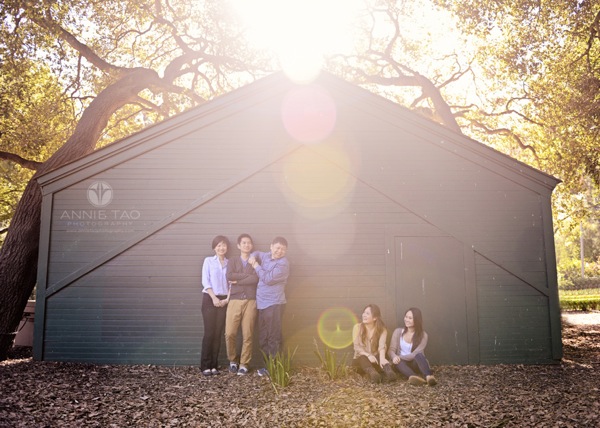
Annie Tao Photography San Francisco Bay Area family photography family against a barn with trees and sunflare

Photography Tip:

The key to finding the perfect location for outdoor portraits isn’t to find one that has the prettiest elements, but rather, one that has objects that provide shade when there is bright sun.

That doesn’t mean you have to shoot in the shade the entire time… or even at all!

Having these objects around will give you diversity in backdrops as well as a way to diffuse the harsh light on clear days.

Annie Tao is a Professional Lifestyle Photographer in the San Francisco Bay Area who is best known for capturing genuine smiles, emotions and stories of her subjects. You can visit annietaophotography.com for more tips or inspiration and stay connected with Annie at facebook.com/annietaophotography.

Post originally from: Digital Photography Tips.

Check out our more Photography Tips at Photography Tips for Beginners, Portrait Photography Tips and Wedding Photography Tips.

The Importance of Location for Outdoor Portraits


Digital Photography School

 
Comments Off on The Importance of Location for Outdoor Portraits

Posted in Photography


A Simple Exercise on Working with Natural Light in Portraits

01 Apr

Today I thought it might be fun to share a little exercise that we feature in our Natural Light eBook (by Mitchell Kanashkevich) – both because it gives you a taste for the content but also because I think it’s a useful exercise to do to help you understand light and photograph portraits using it.

This exercise is particularly useful because one of the differences in shooting with natural light as opposed to artificial light is that with artificial light you’re able to ‘direct’ the light (by moving lights around your subject and changing how much those lights output).

When it comes to working with natural light we need to learn to direct ourselves and/or the subject in relation to the light source.

Rather than moving lights around… it is us (and the subject) that may need to be moved.

The exercise is simple:

Find a room with a window allowing fairly bright diffused (indirect) light.

Get your subject to move to different spots in relation to the window. Move around with the subject, take photos, and pay attention to what effect the movement of both of you has on the way that light makes the subject look.

For the eBook Mitchell did this exercise with his nephew. Below are the images and corresponding diagrams of where the subject was in relation to the window and below are descriptions of the shots, EXIF information and what Mitchell did and what impact that had on the shot.

3 directions window light

1. The subject is turned at approximately 45° towards the window.

Result: A very smooth progression of light to dark tones.

EXIF: 16-35@35mm, f/2.8, 1/125s, ISO 2000

2. Subject is at 90° or parallel to the window.

Result: Very harsh contrast between the side of the face close to the window and the side further away from the window.

EXIF: 16-35@35mm, f/2.8, 1/200s, ISO 500

3. The subject is at 90°, parallel to the window, with his head turned towards it.

Result: Light still works the same way, but instead of one side of the face being dark, the face is well lit and it is the back of my nephew’s head which is dark.

EXIF: 16-35@35mm, f/2.8, 1/125s, ISO 500

Mitchell also notes: Having a light source such as a window also gives you control over the intensity of light. The further away you are from the light source, the less intense it is. Less
intensity also means less contrast between light and dark.

I did this exercise recently with a family member and was fascinated with the results and was also reminded what an incredible variety of styles of shots that you can achieve – all in the one setting but by simply changing up where you position yourself and your subject.

Give the exercise a go and let us know how you go!

Get more exercises and teaching like this from Mitchell in his Natural Light eBook.

Post originally from: Digital Photography Tips.

Check out our more Photography Tips at Photography Tips for Beginners, Portrait Photography Tips and Wedding Photography Tips.

A Simple Exercise on Working with Natural Light in Portraits


Digital Photography School

 
Comments Off on A Simple Exercise on Working with Natural Light in Portraits

Posted in Photography