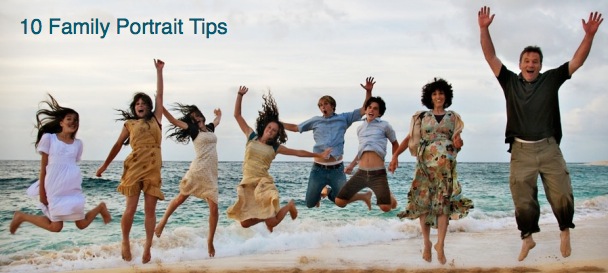
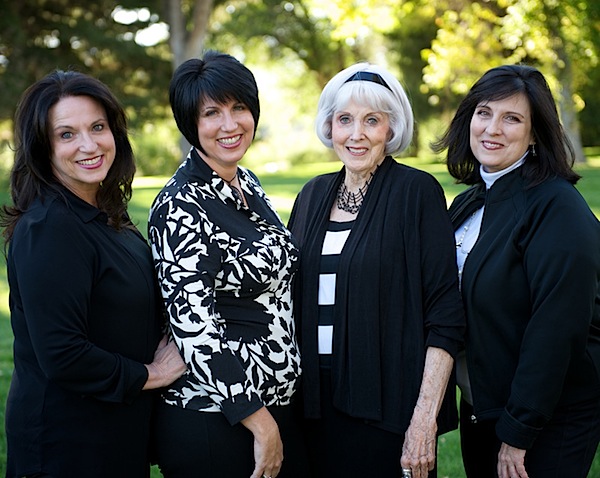
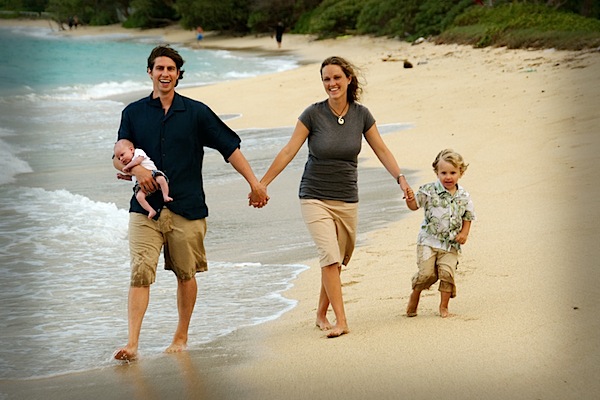
RSS
 

Posts Tagged ‘portraits’

3 Tips for Creating Outstanding Portraits, Inspired by the work of Dutch Artist Van Gogh

17 Jul

A Guest Post by Oded Wagenstein

Few months ago I visited the Metropolitan Museum of Art in NYC. Upon arriving there, I immediately ran to see the work of the artist who influenced me the most: Vincent Van Gogh; the artist who changed the way we look at color as a tool for telling stories; an artist who had nothing in his pockets but had a never-ending passion for creativity and innovation.

In this post I decided to share some work methods and tips that I have learned from the portraits of this great artist. Methods I TRY, just try, to apply in my work as well.

3 Things I learned about Portrait Photography from Vincent Van Gogh’s Work

Tip 1: Use Light as a Tool for Telling Stories in Your Portraits:

You can treat “light” in one of the two ways below:

  • Something that just illuminate your subjects. An existing fact, which you cannot control
  • A creative tool. Something to be aware of, as being aware of the lens or the camera you are using

Source of Inspiration

Notice how the light affects the story in this drawing of a Peasant from Nuenen.
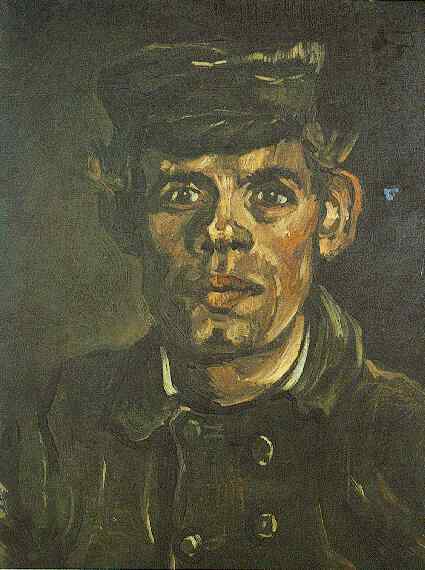
Vincent van Gogh Head of a Young Peasant in a Peaked Cap

The choice to create the peasant’s portrait at night (or a dark room) under the pale light of a single bulb, which forms many shadows on his face, strengthens the dark feeling coming from this image- a feeling of a hard working man. You can imagine that creating the portrait of the same guy, in daylight, in an open space, would create a completely different story.

My Interpretation:
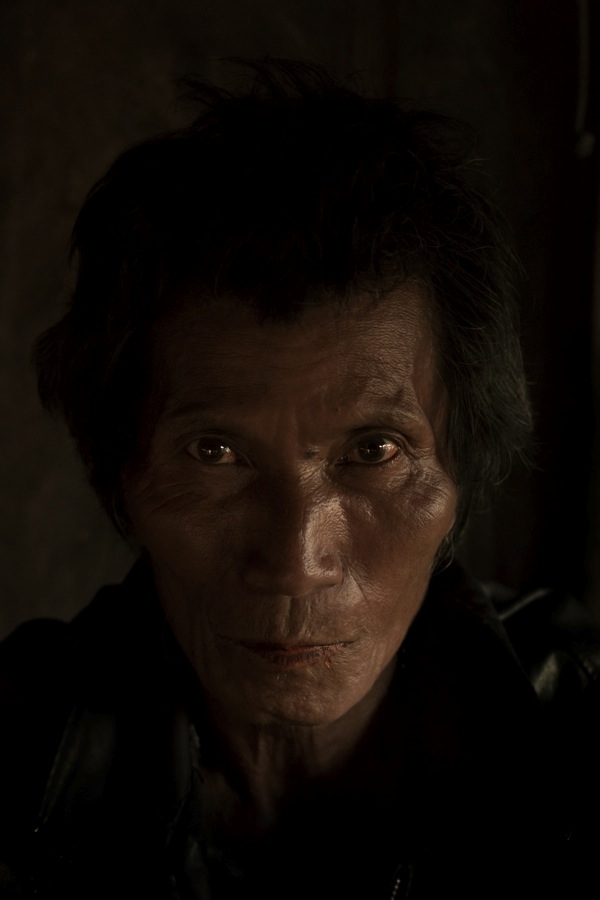
F11A3438
In this image of Apollo-mo, a 61 years old farmer and village shaman from the Akha community in Laos, I tried to create the same “hard working” feel as in the “Peasant from Nuenen”. I chose to capture Apollo indoor (keeping him also very compressed inside the frame) with this dark background and dramatic, single source light coming from his right side, creating very deep shadows on his face. Of course I could photograph Apollo at any other time: Laughing with his family and grandchildren, working under the soft light of the sunset and so on. Yet,I chose to show him as I perceived him – as a hard working man with a difficult life story.That’s exactly what I wanted the viewer to feel.

Tip 2: Harnessing the Power of Complementary Colors

Van Gogh’s use of color was groundbreaking and many books and theses already examined the issue in depth. What I would like to present here is a small fraction of his approach on color: Understanding the power of complementary colors.

You can think of the complementary colors (and this is going to be a very shallow way of putting it) as two colors, sitting side by side, and by doing so, creating a great impact on the viewers.

Color star en svg

Van Gogh often used complementary colors in his works. Green and red, orange and blue, purple and yellow – he’s done it all.

In my work, I try to keep this principle of complementary colors in mind.

Source of inspiration:
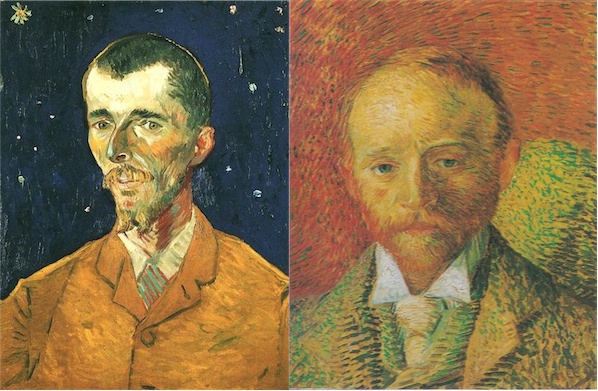
Van gogh

My interpretation:
Red and green or orange and blue are working together to create a stronger portrait.
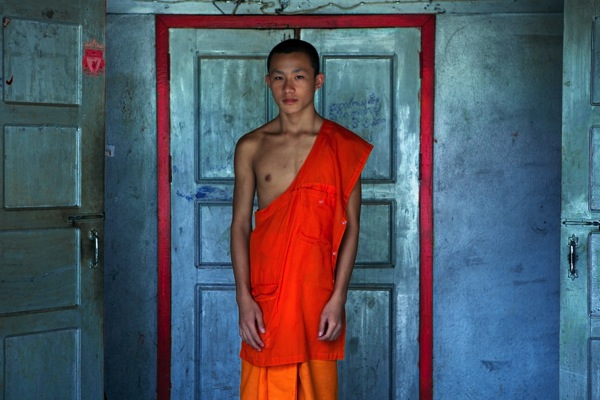
Monk

Tip 3: The Power of the “Off Camera” Gaze

In Most portraits, either photographs or paintings, the person looks straight at the viewer. Van Gogh’s work taught me that sometimes, when a person is looking “off camera”, it can give my image some sort of natural feeling, sometimes melancholic, yet always powerful.

Source of inspiration:
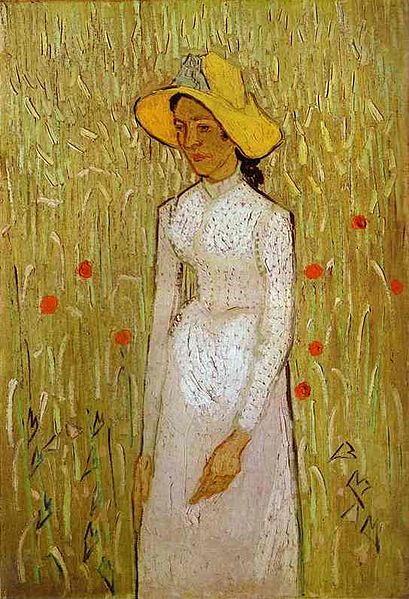
409px Van Gogh 2

The artist made this painting during the last months of his life. And although the situation appears seemingly nice (woman standing in a field) the sadness and hardship is certainly present, mainly due to the off camera gaze.

My interpretation:
So when I want to convey a feeling of hardship or sadness I will try to capture my subject in an unguarded moment, looking off camera.
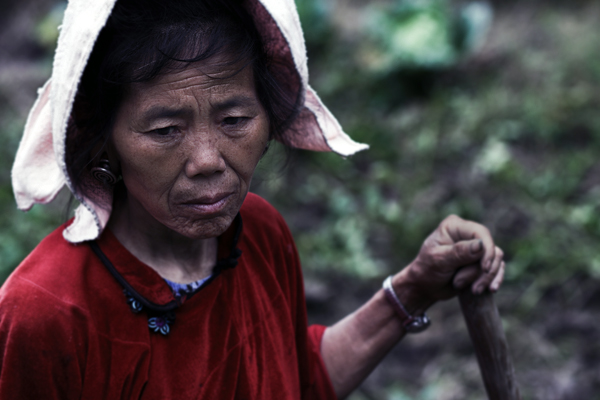
Woman in field A

This off course can be done only if you get a good relationship with your subject, enabling you to work in a close distance and still be “transparent”.

I will not tell the subject what to do (“now, look off-camera and act sexy”). I will just wait for the right time to click the shutter.

Conclusions

Using light as a creative tool: Try to match the story you want to tell to the light being used. One possibility is to control the light: flash, reflectors, etc. the more simple option is to just choose the right time to shoot. Dramatic story? Choose a time when there is a harsh or dramatic lighting situation. A story about the happy moments in life? Let your light to convey this feeling by working in a soft, full of color light, like in the golden time (before sunset or right after sunrise)

Watch for complementary colors: in order to create powerful portraits.

Think about the subject’s looking direction as a creative tool: Sometimes an off camera gaze can give your story outstanding emotional impact.

The story of Vincent van Gogh Is sour – sweet. On one hand, an artist whose paintings are known by everyone and sold today for millions of dollars. On the other hand, an artist who had a great financial and emotional struggle over his life-time.

Oded Wagenstein is a Travel photographer and writer. He is a regular contributor to the National Geographic Traveler magazine (Israeli Edition) and he is known for his intimate culture portraits. You can join his Portrait & Travel Photography blog and continue to discuss on travel and people photography and get more amazing tips!

Post originally from: Digital Photography Tips.

Check out our more Photography Tips at Photography Tips for Beginners, Portrait Photography Tips and Wedding Photography Tips.

3 Tips for Creating Outstanding Portraits, Inspired by the work of Dutch Artist Van Gogh

Digital Photography School

 
Comments Off on 3 Tips for Creating Outstanding Portraits, Inspired by the work of Dutch Artist Van Gogh
Posted in Photography


11 Tips for Photographing Senior Portraits

25 Jun

A Guest Contribution by Meghan Newsom.

When it comes to planning for sessions, seniors are some of my favorite people to work with. Don’t get me wrong, I love families, children, engaged couples and wedding ceremonies.. but seniors are close to the top of my list.

Dps1Ashleyedited21

Why, you may ask? It’s simple: seniors are excited to model, seniors are some of my best marketing tools, and seniors know what they want. They also have a great sense of style, which translates well in their photographs.

When a high school senior books a session with me, I do several things right from the start to help them know I am excited about working with them. I also do my best to get to know them so I can tailor their shoot to fit them perfectly. I find that if you do these things, your session will not only run smoothly, but you will have a client who LOVES to refer you to their friends.

Dps2Ashleyedited52

Before the Shoot

1. First things first, let them know how excited you are to work with them. Since seniors are all about social media, I tweet about how excited I am to work with them and plan their session a few days after they book with me.

2. Next, I send each senior I book a tailored questionnaire so I can get to know them better. Some of these questions found in their questionnaire include:

  • What are some of your favorite features about yourself?
  • What do you want to remember most about this time in your life?
  • Are there any specific locations you have in mind for your shoot?
  • How would you spend your ideal Saturday?
  • How would you describe your personal style?

3. Even though seniors are on top of the latest styles, they often need help when it comes to deciding what to wear to their session. So, a week before their session I send them a link to a pinterest board I have created to help give them specific ideas of what to bring with them. This small act not only helps your client, but it will also help you achieve the look you want in your own portfolio.

Dps3edittaryn17

Dps4elamgirls2012christmas112

At the Shoot

The morning of the session, I contact my client to make sure they know what time and where we are meeting up. I make sure they have their outfits picked out, and give them one more opportunity to ask me any questions they see fit.

During the session I do several things to make the couple of hours I have with them memorable and stress free (and fun!!) for my senior client. You can do this too by doing the following things:

1. Seniors are at an awesome stage in their lives, they have their whole future ahead of them. Talk with them, ask them questions, find out what their plans for the future are. Encourage them and invest in them while you are with them. They will feel appreciated, valued, and will feel confident hearing assuring words from an adult that isn’t their parent.

2. Most seniors have never been in front of a professional photographer other than the cheesy pictures their parents had them take when they were younger. Make them feel comfortable. Praise them when they look good in front of the camera. I love to turn my camera around and show them some little peaks of how well they are doing. THEY LOVE THIS! It will encourage them to keep up the good work, and will give them confidence in their appearance.

3. Posing. You may have some go-to poses you use for your seniors. But since each person is uniquely different, you need to have several tricks up your sleeve. Enter my i-phone. Recently I have been taking screen shots of poses I am inspired them and putting them into albums on my i phone. When I hit a rut, I whip out my phone and look at my posing guides. At first I thought this was like “cheating” during a shoot, but my seniors LOVE IT! They think it is so cool that I thought of them enough before hand to plan for their poses during their session. Again, this makes them feel valued. I have a great Pinterest board to help you out if your stuck in a rut.

4. Props. I love to bring small props for my seniors to hold or sit on during their session. This could mean an old folding chair, a cute beach hat, an old quilt.. or even some books. Some people feel really awkward in front of the camera at first, so these little props give them something to do with their hands while they are adjusting to your presence.

Dps5katie44

After the Shoot

After their session, you can keep up the “hype” by doing several things:

1. The following day post a “teaser” or “sneak peak” photo from their session onto facebook. This is another reason why I love seniors. They will share that teaser with all of their friends through social media, which means more publicity for you and your business!

2. The following week, after I have edited all of their images, I will send ten images to them through PASS. They will also share these images through facebook, and it will give them a great idea of why they should purchase a disc with ALL of their high-resolution images from me.

3. As soon as I have all of their images edited, I will order a custom book for my seniors and send it to them along with a really appealing package. The package includes a hand written note, business cards, and other little goodies I sneak in for them. They always love how personal I make these for each of them (another great reason so send them a questionnaire and get to know them well during the session!)

4. After they have their images, blog all about their session, including images they haven’t seen in the ten I sent them. This blog post will also be shared through social medial to their friends and family (more free advertising!).

Dps6kirk8

In post processing senior photos, always remember that you are photographing for their parents as much as you are your senior client. I keep “fad” type editing out of the equation because I know ten years from now their parents will want a solid (not overly processed) image on their wall.

Instead of using “fad” editing techniques, I always let the style speak through the locations I choose. You can easily do this by choosing old brick buildings, abandoned farm houses, fields of cotton etc. The seniors love this, and their parents will appreciate the timelessness of the photographs they receive.

Dps7kamieditedw

It is not hard to rock a session with your seniors, it just takes some extra things to go above and beyond so they know you appreciate them and want to know them. All of those extra things will make your client feel special, and will translate into those coveted word of mouth referrals for you and your growing business!

Meghan Newsom is a lifestyle and wedding photographer located in Northern Alabama. When she’s not writing for her lifestyle blog, cooking up gluten free recipes, or taking pictures, you can find her exploring outside with her husband and pup.

Post originally from: Digital Photography Tips.

Check out our more Photography Tips at Photography Tips for Beginners, Portrait Photography Tips and Wedding Photography Tips.

11 Tips for Photographing Senior Portraits


Digital Photography School

 
Comments Off on 11 Tips for Photographing Senior Portraits

Posted in Photography


How to Shoot Portraits without People

18 Jun

Here’s a riddle! Or the toughest photo assignment ever.

How do you shoot a portrait without any people in it? Or a landscape without any land?

While thinking about how Ansel Adams might shoot that second one is fun, we’re totally enamored with Camilla Catrambone’s response to the first.

She shoots portraits of people not by having them sit for her but by laying out a person’s belongings and photographing that instead!

Camilla shows us her grandfather with an old rotary phone, a watch, a well-worn leather briefcase. Her grandmother — a red comb, a collection of silver spoons, a pearl necklace.

It’s the things we choose to surround ourselves with that tell the story of who we are.

Photographing a person’s possessions is a way of bringing that person to life. What a way to solve a riddle.

Also, see: Scanography — self portraits via scanner and What’s in your bag?

Portraits of My Family by Camilla Catrambone

Related posts:

  1. How to Shoot Impromptu Street Portraits This weekend, spend some time outdoors, explore a new neighborhood,…
  2. How to Shoot Dreamy Double Exposure Portraits + 5 Awesomely Inspirational Photographers Haunting, dreamy, and gorgeous all at once, double exposures of…
  3. Did Simon Hogsberg Shoot the Widest Photo Ever Taken? The trouble with photographers like Simon Hoegsberg is that it’s…


Photojojo

 
Comments Off on How to Shoot Portraits without People

Posted in Equipment


Get an Invisible Black Background to Your Portraits – Shooting Anywhere [VIDEO]

14 Jun

In this video Glyn Dewis demonstrates how he gets his ‘Invisible Black Background’ effect when taking a portraits which will allow you to take a low key atmospheric portrait with a black background anywhere – even outdoors as he does in this video.

To get the shot Glyn just uses his DSLR, a single Speedlight Flash, a cheap umbrella and a PocketWizard to trigger the flash (although you can do this with any method of triggering a remote flash that you have).

Want to see some more examples of what can be done with this effect – check out Glyn’s blog posts on the topic here and here.

Post originally from: Digital Photography Tips.

Check out our more Photography Tips at Photography Tips for Beginners, Portrait Photography Tips and Wedding Photography Tips.

Get an Invisible Black Background to Your Portraits – Shooting Anywhere [VIDEO]


Digital Photography School

 
Comments Off on Get an Invisible Black Background to Your Portraits – Shooting Anywhere [VIDEO]

Posted in Photography


Family Portraits Dos and Don’ts

13 Jun

Pin Itfamily-portraits.jpg

For a photographer, skills in family portraits are are essential and are usually the bread and butter for up and coming photographers. Looking at the history of photography, one of the first popular uses the camera was not for abstract art, or photographing the family pet, but for photographing people and their families. Because of the expense and difficulty of each photo taken, they became masters at getting things right the first time and being able to fit in as many people as possible into the frame. In order to hone in on the small things that make a difference in this classic and often overlooked form of photography, I have come up with my five DOs and five DONT’s of Family Portraits. I’ve also included a few examples from portrait sessions we have done.

Family Portraits DOs

1) Do squish your groups together

Most likely, even though they are family they won’t be getting close enough. Maybe it’s an American personal space thing, but it’s always been an issue for me and having everyone in tight truly makes a difference in the tone of the picture. When families are physically close, it emits a warmth and visually shows what families should be like…close. Even if you are photographing the Adam’s family, when you get everyone rubbing shoulders they look like a model family and the overall composition is more finished than a typical snapshot. As a starter, try having people stand at slight angles with shoulders overlapping. Also, consider the age of your family. If Grandma is present, make sure you have a chair for her. If grandma and grandpa are both there, you’ll will need two chairs.

family-portraiture.jpg

2) Do coordinate clothing

Before you meet with your family you should guide them in a wardrobe choice. Ultimately it is up to them and their families style to choose what they wear but simply reminding them to possibly overlap in a color scheme, avoid extreme colors, prints and logos on their clothing can make a big difference. This will give you an easier time post production, and you will have both options in color and black and white. As I said, it’s their picture and their choice, but a casual recommendation from a professional is usually appreciated.

3) Do check the screen for blinking

Shooting and shooting is OK for one or two people, but in a larger group it can be hit and miss and you may miss that one photo where everyone has their eyes open. I used to think “Hey, its digital. I’ll use the rapid fire method and surely I’ll get one right.” After a few sessions of transplanting eyes from one photo to another in Photoshop, I’ve changed my methods. You can get away with a weak smile but if someone looks like they are sleeping or on drugs in their first family portrait in 10 years, the customer may not be too happy. With experience you learn to quickly scan across everyone’s eyes in an instant.

4) Try and be funny to get some genuine smiles

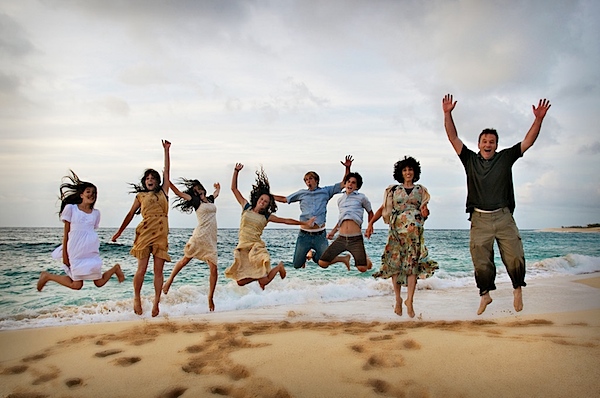
A few cheesy jokes work surprisingly well to break the tension. A typical photographer joke might be saying “Ok, I need everyone to get in focus.” Or asking everyone to strike their best glamor pose. Other ways to get a smile is to get them doing something they don’t normally do. Have them try jumping, running, human pyramids or whatever comes to mind. If you have a one-liner you’ve used SUCCESSFULLY, or a creative and fun pose, sound off in the comments for the rest of us.

family-portraits.jpg

5.) Do try and blur the background

Choose the largest aperture setting you can, while still keeping everyone sharp. An aperture of 2.8 might make the trees and shrubbery look silky smooth, but it might make Uncle Bob at the end of the line look fuzzy. This is especially a problem when everyone is standing on different focal planes. The solution is often to shoot a few clicks smaller than the lenses widest aperture, then use the preview screen and zoom button on your camera to make sure everyone is looking good. Then adjust and continue. If you’re really serious about this, I’ve even heard of photographers setting out cups length-wise on a picnic table to estimate the distances you start to loose focus. Seems extreme to me, just don’t forget about Uncle Bob.

family-portrait-tiops.jpg

Family Portraits DON’TS

1.) Don’t forget to check ALL your basic camera settings before clicking away

ISO (go as low as possible), Image Size (RAW, fine), Exposure Compensation, Metering etc. It would be sad to get to the end of a great session and realize you didn’t change the low quality settings from the last time you used your camera shooting Garbage Pal Kids you planned on selling on Ebay. Of course in-door and out-door settings will differ as will naturally lit an artificially lit.

2.) Don’t let your subjects tilt their heads into each other

This is fine for your everyday Joe at the family Bar-b-que, but not a paid photographer. Subjects tend to think they will fit into the picture better if they tilt and lower their heads. Funny thing is, I’ve even caught myself doing this when I was being photographed. Watch for it and avoid it. There is always the lovey-dovey pose where they intentionally lean heads in, but that’s not what I’m talking about.

3.) Don’t sound insecure

Don’t say things like “This isn’t working.” Rephrase it into a positive, “Great, lets try a few more positions.” The more you tell them the pictures are looking great the better looking the pictures will get. Think high fashion cliche’s like, “Love it,” “Your beautiful,” “What a great one.” If you act like you have never seen such great photos the energy will give you just what your looking for and they will show confidence in their smiles.

family-portraits-tips.jpg

4/5.) These last two may seem to contradict each other so I want to put them together. 4.) Don’t let Mom run the show. 5.) Don’t be afraid to let Mom, Dad, and kids come up with ideas and posing.

First about Mom. We all remember the drill, no running, no jumping, no dirt, and pretty much no fun until after the pictures. If you do this you can get a treat on the way home. This is probably the best way to ruin family picture day for the rest of every 8 year old’s life. Besides the fact that it is almost impossible to control what 8 year old’s do, it makes for bad portrait sessions. If you are sensing a strong arm from Mother, make sure to get the squeaky clean formals done right off the bat. They are easy and traditional. After that let mom know that you’ve got it covered and now you want to have fun with the kids. Let them be kids, let them wrestle and play and capture them at their best. Once in awhile you will find families that are more relaxed. They may have seen fun family photos of their friends and want do do some in a similar fashion. Take their suggestions without letting them think you have none of your own and work them in. Often they will turn out great and they’ll feel like they had a little more to do with the pictures than just a pretty face.

Pin It

Post originally from: Digital Photography Tips.

Check out our more Photography Tips at Photography Tips for Beginners, Portrait Photography Tips and Wedding Photography Tips.

Family Portraits Dos and Don’ts


Digital Photography School

 
Comments Off on Family Portraits Dos and Don’ts

Posted in Photography


5 Tips For Capturing Great Street Portraits

27 May

A Guest Post by Desmond Louw

I just love street photography and with this comes street portraiture.

DPS post 02.jpg

It can be a bit daunting to go up to a stranger and ask them to take their photo, but after a day or two it becomes addictive!  Here are some tricks that might make it a bit easier for you:

Trick number 1

?Always have your camera with you, don’t lug your whole photo bag or a tripod around like a tourist in your own town, just have your camera body and one lens handy. It sucks walking in the street and seeing something awesome and not having my camera with me!

DPS post 13.jpg

Trick number 2

?Have a good lens, this makes a huge impact. I like the 50mm F1.4/F1.8 and the 85mm F1.4/ F1.8, they are also small and relatively lightweight.

DPS post 01.jpg

The wide aperture isolates your subject nicely with a shallow depth of field.

Trick number 3

?Don’t use a flash! Remember you want to maintain a low profile. Rather push your ISO up if you have to. I personaly think an onboard flash could spoil a photo.

DPS post 07.jpg

Trick number 4

?Before approaching a person to ask him or her if you can take a photo, have your settings spot on. When they say yes, lift your arms and snap snap snap, say thank you, and walk away. Easy.

DPS post 09.jpg

Trick number 5

?If you are taking a shot of someone without them knowing, keep the auto focus assist light off, otherwise they will see it and spoil the mood.

DPS post 14.jpg

Connect with Desmnd Louw at his website and on instagram where his id is – desmond_in_capetown

Post originally from: Digital Photography Tips.

Check out our more Photography Tips at Photography Tips for Beginners, Portrait Photography Tips and Wedding Photography Tips.

5 Tips For Capturing Great Street Portraits


Digital Photography School

 
Comments Off on 5 Tips For Capturing Great Street Portraits

Posted in Photography


Home Is Where The Heart Is: How To Take Portraits In It

24 May

by Lynsey Peterson.

Homephoto1 1

I hate nature. There. I said it. It’s like glitter—it seems like such a fun idea but no matter how careful you are, it gets all over you and 7 showers later you still find it in your hair. This is further complicated by the fact that I live in what is known around the planet as one of the most beautiful places in the world. As a photographer, it’s dreamy situation; I could photograph a family in a parking lot (and I have) and the surroundings are more beautiful than many conventional parks in the world. So most of the time I have to suck it up and schedule an immediate shower after to get the nature off me already.

But every once in a while I have a client request to do a shoot in their home. This is usually because I also live in a place where it’s about 30 degrees outside for a couple months of the year. Even if you don’t ever have snow on the ground where you’re at, beyond just avoiding nature there are lots of good reasons to photograph people in their homes.

People are comfortable in their homes, surrounded by their stuff. They know where the bathroom is and that if there is an emergency drink of water or fruit snack situation, it will be handled quickly and with ease. But photographing in a home, especially if you have never seen it before is usually a bit of a gamble. Lighting, space, simplifying………the fact that they neglected to mention they have a mannequin head collection in their living room……all can create hurdles. Here are some basics that will help you jump those mannequin head hurdles.

Homephoto2 1

Find the Light

In every home, there’s natural light. You need one good window; it can be anywhere and face any direction. Ask to see the whole house, explaining that you aren’t allergic to the inevitable laundry piles that have likely been shoved into the rooms they weren’t planning on you seeing. An entire shoot can take place in a kid’s bedroom, or a kitchen, or even a bathroom (Probably. If it’s a fantastic bathroom. And if it’s that fantastic of a bathroom, by all means you’ll want to see it.)

Often I end up in the master bedroom where there is likely a large window and enough space to work with. Even if you shoot with flash, you’ll need some natural light as it builds the cozy and intimate atmosphere that home shoots are all about.

Homephoto3 1

Incorporate their Stuff

Even more than their home, people love their stuff. And in their home, you’re surrounded by it. Create beautiful interactions with children by being interested in their beloved treasures and asking questions: “What’s this?”, “How does it work?”, “What do you use it for?”, even if it’s obvious. Ask adults what their favorite thing about their home is.

It could be a fantastic piece of art that easily becomes a backdrop. Or that they always pile on the sofa on Friday nights and watch movies together, giving you a setting and vibe. Use their thoughts and make them into personalized ideas for pictures that will be much more meaningful than them running around a random park.

Homephoto4 1

Let them Be

In an outdoor setting, a photographer is often having to create moments or push for situations. By photographing someone in their home, they are already more comfortable than they would have been anywhere else. Use this to your advantage by becoming a spectator and seeing what naturally happens. Because you are the guest in this situation, instead of looking to you for direction, they are much more likely to do things they do normally, giving you an amazing opportunity to document everyday life beautifully.

Homephoto5 1

Creativity: it’s what’s for Breakfast

Because you are likely working with tighter spaces and less options for variety, you’ll have to get creative. The trend of photojournalism in portrait photography lends itself well here. What would they normally be doing if you weren’t there? Ask and work with it. Bake cookies, read books, have a pillow fight. This is what’s going to make your images meaningful portraits and not just snapshots they could have taken themselves.

Homephoto6 1

Don’t Plan It

Much like portrait photography in general, planning shots beforehand is often nothing more than a lesson in frustration. Even if you know who you are photographing very well, you have no idea what direction the pictures will take. Walk in with a plan and you’ll end up on a dirt road with no map and no expectation of having to rough it back. The image below is my son. He is high-strung, full of obnoxious expressive energy, likes things a certain way, and is just like me.

This shot came from an attempt at getting a sweet and traditional portrait in honor of his 3rd birthday. But he wanted to color and ignore me. So we argued about the finer points of photography, and how quick this would be if he would just work with me already, and how people pay me good money for this and he has no idea how lucky he is that I am creating this documentation of his childhood for him to see later. Or maybe he just screamed no at me and went back to coloring. It’s hard to remember the exact conversation, but the point is: I got this shot. Which I love. And sums up my son at that time in his life better than any perfectly constructed and planned image could have.

Homephoto7 1

Head Outside

Just because you aren’t at a beautiful and serene park-like setting, doesn’t mean it isn’t worth changing it up and taking everyone out to the yard for some fresh air. You need a few feet—that’s it. You don’t need snowcapped mountains in the background, you don’t need a gorgeous sunset, you don’t need perfect puffy clouds in a perfectly blue sky (though those are really nice if they are available). And 30 degrees or not, people are usually willing to be outside for a shot or two.

Even if they end up with nature all over them.

Check out more of Lynsey Peterson’s work on her website.

Post originally from: Digital Photography Tips.

Check out our more Photography Tips at Photography Tips for Beginners, Portrait Photography Tips and Wedding Photography Tips.

Home Is Where The Heart Is: How To Take Portraits In It


Digital Photography School

 
Comments Off on Home Is Where The Heart Is: How To Take Portraits In It

Posted in Photography


3 Tips for Taking Portraits that Reflect the Character and Spirit of your Subject

23 May

A Guest contribution by Hailey Bartholomew from You Can’t Be Serious.

1. Do Something

Who are you photographing? If you don’t know them well, find out what they love to do and where they relax the most.

Maybe they love to row boats or take picnics at their favourite park every Sunday.

Maybe you are photographing your grandmother who loves to be out in her garden. Go and do that with them.

Whatever they love to do to relax, tag along with your camera.

But don’t sit back on the sidelines hoping to catch a moment from far away – get down and into whatever they are doing. You need to be in IN that row boat and if your nana is kneeling in the dirt, you should be too. Get into the action and photograph your loved one or client doing what they love.

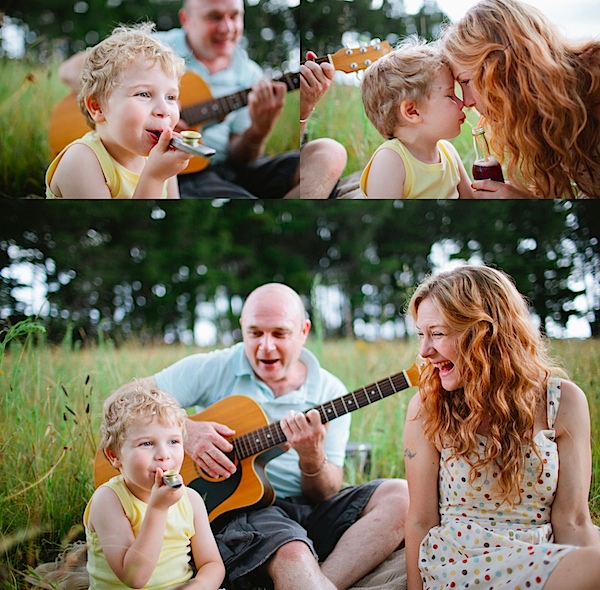
The family below loved playing music together and going on picnics… We did that!

Katie-6.jpg

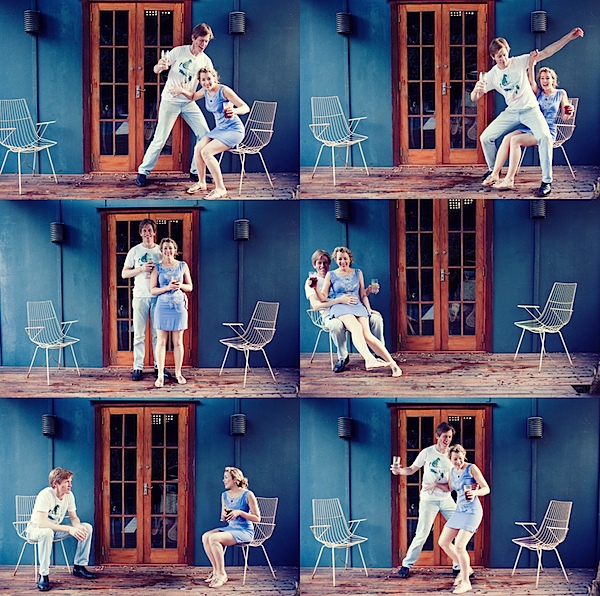
This couple love drinks by the pool….

Ali+Chris_12.jpg

2. MOVE!

Set your camera settings to multiple shots so you can shoot lots of frames quickly. Then, either get your subject to move around, or YOU move with them.

If you have little kids and they keep wanting to run around, hold their hand and say pull me along! Select follow focus and start shooting. You will create natural moments but also fun energetic photos.

Your subject will forget it is about being formal and ‘looking’ good’ if you are moving and having fun. Same if they are moving around.

I love to get my subjects to piggyback each other or walk in a row or play around. Be there to catch the action and you will find your subjects are relaxed. Maybe play some music and dance!

NewImage

NewImage

NewImage

3. Have your Camera Handy

The perfect photo opportunity occurs when a real perfect moment is actually happening!

The best way to get someone being real is to capture a real moment of joy or happiness or reflection. If I have my camera way upstairs and in it’s case I am much less likely to capture everyday perfect moments with my kids.

So I keep my camera handy. It sits out of the case on a bench or is in a bag I take everywhere. Then when the right something happens I am ready to go!

Try a week long challenge and have you camera handy all week long. Keep it on your shoulder or on the bench in the lounge – somewhere you can grab it quickly. See what perfect and REAL moments you can capture!

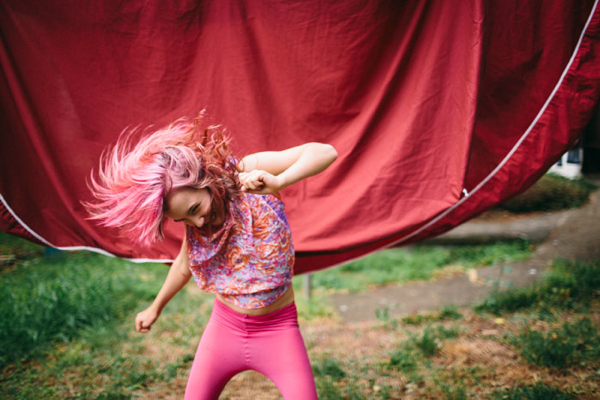
Below is a moment with my daughter… after hanging out the washing she came to show me her rockstar outfit… ;) So glad I caught this moment. So perfectly her!
NewImage

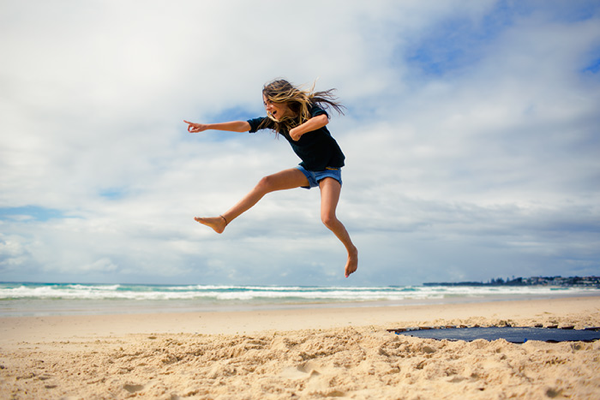
And another great ‘real’ moment was this recently on the beach we found an old trampoline and dug a hole for it. My daughter had the best time leaping off and onto the sand!! Lucky I had my camera with me!

NewImage

Lastly.. keep it real by being real yourself. Be honest and true to who you are. Don’t try to be all professional and formal and knowing everything rather relax, explore photography and be yourself. This keeps things not too formal. Have fun!

Hailey Bartholomew is an award winning film-maker & photographer who is in love with real and fun work that hopefully either makes you smile or makes you think. Hailey works for international aid organisations, shoots TV commercials, documentaries, family portraits and promo videos. You can see some of her work at her site You Can’t Be Serious.

Post originally from: Digital Photography Tips.

Check out our more Photography Tips at Photography Tips for Beginners, Portrait Photography Tips and Wedding Photography Tips.

3 Tips for Taking Portraits that Reflect the Character and Spirit of your Subject


Digital Photography School

 
Comments Off on 3 Tips for Taking Portraits that Reflect the Character and Spirit of your Subject

Posted in Photography


What the Mona Lisa Can Teach You About Taking Great Portraits

13 May

Mona-Lisa

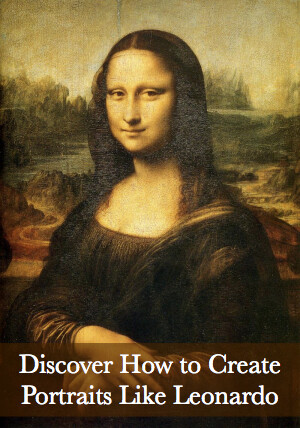
When it comes to famous images the Mona Lisa by Leonardo Da Vinci is one of the most recognized in the world.

When I visited the Lourve in Paris a couple of years ago I was stunned by the crowds of people gathering around this small image, pushing and shoving to get close and to take a picture of it (I got some great shots of the crowd).

The Mona Lisa has been at the center of much debate and speculation over the years but why is it an image that intrigues people so much and what can we learn from it as photographers today?

While we live in a different time (the Mona Lisa was painted in the 1500′s) and use different technology – is there something in this famous image that we can be inspired by as image makers today?

Lessons from the Mona Lisa for Photographers

Today I want to explore some of the different aspect of the Mona Lisa and point out some things that Leonardo did in painting this image that I think we could take away as portrait photographers today.

Composition

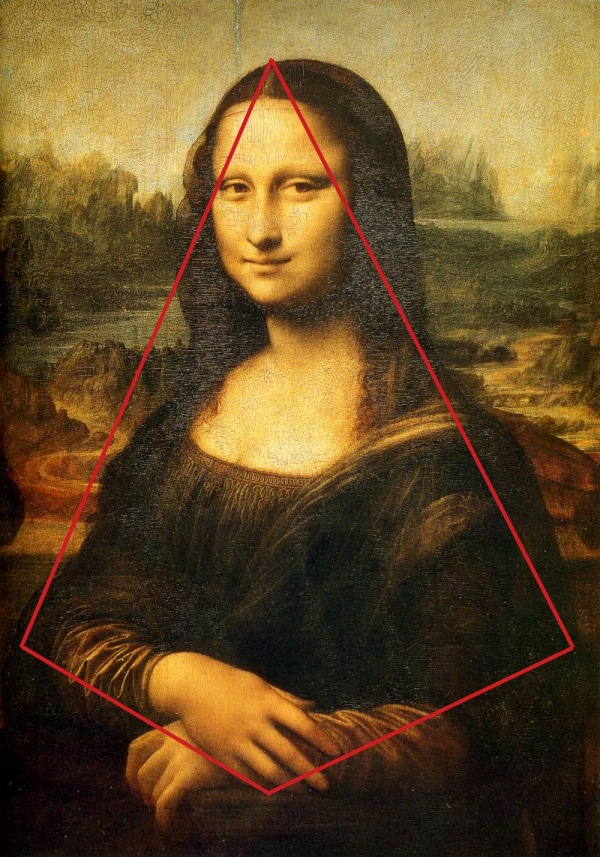
mona-pyramid.pngWhile we look at the Mona Lisa today and see it’s composition as fairly standard and simple – for it’s time the composition of the Mona Lisa was ground breaking and has set new trends in painting which have been followed for centuries since.
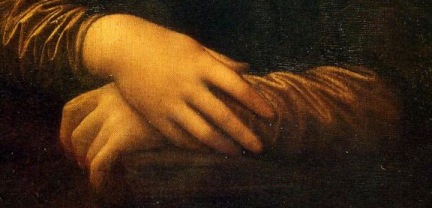
One of the compositional elements that the portrait is known for is Leonardo’s use of a pyramidal composition which shows the subject with a wider base at her arms and her hands forming the front corner and everything is in place to draw the eye up her body to her eyes and her infamous smile.

Take Home Lessons for Today

The same form of composition can work for us. While I wouldn’t dare suggest that this is the only or best way to set up a portrait shot – the pyramidal composition is one worth trying.

The Pose

Again – today we look at Mona Lisa’s pose and it seems fairly normal but for it’s day it was quite revolutionary as most portraits at the time were rigid, stiff and quite often profiles rather than front on.

In contrast Mona Lisa is somewhat relaxed and at ease as she leans upon the arm of a chair with her hands crossed in a relaxed fashion.

While she’s slightly turned to one side she sits open to the viewer and holding their eye.

Also unusual for the time was the fact that Leonardo went against the norm with the framing of this image and opted for a three quarter length pose rather than a full length one. In this way he filled the frame with his subject which lends itself to an intimate image and little room for distraction by her context.

One last aspect of the pose is that the Leonardo has positioned Mona Lisa’s eyes at the eye level of the one viewing the image. This brings a sense of intimacy to the image as we the viewer gaze directly into her eyes (there’s not a sense that we’re looking down on her or that she’s doing that to us).

mona-hands.png

Take Home Lessons for Today

This classic pose works today. Fill your frame with your subject by using a three quarter length pose, relax your subject, have them turn their body slightly away from the camera and look directly at the camera. Give their hands something to lean on (they can look awkward otherwise). Most of all – attempt to relax your subject.

The Background

mona-background.png
Much has been written about the background of the Mona Lisa and we can draw out a few things from it for today.

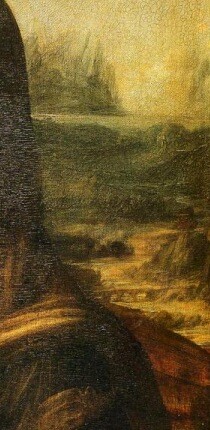
One thing worth noting is that while paintings of the day generally had both the subject and background in sharp focus with lots of detail – the background of the Mona Lisa seems to ‘fade’ or become more blurred and out of focus the further from the subject it extends.

This was unusual for the time and is an effect that many portrait photographers use today by choosing a large Aperture to make for a blurred background that leaves the viewer of the image to focus upon the subject.

While there is definitely points of interest in the background (there’s a lot of debate about whether the two sides of it ‘match’ and whether it’s supposed to be some kind of a fantasy/imaginary background) the colors in it are somewhat bland, muted and subtle – again leaving the focus upon Mona Lisa.

Take Home Lessons for Today

There are different ways to use a background of a portrait. It can either be used to put your subject into context by showing their surrounds – or it can be used as a backdrop that is largely a blank canvas with few features so that your subject stands out.

In a sense Leonardo has done both with his background. It doesn’t take the focus away from the subject – yet the landscape behind her does have an element of mystery and interest to it. It’s also visually complementary to the subject with some of the shapes and colors almost mirroring colors and shapes in the subject’s clothing.

The lesson is to carefully consider your backgrounds – they can greatly enhance or detract from your portraits.

Light

One of the things that I like about the Mona Lisa is the way in which light falls upon the subject. Leonardo uses light to draw the eye of the viewer to the parts of the image that he wishes to be highlighted (the face and hands) and balances the image nicely by placing hands and face in positions that counter one another.

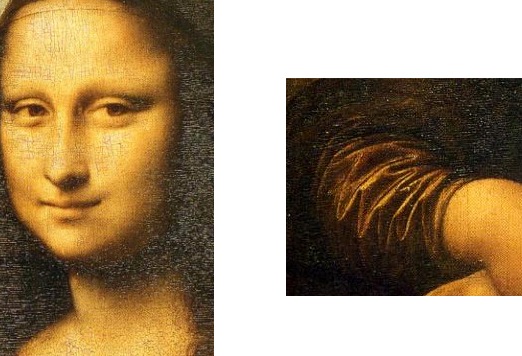
Leonardo also uses shadow (or a lack of light) to add depth and dimension to different aspects of the image – particularly the area around Mona Lisa’s neck and in the ripples on the dress on her arm.

light-1.jpg

Take Home Lessons for Today

Think about how your subject is lit. Use it to draw the eye to key parts of your image but also use shadow to create depth and dimension to your shots.

Clothing

We’ve talked about clothes and portraits here at DPS before and Leonardo takes the approach of darker less obtrusive clothes in this image. Once again – this is a little different to other portraits of the time which are renowned for being bright.

While her dress has quite a bit of detail (the lace work is quite fine and the detail in the folds on her arms are lovely) and it all is within keeping of the feel of the image – everything works to highlighting her face.

mona-lisa-clothes.jpg

There’s also a lack of any kind of jewelry or any other kind of accessory to distract the viewer away from Mona Lisa’s face.

Leonardo obviously wants something about the woman herself to shine through in this image rather than anything else.

Take Home Lessons for Today

Clothes are another element that can be a real distraction in a portrait. Take a lesson from Leonardo and use clothes that fit with the subject and give them context – but which don’t distract your viewer.

Framing

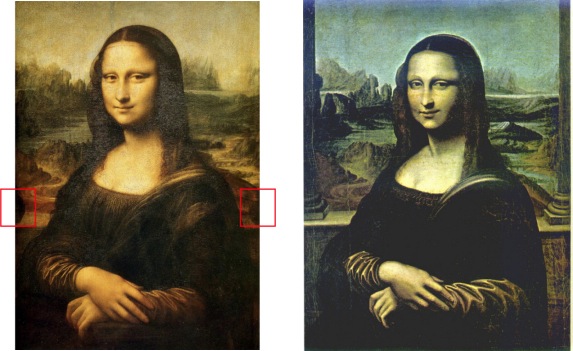
One of the things that I’d not noticed about the Mona Lisa before that i read about today is that on either side of the subject just under and to the side of each of her shoulders there is half of a round ball shape (see the images below on the left).

It is believed that what we see of currently of the image is actually slightly smaller than the original. Part of the image was lost when the image was re-framed at some point. What were the balls?

The most widely accepted theory is that in the original and full version of the painting two columns extend up from the balls on either side of Mona Lisa. She’s actually sitting on a balcony overlooking the view behind her. You can see the horizontal edge of the balcony extending between the two columns.

Here’s how one artist reproduced the Mona Lisa with the extra columns.

mona-lisa-framing.jpg

Whether or not the columns in the original looked exactly like this reproduction or not I’m not sure – but it seems that Leonardo used a technique that we call ‘framing‘ in photography today. This technique is all about drawing the eye of the viewer of an image to your main subject. It also has the potential to add a little context to a portrait (with the columns it would be more obvious that Mona Lisa is sitting on a balcony).

Take Home Lessons for Today

Learn to use techniques like framing to draw the eye of the viewer of your images to your main subject. Frames can be subtle and a natural part of the environment around your subject. Don’t use them in every shot but do keep your eye out for opportunities to include them to add another dimension to your portrait work.

Mystery

Who is the woman (its been argued that she is anyone from a female form of Leonardo himself through to the wife of the man who commissioned the image)? What is the background? Why is she smiling (or is she)?

mona-smile.png

There’s something mysterious both about the subject herself (her look is both alluring and aloof) and the way that the image was painted (Leonardo used a technique called ‘blurring’ around the edges of the subject that was new for his time that give it a mysterious quality). This leaves the viewer of the image asking questions and entering into it with imagination. Leaving elements of the image open to interpretation can make an image impact it’s viewer.

Take Home Lessons for Today

One of the elements that takes a proficient image and makes it a great image is that it goes beyond being a record keeping exercise and becomes a story telling one.

The Mona Lisa has drawn viewers to use their imagination and have conversation about it for centuries simply because it leaves parts of the story untold. This is something that can’t really be learned as a photographer – but is something that comes with experience.

What Lessons Does the Mona Lisa Teach You about Photography?

What have I missed out on? What do you see in this famous painting that could teach us about photography?

Post originally from: Digital Photography Tips.

Check out our more Photography Tips at Photography Tips for Beginners, Portrait Photography Tips and Wedding Photography Tips.

What the Mona Lisa Can Teach You About Taking Great Portraits


Digital Photography School

 
Comments Off on What the Mona Lisa Can Teach You About Taking Great Portraits

Posted in Photography


18 Stunning Self Portraits

12 May

This post is by Anna Gay – creator of our eBook – The Art of Self Portraiture.

by Ali Uher

For thousands of years, artists have used self-portraiture as a means of perfecting their technique. From ancient cavemen, to the classical masters, to Salvador Dali in the 20th century, artists have looked to self-portraiture not only to discover new aspects of their artform, but also as a means of self-discovery.

Today, photographers world-wide are stepping out from behind the camera, and placing themselves in front of the lens. Thanks to photo-sharing websites that display thousands of beautiful and unique self-portraits, many photographers are finding that not only is self-portraiture a wonderful, exhiliarating way to practice composition and lighting – amongst many other skills which are valuable to portrait photographers – it is an honest expression of self, and a way to share their experiences with other photographers.

Each of the photographers whose work is featured in this post has their own unique way of expressing themselves in front of the camera. Some use natural light, while others use studio lighting. Some take a more natural approach to post-processing, whereas others take a more conceptual route. Whether you consider yourself an amatuer, or a full-blown artistic self-portrait photographer, these self-portraits are sure to inspire you to step in front of the lens.

by Lila Limited

by Kelly Kardos

by Brian Day

by Boy_Wonder

by Miguel da Silva

by Bunny Spice

by ICT_Photo

by Zack Ahern

by Misha

by Viva Deva

by Steve Pontbriand

by *iNiNa*

by Zee Anna!

by KatB Photography

by FaceNorth

by sparkleplenty_fotos

by Lucem

Interested in improving your Self Portrait Photography? Check out Anna Gay’s eBook – The Art of Self Portraiture.

Post originally from: Digital Photography Tips.

Check out our more Photography Tips at Photography Tips for Beginners, Portrait Photography Tips and Wedding Photography Tips.

18 Stunning Self Portraits


Digital Photography School

 
Comments Off on 18 Stunning Self Portraits

Posted in Photography