RSS
 

Posts Tagged ‘Photos’

Anxious Anticipation: Photos Made to Pump Up Your Adrenaline

09 Mar

[ By WebUrbanist in Art & Photography & Video. ]

brick dominos wine glass

Comprised of hair-raising scenes designed to keep you on the edge of your seat, this series of photos leads your mind to jump forward in time, picturing the catastrophes about to unfold.

eggs onto marble

Photographer Aaron Tilley worked with art director Kyle Bean to create the sequence for Kinfolk Magazine’s “adrenaline” issue. Their collaboration, titled In Anxious Anticipation, evokes a sense of expectant dread, all through still shots that simply lead the brain to fill in the blanks.

black ink white shirt

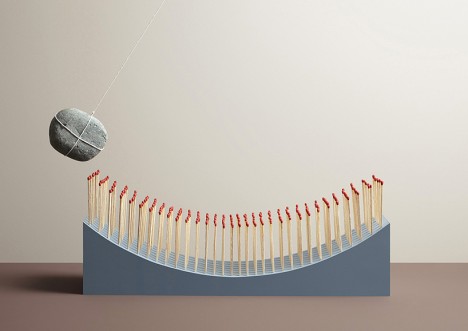
anxious anticipation rock matches

In one, an ink pen is poised to drip on a clean white shirt below. In another, a rock looks ready to light a fire, prepped to swing across a set of strike-anywhere matches.

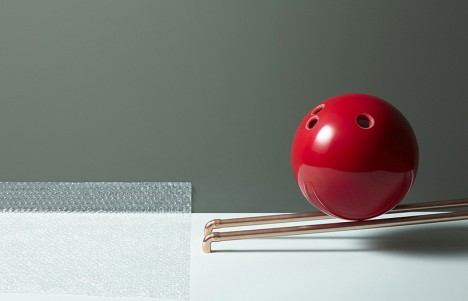
bowling ball bubble wrap

Each picture cues to viewer to complete the sequence, imagining the sight and sound, for instance, of a bowling ball running along and popping an unrolled sheet of plastic bubble wrapping.

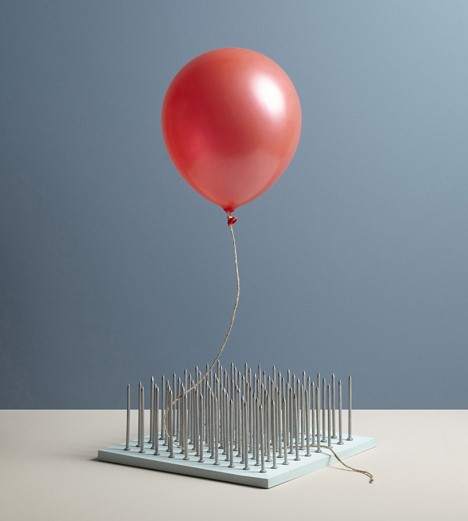
balloon hover over nails

From the magazine: “The connection between what the mind perceives and how the body reacts is a curious relationship. Adrenaline flows into our autonomic nervous system when it anticipates that something bad is about to happen—not because something bad is already happening. This hormonal offensive was an essential survival tool for our earliest ancestors that came with our fight-or-flight response, which defends us against immediate threats.”

Share on Facebook


[ By WebUrbanist in Art & Photography & Video. ]

[ WebUrbanist | Archives | Galleries | Privacy | TOS ]


WebUrbanist

 
Comments Off on Anxious Anticipation: Photos Made to Pump Up Your Adrenaline

Posted in Creativity


Reducing the Stress of Group Photos at Weddings

07 Mar

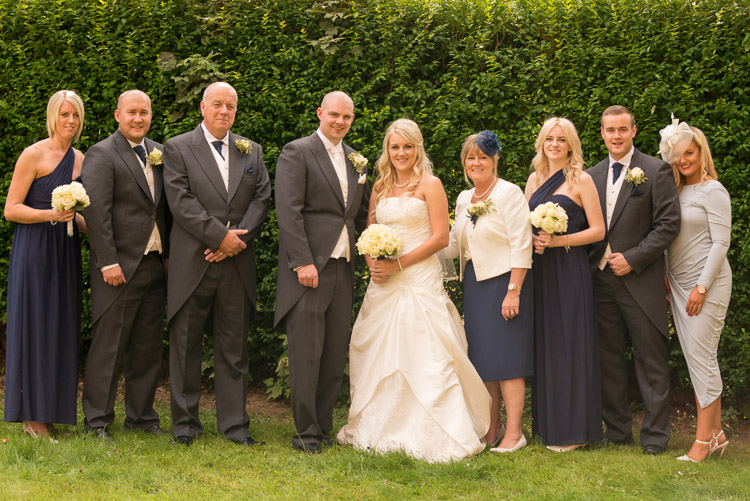
I am sure you understand how important the family photos are on a wedding day. For me, they used to be the most stressful part of the day, I would almost dread them. Logistically they can be challenging, gathering all the guests and particular family members, organizing them into the right groups, then getting the shots right. There is a lot to do and think about.

I have sure you’ve heard the age old story, about how the couple went to their friend’s wedding, and the photographer bossed them around, and spent ages doing countless group photos. None of us want to become that photographer, with the help of this short guide and bit of preparation, you can prevent that.

Group photos robert sail 4

After shooting over 100 weddings, I have I slowly figured out a sort of system, which helps me manage the process better. I have cut down the number of recommended family shots I do. This allows the couple to have time to relax during the reception, and gives me a little more time to shoot candid shots, or even spend a little bit more time with the bride and groom, creating something more creative.

Some of the points within the article my be more relevant to wedding photographers in Europe, who tend to shoot the group photos after the ceremony during the cocktail reception, but you may still find some of the points useful if you are based in the US, and shoot them before the ceremony.

Setting the scene – initial meeting with couple

When you are in the process of booking a new wedding couple, I would suggest having a short chat with them about the group photos. It is good to discuss how many family formals they envision you will take on their day. It is also worth mentioning that you limit the number of family formals you take, to provide them with the best possible experience on their wedding day.

Spending less time doing the family formals, will allow them to have more time relaxing during the cocktail reception with their friends and family. The last thing I would want a bride and groom to remember from their wedding day, was that we spent their whole cocktail hour standing around taking endless group photos.

Group photos robert sail 3

Email to couple with booking confirmation

To make the group photos as easy as possible on the wedding day, I would suggest that you email a recommended shot list over to the bride and groom beforehand, asking for them to fill in everyone’s names. This means that during the formal photographs you can call people by first name, which will make you much more amenable to the guests.

Here is my sample list that I normally work from, which covers most of the bases:

  • Bride and groom with bride’s family (please confirm which family members)
  • Bride and groom with bride’s parents
  • Bride and groom all parents
  • Bride and groom with groom’s parents
  • Bride and groom with groom’s family (please confirm which family members)
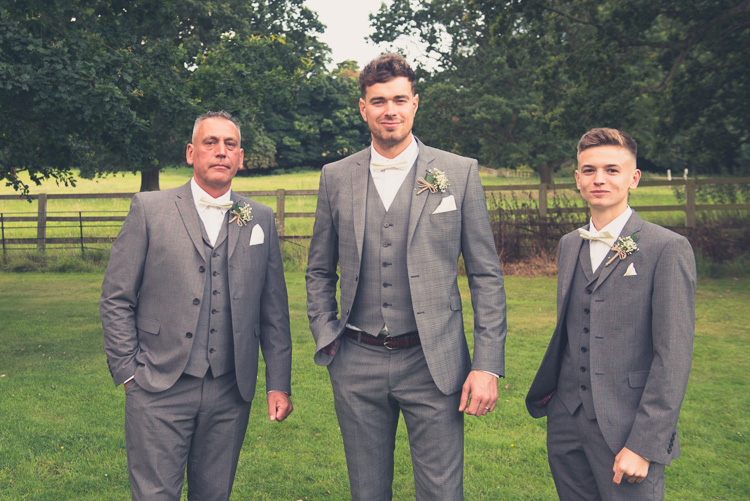
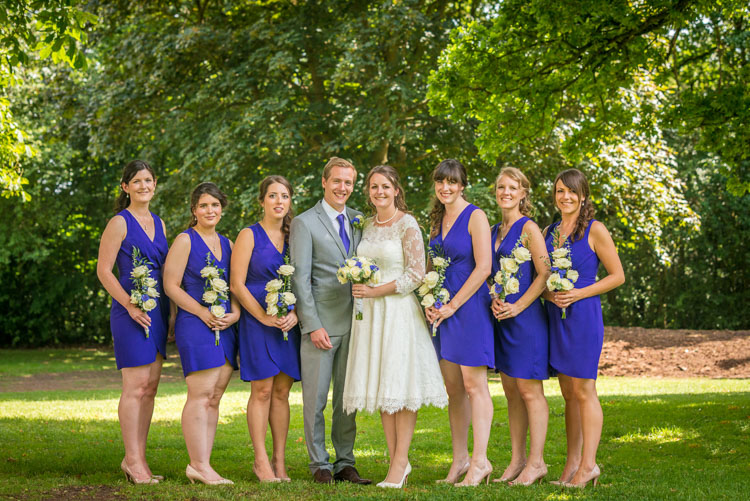
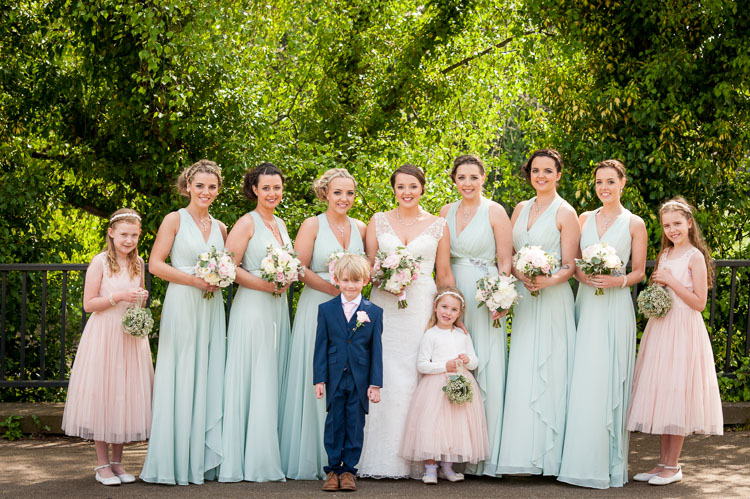
  • Bride and groom with bridesmaids
  • Bride and bridesmaids
  • Groom and best man/ushers
  • Bride and groom and best man/ushers

Group photos robert sail 1

If the couple email back a much larger list of shots to take, I will normally have a chat with them, discussing whether or not they are happy to spend potentially a large proportion of their reception doing group photos. In a lot of cases they will not want that, and will reduce their list slightly.

Re-oder the list – largest groups first

To make the process as easy as possible, I would recommend you shoot the largest group photos first. As chances are that the same guests/family members will also be in the smaller group photos.

Here is the re-ordered list, in the way I would shoot them after adding additional requested photos:

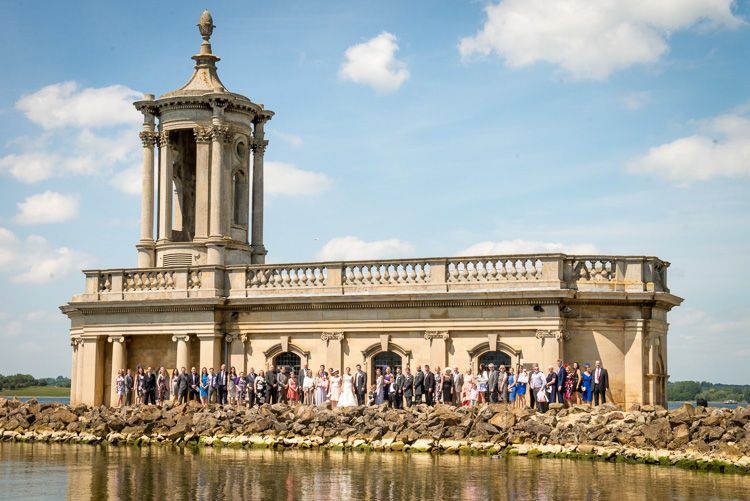
  • Bride and groom with everyone (additional shot requested)
  • Bride and groom and friends (additional shot requested)
  • Bride and groom with bride’s family
  • Bride and groom with bride’s parents
  • Bride and groom all parents
  • Bride and groom with groom’s parents
  • Bride and groom with groom’s family (please confirm which family members)
  • Bride and groom with bridesmaids
  • Bride and bridesmaids
  • Groom and best man/ushers
  • Bride and groom and best man/ushers

Group photos robert sail 2

Bring several copies of the list to the wedding day and hand these out to ushers or groomsmen. It is very important that you clarify with them, how important it is that they help you. With them helping you organize the group shots, this will give the bride and groom the most time possible to relax and enjoy their day.

Normally the ushers will help you, as they are often good friends, or related to the bride and groom. They can also help round guests up, preventing you from shouting, or raising your voice to get everyone’s attention. Thus it saves you from becoming that bossy photographer, which no one wants.

Work through the shot list methodically

Once the ushers have gathered the first grouping in the correct location, I will then get the bride and groom, working through all the group photos on the list.

It is just a case of crossing them off as you go, so you don’t miss a shoot. For photos with six people or more, I tend to shoot those full length, and for smaller groups I will also shoot those at ¾ length, providing the couple with a bit of variety. Using a clipboard can also go a long way to making you appear professional, and prevent you from misplacing your list when the pressure is on.

Group photos robert sail 5

Arranging the groups

Normally I will pose the bride and groom first, close in together, in the traditional V-style (turned slightly inward toward each other) pose. I will then pose the remaining family members in a single line, equal numbers on either side, getting the guests on either side of the bride and groom to turn in towards the centre.

I will also ask the guests and family members in the photo to put down any; drinks, cameras, handbags, scarves, coats, etc., and for men to button up the middle button on their jackets. This just helps to make the photo as uniform as possible, by removing any distractions.

After you have finished taking any of the group photos, always make sure to thank the guests and family members. I didn’t do this when I first started, as I was a little too distracted checking all my camera settings were correct. Definitely make sure you do this as it goes a long way to providing a good experience for the guests.

Group photos robert sail 6

Do you have any other tips that work for you when doing group photos at a wedding? Please share in the comments below.

googletag.cmd.push(function() {
tablet_slots.push( googletag.defineSlot( “/1005424/_dPSv4_tab-all-article-bottom_(300×250)”, [300, 250], “pb-ad-78623” ).addService( googletag.pubads() ) ); } );

googletag.cmd.push(function() {
mobile_slots.push( googletag.defineSlot( “/1005424/_dPSv4_mob-all-article-bottom_(300×250)”, [300, 250], “pb-ad-78158” ).addService( googletag.pubads() ) ); } );

The post Reducing the Stress of Group Photos at Weddings by Rob Sail appeared first on Digital Photography School.


Digital Photography School

 
Comments Off on Reducing the Stress of Group Photos at Weddings

Posted in Photography


3 Secrets to Getting Amazing Toddler and Newborn Photos

04 Mar

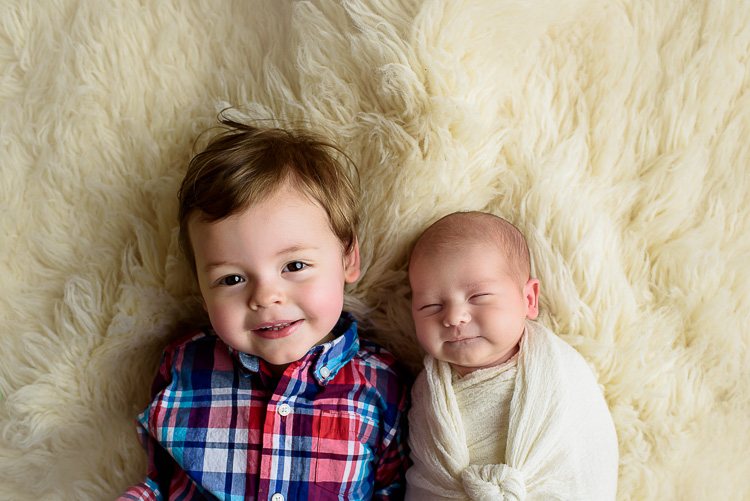
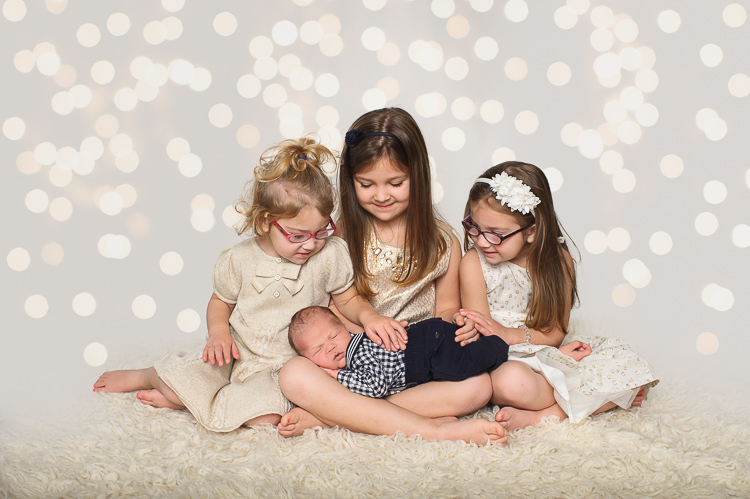
Newborn sibling ct heather kelly photography 001

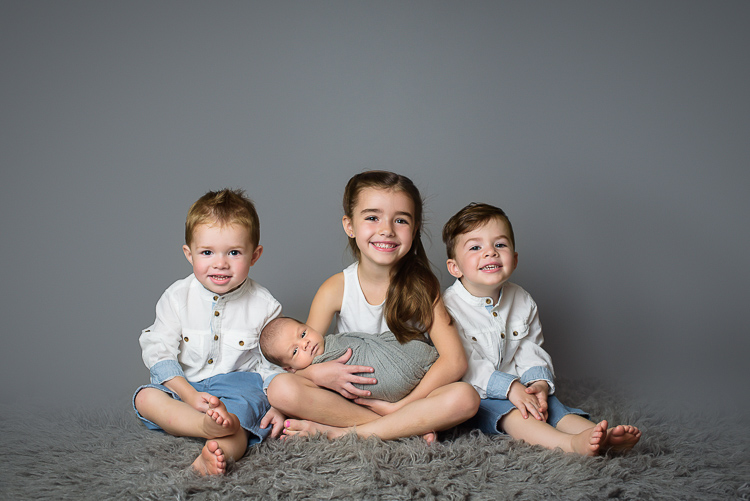
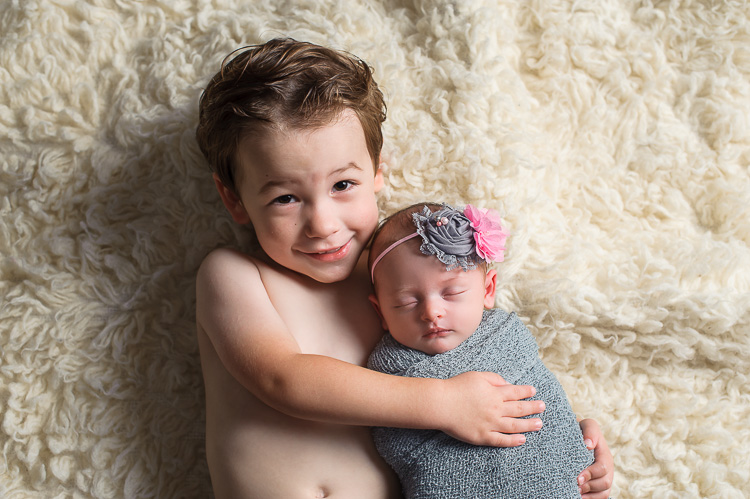
You are so excited about an upcoming newborn session. You can’t wait to cuddle the new baby, as you soothe them to sleep and pose them. Then you find out that the parents want to include their toddler, or even worse, toddlers! Now the excitement has changed to anxiety about throwing a toddler into the mix. Toddlers can be unpredictable, difficult to bribe, and sometimes want nothing to do with the new little person in their life.

Take a deep breath and remain calm. You can do this! Here are my three secrets to getting amazing toddler and newborn photos:

1. Friend the older sibling

Newborn sibling ct heather kelly photography 002

What are their interests?

Remember that just a couple weeks ago, they were front and center in their parents’ lives. There have been a lot of changes, and most likely a little less attention for them.

Talk with the parents to find out about big sister. What does she like? Does she have any favorite songs or shows? What is her favorite treat? Talk with mom and dad beforehand, and see if they are okay with a little reward. Make big sister the center of attention when you arrive. Get down on her level, tell her about yourself, and ask her questions. Have her introduce you to her new baby sister. You want big sister to trust and like you.

Siblings make great helpers

Toddlers are so curious, and love to help. Show them some of the hats or headbands you brought for their little sibling. Ask them to pick out their favorites. Once they are comfortable with you, it will be a lot easier to get them to listen, when you want to take a picture with their new baby sister.

After you are done setting up, ask them to help you test out the light. If you can get them to lie down, the battle is half over. Tip: have baby all wrapped up and ready to go, before you have big sister help by being a light tester.

Newborn sibling ct heather kelly photography 003

Newborn sibling ct heather kelly photography 004

newborn-sibling-ct-heather-kelly-photography-005

2. Let the toddler rule the session

Choices

Now that you and big brother are friends, give him some choices. He needs to know that he is in charge. Forcing him to do something he doesn’t want to do, can backfire.

Some choices could be:

  • Do you want to lay down on this cream rug or this blue rug?
  • Would you like your baby brother on this side or that side?
  • Would you like to kiss your brother or look at the camera?
  • Do you want the red truck or the blue car as your prize?

Choices make big brother feel in control. If he doesn’t want to cooperate in the beginning, that’s okay. You can try again later.

Do you want to take the picture now or come back in 5 minutes?

Let him take a break and then you can try again in a little bit. Use this break to get some images of baby alone. After big brother has had a break, you can give it another try. Sometimes multiple breaks are needed.

newborn-sibling-ct-heather-kelly-photography-007

Expectations

Tell big brother what to expect, and how long it’s going to take. Children have a much easier time if they know what to expect, and that there is an end time. You want to tell them what they’re going to do, how many pictures you’re going to take, and what happens after (the reward!).

“We are going to take a picture of you and your baby brother for mommy and daddy. It won’t take long. I will take five photos, then we’ll be done and you can pick out your prize! I’m going to start counting. 1 – 2 – 3 …”

Counting works great as even young toddlers can understand counting to three or five. You can take multiple photos while you draw out one number so you’ll end up with a lot more than five. With squirmy toddlers, multiple images are definitely needed. Once you hit the number, they are done.

If you don’t think you got a useable image give them a choice of counting again or taking a break. You want it to be short and sweet so big brother is more likely to cooperate.

newborn-sibling-ct-heather-kelly-photography-008

3. Praise and Reward

Praise

After big sister has done what you have asked, give her a lot of praise. Even if all she did was make a choice to do pictures in five minutes instead of now. You asked her to make a choice, and she did. Great job big sister! It might not seem like a big win, but it will help when you try again.

Praise and thank big sister for every little thing she does. Kids love being praised, and to know that they are doing a good job. There is no such thing as too much praise when you are trying to get a toddler to cooperate.

Reward

Make a toy chest or prize bin. You can add toys that your children don’t play with anymore, or find items at the dollar store. When you first meet big sister and are becoming friends, show her what you brought. Point out a few items in your prize bin, and tell her that after she takes some pictures, she’ll get to pick out any one item to keep.

While you are praising big sister, remind her of her reward. “You are doing such a great job with your little brother. I can’t wait to see what prize you pick out!”

You can show the prize bin during breaks. A toddler’s attention span isn’t the greatest, so sometimes they need reminding that they’ll get a prize soon. For a real challenging toddler, you can let them pick out their prize ahead of time, and put it on a shelf or with mom and dad as a reminder.

newborn-sibling-ct-heather-kelly-photography-009

newborn-sibling-ct-heather-kelly-photography-010

newborn-sibling-ct-heather-kelly-photography-011

Do you have any other tips for working with toddlers and newborns? Let us know if you try these and how you make out. Please share your results in the comments below.

googletag.cmd.push(function() {
tablet_slots.push( googletag.defineSlot( “/1005424/_dPSv4_tab-all-article-bottom_(300×250)”, [300, 250], “pb-ad-78623” ).addService( googletag.pubads() ) ); } );

googletag.cmd.push(function() {
mobile_slots.push( googletag.defineSlot( “/1005424/_dPSv4_mob-all-article-bottom_(300×250)”, [300, 250], “pb-ad-78158” ).addService( googletag.pubads() ) ); } );

The post 3 Secrets to Getting Amazing Toddler and Newborn Photos by Heather Symes appeared first on Digital Photography School.


Digital Photography School

 
Comments Off on 3 Secrets to Getting Amazing Toddler and Newborn Photos

Posted in Photography


3 Tips to Maximize Your Road Trip Photos

29 Feb

Road-Trip-Photo-Tip-Wide-Angle-06

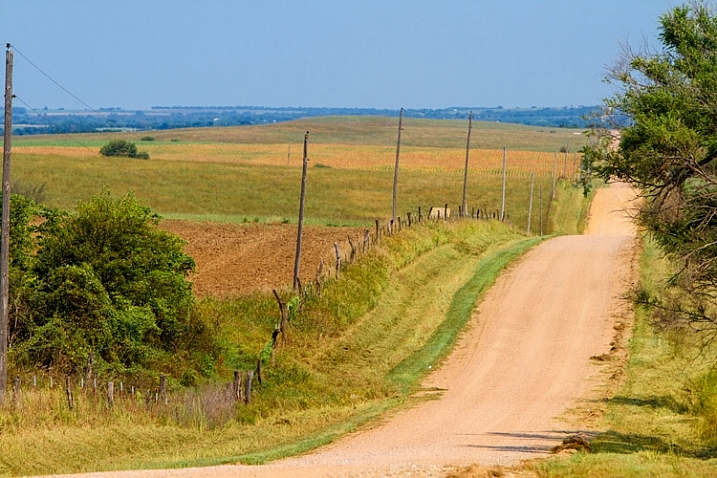
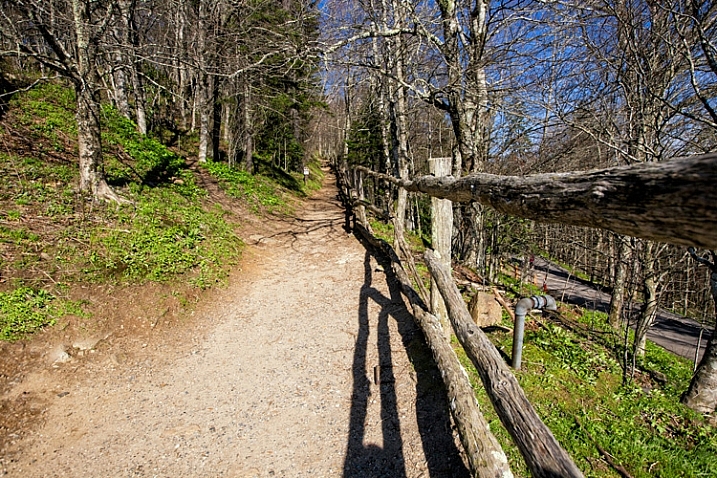
Road trips have been hailed as one of the greatest pastimes ever, and something that everyone should do at least once in their lifetime. It is a great way to experience a lot in a short span of time, and as a photographer, there will be many opportunities and moments awaiting your perspective. Sometimes preserving your creative spin in the midst of all the new discoveries, can become sensory overload and feel overwhelming.

Here are three tips that can help you make better photographs on your journey and maximize your road trip.

Road-Trip-Photo-Tip-Wide-Angle-03

1. Plan, plan … plan?

Most successful photo sessions involve a level of planning, this is no different for road trips. The plan does not have to be detailed, it can start out with some basics, such as final destination and must-see places/events, then you determine what should happen daily. Research your routes, note interesting things along the way, and make a priority list. Keep in mind that when traveling you are subject to the unforeseen, such as inclement weather, or places inaccessible for one reason or another, so be ready to switch to Plan B.

Road-Trip-Photo-Tip-Wide-Angle

As a light chaser, planning should include knowing when the most flattering light will hit your must-see locations or subjects (e.g. sunrise or sunset), and getting there on time. Thankfully there are now many smartphone apps that will help you plan for the golden hours, work out directions, as well as drive times (and distance) between destinations.

Road-Trip-Photo-Tip-Wide-Angle-01

The last part of planning is building flexibility into your days. Sometimes even the best laid plans end up with hiccups and delays, and you still need to make the most of it. The main objective of any road trip is to have fun, so build in a little flexibility, and who knows, you could find something worth exploring, or maybe you will be forced to get creative when you least expect it.

Road-Trip-Photo-Tip-Wide-Angle-05

2. Gearing up

So with your destination(s) planned, it’s time to figure out what gear you need. The last thing you want to do is lug around everything you own, in fact, quite the opposite – you will want to travel light. This is why knowing your destination is key to packing. Will you be driving through amazing scenery? If yes, then you may want to pack a wide-angle lens. If wildlife is your focus, you may decide on a telephoto zoom, which is also great for capturing portraits of people in their natural environment, without being too obtrusive.

Note: Good advice, when it comes to portraits, asking permission is a nice approach.

Road-Trip-Photo-Tip-Zoom-03

Road-Trip-Photo-Tip-Zoom-01

It all depends on what your end game is, and what lens (or two) you will be using the most. There will always be regrets over what you left behind, such as that one photo that would have been awesome if you had packed a fish-eye or macro lens – but think about the extra weight, and whether of not it’s justified for the duration of the trip.

Road-Trip-Photo-Tip-Wide-Angle-04

If you really want to travel light, a mid-range zoom is a great compromise and a good broad spectrum lens to have during your journey, so research your surroundings and decide if this could work for you. A tripod is a safe bet if you plan to do any night photography, but use the same rule and take it only if you need it.

Road-Trip-Photo-Tip-Night

3. Road trip story

When you shoot with a story in mind, it can make your photos take on a life of their own. Are you documenting something specific along the way, such as small towns or diners, breath-taking landscapes, or the road itself?

Road-Trip-Photo-Tip-Zoom-02

There are many different ways to tell a story, and your objective and style will dictate the way you tell yours. If your destination includes places that are prone to lots of tourists – decide how this fits into your vision. Do you make them a part of the photo (i.e. use their presence for a sense of scale) or would you prefer the location desolate (which probably means rising early to beat the rush). What story are you trying to tell?

Road-Trip-Photo-Tip-Wide-Angle-02

Road-Trip-Photo-Tip-National-Park

Conclusion

Road trips are fun, and are a great way to make memories with hundreds of photo opportunities. Planning goes a long way, and will help you determine which gear to travel with, and what photos will make up your story line. So whether you are journeying to a National Park or just venturing out to a new place – a journey that spans two weeks or just two hours – know before you go, have lots of fun, and make awesome photo memories.

What other important tips would you add for fellow photography road trippers?

googletag.cmd.push(function() {
tablet_slots.push( googletag.defineSlot( “/1005424/_dPSv4_tab-all-article-bottom_(300×250)”, [300, 250], “pb-ad-78623” ).addService( googletag.pubads() ) ); } );

googletag.cmd.push(function() {
mobile_slots.push( googletag.defineSlot( “/1005424/_dPSv4_mob-all-article-bottom_(300×250)”, [300, 250], “pb-ad-78158” ).addService( googletag.pubads() ) ); } );

The post 3 Tips to Maximize Your Road Trip Photos by Nisha Ramroop appeared first on Digital Photography School.


Digital Photography School

 
Comments Off on 3 Tips to Maximize Your Road Trip Photos

Posted in Photography


8 Tips to Improve Your Photography by Creating Instead of Taking Photos

22 Feb

If you’re like most photographers you use your camera to capture a moment; you see an interesting subject, so you photograph it to the best of your ability. But a worthwhile experiment is to try staging a photo. Rather than waiting for all the elements to perfectly arrange themselves, take control and create the moment yourself.

It’s an important lesson in thinking about the story and composition, and it’ll improve your photography in no time. I spent three years photographing everything in sight, but it was only after taking control of my images that I was able to turn my hobby into a profession.
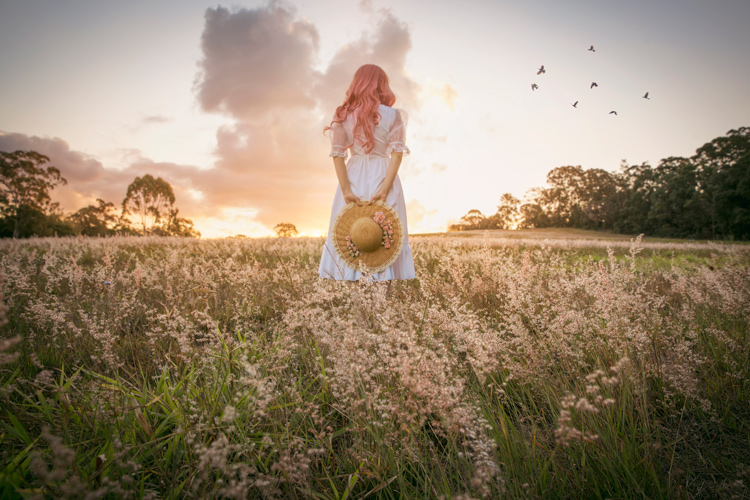
Field of Dreams

Creating a photo can be as simple, or elaborate, as you wish. If you’re interested in street photography, this could involve asking an interesting stranger to pose in a particular place or way. For macro photography, setting up a backdrop behind a pretty flower can make the subject more dynamic. For portraits it could be a photo of your child dressed in their favourite costume, acting out a scene in your backyard. As long as you have actively directed the subject in some way.

Elements to consider are:

  1. Story
  2. Subject
  3. Setting and location, era, time of day
  4. Props
  5. Wardrobe
  6. Pose
  7. Lighting
  8. Framing / Composition and angle, lens used

Let’s break these down one by one.

#1 – Story

What’s happening in your photo? What’s your subject or character doing? A story isn’t always necessary, but having answers to these questions certainly helps make it more engaging, and gives you an idea of what extra elements can help enrich the story.

In “Return of the Sword” (below) I was playing with the idea of King Arthur’s Excalibur, and I wanted my character’s reflection to look as if it were offering her the sword. To be able to tell this story I needed to have the right prop, costume, and location, to help the viewer understand what was happening, and associate it with the original story.
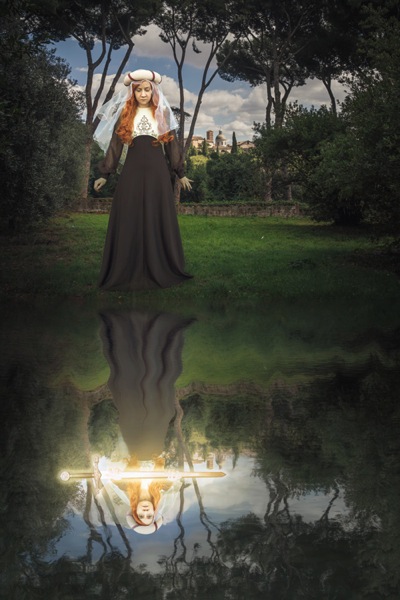
Return of the Sword

#2 – Subject

Who is your character? What physical attributes do they need to have? If you have a willing family member or friend on hand, that’s great! Otherwise you can recruit models through places like ModelMayhem. However, your subject needn’t be a person, an object or an animal are fine too.

I shoot self-portraits, primarily because it’s convenient, but I’m certainly no classic beauty, so I try to disguise my face as much as possible. In “Red Runs” below, I wanted to show Red Riding Hood running through a forest, followed by a wolf, so my character needed a red cape and blonde hair. This was easily achieved with the help of a blonde wig and my dog, Koda.
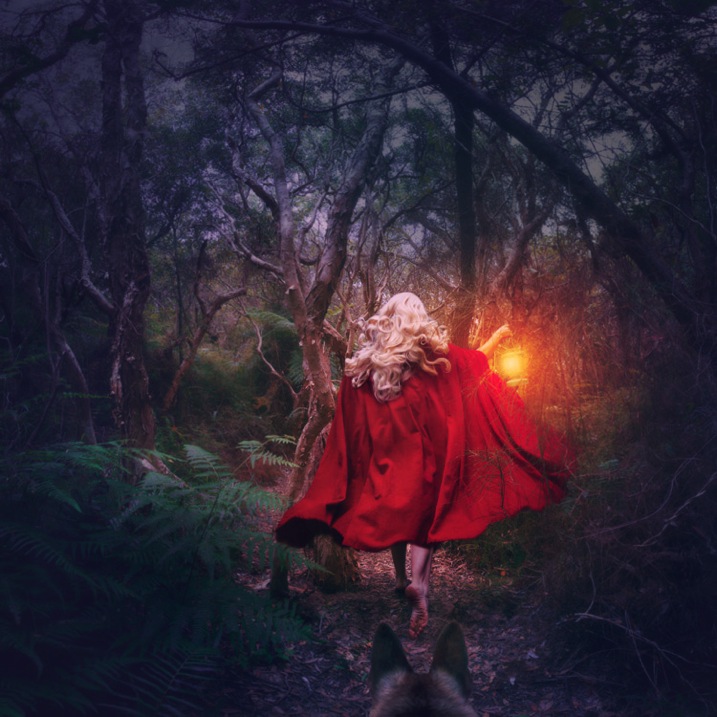
Red Runs

#3 – Setting

Where and when is your story taking place? To find interesting locations, assess your local area for unique landmarks. Use Google Maps to discover what’s nearby, then use your car and your feet to explore further. If your goal is to photograph an interesting insect, your where might be in front of some black cardboard to cut out the background clutter, and your when might be early morning when the light is soft and appealing.

In “Siren’s Sorrow” below, I used an impressive local relic, the Gayundah Shipwreck, to tell the story of a regretful mermaid. I shot at sunset to add interest to the sky, and I wanted the time period to be non-specific, so I was sure not to include any objects in the shot, that would anchor it in time. There were many walkers passing by, and an active construction site overlooking the area, but you’d be surprised how quickly you stop being self-conscious when you start doing self-portraits.
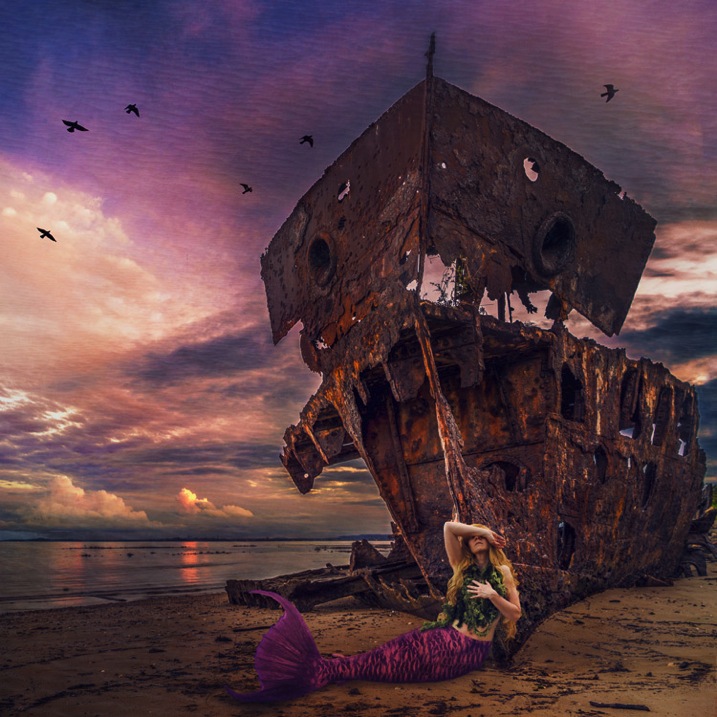
Siren s Sorrow

#4 – Props

Having your subject interact with something will make your shot more interesting and further your story. You can buy props from cheap used clothing shops, eBay, or just use things you have lying around the house. If you’re going for something simple, spraying water on a flower adds interest, as does adding people to a landscape.

In “The Blue Girl” I wanted to tell the story of a girl who had cried for so long, that she filled a room with tears, and turned it into an ocean. I placed polyfill behind her head for the clouds, and added birds and a friend’s model ship, to give interest to the scene.
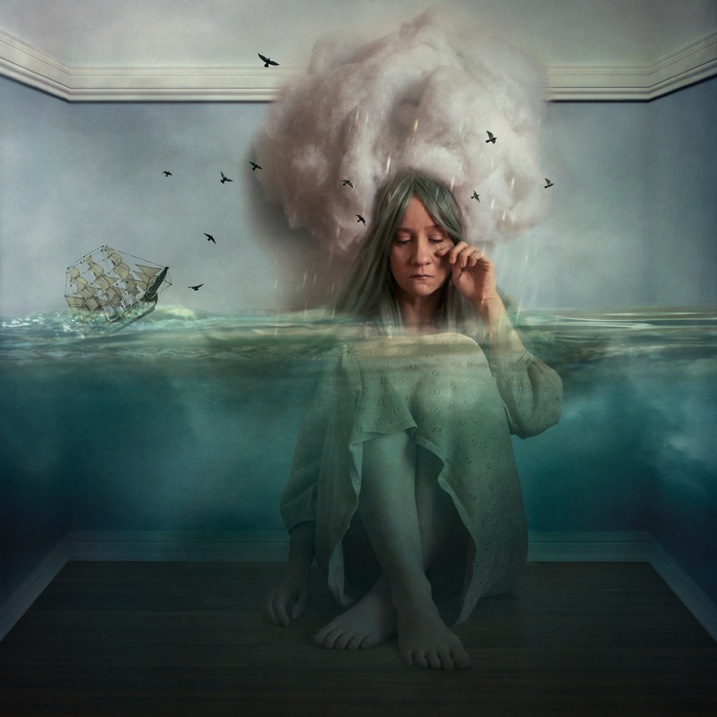
The Blue Girl

#5 – Wardrobe

What would your character be wearing? I have a rack full of costumes, specifically to be used in photoshoots, that I’ve bought from eBay and op shops, but you needn’t get this involved. My main considerations are usually whether the outfit suits the story, and if its colour will contrast with the surroundings, to make it stand out. If my face will be seen, I generally wear basic make-up I’ve applied myself.

In “Dance of the Jacarandas” I used a $ 30 wig from eBay, and a $ 5 dress I bought at a local theatre’s costume sale. The dress was the perfect colour and shape, to make my character look like a Jacaranda flower.
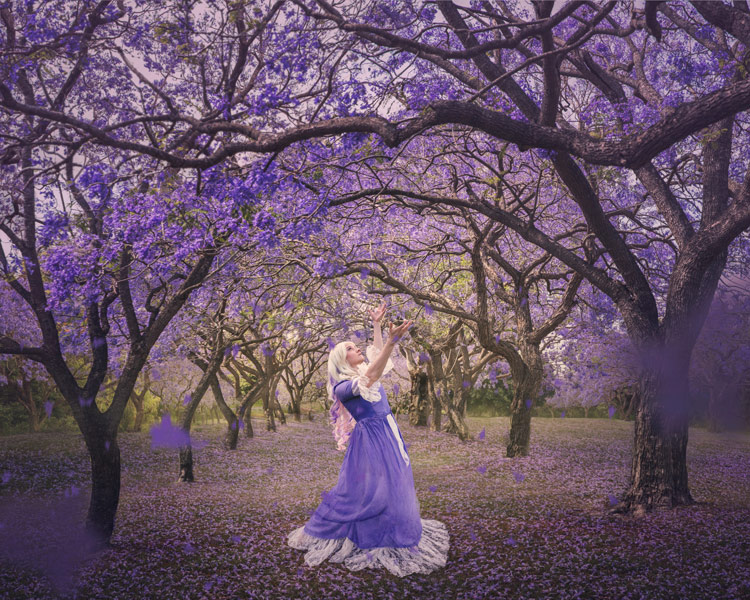
Dance of the Jacarandas

#6 – Pose

What would your character naturally be doing in their story? Are they powerful or submissive? I tend to shoot the main pose, and then do a few variations so I have options to work with.

In “I Tried to Drown My Sorrows”, I wanted to show a girl who looked like she’d fallen into a glass. The pose had to be compact to fit in the glass, yet rigid to show the shock of the fall. I did this by jumping around in my backyard, then flipping the image upside down so I was falling instead of jumping. The movement caused by jumping makes the pose more dynamic and my hair look like it’s floating.
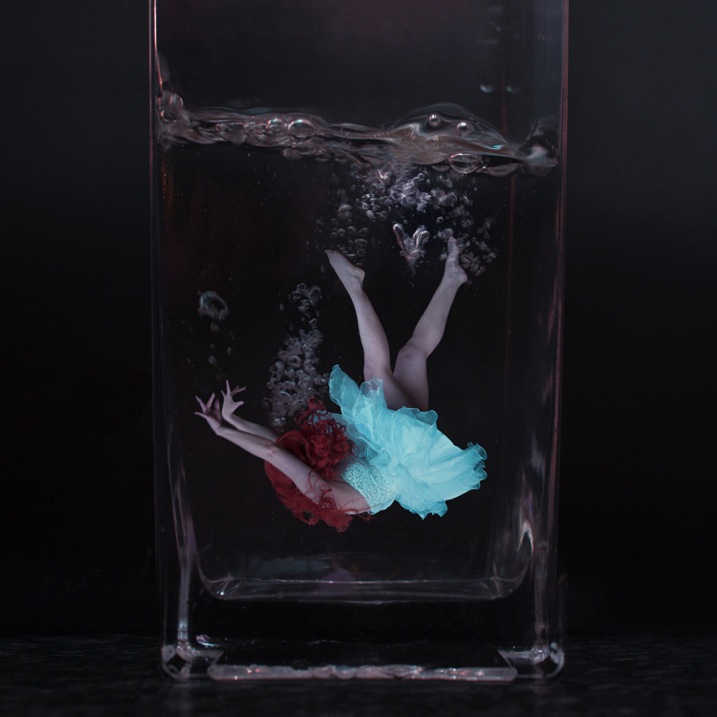
I Tried to Drown My Sorrows

#7 – Lighting

Lighting can be tricky, and expensive, so it’s always best to start out with natural light, positioning your subject so the light sculpts their features. Shoot early, or late in the day, and aim for overcast or cloudy days to avoid harsh shadows (unless that’s what you want). You can start experimenting cheaply with lamps and candles.

I usually like to work with natural, overcast lighting, because it makes compositing easier. But, in “Self-Destruct” I wanted the character to look as if she were burning the world down, so I shot as the sun was rising which would make the landscape a warm orange.
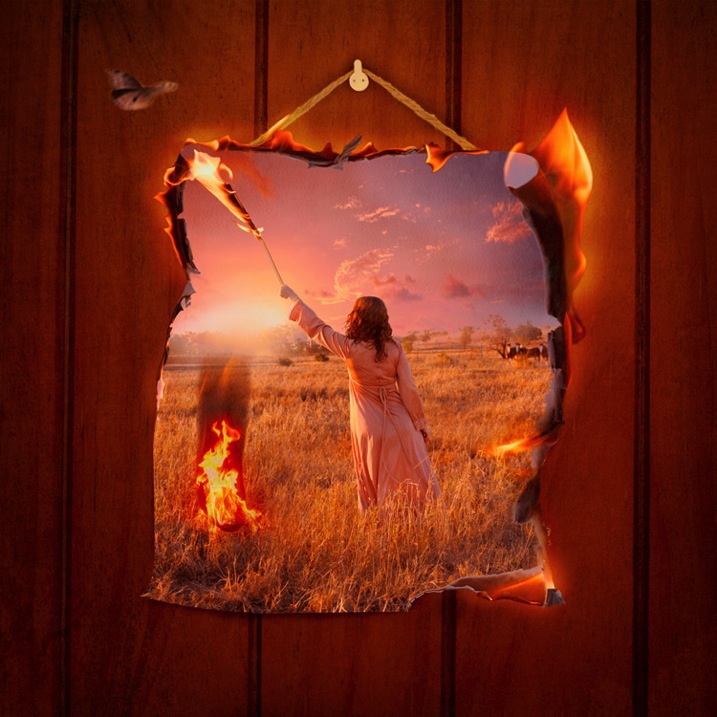
Self Destruct

#8 – Framing

Do you want a wide shot to see the location, or a tight shot to really focus on your subject? Do you want to shoot from low down to make them look powerful, high up to make them look submissive, or straight on to let the image alone tell the story? Do you want the whole scene in sharp focus, or do you want the background to be blurry?

I shot the three elements (sky, character, flowers) of “Time Flies” straight on, so they were easy to composite together. I cropped the image so the girl filled the frame, but removed her face to add mystery to the image. The loosely pointed hand directs the eye around the scene.
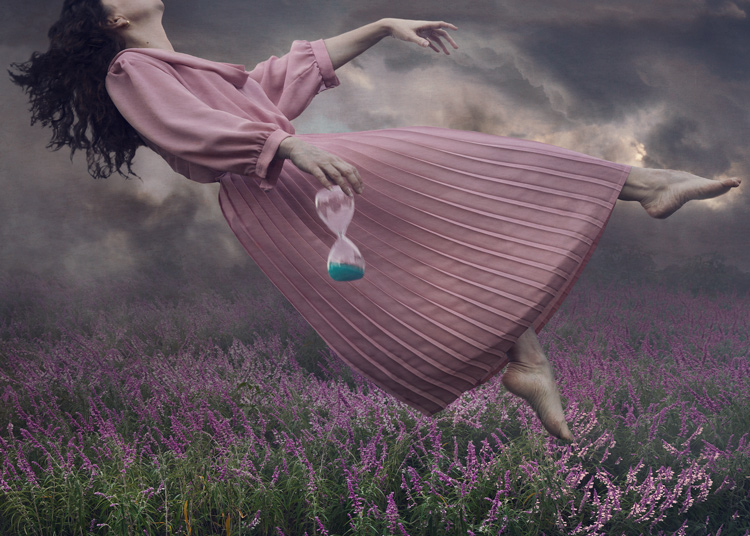
Time Flies

Summary

When planning your image, try sketching out your idea beforehand, as this helps you visualize what it will look like, and if any extra elements are needed to strengthen your story. My images often take on a life of their own, different from my original concept, so don’t get too disheartened if your shoot doesn’t work out. You’ll still have learned a ton of things from the experience that you can use next time.

Naturally your concepts don’t need to be as involved, or as heavily Photoshopped as mine, but I’m certain you’ll find the process of creating something from your imagination incredibly fun and rewarding. I’d love to see the results of your own staged shoots, please share in the comments below.
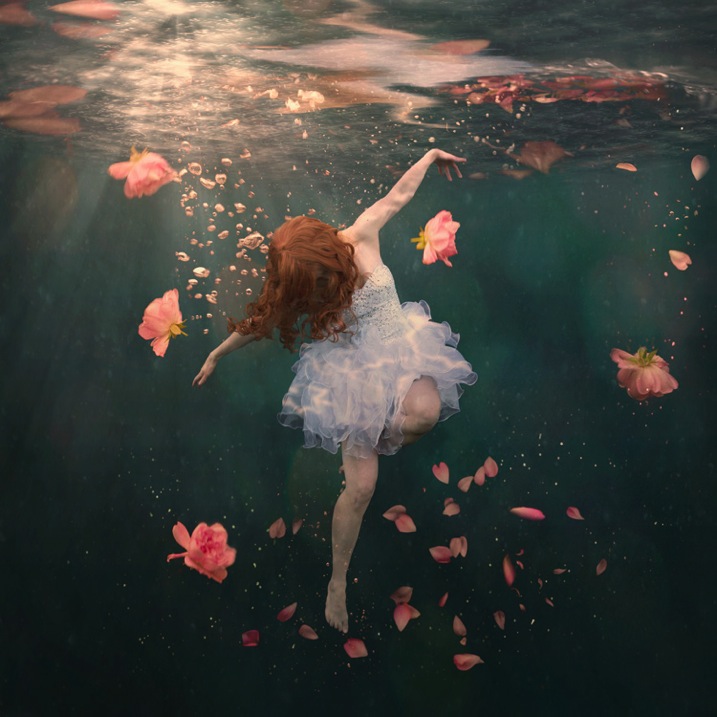
Rosewater

googletag.cmd.push(function() {
tablet_slots.push( googletag.defineSlot( “/1005424/_dPSv4_tab-all-article-bottom_(300×250)”, [300, 250], “pb-ad-78623” ).addService( googletag.pubads() ) ); } );

googletag.cmd.push(function() {
mobile_slots.push( googletag.defineSlot( “/1005424/_dPSv4_mob-all-article-bottom_(300×250)”, [300, 250], “pb-ad-78158” ).addService( googletag.pubads() ) ); } );

The post 8 Tips to Improve Your Photography by Creating Instead of Taking Photos by Hayley Roberts appeared first on Digital Photography School.


Digital Photography School

 
Comments Off on 8 Tips to Improve Your Photography by Creating Instead of Taking Photos

Posted in Photography


Wonder of nature: Eight winning photos from the 9th International Garden Photographer of the Year competition

22 Feb

$ (document).ready(function() { SampleGalleryV2({“containerId”:”embeddedSampleGallery_0735964398″,”galleryId”:”0735964398″,”isEmbeddedWidget”:true,”standalone”:false,”selectedImageIndex”:0,”startInCommentsView”:false,”isMobile”:false}) });

A photographer from the UK has collected £7500 along with the title International Garden Photographer of the Year as the results of the ninth competition have been announced. Richard Bloom took the first prize with a picture of a field of lupins he came across while in the South Island of New Zealand in the summer of 2015. Bloom commented ‘The landscape was already amazing, scattered with drifts of naturalised lupins, which gave it an almost psychedelic, wonderland feel.’

The competition has eight main categories along with additional prizes for portfolios, projects and photographers under the age of 16. The competition culminates in an exhibition at the Royal Botanic Gardens, in Kew, London, and a book is produced of the winning entries and those commended. On request judges also offer feedback on entries once the winners are announced.

The 2016 competition is already open for entries, and is open to photographers around the globe, with a deadline of October 31st. Entry costs from £10 for adults.

To see more of the winning entries visit the International Garden Photographer of the Year website.

Articles: Digital Photography Review (dpreview.com)

 
Comments Off on Wonder of nature: Eight winning photos from the 9th International Garden Photographer of the Year competition

Posted in Uncategorized


26 Images with a Hunger for a Good Meal – Photos at the Dinner Table

19 Feb

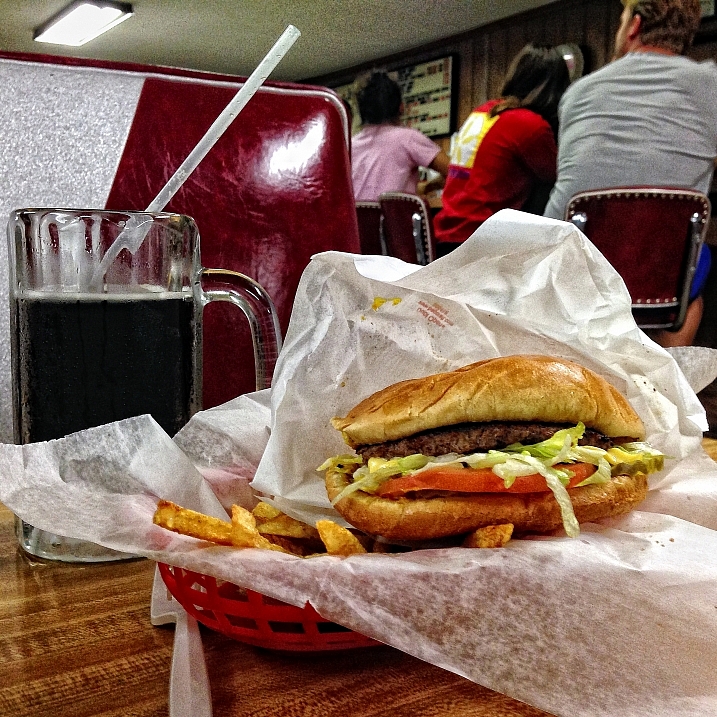
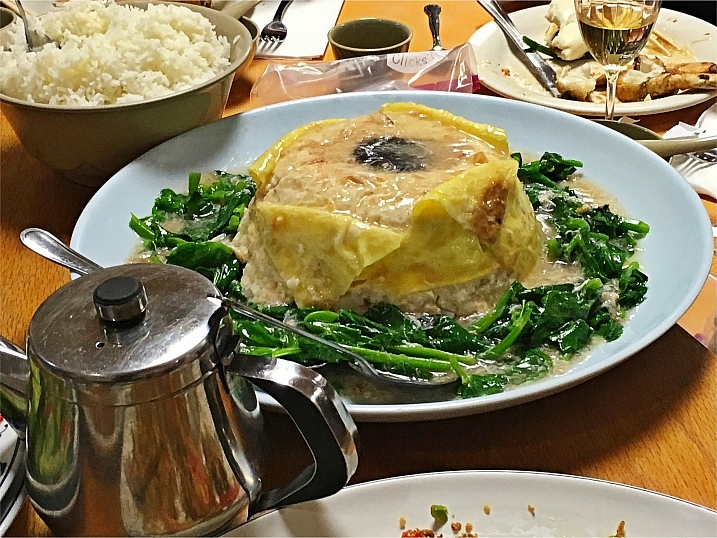
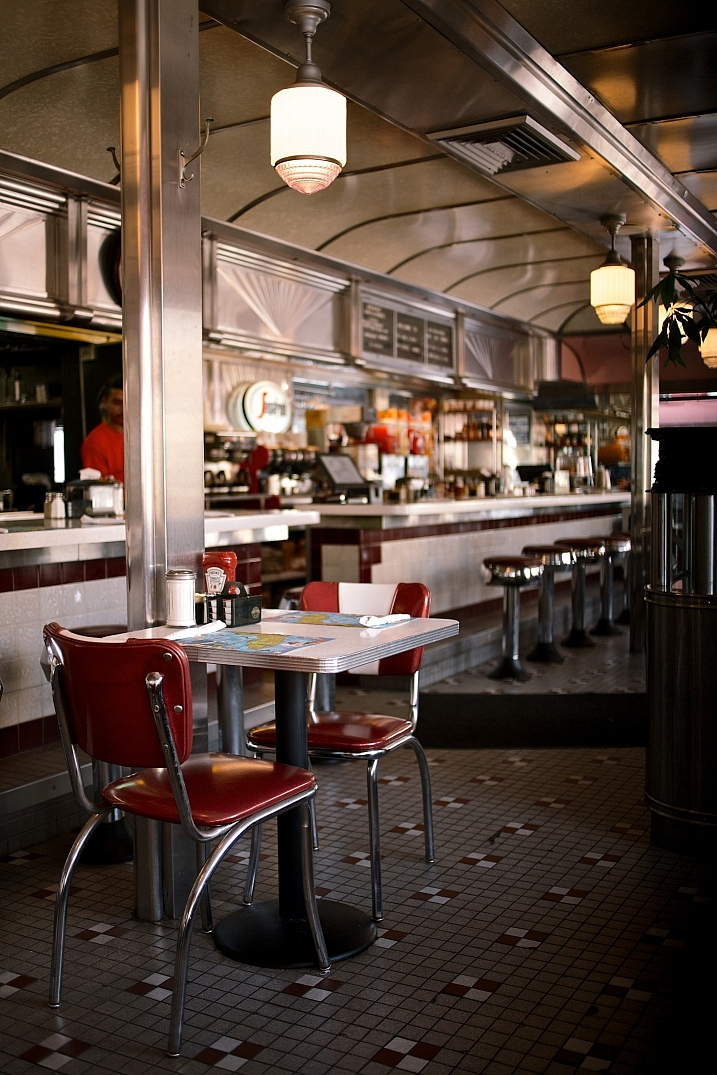
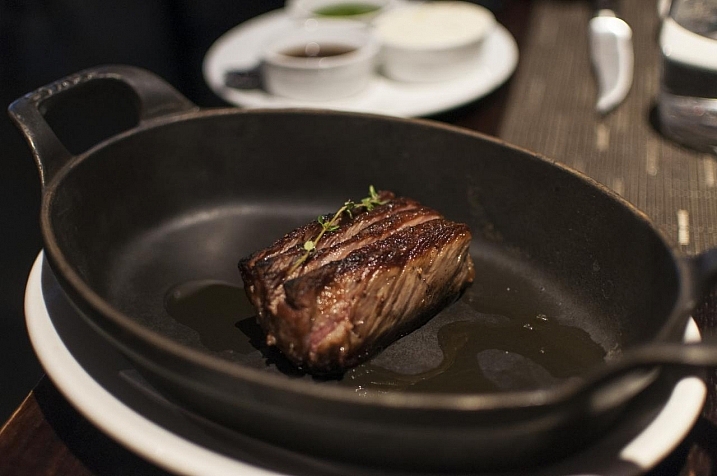
Whether it be a fancy feast at a special occasion, a romantically set table for two, or burger and fries on a plate – the following images satisfy a hunger for not only a good meal, but some great photos at, and around the dinner table.

Are you one to photograph your food in restaurants? Entire Instagram accounts are made up of such images. Note: remember to follow dPS over on Instagram! Even if you aren’t prone to that kind of photography, let’s see if these photos at the dinner table can inspire you, and/or make you hungry too!

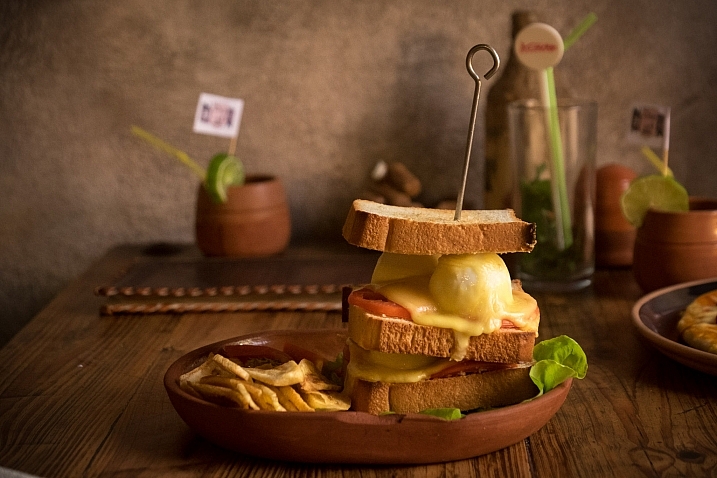
This is actually my photo taken of someone else's sandwich in Trinidad, Cuba. It just looked so amazing!

This is actually my photo taken of someone else’s sandwich in Trinidad, Cuba. It just looked so amazing I had to photograph it!

Radiowood

By radiowood

Antonin Rémond

By Antonin Rémond

Snugg LePup

By Snugg LePup

Dave Hensley

By Dave Hensley

Ron Frazier

By Ron Frazier

The Hamster Factor

By The Hamster Factor

JAPANKURU

By JAPANKURU

Ames Lai

By Ames Lai

Jitter Buffer

By Jitter Buffer

Shawn Harquail

By Shawn Harquail

Laura Thorne

By Laura Thorne

Marketa

By Marketa

Adam Wyles

By Adam Wyles

Mark Manguerra

By Mark Manguerra

Zlatko Vickovic

By Zlatko Vickovic

Tobias Lindman

By Tobias Lindman

Gunilla G

By Gunilla G

Kai Chan Vong

By Kai Chan Vong

Brian Wolfe

By Brian Wolfe

Foodswings

By foodswings

Brook Ward

By Brook Ward

Elias Quezada

By elias quezada

Stijn Nieuwendijk

By Stijn Nieuwendijk

Georgie Pauwels

By Georgie Pauwels

Renaud Camus

By Renaud Camus

googletag.cmd.push(function() {
tablet_slots.push( googletag.defineSlot( “/1005424/_dPSv4_tab-all-article-bottom_(300×250)”, [300, 250], “pb-ad-78623” ).addService( googletag.pubads() ) ); } );

googletag.cmd.push(function() {
mobile_slots.push( googletag.defineSlot( “/1005424/_dPSv4_mob-all-article-bottom_(300×250)”, [300, 250], “pb-ad-78158” ).addService( googletag.pubads() ) ); } );

The post 26 Images with a Hunger for a Good Meal – Photos at the Dinner Table by Darlene Hildebrandt appeared first on Digital Photography School.


Digital Photography School

 
Comments Off on 26 Images with a Hunger for a Good Meal – Photos at the Dinner Table

Posted in Photography


Picasa will be phased out in favor of Google Photos

16 Feb

Last year, Google rolled out a stand-alone Photos app with unlimited storage, stirring up rumors that its photo editing application Picasa’s days were numbered. Sure enough, in a statement on Friday Google announced that Picasa will be phased to make way for Google Photos, detailing what it hopes will be a more uniform photo experience. The change will take place ‘over the coming months.’

Google said in a statement, ‘We believe we can create a much better experience by focusing on one service that provides more functionality and works across mobile and desktop, rather than divide our efforts across two different products.’ To that end, Picasa users with web albums should log into Google Photos, at which point all the content will automatically be available in Photos.

Users who aren’t interested in switching to Google Photos will be given a ‘new place’ to view, download and delete Picasa Web Albums, without the organization, creation and editing tools. Further details on where users will access their Picasa content aren’t provided.

Support for the Picasa desktop app will end March 15. The Picasa Web Album changes will being rolling out on May 1.

Via: Google Picasa Blog

Articles: Digital Photography Review (dpreview.com)

 
Comments Off on Picasa will be phased out in favor of Google Photos

Posted in Uncategorized


4 Tips for More Dramatic Beach Photos

13 Feb

For some of us, the beach is a way of life. Whether it’s barefoot strolls at sunset, surfing in the big waves, or simply relaxing in the sun, the beach can be a magical place that is food for the soul.

Capturing it in a photograph though, can be a completely different story!

Suddenly you notice things that weren’t so apparent before you took your camera out: super bright harsh light, and photos that look boring and that don’t convey the feelings you experienced when you were at the beach.

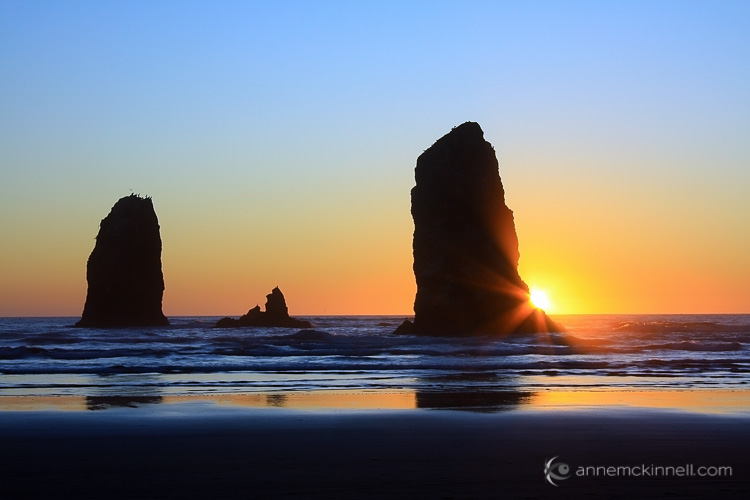
Bandon Beach, Oregon by Anne McKinnell

These tips will help you make the most of your time photographing at the beach, and ensure you come home with photos that are just as dramatic and memorable as your fun day in the sun.

1. Photograph during the Golden Hour

The middle of the afternoon, when the sun is high in the sky and the light is bright, is a great time for swimming and sunbathing, but not such a great time for photography. Just like other types of landscape photography, beach photography is all about the quality of the light.

At the edges of day, when the sun is low in the sky, you’ll find more gentle golden light that will make your photos glow. Sometimes you can photograph during the day too, but only when there are big puffy clouds in the sky that diffuse the light and create drama. If you have a big bright blue sky, it’s better to enjoy the afternoon swimming and visiting with friends, and save the photography for later.

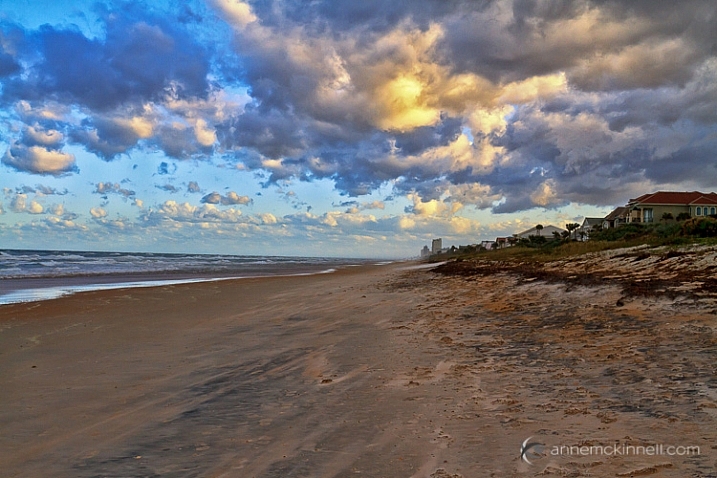
Ormond Beach, Florida by Anne McKinnell

2. Use a Graduated Neutral Density Filter

Even at the edges of the day, the sky is usually quite a bit brighter than the sand or rocks in the foreground of frame, which makes it difficult for your camera to get a good exposure, without blowing out the highlights and creating dark shadows.

Try to even out the exposure by using a graduated neutral density filter which is kind of like sunglasses for your camera. It’s a piece of plastic or glass that is dark on the top, and light on the bottom, and you use it to darken the just the sky portion of your image.

3. Use foreground elements to create an interesting composition

The beach always looks inviting when we’re just about to step onto the soft sand with our bare feet. But when you photograph it just as you see it, it can end up looking boring.

Try using a foreground element in your composition to add interest to the scene. Is there something unique about your particular beach? Perhaps it has colourful rocks, big boulders, driftwood, or seashells. Try incorporating the unique element into the foreground of your image, to make your photograph more interesting.

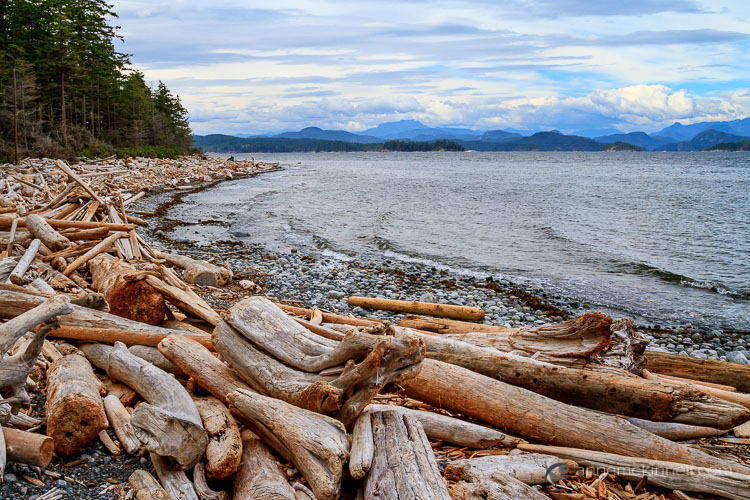
Rebecca Spit, British Columbia by Anne McKinnell

You can also use a low angle and get really close to your unique element to emphasize it. If you have big colourful rocks, getting down low, and angling your camera upwards, will make them seem even larger. Whereas if you photograph them from eye level they may not look nearly as dramatic as you remember them being.

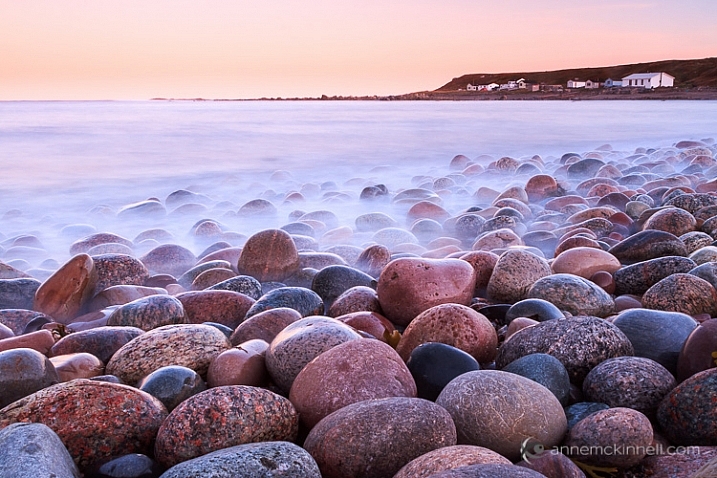
Gros Morne National Park, Newfoundland by Anne McKinnell

Look around and see what you can use for leading lines that will guide the eye out to the sunset, or towards an important feature in the frame, like sea stacks, or a house in the distance.

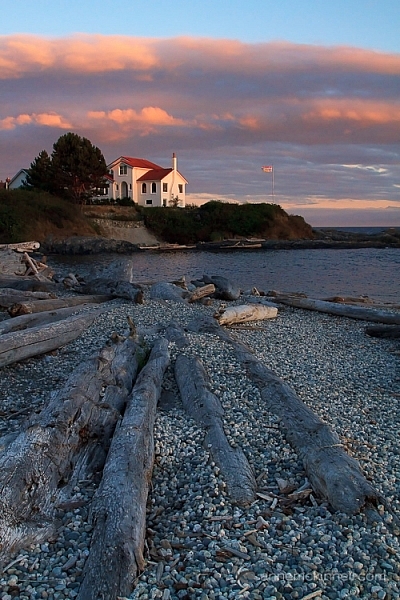
Ross Bay, British Columbia by Anne McKinnell

4. Sunbursts and silhouettes

Try some new techniques to create dramatic images. If you are looking towards the sun, you can create a sunburst by including the sun in your frame and using a small aperture like f/22. It also helps if you can partially hide the sun behind an object.

If you have an interesting foreground element with a strong shape, use it to create a silhouette. To do this, use spot metering and expose for the sky, allowing your foreground element to go completely black.

You can even do the silhouette and sunburst together for even more drama!

Canon Beach, Oregon by Anne McKinnell

Next time you go to the beach remember these tips to help you come home with photos that are just as much fun as you had playing in the surf.

Do you have any other beach photography tips, or some favorite beach photos? Please share in the comments below.

googletag.cmd.push(function() {
tablet_slots.push( googletag.defineSlot( “/1005424/_dPSv4_tab-all-article-bottom_(300×250)”, [300, 250], “pb-ad-78623” ).addService( googletag.pubads() ) ); } );

googletag.cmd.push(function() {
mobile_slots.push( googletag.defineSlot( “/1005424/_dPSv4_mob-all-article-bottom_(300×250)”, [300, 250], “pb-ad-78158” ).addService( googletag.pubads() ) ); } );

The post 4 Tips for More Dramatic Beach Photos by Anne McKinnell appeared first on Digital Photography School.


Digital Photography School

 
Comments Off on 4 Tips for More Dramatic Beach Photos

Posted in Photography


Pentax continues full frame DSLR tease with two sample photos
29 Jan

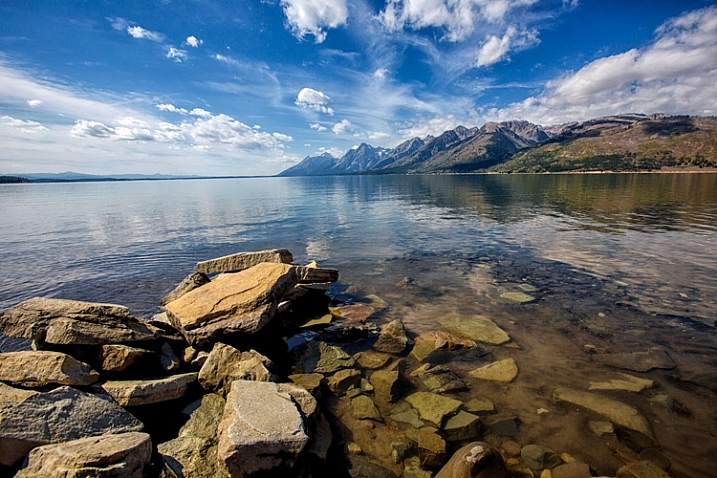
In September 2015, Ricoh published a teaser website for a Pentax full-frame DSLR set to launch in spring 2016. Additional teasers have been released on occasion since the website went live, including a new one today. In this latest post, Ricoh has released a pair of sample photos alongside details about the HD PENTAX-D FA 24-70mm F2.8 ED SDM WR lens and how it functions with the upcoming full-frame camera.

We got a look at an early mockup of the elusive Pentax full-frame DSLR at CP+ in February 2015. The post below is Ricoh’s latest update on the camera; the new sample photos can be viewed on the Pentax teaser website.

D FA 24-70mm F2.8ED SDM WR: for well-depicted, fine-detailed images

The HD PENTAX-D FA 24-70mm F2.8ED SDM WR lens has a 17-element, 12-group optical construction featuring three ED (Extra-low Dispersion) glass elements, one anomalous-dispersion glass element, and three aspherical elements. It delivers high-contrast, high-resolution images with extra-fine details across the image field — from the center to the edges — while effectively compensating for a variety of aberrations.

When mounted on a PENTAX 35mm full-frame digital SLR camera body, this lens can be used as a standard zoom lens, with a zoom ratio of approximately 2.9-times, covering focal-length ranges from ultra-wide angle to standard. It captures unique, eye-catching images with an exaggerated perspective and a wide depth of field, making it ideal not only for sweeping landscapes, but also for confined indoor scenes with limited depth. Its weather-resistant structure prevents the intrusion of water into the interior. When coupled with a weather-resistant PENTAX 35mm full-frame digital SLR camera body, it creates a dependable, durable imaging system that performs superbly even in the rain or mist, or at locations prone to splashing water.

Articles: Digital Photography Review (dpreview.com)

 
Comments Off on Pentax continues full frame DSLR tease with two sample photos

Posted in Uncategorized