RSS
 

Posts Tagged ‘Photos’

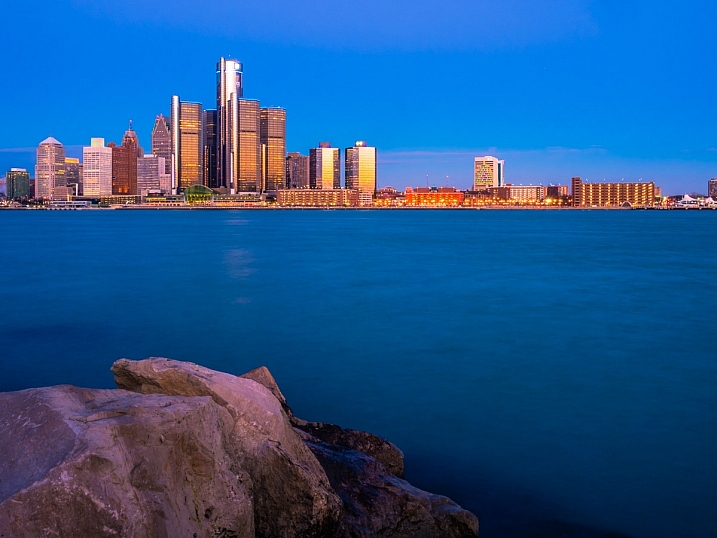
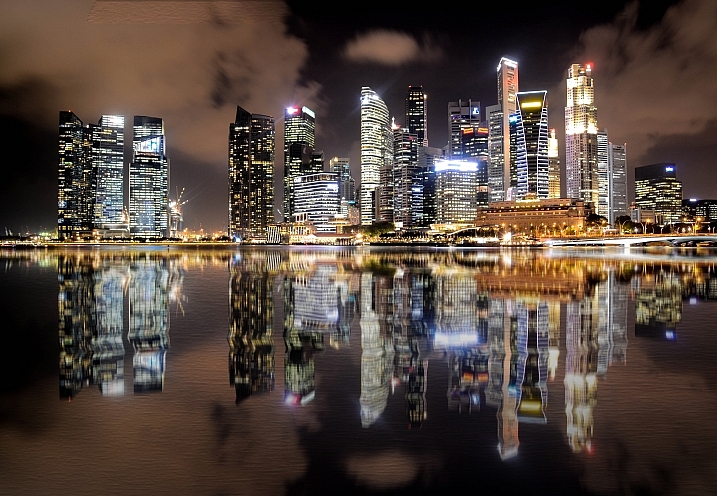
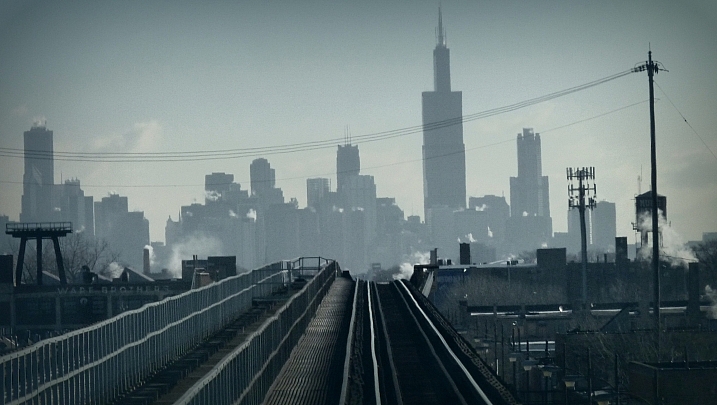
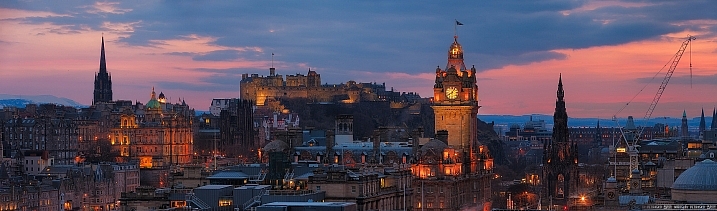
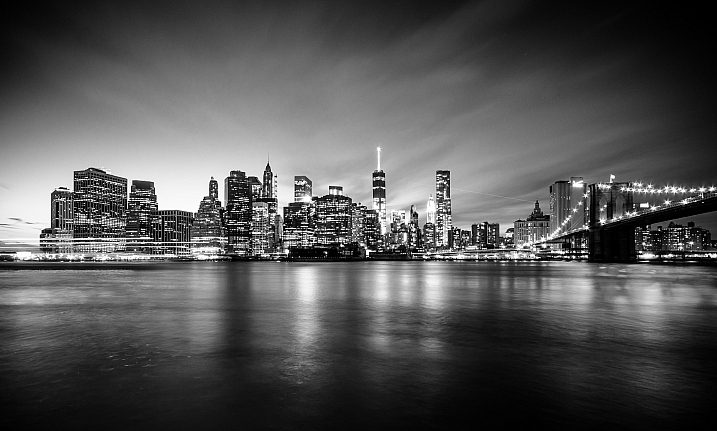
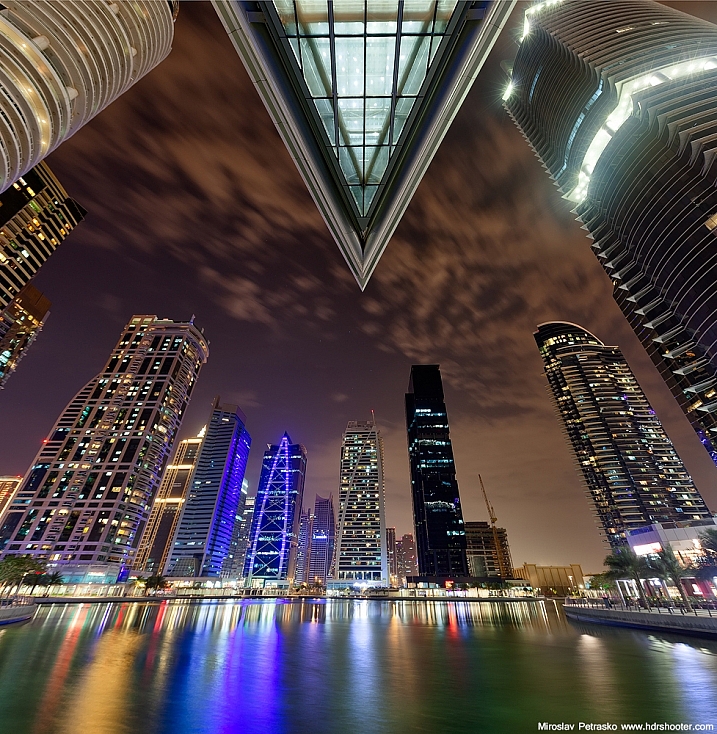
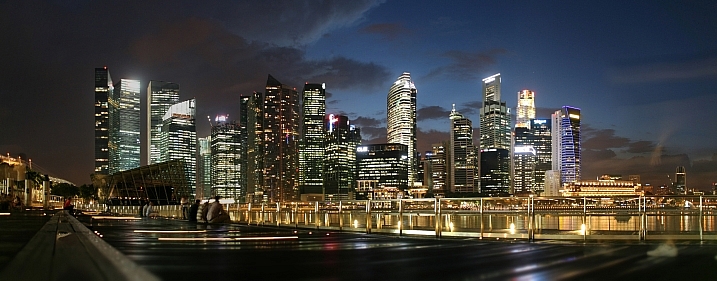
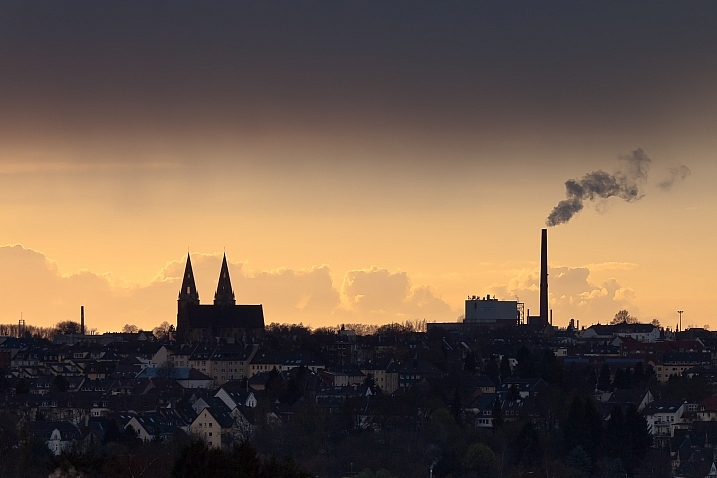
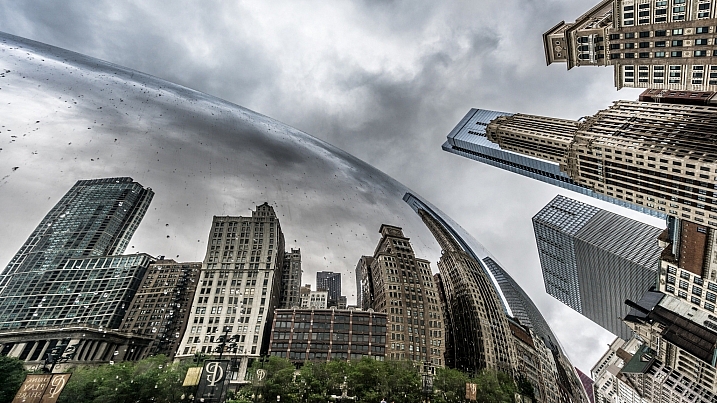
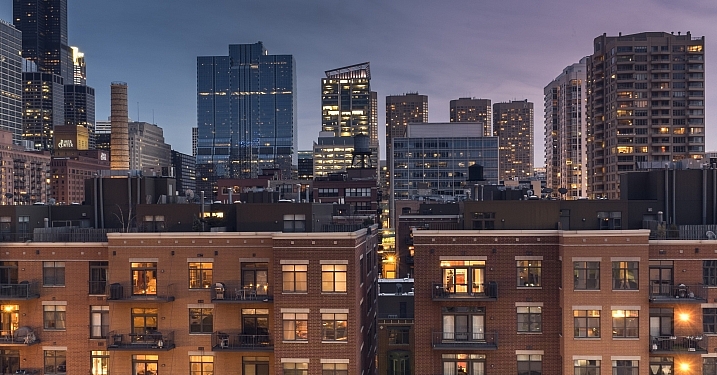
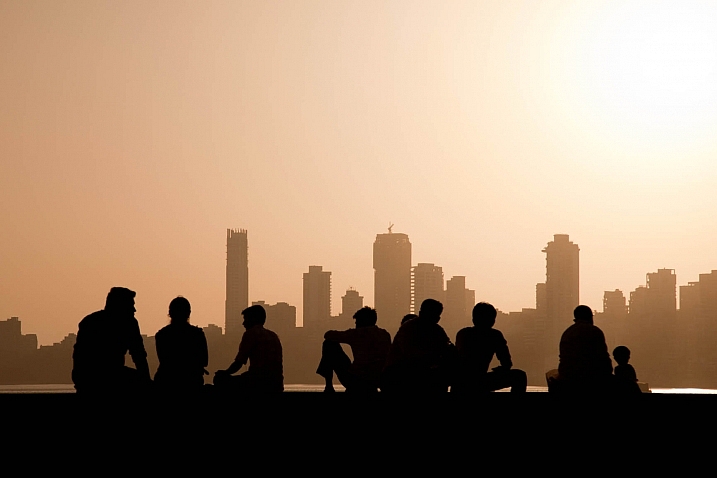
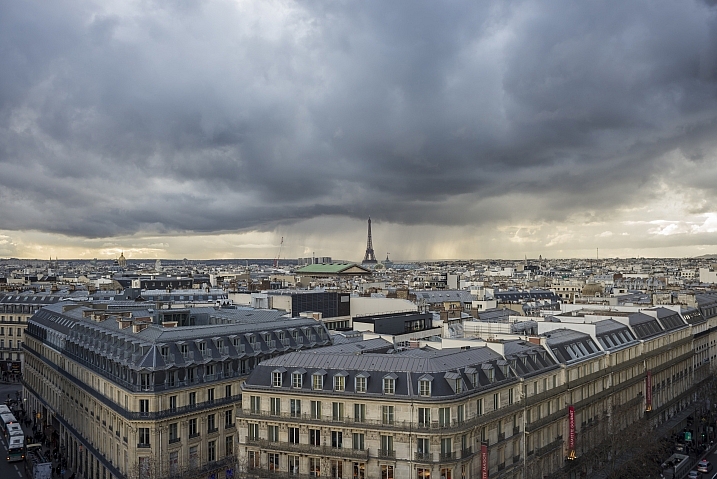
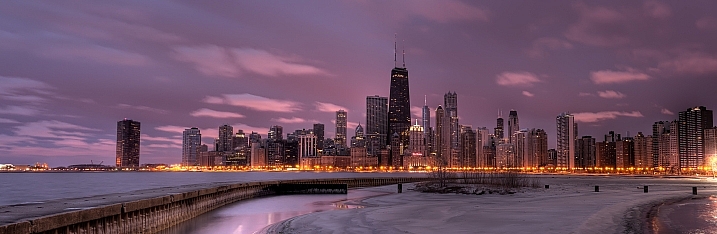
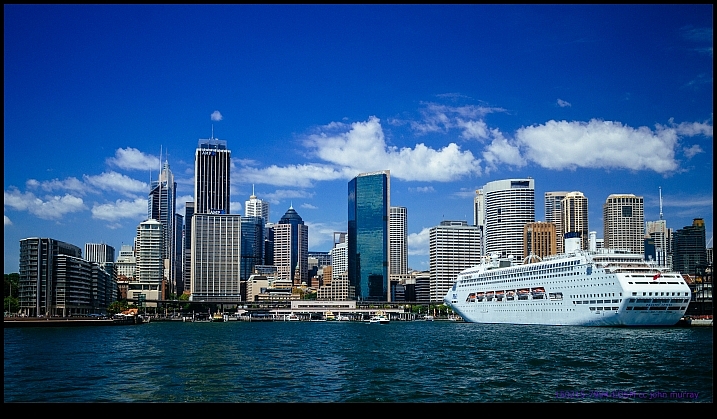
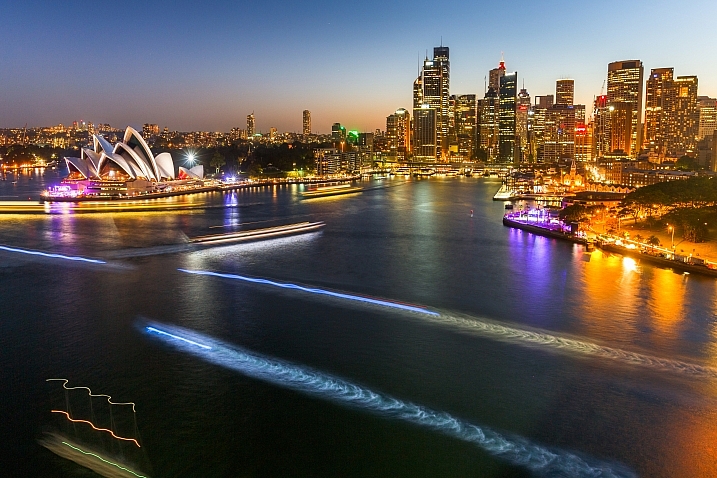
25 Stunning Photos of City Skylines

15 Apr

Urban landscape photography, pretty much involves city skyline images. Iconic shots of skylines and many cities of the world are instantly recognizable.

See if you find these images inspiring, and if you can name the cities:

Anh Dinh

By Anh Dinh

Olsonj

By olsonj

Viisoreanu Florin Gabriel

By Viisoreanu Florin Gabriel

Chris Toe Pher

By Chris Toe Pher

Matt Paish

By Matt Paish

Mike Boening Photography

By Mike Boening Photography

Michaela Loheit

By Michaela Loheit

Yooperann

By yooperann

Miroslav Petrasko

By Miroslav Petrasko

Maciek Lulko

By Maciek Lulko

Miroslav Petrasko

By Miroslav Petrasko

Whereisemil

By whereisemil

Herr Olsen

By Herr Olsen

Giuseppe Milo

By Giuseppe Milo

Aurimas

By Aurimas

Jamie McCaffrey

By Jamie McCaffrey

Ram Balmur

By Ram Balmur

RobinTphoto

By RobinTphoto

Peter Hubler

By Peter Hubler

Gordon

By Gordon

Dave Wilson

By Dave Wilson

Gord McKenna

By Gord McKenna

Hopeless128

By hopeless128

Loïc Lagarde

By Loïc Lagarde

Siyamalan

By Siyamalan

googletag.cmd.push(function() {
tablet_slots.push( googletag.defineSlot( “/1005424/_dPSv4_tab-all-article-bottom_(300×250)”, [300, 250], “pb-ad-78623” ).addService( googletag.pubads() ) ); } );

googletag.cmd.push(function() {
mobile_slots.push( googletag.defineSlot( “/1005424/_dPSv4_mob-all-article-bottom_(300×250)”, [300, 250], “pb-ad-78158” ).addService( googletag.pubads() ) ); } );

The post 25 Stunning Photos of City Skylines by Darlene Hildebrandt appeared first on Digital Photography School.


Digital Photography School

 
Comments Off on 25 Stunning Photos of City Skylines

Posted in Photography


How to Improve Your Photos Using Micro-Composition

12 Apr

One of the most fundamental elements of photography is that of composition, or how your subject, foreground, background, light, and other elements work together to produce a complete picture. While understanding how this works is fundamental to mastering the art of photography, the underlying principles behind composition go much deeper than just getting all the big things right so they look good in the frame. Masters of the medium are able to balance many different techniques of composition at the same time ,and put them together to launch their work into the upper echelon, and one rung on that ladder is a concept known as micro-composition.

microcomposition-engagement

This involves not just getting the big things in your picture set up and aligned properly, but making sure to capture your image in such a way that the smaller elements work together as part of the cohesive whole. It’s a technique that can be tricky to learn and take years to master, but through practice can elevate your photography to a whole new level.

To understand how micro-composition works it’s good to start with one of best examples of this technique which can be seen in National Geographic photographer Sam Abell’s image Cowboys Branding Cattle, Montana.

Photograph by Sam Abell, National Geographic

At first glance it seems like an ordinary picture of some ranchers in the western United States, but the reason it looks so perfect is because everything in it is masterfully composed. All the elements come together to form a complete picture that works at the foreground, subject, and background levels. It invites the viewer to linger, not just on the calf being branded, but on the cowboys wrangling cattle behind them, and the rider on his horse in the background. Even the red bucket helps add a sense of action and mystery to the picture, but what makes this image work so well is how each of the elements is composed, not just on a macro level but on a micro level as well. The heads and shoulders of every person are above the horizon line, the horse in the background is perfectly framed between the two ranch hands, and the red bucket occupies its own space and does not overlap the man’s hat or even break through the horizon line. This was not a lucky one-in-a-million shot, but one that was carefully composed by Abell as he positioned himself in the midst of the action, kept the various elements composed in his camera’s viewfinder, and waited until just the right moment when the red bucket was just past the cowboy’s hat to take the shot. It’s the result of a master micro-composer at work.

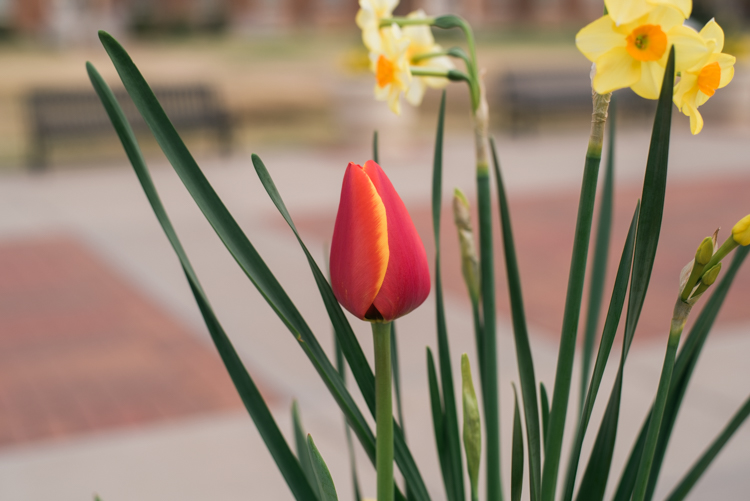
Micro-composition is all about focusing not on just the major elements of a picture, but the minor ones as well, and putting each element in its own space, while keeping it as a clear part of the whole. While I am certainly no Sam Abell, and probably couldn’t take photos like his if I practiced for a hundred years, there are many ways the techniques of micro-composition used by him and others, can be applied to even the most mundane photos. As a bit of a case study, the following image of a tulip is not composed well on a macro- or micro-level, but it can serve as a starting point for illustrating how these concepts work together.

microcomposition-tulip-1

What you see here is a good start but ultimately not a very pleasing image. The red tulip is in the center of the image, when it should be off to the side, and it has a green stalk protruding vertically which creates a jarring distraction. To fix some of these issues I re-framed the tulip with a better overall macro composition and the results, while not perfect, are certainly much better (see below).

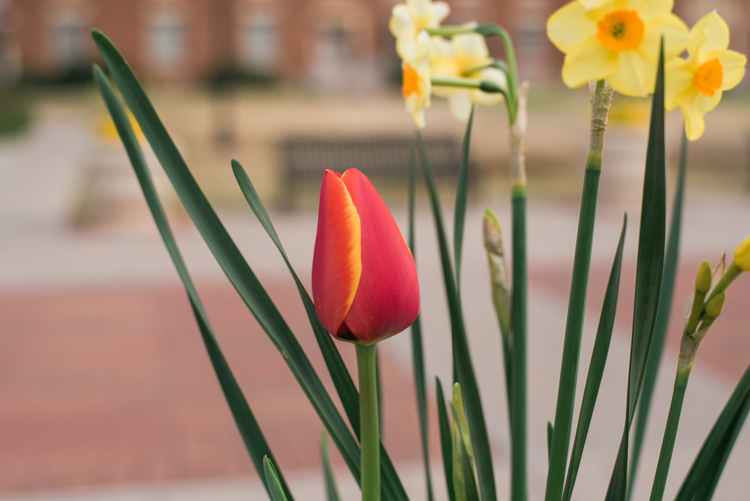
microcomposition-tulip-2

From a macro sense the picture has improved, but look at the small details and you will notice several things that don’t work. The tulip itself no longer has a strange green growth on top but the flower now protrudes through the horizon line and into the steel bench in the background. The stalks on the left side don’t go quite to the corner which leaves a strange empty space between them and the edge of the picture. Finally, the yellow bulb on the right side is cut off. As you can see, even though the image seems fine at first glance, looking at these micro-level compositional elements reveals a host of problems that could easily be fixed, and would result in a much better picture.

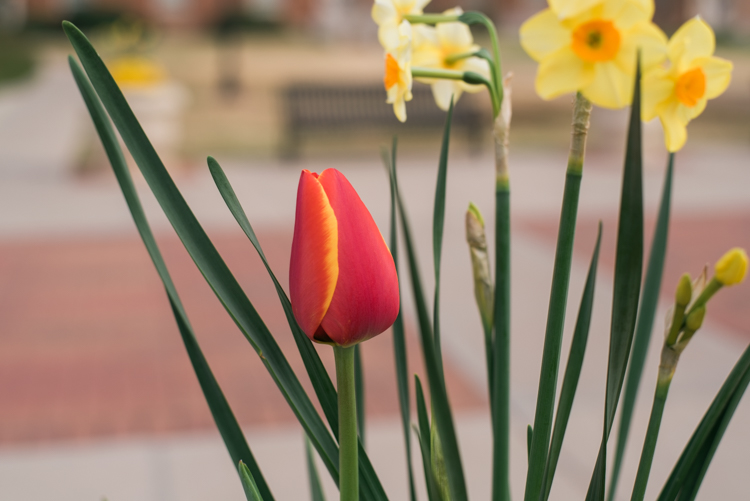
microcomposition-tulip-3

Finally, a photo that works! Even though it’s not perfect (as I mentioned earlier, I’m no Sam Abell) we can see how micro-composing the photo has dramatically improved it over the original. The red tulip now occupies its own space, and does not break through the horizon line into the bench. The tips of the green stalks go almost to the corner, and the bulb on the right side is fully intact without being cut off at all. All this was completely intentional, not the result of some random photographic accident. I spent several minutes poring over the composition, and looking at the scene from different angles, in order to get as many elements as possible right where they should be. The result of this extra time is a picture that is much better than just a simple snapshot.

microcomposition-construction-site

It took a bit of work and patience to get this shot, but I wanted to make sure each worker was in his own space. The final shot is not ideal, but much better than others I took, in terms of micro-composition.

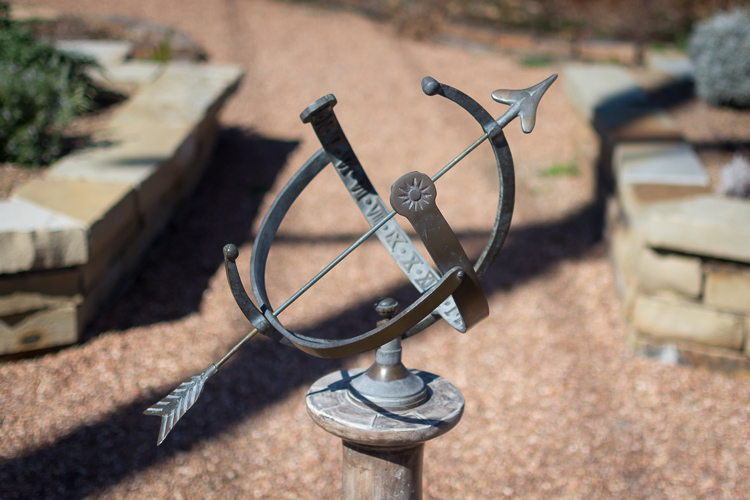
Learning the principles behind micro-composition takes time, observation, and lots and lots of practice. It also involves quite a bit of patience, so if you are used to snapping photos with your phone, throwing on a filter and some text, and tossing them up to a few social networks, you may find the idea of micro-compositing a bit frustrating. For another example take this photo of a sundial (below) which seems okay at first glance, but when I shot it I did not want to settle for something decent. There is nothing especially wrong with the overall composition, but on a micro-level there are several elements in need of fixing.

microcomposition-sundial-improper

I liked the idea of framing the sundial with a path and some greenery in the background, but studying the smaller elements and taking a new picture led to much better results. This required not only repositioning myself just a few inches over to the side, but also waiting about 15 minutes for the sun to move across the sky so I could get better shadows in the background. I could have just left this garden with the initial picture, but the next one, which is properly micro-composed, is far better.

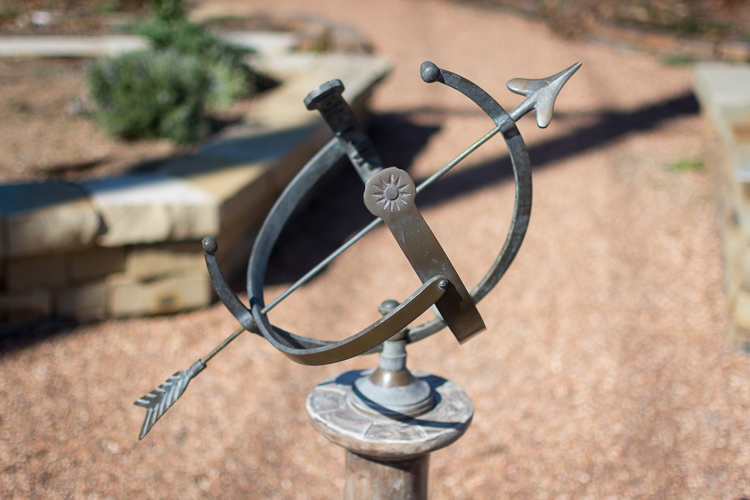
microcomposition-sundial-proper


While this second image is not perfect it works far better for a few reasons:

  • The tip of the arrow stays within the path and does not intrude on other background elements like the stone borders on the side of the path.
  • The near side of the sundial arc does not overlap the far side.
  • The fletchings on the rear end of the arrow sit within the the shadow on the path, which leads to a nice sense of contrast.
  • The rear side of the sundial does not overlap the shadow of the stone ledge…except for the very tip of one arc. (Sometimes no matter how hard you try you just can’t quite get everything how you want it.)

Masters of the art like Sam Abell will sometimes sit for hours waiting for the ideal conditions to line up, such that the resulting shot is composed beautifully from virtually all possible angles. While I have years to go before I can even hope to come close to that level, this most certainly is a technique that has helped me improve my own photography.

microcomposition-guitar-pond-dog

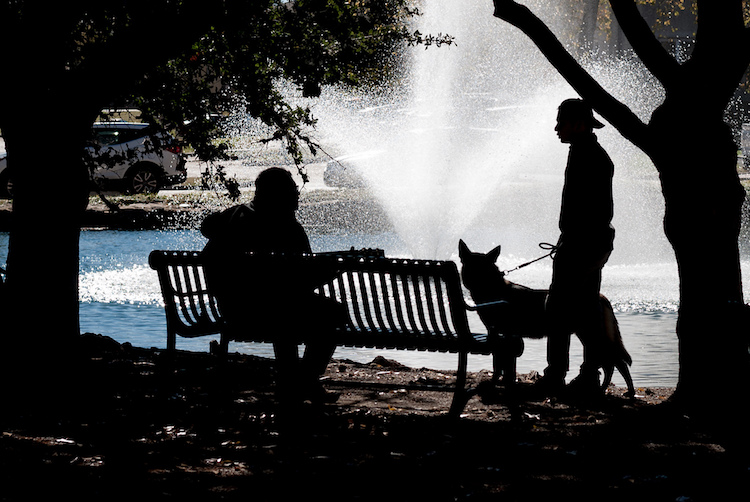
Each element of this picture exists within its own space: the musician’s head is positioned between the branches, the bench is contained within the pond, and even the dog’s head does not overlap the bench.

If I had to distill my advice regarding micro-composition down to just one simple phrase, I would reiterate one thing I mentioned earlier – have patience. Take your time when preparing a shot. Consider all the elements in the frame, not just your subject and the light. Ask yourself if there is another angle, another position, or even another focal length you can use to get the various elements of the photo, from the major to the minor, to all work together. You don’t need a fancy camera or expensive equipment to learn micro-composition, but once you start to get the hang of it, you will see a dramatic increase in the quality of your images.

Have you found the concept of micro-composition to be useful in your own photography? What other tips and tricks do you have up your sleeve when it comes to composing pleasing images? Share your thoughts in the comments below, and if you have any examples that we can learn from feel free to share your photos too!

googletag.cmd.push(function() {
tablet_slots.push( googletag.defineSlot( “/1005424/_dPSv4_tab-all-article-bottom_(300×250)”, [300, 250], “pb-ad-78623” ).addService( googletag.pubads() ) ); } );

googletag.cmd.push(function() {
mobile_slots.push( googletag.defineSlot( “/1005424/_dPSv4_mob-all-article-bottom_(300×250)”, [300, 250], “pb-ad-78158” ).addService( googletag.pubads() ) ); } );

The post How to Improve Your Photos Using Micro-Composition by Simon Ringsmuth appeared first on Digital Photography School.


Digital Photography School

 
Comments Off on How to Improve Your Photos Using Micro-Composition

Posted in Photography


20 Random Thoughts on Google Photos in a Rambling Stream of Consciousness Format

10 Apr

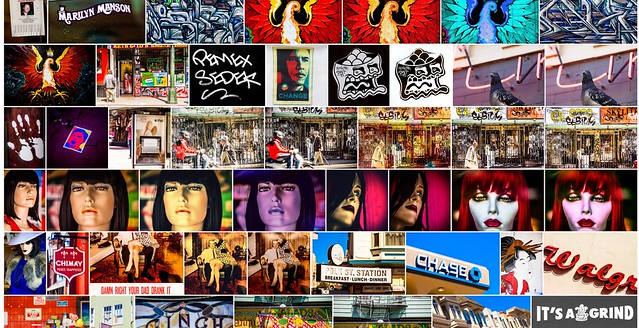
Google Photos Mosaic

Not exactly beat poetry, this list is a rambling mess of 20 things that I thought about today about my experience with Google Photos.

This list is very poorly written and absolutely lacks coherence. It’s a stream of consciousness jumble of unrelated thoughts about Google Photos.

I’ve been using (and uploading to) Google Photos non-stop since it launched. I think the service holds great promise but is also flawed in some ways at the same time.

Disclaimer: these are my experiences. My experiences are probably different than yours. I likely have more photos on Google Photos than 99.999% of users, so things that may be broken for me may work perfectly for you.

Album is Empty

1. My single biggest complaint about Google Photos is how long it takes to generate shareable links to content. Being able to share a photo or album or video by creating and copying a link is a nice feature, but in my case it typically will take several minutes to several hours in order for that link to actually work. When I create a link and copy and paste it I always get: “Album is empty use the plus to add items,” when I first try to share or access that album.

Link sharing should be instantaneous (like it is on Flickr), but even if it is not it would be better for the user to get some sort of messaging saying “your album will be ready in 27 minutes, come back later” or something like that. For the first six months or so I just thought sharing by link simply did not work, now I know it’s just a delay thing.

2. Google face tagging is awesome! It’s wonderful to have my family and friends’ photos grouped by face and I love that I can go back and put their name on them. Unfortunately Google Photos would appear to limit you to 200 different people at which point the tagging functionality will no longer tag any new people. In my case Google Photos early on chose to facial tag a lot of musical acts that I photographed at Coachella leaving no space for other real friends that I wish were in there.

I’m not sure why there is such a low 200 face limit or why there should be any limit at all. At a minimum, Google Photos should let me manually tag people and then run facial recognition on these people instead of the random 200 that the software has selected.

3. I wish Google Photos had a public sharing option. Private by default is nice, but it would also be nice to be able to make some photos in the service public.

No Keywords in Google Photos
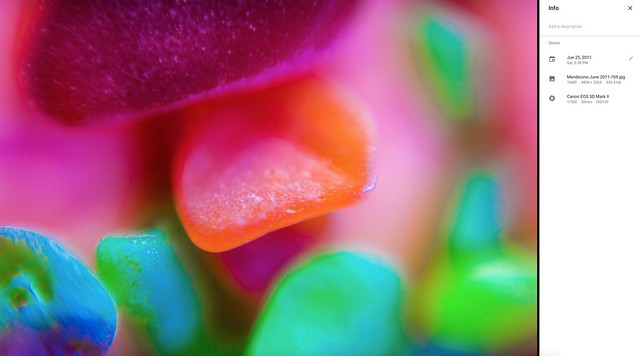
Your titles, descriptions and keywords do not get uploaded with Google Photos.

4. I wish Google Photos used all of the careful keywords and metadata that I embed in my photos. One of the nice things about Flickr is that when I add descriptive keywords to my photos in Lightroom and save them to the file Flickr automatically populates the tags along with the photo’s title and description. Google Photos ignores this data. I’m not sure why Google Photos does not care about this data as I would think it would be very useful for search and also very easy to include with uploaded photos. If Google Photos can bring in the iso and shutter speed setting with my photos, why not the keywords too?

5. Google Photos gives you a “card dismissed” message when you dismiss a card using Google Photos’ assistant. This message disappears after about 10 seconds. The problem is that if you are trying to go through a number of different Google automatic creations the page jumps as this message disappears. This makes you accidently click on the wrong place on the page all the time when trying to process more than one creation at a time. This message is not important enough to justify the instability it creates for use on the page.

6. On March 22, Google Photos announced smarter auto albums. It’s been several weeks now and I have not had a single automatic album suggested for me yet by Google Photos assistant. It would be nice to experience what these are like.

7. Since Google Photos launched I’ve found that it takes much longer to upload my photos to Google+, usually as long as 2 minutes or so to upload a photo. Not sure that this has anything to do with Google Photos.

8. Google Photos seems to do a little better job uploading photos than it did in the early days. In the early days sometimes it would only upload 50 photos for me in a single day. Now it typically will upload several hundred a day, but it’s still going to be a long time before it finishes with the 489,052 remaining in the current batch — and then I will still have many more batches to upload. By contrast Amazon Photos does not resize my RAW files at all and goes about 10x as fast.

9. Sharing very large albums with people does not work. At present Google Photos will not allow you to share over 2,000 photos at once. I spent a long time trying to figure out how to share all of the photos I’ve taken with my friend Scott Jordan with him the other day. Finally I had to give up trying and just create a new Google Account that we could both share and reupload all of the photos to that account. That was a pain and there should be a better way for people to share larger albums of photos.

10. Auto facial recognition is good but if it can’t auto tag everyone, Google Photos should let you manually tag people. A combination of automatic AI facial recognition with manual user tagging would make more complete collection.

11. When scrolling through your main Google Photos Library Google Photos will let you fast forward many years into the past. For example, it will start by showing me photos I took yesterday but then I can pull the slider all the way down and easily jump to say photos from 2010. When you are scrolling through photos of people Google Photos has facial tagged though they will not let you jump forward this way. If you have a lot of photos of someone getting to the year 2010 can take a very long time if you have to scroll through everything to get to that time.

12. Sometimes thumbnail versions of photos load very slowly on Google Photos. Other times they render quickly. Not sure why the diffference at times.

13. When I search for cats on Google Photos it brings up a lot of photos of my black labradors. If Google Photos uploaded my keywords they would probably have a better idea that it was a dog in the photo than a cat.

14. The share photos to Facebook functionality doesn’t work for me on Google Photos. Sharing Photos to Google+ seems to work just fine though.

15. Google Photos has only identified 143 “things in my photos.” I’ve collected over 2,000 albums on Flickr, many dedicated to specific things. My Flickr albums are much better organized than my Google Photos albums. Flickr allows me to build albums by my keywords though, Google Photos does not. After using the service as long as I have with as many photos as I have I feel like it should have identified more than 143 things.

16. I have to launch Google Photos and the Assistant to get it to add photos from my iPhone to Google Photos on wifi. I wish as soon as my phone connected to wifi photos from my phone just automatically uploaded to Google Photos, even without having to launch Google Photos app on my phone.

17. When you can get album sharing to work it can be a very powerful way to share photos with people. Here’s an album of all of the photos that Google Photos recognizes of my friend Robert Scoble by face. This includes both my processed and unprocessed photos so the quality is very mixed. I bet Robert hasn’t seen some of these photos.

18. I love how much infinite scrolling Google Photos uses. Paging sucks. Flickr should take notice of how much better Google Photos does infinite scrolling.

19. I wish there was a way I could see how many photos I’ve uploaded to Google Photos. Actually there is a way. Thanks Thomas O’Brien. So far I’ve uploaded 748,892 photos to Google Photos.

20. I wish in the share menu for Google Photos there was embed code where you could embed the photo on your blog or somewhere else on the web.


Thomas Hawk Digital Connection

 
Comments Off on 20 Random Thoughts on Google Photos in a Rambling Stream of Consciousness Format

Posted in Photography


Urban Jungle: Dizzying Drone Photos of Hong Kong from Above

08 Apr

[ By WebUrbanist in Architecture & Cities & Urbanism. ]

drone photo hong kong

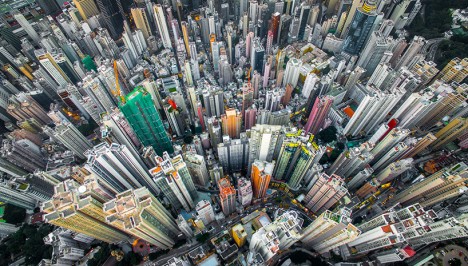
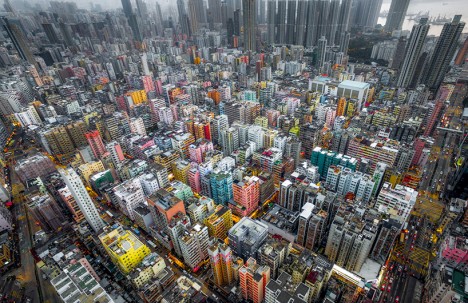
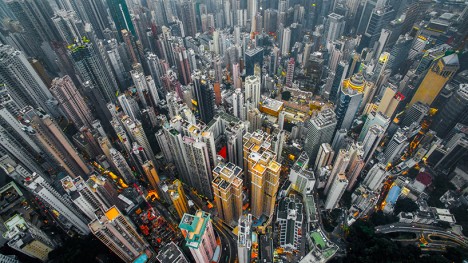
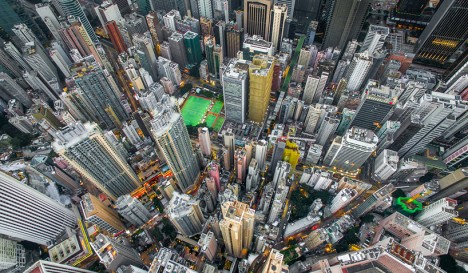
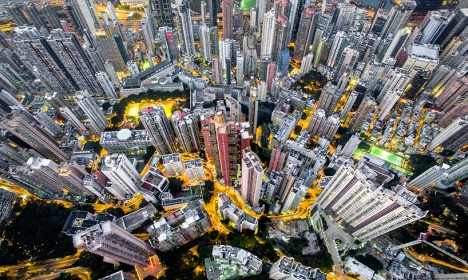
Hong Kong has inspired so many iconic images of urban density shot from the ground or horizontally across buildings, but seeing it from above via drone footage gives the city an entirely fresh dimension.

drone density china

drone repeating buildings

In this series of vertigo-inducing snapshots, photographer and unmanned aerial vehicle pilot Andy Yeung captures both the chaos and order, colorfulness and monotony, of one of the world’s most stunning urban centers.

drone aerial city

drone view above

Shot from hundreds of feet in the sky, the resulting views exceed even the relatively awesome ones attainable by tripping up to the top of the adjacent hillsides. An onlooker starts to get a sense of the combination of  rigorous order and organic evolution of the city.

Share on Facebook


[ By WebUrbanist in Architecture & Cities & Urbanism. ]

[ WebUrbanist | Archives | Galleries | Privacy | TOS ]


WebUrbanist

 
Comments Off on Urban Jungle: Dizzying Drone Photos of Hong Kong from Above

Posted in Creativity


Google Photos for Android updated with non-destructive editing

31 Mar

Google has launched version 1.17 of its Google Photos for Android app and the update brings an important improvement: non-destructive editing. Read more

Articles: Digital Photography Review (dpreview.com)

 
Comments Off on Google Photos for Android updated with non-destructive editing

Posted in Uncategorized


5 Tips to Take Better Sunset Photos – and Why Not to Photograph the Sunset Directly

31 Mar

As a landscape photographer, I participate in many online groups, and I also teach classes where I get the opportunity to see less experienced photographers’ work. I often see some very good work, but many times I also see missed opportunities. Newer photographers just getting started photographing landscapes often times become so enamored by the colors in the sky, that they neglect other areas of the image. I often see images with weak, underexposed foregrounds, and poor compositions that keep them from being good photos and relegates them to being just pretty snapshots.
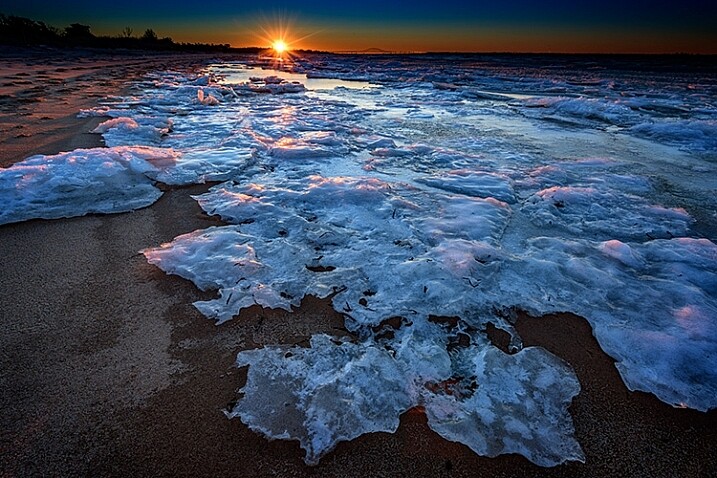
Sunset in the background with a starburst

Don’t get the wrong idea. I often photograph at sunrise or sunset. But, the sun or sky is rarely the subject of the photo. It may be an element in the image, but the subject is generally something else. In many ways, it can be more difficult to make a great image at sunset or sunrise, because there is a tendency to be drawn to the pretty colors in the sky. But as photographers, we really need to pay attention to the other elements in the image to ensure we’re creating a complete composition. So below are a few tips to help improve your sunset or sunrise photos.

1- Put the sun in the background

This tip is the most obvious. Sunsets make great backgrounds, but rarely do they make great subjects. You need to find a good foreground. The gorgeous colors in the sky can be so vibrant that they really allow us to see our surroundings differently. The play of light and shadow over objects in the foreground, due to that great directional light given off when the sun is lower in the sky, helps create interest that might not be there in the middle of the day when the sun is higher.
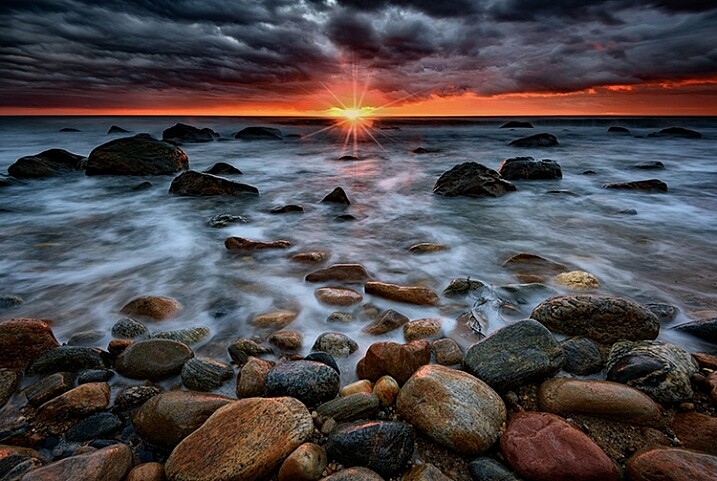
A sunrise in the background adds interest

The best way to do this is to find something of interest right in front of you. Use a wide angle lens, such as the 16-35mm or something around that range, zoom out to as wide as you can, and put your foreground object a few feet in front of you. Stop down and set your aperture to f/11 or smaller, and focus on your foreground object to ensure that it’s sharp. If you want to add some extra interest, try stopping your lens down as far as you can. This will help create a starburst where the sun is, which will add a little extra interest in your scene.

One thing to keep in mind, is that the exposure for your foreground subject and the background exposure, are likely going to be very different. You have a few options here. The first would be to expose once for the foreground, and once for the background, and then blend them together in Photoshop. A great article on blending exposures is 5 Easy Steps To Exposure Blending for High Contrast Landscapes. Next, and generally my preferred method, is to use a graduated neutral density filter to try and darken the bright sky in the background, so that it is more balanced with the foreground subject. Read Using Graduated Neutral Density Filters for Landscape Photography for more on ND Grads.  The last, and easiest option, is to create a silhouette of the foreground objects, while properly exposing the colorful sky and sun in the background.  This works best with a singular object with a distinctive form, such as a bridge, a tree, a distinctive building, or a person in a distinctive pose.

2 – Photograph with the sun at your side
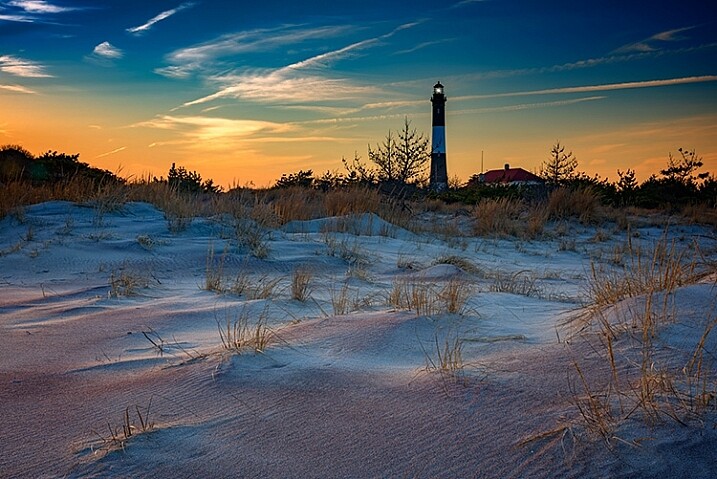
Photograph with the sun at the side

In this case, the sun itself won’t be in your scene at all. The magic of sunsets or sunrises is the soft, warm, directional light they offer. This light can create tremendous light and shadow play within the scene, making textures in your foreground especially desirable. Rocks, logs, trees, grasses, and undulations or patterns on the ground, will create interesting shadows and highlights that draw your viewer’s eye into the scene. In this case, it’s often best to put the sun to your side, so that it rakes across the scene, letting the shadows and highlights play from one side to the other.
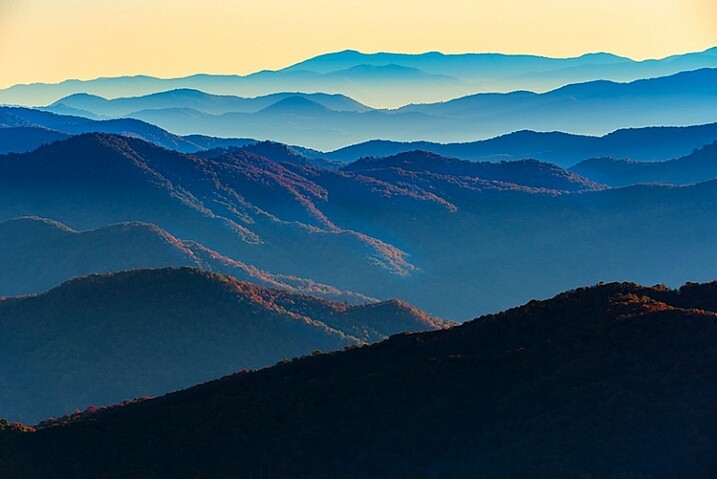
Use-Textures-To-Catch-light

With a scene like this, a polarizing filter may help as well, as they are most effective when the camera is aimed 90° from the sun. This will help deepen blue areas of the sky, enhance other colors, and reduce any haze that may be in the scene. You may need to make some choices about exposure, if the contrast between highlight and shadow in the foreground is too great. A graduated neutral density filter can help keep the sky under control if it is still too bright against the foreground.

3 – Keep the sun at your back
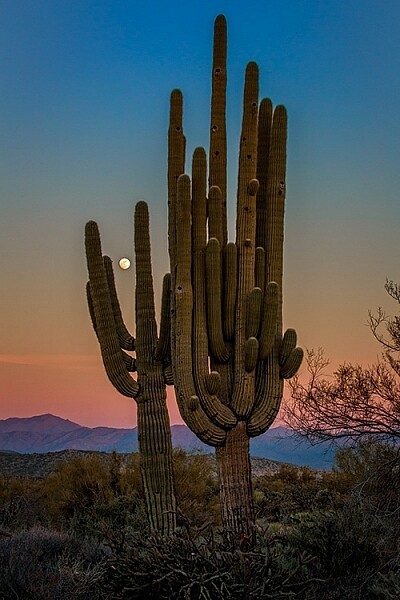
Put the sun behind you

At sunrise or sunset, that soft warm light that I mentioned as being great from the side, is also great from behind you. This will help create a soft frontal light on your scene, illuminating all of the details. This is likely to be the easiest exposure of the three situations, in that the light will be very even, with no bright highlight or deep shadow areas in the scene. You’ll likely get soft, warm pastel colors if there are any clouds or haze in the sky to reflect the sun’s light.

Be careful when composing your image, as the sun behind you will cast a long shadow, and you may end up with your own shadow in the photo. To minimize this, try crouching down low, and setting your tripod as low as possible to help shorten the shadow. Also, if using filters for longer exposures, on DSLRs with optical viewfinders, the sun can enter the camera from the rear, affecting your exposure. Take care to cover your viewfinder in these instances.
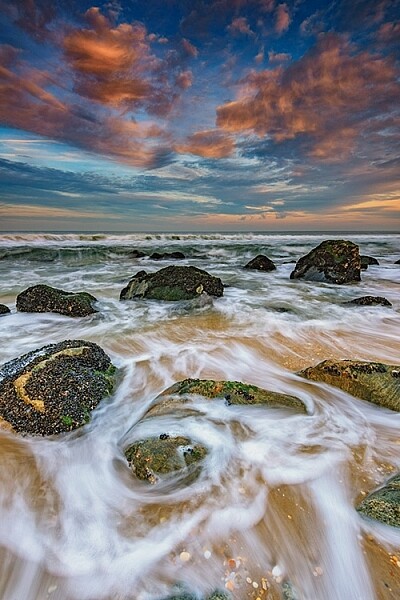
Sun-At-Your-Back

4 – Arrive early, stay late

You’ll want to get there early for sunrise. The color in the sky can start half an hour, or more, before the sun actually rises, with clouds first showing subtle traces of pink and purple before the red, orange, and yellows appear as the sun breaks the horizon. You’ll want to be set up and ready when that happens, which means trekking through the dark to your location. Advance scouting can be helpful for this.
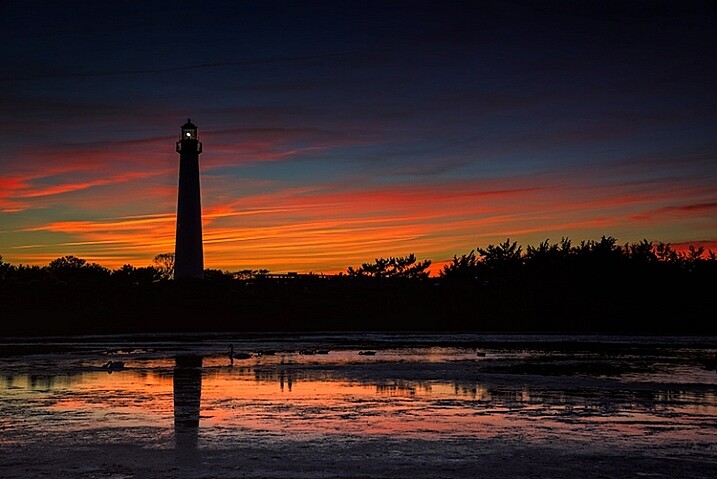
Stay Late

The same is true at sunset, but in reverse. Just because the sun has gone down, doesn’t mean that the show is over. Generally speaking, the sky will continue to light up, and colors will continue to change for about 30 minutes after the sun goes down. Many photographers have packed up and gone before this happens. Patience will reward you with more subtle color changes, such as reds going to purples and blues, rather than the vibrant yellows and oranges you get during the initial phases of the sunset.

5 – Shoot RAW

More than any other time to shoot, sunset or sunrise creates dramatic colors and fantastic play between light and shadow. Because of that, it can be difficult to try and capture the detail in the shadows or highlights, depending on which way you bias your exposure. A RAW file contains much more information than a JPEG, which will allow you to bring out the details in shadow and highlight areas that may be lost if shooting JPEG files. In addition, shooting RAW files allows you to adjust your white balance in processing to give you better control over the overall tone of the image.

For more on processing RAW files, check out Understanding the Basic Sliders in Adobe Camera RAW, and for more on why you might want to consider photographing in the RAW format, see 5 Reasons To Shoot Your Landscape Images in RAW.

What’s your favorite sunrise or sunset photography tip? Please post your tips and images in the comments below!

googletag.cmd.push(function() {
tablet_slots.push( googletag.defineSlot( “/1005424/_dPSv4_tab-all-article-bottom_(300×250)”, [300, 250], “pb-ad-78623” ).addService( googletag.pubads() ) ); } );

googletag.cmd.push(function() {
mobile_slots.push( googletag.defineSlot( “/1005424/_dPSv4_mob-all-article-bottom_(300×250)”, [300, 250], “pb-ad-78158” ).addService( googletag.pubads() ) ); } );

The post 5 Tips to Take Better Sunset Photos – and Why Not to Photograph the Sunset Directly by Rick Berk appeared first on Digital Photography School.


Digital Photography School
 
Comments Off on 5 Tips to Take Better Sunset Photos – and Why Not to Photograph the Sunset Directly

Posted in Photography


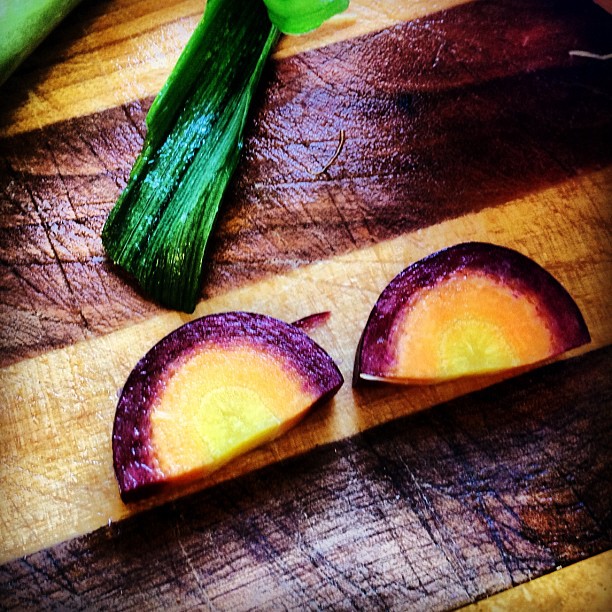
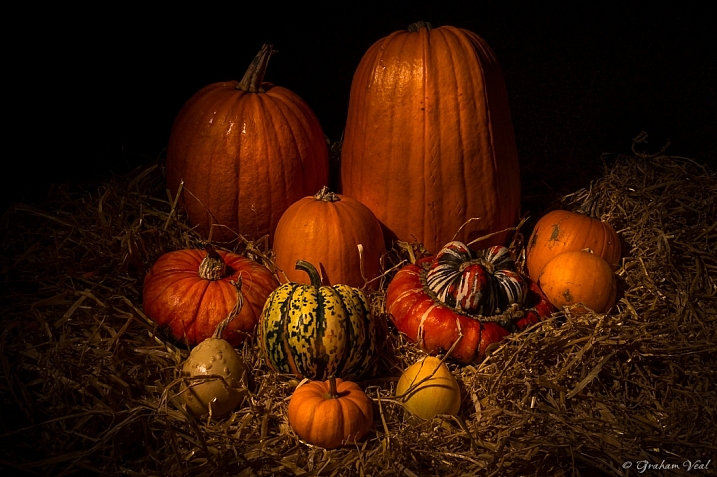
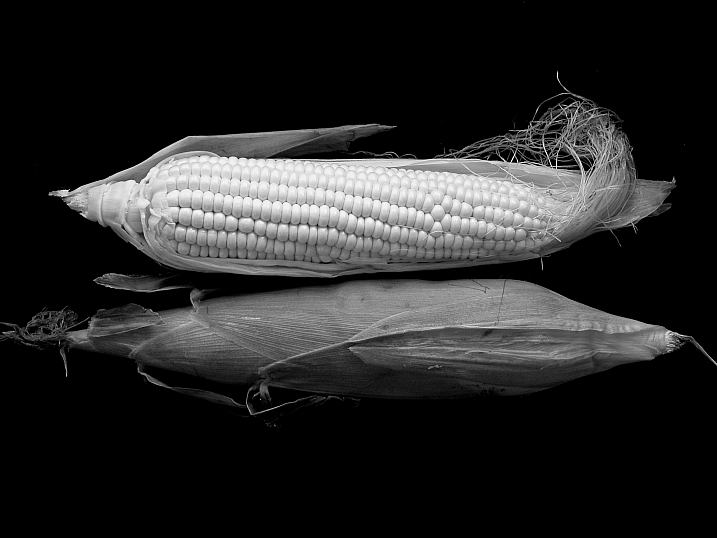
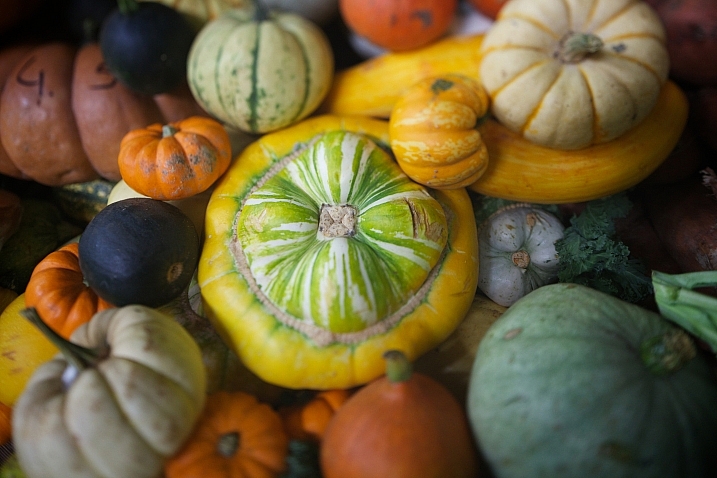
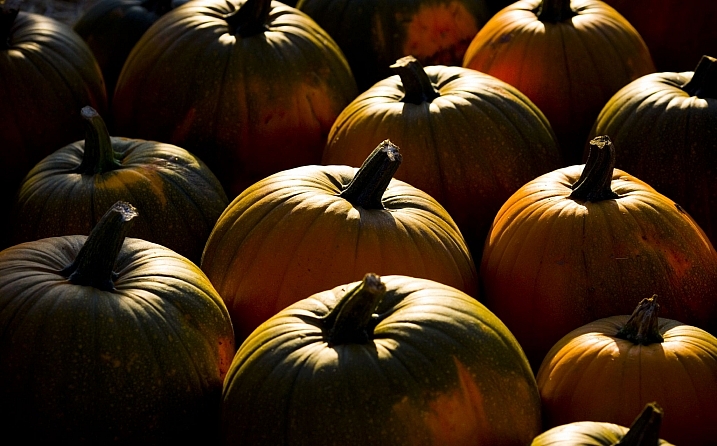
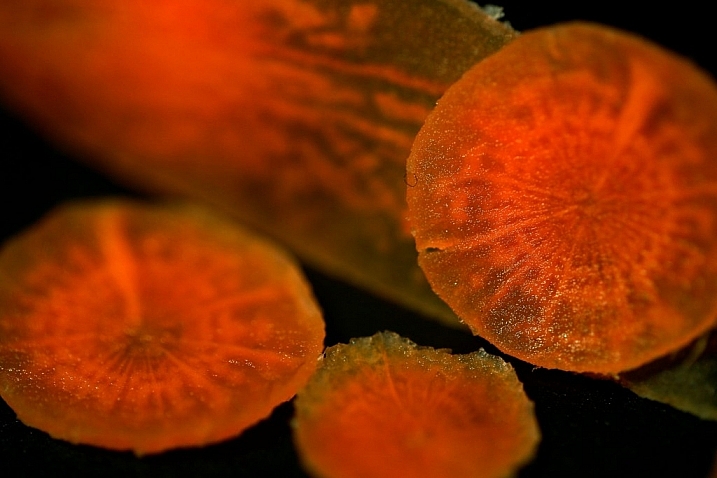
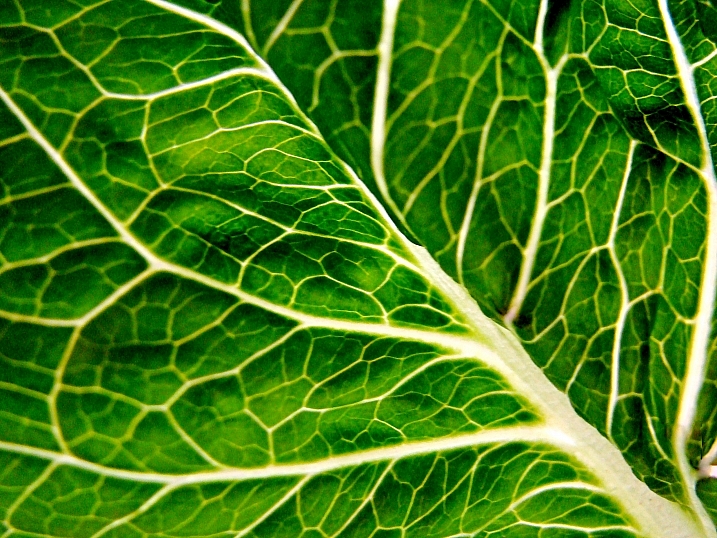
Photogenic Edibles – 25 Artistic Photos of Veggies

26 Mar

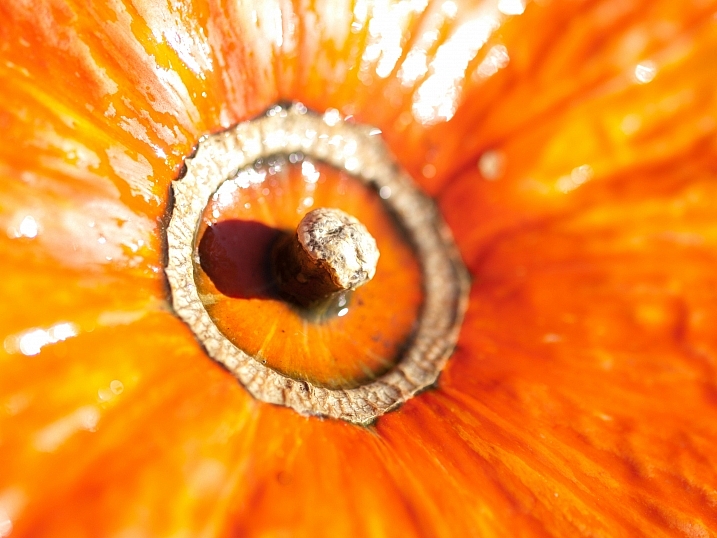
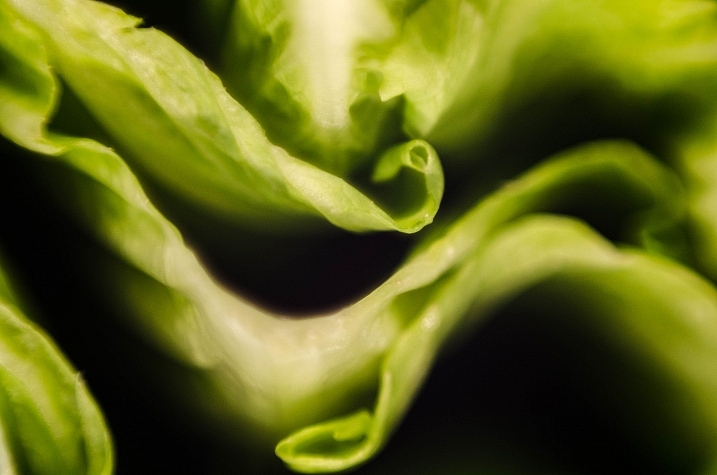
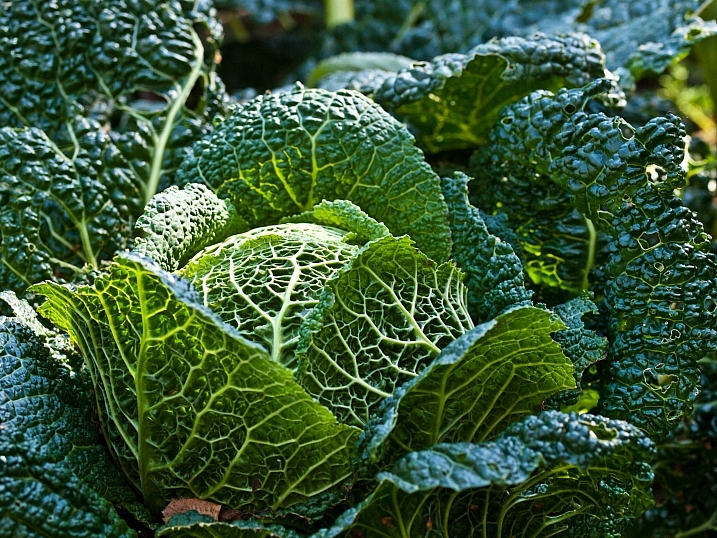
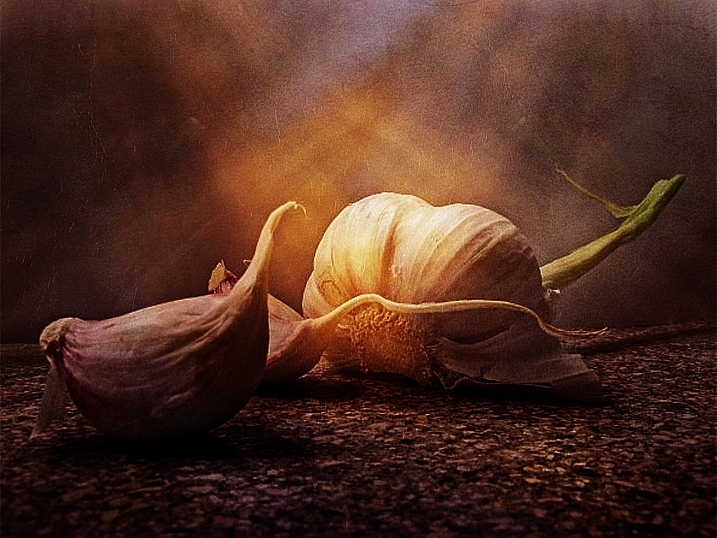
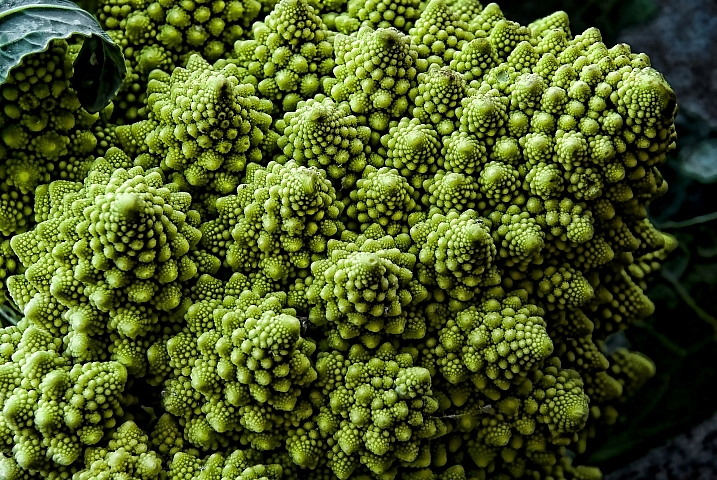
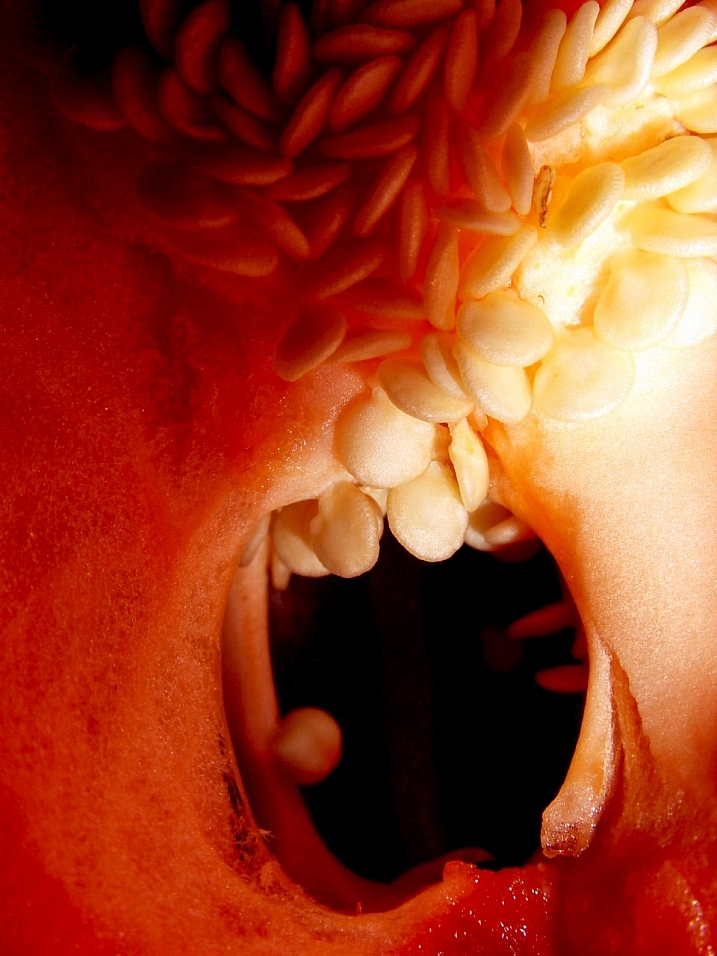
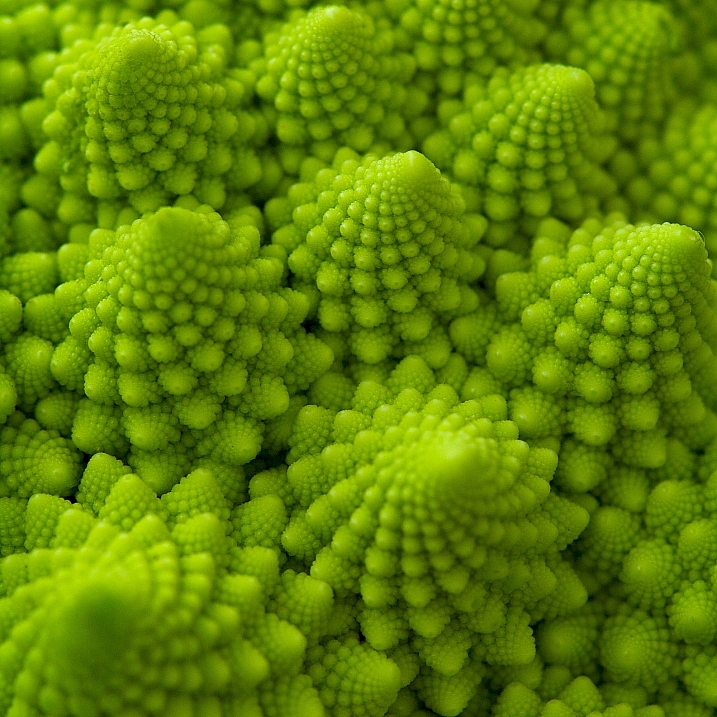
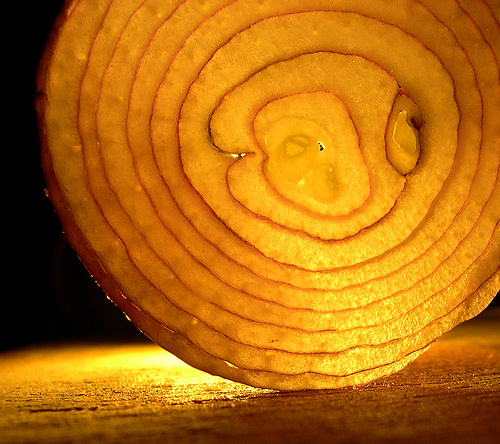
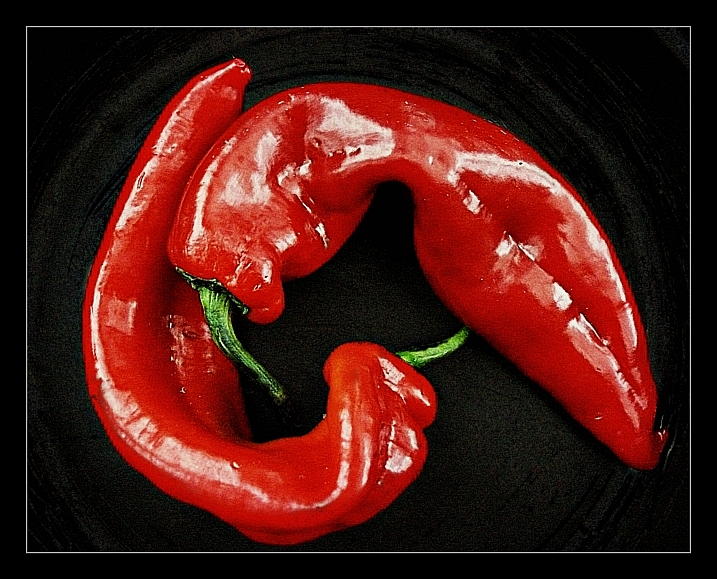
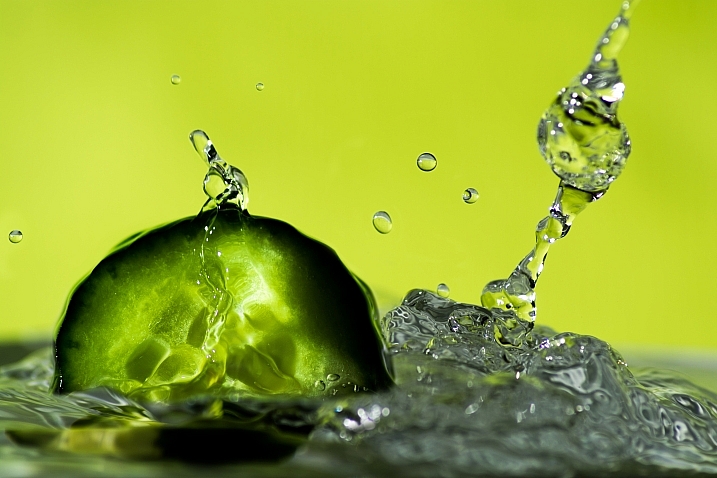
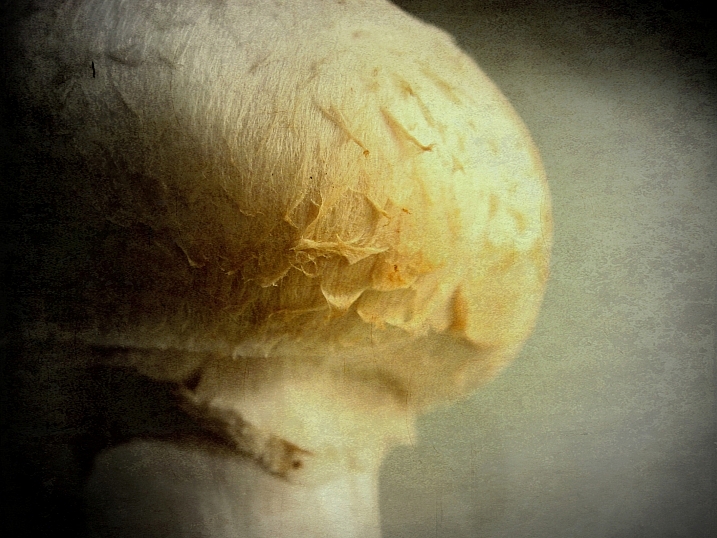
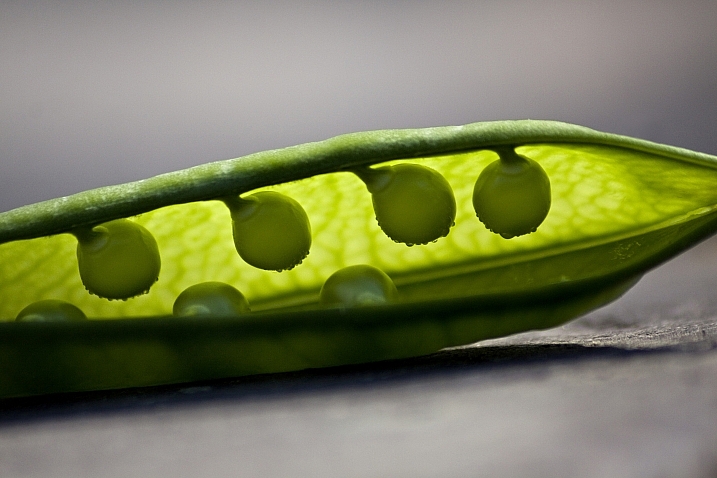
Inspired by Edward Weston’s famous image of a pepper, comes this week’s image collection – veggies. Can a simple vegetable become art? You decide.

Ryan Lane

By Ryan Lane

Grahamvphoto

By grahamvphoto

Matt Artz

By Matt Artz

Aurelien Guichard

By Aurelien Guichard

Thomas Hawk

By Thomas Hawk

E.c.johnson

By e.c.johnson

B .Y

By B .Y

William Warby

By William Warby

Andreas Engel

By Andreas Engel

Grant

By Grant

William Warby

By William Warby

Violscraper

By violscraper

Ian Richardson

By Ian Richardson

Marianela Díaz-cardozo

By marianela díaz-cardozo

Rum Bucolic Ape

By Rum Bucolic Ape

Sid

By sid

Dominique Pelletier

By Dominique Pelletier

Oveja

By Oveja

Yasser Abusen

By Yasser Abusen

Stanley Zimny (Thank You For 17 Million Views)

By Stanley Zimny (Thank You for 17 Million views)

Nebojsa Mladjenovic

By nebojsa mladjenovic

Valentin Kold Gundersen

By Valentin Kold Gundersen

Kurtis Garbutt

By Kurtis Garbutt

Sarah Horrigan

By Sarah Horrigan

Tjarko Busink

By Tjarko Busink

googletag.cmd.push(function() {
tablet_slots.push( googletag.defineSlot( “/1005424/_dPSv4_tab-all-article-bottom_(300×250)”, [300, 250], “pb-ad-78623” ).addService( googletag.pubads() ) ); } );

googletag.cmd.push(function() {
mobile_slots.push( googletag.defineSlot( “/1005424/_dPSv4_mob-all-article-bottom_(300×250)”, [300, 250], “pb-ad-78158” ).addService( googletag.pubads() ) ); } );

The post Photogenic Edibles – 25 Artistic Photos of Veggies by Darlene Hildebrandt appeared first on Digital Photography School.


Digital Photography School
 
Comments Off on Photogenic Edibles – 25 Artistic Photos of Veggies

Posted in Photography


5 Best Nik Color Efex Pro 4 Filters for Amazing Photos

23 Mar

How do you know which filter in Nik Color Efex Pro 4 you should use for processing your photos? With a total of 55 filters in Color Efex Pro 4, there is a lot of filters to explore. However, here is a little help. I have gathered 5 of the best and most powerful Nik Color Efex Pro 4 filters Continue Reading

The post 5 Best Nik Color Efex Pro 4 Filters for Amazing Photos appeared first on Photodoto.


Photodoto

 
Comments Off on 5 Best Nik Color Efex Pro 4 Filters for Amazing Photos

Posted in Photography


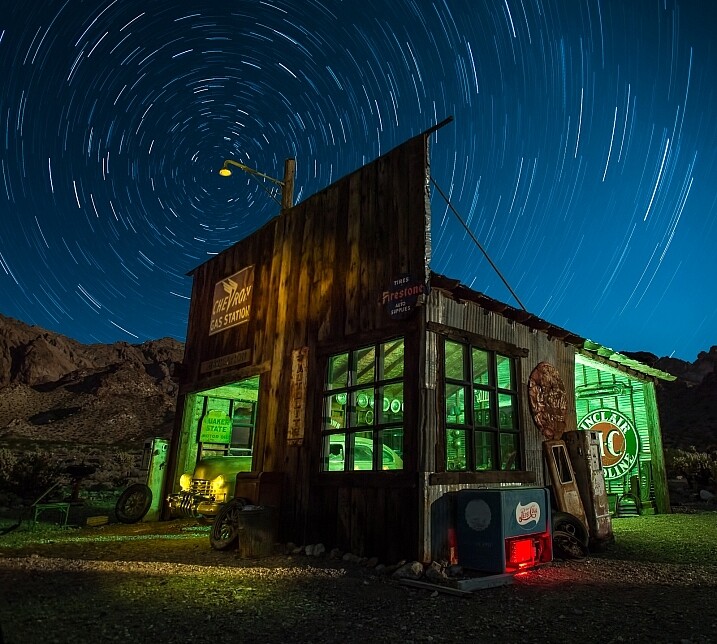
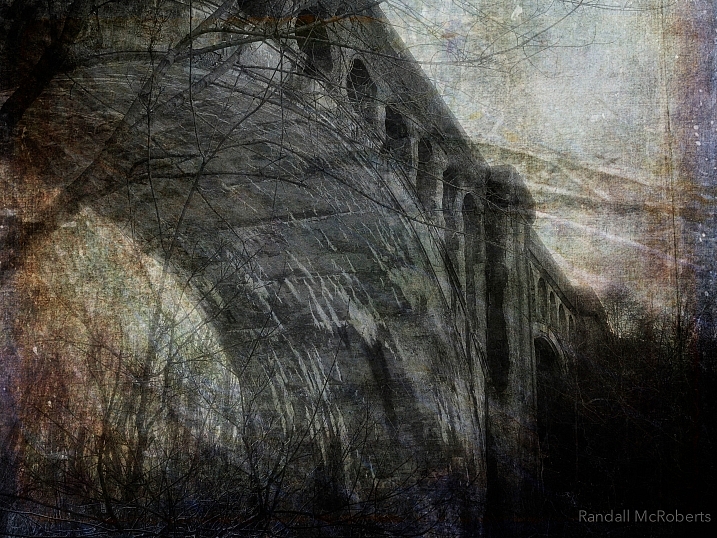
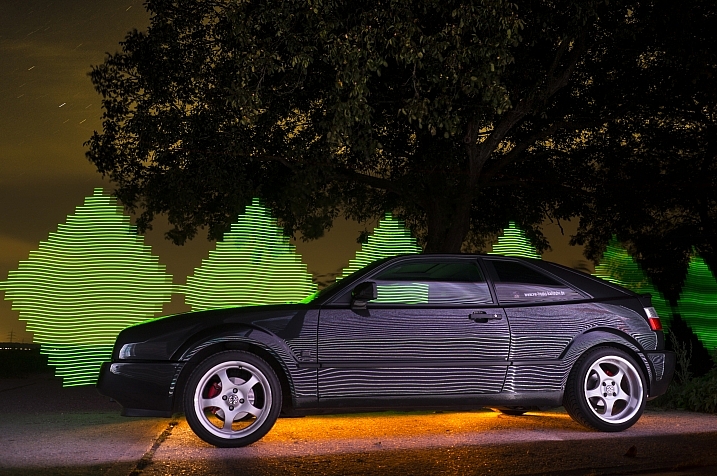
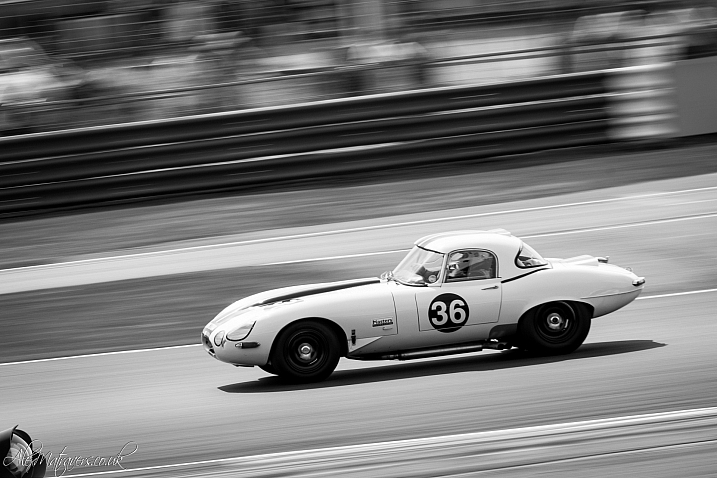
26 Unique Special Effects Photos to Spark Your Creativity

19 Mar

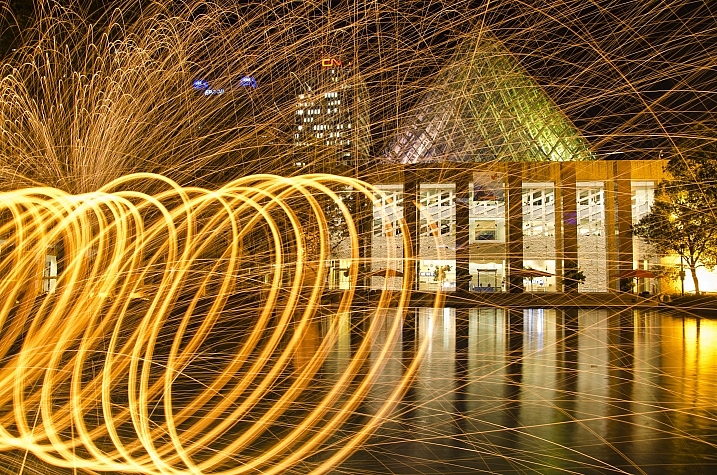
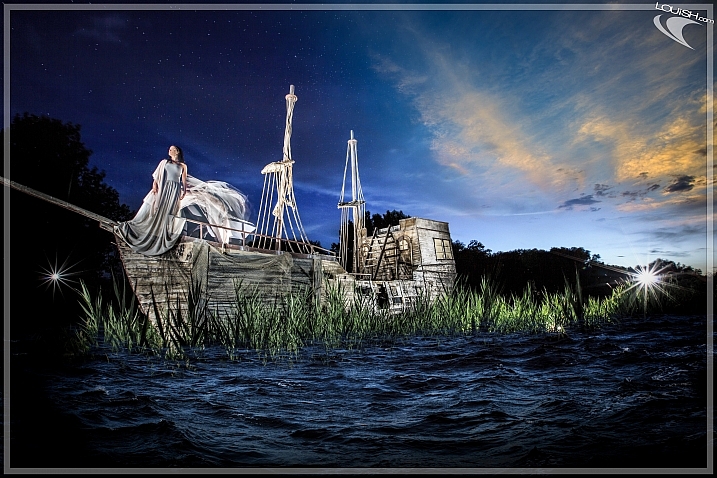
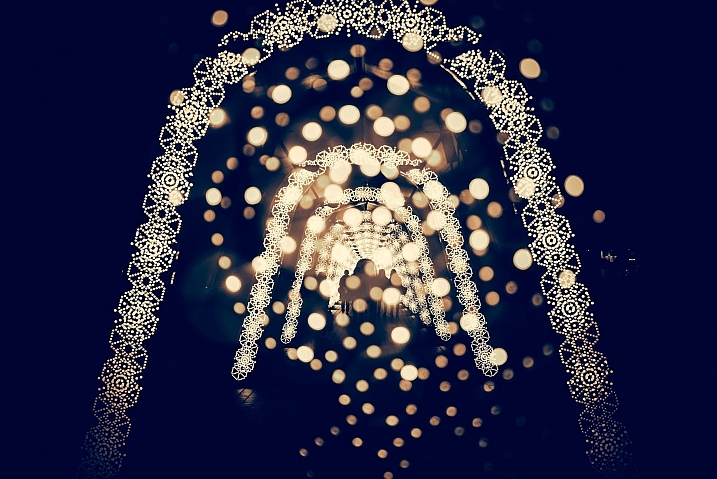
This week on dPS we are all about special effects. Check out the others that have already been published here:

  • How to Photograph the Full Band of the Milky Way
  • Fire Spinning with Steel Wool – A Special Effects Tutorial
  • Special Effect – How to Create Multiple Flash Exposures in a Single Frame
  • Stacking Light Trails for Night Photography Special Effects

Now it’s time to look at some special effects images:

I Am Dabe

By i am dabe

Redfishingboat (Mick O)

By Redfishingboat (Mick O)

Mike Boening Photography

By Mike Boening Photography

Neil Howard

By Neil Howard

Terry Lawson

By Terry Lawson

Louish Pixel

By Louish Pixel

Taichiro Ueki

By Taichiro Ueki

Thierry Marysael

By Thierry Marysael

John Watson

By John Watson

Nick Kenrick

By Nick Kenrick

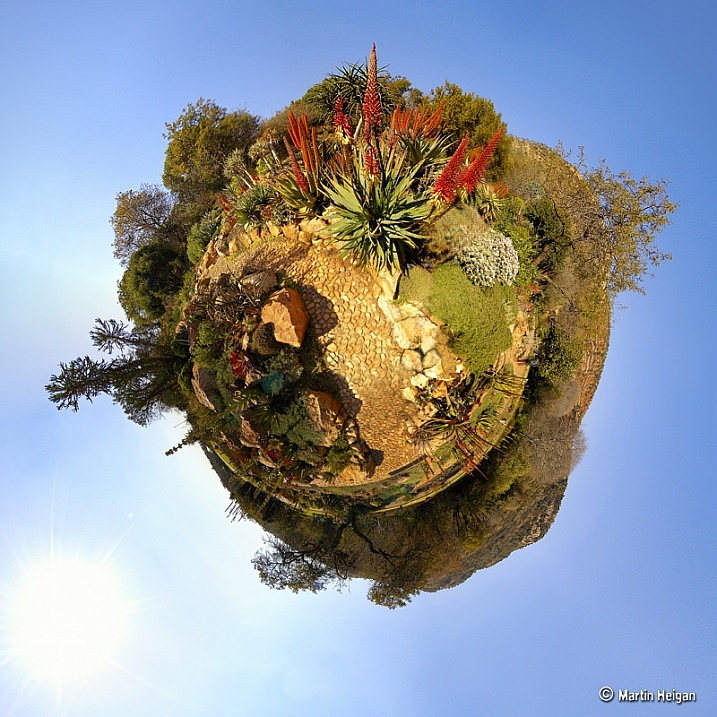
Martin Heigan

By Martin Heigan

Mibby23

By Mibby23

Mickaël

By Mickaël

Inefekt69

By inefekt69

Knowsphotos

By Knowsphotos

Disco's Place

By Disco’s Place

Dennis Crabtree

By Dennis Crabtree

Wayne Stadler

By Wayne Stadler

Liz West

By liz west

TJ Gehling

By TJ Gehling

Alex Matravers

By Alex Matravers

Howard Ignatius

By Howard Ignatius

David Bokeh

By David Bokeh

Randy McRoberts

By Randy McRoberts

Manuel Paul

By Manuel Paul

Alex Matravers

By Alex Matravers

googletag.cmd.push(function() {
tablet_slots.push( googletag.defineSlot( “/1005424/_dPSv4_tab-all-article-bottom_(300×250)”, [300, 250], “pb-ad-78623” ).addService( googletag.pubads() ) ); } );

googletag.cmd.push(function() {
mobile_slots.push( googletag.defineSlot( “/1005424/_dPSv4_mob-all-article-bottom_(300×250)”, [300, 250], “pb-ad-78158” ).addService( googletag.pubads() ) ); } );

The post 26 Unique Special Effects Photos to Spark Your Creativity by Darlene Hildebrandt appeared first on Digital Photography School.


Digital Photography School
 
Comments Off on 26 Unique Special Effects Photos to Spark Your Creativity

Posted in Photography


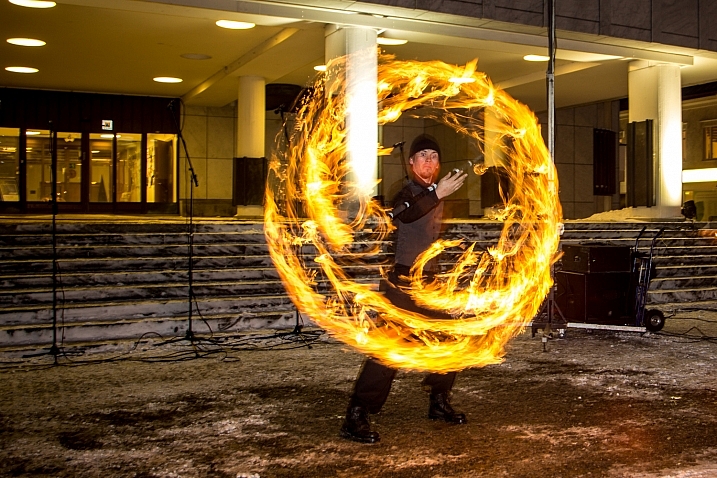
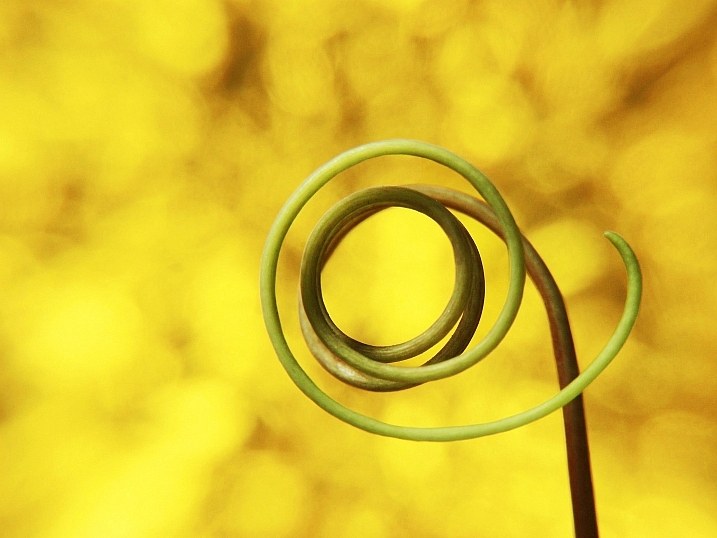
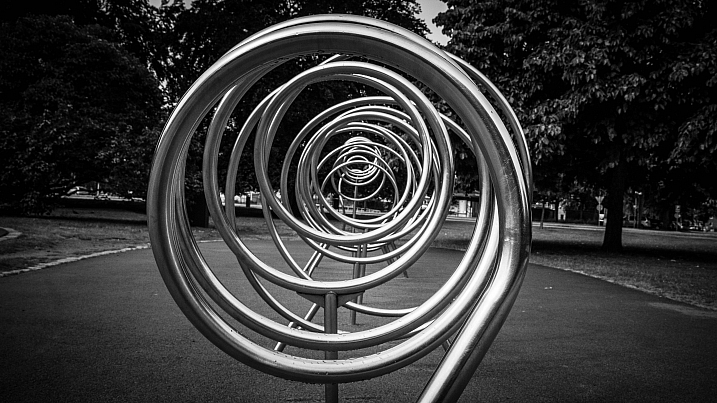
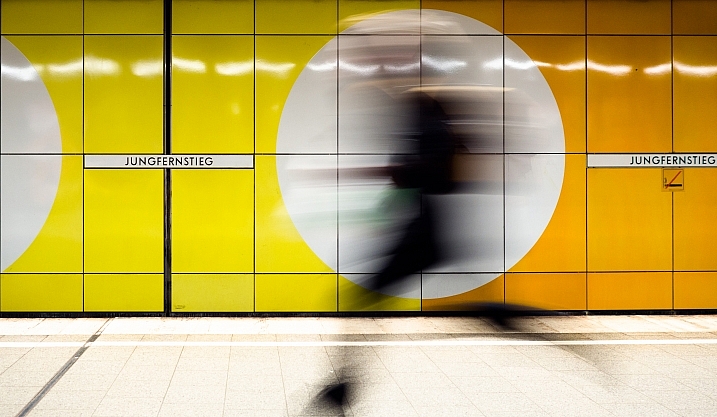
23 Ellipical Photos that Come Full Circle

11 Mar

Shapes are a something that occur naturally in the world, and we reproduce in man-made objects. Squares, triangles, rectangles, and circles.

In this image set let’s look at the never ending shape – the circle. Curves lines are feminine in nature, they have no beginning and no end. Here are 23 images showing the circle:

Darlene Hildebrandt

By Darlene Hildebrandt

Stardex

By stardex

Kirsten Pauli

By Kirsten Pauli

Sea Turtle

By sea turtle

Tracy Ducasse

By tracy ducasse

Macaron*macaron(Est Bleu2007)

By macaron*macaron(Est Bleu2007)

Joakim Berndes

By Joakim Berndes

TheGiantVermin

By TheGiantVermin

Tanakawho

By tanakawho

Andrew

By Andrew

Susanne Nilsson

By Susanne Nilsson

Mette1977

By Mette1977

Jeff_golden

By jeff_golden

Daniel Novta

By Daniel Novta

Benh LIEU SONG

By Benh LIEU SONG

Howard Ignatius

By Howard Ignatius

Sam Ili?

By Sam Ili?

Kkmarais

By kkmarais

David Goehring

By David Goehring

Anh Dinh

By Anh Dinh

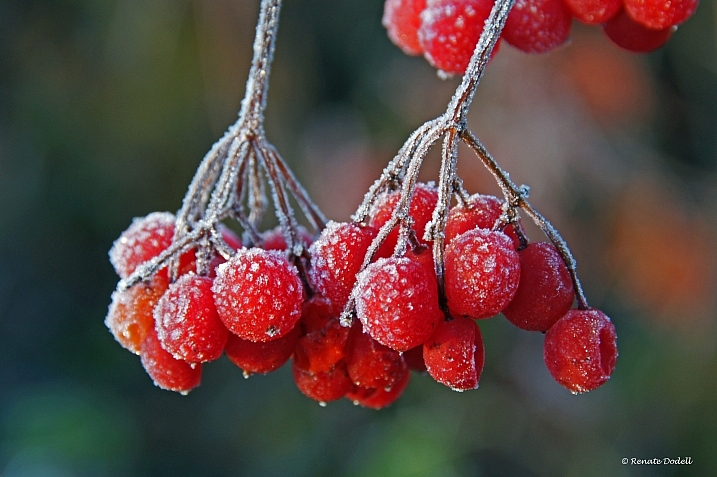
Renate Dodell

By Renate Dodell

Nicholas Erwin

By Nicholas Erwin

FabQuote.co

By fabQuote.co

googletag.cmd.push(function() {
tablet_slots.push( googletag.defineSlot( “/1005424/_dPSv4_tab-all-article-bottom_(300×250)”, [300, 250], “pb-ad-78623” ).addService( googletag.pubads() ) ); } );

googletag.cmd.push(function() {
mobile_slots.push( googletag.defineSlot( “/1005424/_dPSv4_mob-all-article-bottom_(300×250)”, [300, 250], “pb-ad-78158” ).addService( googletag.pubads() ) ); } );

The post 23 Ellipical Photos that Come Full Circle by Darlene Hildebrandt appeared first on Digital Photography School.


Digital Photography School

 
Comments Off on 23 Ellipical Photos that Come Full Circle
Posted in Photography