RSS
 

Posts Tagged ‘Photos’

10 Tips to Help You Create Unique Storytelling People Photos

16 Sep

storytelling with photos leadFor most of us, the joy of photography goes beyond taking a great image, to being able to share our pictures and experiences with our friends and family. To do storytelling with images.

How many times have you been traveling and come across someone interesting that you wanted to share with your family? Did asking for permission hold you back? Did you get a photo or series of photos that really tell the story? Were your photographs different and did each add a new perspective?

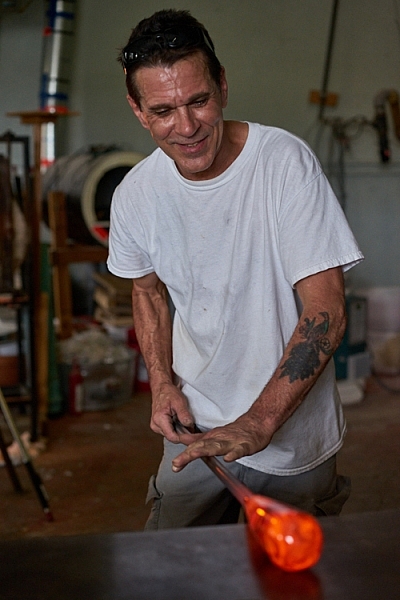
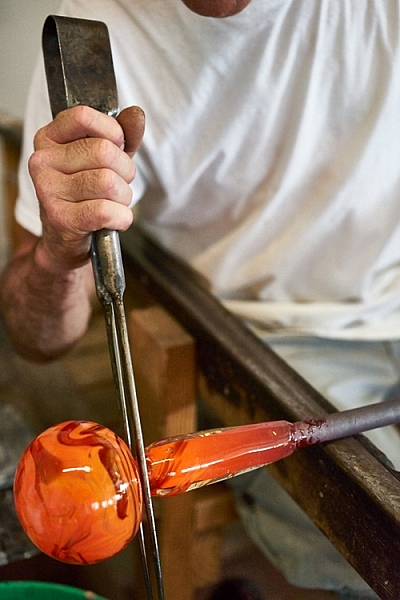
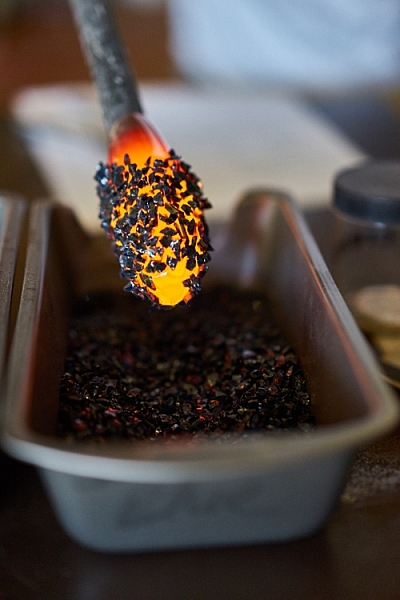
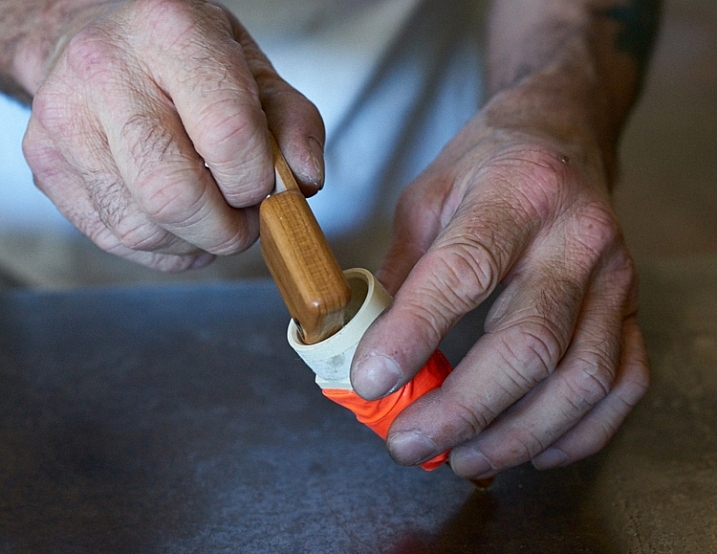
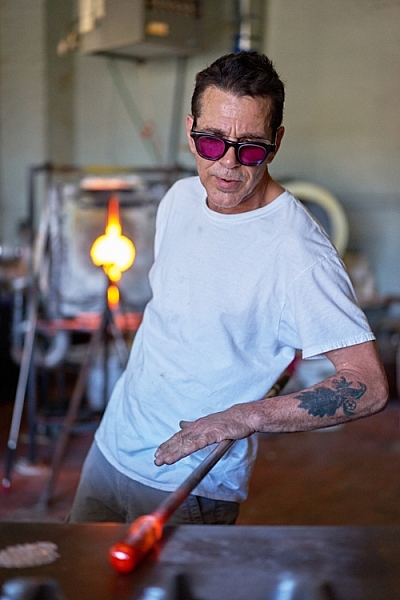
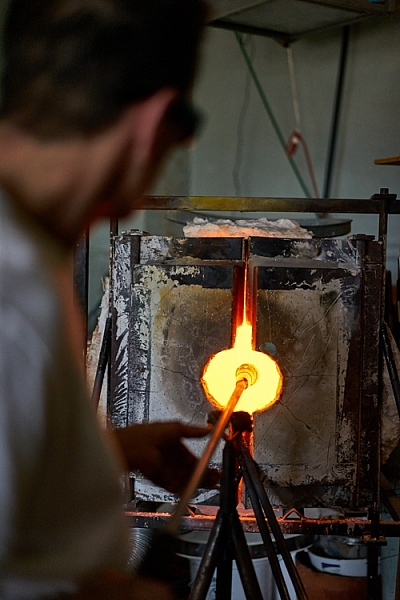
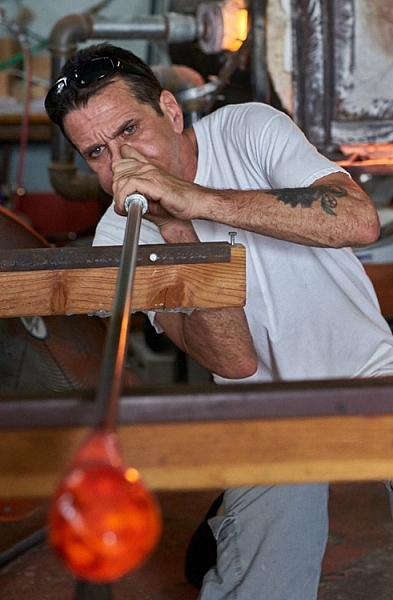
The following tips will walk you through a real-life example of how I shot a glassblower in his shop and created a series of unique photos to tell his story.

#1 – Get clear on your goals for the shoot

Something attracted you to this person or situation. What peaked your interest? Do you like the subject’s purple hair? Do you love photographing people having fun? Do you want to try to capture the beautiful light on someone’s face? Or perhaps you love dance and would like to capture a dancer in a beautiful portrait?

Here are my thoughts on the glassblower. What I wanted to photograph, what I wanted to do and why I wanted to do it.

Why I wanted to photograph the glassblower:

I have been a Canon user for a long time and Sony lent me one of their new cameras and two lenses (50mm and a 90mm) for a trial run. I had already spent some time playing with the camera by photographing squirrels and I was ready to try something with a little bit more potential.
storytelling with photographs

While on vacation in a small beach town, I noticed a small shop run by a local glass blower. He made beautiful glass as well as offered lessons to tourists. I liked the idea of photographing the glass blower for several reasons:

  • He makes beautiful art.
  • The workshop is interesting with a lot of picture possibilities.
  • I could shoot available light in his workshop.
  • He was there all day doing interesting things which means I had a lot of time to shoot.
  • He seemed very proud of his work.
  • He seemed to have an extroverted personality and a sense of showmanship.

What I wanted to do:

I wanted to be able to photograph him as he worked and interacted with others.

My most important goal was to have the opportunity to shoot something pretty simple as I learned to drive this new camera. I liked this situation because I could shoot available light and there was enough action and movement that I could test out the different autofocus settings as well as the creative features of the camera.

I also wanted to be able to shoot, leave to download my images, and come back to the same situation later to tweak my approach. I had found my subject, I just needed to get permission.
storytelling with photos

#2 – Be honest about what you want and don’t be afraid, just ask!

A lot of photographers are shy about asking friends, relatives, and strangers if they can take their photo. Asking is easy if you are honest, sincere, and you know why you want to photograph the person.

The truth is, some people hate to have their photo taken and so be prepared for a no. If someone shies away from the idea, perhaps they require more convincing. Some people actually enjoy being persuaded, so push gently after the first no. There could be a yes hiding behind a little bit of shyness.

And, if you get a no, remember that it’s never personal. Some people are just going to say no. Sometimes the person being asked has no idea why anyone would want to photograph them. They are afraid you are going to make them look dumb and they can’t imagine why anyone would want to take their photograph. That is why step #1 is important.
storytellings with photographs

Before you ask permission, get clear on what you want so you can explain it and overcome any objections. Yes, it’s partly sales, but if you are sincere and enthused and truly want to photograph them, most of the time they will feel flattered and say yes.

How I approached the glassblower

When I approached John to ask him if I could photograph him, I had my camera over my shoulder. I told him his work was beautiful and I’d love to take some photographs. He beamed. He loved the attention.

Note: I didn’t run into the shop taking pictures without permission. I intentionally had my camera, though, so he knew from the start that I was interested in taking photographs. Having your camera on your shoulder, hanging loosely is non-threatening. If he had an aversion to having his picture taken, he would have felt much more relaxed than if I had put a camera in his face. This isn’t paparazzi. It’s about connecting with someone you want to spend some time with.

I told him the truth. That I was in town visiting and I wanted to learn how to use this new camera. I smiled and told him I had already photographed every squirrel in town and was ready to shoot some people. He laughed.
telling stories with photographs

Being able to put people at ease is a great step toward getting a yes. I find it easier to connect with people as a student than a professional. When I approach people as a professional they put up more of a front. When I’m just trying to learn my camera, the pressure is off the subject to do or be anything.

If you are looking for great vacation photos and stories to share with your friends and family, say so. Imagine if a traveler approached you, said you looked amazing and would love to show people back home what people here looked like? You’d be flattered! Of course!

I also explained that I was testing the camera and I might shoot for awhile, go look at pictures, then come back again to shoot some more. Would that be okay? He got excited over the attention and immediately started to share photos another photographer had taken. He loved the idea of being photographed and I had a subject.

#3 – Be considerate

You are shooting in someone else’s home, yard, or business, so be courteous. If a customer comes in, the customer comes first. Always take the back seat. It’s a privilege when someone allows you to take their photo. Remember that and you will always be welcome.
telling stories with photos

#4 – Tell your subject to pretend you aren’t even there

First of all, you will get better pictures and expressions if your subject keeps busy doing what they love. You can watch how they do it and begin to anticipate their next move. Secondly, especially if you are working in a place of business, you don’t want to distract them from their livelihood. If you do, they will grow impatient and suggest the session is over.

I often get close to shoot and then back away for awhile. It relaxes the subject and keeps them off guard. It truly allows them to forget about me and get into their zone.
how to tell stories with photographs

#5 – Really work the situation

Create a variety of shots, with the goal that each shot adds a different element or idea to the story. Walk around, shoot high and low, and use a variety of lenses. Work on cleaning up the background and capturing great expressions. Look for opportunities and unique ways of showing it. Experiment. Have fun. Get creative.
telling stories with photographs

#6 – Shoot portraits

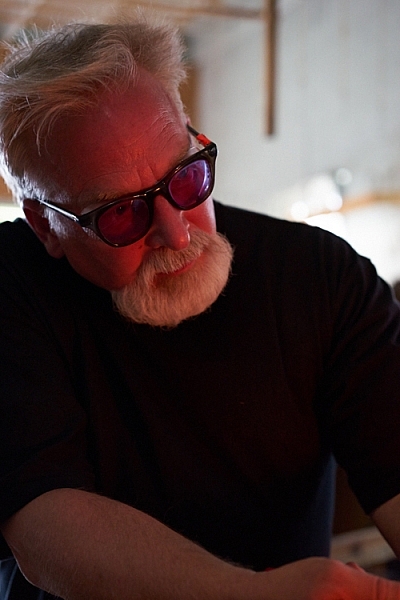
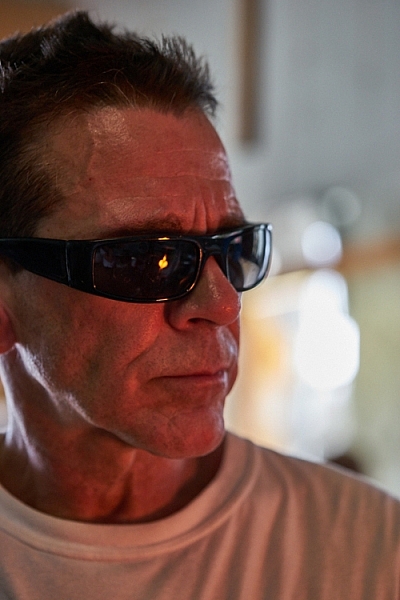
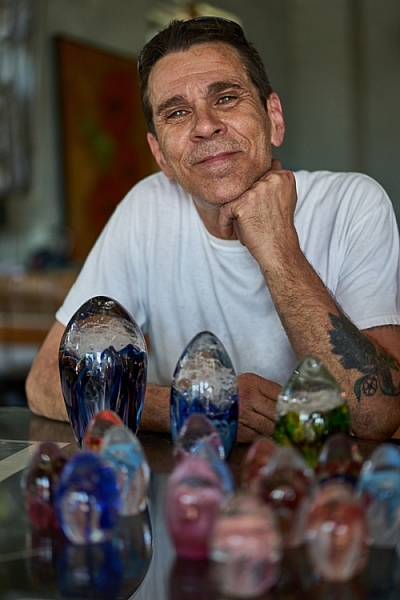
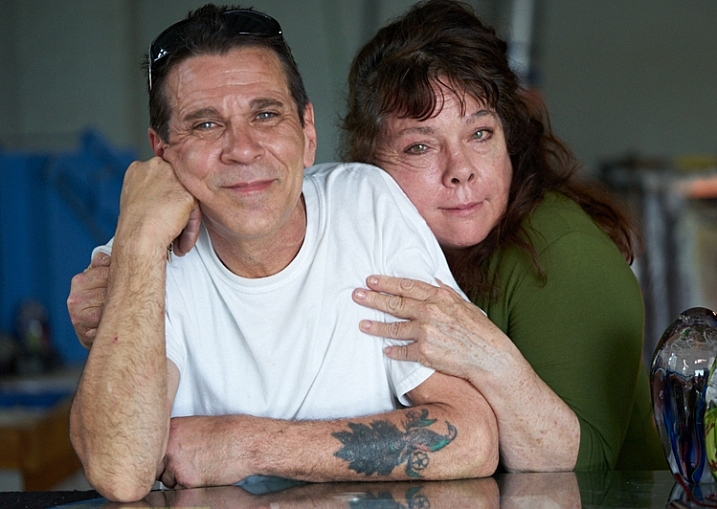
Look for different expressions, light, and angles. Shoot tight and shoot loose. Include the environment in some shots. Work on taking candids as well as photos with the subject looking at the camera. I loved the light on John’s face when he was looking at the fire and how it reflected in his glasses.
telling stories with photographs

Remember, variety is the key. Notice how many different expressions John has in the different photos in this article. Each expression helps to add an element to the story.
telling stories with photographs

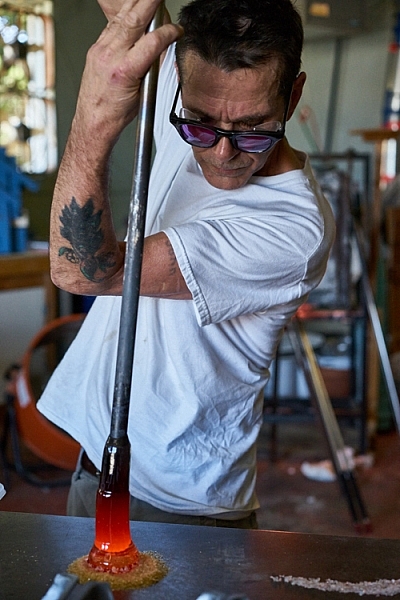
#7 – Shoot action shots

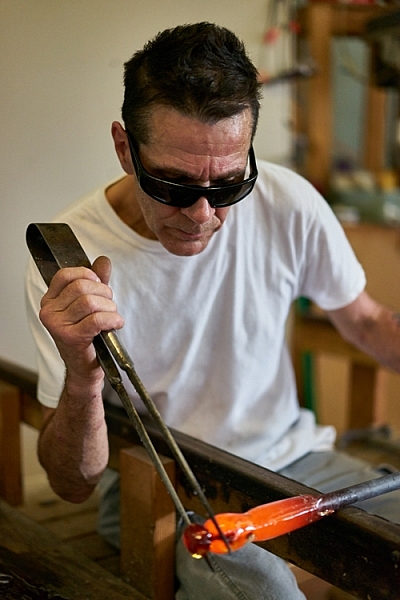
Tell the story of what the person does. Try shooting the same activity in different ways.
telling stories with photos telling stories with photographs

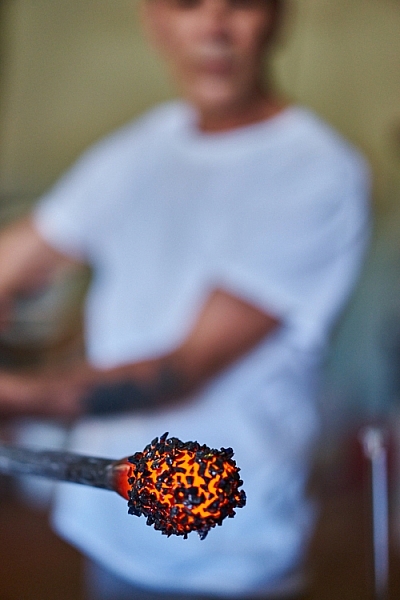
#8 – Shoot close-ups and details

telling stories with photos telling stories with photographs

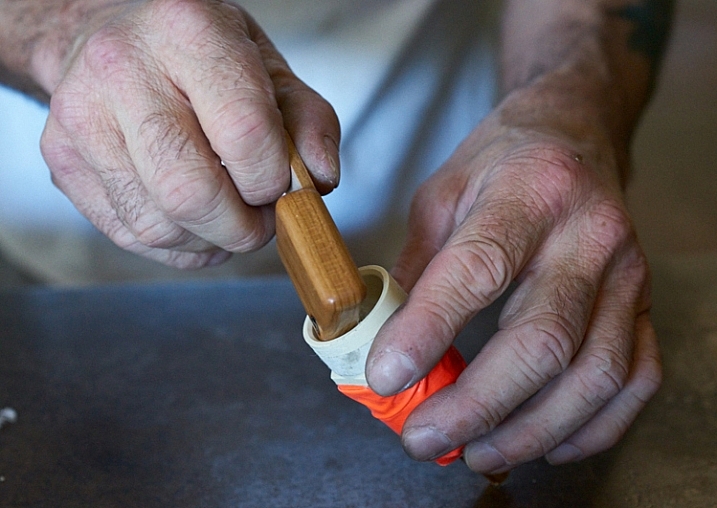
#9 – Shoot hands

telling stories with photographs

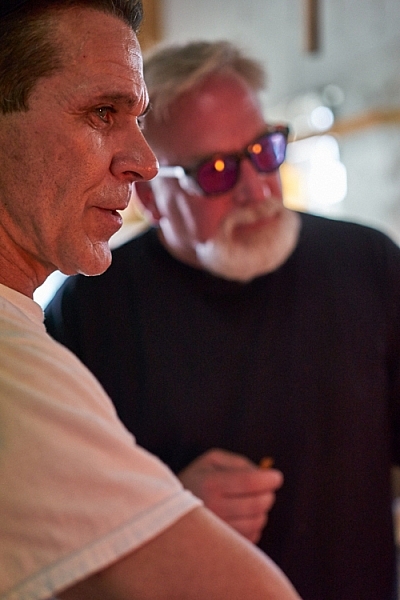
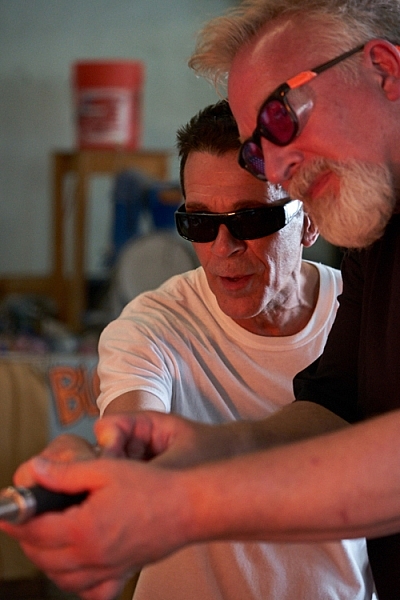
#10 – Photograph relationships

Try to capture the relationship your subject has with other people. In these photos, a tourist stopped by to blow his own piece of glass.
telling stories with photographs telling stories with photos

You now have the tools to approach strangers to ask them if you can spend time with them taking pictures. These rules apply to every situation, whether it’s a musician in the street, your child’s ballet class, or a homeless person. Remember to know your intention and be honest with the subject. Sincerity has opened many, many doors for me.

Once you are inside the door, really work your subject to tell the story. Try different angles and remember to shoot close as well as far away. Shoot portraits, close-up shots, focus on recording what the subject is doing, as well as their relationships.

What story would you love to shoot? Do you know a musician in your neighborhood or a craftsperson? Share your thoughts below, go out and shoot and then share your images in the comments below.

googletag.cmd.push(function() {
tablet_slots.push( googletag.defineSlot( “/1005424/_dPSv4_tab-all-article-bottom_(300×250)”, [300, 250], “pb-ad-78623” ).addService( googletag.pubads() ) ); } );

googletag.cmd.push(function() {
mobile_slots.push( googletag.defineSlot( “/1005424/_dPSv4_mob-all-article-bottom_(300×250)”, [300, 250], “pb-ad-78158” ).addService( googletag.pubads() ) ); } );

The post 10 Tips to Help You Create Unique Storytelling People Photos by Vickie Lewis appeared first on Digital Photography School.
Digital Photography School

 
Comments Off on 10 Tips to Help You Create Unique Storytelling People Photos

Posted in Photography


Cats, Not Ads: Feline Photos Take Over London Tube System

15 Sep

[ By SA Rogers in Design & Guerilla Ads & Marketing. ]

subway cats 1

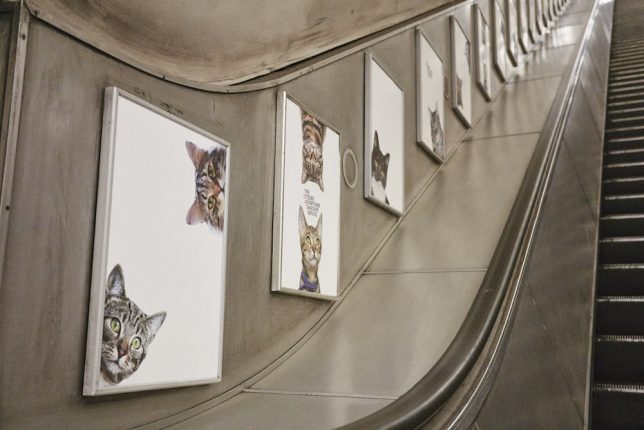
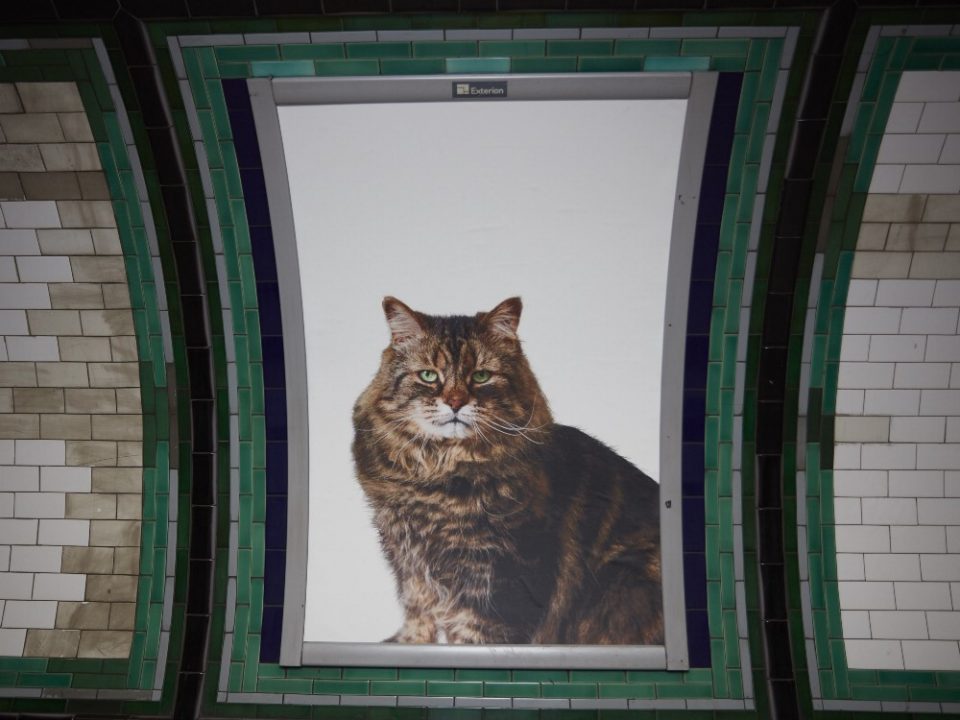
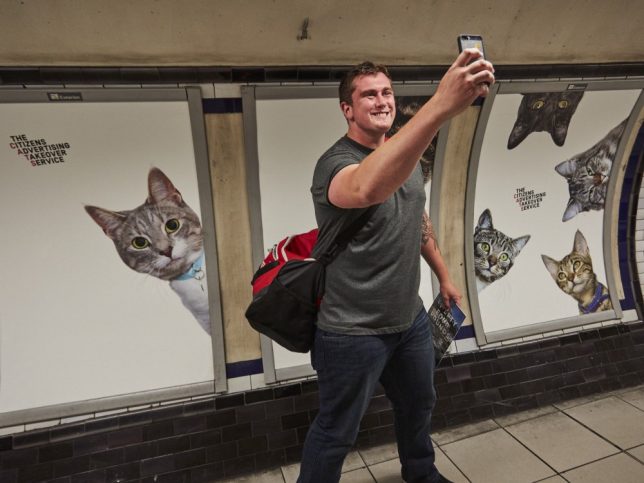
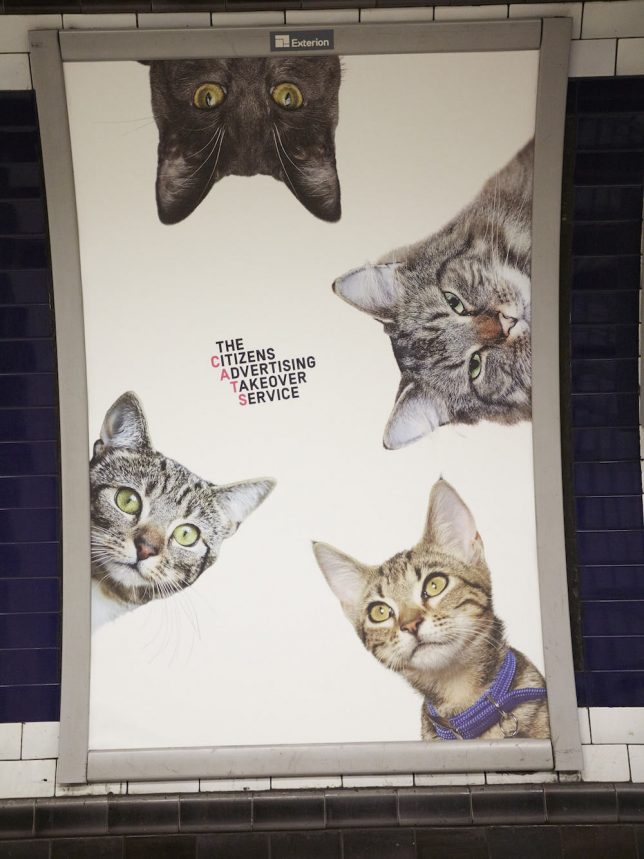
The same ad spaces that shouted about insurance and laundry detergent last week now contain nothing but fluffy cats, as an art collective uses the internet’s number-one obsession to temporarily transform the London Tube system. The Citizens Advertising Takeover Service (CATS) is the result of a Kickstarter campaign by brand-new collective Glimpse aiming to “create a rip in the space time continuum.”

cat ads 3

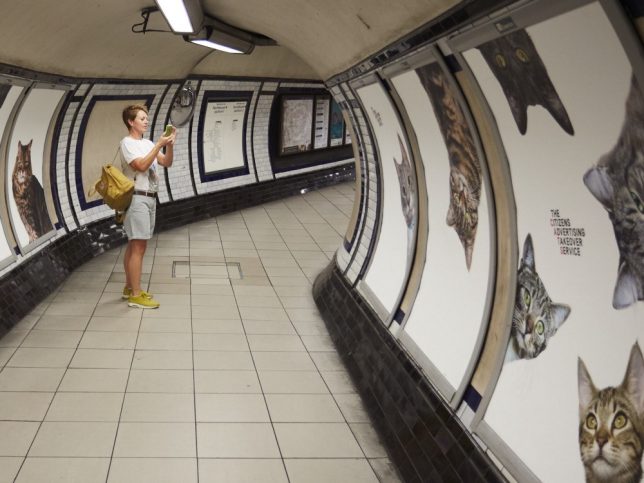
The group raised enough money to buy all of the ad spaces in the Clapham Common station – a total of 68 – for a two-week period, and the new posters feature cats from the Battersea Dogs and Cats Home and the Cats Protection charity. The organizers are careful to note that they’re not against advertising per se, but rather hope that the project will “inspire people to think differently about the world and realize they have the power to change it.”

The Citizens Advertising Takeover Service replaced 68 adverts in Clapham Common tube station with pictures of cats. Organisers say they hope the pictures will help people think differently about the world around them. Credit: CatsnotAds.org

But the broader point – and appeal – of CATS is the citizen takeover of public spaces, with everyday people getting to decide what they want to look at as they navigate their cities. Wouldn’t you rather be surrounded by what essentially functions as an ad for animal rescue services than dozens of posters pushing a bunch of junk corporations want you to purchase?

cat ads 2

“Back in February we asked ourselves to ‘imagine a world where friends and experiences were more valuable than stuff you can buy,’” says Glimpse founder James Turner in a post on Medium. “The team began thinking about crowdfunding to replace Tube adverts with something else. Beautiful forests? Time spent with family? Hmmm. We wanted this to become famous, so we needed something the internet would love. Frame it that way and the answer’s obvious. Cats.”

The Citizens Advertising Takeover Service replaced 68 adverts in Clapham Common tube station with pictures of cats. Organisers say they hope the pictures will help people think differently about the world around them. Credit: CatsnotAds.org

“We’ve been on the news in China, and one of our backers is flying in from America to see his cat in one of the final posters. This project has uncorked a kind of energy that I haven’t experienced before. When you talk about CATS, eyes light up and new ideas start to flow. We don’t know exactly how Glimpse is going to work, but we want to carry this energy with us as we grow up.”

Share on Facebook


[ By SA Rogers in Design & Guerilla Ads & Marketing. ]

[ WebUrbanist | Archives | Galleries | Privacy | TOS ]


WebUrbanist

 
Comments Off on Cats, Not Ads: Feline Photos Take Over London Tube System

Posted in Creativity


ESPN publishes iPhone 7 Plus photos from US Open

13 Sep
 Photo by Landon Nordeman for ESPN

Last week Apple announced its new iPhone 7 models, including the dual-cam equipped iPhone 7 Plus that combines a 28mm wide angle lens with a 56mm ‘tele’ variant. In the camera app this setup allows you to zoom optically and create a simulated shallow depth-of-field.

At the launch event Apple showed off some sample images but now it has, as it usually does, given the device to a couple of sports photographers to demonstrate what the camera can do in the capable hands of professionals. ESPN photographer Landon Nordeman used the iPhone 7 Plus to shoot at the US Open in New York City.

As you can see below, some of the samples look pretty impressive, although none of them appear to make specific use of the shallow depth-of-field simulation feature. More samples from the Open are available on ESPN.com, and you can see more from Sports Illustrated photographer David E. Klutho’s coverage of an NFL game.

Photo by Landon Nordeman for ESPN

Articles: Digital Photography Review (dpreview.com)

 
Comments Off on ESPN publishes iPhone 7 Plus photos from US Open

Posted in Uncategorized


Google Photos for iOS improves Live Photos management

10 Sep

An update to the Google Photos app for iOS brings some of the features of the Motion Stills stand-alone app to Google’s main photo application. New functions allow for easier editing, sharing and stabilization of Apple’s animated Live Photos. Thanks to intelligent electronic stabilization algorithms Google Photos now lets you create animated images with moving subjects but frozen backgrounds, and sweeping pan shots. 

After editing Live Photos can now be converted into movie files and saved to the iPhone’s camera roll. This means with the update the files are shareable with Android phones and other devices which are not capable of processing Apples Live Photo format. Additionally, the improved version of the app includes some new photo organization functions. Images in albums can now be sorted chronologically and you can choose thumbnails for your friends’ faces in the People module. 

The update can now be downloaded and installed from the Apple App Store and should be available for the Android and Web versions of Google Photos soon. 

Articles: Digital Photography Review (dpreview.com)

 
Comments Off on Google Photos for iOS improves Live Photos management

Posted in Uncategorized


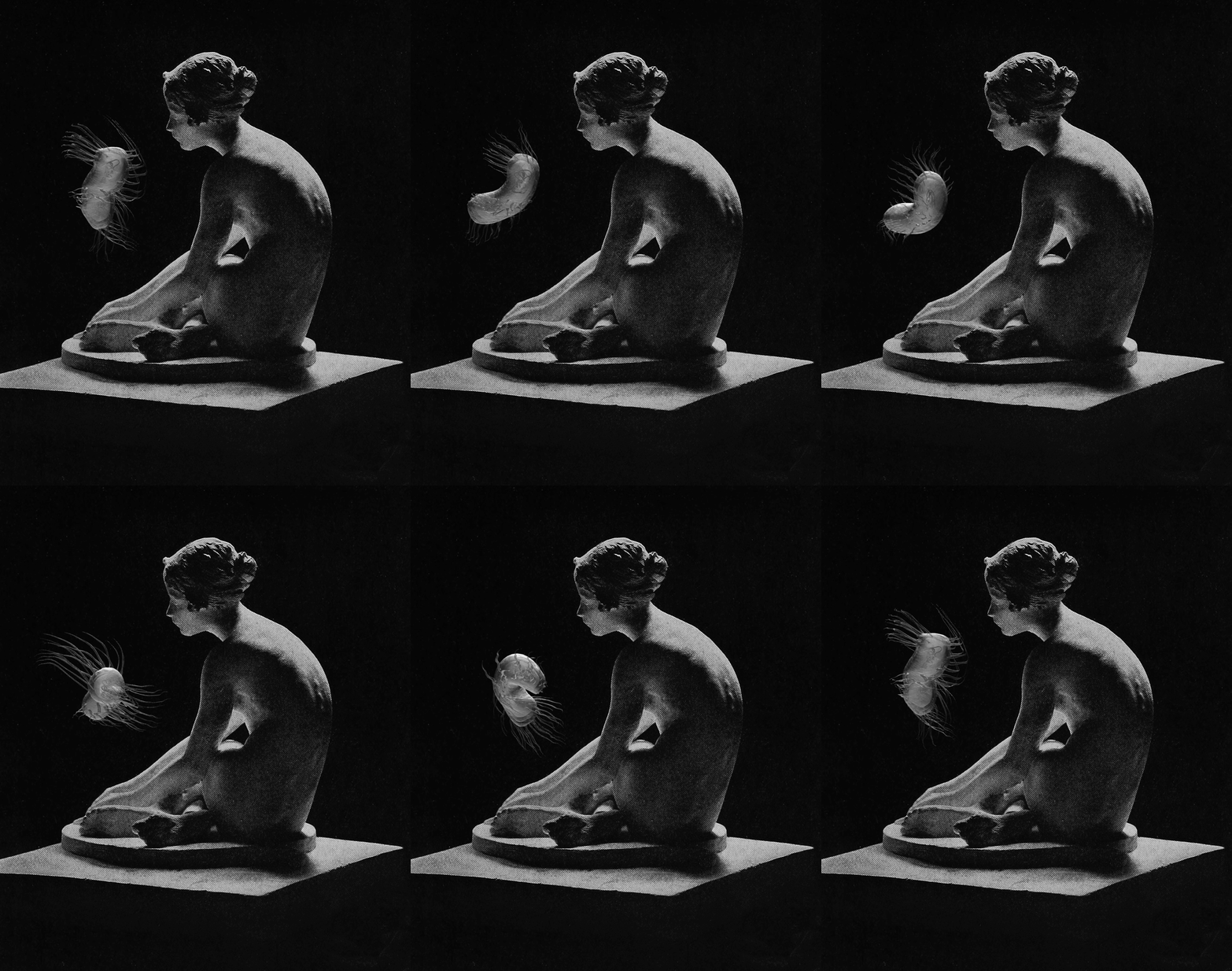
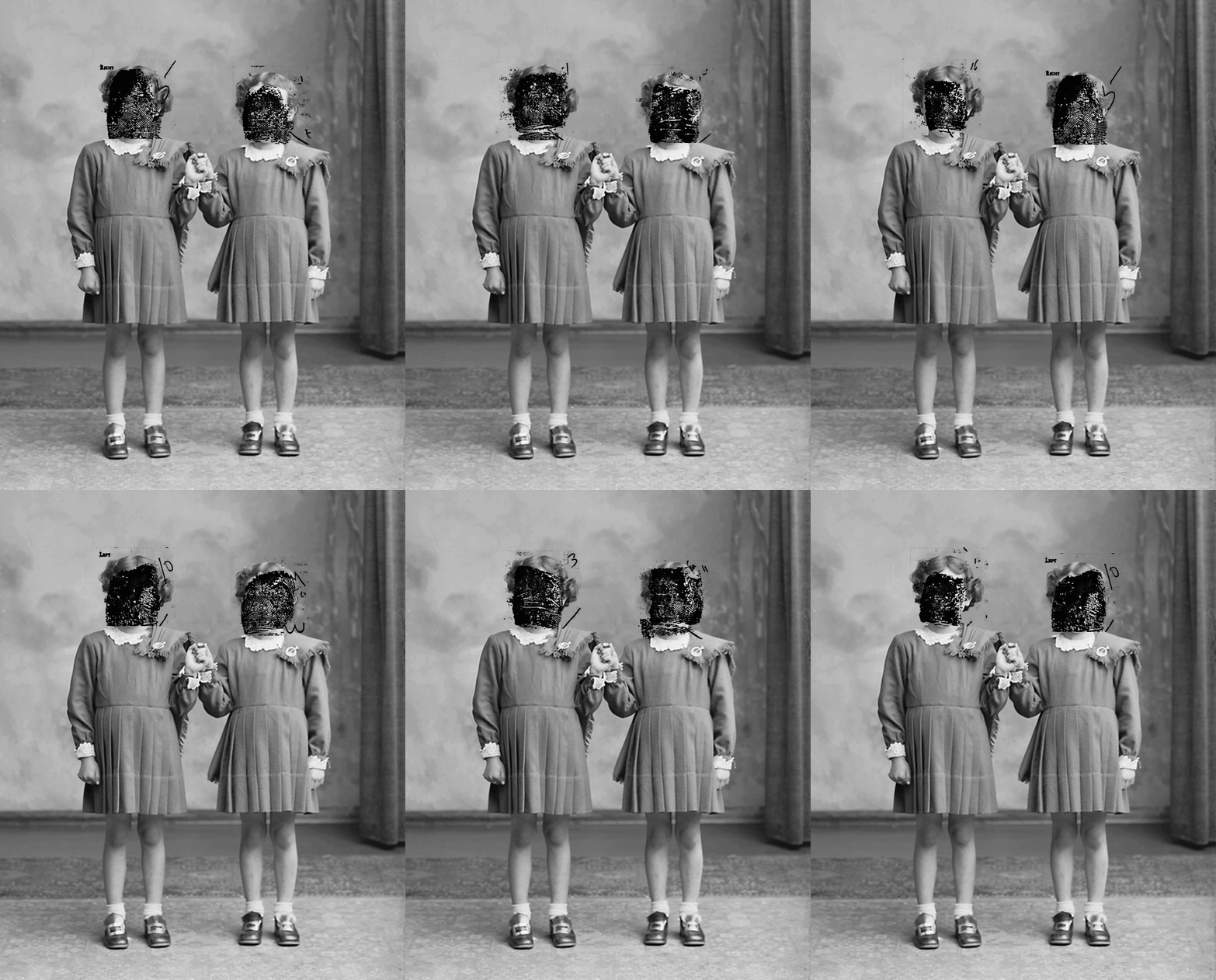
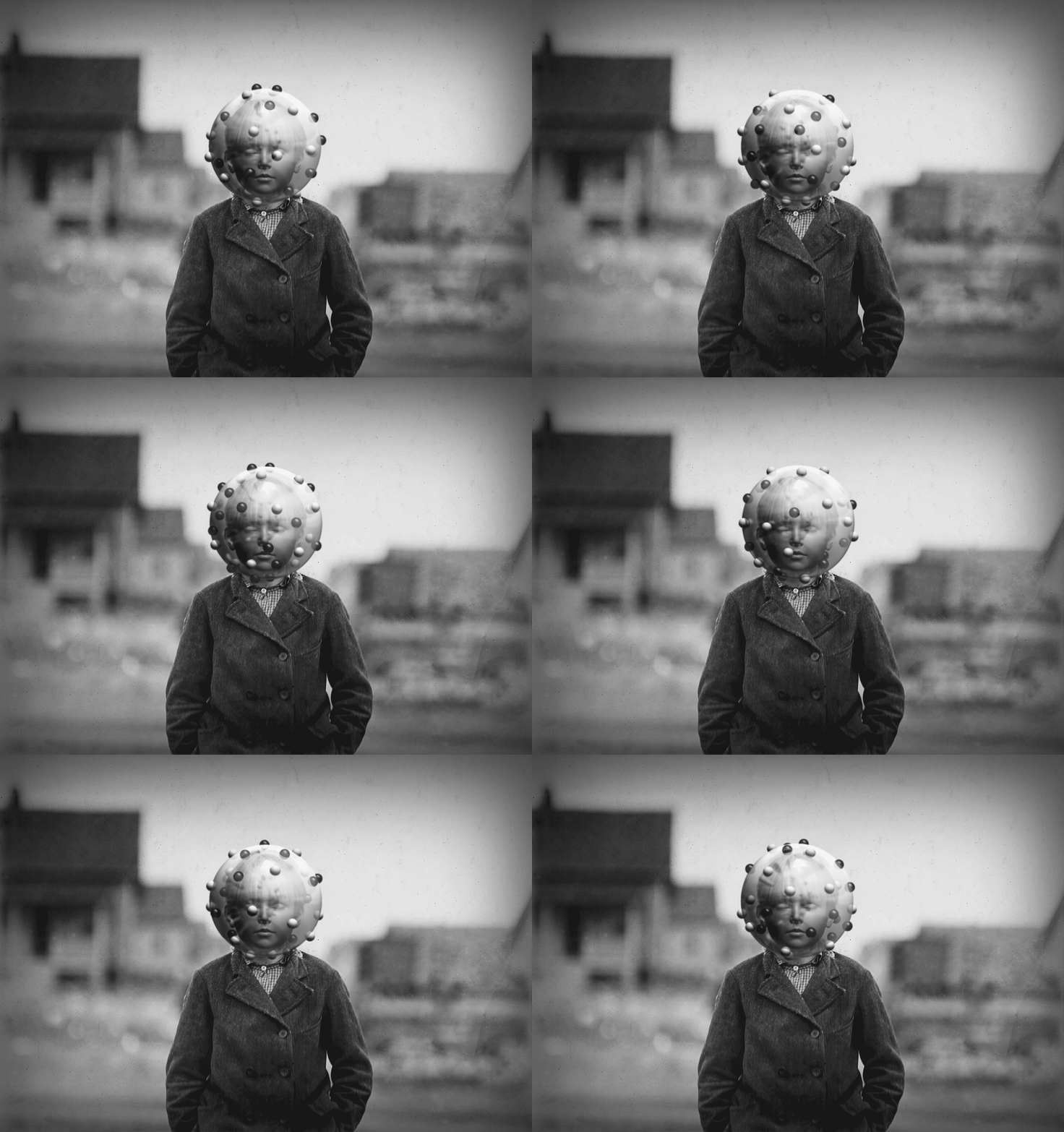
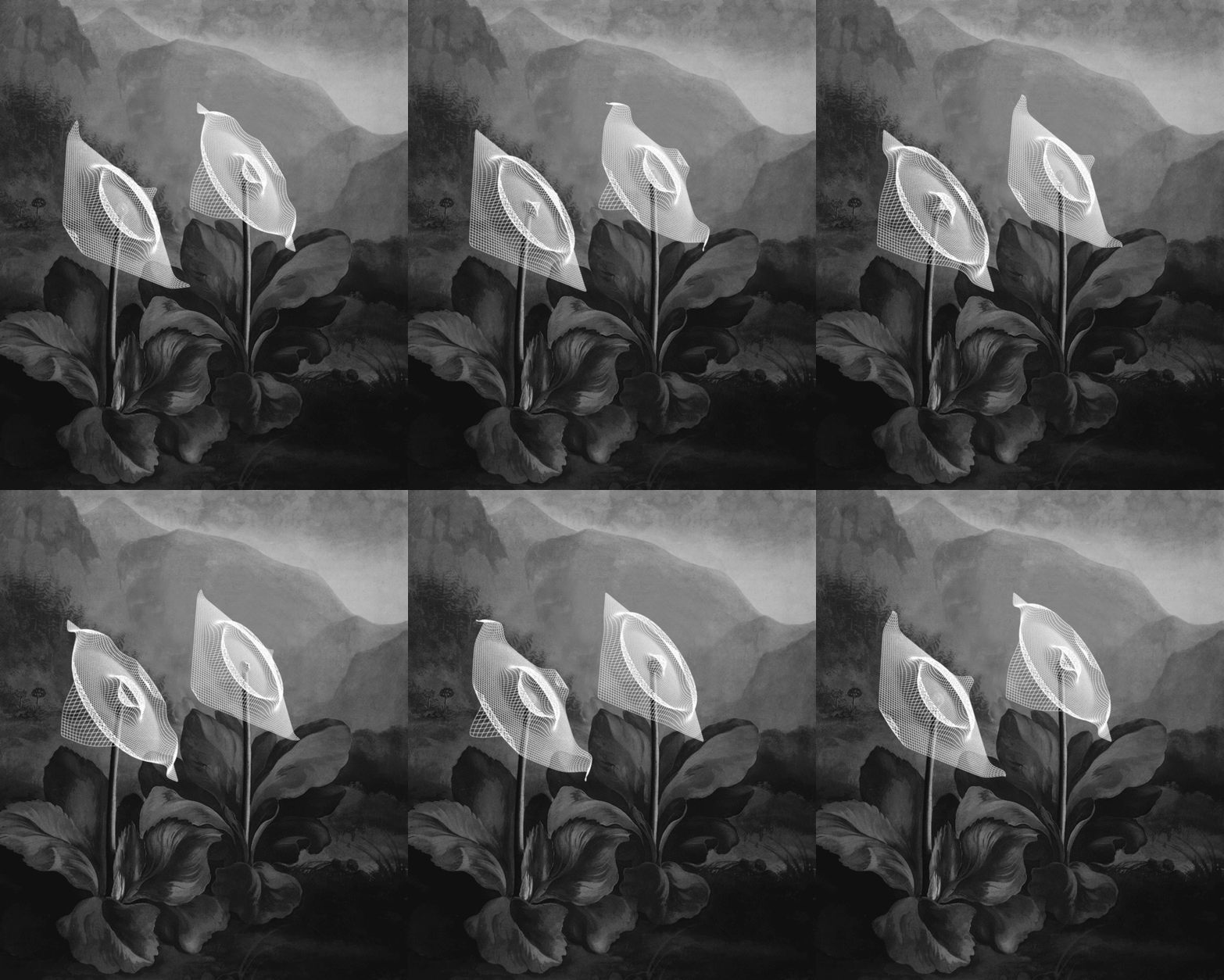
Twisted History: Archival Photos Augmented with Surreal Animations

30 Aug

[ By SA Rogers in Art & Drawing & Digital. ]

archival gif main

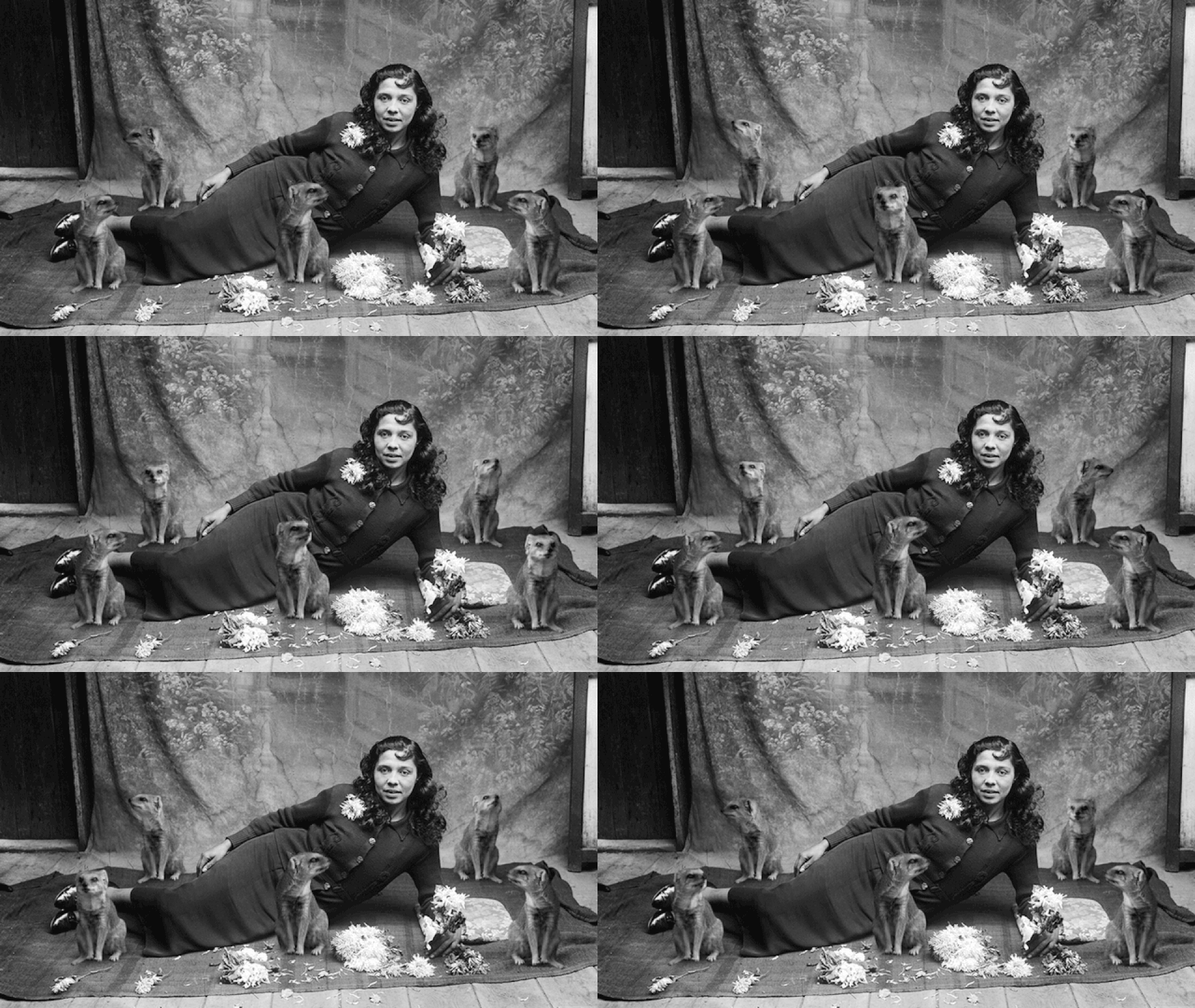
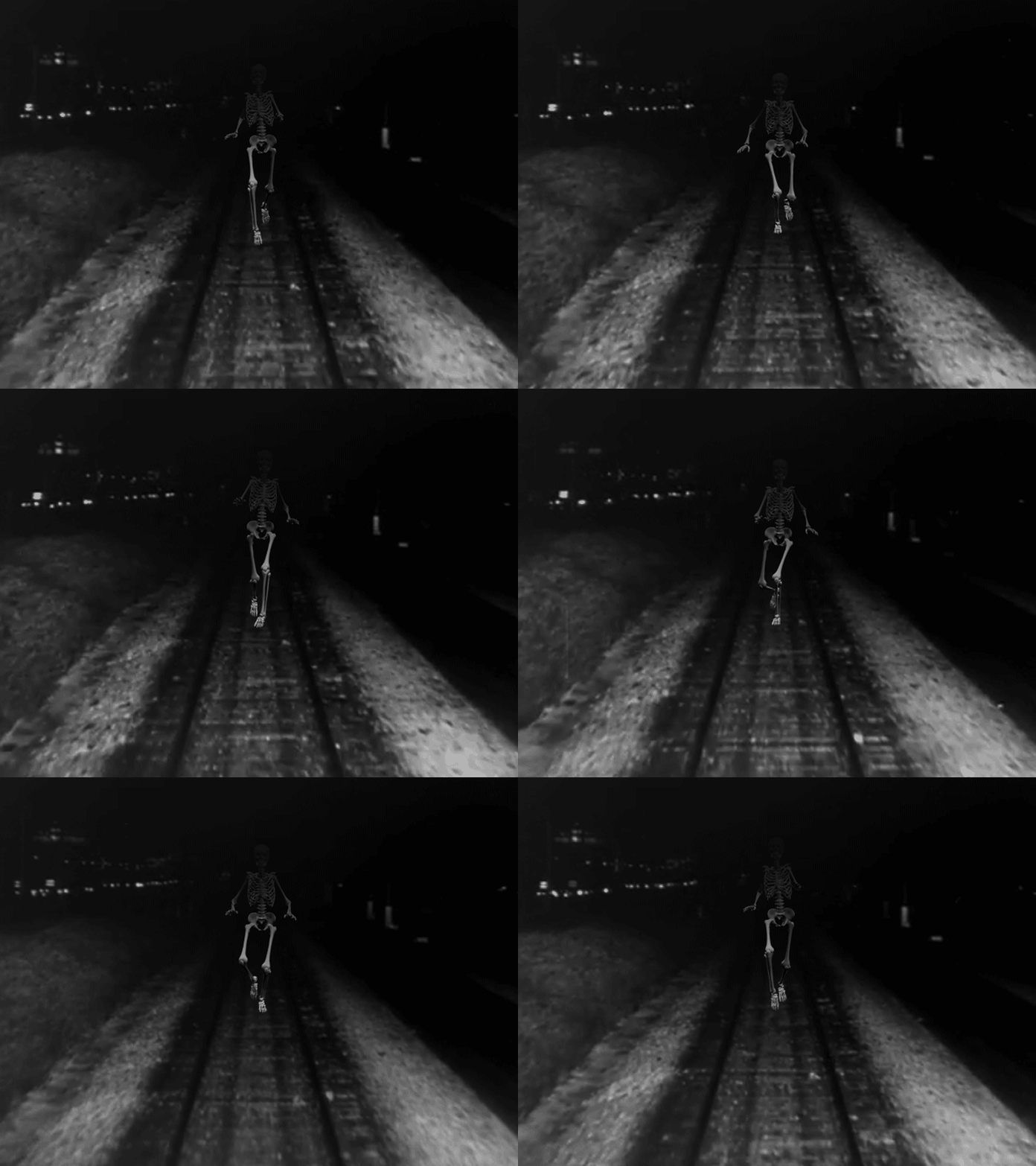
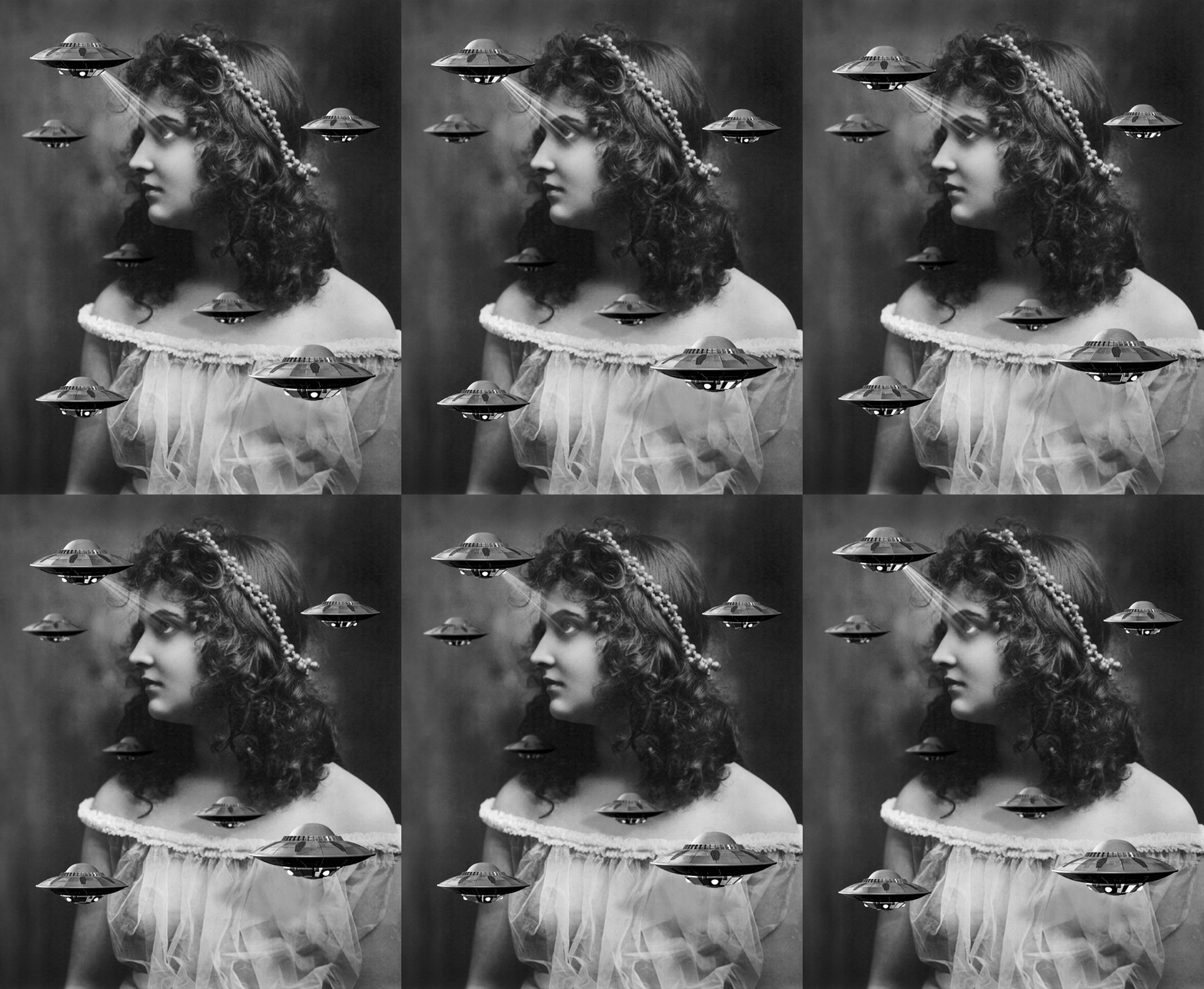
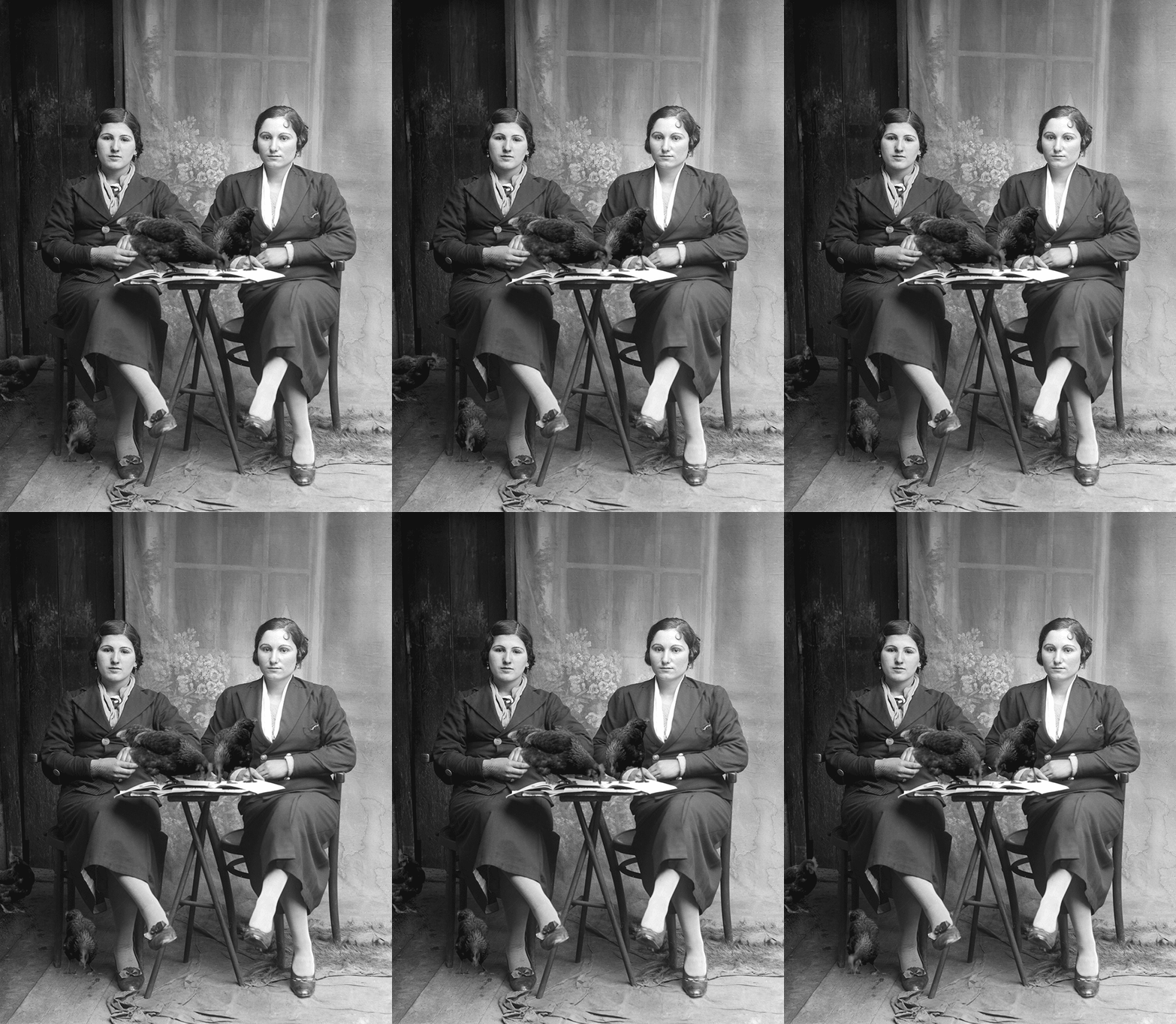
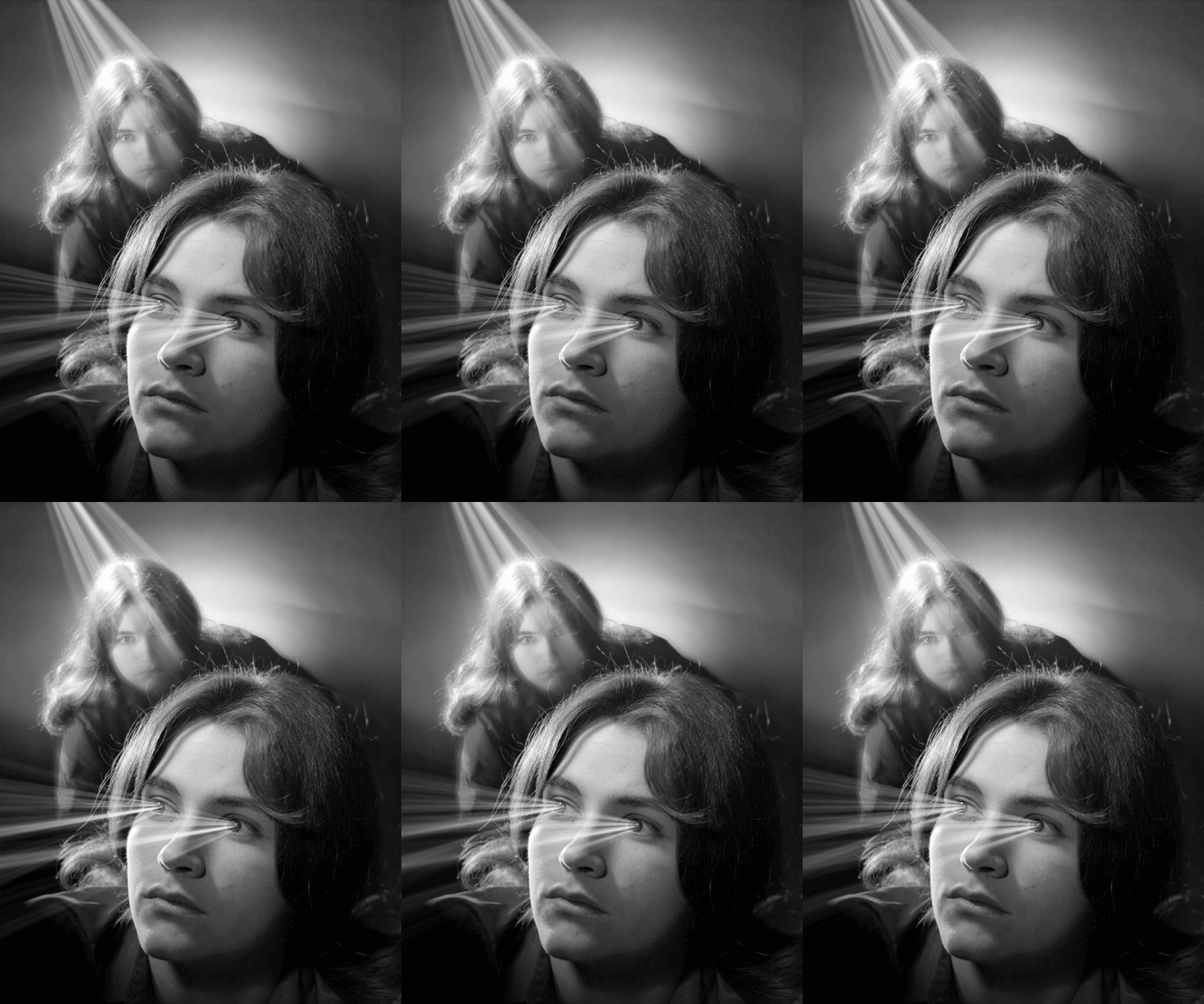
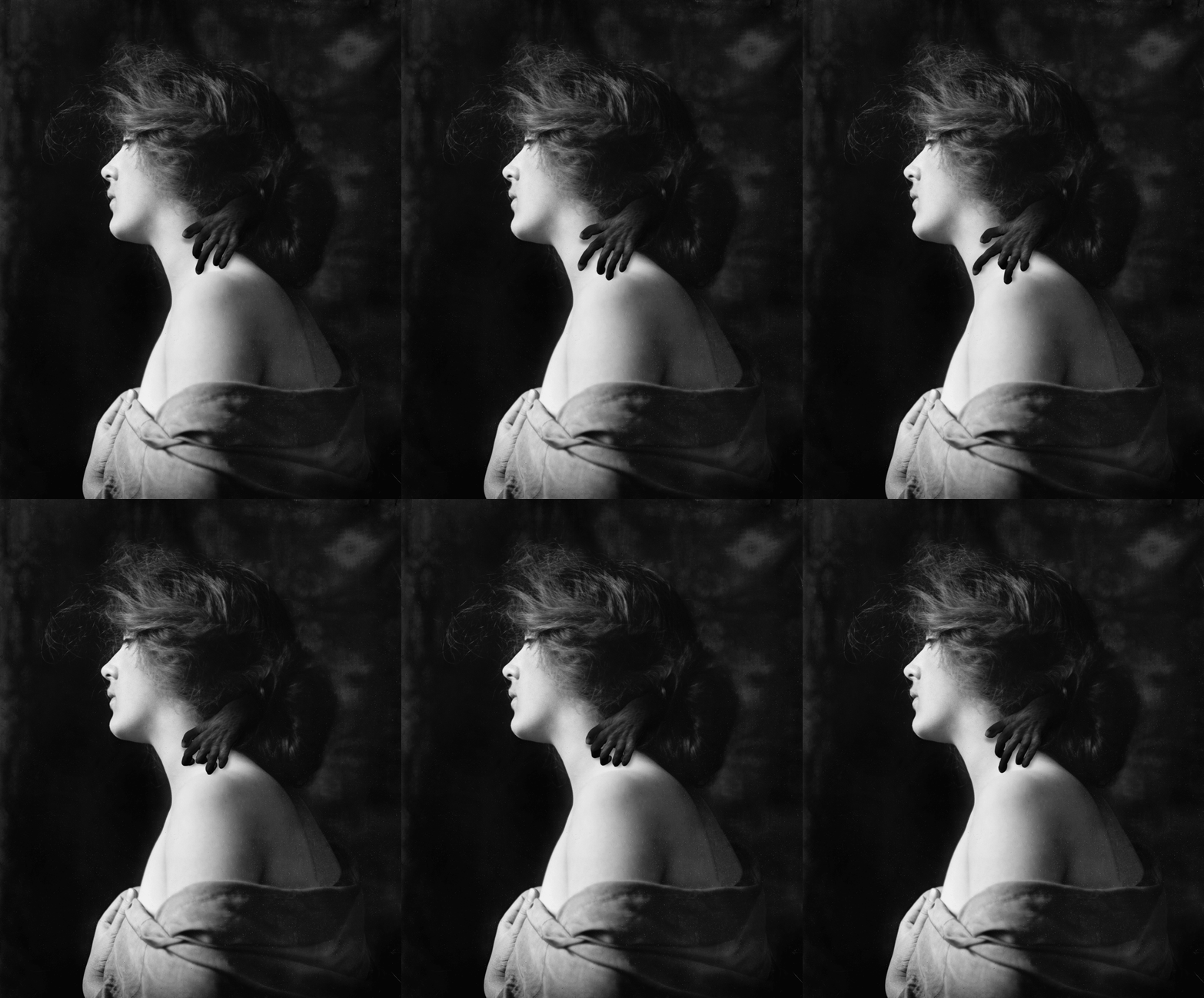
Black-and-white images and footage from the past, plucked from public domain collections, become absurd animations as moving elements are transposed on top of them in this series of images by artist Bill Domonkos. UFOs spin around a a curly-haired woman captured on film in the early 20th century, a running skeleton struggles to keep up with the camera on a blurry set of train tracks and television sets hover in Victorian living rooms. A fancy hairstyle becomes a journey into a forest, human eyes project beams of light and armless statues get prosthetics.

archival gifs 2


archival gifs 1

archival gifs 4

The fact that the moving additions are so suitably tailored to the original images is what makes the results so magical, not to mention their 3D appearance. Simultaneously funny and dark, the animations – which he presents in both GIF and video form – are each strange and unlikely in their own particular way, yet somehow still believable. Maybe that’s not too surprising, coming from a man who shot his own version of Valley of the Dolls as a child with a Super 8 camera.

archival gif 10

archival gif 11

archival gif 12

“I view my work as a collision and recombination of ideas,” says Domonkos. “My process unfolds gradually and spontaneously – using found materials such as archive film footage, photographs, and the internet. I experiment by combining, altering, editing and reassembling using digital technology, special effects and animation to create a new kind of experience. I am interested in the poetics of time and space – to renew and transform materials, experiences and ideas. The extraordinary thing about cinema is its ability to suggest the ineffable – it is this elusive, dreamlike quality that informs my work.”

archival gif 9

archival gif 14

archival gifs 5

The filmmaker and computer animator is also the creator of an app called Stereopsis, collection of 40 3D stereo images and GIF animations that combine altered archive stereographs and 3D computer graphics. You can get a contraption called ‘Google Cardboard’ to enhance the effect. See more on his website and tumblr.

Share on Facebook


[ By SA Rogers in Art & Drawing & Digital. ]

[ WebUrbanist | Archives | Galleries | Privacy | TOS ]


WebUrbanist

 
Comments Off on Twisted History: Archival Photos Augmented with Surreal Animations

Posted in Creativity


One iconic moment, two viral photos: Rio photographers capture Bolt’s smile

23 Aug

The Rio Olympics have come to a close, and there’s no doubt that these summer games have been memorable. World records were smashed, heroes were made and the best sports photographers in the game captured it all. But what may go down as one of the most memorable images from the games is actually two photos, captured by two photographers a fraction of a second apart.

Photo by Kai Pfaffenbach / Reuter’s.

Embed from Getty Images

Cameron Spencer of Getty Images and Kai Pfaffenbach of Reuter’s snapped nearly identical photos of Bolt and his grin as he neared the finish line of the 100m race. It’s not easy to spot the difference until you notice that Bolt’s right hand is sharp in one image and blurred in the other.

Naturally, the nuance was entirely lost on the internet, particularly on Twitter where the photos quickly became the subject of countless memes. As is the way with memes, both photos went viral without credit to either of the photographers who took them. The dual photos even confused a well-meaning Sports Illustrated writer who gave credit to Spencer while tweeting the photo taken by Pfaffenbach. After the error was brought to his attention he issued an apology.

Most news coverage used (and credited) Spencer’s photo. Articles that document the popularity of the meme mostly reference the Getty photo as well, even though Pfaffenbach’s photo appears to have been used more widely.

Did you notice the different photos in circulation? Why do you think one photographer got more attention and credit for his photo? Let us know in the comments.

Articles: Digital Photography Review (dpreview.com)

 
Comments Off on One iconic moment, two viral photos: Rio photographers capture Bolt’s smile

Posted in Uncategorized


5 Tips for Protecting Your Digital Photos

20 Aug

The advent of the internet has provided endless opportunities for photographers; it has


Fashion Photography Blog

 
Comments Off on 5 Tips for Protecting Your Digital Photos

Posted in Uncategorized


You Won’t Believe It’s Not Photoshop: 36 Fake-Looking Photos

18 Aug

[ By SA Rogers in Art & Photography & Video. ]

not shopped main

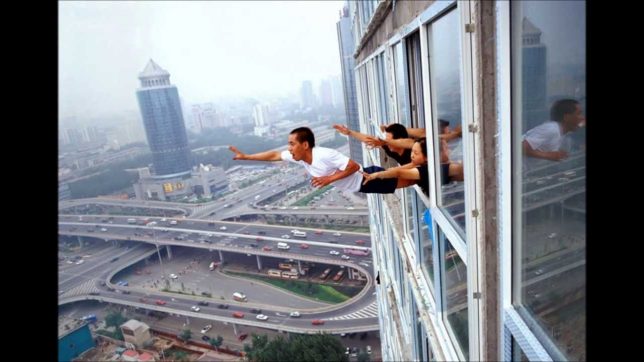
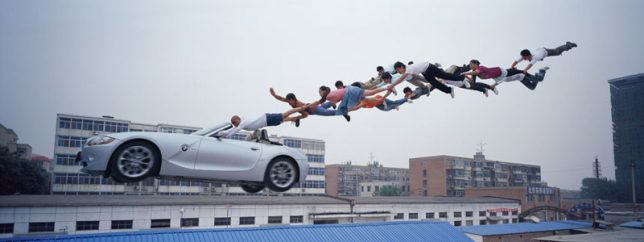
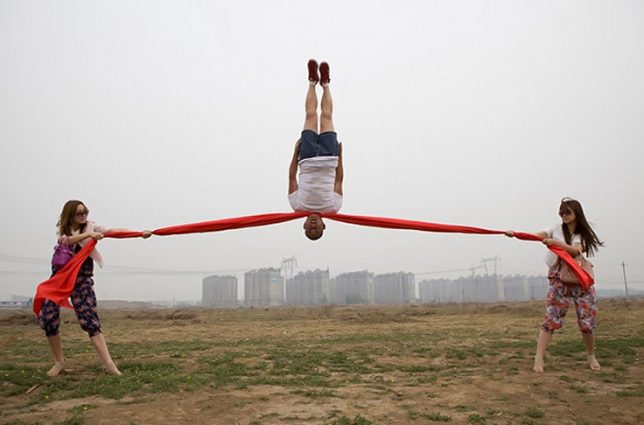
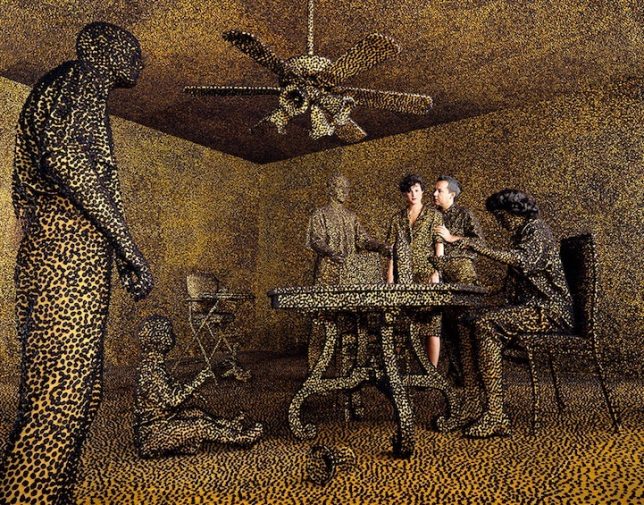
The very existence of Photoshop has made it easy to immediately dismiss impossible-looking images as digitally altered, but some bizarre scenes are more real than they appear. Anything from a particularly alien-like landscape to a rare cloud formation can provoke cries of ‘Photoshop!,’ but it’s particularly impressive when these illusions are created through art, with the help of mirrors, acrobatic models, trick perspective and serendipitous timing.

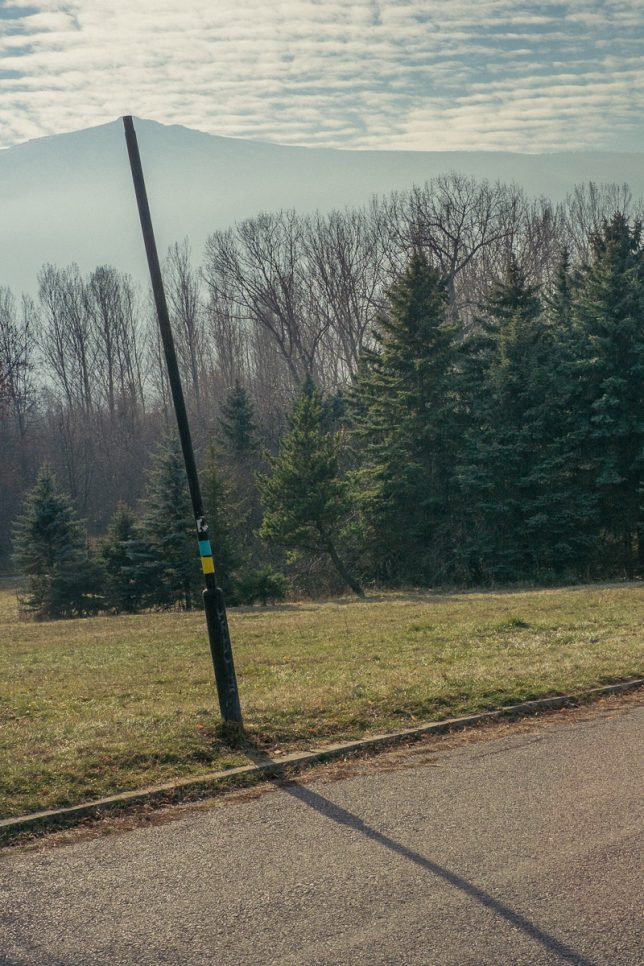
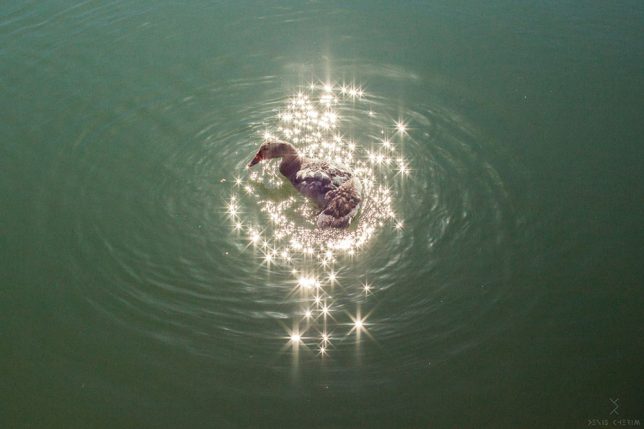
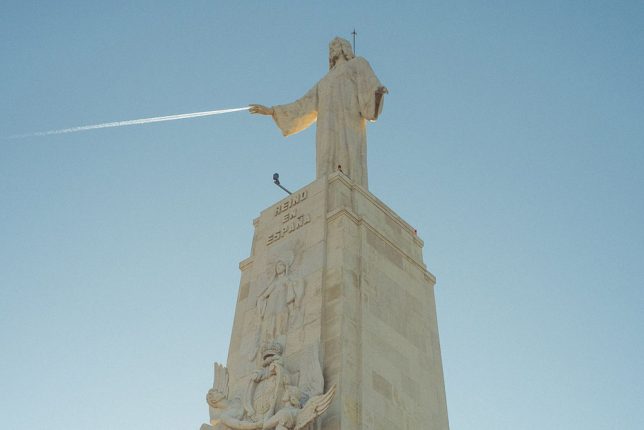
Coincidence Project by Denis Cherim

not shopped cherim 8

not shopped cherim 9

not shopped cherim 10

not shopped cherim 11

not shopped cherim 12

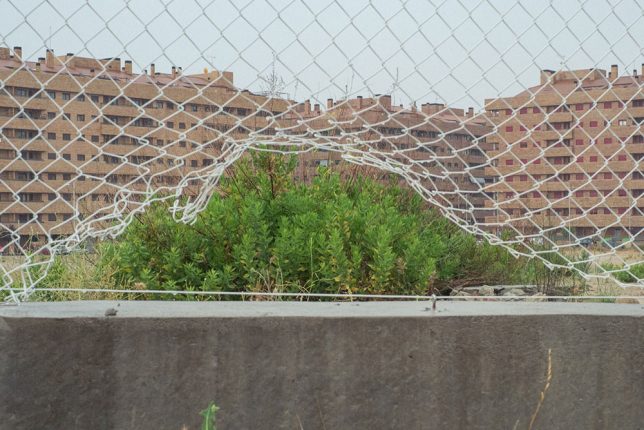
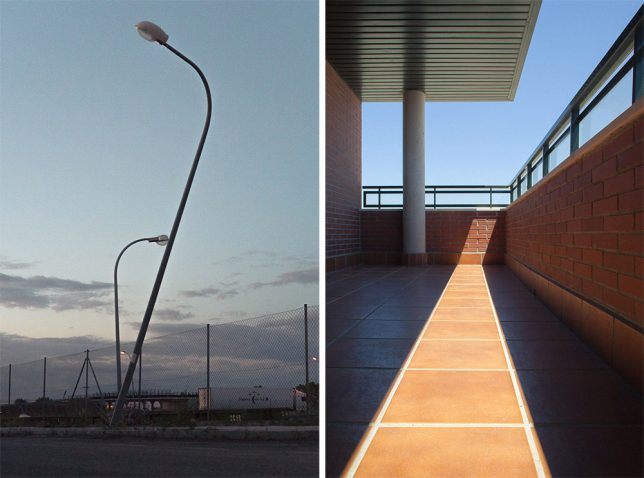
The almost too-coincidental-to-be-real photography of Denis Cherim relies on the patience to wait for exactly the right moment, when various elements of a scene come together in just the right way. His series ‘The Coincidence Project’ sees ordinary scenes from new perspectives, moving to particular vantage points to encourage serendipitous alignments.

Gravity-Defying Performances by Li Wei
not shopped li wei 20

not shopped li wei 21

not shopped li wei 22

not shopped li wei 23

not shopped li wei 24
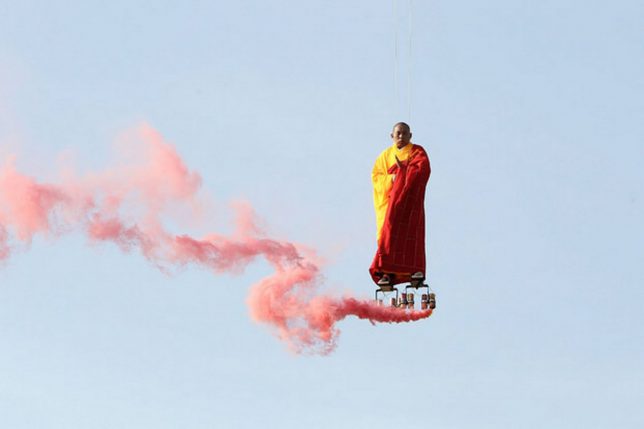
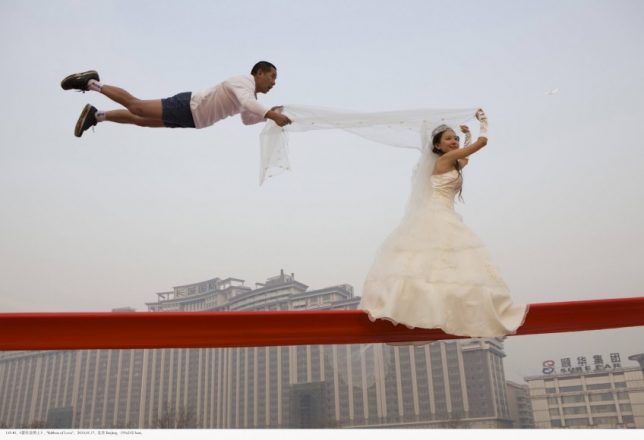
How can there possibly not be any photo manipulation going on in images where people are floating in mid-air? Li Wei’s particular blend of photography and performance art uses the strength of his subjects – including no small amount of acrobatics – along with invisible props and mirrors to create scenes that aren’t exactly as they appear.

Surreal Scenes by Sandy Skoglund

not shopped skoglund 1

not shopped skoglund 2

not shopped skoglund 3

not shopped skoglund 4

not shopped skoglund 5

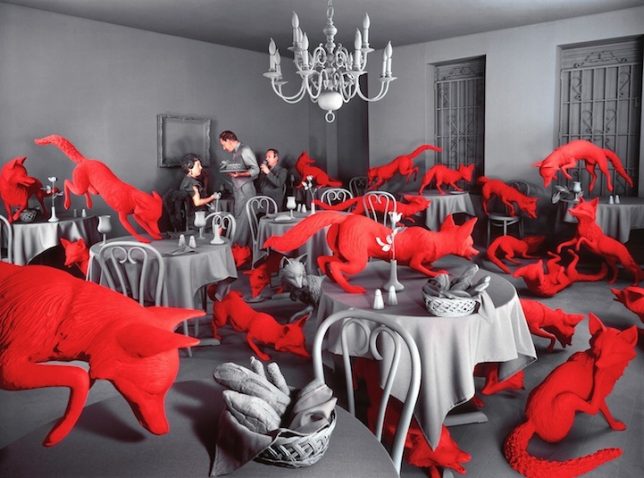
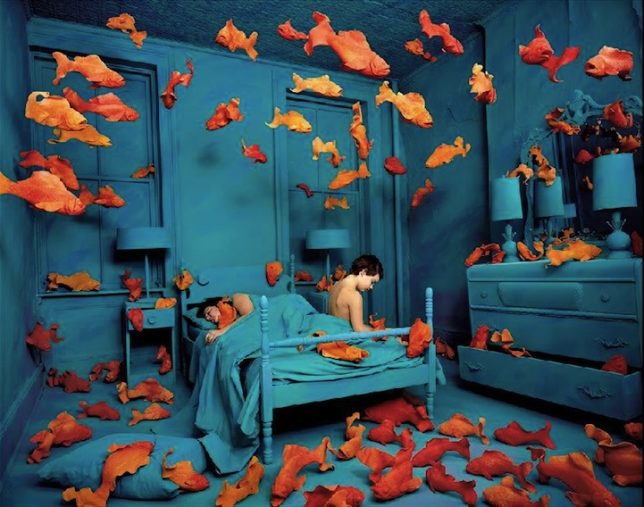
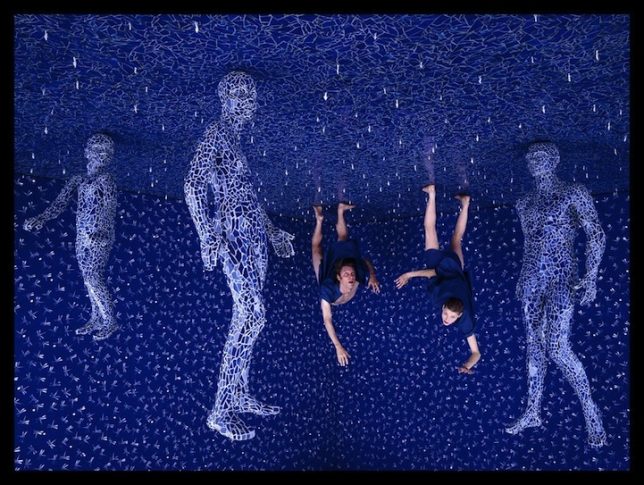
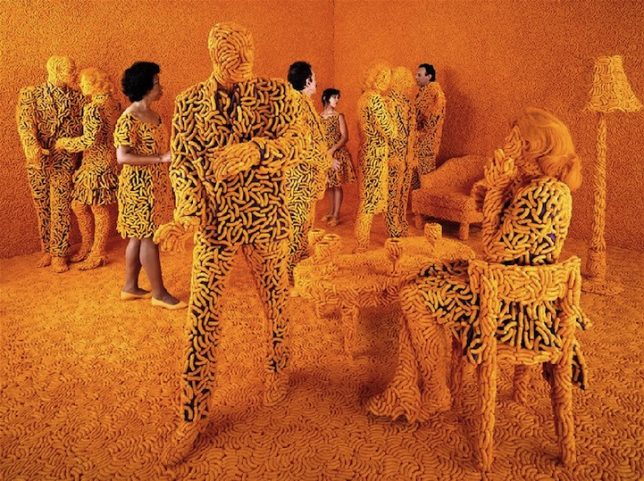
Fish fly through blue-toned bedrooms, foxes take over dining rooms and people hang from ceilings in dreamlike scenes by artist Sandy Skoglund, who spends months building each elaborate set. Favoring vivid color schemes, Skoglund mixes her hand-made sets and inanimate figures with live human models and takes photographs of the resulting contrasts.

Toy Dinosaur Travel Shots by Jorge Saenz

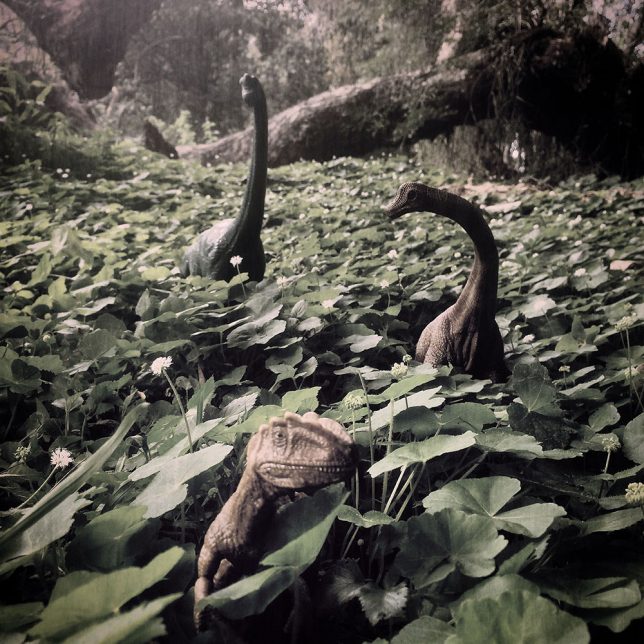
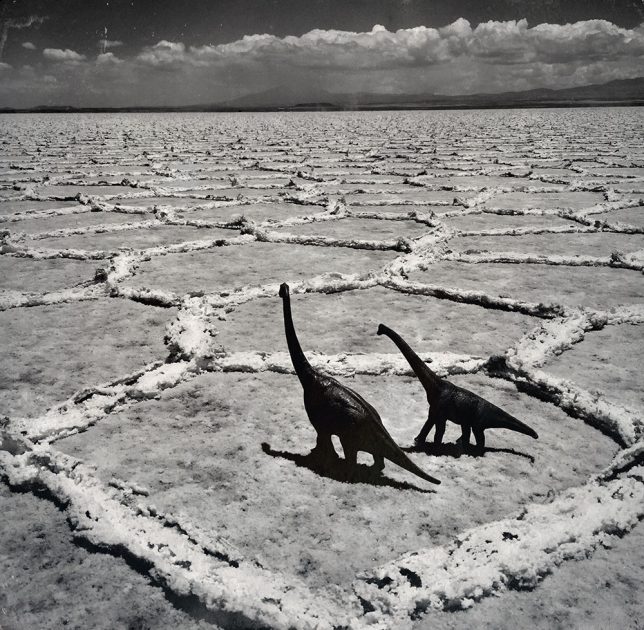
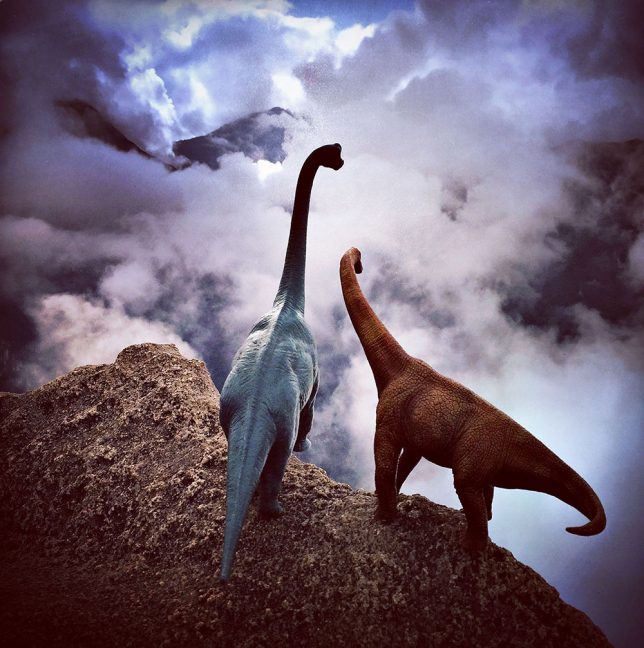
What look like screenshots from an old stop-motion animation dinosaur movie are actually just toy dinosaurs artfully placed within landscapes by photographer Jorge Saenz. His ‘#dinodinaseries’ project makes the figurines appear larger than life, sometimes looking surprisingly real in their incongruous modern-day settings.

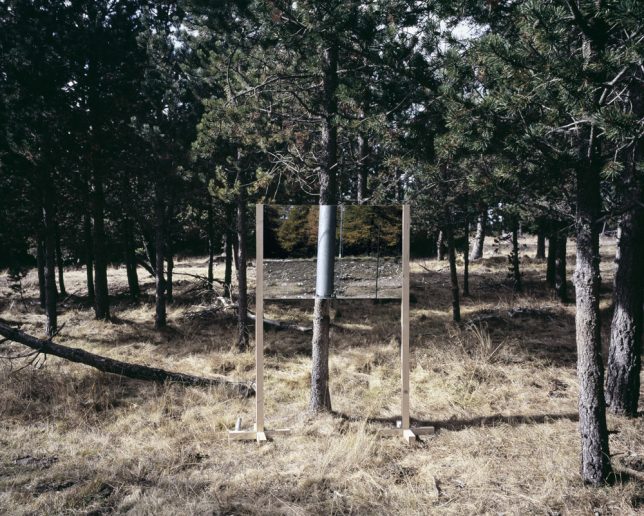
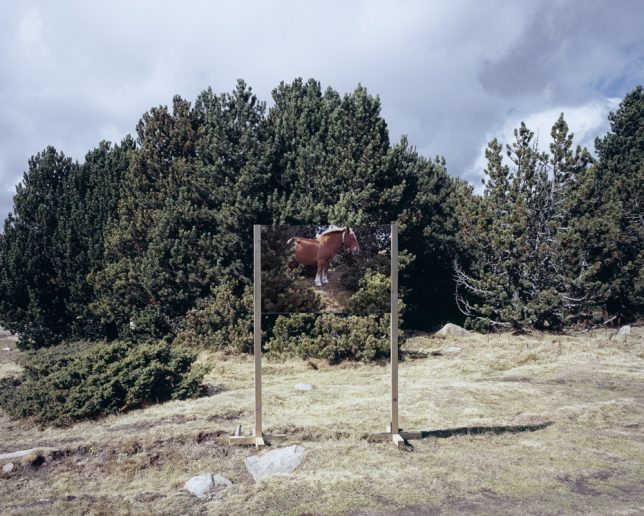
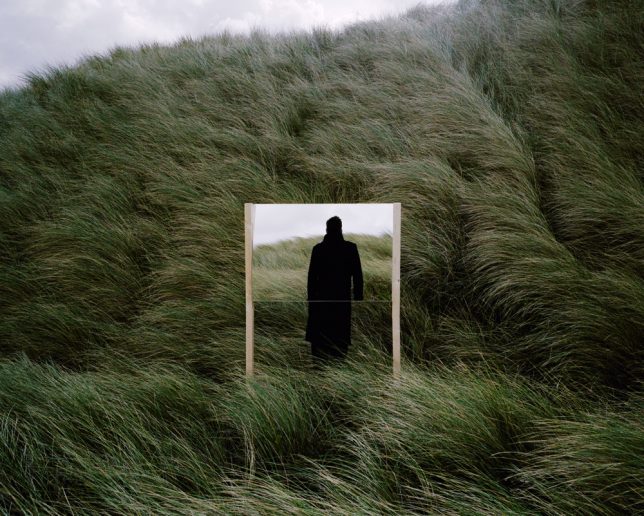
Mirror Landscapes by Guillame Amat

not shopped amat 13

not shopped amat 14

not shopped amat 16

not shopped amat 18

Mirrors seem to offer portals into a slightly different reality in Guillaume Amat’s ‘Open Fields’ project, which carefully places a reflective stand in various landscapes. The reflections almost blend into the scene, but not quite – leading to images that are inaccurate renderings of the setting, but in such a subtle way it can take a moment to realize what’s wrong with the picture.

Next Page – Click Below to Read More:
You Wont Believe Its Not Photoshop 36 Fake Looking Photos

Share on Facebook


[ By SA Rogers in Art & Photography & Video. ]

[ WebUrbanist | Archives | Galleries | Privacy | TOS ]


WebUrbanist

 
Comments Off on You Won’t Believe It’s Not Photoshop: 36 Fake-Looking Photos

Posted in Creativity


6 tips for better wildflower photos

15 Aug

Tips for better wildflower photos

Shooting wildflowers can be an intimidating endeavor, especially if you’re looking to capture grand scenes and vistas. Navigating the crowds, finding the perfect composition and nailing the shot can all be overwhelming. But it doesn’t have to be that way – in this article I’ll help you navigate these challenges so you can enjoy the experience and make the most of peak wildflower season.

Choose the right gear for the job

This isn’t a one-size-fits-all gear list as it really depends upon how much hiking you have to do to get to your desired location. That being said, I’ve highlighted some of the most important items from my kit in this list.

  • Tripod: A sturdy tripod is a must if you plan on focus stacking, it also comes in handy if your shooting in conditions that require slightly longer shutter speeds.
  • Lenses: When I’m out shooting wildflowers I always try to cover a focal length of 16-300mm. The majority of my compositions fall in the 16-35mm range, but you never know when you may want to snap an abstract shot or try something new when you’re out in the field.
  • Headlamp: You may not plan on staying out late, but loosing track of time while shooting an amazing sunset is very easy to do.
  • CPL: The sky in your composition will benefit a great deal from using a circular polarizer and the vegetation’s rich colors will be brought out as well.
  • Bug/Bear Spray: This may sound trivial but if you’re shooting anywhere in the mountains this is a must. Watch out for ticks as well when you’re out shooting. Bears aren’t always an issue, but in certain areas they can be a problem so it’s definitely best to check trip reports and stay well informed.
  • Well stocked backpack: A camera backpack or your favorite hiking backpack with a first aid kit, water, extra batteries, wireless remote, cleaning cloths, tripod tools, extra layers (Gortex jacket etc.) and snacks is a must. Anytime you go hiking it’s a great idea to be prepared for anything in the field.
  • Maps/GPS: I always bring a map or a guide book in addition to a GPS unit with me to areas that I’m not familiar with.

Check flower reports and scout locations

Before heading out into the field I always make sure to scout out locations and check on the condition of the flowers I’m intending to photograph.

  • Check local wild flower reports online – hiking trip reports are great places to look for wild flower updates
  • Aim to photograph the flowers when they are just starting to peak; this is where checking reports pays off. Staying slightly ahead of the curve will ensure that you will be able to photograph the flowers when they are looking their best.
  • Talking with other local photographers is a great way to network and to get an idea of what the flower shooting conditions are like in your area of interest.
  • Scout your location to determine what areas are best for sunrise, sunset and day/night time shooting. Figure out how many miles you’ll be hiking and plan accordingly.
  • Remember to give yourself plenty of time to drive to your location, hike in, take photos and hike out.
  • Mark the areas that you’re interested in shooting on a map or set waypoints on a GPS to give yourself a guide of sorts to roughly follow while you’re out in the field.

Find your composition

Choosing your composition can feel like a tricky task – especially with the added element of flowers thrown into the mix. Here are some helpful tips that can make the process a bit less overwhelming.

  • Look for flowers just approaching the peak of their bloom: once you have found a nice patch of flowers make sure that they can be incorporated into your composition effectively.
  • Add depth through layers: flowers can add a really nice foreground element to your photo so try to fill the lower 1/3 to lower 1/2 of your frame with them to give your photo lots of FG interest and depth. Focus stacking is one way to achieve this look.
  • Let the flowers be your leading line: sometimes nature can provide you with nice patterns and colors to lead your eye through the frame to your focal point. Look for flowers that can provide that ‘line’ to your focal point or that offer depth through layers.
  • Don’t let the conditions dictate whether or not you choose to go out and shoot: shooting in foggy and challenging weather conditions can offer up some amazing and unique results!
  • Shoot in both landscape and portrait orientations: don’t get too set on one composition, move around and experiment! This is something that I have to continually remind myself to do.

Get creative: go abstract

When you find yourself surrounded by fields of gorgeous flowers it’s very easy to become overwhelmed and bogged down by the seemingly endless photographic possibilities. Finding abstract compositions requires some work, but the results can be very rewarding.

  • Take a step back and look for subtle opportunities to photograph the flowers and vegetation themselves.
  • Look for different kinds of texture and layering in the vegetation.
  • Let the plants and flowers become your composition.
  • Look for natural leading lines, patterns, curves and turns in the plant life.
  • Pay attention to complementary colors and patterns as color can add a great deal of interest to your photo.

Etiquette

This isn’t something that’s discussed very often in landscape photography, but I think that it’s especially applicable for this type of shooting.

  • Show up early and find your composition: One of the biggest issues that I see in the field is dealing with people fighting for compositions. If another photographer was there before you, then respect their space and look for different compositions. Remember that a wide-angle lens covers a lot of real estate, so keep that in mind when looking for alternative compositions. Get there first and you will be rewarded with lots of options for outstanding compositions.
  • Respect the Flowers: This almost goes without saying, but never pick the flowers and move them to improve your composition – this happens more often than you would care to believe. Also, take care not to sit on or trample the meadows when composing your shot(s).
  • Tread Lightly: Chances are that if you’re shooting wildflowers you will find yourself off trail at some point. Follow game trails and stick to paths that have already been well traveled. Never create your own trail through a meadow unless you have no other options and always tread lightly. These areas have very fragile ecosystems and see a great deal of foot traffic, so it’s important to practice sustainability.
  • Leave No Trace: Surprisingly this is still a huge issue. The bottom line is; if you pack it in, pack it out – don’t leave anything behind.

Articles: Digital Photography Review (dpreview.com)

 
Comments Off on 6 tips for better wildflower photos

Posted in Uncategorized


3 Tips for Taking Better Motorsport Photos

11 Aug

If you’re a fan of motorsport, then you’ve probably tried to take photo of a race car on the track. It’s not as easy as it looks is it? The high speed nature of motorsport photography tests even the best photographers and cameras. So it takes a special skill set to move your motorsport photos up to the next level.

Taking a photo of a car on track is one thing, but if you’d like to add one or more of the following elements to your photos, you’ll start to create some special images. So make sure you keep these three things in mind next time you are at a race track shooting motorsport: speed, action and emotion.

DPS Panning 001

#1 Speed

One of the biggest things that draws people to motorsport is the speed. If you’d like your photos to stand out, you need to showcase that speed in your photos. The photographic technique for doing this is called panning.

Panning is basically using a slow shutter speed to introduce motion blur into your photos. The easiest way to do this, is to focus on a particular point of the car, and move your camera in a smooth motion in the same direction as the car. This will keep the car nice and sharp, and blur out the background.

I would recommend that you start with a shutter speed of around 1/200th of second. As it takes a lot of practice to get a nice smooth motion. As you improve your technique and grow in confidence, you can progress to slower shutter speeds.

DPS Panning 002

Panning is one of the hardest techniques in photography. It takes a lot of practice to get it right. The slower the shutter speed, the less likely you are to get the car sharp in the photo. But the trade off is a more dramatic the effect when you do get it right.

Just remember that not even the professionals get every shot perfect, though they may not admit it. But once you have mastered the art of panning, you can look to add some more creativity to your shots by panning through objects, or using interesting angles.

DPS Panning 003

#2 Action

Getting a photo of one car on track is great. But those action moments are what really tell the story of the race.

Ideally you want to be on the look out for the moments when two or three cars are jostling for position. Usually in the opening laps of a race. Shots of the race leaders fighting for the lead will give your photographic story more definition.

To capture those actions moments, you will want to position yourself at one of the slower corners of the track. One that encourages passing. To do this you’ll need to be familiar with the venue. Each and every track is different.

DPS Action 001

Photographically, you’ll be looking to use a fast shutter speed to freeze the action. I would recommend using a shutter speed of 1/1000th at a minimum. Although the speed really all depends on how fast the cars are traveling at that section of the track.

Now, since you are freezing the action, you’ll still want to make the cars still look fast. To do this you will need to hide the wheels of the cars. Either shooting the cars directly front on, or from behind. Hiding the lack of motion in the wheels will give the cars a sense of speed, while still showcasing the action.

DPS Action 002

DPS Action 003

#3 Emotion

Motorsport, much like all sports, has high highs and low lows. That is reflected in the emotions you’ll see around the race track.

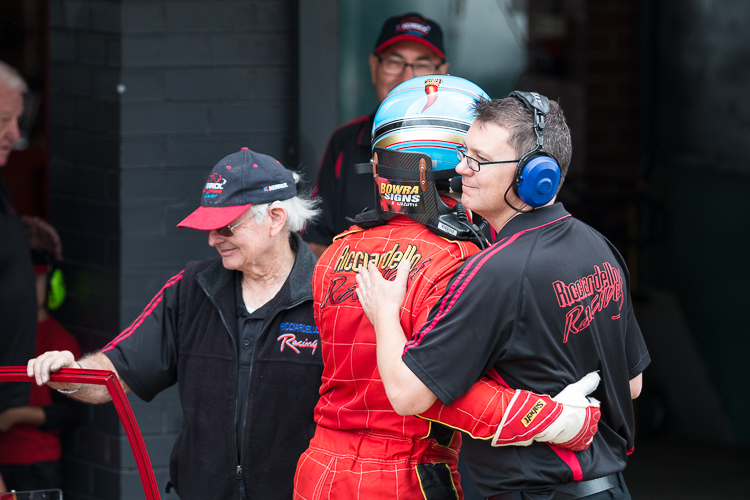
To complete a photographic story of the race, you’ll need to capture either the fans, teams, or drivers celebrating victory. That could be a victory burnout, it could be driver waving to the crowd, or it could be the team applauding as their driver crosses the checkered flag.

DPS Emotion 001

While the highs are good, the lows also tell an equal part of the story. It could be a crash between two competitors. It could be a driver walking away from his broken down car. These all add up to telling the story of the race.

Unfortunately, it takes a little bit of luck to capture the emotion in motorsport. That’s why these shots are the most rewarding.

Photographically these emotional moments take split second decisions to capture. If you’re photographing a driver doing a burnout, you’ll need to quickly drop the shutter speed to showcase some motion in the wheels. but not so much that the car starts the blur. I’d suggest something along the lines of 1/250th.

For capturing other celebrations, which are often just fleeting moments. I’d recommend a high shutter speed and wide aperture to create shallow depth of field to draw focus to the part of the celebration that tells the best story.

DPS Emotion 002

Summary

If you can keep those three things in mind while you are taking photos trackside, you’ll take your motorsport photos to the next level. Then you’ll really telling the story of an event, instead of just capturing cars on a track.

googletag.cmd.push(function() {
tablet_slots.push( googletag.defineSlot( “/1005424/_dPSv4_tab-all-article-bottom_(300×250)”, [300, 250], “pb-ad-78623” ).addService( googletag.pubads() ) ); } );

googletag.cmd.push(function() {
mobile_slots.push( googletag.defineSlot( “/1005424/_dPSv4_mob-all-article-bottom_(300×250)”, [300, 250], “pb-ad-78158” ).addService( googletag.pubads() ) ); } );

The post 3 Tips for Taking Better Motorsport Photos by Rhys Vandersyde appeared first on Digital Photography School.

Digital Photography School

 
Comments Off on 3 Tips for Taking Better Motorsport Photos

Posted in Photography