RSS
 

Posts Tagged ‘Photos’

Best Photos of 2016 by JMG-Galleries Blog Readers

10 Jan
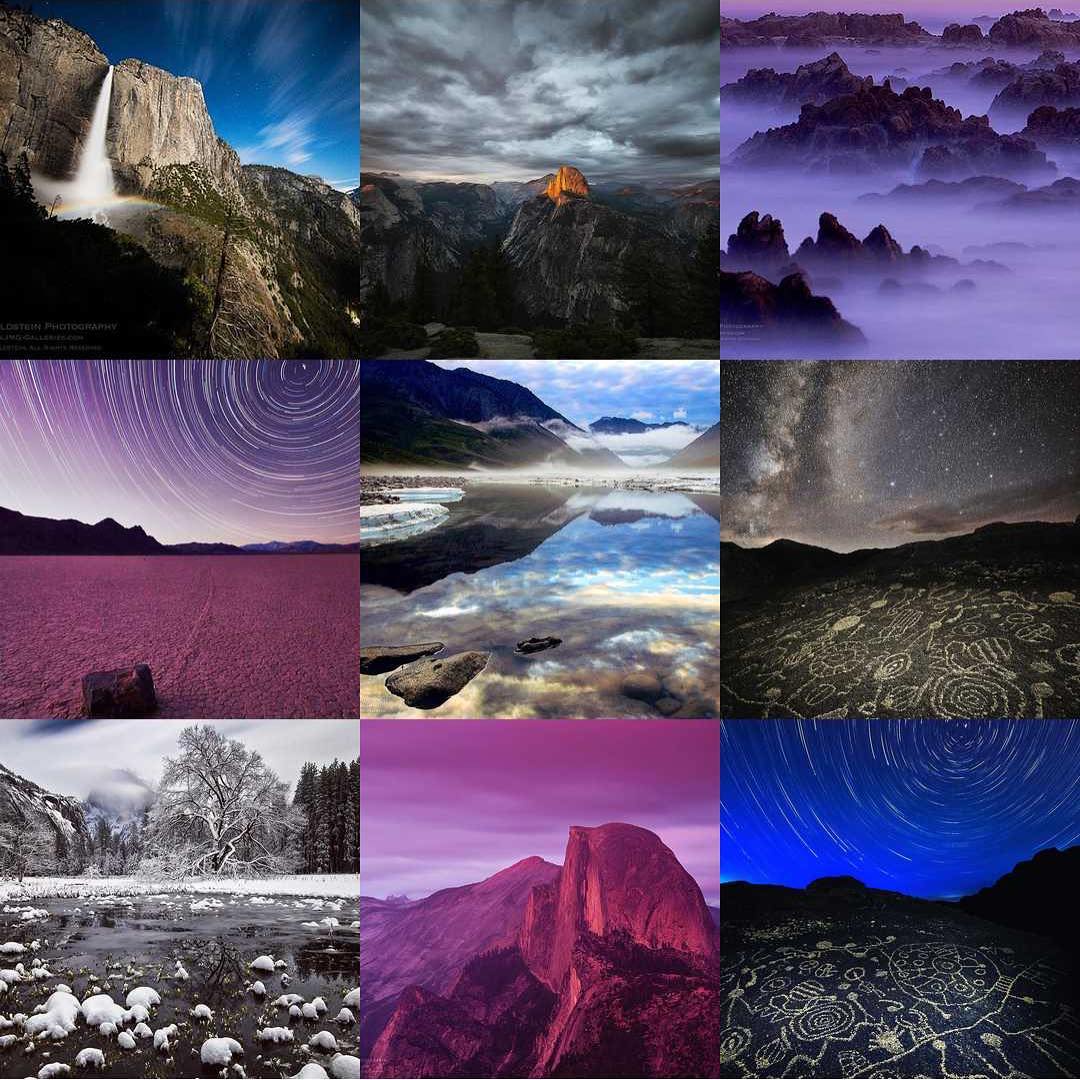
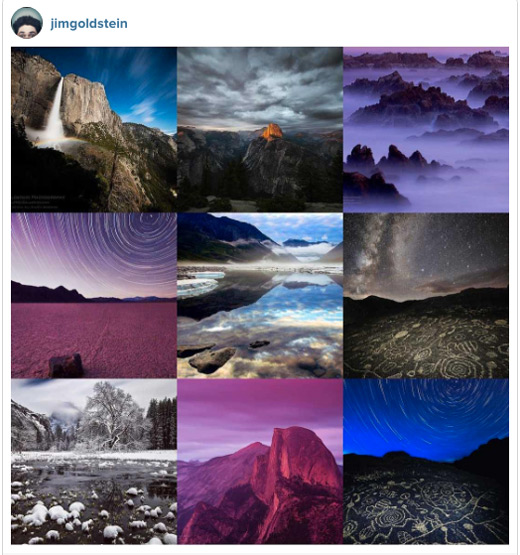
Best Instagram Photos 2016

Best Instagram Photos 2016

What better way to start 2017 than to be creatively inspired. The results of my 10th annual Best of Photos project hopefully will do just that by introducing you to photographers and their work from all over the world. Many of my blog readers are photo enthusiasts and many are seasoned professionals, but the great thing about photography is that no matter what your experience level we all can relate equally in our love for the art of photography and visually exploring. With that in mind I encourage you to reach out to photographers whose work you enjoy to keep sharing & growing as an artist.  I am incredibly thankful that this tradition has been embraced and enjoy seeing how familiar faces have evolved their work & grown over the years.  I hope reviewing your best photos of the year and comparing them to years pasts keeps you inspired and aware of your progress as a photographer.

If you’d like to take part next year and be informed when submissions open for the “Best Photos of 2017? blog project add your name to my mail list. You won’t be spammed. I send out newsletters quite infrequently.

Thank to everyone who took part!  I invite you to visit each link below as I have and introduce yourself to many of the participating photographers.

Best Photos of 2016

  1. Jim M. Goldstein – Best Photos of 2016 by Jim M. Goldstein
  2. Randy Langstraat – My Ten Favorite Photos of 2016
  3. Chris Moore – Exploring Light – 2016: A Year in Review
  4. Denis Balibouse – Denis Balibouse Reuters 2016 Photos
  5. Craig L. Howe – A Thousand Words
  6. Michael Russell – My Top 10 Photos of 2016
  7. J. J. Raia – 2016 Jim Goldstein Project
  8. Harold Davis – Harold Davis Best of 2016
  9. Wendy M. Seagren – Wendy Seagren Best 2016 Blog
  10. Stefan Bäurle – Top 10 Favorites of 2016
  11. Phil Slade – Another Bird Blog
  12. Scott Wyden Kivowitz – Best & Favorite Photographs of 2016
  13. Rick Holliday – Best of 2016
  14. Russ Bishop – Russ Bishop | 2016 – The Year in Pictures
  15. Bill Bean – 2016 Favorites
  16. tim fiddimore – Photos 2016
  17. Rachel Cohen – My Best of 2016
  18. Brian Knott – FMKPhoto – 2016 Year in review
  19. Alexander S. Kunz – 12 Favorite Photos from 2016
  20. Monika Chace – 500px Monika Chace 2016 favs
  21. Martin Quinn – Quinn Images – Best of 2016
  22. Jenni Brehm – Changing Perspectives
  23. QT Luong – Year 2016 in Review: Treasured Lands
  24. Greg A. Lato – latoga photography
  25. Fred Mertz – Fred Mertz Photography
  26. Martijn van der Nat – Best of 2016
  27. Bryan Bzdula – Top 25 of 2016
  28. Joseph Smith – 2016 Year in Review
  29. Khürt Williams – Ten Best Images of 2016
  30. Free Roaming Photography – Twelve Favorite Photos from 2016
  31. Peter Carroll – 2016
  32. Chuq Von Rospach – My Best Photos of the Year for 2016
  33. Gary Crabbe / Enlightened Images – My Favorite Landscape Photos of 2016
  34. Johann A. Briffa – 2016: A Photographic Retrospective
  35. Jao van de Lagemaat – Jao’s photo blog: Most memorable images from 2016
  36. Greg Russell | Alpenglow Images Photography – 2016 year in photos
  37. Richard Murphy – Best of 2016!
  38. Jim Stamates – My favorite images of 2016
  39. Brent Huntley – Photography and Travel
  40. Olivier Du Tre – Best of 2016
  41. Scott Thompson – Scott Shots Photography – My Top 10 Tahoe Area Photos of 2016
  42. Martin Nunez – My 12 best photographs of 2016
  43. Kyle Jones – 2016 Favorites
  44. Rob Tilley – Best of 2016 – My Favorite Images of the Year
  45. Pete Miller – Favorites of 2016
  46. Denise Goldberg – top photos : 2016
  47. Mike Chowla – My Ten Best of Images of 2016
  48. Deb Snelson – Favorite Photos of 2016
  49. Glenn Tunaley – Best of 2016
  50. Clint Losee – Top 10 of 2016 – My 10 Best Landscape and Scenic Photos
  51. Neil Bennett – Best of 2016
  52. Alan Majchrowicz – Photo Highlights 2016
  53. Dotty Molt – Best of 2016 – Every Image has a Story
  54. Björn Göhringer – My Top 14 Photos From 2016
  55. Richard Wong – Favorite Photos of 2016 – Richard Wong
  56. Brian Snyder – 10 Best Photos of 2016
  57. Deborah – My 2016 Favorite Images
  58. Phillip Colla – Natural History Photography – Best Photos Of 2016
  59. Richard Cummings – Fine Art America
  60. Todd Henson – Best Photos of 2016 – Todd Henson Photography
  61. Wendi Kennedy Photography – The 10 Best Moments/Photos of 2016
  62. Naomi Creek – 2016 Top 10
  63. MICHAEL KATZ – Michael Katz Photography
  64. Neil Creek – Neil Creek’s Top 10 Photos 2016
  65. Adrian Klein – Best Photos of 2016
  66. T.M. Schultze – T.M. Schultze Website
  67. Ilias Katsouras – Okrivadas
  68. Kevin Ebi – Living Wilderness: Best of 2016
  69. Kurt Lawson – 10 Favorites of 2016
  70. Caleb Weston – Dubland – Caleb Weston Photography
  71. Thomas Yackley – Yackley Photo
  72. Tim Manske – Beyond The Blue Ridge Favorites of 2016
  73. Patricia Davidson – My Top 10 Favorite Photos of 2016
  74. Jon McCormack – 2016: From Istanbul to California’s Sierra Nevada
  75. Tim Aston – Best of 2016
  76. Werner Priller – Favorites/Best of 2016
  77. Rich Greene – My Faves of 2016
  78. Roland Tuley – My 6 Best of 2016
  79. Derrald Farnsworth-Livingston – Top 10 Favorite Images from 2016 – Journey of Light Photography
  80. Melissa Leady – 45journal-2016 Top 10
  81. William Neill – My Favorite Photographs of 2016
  82. David Hunter – Favorites of 2016
  83. Dennis Wister – 2016 Top Picks @ 500px
  84. Gabor Ruff – Natural History Photography – Highlights from 2016
  85. Zolt Levay – Zolt Levay’s Best of 2016
  86. Steve Levi – LEViiMAGES – blog – 2016 Year in Review
  87. SkyVista Photography by Steve Luther – SkyVista Photography Best of 2016
  88. Doug Wiggers – Top 5 Images of 2016
  89. Franka M Gabler – Franka M. Gabler – Favorite Images from 2016
  90. Tom Whelan – Twelve from 2016
  91. David J Grenier – 2016 Top Twelve Photographs of the Year
  92. Drake Dyck – Wild Drake Photography
  93. Morkel Erasmus – Sixteen Scenes from 2016
  94. Mike Christoferson – 2016 – One Month at a Time
  95. Annika Ruohonen – Annika Ruohonen Photography
  96. Derek Fogg – Year in Review – 2016 – Scotland Bottom to Top
  97. Bryan William Jones – Jonesblog
  98. Alan Dahl – 2016 Favorite Photos
  99. Robin Mayoff – RHM Images
  100. Peter Knott – 2016 Favourites
  101. Jackson Frishman – Favorites of 2016
  102. Earl Robicheaux – Naturesetude Top 10 Images of 2016
  103. Mark Hespenheide – 2016-Favorites
  104. Andrew Thomas – USA National Parks 2016
  105. Vladimir Vozdvizhenskiy – 2016 Top 10
  106. Nick Fitzhardinge – 2016 – a review
  107. John Fujimagari – The Stentorian Image
  108. Larry Millican – The Annual Ten
  109. Mike “Mish” Shedlock – Top 15 Iceland
  110. Carl Donohue – Expeditions Alaska
  111. Carol Schiraldi – Best of 2016 – My Top Images
  112. Catalin – My favourite shots of 2016
  113. Frank Klug – Favorite Photos of 2016
  114. Tony Wu – Favorite Photos of 2016
  115. Josh Meier – Best of 2016
  116. Mark Graf – 2016 – A Year of Leaves
  117. Richard Valenti – Best of 2016
  118. Tori Bateman – Tori:B’s Best of 2016
  119. Milan Hutera – 2016 In Pictures
  120. Malcolm Andrews – The Aerial Horizon
  121. Helly Sellers – What a year!
  122. Dean Foster – My Best Photos of 2016
  123. Ron Niebrugge – My Photo Blog – Niebrugge Images
  124. Navin Sarma – Navin Sarma Photography
  125. Daniel Leu – Favorites 2016
  126. Scott Thomas – Views Infinitum
  127. Scott McGee – Under Pressure Photography
  128. Suzy Walker-Toye – My Best Underwater Photos of 2016
  129. Anne McKinnell – Top 10 Landscape Photos of 2016
  130. David Leland Hyde/Landscape Photography Blogger – Favorite Photographs of 2016
  131. Mike Cleron – 2016 Favorites
  132. Lon Overacker – Lon’s Favorites of 2016
  133. Bill Evans – My Favorite Images of 2016
  134. Rob Weir – Rob Weir Photography
  135. Jim Campbell – Best of 2016
  136. Neil Corman – Ten Images from 2016 by Neil Corman
  137. Duffy Knox – Top 10 of 2016
  138. Dayne Reast – 2016 Highlights
  139. Phyllis Whitman Hunter – Phyllis Whitman Hunter Photography
  140. Sara M. Skinner Photography – My Top 10 Favorites of 2016
  141. Steve Cole – The Last Stands – 9 Saved Places
  142. Sue Shuey – Overall Best of 2016
  143. Bob Blesse – Best Images of 2016
  144. Andrew S. Gibson – Creative Exercise: Your Best Ten Images From 2016
  145. James Bruce Schwabach – “Portfolio of Images From White Sands
  146. David Maurer – 2016 Best Photos
  147. Holly Davison – Holly Davison’s Best of 2016
  148. Maxim Nekrasov – Creationings
  149. Sarah Marino – Nature Photo Guides
  150. Ron Coscorrosa – Nature Photo Guides
  151. Paul Rosenblum – 2016 Best 10 Underwater
  152. Dave Wilson – Best of 2016
  153. Colleen Miniuk-Sperry – CMS Photography – Colleen Miniuk-Sperry Photography: Favorite Photos From 2016
  154. Brenda Ahearn – 2016 Favorites
  155. Bryn Tassell – Bryn Tassell Favourites of 2016
  156. Harold Klein – Best of 2016
  157. Robin Black – My 10 Best of 2016
  158. Adam Elliott – My “Best” Photos of 2016
  159. Tommy Lim Kang Wen – Milky Way and Aurora Australis in Lake Tekapo
  160. Photography by Vidya – Best of 2016 by Vidya Narasimhan
  161. Navin Sarma – Navin Sarma Photography
  162. Greg Clure – Best of 2016
  163. Michael Frye – My Top Photographs of 2016
  164. Pat Ulrich – Favorite Photographs of 2016
  165. Stephen L. Kapp – Top 10 Images of 2016
  166. G Dan Mitchell – 2016 Favorite Photographs
  167. Pablo SÌÁnchez – Pablo SÌÁnchez Landscape photography
  168. El Paisaje Perfecto – El Paisaje Perfecto
  169. Deirdre Ryan – My Personal Favorite Images Of 2016

Have a great 2017!

The post Best Photos of 2016 by JMG-Galleries Blog Readers appeared first on JMG-Galleries – Landscape, Nature & Travel Photography.


JMG-Galleries – Landscape, Nature & Travel Photography
 
Comments Off on Best Photos of 2016 by JMG-Galleries Blog Readers

Posted in Equipment


Best Photos of 2016 by Jim M. Goldstein

06 Jan

As is customary I spend the end/beginning of the year reviewing my best photos of the year. This year I had less time to focus on personal projects than in years past, but one thing that I’ve continued to focus on is making the outdoor experience as fun as possible for my boys who are now 6 and 2. Considering both ask regularly to go camping and explore new areas I’d say that project is a great success. My photo projects as of late have been seasonally focused with most of my “best of photos” taken in the first half of 2016. Unfortunately 2016 wasn’t the best year for our family with much of our travel plans devoted to being with a terminally ill family member who passed in the Fall. 2016 was a bittersweet year to say the least with our outdoor and family travels. With some luck 2017 will be more sweet than bitter.

This year I’ve split my best photos of the year into two categories: Landscape & Nature and Family. On the Landscape & Nature front I’ve continued to use ultra-wide lenses and long exposure techniques. Family photos have been taken with ultra-wide lenses for fun distortion effects and fast 50mm lenses to freeze my blazingly fast kids in action.

With out further delay here are my best of the year…

Landscape & Nature

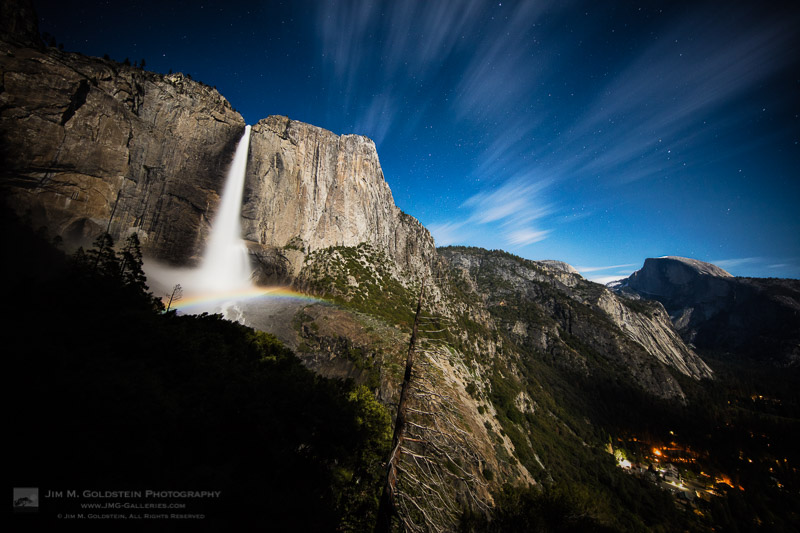
A moonbow spans across upper Yosemite Falls with passing clouds and Half Dome in view.

A moonbow spans across upper Yosemite Falls with passing clouds and Half Dome in view.

This particular photo was taken on a late night shoot focused on timelapse footage of moonbows at Upper Yosemite Falls. After capturing a few sequences I hiked further up the trail to capture this view before calling it a night at 2 or 3 AM in the morning.

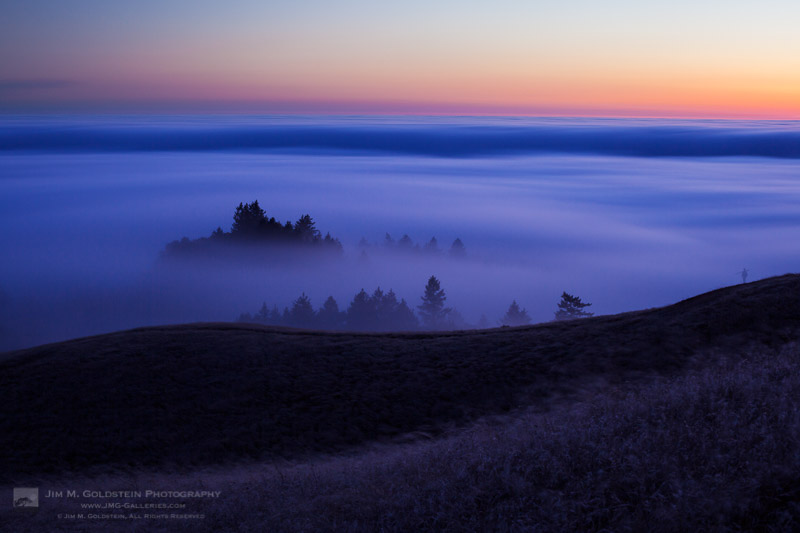
Fog flows through the trees below Mount Tamalpais and over the Pacific Ocean

Fog flows through the trees below Mount Tamalpais and over the Pacific Ocean

Taken as part of a Canon 5D Mark IV camera review on my All Things Photo YouTube channel. This photo was taken with my old Canon 5D Mark II. With a lot of photographers swarming about the hillside I was pleasantly surprised to capture the ghost of one in this long exposure shot.

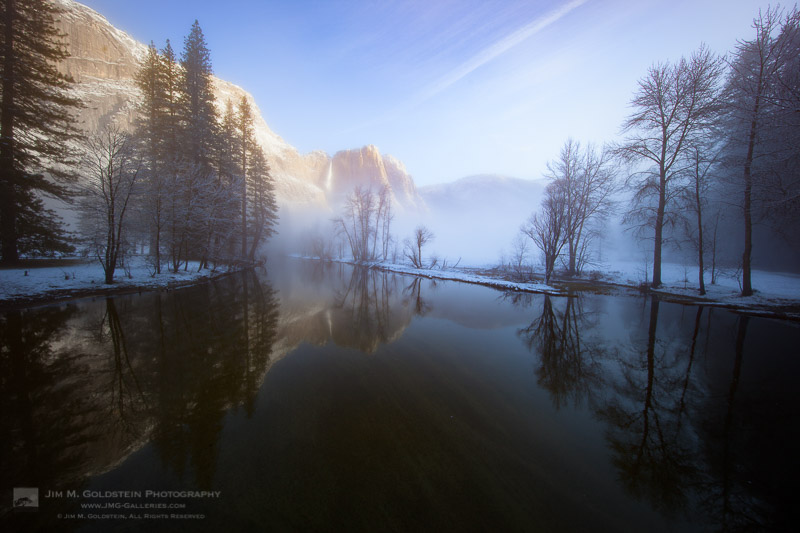
Morning light on Yosemite Falls amidst rising winter fog - Yosemite National Park

Morning light on Yosemite Falls amidst rising winter fog – Yosemite National Park

Several of my trips to Yosemite in 2016 were family focused. On this trip to see snow in Yosemite valley, photography took a backseat to enjoying the conditions with my oldest son. That said I did sneak in a few DSLR photos and this was one. Later on this very morning I cross paths with several photographer friends taking in a similar view.

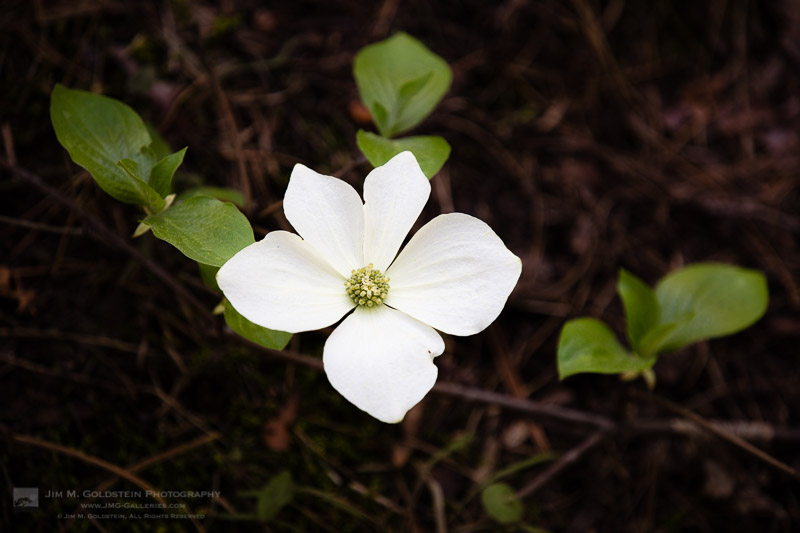
Dogwood Blossom, Yosemite National Park

Dogwood Blossom, Yosemite National Park

While I love snow in Yosemite Valley I’m quickly starting to think that April Dogwood blooms are perhaps the most beautiful event in the valley. It’s debatable. This image was taken with a Canon 5DS R during a beautiful Yosemite Dogwood bloom. While not visible in this web sized version of the photo the level of detail the Canon 5DS R provides is amazing.

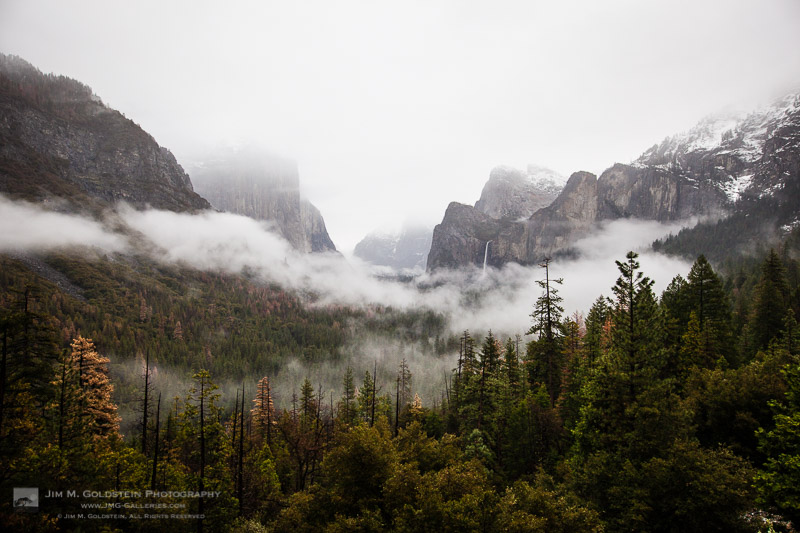
Fog Rises Above Yosemite Valley

Fog Rises Above Yosemite Valley

I seldom head to Tunnel View with the idea of taking any serious images, but deep in the back of my mind I know that you can never discount what unique weather conditions might yield. For fun I headed to this location with my son so he could take in the view. It didn’t take long to realize the melting snow was creating quiet a show with fog wafting about. I set up a quick timelapse and this is one image from the sequence. I was not disappointed with the resulting footage.

Family

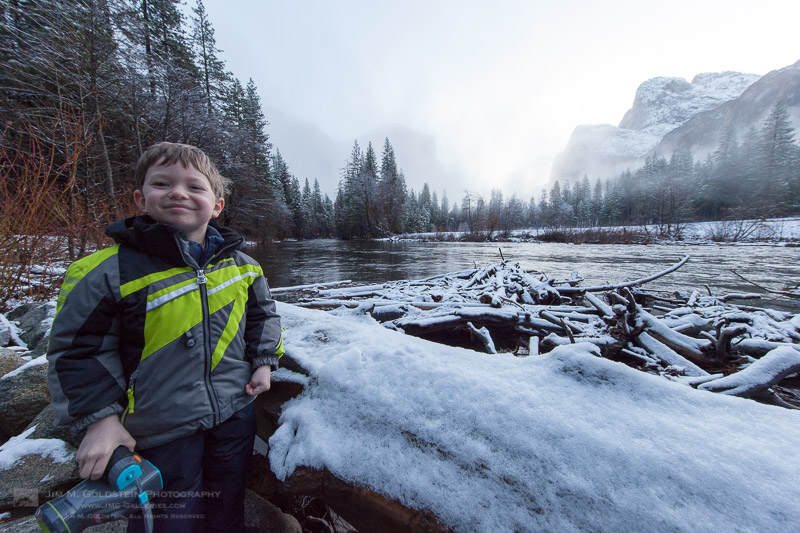
family_mg_9480

This makes it to the top of my family best photos as it captures the enthusiasm of my oldest son has for being out and about in the snow with me. It’s always fun to view the world through his unfiltered natural curiosity.

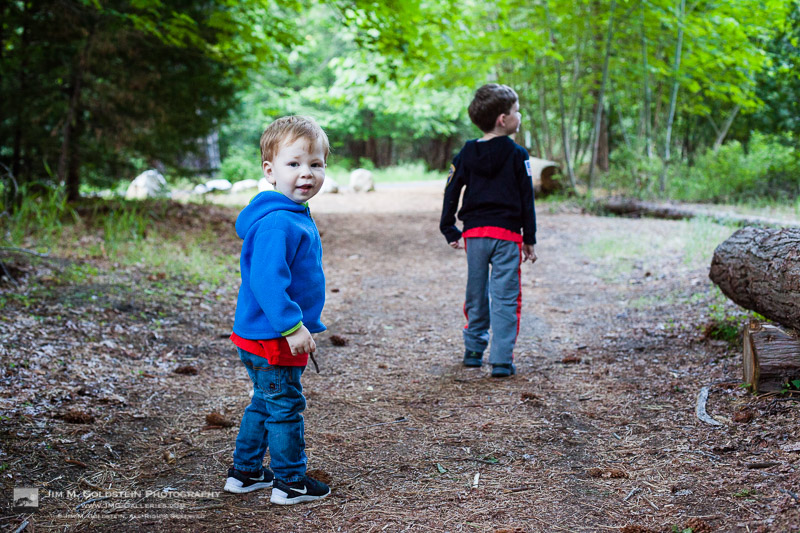
family_mg_0584-3

I was blown away by the great reaction my youngest son had on his first trip to Yosemite. With in the first 2 hours of our Spring trip he saw deer, waterfalls and giant trees. He could hardly contain himself after seeing deer and the rest of the trip he was reminding me to be quite by saying, “Shhhh! Quiet. Deer.” He also was quick to wake me up at 5am the next day throwing his shoe at my forehead saying, “More outside!”

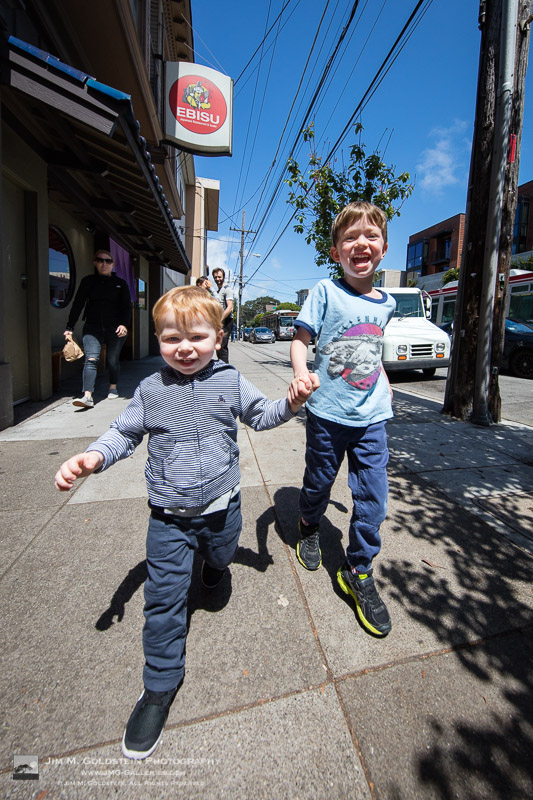
B age 5 5/6 and G 1 11/12 old

B age 5 5/6 and G 1 11/12 old

Just a fun photo of both my boys running, laughing and being in the moment in San Francisco.

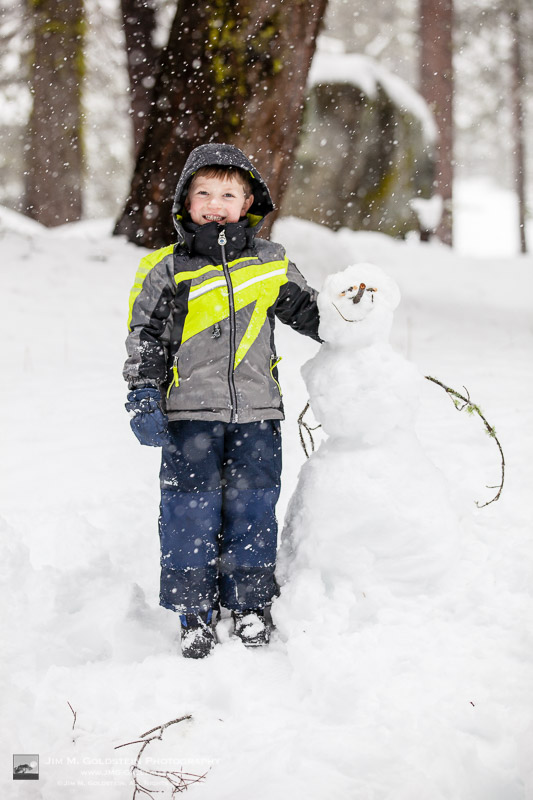
family_mg_0085-2

No trip is complete to the snow with out building a snowman.

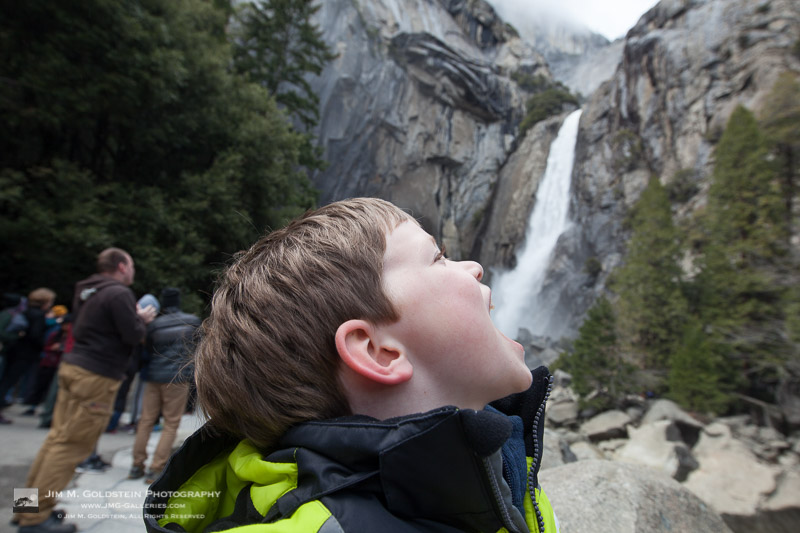
family_mg_9571-2

Introducing my oldest to the concept of forced perspective. Surprisingly he picked up on this quite fast and was pitching ideas for photos at other iconic locations including holding Half Dome in his hand at Glacier Point.

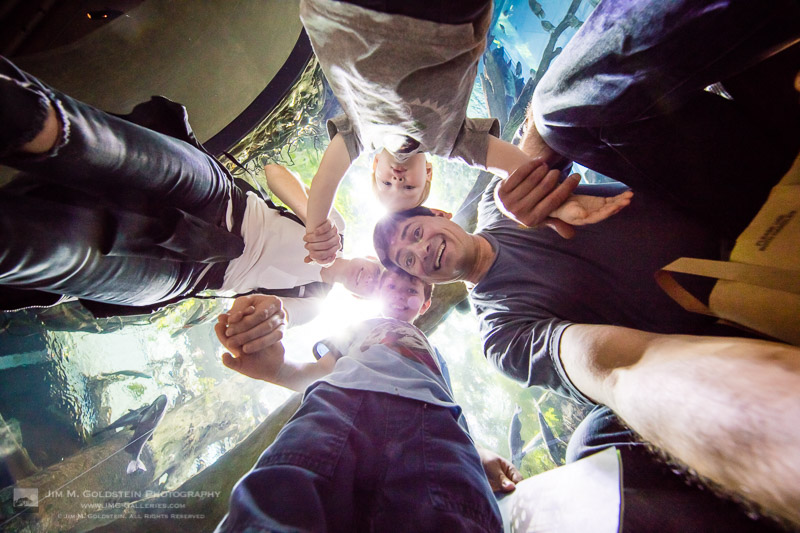
family_r8a3957-2

Fun at California Academy of Science with the whole family in their aquarium tunnel.

The post Best Photos of 2016 by Jim M. Goldstein appeared first on JMG-Galleries – Landscape, Nature & Travel Photography.


JMG-Galleries – Landscape, Nature & Travel Photography
 
Comments Off on Best Photos of 2016 by Jim M. Goldstein

Posted in Equipment


7 Tips – How to Add Depth and Dimension into Your Photos

29 Dec

Photographers have the same dilemma that painters have faced for centuries – how to show a three-dimensional subject in a two-dimensional frame. When you add depth it helps create a sense of place and draw the viewer into your images. It also shows a deeper understanding of the principles of composition in photography.

The techniques and tips listed in this article will help you convey a stronger sense of depth in your photos.

1. Use leading lines

One of the easiest ways to convey depth in an image is to use a wide-angle lens and include lines that move from the bottom of the frame to the top. This technique is used mainly in landscape and architectural photos.

how to add depth and dimension in composition

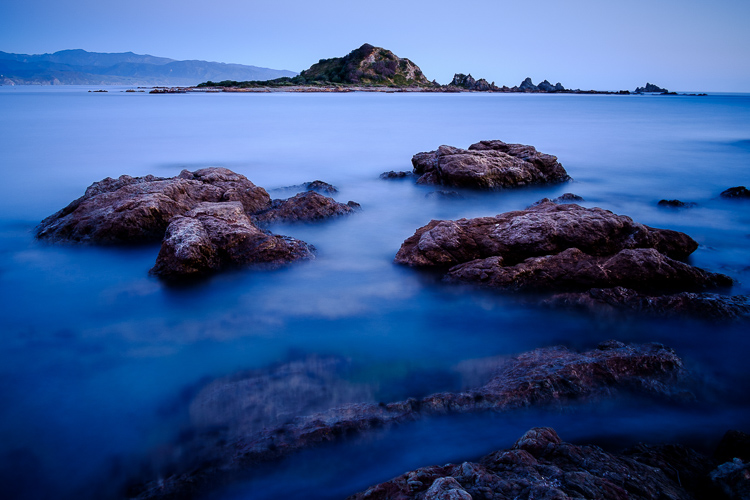
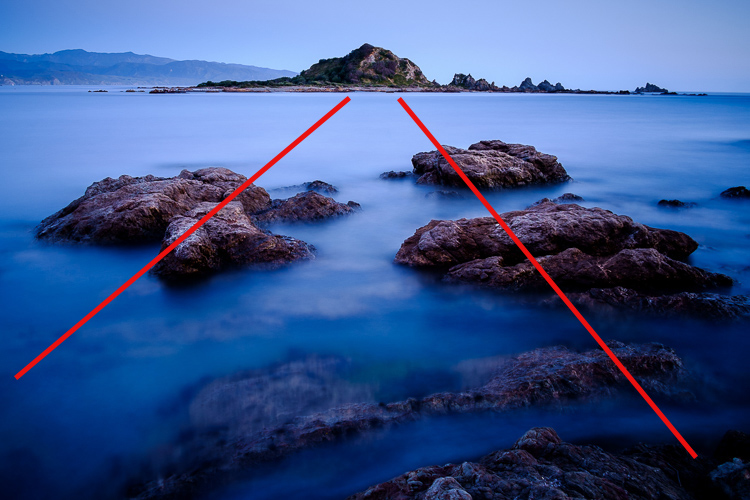
The lines don’t have to be obvious. Take this photo as an example.

The rocks form natural lines that lead the eye from the foreground to the island on the horizon.

how to add depth and dimension in composition leading lines

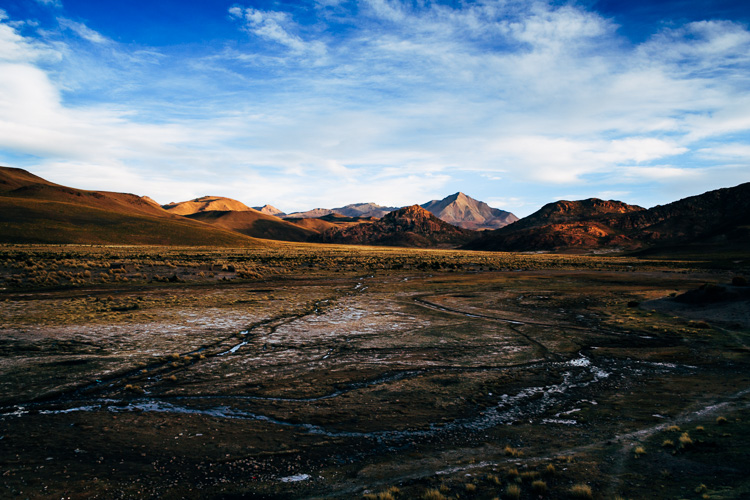
In the image below, the waterways in the middle distance take the eye through the photo to the distant mountains. They are meandering, rather than straight, which helps give the image a more organic feel that fits well with the theme of landscape.

how to add depth and dimension in composition

2. Use perspective

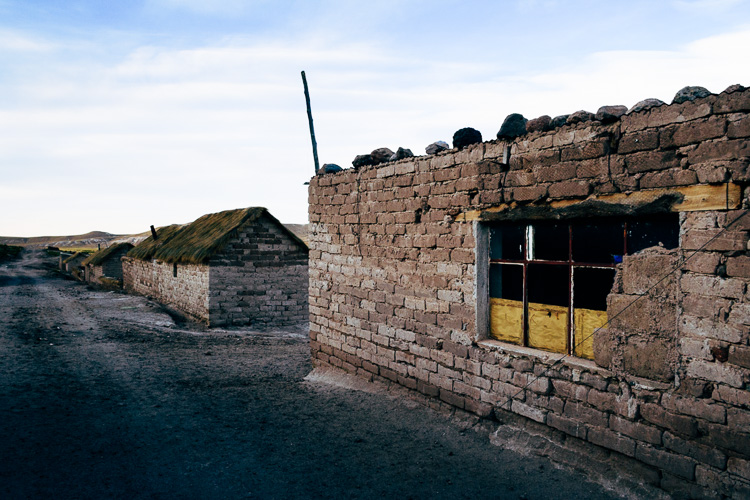
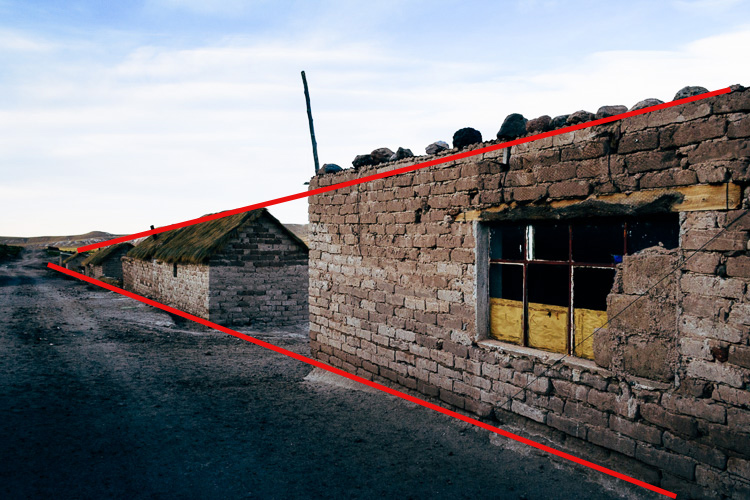
This photo demonstrates how lines can add depth in a different way.

how to add depth and dimension in composition - perspective

The buildings form converging lines that disappear towards the horizon, creating a sense of depth very effectively. This technique is similar to an artist’s use of perspective. I’ve added lines so you can see how it works.

how to add depth and dimension in composition - perspective

3. Think foreground, middle ground, and background

Most photographers are familiar with the rule of thirds, but when it comes to conveying a sense of depth it is helpful to break the photo up into a different set of thirds – the foreground, middle ground, and background. What you’re looking for is a way of connecting the three that pulls the eye through the photo. Having three distinct zones in the image helps create a sense of depth, three dimensionality.

Leading lines are one way of doing this, but lines are not always present in a scene. When that happens you need to look for something else. Often, that simply means including something interesting in the foreground.

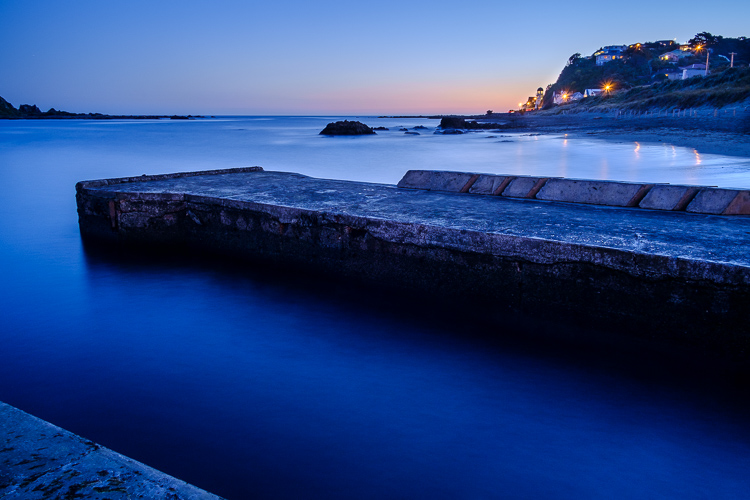
For example, in this photo, there are some buildings in the background, a concrete jetty in the middle, and the edge of another jetty in the foreground. I included the last one deliberately to help create a sense of depth.

how to add depth and dimension in composition

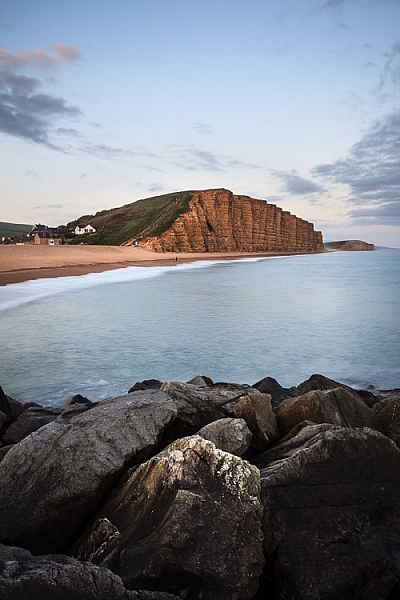
Here’s another example below. Including the rocks in the foreground creates a composition with three distinct zones (foreground, middle ground, and background) that the eye moves through, creating depth in the image. It helps that the wide-angle lens that was used makes the rocks seem quite large in comparison to the distant cliffs.

Depth and composition

4. Use aerial perspective

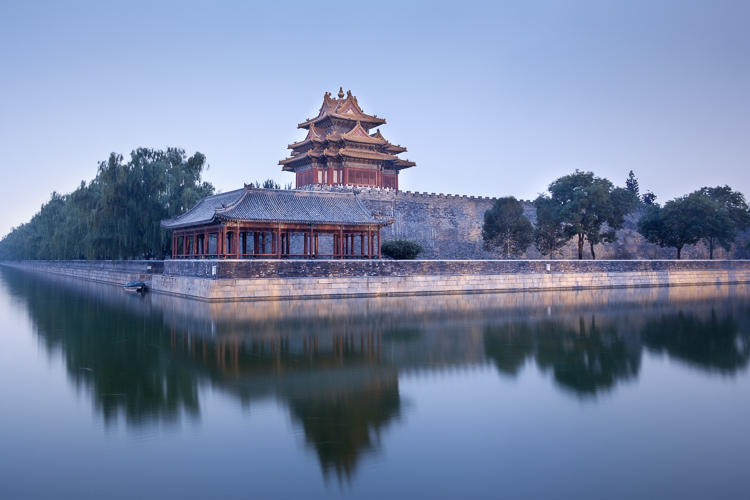
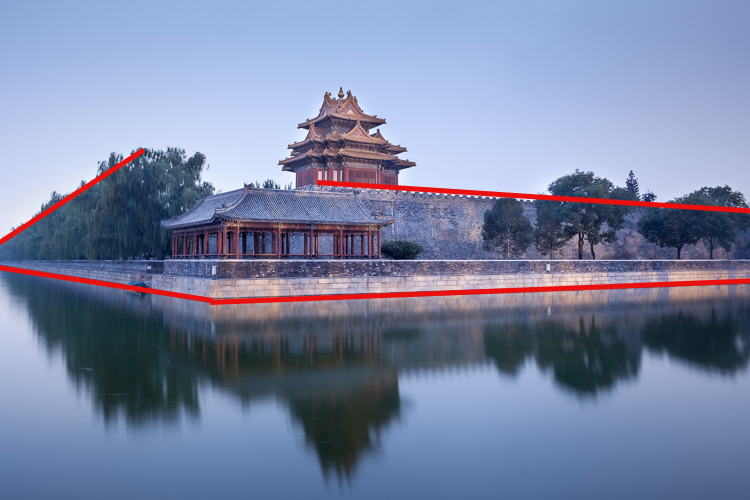
Another technique that helps convey a sense of depth is aerial (or atmospheric) perspective. This is where the atmospheric conditions make things in the distance appear hazy. When you see this occur, it is a good idea to see if you can find a way to include it in your composition. In this photo, taken in Beijing, you can see that the trees in the distance on the left side are obscured by atmospheric haze.

how to add depth and dimension in composition  - aerial perspective

This is reinforced by the converging lines formed by the walls. The two techniques are working together to show depth in the image.

how to add depth and dimension in composition  - aerial perspective and lines

5. Shoot through something

The techniques explored so far work best with wide-angle lenses. The nature of a telephoto lens is that it puts distance between you and the subject, which leads to a flatter perspective that doesn’t show depth as well as a wide-angle lens. But there are different techniques you can use with telephoto lenses to create a sensation of depth.

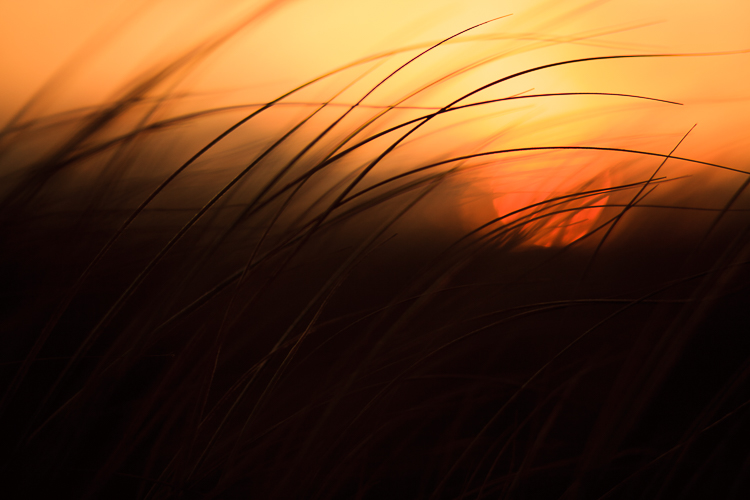
One method is to shoot through something that is between you and the subject. In the photo below, the subject is the setting sun. I shot through grass (and focused on the grass, throwing the sun slightly out of focus) to add a sense of depth to what otherwise could have been a very flat image.

how to add depth and dimension in composition  - telephoto

The photo also makes a good use of another technique, including shadows in the frame, to reinforce the depth.

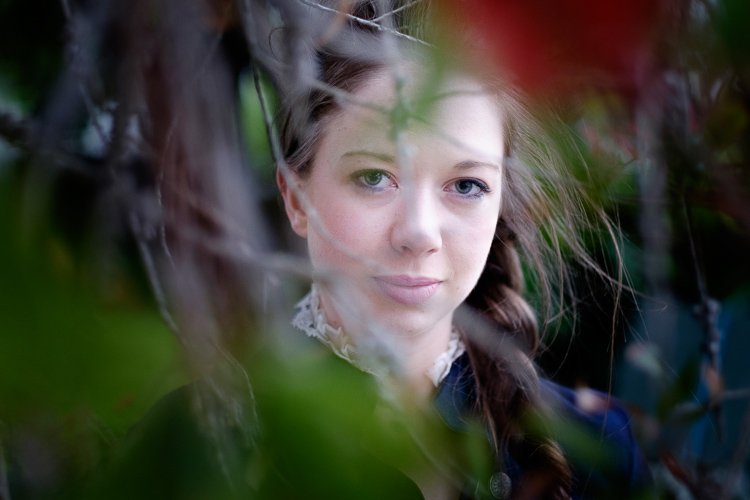
You can also use this technique with portraits. I created the portrait below by shooting through the branches of a tree.

Depth and composition

6. Use selective focus

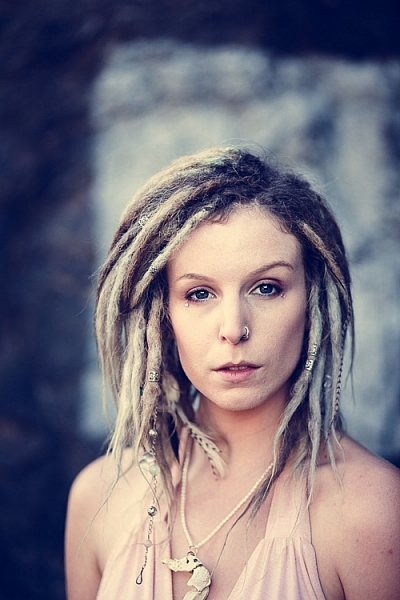
Both of the photos shown for the previous technique also use selective focus. That’s where you deliberately set a narrow aperture and focus on the subject, throwing the background out of focus. It’s especially effective with portraits, as the blurred background helps separate the model from the background, in turn creating a sense of depth. The following portrait was taken at f/2.0 with the lens focused on the model’s eyes.

Depth and composition

7. Convey depth through color

It’s also useful to think about what happens to colors in the background when you use a telephoto lens with a narrow aperture to make a portrait. When the background is out of focus, colors merge into each other. A good contrast between the colors in the background and those the model is wearing also helps convey depth.

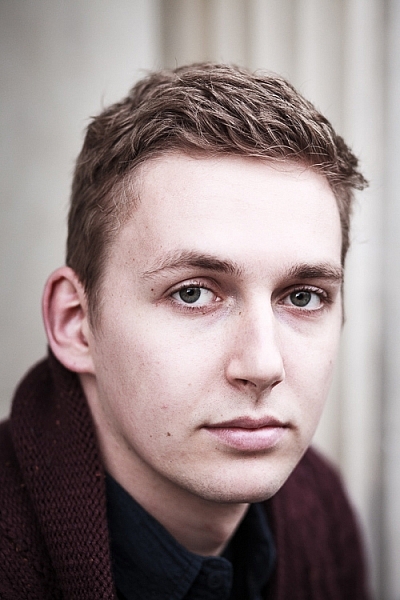
For example, in the next portrait the use of color is very subtle. The background is nearly white, without any distracting colors. It is out of focus and doesn’t distract from the model’s face. His sweater is the most colorful part of the photo, and helps separate him from the background.

Depth and composition

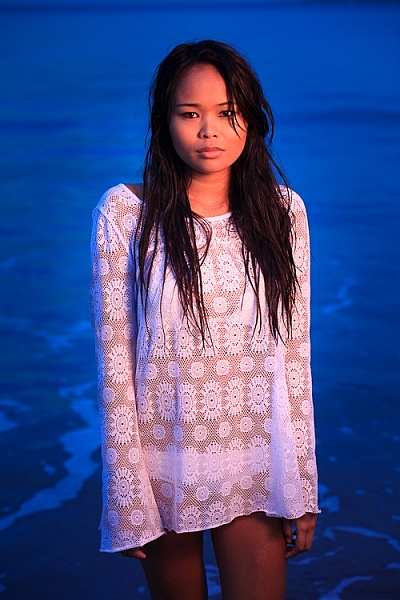
You can take this idea to its extreme by using off-camera flash fitted with an orange gel. When you do this, the model is lit by orange light (from the gelled flash), but the background is lit by colder ambient light. This technique works well at dusk when the ambient light has a natural blue color.

In the example below, the model was lit by single Speedlite fitted with a 60cm softbox and a CTO (Color Temperature Orange) gel.

Depth and composition

Your turn

These seven tips should help you create stronger photos with more depth. What other ideas do you have for creating and adding depth into your photos? Please let us know in the comments below.


If you enjoyed this article and would like to learn more about composition then please check out my ebook Mastering Composition.

googletag.cmd.push(function() {
tablet_slots.push( googletag.defineSlot( “/1005424/_dPSv4_tab-all-article-bottom_(300×250)”, [300, 250], “pb-ad-78623” ).addService( googletag.pubads() ) ); } );

googletag.cmd.push(function() {
mobile_slots.push( googletag.defineSlot( “/1005424/_dPSv4_mob-all-article-bottom_(300×250)”, [300, 250], “pb-ad-78158” ).addService( googletag.pubads() ) ); } );

The post 7 Tips – How to Add Depth and Dimension into Your Photos by Andrew S. Gibson appeared first on Digital Photography School.


Digital Photography School

 
Comments Off on 7 Tips – How to Add Depth and Dimension into Your Photos

Posted in Photography


City of Ice: 20 Photos of China’s Amazing Annual Snow Sculptures

26 Dec

[ By SA Rogers in Art & Sculpture & Craft. ]

city-of-ice-illuminated-2015-jarod-carruthers

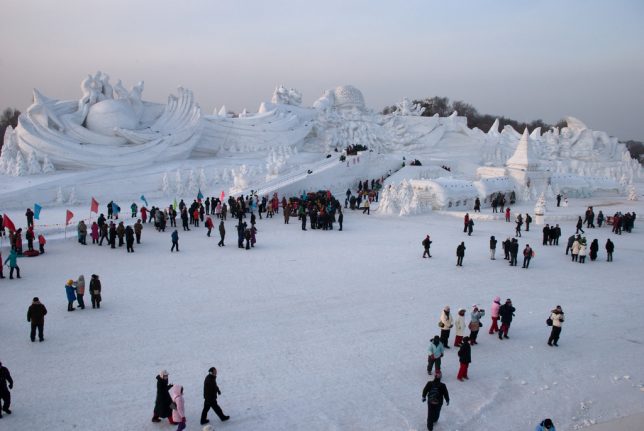
Dozens of large-scale snow and ice sculptures are once again on display in Harbin, capital of northeast China’s Heilongjiang Province, for the Sun Island International Snow Sculpture Art Expo. By day, the massive sculptures depicting folklore, mythology, classical art, cartoon characters and castles almost blend into their icy surroundings like natural formations, and after dark, everything is illuminated with a rainbow of glowing lights. Here are some of the festival’s most impressive sculptures that visitors have captured over the years.

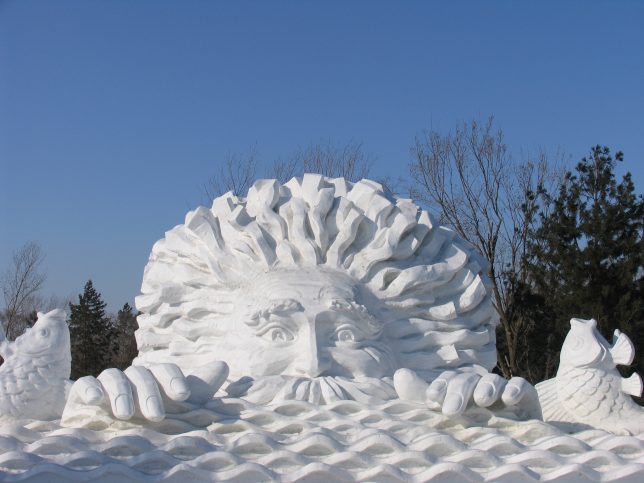
Wild Hair Statue, 2012

city-of-ice-hair-statue-cdschock

Harbin has long, cold winters with temperatures dropping to -36 degrees Fahrenheit, making it cold enough to pack snow very tightly, mold it into place and expect it to stay put. Otherwise, statues with elements like this hair would be difficult to make (photo by cdschock.)

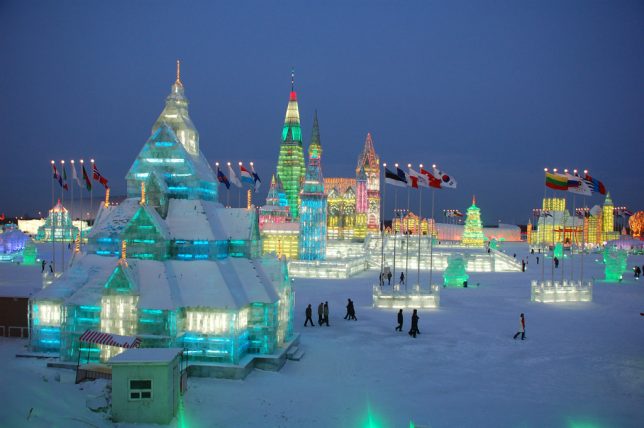
Illuminated Ice Architecture, 2009

city-of-ice-illuminated-architecture-2009-ian-carvell

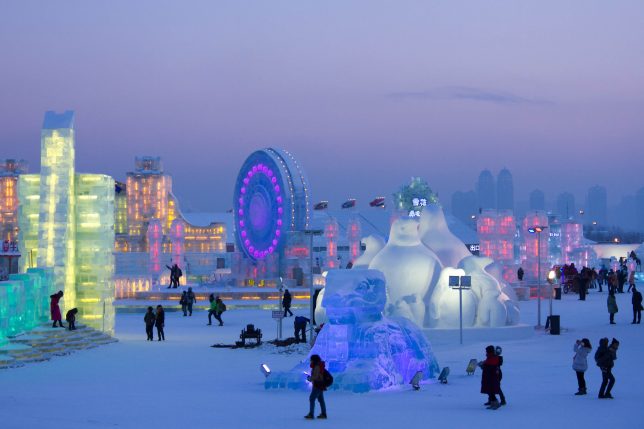
The annual winter festival is the largest ice and snow festival in the world, drawing international participants to show off their sculpting skills. The ‘Ice and Snow World’ portion, featuring full-sized buildings made from blocks of 2-3 inch thick ice, is best experienced after dark (photo by Ian Carvell.)

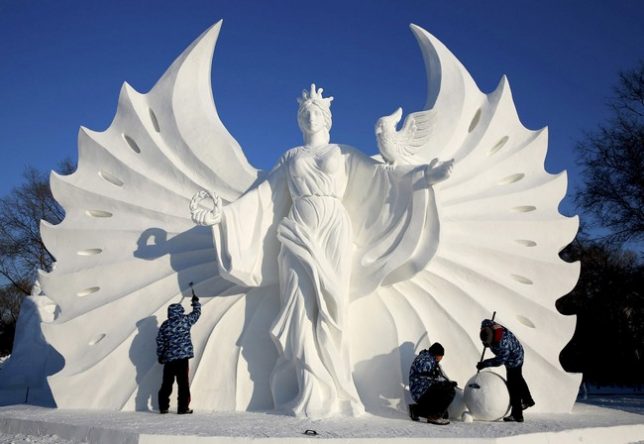
Goddess Statue, 2016

city-of-ice-goddess-statue

Each year, the event has a ‘trial run’ between December 22nd and January 4th, officially open to the public between January 5th and February 25th. Every year has a different theme, with 2016’s revealed to be “The Wonderland in the Land of Snow, The Grand View in the World of Ice and Snow.” Not clear on what that means, but we’ll find out when photos are released in early 2017 (photo by Time Travelo.)

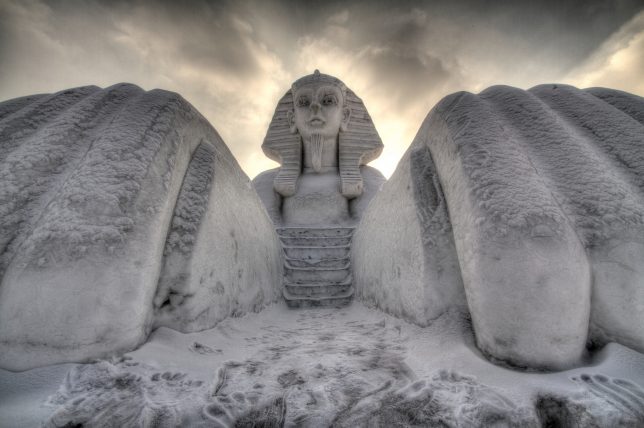
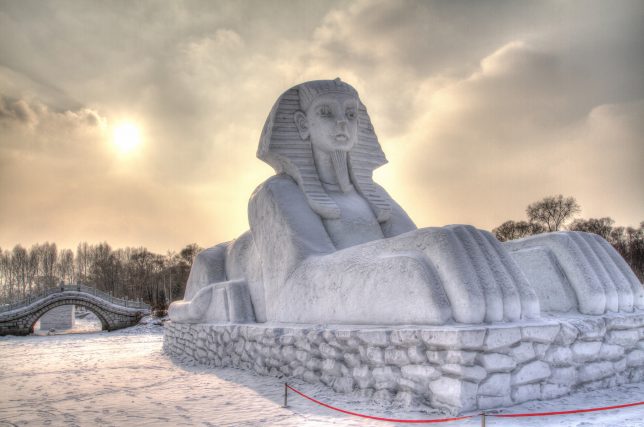
Snow Sphinx, 2013

city-of-ice-snow-sphinx-la-priz

city-of-ice-sphinx-la-priz-2

Maybe it’s not quite as large as the original, but this ‘snow sphinx’ photographed by Priscilla Dorresteijn is impressive nonetheless.

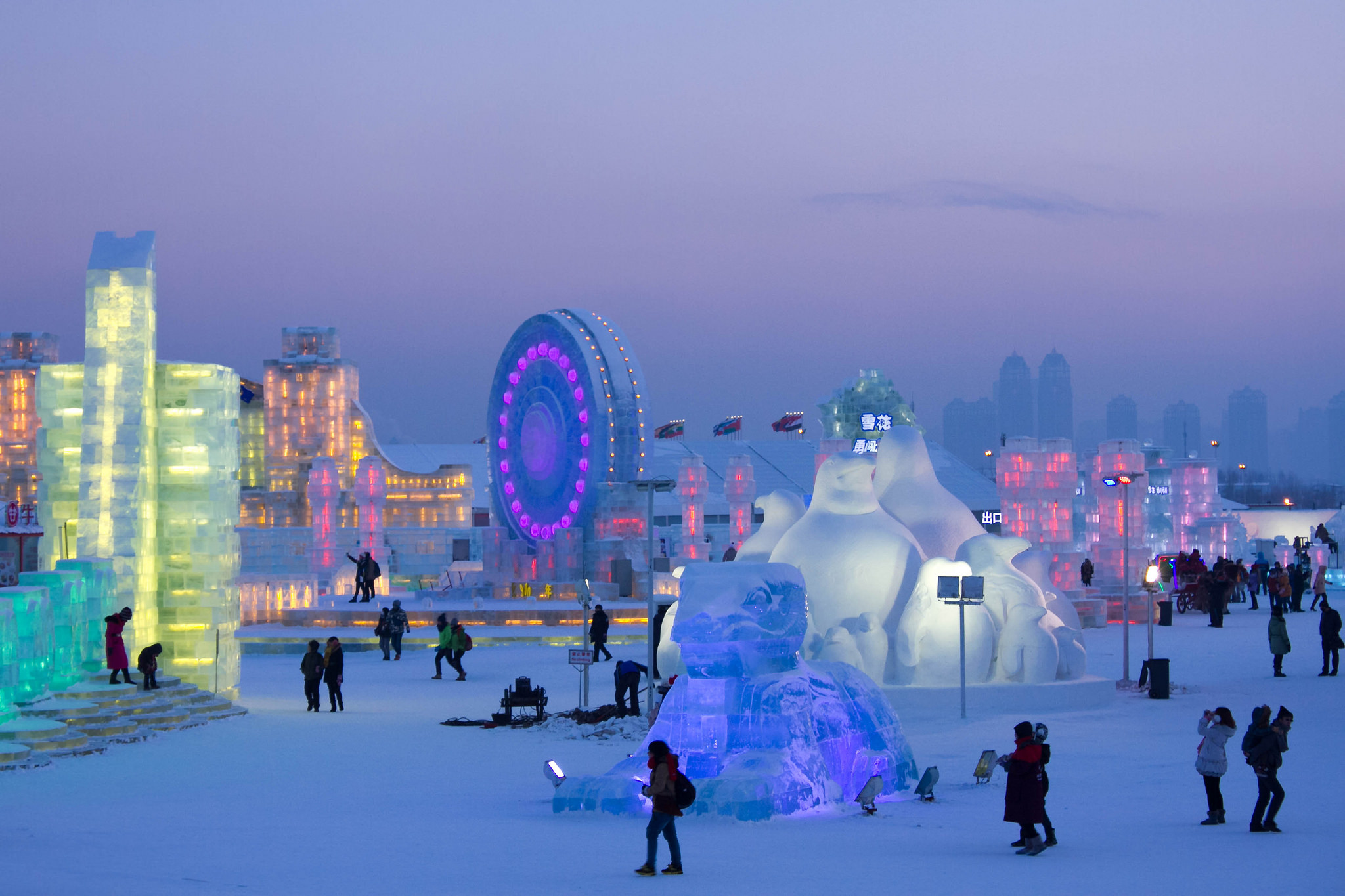
Illuminated Ice City at Dusk, 2015

city-of-ice-illuminated-2015-jarod-carruthers

The combination of reflective ice and snow with colored lights creates a pastel scene at dusk (photo by Jarod Carruthers.)

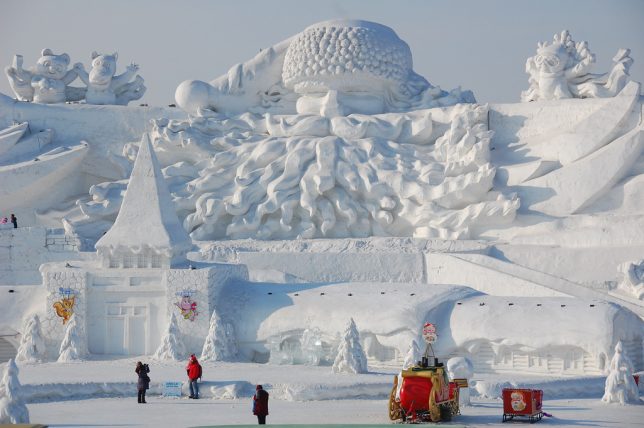
Massive Santa, 2009

city-of-ice-snow-santa-morgann

city-of-ice-santa-ran-zxzzy

This large-scale Santa is downright mountainous, looming over life-sized snow sculptures of architecture and trees (photos by Morgann and rdog)

Next Page – Click Below to Read More:
City Of Ice 20 Photos Of Chinas Amazing Annual Snow Sculptures

Share on Facebook


[ By SA Rogers in Art & Sculpture & Craft. ]

[ WebUrbanist | Archives | Galleries | Privacy | TOS ]


WebUrbanist

 
Comments Off on City of Ice: 20 Photos of China’s Amazing Annual Snow Sculptures

Posted in Creativity


Flickr reveals its top 25 photos of 2016

17 Dec

Flickr’s top photos of 2016

The lonely tree. Photo by Tom Hall

Flickr staff sorted through billions of photos uploaded to the site to pick their top 25, taking into account social and engagement metrics to help determine which photos made the cut. They published the results this week in a blog post. Take a look at a few of the Top 25 here and head to Flickr to see the rest.

We’re looking for DPR readers’ best shots of the year to share in an upcoming article – if you’d like to participate, find out how you can submit your images for consideration.

Flickr’s top photos of 2016

Lake Mungo / Mungo National Park. Photo by Young Ko

Flickr’s top photos of 2016

Misty forest. Photo by Chris Frank

Flickr’s top photos of 2016

Spotlight. Photo by sedat y?ld?z

Flickr’s top photos of 2016

Braving the cold. Photo by Christophe Brutel

Flickr’s top photos of 2016

Rainbow Ride. Photo by Zachary Gertsch

Flickr’s top photos of 2016

Infinity. Photo by Niels Oberson

Flickr’s top photos of 2016

i.get.a.kick.out.of.you. Photo by .brianday

Flickr’s top photos of 2016

Tempest || Dubai. Photo by Elia Locardi

Flickr’s top photos of 2016

Freedom! Photo by Cyril Blanchard

Articles: Digital Photography Review (dpreview.com)

 
Comments Off on Flickr reveals its top 25 photos of 2016

Posted in Uncategorized


Blog Project: Your Best Photos From 2016

15 Dec

It’s that time of year again and if you’re a regular JMG-Galleries reader that means one thing…
it is time to kick off the 10th annual best photos of the year blog project. This is by far my most popular blog project with hundreds of photographers taking part last year (see Best Photos of 2015, 2014, 2013,  2012, 2011, 2010, 2009, 2008 and 2007). Around this time of year people start to ask if I’d be running this project again. The answer clearly is always YES!
1. I love this project and I love that so many people get excited about it.
2. It’s a great way exercise to improve your photography (10 Ways to Top Your Best 20xx Photographs).
So with out any further delay here is how you take part to submit your best photos of 2016.

How to Participate (Read Carefully)

  1. Review & select your best photos from 2016.
    Note: Photo edit carefully narrowing down your results to your best 10 or 5 photos. Reference Pro Tips: Photo Editing with Gary Crabbe for pointers.
  2. Create a blog post on your web site or a Flickr/500px set containing your best photos from 2016.
  3. Complete the form below by Tuesday JANUARY 3rd at 11:59PM PST to take part. The following Tuesday, or there about, I’ll post a link to all submitted sites and photos on my blog. Through out the week I’ll also share the results across all my social media accounts.

Spread the Word!
Feel free to spread the word of this project on Twitter, Facebook, Google+, photo forums you frequent and/or your blogs. All who are interested in taking part are invited.


Loading…

The post Blog Project: Your Best Photos From 2016 appeared first on JMG-Galleries – Landscape, Nature & Travel Photography.


JMG-Galleries – Landscape, Nature & Travel Photography
 
Comments Off on Blog Project: Your Best Photos From 2016

Posted in Equipment


Introduction to Taking 360 Degree Photos

14 Dec

The rise of Virtual Reality has brought about an unexpected innovation in the world of photography, the 360° photo. You may have come across a 360-degree photo or video on Facebook, which began accepting the new type of photo early this year. 360-degree photos allow the viewer to interact with the image and explore the entire environment around the camera that captured it.

Anyone can create 360 photos and share them on social media, but to do so you’ll need to invest in a purpose built 360° camera. These cameras have two or three lenses each facing a differing direction; the 360 photos are created by stitching the images captured by each individual lens to create a full 360° image.

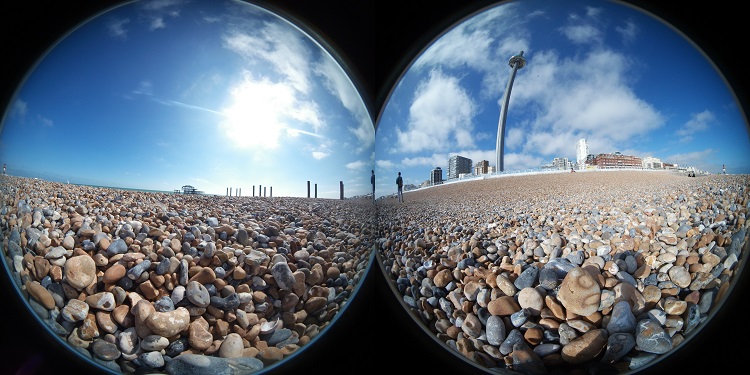
This is what a 360° photo looks like before it is stitched together:

360 degree photo unstitched

Using automatic software, a 360-degree camera can stitch each side of the image together to create a full 360° image that will look like this:

Why would you use 360° photos?

So what is the point of 360-degree photos? Is it just a fad or is the medium here to stay? 360-degree photos present an opportunity for people to capture entire rooms, landscapes, and scenes in a single shot. Imagine the difference between photographing a beach using a normal camera compared to photographing the same beach with a 360-degree camera. A normal camera is limited to capturing the space where you point viewfinder, roughly 90° or so. The 360 camera will capture the whole scene, allow you to look up at the sky, behind at the sand dunes and forward towards the ocean, all in one seamless image.

You’ve probably used google street view to explore different places around the world, a 360 photo can be viewed exactly the same way. In fact, businesses have used 360 photography to create internal immersive tours of their properties for years. If you want you can even upload your 360 photos to google where other people can view them on street view.

So it seems like 360-degree photos are here to stay, with large companies like Facebook, YouTube, and Flickr all adapting their photo sharing services to accept 360 images. New cameras being released all the time, and this new type of photography is at last accessible to the casual photographer.

360° Cameras

You may be wondering if 360 photos require advanced equipment and years of training to produce. A few years ago this may have been the case, but the relentless advance of technology means that taking a 360 photo is just as easy as shooting with a compact camera.

This year has seen the release of several consumer 360 cameras aimed at everyday people who want to take immersive 360 photos. These cameras are user-friendly, priced competitively, and only require a few minutes to learn how to use effectively. Some brand names you might like to note down include the Samsung Gear 360, the LG 360 Cam and the Ricoh Theta S; these are all 360 cameras that have proven popular and they are relatively inexpensive.

In almost all cases you’ll need a smartphone to make the best use of your 360-degree camera, as each one has an accompanying app that allows you to preview the image and control camera settings. The camera and app connect wirelessly and then you simply use your phone screen as you would a normal camera screen.

Tips and tricks for shooting 360 photos

One of the exciting things about 360-degree photos is that they require a new set of skills to shoot successfully. For a start, you need to remember that the camera will capture everything surrounding it, so if you don’t want to be seen you will need to hide out of view and make use of the timer feature.

When setting up a 360 photo, consider the fact that the viewer will be able to explore the whole image, so try and find a location with plenty of interesting features.

A must have accessory, that should be used with every 360-degree camera is a good tripod. It is essential that the camera is stable and still when shooting in 360 degrees, otherwise, the image may become distorted. I recommend using a tripod that has little in the way of gears and levers at the top, or they may be visible in the 360 image. I have found that a studio light stand is very well designed to be a tripod for a 360 camera.

When shooting a 360 photo try and ensure that there are no objects too close to the lens, this makes it much more difficult for the camera to stitch the images together accurately.

Your turn

These basic tips will get you started, but the only way to become a proficient 360-degree photographer is to get out and start shooting yourself. The reward is the opportunity to create truly unique images.

Have you tried this kind of photography before? Please your thoughts, questions and images below.

googletag.cmd.push(function() {
tablet_slots.push( googletag.defineSlot( “/1005424/_dPSv4_tab-all-article-bottom_(300×250)”, [300, 250], “pb-ad-78623” ).addService( googletag.pubads() ) ); } );

googletag.cmd.push(function() {
mobile_slots.push( googletag.defineSlot( “/1005424/_dPSv4_mob-all-article-bottom_(300×250)”, [300, 250], “pb-ad-78158” ).addService( googletag.pubads() ) ); } );

The post Introduction to Taking 360 Degree Photos by Daniel Pharaoh appeared first on Digital Photography School.

Digital Photography School
 
Comments Off on Introduction to Taking 360 Degree Photos

Posted in Photography
 

How to See and Photograph Light – 6 Tips to Help you Take Better Photos

13 Dec

I was teaching a class recently and someone asked me how they could have made a particular set of landscape images better. Should they have used a different aperture, shutter speed, etc.? “You couldn’t have made those photos any better because the light was terrible.” I explained. You must learn to see and photograph light to take better photos.

How to See and Photograph Light - 6 Tips to Help you Take Better Photos

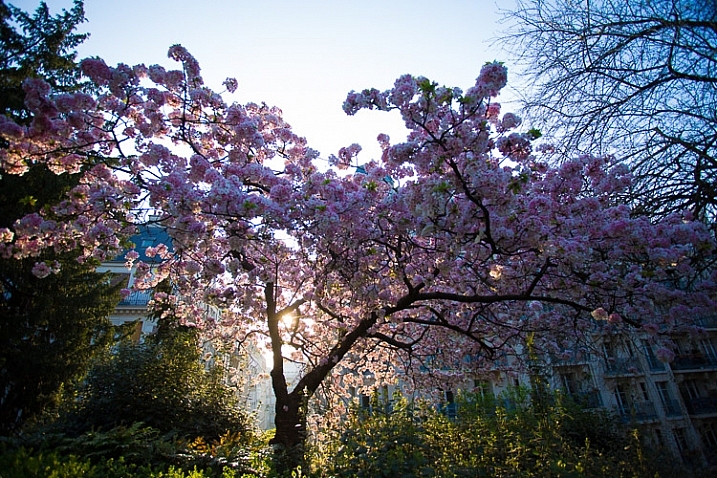
Blossoms at dawn, Paris.

There are times when interesting photos can be made in bad light. But I will unequivocally say that in most cases (as there are always exceptions to the rules, right?) when you have boring light you will have boring photos.

Interesting light transforms any subject. It reveals and enhances the subject’s natural qualities. In many ways, it brings your subject to life. If you follow only one piece of advice in photography it should be this:
“Light makes photography. Embrace light. Admire it. Love it. But above all, know light. Know it for all you are worth, and you will know the key to photography.” George Eastman.

How to See and Photograph Light - 6 Tips to Help you Take Better Photos

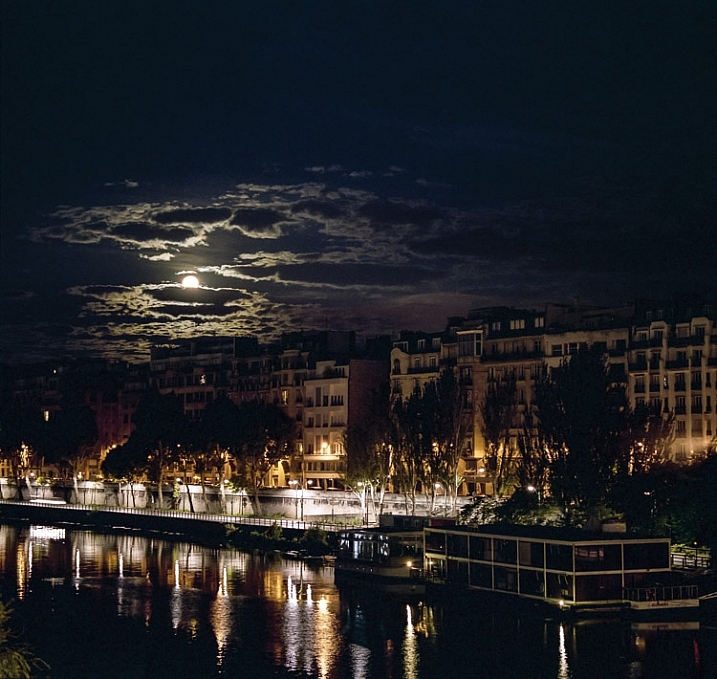
Moonset on the Seine.

In this article, I am going to explore light in many forms, but it’s not a technical article. This is about the how you compose with light, how its different forms affect your subject, the emotions that light communicates, and how when you really chase light you’ll learn to create more compelling and memorable images.

In every single one of these photos, I will say that the subject is the light. The light might be subtle, or very obvious, but what compelled me to snap that shutter was what the light was doing. Here are some tips to get you more involved with capturing the mesmerizing qualities of light.

1) Notice light

“It’s not what you look at that matters, it’s what you see.” Henry David Thoreau

How to See and Photograph Light - 6 Tips to Help you Take Better Photos

This first step seems like a stupidly simple piece of advice right? I mean who doesn’t notice light? Most people notice the obvious aspects of light – it’s a sunny day, it’s stormy, it’s twilight. There is so much more to light, though. It’s a rich, varied and complex entity. Light is creating hundreds of different effects all around us all the time.

The first piece of advice I always give to all my students is – look for what the light is doing and look for light sources. You’re out and you see a beautiful shaft of light on a wall. Ask yourself – where is it coming from? Is it direct or is it being reflected off of something? Is it bouncing off the wall and doing something else?

As you move around light alters – as you enter a square, go under a tree, move behind a building – it’s bouncing and reflecting off so many things. Light is being filtered through leaves, through different urban and natural materials. It’s this constantly changing aspect that you need to become very familiar and intimate with. Light is always changing – as clouds drift across the sun, as the hours pass, as weather systems move.

How to See and Photograph Light - 6 Tips to Help you Take Better Photos

See the shadows on the clouds?

Become a light detective

There are, of course, many times when the light is super flat. We have many days in London where cloud cover is very dense and the light is very flat and gray. Or back in California, where I grew up, in the height of summer at midday the light is hard and almost flat in its piercing white intensity. Then you have to work harder to look for alterations in light. But like life itself, change is something we can consistently rely on.

You’ll also start to notice that when the light outside changes, it also changes the light inside. A drop in the vibrancy of the light outside will make the light inside seem warmer and stronger.

Becoming a good photographer is like becoming a light detective. What is light doing to your subject? What is it revealing about your subject?

How to See and Photograph Light - 6 Tips to Help you Take Better Photos

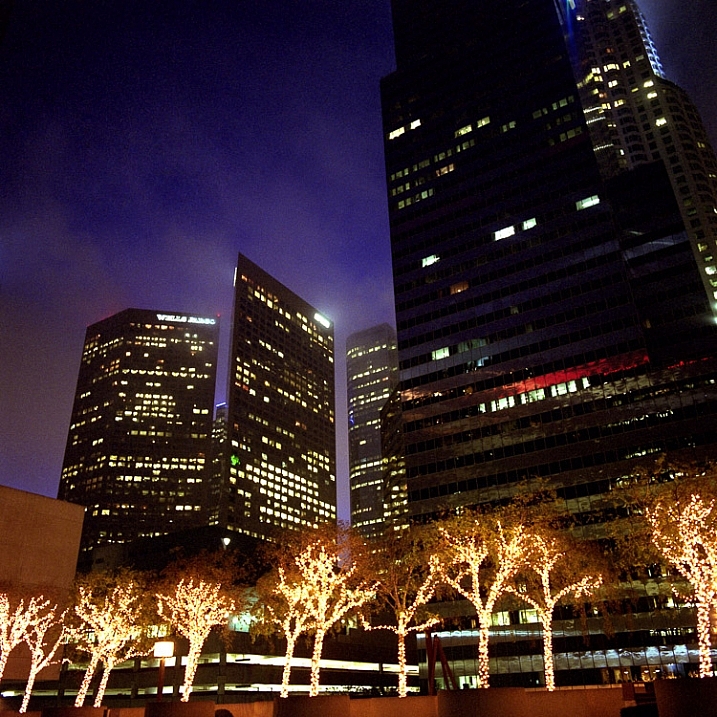
Los Angeles downtown at dawn.

2) Use light to create emotion in your images

“A great photograph is a full expression of what one feels about what is being photographed in the deepest sense and is thereby a true expression of what one feels about life in its entirety.” Ansel Adams

For me, light always creates an emotion, a feeling, or a sense of mood. It doesn’t have to be a strong feeling or even a positive one, but it does have to create an impact with me that goes beyond the initial pleasingness to the eye. I am constantly searching to capture a feeling in my images. Light is a very powerful way to communicate emotions.

So I want you to look at the light in the following photos and ask yourself – how do they make me feel? Light can be a powerful and dramatic element in your photos, creating a deep feeling of awe, about the grand beauty of the world.

How to See and Photograph Light - 6 Tips to Help you Take Better Photos

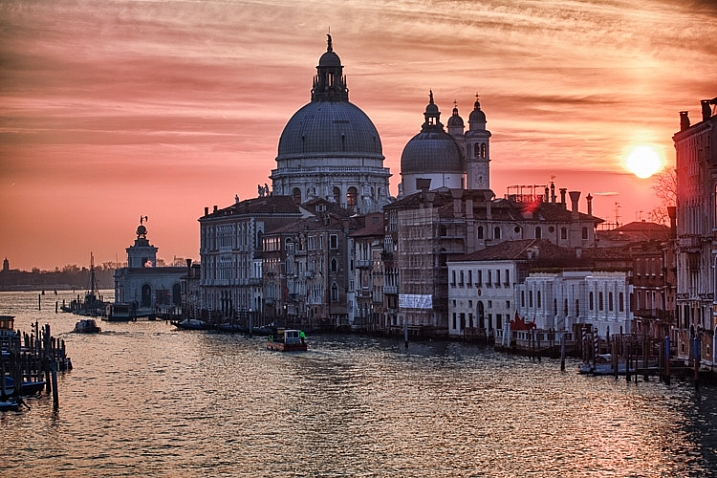
Dawn over the Grand Canal Venice, Italy.

Light enhances the subject

Of course, the photo above would have been interesting without the dramatic sunrise, after all, it is Venice and the subject is incredible. What the beautiful light adds, though, is a big pop of color, adding a layer of depth and enhancing the awe-inspiring feeling of these amazing buildings. The dramatic color and light matches and enhances the dramatic subject.

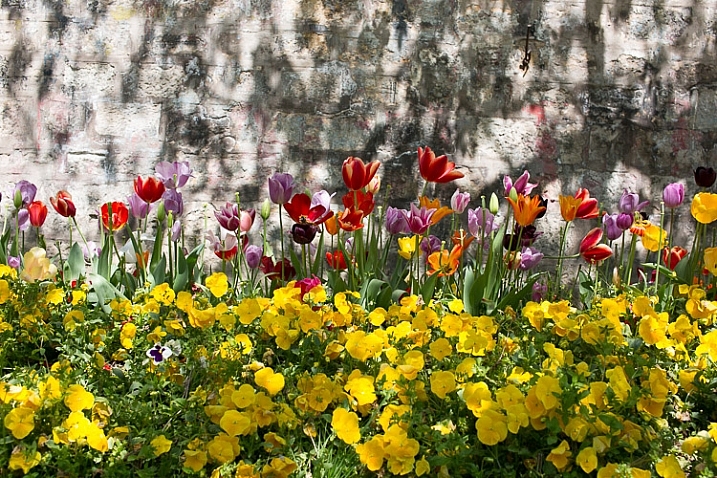
It doesn’t have to be big subjects, though. This simple shot of pretty flowers would be quite boring if it didn’t have this lovely dappled light on it. It’s simple but very evocative. If you are starting out, or trying to refresh your basic skills, focusing on detailed shots like this, and what light is doing to the elements in the world around you, is a fantastic way to start playing with, and capturing the magic of light.

How to See and Photograph Light - 6 Tips to Help you Take Better Photos

Tulips in bloom Istanbul Gulhane park

I have mentioned interesting and beautiful light. So what is interesting light? Well, to me it’s any light that communicates an emotion, a feeling, or a mood. It’s light that makes you feel something. Even if that’s melancholy.

How to See and Photograph Light

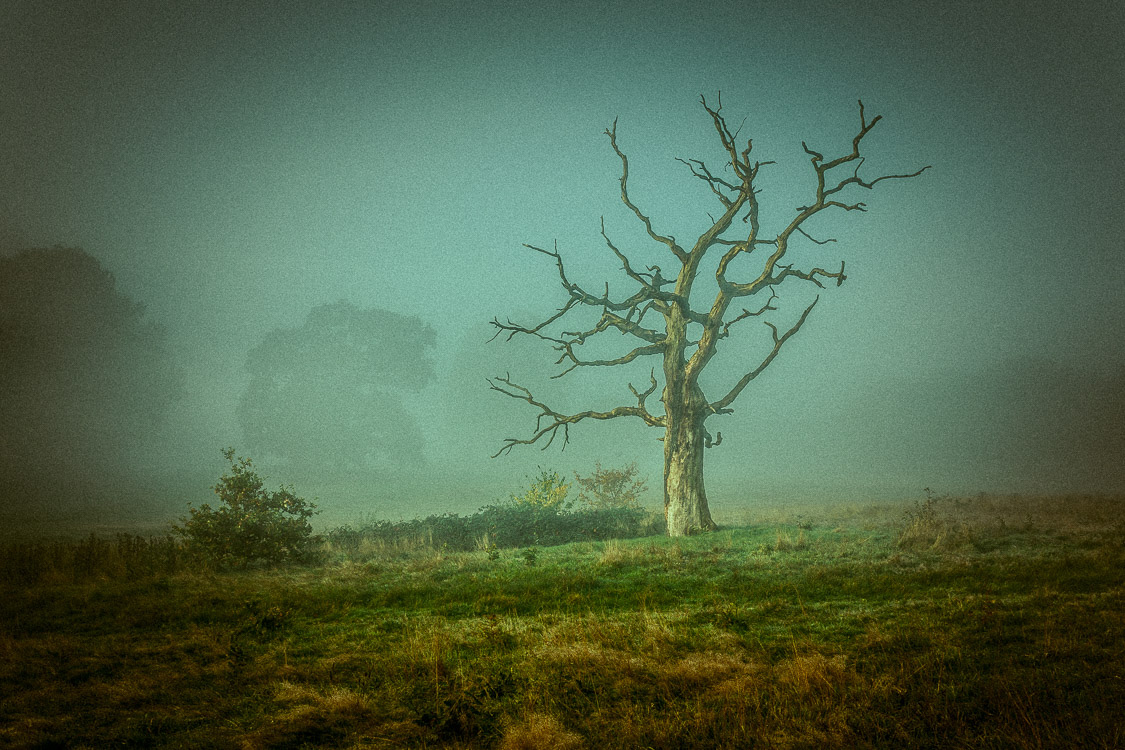
Lone tree on a foggy morning on Hampstead Heath London, at dawn.

I shot the photo above on a cloudy autumnal morning. The light was very diffuse, very subtle, but it was still pretty and interesting to me. It matched the location I was in – the wild heathers and grass along with the stark leafless tree standing alone.

Can you see how the light emphasizes the natural qualities of the tree? How the amazing wild branches, stripped bare, almost like someone’s mind going crazy, are enhanced by the soft light?

In the photo below, to me, the light is offering an amazing feelingof foreboding.

How to See and Photograph Light - 6 Tips to Help you Take Better Photos

Dark days ahead, London.

3) What is the color of light?

“Light, that first phenomenon of the world, reveals to us the spirit and living soul of this world through color.” Johannes Itten

Color from light is produced when white light is split by a prism into the colors of the rainbow. You also get artificial effects created by the myriad of things that light reflects onto and bounces off.

For me, color is the second most powerful force in my photography, and getting a sense of the color of light is a great way to start using light and color in your compositions.

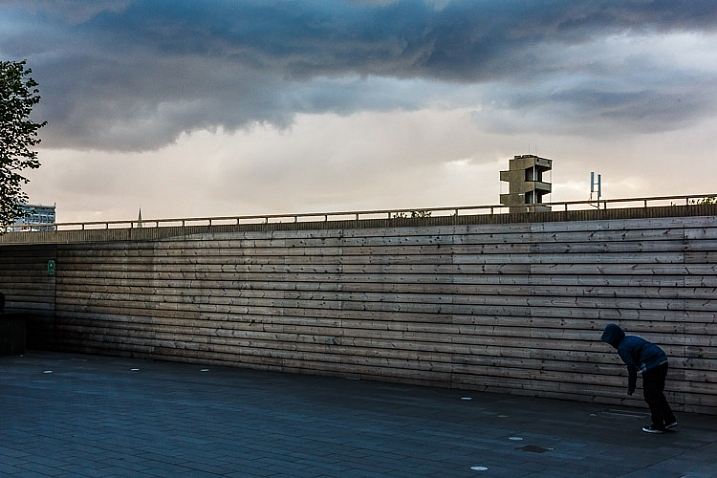
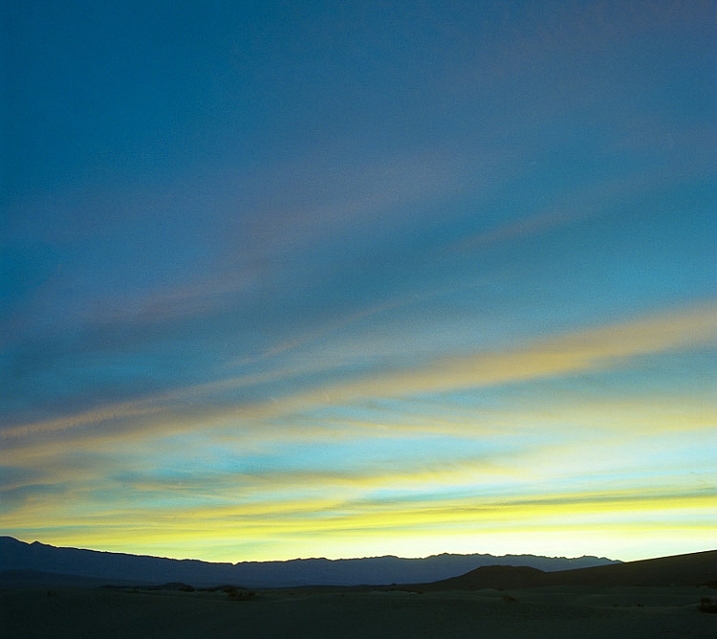
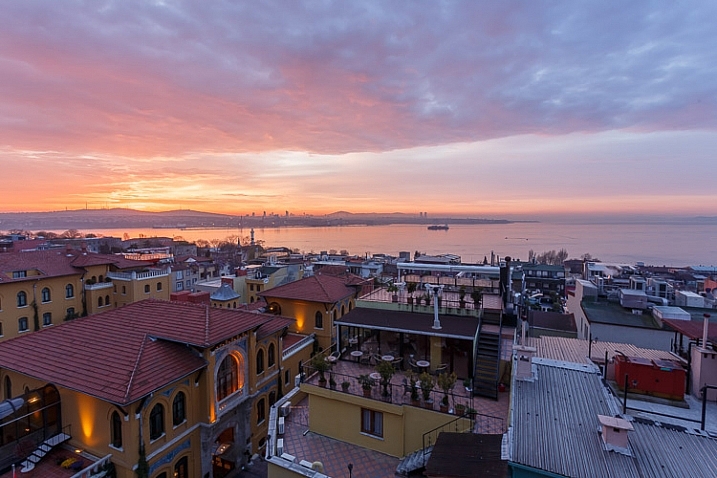
Compare the color of the light in the following three images.

How to See and Photograph Light - 6 Tips to Help you Take Better Photos

Dawn over Death Valley, California

How to See and Photograph Light - 6 Tips to Help you Take Better Photos

Sunrise over the Bosphorus, Istanbul Turkey at dawn.

How to See and Photograph Light - 6 Tips to Help you Take Better Photos

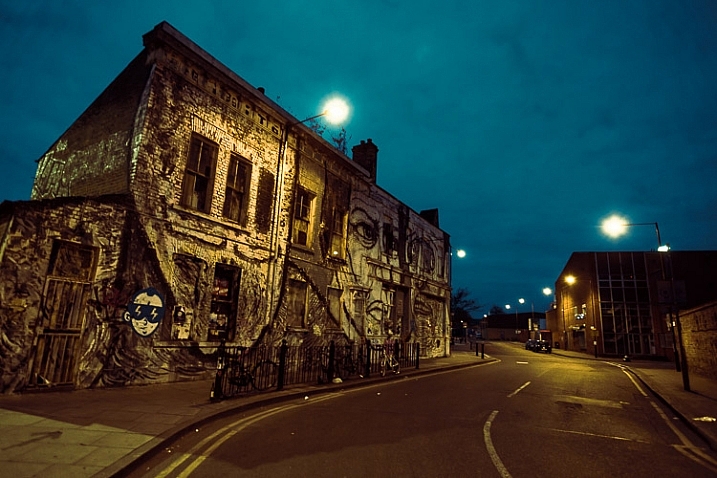
Near Hackney Wick station London at dawn.

Light is always full of color – even if it’s piercing white. And it’s doing something to the color of your subject.

4) Light can make even dull and boring subjects interesting

“In the right light, at the right time, everything is extraordinary.” – Aaron Rose

Interesting light doesn’t have to just be natural, or even beautiful. Light of all kinds creates mood and feeling within a photo. Your aim is to ensure that the light helps to create a story of some kind for your image, that it tells you something about what it’s like to stand right there, where you were.

How to See and Photograph Light

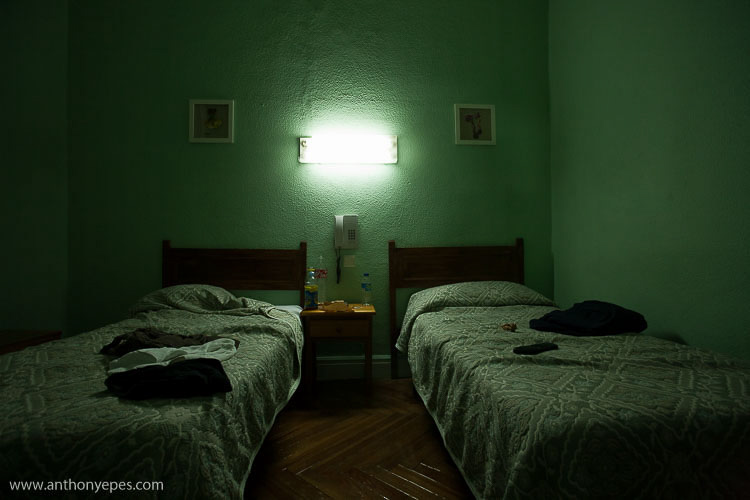
Hotel room, Madrid, Spain.

Above is a great example of harsh light that usually I wouldn’t go near – but it works in this photo because it works well for the subject. I rarely take photos using such unflattering hard lighting. But in a grim hotel room in Madrid, it enhances the feeling of loneliness that the twin (disconnected) beds give off, with the bleak looking paint color. That burst of light wraps up the photo into a nice melancholy package. See, even horrible light can be interesting (in the right circumstances)!

Then you also have the issue of beautiful, gorgeous light making rather dull subjects suddenly quite interesting.

How to See and Photograph Light - 6 Tips to Help you Take Better Photos

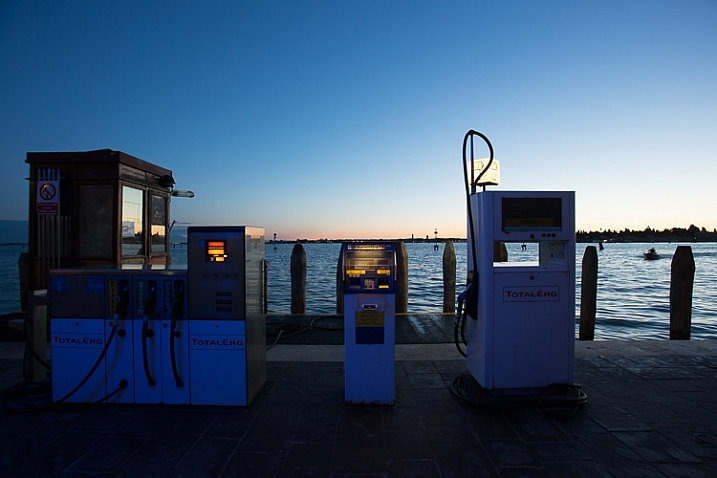
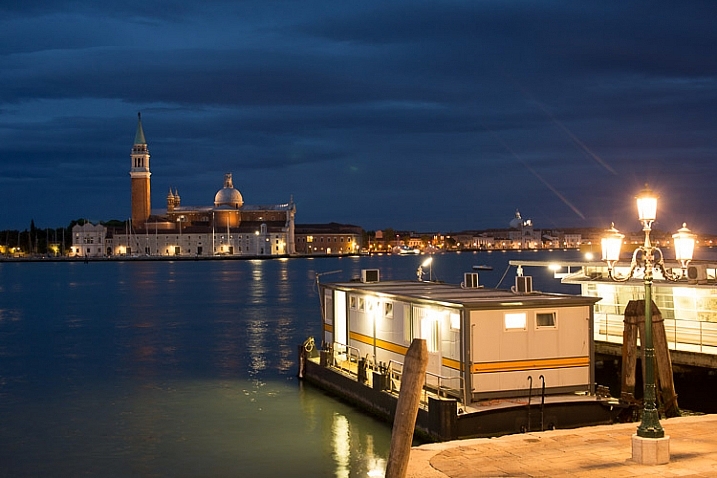
Gas pumps for boats in Venice, at dawn.

Without the rich blue light, this would not be an interesting photo. Plus what gives it another layer of interest are the pops of artificial light.

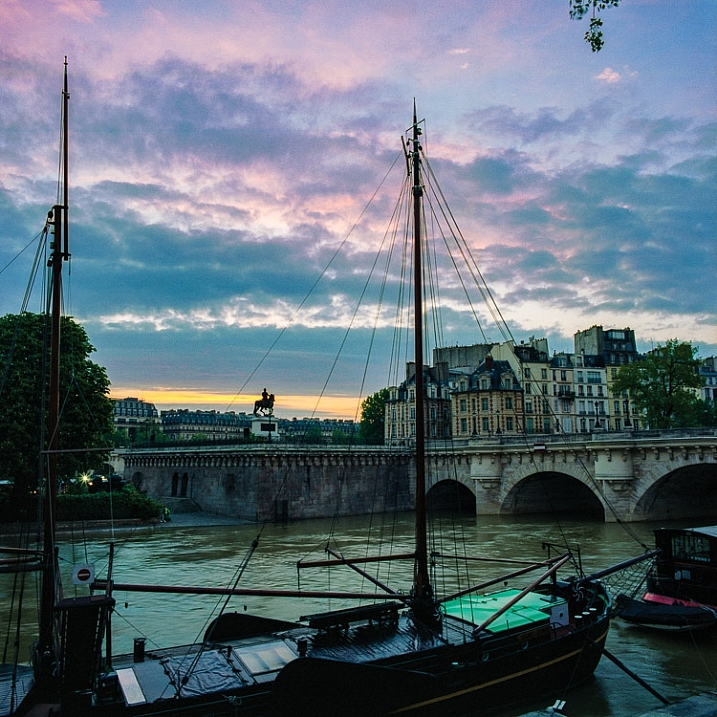
This following photo has a fascinating subject. But imagine this scene on a gray, drab Parisian morning, when all you want to do is dive into a cafe and eat several pains au chocolat?

How to See and Photograph Light - 6 Tips to Help you Take Better Photos

A dawn Idyll on the Seine, Paris.

The light is bringing everything to life – the gray stone buildings, the grayish-green water, the black and browns of the boats. This would be a totally boring photo without that magical light and sky.

5) Use light to tell a story

“There is only you and your camera. The limitations in your photography are in yourself, for what we see is what we are.” – Ernst Haas
I think photographs are at their strongest when they enhance the inherent qualities of the subject you are photographing when they add another layer of story to the photo.

What story do you want to tell?

I photograph a lot of cities at dawn; it’s my main subject at the moment. Dawn, though, becomes very repetitive to photograph. It’s often so pretty, but just how many epic sunrises can you photograph? So one of my favorite things to do is to juxtapose that beautiful, ethereal light of dawn with the broken, used or decaying elements of our cities.

How to See and Photograph Light - 6 Tips to Help you Take Better Photos

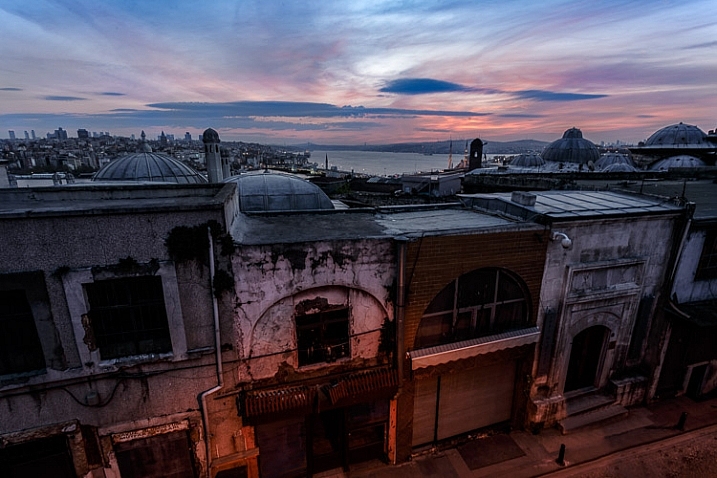
Ancient vista, Istanbul at dawn.

I think it says so much. The hopeful light of dawn, with the heavy feeling you get from the urban scene, and feeling of human impact.

I also love to photograph dawn when the street lights are still on. That mix of the best light nature produces, with that hard functional light we humans create for our cities, is a very interesting thing to play with. The light is telling you more about what it’s like to be exactly where you are – it’s helping to tell the story of your subject.

How to See and Photograph Light - 6 Tips to Help you Take Better Photos

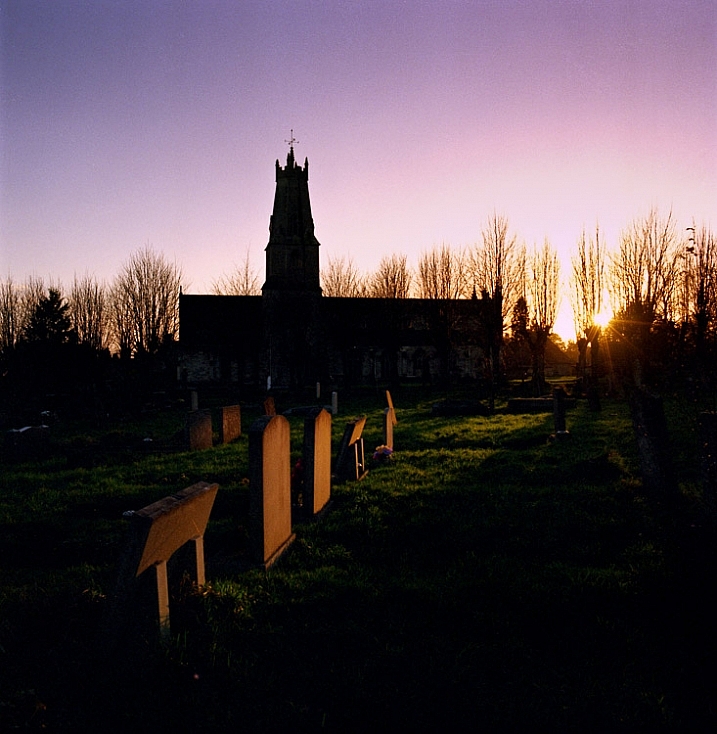
Last light on gravestones, Stroud, England.

In the photo above I was in this graveyard on a winter’s afternoon. I noticed that the sun was starting to set and realized that if I waited, the sun would fall perfectly between the trees, lighting up the gravestones. This stream of light through the trees only lasted a minute or two, but it shows that when you really pay attention to light you can start to anticipate what it’s going to do, and how it will affect your photos. Without that stream of beautiful light the scene would have been really boring.

6) Chasing light is an adventure

“Photography is a love affair with life.” – Burk Uzzle
Photography is such an amazing creative pursuit. I love how it connects me so much more to the world around me. Learning to pay attention to light and how to capture it is one of the best ways to elevate your photography. Becoming intimate and familiar with light will help you become really present with the beauty and wildness of this amazing world.
How to See and Photograph Light - 6 Tips to Help you Take Better Photos

I would encourage you to photograph light – just for the sake of it. It’s a wonderful, thrilling adventure to always be chasing the light.

I’d love to know if you how you go about capturing light and use it in your photos. Please comment below, I love hearing your ideas.

googletag.cmd.push(function() {
tablet_slots.push( googletag.defineSlot( “/1005424/_dPSv4_tab-all-article-bottom_(300×250)”, [300, 250], “pb-ad-78623” ).addService( googletag.pubads() ) ); } );

googletag.cmd.push(function() {
mobile_slots.push( googletag.defineSlot( “/1005424/_dPSv4_mob-all-article-bottom_(300×250)”, [300, 250], “pb-ad-78158” ).addService( googletag.pubads() ) ); } );

The post How to See and Photograph Light – 6 Tips to Help you Take Better Photos by Anthony Epes appeared first on Digital Photography School.

Digital Photography School

 
Comments Off on How to See and Photograph Light – 6 Tips to Help you Take Better Photos

Posted in Photography


A fresh look at Dorothea Lange’s censored photos of Japanese internment

11 Dec

$ (document).ready(function() { SampleGalleryV2({“containerId”:”embeddedSampleGallery_2013785745″,”galleryId”:”2013785745″,”isEmbeddedWidget”:true,”standalone”:false,”selectedImageIndex”:0,”startInCommentsView”:false,”isMobile”:false}) });

Dorothea Lange’s photos of Japanese interment in America are less well-known than her other Farm Security Administration works like ‘Migrant Mother’ – and there’s a reason for that. The unflinching view of the events captured in her photos landed them in the US National Archive, with many labeled ‘impounded,’ where they sat for decades.

Following the attack on Pearl Harbor, the US government announced the mandatory relocation of people of Japanese ancestry, the majority of which were American citizens, to internment camps. Lange was commissioned to photograph the events, both as people were displaced from homes and business, and later as they reported to assembly centers and were ultimately sent to the camps.

Lange’s photos painted a brutally honest picture of every phase of the internment, and were seemingly met with displeasure from the military as they were quietly impounded and archived. A 2006 book put the censored images front and center for the first time. You can see a few of the images here; Anchor Editions has published some information about the images and is offering prints with half of proceeds going to the ACLU. 

Articles: Digital Photography Review (dpreview.com)

 
Comments Off on A fresh look at Dorothea Lange’s censored photos of Japanese internment

Posted in Uncategorized


A fresh look at Dorthea Lange’s censored photos of Japanese internment

10 Dec

$ (document).ready(function() { SampleGalleryV2({“containerId”:”embeddedSampleGallery_2013785745″,”galleryId”:”2013785745″,”isEmbeddedWidget”:true,”standalone”:false,”selectedImageIndex”:0,”startInCommentsView”:false,”isMobile”:false}) });

Dorothea Lange’s photos of Japanese interment in America are less well-known than her other Farm Security Administration works like ‘Migrant Mother’ – and there’s a reason for that. The unflinching view of the events captured in her photos landed them in the US National Archive, with many labeled ‘impounded,’ where they sat for decades.

Following the attack on Pearl Harbor, the US government announced the mandatory relocation of people of Japanese ancestry, the majority of which were American citizens, to internment camps. Lange was commissioned to photograph the events, both as people were displaced from homes and business, and later as they reported to assembly centers and were ultimately sent to the camps.

Lange’s photos painted a brutally honest picture of every phase of the internment, and were seemingly met with displeasure from the military as they were quietly impounded and archived. A 2006 book put the censored images front and center for the first time. You can see a few of the images here; Anchor Editions has published some information about the images and is offering prints with half of proceeds going to the ACLU. 

Articles: Digital Photography Review (dpreview.com)

 
Comments Off on A fresh look at Dorthea Lange’s censored photos of Japanese internment

Posted in Uncategorized