RSS
 

Posts Tagged ‘Photography’

Tips for Great Lighting for Pet Photography

09 Jul

Pet photography is both challenging and extremely rewarding. You may really enjoy taking pictures of your own pets but if you apply some of the general rules that apply to all pet photography with studio lighting, you can really help you up your game.

The key to all pet photography is to get what appears to be an emotional connection with the animal being photographed. If you don’t do that, all the photographs will look more like snapshots and less like portraits.

Tips for Great Lighting for Pet Photography

Upping your game.

The Setup

You do not need to be huge space but you do need some room to work. Ideally, a studio setup includes:

  • Lighting
  • A backdrop
  • Flooring
  • Elevated furniture or a platform
  • Remote triggers

You will need enough space to get in front of the dog or cat such that the backdrop fills the background. You also need to consider that animals move and will not stay still in a very small confined area. Ideally, you need at least about 10 feet wide by about 25 feet depth. You will also need some space between your subject and the backdrop.

This arrangement will accommodate most pets except larger dogs. Large dogs need a lot more space. The larger they are, the more space you need. You also need to think about what they will be stepping on and if their paws are clean. Seamless paper is a great backdrop but is it not a great material for animals to step on as they leave footprints.

Tips for Great Lighting for Pet Photography

Setups for pet photography can be just this simple.

Be Prepared for Accidents

With any pet photography, you have to anticipate accidents. Appropriate cleaning supplies are a must. Be prepared for both #1 (urine) and #2 (feces) accidents. Dogs are much worse than cats. Older dogs tend to have fewer accidents than younger dogs, while puppies frequently have accidents.

If you are dealing with multiple animals (at different times), you need to also consider cross-contamination control measures. Good antiseptic cleaners with some bleach will work well. You will need cleaners with enzymes to break down pet urine for the occasional territory markers. Harder surfaces are easier to clean than soft surfaces.

Backdrops

Backdrops are useful and you can get creative with what you use. Seamless paper is a great option but you will go through it relatively fast and animals that walk on seamless paper will often scare themselves with the noise from the paper moving.

You also need to consider what the animals will stand or sit on. Melamine surfaces are great for flooring options but some animals don’t like being on melamine and the seams may need to be edited out in post-production if they are too visible.

Toys and treats for cats and dogs.

Equip your space with lots of animal-specific toys and treats available and ready to reach. Cats and dogs are not interested in the same types of toys or treats. Always ask if an animal has allergies before giving them any treats or better yet, ask the owner to bring some treats that their pet likes.

Camera Equipment

Most modern digital camera equipment will work for pet photography but you need to think about a few things.

Ideally, your camera needs to focus fast, preferably with a reliable continuous autofocus ability. If you are using strobes, you will be focusing under lower lighting conditions than the eventual shot. Slow focusing or inability to shoot quickly will mean you miss the shot or have lots of images out of focus.

You have limited time, so you need to be cognizant of your animal. In general, you will need a wider lens (you should probably start with a fast zoom lens), particularly if you are using a smaller space but wider lenses can mean your image is wider than your backdrop. Long lenses will compress features but unless you have an assistant to help wrangle the animal, you will likely need to be close enough to reach the animal to do it yourself.

gear for pet photography - Tips for Great Lighting for Pet Photography

Basic camera gear for pet photography – camera, flash, and triggers.

Lighting is key and unless you are looking at using continuous (LED) lighting, you will also need a reliable way to trigger your lights. In your space, you should be able to control your lighting to get the desired effect. If you are using strobes or speedlights, you need a way to trigger the flashes.

Radio controls (most expensive option) are significantly easier to use than either optical slaves (speedlights) or cables (tripping hazard). Make sure you are familiar with your equipment before the animal to be photographed shows up.

Basic Rules for All Pet Photography

There are a few basic rules for pet photography that apply to all types not just in the studio, but become more important when you have pets in your space. You generally have more control over your environment in the studio. Because you are in your own space, you can plan to address each item for the animal before they arrive and adapt your environment for the particular requirements of each animal.

Be Calm

white dog - Tips for Great Lighting for Pet Photography

Calm person = calm dog.

Relax, pets feel your energy. If you are nervous or talk too much, they will feel it and become nervous as well. If you are calm, they will be calmer (NOTE: I did not say they would be calm).

Never assume a dog or cat will be calm, but you don’t want to make it more difficult for you for the pet. They can often be scared or anxious about new surroundings or that machine you keep putting up to your face between you and the animal.

Whatever you do, don’t yell or strike at the animals. They don’t speak languages you easily understand. Make sure you understand the warning signs from animals when they are nervous. With dogs, yawning is often a sign of anxiety and can be a warning just as it is with low growling. With cats, ears back is usually a sign of a cat feeling quite threatened.

dog with red bandana - Tips for Great Lighting for Pet Photography

Older animals tend to be calmer.

Get to Their Level

It is really important for all pets, no matter what size and shape, that you get down to their level. You can take a few different approaches to this but in the end, you need to find a way to be at the eye level (not below) of the pet you are photographing.

Many beginning photographers take pictures of their pets from a standing position and after looking at their results, they can’t figure out why they are unsatisfied with their images. Getting to eye level is a relatively universal requirement for all animal photographs, not just for pets.

grey cat - Tips for Great Lighting for Pet Photography

Get down to their level.

Getting to their level can either mean you go down to their eye height or they get up higher, closer to your height. The best thing to do is to get down and dirty at their level, particularly with larger animals.

But with smaller animals, you can also bring them up to a higher level with ottomans, tables, and chairs. With higher surfaces, you then need to worry about wrangling the animal so they don’t fall or jump off the table or chair. Puppies and kittens will often fall off tables.

Get Their Attention and Their Eyes

In order to connect with an animal, you need to be able to see their eyes and in particular the catchlights in their eyes. No eye contact means no connection, but you don’t only need the animal staring at you.

Animal eyes are shaped differently than human eyes so the catchlights will have a slightly different appearance than those in people’s eyes. There are two schools of thought regarding pet eye catchlights (i.e. one versus two catchlights). In human portraiture, typically it is taboo to have two catchlights in the eyes, but some pet photography works well with two catchlights because of the different eyeball shape.

Tips for Great Lighting for Pet Photography - black and white kitten

Having two catchlights in some pets eyes, like this little kitty, is okay.

Some pets may watch you when you photograph them but most don’t. Eye contact can be aggressive to them. In addition, as soon as you put the machine (camera) up to your face, you will no longer be visible to them. As soon as your face disappears, usually so does the animal’s attention. Getting an animal’s attention is usually a function of the type of animal.

For cats, laser pointers, toys, and strings can help focus their attention, treats less so. Some cats also will be focused on treats but this usually shouldn’t be your first choice. For dogs, squeakers, toys, and treats are always a good approach, so is making strange noises. But don’t give them the toy unless you want it in every shot. Again use treats as the last resort but they work well with many, but not all, dogs.

Different animals are motivated by different attention-getting devices. Treats will get them to move and often makes for interesting action shots, although I find treats work better for dogs than for cats. Remember to check for allergies before giving treats. Always use very small sized treats otherwise the animal will fill up on your treats and you will lose their attention.

Editor’s note: An even better idea is to get the owner to bring some treats that their pet likes, and which they approve of giving to their animal.

Tips for Great Lighting for Pet Photography

Move Quickly

All pets have a limited attention span, typically 15 minutes is the maximum time you’ll get from start to finish. It is best to move quickly and try to get your best photographs early in the shoot because as time passes, the attention-getting-object, toy, or treat will wear thin and they will become disinterested.

Planning is the best way to set up and get the shot the way you want. So plan your shoots and think about how to best highlight the animal. Props sometimes work, like baskets for cats (above) or feather boas for dogs (below).

Tips for Great Lighting for Pet Photography

Keep the Speed Up

You need to set your shutter speed to something relatively quick. If you are using strobes or speedlights, you will need to use the best speed that works with your equipment.

With speedlights, you won’t be able to shoot in bursts because of the recharge or recycle time. Even with strobes, you need to ensure your strobes can take multiple shots in quick succession. Typically for studio work and strobes, a shutter speed of 1/160th or slightly faster is the limit of your camera (flash sync speeds vary, check your camera user manual).

Even if you are using continuous lighting you will need to get your shutter speed up just to freeze the image because animals can move quickly.

grey and white cat - Tips for Great Lighting for Pet Photography

A fast shutter speed will freeze movement of the animal.

Use Continuous Tracking Focus

Pets move quickly, so focusing is tough, really tough. Single shot focusing regardless of how quick your camera focuses will likely mean that most of your shots will miss. Often after getting a focus lock, pets will move away from your focused location by the time you take the image.

Many modern cameras are now capable of tracking objects and focusing on moving targets. Continuous tracking allows for adjustments as the pets move. If your camera has continuous tracking focus you need to use it. Otherwise, most of your images will be out of focus.

Shoot in Short Quick Bursts


Spray and pray is generally a terrible way to take photographs. It usually implies a photographer didn’t take the time to set up a shot, but in the case of pet photography, it is usually the opposite.

dog in a basket - Tips for Great Lighting for Pet Photography

As you are watching for the decisive moment, you take a short burst of images (provided your lighting can keep up) because you will likely have several images in a sequence that are good. However, with pet photography, judicious use of rapid-fire bursts can lead to stunning images. The secret is to anticipate the moment and get a good focus lock. I personally use back button focus specifically to hold the continuous focus independent from the image taking.

Tips and Tails

With pets, if you are taking an image of the entire body, you need to include the tips and tails of that animal. You want the entire animal within the frame. You can intentionally crop for a close up of their face, but you lose something if you are missing the tips of their ears or the end of their tail.

Missing body parts make for incomplete looking images. The best way to approach the images is to remember the catchphrase, “Tips and Tails”. Always try to get the tips of their ears and the end of their tail within the frame. In addition, the same basic rules for human portraiture also apply to pets, specifically for tighter shots where you should never crop an image on the subject’s joints.

German Shepard puppy - Tips for Great Lighting for Pet Photography

Tips and Tails – I just got the end of this puppy’s tail in the shot. Cropping off part of it gives the tail an amputated look you want to avoid.

Also, unlike humans, most pets have longer noses, so it is generally better if you get their entire face in focus. Wider apertures will end up with the nose out of focus which is much more noticeable with pet photography as opposed to human portraits.

Get the whole face sharp. This image doesn’t work because of the cropped of paw and out of focus nose. 

Studio Lighting

Lighting in a studio means controlled lighting. Before you start using strobes, you will need to find out if the animal is sensitive to flashes. While strobes are the brightest lights available, that brightness can be a problem if the animals are sensitive and hate them or get easily startled.

The easiest way to see if they react negatively to the strobes is to manually fire the strobe while setting up before the animal is in place. It will be really obvious if the animal reacts to it. You’ll need a backup plan if they are scared of the flash.

Tips for Great Lighting for Pet Photography - grey kitty

Strobes are best.

Shooting in the studio allows you to control the light but you need to assess the best kind of lighting for your needs. There are generally three options, speedlights (the portable ones that go on the hot shoe on your camera), strobes (dedicate studio flashes that usually plug into an outlet), or continuous lights.

Strobes provide the most powerful lighting for the lowest cost but some animals are really sensitive to the flashes from strobes or speedlights. Continuous lighting has been really advancing lately but in order to be able to use them for pets, you need a fair bit of light to keep the shutter speed up. Continuous lights that are really bright are very expensive.

Lighting Setup

Lighting a pet in the studio is different than lighting people. Often you can light a person and get a decent image with only one light. You can create drama with shadows using long and short lighting techniques.

With pets, you are better off lighting them with a key and fill light in reasonably even proportions to one another with a much smaller difference in the intensity of the two lights (light ratio). Pet photography benefits from the super sharpness of being able to see all the details in a pet’s fur. Deep shadows tend to hide those details. Portraiture techniques such as butterfly lighting and Rembrandt lighting just don’t really work for pets.

Tips for Great Lighting for Pet Photography

Basic pet lighting setup.

A great lighting setup uses three medium softboxes: a key light and main light at 45-degrees on either side of the pet, and a hair light coming from above and behind the animal (see lighting diagram above).

Why? This set up works well because you can light the animal relatively evenly. Remember you are lighting an animal that is much shorter than you. Using this setup gives you room to get between the key and the fill light that are quite low to the ground. Generally the key and fill lights are centered about 4-5 feet off the ground.

The hair light provides some separation from the background and is generally not set at a high power. Separation is important, particularly if the animal has a dark coat and you have a dark background. I often use the key light at about 25% more light than the fill light, but the setup works even if the lights are close to the same power.

Using Strobes Usually Means Manual Mode


While there are TTL strobes available, they are quite pricey. Manually triggered strobes are readily available and can often be purchased used for very reasonable costs. In general, for pet photography, you can shoot entirely in manual mode with manually triggered strobes and get great results.

Because pet photography tends to use a simpler lighting setup, by using manually triggered strobes, once your lighting is set up you can simply focus on wrangling the animal and getting the best shots. The rule of flash or strobe photography is that shutter speed controls the background exposure and aperture controls the flash. In manual mode, you can set the power of the strobes and shoot.

Color cast

When you are shooting with strobes, depending upon how expensive your strobes are, there can be a fair bit of range for color temperature from your lights. You want to ensure the only source of light is your strobes because other lights, including tungsten and fluorescent lights, will create a color cast and your image that is difficult to remove.

It is best to set up and do a gray card test before you start shooting to get your white balance right. You can either use a customized white balance for your camera or if you are shooting in RAW, you can manually adjust the images later in your RAW processing software.

Often letting your camera choose by using Automatic White Balance, with strobes means that the color will vary from image to image. Setting it ahead of time with a custom white balance or a gray card calibration means that you can focus on the image rather than changing white balance in your images. It means less processing work to do later as well.

Tips for Great Lighting for Pet Photography - black dog with a red collar

Be aware of color casts.

Background Color Versus Animal Color

When you take pictures of animals it is always good to consider the dominant color of the animal’s coat relative to the background. It is best not to have the same color for both, although it can work out.

What this means is don’t use seamless white paper as a background for a white dog or a black background for a black cat. You need to be able to adapt on the fly and sometimes you can’t avoid it with animals that are mixed in the color of their coat (e.g. a black and white cat).

It is also good to ensure the color of the material that the animal is sitting on during the session works with the color of their coat and that of the background.

Tips for Great Lighting for Pet Photography

Make sure you have contrast between the color of the animal and that of the background.

Furniture

The last tip is a simple one but one that isn’t too obvious. When animals are stressed out they tend to shed. Animals get stressed when you photograph them. This means that there will be fur coming off them, sometimes in large amounts.

If you are using furniture to elevate an animal, just expect that their fur will get everywhere. Try to keep the furniture clean before you start and you may even want to touch it up as you go because removing the contrasting hairs from the furniture can be a tedious process in post-processing.

Conclusion

Studio shots of pet look awesome. With a bit of preparation, you can get high-quality images that show great drama and connection with the animal. The approach is the same as with any other animal photography but in the studio, you can control the light and the background much more allowing for better results.

If you have any questions for comments, feel free to drop me a comment below. Happy shooting!

The post Tips for Great Lighting for Pet Photography appeared first on Digital Photography School.


Digital Photography School

 
Comments Off on Tips for Great Lighting for Pet Photography

Posted in Photography


Guide to Choosing Subjects and Compositions for Flower Photography

09 Jul

How does the budding flower photographer go about selecting subjects and choosing compositions? In this article, I will give a detailed answer to this question. First, I will discuss the different types of flower photography subjects. Then I will give guidelines for creating stunning compositions.

All throughout this article, I will emphasize producing clean, dynamic images.

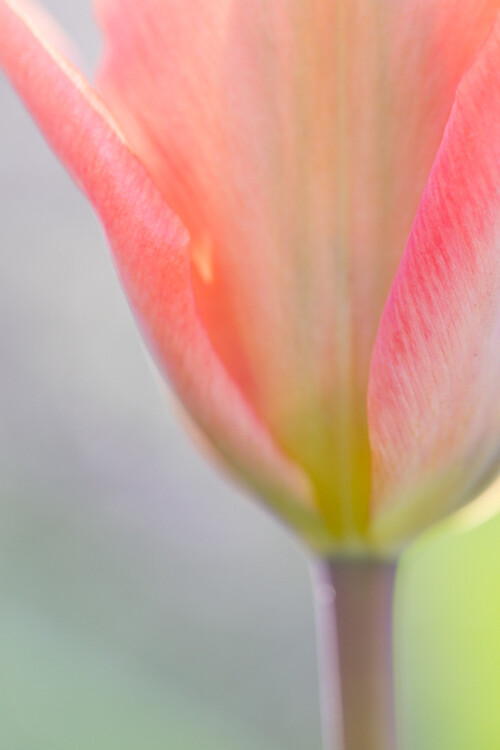
flower photography macro tulip

Subjects

Choosing a subject in flower photography may seem easy – flower photographers shoot flowers, right?

While this is true, it’s important to consider several factors about any particular flower. Among these is the color of the flower, the condition of the flower (is it dying and/or dirty?), and the shape of the flower.

flower photography macro yellow orange abstract

Color

Considering color is simple. The more colorful the flower, the more interesting the image is going to be (generally speaking, of course). I like to use bright colors, placed before a brightly colored background.

flower photography macro tulip abstract

It can also be useful to think in terms of complementary colors. These are the red/green, blue/orange, and yellow/purple combinations. When they are placed together in the same frame, the results can be powerful.

Condition

Another important consideration is the condition of the flower. Before taking your photograph, you should inspect your potential subject carefully.

flower photography macro backlit

Ideal flowers are at peak bloom: petals spread wide, edges crisp and unblemished. I try to avoid photographing flowers that are on their way out because more often than not I’m disappointed with the resulting images.

The best flowers are also free of dirt. I often wipe dirt off carefully with my finger. If there are insects, I gently blow them away from the flower center. Another tactic is to obscure the blemishes or dirt by shooting soft-focus images or silhouettes.

flower photography macro silhouette

This flower wasn’t in peak condition, so I chose to shoot a silhouette, emphasizing the shape over the condition.

Shape

This final aspect of flower photography is more difficult to explain, but it is important, so I’m going to give it a shot. Certain flower shapes are better than others for flower photography.

More specifically, the flowers that will get you the most pleasing images are often those with clear patterns and bold, dynamic shapes.

Consider the rose. It is one of my favorite flowers to photograph. Why? The petals are dynamic, flowing and changing. They also have a clear pattern, and therefore imbue your images with a sense of organization.

flower photography macro rose

Another flower that I love to photograph is the tulip. Its structure is simple but bold, and it has large petals that curve slightly. It isn’t chaotic or messy. The viewer’s eye can easily trace its shape without getting lost.

flower photography macro tulip

The rose and tulip sit in contrast to flowers such as zinnias, which are rather chaotic and therefore difficult to pin down in an image. Which is not to say that a good zinnia image is impossible; it’s just a lot more difficult.

Compositions

When composing flower photographs, it is a good idea to keep a checklist in the back of your mind. In every flower photography image, try to incorporate at least a few of the guidelines provided below.

Simplify

My first tip is the most important – simplify!

Figure out what it is about the flower that you like, and focus on that, removing any extraneous elements, be they extra flowers, stems, petals, etc. Make sure that any distracting elements are not present.

flower photography macro pattern abstract

Use Symmetry

While you shouldn’t always strive to use symmetry in your flower images, it can be a good starting point. Flower centers are often symmetrical or nearly symmetrical. This is something that you can use, composing with the flower smack-dab in the center of your image, anchored by its center point.

flower photography macro symmetry

I used this flower’s symmetrical center to create a bold composition.

Have a Clear Point of Focus

Without a clear point of focus in your images, the viewer will be lost. Their eyes will wander from place to place without really being drawn into the image.

How do you create a point of focus? You ensure that at least one part of your image is sharper than the rest. You also compose with this point of focus in mind, making sure that the rest of your image merely complements this point of focus (rather than dominating it or detracting from it).

flower photography macro abstract

Here, the eye is drawn straight to the in-focus petals of this flower.

Use a Clean, Pleasing Background

Above, I discussed the importance of colorful subjects. But the subject isn’t the only thing that should be colorful. It’s also important to have a colorful background, or at least a pleasing one.

This can be a bit of a balancing act because you don’t want the background to overpower the subject. White and black backgrounds can work well, as can backgrounds that are a colorful but uniform wash.

macro photography flower trout lily

I aimed for a uniform, calming background when taking this trout lily photograph.

Tilt the Camera

One last tip for creating dynamic compositions is to try tilting the camera.

Rather than having the flower sitting statically within the frame, by tilting the camera, you communicate a sense of movement. The flower seems to be emerging from the frame in a very pleasing way.

flower photography macro black-eyed susan

Notice how tilting the camera to shoot this Black-Eyed Susan resulted in a more energetic image.

Conclusion

When doing flower photography, it is important to carefully consider both the subject and your composition. By keeping your subjects colorful and clean, and by aiming for simple, clean compositions, your flower photography will instantly improve.

The post Guide to Choosing Subjects and Compositions for Flower Photography appeared first on Digital Photography School.


Digital Photography School

 
Comments Off on Guide to Choosing Subjects and Compositions for Flower Photography

Posted in Photography


Weekly Photography Challenge – Peaceful

07 Jul

This week your photography challenge is one that can be difficult to find in today’s busy and hectic world – peace! Your mission, should you choose to accept it, is to photograph something that represents what it means to be peaceful to you.

The perfect mirror image in the water says peaceful to me!

Does this look peaceful to you? Sure does to me.

First of all, think about what means to you to be peaceful, at rest. This could involve another human, or it could be a solitary scene in nature. Whatever it is for you, photograph that and share your image with us.

Weekly Photography Challenge – Peaceful

Simply upload your shot into the comment field (look for the little camera icon in the Disqus comments section) and they’ll get embedded for us all to see or if you’d prefer, upload them to your favorite photo-sharing site and leave the link to them. Show me your best images in this week’s challenge. Sometimes it takes a while for an image to appear so be patient and try not to post the same image twice.

Share in the dPS Facebook Group

You can also share your images in the dPS Facebook group as the challenge is posted there each week as well.

The post Weekly Photography Challenge – Peaceful appeared first on Digital Photography School.


Digital Photography School

 
Comments Off on Weekly Photography Challenge – Peaceful

Posted in Photography


Fit2Paddle Paddling Photography on Instagram

07 Jul

Every day I am posting pictures on Instagram. My Instagram feed is dominated by paddling, especially, SUP, but also includes images from other outdoor activities: mountain biking, hiking, inline skating and drone flying. Recent pictures were shot mostly with Sony […]
paddling with a camera

 
Comments Off on Fit2Paddle Paddling Photography on Instagram

Posted in Photography


Save 88% on 200 Photography Assignments that Inspire, Motivate and Teach

06 Jul

If you learn more efficiently (and have more fun with your photography) when you’re out shooting versus sitting somewhere reading about it, then this photography learning aid was designed for YOU.

One of the most popular photography training aids we’ve ever promoted were the Snap Cards from Photzy during our Christmas Sale last year. So when Brett from Photzy showed us their latest photography learning tool, we knew it was something we should tell you about.

The NEW Photzy Action Cards are 65 beautifully designed & printable project sheets that will give you over 200 photography assignments, covering everything you can imagine!

Brett’s idea for the Action Cards was sparked by a woman’s comment to him at a camera club meeting.

“I wish that I could have a workshop in a box. So that I could just open the box and participate when I felt like I had the time and the energy.”

So Photzy set out to create something that will educate and motivate you, provide you with direction, and help you to learn through actionable photography assignments.

The full set of Action Cards include:

34 composition Action Cards aimed toward assisting you in fully understanding the various rules, tools, and concepts of composition. Some example assignments:

  • S and Z Curves
  • Dynamic Angles
  • Juxtaposition
  • Spirals
  • Visual Weight and Direction

Just as we all ‘see’ differently – we also all work differently. This is your chance to discover which composition tools fit your style.

31 genre Action Cards which allow you to test the waters for 31 different genres of photographic imaging – by completing specific tasks and photo assignments in each genre – and help you uncover your ‘place’ in the photographic world. Some example assignments:

  • Creating jaw-dropping landscape photography
  • Creating beautifully executed high key photography
  • Creating true minimalist photography
  • How to create portraits of newborns
  • Creating meaningful travel photographs

Perhaps you’ll discover your natural tendencies reveal themselves better through outstanding flower photography versus newborn portrait photography.

We believe this new training tool will be exactly what many of you need to motivate and guide you on an experience of personal photographic discovery all on your own. Armed with these cards you’re guaranteed to be on a fast path to ‘expanding’ your shooting skills and mastering photography in 2018.

Learn more and buy your Action Cards here

FAQs

We’ve already had a great deal of interest in Photzy’s Action Cards and naturally lots of questions. Photzy have helped us answer them for you.

Q: Are the Action Cards different to the SNAP Cards?

Yes! They are completely different.

The SNAP! Card line was developed to present small easily digestible photographic lessons that you could consume virtually anywhere. Like Cheat Sheets…

The ACTION! Card line is geared towards the individual that prefers to learn by engaging in self-assigned photographic activities. A learning element is included, but the primary purpose of the product is to motivate you to learn through an actionable assignment and review process.

Q: Is there any bonus included?

Yes! Two actually.

You will get a lesson plan – Designed to help you work through the content at a pace that suits you, and to help you choose what order you’ll tackle the projects and assignments.
And a video tutorial – Reflectors & Other Self-Made Lighting Gear: Kent DuFault will demonstrate how you can make a very easy to use home reflector along with a few other ideas for DIY lighting tools.
These have a combined value of $ 25 value, and you get it absolutely free.

Q: Is this a downloadable file, or will I receive the printed cards in the mail?

You will be receiving a downloadable PDF file of the cards, for you to print out at home. This means you can access them anytime anywhere, and you don’t have to worry about losing them.

In just MINUTES from right now… You could be well on your way to taking your photography to the next level. No need to wait for shipping!

Go here now to grab your copy of the cards

Q: Why should I print these out?

Be honest – How many times have you downloaded a guide and never actually read it?

We’ve found that printing materials ensures you actually go on to read the content. Simply put– if you print it out, you are far more likely to take ACTION, and get RESULTS. That’s important to us.

Q: Are these Action Cards for beginners?

These cards are designed to cater for photographers of all levels. If you’re a beginner, these cards are going to work wonders for you with a whole range of material to sink your teeth into. If you’re a professional looking to extend your range of skills – we’ve got you covered too.

Get your copy here now

Q: Will this work for my camera?

While some of the settings information on the genre cards will of course not be useful depending on your chosen camera. 95% of the information on the Action Cards are not camera specific. So whether you are shooting on a DSLR, Mirrorless, or even an iPhone, you will find these incredibly to improve your photography skills.

Q: Is there a guarantee?

Absolutely!

In fact, when you claim your copy of The Action Cards, you have a full 365 days to decide whether or not you want to keep it. Meaning – you get an entire year to try them out…

And if for ANY reason, you decide the cards don’t work for you, simply contact us for a full, prompt refund… No questions asked and no hassles.

Q. How do I buy the Action Cards?

For one week only we can offer dPS readers early access to this brand-new training tool for just $ 39USD. At $ 5 per card the full set is valued at $ 325USD, so that’s 88% off.

Here’s where you can take advantage of this risk-free trial of the cards:

Click Here to Try The Action Cards TODAY

The post Save 88% on 200 Photography Assignments that Inspire, Motivate and Teach appeared first on Digital Photography School.


Digital Photography School

 
Comments Off on Save 88% on 200 Photography Assignments that Inspire, Motivate and Teach

Posted in Photography


Beginner’s Guide to Natural Light in Landscape Photography

06 Jul

Photography is all about light. The same scene with the same composition can look completely boring under one set of lighting conditions and very dramatic under different conditions. Good light makes the difference.

But does that imply there is also such a thing as bad light? I don’t think there is such a thing. The key is to understand what kinds of images to make under the lighting conditions you are presented with when you are photographing.

White House in Arnarstapi Harbor, Iceland - Beginner’s Guide to Natural Light in Landscape Photography

An overcast sky creates a soft landscape with no shadows.

Understanding the three characteristics of natural light will help you use the light to your advantage and make images with an impact no matter what conditions you have to work with.

The Quality of Light

By quality of light, I am referring to how hard or soft the light is.

Hard light happens during midday when the sun is high in the sky and there are no clouds to filter the light. This kind of light is harsh and bright, but it can also create interesting shadows and contrast.

Shadow on the Dunes - Beginner’s Guide to Natural Light in Landscape Photography

Harsh mid-afternoon light casts a dramatic shadow on this sand dune emphasizing its shape.

Soft light happens on a cloudy day when the clouds diffuse the light making it even with no shadows or bright spots. It also occurs in the shade.

Even on a day when there are no clouds, when the sun is lower in the sky the light passes through more atmosphere which softens the light. This is why golden light at the edges of the day is softer then midday light.

The Color of Light

The color of natural light from the sun changes during the course of the day. Before the sun rises, when the first light of the day appears in the sky, the light is a cool blue. During sunrise, the light is golden. As the sun gets higher in the sky, it is bright with little color tint at all.

Organ Pipe Cactus - Beginner’s Guide to Natural Light in Landscape Photography

During Golden Hour, the last of the day’s light casts a warm golden light on these cacti.

At the end of the day the opposite thing happens. When the sun is low on the horizon before sunset, you get the golden glow. After sunset is twilight when the light is a cool blue (blue hour).

Saguaro Cactus by Anne McKinnell - Beginner’s Guide to Natural Light in Landscape Photography

Once the sun has set, the light becomes a cool blue and the landscape is soft with no shadows.

The Direction of Light

Front light is when the light comes from behind you and hits the front of your subject directly. Front light can be unforgiving, washing out colors and minimizing textures. So if you are going to use it, it’s best to do so when the sun is low in the sky when it is warmer and softer.

Angel Peak New Mexico by Anne McKinnell - Beginner’s Guide to Natural Light in Landscape Photography

Front light hits the mountain, but it is a soft light since it is also at golden hour.

Backlight is when the sun is directly in front of you and behind your subject, lighting it from behind. I love backlight because the deep contrast between the highlights and shadows is so dramatic.

Backlighting is also perfect for making silhouettes when you have subjects with great shapes.

Organ Pipe Cactus by Anne McKinnell - Beginner’s Guide to Natural Light in Landscape Photography

The cactus is lit from behind creating an interesting silhouette during sunset.

Sidelight is when the sun is beside you, lighting your subject from the side. This kind of light is excellent for emphasizing shape and texture.

The sidelight on this saguaro cactus emphasizes it’s shape and texture.

What to do when …

So how do you use this information to your benefit? When you are out photographing consider the characteristics of the light you are presented with and use that to decide what kinds of photographs to make.

Harsh mid-afternoon light

The light is high in the sky, extremely bright and harsh with only a little color. This is a good time to look for shadows or photograph in the shade.

Shadow Patterns by Anne McKinnell - Beginner’s Guide to Natural Light in Landscape Photography

Harsh mid-afternoon light can create interesting shadows.

An overcast day with dull light

This kind of midday light has little color, but it is soft with no shadows; think soft. This kind of light is perfect for making soft flower photos, close-ups with even light, or waterfall photos where direct light would cause unwelcome bright spots.

If there is any texture to the clouds in the sky, that is good. But if the sky is pure white, eliminate it from the frame.

Skogafoss Iceland by Anne McKinnell - Beginner’s Guide to Natural Light in Landscape Photography

Waterfalls are a perfect subject for an overcast day.

Golden Hour

The sun is low in the sky casting beautiful soft warm light at golden hour, so it’s hard to go wrong in this situation. Think about the direction of light. Front light will create a warm glow on buildings and mountains, sidelight will emphasize the shape of hills, backlight will create dramatic silhouettes and you could create a sunburst by using a small aperture.

Spider Rock, Canyon de Chelly National Monument, Arizona - Beginner’s Guide to Natural Light in Landscape Photography

The day’s last light casts a golden glow on the edge of the canyon.

Blue Hour

The sun is below the horizon giving you soft, even, cool light. The direction of light does not apply here. Combine this type of light with a long exposure to emphasize the soft feeling if you have any moving elements like water or clouds. Combine twilight with city lights for more drama.

Li River and Karst Mountains in Guilin, China - Beginner’s Guide to Natural Light in Landscape Photography

There was barely any light in the sky at all during this 15-second exposure.

The best way to learn how different types of light affect your images is to photograph the same subject under various conditions. Pick something that is easily accessible to you and photograph it with front light, sidelight, and backlight. Photograph it at midday, during golden hour and at twilight. Photograph it under harsh mid-afternoon light and on a cloudy day when the light is soft.

Understanding these characteristics of natural light will ensure that you can make the most of the lighting conditions you have and create photos with impact at any time of day.

The post Beginner’s Guide to Natural Light in Landscape Photography appeared first on Digital Photography School.

Digital Photography School

 
Comments Off on Beginner’s Guide to Natural Light in Landscape Photography

Posted in Photography


6 Tips to Capture Wildlife Photography with Impact

05 Jul

Wildlife photography has become even more popular since the advent of digital cameras. Capturing wildlife can be a challenging undertaking whether your photographing animals for the first time or are well practiced. If you’re new to the subject and want to learn how to photograph animals, here are some tips to help you get started:

1. Use a telephoto lens

6 Tips to Capture Wildlife Photography with Impact - zebra

One of the most frequent questions I get asked about wildlife photography is, “Which lens should I use?” You may want to photograph birds in your garden, animals at the zoo, or even polar bears in the Arctic. Whichever is your preferred subject, I find that while a wide-angle lens is great for capturing the bigger picture, to really capture an animal from afar, you will need a telephoto lens.

A telephoto lens is the ideal solution to draw you nearer to the action where anything from 70-400mm will facilitate the ability to zoom in to photograph wildlife.

You will find photographing from a distance an advantage as getting too near to the creature could scare them away, particularly wild animals that are timid such as foxes. Animals living in urban environments are more likely to be used to people so you may be able to snap them from a closer vantage point.

6 Tips to Capture Wildlife Photography with Impact - hyena

2. Use a fast shutter speed to capture the action

Camera shake will be more apparent when using a telephoto lens rather than a standard lens due to its size and weight. The longer the lens, the more susceptible you are to camera shake. A shutter speed of at least a 1/100th of a second will help to photograph moving animals and minimize movement.

Clicking the shutter at faster speeds will enable you to freeze the action whether your subject is moving or motionless and will help you to capture sharper images. In addition, many modern lenses now have the option of image stabilization which can also be used to reduce vibration.

6 Tips to Capture Wildlife Photography with Impact - eagle in flight

3. Focus on the details

Sometimes filling the frame with an animal’s features can make a wildlife photograph more appealing. The intent stare of a lion or the face of a monkey, for example, can be a captivating subject and even more interesting than the animal as a whole.

As you begin to photograph wildlife more, you will notice the details about an animal that could make an interesting picture. Be sure to photograph different features that you find compelling.

6 Tips to Capture Wildlife Photography with Impact - lioness

4. Make sure your battery is charged and your memory card has space

This may seem obvious, but it’s surprising how many times I have heard people say they have run out of battery power or that they don’t have enough space left on their camera card to take any more pictures. If you ensure your battery is fully charged and your memory card is empty, you will be prepared for any potential wildlife sighting.

During a wildlife safari drive or whilst out walking in the countryside, you never know when an animal encounter will happen. You could see wildlife at any given moment. With your camera charged and cards empty you will be ready for any photo opportunity as and when it arises.

6 Tips to Capture Wildlife Photography with Impact - colorful bird

5. Create pictures with interest

Many newbie photographers that capture images of wildlife tend to place the animal right in the center of the frame. This can work well with the right composition. Try to photograph the animal off center too, by positioning it to one side of the frame to make the image more interesting.

Placing your subject on a third of the frame can create impact.

6 Tips to Capture Wildlife Photography with Impact - water buffalo

You could include part of the animal’s habitat in the frame such as a bird in its nest. Woodlands and rivers are great natural havens for wildlife and can make for an appealing setting to frame your subject within.

6. Wait a while

As animals are difficult to predict and they often move, you will find it challenging to capture a good shot with the first image you take. Be prepared to wait a while and you may get to see and capture a more rewarding image.

6 Tips to Capture Wildlife Photography with Impact

For example, when I came across this serval cat during a game drive in Tanzania, I spotted the cat looking for prey in the long grass. After pulling the car over and waiting a few minutes, the serval cat turned for a split second after being alerted by the noise of the engine and I captured the moment.

Conclusion

Next time you are out with your camera to do wildlife photography, whether you’re out walking, observing in your garden, or watching wildlife from afar, remember these tips. Hang around for a while and be amazed at what you might discover.

What wildlife photographs have you taken that you would like to share?

Wildlife photo tips 08

The post 6 Tips to Capture Wildlife Photography with Impact appeared first on Digital Photography School.


Digital Photography School

 
Comments Off on 6 Tips to Capture Wildlife Photography with Impact

Posted in Photography


The Best Camera Gear for Food and Still Life Photography

04 Jul

I get a lot of questions about the gear I use in my food and still life photography, particularly from those just starting out in these genres. Buying the wrong equipment can be an expensive mistake. This is a list of the best camera gear I have found to work for me and a lot of the still life photographers that I know.

That being said, take the time to research what works for you and your budget. Also, think about your end goal. If you’re a blogger, your needs will be different than those of a photographer shooting product advertising.

still life of cake and coffee - The Best Camera Gear for Food and Still Life Photography

Cameras

First, you need to decide if you will use a camera with a cropped sensor or a full-frame camera. This will likely be determined by your budget.

A cropped sensor is cheaper for a camera manufacturer to make, which makes decent digital cameras available to a wide variety of consumers. Keep in mind that the focal length of your lenses will be different on a cropped sensor camera. For example, on a full-frame camera, a 50mm will behave like a 50mm. Put that same lens on a camera with a cropped sensor, it will behave more like an 80mm. Your shots will be nowhere near as wide.

Also, make sure that the camera you choose can shoot RAW images–not just JPEGs. If you intend to shoot professionally, file size matters. If your work is going to be printed, you need at least a 12-megapixel camera.

I shoot with a full frame Canon 5D Mark II.

As a food or still life photographer, you’ll find that you won’t need most of the bells and whistles that the modern digital cameras on the market offer. Look for the detail the camera will provide, especially if you’re shooting professionally. The camera should have several focus points and handle noise relatively well. It should also have a tethering feature. If you can afford a full-frame camera, I would invest in one right off the bat.

Lenses

Every camera manufacturer has a series of lenses for the amateur and another for the pro photographer. However, if you are a pro shooter, this doesn’t mean that you should only stick to a pro series, such as the Canon L-Series, for example. There are some good options without the hefty price tag that a pro series brings. That being said, lenses are where you should spend the majority of your budget and you should look at them as a long-term investment in your craft.

Your most pressing concerns when shopping for a lens is the sharpness, so your focus should be on prime lenses. Prime lenses are sharper than zoom lenses.

The Best Camera Gear for Food and Still Life Photography

An excellent lens to have in your kit is a 100mm macro lens. This lens is not just for macro or close up shots, although obviously, it’s great at this. By pulling further away from your set, you can get very nice portrait-style shots as well. The focal length will give you that lovely blurred background that is so coveted in food photography.

I have the consumer grade 100mm f/2.8 from Canon and it’s razor sharp. If you can only get one lens, this is the one I’d recommend.

I also recommend a zoom lens, such as a 24-70mm f/2.8 or 24-105mm f/4. I have both in Canon’s L-Series and find the 24-70mm much sharper than the 24-105mm. The 24-105mm is the kit lens when you buy a Canon 5D.
Although the 24-70mm is a zoom lens, I find it very sharp.

Lenses I use.

The 50mm can also be a useful lens, especially if you don’t have a zoom. This lens is good for overhead shots and tablescapes. For food and still life photography, 50mm is considered a wide angle lens. If you’re shooting only an item or two straight-on or at 45 degrees, you will likely have too much of the background and surface in your frame.

You will need to have large backgrounds if you use the lens this way. If you get a 24-70mm, then you can shoot your overhead shots by setting it at 50mm.

If you’re not sure which lenses you should get, try renting a couple. Check the sharpness and focal length before spending a large sum of money. Photographers have their own style and thus tend to shoot within a preferred range of focal lengths. For example, I am usually between 60-80mm on my full frame camera.

This food image was shot at 50mm (left) and another shot at 60mm (right). You can see the 50mm leaves too much negative space and the background is not big enough. These were shot with the camera in the exact same position, close to the scene, etc.

Studio Lighting and Modifiers

If you want to shoot food or still life professionally, you’ll need to master studio lighting. You can rent studio lights or buy your own. Even if don’t have your own studio, you will benefit from having your own lights if you can afford them. Many studio rental places don’t open early enough to allow you to transport and set up your camera gear before the arrival time of your client.

If you’re a blogger venturing into the world of artificial lighting, you may want to start with a continuous light, like an LED. I recommend that you do not get a set of those Lowel EGO lights that so many bloggers are crazy about. They are too bright and at the same time, don’t have enough spread.

You need to be able to work with strobes if you want to shoot professionally for clients. These are expensive lights, so try to make a good choice initially with these. Make sure they have at least 400 to 500Ws (stands for Watt-seconds, is a measurement of flash output) power and that you are able to modify the light with grids and softboxes.

An example lighting setup using a large softbox as the light modifier.

Great lights at a medium price are the Hensel Integra Pro plus 500, or my personal favorite, the Elinchrom ELC HD Pro 500w set. The Elinchrom monolights have clean and consistent light from shot to shot, and they fire fast enough to freeze motion or liquid splashes, a feature found in the high-end and pricey lighting systems.

For a cheaper system that is great to start with, check out the Bowens Gemini 500. The big benefit of using Bowens is that its S-mount is a common modifier mount, which allows you to use a variety of inexpensive modifiers with your strobes. In terms of modifiers, get at least one softbox in the largest size you can find and afford. The larger the softbox, the softer the light.

When shooting food and still life, you will also need a large diffuser to soften the light as it hits your subjects. I use a 59×79-inch diffusor placed right up against my set. This creates a large, soft light source and prevents any unwanted light from spilling onto the set.

Get a good reflector as well to bounce more light into shadowy areas when needed.

You can also use plain white boards as reflectors in tight spots. Get some clamps to hold them in place as I have done here.

Shot with a large soft light source.

Tripod

A tripod is necessary when shooting food, product, or still life images because the objective is very sharp photos. This often means shooting at lower shutter speeds, which can introduce camera shake into your images if you are hand-holding and working in natural light.

Shooting in these genres is about creating a scene, which is a process of building and assessing. You’ll find yourself constantly adjusting your set-ups, adding items or taking them away, or otherwise moving them around to get the perfect shot. This type of photography is not about catching a decisive moment, but about deliberately creating a visual story through the placement of objects. You need to compose to the camera.

Working with a tripod is also important if you are doing a series of shots and need consistency in your set-ups, or if you’re focus stacking or using scripts in Photoshop.

A tripod is essential for framing your shots.

Software

You will need a professional grade image editing software program to get the most out of your food or still life pictures. Adobe’s Lightroom can give you most of the tools you need to create awesome images at a relatively low price. It’s a powerful program that is intuitive and user-friendly. Not only does it have great editing capabilities, it also acts as an archive for all the image files you have on your hard disk.

Lightroom functions best as a global editor. It helps you make adjustments globally to the whole image. In contrast, Photoshop is a pixel editor. It helps you work with the actual pixels in a given image. There is a lot you can do in Photoshop that you can’t do in Lightroom, such as compositing (combining multiple images into one).

As a professional photographer, I do most of my editing in Lightroom. Then I take my images over to Photoshop to do what Lightroom cannot, or doesn’t do as well. Photoshop has the powerful tools that I need to give me the refined look I’m seeking.

Read my other article: How to Edit Food Photography Images Using Lightroom

The difference between the before and after images is subtle but processing your food images is important.

If you’re just starting out, Lightroom will deliver everything you need to make great pictures.

If you’re working on professional packaging design, Capture One Pro is mandatory. With this program, you can upload an overlay of the packaging artwork to determine where the elements in the image should sit on the packaging. It will make the shooting process go a lot faster and a creative director will likely expect you to work this way.

Shot and processed to be dark and moody.

Tethering

If you’re serious about food photography, you’ll need to shoot tethered.

Tethering is when you connect your camera to a computer via a USB cable so you’re able to view a larger rendition of your image in software such as Lightroom or Capture One Pro. Being able to see your images on the computer as you shoot them is hugely advantageous.

Photographing food and still lifes is a detail-oriented process. A misplaced sprig of basil can ruin your image or create hours of work for you in Photoshop. Such errors can easily be avoided when you can see your work brought to life on a much larger screen than your camera LCD can provide.

If you’re working with clients, they’ll expect you to be shooting tethered. Shooting food, in particular, is a collaborative process that often involves a creative director and a food stylist, who both play a role in the final composition of an image.

To tether to your computer, I recommend a gold-tipped USB cable called a High-Speed USB cable Type A to Mini B. The gold tips prevent them from corroding. Make sure that the cable is no more than 10-15 feet long. The longer ones tend to have problems transferring data. Always have at least a couple of them in your kit so you don’t get stuck, as things don’t always last as long as you’d hope.

Shooting tethered setup. You get to see the image on the computer screen shortly after you shoot it and it appears automatically when tethering is on.

Other Miscellaneous Items

Besides extra memory cards and batteries, there are a few other items you will need to invest in if you’re serious about food and still life photography. Here are the basics:

  • Shutter Release –  This is a device that you connect to your camera to depress the shutter. Even if you’re working on a tripod, pressing the shutter can cause a small vibration that can introduce camera shake that will make your images less than sharp.
  • Backup Drives – Always back up your work to an external drive. Preferably more than one. Hard drives fail all the time, so you need at least two if not three copies of your files, kept in separate places. You should also be backing up while you work.
  • Backgrounds – Food and still life photography require backgrounds and surfaces to enhance the subject. These can be purchased expensively online, or you can make your own. One of my favorite style of backgrounds that I use repeatedly in my work is painted canvas. You can buy a large canvas painters drop cloth at a hardware store and cut it into pieces, which you can then paint to suit your needs. You can buy paint samples at the hardware store too. These painted pieces of canvas make inexpensive backgrounds that can be rolled up and put away without taking up a lot of space.
  • A Level – Another purchase from the hardware store is a small level, the kind you use in construction or when hanging pictures. A level placed on your camera once it’s set up will show you if your camera is straight. This is very important when taking overhead shots (like the one below).

pizza margherita_darina kopcok_DPS

In Conclusion

It’s easy to go crazy with equipment. Don’t fall into the trap that you need tons of the best camera gear to shoot properly. At the same time, don’t buy the cheapest version of what you need.

Quality is important and will take you a long way in getting the best shots you can. Start out with the bare necessities and invest as your budget allows.

The post The Best Camera Gear for Food and Still Life Photography appeared first on Digital Photography School.


Digital Photography School

 
Comments Off on The Best Camera Gear for Food and Still Life Photography

Posted in Photography


How to Search Potential Cityscape Photography Spots Online Before Traveling

03 Jul

As an avid cityscape photography enthusiast (primarily shooting at the blue hour), I always spend quite a number of hours studying potential cityscape shooting spots before traveling to a new destination. Knowing everything from what to shoot, where to shoot from and how to get to those locations before departure will save you a ton of time and hassle, especially if your stay is rather short.

Hk 0106 - How to Search Potential Cityscape Photography Spots Online Before Traveling

Thanks to my pre-departure study online, I was able to locate this vantage point along Lugard Road at Victoria Peak (Hong Kong) without any hassle.

Hk 0173 - How to Search Potential Cityscape Photography Spots Online Before Traveling

Hong Kong skyline shot from Convention and Exhibition Centre. Another location that I successfully scouted online before traveling.

You can always start this location study with the obvious (Google!), but there are also other resources that help you find photography spots. Those are Flickr, 500px, stock photography websites, and photography forums to name but a few.

Personally, Flickr is my go-to resource, as there are more than 10 billion photos (according to their 2015 stats) and numerous groups dedicated to many big and small cities around the world. You can ask questions and possibly get answered by local photographers.

Finding what to shoot is a piece of cake. 10 minutes browsing Flickr gives you a number of potential locations. You may argue that those places are over-photographed or that you’re just copying what others have already photographed. But as a first-time visitor, I’m happy to start with the most popular locations because they are over-photographed for a reason.

Flickr - How to Search Potential Cityscape Photography Spots Online Before Traveling

With more than 10 billion photos available, Flickr is my go-to resource when searching potential cityscape photography spots.

Finding Out Where a Photo Was Shot

The next up is finding where to shoot from (i.e. The exact spot where the photo was shot) but this can be much harder. Sometimes the photo has a clue in itself, such as a name of the building (e.g. hotel name). Then, just get onto Google Maps and do a virtual walk around the area using Street View.

Let’s use Hong Kong, the city that never stops fascinating me with its amazing cityscapes, as a case study for this article. For the photo below, I shot from a footbridge on Connaught Road Central, finding the name of the building on the left (International Finance Centre) eventually led me to locate the exact shooting spot (see on Google Maps) after virtual-walking around a lot on Google Street View.

Hk 0171 - How to Search Potential Cityscape Photography Spots Online Before Traveling

Shot from a footbridge on Connaught Road Central (Hong Kong).

Try Your Luck Asking Photographers Directly

On other occasions, this crucial piece of info (the shooting location where the photo was taken) can be found in the title or description of the photo. If not, check through the comments to see whether anyone has already asked this particular question.

What I’ve found interesting is that there are photographers who normally reply to comments but somehow don’t respond to this type of question asking where it was shot. It might be because they are not really happy to share that information with a complete stranger trying to shortcut their way to an epic shooting spot they discovered by themselves (possibly by walking around for hours).

That said, there is no harm in asking. The worst thing that could happen is that you receive no response.

Author’s note: If you ask me about cityscape shooting spots in Singapore (where I live), I won’t hold anything back. I’m happy to provide all the info you need!

Asking in Flickr Groups

In case you’re hesitant about asking the photographer directly, you can also try asking in a Flickr group. Once I found a nice Hong Kong street photo with a street name included in the description. So I got onto Google Street View and moved up and down the street, but couldn’t locate exactly where the photo was shot.

As I saw this particular photographer not responding to any comments at all, I went into a Hong Kong group within Flickr and asked whether anyone knows the exact location by including the street photo in my question. Then, a fellow photographer kindly responded with the answer, which led me to shoot the photo below (shot from a footbridge over Paterson Street Tram Station, see on Google Maps).

Hk 0144 - How to Search Potential Cityscape Photography Spots Online Before Traveling

Hong Kong street view from Yee Wo Street.

Use Google Maps to Find Directions from Your Hotel

Lastly, let’s talk about how to get to those newly found amazing locations. Accessing directions have never been easier these days, thanks to Google Maps.

Prior to the trip, get onto Google Maps and find the directions starting from your hotel. To record the route, take a screenshot or copy the link from your browser’s address bar so that you will be able to revisit the page using hotel’s WiFi later.

This may not be commonly known, but Google Maps also lets you save a short URL of the directional map. Just go to “Menu”, then click “Share or embed map” and check “Short URL”. You can also save maps for offline use as well if you don’t want to incur roaming charges and can’t access any WiFi.

Google map - How to Search Potential Cityscape Photography Spots Online Before Traveling

Saving a directional map using “Short URL” feature on Google Maps.

List Photography Spots in Order of Priority

Let’s say I’m traveling for a 5-day, 4-night stay. Then, I’ll make a list of four cityscape photography spots to shoot at dusk. Plus I’ll add one or two backup spots just in case any of the original choices are unexpectedly unavailable due to a special event taking place or something. I select only one spot per day, as I’m only interested in shooting cityscapes during evening blue hour and try to gather as much information as possible before traveling.

It’s also important to list them in order of priority so that you know which place to drop if you can’t shoot on the first evening due to heavy rain, for example. In fact, such a situation often happens, so you should establish a clear order of priority for your shot list in advance.

Consider Revisiting: You Learn Something New Every Time You Go Back

Up until this point, I’ve talked about the importance of pre-departure preparations such as knowing where to shoot from. However, it’s also true that a single visit may not be enough to let you go home with best possible photos unless you’re staying for weeks. If you’re only staying for 4-5 days like I typically do, you may get unlucky with the weather and not be able to capture any photos that you’re happy with.

If that’s the case, consider revisiting the destination! The great thing about revisiting the same place is that you learn something new every time you go back, such as discovering lesser-known photography spots, finding a faster way to move around, etc. Besides, you can try new restaurants and coffee shops alike, and after a few visits, you’ll be able to walk around the city like a local!

Hk 0182 - How to Search Potential Cityscape Photography Spots Online Before Traveling

On my second visit to Hong Kong, I found this lookout point on Stubbs Road through a bus window on the way to Victoria Peak. So the next day I dedicated one evening to shoot at this spot. This is a good example of learning something new every time you go back.

Hk 0029 - How to Search Potential Cityscape Photography Spots Online Before Traveling

I planned to go back to Lugard Road lookout point at Victoria Peak to shoot Hong Kong skyline again, then accidentally diverted from the road to find this spot behind Peak Tower, so changed my plan to shoot here, instead.

Conclusion

I hope this helps you with your pre-departure search on what to shoot, where to shoot from, and how to get to those locations. These tips are quite basic, but it’s almost a prerequisite in order not to waste your precious (but limited) time at the destination, especially for those of us traveling only for a few days.

If you have any other cityscape photography tips to share, please do so in the comments below.

The post How to Search Potential Cityscape Photography Spots Online Before Traveling appeared first on Digital Photography School.


Digital Photography School

 
Comments Off on How to Search Potential Cityscape Photography Spots Online Before Traveling

Posted in Photography


Five Common Macro Photography Mistakes and How to Fix Them

01 Jul

 macro leaf autumn - Common Macro Photography Mistakes

Macro photography requires a unique set of skills, but along with these skills comes a new set of mistakes to overcome. Fortunately, many of these macro photography mistakes are easily fixed.

In this article, I discuss five common mistakes made in macro photography. Then I give you the tools to correct them in the field, which will result in instantly better macro images.

1. Shooting in direct midday sunlight

The first mistake often made in macro photography is heading out when the sun is high in the sky (midday). While the light during this time is bright, it’s also very harsh and contrasty. Images taken at this time are difficult to expose well, and colors are far less saturated.

The angle of the sun causes additional problems. It beats directly down on your subject, causing the underside to become shadowy.

flower tulip - Common Macro Photography Mistakes

I try to avoid going out to shoot on sunny afternoons. This tulip image was taken on a cloudy spring day.

How can this problem be fixed?

You have a few options. First, try waiting until the evening, when the light is warm and soft. This will reduce contrast and light your subject more evenly. You could also cast a shadow on the subject yourself, or find a subject in the shade. This will reduce the extent to which your subject encounters the harsh and contrasty light.

flower tulip - Common Macro Photography Mistakes

These tulips were photographed in the evening, when the light was far less harsh.

Cloudy days are the third option. Then, the sky acts like a huge softbox, and the light is diffused across the subject.

flower abstract - Common Macro Photography Mistakes

Another photograph on a cloudy day: notice the soft, delicate feeling and more saturated colors.

If you do decide to go out in midday, you might consider bringing a flash or a reflector to add some punch to your images and reduce midday shadows. While this won’t negate the problems described above, it will reduce them.

2. Shooting dying or dirty subjects

A second common mistake made in macro photography is shooting subjects that are either dying or dirty.

This isn’t really a problem with insect photography, but when photographing flowers, the condition of your subject is something to watch out for. If the edges of a flower are turning brown, I generally wouldn’t photograph it. Same thing if the center has some fraying stamens.

flower dahlia abstract - Common Macro Photography Mistakes

I searched through a number of dahlias until I found one in peak condition.

Flowers can also become dirty, especially if they are low to the ground. A few small pieces of dirt isn’t much to be worried aboutit’s nothing that cloning can’t take care ofbut too much dirt, and it becomes difficult to get a strong image.

How can this problem be fixed?

The first method just involves inspecting your subject carefully before shooting. If the flower is dying or dirty, find a different flower. You might also consider wiping away small pieces of dirt with your finger or shirtsleeve.

flower rose - Common Macro Photography Mistakes

Checking the center of flowers is important; it’s easy to miss anthers that are on their way out. Fortunately, this rose allowed for a few images.

The second method is more difficult and involves hiding the dying parts of the flower through creative compositions. For instance, you can ensure that the wrinkled parts of petals are out of focus, or obscured by another part of the flower.

flower red abstract - Common Macro Photography Mistakes

The outside of this flower was a bit worn, so I chose to emphasize the stamens instead.

3. Centering the subject

This is a common mistake in all types of photography – placing your subject in the dead center of the frame.

While this might make sense from a visual perspective, it generally results in an uncomfortable, less-than-desirable image. The composition feels imbalanced or boring.

How can this problem be fixed?

flower photography macro aster - Common Macro Photography Mistakes

Placing this flower off center allowed for a slightly stronger composition.

Instead of placing the subject in the center of the image, place it off to one side. Try using the rule of thirds. Additionally, you might add some dynamism to the composition by tilting your camera and placing the flower along a diagonal line. This will ensure a much more dynamic image that holds the viewer’s eye.

4. Using busy backgrounds and foregrounds

A fourth macro photography mistake often made is using foregrounds and (especially) backgrounds that are messy.

For example, messy backgrounds might have splotches of colors, might be crammed with slightly out-of-focus elements, or have sudden transitions from light to dark or dark to light. Messy foregrounds, on the other hand, consist of branches, twigs, or other flowers that distract the viewer and get in the way of the main subject.

flower bleeding heart - Common Macro Photography Mistakes

While this bleeding heart photograph may seem chaotic, it’s not particularly messythere is a clear point of focus (the flower) that is not dominated by the background.

How can this problem be fixed?

I write about this a lot, but that’s because it’s such a common (and easily rectified) problem. It involves a bit of measured consideration before shooting. Simply make sure there are no distracting foreground or background elements. As discussed above, these include branches, twigs, or sticks. It also might simply be contrasting colors or dark spots.

flower aster silhouette - Common Macro Photography Mistakes

Notice the smooth, uniform background in this flower image.

5. Capturing a subject as the subject

This final macro photography mistake is a bit less straightforward: capturing a subject as that subject.

What do I mean by this? In truth, it’s not all that complicated. Basically, macro photographers often see an interesting subject and attempt to photograph that subject efficiently. The problem is that the subject then lacks interest. It feels like it’s part of a snapshot when you want it to feel like a deliberate photograph.

abstract dew drop - Common Macro Photography Mistakes

How can this problem be fixed?

If you photograph a flower, don’t try to just capture it as a flower. Look for interesting aspects of the subject. What is it that made you want to photograph it in the first place?

Try to go beyond that basic “it’s a flower” essence, and communicate something about the flower. Does it have a photogenic center? Colorful petals? A beautiful shape? Emphasize this through your photography.

flower photography macro dahlia - Common Macro Photography Mistakes

I chose to get extremely close to this dahlia in order to emphasize the pattern of its petals.

Conclusion

I have discussed five common macro photography mistakes, as well as a number of simple ways to fix them. By following these guidelines, you should be able to enhance your macro photography and ensure consistently better images.

Know any mistakes that I missed? Let me know in the comments!

flower photography macro dandelion - Common Macro Photography Mistakes

The post Five Common Macro Photography Mistakes and How to Fix Them appeared first on Digital Photography School.


Digital Photography School

 
Comments Off on Five Common Macro Photography Mistakes and How to Fix Them

Posted in Photography