RSS
 

Posts Tagged ‘Photography’

Digital Photography 1 on 1: Episode 45: Getting to know your DSLR

12 Feb

Holding a DSLR for the first time can be quite overwhelming and you may want to completely understand how your camera does what it does with the buttons and switches that it has. This week Mark will show you what these buttons do.
Video Rating: 4 / 5


Improve Your Photography By Learning to Edit

12 Feb

A Guest Post By: John Davenport

You might have read the title to this post and thought that I was going to talk about how editing your photographs can make you appear to be a better photographer, but no, I really do mean better – behind the camera.

Thin Ice

I came across this idea of improving my skill behind the camera, by focusing on my skill behind the computer, when I was going about launching my new YouTube series, “Let’s Edit”, which focuses on how to edit photos in Lightroom.

What Exactly Can Editing Teach Us?

As we start out on our photography journey we are learning everything there is to know about creating a photograph. From how our camera works to how different light effects our shots and this can be a bit overwhelming – especially when we’re out in the field taking photos.

Optional Caption: Learning to Crop Differently Can Teach Composition

Learning to Crop Differently Can Teach Composition

When I first started photographing landscapes I would get lost in the act of trying to fiddle with dials and buttons and forget about composition, or when I’d focus on composition I’d forget about my shutter speed or ISO settings. There is so much that goes into creating a photograph that sometimes it helps to just sit down and learn a different way. So I thought I’d try to learn to take better photographs by focusing on learning how to edit the ones I did take.

One area that editing our photos can teach us is the idea of composition. I know there will be people screaming at the screen as they read this, maybe even ripping their hair out, when I say that cropping photos is an excellent way to experiment with composition, but it really truly is.

You can take the same photograph and crop it countless different ways and by doing this you are training your eye to see scenes differently. Apply this knowledge of composition the next time you’re in the field and you’ll actually see those different compositions as you’re looking through the viewfinder making it possible for you to take more photographs while you’re out in the field.

One other area that comes to mind is learning to see things in the field that will look good once edited. Take this black and white photograph of the Boston skyline that I took while I was out photographing the city with my sister.

By Seeing the Edit in the Field You Can Set Shots Up Accordingly

By Seeing the Edit in the Field You Can Set Shots Up Accordingly

By having the black and white image in my head as a concept I was able to know that by under exposing the frame then and there it’d make my life so much easier when I go about creating the final image back in Lightroom.

Now, this is just two concepts where editing can be applied to what we do in the field, I’m curious, have you ever thought about this idea of applying what you do behind the computer in the field? Do you think you can come up with other areas of editing that will make sense when you’re behind your camera? Let us know in the comments below!

John Davenport is an avid amateur photographer looking to make a name for himself. He has recently started a new YouTube series called “Let’s Edit” as well as launched a community site to go along with it. You can also find John on Facebook and Twitter.

Post originally from: Digital Photography Tips.

Check out our more Photography Tips at Photography Tips for Beginners, Portrait Photography Tips and Wedding Photography Tips.

Improve Your Photography By Learning to Edit


Digital Photography School

 
Comments Off on Improve Your Photography By Learning to Edit

Posted in Photography


Joe McNally Photography- The 21st Century Grid, National Geographic

12 Feb

Behind the scenes footage of our July 2010 National Geographic story, The 21st Century Grid. More info on the story can be found here: ngm.nationalgeographic.com


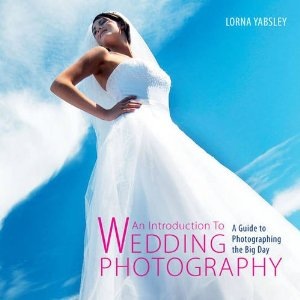
An Introduction to Wedding Photography

12 Feb

ref=dp_image_0.jpegI remember once being invited to photograph a friend of a friend’s wedding. I declined.

Why? At the time I had recently interviewed a number of pros who specialised in capturing that magic in the process of creating a magazine story on that occupation. Whew! Not for me I decided. Way beyond my skill set, patience, resourcefulness and energy levels.

So, it was with a sense of relief that I reviewed this book, safe in the knowledge that no-one, and I mean no-one, could or would ever put me through the trauma that wedding photography presents.

For her part, author Lorna Yabsley recalls how, when starting out as a wedding photographer in the days of film, life was so much simpler and consisted of formally staged shots made in an hour long session, the best of which ‘would ultimately be shown to the client for them to choose a set of images that would be pasted into a finished album.’

Today’s generation of wedding shooters mostly work in digital, with an endless number of shots, reviewed instantly … ‘now we have to do the job of the lab in the post production … a whole new skill base that photographers must understand and equip themselves with.’

The book heads off with a chapter entitled ‘Understanding Weddings’ and the advice that the photographer should not dominate the proceedings, be informal, develop an eye for composition, acquire a basic knowledge of photography and understand your camera.

Next we move into listing the skills necessary, how to deal with people, preplan, understand the plan of the day’s events, learn who are the most important people, etc.

And we haven’t taken a shot yet!

More ensues on getting the commission, establishing your rates, how to promote yourself, plan advertising and dealign with the couple.

You may be surprised to find that it is only when you reach the near end of the book that 12 pages are devoted to choice of camera, lenses, accessories such as flash, etc and advice is given on what computer and printer may best suit your endeavours.

While there is help on such matters as post production, editing etc that help deal with the digital nature of these images … but there are no hints on how to tweak the images, remove a boil on the bride’s bonce or a bald spot on the groom’s pate.

Aside from this there is much useful advice on securing the final print sale, album design etc. Missing is any advice on how to combine video shooting with stills work. Those brave souls who do combine the chores have probably got it all to themselves!

For those who see a business opportunity in wedding photography the book is a major helper but don’t come looking for a load of tech help.

Impressive, large photographs make the book an attractive read.

Author: L Yabsley.
Publisher: David & Charles.
Length: 160 pages.
ISBN 978 1 4463 0258 3.
Price: Get a price on An Introduction to Wedding Photography at Amazon.

Post originally from: Digital Photography Tips.

Check out our more Photography Tips at Photography Tips for Beginners, Portrait Photography Tips and Wedding Photography Tips.

An Introduction to Wedding Photography


Digital Photography School

 
Comments Off on An Introduction to Wedding Photography

Posted in Photography


Digital Photography 1 on 1: Episode 50: HDSLR Part 3: Audio for Video

11 Feb

This week is the third episode in a series about shooting video on a DSLR camera. HDSLR cameras are capable of producing remarkable images but they are all pretty awful in the audio department. In order to combat these audio issues Mark will show a number of different microphones and audio devices that can be used to ensure that you’re getting the best audio. In the coming weeks, he will go over basic editing techniques as well as compressing for the web- so stay tuned!
Video Rating: 4 / 5


Digital Photography 1 on 1: Episode 37: Post Production Workflow Part 1

11 Feb

This week is the first episode in a two-part series about post production workflow. In this episode, Mark will explain how to get images from the camera to the computer. Then he will show you how to keyword, group and organize the photos in Adobe Photoshop Lightroom.
Video Rating: 4 / 5


Flash Photography Exposure Basics

11 Feb

Flash photography is a skill not many try to master. Its like people just don’t want to learn it and just muddle through with their camera and flash on auto. I’m here to tell you: its super easy!!! The basics of flash exposure: Shutter speed affects ambient light only ISO and aperture affect ambient light AND flash Flash distance, power, and modifiers all change its output. When you understand that concept its easy. If you want to adjust the flash change ISO, aperture, flash power or flash distance. If you only want to change the ambient light in the scene then adjust your shutter speed. I have all my students start out in manual exposure mode with the flash on manual too. That way you are controlling the flash and learning how it works, not just getting by.
Video Rating: 4 / 5

Facebook: facebook.com Our new YouTube channel: youtube.com Fenchel & Janisch DSLR Tutorial Series: Choosing the best / right lens for you! A lot of people are asking us, which lens is the best? A tough question and the answer isn’t so easy. First off, let’s talk about which lens you need for which purpose. You have to define what you want to shoot or what kind of story you want to tell: Are you shooting a fictional short film or are you running through the city taking snapshots of people and random events? Voice Over: Moritz Janisch Copyright 2011 by Fenchel & Janisch Filmproduktion GbR Twitter: twitter.com More DSLR videos on our channel: www.youtube.com Official website: www.fenchel-janisch.com
Video Rating: 4 / 5


11 February, 2013 – Self Publishing a Photography Book

11 Feb

Lives there a photographer who doesn’t want to see a book of their work in print? Likely not. But publishers are reticent, book markets are contracting, and the costs of self-publishing are high. So how to finance such a venture?

Find out in Peter Cox‘s new essay Self-Publishing a Landscape Photography Book.

Win a New 128GB iPad with Retina Display
Including all Major Luminous Landscape Videos
– Pre-Installed –

Find Out More  


The Luminous Landscape – What’s New

 
Comments Off on 11 February, 2013 – Self Publishing a Photography Book

Posted in News


Meet The Photographers Who Write For Digital Photography School ~ Barrie Smith
11 Feb

You’ve been reading their articles for months or years, have you ever wondered “Who are the photographers who write for dPS”? We thought it would be a good time to introduce them to you through a series of interviews.

Today meet Barrie Smith, Australia based writer-photographer.

1. How long have you been shooting?

Decades.

Barrie Smith

2. Do you have a full time job or are you a full time photographer?

I am a full time writer-photographer.

 3. What does this require?

Ability to move quickly. Many of my subjects are people stories so I may make contact with the character one day, then talk to and shoot him or her the next.

My pictures are journalistic in style, so arty shots are not in the running.

4. What other jobs have you held in the industry?

Early days: film and video cameraman, then setting up and operating the TV workshop for a major international ad agency. Then directed TV commercials for a long, long time.

As a sideline started to write about photography for Australian and international magazines.

Wrote, photographed and self-published Australia’s only book on vintage cameras — THE CLASSICS: CAMERAS.

When digital cameras arrived (was it 1995?) I began shooting and writing on this topic as well as reviews on cameras and software.

Founding editor of Australian Videography and Australian Digital Camera magazines.

 4. When did you start writing for DPS and why?

Nearly four years ago I joined the team, thanks to a tip from a fellow contributor. Enjoy my stuff on the Web. Beats the bum off conventional publishing. Immediate communication with your audience. Rapid appearance online as against months of lead time with magazines.

 5. What do you shoot with?

Compact bridge cameras. Not a favourite of clumsy, heavy DSLRs!

 6. What would be your number one tip to any new photographer?

It’s the driver not the car!

Post originally from: Digital Photography Tips.

Check out our more Photography Tips at Photography Tips for Beginners, Portrait Photography Tips and Wedding Photography Tips.

Meet The Photographers Who Write For Digital Photography School ~ Barrie Smith


Digital Photography School

 
Comments Off on Meet The Photographers Who Write For Digital Photography School ~ Barrie Smith

Posted in Photography


Digital Photography 1 on 1: Episode 39: Understanding RAW Files

10 Feb

This week Mark Wallace explains the difference between RAW and JPEG. There’s no right or wrong answer to the question “should I shoot RAW or JPEG?” but Mark will help explain the advantages of each format.

Plies – “Me Ho” from his mixtape “You Need People Like Me” (hosted by DJ Scream). Special thanks to Ben Evans and Jose Delosangeles who assisted with the shoot.
Video Rating: 4 / 5