RSS
 

Posts Tagged ‘Photography’

Using a Video Slideshow to Showcase Your Photography

15 Dec

This is a guest contribution by Alison Dias-Laverty

Take your Photos and Videos to the Next Level: Create a Video Slideshow

One of the most memorable photos I have taken was on the highlands of Scotland. It is one of the most beautiful and breathtaking views and experience that changed my life.

Yet as many times that I have tried to capture my feelings and emotions of being in that present moment of magnificence, I could never rekindle those same feelings in all my still photos. Technology is truly exciting for the creative. You can now use your photos and video clips, mix them to music to create a video slideshow.

What is a Video Slideshow?

It is not just about displaying your photos to music. It is about giving your audience an unforgettable experience through your photos and videos. There is an art to creating stunning slideshows and it is in the story from your images.

Five Great Tips to Help you Start Your Video Slideshow

1. Know your Audience

Your photos must connect and speak to your audience. Your story needs to touch their hearts for the right reason. Whether it is to bring joy or make a strong statement about life. Knowing your audience will make it easier to connect to them.

2. Your Message

Why did you take that photo? Was it to embrace the moment, in the hope it would last forever? Therefore, your message must create that awareness of what you want to share. Even a simple text that connects your photo to your audience will give them cue to your message.

3. Tell a Story

Everyone loves a story and when you show your photos, let the beauty of your photos speak out loud. Photos speak louder than words and in many ways, can take your breath away and touch someoneís heart.

4. Choose Appropriate Music

I cannot stress the importance of choosing music to create the mood, because it will carry your slideshow to its climax. Music can evoke feelings and emotions that will take your audience on a journey through your lens. If your music in your video is used for anything other than private use, depending on which country you come from, there are Music Copyright Laws that you need to follow. YouTube has a list of Royalty Free Music to use for free as well as a couple more options – Free Play Music and Incompetech.

5. Take your Audience on an Emotional Journey

What you want your audience to feel is the ìWow Factorî. You can create that dramatic effect with your photos to amaze your audience, by using motion effects and transitions, synchronized to your chosen music.

Summary

Creating a Video Slideshow is a great way to showcase your photography portfolio. You can create a short introduction video clip to connect with your audience or display a showcase of your best works. All it takes is a little practice and creativity to amaze your audience with your stunning photos.

Resources for creating your own slideshow:

  • Online Slideshow Website Tool – Photodex ProShow
  • Animoto slideshow creator

Alison Dias-Laverty is a Video Slideshow Designer and the founder of Photoshow on DVD, based in Brisbane, Australia. Her love for music is expressed in every video slideshow created and bound with the essence of her passion for taking photos. Visit her YouTube Channel to see more videos.

The post Using a Video Slideshow to Showcase Your Photography by Guest Contributor appeared first on Digital Photography School.


Digital Photography School

 
Comments Off on Using a Video Slideshow to Showcase Your Photography

Posted in Photography


Weekly Challenge – Macro Photography

14 Dec

By Pison Jaujip

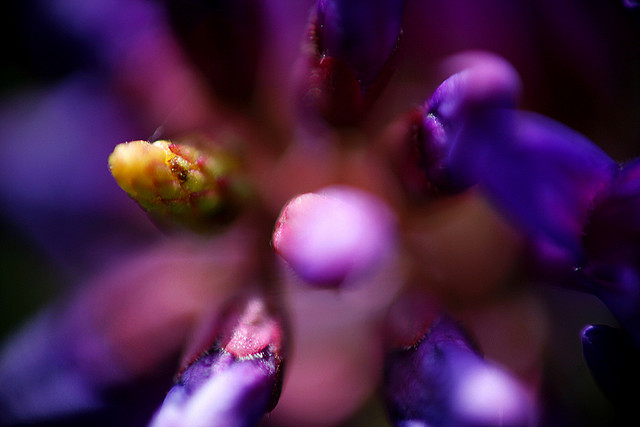
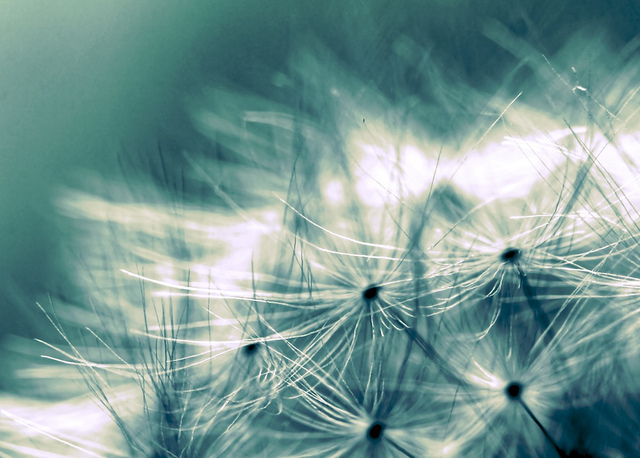
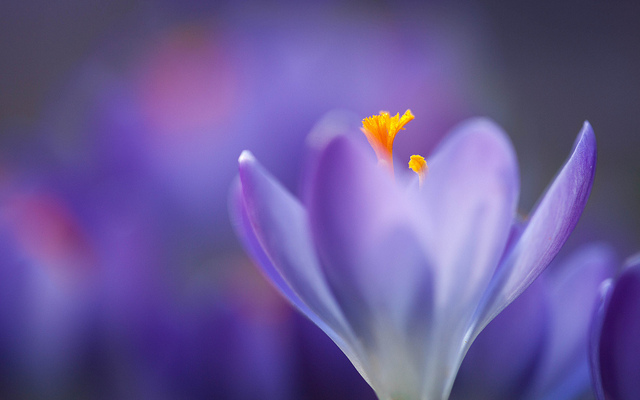
Earlier I posted several macro, or close-up images to give you some ideas. Now it’s time for you to get out and try it. If you don’t have a macro lens there are plenty of other methods you can use that are less expensive if buying a new lens isn’t an option.

Here’s a few articles and resources on different options for doing macro photography:

  • Getting up close with close-up lenses – part one of four on macro photography
  • Extension tubes – part two of four on close-up photography
  • Reverse lens macro – part three on close-up photography
  • The wonderful world of macro lenses – part four of four
  • Up Close: A Guide to Macro & Close Up Photography – an eBook by dPS author Andrew S Gibson

So there’s your reading material, now show us your macro images!

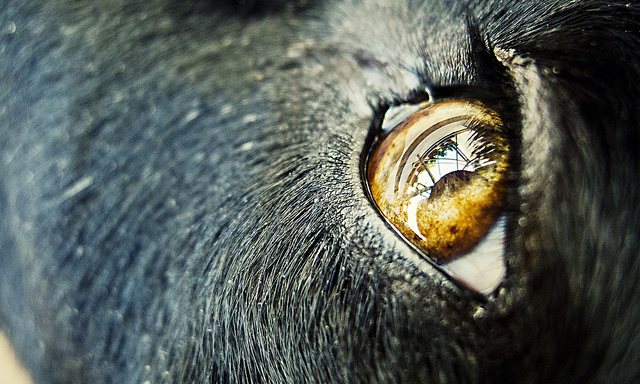
Remember get creative with what you photograph. Try shooting everyday, ordinary things and see what they look like close up – even the dog! Make sure you still keep in mind all the other aspects of good photography like: composition, lighting, and camera settings.

By Casey Myers

By Sean Rogers

By Martin Heigan

By nick@

Once you’ve taken your macro shots we’d love to see them in comments below. Simply upload your shot into the comment field (look for the little camera icon in the Disqus comments section as pictured below) and they’ll get embedded for us all to see or if you’d prefer upload them to your favourite photo sharing site and leave the link to them.

The post Weekly Challenge – Macro Photography by Darlene Hildebrandt appeared first on Digital Photography School.


Digital Photography School

 
Comments Off on Weekly Challenge – Macro Photography

Posted in Photography


12 Photography Documentaries You Should Watch

14 Dec

Everyone loves well-made, interesting photography documentaries that share secrets and allow us to take a glance behind the scenes of famous, influential photographers of the past. Similar videos possess magic to impress and inspire a person to work toward his own achievements. Black-and-white film gives documentaries a special charm and makes us feel the spirit of days gone by. A Continue Reading

The post 12 Photography Documentaries You Should Watch appeared first on Photodoto.


Photodoto

 
Comments Off on 12 Photography Documentaries You Should Watch

Posted in Photography


It’s a Small World – the World of Macro Photography

13 Dec

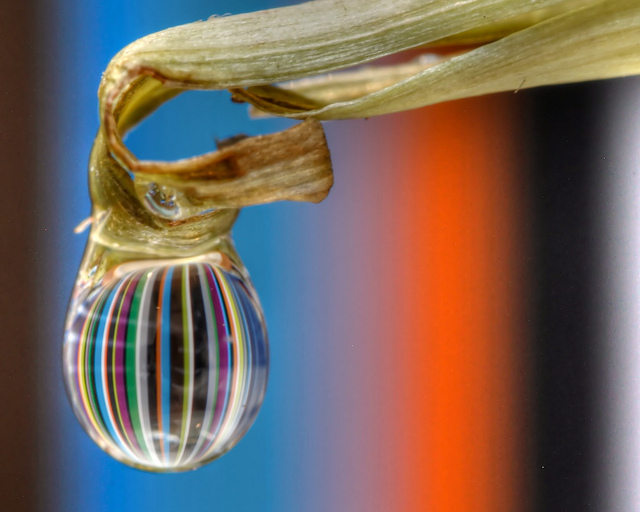
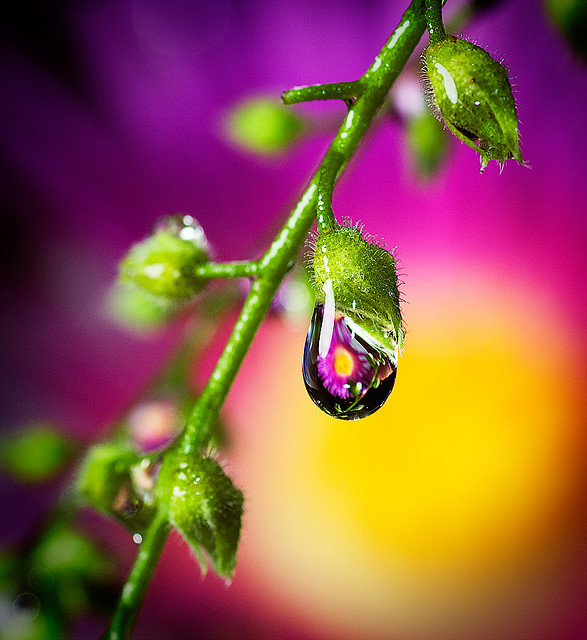
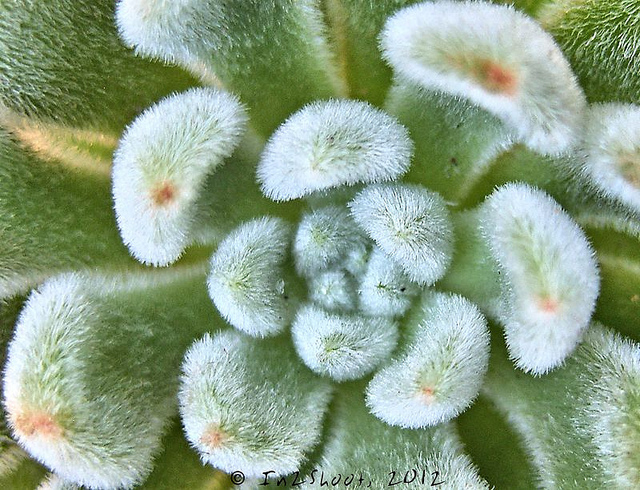
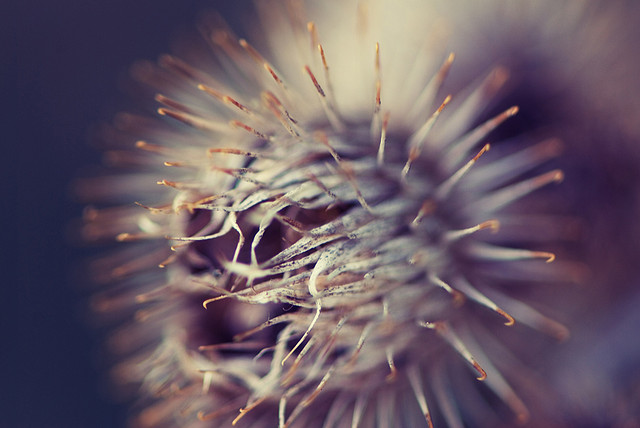
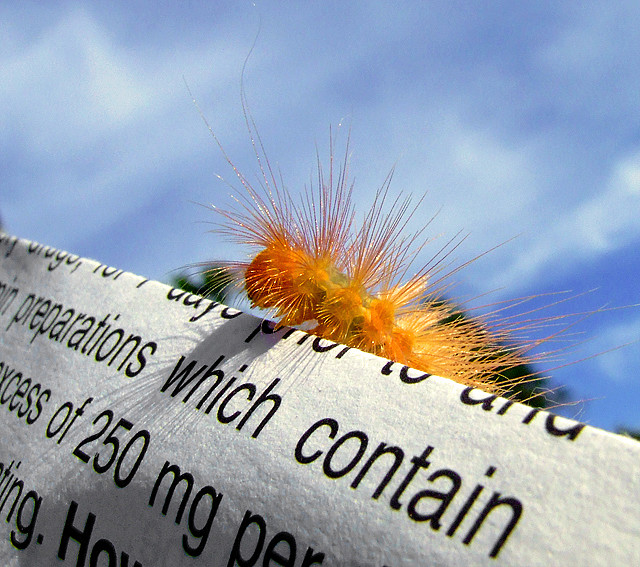
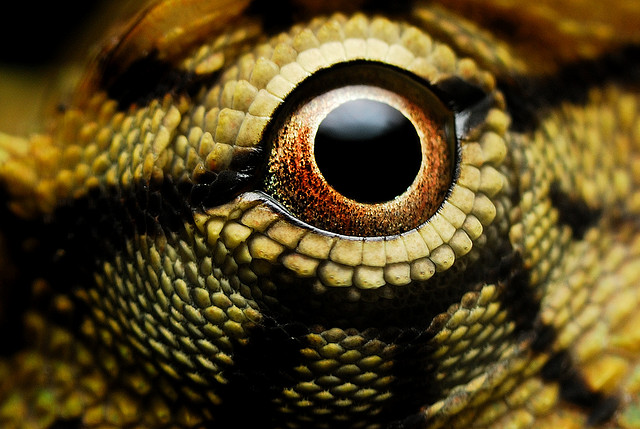
Macro photography is like a secret world. You can capture ordinary objects in a way that the human eye cannot see them, and create captivating images.

Many people immediately think flowers and bugs at the mention of the word macro, but there are so many other great options. This is meant to inspire you to get out there and look at the world a little closer. Find interesting subjects right under your nose – hey, maybe you can even photograph your dog’s nose!

Here’s a few ideas for you including some flowers and bugs:

By @Doug88888

By @Doug88888

By Tasumi1968

By @Doug88888

By @Doug88888

By cobalt123

By tony babcock

By Becky

By Ben Kreunen

By Mahmoudreza Shirinsokhan

By Johann Coetzer

By Brian Wolfe

By Randy Pertiet

By Jonathan Cohen

By Eduardo Millo

By syvwlch

By Martin Heigan

By maury.mccown

By Johan J.Ingles-Le Nobel

By Guy Sie

By Nick Fedele

By Chris Moody

By Brent Pearson

By Paul clarke

By Nick Fedele

By seeks2dream

By Antonio D’Emanuele

By mcdarius

By Mike McCune

By Bram Cymet

By Chechi Peinado

By Vanessa Pike-Russell

By MEMANG RIZALIS ENT.

For more reading on Macro Photography check out these articles:

  • How to focus stack macro images using Photoshop
  • How to photograph snowflakes with a DSLR
  • Tips for near-macro photography with a telephoto lens
  • Fun with macro photography

The post It’s a Small World – the World of Macro Photography by Darlene Hildebrandt appeared first on Digital Photography School.


Digital Photography School

 
Comments Off on It’s a Small World – the World of Macro Photography

Posted in Photography


Our 21 Most Viral Photography Tutorials This Week

12 Dec

This week has been a busy week on our social media accounts with unprecedented amounts of sharing of dPS articles. In fact the last couple of weeks have seen us smash our previous traffic records.

So we thought it might be fun to do a wrap up of the most viral dPS photography tutorials being shared on our different accounts. As you’ll see the lists are quite different depending upon which social media account you follow!

Top 7 FaceBook Shares – Follow dPS on Facebook

Facebook-logo-ICON-02

  1. 21 Settings, Techniques and Rules All New Camera Owners Should Know
  2. 17 Forced Perspective Technique Examples
  3. Five Photography Bad Habits to Quit Today
  4. Beauty and Portraits on a Budget
  5. 9 Crazy Cross Eye 3D Photography Images and How to Make Them
  6. 10 Tips to Take Great Family Portraits
  7. 30 Popular DSLR Lenses Among Our Readers [November 2013]

Top 7 Pinterest Shares – Follow dPS on Pinterest

Pinterest-Logo-Vector-by-Jon-Bennallick-02

  1. Posing Guide: 21 Sample Poses to Get You Started with Photographing Couples
  2. The Ultimate Guide to Learning how to use Your first DSLR
  3. Advanced Tips for Tack Sharp Images
  4. DIY Lighting Hacks for Digital Photographers
  5. Three Lenses Every Photographer Should Own
  6. 6 Techniques for Avoiding Camera Shake
  7. How to Photograph Snowflakes

Top 7 Twitter Shares – Follow dPS on Twitter

Twitter-Logo-Icon-by-Jon-Bennallick-02

  1. 3 Lightroom History Tips
  2. 10 MORE Quick Composition Tips
  3. 16 Digital Photography Tips for Christmas
  4. Start To See Photographically In Six Easy Steps
  5. 3 Ways to Improve Your Images With Composition
  6. “Does my butt look big in this?” – What Clothes to Wear in Portraits
  7. 5 Tips for Building Your Photography Portfolio

I hope you enjoyed this quick round up of what’s being shared around the web from dPS. Thanks to everyone for your engagement and shares!

The post Our 21 Most Viral Photography Tutorials This Week by Darren Rowse appeared first on Digital Photography School.


Digital Photography School

 
Comments Off on Our 21 Most Viral Photography Tutorials This Week

Posted in Photography


Improve Your Black-and-White Photography Skills

11 Dec

In today’s world of digital, taking pictures in black-and-white is something of a lost art form. Color is the dominant way to go, which is something of a pity. While color photography naturally provides a far wider range of shade, a big portion of the appeal of black-and-white photography is the relatively subdued monochromatic character. Still seen as the purest Continue Reading

The post Improve Your Black-and-White Photography Skills appeared first on Photodoto.


Photodoto

 
Comments Off on Improve Your Black-and-White Photography Skills

Posted in Photography


Tips for Landscape Photography in Exotic Places

11 Dec

The Exotic Landscape

Landscape photography is difficult. If you live in a location that lacks spectacular landscapes, or you just fancy going somewhere new, travelling to a new location – especially a beautiful one – may seem like the solution. A few days ,or a week, in a national park or other beautiful spot with your tripod and camera sounds like a great way to create some wonderful new images. What could go wrong?

Actually, plenty. The weather (and consequently the light) might not do what you want. If you are shooting by the sea, the timing of the tides may not be conducive to taking great photos. You may not have time to find the best places to take photos, and be able to get on location when the light is at its best.

I wrote more about that, and the advantages that concentrating on your local landscapes here, in my article The Intimate Landscape – 5 Tips for Better Landscape Photography.

Does that mean you should give up the idea of travel altogether? Of course not. Travel broadens the mind and provides fantastic new photo opportunities. It’s also a lot of fun. But because time is tight when you are travelling, you need to plan well to make the most of the opportunities that come your way. I’m going to show you how in this article.

Do your research before you leave

Research is very important. If your visit is brief, you’re going to be under time pressure. The more preparation you do, the better prepared you will be.

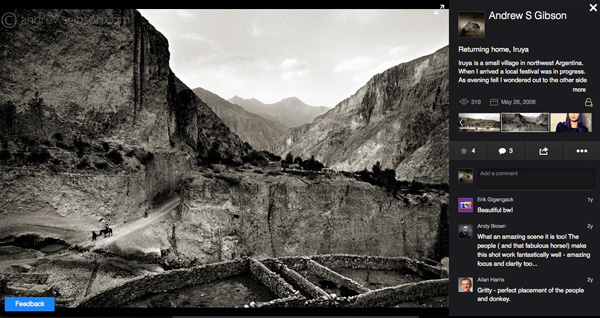
1. Use Flickr and 500px

The Exotic Landscape

Get on both of these websites (Flickr and 500px are both free to join) and search for photos taken in the place that you are going. The results will give you a great idea of the potential of that location. You might also find some new spots, away from the ones that everybody else seems to photograph.

If you are going to a coastal location, try and figure out how the changing tides affect the composition of the images you see. Some places are at their best at high tide, and others are at low tide. If this is the case, do an online search for tide tables. If the best photo opportunities are at low tide, for example, then the ideal time to travel there is when low tide coincides with sunset or sunrise, so you can take advantage of the golden hour and twilight.

Got a question about an image? Why not send the photographer a message and ask for their advice? Not everybody will reply, but you may receive invaluable advice from those that do.

2. The Photographer’s Ephemeris

The Exotic Landscape

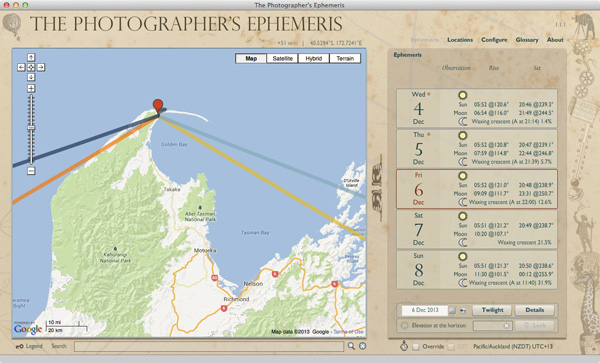
When you are looking at other people’s photos, bear in mind that the light, and the direction it comes from as the sun rises and sets, changes during the year. There’s an easy way to calculate where the sun will rise and set in any given location, at any time of the year. Simply download The Photographer’s Ephemeris – this application will do the calculations for you. It’s free for Windows and Mac OS X; ideal for research before you go, and you can buy apps for smart phones and tablets; useful if you may need to use it while out in the field.

3. Check the weather forecast

The Exotic Landscape

It sounds almost too obvious to mention here, but it’s important to check the weather forecast before you go. Most trips are booked ahead of time, but long range forecasts are only accurate a few days in advance. Checking the forecast helps you prepare.

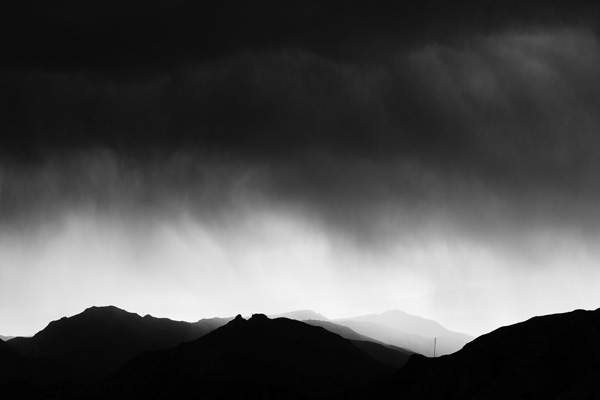
What if the forecast is for rain and cloudy skies? Then you need to work out how you are going to cope with that (for example, you could work in black and white, or concentrate on creating evocative images showing the background blurred out by the rain). If rain is forecast, make sure you have a waterproof camera bag to protect your gear and lens cleaning tissues or cloths to clean water off your front lens element. A cover to protect the camera is also a good idea (you can buy them from Amazon or BH Photo & Video).

4. Take minimal gear

Think about the gear you need to take. It’s a personal choice, but the trick is to find the balance between taking enough lenses and accessories to create great images, but not carry so much that you are so worn out when you arrive at your destination that you are too tired to take photos. For example, on a recent trip I took my 17-40mm wide-angle zoom and an 85mm prime lens (plus cable releases, filters etc). That’s it – because of my preparation I knew that I wouldn’t need anything else.

Tripods are tricky. You need to compromise between weight and stability, not always easy. If you need to buy one, this article (How to Buy a Tripod) covers the factors you should consider.

Don’t forget personal items, such as protective clothing, rain coats, food, wather etc. They all add weight to your load.

5. Be flexible

Good planning gives you a great head start, but don’t be afraid to change plans when you’re on location if you learn something new. Use local knowledge to your advantage. Why not ask the person you deal with in your accommodation, the best places to take photos? You might see postcards, or a local photo book in a shop, that show you new places to take photos. The weather may do something unexpected. Don’t get so locked into your plans that you are unable to see fresh opportunities.

Above all – have fun. Enjoy yourself and create some beautiful images.

Mastering Photography

Mastering Photography

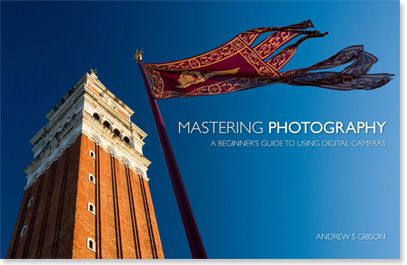
My ebook Mastering Photography: A Beginner’s Guide to Using Digital Cameras introduces you to photography and helps you make the most out of your digital cameras. It covers concepts such as lighting and composition as well as the camera settings you need to take landscape photos like the ones in this article.

Post originally from: Digital Photography Tips.

Check out our more Photography Tips at Photography Tips for Beginners, Portrait Photography Tips and Wedding Photography Tips.

Tips for Landscape Photography in Exotic Places

The post Tips for Landscape Photography in Exotic Places by Andrew Gibson appeared first on Digital Photography School.


Digital Photography School

 
Comments Off on Tips for Landscape Photography in Exotic Places

Posted in Photography


How to Capture the Essence of a Place – Travel Photography Tips

11 Dec

How to Capture the Essence of a Place
Storytelling  Sangay Walking Up Trail to Tiger s Nest Monastery  Paro Bhutan  Copyright 2013 Ralph Velasco

Travel Photography Tips

If you’re a traveler and you enjoy bringing back photos of the places you’ve visited – let’s face it, who doesn’t – then it’s extremely important to capture a set of images that more completely tells the story of the place. To me, the best way to ensure this in my own work is to work from a well thought out and organized shot list. Then I don’t have to worry about trying to remember the categories of images I have yet to photograph, as I have a check list at the ready all the time and I can easily track my progress.

Creating a shot list

The idea of creating a shot list is nothing new. It’s a concept that’s been around since the dawn of photography, and it’s so easy to incorporate into your photography workflow. I research what’s unique about the place so that I know what to be on the lookout for and then I make a list of all the categories of images I’d like to capture before I even set foot in a location. I find the more I know what I’m looking for, the more likely I am to find it. It really is as simple as that.

Scouting a location

Recently I had the opportunity to spend 10 days scouting in the reclusive Kingdom of Bhutan. It is one of the few countries in the world that require you to work with a local guide to drive and show you around the country at all times, that is unless you’re from a small number of surrounding countries, like India, whose citizens can come and go as they please.

Scouting trips are essential to laying the groundwork for the future photo tours I lead to any country, but even more so to this landlocked nation, about the size of Switzerland, but with only about 700,000 inhabitants. During a scouting trip I have a chance to meet, assess and bond with the local guide(s); visit the sites our group will visit; have the experiences they’ll be having; figure out the best times of days to be in certain locations and from where to shoot; and even test out the hotels, modes of transportation, restaurants and other services we’ll be using. But of course I’m also out to capture the quality images necessary to help market the trip to potential clients and to add these to my ever-growing portfolio from around the world. Additionally, although I’m often shooting right alongside my groups, having been to the location allows me to more fully concentrate on helping each participant to bring back the best possible images from their trip.

Dream location – Bhutan

Bhutan is a photographer’s dream, and there seems to be a photo opportunity around every corner from most of the categories on my shot list. But instead of shooting randomly, I try to use my list to track and organize the images I’m after. Maintaining your own shot list is as easy as using a piece of pen and paper, creating a spreadsheet, or simply using a free Notes app on your smart phone. Although, I did find the use of a shot list so important that I actually created an app for iPhone, iPad and iPod touch® called My Shot Lists for Travel to aid me in doing this, and it’s always in my pocket.

Below is a set of images I culled from the many thousands I made during that initial scouting trip, as well as several from the photo tour itself. This select group of images is meant to give viewers a high level sense of what the country of Bhutan is about, and what one might expect on a visit there. I could, of course, add dozens of other images from additional categories (food, interiors, sacred sites, details, etc.) to help create a complete cultural portrait of Bhutan, and when I put together my slideshow presentations I certainly have the chance to do that, but unfortunately space doesn’t allow here. Perhaps in a follow up article I’ll continue this theme.

The following categories are presented in alphabetical order:

ARCHITECTURE
Travel Photography Tips Architecture  Punakha Dzong  Punakha Bhutan  Copyright 2013 Ralph Velasco

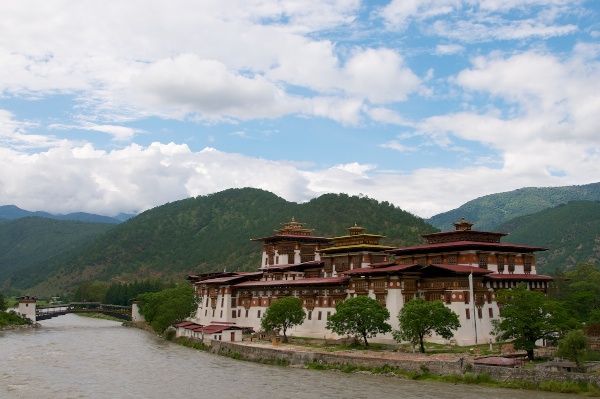
The architecture in Bhutan is extremely unique and it’s rare to find a single building that doesn’t adhere to this strict building convention. The “dzongs,” or fortresses (Punakha Dzong is pictured here), that dot the country are icons, and as such they’re an essential part of the visual story I want to tell.

EVERYDAY LIFE
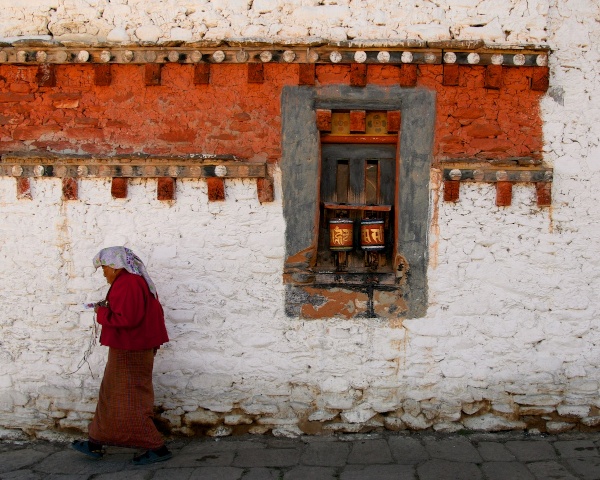
Travel Photography Tips - Everyday Life  Woman Spinning Prayer Wheels at 7th Century Monastery  Bumthang Bhutan  Copyright 2013 Ralph Velasco

It’s extremely important to show the local people just doing what they do. It might be standing in doorways, sweeping the local monastery courtyard, or filling butter lamps. As is the custom in Bhutan, many people, from young to old, are found at the local monasteries spinning everything from very large prayer wheels (with the right hand only and in a clockwise direction) to personal ones as they walk, again clockwise, around the building.

LANDSCAPES
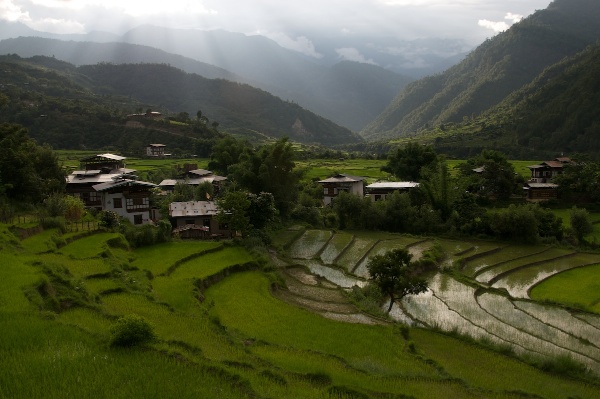
Travel Photography Tips Landscapes Sunset Over Rice Paddies  Punakha Bhutan  Copyright 2013 Ralph Velasco

Capturing the landscapes in Bhutan is a must. Here, venturing just outside the town of Punakha, on a fairly rough dirt road, we came upon yet another series of rice terraces spilling down the hillside. At this time of year (image above), during the summer monsoon season, the fields are an almost neon green, and just as the sun was falling behind the nearby mountains, considered foothills to the mighty Himalaya nearby, we pulled off the side of the road and I was able to make a few images before the good light was gone. Summertime is a great season to highlight the very green rice fields and other local vegetation. Come fall and winter, however, this area is completely dry and brown and a different photo opportunity presents itself (below).
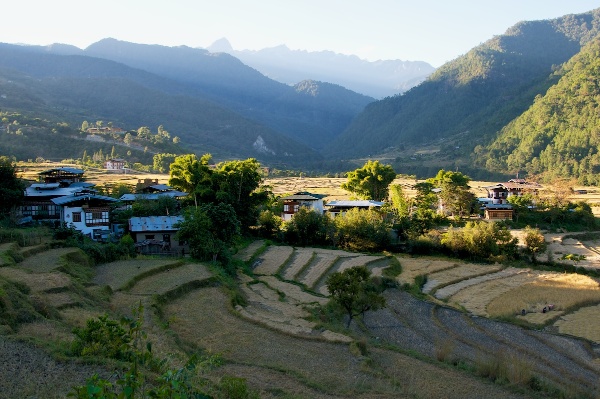
Travel Photography Tips Landscapes Dried Up Rice Paddy Landscape in November  Punakha Bhutan  Copyright 2013 Ralph Velasco

MAN-MADE WONDERS

Travel Photography Tips - Man Made Wonders - Tigers Nest Monastery in Complete Fog  Paro Bhutan  Copyright 2013 Ralph Velasco

Travel Photography Tips - Man Made Wonders - Tiger s Nest Monastery in the Mist  Paro Bhutan  Copyright 2013 Ralph Velasco

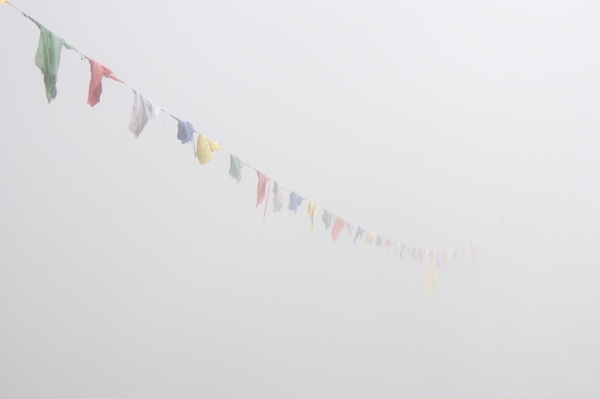
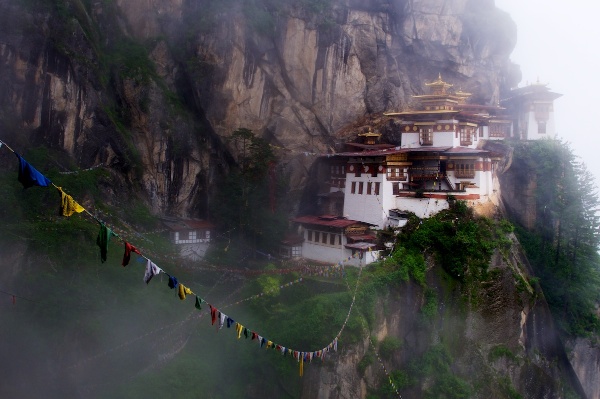
The Tiger’s Nest monastery is a classic example of a man-made wonder. First constructed in the late 1600s (it’s since burned down and been rebuilt several times) at almost 3,000 feet above the valley floor on a sheer cliff face, this architectural wonder is a great way of demonstrating man’s ingenuity and building skills. These images were made from the local viewpoint, just across a gaping chasm with a 1,000-foot drop. In the summer, weather is a bit unpredictable, but that can make for some great photo opportunities. I’d prefer to shoot on the fringes of inclement weather any day, as opposed to a plain blue sky, it just makes for much more interesting images. In the first image above I wanted to show what the scene looked like upon arrival, the prayer flags disappearing into the fog. But a bit of patience, one of the photographer’s best qualities (along with curiosity), paid off as the low lying clouds came and went, eventually revealing the Tiger’s Nest in an otherworldly haze, adding to its mystery.

NATIVE CLOTHING
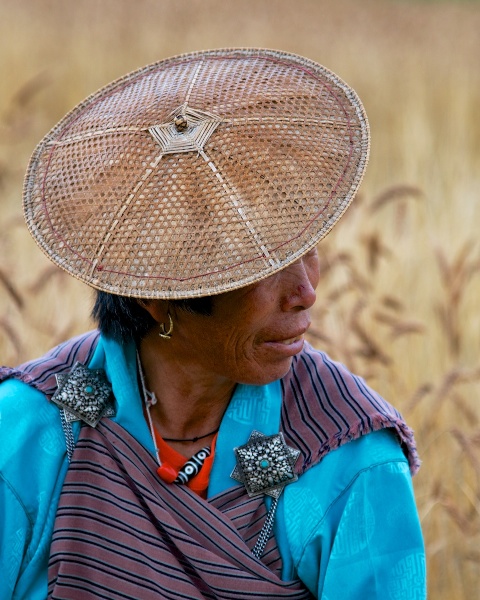
Travel Photography Tips - Native Clothing - Woman in Kira in Wheat Field  P  Bumthang Valley Bhutan  Copyright 2013 Ralph Velasco

The people of Bhutan wear very distinctive clothing. The women wear what’s known as a “kira,” often accented by two broaches, as in the first image above. Some of these broaches are antiques and have been handed down to each successive generation and can be worth thousands of dollars. Again, something very distinctive to this place. I encountered this particular woman as she was picking wheat in a field in the Bumthang Valley. Asking my guide/driver to pull over to the side of the road, I climbed over several fences and negotiated some muddy trails to get closer, but I like to think the result was worth the effort. She’s also wearing a traditional bamboo hat often seen in this part of the country, and I certainly want to highlight that.
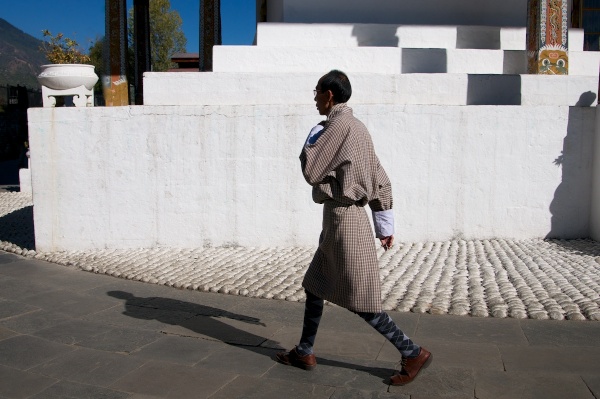
Travel Photography Tips- Native Clothing - Man in a Gho with Shadow  Thimpu Bhutan  Copyright 2013 Ralph Velasco

Men, on the other hand, wear what’s called a “gho.” This single piece of cloth, expertly wrapped around the man’s body and accented by the often white, rolled up sleeves, is seen everywhere in Bhutan, from the young school boys to the older men spinning their prayer wheels. The addition of a simple shawl is required to be draped over the man’s shoulder and around his waist as he enters the very sacred dzongs where it’s of the utmost importance to show respect for country and king. Our guide, Sangay, said that it’s law that during working hours a man must wear a gho. One of my tour participants asked him what the penalty is if a man is caught not wearing a gho, and Sangay said, “There is no penalty, it just doesn’t happen.”

PEOPLE
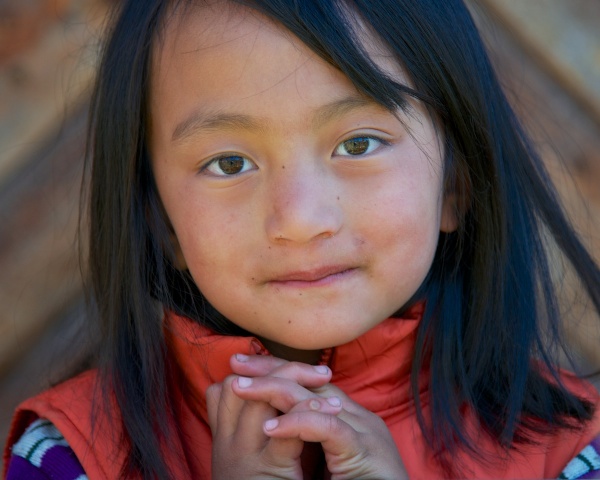
Travel Photography Tips - People - Little Girl with Hands Folded at Pepper House  Bumthang Valley Bhutan  Copyright 2013 Ralph Velasco

Travel Photography Tips - People -  Time in a Face  Thimpu Bhutan  Copyright 2013 Ralph Velasco

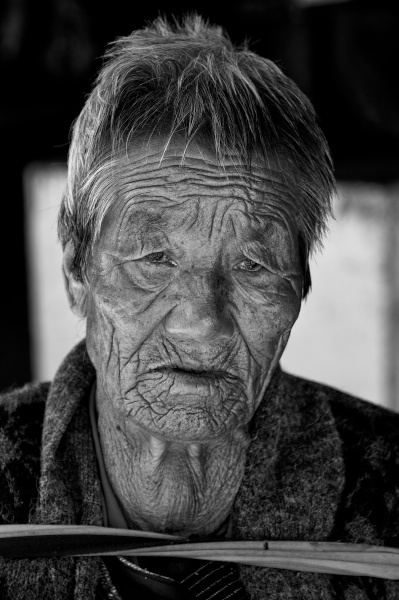
As in any country, a people are their culture, and undoubtedly Bhutan is no exception. The people photo opportunities are virtually endless in this nation where everyone seems to be outside most of the time (the interiors of the houses can be very dark and smoky from the wood burning stoves and lack of quality electricity). Although I do make an effort to get inside of people’s homes to experience this essential part of a place, as well. Getting out early in Bhutan will often be rewarded, allowing you to capture the children on their way to school, and the adults on their way to work, all generations dressed in their traditional ghos and kiras.

STORYTELLING
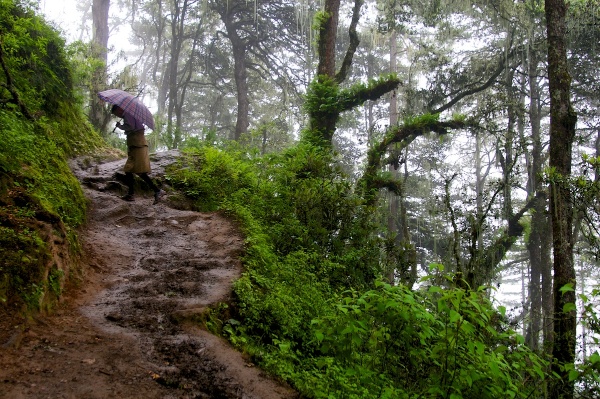
Travel Photography Tips - Storytelling  Sangay Walking Up Trail to Tiger s Nest Monastery  Paro Bhutan  Copyright 2013 Ralph Velasco

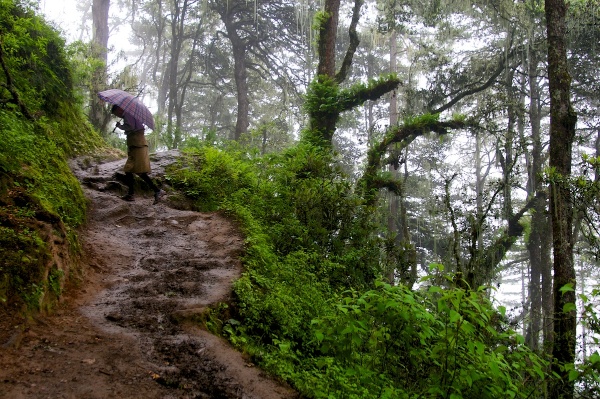
Although it’s a good aspiration, not every image has to be worthy of a magazine cover. Sometimes it’s important just to make an image so that you can convey the story behind it. In this shot I simply wanted to show the condition of the trail we took to get up to the viewpoint overlooking the infamous Tiger’s Nest Monastery near Paro, Bhutan. It’s not going to win any awards, but I think it conveys this idea, which was my intention.

Final words of advice

So my recommendation is to work from your physical shot list, not try to commit it to memory or shoot whatever presents itself at the time. The more prepared you are for the photo opportunities you seek, the more you’ll find them, I can almost guarantee it. Have a goal of five solid images in each category before you tick it off your list, as this will provide you with options when it comes to putting together that book, website or slideshow presentation later.

Finally, know that any single image may represent two, three or even five or more categories, so there can be some crossover.

Post originally from: Digital Photography Tips.

Check out our more Photography Tips at Photography Tips for Beginners, Portrait Photography Tips and Wedding Photography Tips.

How to Capture the Essence of a Place – Travel Photography Tips

The post How to Capture the Essence of a Place – Travel Photography Tips by Ralph Velasco appeared first on Digital Photography School.


Digital Photography School

 
Comments Off on How to Capture the Essence of a Place – Travel Photography Tips

Posted in Photography


5 Good Photography Habits to Start Today

10 Dec

Last week I talked about Five Bad Photography Habits to Quit! Today, I want to talk about five good photography habits you want to start today.

1. Shoot every day

gracie-may-photography-18

Those 365 projects are magical. They encourage participators to take at least one shot every single day. Shooting every day is a really great habit for all photographers. Here are some of the benefits of this habit:

  • You will excel in your capabilities
  • You will start to see the world photographically and frame scenes with your mind’s eye
  • You will be recording your life. This doesn’t always seem important at the time, but later on, you’ll look at those shots and be like “hey, I forgot about that!”

Those are just a few reasons that shooting every day is a great habit to get into. Further reading: Consider starting into a Photography Project 365 this New Year

2. Leave your camera at home

It seems kind of contradictory to habit #1, but leaving your camera at home can be a great habit to get into, especially for parents. I knew I’d overstepped my boundaries when my kids started saying, “Mom, you’re not bringing you camera are you?” I learned to harness the power of my phone’s camera to record memories without intruding on those moments with my massive SLR. Additionally, SLRs can be really impractical, and dangerous. I’m surprised my kids haven’t had concussions from some of the times I’ve bent over and hit them in the head with my camera!

Learning to harness the power of your device camera can be really liberating. Further reading: iPhone Photography

3. Keep notes

By Geek Calendar

Start keeping notes with your ideas, inspirations, color schemes…anything! I keep so many notes in my phone with ideas and inspirations. There are a few different ways to do this.

  • You can make a physical notebook with written notes and images torn out of magazines
  • Pinterest is an amazing (and addictive) resource for compiling photography ideas. Props, poses, locations, etc.
  • I personally love the app Evernote for keeping my notes easily accessible across all my computers and devices

This can be a great habit to keep you inspired or give you somewhere to start when you find yourself with time on your hands but nothing in your head.

In addition to keeping notes for inspiration, keeping records from shoots is a great habit that will really pay off. This can mean many things like:

  • Keeping detailed records of shoots with location information, info about the time of day, season, camera settings used, lighting set up, tips to remember for next time (like ‘the parking wasn’t free’)
  • Keeping records while editing is one thing that I’ve regretted not doing many times. When you’ve nailed an edit, keep a record of the steps you took or the resource you used (Photoshop actions, Lightroom presets, etc) so you have something to refer to next time you edit or if someone asks, you how you did it. When working with actions in Photoshop, I often leave an unflattened version saved as a Photoshop file (.PSD) to refer to later.

4. Backing up

By Jeremy Derr

One of the best possible habits you can start – like yesterday – is backing up your computer religiously. Many  photographers have had their entire history lost because they didn’t back up their hard drives. A few ways you can do this:

  • Back up to physical hard drives using a disk cloning program or an automated system you don’t need to think about. However, this doesn’t protect against theft, destruction (water spill!) or other disasters. You also need to backup in a way that keeps your files away from your computer or even your home/office.
  • You can use a wireless hard drive like Apple’s TimeMachine to zoom your files to an area in your home that isn’t attached directly to your computer.
  • You can backup using online cloud storage. This can be as simple as utilizing Dropbox to drop your files off for safekeeping. But two words of caution: 1.) If you have an absolutely huge amount of files (as in terabytes) DropBox won’t be enough unless you want to pay. However, any service that allows you this much storage will charge you. 2.) If your internet service has an upload limit, be careful. When you do your first big file dump (like a wedding or shooting for a whole day) you may hit your limit and get penalties. These days, most internet providers no longer have these restrictions, but some (like mine) still do so it’s worth checking.
  • You can backup to disks. I’ve burned most of my older files to BluRay as a third mechanism for protecting my files.

In short, find whatever ways you can to keep your files completely safe. You’ll be thankful you did if something happens.

5. Look at photography

I’m amazed about how many photographers can’t name photographers they love most or photographers who have inspired their work. This begs me to ask…are you looking at photography? Do you think any musicians draw a blank when asked what music they draw their influences from? Or painters? Or writers? What goes in, comes out. You must must must get into the habit of soaking up imagery on a regular basis. Become a fan of photography – not just making it, but enjoying it. Visit exhibits. Read books. Scan the web. Some tips for viewing photography:

  • Don’t only view the genre(s) that you like to make. Just because you like taking portraits, that doesn’t mean you can’t become a fan of a great landscape photographer.
  • Don’t be afraid to copy. Photography stands alone in so many ways but it doesn’t have to. One way is that we’re afraid to admit what photographers inspire our work because we think that in saying this, we’re saying that we think we’re like them. This isn’t true in photography any more than in the music industry or any other art form. Another way we stand alone is that we’re afraid to copy. Because of the internet and the pervasiveness of intellectual theft, we’re afraid to experiment with copying. Now, I’m not talking about plaigarism or peddling someone else’s ideas as your own. Further reading: 15 tips for copycatting your way to success.
  • Learn to read images. When you view a piece, stop for a moment and really soak it in. This can be hard these days when we’re chasing content faster than ever before. But stop, breathe and enjoy. Further reading: how to read a photograph

Also, viewing photography can be a great substitute when you’re not in a position to get out and shoot or when in a rut.

These have only been five habits and I’m sure there are many more! What helpful habits do you have?

Post originally from: Digital Photography Tips.

Check out our more Photography Tips at Photography Tips for Beginners, Portrait Photography Tips and Wedding Photography Tips.

5 Good Photography Habits to Start Today

The post 5 Good Photography Habits to Start Today by Elizabeth Halford appeared first on Digital Photography School.


Digital Photography School

 
Comments Off on 5 Good Photography Habits to Start Today

Posted in Photography


Film vs. Digital in Large-format Photography: Which Is Better?

09 Dec

French photographer Marc Riboud said, “Taking pictures is savouring life intensely, every hundredth of a second.” Although astounding, the human ability to capture and store moments in image rich memory is limited. Visual encoding start with perception follows through to the moment when it is committed to memory and then reaches the period after in which the memory is retained. Continue Reading

The post Film vs. Digital in Large-format Photography: Which Is Better? appeared first on Photodoto.


Photodoto

 
Comments Off on Film vs. Digital in Large-format Photography: Which Is Better?

Posted in Photography