RSS
 

Posts Tagged ‘Photography’

Motrr Galileo puts new spin on iPhone panorama photography

09 Dec

DSC00424.jpg

The Motrr Galileo works in combination with the Sphere iOS app to automate the panorama capturing process with much more precision than handheld shooting allows. This speeds the entire process up considerably and should, at least in theory, lead to better image results. We put it to the test on connect.dpreview.com.

News: Digital Photography Review (dpreview.com)

 
Comments Off on Motrr Galileo puts new spin on iPhone panorama photography

Posted in Uncategorized


Resources for Better Landscape Photography

09 Dec

Just a quick post to give you a few places to look for tips on doing better landscape photography.  Links to a few recent articles, and a couple of ebooks for you to check out..

Ebooks

On sale now 50% off (expires December 15th, 2013)

Landscape Photography – The Entire eBook Collection

This eBook collection has been a really strong seller over at our sister site – SnapnDeals. It’s six landscape eBooks at a great price.

1385693865783537786

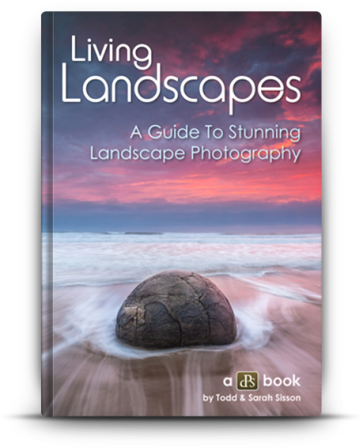
Also don’t forget to check out our own best selling Landscapes eBook – Living Landscapes – which launched earlier this year.

Living Landscapes – a Guide to Stunning Landscape Photography

Some recent articles about landscape photography:

  • The Intimate Landscape – 5 Tips for Better Landscape Photography
  • Wide Angle Lenses and the Landscape
  • A Day at the Beach – Seaside Landscapes
  • How to Shoot Landscapes at Sunset 
  • Composing Dynamic Landscape Images
  • 4 Essential Ingredients for Great Landscape Photographs

Do you have some other good sources? Share in the comments below – or share your landscape images!

Post originally from: Digital Photography Tips.

Check out our more Photography Tips at Photography Tips for Beginners, Portrait Photography Tips and Wedding Photography Tips.

Resources for Better Landscape Photography

The post Resources for Better Landscape Photography by Darlene Hildebrandt appeared first on Digital Photography School.


Digital Photography School

 
Comments Off on Resources for Better Landscape Photography

Posted in Photography


30 Street Photography Images to Inspire You

07 Dec

Street Photography – that subject that makes many an experienced photographer run and hide. Done well, it documents daily life, society as we know it today.

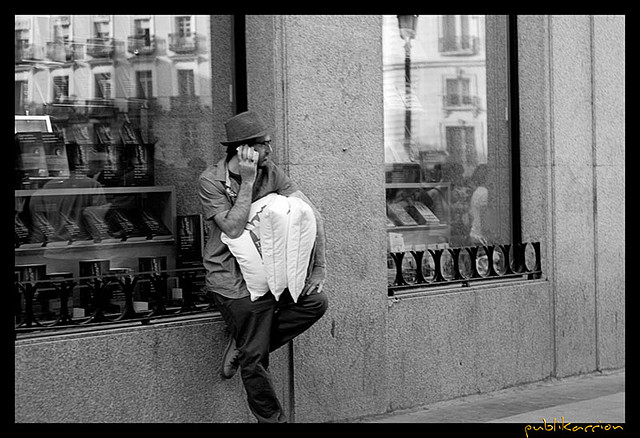
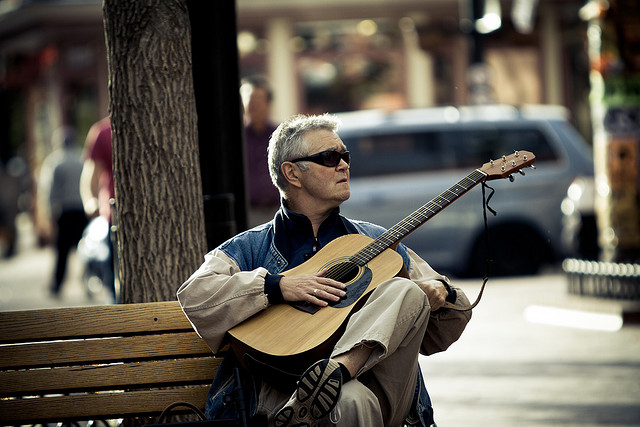
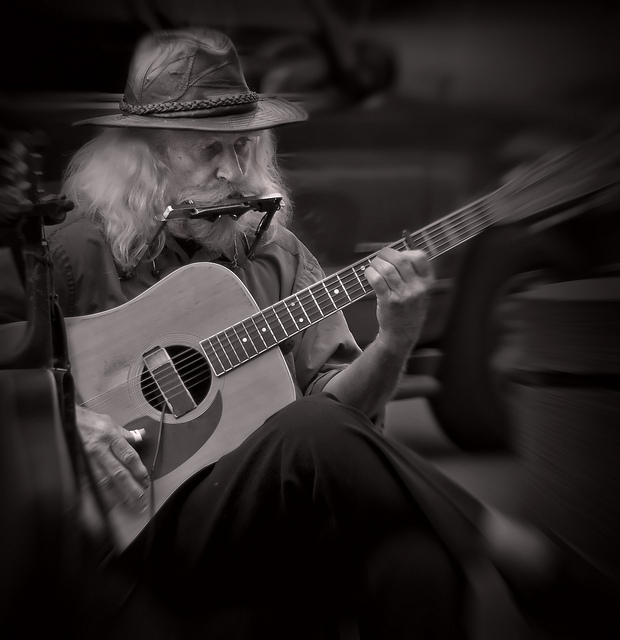
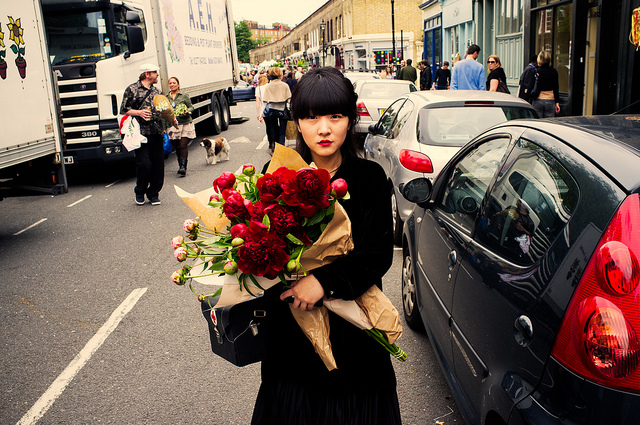
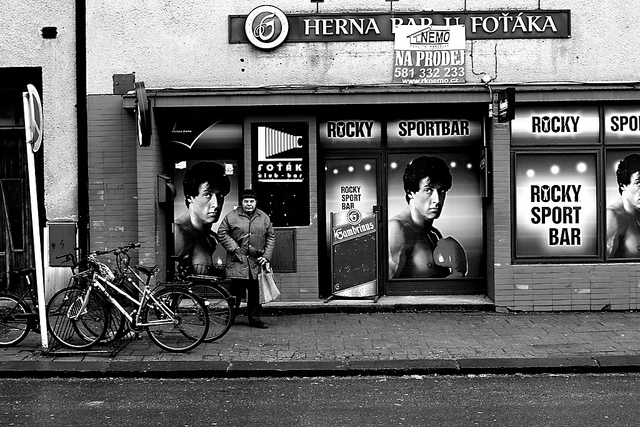
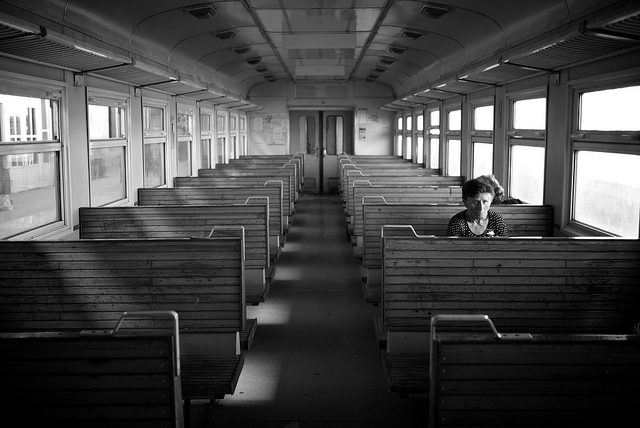
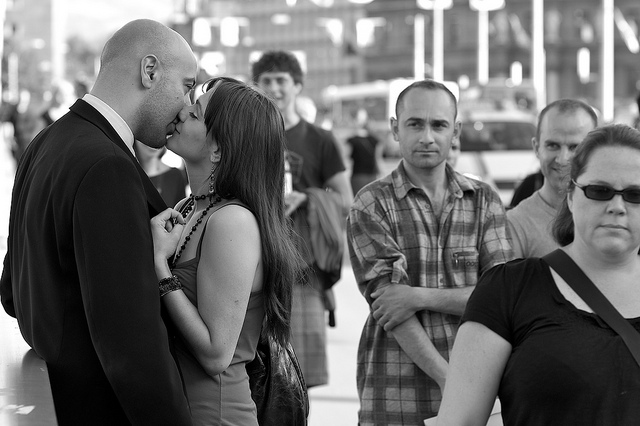
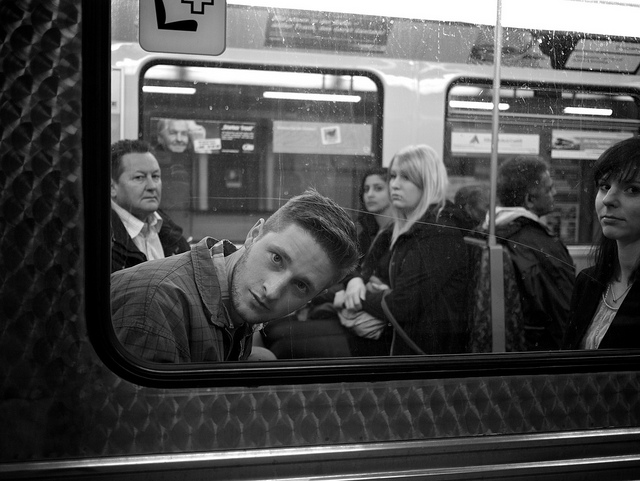
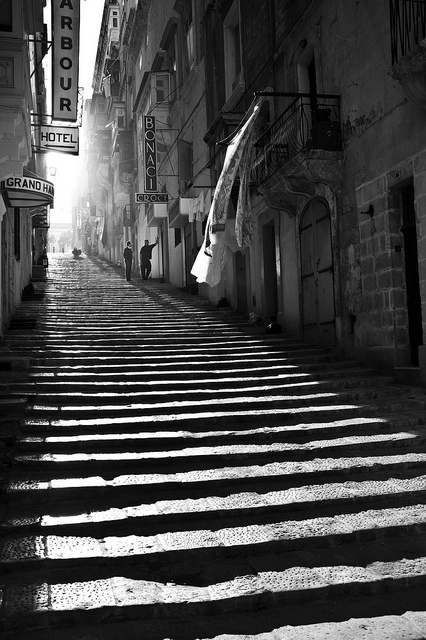
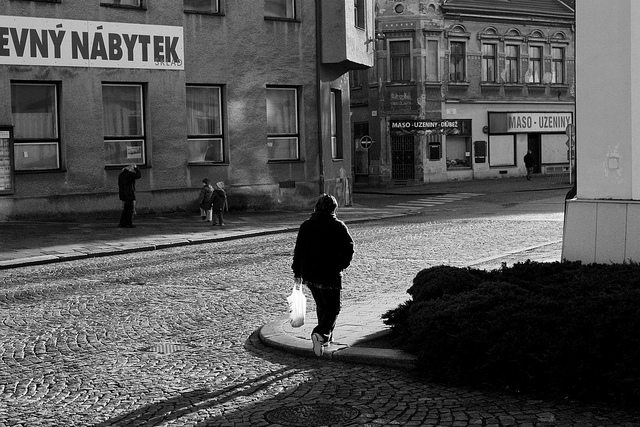
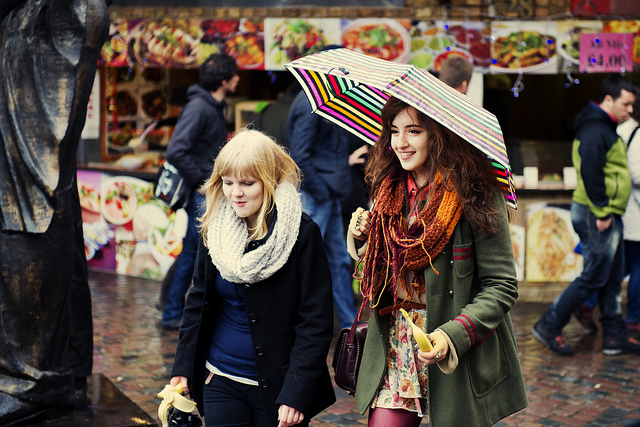
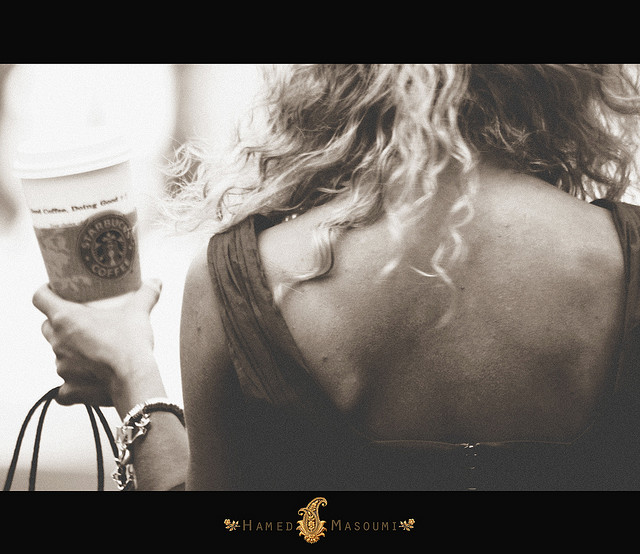
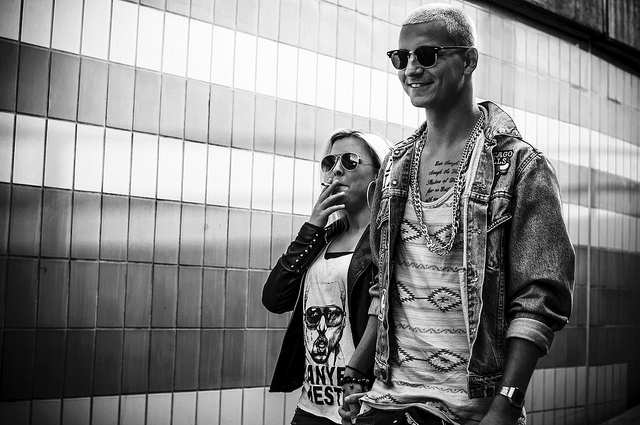
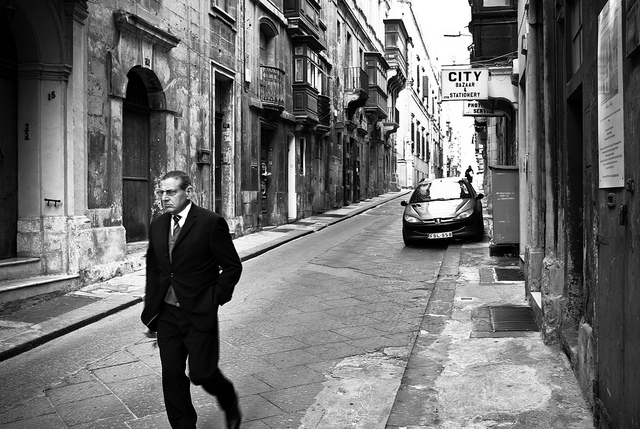
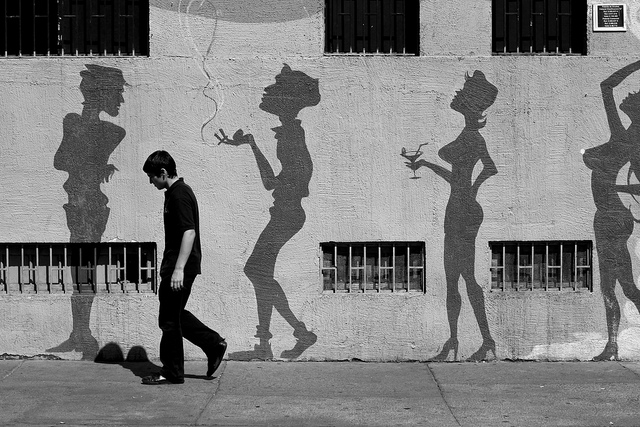
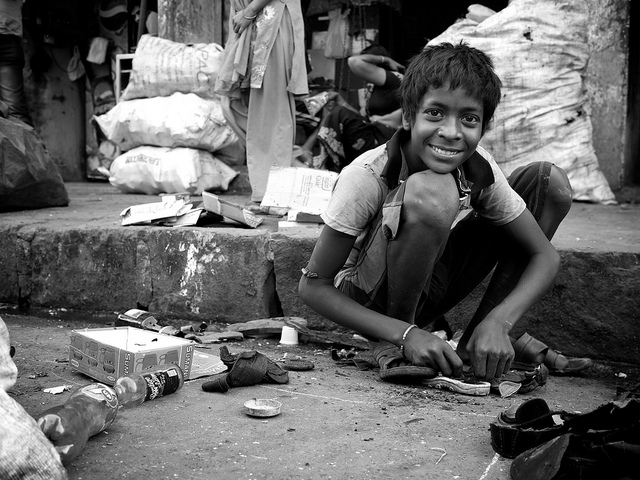
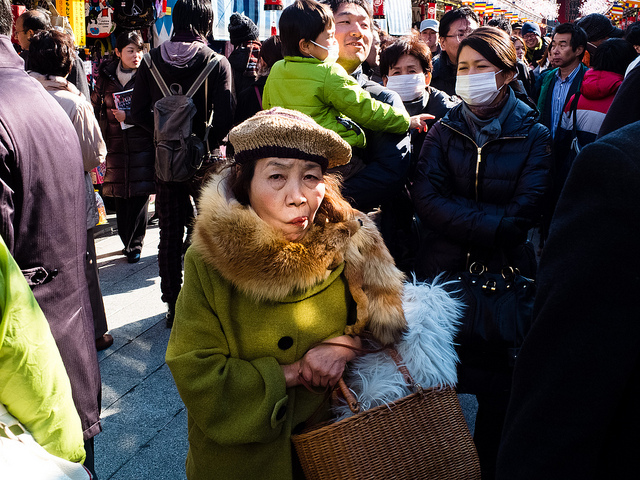
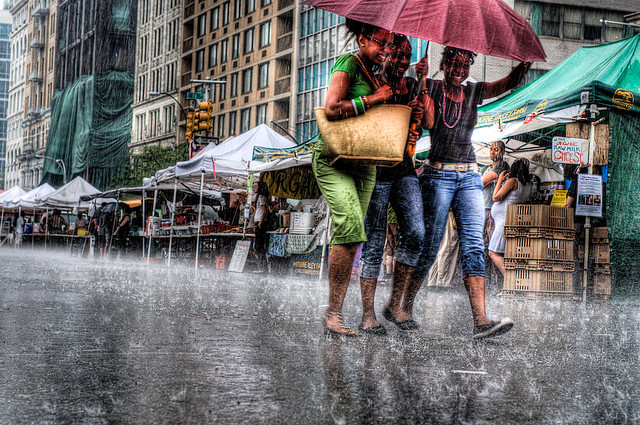
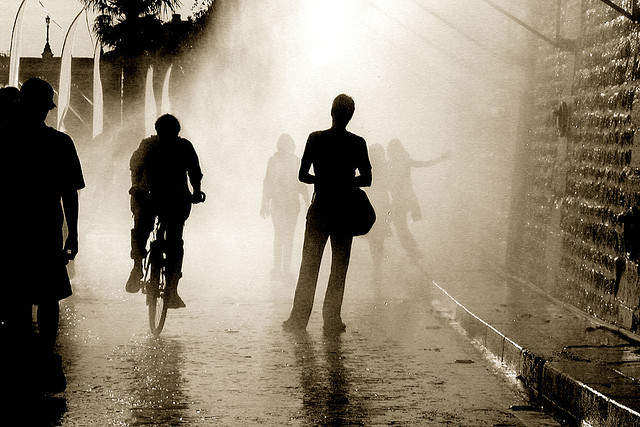
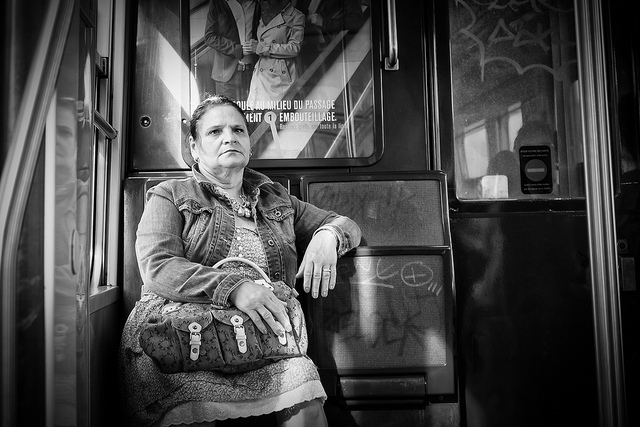
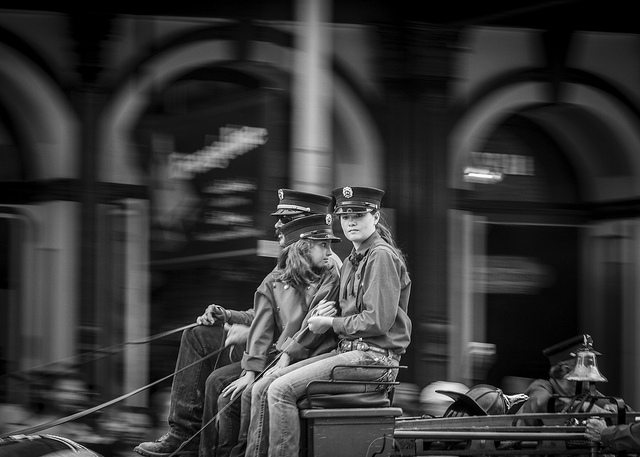
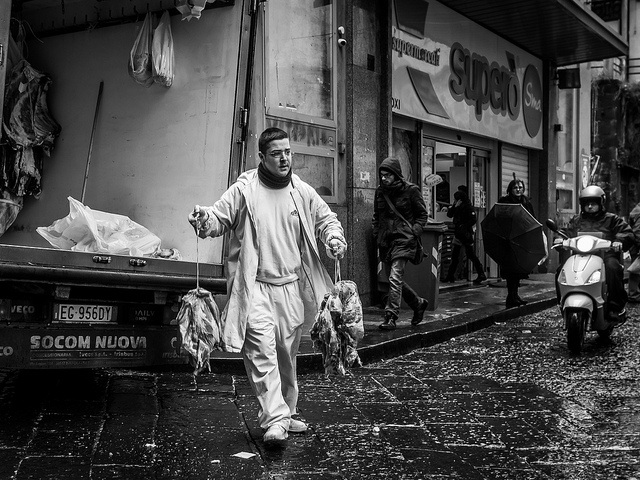
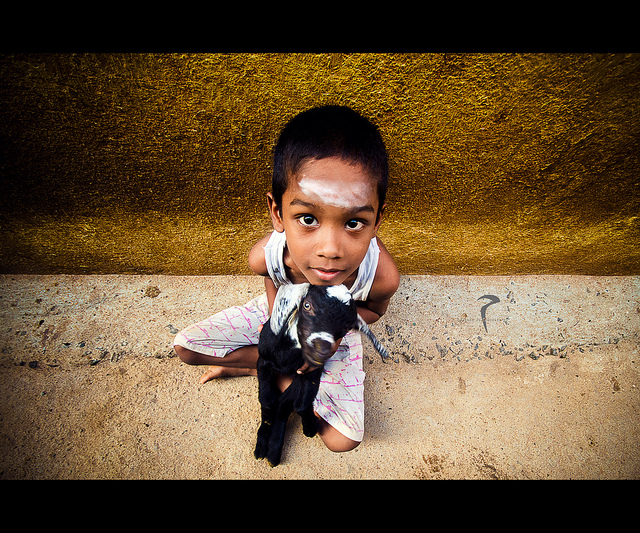
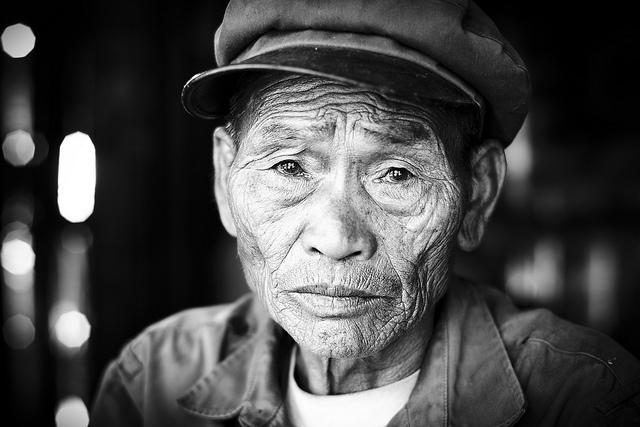
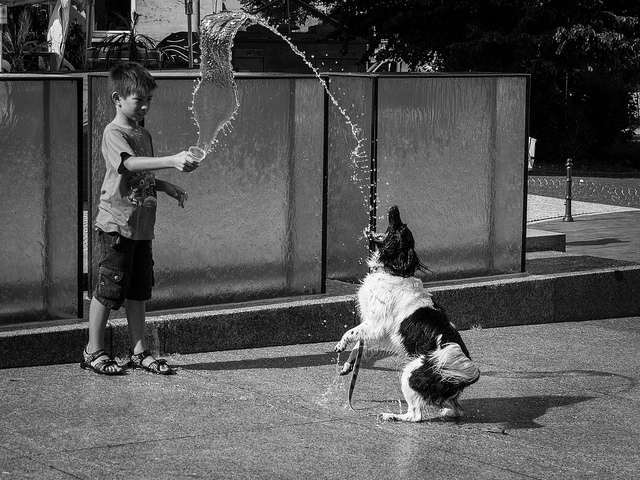
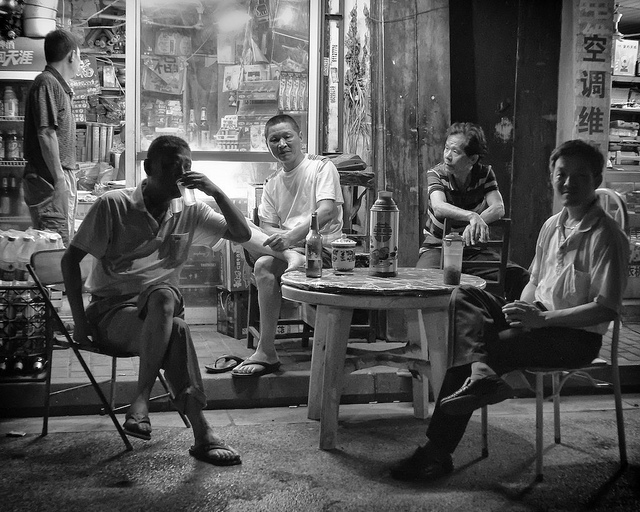
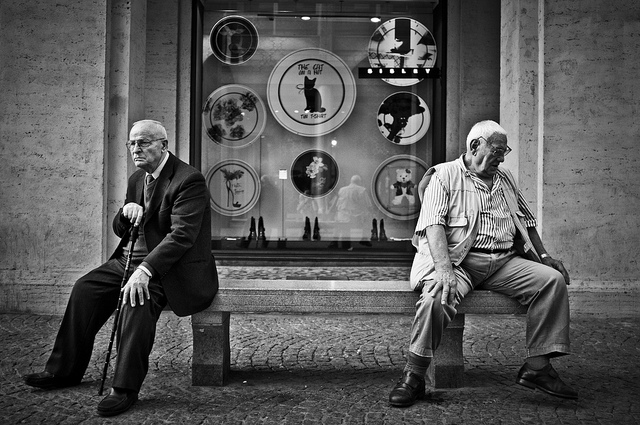
Today I want to share some street photography images I found particularly good for different reasons. Whether you do this type of photography or not, appreciate the art and skill and enjoy these images. Notice there are a lot of black and white images. It’s pretty common for street photography as it really narrows down to the subject, light and shape.

By publikaccion

By Stepan Mazurov

By praline3001

By Chris JL

By Pavel P.

By Thomas Leuthard

By Thomas Leuthard

By Thomas Leuthard


By gato-gato-gato

By Pavel P.

By Chris JL

By Hamed Masoumi

By Ines Njers

By gato-gato-gato

By Geraint Rowland

By Thomas Leuthard

By Thomas Leuthard

By Takeshi Garcia

By Eric

By Phil Hilfiker

By Charly ‘n Paris

By micadew

By Mario Mancuso

By Chris Ford

By Rakesh JV

By Björn Bechstein

By helmuthess

By DaiLuo

By Emanuele Toscano

By Thomas Geiregger


Post originally from: Digital Photography Tips.

Check out our more Photography Tips at Photography Tips for Beginners, Portrait Photography Tips and Wedding Photography Tips.

30 Street Photography Images to Inspire You

The post 30 Street Photography Images to Inspire You by Darlene Hildebrandt appeared first on Digital Photography School.


Digital Photography School

 
Comments Off on 30 Street Photography Images to Inspire You

Posted in Photography


Street Photography – Weekly Photography Challenge

07 Dec

Something that tends to strike fear into the heart of many new photographers is street photography. So today I’m going to urge you to get out of your comfort zone and go try it. I teach a travel photography class and when I share my photos of different exotic places, it’s always the street photography, and in particular the people photos, that get my students most excited.

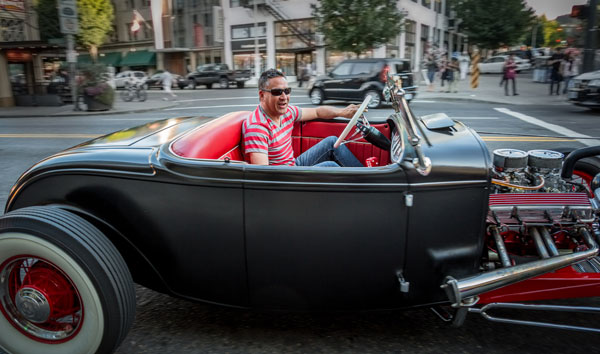
Taken during a photowalk in Portland, OR. This guy was stopped at a light and I took about 20 photos of him in 30 seconds. Made him laugh! If he had minded he would have said something, or gestured - if you get my drift.

Taken during a photowalk in Portland, OR. This guy was stopped at a light and I took about 20 photos of him in 30 seconds. Made him laugh! If he had minded he would have said something, or gestured – if you get my drift.

To me, it’s the people that make a place what it is; they are the essence, the culture. But that fear of photographing a stranger, in a public place, and actually having them see you take their photo is a biggie. Am I right?

Getting outside your comfort zone, doing something you don’t normally do, stretching your limits – that’s where real growth will occur. If you want to take your photography to the next level, give it a try and push yourself a little. You don’t need to travel to do this kind of photography. The two images below are done in my own city.

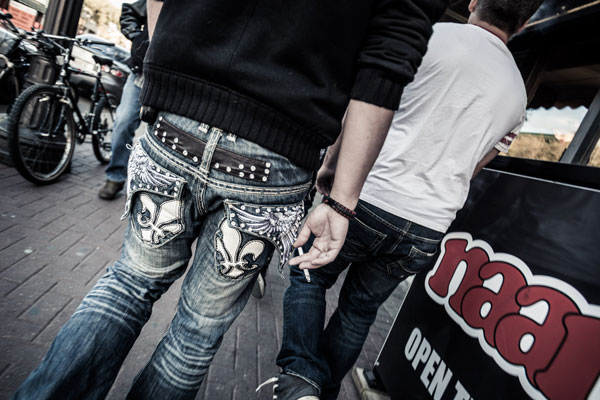
I was basically running behind these guys with a wide lens. Good timing is everything in street photography.

I was basically running behind these guys with a wide lens. Good timing is everything in street photography.

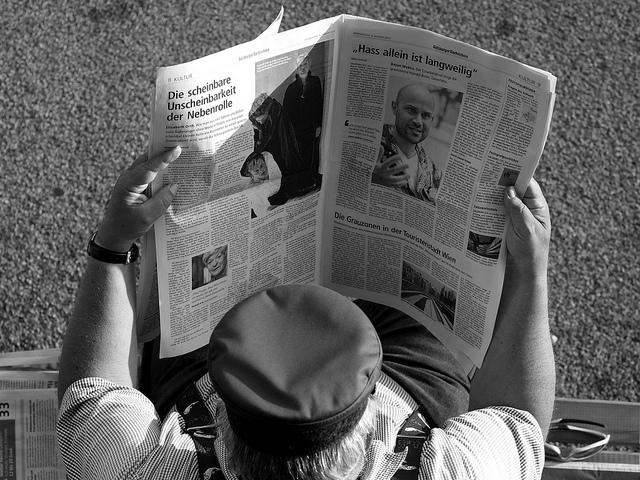
The other approach is talking to people. I chatted with this guy for 10 minutes. Then gave him $  2 for his newspaper (how he makes a living) and took his photo.

The other approach is talking to people. I chatted with this guy for 10 minutes. Then gave him $ 2 for his newspaper (how he makes a living) and took his photo.

Yesterday I posted 30 inspiring images of street photography, go have a look to get you fired up. Then find some a friend to go with you (even if they aren’t taking photos) and hit the pavement.

Your challenge this week – street photography

Get out there and walk around. Photograph what grabs your eye including architecture, traffic, people along the way – everything! Be fearless, you can do this!

To help you out – here are some other great articles with more tips to get started and overcome the fear.

Further reading to help you gather courage for street photography

  • Using Street Photography to see Beyond the Ordinary
  • 103 Things I’ve Learned about Street Photography 
  • My 30 Day Adventure with the Fuji x100s
  • Seeing and Street Photography 
  • How to Approach Street Photography in 12 Easy Steps
  • Terrified of Street Photography? So am I – here’s how I do it!

Post originally from: Digital Photography Tips.

Check out our more Photography Tips at Photography Tips for Beginners, Portrait Photography Tips and Wedding Photography Tips.

Street Photography – Weekly Photography Challenge

The post Street Photography – Weekly Photography Challenge by Darlene Hildebrandt appeared first on Digital Photography School.


Digital Photography School

 
Comments Off on Street Photography – Weekly Photography Challenge

Posted in Photography


Strange Photography Classes You’ve Never Considered

07 Dec

Sure, you know all about f-stops and composition. You’ve taken classes on lighting and landscape photography. But there’s a lot you don’t know — and a long list of photography classes and workshops that you’ve never even considered.

Here are a bunch of them.

Photograph Ghosts, Ghoulies and Things That Go Bump in the Night

You might have taken a photography class that taught you how to shoot a still life but how about a workshop that will show how to shoot dead things — or at least create photographs that appear to contain dead things?

Night photographer Lance Keimig runs three-night workshops among the historic monuments of Sleepy Hollow Cemetery. Participants have both classroom and field instruction where they learn how to shoot tombstones and mausoleums by moonlight. Ichabod Crane’s headless horseman is also expected to make an appearance and strike a pose. Just don’t ask him for a headshot.

Slightly less scary are Vintage Vixens’ Halloween-themed workshops. Instead of creeping around a graveyard in the middle of the night, you’ll be standing around a stately home in Baltimore, photographing models dressed in Gothic Halloween costumes.

And if that still sounds a little creepy, you can always fake it.

The Spirit Photography Workshop at George Eastman House will teach you the basics of making wet collodion tintypes. With that knowledge under your belt you’ll be able to create the kind of spooky ghost imagery that had 19th-century viewers reaching for their Ouija boards.

Beware of the Bears

Wildlife photography workshops are a dime a dozen (or, more accurately, several hundred bucks a session) but if you’re looking to focus on one kind of wildlife in particular, you can do worse than shoot bears.

The American Bear Association combines lessons in the natural history of the American Black Bear with an opportunity to photograph the animals in their natural environment. The Black Bear Photo Workshops are held at the 360 acre Vince Shute Wildlife Sanctuary in Minnesota. The workshop lasts for three days, and provides an opportunity to photograph the 50 bears known to frequent the park — as well as other wildlife, including whitetail deer, wolves, chipmunks, butterflies and birds.

If you’re looking for something a little more adventurous than Black Bears though, you could take a trip with the Aperture Academy to Norway to photograph polar bears. The academy is runs by master photographer Stephen W. Oachs who takes photographers out to the Svalbard archipelago of northern Norway. Home to about 3,000 polar bears, the archipelago contains one of the world’s largest concentrations of very dangerous, giant-clawed bears.

You’ll be cruising the fjords, shooting in 24-hour sunlight and in addition to photographing very strong and very hungry carnivores, you’ll also have a chance to capture some more sedate glaciers, walruses, reindeer, arctic foxes, whales, seals, puffins and fulmars. Dress warm but try not to look like a seal.

P-P-P Picture a Penguin

Photographing both Black Bears and Polar Bears would be one way to produce some interesting black and white photography. But when you’re finished in the Arctic, you could head to the other side of the world and put both colors in one picture by photographing penguins.

They’re not as savage as polar bears and their teeth aren’t quite as sharp but they are picturesque and they come in more varieties. The trip to the Falkland Islands, which includes a couple of days in Chile, provides an opportunity to photograph Rockhopper, Magellanic, King, Gentoo and perhaps Macaroni penguins too. The trip is timed to coincide with the breeding season so there should be lots of chicks to shoot, as well as striated caracara, skua, pied oystercatchers, upland geese, kelp geese, Falklands flightless steamer ducks, black-crowned night herons, and dolphin gulls.

At $ 4,795 a head (with a $ 200 single supplement) the nine-day January trip isn’t cheap but the next outing is already nearly fully booked.

Capture a Speeding Car

Penguins aren’t known for their speed so if you’re looking for something with a bit more adrenaline, you could go for one of the many car racing workshops.

David Allio’s career as a  professional motorsports photographer spans four decades. He has been the official track photographer for at least ten different racetracks and the official series photographer for the NASCAR Winston Racing Series. He takes photographers out to the Las Vegas Motor Speedway and the Neon Garage to learn how to shoot Superspeedway races and drag races. He also runs trips to various sites to run short track oval auto racing sessions.

Classroom topics during the two-day program include: working safely in a high speed environment, lens selection from fisheye to super telephoto, workflow and software, copyright and licensing, preparing photographs for publication, high speed action in low light, establishing your own personal style, and editorial responsibility.

A visit to a Vegas race track is unlikely to be relaxing but Michael Chinnici’s 24 Hours of Le Mans workshop not only lasts nine days but manages to combine high-octane subjects with more sedate wine-filled touring. In addition to photographing the Porsches, Audis, Ferraris, Peugeots, Aston Martins, Bentleys, BMWs, Maseratis, and Corvettes that take part in the 24 hour road race, participants will have an opportunity to photograph the streets of the old city, visit Mont St Michel Castle and take part in Loire Valley wine tours. It’s not Vegas, but that might be a good thing.

Old Folk Get to Preserve Their Memories

Although most of these workshops are aimed at reasonably experienced photographers who want to improve their skills and shoot something different, it’s not too hard to find classes aimed at young beginners just beginning their photographic journeys.

Finding a workshop for old beginners starting their photographic journeys is a little harder.

But that’s what Singapore’s Housing and Development Board offers. In addition to the regular sessions on parents and children, and seven steps to better photography, the board also offers 2.5 hour classes on “Silver Photography for Seniors.”

The seminar introduces basic concepts in photography such as camera handling, how to scene functions and composing pictures. The jargon is kept to a minimum and the memories are preserved forever.


Photopreneur – Make Money Selling Your Photos

 
Comments Off on Strange Photography Classes You’ve Never Considered
Posted in Equipment


6 December 2013 – The Fine Art Photography Business

06 Dec

 The LuLa team has been quite busy on a number of fronts.  Michael as you have seen in our recent video has made his annual trek to Mexico with Chris.  Seems though that Mexico has lost their internet somehwere.  Based on headlines they have been loosing a number of things lately  So, Michael and Chris have very spotty internet and hopefully will be back on line 100% very soon.

It’s always good to switch gears and today our regular contributor Alain Briot has done just that.  We share his essay The Fine Art Photography Business.


The Luminous Landscape – What’s New

 
Comments Off on 6 December 2013 – The Fine Art Photography Business

Posted in News


Review: The ONA Bowery Bag for Everyday Photography

06 Dec
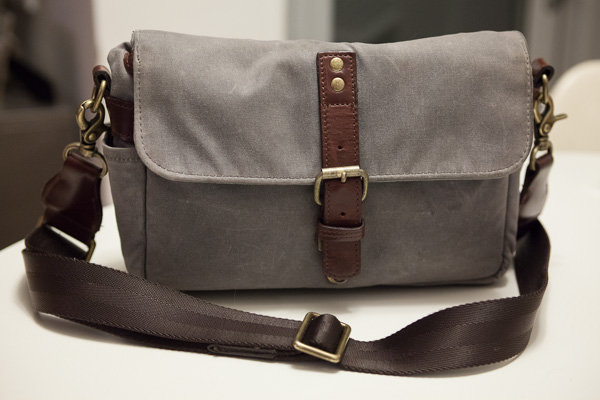
Ona Bowery Camera Bag Review

The Bowery by ONA Bags

These days, no piece of photography equipment excites me more than a good camera bag.

Or even better, a practical, light, good-looking camera bag.

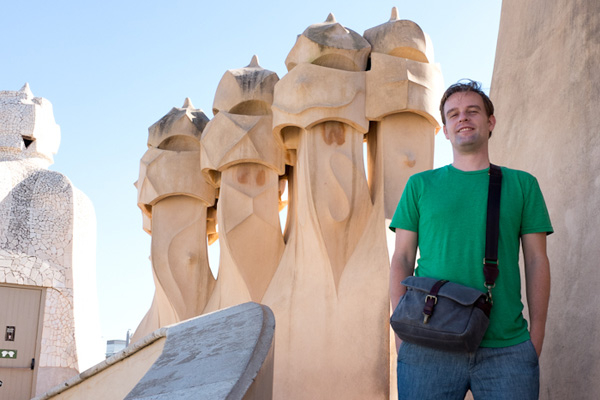
I’ve been a fan of ONA bags for over a year now and the Bowery is one of my favourites.  It’s small and made for traveling light.  I carry it around almost daily.

Well padded and well made, the bag has water resistant, waxed canvas (and believe me, I’ve tested the water-resistant part out), leather details, and beautiful brass hardware.

Ona Bowery Camera Bag Review

Perfect for sightseeing, everyday use, and street photography

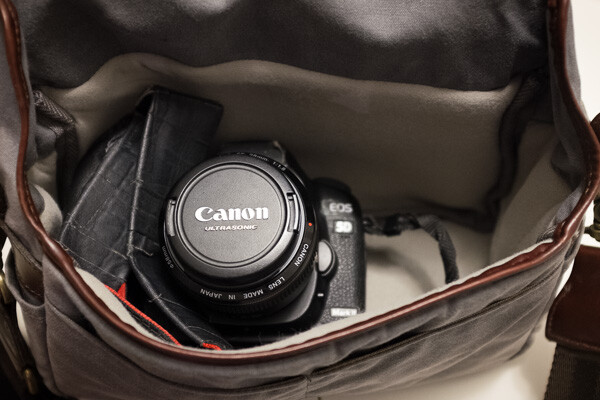
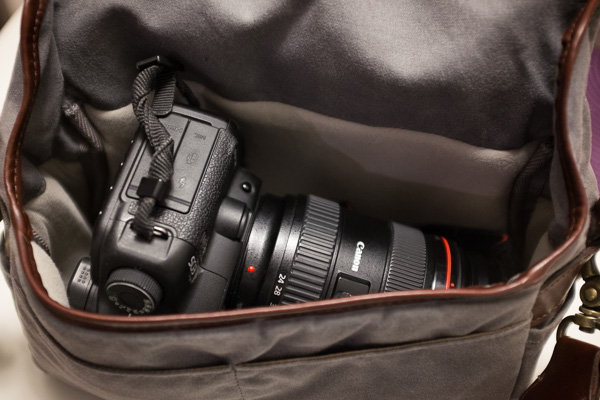
The bag is made for the smaller sized camera, such as a rangefinder, mirror-less, micro four thirds, or a point-and-shoot.  I use it primarily with my Fuji X100s, however, it fits my Canon 5D Mark II and monster 24-70mm lens, and I use it somewhat frequently with the 5D Mark II and light 28mm prime lens.  Remove the small divider and it can fit an iPad Mini.

ONA also describes the ONA Bowery Bag as an insert, which makes a lot of sense.  I recently took a trip where I flattened the bag into my luggage and used a larger camera bag to carry my equipment from place to place.  When I arrived, I popped the X100s and some batteries into the Bowery each day and it was a freeing experience for photography.

A freeing experience for travel.

A freeing experience for travel

At $ 119, the bag is not necessarily cheap, but it is more than a good deal for the quality and functionality.  And when you factor in the wear and tear saved on your joints, it could save you a lot down the road.

If your significant other lugs around too much equipment, then the ONA Bowery Bag is the perfect holiday gift to convince them to lighten the load.

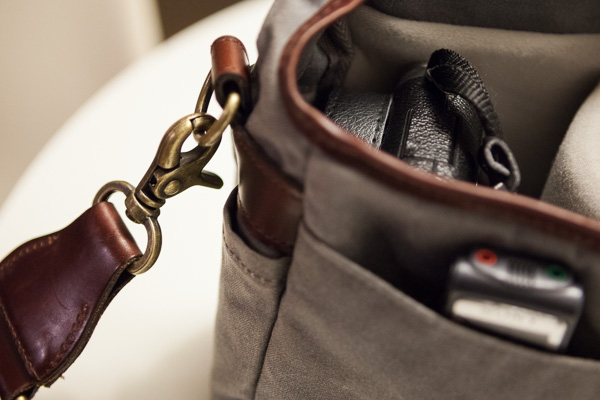
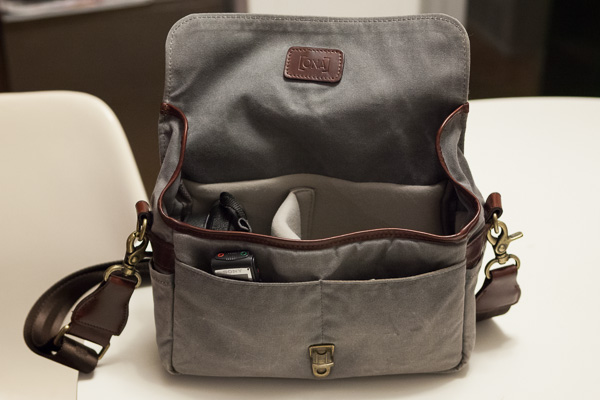
Ona Bowery Camera Bag Review, Interior Shot

Fuji X100s, Digital Recorder, and three extra batteries. Insert can be removed to fit an iPad Mini

Padded, waxed canvas, leather details, and brass clasps.

Padded, waxed canvas, leather details, and brass clasps

Fits a Canon 5D Mark II with 28mm lens.

Fits a Canon 5D Mark II with 28mm lens

If you are ambitious - 5D Mark II and 24-70mm EF lens.

If you’re ambitious – Canon 5D Mark II and 24-70mm EF lens

Post originally from: Digital Photography Tips.

Check out our more Photography Tips at Photography Tips for Beginners, Portrait Photography Tips and Wedding Photography Tips.

Review: The ONA Bowery Bag for Everyday Photography

The post Review: The ONA Bowery Bag for Everyday Photography by James Maher appeared first on Digital Photography School.


Digital Photography School

 
Comments Off on Review: The ONA Bowery Bag for Everyday Photography

Posted in Photography


Foldio: A foldable, portable lightbox for product photography

05 Dec

foldio.jpg

A new product is Kickstarting its way into entry-level product photography. The Foldio lightbox aims to help inexperienced photographers on a budget capture their items in the best light possible. Folding down flat enough to fit in a briefcase, the Foldio easily props up with the use of magnets. Learn more at connect.dpreview.com.

News: Digital Photography Review (dpreview.com)

 
Comments Off on Foldio: A foldable, portable lightbox for product photography

Posted in Uncategorized


Five Photography Bad Habits to Quit Today

05 Dec

We can find ourselves pretty wrapped up in photography bad habits or behaviours long before we realize that maybe we should be trying to find another way. Sometimes, you don’t even see them and, if you’re lucky, you’ll have a friend who can kindly point them out. So let’s take a look today and see if I can be the friend who says, “ahem…you’ve got toilet paper on your shoe.”

Five Photography Bad Habits to Quit Today

1. Hesitation

A habit you may find yourself in is hesitation. Hesitating too long in a situation can prevent you from getting that perfect shot. You may be hesitating for a couple different reasons:

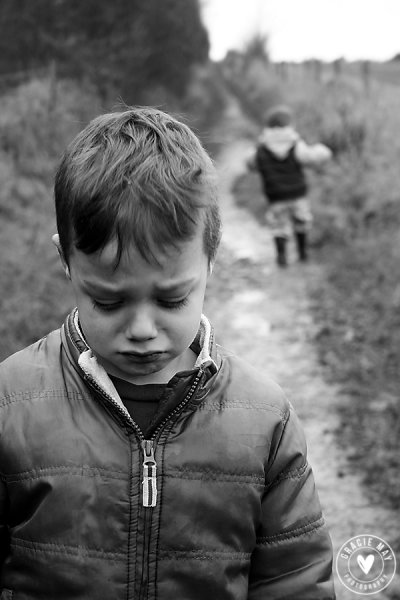
Hesitating can mean the difference between catching or missing moments of emotion.

Hesitating can mean the difference between catching or missing moments of emotion.

Fear of what people think

You may be concerned about what people think. Are you feeling the urge to take a shot of your crying child? Those are completely valid moments that need to be captured from time to time. Or perhaps it’s a street shot of a perfect stranger and you hesitate just a split-second too long because you’re feeling vulnerable and on-stage.

One of the best street photography series I’ve ever seen is the Zack Arias #de_VICE series. Even just now looking for that link and scanning over the shots again…they give me goosebumps. Zack made the images with a Fuji x100 camera which has a 23mm fixed lens (this is equivalent to 35mm on a cropped sensor camera). So you know he had to get really super, uncomfortably close, to those strangers to get those shots. He didn’t hesitate. Uncomfortable moments are over in a split second, but these images last forever, have the potential to change lives and get conversations going which would never otherwise have happened. It’s because of Zack’s series that I think twice about pulling out my device at inappropriate times (like eating out with my family). Further reading: 7 steps to get over the fear of street photography and Photographers: Embrace the Awkward Moment

Not being ready

Not having your camera ready can make you hesitate. You may not have it up and ready in shooting position (Jasmine Star talks about that in this video) or you may not have your settings right. Set your camera for the situation so you’re ready to shoot, but if your surroundings are constantly changing, then you have a couple options.

  1. You can shoot in auto or a semi-manual mode. I personally love aperture mode. This means you set the aperture and the camera meters the light for your shutter speed. While shooting in full manual is always preferable, doing what you need in order to get your shot is paramount, so do what it takes in terms of your settings to prevent hesitation.
  2. Shooting in RAW also helps you have a wider range of options in post-production so you can recover poorly exposed shots.

Further reading: The Introvert Photographer (in this post I talk about my use of semi manual shooting modes).

2. ISO too low

A pretty nasty habit to kick can be using too low of an ISO setting. Many photographers say they did such-and-such because they “couldn’t take their ISO above 800″. The fear of using a high enough ISO can be pretty strong and lead you to get blurry shots from a shutter speed that is too slow, or even prevent you from trying to get a shot altogether. A few reasons you want to kick this habit today:

  • You may be surprised at how high you can actually push your camera. If you have a good ‘fast’ lens (one that handles a wide aperture), make every use you can of its capabilities. Then take your ISO as high as you need to get the shot.
  • Post editing software these days can minimize the noise resulting from extremely high ISO amazingly well.
  • Grain/noise isn’t totally bad. For some photographers, it’s actually desirable. Many of us actually add more grain. So if you have a high ISO shot that would look beautiful edited in B&W, try that out and visualize all that noise as beautiful grain.

Now, there’s this thing out there about how sensors in full frame cameras produce less noise. It was this idea that stopped me from taking my cropped sensor camera to the high ISO I often needed, because it wasn’t a full frame camera. But when I did get a full frame camera, I did some cropped sensor vs full frame ISO comparisons and was really surprised to find that there wasn’t a difference substantial enough to have warranted all my worries.

ISO 3200 and still nice and smooth

ISO 3200 and still nice and smooth

3. Pixel peeping

A great subject to talk about next is the bad habit of pixel peeping, because it may be one of the reasons you’re afraid of shooting at high ISO numbers. If you blow your shots up to 100% in your computer and cry, “Oh, the noise! THE NOISE!” then you may be a bonafide pixel peeper. Unless you’re printing those shots to fit on the side of a bus, there’s no need to analyze every single pixel. This is what I suggest for recovering pixel peepers:

  • Stop zooming to 100% (1:1 in Lightroom). Fill your screen when editing, but resist the urge to inspect at 100%. Keep your finished product in mind and stick to that as your frame of reference.
  • Find an image that makes you have a pixel peeping meltdown and do a test print. Print it quite large (like 16×24) and when it comes in, you may be pleasantly surprised at how great it looks.
  • If you’re taking shots for the web, then you have even more of a reason to chill out. Many unprintable shots can still look great online.

One of the reasons you may be blowing up your images in the first place is that this is what camera manufacturers do to show you how great their next model is and why you should buy it. Before embarking on heavy duty shooting of my own, I was shopping for gear and every time I looked at camera specs or reviews, they were filled with zoomed in portions of images. These images are used to say “look how awesome your next camera could be!” so naturally, we may feel that this is also the right way to be judging our photography. But please…quit this habit, because those images have nothing to do with photography and everything to do with cameras.

4. Luck shooting

Yes, I’m looking at you, Mr. and Mrs. Spray-and-Pray. We’ve all been guilty of switching off our brains and shooting like crazy, just hoping for something ‘good’ to be in there when we get home to our computers. Yes, you can physically create images this way. The same way you can plop a paint covered baby on a canvas and allow them to create ‘art’. The baby doesn’t know how he’s doing it and won’t be able to do it again. But hey, he did and that’s all that matters, right? Not exactly.

There are a few problems with this habit and so here’s why you want quit it today:

  • You won’t know how you got those shots
  • …so you won’t be able to recreate them. This isn’t as large a problem in personal shooting as it will be if you’re trying to charge for your services or start a business. Your clients will be depending on your ability to give them what you gave everyone else.
  • Part of your journey as an artist is harnessing something from within and bringing this out into the world. Photography can be one of the ways this happens, but unless what you have inside of you is to let out chaos, shooting like this isn’t a way to create.
  • When you spray and pray you can’t recreate the process. I’ve said this already (it’s that important) but another reason this isn’t good is that it isn’t honest. Harnessing your camera as a tool (as a painter does a paint brush) give you a powerful edge as an artist. You should be controlling your camera, not the other way around.

This habit isn’t too hard to kick once you acknowledge that you have it. Further reading: 5 ways to stop being a luck photographer and start taking pictures on purpose.

5. Editing everything

We can all be guilty of taking too many shots. That will change as you get further along in your journey. But one thing you can change today is the compulsion to actually edit every single shot. Here’s what you can do to kick that habit:

  • Cull your images. I do this in Lightroom. I keep my left finger on the ‘x’ key and my right on the ‘>’ key. I go along and hit ‘x’ for any shot that isn’t a keeper, then ‘>’ to move to the next image. I have far more of these rejects than I do keepers. After you’ve chosen them all, sort to show the rejects only, do a select all (control/command+A) and hit “delete”. This will give you the option to just remove your images from LR or delete them completely. I delete completely to save space.
  • After you cull, go through and do it again.
  • And then do it one more time. Now, you’ll have a good set of keepers to edit.
  • Trust me. Once you’ve gotten rid of those shots, they will no longer exist in your mind. When you focus on your keepers, the other ones no longer have a hold on you. I can say that there isn’t one single image I’ve culled away that I can remember. There are no regrets. I’m not mourning any lost images.

Of all the habits listed here, this one may be the hardest to quit. Deleting images always hurts a little. I get a twinge in my chest when I do it, but I know from experience that it’s completely necessary to give you a concentrated body of amazing work. You can do it!

Summary and comments

Think you can lick these five photography bad habits?  What other bad habits have you hooked? Surely, there are more than just five!

How do you banish them forever? Share your tips in the comments below.

Watch for a follow up article next week, with some GOOD habits that you will want to start doing right away.

Post originally from: Digital Photography Tips.

Check out our more Photography Tips at Photography Tips for Beginners, Portrait Photography Tips and Wedding Photography Tips.

Five Photography Bad Habits to Quit Today

The post Five Photography Bad Habits to Quit Today by Elizabeth Halford appeared first on Digital Photography School.


Digital Photography School

 
Comments Off on Five Photography Bad Habits to Quit Today

Posted in Photography


Mastering the 6 Absolute Basics of Digital Photography

04 Dec

They say that you should walk before you run, and before that, you should crawl before you can even walk. So, too, with digital photography: You have to understand the very bare essentials of the craft before you can even hope to become anything close to a seasoned pro. The biggest mistake that most photographers commit is they think they’re Continue Reading

The post Mastering the 6 Absolute Basics of Digital Photography appeared first on Photodoto.


Photodoto

 
Comments Off on Mastering the 6 Absolute Basics of Digital Photography

Posted in Photography