RSS
 

Posts Tagged ‘Photography’

Deal 10: Grab Andrew Gibsons ‘Mastering Photography’ eBook for $7

22 Dec

Another day, another great $ 7 deal!

This one is by Andrew Gibson for his eBook Mastering Photography.

NewImage

Yours today here for just $ 7

Some of you will know Andrew from his writing on dPS and his eBooks follow the same exceptional standard.

Mastering Photography will introduce you to elements such as:

  • The creative triangle, white balance and the luminance histogram
  • The only model dial sections you really need to know
  • How to prevent shake and use Picture Controls
  • Why Raw format is easier to use than JPEG
  • The creative roles of aperture, shutter speed and ISO in producing beautiful photos.

And much more…

You can own this wonderful eBook in day 10 of our 12 days of christmas for just $ 7!

Get it here.

Bundle it Up with 2 More eBooks for just $ 15

Andrew has written a range of other eBooks and today is offering Mastering Photography in a bundle with two of his other best offerings.

NewImage

For just $ 15 you can get Mastering Photography PLUS:

Mastering Lightroom: Book One
Andrew teaches you all about the Library module in Lightroom so you can lay a solid foundation to your workflow – from importing, organizing and storing.

Square: The Digital Photographers Guide to the Square Format
An in-depth exploration of the square formatted image. Beautifully illustrated by Andrew’s own square-formatted photos, this eBook gives you a thorough look at square format elements such as framing, cropping and vertorama. Film photographers Matt Toynbee and Flavia Schaller share their perspectives on the square format in two in-depth case studies.

So whether you just pick up 1 eBook or all 3 – today you’re going to get some great teaching.

But don’t wait too long – this deal ends in under 24 hours.

The post Deal 10: Grab Andrew Gibsons ‘Mastering Photography’ eBook for $ 7 by Darren Rowse appeared first on Digital Photography School.


Digital Photography School

 
Comments Off on Deal 10: Grab Andrew Gibsons ‘Mastering Photography’ eBook for $7

Posted in Photography


Weekly Challenge – Winter Weather Photography

21 Dec

This week we’re going to focus on the season at hand and just embrace it! Your weekly  photography challenge is – winter!

I know it’s cold out (trust me I KNOW!) but find a day that’s bearable and just go for it. Be prepared (see link to some tips below), dress warmly, grab a hot chocolate and away you go!

Doing what others find difficult or challenging, including shooting in what some might call inclement weather, will help take your photography to the next level. You’ll come back with shots none of your friends have, and get “ooohs” and “ahhhs” on our images when you post them online. Dare to be different. Be brave. You can do it!

Winter Weather Photography

By Derek Tam

By Sharon Mollerus

Further reading on winter weather photography:

  • 5 Uncommon snow photography tips that can transform your winter scenes
  • How to handle cold weather photography
  • Things to do for photographers when the weather is bad
  • Beating the winter blues with a Lensbaby Composer
  • Winter sports photography tips – flash compensation
  • Why is the snow in my pictures so blue?
  • Tips to protect your gear in harsh weather or adverse conditions

For those of you in the southern hemisphere without snow try some infrared techniques to make it look like a snowy scene:

  • 20 stunning infrared photographs
  • Infrared digital photography an introduction

By Tom Gill

By Robert Martinez

Share your winter photography images!

Once you’ve taken your ‘Winter Photography’ shots we’d love to see them in comments below. Simply upload your shot into the comment field (look for the little camera icon in the Disqus comments section as pictured below) and they’ll get embedded for us all to see or if you’d prefer upload them to your favourite photo sharing site and leave the link to them.

By Eric

By Shane Gorski


The post Weekly Challenge – Winter Weather Photography by Darlene Hildebrandt appeared first on Digital Photography School.


Digital Photography School

 
Comments Off on Weekly Challenge – Winter Weather Photography

Posted in Photography


Walking in a Winter Wonderland – 30 Images of Winter Photography to Motivate You

20 Dec

If you live in the norther hemisphere like I do you may have been buried by the white stuff already. Here in Alberta we’ve had almost as much snow in the last 30 days as we did all last winter, and it’s still coming! Yesterday Mother Nature decided to play games with us and rain, giving us skating ponds for roads and sidewalks. Thanks!!

But, this season can also make for some stunning winter scenes, if you can motivate yourself to get out of your nice warm house and go do some photography. The light is great this time of year because of the low angle on the horizon, so take advantage of it! Get up early and photograph the hoarfrost, if it occurs in your neck of the woods, it makes for breathtaking images that make our southern counterparts want to come visit!

For you southern hemisphere dwellers, enjoy these image, and do come visit us up north any time you have a desire to photograph in the snow!

Here’s a few articles on winter photography to help you get started:

  • How to stay motivated to photography nature after months in the snow and cold
  • How to photograph snowflakes with a DSLR
  • Photography in extreme cold
  • Embrace the weather with your photography Part One
  • Embrace the weather with your photography Part Two

By Luigi Torreggiani

By Tom Gill

By Dawn Ellner

By Trey Ratcliff

By blmiers2

By 8#X

By Keith Williams

By Bert Kaufmann

By LASZLO ILYES

By Eyesplash – Winter is coming along with Santa

By martinak15

By Alexey Kljatov

By martinak15

By carfull…Cowboy State-r

By Marilylle Soveran

By contemplative imaging

By chrmoe

By Ryk Van Toronto

By carfull…Cowboy State-r

By Martin Liebermann

By Tatiana Gerus

By Bas Bloemsaat

By Scott Law

By fotosutra

By Doug Brown

By Denis Messié

By Ingo Meironke

By glasseyes view

By Zach Dischner

By Pascal


The post Walking in a Winter Wonderland – 30 Images of Winter Photography to Motivate You by Darlene Hildebrandt appeared first on Digital Photography School.


Digital Photography School

 
Comments Off on Walking in a Winter Wonderland – 30 Images of Winter Photography to Motivate You

Posted in Photography


“Photography Business Secrets” – A Review

19 Dec
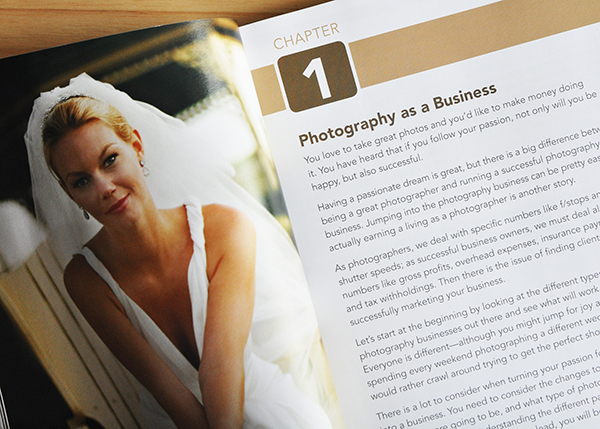
"Photography Business Secrets," by Lara White is a great business resource for any photographer looking to grow their business.

“Photography Business Secrets,” by Lara White is a great resource for any photographer looking to grow their business.

With just a few weeks left before the end of the year, I find myself deep in my annual wrap-up ritual. I don’t like carrying stuff over from December into January if I can avoid it. I make sure that shoots are edited, albums and prints are ordered, contracts are signed, gear is cleaned and serviced, and any other loose ends are taken care of. Transitioning from one year to the next isn’t just a matter of getting my “stuff” in order, but it’s also about getting my head in the right place for whatever challenges– photographic, business, or personal– the coming year might have in store for me.

I don’t think I’m unique in this regard. I think the end of the year is a good time for everybody to look ahead, setting goals for themselves and charting a course for where their photography business is going to take them after January 1st. I think that this pause to reflect on the current and future health of our businesses is particularly important for those of us in creative fields, because so many of us are simply not hard-wired for business to the same extent as we are for photography. One of the best new tools I’ve found for helping with these tasks is “Photography Business Secrets,” by Lara White. A former wedding photographer,  White is a leading expert in the field of photography business education. As founder and operator of PhotoMint, an online business development resource for photographers, her words of wisdom have now been published in more than 70 magazines and professional photography blogs, including right here at Digital Photography School.

When you think of your photography business, have you ever figured out how much of it is “photography,” and how much is actually “business?” White has, and the numbers might surprise you. On average, 20% or less of your time is spent on actual photography. And that’s a good week! With numbers like that, it is essential to get a proper handle on the business end of things. After all, the term “starving artist” started somewhere, right? Passion alone isn’t going to cut it.

Ready to Give Up Your Day Job?
DSC_6591

If your photography plans for next year include ditching your 9-to-5, Section 1 of this book is absolutely required reading. In “Moving from a Hobby to a Business,” Lara walks you through three chapters full of the information you need, questions you need to ask, and steps you need to take before you even think about giving your two weeks notice. This is a big decision, with life-changing ramifications– especially if you have a family that enjoys eating and having a roof over their heads.

This is the perfect chance to get valuable advice from someone who has been where you are and lived to tell the tale. By giving readers a realistic view of some of the issues that can impact transitioning from a hobby to a career, readers are assured very early on that this book has their best interests at heart. Gaining the training and experience you need, as well as figuring out your market, are just a few of the key factors addressed.

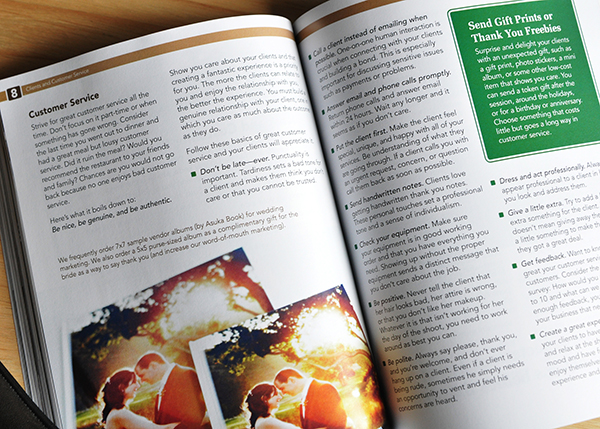
Business School for Photographers

DSC_6602

In my previous life as lawyer, my biggest complaint was that law school did nothing to prepare me for the actual day-to-day, nuts-and-bolts of practicing law. Becoming a professional photographer poses similar hurdles. Like any other profession, people tend to have a long list of preconceived notions of what it means to be a photographer. Remember that 80/20 time split I mentioned earlier? That’s just one of the things I’m talking about, and it’s why the seven chapters of “Business Fundamentals” make this such a valuable book–regardless of whether you are an emerging, struggling, or succeeding professional.

Section 2 takes you through the basics of drafting a business plan, calculating overhead, creating a budget, and more. Every journey starts somewhere, and yours as a professional needs to start with the steps that are designed to keep you both functional AND legal. Once those concerns have been addressed, you can move on to advanced business challenges like branding, pricing & products, customer service, and day-to-day operations.

I’m Up and Running. What’s Next?

DSC_6606

It’s a pretty basic premise that you’re in business to make money. I love being an artist, but just being an artist doesn’t pay for my son’s education or the insurance premiums on the studio equipment. As much as I may hate the prospect of being a “businessman,” if I’m not willing to take on that responsibility, I’m going to fail before I even start.

Section 3 answers questions revolving around sales and growth, since the two are inextricably linked. The bottom line is that sales means growth. Tips on getting and increasing sales range from the seemingly obvious (be prompt, creative, and attentive), to running promotions and overcoming shyness. Using these tips to increase your cash flow will help get you over the next hurdle.

The chapter on “Growing Your Business” guides you through the processes of outsourcing, hiring staff, adding new services, and raising your prices. Here, White offers three case studies, showing how actual photographers have dealt with these issues, clearly demonstrating that these are real-life concerns, and not just theoretical exercises.

Looking Ahead
DSC_6609

Sprinters can see the finish line within seconds of leaving the starting blocks. They go all out, giving it everything they’ve got, but they are going to run out of gas pretty quickly. Long-distance runners are in it for the long haul. It may sound like a cliché, but you want to run marathons, not 100-meter sprints. Learning to understand your clients, develop your style, and create marketing strategies isn’t something that comes naturally to most people. Here is your chance to learn those skills without having to reinvent the wheel.

The Bottom Line

A lot of photography books come across my desk. The best among them speak to a broad audience, and this is definitely one of them. It is entirely possible that not every aspect of this book will apply to you or your photography business, but if you find even just a few lessons here that increase your business stability– and therefore your profitability– it will be well worth the $ 20.00 investment.

“Photography Business Secrets: The Savvy Photographer’s Guide to Sales, Marketing, and More” is available at Amazon.com.

The post “Photography Business Secrets” – A Review by Jeff Guyer appeared first on Digital Photography School.


Digital Photography School

 
Comments Off on “Photography Business Secrets” – A Review

Posted in Photography


Grab Our Best Selling Landscape Photography eBook for $7 – Today Only

19 Dec

On the seventh day of Christmas dPS gave to me …

The biggest discount on the sale on our biggest-selling eBook of the year!

Living Landscapes today is yours for just $ 7. Grab it here.

Landscapes cover

When we released it earlier this year Living Landscapes sold like hotcakes.

Not only that – the feedback we’ve received from readers and reviewers has been phenomenal.

We’re going to let this eBook and price stand for itself and simply say … If you like taking landscape photos – Don’t miss this one!

Get It by itself or Bundle it With 4 More Great eBooks from Jay Patel

Now if you’re really wanting to take your outdoor photography to the next level then you’ll want to check out this 2nd deal today because you can also get Living Landscapes bundled together with world renowned photographer Jay Patels’ workflow series.

NewImage

This collection of 5 books will transform your outdoor photography.

In this bundle you get Living Landscapes plus:

  • The Workflow Series: Coastlines
  • The Workflow Series: Waterfalls
  • The Workflow Series: Mountains
  • The Workflow Series: Details and Macro

All for just $ 24.99 — that’s $ 5 a book!

Day 7 of the dPS 12 days of Christmas is going to be big. Do not miss out.

Whether you’re just getting Living Landscapes or you want the full bundle of 5 eBooks – Grab them here fast because this deal is available today only.

The post Grab Our Best Selling Landscape Photography eBook for $ 7 – Today Only by Darren Rowse appeared first on Digital Photography School.


Digital Photography School

 
Comments Off on Grab Our Best Selling Landscape Photography eBook for $7 – Today Only

Posted in Photography


The Art of Black and White Photography: 75% Off Today Only

19 Dec

On the sixth day of Christmas dPS gave to me, a chance to master Black and White Photography.

You’ll save 75% on acclaimed Udemy course “The Art of Black and White Photography“.

To take advantage of todays deal head here.

NewImage

In this value packed 6 hour course you’ll learn how to create dramatic and compelling black and white images using a range of powerful Photoshop techniques.

What Students Are Saying About This Highly Rated Course

This course is rated as the #1 Photography course on Udemy. Here’s a snippet of what students are saying about this course.

“Extremely comprehensive, completely understandable and even enjoyable. Worth the money, probably double!” – Jeffrey Puritz

“This course showed me simple and effective ways to convert any picture good or bad and improve the life of the picture….. easy to follow steps and fantastic tips …. worth a look!!” – Jillian Martin.

There are many more great reviews just like these.

Discover the Secrets of Taking Beautiful Black and White Images Today

So if you are confused about which black and white conversion techniques to use, unsure about how to adjust the tonal range and balance of your black and white photos using curves and masks, want to make more of your black and white portraits, and you want to learn how to tone your black and white images, this course is for you.

You can enrol right now for just $ 24. Normally this would cost you $ 99 so it’s an absolute steal.

And whilst this deal won’t be gone in 60 seconds, it will be in 24 hours. Don’t miss out!

Grab this deal here.

The post The Art of Black and White Photography: 75% Off Today Only by Darren Rowse appeared first on Digital Photography School.


Digital Photography School

 
Comments Off on The Art of Black and White Photography: 75% Off Today Only

Posted in Photography


Excel at Underwater Photography Like You’re Part Fish

18 Dec

Underwater photography is an acquired taste that is both an art form and a means of obtaining data. Usually, scuba divers are the ones taking underwater photos, but this art form can also be carried out while diving on surface supply, just swimming, snorkeling or safely inside a submersible. While underwater photography can be understandably difficult to successfully carry out, Continue Reading

The post Excel at Underwater Photography Like You’re Part Fish appeared first on Photodoto.


Photodoto

 
Comments Off on Excel at Underwater Photography Like You’re Part Fish

Posted in Photography


Beginner’s Guide to Waterfall Photography

16 Dec

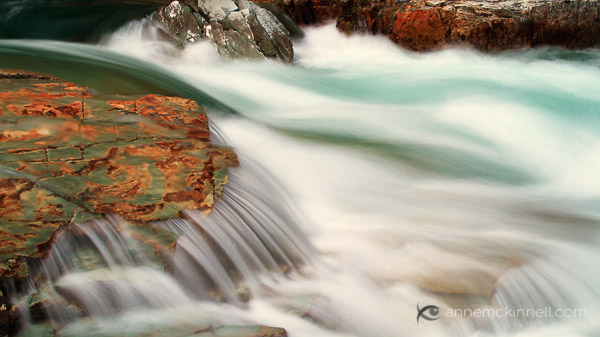
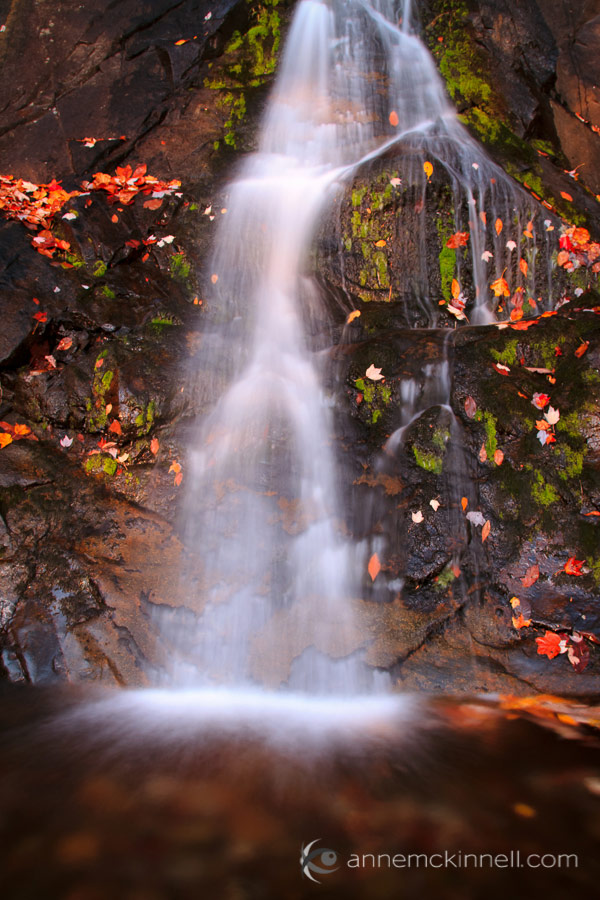
There are few things more majestic than a flowing waterfall, whether it’s on the Niagara river or the little stream behind your house. There are many ways to photograph these natural wonders, and I’ve compiled a few tips, tricks, and techniques to help you get waterfall images that do justice to their elegant beauty.

waterfall-photo-2b

Equipment Choices

The equipment you need will depend on what type of photo you want to make. But you probably won’t make that decision until you are on location, so here is what I usually keep in my camera bag if I’m planning on shooting a waterfall.

  • Tripod – As with most forms of landscape photography, a tripod is your best friend. It will allow you to compose your scene very precisely and give you the flexibility you need if you decide to shoot long exposures.
  • Circular polarizing filter – This is an essential piece of equipment when photographing water to allow you to remove reflections and glare from the water’s surface. You might not need this if the frame is filled with the waterfall, but you will want it handy if you decide to include a pool of water in the foreground. It will remove the reflection and allow you to see through the water to any interesting rocks underneath.
  • Neutral density (ND) filter – If you decide to shoot a long exposure and it happens to be the middle of the day when there is a lot of light, you will need this gray-tinted piece of glass placed in front of your lens. It blocks some of the light from hitting your sensor, allowing you to use a slower shutter speed. These are sold in varying strengths, and can be stacked for different levels of light absorption.
  • Lens cloth – Useful for cleaning water spray off of your lens or filter. I like to use little pieces of ShamWow for absorbing water drops. They are helpful for cleaning water off the rest of your camera too, and even your tripod legs when you are done.

waterfall-photo-1b

Camera Settings

The camera settings you use will depend on what kind of photo you’re after:

Silky waterfalls

To create that silky smooth blur popular with waterfall photography, you’ll want to use a slow shutter speed for a long exposure. With your camera mounted firmly on a tripod, set it to shutter priority mode (usually “S” or “Tv” on your camera’s mode dial) and set your ISO as low as it will go (usually 100). Then, select a shutter speed between one half second to four seconds to achieve a nice amount of blur.

waterfall-photo-5b

Experiment with different shutter speeds to get the amount of blur you want. The best shutter speed will depend on how fast the water is moving, so getting the shutter speed just right takes a bit of experimentation. If you cannot get a slow enough shutter speed for the effect you want, use a smaller aperture so that less light enters the camera. That will allow you to select a longer shutter speed. If you still need a slower shutter speed, that’s when you can use a neutral density filter to block some of the light.

Keep in mind that when using a long shutter speed, if there are any plants or trees in your frame they may have an opportunity to move if there is any wind, and then everything in the image will be blurry. For this type of a scene, it is usually better to photograph earlier in the day when there is little wind.

Freezing the motion

Especially interesting when photographing violent falls, this requires just the opposite technique – you want a fast shutter speed to capture a brief moment and suspend the water’s movement in the air. Use shutter priority mode and select a faster speed such as 1/500th of a second or faster.

waterfall-photo-3b

For this technique you wont need a neutral density filter and you might even be able to get away without using a tripod. If you are in a low light situation, to get a fast shutter speed you may need to use a larger aperture such as f/5.6 to let more light in, and you can increase the ISO to 200, 400 or as high as you need to go to allow a fast shutter speed.

Detail shots

Instead of getting a broad landscape style shot, you might want to close in on an interesting rock, plant, or other detail of your scene. For this, compose your shot (use a tripod if possible) and turn your camera to aperture priority mode – “A” or “Av” on your mode dial. This will allow you to have control over the depth of field, or how much of the picture is in focus from front to back.

The aperture value is shown as an f-stop. F-stop numbers are a little confusing because the smaller numbers represent a larger opening and vice versa. I find it helpful to think of it as a fraction. F/8 is smaller than f/4 because 1/8 is smaller than 1/4.

waterfall-photo-6b

Small apertures let less light in, but they increase the sharpness in the foreground and background. Large (or “wide”) apertures, on the other hand, mean that only part of the picture is in focus, while the rest becomes soft and out of focus.

Look at your scene and decide what you want in focus and what should be blurry. If you want to isolate your main subject, choose a large aperture (small f/number) such as f/4 or f/2.8 to make the background out of focus. If the background is important to the picture, choose a small aperture (large f/number) like f/16 or f/22 to make the entire scene sharp and clear.

Composition

There are many compositional techniques to employ when creating waterfall images. First and foremost, remember the rule of thirds and how your eye is drawn through the image. Use the leading lines inherent in flowing water to create visual pathways for the viewer to follow, remembering that corners are very strong entry and exit points in the frame. Pay attention to both the foreground and background, and don’t forget to pay attention to what’s around the water, as well as the falls themselves.

waterfall-photo-4b

Field techniques and summary

  • When you arrive at any scene, the first thing to ask yourself is, “What makes this place unique?”. Pay special attention to that quality.
  • Bracket your shots to make sure you get the best possible exposure – this means taking several pictures using different apertures and shutter speeds, and also making several different images using the camera’s exposure compensation (+/-) to brighten or darken each shot to a different degree. See your camera’s manual for specific instructions on how to use these features.
  • Shoot in the uncompressed RAW format to allow for more flexible fine tuning in post processing. RAW images must be processed with a compatible photo editing program, or software that was included with your camera.
  • Experiment – most of all, don’t get stuck making the same type of photograph all the time. Try to make a long exposure, a fast exposure, some detail shots, and try different perspectives so you come home with a variety of images from your photo shoot.

Gear mentioned in this article

  • tripods – link to some of the best, and most popular brands
  • neutral density filters – make sure to get the right filter size for your lens, or biggest one and a step down ring to your smaller ones
  • lens cleaning cloth

The post Beginner’s Guide to Waterfall Photography by Anne McKinnell appeared first on Digital Photography School.


Digital Photography School

 
Comments Off on Beginner’s Guide to Waterfall Photography

Posted in Photography


All That You Need in Your Camera Bag for a Successful Wedding Photography Shoot

16 Dec

There are many challenges to successful wedding photography, and it can be a hectic day, even for skilled photographers.It includes the photography of activities involving the wedding and photographs of the family members, friends and couple before the marriage, as well as coverage of the wedding day and post wedding. It’s a viable endeavor that supports the efforts of many Continue Reading

The post All That You Need in Your Camera Bag for a Successful Wedding Photography Shoot appeared first on Photodoto.


Photodoto

 
Comments Off on All That You Need in Your Camera Bag for a Successful Wedding Photography Shoot

Posted in Photography


Your Biggest Photography Fears (And How To Beat Them)

16 Dec

It’s not the quality of your images that’s stopping you from making more sales and building even a part-time photography business. It’s your fears. To get them out of the way and create the growth you deserve, you first have to identify them — then squish them. You’ll probably find at least one — and possibly five — of those fears here.

Fear of Specialization

This isn’t a fear that’s unique to photography; it applies to just about everyone entering an industry for the first time. You don’t know where the best opportunities lie. You’ve got an empty schedule book and no sales to your name. You’re afraid that stating that you specialize in one topic or one style will limit your opportunities. So you create a website that declares you’re available for any work at all. You offer portraits and weddings, seniors and baby shots. And you create a portfolio of generic images that are attractive but predictable. They have no particular style that marks them out from the competition.

That’s an approach that might work for a while. But it should soon become clear which images clients like the most, and are willing to pay the most for. Once you’ve figured that out, you can earn more by specializing. When Christian Keenan switched from news photography to wedding photography, for example, he stuck with the documentary style that had won him a World Press Photo award. His images are black and white. There are no formals, no family photos and no engagement shots. His approach is clear and it won’t suit everyone. Clients looking for traditional color photography won’t use him. But there are enough couples who want the kind of unique images that he supplies to make him one of the UK’s most successful wedding photographers.

Fear of Rejection

Thousands of outlets are looking to buy and sell images created by talented photographers. Photo editors at magazines care less about who shot the photo than what that photo will do for their readers. Gallery owners love nothing more than discovering and nurturing new talent. It’s what brings them into the business. The Photographers Market, a guide to publications, agencies and galleries that buy images, is nearly 700 pages long and in its print form could double as a house-brick.

Somewhere among those pages are enough buyers to keep you shooting and earning from your photography for as long as you want.

But to reach them you’re going to have to contact a lot of people who won’t want your photos.

They won’t want them because they don’t match their market or their readers. They won’t them because they already have a list of image suppliers that they’re happy to buy from or because they only buy from professionals or because they couldn’t be bothered to wait for your website to load.

They won’t want them because they don’t think your pictures are good enough.

You’ll hear all of those reasons and they’ll hurt every time you hear them. And every now and then, you’ll hear a yes. “Yes, we’ll take that picture.” “Yes, we can put your photo in an exhibition.” “Yes, I like that. Do you have any more?”

Rejection will happen. But it’s just something you have to hear to land acceptance.

Fear of High Prices

Take a look through photography section of craft site Etsy and you’ll find plenty of the kinds of images that you could shoot easily. There are pictures of places (which tend to sell well) and of people, of animals and of flowers. They’ve usually been carefully edited to make them more artistic and to suit the site’s buyers, but the prices for prints usually fall somewhere between $ 30 to $ 60.

It’s no surprise that if you pitch the prices too high, sales will fall off. But it’s also true that if you pitch them too low, sales will fall off. As one photographer on the site has told us:

It’s important not to lowball yourself even if you think it might help you sell at first (it usually won’t!). Buyers will only value your work if you value it yourself.

Demanding an amount for your images that would make you think twice about buying them can feel scary. But you have to cover your costs, including the printing, the framing and the delivery charges. And you have to show that your work is rare enough and good enough to be attractive. Look at what other photographers are charging in the same outlet and keep your prices in the same range — even if those prices look high to you. They won’t look high to the buyers.

Fear of Investment

Photography costs money. Cameras have come down in price but they’re not free and lenses aren’t cheap. Once you’ve laid out on the basic equipment, you still have to pay for a website, travel costs and advertising.

If you’re serious about earning from photography, you will have to make those investments.

There are ways you can reduce them. Time on Facebook can spread the word about your business cheaper than an ad in The Knot. SEO can win your site clicks for less money than experimenting with AdWords. Renting, borrowing or sharing a display tent can let you experiment with art fairs before investing in your own booth. Usually, what you save in dollars, you’ll lose in hours.

But rather than think about the amount you’ll be paying, consider the amounts you’ll be making when you land sales. Being willing to make those investments in yourself is the most important sign that you’re serious about earning from photography.

Fear of Commissions

There are two ways to make money from photography: you can create an image and try to find someone who wants it; or you can accept a commission from someone to shoot images that they know they want.

The first only carries a risk to yourself. The second carries a risk to the client. Come back from the wedding without the pictures the couple expects, and you could find yourself with a lawsuit.

Being willing to accept a commission shows that you’re ready to step up. You can start small: shoot friends’ weddings instead of giving them a gift or take pictures of the products made by a family business so that they won’t get mad if they’re less than professional. Start with commissions that either have low expectations or which can be fixed.

It doesn’t take more than a few successful, low-scale commissions to give you the confidence to say “yes” to the big jobs, beat your fears and build your business.


Photopreneur – Make Money Selling Your Photos

 
Comments Off on Your Biggest Photography Fears (And How To Beat Them)

Posted in Equipment