RSS
 

Posts Tagged ‘Photography’

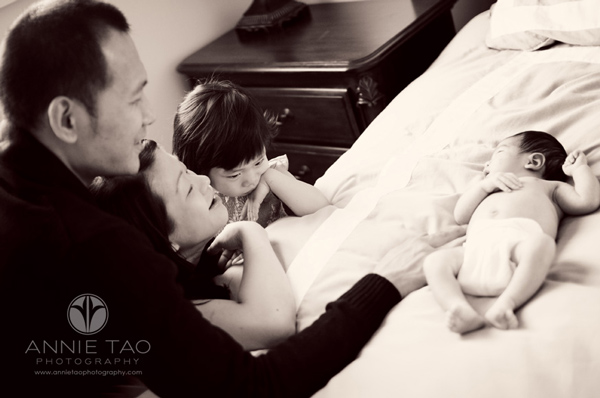
6 Tips for Lifestyle Newborn Photography

04 Mar

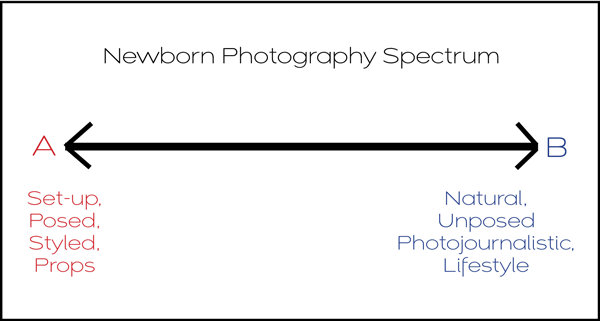
Newborn Photographers fall somewhere on a spectrum between producing posed, styled imagery and natural, lifestyle imagery.

Annie-Tao-Photography-newborn-photography-spectrum2b

While I enjoy looking at styled images of sleeping newborns in costume or appearing as though they are holding their own head up with the use of proficient Photoshop work, the emotions and stories captured in Lifestyle Photography images are what make my heart sing! So I stand comfortably and proudly on “side B” of the spectrum.

After following the rules outlined in The Sensitive Side of Newborn Photography, I follow these six tips for Newborn Photography:

1. Capture every detail

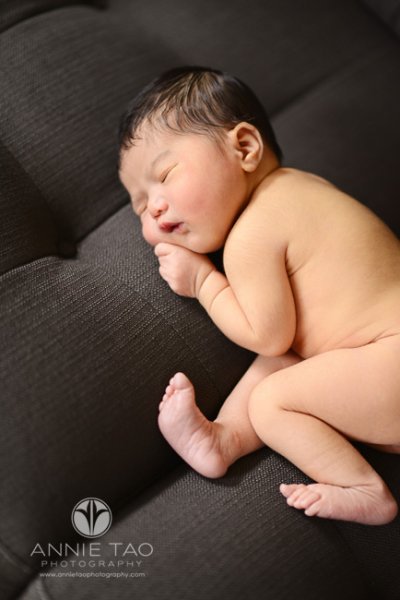
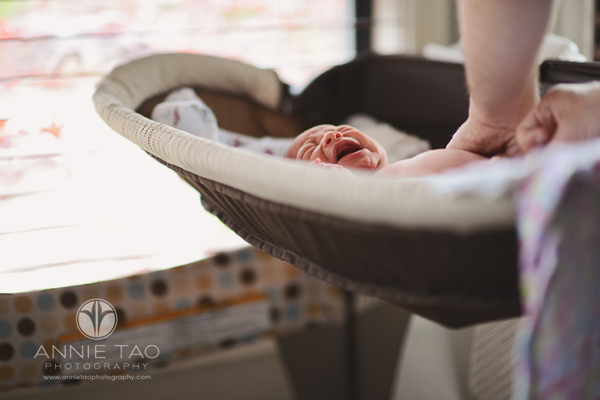
Whether the baby is crying heartily, yawning, or sleeping peacefully, they are all important and precious because the newborn stage is so brief. A yawn of a 4-day new infant, for example, looks different than a yawn of a 4-year old child, so photograph it all!

Annie-Tao-Photography-Lifestyle-Newborn-Photography-article-5b

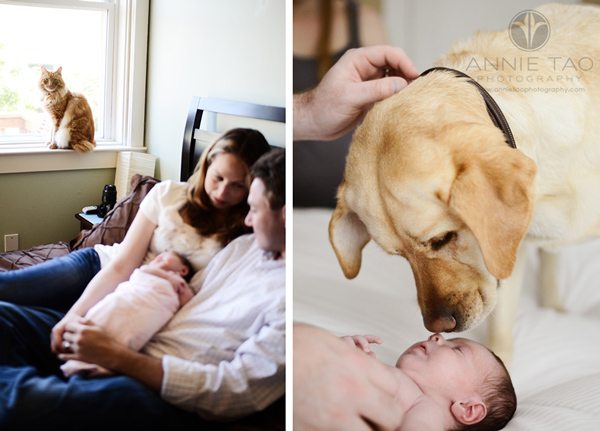
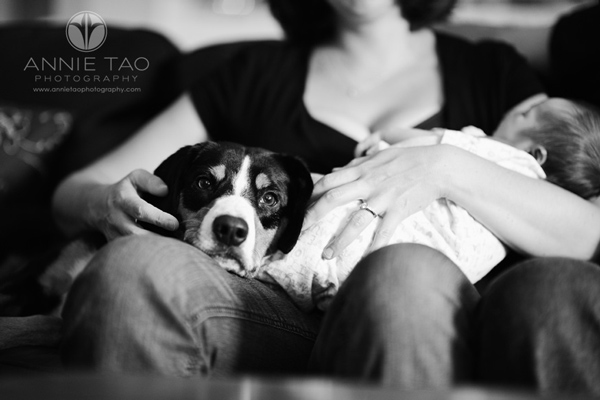
Memorialize the details, including items in the nursery. Talk to the parents and find out what baby items are meaningful to them. Maybe the grandparent knit the blanket or the dog is considered the first-born!

Annie-Tao-Photography-Lifestyle-Newborn-Photography-article-12b

2.  Photograph them at home

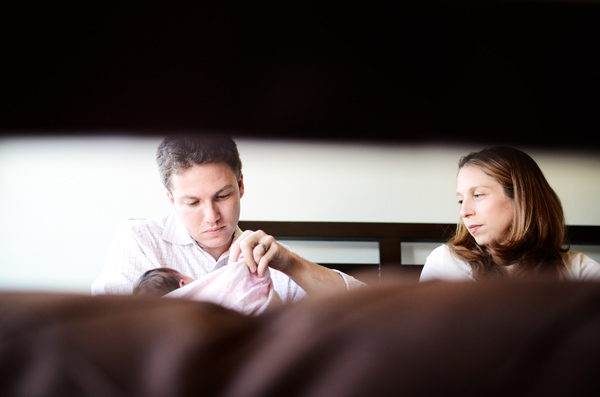
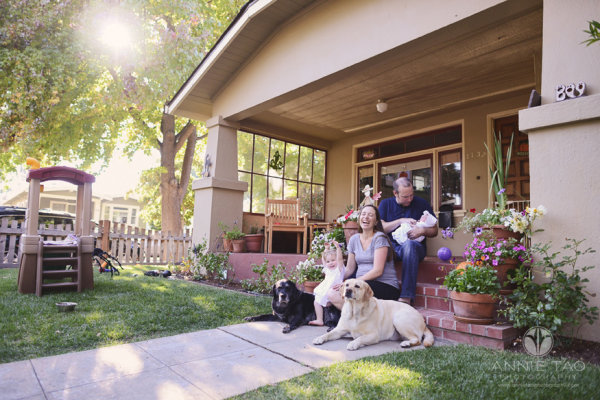
Capturing images of the baby in his or her very first home means every backdrop and furniture will be meaningful in the photos. It also means every session will be unique since every home looks different than the other.

Annie-Tao-Photography-Lifestyle-Newborn-Photography-article-6bg

Annie-Tao-Photography-Lifestyle-Newborn-Photography-article-13

3.  Do the newborn photography session within the first 10 days

Annie-Tao-Photography-Lifestyle-Newborn-Photography-article-8Technically, babies are considered “newborns” the first 3 months of birth. However, in the first 10 days, babies sleep most of the day and can more easily handle noises and movement. Though in Lifestyle Photography, newborns do not need to sleep the entire time, the session will run smoother if the baby is calm.

They also have a better chance of not having skin issues, like newborn acne, which will save you time in post-processing after the session.

4. Be well-equipped

Most of the time, I confidently tell other photographers that their equipment is NOT as important as the person behind the camera when it comes to good imagery. This is still true with photographing newborns, however, you do need to have equipment that performs well in various indoor conditions, such as tight spaces and low light, A wide angle prime lens and a reflector are key. You should also have a macro lens to capture detail shots of the baby.

When I arrive at a client’s home, it usually looks like I’m staying overnight because I have a roller bag and carrying case!

Annie-Tao-Photography-Lifestyle-Newborn-Photography-article-1bg

5. Use natural light

Flash can startle newborns.

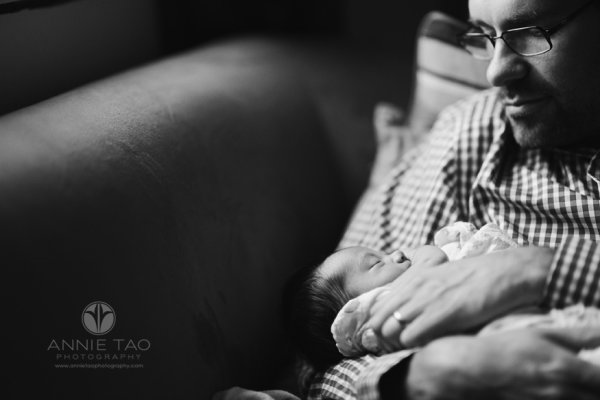
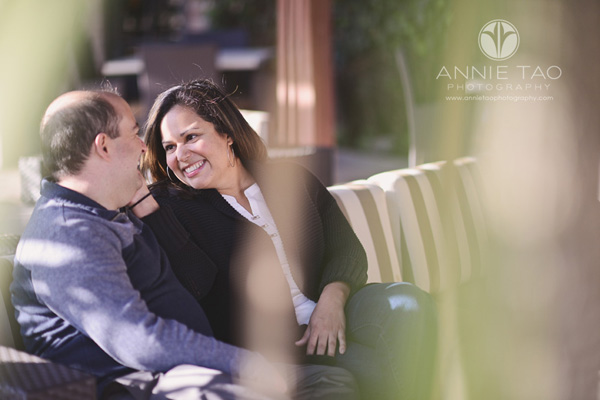
Also, when you are photographing new parents with their baby, using flash or other lighting equipment can take away from the spontaneity and natural tone of the shoot.

Annie-Tao-Photography-Lifestyle-Newborn-Photography-article-3b

6. Be flexible

A lot can happen when you’re photographing a newborn, like having unexpected baby visitors looking over your shoulder or being spit on, pooped on, vomited on! (that has all happened to me.) Just remember, you can’t always prepare for what happens at a newborn shoot, so stay calm and take everything in stride.

The first few days of a newborn’s life can be a hazy memory for new parents who are often sleep-deprived and running on adrenalin. Know that you are capturing a magical time for the family, and your photos of their life in that narrow slice of time will be treasured.

Annie-Tao-Photography-Lifestyle-Newborn-Photography-article-10b

Have you photographed any newborns or small babies? Do you have any additional tips or comments to add?

For more information on photographing babies and kids read these:

  • A Guide to Birth Photography
  • Maternity Photography – 7 Tips for Taking Great Shots
  • 7 Tips for Photographing Newborns without Becoming Clichéd, Derivative or Boring
  • Baby Sessions on a Shoe String

The post 6 Tips for Lifestyle Newborn Photography by Annie Tao appeared first on Digital Photography School.


Digital Photography School

 
Comments Off on 6 Tips for Lifestyle Newborn Photography

Posted in Photography


Don’t Look Down: 50 Inspiring Examples of Rooftopping Photography

03 Mar

You have probably heard of a new photography fad called “rooftopping,” in which brave daredevils find the way to the top of skyscrapers and other tall buildings to snap majestic shots. Just imagine the buzz of the roof topper who reached the top of the highest building in the city and saw the incredibly breathtaking view. If you want to Continue Reading

The post Don’t Look Down: 50 Inspiring Examples of Rooftopping Photography appeared first on Photodoto.


Photodoto

 
Comments Off on Don’t Look Down: 50 Inspiring Examples of Rooftopping Photography

Posted in Photography


Masters of Photography: Bruce Davidson, Master of the Subway

03 Mar
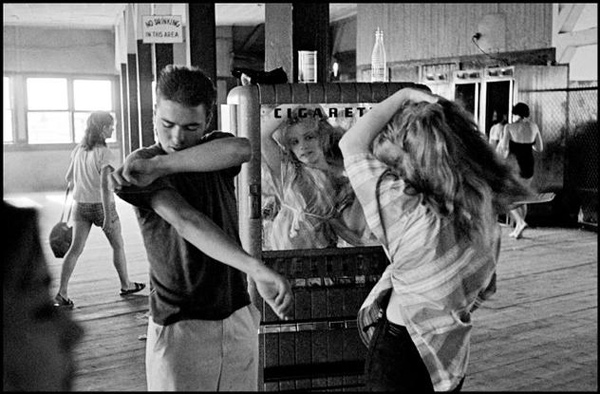
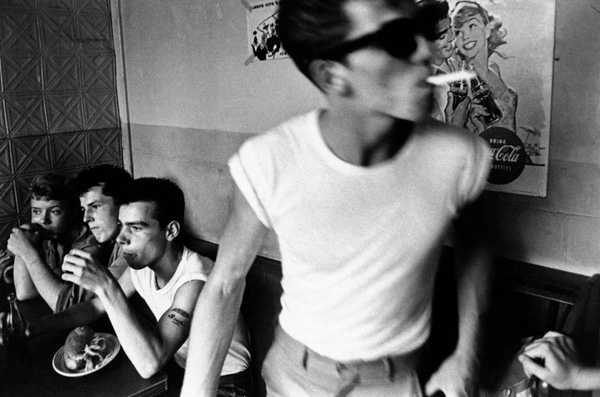
Coney Island, NY. 1959. From Brooklyn Gang.

Coney Island, NY. 1959. From Brooklyn Gang – Bruce Davidson/Magnum

We can all learn a great deal by studying the work of photographer, Bruce Davidson. Born near Chicago in 1933, Davidson has extensively photographed for over 50 years, including subjects such as the Civil Rights Movement in the early ’60s, circus performers, a Brooklyn gang, Spanish Harlem, and a five year project on New York’s subway system in the gritty days of the ‘80s. A few of his main influences were Robert Frank, W. Eugene Smith, and Henri Cartier-Bresson. Davidson joined the Magnum photo agency in 1958.

Besides Davidson’s intimate photographic style, which you need to view a few of his projects in their entirety to get a feel for, there are a few very important lessons that he can teach you about your own work.

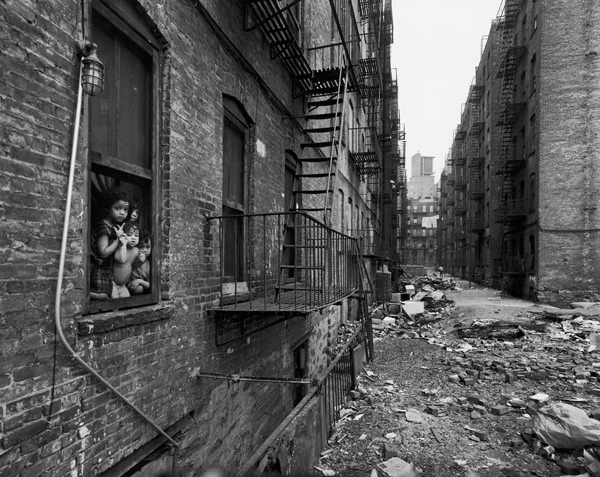
Much of Davidson’s work was focused on series and projects. One of his most important works is East 100th Street, where he captured life within a single block in East Harlem in the late ’60s. While many photographers may have tried to capture East Harlem in its entirety, Davidson honed in. He got familiar with a smaller area with a lot of life, and told broad stories by narrowing the subject matter. By focusing on a small part of a large area, he was able to become much more familiar and intimate with his subjects.

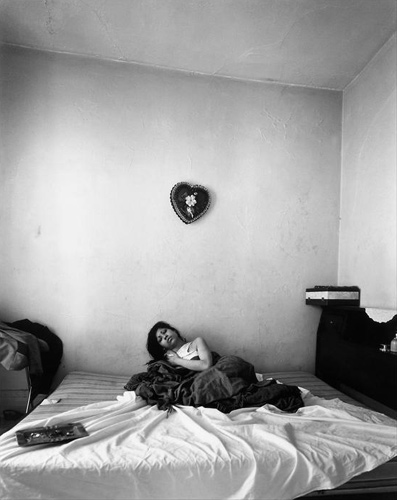
East 100th Street, Spanish Harlem, 1966.

East 100th Street, Spanish Harlem, 1966 – Bruce Davidson/Magnum

Davidson also spent time following a Brooklyn gang of youths called the Jokers in 1959, and he created a series of civil rights work when he following a group of freedom riders in the south (in 1961) through dangerous situations.

Besides his technical ability, one of Davidson’s main strengths was figuring out where the interesting stories were and putting himself where the action was. Then, he got close and familiar to his subjects. That idea might make you nervous, but based on some of his writings you can see that he was nervous at points as well. However, he did not let that stop him from doing it. He got close with his subjects and this closeness is shown within his images. It is one of the most important aspects of why his photographs are so successful.

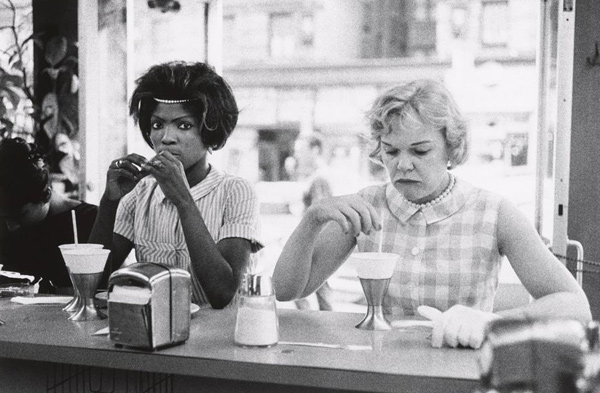
New York City, 1962.

New York City, 1962 – Bruce Davidson/Magnum

While this intimacy was very important in his work, Davidson did not seem to think of himself as a documentary photographer, stating, “Documentary photography suggests you just stand back, that you’re not in the picture, you’re just recording. I am in the picture, believe me. I am in the picture but I am not the picture.”

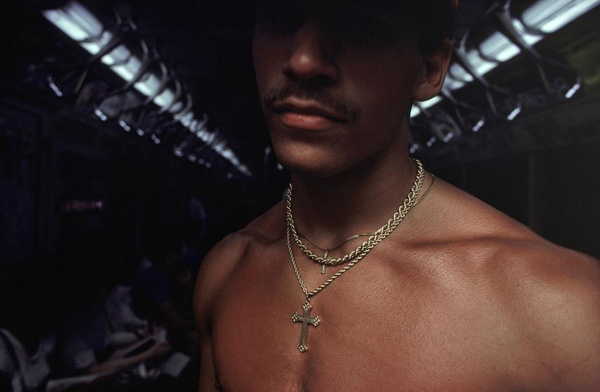
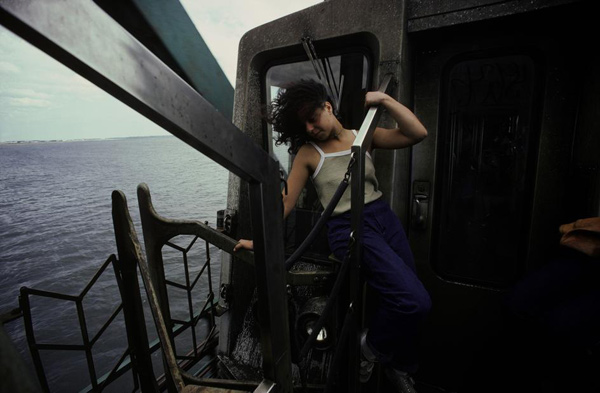
Starting in 1980, Davidson began an extensive five year project documenting the New York Subway system. The subway project is what hits closest to home for me, and it is inspiring to read about. When you visit New York City it is interesting to compare his photographs to the modern day look of the subway system. It helps to see your own work through this perspective. How would he do his project today? The subway system looks so much different, so how can I also capture it in an interesting way?

NYC Subway, 1980.

NYC Subway, 1980 – Bruce Davidson/Magnum

When talking about prolific photographers, it is easy to think that we cannot repeat their success. They seem bolder and more fearless. However, when you read Davidson’s quotes about the project, he does not sound much different than any of us would probably feel. He was just self aware enough and able to push through it. It is inspiring to say the least.

“As I went down the subway stairs, through the turnstile, and onto the darkened station platform, a sinking sense of fear gripped me. I grew alert, and looked around to see who might be standing by, waiting to attack. The subway was dangerous at any time of the day or night, and everyone who rode it knew this and was on guard at all times; a day didn’t go by without the newspapers reporting yet another hideous subway crime. Passengers on the platform looked at me, with my expensive camera around my neck, in a way that made me feel like a tourist—or a deranged person.

It was hard for me to approach even a little old lady. There’s a barrier between people riding the subway—eyes are averted, a wall is set up. To break through this painful tension I had to act quickly, on impulse, for if I hesitated, my subject might get off at the next station and be lost forever. I dealt with this in several ways. Often I would just approach the person: “Excuse me. I’m doing a book on the subway and would like to take a photograph of you. I’ll send you a print.” If they hesitated, I would pull out my portfolio and show them my subway work; if they said no, it was no forever. Sometimes, I’d take the picture, then apologize, explaining that the mood was so stunning I couldn’t break it, and hoped they didn’t mind. There were times I would take the picture without saying anything at all. But even with this last approach, my flash made my presence known. When it went off, everyone in the car knew that an event was taking place—the spotlight was on someone. It also announced to any potential thieves that there was a camera around. Well aware of that, I often changed cars or trains after taking pictures.”

Read more from Davidson on this project: Train of Though: On the ‘Subway’ Photographs. Now it’s time to explore Davidson’s work and think about a photographic project that you can do in your own area.

Subway.

NYC Subway, 1980.

NYC Subway, 1980 – Bruce Davidson/Magnum

Brooklyn Gang.

Brooklyn Gang, 1959.

Brooklyn Gang, 1959 – Bruce Davidson/Magnum

East 100th Street.

East 100th Street, Spanish Harlem, 1966.

East 100th Street, Spanish Harlem, 1966 – Bruce Davidson/Magnum

Circus

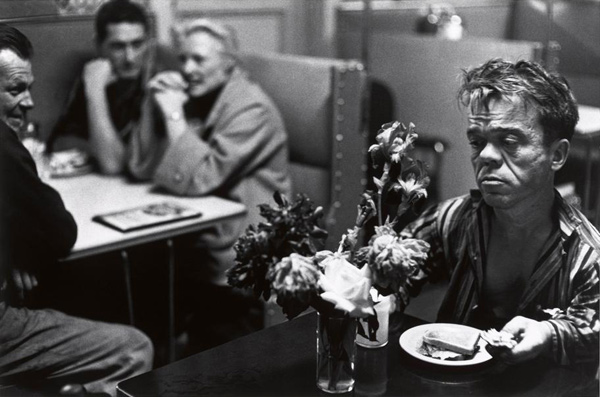
The Dwarf, Circus, Palisades, NJ. 1958

The Dwarf, Circus, Palisades, NJ. 1958 – Bruce Davidson/Magnum

Times of Change: Civil Rights. 1961-65.

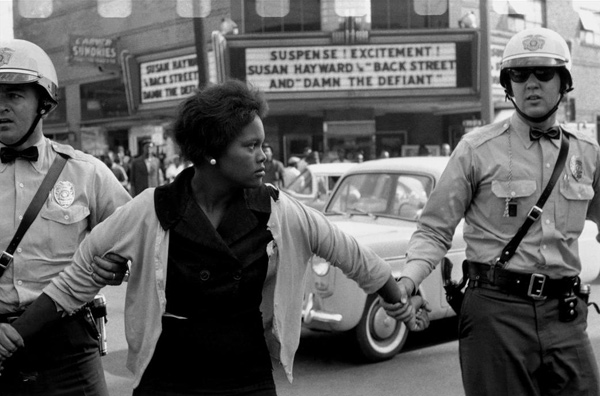
Birmingham, Alabama, 1963 by Bruce Davidson

Birmingham, Alabama, 1963 by Bruce Davidson/Magnum

The post Masters of Photography: Bruce Davidson, Master of the Subway by James Maher appeared first on Digital Photography School.


Digital Photography School

 
Comments Off on Masters of Photography: Bruce Davidson, Master of the Subway

Posted in Photography


Weekly Photography Challenge – What Floats Your Boat?

01 Mar

Earlier today I shared some fabulous images of boats – all sizes, types, and colours.

Now it’s your turn. Show us your best boat images for the weekly photography challenge. Even if you don’t live near the ocean or large body of water, try something creative. What about a toy boat in the bathtub?

Winter got you snowed in? How about the antique store where they have boats in bottles!

Think outside the box . . . or bottle, and show us your boats! Here’s couple more images to get you started. The first two are even my own images, just to show you I can do challenges too!

By Darlene Hildebrandt (yup my image)

By Darlene Hildebrandt

By Moyan Brenn

By Adrian Berg

By Steve Wall

By Alan Bruce

By mjtmail (tiggy)

Share your boat images!

Simply upload your shot into the comment field (look for the little camera icon in the Disqus comments section as pictured below) and they’ll get embedded for us all to see or if you’d prefer upload them to your favourite photo sharing site and leave the link to them.

The post Weekly Photography Challenge – What Floats Your Boat? by Darlene Hildebrandt appeared first on Digital Photography School.


Digital Photography School

 
Comments Off on Weekly Photography Challenge – What Floats Your Boat?

Posted in Photography


Tips for your Next Adventure Photography Trip

27 Feb

Many landscape photographers’ love for wilderness, drives them to venture far in search of wild and remote locations. The lure of solitude and unfamiliar scenery motivates many to photograph far off the beaten path. Adventure photography at it’s best.

Backpacking, rafting, canoeing, trekking, climbing, and other self-propelled modes of travel are a few of the ways these remote locations are accessed and used. Those adventures are often with other people and the rewards can be stunning scenery, wildlife, and of course: the wilderness experience.

On a canoe trip with my son we discovered this campsite on the shore (see image below). Earlier in the day I photographed the mountain reflecting in the lake before realizing the setting would make for a stunning photograph of a camp scene.
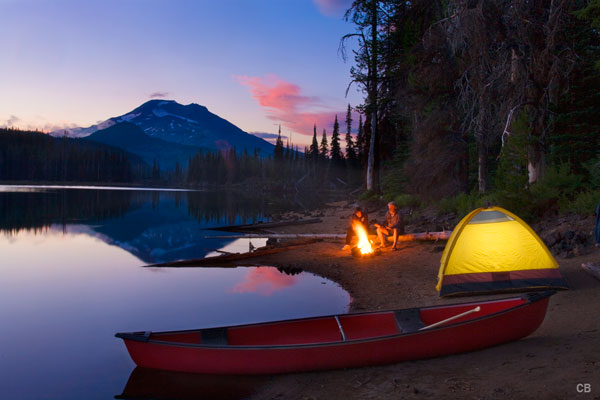
Sparks lake oregon

ISO 100, f/16, ½ second – Sparks Lake, Oregon

That experience is one reason many of us photograph! We photograph because we want to tell a story about the place we visited, what we saw, and how it looked. We do this by capturing wide views,long views and intimate details to create stunning nature images.

PHOTOGRAPHY IS AN ADVENTURE – PHOTOGRAPH IT

Photographing the landscape may be the sole purpose for some photographers heading into the wilds, but there might be another story that is often overlooked: the adventure itself. There are many photo opportunities from the scenery to the human experience that tell the story of a successful wilderness photo trip.

PLAN AND PREPARE BEFORE THE TRIP

Getting into the adventure mindset starts with pre-trip planning and determining a story line.

  • What is the trip about?
  • Who is going?
  • Will there be any specific events to plan for in advance?

Whenever I am preparing for an adventure I try to think like a National Geographic photographer. Their job and goal is to tell the story in pictures, in unique ways, and so is mine.

I have rafted many rivers including the Grand Canyon three times and each trip had a different group, with unique dynamics. To capture great storytelling images of an outdoor adventure, start by simply observing the other participants’ behaviour at the beginning of the trip. What will they do on the trip? Kayak, hike, climb, read, play music, or anything that you can observe and then plan to later photograph.

Next, I develop a list of photo ideas to reference during the trip. Most trip participants are not committed photographers like me, so it’s not hard to capture great images of them pursuing their interest and enjoying the adventure.

While I will photograph the scenery, all the activities like hiking canyons, cooking meals, sitting around the campfire, swimming in the waterfalls, dealing with physical challenges, and whitewater rafting through some of the biggest rapids in the U.S., are all on my mental shoot list.
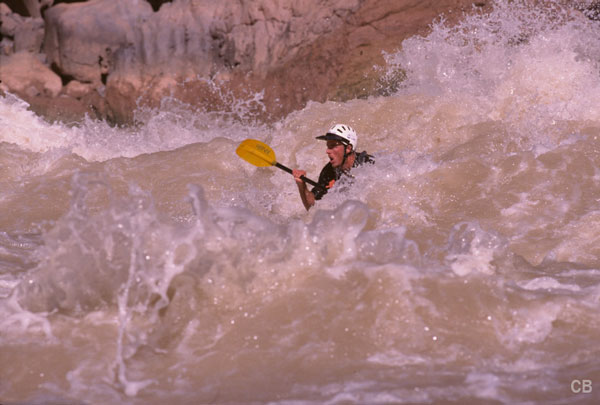
Kayak grd cyn lava falls rapid 0001

ISO 100, f/5.6, 1/1000 – Grand Canyon Lava Falls Rapid

PACK THE RIGHT GEAR

Besides pre-planning the photo ops, I also plan the equipment and other gear I will need. For rafting trips I will take mostly the same gear as any other trip (when it comes to basic camera gear) keeping in mind limited space. But because it is a trip based around water I also take waterproof devices for the camera gear including Pelican cases, an underwater camera housing, and military ammo cans for accessories.

On a magazine assignment years ago, I took a horse pack trip into Hells Canyon in Oregon. The focus this time was on the outfitter himself, a cowboy (see image below, right) who ran backcountry horse trips and was also an elected official holding public office. The focus of the photography was the trip he was leading and included landscape imagery, the horses and horse packing, and the guests enjoying the wilderness adventure. I captured the adventure while the writer wrote about the politics. For my camera gear, I wore a hip pack for easy access to my camera while on horseback, while my camera backpack and tripod were tied down on a pack horse. Plan to take the right gear for the adventure.

During your pre-trip planning, start with some research on where you are going and observe how other photographers have photographed a similar trip. Make a list of the obvious: who, what, where, when, and how. This will remind you during the trip of images you had planned to capture when illustrating the story line.
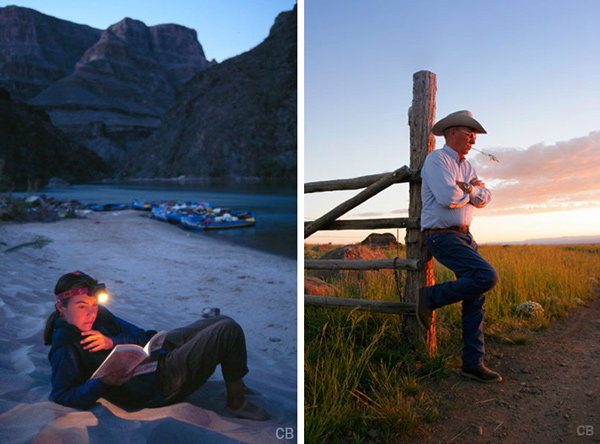
Adventure photography people

Left: ISO 100, f/8, 1 second – reading by headlamp
Right: ISO 100, f/8, 1/30th – rancher Steens Mountain, Oregon

The woman above was always writing in her journal or reading in the evening, so I asked her to pose and read a book. (see image above, left)

SHOOT THE ORDINARY BUT SEEK THE EXTRAORDINARY

People are the key to telling adventure stories. It is images of their behaviour and how they interact with the wilderness adventure that communicates to the viewer just what the trip was about. Photos showing their highs and lows, their pain and their exuberance, how they overcome a physical challenge, all convey a sense of adventure.

As the adventure progresses you will develop a sense of how things are moving, what people do for activities, and where and when you can setup photo ideas from your to do list. I then suggest you ask people to pose in a storytelling scenario that ideally appears natural and un-posed. Posing can be a challenge to make look real, but by suggesting to the people to just ‘be themselves and read a book’ for example often results in a more natural pose. Other times, work like a photo journalist by keeping your camera in hand and ready to capture spontaneous moments which often lead to powerful storytelling images.
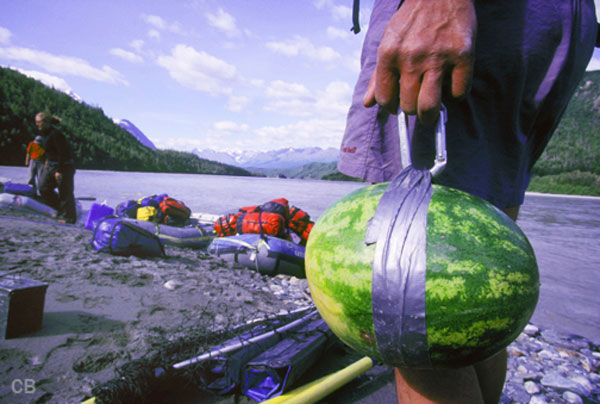
Alaska Raft Copper River 5

ISO 100, f/8, 1/200 – Alaska river guide

Photographing an Alaskan rafting trip, I was intrigued when I saw the river guide carrying this watermelon and in particular, his method of insuring we would not lose the fruit that went with tonight’s dinner. I asked him to stop and hold still.

VISUAL APPROACHES

Look up and down and all around when choosing your camera angles and storytelling compositions. I describe the two approaches I use as Observer and Participant. The photographer as Observer captures the activity as it happens, from the sidelines. The Participant photographs the action while being a part of it. The difference is the Observer captures views easily seen by anybody while the Participant captures views more difficult for everybody to see.

This is an angle photographed as an Observer from the river bank and while effective, was easy to capture the action and the setting.
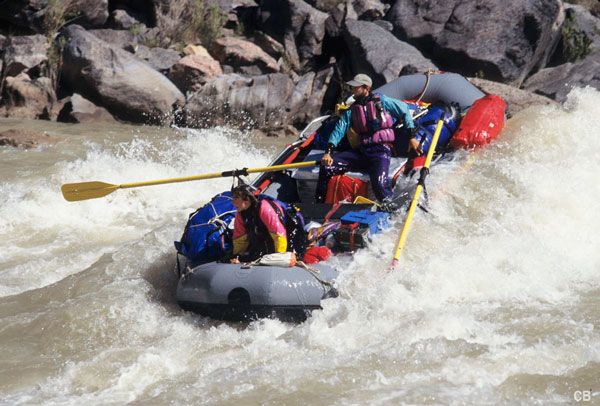
Rafting grand canyon 002

ISO 100, f/5.6, 1/1000 – Rafting Grand Canyon, Observer viewpoint

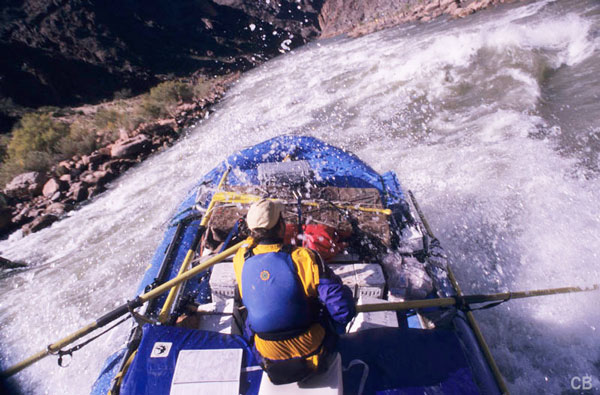
This point of view photographed as a Participant, from within the boat, is very powerful; allowing viewers to feel like they were along for the ride as the boat was tossed around in the waves.
Gr cyn hermit 4

ISO 100, f/8, 1/250 – Participant viewpoint

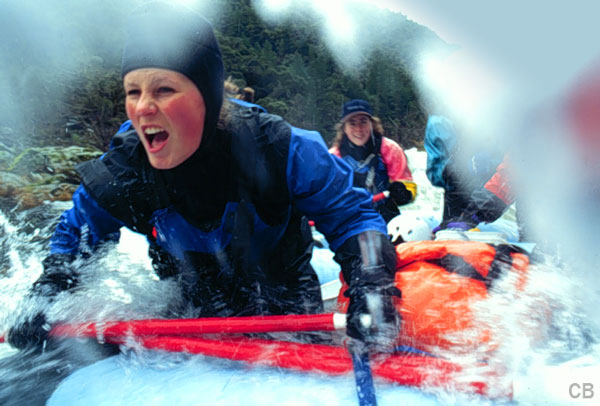
The advantage for the photographer as Participant is capturing angles of the activity as though the camera was their eyes. Images shot from this approach give the viewer a perspective that can make them feel as if they are immersed in the action. A rock climber taking a photograph of the climber below them offers a unique perspective of what it is like to be on the rock wall. A view that the casual observer would not see without climbing the wall.

Rafting on a winter day with intermittent snow, I was positioned in the front of the raft when a wave came over the top of me and this paddler’s expression shows her bracing for impact.
Rogue erica yell

ISO 100, f/5.6, 1/60th – Participant viewpoint

ISOLATE AND ILLUSTRATE

Another effective visual approach in telling the story is to ‘isolate and illustrate’. Isolate refers to a subject isolated in the composition. They are the sole or dominant subject in the frame; the story is all about them and what they are doing. Nothing else visually is needed. These photos usually say ‘who and what’.

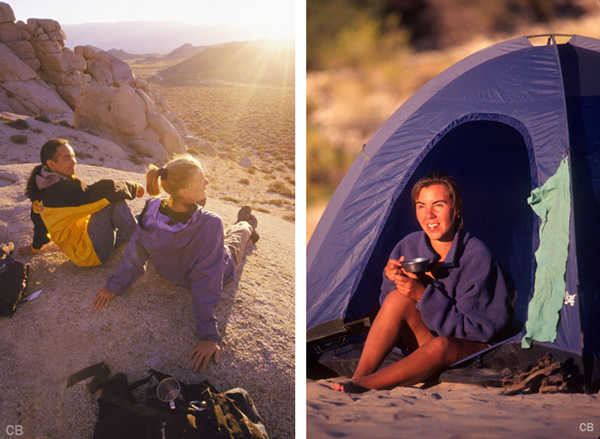
Here, a woman enjoying her coffee at sunrise was isolated in the composition using a telephoto lens, shot from the other side of the camp. The visual story is her and her camp. (see image below right)
Adventure photography sunrise tent

Left: ISO 100, f/8, 1/320th – sunrise
Right: ISO 100, f/5.6, 1/1000th – morning coffee

Captured on a 10 day climbing and photo adventure, the image above left, was shot during a hike up to watch the sunrise and it tells a story that the day is beginning. From the sun flare on the lens to the large view, this image clearly Illustrates the story of where they are and when.

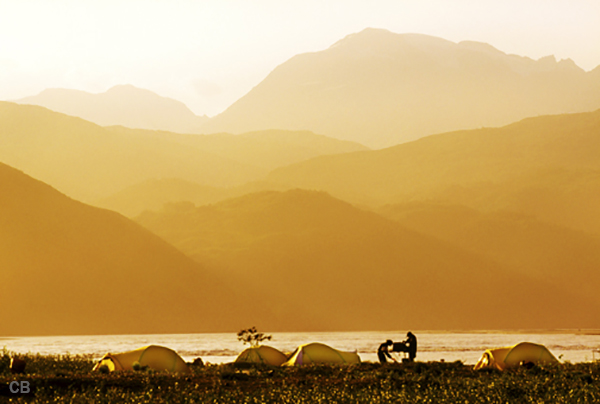
The illustrated approach to a storytelling composition could be a subject much smaller in the scene in comparison to their surroundings. It’s a great approach for giving viewers the big picture and a sense of scale to the overall scene. An Illustrated image says ‘what and where’.

The example below of the illustrative approach shows a camp set among large mountains and the river. It tells the story differently by showing the size relationship between the subjects and background providing a sense of scale to the scene.
Alaska copper river camp 2A

As we were hiking back to camp, I noticed the shadows on the rocks and stopped and asked them to try various poses like a high-5 and dance on the rocks.
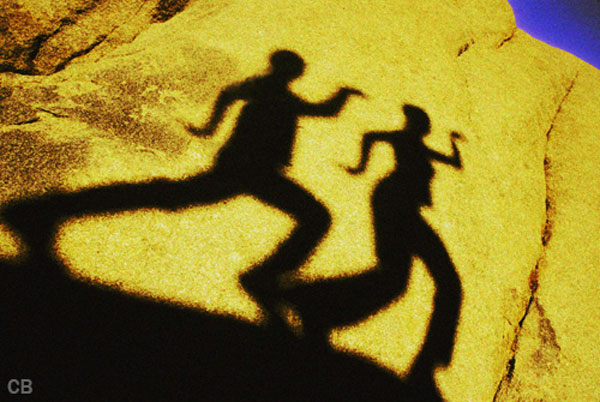
Egyptian shadow

ISO 100, f/11, 1/125th

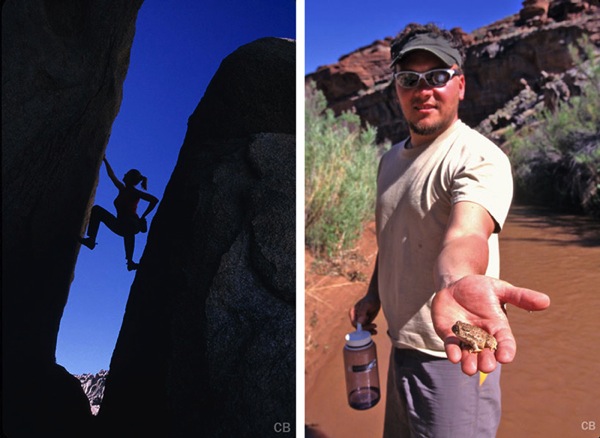
Captured later in the afternoon, I used the Isolated approach to the composition showing the climber between the rocks. This created an image that’s all about her and what she is doing. (below left)
Adventure photogrpahy buttermilks climbing

Hiking with a group in Utah, one hiker spotted a small frog near a pool or water and picked it up to show it. The wide angle, up-close angle tells the story of humans interacting with nature (above right).

You can also create storytelling images by adding lighting to further tell that story. Here, one of my preconceived ideas was someone reading in this comfortable wilderness cabin tent. I asked them to sit on the bed and read a book, then placed my flash behind them so it placed a shadow on the tent that told the story.
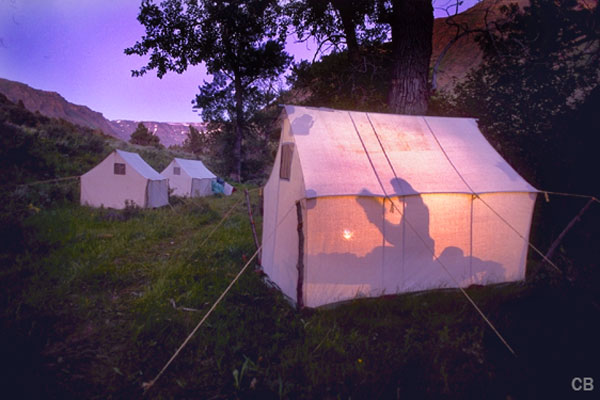
Shadowed figure reading inside tent

ISO 100, f/8, 2 seconds

Finally…

There is always a story to be told from any photographic adventure and if you plan to go on an expedition of any kind, large or small, plan to photograph more than just the scenery. Here are a few steps to prepare:

  • Plan ahead of time to make sure you have the right equipment for the adventure.
  • Research the type of trip you are prepping for by looking at other images and methods photographers use to document the same trip. Use those for motivation.
  • Let the story line you thought of be a starting point to determining the images you want to capture.
  • Keep your mind open to other ideas beyond those on your shot list. Often the best images were not on your to-do list.
  • Think like you are on a magazine assignment and work hard to capture the whole story in your own unique way.

In the end you want your story in pictures to leave viewers feeling a great sense of what the trip was like, what was experienced, and how it might have felt to have been a participant.

Have you been on any adventures? Do you have any other tips to share? Please do so in the comments below.

More reading on outdoor photography:

  • Your Compete Guide to Outdoor Photography – Part Two
  • Your Complete Guide to Outdoor Photography – Part One
  • Winter Photography Tips | Bendy straws and Ziploc bags?
  • Living Landscapes a dPS ebook
  • 11 Tips For Eco-friendly Trail Photography

The post Tips for your Next Adventure Photography Trip by Charlie Borland appeared first on Digital Photography School.


Digital Photography School
 
Comments Off on Tips for your Next Adventure Photography Trip

Posted in Photography


Top 10 Pet Photography Tips and Techniques

26 Feb

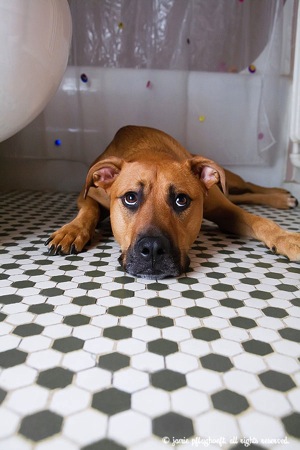
Fergie bathroom copyright cowbelly pet photography

Top 10 Pet Photography Tips and Techniques

The pros make it look easy, but anyone who has ever tried to photograph an unpredictable creature like a cat or a dog knows it is anything but. Here are some pet photography tips that the pros use to help you ‘get the perfect shot’.

1. Relax

Animals are like little emotional sponges, and if you are stressed and anxious, they will sense it and become stressed and anxious too. A stressed animal will give you ‘ears flattened’, ‘concerned eyes’ looks, which don’t translate well ‘on film’. Take a deep breath and remember to have fun with it!

2. Focus on eyes and expressions

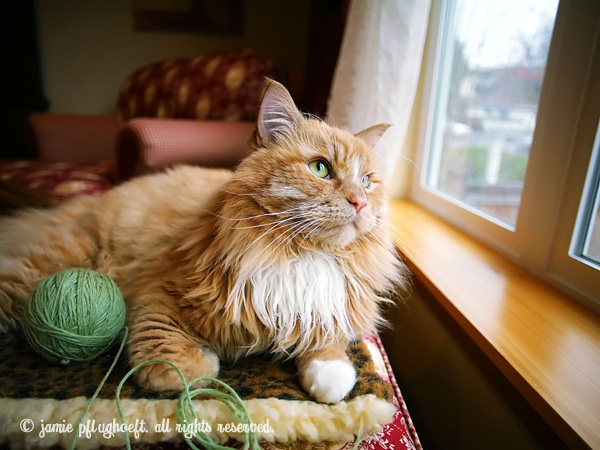
Ozzie copyright jamie pflughoeft

The eyes are the most expressive part of an animal’s face, so if you want to create really engaging portraits, focus on the eyes and facial expressions. A well-timed puppy whine (from you) can reel in focus in a puppy or curious dog, and have them staring straight at the camera faster than you can say “woof”.

3. Get rid of clutter first

Before you even pull your camera out of your bag, take a look around at your shooting location and get rid of clutter and distracting objects first. Do you really want to see that empty Starbucks cup on your coffee table in the photos of your cat? Is the garden hose snaking through the grass where you are photographing your dog, adding an aesthetically-pleasing element to your photos?

If an element in your background doesn’t serve to enhance your images in some way, either remove it first or move to a different location. An uncluttered environment produces more aesthetically pleasing images, and reduces post-processing work. Nobody needs to see photos of your puppy with an overflowing garbage can in the background.

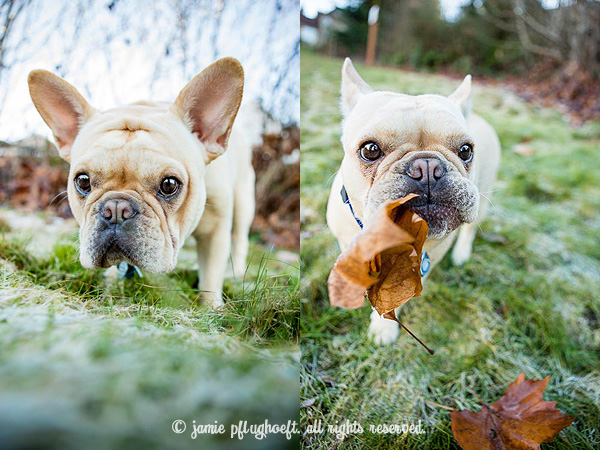
Seamus copyright jamie pflughoeft

4. Shoot in their world

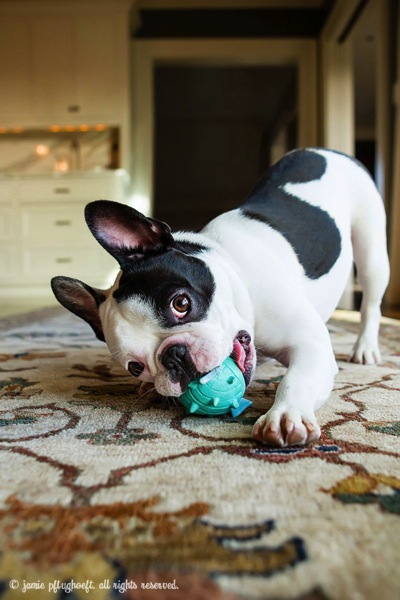
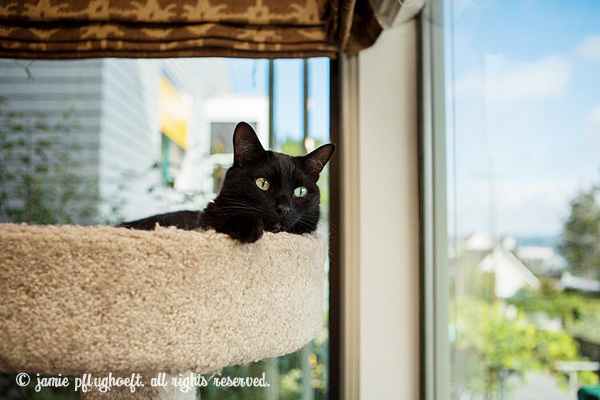
While a few shots looking down at your pet, while you are standing can be cute – to create the really engaging portraits the pros make, shoot down at their level, ‘in their world’. For a Great Dane their world may be the height of your hips; for a Chihuahua it may be all the way down at the level of your ankles. For a cat lounging on a cat tree, you may need to pull out a step stool to get on their level. Practice ‘shooting from the hip’ to place the camera in their world without having to crouch or kneel if they are on the ground.

Miles copyright jamie pflughoeft

5. Be flexible and do some stretching first

If you have ever watched a professional pet photographer in action, you will notice that they bend and twist and turn and crouch and crawl – whatever it takes to get the shot. Be prepared to get those muscles working in order to get the perfect composition. Sometimes all it takes for a dog to break their sit-stay is for you to go from sitting to standing, and it’s better to reach and lean, than make a large movement that will cause the pet to move from their perfect pose.

6. Go where the light is best

Good light is everything in photography, especially in pet photography, where it’s critical to be able to see the catchlights in the pet’s eyes (the white reflective parts). Avoid photographing in dark rooms or under heavily overcast days. Bright yet diffused light is the easiest to create flattering pet portraits under, so before you even start shooting, take a look around your subject’s environment and determine where the best bright, yet diffused light is; then move to that location.

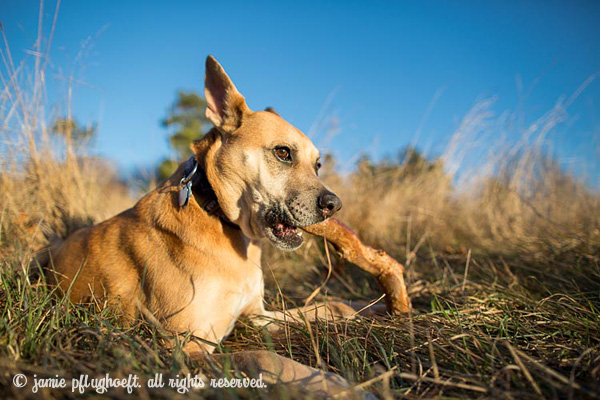
Abbey copyright jamie pflughoeft

7. Pay your model

Every animal needs to have some sort of motivation to pay attention to you during the shoot; otherwise they will wander off and become disinterested. Determine what they are motivated by (i.e. their ‘payment’), and provide it to them throughout your shoot. For dogs it may be treats or toys, or simply getting love and affection. For cats it may be a feather toy, a paper bag, tuna fish, catnip or even their favourite blanket. For horses it may be their favourite food such as carrots or apples.

The biggest ‘trick’ in pet photography is to fool the animal into thinking that they are making the decisions, when it’s really you that is motivating them to do what you want, without telling them so outright . The ‘getting them to do what you want’ comes in the model payment. Get creative when it comes to ‘rewarding’ your models, and they will reward you with great shots and be more cooperative too. Plus the shoot will be more fun, and pet photography is supposed to be fun!

Penny copyright jamie pflughoeft

8. Create a concept and a shot list

The most engaging animal imagery shows them in context. It may be a cat looking up at an owner opening a bag of food in the kitchen (concept: desire), a dog looking longingly through a front door waiting for his or her buddy to come home (longing), a horse owner with her arms wrapped around her equine’s neck (connection). If you can say something with your images, they will speak to your viewers on a deeper emotional level.

Charlie doughnuts copyright jamie pflughoeft

9. Be quiet

There is no quicker way to confuse a dog, or freak out a cat than to bark commands at them repeatedly. Cats will disengage or even leave the room, and dogs will become confused and concerned.

Try communicating with the pets the way they do each other- nonverbally. Use hand signals or point to invite them ‘over here’. Use the sit hand signal for dogs that understand it. If you do need to say ’sit’, say it quietly and calmly, only once or twice. Avoid saying the pet’s name, because the more times they hear it during a photo shoot, the more inclined they are to tune out.

In my opinion, there’s nothing worse than a photographer (and an owner), hovering over a little dog and saying “sit Charlie,… no- SIT. I said Charlie sit. Sit. Down! Sit Charlie. Charlie- sit. Siiiit. SIT”. Poor Charlie! No wonder he’s confused. The less talking and ‘commanding’ you do, the better the shoot will be, and the more little Charlie will pay attention and ‘listen’.

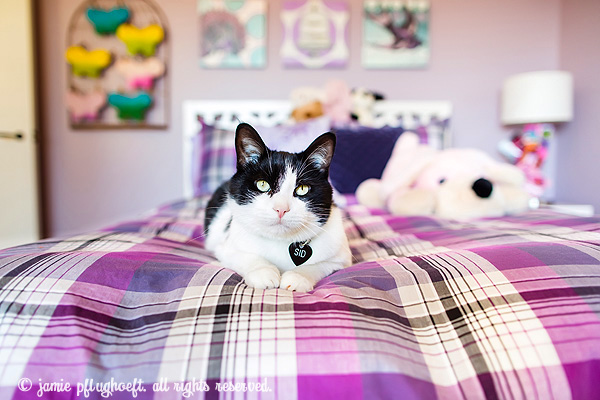
Sid copyright jamie pflughoeft

10. Move slowly

Unless you are adept at documentary, on-the-fly, photography where the animal is moving a lot and you capture the perfect moment of them walking, sniffing, jumping, hunting, etc., learn to move slowly around them while taking their pictures. This is especially important with cats, who are prone to either radically change the expression on their face (and ears) at your slight movements, or split the scene altogether. This is also true of dogs that are in a sit or lay-stay position.

When you shift position they sense you are off on a new adventure and want to follow you. If you need to move, and you don’t want your model to move, do so very slowly without making any eye contact. And remember to reach, bend, and lean. You’ll not only have a comical pet photography session, you’ll get a workout too!

The post Top 10 Pet Photography Tips and Techniques by Jamie Pflughoeft appeared first on Digital Photography School.


Digital Photography School
 
Comments Off on Top 10 Pet Photography Tips and Techniques

Posted in Photography


8 Reasons We’re Looking Forward to Springtime Photography

26 Feb

Ah, the changing of the seasons. For us photographers, most seasonal changes bring about opportunities to take great photos under differing conditions, and usually no change is more dramatic than the transition from winter to spring.  The world thaws into a new and color-dripped landscape, ripe for capturing its natural beauty through springtime photography. There is always an influx of Continue Reading

The post 8 Reasons We’re Looking Forward to Springtime Photography appeared first on Photodoto.


Photodoto

 
Comments Off on 8 Reasons We’re Looking Forward to Springtime Photography

Posted in Photography


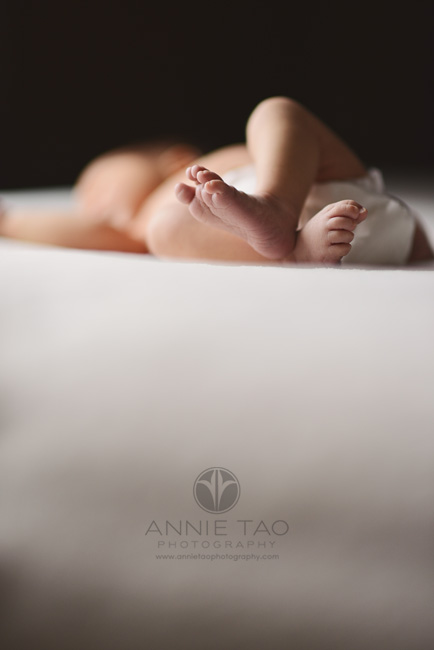
The Power of Perspective in Photography

26 Feb

How you shoot a scene determines what kind of story you want to tell and what kind of mood you want viewers to feel when they look at a photo. The power of perspective is beyond the consideration of your photography subjects; it is about the angle of your camera, your proximity to the subjects and what you include in the frame that plays an important role in your final image.

Below are examples of different perspectives and why you’d want to take a photograph in that way.

Examples of Different Perspectives

Shoot from a low position and straight on – to get the perspective of a child

Annie-Tao-Photography-Perspective-Article-low-and-straight-on-1dps

Annie-Tao-Photography-Perspective-Article-low-and-straight-on-2dps

Shoot downward – to get a sense of scale (ie, that the child is small), to eliminate distracting elements in the background, or to get natural catchlights in your subject’s eyes

Annie-Tao-Photography-Perspective-Article-downward-view-1dps

Annie-Tao-Photography-Perspective-Article-downward-view-2

Shoot upward — to turn tall scenery, like trees or cityscape, into the backdrop

Annie-Tao-Photography-Perspective-Article-upward-view-1dps

Shoot wide – to show the environment

Annie-Tao-Photography-Perspective-Article-shoot-wide-1dps

Shoot up-close – to give an intimate feel or to highlight a particular action or detail

Annie-Tao-Photography-Perspective-Article-up-close-view-1dps

Annie-Tao-Photography-Perspective-Article-up-close-view-2

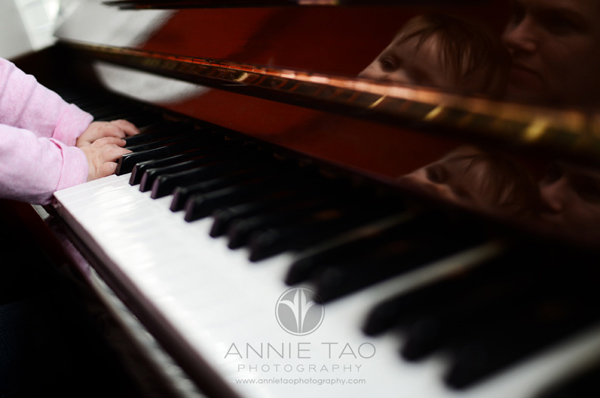
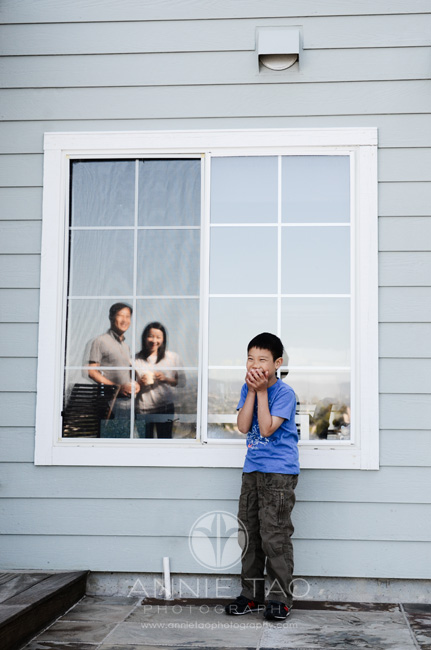
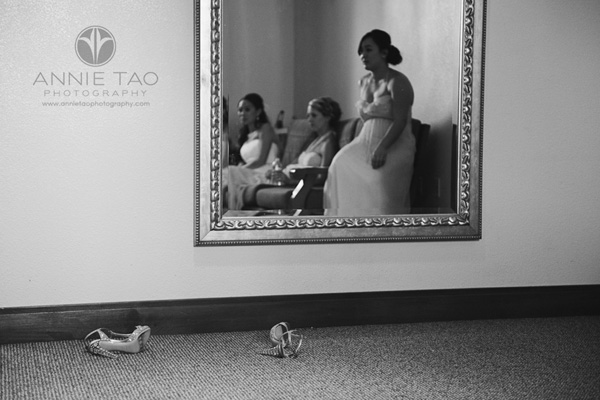
Include reflections – to give an additional dimension to an image

Annie-Tao-Photography-Perspective-Article-reflective-view-1dps

Annie-Tao-Photography-Perspective-Article-reflective-view-2

Annie-Tao-Photography-Perspective-Article-reflective-view-3dps

Shoot behind things – to make it feel like you’re peeking into a private moment

Annie-Tao-Photography-Perspective-Article-shoot-behind-1dps

Annie-Tao-Photography-Perspective-Article-shoot-behind-2dps

What you’ll find is:  PERSPECTIVE influences a viewer’s PERCEPTION!

Conclusions:

  1. Before you press the shutter, take a moment to think about how you want your subject to be perceived in the image. Is there anything you want to highlight? A story you want to tell?
  2. You don’t need fancy camera equipment or a bunch of expensive lenses to create different perspectives. You just need creativity and the ability to move around…and BAM! You have it all.

Have you got some others to share? Please do in the comments below.

For more on perspective see these:

  • Perspective in Photography – Don’t just stand there move your feet!
  • Why are my Buildings Falling Over? A Short Guide to Perspective Distortion and Correction in Photography
  • 10 Most Common Mistakes in Landscape Photography – and How to Overcome Them

The post The Power of Perspective in Photography by Annie Tao appeared first on Digital Photography School.


Digital Photography School
 
Comments Off on The Power of Perspective in Photography

Posted in Photography


10 Incredible Bird Photography Tips for Beginners

26 Feb

What is the most important factor in getting your bird photographs noticed by a large audience? Is it the camera or the lens or the bird?

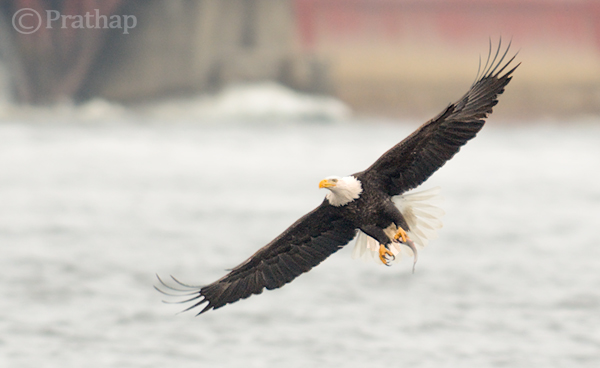
Bald Eagle Flying Away With A Catch

Imagine you have a Canon 1DX or Nikon D4 and 800mm lens. You have been to a place to photograph the magnificent Bald Eagles. Everything seems perfect! Isn’t it?

But, what if you do not know what makes a good bird photograph? Do you think just by shooting a burst of photographs will give you the best photographs? Definitely not…you may get snapshots but not photographs.

“There is nothing worse than a sharp image of a fuzzy concept.” – Ansel Adams

Today you will learn some of the core principles of Bird Photography that will give you an understanding of what makes a good bird photograph.

1. You Don’t Need Expensive Lenses for Great Bird Photography

A great bird photograph does need several factors such as:

  • Quality and Direction of the light
  • Composition
  • Knowledge about the bird and its activities
  • Background
  • Knowledge about the gear you are using
  • Proper Settings
  • Proper Exposure
  • Your position
  • 3 + 1 Ps (Patience, Perseverance, Practice + Passion)

You see, it takes a lot more to become a good bird photographer. A decent APS-C or DX format camera body with telephoto lens of up to 300mm is more than sufficient to really get great bird photographs.

It is important to realize that bird photography is much more than just the camera or the lens. There is no denial of the fact that the longer the lens, the easier it is to photograph birds which are skittish. But, the lens itself cannot make a great bird photograph.

But, if you do not have a longer telephoto lens, nothing stops you from taking a great photograph of birds like Mallard ducks, geese, gulls, and herons that are easily approachable. If you cannot take a close-up of a Bald Eagle, nothing stops you from taking a unique photograph of a Bald Eagle in its habitat.

Everything boils down to how you view the situation. “Is the glass half empty or half full?”

2. Light and Composition

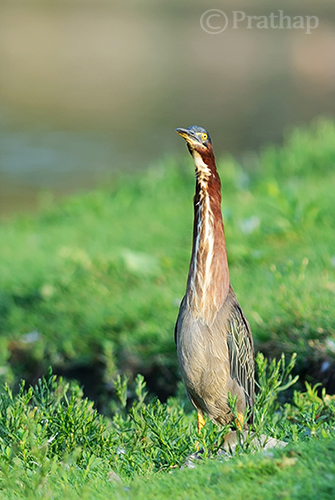
Green Heron Standing TallPhotography is all about light. Light has few characteristics that will make a photograph wonderful.

Early morning and late afternoon light is usually the best time for bird photography. The light during these times is soft. As a bonus, the birds are very active as well.

Soft light has some wonderful characteristics like:

  • It does not cast harsh shadows on the bird
  • It brings out a glow to the bird’s plumage
  • It gives the catch light in bird’s eye

Composing a bird photograph helps you to convey your message in the best possible way. Bird Photography composition is generally very simple. Following a few basic composition principles will help you make a difference:

  • Use rule of thirds composition to place the bird off-center
  • Use color contrast by aiming for complementary background
  • Fill the frame with the bird
  • Use a clean background

3. Transport the Viewer into the Bird’s World

We see our world at 5 to 6 feet high, but birds see the world in few inches to few feet. To get a feeling of the bird’s world, then you need to get down to their level!

Go Low and Go Slow…

Always try to photograph the birds from their eye level, except the birds in flight of course. It has greater benefits that will overshadow any of your complaints like I can’t bend down, lie down etc. Some of the obvious benefits are:

  • You get more intimate photographs of birds since you will get an eye contact
  • You will get pleasing blur both in the foreground and background
  • You make the bird less scared since you can hardly move
  • You will transport the viewer into the bird’s world

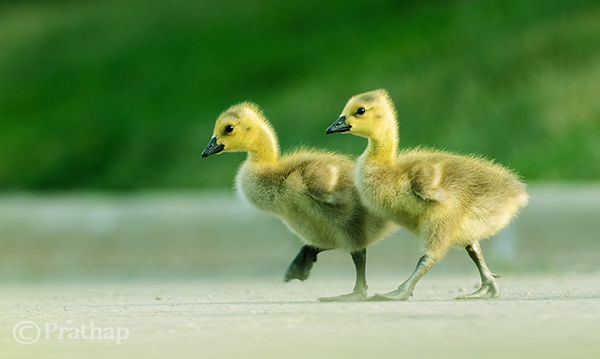
Goslings Crossing the Road

4. It’s all in the Eye

Take a look at any photograph of a bird. What is the first thing you want to see? It’s the eye…right?

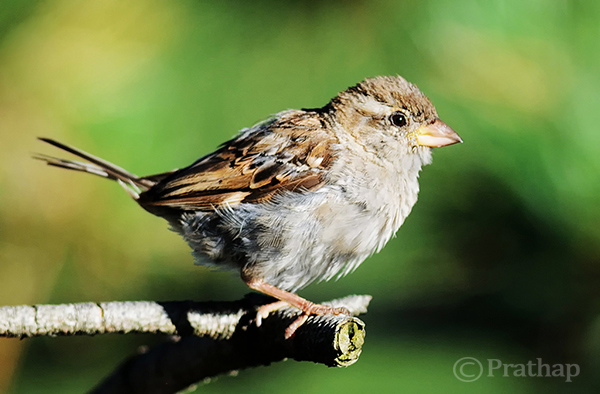
We tend to make an eye connection with any living being. It is no different with birds. The eyes are the windows to the soul. If there is no light in the eyes, then they look dull or lifeless. Birds look lively when there is light in their eye.

This light in the eye is called a catch light.

Sparrow perching on a tree branch

By following few guidelines you can easily get better bird photographs:

  • Always keep the bird’s eye in sharp focus
  • Check for a catch light in the bird’s eye (easy to get if the bird is front lit)
  • Make sure to photograph from bird’s eye level

5. Fill the Frame

In bird photography, mostly we photograph an individual bird. While photographing individual birds, it is always a good idea to fill the frame with the bird.

Advantages of filling the frame with the bird are:

  • It is easy to focus on the bird
  • It is easy to achieve a pleasing blur or bokeh effect in the background
  • It is easy to properly expose for the bird
  • It is easy to compose in the field

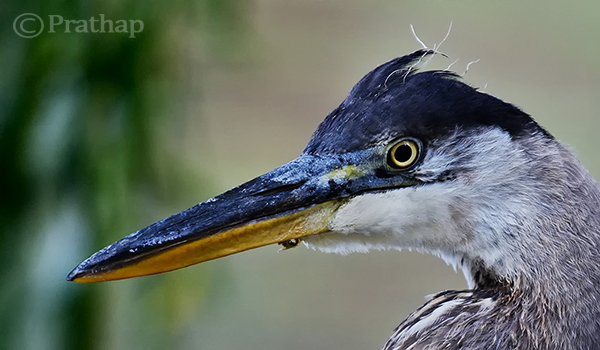
Juvenile Blue Heron Close Up

6. Tell a Story

Storytelling in bird photography should not be confused with the stories that run for pages. Storytelling is a way to express the time of the day, mood, place or activity of the bird in one photograph. Viewers should be able to picture themselves in the scene.

Simply put, a photograph with bird and its surrounding will give a better sense of story than just the bird filling the frame. Though, it may not always be true.

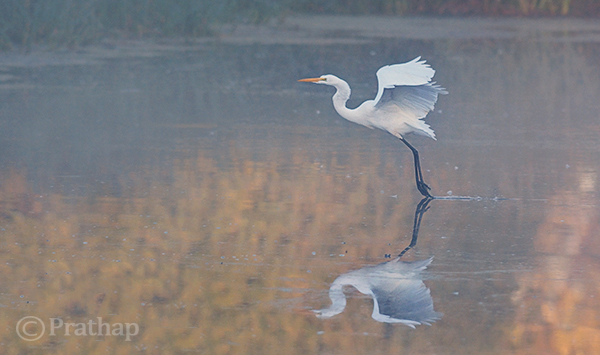
Great Egret in Misty Morning

Here are few tips you can follow while you photograph a bird in its habitat:

  • Make the bird an integral part of the photograph by including its natural habitat
  • Show the interaction of birds if there is more than one bird in the photograph
  • Indicate the weather conditions by including either snow, rain or mist
  • Take photographs during sunrise and sunset
  • Show season by including flowers in bloom, autumn colors, or snow

7. Capture their Action and Behaviour

Birds are always in action. They hardly sit idle. Capturing birds in action involves more effort and patience compared to photographing perched birds.

Here are few tips to capturing birds in action:

  • Photograph early in the morning or late in the afternoon when birds are very active
  • Use burst shot mode to take several photographs during the action
  • Track the bird until focus is locked before pressing the shutter
  • Learn to anticipate the action either by observing or reading about them

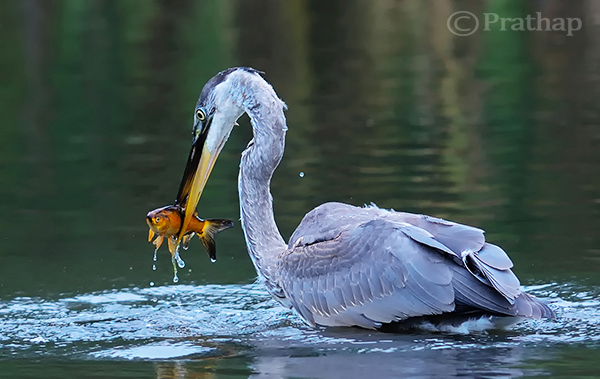
Juvenile Blue Heron with a Fish

Birds tend to ignore you when they are very hungry. It is very easy to photograph them in action during these times. But, care should be taken not to disturb them and maintain considerable distance.

Capturing bird’s behaviour is much tougher than any other aspect. Generally because birds become alert the moment you are in their sight.

The alert bird is always trying to fly away and rarely will you see its behaviour. You can observe actual behaviours of a bird when it is comfortable. There are few ways to make the bird comfortable:

  • Use a natural place to hide, like a bush or tree or something that obscures you
  • Wait patiently until the bird ignores you
  • Visit the location several days in a row, until the bird becomes comfortable with your presence or you get the right opportunity

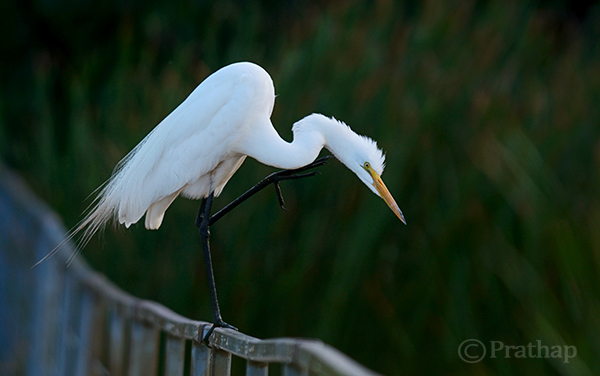
Juvenile Great Egret Behavior

Remember to research and learn everything about the bird you are photographing. This will definitely make you a better bird photographer and also you will enjoy knowing about the bird.

8. Capture their Magnificent Flight

The most interesting part of bird photography is capturing their magnificent flight. This is a very tricky aspect for beginners and pros alike. It is not easy to take flight photographs that will wow viewers.

The success with birds in flight photography largely depends on the bird as well as the technique that one employs. Smaller birds are generally very erratic in their flight and also a bit difficult to track since they are generally too small in the frame. But the larger birds are slightly less swift and are not as difficult to track.

If you want to be successful with flight photography, start with the larger, slower moving birds. Learn all the field techniques to capture the perfect photographs of these birds.

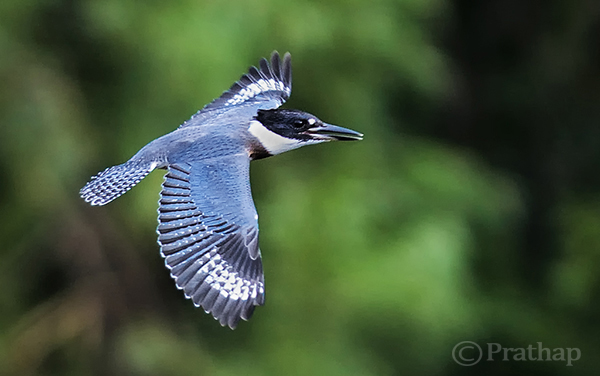
Belted Kingfisher in Flight

Here are simple tips that will help you capture those magnificent flight photographs:

  • Learn about the bird’s flight patterns
  • Know their landing and taking off patterns
  • If there is more than one bird, it is almost always the case that if one flies, the rest will follow the suit
  • Track the bird for a while and let the camera achieve focus before pressing the shutter
  • Use Aperture Priority so that you do not have to worry much about the changing light conditions

9. The Background Makes the Picture

This is one of my favourite topics which I repeat often. What are your thoughts on this? – Is it the background or the bird which makes the picture?

Go through all your favourite bird photographs and see it for yourself. Let me know what you think, in the comments below.

Except extreme close-up portraits of birds, every other type of bird photograph will look great when the background is clean and complementing the bird.

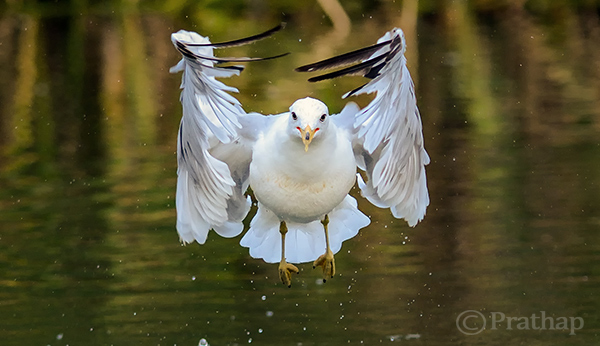
Seagull the Eagle

It is very important to keep a check on the background while taking bird photographs. Just follow these simple tips:

  • Avoid taking bird photographs when the background is too distracting
  • Avoid taking bird photographs when the background is plain and boring
  • Wait for the bird to assume a good position or you change your position to get an interesting background
  • Choose maximum aperture values to throw the background completely, or slightly out of focus

10. Practice with Common Birds

I urge you to practice with common birds. You might have understood by now that the techniques are not dependent on camera, lens or the bird. I was using 18-200mm lens for first 4 years. I learned and practiced most of my birding techniques with common birds like seagulls, Mallard ducks, geese and herons.

I spend most of my time photographing these common birds, and I gave myself a challenge to make some unique photographs of them, that has fuelled my passion so long. I put more importance on learning and practicing photography, than whatever gear I possess. I am very glad to say that I learned most of the photography basics here at Digital Photography School.

I hope my story so far is an inspiration to you to embrace the beauty of these common birds.

Wrap up

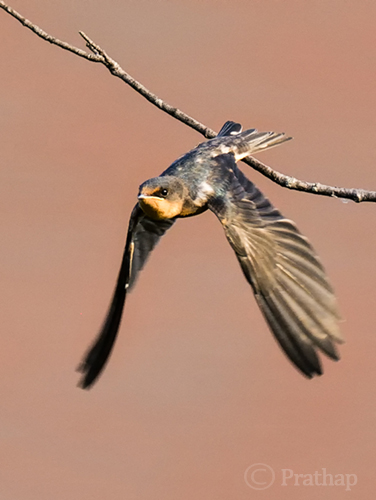
Barn Swallow Taking OffFocus your time and energy in learning all the core principles outlined above. Prove it to yourself that you have so much passion to go out and photograph the birds every day, or as often as you can.

Remember that proper techniques will always outsmart equipment. Make every attempt to make amazing photographs of the common birds. Enjoy photographing birds. That is the secret to success.

Share your experience with us. Do you go out very often to photograph birds? Do you think technique outsmarts the equipment? I would be glad to answer any questions you have. Do let us know if you have any other suggestions on bird photography.

The post 10 Incredible Bird Photography Tips for Beginners by Prathap DK appeared first on Digital Photography School.


Digital Photography School
 
Comments Off on 10 Incredible Bird Photography Tips for Beginners

Posted in Photography


The Experience of Newborn Photography at the Hospital by Kim Rix

25 Feb

I often get asked what my favourite age to photograph is, and although my honest answer is “it’s difficult to choose’. I would have to say that photographing babies, (especially newborns) is a magical experience. Being part of those first days of life and sharing the journey with the parents at such a special time […]
dslrBlog

 
Comments Off on The Experience of Newborn Photography at the Hospital by Kim Rix

Posted in Photography