RSS
 

Posts Tagged ‘Photography’

Weekly Photography Challenge Landscapes

05 Apr

Yesterday I shared a collection of stunning landscape images and asked a question at the end of the list. If you missed it, you can see the collection and my question here.

By Eric Bryan

If you haven’t figured out the three things that I think make all, or most of those images a cut above – let me help you out:

  1. The light – having the right light in landscape photography is crucial to creating an image that is better than good, it’s great. Light is everything and what landscape photographers drool over when they find the “good light” or they wait hours and hours, or sometimes even days to get it.
  2. Simplicity – look at many of the images in the collection again. See how some have very few elements in the image? More is less. Keep things simple and draw the viewers attention.
  3. Going the extra mile – getting off the main road and beaten track is another key to great landscape photography. Anyone can stop at the “viewpoints” along the highway and get the same shot. But if you really want to take it up a notch it’s being willing to hike into the back country and camp overnight just to get a shot of the sunrise in a remote location. Or even getting up for sunrise in the first place (see not on light above again). Are you willing to stand in the creek and get wet if it’s going to add more drama to your image, or climb a mountain, or freeze your butt off in the cold? Those are the things that the best landscape photographers do that most of us don’t and therefore they get the images we all wish we had.

Now it’s your turn! The weekly photography challenge is of course, landscape photography. 

Here’s a few more example which exhibit some of those qualities:

By Trey Ratcliff

Camped overnight on the great wall – go read the full story about this image on Trey’s blog (linked to from the image on Flickr)

By skoeber

By James Jordan

By Yasin Hassan – ????? ???

By Eleder Jimenez Hermoso

By Trey Ratcliff

Willing to risk life and limb on a rickety, questionable boat/raft on a river in China, in the pitch black darkness, to get this shot above. To read the story of the making of the image – click the image to go to Flickr.

Share your landscape masterpiece images!

Simply upload your shot into the comment field (look for the little camera icon in the Disqus comments section as pictured below) and they’ll get embedded for us all to see or if you’d prefer upload them to your favourite photo sharing site and leave the link to them.

And don’t forget to share the story of your image as well. Did you do #3 above and go the extra mile? Tell us about it!

The post Weekly Photography Challenge Landscapes by Darlene Hildebrandt appeared first on Digital Photography School.


Digital Photography School

 
Comments Off on Weekly Photography Challenge Landscapes

Posted in Photography


10 Photography Tips to Help You Take Your Photography up a Level

03 Apr

Man working

The best lessons are the ones you learn the hard way. Here are 10 photography tips I learned after lots of frustration, discouragement, money lost, and forever lost opportunities. These tips are not very common, I never heard them hence you probably never heard of them either. I hope they help you avoid the mistakes I made, and help you improve your photography. Let’s get to it shall we?

10 Photography Tips

1 – Always have a camera in your pocket. Always. Or else.
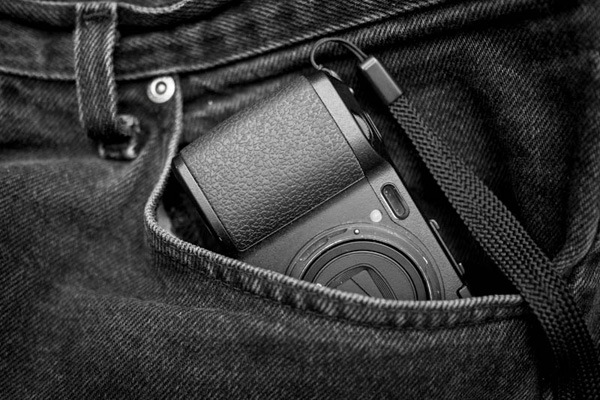
Pocket Camera Ricoh GRD IV

How many times have you been a situation where you kinda wanted to take your camera bag, but ended up not doing so because of the thought of lugging the bag, or even the DSLR itself?

It’s understandable. Do you want to take that DSLR everywhere you go? Who would want to dangle that thing while going to the grocery store? Nah. But one thing I’ve learned, is that images don’t wait for you. I’ve been through too many “I wish I had my camera with me” scenarios to know so.
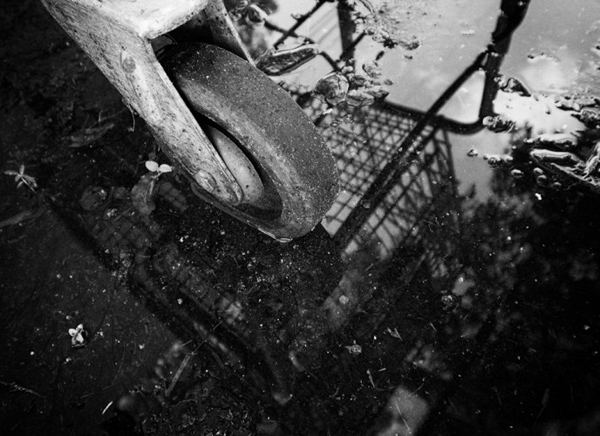
Abandoned Cart Ricoh GRD IV

Caption: An abandoned cart on my way to get a sandwich

One of the best things I did as a photographer was to get myself a pocket camera (The Ricoh GRD III, now I have the Ricoh GRD IV) and take it everywhere with me. It freed me photographically, and it made me stop thinking in terms of “photo shoots” and start thinking in terms of “life photography”.
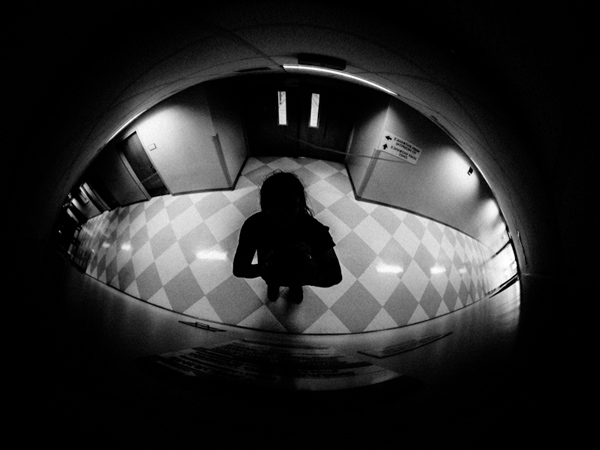
Distorted figure Ricoh GRD IV

Caption: At a hospital for a baby checkup

While the small compact ended up being my main camera, you don’t have to do the same, but do get a pocket camera. You have no idea how many images pop up in otherwise mundane situations like grocery shopping, or taking a stroll at the park.
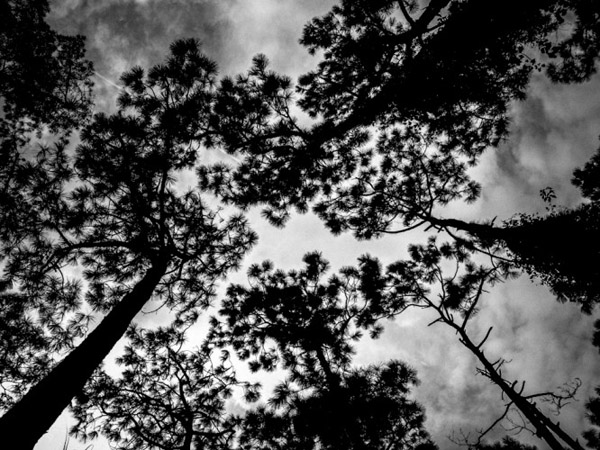
In the park

Caption: In the park

In a nutshell: photographs don’t wait for you, get a pocket camera to fill in the gaps where your DSLR is absent.

P.S: Your phone might do but I don’t know about you but I can’t stand using it, there’s no buttons nor dials! Also check out the Canon S120,

2 – Your background is as important as the subject
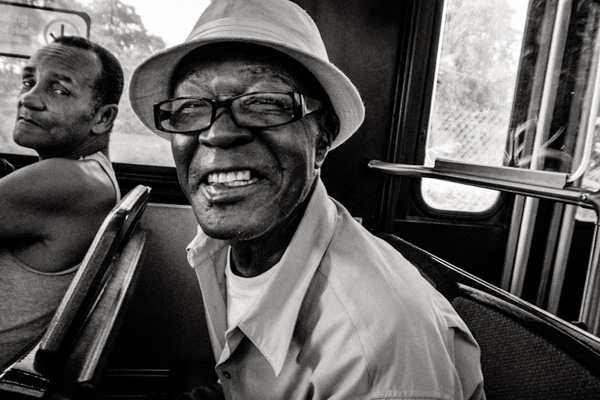
Man bus Ricoh GRD IV

When making an image, there’s bound to be a subject. But the subject is rarely alone, there’s the background to deal with. When looking through the viewfinder and you spot your subject, the first thing to do is not to press the shutter release button….it’s to pay attention to your background first.

There’s only two things a background can do for your subject: it can either bring attention to it, or detract from it. Say you are having a conversation with a friend, you wouldn’t want someone else’s voice distracting from your own, would you? So why let your subject be distracted by the background?
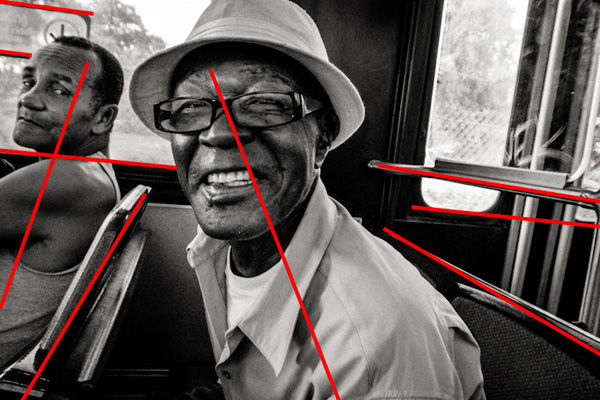
Man bus explanation Ricoh GRD IV

This guy was on the bus and was just priceless, after some entertaining conversation (too much, he was drunk and the whole bus was watching), I told him I would make his portrait. Even before rising my pocket camera, while talking I was wondering how I could draw attention to him.

At first I wasn’t going to include the guy on the left, but by changing the guy in the back leaned back and bought further attention to my subject. I happily made the shot.

In a nutshell: be attentive to your background, ask about every object, line, color: Does this distract or enhance what I am trying to focus on?

3 – Everything is light
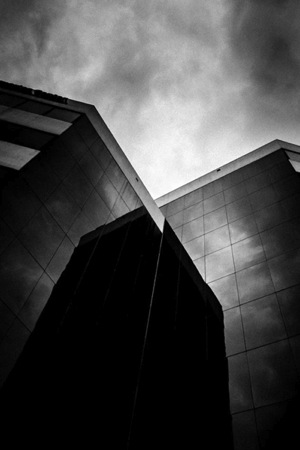
Building black white

What is the first thing you notice when you see your child or significant other? A person, right? Well that’s fine and all if you are dealing with them as another person, but when it comes to photography, you are dealing with LIGHT, so you have to train yourself to see everything in terms of LIGHT.

Did you ever notice how the face lights up when someone is watching TV? Did you notice that you feel differently when a landscape is shot at twilight versus dawn? Do you notice how there’s ugly shadows in the eye area when there’s harsh light?

The examples are infinite, but the skill starts when you force yourself to pay attention to the light. In the image above of the building, I was going to the bank and it was pretty overcast out, and I looked up. While I didn’t go to the bank to get this image, I knew what to expect (soft light, nice reflections of the clouds) and simply looked up and made the image.

In a nutshell: start noticing light, its qualities, the shadows it makes, the shapes it forms.
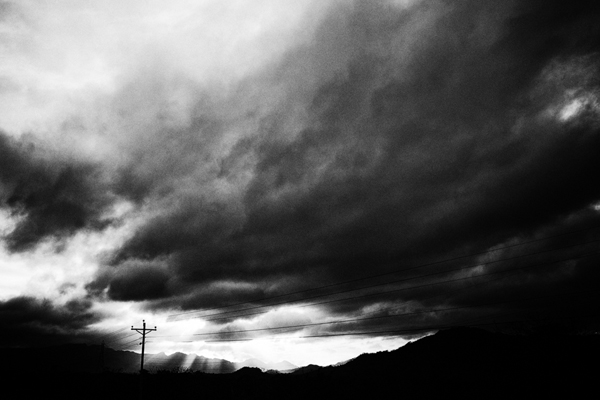
Clouds

4 – Treat your work as wine

Some photographs are either made by luck, or maybe you’re just a genius and you didn’t know it. I’ll vote for the second option because I like you. In all seriousness though, while your best photos might be made tomorrow, you could potentially have gold in your older work.
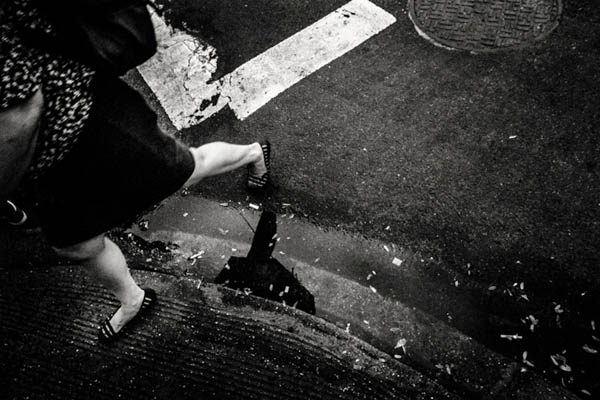
Woman walking

Caption: An image I found months later, I overlooked at first

Fact is, you might have something that you wouldn’t know the value of until you look at it with more mature eyes. I have shots from 10 years ago, (I never dreamed of becoming a photographer back then) that are stellar.
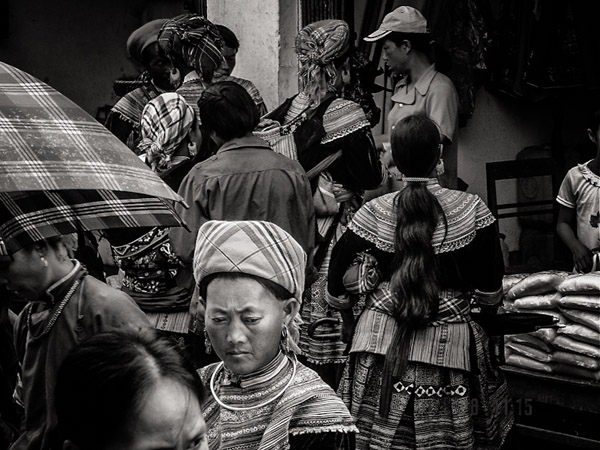
Vietnam hmong

I wouldn’t have seen them if I didn’t revisit the work. The image above was shot 10 years ago. Granted, there were only a few nuggets of gold in the whole pile, but who says no to gold? Plus after time has passed you won’t be as emotionally connected to the images, making you able to judge the images more objectively. Sometimes I go through my old stuff and I can’t believe what I missed! Or I am amazed at how I can recover images I believed were ruined.

In a nutshell: your photos are like wine, they get better with age, but you have to dig them up

5 – Shoot with your heart first

You know your stuff. You know what aperture is, when to bump up your ISO, you know how to expose well. But when you look at your images, you just can’t put your finger on what exactly is missing. Let me suggest that it’s the heart element that’s missing. You are not emotionally engaged with your work.

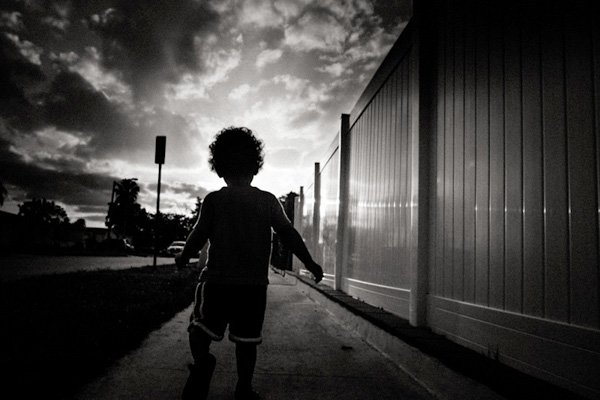
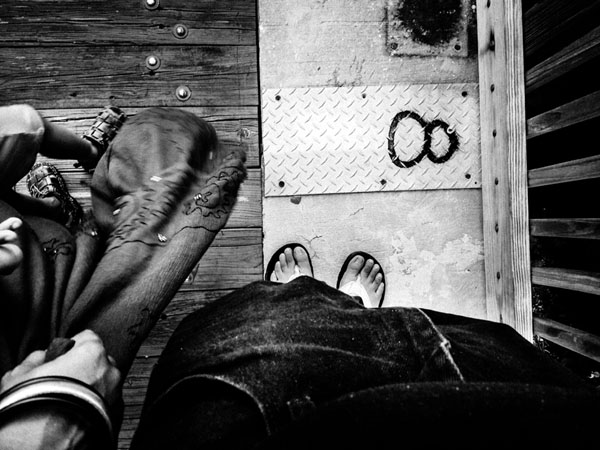
Photography is not about capturing what’s out there in the world, it’s about capturing what’s inside your heart. Shoot what matters to you and put more of yourself in the images.

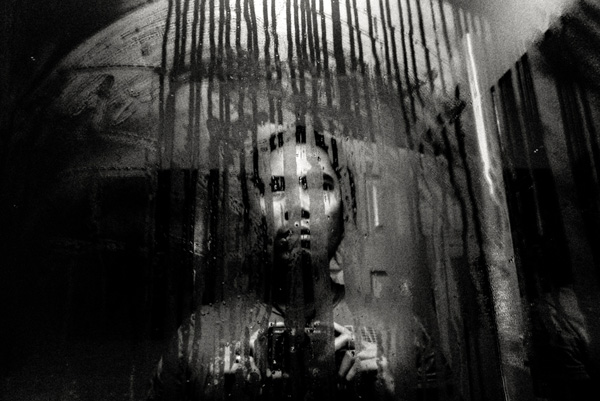
Here I was in a dark spot:
Dark photograph

Don’t judge me by this image, I was just in a really bad spot. Here I was more optimistic:
Hopeful

Here I was feeling the familial spirit:
Family

In a nutshell: shoot how you feel, your images will be more powerful. Plus, humans are hardwired to relate emotionally.

6 – Ask why

Not everyone is into photography for the same reasons. Some want to get rich, others do it because they like it, others for fame or to document their kids growing up – you get the point. We all have different motives for doing photography.

Question your motives and your photography path will become clearer. Knowing your why is like having a loupe in front of a light source, it will help you focus and get where you want faster. I can’t tell you your reasons because only you know that.

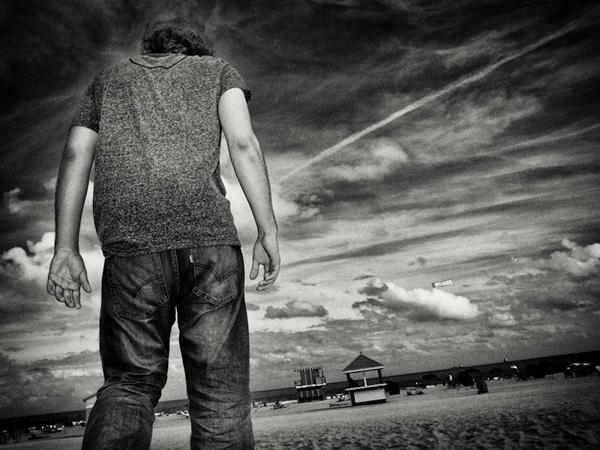
For me, photography is my way to dream awake. Don’t worry, my mom knew she had a dreamer in her hands early on. Don’t call the looney bin on me, but everyday I SEE things, no, not dead people, but slithers in the fabric of time that reveal my imagination. Take this image:
Take on life

When I saw this guy, I saw a hero ready to take on life itself. In reality, it was just a guy going to the beach. That’s my reason for photography: It helps me be in the world and in my imagination at the same time.

In a nutshell: it’s your turn, what’s your reason for photography? What is it about photography that attracts you so much?

7 – You are less limited by your gear than you think
Airplane

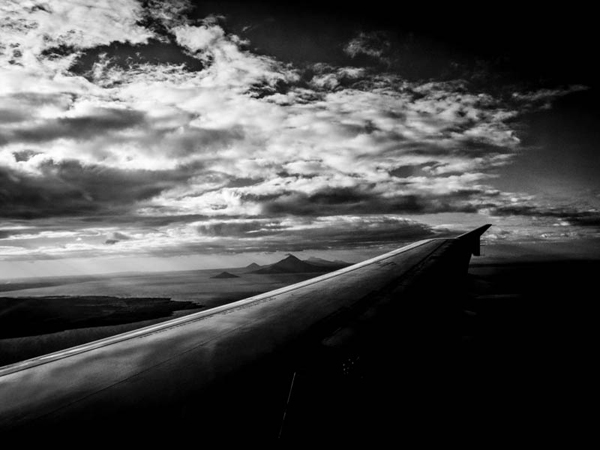
Take it from a guy that lost $ 1000s in gear buying and selling, it’s not about what gear you have, it’s what you do with it. As a photographer, there are things that can keep you from doing your work, one of them is being too focused on your next purchase.

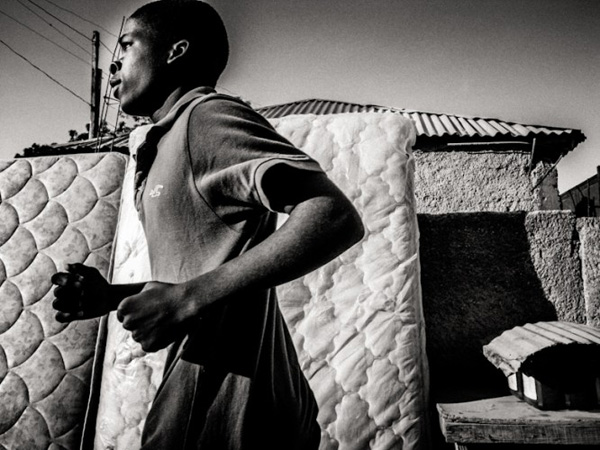
All the images in this article, (with the exception of 3-4) were made with a pocket, small sensor camera, with a 28mm fixed lens which I used with its upgrade for 4 years (the Ricoh’s mentioned above). Other cameras used were other compacts, my phone and one image with the NEX7 (the next point’s portrait).
Man running

Believe it or not you are more creative with less than more. The puzzle-solving brain is much more creative when limited in some way or another. For example, if we could fly, we wouldn’t have invented airplanes.

In a nutshell: whatever gear you have, find new ways to use it. Plus having too much simply makes you miserable anyways (been there).

8 – Let go of technical perfection
Son portrait

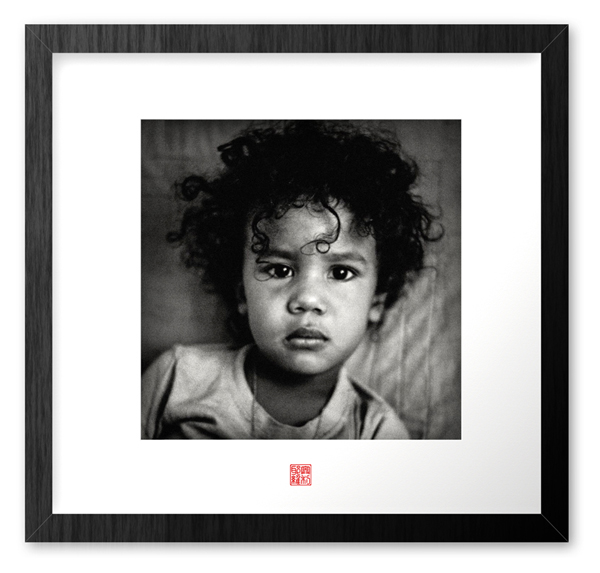
I think you should learn to expose correctly, learn when something is in focus, etc., and then let it go. I think too much time has been spent arguing on how a photo is slightly out of focus, or other small technicalities.

Some of the world’s most iconic photographs are slightly soft, some are outright blurry (Robert Capa – D.Day soldier), some even have white skies (Alberto Korda’s iconic image of Che Guevara – Guerriero heroico) amongst others.

Why didn’t you notice these imperfections? Well you didn’t seek them out, so you didn’t see them. The artistic qualities of a photograph are superior to its technical imperfections, so let go of them. Heck the Japanese have a concept, “Wabi-sabi” that basically means beauty in the imperfect.

So stop worrying about if you are 10000% in focus, if your white balance is the neutral greyest of neutral greys and start looking at what the photograph is about and how it makes you feel.

In a nutshell: let go of technical perfection, and focus on emotional impact.

9 – Think making photographs, not taking pictures

Being a photographer is an attitude, and one of the fundamental shifts that must happen is making the difference between taking a picture and making a photograph. What are you doing when you rise your camera up to your eye?

  • Are you taking a picture? In other words, are you content replicating what’s in front of the lens?
  • Or are you making a photograph? In other words using what’s in front of your lens as a starting point to communicate what’s inside you?

If you learned how to use your camera through the dPS Newsletter, you have the power the express yourself. Now you have to understand that you don’t take pictures, camera owners do that; you make them, photographers do that.
Angel heaven

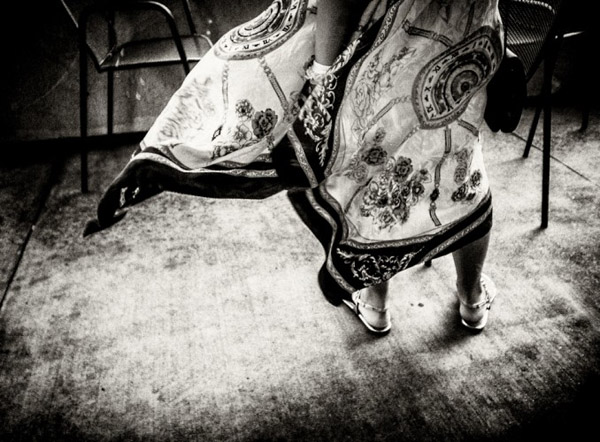
I was at a coffee shop, sitting down, writing on my device when I saw this dress flow in front of me. For one second I believed I was in heaven and looking at an angel. I used what was in front of me (a girl’s dress, how boring) and made a photograph, replicating the feeling I felt.

In a nutshell: start thinking like a painter, focus on making something, not taking.

10 – Make your photographs sticky

Picture this with me for a moment: a beautiful van is driving down a road, a soothing voice enumerates all the features of the van, AC, GPS, windows, kids are smiling in the back. Ah, life is good, the van flows nicely in the streets. The van is making a turn when all of a sudden, a nasty crash happens. Shock!

“You didn’t see that coming” says the tagline. It wasn’t a commercial for a van, it was one for safety.

This commercial stuck in the minds of many because the ad spent its time building up a pattern (that of a typical van commercial) and then broke it. The human brain sees in terms of patterns and expects things to go in a certain way, when it doesn’t, it forces us to remember to be ready for next time.

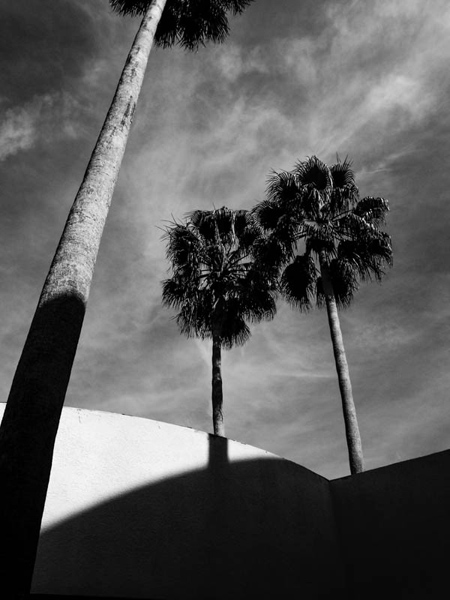
You can also do that with photographs. You can create a pattern and then break it. Roland Barthes, a philosopher, named the pattern the Studium, and the pattern breaker the Punctum in his book Camera Lucida. So, if you want your images to stand out, seek the Punctum.
Studium punctum

Meh. How many palm tree images have you seen in your lifetime? Well I’ve seen them a lot too, so in order to make this one stick out from the crowd, I decided to align the shadow of a tree that was behind me, to the tree in the middle in front of the camera. What started as an average palm tree image is now much more interesting because of that pattern breaker. It’s unexpected. You expected a complete tree trunk and I replaced it with a shadow.

In a nutshell: anticipate the expected in your photograph, then break it.

So what other tips do you have for beginners? If you are just beginning yourself what do you struggle with the most? Share with us in the comments below.

The post 10 Photography Tips to Help You Take Your Photography up a Level by Olivier Duong appeared first on Digital Photography School.


Digital Photography School

 
Comments Off on 10 Photography Tips to Help You Take Your Photography up a Level

Posted in Photography


Tips for Boosting Your Confidence Doing People Photography

03 Apr

Feelings follow actions

We all know most people aren’t comfortable being photographed. What’s less well documented is many photographers actually feel nervous about photographing people.

It’s understandable when you think about it. Since we know that the people we’re photographing don’t want to be photographed, we feel we’re invading their space. We also feel just as ‘on show’ as the subject. We have to perform, be charming, build rapport, make people smile, effortlessly change the settings on our camera and ultimately show them how great they look in the photo. It’s a lot of pressure!

But hey, there’s never going to be a big sympathy movement for photographers, so we have to overcome our confidence demons on our own. I know how you feel. I used to quiver with fear when photographing people, too. Over the years I’ve picked up many helpful tricks and now I can actually enjoy the spotlight and hectic pressures of a large wedding. Here are a few for you:

Tips for boosting your confidence doing people photography

Plan the photo before you speak to them

Plan the photo Plan the photo3

Once someone has agreed to be photographed you don’t want to be standing there flapping about wondering what you’re going to do with them. Have a clear image in your head that’s based on the available light, backgrounds, and the message you want to convey through the environment and their pose.

Think about why you wanted to photograph them in the first place and then use your composition, posing and photographic skills to tell the story. The better prepared you are the more confident you’ll feel. You’ll be able to give your subject instructions and explain why you’re doing what you’re doing.

For example, you could say “Your hair looks fantastic and if we take the photo over here then the sun will create a beautiful halo as it shines through it.” The model will feel great, you’ll feel in control and you’ll really sound like you know what you’re doing.

Help your model feel confident

Help model feel confident 2 Help model feel confident

The more relaxed your model is, the easier the process will feel for you too. Stay positive. Even if you can see you’ve screwed up a photo just keep sounding positive. Tell them how well they’re doing and never let silence descend. As soon as you stop talking, your model will instantly tense up. Imagine someone staring at you without talking and you’ll know how the model feels.

Often when we’ve just gotten started I’ll say, “Right, I’m just going to take a couple of practice photos to make sure I’ve got the exposure perfect, so you can pull funny faces at me if you like.”. Whether they pull a face or not they’ll often be more relaxed or even smiling naturally at this point. Because of this, some of the best images in a session can be your first.

How to keep the conversation going

Keep conversation going

We’ve already established that silence is kryptonite for a photography session, but what do you say to help take the model’s mind off the photography? As a portrait and wedding photographer I prepare what I’m going to say during the session almost as much as I plan the photos.

Here is a selection of the techniques I use in different circumstances:

  • When photographing a group I might ask everyone to look at the person with the smelliest feet, or who spends the most time in the shower, etc.
  • I ask them to keep their eyes open for as long as possible. You start with a glazed expression but as their eyes begin to dry out they start to smile and then laugh. I turn it into a competition if there are several people.
  • Do you have any nicknames for each other?
  • For group photos I have a method for avoiding people blinking. I ask everyone to shut their eyes and then open them on the count of three. Just after I say ‘three’ I tell them to remember where I’m standing!
  • I ask them to guess the two people I get told I look like (it’s the comedian Harry Hill and the TV chef Heston Blumenthal, by the way)

Keep conversation going2

For travel portraits some of the above ideas might work, but you can also just ask simple questions like:

  • What do you love most about this place?
  • Is there anywhere you recommend I go?
  • Where’s the best place to eat?
  • Do you have any hobbies?
  • Don’t forget to tell them how beautiful their country and food is!

To help make the conversation even more natural I sometimes use a tripod and remote shutter button once I have the photo composed. This means I can maintain eye contact and build rapport more effectively. It helps the model feel like they’re in a proper conversation rather than staring at a piece of machinery.

Talk with them first

For a posed photo you should speak with the model first, whether you’re photographing a stranger or an old friend. Tell them why you want to take their photograph (I love your hair, you look cool, etc.) so the model isn’t left wondering.

When I’m on holiday I like to chat with the locals before I ask for the photo. Maybe I’ll buy something from their shop or pretend I need directions to get the conversation going. Once you start chatting and build rapport it feels much easier and more natural to ask for the photo.

*Note: for more read:  Practical Tips To Build Your Street Photography Confidence  for Tips for Photography People when Travelling. 

Talk with model first Talk with model first3

Camera tricks for the super-nervous

If you’re really too shy to speak with people, or want a reportage style – then the obvious solution is to use a long lens. However, it can feel a bit creepy doing this and it’s even more embarrassing when you get caught!

An alternative is to put your camera on a tripod and use a remote shutter. This way people don’t realize you’re taking a photo at that exact moment because you’re not looking through the viewfinder. You then wait for people to walk into your composition and fire the shutter at the right moment. You’ll have to pre-focus the camera and use a deep depth of field to increase your chances of a sharp image.

Another method is to use a wide angle lens and place the person you want to photograph at the edge of the photo. The camera won’t be pointing at them so your motive is less obvious.

Camera tricks for the nervous

Feelings follow actions

When talking about building confidence most people talk about ‘positive thinking’. Psychological tests have shown that in reality feelings follow actions. What this means is that if you act like you feel confident then you’ll actually become confident.

If you smile, project your voice, dress sharp and stand up tall you’ll actually start to feel more assured.

Do you have any techniques, games or phrases you use when photographing people? Write them in the comments box below – we’d love to hear them. If you really want to step out of your comfort zone try How to Photograph Strangers: the 100 Strangers Project.

The post Tips for Boosting Your Confidence Doing People Photography by Dan Waters appeared first on Digital Photography School.


Digital Photography School

 
Comments Off on Tips for Boosting Your Confidence Doing People Photography

Posted in Photography


10 Ways Photography Makes You a Better Parent

01 Apr

When I began my journey down the wonderful path of becoming a photographer, I never realized how this camera of mine would totally transform my world.

Better parent photographer 02

I picked up a camera before becoming a mom, not because of burning passion, but because I knew how important it was to document our life. I felt like taking pictures was an essential part of remembering all of the details of growing our family.

What I’ve realized over the years though, is that photography isn’t simply about the technical details of achieving the perfect white balance, using the best gear and accessories, or researching perfect posing and staging techniques. It’s about the surprising and hidden benefits you’ll receive from the camera in rediscovering yourself and igniting a new passion; helping you become a better person in the process.

Below are 10 ways I’ve found photography has made me a better mom. The points I make are quite ‘mom focused’, but I’m sure these would apply to dads, grandparents, aunts, uncles, or anyone else who has a love of capturing their family as well.

10 Ways Photography Makes You a Better Parent

1) Keeps your adult brain working

Photography is way to keep the ‘adult’ side of your brain actively learning and growing, as you conquer the technical side of what makes the camera work.

When I became a mom, I quickly became overwhelmed with all the ‘kid stuff’ in my life. Cartoons, arts and crafts, Play Doh ©, Legos ©, dolls, action figures, books. As a lifetime lover of school and learning, I needed something that would allow my brain to continue stretching and growing alongside my child’s.

Better parent photographer 01

2) Allows you to practice self-care

Photography is a creative outlet that that allows you to be an active participant in self-care while raising kids.

Getting out for even a quick 10 minute walk and capturing your surroundings is sometimes all you need as a mental reset on particularly long or hectic days.

3) Connect with other like-minded parents

It’s is a hobby that allows moms to connect with other moms who are passionate about memory making. It can be so hard meeting other moms who have similar interests once you become one yourself. Photography provides a place to start finding common ground as you search for new friends.

Better parent photographer 05

4) More family activities to new places

You’ll be excited to plan more activities as a family because you’ll want to document fun adventures together.

Never one to enjoy taking photos in the same place twice, I’m always on the hunt for new places to go see, and explore with our family to make the experience of documenting new and exciting every time. We’ve been to the zoo, the park, apple picking, the local alpaca farm, the pool, the playground, etc.

5) You document important childhood details

Better parent photographer 07

Photography allows you to become more mindful about documenting childhood details that are too easily forgotten.

You may think you’ll always remember how tiny they are, the first time they smile, or how cute they looked in that amazing outfit from grandma. But, unfortunately if there isn’t photographic evidence those memories can quickly fade away. A photography project can help you sharpen your skills and preserve these memories.

6) Provides you a way to relax after bedtimes

Looking through photos is a way to rest and unwind at the end of a long tiring day. After the kids are in bed it’s such a confidence booster to look over your work, pick the best shots, edit a few to really make them pop, or order a few prints to frame and hang in your home.

7) Helps you ‘play’ with the kids more

Taking pictures can be accomplished in small chunks of time without a whole lot of resources or equipment required.

Settling into creative play with my kiddo doesn’t always flow naturally for me. In order to make play time activities more fun for us all, I’ll often participate for a little while, and then have the camera nearby so I can switch away from participating and snap a few photos when I start getting antsy.

Better parent photographer 06

8) You are creating a family legacy that will be treasured

You are giving your children a precious gift of memories that they’ll cherish for a lifetime. Every time I snap a ‘keeper’ I always think about how much our daughter will appreciate that shot when we’re all older.

Better parent photographer 03

9) Looking over family photos creates great bonding time

Sitting down and looking at old photos is the perfect way to earn some extra snuggle time with the kids. Looking through photo albums is a favorite activity for our family and is also one of the only times we get some snuggly bonding time with our preschooler which is always a treat.

10) It helps you be a better role model

Better parent photographer 04

Kids will see an empowered and confident role model as their mom (or dad) embraces a hobby she loves. Children are sponges and will mimic parents’ actions. By showing your children that you are willing to make time for your own fulfillment by embracing hobbies and passions you love, you’re granting them permission to do the same in their own life.

How many of these can you relate to? Has photography always been a passion for you? Or has parenthood taken your love of photography to an entirely new and more passionate realm as it has done for me? I’d love to hear about your photography story in the comments.

The post 10 Ways Photography Makes You a Better Parent by Beryl Young appeared first on Digital Photography School.


Digital Photography School

 
Comments Off on 10 Ways Photography Makes You a Better Parent

Posted in Photography


5 Steps to Building Relationships to Help You Get More Photography Clients

01 Apr

How to Build Relationships to Get More Photography Clients

So you’re trying to make a go of it as a freelance photographer. Maybe you are just looking for a few paid gigs on the side, or perhaps you really want to go pro. But the problem is actual paying gigs are still few and far between, even though you’ve tried everything.

Shooting every day. Doing free portrait sessions for family or friends. Spent hours and hours editing photos in Photoshop or organizing images in Lightroom.

So what should you do? Well, I have some good news – it may not be your photography. In fact, you may be an excellent photographer. But here’s the rub: being a successful freelance photographer takes more than artistic skills and technical knowledge. It takes something most photographers would rather not acknowledge is important.

Hang tight, because what I’m about to say may shock you.

By thinkpanama

Successful Photographers Know the Value of Relationships

Really successful photographers are good at developing relationships. That’s right, I said it. You need to focus on relationships. (I realize this is a photography blog so you can burn me for witchcraft now.)

You need to build the right relationships with key individuals who can help you to achieve your freelance dreams.

Now, this may not sit well with you, especially if you consider yourself a little shy. But the good news is you don’t need to be the life of the party to be good at developing key relationship to support your freelance work.

You just need to have some discipline and focus your energies in the right direction.

How Cultivating Relationships Can Support Your Freelance Photography Career

There are many ways in which cultivating and maintaining key relationships can help your freelance career. For example:

  • Clients like to hire service professionals they already know, like and trust.
  • According to public opinion surveys, 45 percent of people find work through other people. Thus, keeping in touch with a wide network is crucially important for landing gigs.
  • By keeping in touch with editors, publishers and clients, you’ll be top of mind when new gigs come up.
  • You may find out about photography gigs and projects that are not advertised.

Now, let’s turn to how you can be proactive about identifying the people who you want to establish relationships with and then go about nurturing relationships with them.

By Zuhair A. Al-Traifi

How to Establish and Nurture Relationships to Grow Your Freelance Photography Career

Below, I have laid out five specific steps you can take to start establishing, and building relationships that will help your freelance photography career.

1. Create a list of key relationships

By Eric Heupel

One of the biggest mistakes I see aspiring freelance photographers make, is they fail to think in advance about the types of people they need to be meeting and getting to know better. In other words, they let their relationships evolve naturally and organically. That works well for friendships, but it’s a poor strategy for if you want to make a living using your photography skills.

A much better approach is to sit down and proactively make up a list of at least 50 people who you want to develop a deeper relationship with over the next 12 months. I call this list your “Conversations List” because that’s really all you’re aiming to do – to have an ongoing conversation with people who matter.

Who do you include on this list? Well, picture yourself five years from now as a famous and in-demand photographer. Who is in your ideal circle of contacts? Who are the photographers, editors, agents, publishers or bloggers who you’d like to count as friends and peers five years from now?

Whoever you picture being in this group, write them down. These are the people who you are going to focus on getting to know better.

2. Choose your relationship-building tools

By zzpza

Once you’ve identified who you want to focus on getting to know, the second step is to decide on what tools you plan to use to develop and nurture relationships. These tools may include:

  • Lunches and coffee meetings. One of the best sources of getting new gigs is the simplest. Invite a person off the list you created in Step 1 to lunch or coffee. Get to know one another. Repeat.
  • Interviews. I am a huge fan of using interviews to develop relationships. For example, dPS’s own managing editor Darlene Hildebrandt and I got to know one another better when I interviewed her for my podcast and when she interviewed me on photography and the law. You also generate useful content that can lead to new clients finding you.
  • Business meetings. There may be local business community meetings (such as Chamber of Commerce meetings) that present a good opportunity for you to meet and connect with others.
  • Industry Conferences. You should identify conferences where you can meet and get to know people from the list you created in Step 1.

Next, let’s talk about your mentality as you do begin to reach out to others.

3. Give to others long before you ask for anything

By Brandon Warren

Steps 1 and 2 are critical, but may not be as important as Step number 3, which is to provide value to others before asking for anything for yourself.

Dr. Ivan Misner, the founder of BNI (Business Network International) says you need to make deposits into the relationship bank before you can make withdrawals. In other words, you need to help others before you can ask for help for yourself.

Too often, people try to make withdrawals before they’ve made any deposits. They ask before they give. That’s a recipe for failure. What you “give” of value doesn’t need to be big. It can be simple suggestions or recommendations of a restaurant to try or a new TV show.

For example, let’s say you manage to get to know an editor at a publication or website which just purchased some of your photos. You want to sell them more photos in the future.

You should try hard to learn as much about that editor as you can, so you can be as helpful to him or her as possible. In other words, be human and be useful, helpful and giving. As a result, the editor will have a positive feelings for you because you were so giving, and they will be more likely to want to work with you again.

4. Create an easy follow-up system

By slackorama

So far, we’ve identified who you are going to connect with, talked about the tools you are going to use to connect with them, and discussed a philosophy of giving value first.

Now, the challenge is to keep it up over time. If you want your connections to think of you first when a freelance gig comes up, then you need to always be “top of mind” with that connection. And to be “top of mind,” you need to have a good system for following up.

What does that entail? A follow-up system is simply a dedicated means for checking in with people in your network.

You can create a manual follow up system, or put reminders on your calendar, but neither works well. I suggest using a simple CRM (customer relation management) system such as Insightly or SugarCRM. I use a system called Contactually. Whatever system you use, following up is an excellent way to manage your relationships, particularly with people you do not see often.

5. Revisit and revise your conversation lists annually

Around once a year, revisit your Conversation Lists and determine who you should cut out and who you should add. You will naturally meet new people over time. You may decide that certain people on your list are not a good fit for you. And you may even decide to take your photography career in a different direction. These are all perfectly fine.

By revisiting and updating your lists annually, you can make sure you are developing and nurturing the right relationships, proactively, to support your photography career.

Now get out there and start meeting people

Now it’s time to put these ideas to work. The last thing I want you to do after reading this far is to give up now without acting on what you’ve learned.

So sit down and write out your list of the 50 people who you want to get to know better. Then use your chosen relationship-building tools to start developing relationships with them. And have some fun.

How do you nurture relationships to support your freelance photography career? Share your tips in the comments!

The post 5 Steps to Building Relationships to Help You Get More Photography Clients by John Corcoran appeared first on Digital Photography School.


Digital Photography School

 
Comments Off on 5 Steps to Building Relationships to Help You Get More Photography Clients

Posted in Photography


10 Bad Photography Habits and How to Break Them Now

31 Mar

There are some very common habits that we develop as photographers. Especially in the beginning when there is so much to learn! Among the tips and secrets to good photography, a valuable one is to avoid bad habits that will be hard to shake off later. Bad habits are fairly common to create, as we  create habits in everything we do. Continue Reading

The post 10 Bad Photography Habits and How to Break Them Now appeared first on Photodoto.


Photodoto

 
Comments Off on 10 Bad Photography Habits and How to Break Them Now

Posted in Photography


Better Landscape Photography Tips and Video Tutorials

30 Mar

This week I’m going to turn the focus to landscape photography. Your photography challenge this week being “Flora” it’s a good time to get out and there go find some great landscapes. So I’ve actually found not one, but three, short video tutorials with some really good landscape photography tips.

#1 Top 10 pro landscape shooting tips

As the title eludes to, this video shares 10 quick tips to help you get going. At just over four minutes you don’t have to waste any time before you get out shooting. The tips include: focal point, tripod, time of day, rule of thirds and more.

#2 Low Light Landscape Photography Tips

This one is by Stuart Low Photography and he goes over some tips for shooting when the light maybe isn’t so great like a gray gloomy day, and how to create interesting compositions. Besides, I just love his accent!

#3 The Australian Photography Show Ep1 – Landscapes

Last but not least is a really good video by Zulu Media. They go on a location photo shoot with landscape photographer Adam Monk at the famous Australian landmark, The Pinnacles. You don’t have to live in Australia to be able to use his tips though, you can apply these to any location and use them immediately. Some really good stuff in here as the two photographers show different ways of approaching the same subject matter and talk about lenses, camera settings and composition for impact.

I hope you enjoy these landscape photography tips. If you want more you can check out the Best landscape articles of 2013 here on dPS, or Living Landscapes, one of our most popular eBooks!

The post Better Landscape Photography Tips and Video Tutorials by Darlene Hildebrandt appeared first on Digital Photography School.


Digital Photography School

 
Comments Off on Better Landscape Photography Tips and Video Tutorials

Posted in Photography


Weekly Photography Challenge – Flora

29 Mar

Earlier today I shared a collection of spring flower photos to brighten your weekend. So can you guess what this week’s photography challenge is?  You got it – flora!

But I want you to get creative with it. Think outside the box and do something different. 

  • Try some macro flower shots
  • Read about How to Photograph Flowers or get some tips on improving your flower photos
  • Shoot some wild flowers if they’re blooming in your area
  • Use some dramatic backlighting for effect
  • Seek out and find some bold colors and use them in your composition
  • Try a shallow depth of field, or focus stacking to get a wider focus range.
  • Shoot some using a slower shutter speed to add some motion
  • Convert some to black and white
  • Put them in reflection
  • Try out hand coloring in Lightroom
  • Using a flashlight or flash and paint with light at night or in a dark room
  • Shoot one flower
  • Shoot a whole bunch of them or a field full

By Paul Reynolds

By Flower’s.Lover

By greg

By Louish Pixel

By @Doug88888

By Deborah & Kevin

By Srdjan Stojiljkovic

Getting some ideas?

Share your floral images!

Simply upload your shot into the comment field (look for the little camera icon in the Disqus comments section as pictured below) and they’ll get embedded for us all to see or if you’d prefer upload them to your favourite photo sharing site and leave the link to them.

The post Weekly Photography Challenge – Flora by Darlene Hildebrandt appeared first on Digital Photography School.


Digital Photography School

 
Comments Off on Weekly Photography Challenge – Flora

Posted in Photography


Practical Tips To Build Your Street Photography Confidence

28 Mar

MWTL1001921

The noble pursuit of street photography requires a good measure of cunning and bravado. Of course, there is the ever present hurdle of luck and opportunity. Beyond knowing your streets, their patterns and ad hoc events, getting that wonderful shot is a guessing game.

When you are in the right place and you see the converging paths that will result in a great decisive moment, you need to be able to capture the scene. This can be learned and practised. Here are some practical tips to help you build your street photography confidence.

I feel like I’m wearing a sign that says, “Look everyone, a street photographer!”

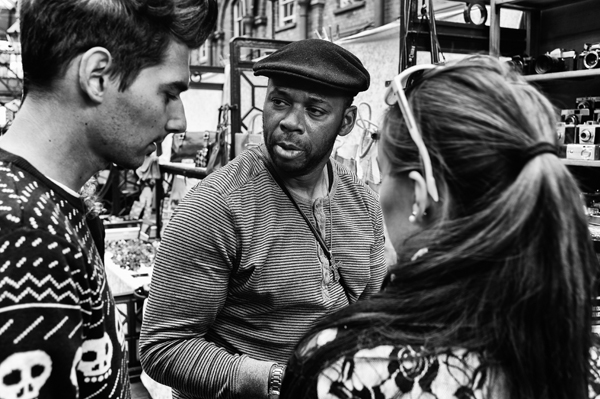
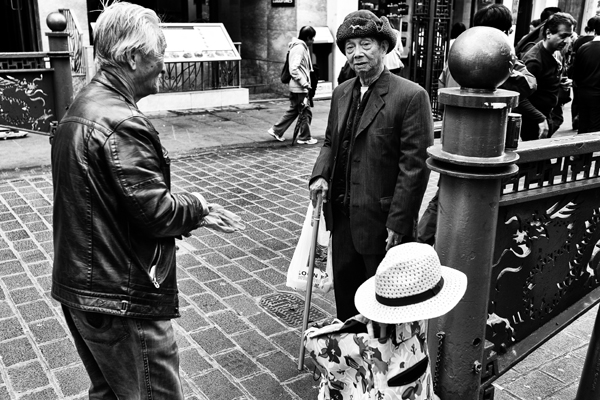
I know what you mean. When I first started out, doing street photography, I was so focused on seizing photo opportunities I could see people staring back at me. On numerous occasions people I spotted as a potential photo saw me and moved away. Market vendors are deeply suspicious and, even now, I still get glared at.

I quickly realized I was missing shots because I was looking conspicuous and acting a bit weird. That slow purposeful walking and excessive bobble headed looking, then stopping and staring for longer than normal people stop and stare. Very conspicuous.

MWTL1004072

What changed?

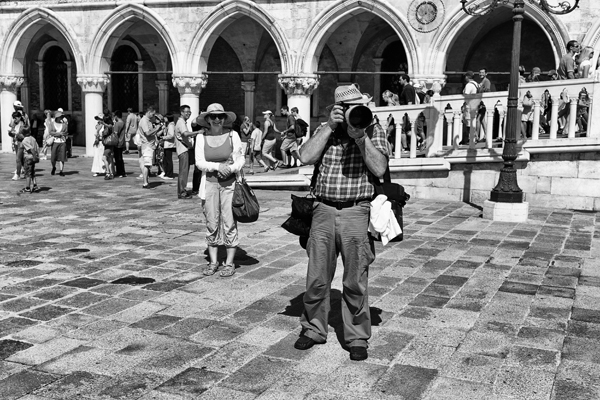
Tourists. London is a tourism mecca and even on week days, the capital is buzzing with visitors from all corners of the globe. I take quite a lot of photos of tourists but, when I don’t want them in my shot, they can be quite annoying. In fact, tourists annoy everyone as they parade through other peoples’ photos with no remorse. Here’s the real value though. While people are irritated with tourists being in their way, they are also tolerated. Others, particularly locals, don’t shy away from their business. They jostle through the visitor throng, or continue their conversations. Tourists are, for the most part, ignored!

This was a great revelation for me and, as a street photographer, I decided to be just like a tourist.

Don’t look conspicuous

MWTL1002538

Dress casually and for walking

Check the weather and wear layers for the best and worst of the predicted forecast. I would steer clear of photographer jackets and other ‘practical’ photographer clothing. Think tourist: jeans, sweaters, hoodies, etc. I’ve tried a street photo walk in a three piece suit after a morning meeting. Don’t wear a suit either!

Personally, I recommend a small camera

Before you all jump to berate me, this is my recommendation for being inconspicuous as a street photographer. I used to walk the streets with a 1D Mark IIn and a 50mm f/1.2L lens. An extraordinarily capable camera with a decent fast lens. More often than not, the people I paused to photograph would see this camera and curtly move aside because the professional wants to take a photo and we’re in the way. And the shutter! On a train, I would stealthily raise this camera and fire off a shot. The looks I would get from people being loudly ‘papped’!

Use the neck strap on your camera

Raising a camera from your side to your face could be enough to be seen. With your camera around your neck, raising it to your eye is much less apparent. Of course, you can point your body and shoot ‘from the hip’ without moving the camera.

Carry a small bag or backpack

I take a spare battery, SD card, lens cleaner pen, business cards and a waterproof bag. That’s all, for the entire day’s shooting.

You don’t need a tripod.

Now step forth and be bold

MWTL1003373

So now you look pretty much like a stereotypical tourist with a camera, how do you act like one?!

Tourists look around a lot and walk slowly, but casually, taking in the scenery. As an exercise, try putting your camera in its bag and just walk around taking in the location. Can you still carry off that casual saunter with your camera in your hand or around your neck?

The second tip, and equally as important as the first, is to look through people rather than at them. Tourists look at the scenery and other people are simply obscuring their view. People will quickly realise they are not the focus of your attention if you are looking past them to what is behind them. It will take a while, but you’ll become practised with seeing a potential photo whilst still looking nonchalant.

Personally, I shoot with a rangefinder. Most of my shots are from around 15 feet away, so I leave my lens focused at that distance for quick response captures, like when someone walks toward you.

Otherwise I will focus for distance and then frame the shot. The trick here is to focus on another object which is the same distance as your subject. Then turn to your subject and shoot. You have minimized the time you are gazing at them by focusing elsewhere.

Street Portraits

MWTL1001783

Occasionally I will see someone who would make a great street portrait. I carry business cards around and this supports my brand as a street photographer. It’s this that gives me that needed boost to actually approach someone.

Be bold and polite and, this is imperative, know how you want them to pose. You have one chance to get them in position, after all, they’re doing you a favour.

As I approach the person I might say, “Hi, I really like your outfit/tattoo/hair/etc and I wondered if I can take your portrait?”

Take one shot. Check composition on your LCD. Take one more if necessary.

This is where I thank them and hand over a business card. I explain I’m a street photographer and point out my web site so they can go find their picture. This post photo exchange makes me feel less of an intruder and, hopefully, they are not fazed by the two minute distraction either.

Final thoughts

Hopefully these small tips will help you take street pictures while getting over the nervousness of simply trying to take photos. Through practice and experience, you will learn how people react and what you can get away with.

I don’t like to invade the intimate privacy of people or chase them down or ask them to walk back along the route I liked, so I do have a line I won’t cross, but I don’t miss a shot through lack of confidence.

Good luck!

The post Practical Tips To Build Your Street Photography Confidence by Michael Walker-Toye appeared first on Digital Photography School.


Digital Photography School

 
Comments Off on Practical Tips To Build Your Street Photography Confidence
Posted in Photography


26 March, 2014 – Palouse Photography Workshop

27 Mar

Luminous-Landscape announces The Palouse Photography Workshop.  In cooperation with Phase One, Luminous-Landscape will host a PODAS workshop in the beautiful area of Southeast Washington known as the Palouse.  This is an amazing region of rolling hills and rich soil.  The workshop will be held during the harvest and will provide unique images as the primary crop – wheat is harvested.  Sign-uo today and receive a LuLa Video Subscription as a bonus (expires April 10, 2014).  Each attendee will be provided the latest Phase One camera system for the duration of the workshop.  This is your chance not only to photograph a beautiful part of the US, but also an opportunity to experience what medium format photography can do for your photography.  More information can be found HERE.

Looking for the ultimate summer photography vacation.  We still have a few berths lefts on our Svalbard – Land Of The Polar Bears workshops this July.  This is a small boat cruise into the ice pack to photograph Polar Bears as well as numerous excursions around Svalbard for other wildlife photography and landscapes. This will be an unforgettable trip with a maximum of only 11 particpants.


The Luminous Landscape – What’s New

 
Comments Off on 26 March, 2014 – Palouse Photography Workshop

Posted in News