RSS
 

Posts Tagged ‘Photography’

How to Get Super Sharp Landscape Photography Images

15 Apr

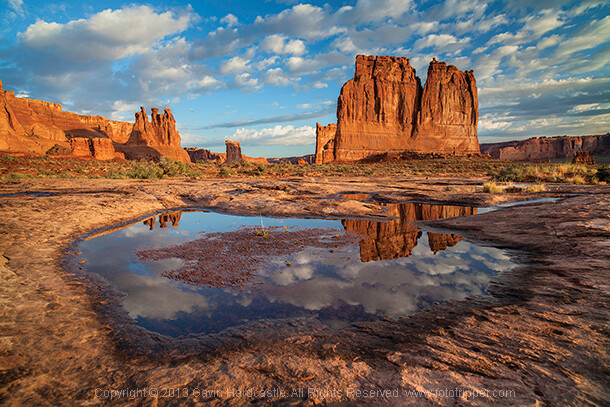
The most common question I get asked by my workshop students is ‘how do you get such sharp images?’. It’s actually really simple. Basically, avoid movement of any kind while the shutter is open, focus well and choose the right aperture for your creative vision. Mostly it’s just plain old common sense with a couple of technical elements thrown in, so if you want to learn how to get super sharp landscape photography images, here’s my list of top tips.

Top tips for sharper landscape photography

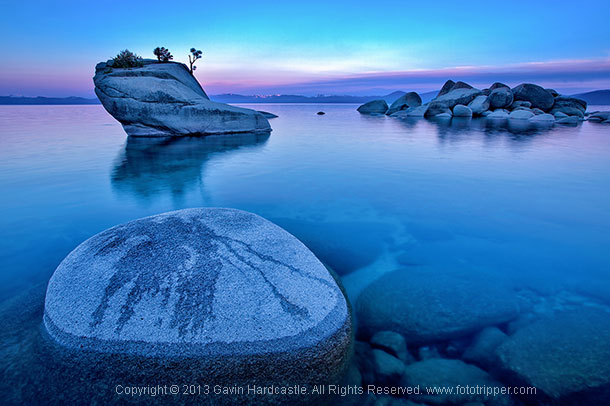
How to take sharp landscape images - Gavin Hardcastle

1 – Use a good tripod with a sturdy ball head and make sure everything is TIGHT

Seems obvious, but time and time again I see students using decent tripods and they often don’t have everything clamped down tightly. For example, the attachment that is screwed to the underside of your camera should be as tight as you can get it, eventually it’ll work its way loose. Make sure that ball head is completely locked down once you’ve composed your shot.

2 – While taking the shot, don’t place your hands on your tripod

The vibrations of your hands will blur the shot. When that shutter opens, your hands should be nowhere near the camera.

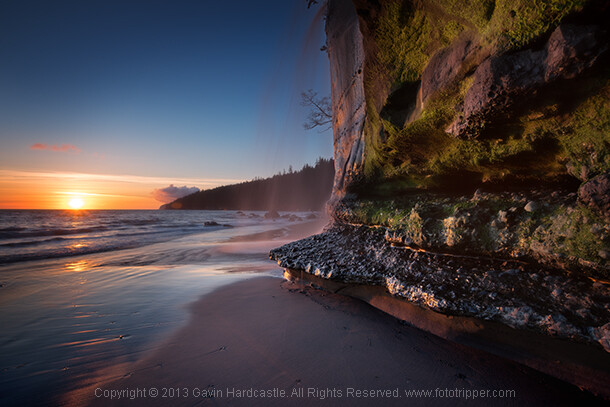
How to get ultra sharp landscape shots - Gavin Hardcastle

3 – Use the 2 second timer or a remote shutter release

This insures that the shutter won’t open until you are completely hands free.

4 – Cheap lenses will defocus while you rotate your circular polarizer

This is another one that seems obvious but I’ve seen it happen a lot. Let’s say you’ve achieved perfect focus on your landscape composition and now you’d like to rotate the polarizer which is attached to your perfectly focused lens. Guess what, as you rotate that filter, the lens is now losing its focus because of the movement and pressure you’re exerting on the filter. This rarely happens with high end lenses but I’ve seen it happen a lot with cheaper kit lenses that are poorly engineered. When this happens simply remember to refocus before hitting the shutter.

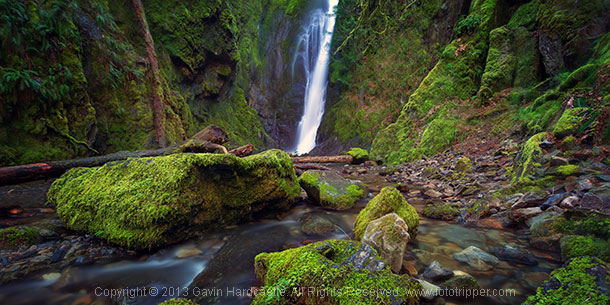
How to get tack sharp landscape images Gavin Hardcastle

5 – Enable the mirror lock-up if you have a DLSR

Using mirror lock-up ensures that the mechanical shock induced by the cameras mirror mechanism has dissipated by the time the shutter opens.

6 – Remove your camera strap

In windy situations it will act like a sail and induce vibration.

7 – Add some weight to your tripod’s central column

If the conditions are windy, it will also help reduce vibration.

8 – Place a small but heavy bean bag on your camera and lens

Do this just before taking the shot to further eliminate movement from shutter shock.

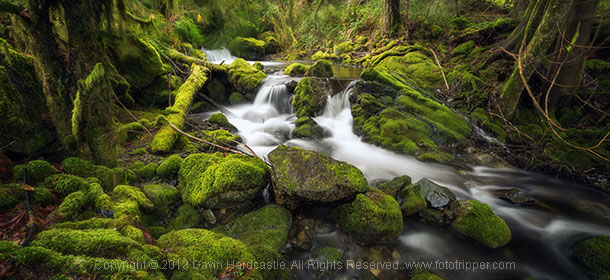
How to get very sharp landscape photos - Gavin Hardcastle

9 – Choose a Mid-range to Narrow Aperture

This one should be an article in itself but for now it’s important to understand that if you want corner to corner focus in your landscape images you’ll need to select an aperture that gives you a wide depth of field. Using f/2.8 is pointless, so pick an aperture like f/11 or f/16 depending on how close you are to your foreground subjects. Be aware however that the narrower the aperture (larger number like f/22) the less sharp your image will be due to light diffraction so experiment with your lenses to discover their sweet spot for wide depth of field.

Side Note: Shallow depth of field in landscapes can be beautiful when done well, in which case you’ll need a wide aperture like f/2.8 and ideally a lens that delivers beautiful bokeh – most super wide angle lenses don’t do bokeh well.

How to get really sharp landscape photographs

10 – Focus In the Distance

Don’t focus on the object closest to you. Pick an object in the middle distance that has a clear contrasting line and focus on that. You could focus to infinity but beware that most of the wide angle lenses I’ve used actually focus beyond infinity so I often have to focus to infinity and then carefully rotate the focus wheel back so that it’s just slightly before the ‘infinity’ mark.

11 – Put Your Glasses On

If you need glasses in order to see clearly and focus on things, it should go without saying that you might need to put on your stylish and expensive bifocals in order to achieve clear focus in your photography. Besides, everyone knows that glasses make you look cool and more intelligent, so why not put them on?

12 – Use Live View or EVF magnification

If you have a DLSR with an optical viewfinder I highly recommend that you use your cameras ‘Live View’ mode and then magnify it to your point of interest and use your manual focus ring to achieve sharp focus  If your camera has an EVF (Electronic View Finder)  you can do the same thing while looking in the EVF. I actually prefer this because you don’t get distracted by glare on the LCD or external light sources. Either way, remember to disable auto focus if you decide to focus manually with Live View.

How to get super sharp landscape images

I use every single one of these techniques in my Vancouver Island photo workshops and I teach them to all of my students. If you follow these tips every time you shoot landscapes, you’ll be sure to get much sharper images. If you’ve got some of your own tricks and tips for getting super sharp landscape images please leave a comment below and share your knowledge.

The post How to Get Super Sharp Landscape Photography Images by Gavin Hardcastle appeared first on Digital Photography School.


Digital Photography School

 
Comments Off on How to Get Super Sharp Landscape Photography Images

Posted in Photography


15 April, 2014 – Photography And The Death Of Reality

15 Apr


Rick Sammon seems to be everywhere these days.  He is a well known photographer that works hard and shares his experiences and knowledge generously.  His first article with Luminous-Landscape – Photography and The Death of Reality is meant to get you thinking about your photography and just how far you take your images in your own artistic quest of reality.


There aren’t too many places to slow your photography down and to work the landscape as Isle Of Skye. Come join Kevin Raber, Steve Gosling and Joe Cornish on an amazing photographic adventure to this amazing landscape.  It gets even better as this is being held with the cooperation of Phase One as a PODAS workshop and each participant will receive a Phase One camera system to use for the duration of the workshop.  There isn’t a better camera system to do the Islel Of Skye Landscape with than the Phase One camera and digital back.  Spaces will go fast for this workshop.  Your workshop fee provides you with an all expenses paid worry free trip. All you need to do is get to the Inverness airport.  Learn more about this amazing week of photography HERE.

If you can’t make this workshop check out our other workshops.  We have an amazing small ship cruise in July to The Land Of The Polar Bear.  We have only select berths left for this trip so please inquire.   And our August Palouse Harvest workshop is filling fast. There are still a few berths left for our second Antarctica Workshop next January. 

Mark your calendars for December of this year in New Zealand, details coming soon and a most amazing adventure next April aboard the True North sailing the Kimberley region of Western Australia.


The Luminous Landscape – What’s New

 
Comments Off on 15 April, 2014 – Photography And The Death Of Reality

Posted in News


Mary Ellen Mark to receive Sony World Photography award

14 Apr

MEM_3.jpg

The World Photography Organization has announced that American photographer Mary Ellen Mark is the recipient of the 2014 Sony World Photography Awards for Outstanding Contribution to Photography. She has published eighteen books, with her nineteenth available this spring. Mark is known for becoming deeply ingrained in the lives of her subjects, providing a unique view of their lives without making those on the edges of society look inhuman. Learn more

News: Digital Photography Review (dpreview.com)

 
Comments Off on Mary Ellen Mark to receive Sony World Photography award

Posted in Uncategorized


Five Tips for Special Event Photography

13 Apr

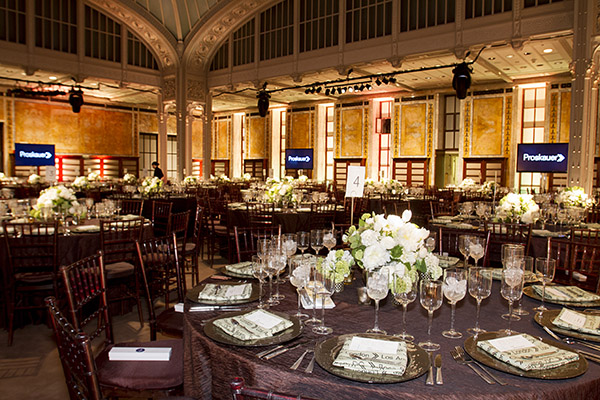
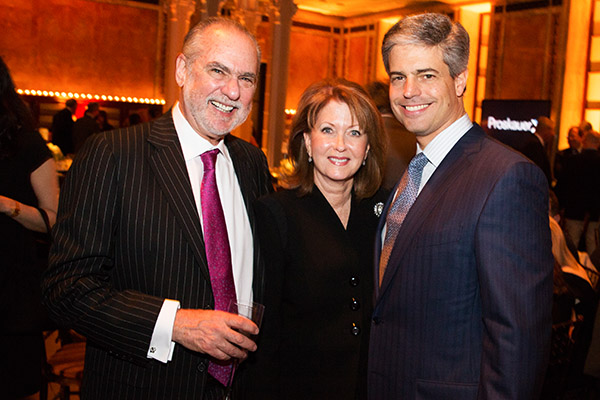
Often times shooting special events is not the most glamorous gig in photography, but when a client calls you up looking for a photographer to shoot an event, you take the job.  Sometime’s you end up somewhere great like the trading floor of the New York Stock Exchange, other times you’re in a small, dark, dull event space with only 20 people making the best of the situation.  Regardless of the size or location of the event, you’re job is to make some great images.  There are a lot of little things that can make diving into special event photography much easier or much harder on yourself, below are a few ideas of how to prepare and execute the photography at your next event.

Event photography tips 01

#1 Dress Like You Belong There

As a photographer, there are plenty of times when you can go to work in jeans and a t-shirt, after all clients aren’t watching you do post production.  When photographing a special event however, you should dress like you belong there and blend in with the crowd.  This doesn’t necessarily mean a suit and tie every time for men, or that a blazer is necessary for women, but slacks/dressy pants, comfortable, low key, black shoes and a nice shirt/blouse usually are a must.  If it is a higher end event you men should be sure to wear a suit coat and tie while women should wear a blazer if they feel it is necessary.  If you’re unsure of the appropriate attire, always air on the side of safety if you’re over dressed you can always take the coat off and stick the tie in your pocket.

Event photography tips 02

#2 Take Pre-event Shots

While it may be an afterthought for your client at the event, the event planner responsible for dotting the i’s and crossing the t’s will love that you captured shots of the room prior to the guests arrival. Not only will it be something they can use to sell their services in the future, it will also allow them to catalog the set-up in case they have a very similar type of event in the space again. This will prove invaluable to the client and should be the way you start any event.

#3 Don’t Over Shoot (but don’t undershoot either)

The divide on Over vs Under shooting seems like it would be quite blurry, it really isn’t. If you are photographing a special event, you have to remember that even though great photos are key, the attendees having a good time is the top priority. While it is completely acceptable to photograph the attendees, both candidly and posed, be sure to make mental notes of who you have photographed so that you aren’t going to the same groups of people over and over again. Along with posed shots, if the lighting allows for it, bump up your ISO and shoot candids with ambient light. Once you move past a cocktail hour and into a reception, keep your focus to the stage. Candid audience or crowd shots are nice here and there, but a good rule of thumb is that once plates go down and people are eating, keep the camera pointed away from the tables and onto the stage and shoot conservatively.

Event photography tips 03

#4 Be Quick

Wether it’s a panel discussion or candids at a cocktail hour, no one is at the event to be with you. Accept it. While shooting candids, be ready to go, take a step back, click off three frames and move on, any more than that (unless it’s a VIP or there is a glaring, non-camera related, issue) and you might be intruding on the attendee’s time. When shooting a panel discussion, or anything on a stage, shoot a lot with a long lens. While close, intimate shots from a wide lens look awesome, the people who are paying, or are invited to the event aren’t there to look at the back of their head. If you do have the opportunity to shoot from up close, be quick, quiet and stay as low as possible.

Event photography tips 04

#5 Edit Hard and Deliver Quickly

I find that no matter how hard I try to not over shoot an event, I still end up trashing about half of what was shot. It usually isn’t because the shots aren’t good, but because there is something very similar and slightly better in the edit. If you shoot three frames each of every group you photograph at an event(which is pretty typical) and have hundreds files, there’s no reason you can’t cut at least one of the frames for each group, if not two. Your client only needs the cream of the crop since there is only be a limited amount of use for event photos. If there are any VIP’s you might want to leave an extra frame or two in if they are also good, but for the general attendees the top frame of three works best every time. The same rule applies to shots of speakers or the panel at a discussion, edit hard and give the client the cream of the crop.

Once you get your edit down to the best images, bring your files into your editing software (I am still a diehard Photoshop guy) and crank out the images. The best thing about corporate events is that for the most part everything should be consistent and can be batch processed out in no time. From here, deliver your files, unless a disc is requested, we deliver everything via our PhotoShelter page online.

Event photography tips 05

Special Event Photography may not be the most fulfilling form of photography in the world, but when it comes time to pay the bills, you will be glad that you learned how to execute the photography aspect of them.  There are always events going on and opportunities to find work, just remember to dress the part, get photos before the event as well as during it, not over shoot, be in and out of groups and to edit hard with a quick turnaround to keep clients happy.

Event photography tips 06

The post Five Tips for Special Event Photography by Patrick Nugent appeared first on Digital Photography School.


Digital Photography School

 
Comments Off on Five Tips for Special Event Photography

Posted in Photography


The dPS Weekly Photography Challenge – Going Buggy

12 Apr

Last week’s challenge featured landscape photography. In keeping with the theme of getting outside, this week we’re going to focus (pun intended) on the smaller creatures in Mother Nature’s world – the bugs.

Here’s a few images to inspire you for the weekly photography challenge – bugs!

Photograph The Katydid by Steve Passlow on 500px

The Katydid by Steve Passlow on 500px

Photograph Next to you... by Yvonne Späne on 500px

Next to you… by Yvonne Späne on 500px

Photograph yummy :P by bug eye :) on 500px

yummy :P by bug eye :) on 500px

Photograph Locust by Matteo Senesi on 500px

Locust by Matteo Senesi on 500px

Photograph Spider by Thomas Forysiak on 500px

Spider by Thomas Forysiak on 500px

By Rovanto

By Vinoth Chandar

Share your Going Buggy images!

Simply upload your shot into the comment field (look for the little camera icon in the Disqus comments section as pictured below) and they’ll get embedded for us all to see or if you’d prefer upload them to your favourite photo sharing site and leave the link to them.

Need help? How about some articles on macro photography like these:

  • 6 Tips for Near-Macro Photography with a Telephoto Lens
  • Reverse Lens Macro: Close Up Photography Lesson #3
  • Macro Photography for Beginners – Part 1
  • Macro Photography for Beginners – Part 2

The post The dPS Weekly Photography Challenge – Going Buggy by Darlene Hildebrandt appeared first on Digital Photography School.


Digital Photography School

 
Comments Off on The dPS Weekly Photography Challenge – Going Buggy

Posted in Photography


5 Steps to Validating the Next Idea for Your Photography Business

09 Apr

You have ideas. Things that cross your mind that you should do as you build your career as a photographer. They all seem like good ideas but how do you actually know for sure? You’ll need to make decisions on these ideas as you grow as a professional. This can be how you set your prices, your packages or even the look and feel of your website. The problem is most of us try to validate these ideas in our own head.

By ed ouimette

Your audience and potential customers are real people, not imaginary. So it doesn’t make much sense to be validating ideas in your head? You need real, hands-on feedback. This feedback helps you make better decisions.

In this article, I’m going to share an easy-to-follow, 5-step process for idea validation. We’ll talk about how to keep it simple, how to get your idea out there, and how to get feedback. This straightforward approach will help you ensure you are putting out things that people like and that actually work for you instead of against you. I know because I personally tried what I’m about to share with you many times in my own business. On of those times was back in June 2013, when my partner, Nicole, and I needed to validate Business Republic’s new tagline. We used this exact process and it worked brilliantly. More about our experience later.

First, let’s get a broader idea of what idea validation actually is.

What is Idea Validation?

Idea validation is the process of testing and validating your idea prior to launching it in the real world. This is like the research and development process big companies use to test product ideas before they’re released to the general public.

Idea validation can involve anything from information-gathering interviews to electronic surveys. The entire purpose is to expose the idea to your target audience before you build and release it to them.

I personally think the best way to conduct the idea validation process is face-to-face, in person or over a Skype video call. The advantages will be highlighted below.

Why Should I Do this Idea Validation Thing?

In short, it will save you a ton of time and money, as well as generate interest in your idea and interest in you as a photographer offering professional services. Since you’re testing your idea, you will be exposing it to “the marketplace” or people that would be interested in your services.

Don’t make the rookie mistake of working on an idea that no one is really interested in. Idea validation can save you time by giving you a good feel as to whether your idea appeals to your audience. It can also save you a lot of money. For instance, you can spend thousands of dollars on a website design that may look amazing to you but be confusing to the typical client.

5 Steps to Validating the Next Idea for Your Photography Business

Dreamstime buttercream filter Title Text

Idea validation is fairly easy but it will require some hustle on your part. In order to best demonstrate how to do this, I’ll be using a running example. Say hello to our running example:

All new businesses need a good set of professional photos to display on their website and social media platforms like Facebook and Pinterest. You have a few ideas for what your photography packages for new businesses should include and what they should be priced at, but you are not sure what they actually need and what they will pay for.

Step 1: Brainstorm Internally

You need to have some starting ideas to present to your potential clients. You probably have thousands of ideas about what you want to do but you need to present only four or five at a time. In our example we will need to come up with 4-5 different photo packages at different price points.

Any more than five is too confusing. Trust me. Plus, you do not want to take too much of the potential customer’s time. Ten minutes max. You may want to contact them later for more info so you want to keep it light.

In this step, your goal is to offer your best solutions or versions of your idea, not all the versions that you may have.

Step 2: Don’t ask Family and Friends

Yes, in step 2 you are required to NOT do something. Why did I include this step? Because it’s so hard to skip. We all want to feel good about what we are doing so sometimes we ask our loved ones about our ideas knowing that it will feel good.

I’m not saying that your family and friends are liars. I’m saying that they are biased and in most cases not one of your potential customers. They also might feel forced to give feedback for feedback’s sake. They might even make up a point they don’t really believe in so you feel like they’re being unbiased. Do you see how tricky asking family and friends about this can get?

Unless your mom is a new business owner and needs photos for her new website, please save sharing with your friends and family until after you finish this process.

Step 3: Choose your Interviewees

Next, make a list of 15 potential clients you can reach out to and interview for ten minutes in person, or over a Skype video call. Think about your ideal customers. In our example, we would contact new small business owners. They can be local businesses or online businesses.

After reaching out to them you will likely end up with around ten who say “yes”, a few “I’m sorry, I can’t” and a couple that don’t reply.

Make sure you can secure ten minutes of their time in person, or over Skype. A natural back and forth conversation is essential. It’s hard to see or feel hesitation, excitement or a “wow” expression over the phone. This is essential when we cover the actual discourse you’ll be having.

Laptop CU filter buttercream title

Step 4: Conduct Your Informal Interview

The first thing you want to do when conducting your informal interview is thank them for their time and tell them how their time will help you offer something that your customers will actually want.

Second, explain plainly that you are not selling anything to them and what you are going to be talking about is actually not even available yet. Put them at ease and remind them of how much their feedback is valued and will influence your business. People like knowing that their opinion matters.

Third, take a minute to explain what you do and the nature of your business before explaining what you need their opinion on. Remember to explain things with their perspective in mind. Don’t use jargon that they wouldn’t understand.

Fourth, tell them you are going to present four to five versions of your idea. And that you will show all of them first, then go over each one asking for their thoughts on each one at a time. Let them know you might be jotting down some notes during the process to remember their advice later on.

Fifth, after going through all the options, ask them for their initial thoughts on each one individually. Ask them how the idea makes them feel as well as think. Look at their body language and how quickly they answer. Compare their reaction to the reactions of other ideas you present to gauge what is a brilliant offer to them and what is a dud. Not everyone wears their emotions on their sleeve.

Lastly, after you have received their feedback on each idea, thank them again. Ask them if they would mind if you contacted them again if you need to later on.

Step 5: Review and Decide

The last step is to review all your feedback and decide what worked best for your potential clients. Look at what the majority of your potential clients have said. What is worth noting? What is worth omitting immediately?

When you decide based on the feedback you received, remember that it’s about the customer, not you. Sometimes you will have to give up what you think is best for your business based on what you learned. After all, your customers are the reason why you exist.

Restaurant business chef buttercream filter text over it

Our Experience

As I mentioned before, I used this exact 5 step idea validation process when we were trying to validate our new tagline for our business. We came up with four versions of what we thought was the best tagline for our business. One of the taglines on the list was our existing headline at the time, “ Build a Brand That Matters. Share it Effectively.”  Before our idea validation process, we thought this was the best tagline of the four.

We spoke to 10 potential clients of ours, in person, at local businesses around town . We collected their honest feedback, noticed their body language and took plenty of notes. When it was all said and the feedback told us somethings we really needed to hear.

For starters, what we thought was the best tagline was the worst one of the four. We got feedback like:

  •  The word ‘brand’ doesn’t resonate with me. I’m about business. I care about doing business.”
  • “The words ‘share it effectively’ sounds too self-helpy.”
  • “I just want to be known so I can have more customers.”

We got an overwhelmingly positive response to one of our taglines. People immediately raised their eyebrows and said, “That’s what I’m talking about!” That tagline became our tagline as it is now: Build a Business That Can’t Be Ignored. We realized all new businesses share one common fear: being ignored. By tapping into a huge fear or pain our customers are having and telling them we will help elevate that pain or fear was a huge game changer for us. The change to that tagline has attracted more interested clients to us than anything else we’ve ever done on our website. This process works!

A month ago, we surveyed our members in The $ 100 MBA asking what are some areas of business they wanted/ needed to learn. The answers we got back greatly differed from the courses we had planned to plan, create and rollout for the next 6 months. We had to put our customers first and put the courses they wanted at the top of the to-do list and put most our planned courses off for the time being. At the end of the day, we created our community for them not for us. so when we got the feedback and we knew we had to shift gears.

One Last Thing

This doesn’t have to be painful. Don’t be afraid to have fun with it.

This is your passion, your livelihood, your baby. Show your love and care for it and for your customers. Your interviewees take cues from you, so if you are relaxed and casual about it they will loosen up and give you more than you ask for.

This isn’t a sales exercise. It’s a great conversation with someone you respect. It’s not win or lose. It’s a win-win! And it’s the best way to take your idea and career as a professional photographer to the next level.

Wow! You made it to the end of this post! You’re obviously serious about nailing your idea and creating something your customers want. I don’t want your learning to end here, so as a dPS reader you get access to our free course and workbook on idea validation here.

Have more tips or strategies to share about idea validation? Have you tried doing any real-world idea validation yourself? Share in the comments! We’d love to chat about your experience.

The post 5 Steps to Validating the Next Idea for Your Photography Business by Omar Zenhom appeared first on Digital Photography School.


Digital Photography School
 
Comments Off on 5 Steps to Validating the Next Idea for Your Photography Business

Posted in Photography


How To Start a Photography Project You’ll Love

09 Apr

Once called the “Jay-Z of documentary photography,” Martin Parr is known throughout the world for his absurd, colorful, yet tongue-in-cheek photographs of modern life. But if you asked him about his favorite shots, he wouldn’t mention individual photographs, instead he’d point you to photography projects. And if you want to improve your photo-taking skills, starting a project you love is a Continue Reading

The post How To Start a Photography Project You’ll Love appeared first on Photodoto.


Photodoto

 
Comments Off on How To Start a Photography Project You’ll Love

Posted in Photography


Call for entries: W. Eugene Smith Grant for Humanistic Photography

09 Apr

HammondCondemned01-Low-Res-960x640.jpg

The W. Eugene Smith Grant for Humanistic Photography is seeking entrants to win a $ 30,000 (~£18,062) grant to work on a current or future documentary project, and up to $ 5,000 (~£3,010) if a finalist is deemed ‘worthy of special recognition’. Up to forty images may be submitted for the grant. Photos must be from an ongoing project but can include past work that is representative of the photographer’s vision of a proposed project. Deadline for submission is May 31, 2014. Learn more 

News: Digital Photography Review (dpreview.com)

 
Comments Off on Call for entries: W. Eugene Smith Grant for Humanistic Photography

Posted in Uncategorized


Travel Photography without the Travel – Going Local

07 Apr

Many photographers love to travel. They love the thrill of being in a new place, of capturing new scenes and experiences, and of coming home with quality images. But landscape and travel  photography do not need to be confined to weeks-long trips to far-flung locations. This article will explore how to get the most out of a weekend (or even weekday) local photography outing (all photographs in this article were taken within a few miles of where I live).

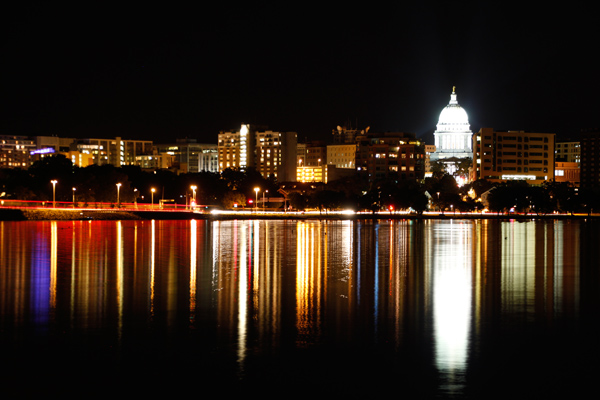
city, urban, night, lighttrails, reflection, traffic

Before: Planning and Packing

Making a plan or having a bucket list of photography wants is a great place to start. Always wanted to photograph a slow, silky waterfall? Looking to capture candid street photography shots of interesting people? Want to bring home that idyllic sunset shot over open water? Now is the time.

Start by spending a little time evaluating the photographic potential of what is already around you. We often become so accustomed to our day-to-day that we forget to recognize the possibilities of the familiar. Challenge yourself to find and seek out a nearby or local photography opportunity. Try browsing on Flickr for waterfalls and streams in your area or make a plan to spend some time in an older part of town watching for street photography opportunities.

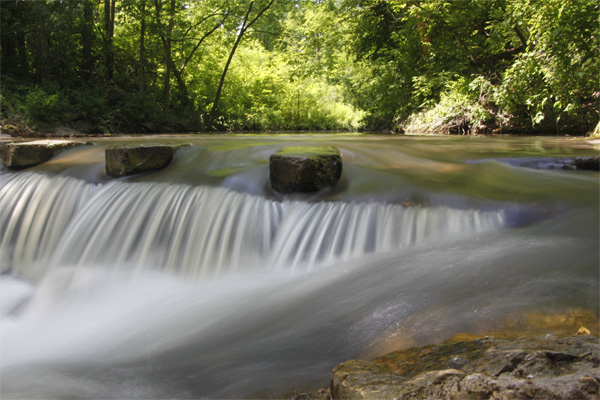
waterfall, silky water

Urban waterfall

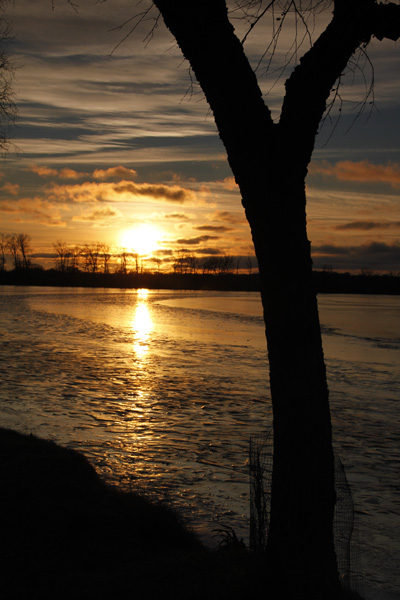
Want to catch that sunset or sunrise? Plan for the light. Look up sunrise and sunset times for your date(s) and location, and decide where you want to be shooting during the blue hour and golden hour in the morning and evening. You can even use programs like the Photographers’ Ephemeris to determine the timing and angles of sunrise, sunset, moon rise, and moon set, which can help you capture dramatic photographs of these events and their relative surroundings.

sunrise, tree, silhouette, reflection, morning

Now that you have a plan, create a packing list. Consider creating a ‘basic’ packing list for any photographic excursion that you can reuse for future trips. At a minimum, be sure to bring your camera body and any extra lenses, extra memory cards and batteries, your battery charger, a camera case, and basic cleaning supplies (blower, brush, and cloth). You may also wish to add a tripod, remote shutter release, and any additional filters or flash units, depending on your anticipated shots. Also do not forget about basic travel or emergency supplies like a flashlight or headlamp, cell phone, and snacks. Finally, I always stash a gallon sized plastic bag in my camera case or purse as well, which makes an impromptu rain or snow cover (cut out a corner to keep shooting) or just easy protection from unexpected weather.

During: Follow Your Plan, Amend Your Plan, and be Flexible

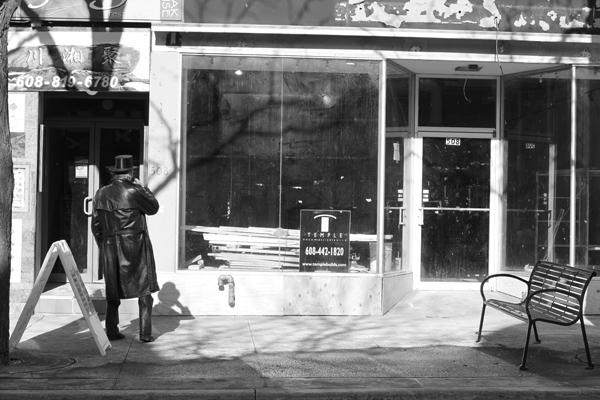
Getting the most out of a quick photography outing requires using your time wisely. This is where you will reap the benefits of your pre-trip planning and research. Give yourself extra time at each location to scope out the scene before you start photographing. Minutes spent walking around without your camera raised will help you zero in on the shots and angles you want rather than simply trying to capture it all and hoping something turns out well. Avoid the temptation to ‘lock’ yourself down once your tripod comes out. Be sure to consider alternate views of your subject. Read more about the importance of Perspective in Photography: don’t just stand there, move your feet!

street photography, black and white, B&W, urban, city, decay

As with any photography, you should also be prepared to amend your plan as necessary. Weather, crowds, unexpected building closings, and innumerable other factors can interfere with even the best laid plans. Consider having a backup indoor plan for your outdoor day or an alternate location nearby, just in case. The benefit of exploring a nearby photography location is that it is much easier to return again if your first time does not work out the way you had planned.

After: Workflow and Reflection

fog, foggy, morning, railroad, tracks, black and white, B&W

Once you get home, be sure to download all of your photographs immediately and back them up as well, using whatever system you have established (multiple hard drives or disks, portable hard drives, cloud backup, etc.). Establish a system for tagging and evaluating your shots so that you can find your favorites quickly and easily.

Don’t shortchange yourself after the outing either. Take some time to review the trip as well as to review your shots. Write yourself some notes about what worked well and what did not. Continue to add on to your bucket list by thinking of new ideas or missed opportunities. You may be surprised at how much photographic potential you can find around you!

Have you been able to check items off your photography bucket list by focusing on opportunities closer to home? Share your favorites in the comments below.

The post Travel Photography without the Travel – Going Local by Katie McEnaney appeared first on Digital Photography School.


Digital Photography School

 
Comments Off on Travel Photography without the Travel – Going Local

Posted in Photography


50 Smashing Reflection Photography Examples to Boost Your Creativity

07 Apr

Reflection is a great way to spice up a lifeless photo and create a beautiful composition. Using water, mirrors, windows or any other kind of reflective surface can change an image into a work of art. The best thing about using reflection is that you can turn something really simple and straightforward into something abstract, richer and even mysterious. However, Continue Reading

The post 50 Smashing Reflection Photography Examples to Boost Your Creativity appeared first on Photodoto.


Photodoto

 
Comments Off on 50 Smashing Reflection Photography Examples to Boost Your Creativity

Posted in Photography